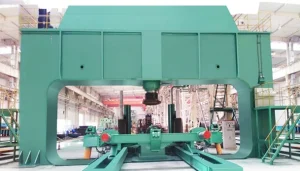
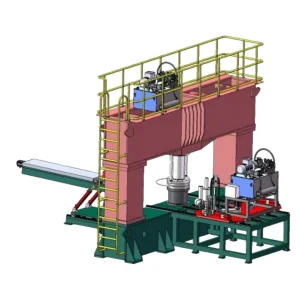
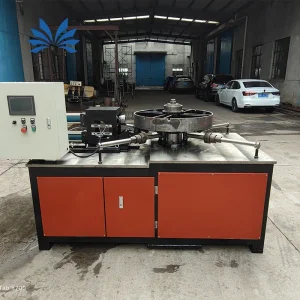
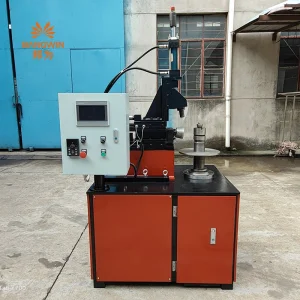
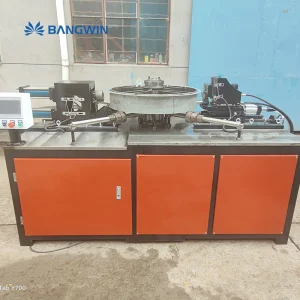
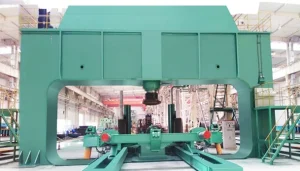
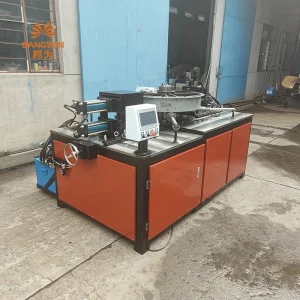
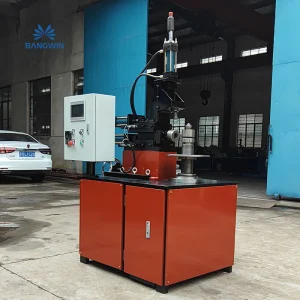
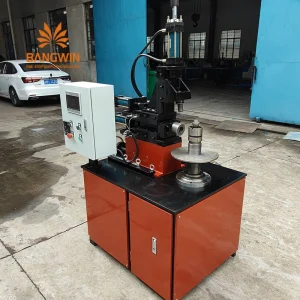
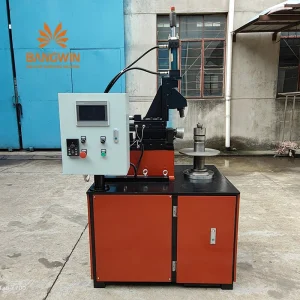
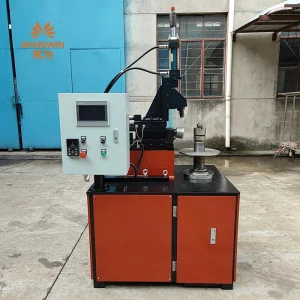
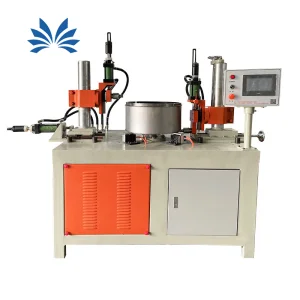
High-capacity flanging and spinning machinery tailored for heavy-industry pressure vessels, energy production, and chemical infrastructure across France.
In modern heavy fabrication, the production of structural dished ends and tank heads represents a key technical challenge. In France's highly regulated industrial sectors, component integrity under extreme pressure is critical. The mechanical stress profile of a pressure vessel is determined by the geometric precision of its dished heads—specifically the crown radius and the knuckle radius. Heavy-duty tank head flanging machines are the primary tools used to shape these parts, ensuring uniform thickness and structural integrity.
French heavy engineering firms in regions like Auvergne-Rhône-Alpes, Grand Est, and Hauts-de-France require machines capable of cold and hot-forming diverse metallic alloys. This includes standard carbon steels like P265GH, high-strength structural alloys, and highly corrosion-resistant austenitic stainless steels such as 304L and 316L. Dynamic flow-forming and flanging technology must guarantee structural safety, preventing micro-cracking and material fatigue during plastic deformation.
When deploying heavy-duty flanging equipment in France, manufacturers must comply with a complex framework of safety and quality regulations:
In sectors like French civil nuclear energy, chemical processing, and food production (e.g., stainless steel fermentation tanks in the Bordeaux and Champagne regions), surface finish and structural integrity are critical. The forming process must avoid contaminating the material and protect the oxide layer of stainless steel to prevent localized pitting corrosion.
As a high-tech enterprise specializing in the research, development, and manufacturing of CNC spinning machine tools, Zhejiang ZRF Spinning Co., Ltd. has established a strong technical foundation and extensive experience in the metal forming industry. We are dedicated to providing global manufacturers with advanced, safe, and reliable metal forming technology.
Our CNC spinning and flanging machine tools are widely applied across a variety of industries, including petrochemicals, electronics, daily hardware, food processing machinery, automotive components, pressure vessels, ventilation, defense, and aerospace. The ZRF spinning machine series has reached more than 30 provinces and cities across China and has been exported to over 20 countries and regions worldwide. Our advanced technology, product quality, and service system have earned the recognition of users globally.
At Zhejiang ZRF Spinning Co., Ltd., we advocate a philosophy of market-oriented development, research-driven innovation, and technological excellence. We focus on continuous improvement in both product performance and service quality. Our manufacturing process strictly adheres to the ISO9001 quality management system, ensuring reliable, safe, and high-quality products. Over the years, we have established long-term cooperative relationships with leading domestic and international enterprises.
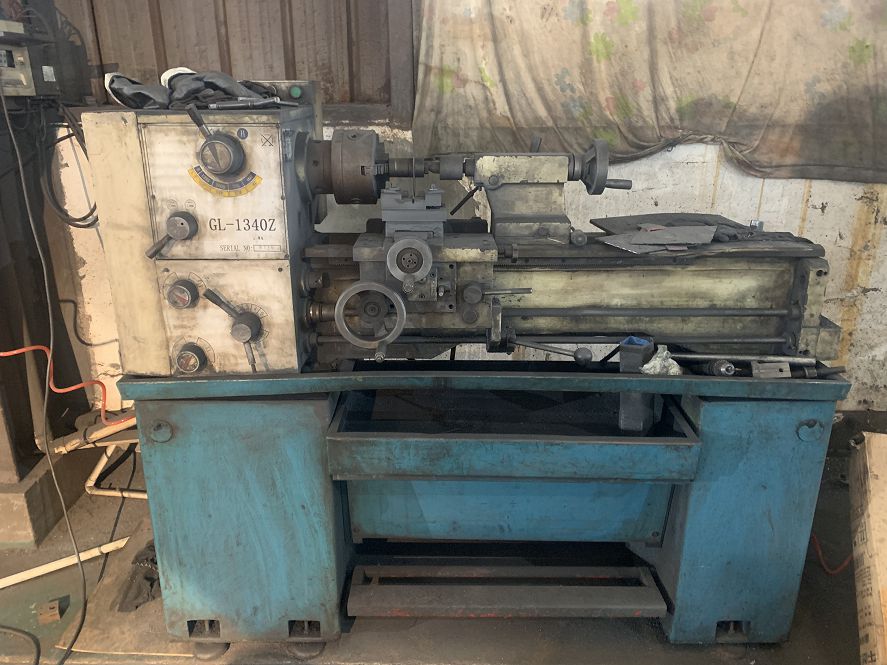
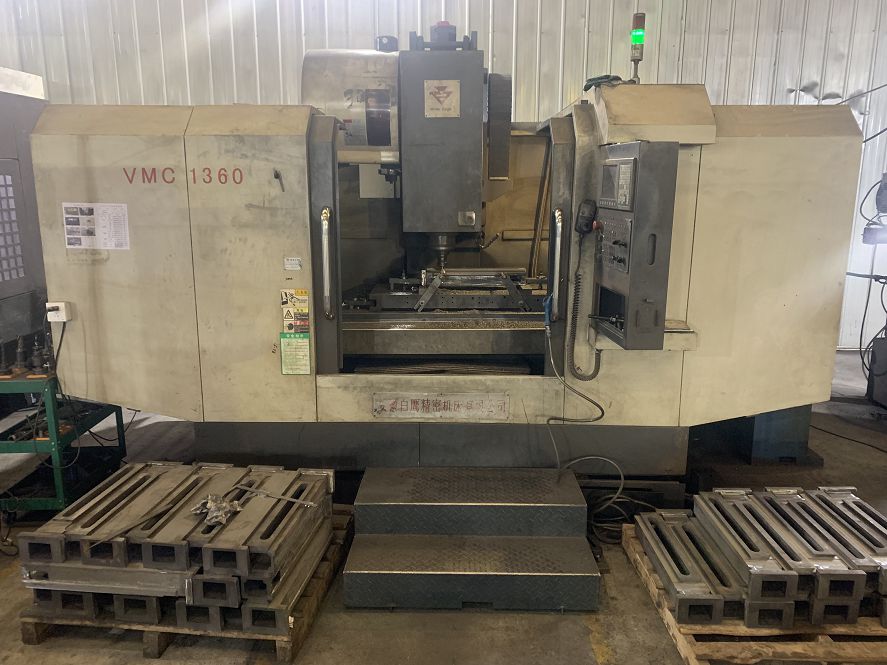
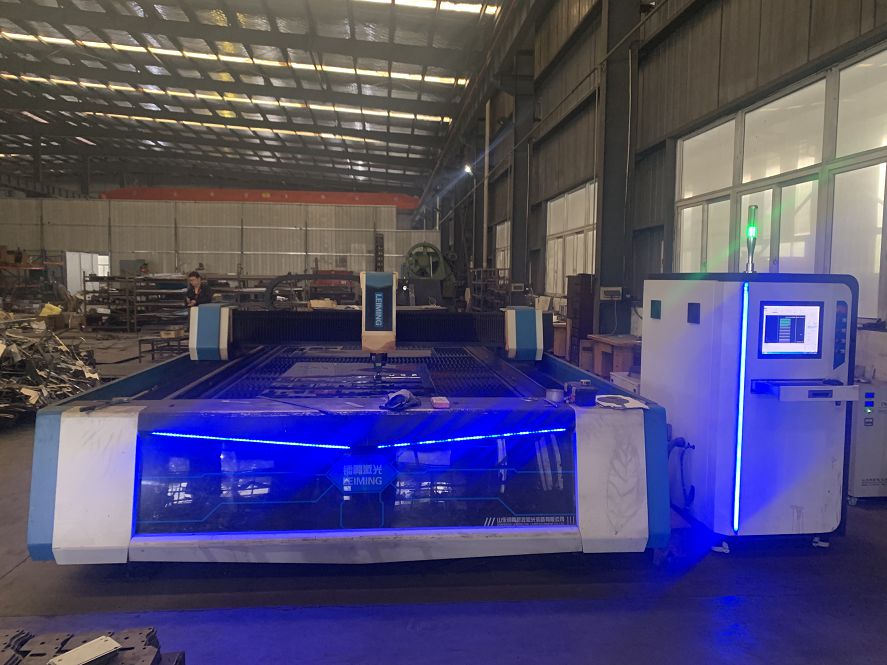
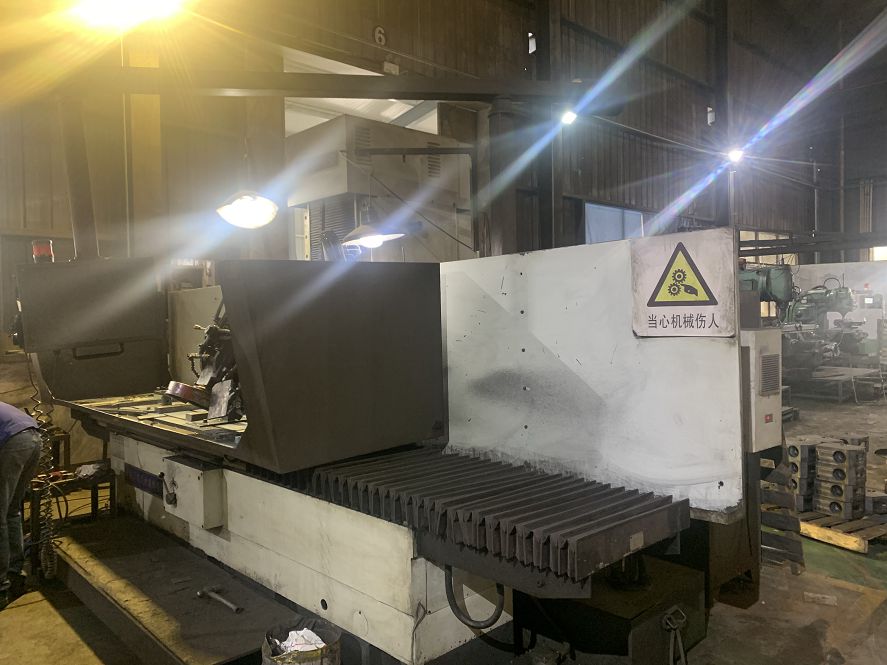
A look inside our manufacturing processes, precision machining equipment, assembly lines, and testing procedures.
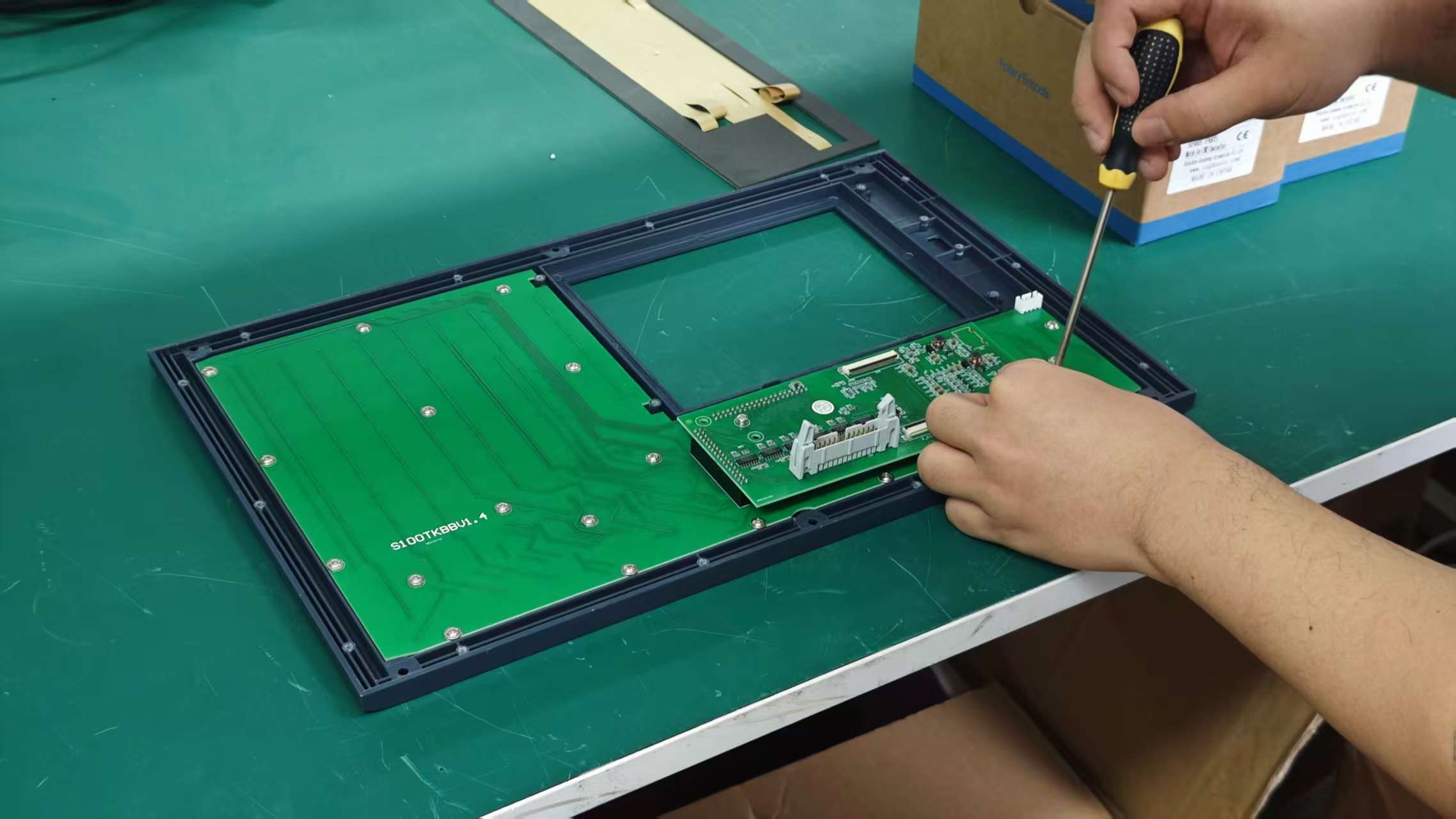
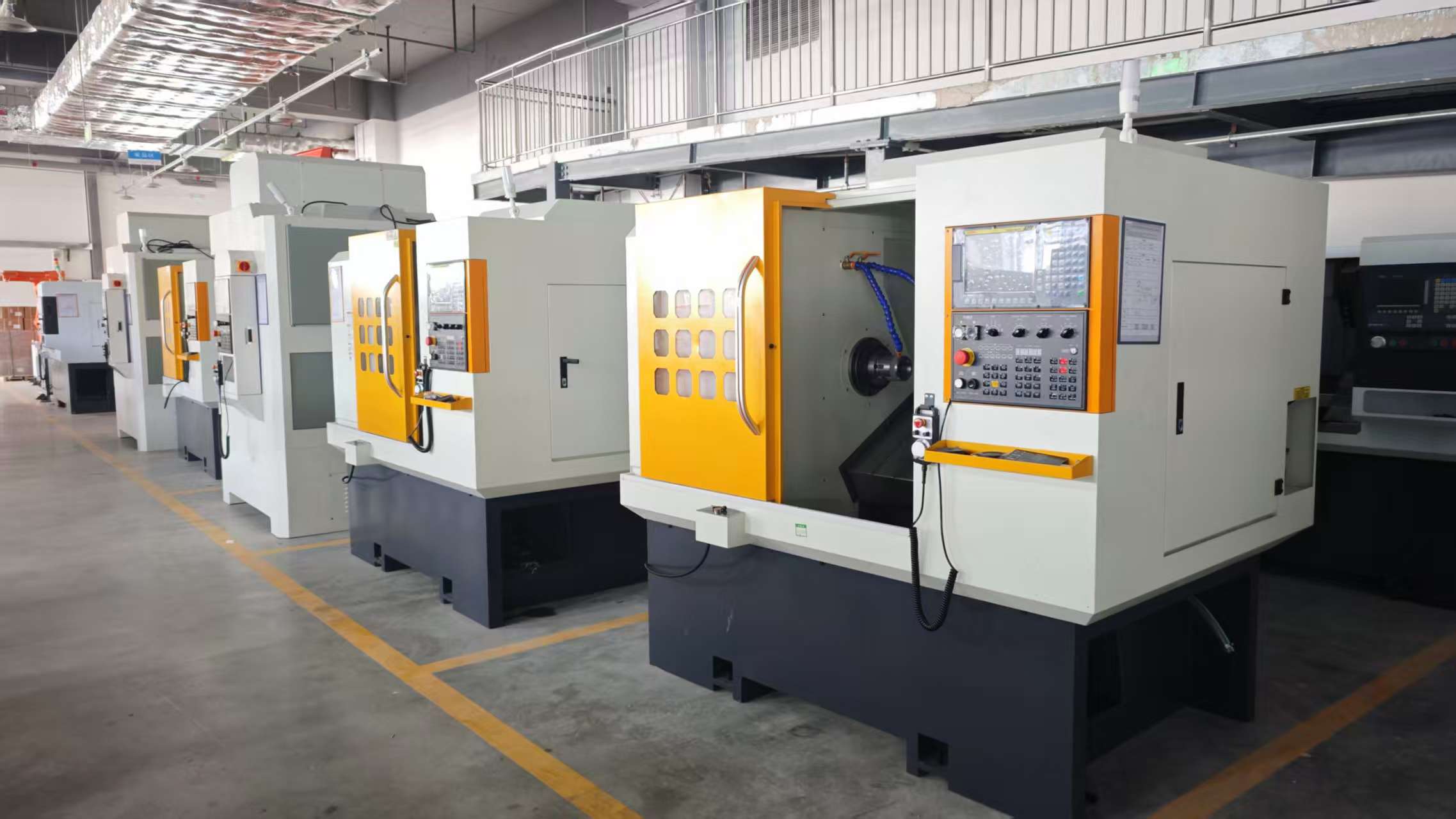
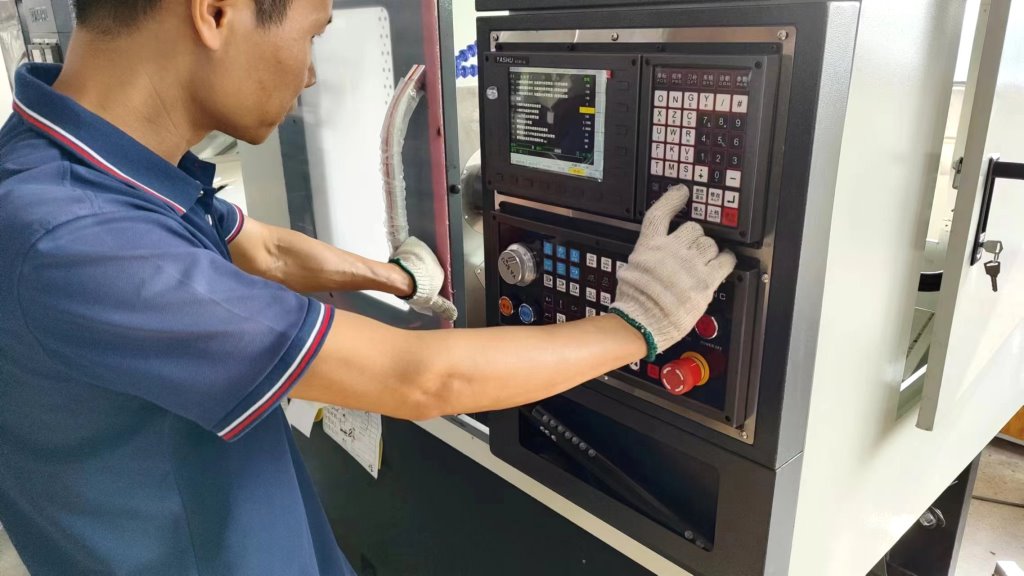
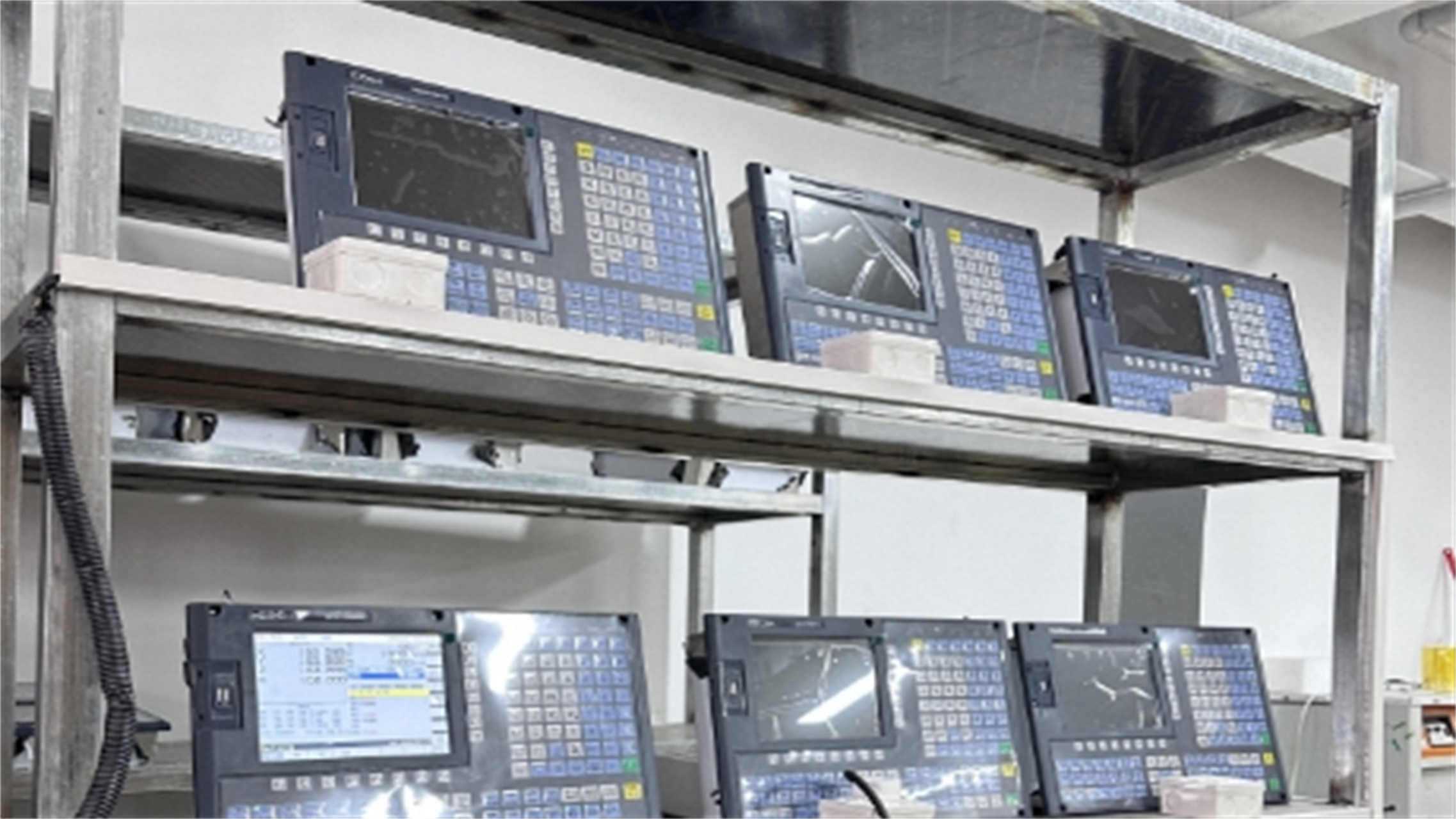
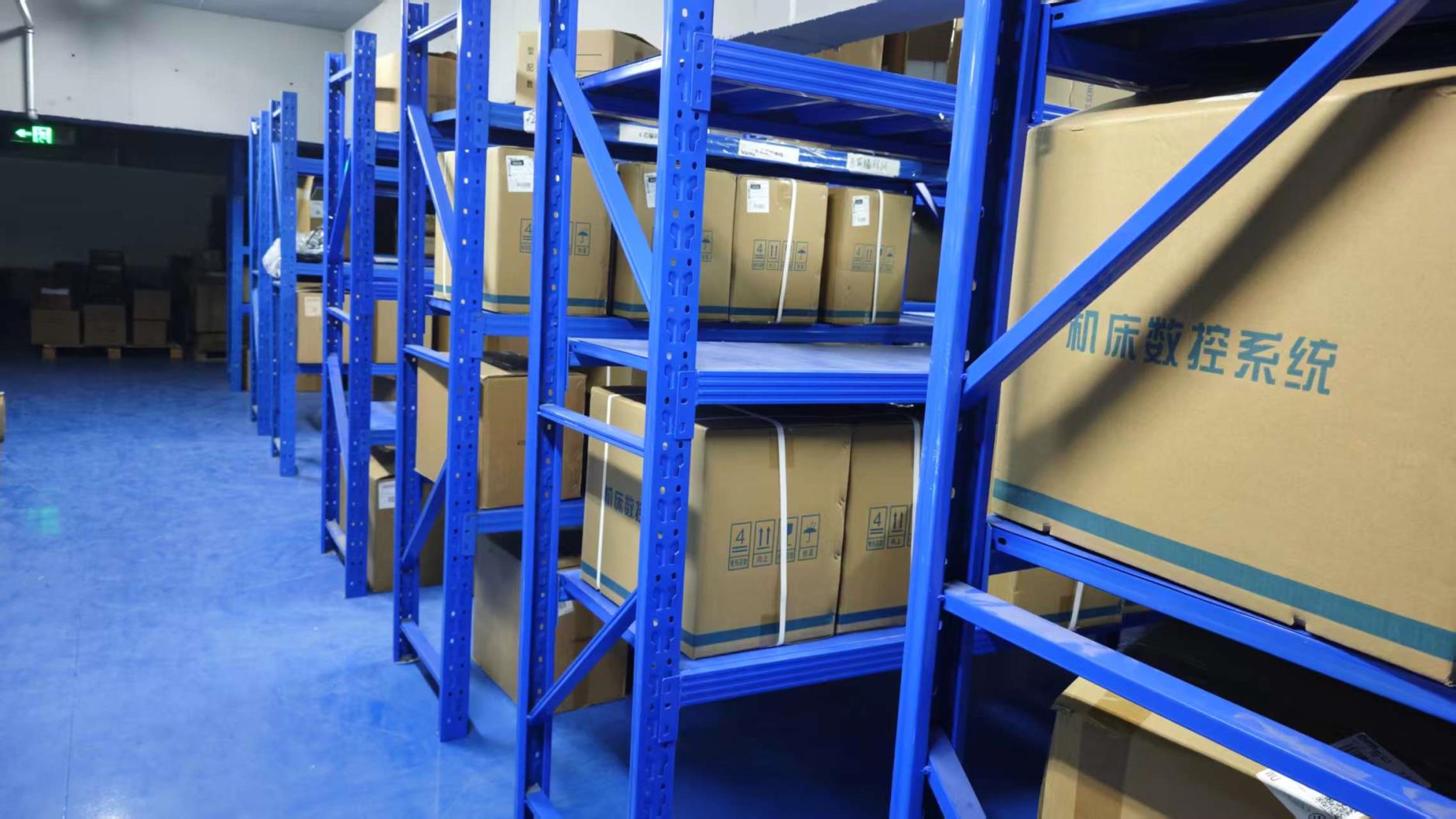
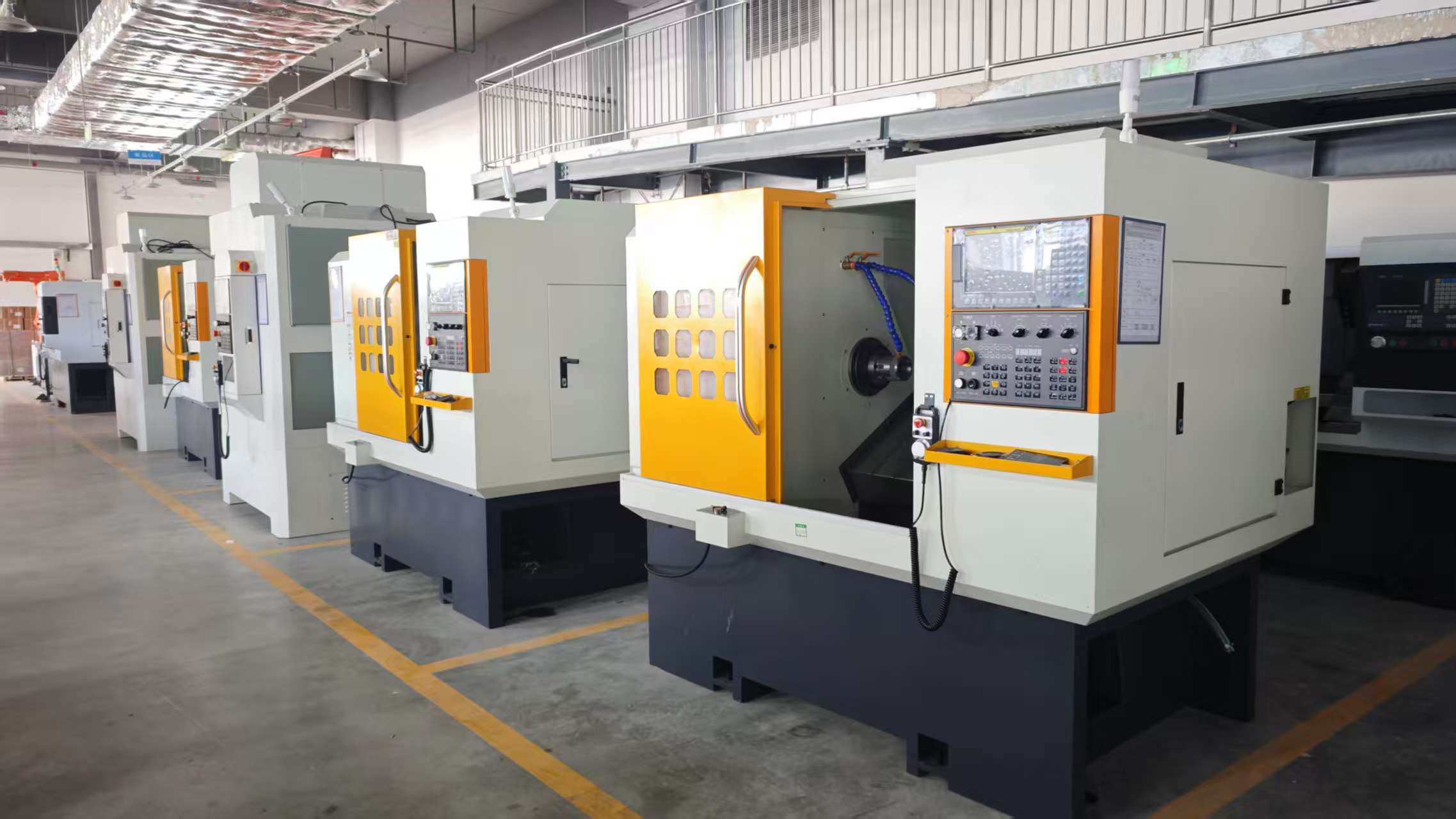
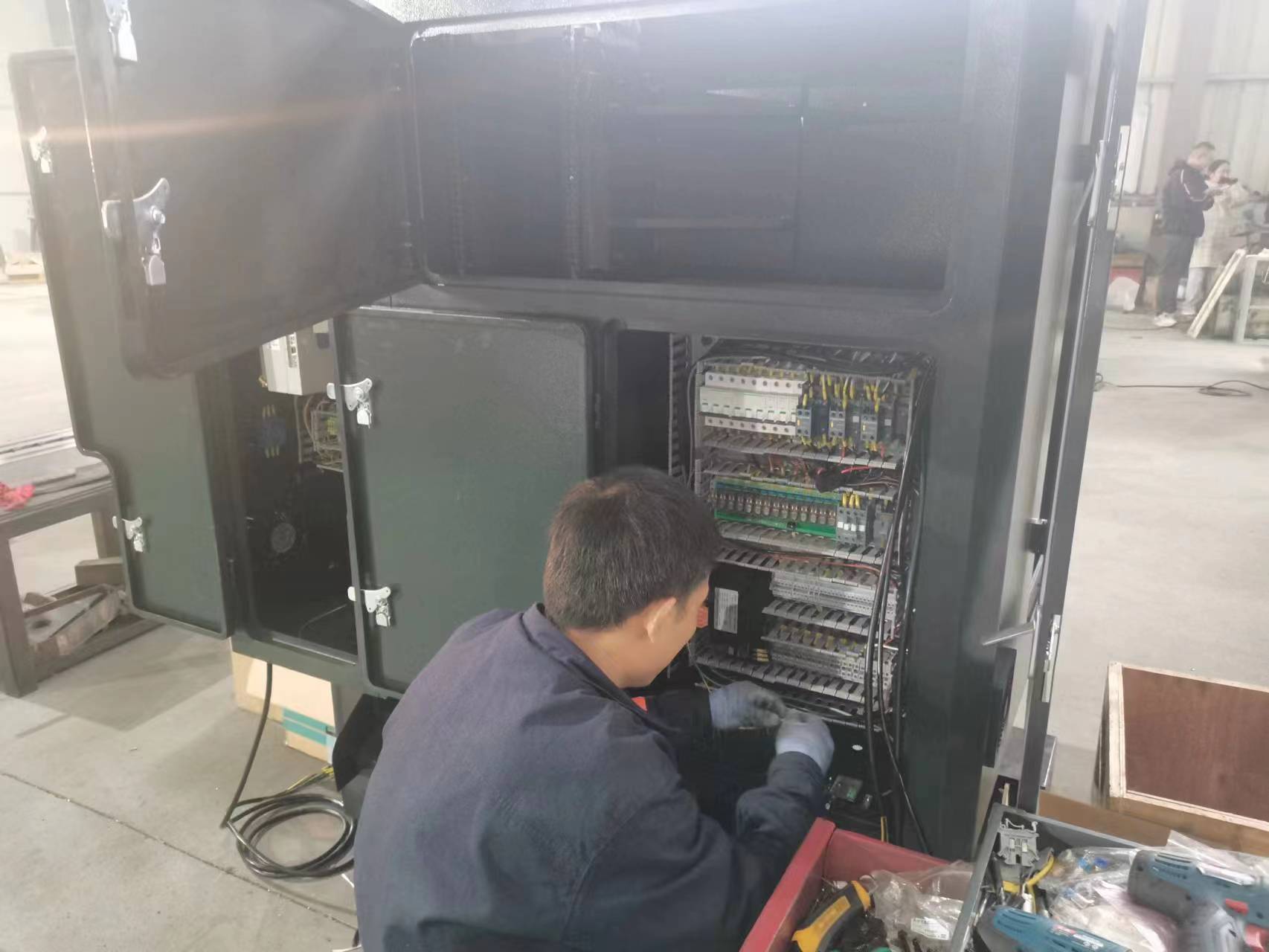
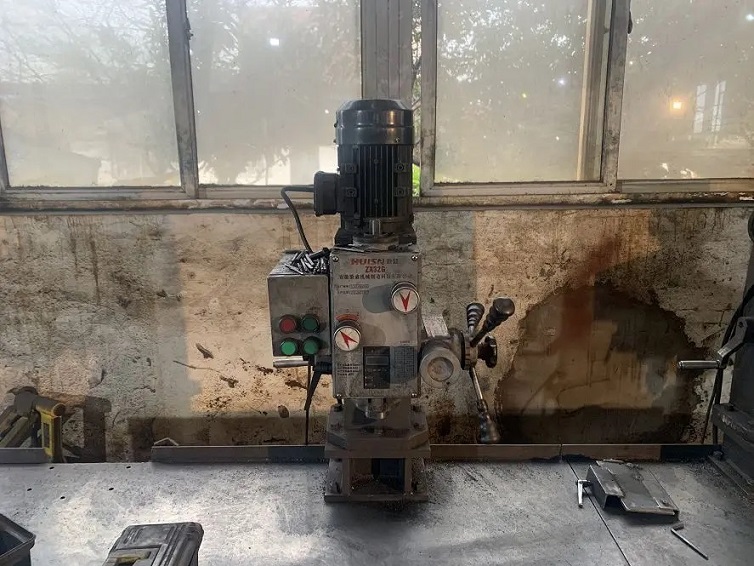
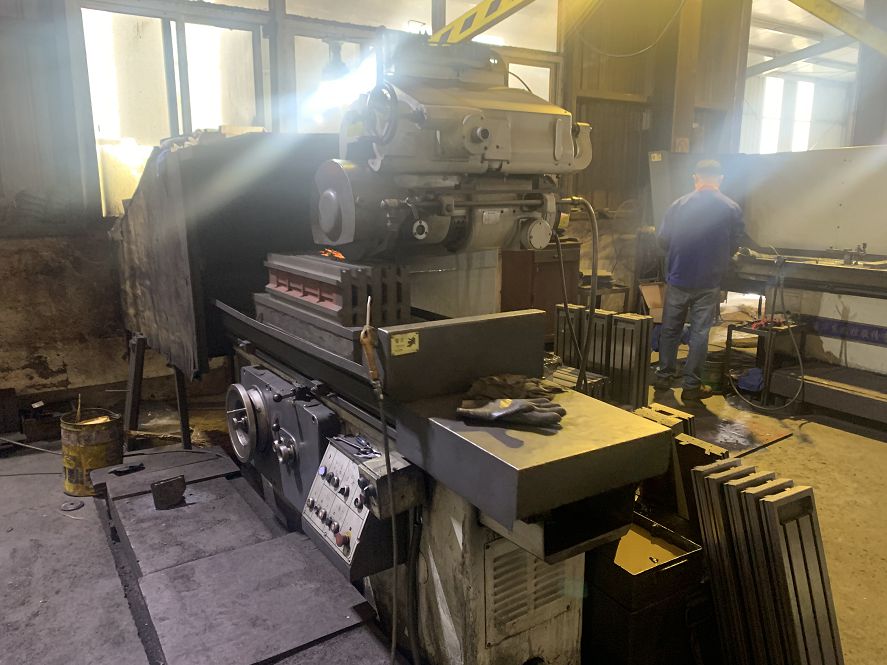
The manufacturing of heavy-duty dished ends has evolved from a labor-intensive manual craft into a highly automated, sensor-driven process. The technical development follows this roadmap:
Early forming relied entirely on manually operated valves and mechanical templates. The dimensional accuracy depended heavily on operator skill, and the scrap rates for thick plates (above 15mm) were high due to inconsistent forming forces.
The addition of linear transducers and basic PLCs allowed real-time tracking of forming progress. Operators could program set coordinates for the flanging roller, improving consistency and reducing manual measurements.
Modern ZRF machines feature advanced multi-axis CNC interpolation. The coordinated movement of the clamping arm, forming roller, and support systems is controlled by software. This allows for precise forming of complex geometries (like ellipsoidal and torispherical profiles) without dynamic tool changes.
Our current research focuses on integrating real-time telemetry, including ultrasonic thickness sensors and adaptive force feedback. The CNC system can detect work-hardening and springback on the fly, adjusting forming force in real-time. This helps prevent cracks and ensures wall thinning remains within CODAP tolerances.
Procurement officers and technical managers in global engineering, procurement, and construction (EPC) companies evaluate several key factors when sourcing heavy-duty forming equipment:
1. Mechanical Rigidity: The machine's frame must withstand significant counter-forces during cold flanging. ZRF uses heavy cast steel parts and stress-relieved welded structures to minimize elastic deflection under load.
2. Tooling Durability: The forming and guide rollers endure continuous friction and contact pressure. Our rollers are made from forged alloy steel, heat-treated to over HRC 58, ensuring a long service life and minimal wear.
3. Hydraulic System Performance: The hydraulic power unit (HPU) must maintain stable pressure and temperature. ZRF integrates proportional valves and variable displacement pumps to optimize speed and torque while reducing energy consumption.
Zhejiang ZRF Spinning Co., Ltd. provides comprehensive export and local support services for partners in France:
Shipping and Customs: We handle heavy transport logistics, delivering to major French ports like Marseille, Le Havre, and Dunkirk. Equipment is packaged in sea-freight-worthy containers with anti-corrosion protective coatings.
Installation and Commissioning: ZRF dispatch field engineers to assist with foundation construction, mechanical alignment, hydraulic hookup, and electrical integration. We also provide on-site training to ensure local staff can operate the CNC systems safely and efficiently.
Remote Diagnostic Support: Our CNC systems feature secure VPN connections, allowing our engineers to perform remote troubleshooting, update software, and check diagnostics from our headquarters. This helps minimize downtime for operators in France.
Technical details regarding machine parameters, material behavior, and operational support for French industrial clients.
Explore our range of heavy-duty and CNC-controlled forming machinery designed for international export.
 ZRF Spinning