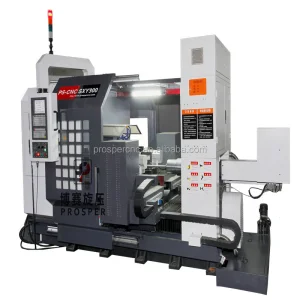
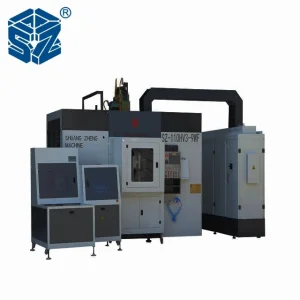
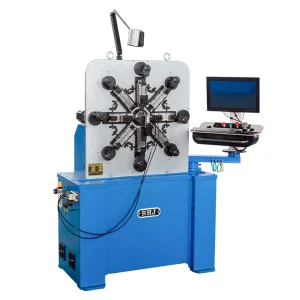
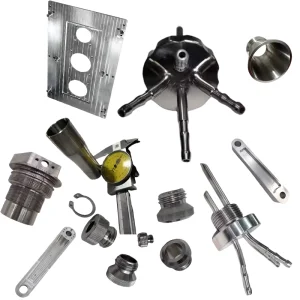
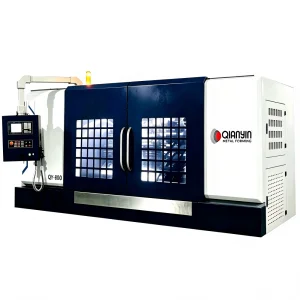
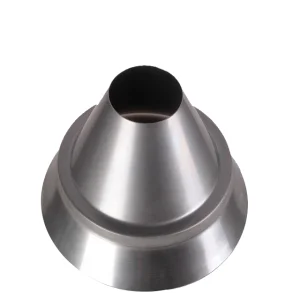
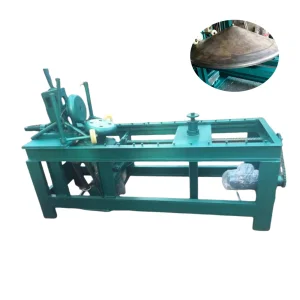
High-precision systems engineered for extreme structural performance across defense, aerospace, and energy sectors
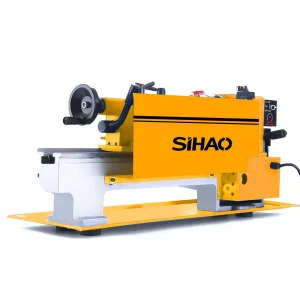
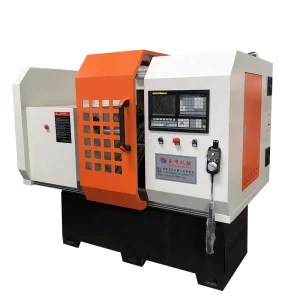
How Multi-Axis Nose Cone Spinning Redefines Structural Integrity in Advanced Rocketry and Aviation
Modern aerospace manufacturing demands materials that can withstand hypersonic velocities, extreme thermal variations, and structural stress. The nose cone of a rocket, missile, or supersonic aircraft acts as the primary thermal shield and aerodynamic driver. Traditional fabrication techniques, such as casting or multipiece welding, fail to deliver the requisite grain structure continuity, resulting in localized stress concentration zones. This is where Multi-Axis Aerospace Nose Cone Spinning Machines represent a critical paradigm shift.
Technical Consensus: Flow forming and shear spinning methodologies modify the internal microstructure of metallic alloys, aligning grain boundaries parallel to the contour of the mandrel. This enhances tensile strength, minimizes weight through ultra-precise wall thickness reduction, and guarantees zero weld defect vulnerabilities.
As a premier high-tech enterprise specializing in the research, development, and manufacturing of CNC spinning machine tools, Zhejiang ZRF Spinning Co., Ltd. stands at the forefront of this industrial revolution. Backed by extensive experience and a deep technical foundation in the domestic and global spinning industry, ZRF engineers automated machining centers capable of manipulating exotic aerospace metals, including Grade 5 Titanium (Ti-6Al-4V), Aluminum-Lithium alloys, Inconel superalloys, and high-strength stainless steels.
Deciphering Shear Spinning, Roll Forces, and Dimensional Accuracy
To understand the superiority of multi-axis nose cone spinning machines, one must analyze the physical mechanisms involved. During the spinning process, a circular metal blank is clamped against a rotating mandrel by a hydraulic tailstock. As the spindle rotates, CNC-guided rollers apply high-concentrated compressive forces, causing the metal to flow over the mandrel.
In shear spinning (also known as shear forming), the outer diameter of the blank remains constant throughout the operation, while the wall thickness of the finished component is dictated by the sine law:
Where: t1 = finished wall thickness, t0 = original blank thickness, and α = semi-cone angle of the mandrel.
For complex nose cone geometries where the angle (α) varies along the longitudinal curve (such as ogive or parabolic profiles), a standard single-roller or linear system is insufficient. Advanced 5-axis and 7-axis CNC systems dynamically adjust the roller's angle of attack, rotational feed rate, and force vectors in real-time. This dynamic coordination prevents wrinkling, crack propagation, and localized structural thinning.
| Performance Indicator | Conventional Spinning Machines | ZRF Multi-Axis Aerospace Series | }
|---|---|---|
| Axis Configuration | 2-Axis (X, Z) basic linear | Multi-axis simultaneous (up to 5 to 7 axes of freedom) |
| Aerospace Alloy Suitability | Soft aluminum, copper, mild steels only | Titanium alloys, Inconel, Al-Li, Hastelloy, tool steels |
| Wall Thickness Variance | ±0.15 mm to ±0.25 mm | Down to ±0.03 mm (high repeatability) |
| Spindle/Roller Force Capability | Moderate hydraulic force (50–100 kN) | Heavy-duty dual-axis synchronized force (>350 kN per roller) |
| Real-time Path Compensation | Manual intervention / Offline correction | Closed-loop CNC path adjustment based on ultrasonic gauge feedback |
Pioneering the Next Era of Smart Metal Forming and Hybrid Production
Integrating acoustic emission sensors and laser profile scanners directly onto the tool head. Machine learning models analyze deformation signals in real-time, predicting structural defects before they manifest and automatically adjusting roller toolpaths.
For refractory metals like titanium and tungsten, cold forming is impractical. ZRF is pioneering integrated induction heating coils that heat localized zones of the blank to 600°C–900°C during active deformation, preventing micro-tearing.
The convergence of additive manufacturing (directed energy deposition) with subtractive turning/milling and metal spinning in a single operational envelope. This allows reinforcement ribs to be printed directly onto the inner surfaces of spun cones.
Tailoring Precision Machining to the World's Most Rigorous Sectors
As dynamic pressure requirements and mission-critical profiles expand, ZRF's machinery offers tailored solutions across diverse manufacturing disciplines. The application of high-precision multi-axis spinning spans well beyond aerospace nose cones:
Operating at extreme pressures and temperatures, solid and liquid rocket motor casings demand uniform wall thickness. ZRF CNC spinning machines allow continuous profiling of cylindrical and conical segments, reducing the need for traditional structural circumferential welds, which are frequent sources of failure during hydrostatic pressure tests.
Satellite communication reflectors, fuel domes, and structural satellite housings require extreme dimensional consistency. The integration of high-resolution touch-probes and precision ground guideways in ZRF machines guarantees circularity and dome profile tolerances under 50 microns.
Used heavily in petrochemical, hydrogen storage, and aerospace fuel tanks, our high-duty machines form deep, thick-walled cylindrical vessels out of alloy steel and aluminum. Flow forming increases structural hardness through work hardening, allowing the vessels to be made thinner and lighter while maintaining identical pressure limits.
For large-scale commercial ventilation parts, heavy culinary pots, parabolas, and custom architectural shapes, ZRF supplies rapid-cycle CNC machines configured for maximum efficiency. The system automates blank loading, spinning, trimming, and unloading, yielding minimal cycle times.
Inside Zhejiang ZRF Spinning Co., Ltd.'s Advanced Manufacturing and Quality Testing Facilities
At ZRF, reliability is not merely a slogan; it is the natural byproduct of a rigorously monitored industrial ecosystem. Our production operations follow a strict, fully internal workflow from raw component grinding to comprehensive mechanical load aging. By keeping all machining, assembly, and quality assurance processes in-house, we eliminate external supplier delays and guarantee compliance with global ISO9001 and CE directives.
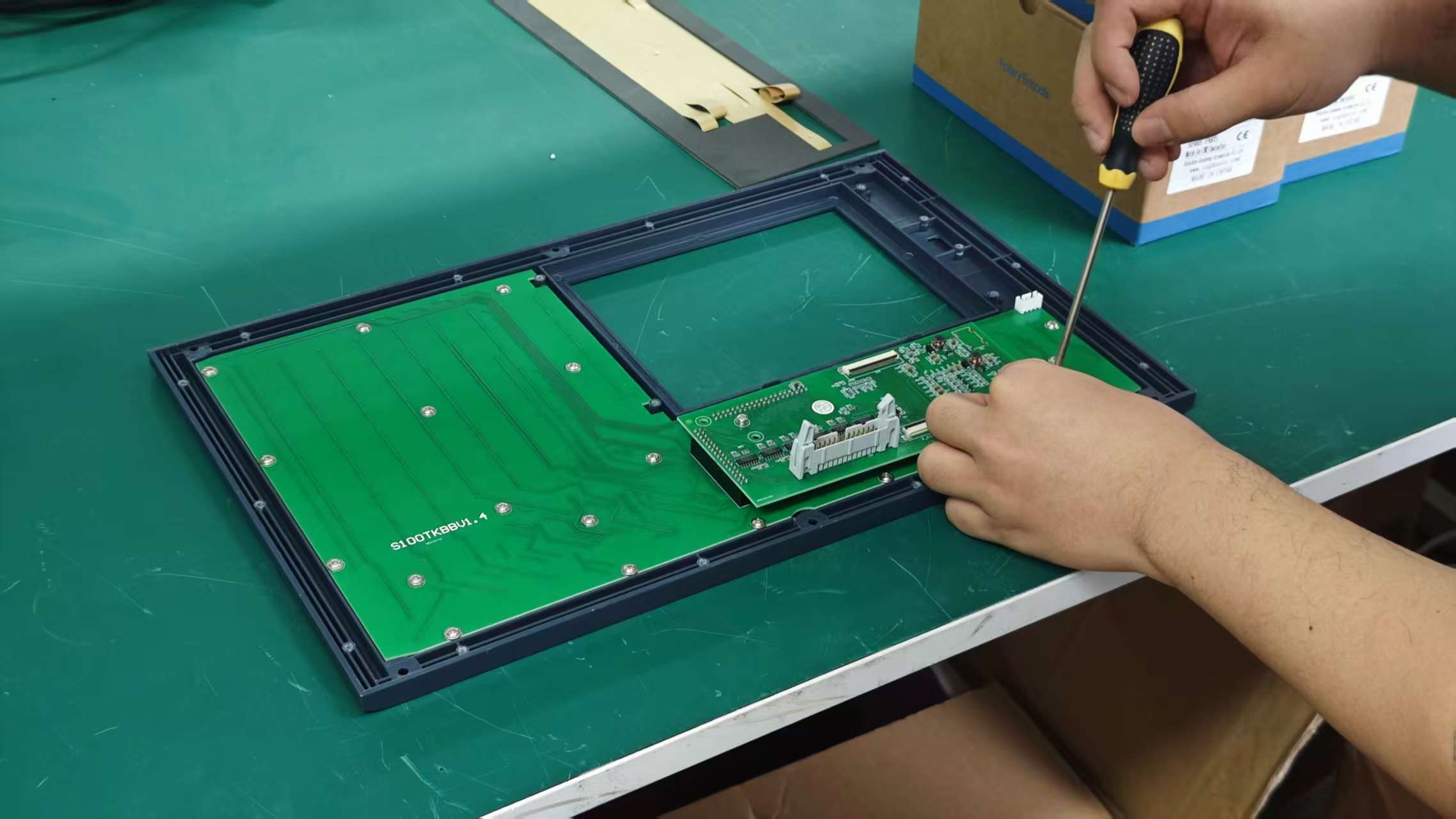
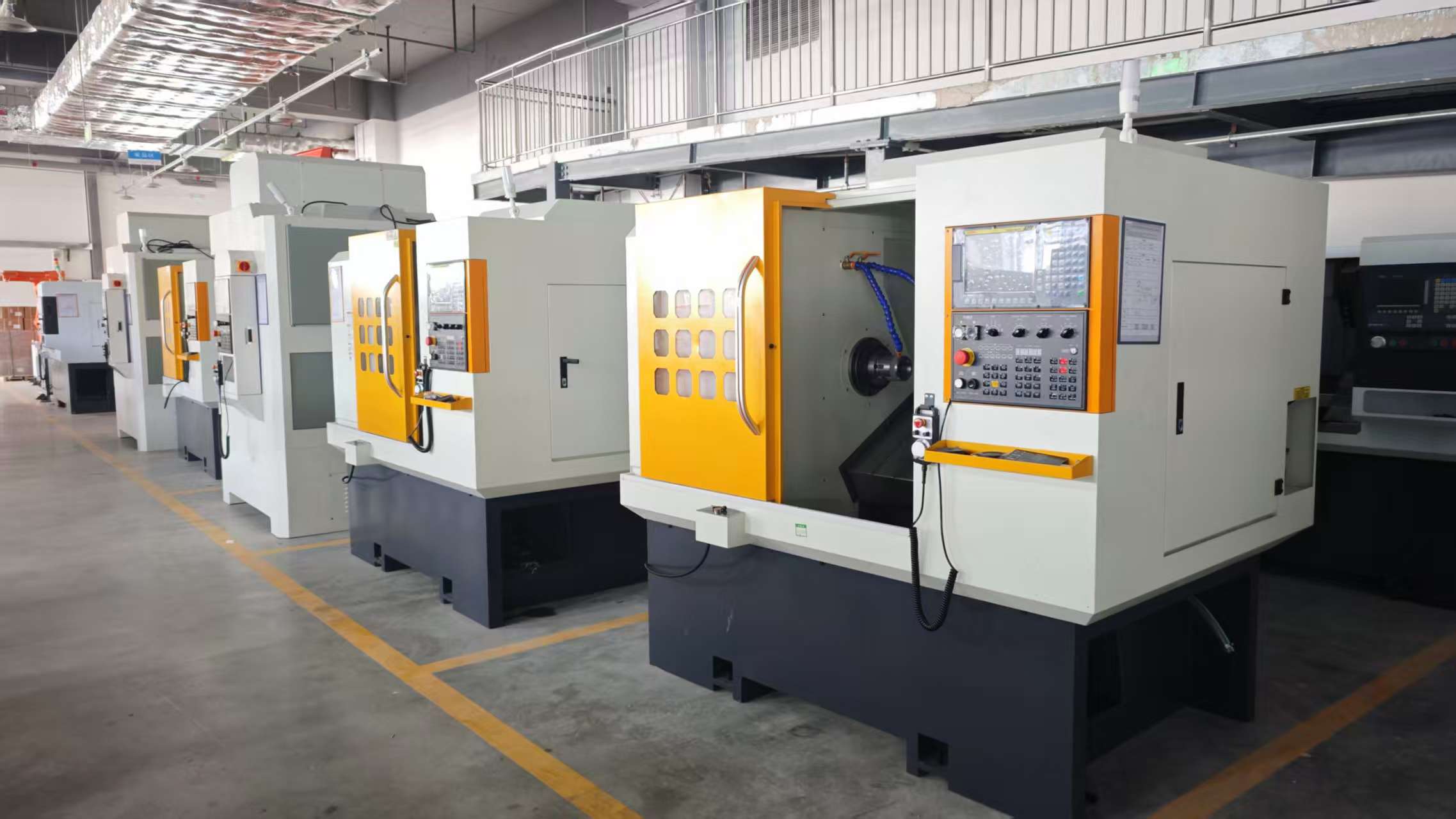
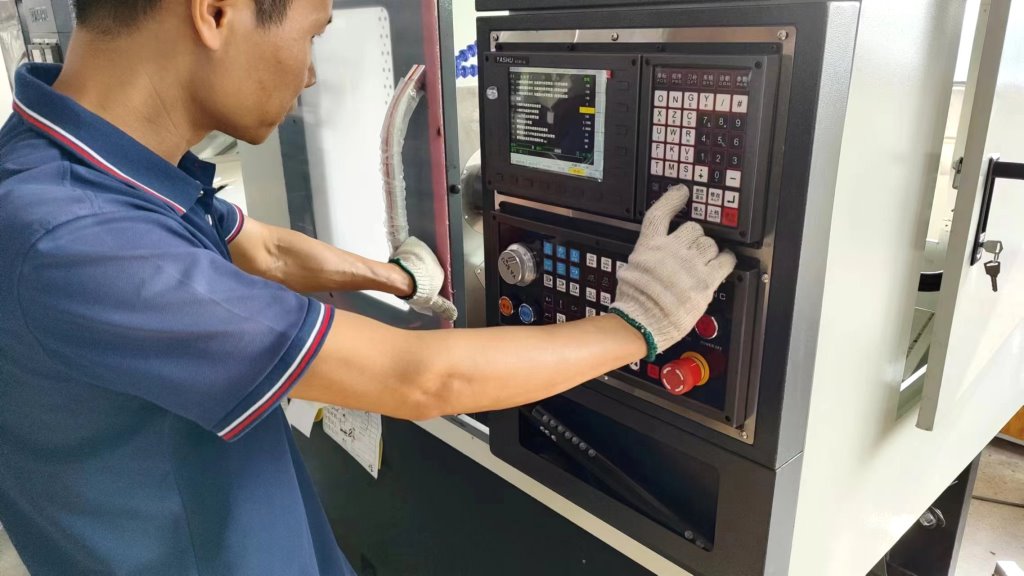
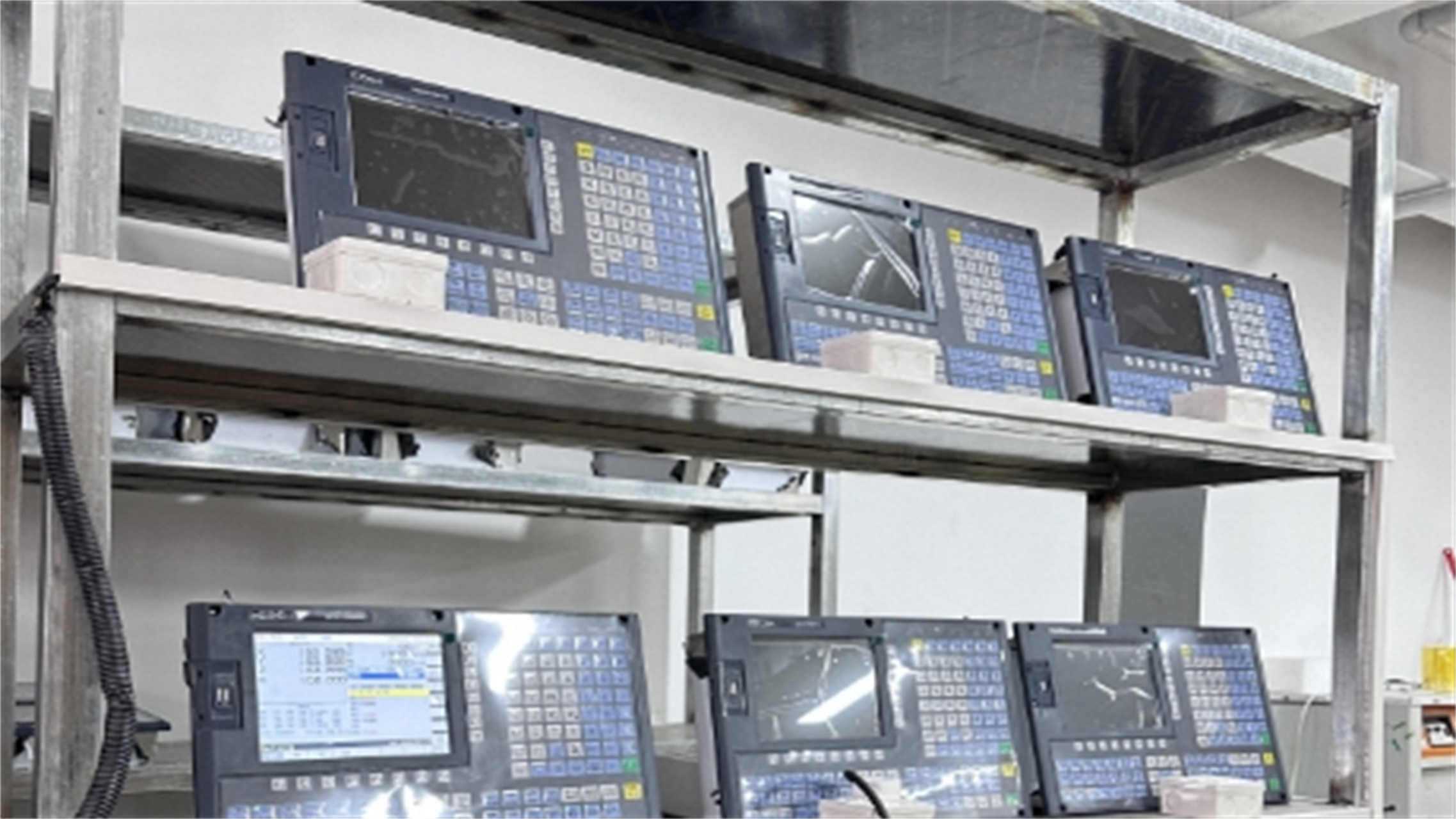
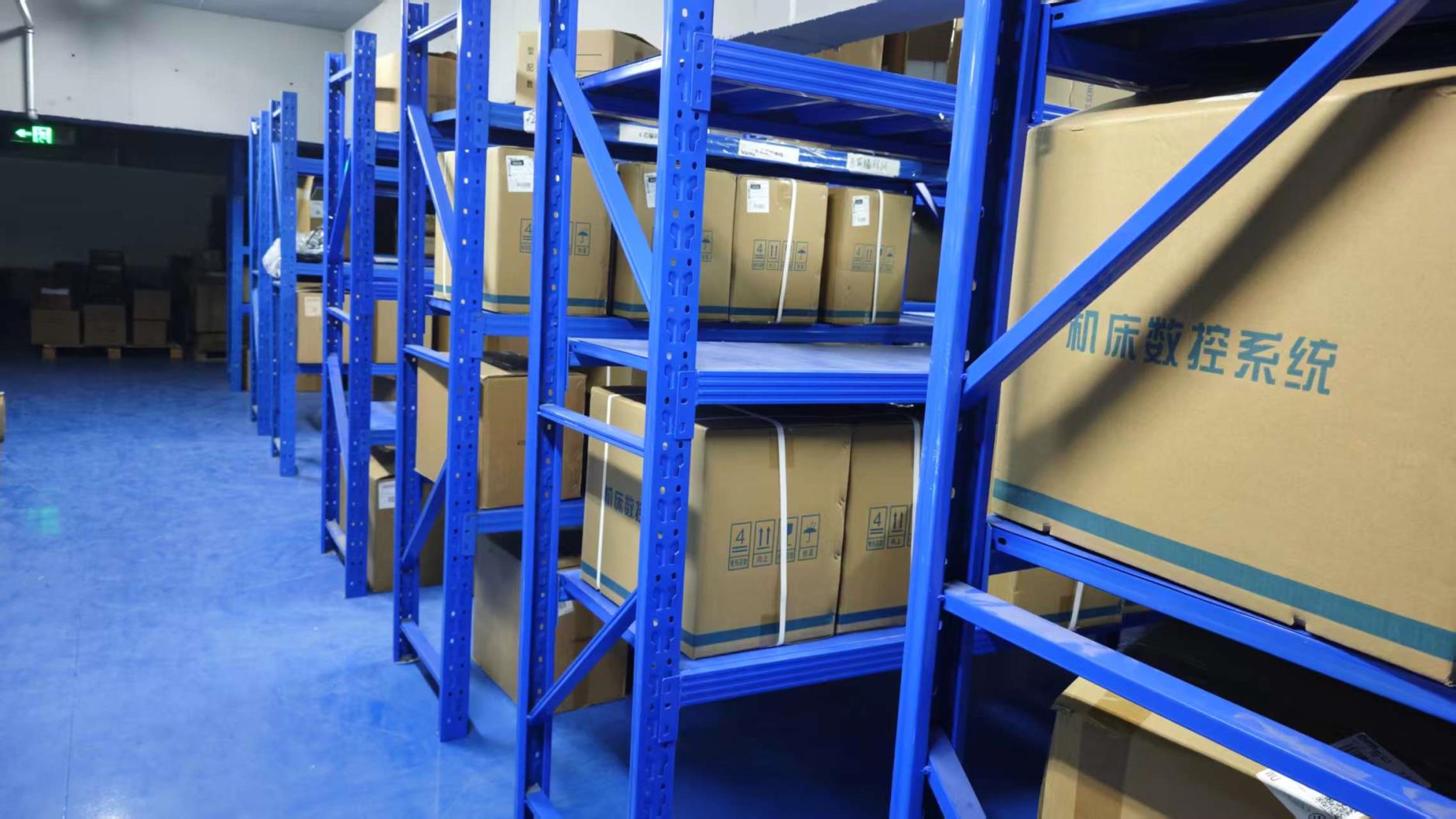
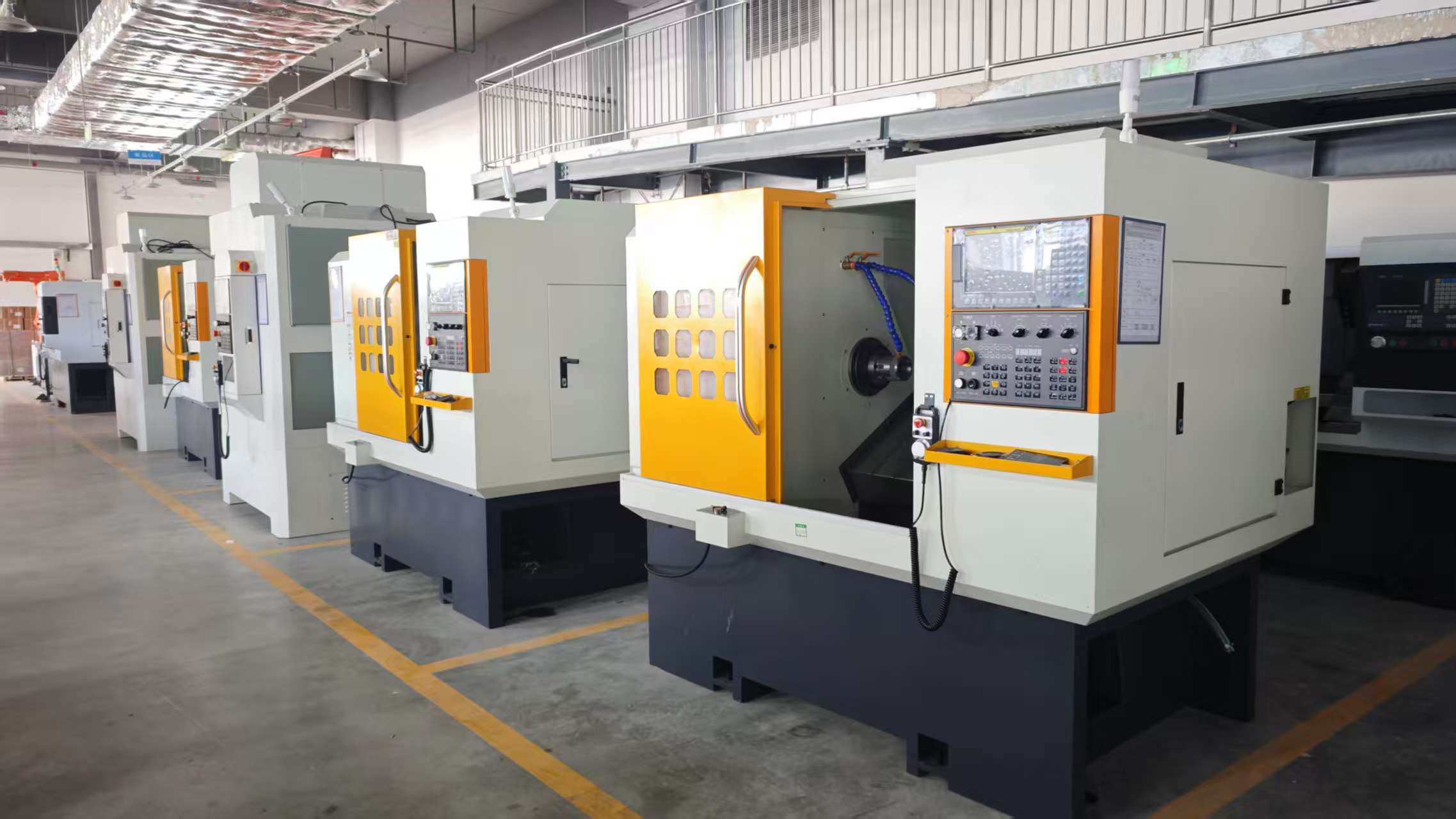
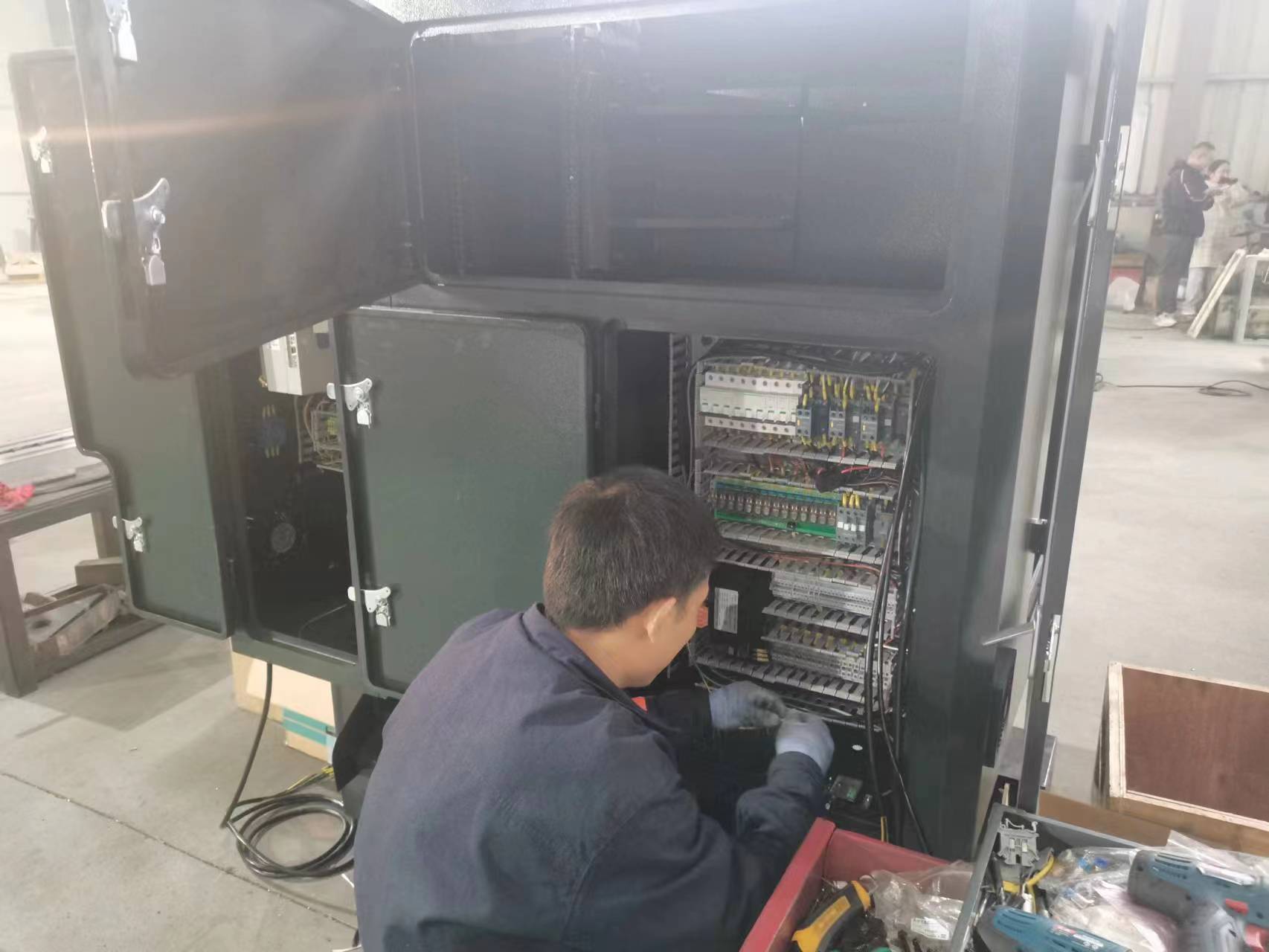
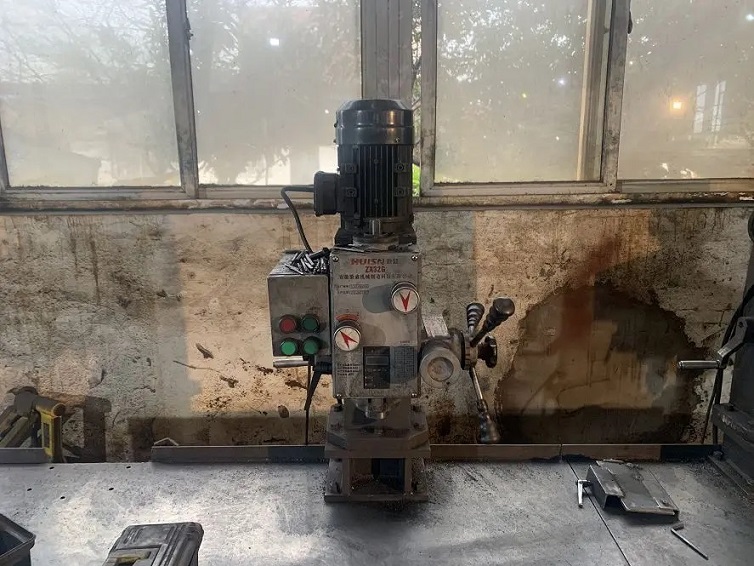
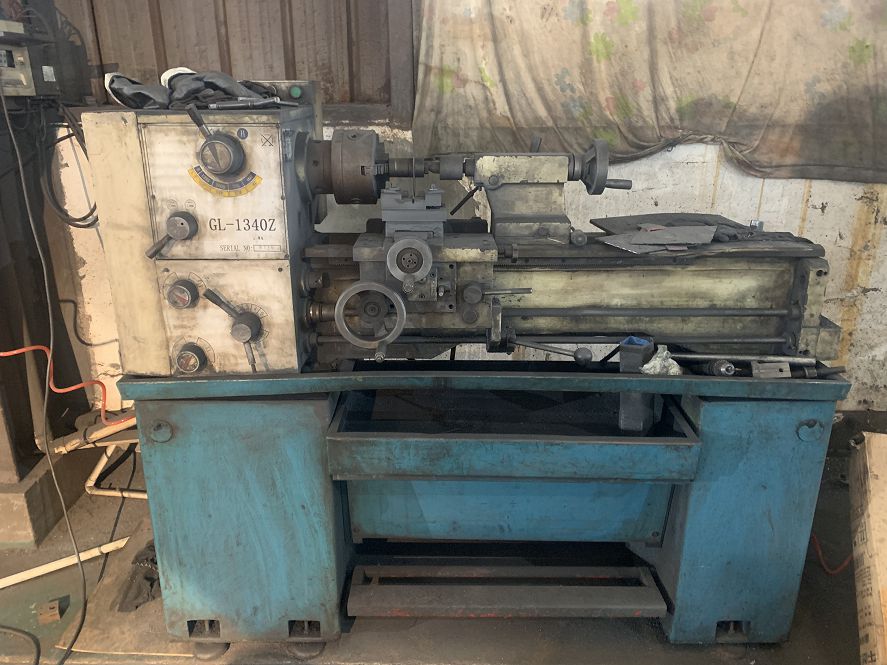
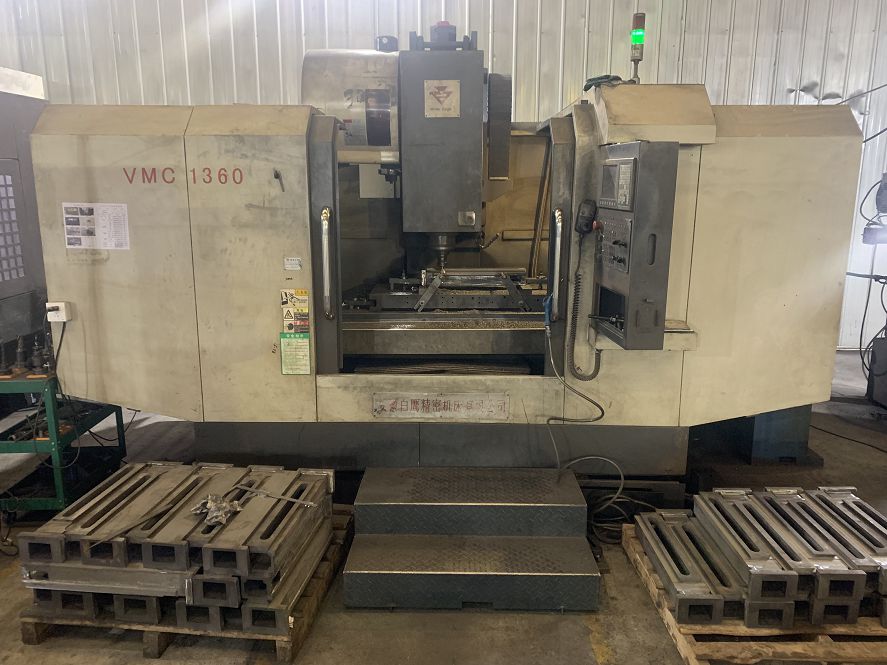
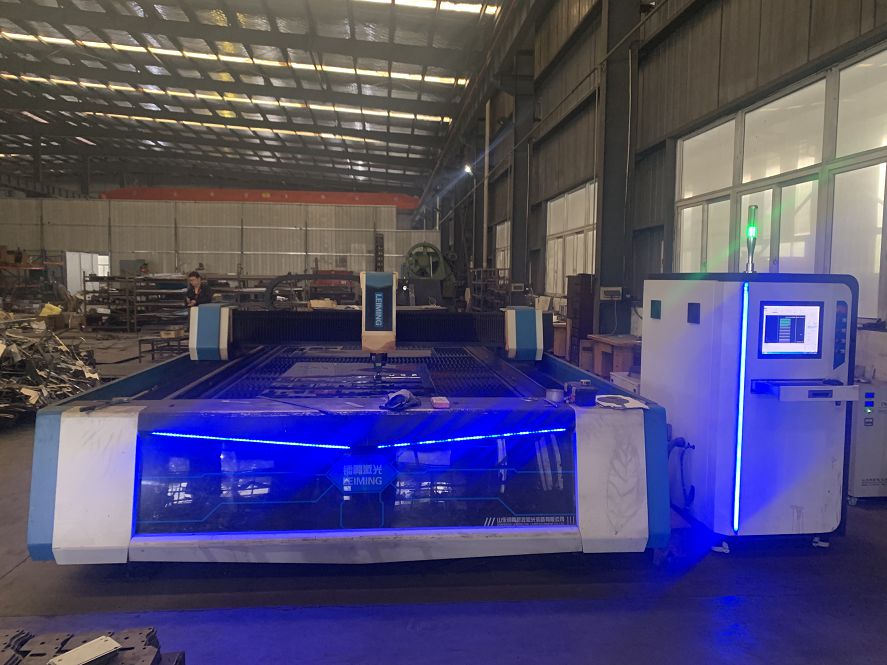
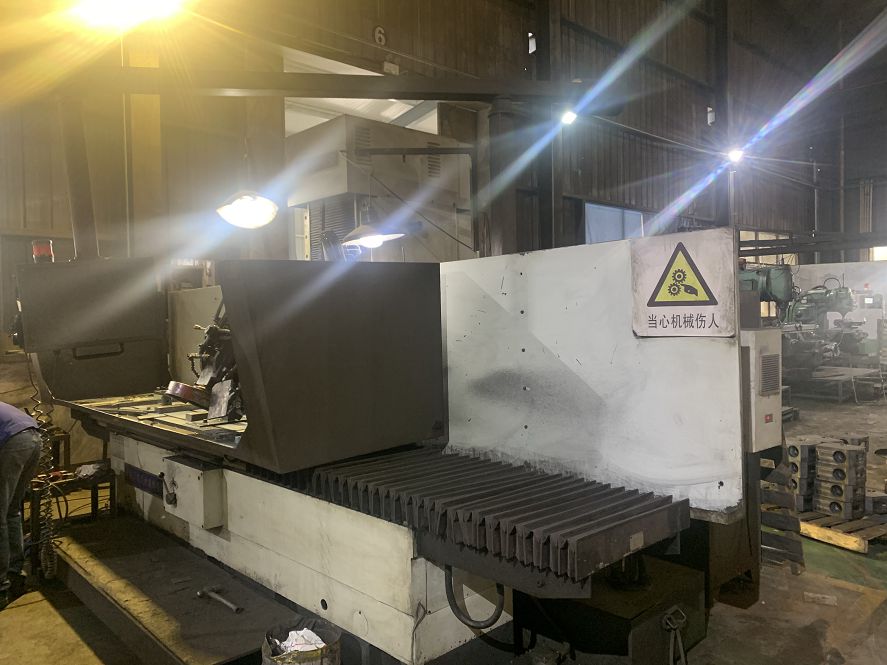
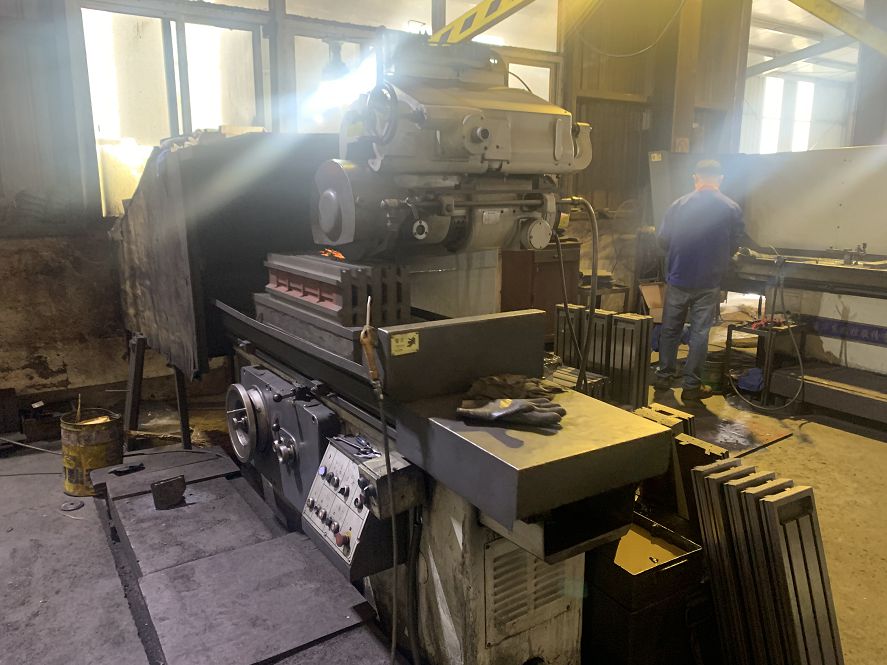
Operational Philosophy: ZRF’s manufacturing model thrives on "market-oriented development, research-driven innovation, and technological excellence." The presence of our ultra-precision guideway grinders and universal grinding machines ensures that every structural interface is machined to strict alignment tolerances. This dramatically increases the physical life span and consistency of our spinning spindles under heavy continuous load.
Crucial Technical Decision Matrices for Engineering Directors and Sourcing Managers
Procuring heavy-duty machinery for critical programs like aerospace and defense requires rigorous evaluation of more than just initial pricing. Purchasing departments must evaluate the total cost of ownership (TCO) and long-term machinery capabilities. Here are the crucial technical parameters ZRF recommends analyzing:
Ensure that the structural frames can support the extreme radial and axial deformation forces required for thick titanium plates. Heavy components like aerospace nose cones may require up to 400 kN of concentrated force on the rollers.
Opt for systems supporting G-code standards that integrate with aerospace CAD/CAM solutions (such as NX or Catia). The toolpath simulation must feature realistic collision checking and visual thinning predictions.
Aerospace manufacturing centers frequently transition between low-volume runs of different shapes. Fast mandrel replacement designs and automated roller turret indexing reduce machine down-time between manufacturing cycles.
Seamless Integration of High-Tech Equipment into International Manufacturing Facilities
Zhejiang ZRF Spinning Co., Ltd. has established a strong global footprint, exporting high-performance CNC spinning systems to over 20 countries. To support our global clients, we maintain a dedicated technical team for seamless cross-border implementation.
Our CNC spinning machines are fully compliant with CE safety directives, international EMC standards, and electrical safety standards. This guarantees smooth integration and fast safety clearances in European, American, and Asian factories.
ZRF provides end-to-end commissioning services. Our certified engineers travel directly to customer sites to conduct precision leveling, calibrate axes, test sample parts, and train local staff on CNC programming and safe operational guidelines.
To prevent unscheduled downtime, we implement predictive maintenance schedules and keep critical spare parts (such as bearings, hydraulic valves, and rollers) in stock for rapid global shipment. We also provide secure remote diagnostic assistance to troubleshoot control systems.
Our mission is centered on sincere cooperation and mutual growth. We offer customizable OEM manufacturing options to configure spindle power, travel limits, and automation levels according to your specific production demands.
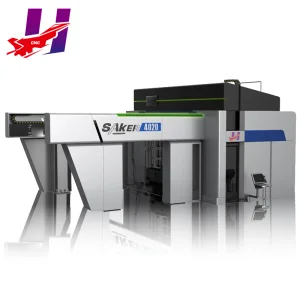
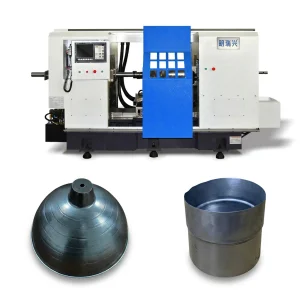
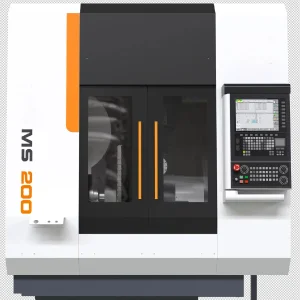
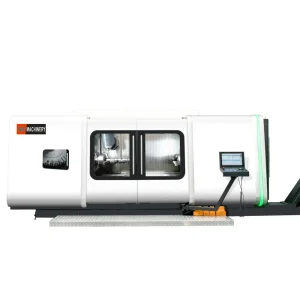
High-precision milling, turning, and heavy-duty conical metal forming equipment
Addressing Deep Technical Inquiries from Manufacturing and Materials Engineers
 ZRF Spinning