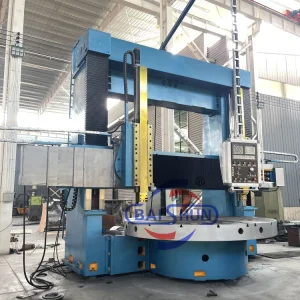
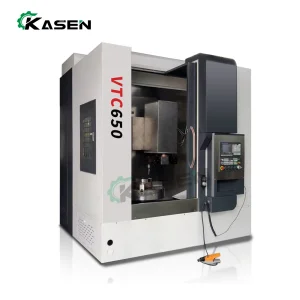
Explore our top-tier vertical and horizontal CNC metal forming solutions, engineered for high-precision components and heavy-duty structural parts.
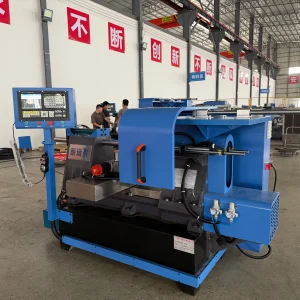
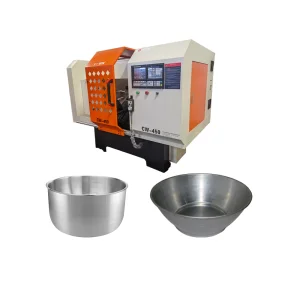
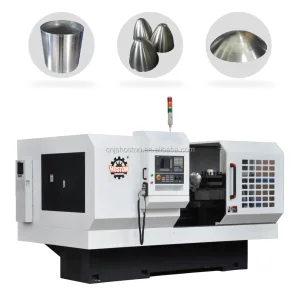
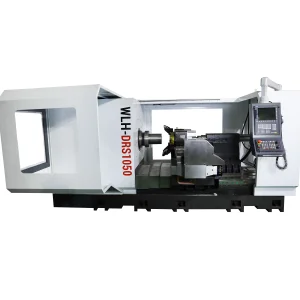
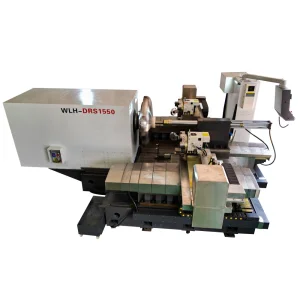
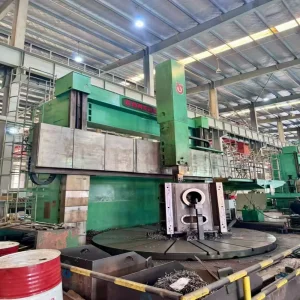
In modern industrial manufacturing, the fabrication of large-diameter, rotationally symmetrical components presents a unique set of engineering challenges. Traditional stamping and deep drawing techniques require massive, prohibitively expensive die sets and colossal press forces. This makes low-to-medium volume production economically unfeasible. CNC metal spinning (also known as flow forming or spin forming) has emerged as the premier alternative, offering unparalleled flexibility, material utilization, and structural enhancement.
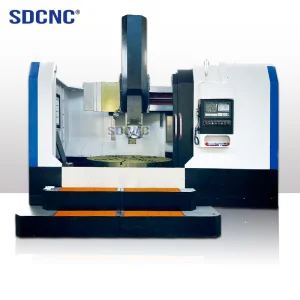
Definition: Vertical large-diameter CNC sheet metal spinning is a cold or hot forming process where a circular metal blank (disk) is clamped vertically on a rotating mandrel and plastically deformed against the mandrel using one or more CNC-controlled rollers. The vertical spindle layout is explicitly engineered to handle large, heavy, and unbalanced workpieces, utilizing gravity to secure alignment and minimize structural deflection.
When the component diameter exceeds 1,500 mm and approaches 4,000 mm or more, horizontal spinning machine layouts begin to experience physics-based limitations. Gravity exerts a perpendicular force on the horizontal spindle axis, leading to micro-deflections that compromise dimensional accuracy and spindle life. Furthermore, loading and aligning a massive, heavy sheet metal blank horizontally is both labor-intensive and safety-compromised. Vertical CNC spinning machines solve these challenges by aligning the spindle axis vertically, utilizing gravity as a stabilizing force rather than an engineering obstacle.
The global demand for large-diameter vertical CNC spinning machinery is tightly coupled with the expansion of heavy industries, clean energy transitions, and advanced aerospace networks. Currently, regions including North America, East Asia, and Western Europe dictate the primary consumption patterns, driven by demands for aerospace bulkheads, wind turbine cowlings, and cryogenic storage tanks.
In the Aerospace and Defense sector, vertical CNC spinning is critical for producing rocket fuel tank domes, engine nacelles, and nose cones. These components require specialized materials such as titanium alloys, high-strength aluminum (e.g., 2219, 7075), and nickel-based superalloys. The spinning process induces significant work hardening (cold-working), which optimizes the grain flow of the metal parallel to the contour of the part. This enhances tensile strength and fatigue resistance while minimizing overall weight.
In the Energy and Petrochemical sectors, the shift toward liquid hydrogen storage and carbon capture systems requires high-pressure vessel ends (elliptical, torispherical, and hemispherical domes). Vertical spinning allows manufacturers to produce these large dome ends from a single piece of thick sheet metal, eliminating longitudinal weld seams. This dramatically reduces the risk of structural failure under extreme pressure and cryogenic temperatures, providing high safety reliability.
How Zhejiang ZRF Spinning Co., Ltd. is guiding the future of automated metal forming through digitalization and hybrid machining.
Integration of CAD/CAM systems with finite element analysis (FEA) to simulate metal flow, predict wall thickness reduction, and eliminate wrinkles or cracks prior to actual production runs.
Consolidating spinning, vertical turning, and grinding into a single clamping operation. This reduces setup errors, maintains geometric concentricity, and maximizes overall production throughput.
Incorporating real-time laser measurement sensors that feed dimensional data back to the CNC controller, allowing dynamic roller offset adjustment to compensate for springback.
As a high-tech enterprise specializing in the research, development, and manufacturing of CNC spinning machine tools, Zhejiang ZRF Spinning Co., Ltd. has extensive experience and a strong technical foundation in the domestic spinning industry.
Our series of CNC spinning machine tools are widely applied across a variety of industries, including petrochemicals, electronics, daily hardware, food processing machinery, automotive and motorcycle components, pressure vessels, ventilation and environmental protection, defense, and aerospace. The ZRF spinning machine series has reached more than 30 provinces and cities across China and has been exported to over 20 countries and regions worldwide. Our advanced technology, excellent product quality, and comprehensive service system have earned the trust and recognition of users globally.
At Zhejiang ZRF Spinning Co., Ltd., we firmly advocate a philosophy of market-oriented development, research-driven innovation, and technological excellence. We focus on continuous improvement in both product performance and service quality. Our manufacturing process strictly adheres to the ISO9001 quality management system, ensuring reliable, safe, and high-quality products. Over the years, we have established long-term cooperative relationships with many leading domestic and international enterprises.
Our mission and values are centered around:
We are dedicated to providing our clients with advanced, safe, and reliable technology and products. Looking forward, Zhejiang ZRF Spinning Co., Ltd. will continue to leverage its deep technical expertise to strengthen its leadership in China’s spinning industry and expand its global presence.
With a vision for the 21st century, full of opportunities and challenges, Zhejiang ZRF Spinning Co., Ltd. remains committed to excellence in innovation, quality, and service, striving to become a globally respected leader in spinning machine technology.
Our facility is equipped with advanced machinery and testing systems to guarantee high rigidity, precise control, and longevity of our machine tools.
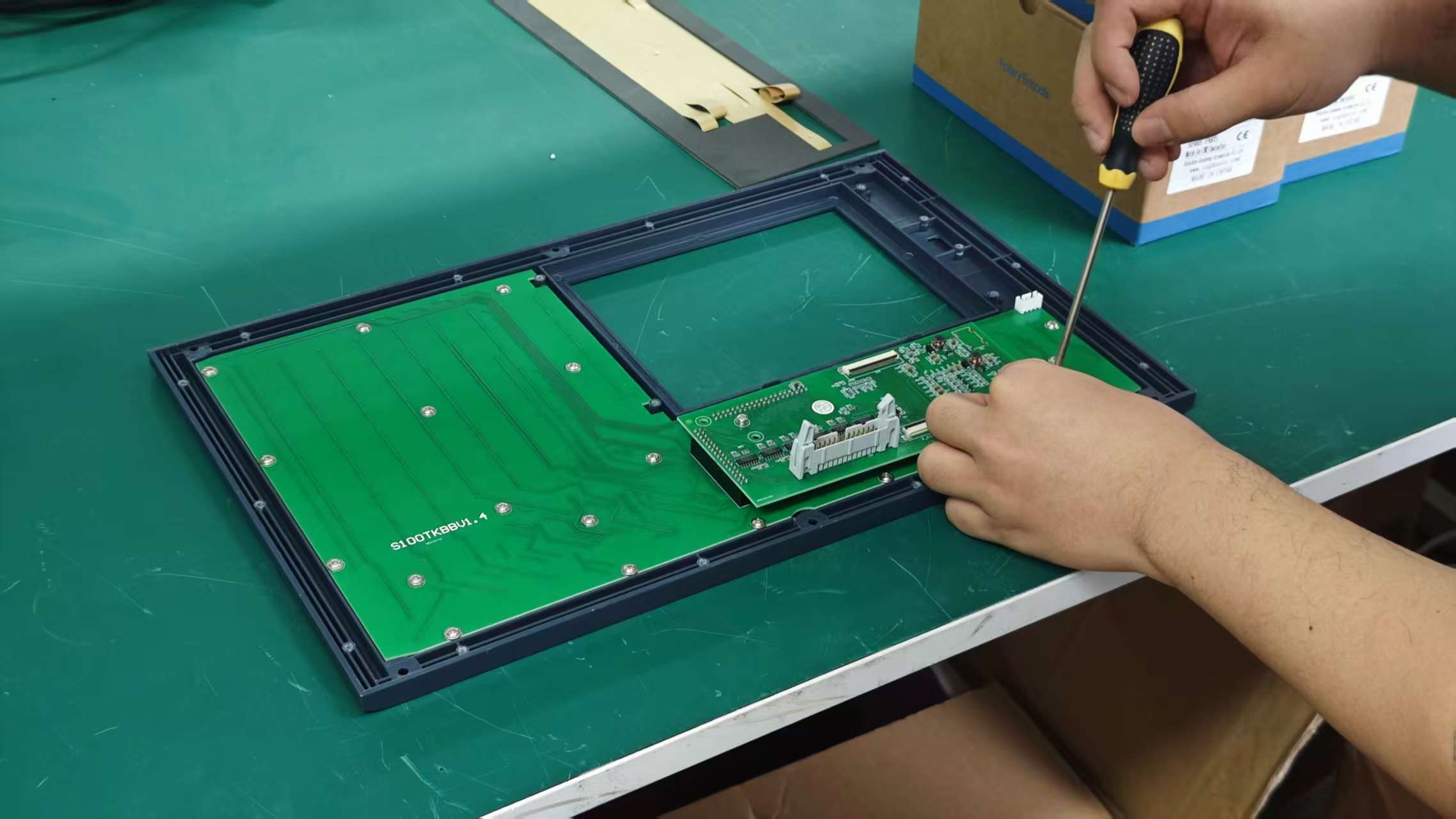
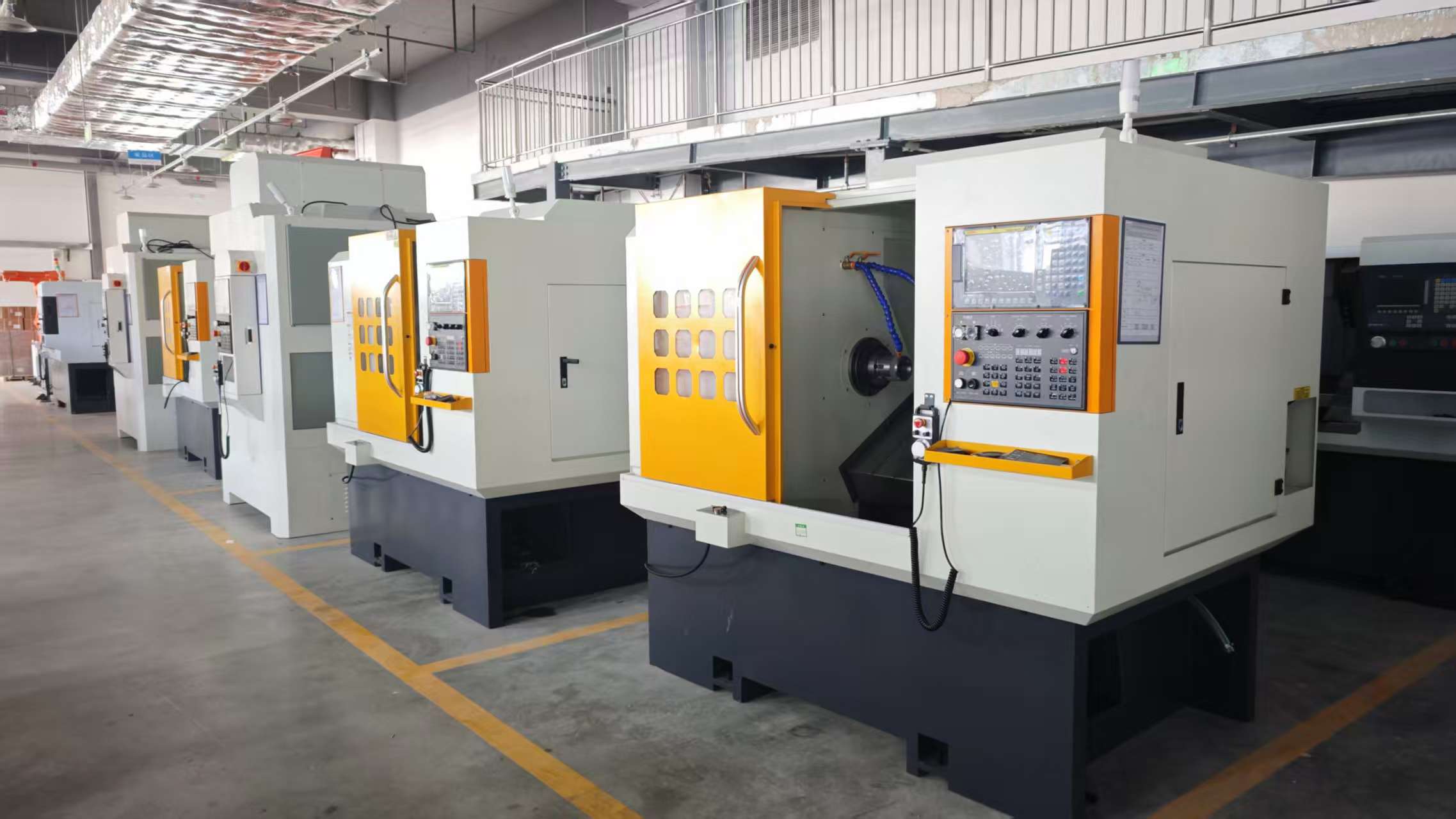
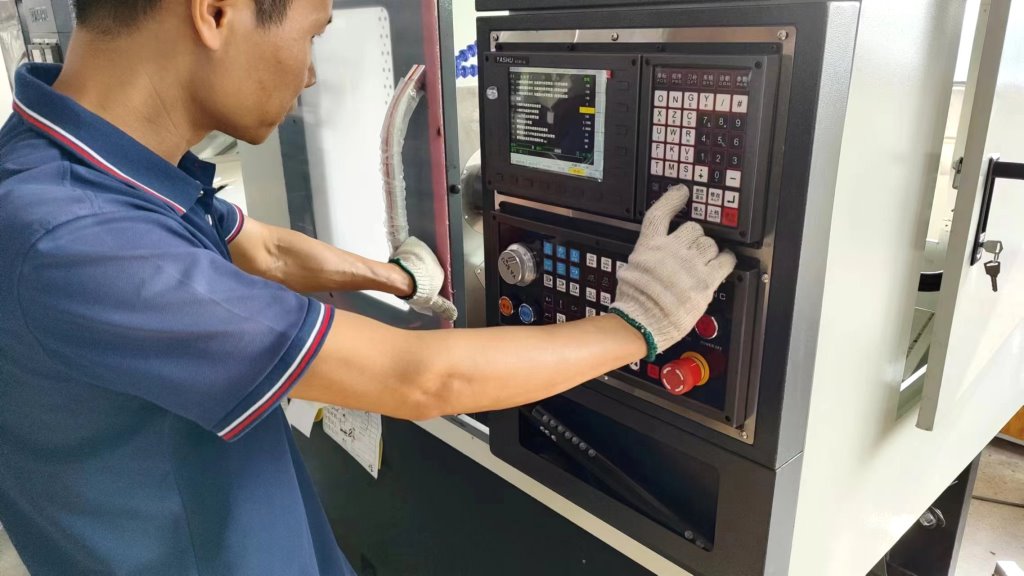
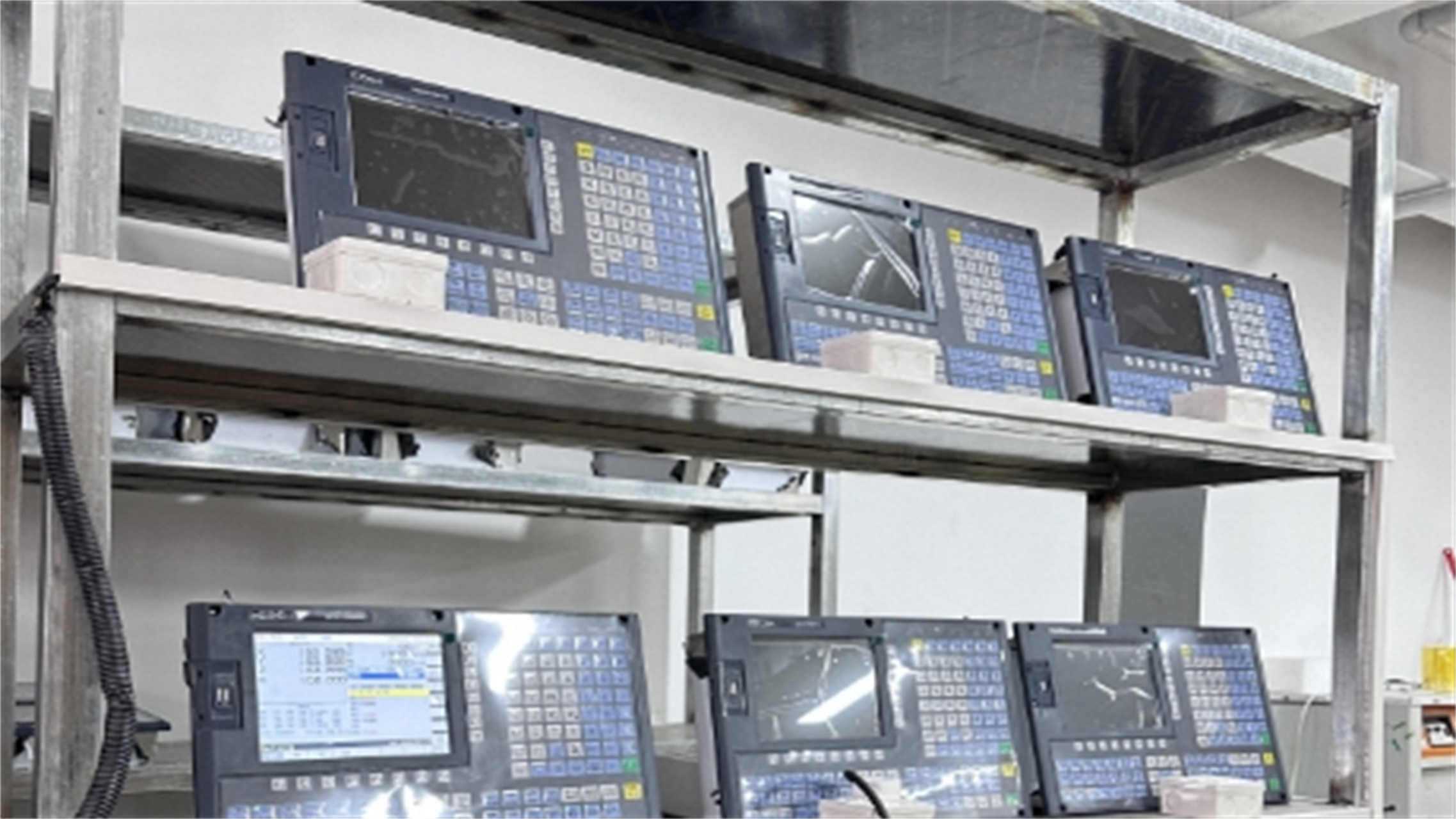
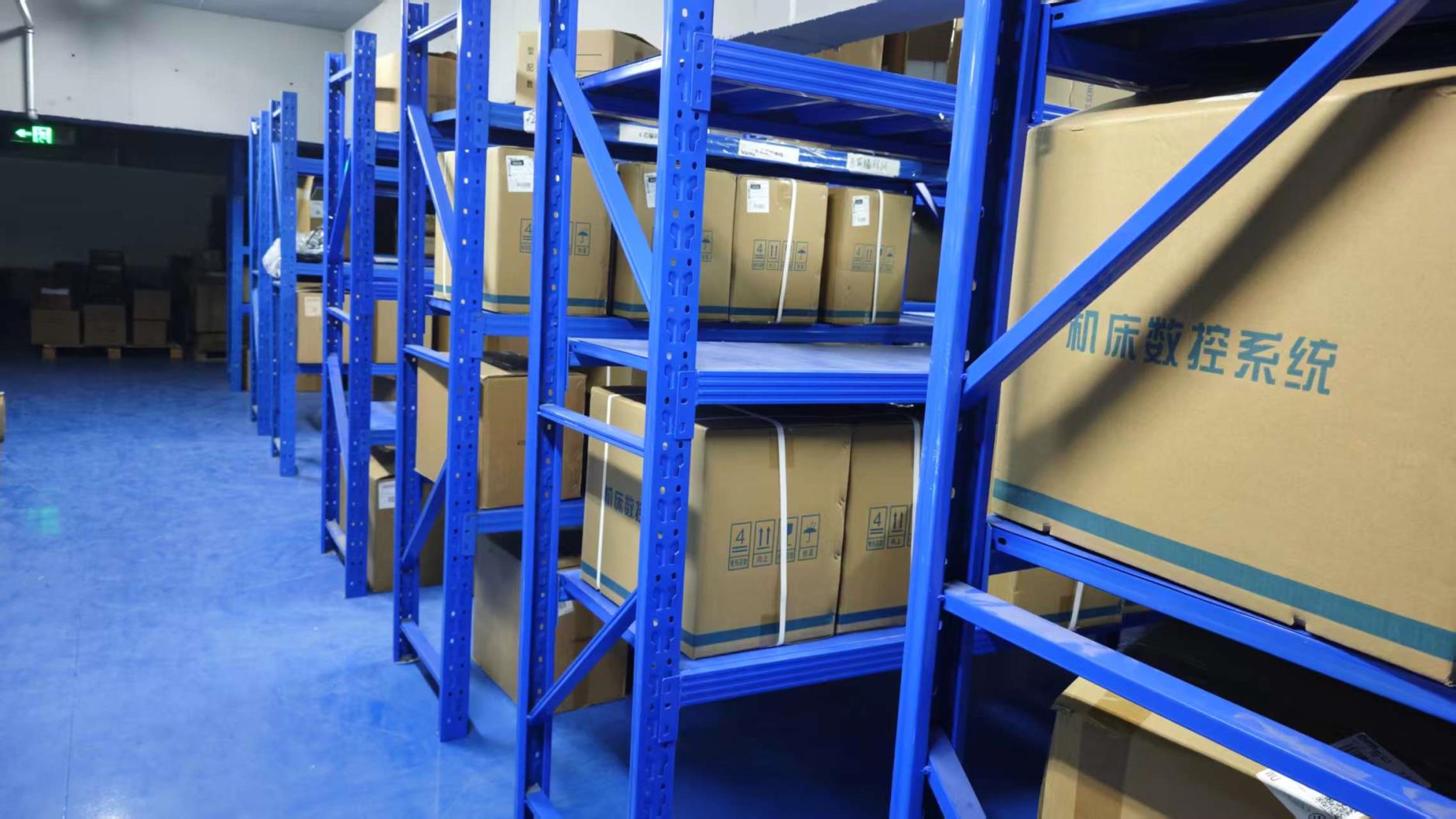
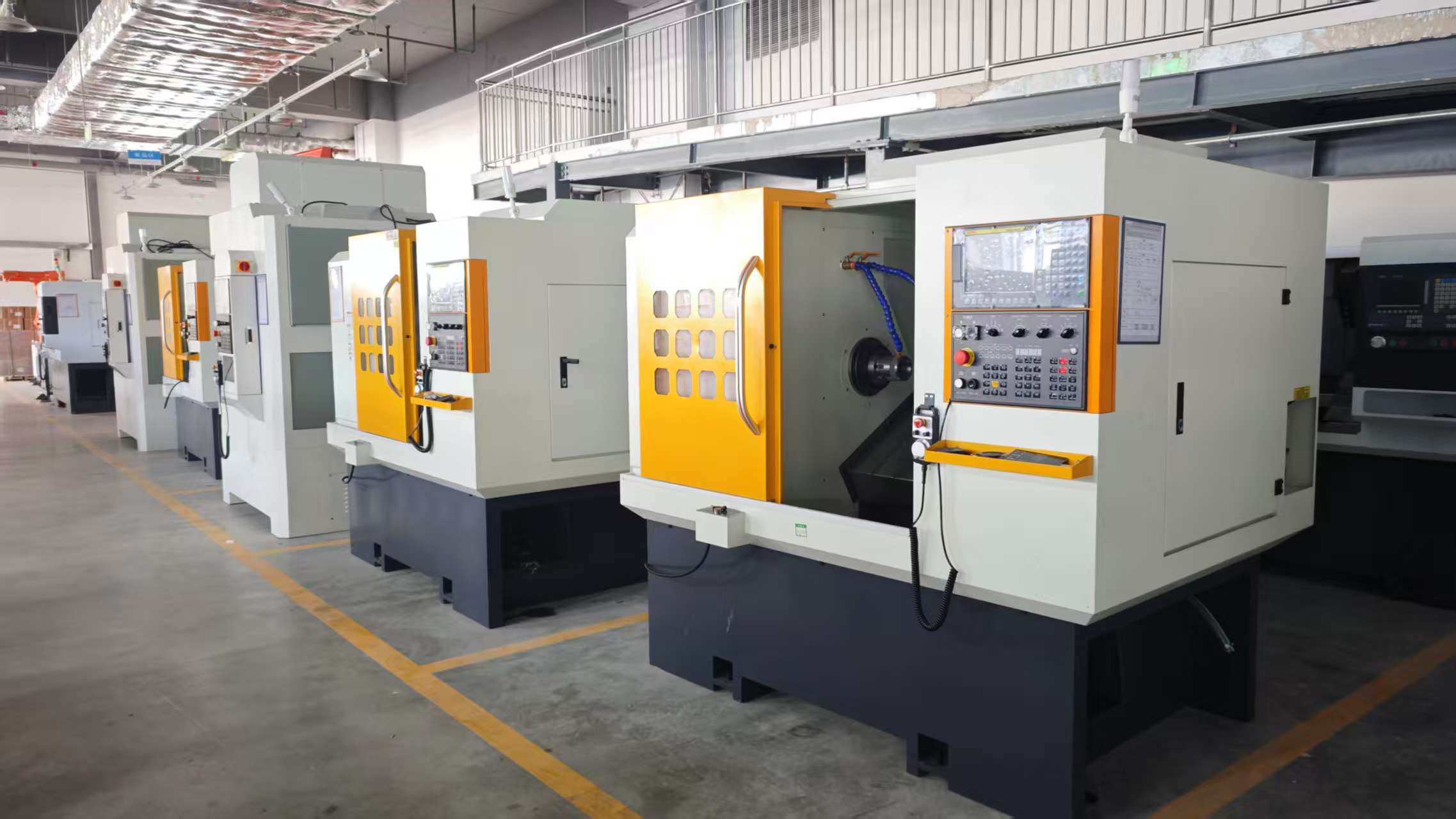
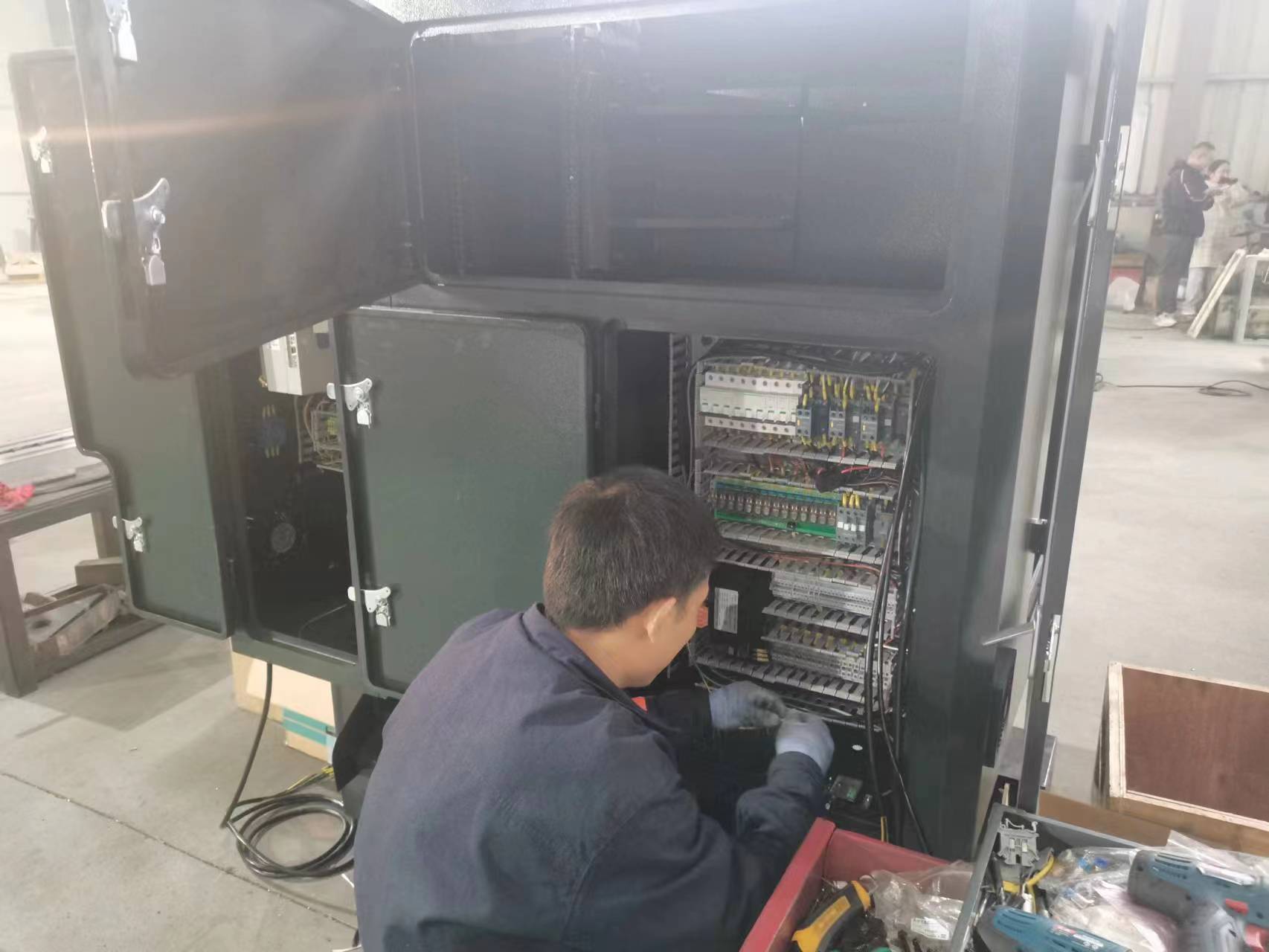
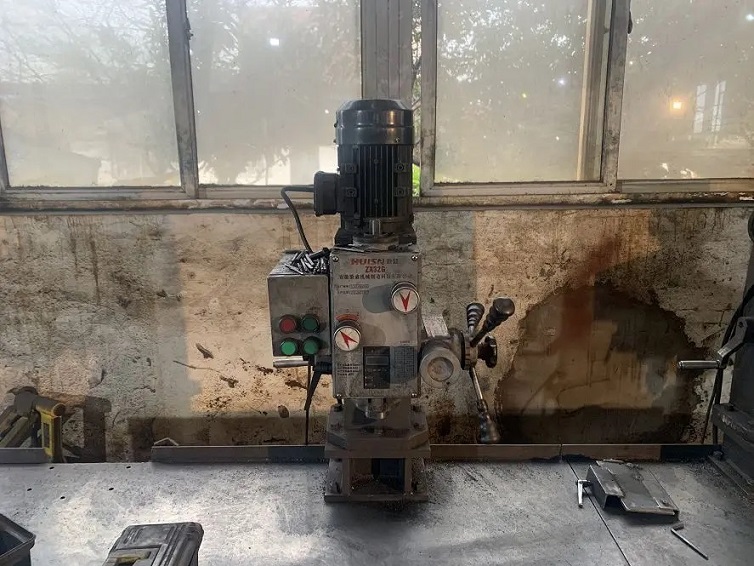
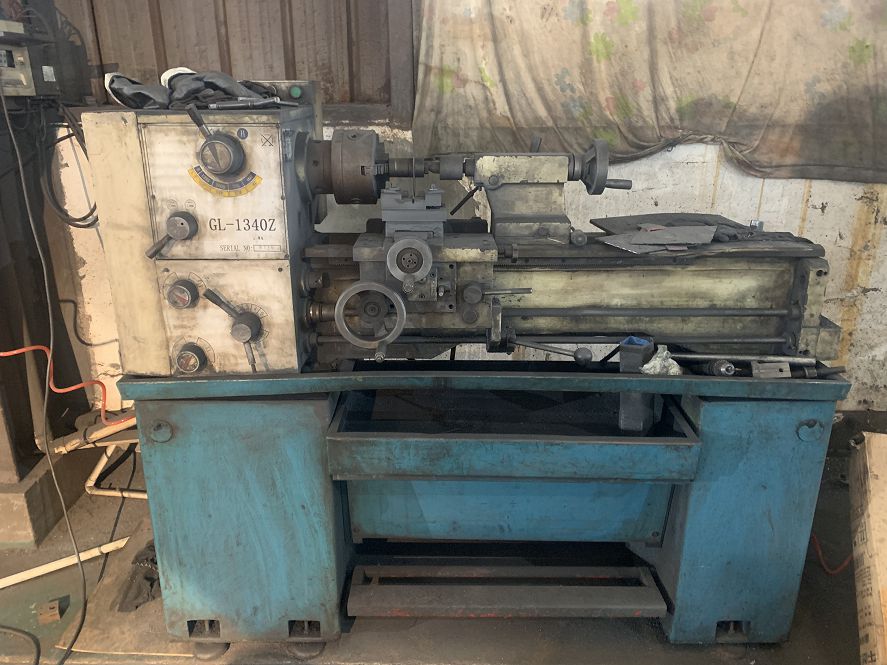
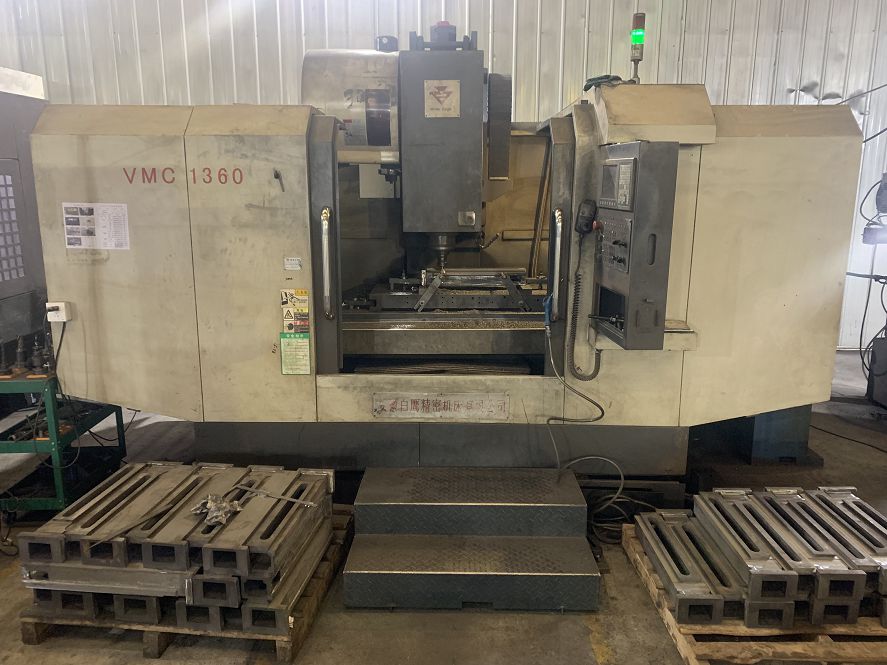
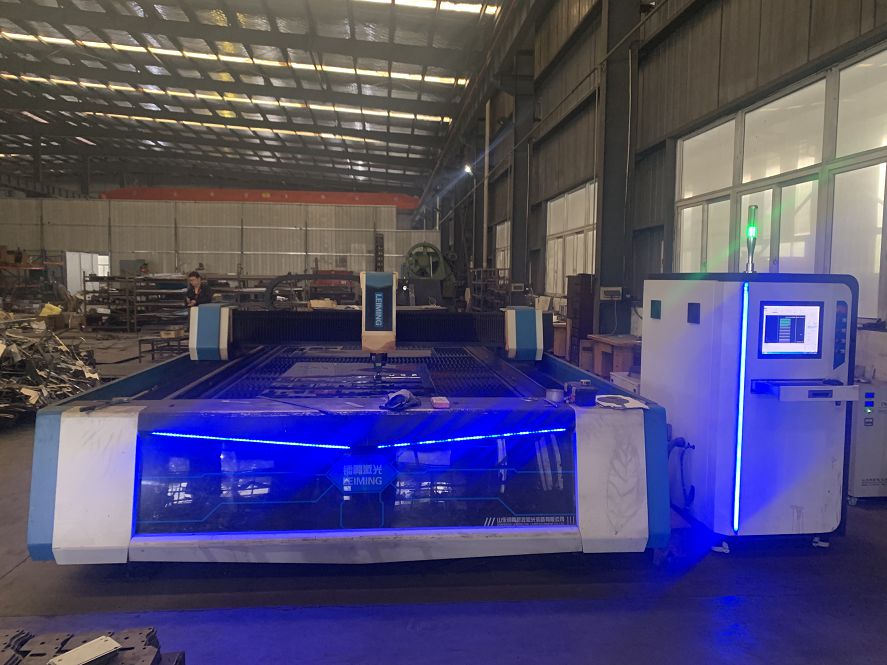
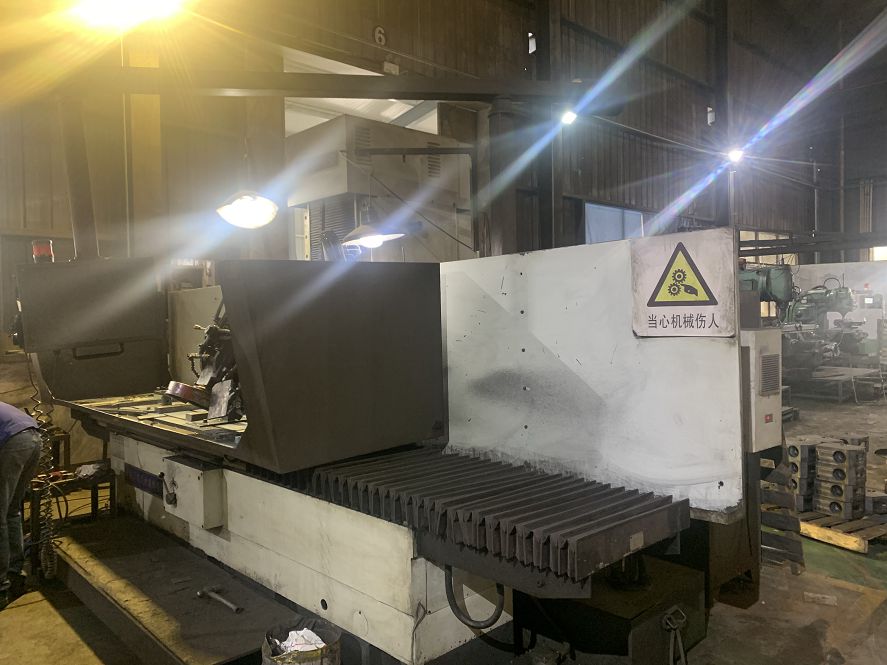
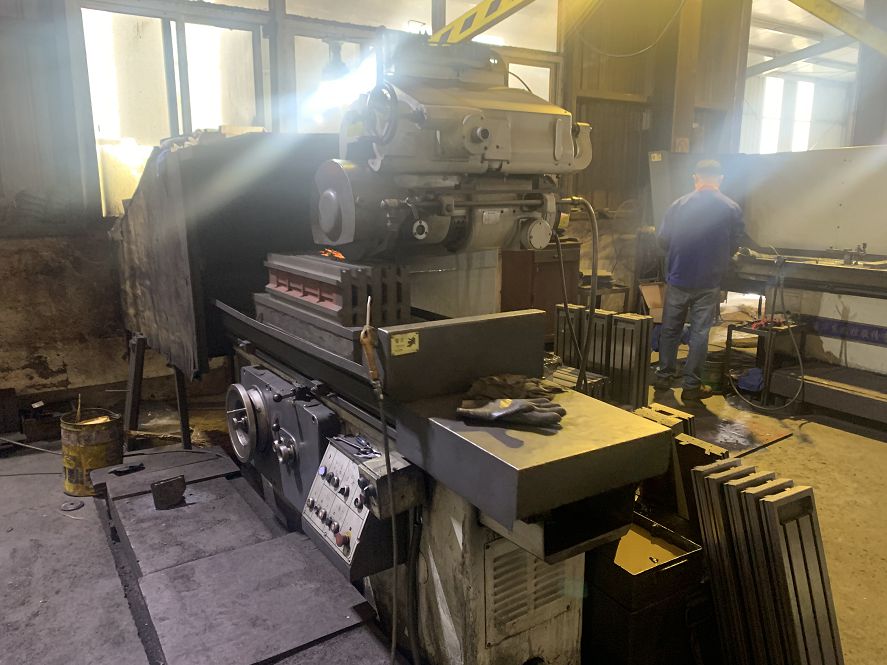
Zhejiang ZRF Spinning Co., Ltd. provides complete solutions rather than just standalone machinery. We integrate raw material handling, thermal auxiliary heating systems, automated lubrication, and specialized post-spinning machining units to ensure optimal production efficiency.
Large commercial and industrial ventilation systems require precise, aerodynamic cowls and housings to operate efficiently and minimize noise. Utilizing our WL Series CNC metal spinning equipment, manufacturers can form aerodynamic shapes in heavy-gauge steel and aluminum. The uniform wall thickness and smooth finishes produced reduce drag and improve airflow dynamics.
Forming hemispherical and ellipsoidal vessel domes of large diameters requires high axial and radial forces. Our vertical turning and spinning systems utilize high-rigidity guide rails and high-torque hydraulic servo systems. This allows the forming of stainless steel and heavy carbon steel blanks up to several meters in diameter, maintaining high circularity tolerances.
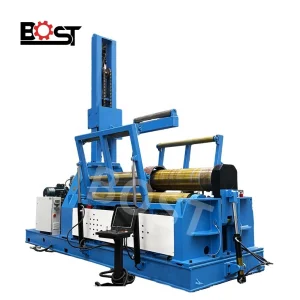
In dust filtration, mining equipment, and silo manufacturing, conical and cylindrical metal shells are critical structural parts. By combining the W12 Hydraulic CNC sheet metal rolling machine with our CNC vertical spinning tools, we offer a dual process solution. This involves rolling plate sheets followed by precision spinning to form tight necking and flanging configurations.
Answers to common engineering queries regarding metal spinning tolerances, capabilities, and configurations.
A vertical layout utilizes gravity to stabilize heavy, wide sheet blanks, minimizing spindle deflections and sag. This ensures high dimensional accuracy and roundness. It also simplifies loading and unloading, reducing setup times and improving operator safety.
Our equipment handles a wide range of materials, including carbon steel, stainless steel (304, 316), aluminum alloys (such as 5052, 6061, 7075), copper, brass, titanium alloys, and high-performance nickel-based superalloys. Harder materials can also be hot-spun with auxiliary gas burners or induction heating.
The cold spinning process compresses the grain structures of the metal, increasing tensile strength, hardness, and yield strength. If further ductility is needed, an intermediate annealing heat treatment can be integrated into the workflow.
Yes, dual-spindle/dual-roller systems apply balanced forces on opposing sides of the workpiece. This eliminates unbalanced deflection forces on the mandrel, increases material displacement rates, and reduces cycle times.
Depending on the thickness and diameter of the starting blank, our high-precision CNC machines maintain concentricity and dimensional tolerances to within ±0.1 mm to ±0.5 mm, which is suitable for high-tolerance aerospace and defense components.
Our CNC control systems feature dynamic pressure tracking and optional closed-loop displacement sensors. This allows the rollers to self-adjust to raw sheet variations, maintaining uniform thickness across the wall of the finished component.
Yes, because metal spinning mandrels (molds) are much simpler and cheaper to manufacture than the matched die sets required for stamping or deep drawing. This makes CNC spinning highly cost-effective for prototype validation, customization, and low-to-medium volume production.
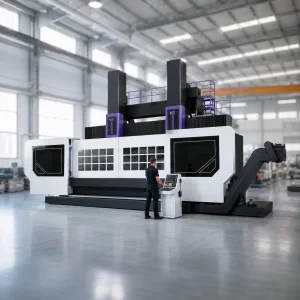
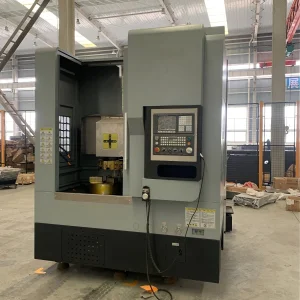
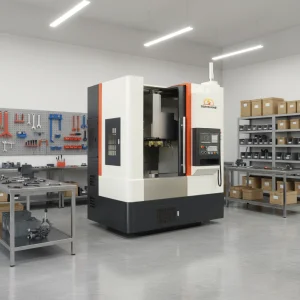
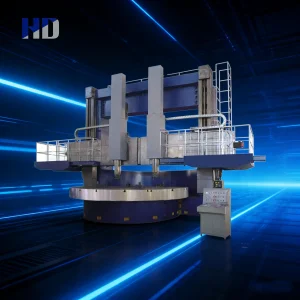
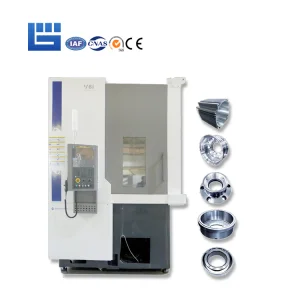
Double-column, single-spindle, and multi-turret solutions designed to work alongside our vertical spinning equipment for complete component machining.
 ZRF Spinning