Explore our elite class of double-roller CNC spinning and flow forming machines customized for diverse metal fabrication lines.
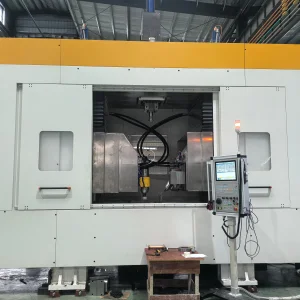
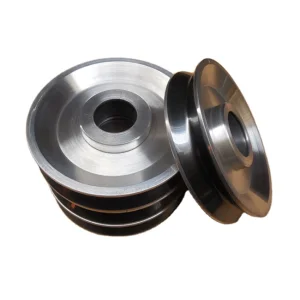
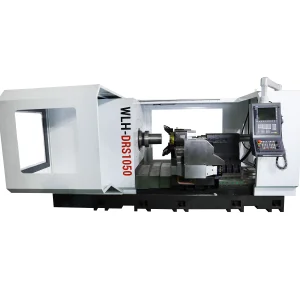
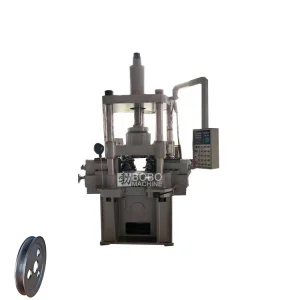
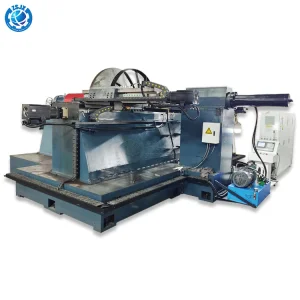
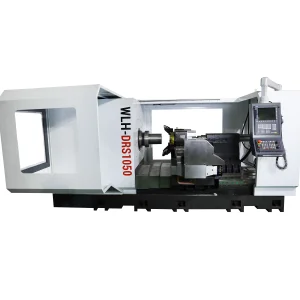
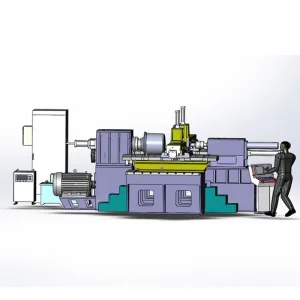
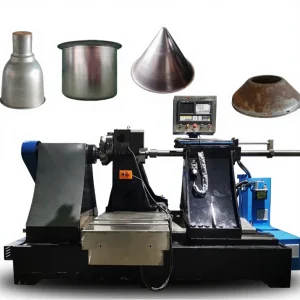
Metal spinning has transitioned from manual artisan methods to high-precision CNC processes. Among these, the **Double-Roller CNC Pulley Spinning Machine** represents the pinnacle of modern structural engineering. Unlike single-roller systems, which apply unilateral force on a workpiece, the double-roller architecture mounts two spinning rollers symmetrically around the spindle axis. This design distributes radial forces evenly across the work mandrel.
By neutralizing deflection forces, the double-roller setup prevents spindle vibration and material distortion. When shaping complex drive pulleys, multi-groove poly-V belts, and deep-drawn shells, this technology maintains exceptional dimensional accuracy. Material grain flows along the component's geometry rather than being sheared across it, which significantly enhances the finished part's fatigue strength, tensile limits, and surface finish (often achieving Ra values below 0.8 μm).
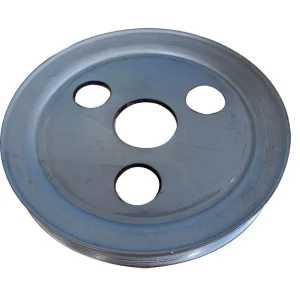
This process is highly effective for forming specialized items like *Coating Ceramic V Line Wheels* and *Cable Machinery Guide Pulleys*, where maintaining structural integrity and precise dimensions under heavy friction load is critical.
A high-tech pioneer setting standards for advanced rotary metal forming machine tools worldwide.
We are dedicated to providing global industrial sectors with advanced, safe, and highly reliable double-roller CNC spinning systems. We build our strategy around four core values:
Our heavy-duty machine configurations, dual-roller metal spinning systems, and customized industrial lines serve 30+ provinces across China and export to over 20 countries, including Germany, the United States, India, and Brazil. Our systems strictly comply with ISO9001 quality management guidelines and CE directives, ensuring they integrate seamlessly into global production networks.
The landscape of precision manufacturing demands that modern machine tools adapt to the rise of Industry 4.0. Zhejiang ZRF Spinning Co., Ltd. is actively executing a technical roadmap that bridges mechanical stability with digital intelligence. Our engineering teams focus on three primary avenues of development:
Traditional CNC toolpaths follow pre-programmed trajectories without accounting for variation in raw material thickness, hardness, or temperature. Our upcoming machine generation features integrated load-cell sensors on both rollers. These sensors feed data directly to an AI-driven control loop, automatically adjusting roller pressures and offset gaps in real time to guarantee consistent material thickness and eliminate structural thinning defects.
For hard-to-form metals such as titanium, high-strength nickel alloys, and thick-gauge stainless steels, ZRF is developing hot spinning configurations. Using integrated induction or laser heating heads, the system warms the metal substrate to its recrystallization temperature just ahead of the rollers. This process reduces forming forces, increases material ductility, and prevents micro-fracturing in critical aerospace and energy components.
Every production cycle generates telemetry on spindle load, axis vibration, hydraulic pressures, and cycle times. ZRF's Smart Link IoT module transmits this data to a digital twin instance. Machine operators and plant engineers receive alerts regarding tool wear, spindle bearing life, and hydraulic fluid breakdown before issues occur, reducing unplanned downtime to nearly zero.
Optimized machine tools tailored to meet the technical standards of diverse industrial supply chains.
High-volume production of multi-groove engine pulleys, clutch hubs, transmission drums, and folding wheels. Symmetrical double-roller spinning ensures perfect concentricity and weight distribution, preventing drive system vibration at high engine RPMs.
Heavy-duty tank head spinning machines are engineered to shape thick-gauge plates into ellipsoidal, torispherical, and hemispherical configurations. Symmetrical hydraulic forces ensure uniform wall thickness reduction and prevent stress-corrosion cracks in pressure vessel components.
For applications requiring high friction resistance and mirror finishes, our machines construct ceramic coating V-line wheels and mirror-polished coil winding pulleys. Precision-controlled CNC forming path profiling ensures zero material surface defects.
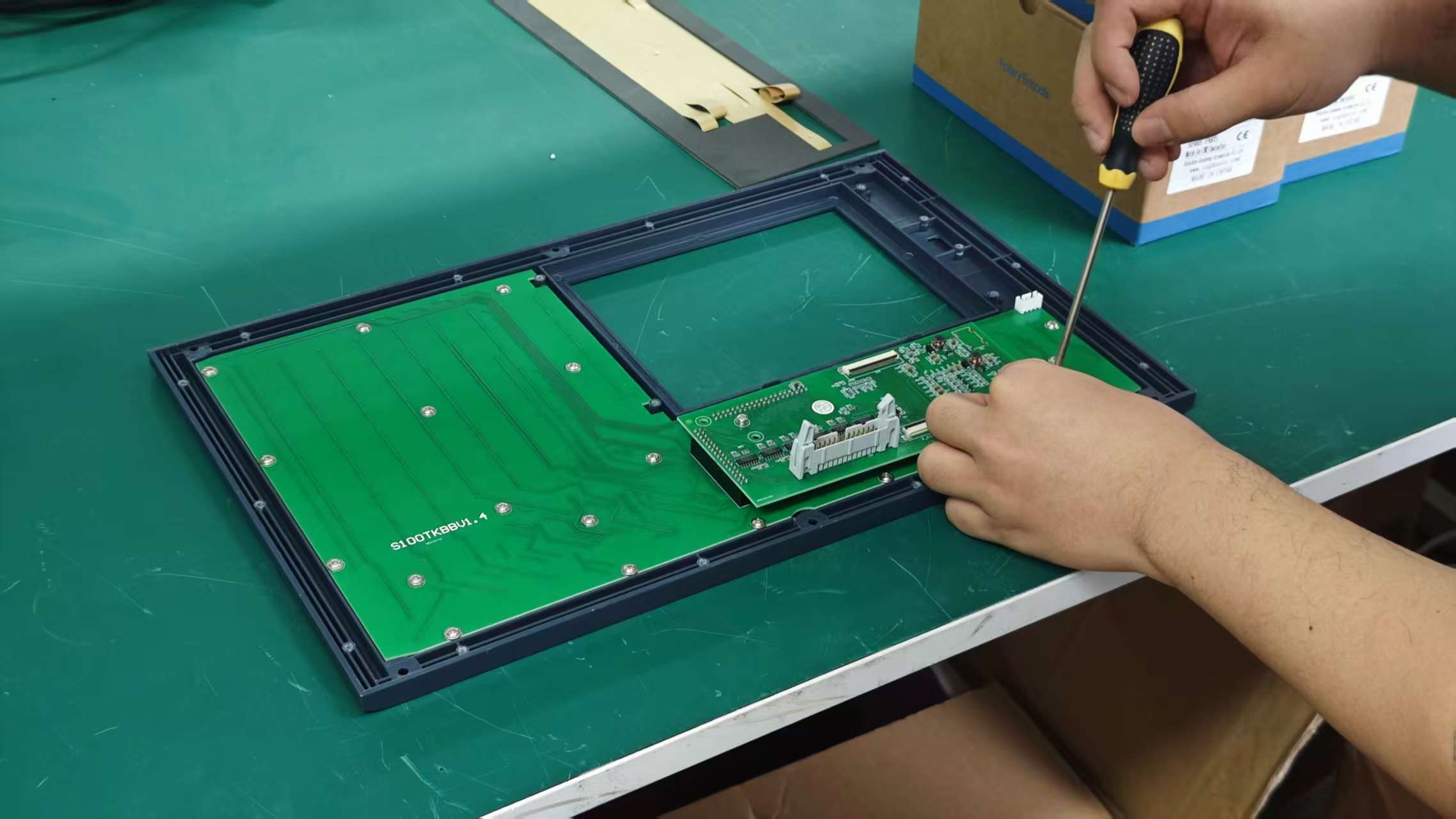
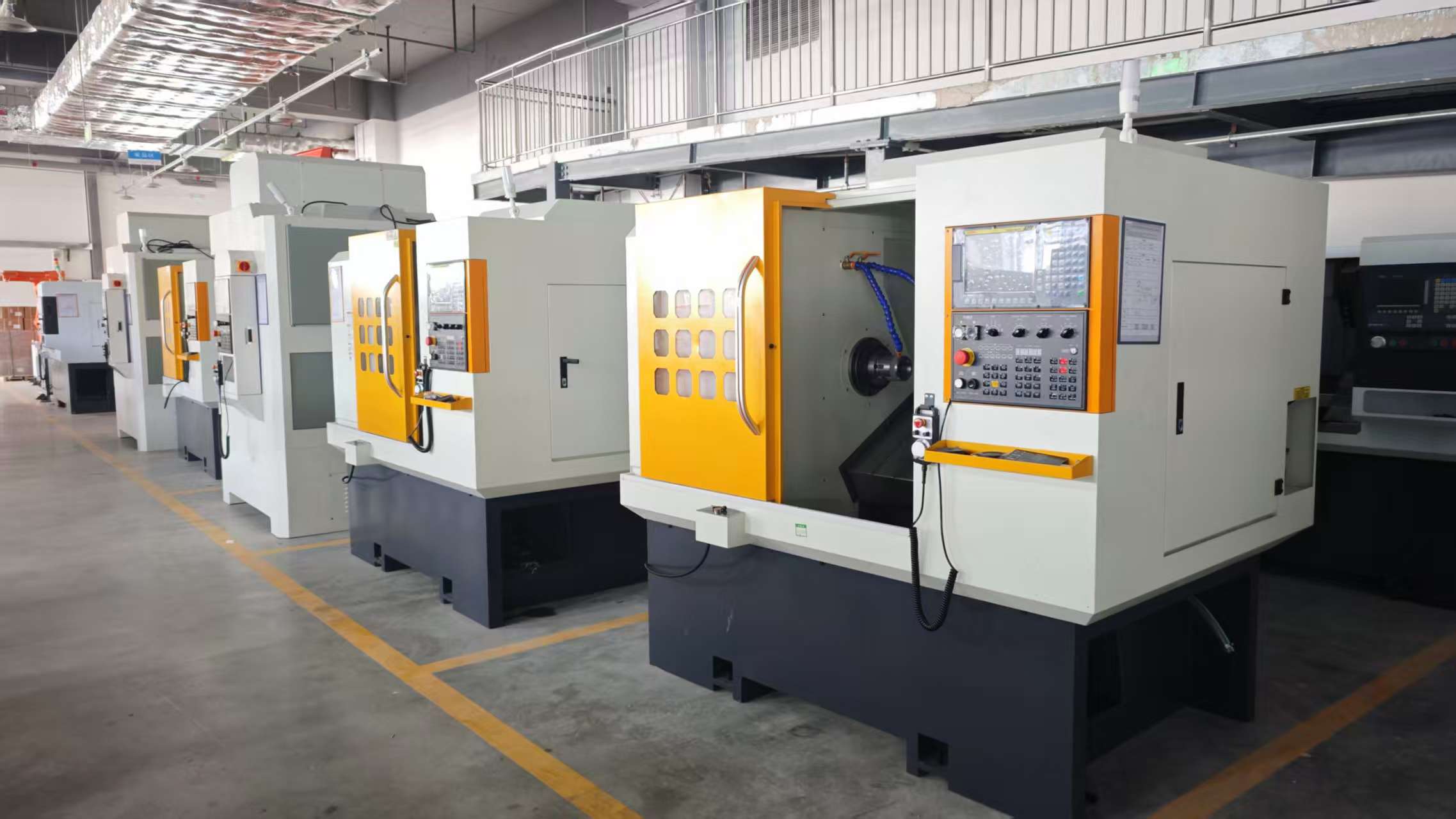
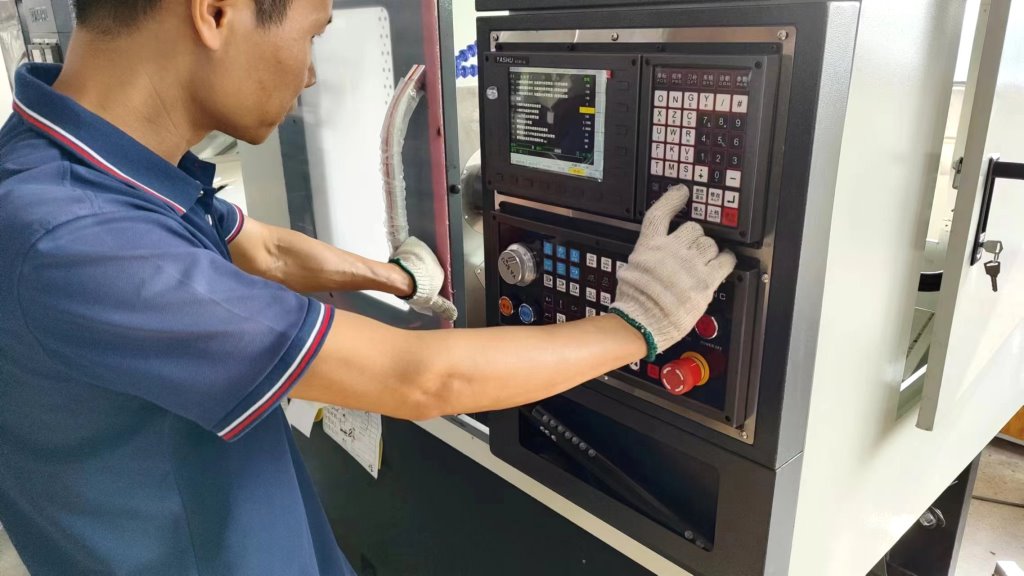
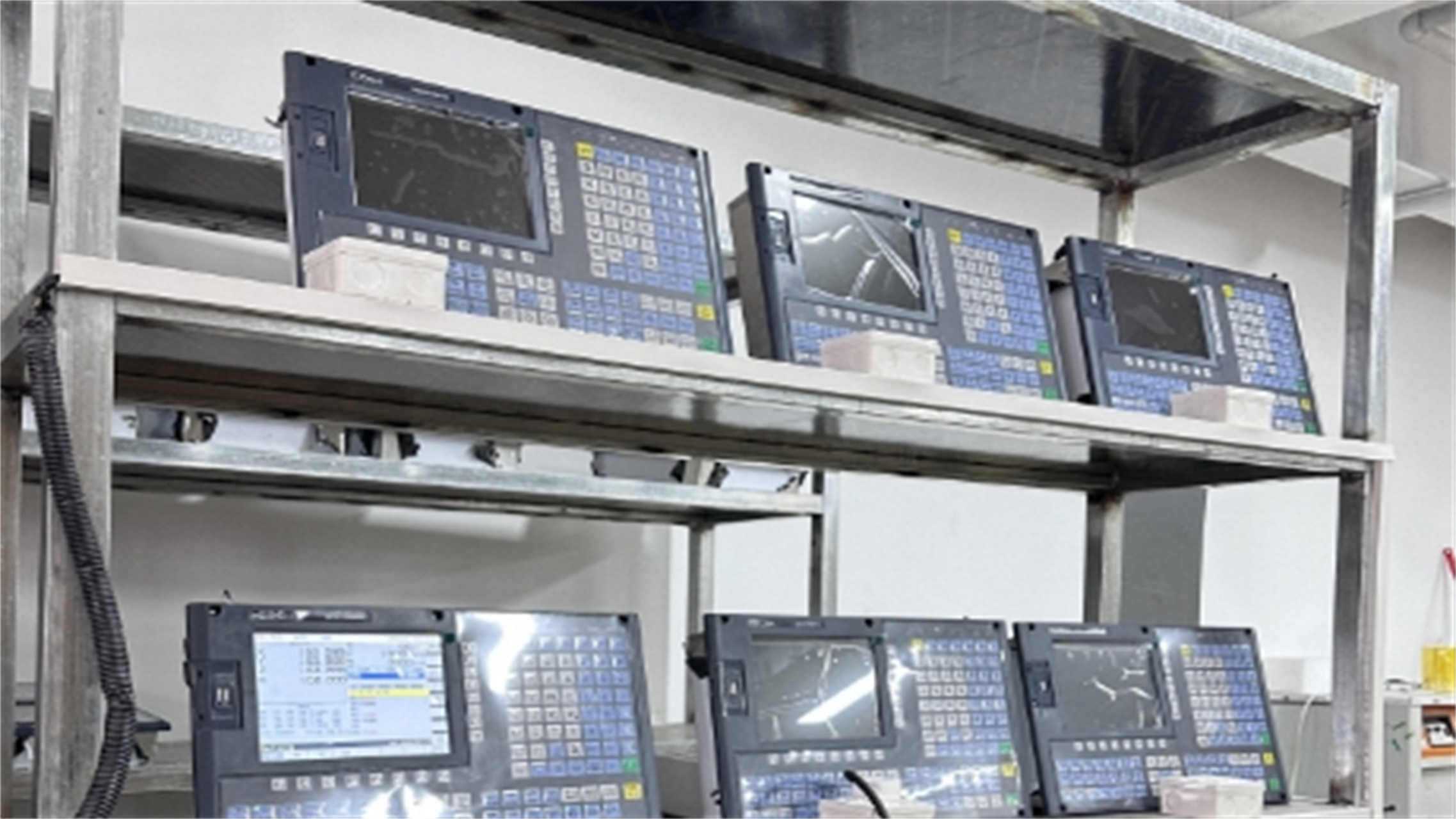
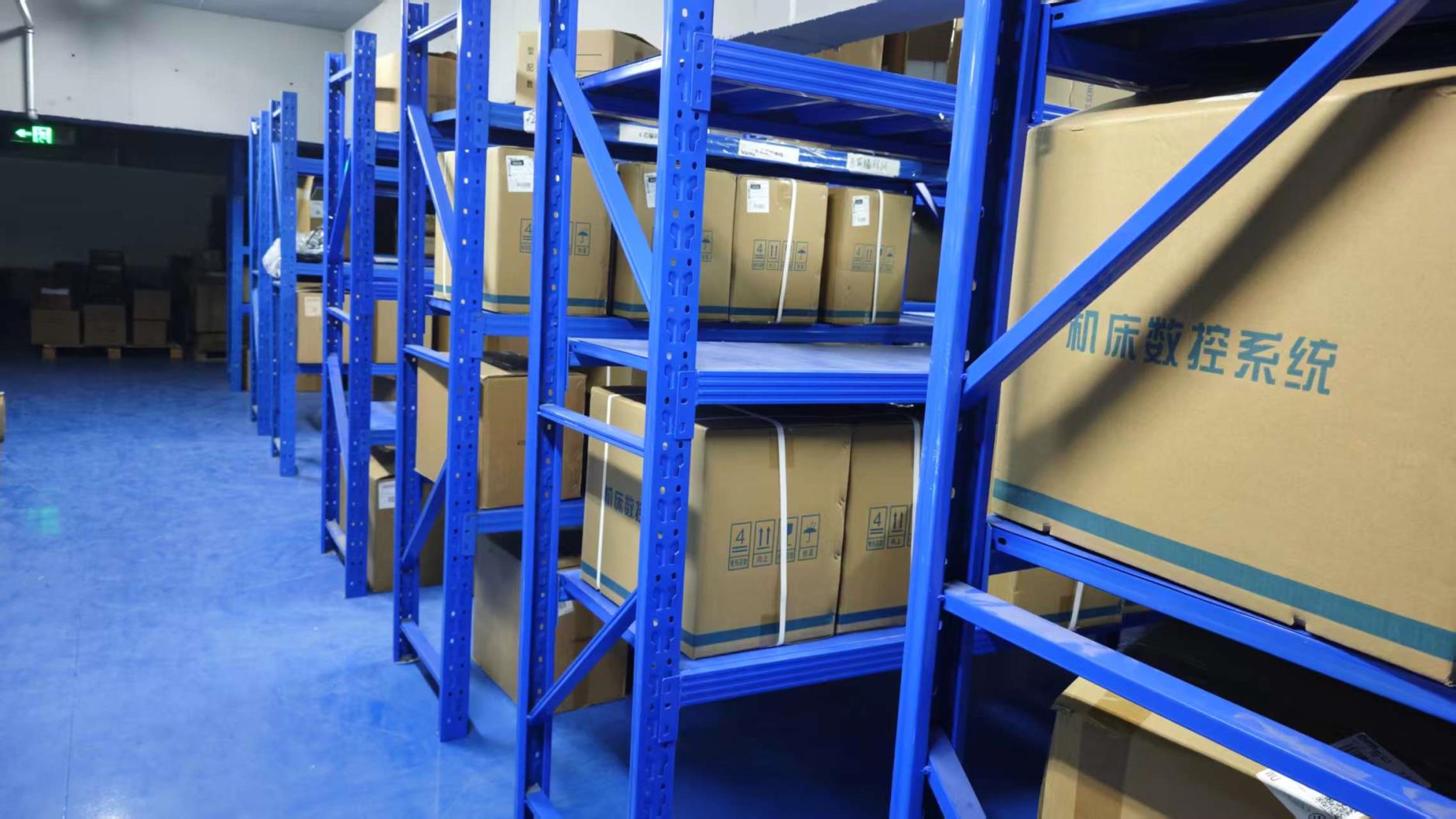
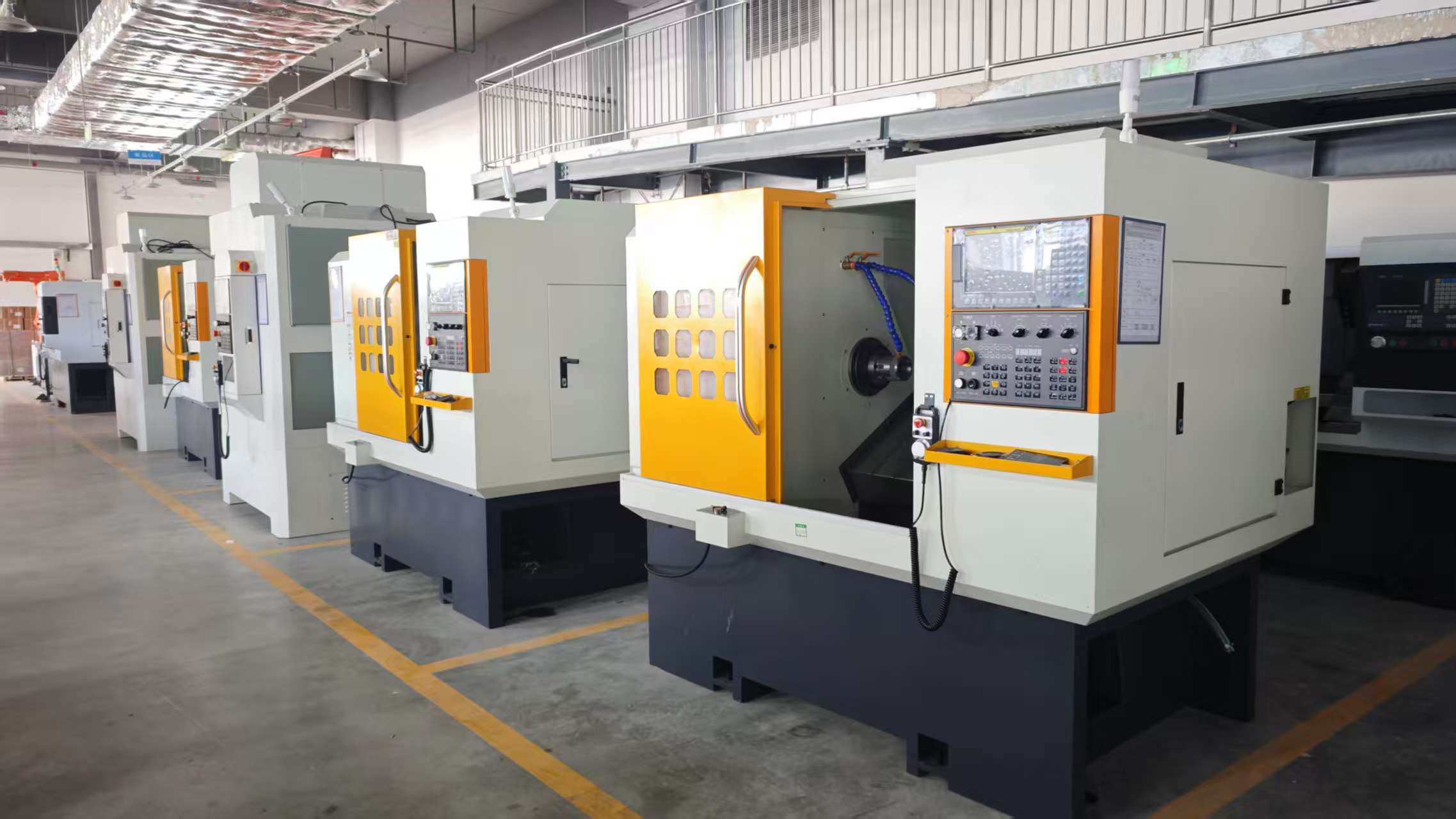
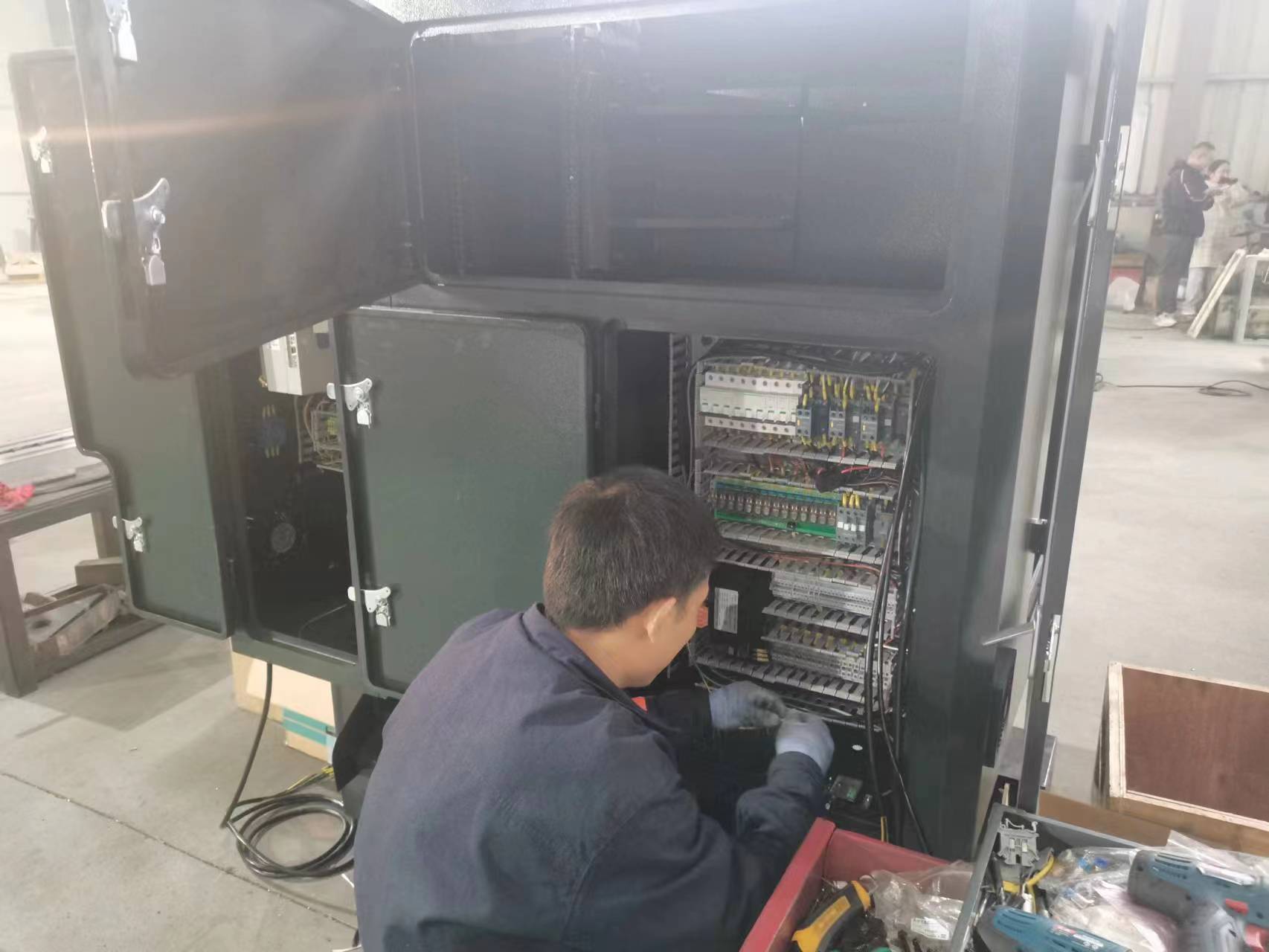
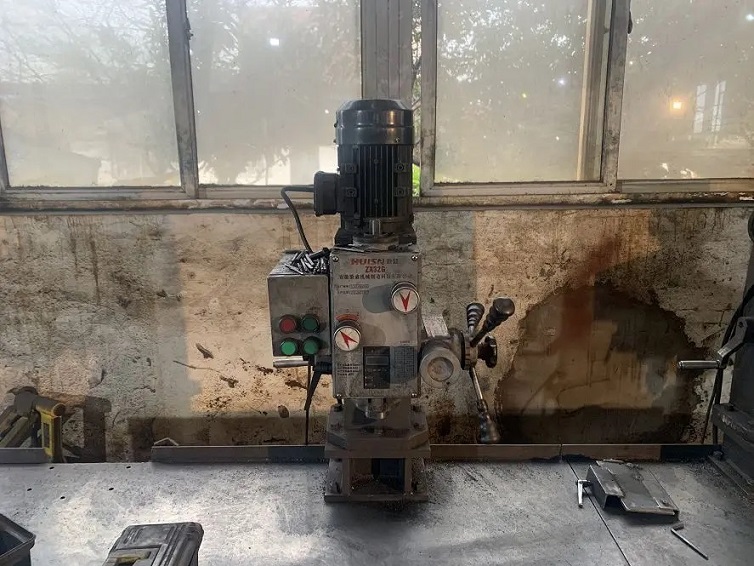
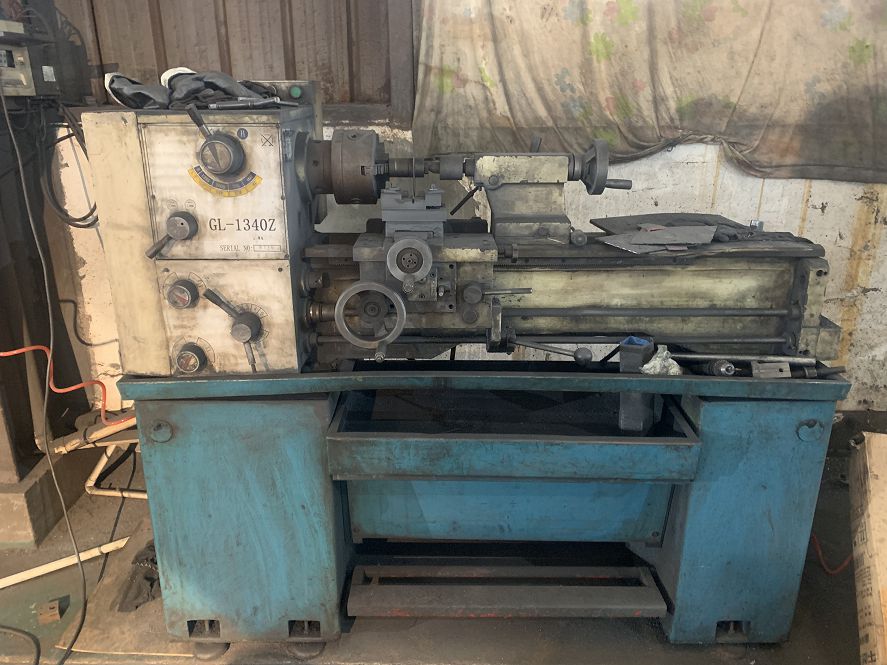
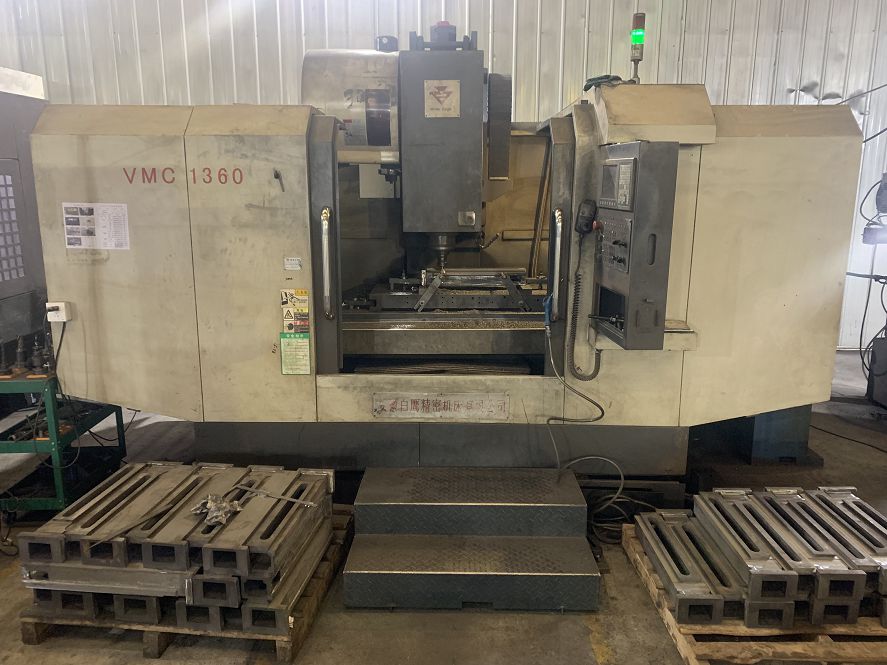
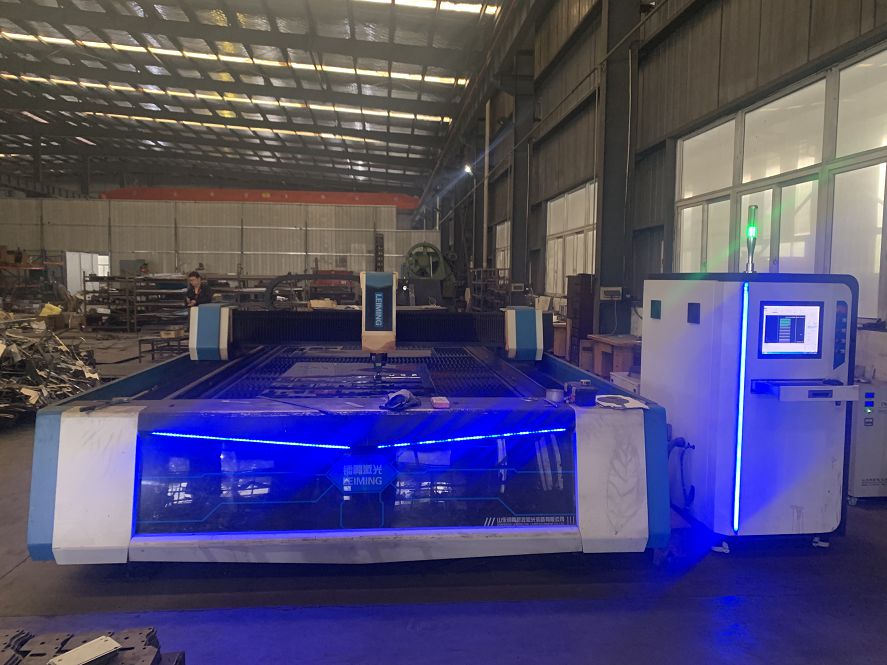
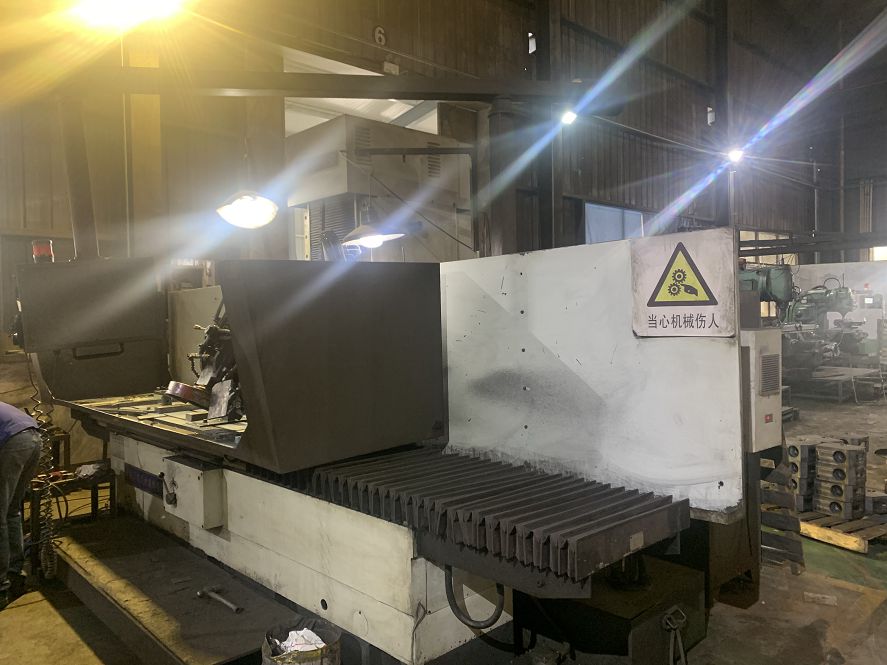
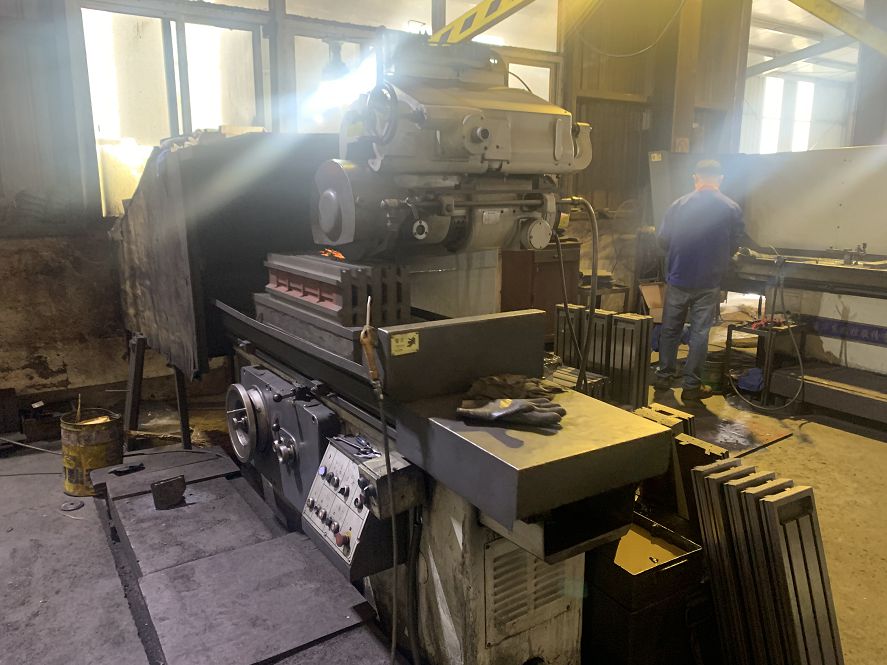
Inside Zhejiang ZRF Spinning Co., Ltd.: Modern production facilities executing precision assembly, machining, and extensive quality testing.
Procurement directors in international manufacturing operations must balance capital expenditure efficiency with strict technical specifications. When procuring double-roller CNC spinning and flow forming machines, several key parameters are critical to ensuring integration with existing production lines:
Deploying heavy industrial machinery globally requires dedicated support networks to maintain high uptime. Zhejiang ZRF Spinning Co., Ltd. provides localized engineering services and compliance support tailored to regional industrial regulations:
We maintain specialized engineering networks in regions like India, Eastern Europe, and South America. These teams provide local installation, custom commissioning, local language operator training, and field support to quickly resolve issues and minimize downtime.
ZRF CNC machines are engineered and manufactured in compliance with international safety and electrical codes. From CE declaration requirements in Europe to UL/CSA electrical panels for North America, our equipment conforms to regional standards to simplify local inspections and integration.
We maintain strategic regional inventories of critical mechanical parts, replacement tooling mandrels, hydraulic valves, and electrical elements. This system enables fast dispatch and minimizes delivery delays for replacement parts.
Technical explanations addressing common engineering and procurement questions about double-roller metal spinning systems.
Single-roller designs apply unilateral force, creating a bending moment on the spindle and mandrels. This deflection can lead to vibration, accelerated bearing wear, and dimensional variation. Symmetrical double-roller systems apply equal, opposing forces to neutralize radial deflection, enabling tighter tolerances, improved surface finish, and extended machine lifespan.
Our machines process a wide variety of ductile metals, including carbon steels, copper and brass, aluminum alloys, and stainless steel (e.g., 304, 316). Harder alloys can be spun using specialized, heavy-duty configurations or hot-spinning setups that apply thermal heat to ease material flow.
We combine high-resolution linear encoders, precision ball screws, and rigid guide rails with CNC path interpolation. The control system continuously regulates the gap between the mandrel and the spinning rollers, managing wall reduction throughout the forming process to prevent thin spots or tearing.
Yes. Our CNC control cabinets support automation interfaces. They integrate with robotic arms for automatic loading, pneumatic/hydraulic mandrel clamping systems, and conveyor lines, making them suitable for high-volume automated production environments.
The flow forming action of the rollers causes plastic deformation under high compression, refining the metal's grain structure and aligning it with the part's profile. This structural alignment increases tensile strength and wear resistance compared to standard casting or machining techniques, which is highly beneficial for high-stress parts like guide pulleys.
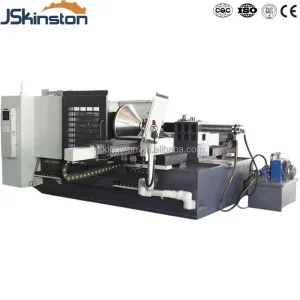
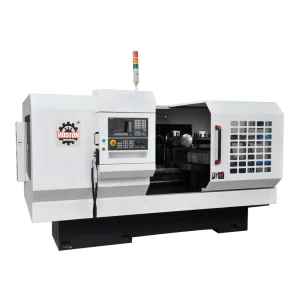
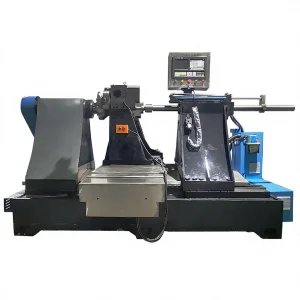
Browse additional CNC turning, milling, and specialized double-roller spinning configurations in our industrial machinery line.
 ZRF Spinning