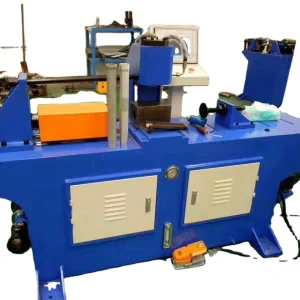
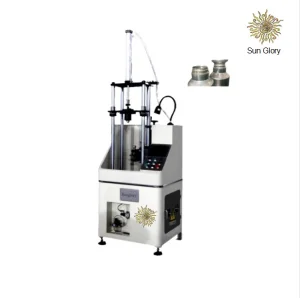
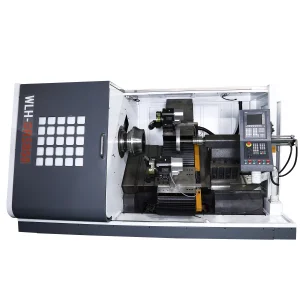
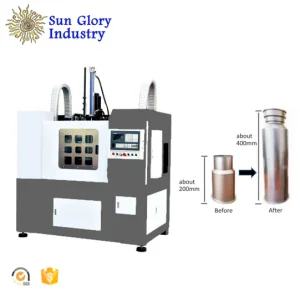
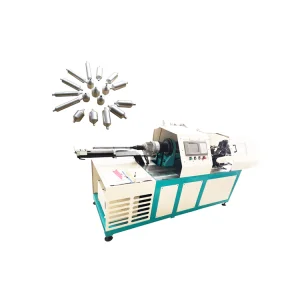
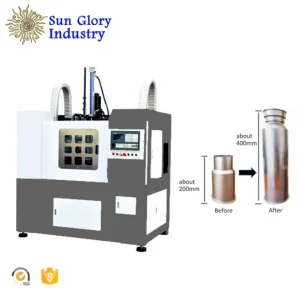
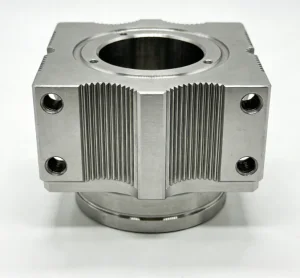
Explore our premium selection of high-accuracy metal forming machineries, custom-engineered for maximum material yield and exceptional geometric tolerance.
In the frontier of modern subtractive and additive manufacturing, CNC flow forming stands out as a premier incremental plastic deformation technology. Distinct from standard metal spinning, flow forming subjects a hollow metal preform to high-tonnage compressive forces via multi-roller systems. By compressing the material over a rotating internal mandrel, it precisely controls wall thickness reduction, grain structure elongation, and dimensional integrity. The physics of flow forming relies on the three-dimensional shear and axial displacement of the metal crystals below their recrystallization temperature (cold working), resulting in enhanced tensile strength, yield strength, and surface hardness.
Globally, the market for precision CNC flow forming machines is experiencing rapid growth. Fueled by stringent lightweight requirements in the aerospace, defense, automotive, and energy industries, manufacturers are shifting away from traditional casting and machining. Traditional machining of thin-walled rotating components can generate up to 80% material waste. CNC flow forming improves material utilization to over 90%, creating near-net-shape components that minimize raw material expenditures—an absolute necessity when working with expensive superalloys like Titanium, Inconel, Hastelloy, and high-strength steels.
In localized manufacturing clusters—from the automotive hubs of Central Europe to the defense-aerospace corridors of North America and East Asia—the demand for highly automated, reliable machinery is paramount. Global supply chains require CNC flow forming lathes that not only maintain high throughput but also integrate seamlessly with cyber-physical production networks (Industry 4.0). Intelligent tooling configurations, automatic loading devices, and thermal imaging monitoring systems are becoming standard requirements for contemporary factories worldwide.
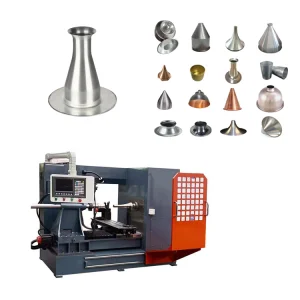
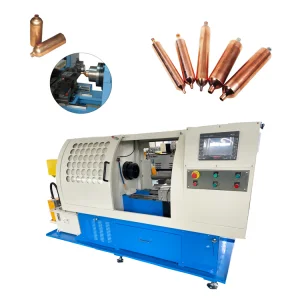
As a high-tech enterprise specializing in the research, development, and manufacturing of CNC spinning machine tools, Zhejiang ZRF Spinning Co., Ltd. has extensive experience and a strong technical foundation in the domestic spinning industry.
Our series of CNC spinning machine tools are widely applied across a variety of industries, including petrochemicals, electronics, daily hardware, food processing machinery, automotive and motorcycle components, pressure vessels, ventilation and environmental protection, defense, and aerospace. The ZRF spinning machine series has reached more than 30 provinces and cities across China and has been exported to over 20 countries and regions worldwide. Our advanced technology, excellent product quality, and comprehensive service system have earned the trust and recognition of users globally.
At Zhejiang ZRF Spinning Co., Ltd., we firmly advocate a philosophy of market-oriented development, research-driven innovation, and technological excellence. We focus on continuous improvement in both product performance and service quality. Our manufacturing process strictly adheres to the ISO9001 quality management system, ensuring reliable, safe, and high-quality products. Over the years, we have established long-term cooperative relationships with many leading domestic and international enterprises.
Our mission and values are centered around:
Pioneering R&D focusing on multi-roller control mechanisms, intelligent CNC trajectories, and advanced thermal forming techniques.
Strict compliance with ISO9001 protocols, utilizing premium guideway grinding and rigorous debugging methodologies.
Ensuring total alignment with customer goals, from engineering design support to global localized technical dispatch.
Establishing lasting strategic alliances with global suppliers and engineering partners to drive technological progress.
We are dedicated to providing our clients with advanced, safe, and reliable technology and products. Looking forward, Zhejiang ZRF Spinning Co., Ltd. will continue to leverage its deep technical expertise to strengthen its leadership in China’s spinning industry and expand its global presence. With a vision for the 21st century, full of opportunities and challenges, Zhejiang ZRF Spinning Co., Ltd. remains committed to excellence in innovation, quality, and service, striving to become a globally respected leader in spinning machine technology.
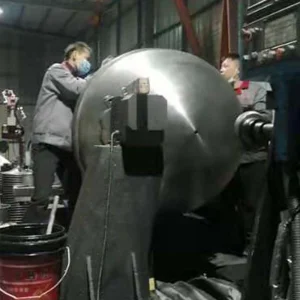
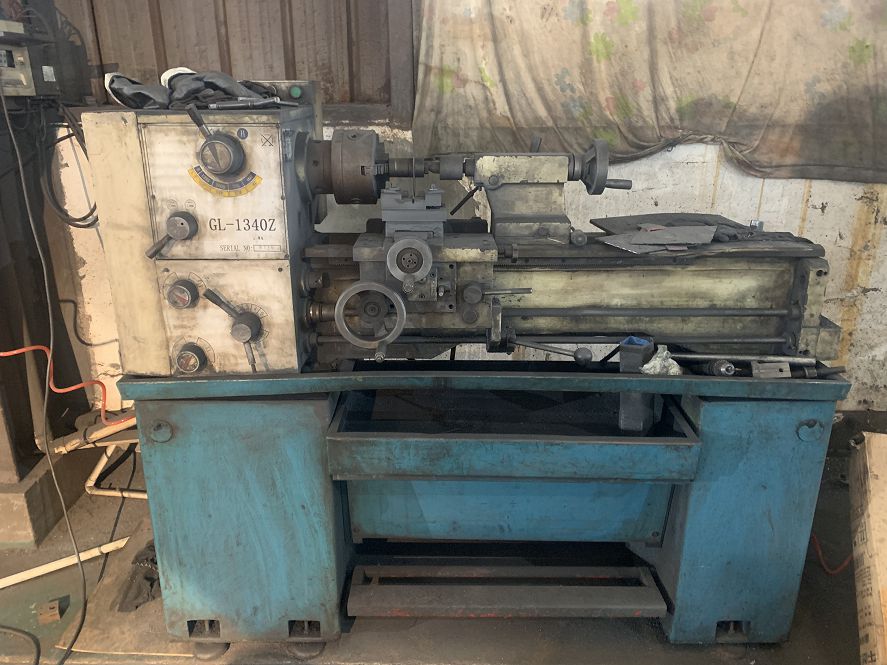
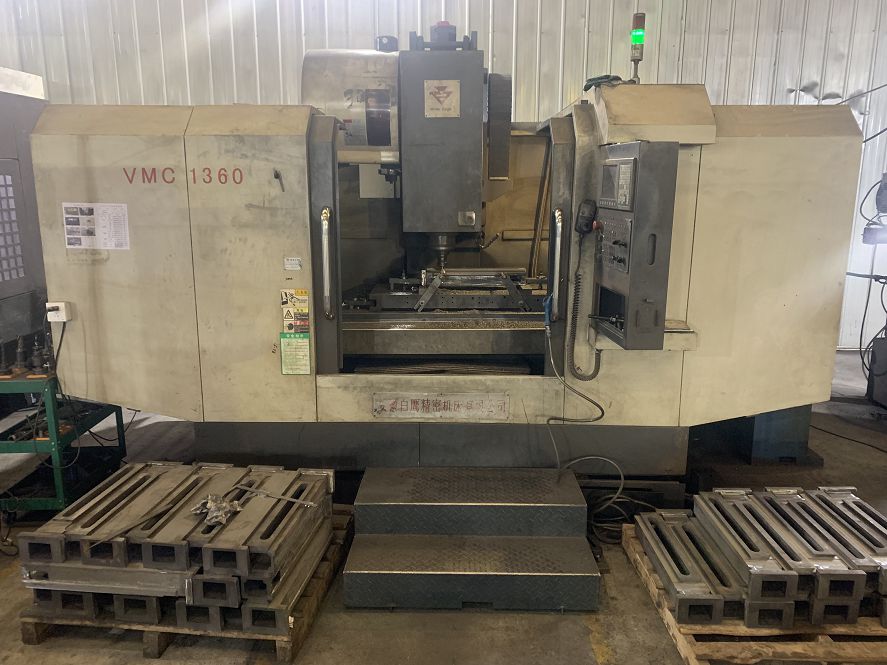
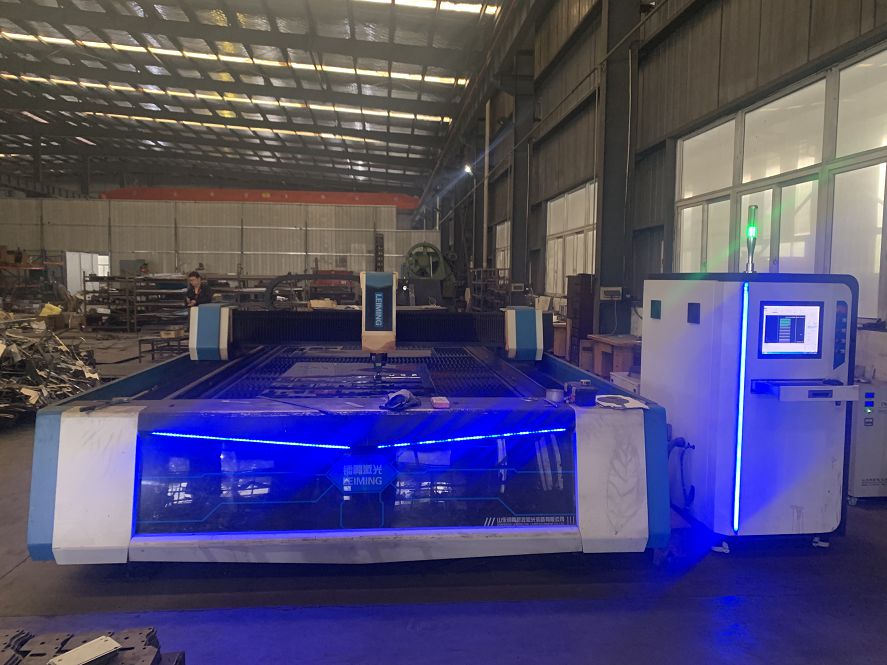
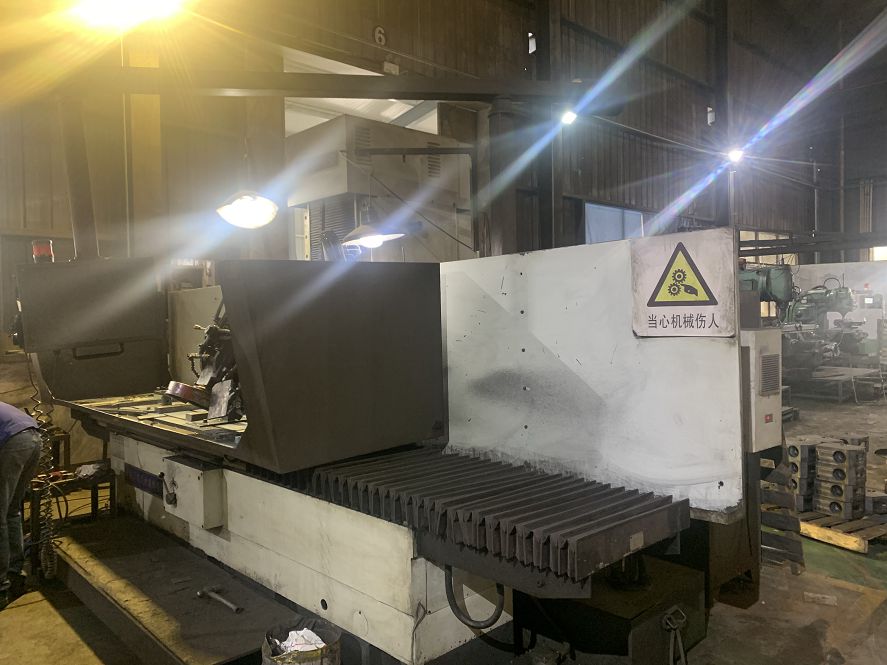
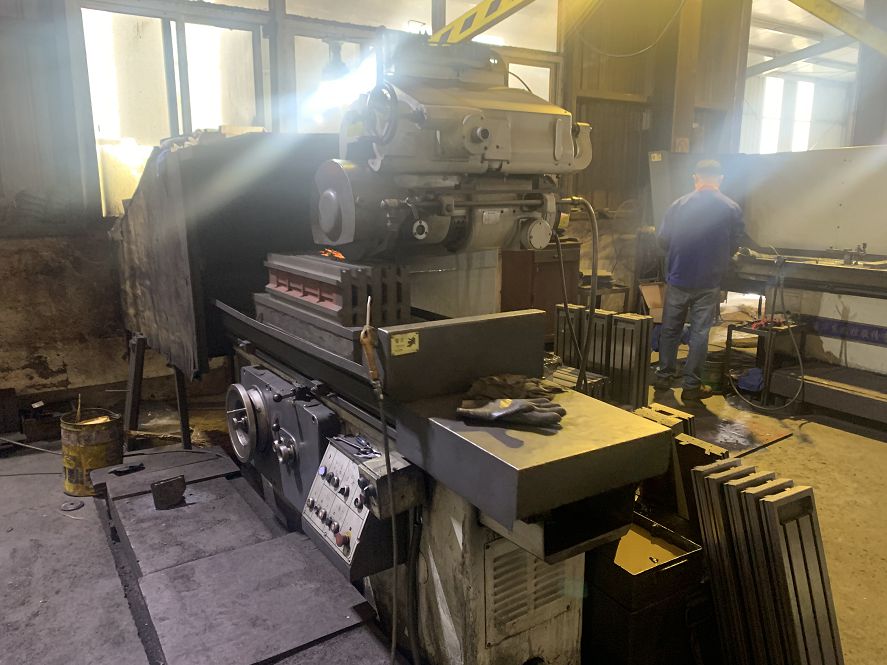
Explore our manufacturing floor, machining tooling centers, and internal testing environments where high-precision CNC machines are crafted, calibrated, and stress-tested.
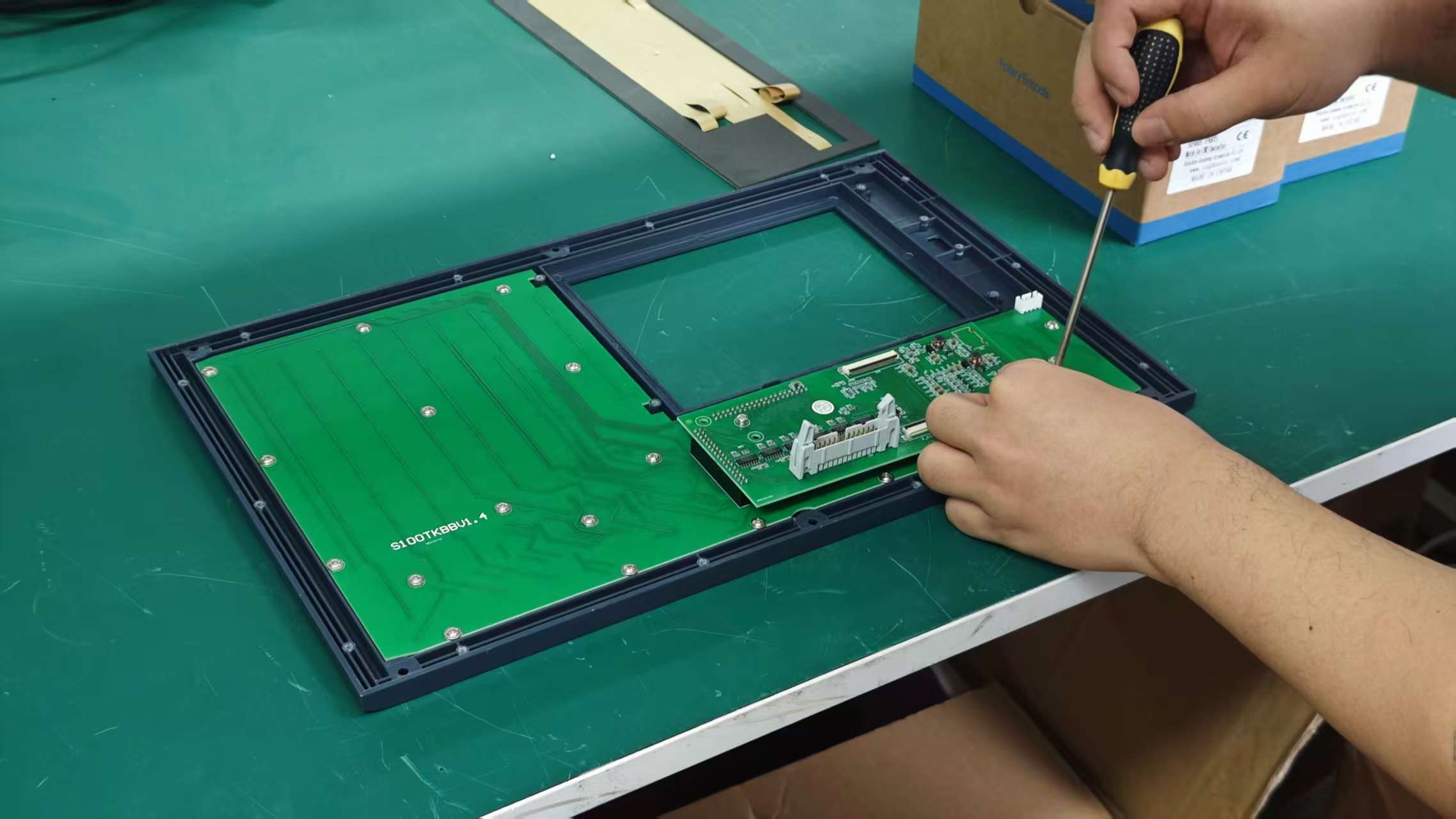
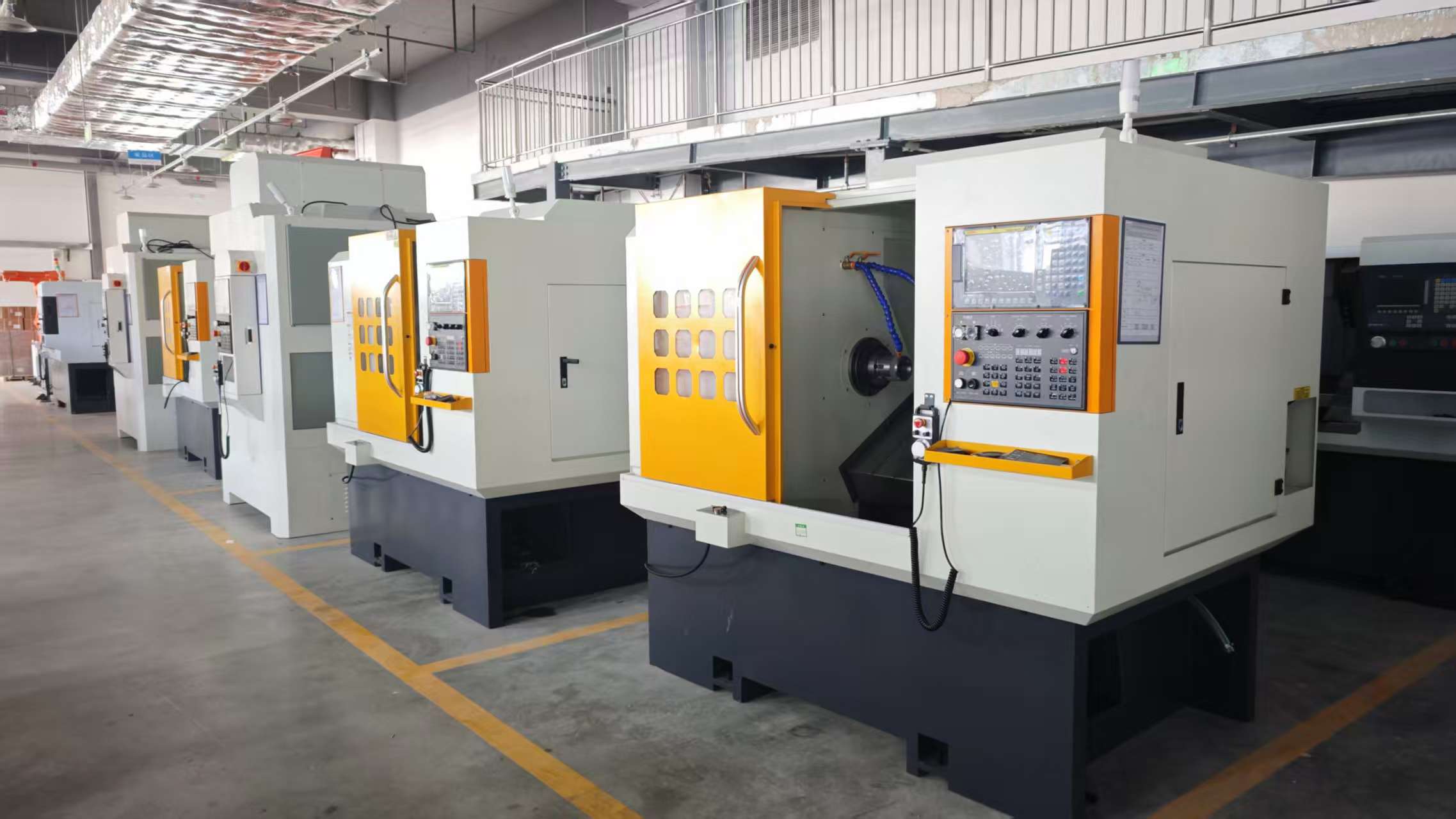
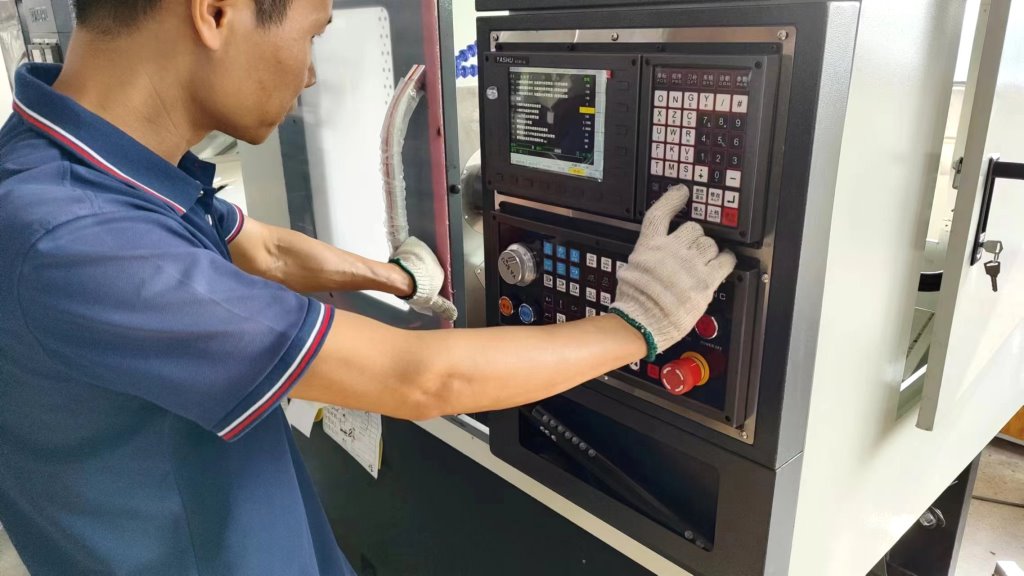
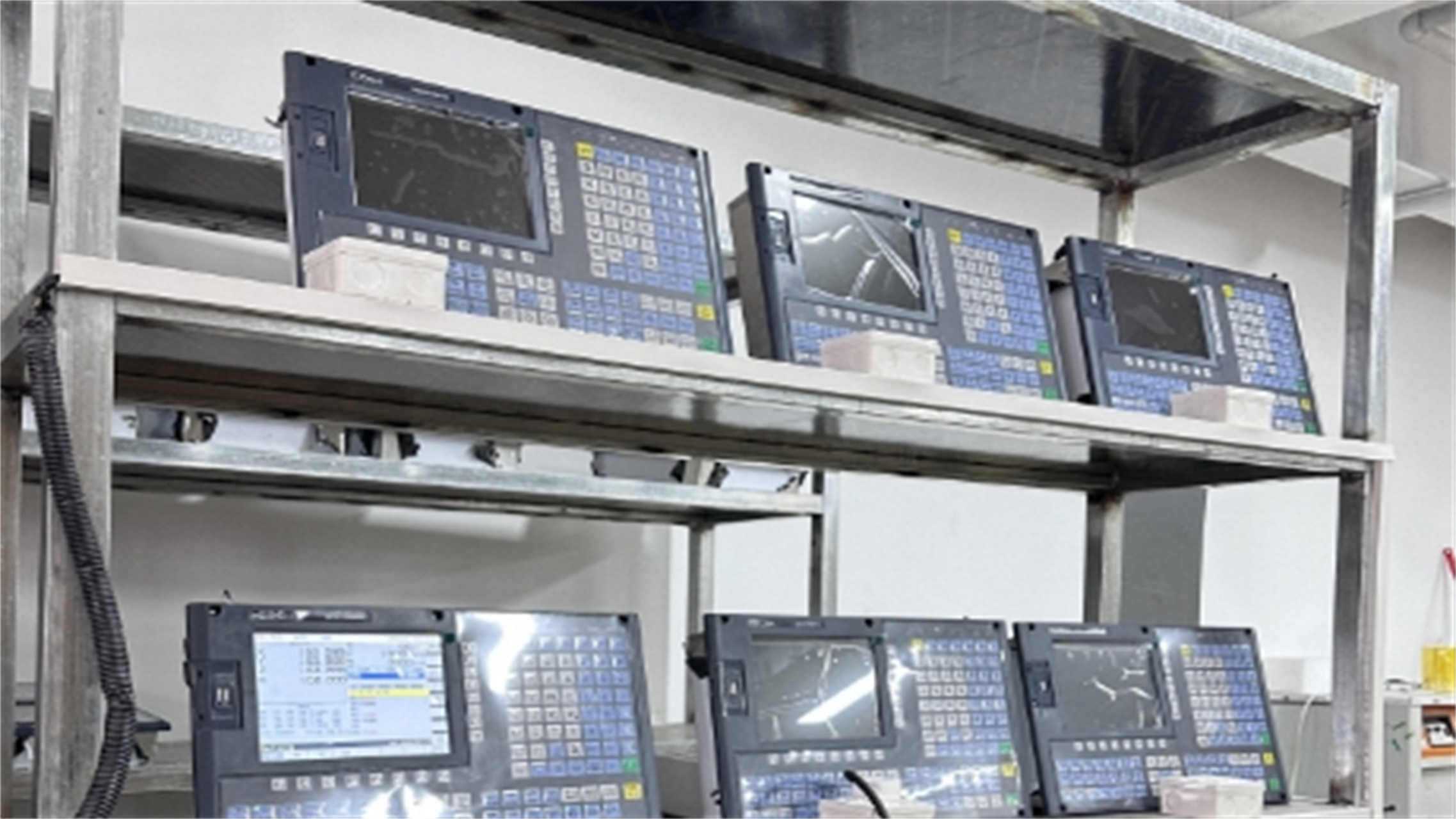
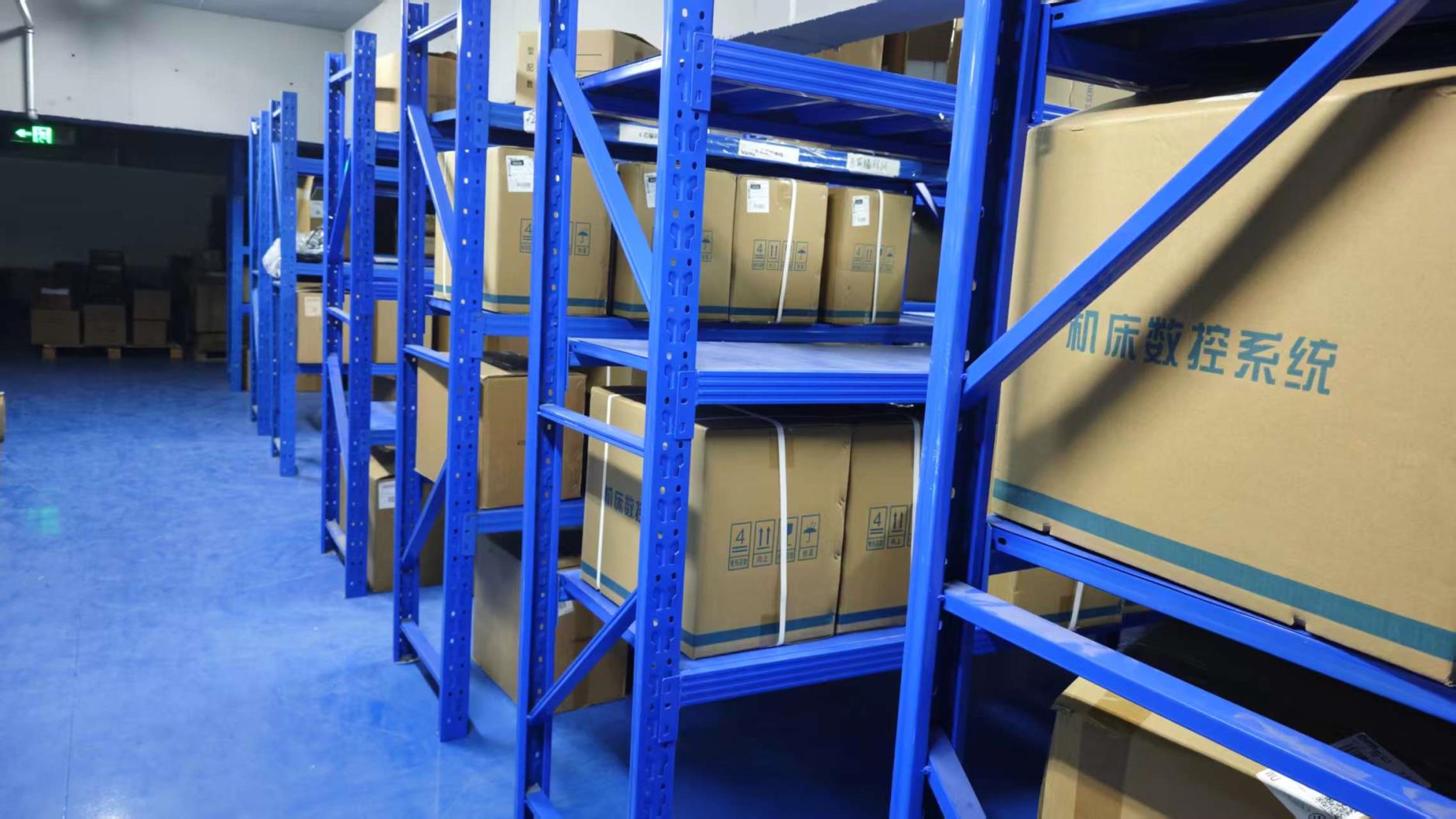
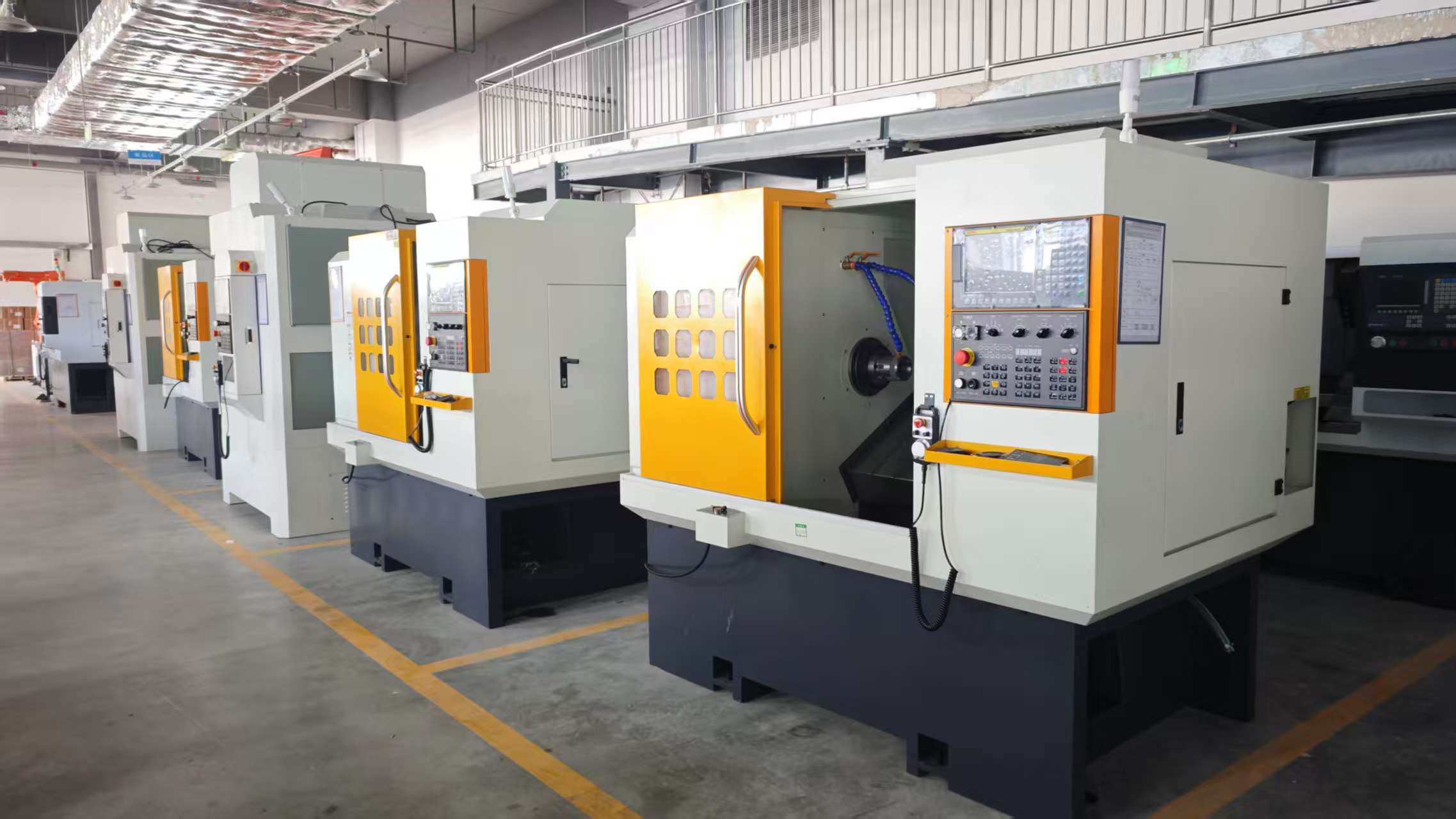
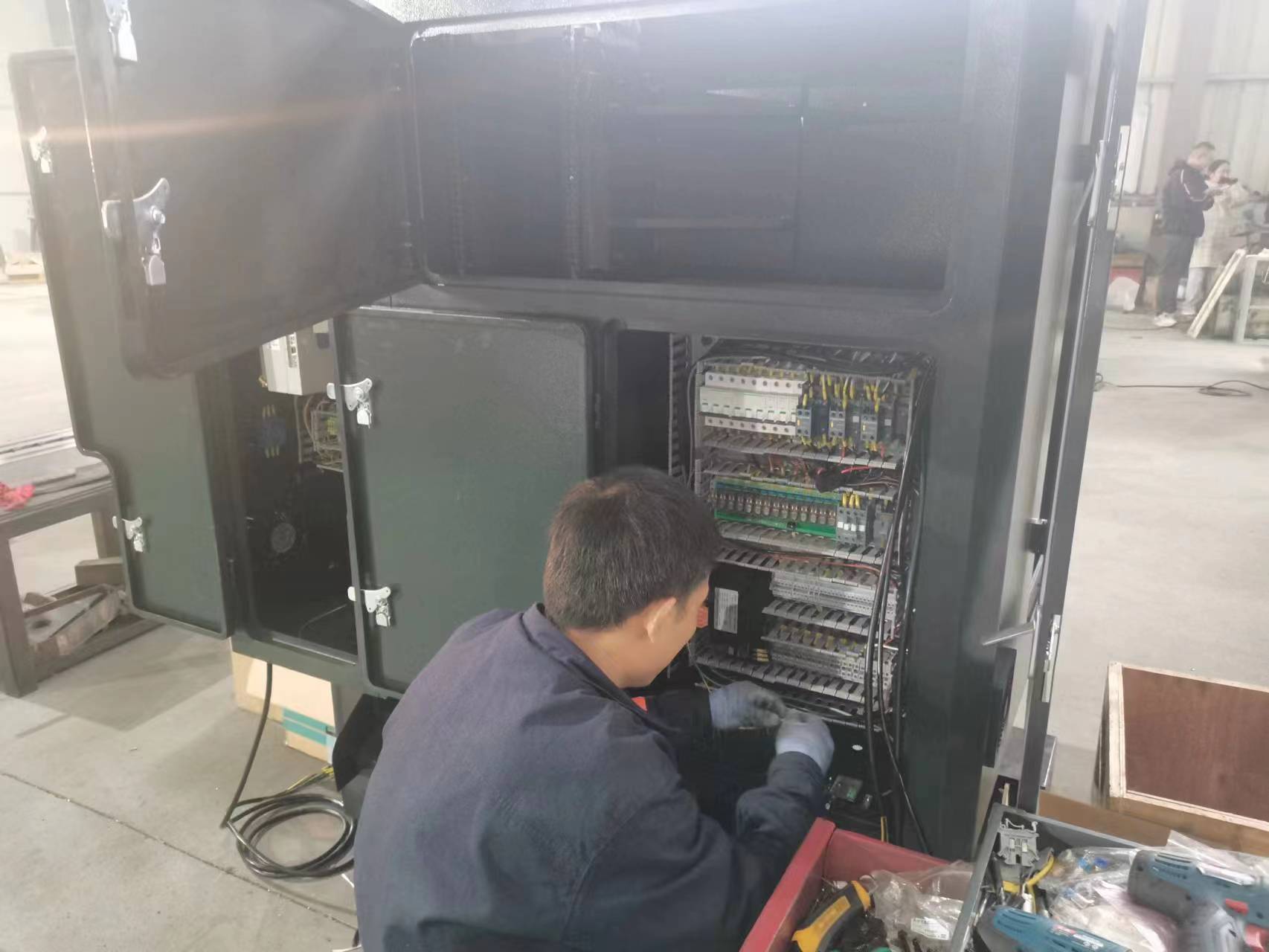
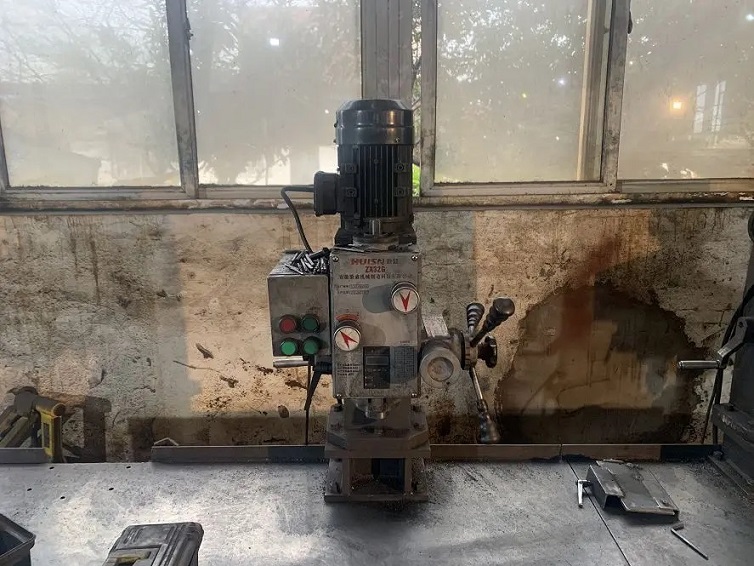
As requirements for geometric complexity increase, the technological roadmap of flow forming has progressed from single-roller manual spinning to high-rigidity CNC multi-roller layouts (typically 2-roller or 3-roller configurations). ZRF’s R&D department focuses on resolving the challenges associated with structural deflection during high-pressure cycles. In a standard 3-roller configuration, the rollers are positioned at 120-degree intervals around the workpiece. This layout balances the radial forces, preventing deflection of the mandrel and achieving tight dimensional control.
Modern CNC flow forming requires closed-loop electro-hydraulic servo control systems. The synchronous interaction between the feed axes (X-axis for radial feed, Z-axis for axial movement) must be calculated in real-time to adjust for material springback and variations in the preform’s wall thickness. Incorporating a 3-axis or 5-axis CNC system allows for the generation of complex, non-axisymmetric profiles and variable wall thickness transitions in a single continuous setup.
| Performance Indicator | Standard Turning / Machining | Conventional Metal Spinning | Advanced CNC Flow Forming |
|---|---|---|---|
| Material Yield | 15% - 40% (high waste) | 75% - 85% | 90% - 98% (near-net-shape) |
| Tensile Strength Change | None (base material status) | Moderate grain elongation | Significant increase (cold strain hardening) |
| Wall Thickness Tolerance | ±0.05 mm | ±0.15 mm | ±0.01 mm |
| Finished Surface Finish (Ra) | 0.8 to 3.2 μm | 1.6 to 6.3 μm | 0.2 to 0.8 μm (highly polished) |
| Target Components | Simple hollow geometries | Cones, domes, simple cylinders | Thin-walled cylinders, rocket nozzles, shafts |
Furthermore, our engineering team has integrated intelligent thermal management for hard-to-form metals. Materials such as Titanium Grade 5 (Ti-6Al-4V) require localized heating during the deformation cycle. The integration of high-induction heating zones on the lathe, guided by pyrometer sensors, allows for precise temperature control. This enables the forming of components with minimal springback while preventing micro-cracking in the metal's grain structure.
The application profile of CNC flow forming machines spans critical engineering sectors. Each sector demands unique process control parameters, machinery rigidity, and tool path planning:
In rocket propulsion and tactical defense systems, weight reduction and pressure containment are critical. Rocket engine nozzles, booster casings, and nose cones must withstand high internal combustion pressures and thermal shock. Flow forming allows these thin-walled components to be produced without structural welds, eliminating localized stress points and reducing the risk of failure under pressure.
Industrial pressure vessels and storage tanks require consistent wall thickness and minimal weld points. Flow forming allows for the fabrication of seamless cylindrical drums and hemispherical heads from thick steel plates, ensuring chemical corrosion resistance and structural integrity under high operating pressures.
To meet modern emissions standards, automotive OEMs require lighter drivetrains and wheel assemblies. Flow-formed aluminum alloy wheels are lighter and stronger than traditional cast wheels, reducing unsprung mass, improving fuel efficiency, and enhancing vehicle dynamics.
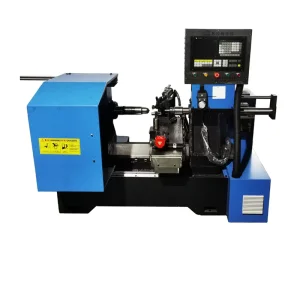
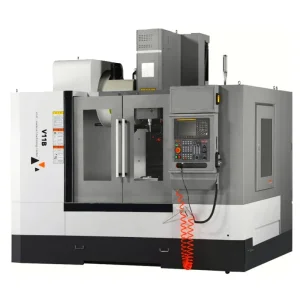
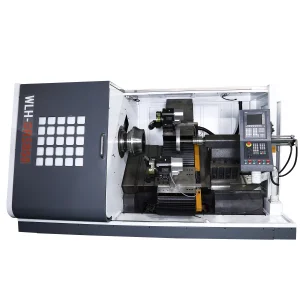
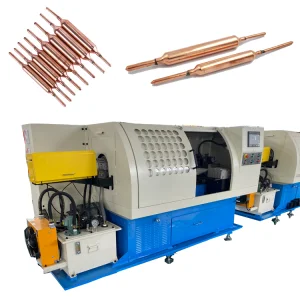
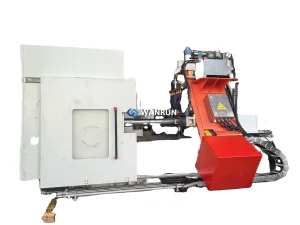
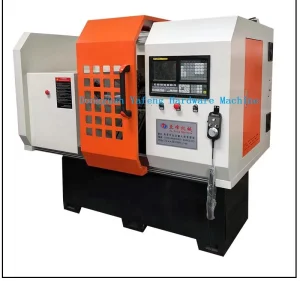
Browse our specialized flow forming systems, engineered for long-term operational stability and seamless integration into automated assembly lines.
Get expert answers to common queries regarding CNC flow forming technologies, material compatibility, tolerances, and procurement.
 ZRF Spinning