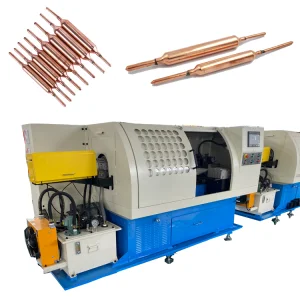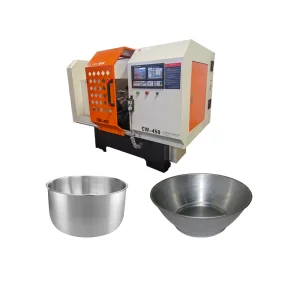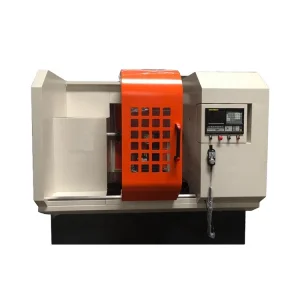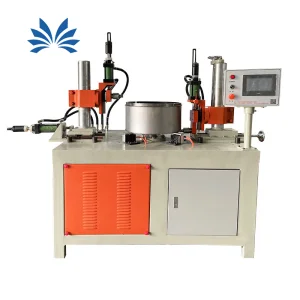
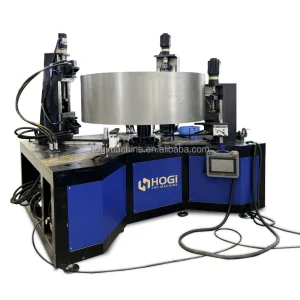
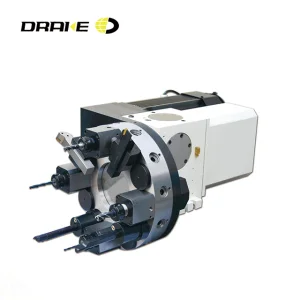
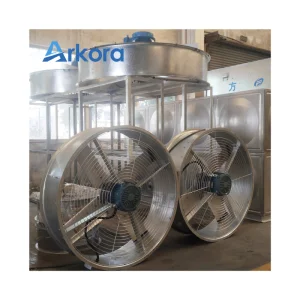
In the era of advanced aerospace engineering, automotive electrification, and high-efficiency petrochemical systems, the global manufacturing sector has transitioned from conventional casting methodologies to hybrid forming paradigms. The demand for lightweight, high-strength structural elements has elevated the role of precision CNC spinning and profiling processes. Zhejiang ZRF Spinning Co., Ltd. stands as a key high-tech enterprise at the intersection of CNC metal shaping, high-speed turning components, and advanced machine engineering.
Modern industrial applications require raw sheet metal and tube stock to be profiled, formed, and finished to micro-level tolerances. Historically, stamping and casting have dominated large-scale production; however, these processes carry high tooling costs and offer limited flexibility for complex geometries. High-efficiency CNC metal spinning lathes, combined with integrated laser cutting systems, present a material-efficient alternative. By applying localized plastic deformation via coordinated NC-controlled roller axes, components undergo flow forming with optimized grain structures, superior mechanical characteristics, and minimal material waste.
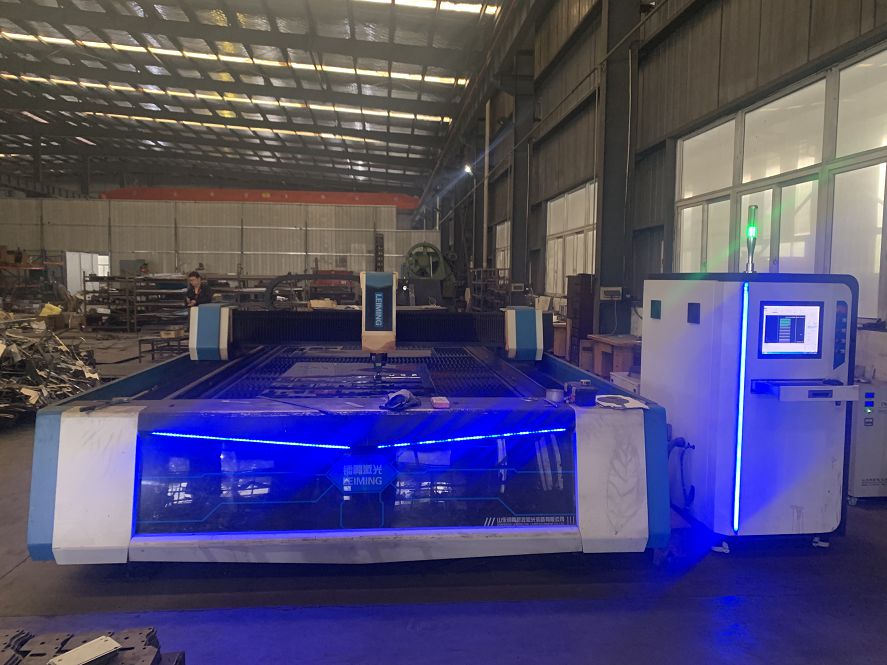
Before raw alloys are loaded onto CNC spinning spindles or hydraulic flanging machines, they require high-precision blanking. Fiber laser cutting machines serve as the primary processing link, ensuring blank dimensional consistency. This directly minimizes wall thickness variation and eccentric runout during subsequent spinning cycles. Clean cutting edges prevent micro-fissure propagation during severe cold plastic deformation, which is critical for stainless steel, copper, and titanium structures.
CNC metal spinning relies on localized mechanical forces to align the crystal lattices of target alloys. Whether performing shear spinning or conventional necking, the roller path must be calibrated using multi-axis systems to control the material's plastic flow. This dynamic prevents tearing and excessive work hardening, producing components with fatigue resistance profiles comparable to forged parts.
Sourcing industrial-grade equipment from China extends beyond low labor costs to include structural supply chain integration. Zhejiang ZRF Spinning Co., Ltd. utilizes an in-house ecosystem that covers the entire engineering cycle: from casting structure machining to precision guideway grinding, system assembly, testing, and field calibration. Our manufacturing framework operates under the ISO9001 quality management system, ensuring that all components undergo mechanical, dynamic, and thermal aging checks before delivery.
This structural integration yields significant design-to-delivery speed advantages. The synchronization of mechanical, electrical, and pneumatic subassemblies on the factory floor allows for continuous iteration based on global feedback. Our proximity to material clusters enables rapid testing of diverse raw stocks, including aerospace-grade aluminum alloys, marine brass, and structural steel, on our test beds.
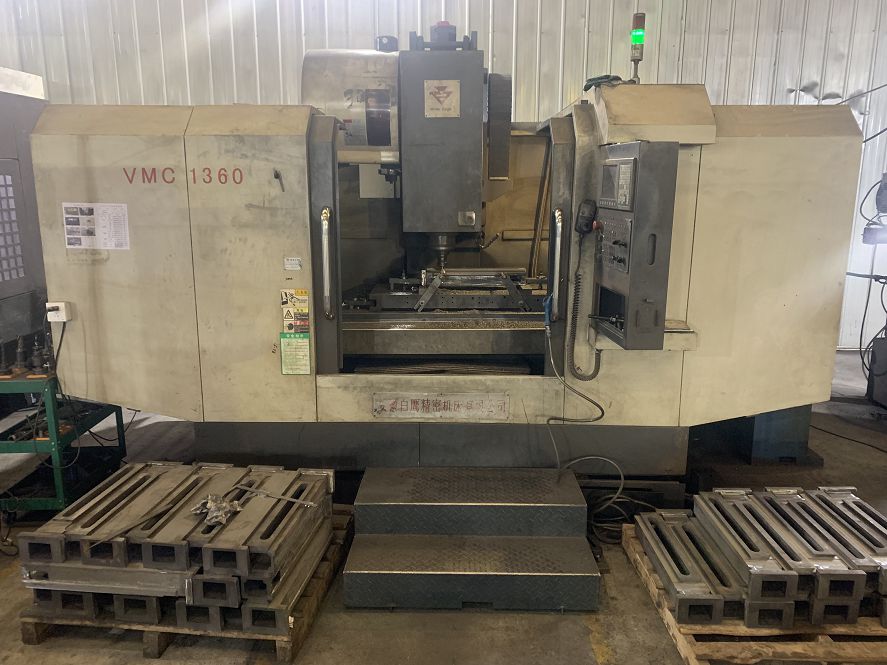
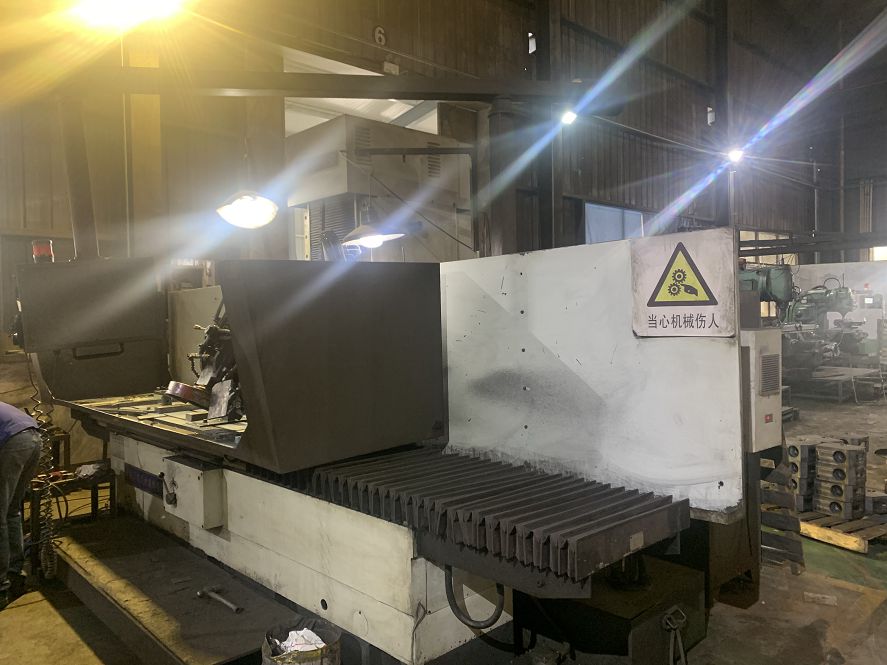
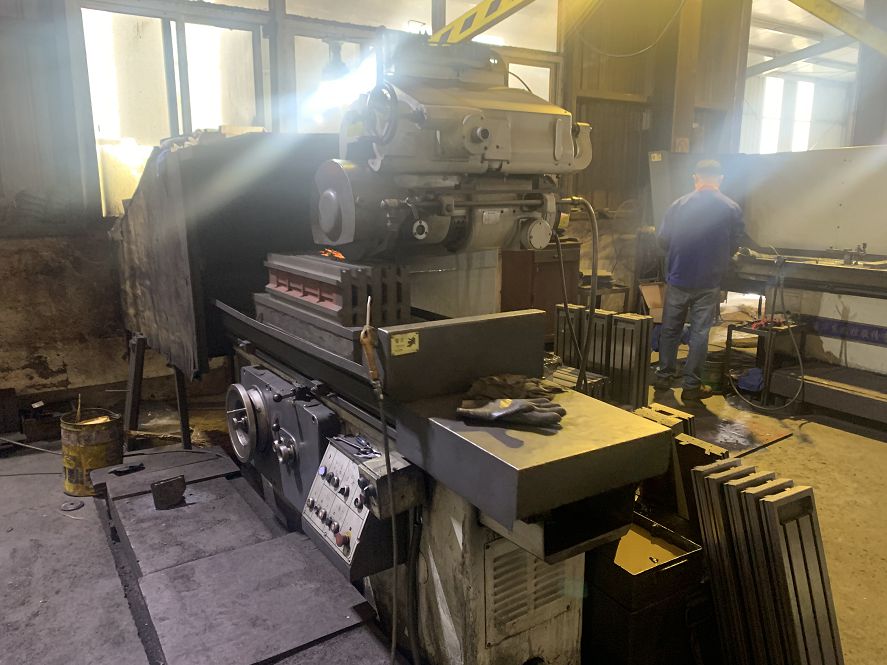
By utilizing heavy gantry CNC machining centers and high-precision guideway grinders, ZRF ensures that the structural bases of our spinning lathes remain rigid under high torque loading. Flatness tolerances of mounting surfaces are verified via optical interferometers, minimizing vibration and resonance across all spindle speed ranges.
All subassemblies, including multi-station turrets and automatic tool changers, are run through continuous cycles prior to final integration. Dynamic balancing of spindle assemblies helps mitigate heat buildup and premature bearing wear, extending operational lifespans under continuous three-shift production loads.
Explore our production ecosystem, demonstrating our step-by-step assembly, precision machining tools, and testing procedures. Our facility features advanced grinding, milling, lathe, and laser cutting equipment to verify that every component matches global industrial tolerances.
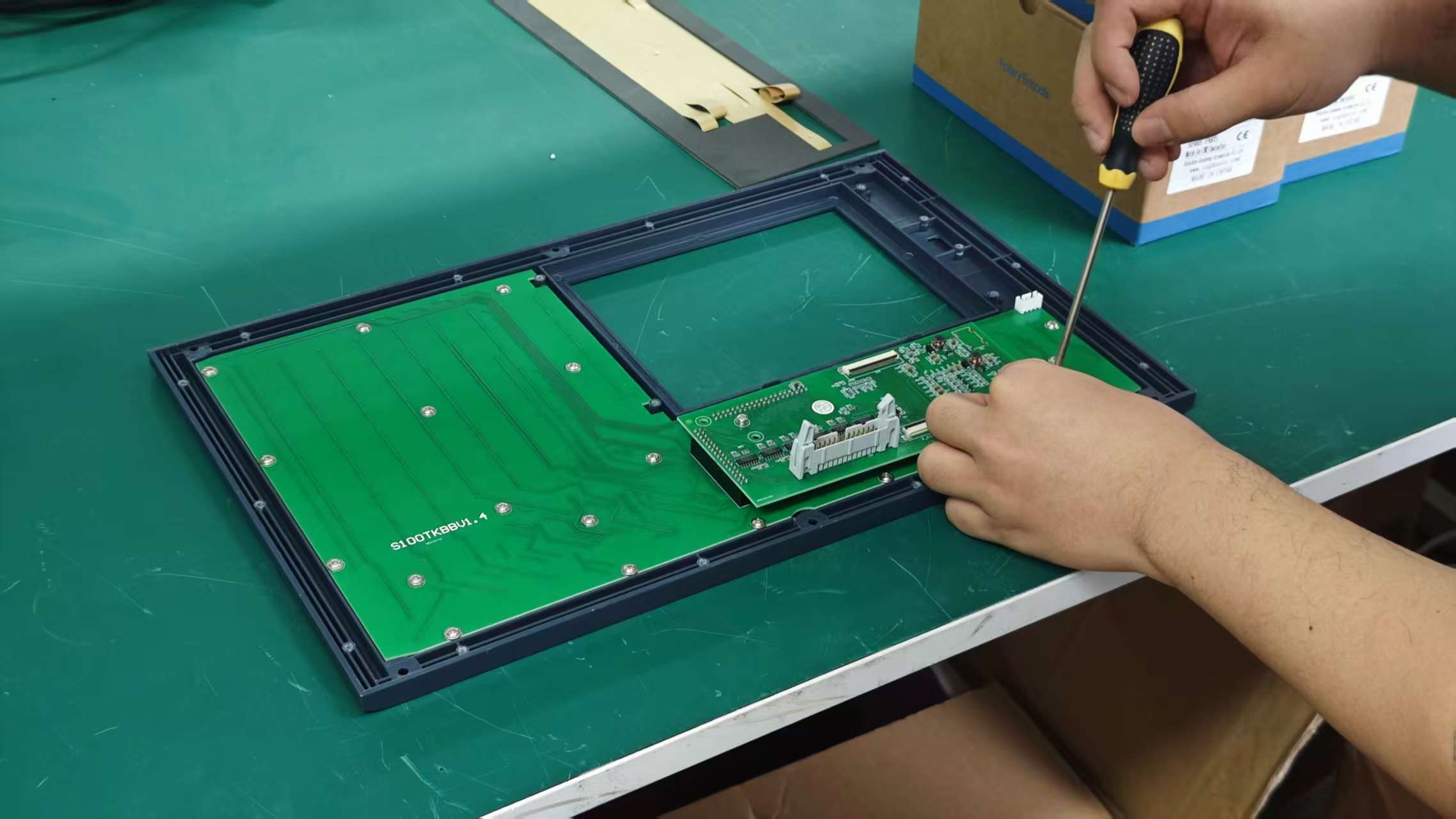
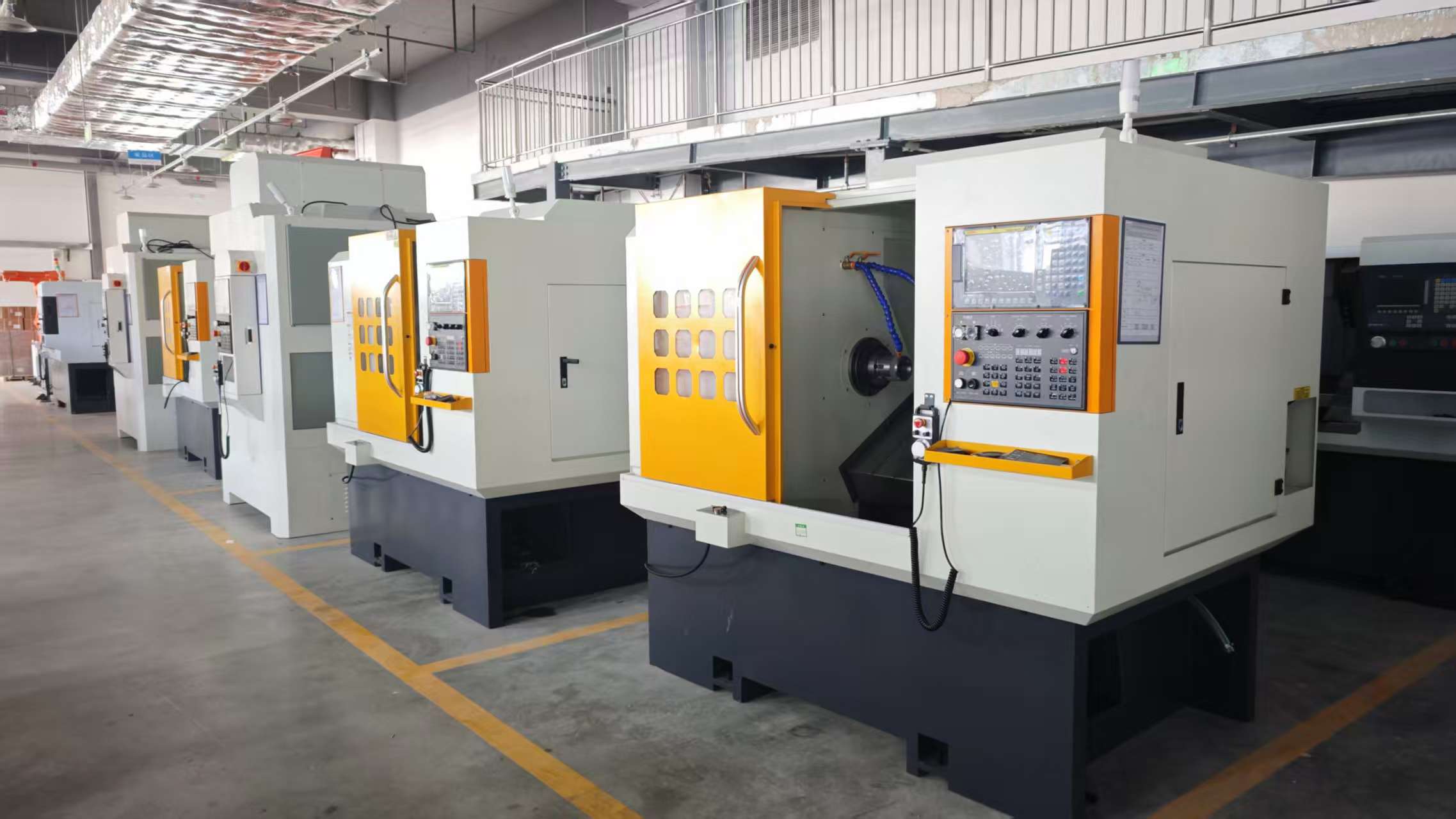
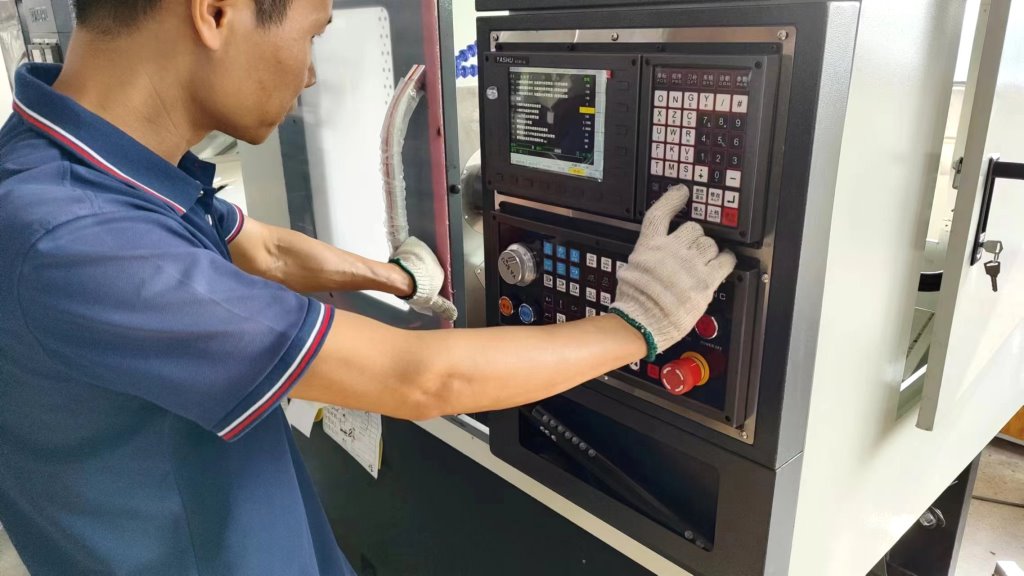
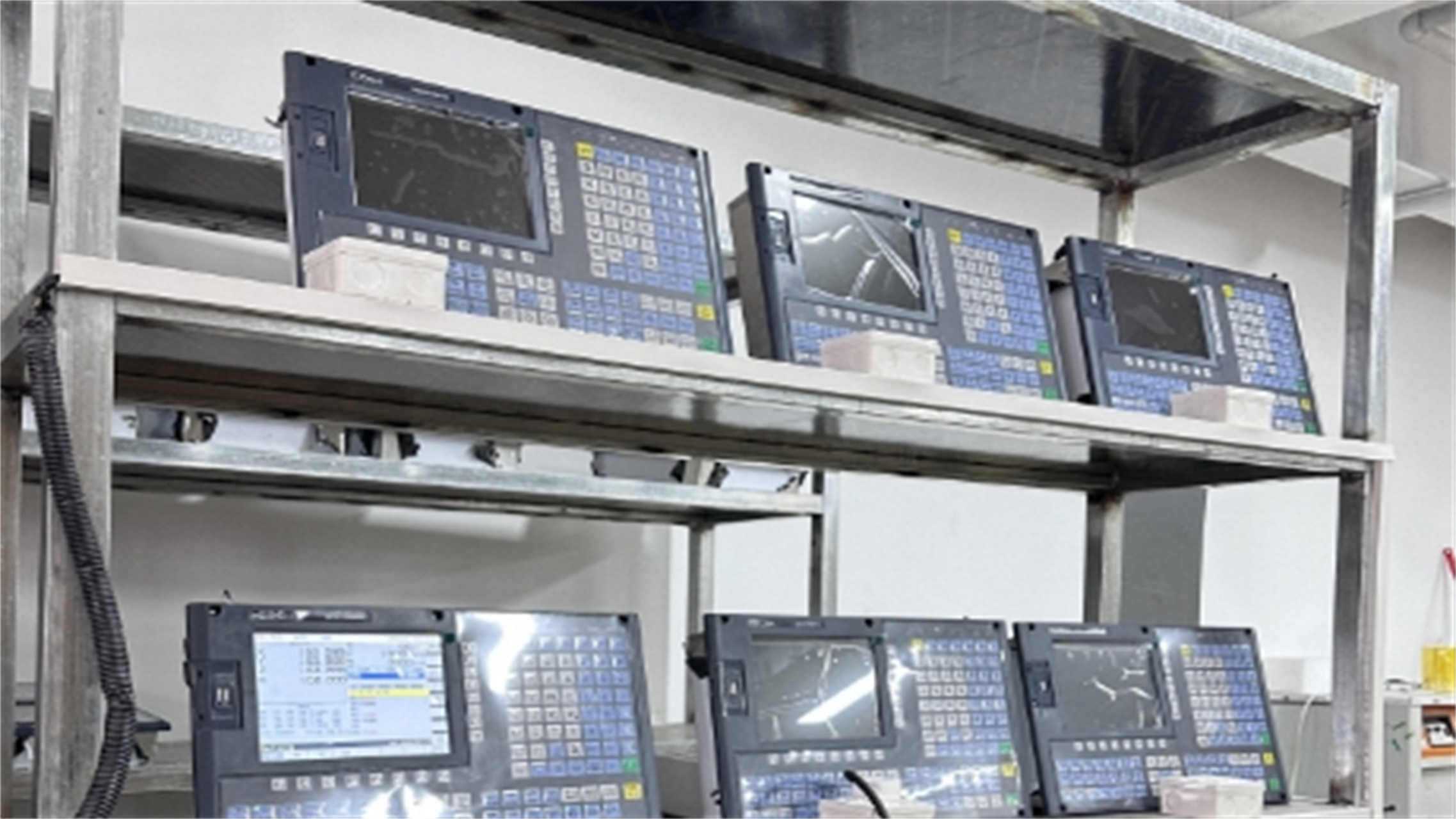
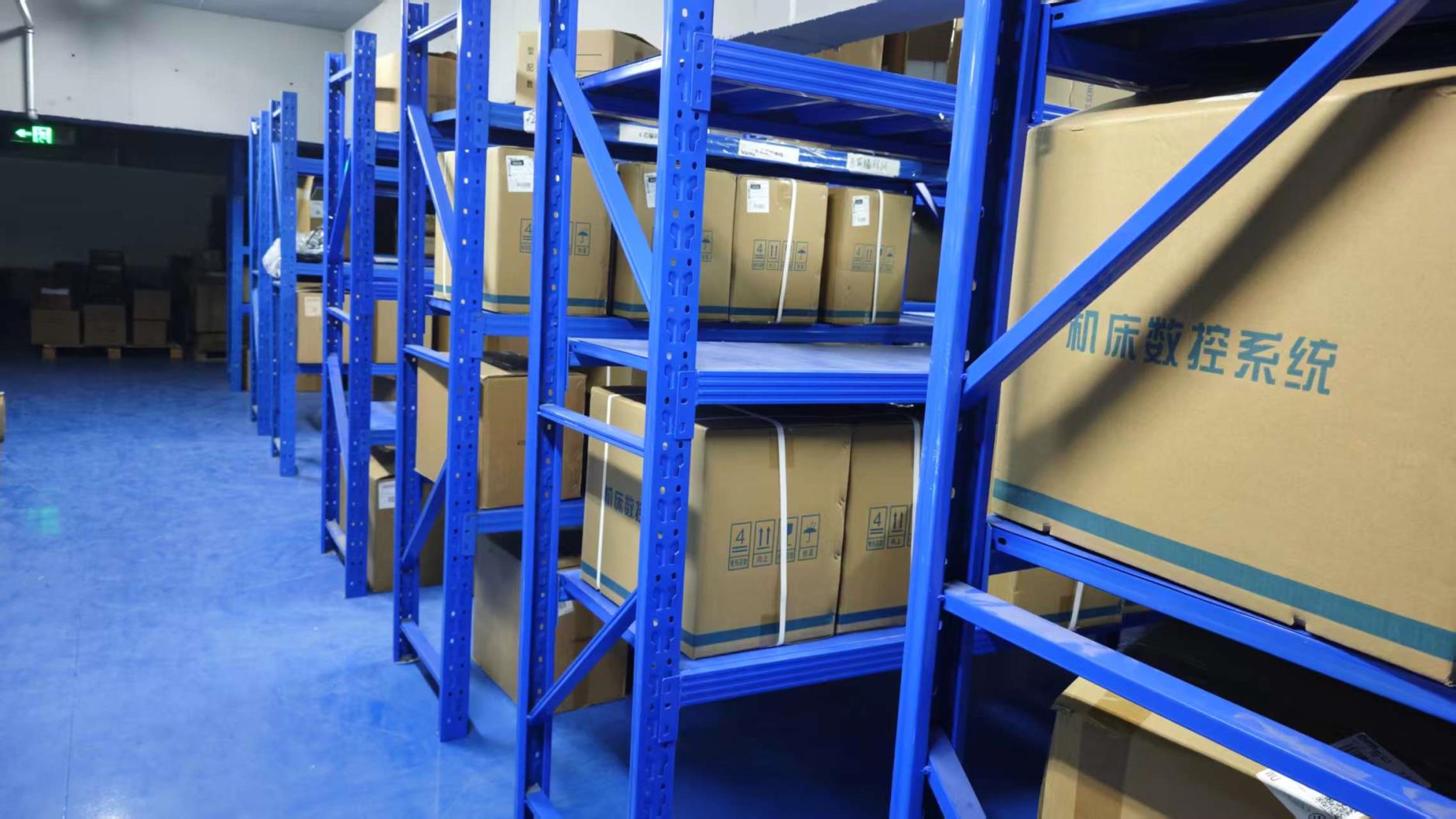
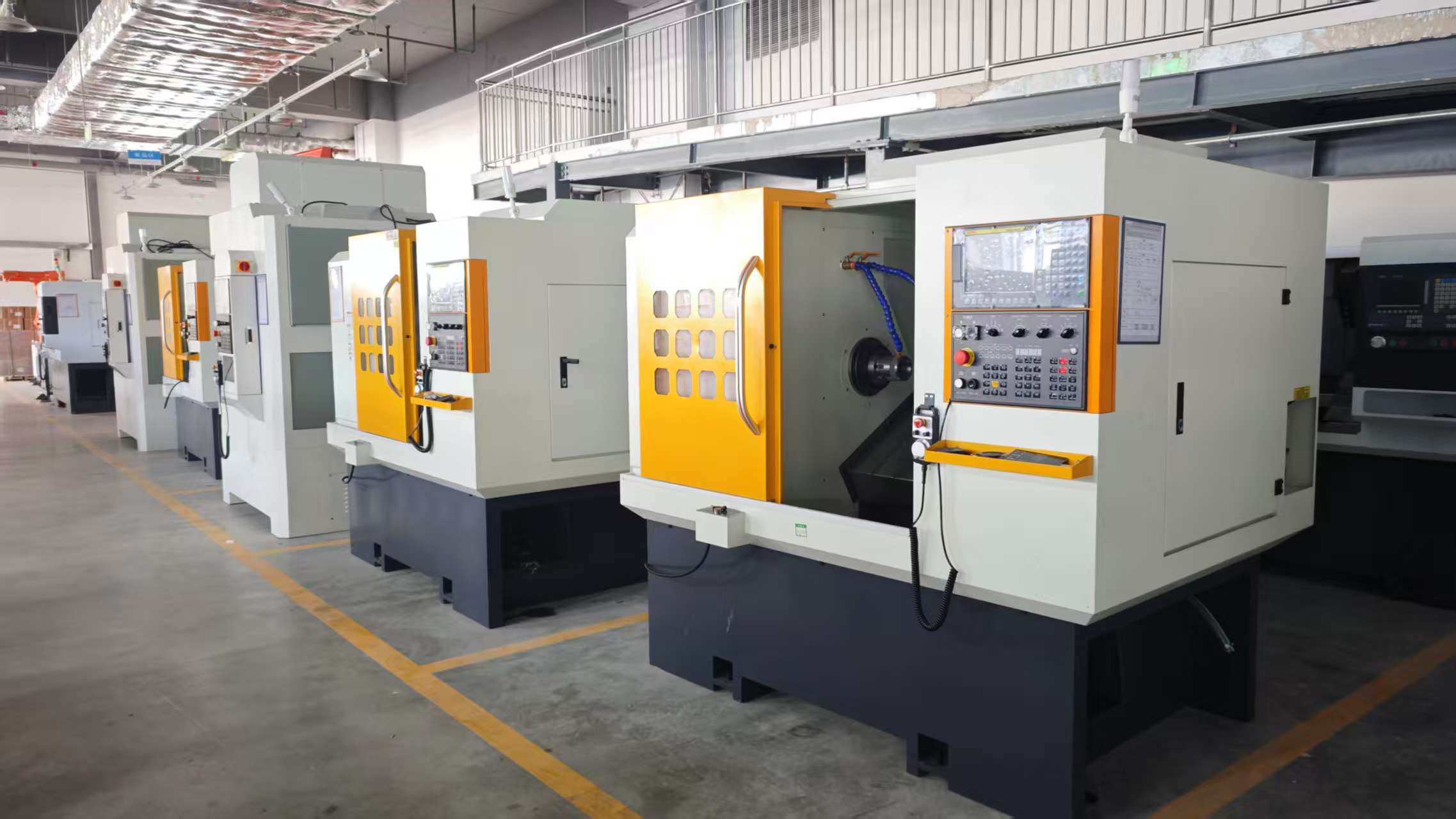
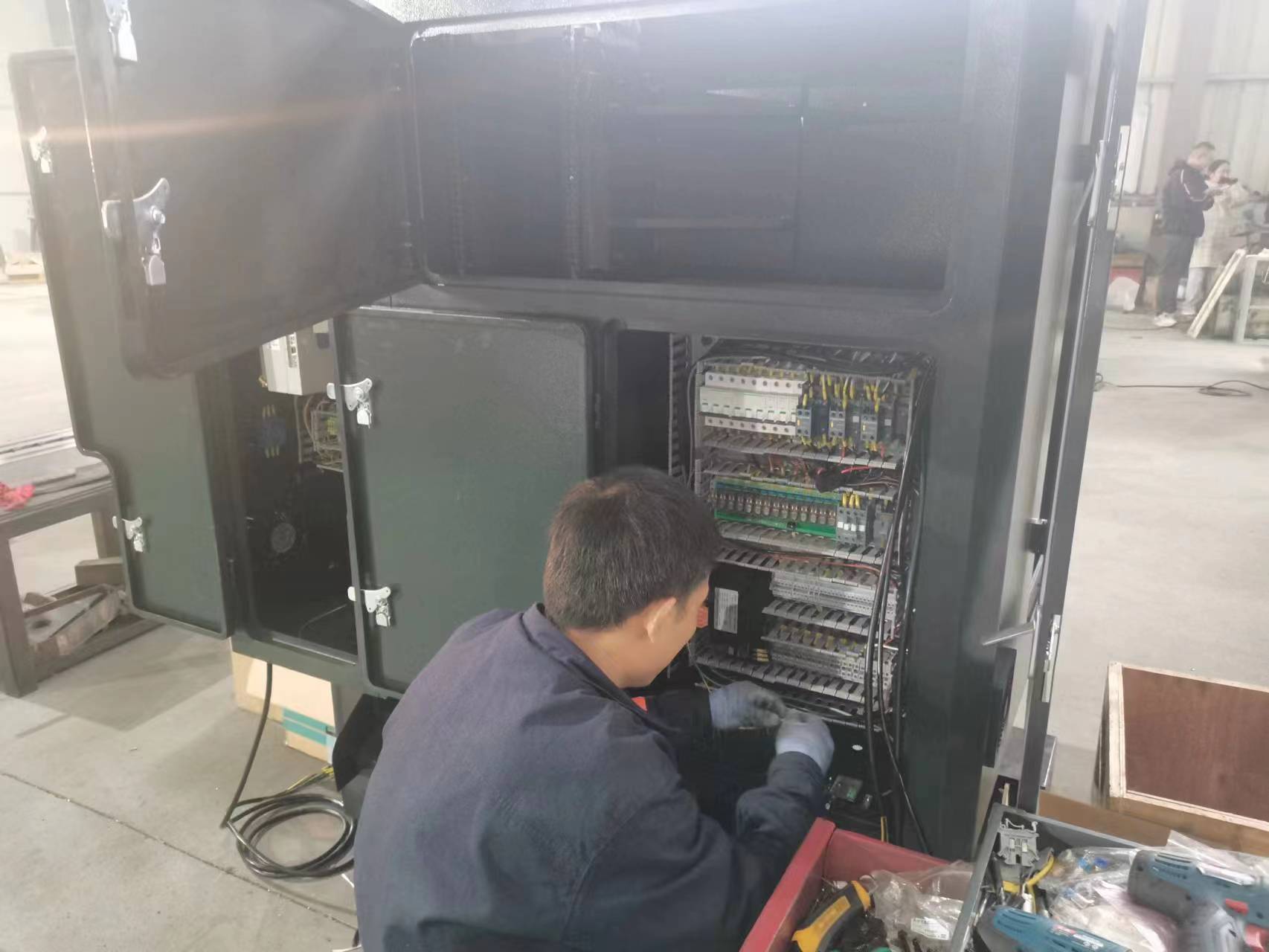
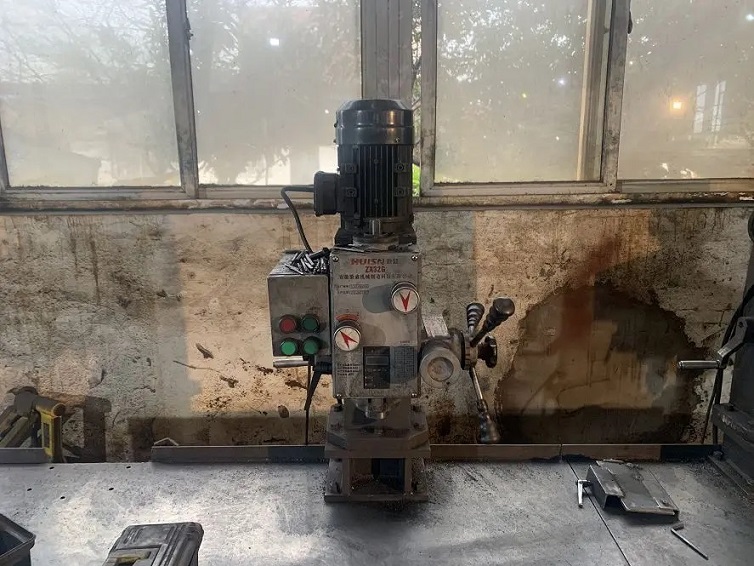
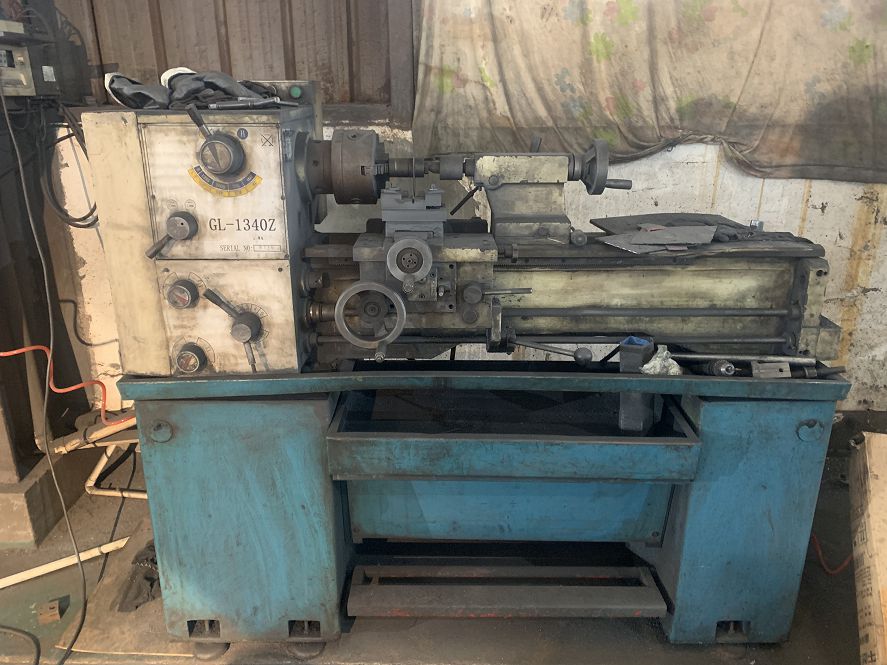
Every market presents distinct operational demands, alloy constraints, and regulatory standards. Adapting CNC metal spinning lathes and auxiliary flanging systems to these variables requires flexible control architectures and tailored mechanical components.
For critical aerospace components, such as missile nose cones, engine cowlings, and fuel cell endcaps, structural integrity is paramount. In these applications, materials like Inconel, Titanium, and aerospace-grade 7075 aluminum are formed via flow spinning. This process stretches the grain structure along the flow path, improving yield strength and eliminating weld lines. Dynamic monitoring during this phase tracks pressure and feed rates, preventing structural micro-voids.
Large-scale cooling towers, ducting systems, and petrochemical pipelines require durable flanged sections. Our flanging and punching machines handle heavy plates of marine-grade stainless steel and galvanized sheets. These systems form precise 90-degree outer flanges on fan cylinders, minimizing assembly clearance deviations. This precision optimizes seal integrity and improves fan aerodynamic efficiency.
Automotive OEM and aftermarket wheel production utilizes flow forming to minimize weight while maintaining strength. Spinning machines process pre-cast aluminum wheels by drawing the rim profile outward under heavy hydraulic loads. The resulting grain alignment provides high impact toughness and fatigue life, satisfying weight reduction requirements for electric vehicles.
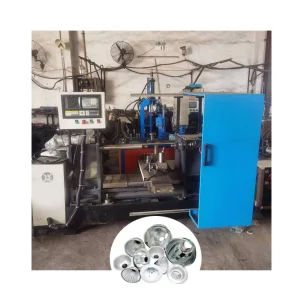
In competitive high-volume markets like stainless steel cookware, aluminum pots, and lighting reflectors, speed and tool wear are critical factors. CNC metal spinning lines, like the Lang Ruixing SLW-LX-800, automate the drawing process. They perform rapid cycles with automatic loading and unloading, keeping production consistent across long manufacturing runs.
The metal forming industry is moving toward greater integration of digital control systems. Emerging smart platforms use real-time sensors to track variables like work hardening, material temperature, and tooling wear during the spinning cycle. By utilizing closed-loop feedback, CNC controllers can adjust feed rates, roller pressure, and spindle speeds on the fly. This adaptive control maintains consistency despite variances in raw sheet thickness or material grain.
Furthermore, hybrid manufacturing setups are becoming more common. Combining laser-blanking operations directly with CNC spinning lathes creates a more unified workflow. In these systems, laser heads trim edges on the same spindle used for forming, reducing setup times and geometry errors. High-speed multi-axis tooling, robust spindles (such as 5-axis BT40 units), and smart programming software will continue to define modern precision manufacturing.
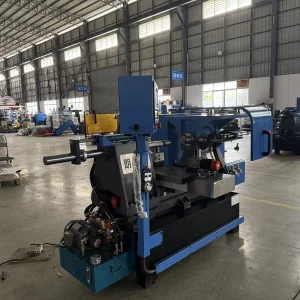
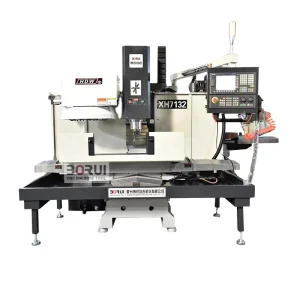
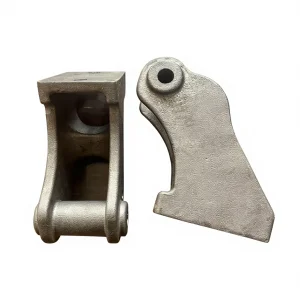
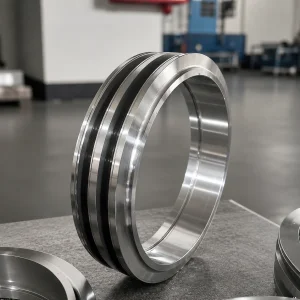
Procurement engineers and production managers must verify critical parameters when selecting CNC metal spinning lathes or automated flanging units to align with factory goals. Below are key parameters to evaluate during project configuration:
Select spindles suited to your material profile. For heavy stainless steel or thick carbon steel blanks, high torque capacity at low speeds is required. Check bearing preloads and housing designs to verify they can handle the radial and axial loads generated during the deformation cycle.
Look for open-architecture CNC platforms that support customizable path programming. Modulating roller feeds, positioning precision, and multi-axis coordination allows operators to optimize paths, minimize wall thinning, and avoid tensile failures in the workpiece.
For high-volume operations, evaluate multi-station turret speed, tool-change times, and compatibility with automated loading systems. Automated tool changers speed up transitions between pre-forming and finishing operations, improving overall throughput.
The tool carrier and guideways must handle the reactive forces from spinning rollers without shifting. High-capacity guideways and double-grooved sheaves help isolate drive motors from vibration, improving surface finish quality.
 ZRF Spinning