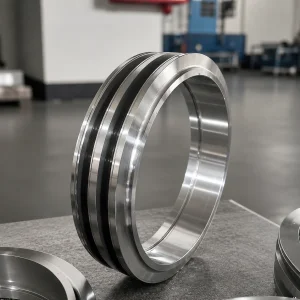
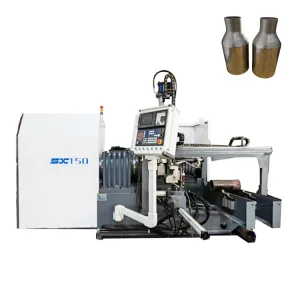
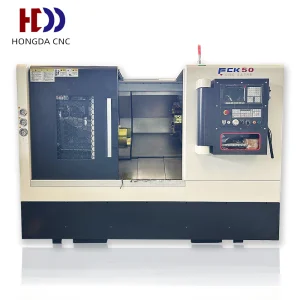
China Wholesale Custom Hose and Fittings Solutions

Precision CNC Metal Forming Machinery & Engineered Systems for Global Industrial Fluid Systems

WHITE PAPER & INDUSTRY INSIGHTS

Introduction: Deciphering Custom Hose and Fittings Solutions

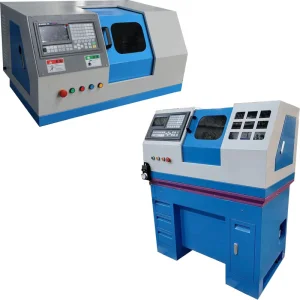
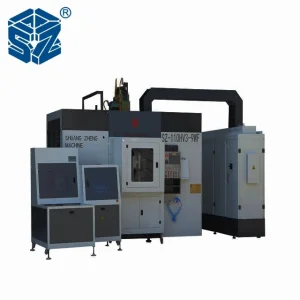
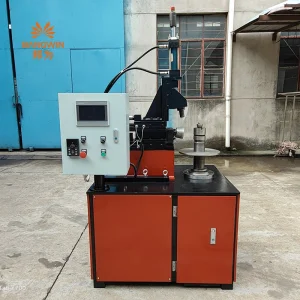
Modern industrial operations require high integrity, absolute safety, and efficiency. Whether in high-pressure hydraulic infrastructure, petrochemical refineries, chemical transfer terminals, or aerospace manufacturing, the performance of fluid conveyance systems is determined by their connections. As a premier provider of precision metal forming and CNC spinning machinery, Zhejiang ZRF Spinning Co., Ltd. plays a vital role in this industry. We design and manufacture the highly specialized CNC metal spinning machine tools, automatic bottle necking units, and multi-axis turning centers that global factories rely on to fabricate custom hose couplings, high-pressure fittings, industrial sleeves, and metal pipe connection systems.

This whitepaper details the engineering methodologies, supply chain structures, and technological roadmaps that support the production of wholesale custom hoses and fittings. We analyze how high-end manufacturing systems improve product quality, lower total cost of ownership (TCO) for global procurement professionals, and meet strict international compliance standards.

20+
Export Countries
30+
Provinces Served
ISO9001
Quality Assurance
4.0
Smart Manufacturing

Macro Industry Solutions: High-End Engineering Applications

Industrial fluid conveyance is not a one-size-fits-all sector. Custom hose and fittings solutions are engineered to withstand extreme pressures, corrosive chemicals, and wide temperature variations. Below is a breakdown of how custom-manufactured components support critical global industries:

Petrochemical & Gas

Requires heavy-duty, corrosion-resistant alloy fittings, flanges, and high-pressure gas cylinder necks. These are produced using advanced tube closing and necking machines to prevent leaks in hazardous environments.

Automotive & Transit

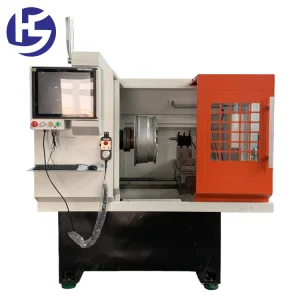
Demands lightweight, robust aluminum hose couplings and formed tubes for fuel systems, high-pressure braking, and cooling circuits. These parts rely on automatic high-speed CNC turning and milling centers for volume production.

HVAC & Boiler Lines

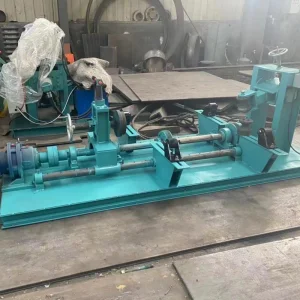
Uses heavy-duty flanged connections, air collectors, and boiler tubes. These components require specialized flanging and cold-bending machinery to maintain wall thickness and structural integrity.

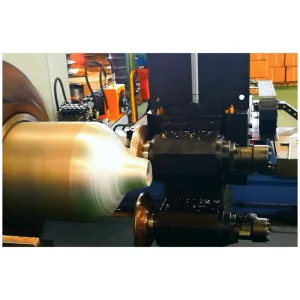
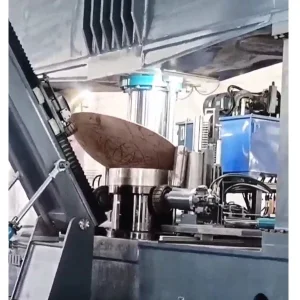
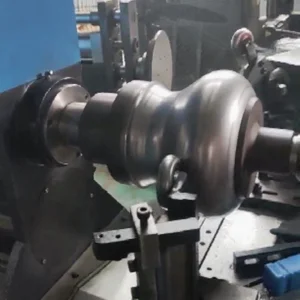
By leveraging advanced metal spinning machinery, manufacturers can produce components with high grain density and superior burst pressure ratings. For example, forming the dome end of a gas cylinder or the coupling flange of an industrial hose via cold spinning improves the mechanical properties of the metal. This eliminates the weld lines that often lead to failure under cyclic pressure loading.
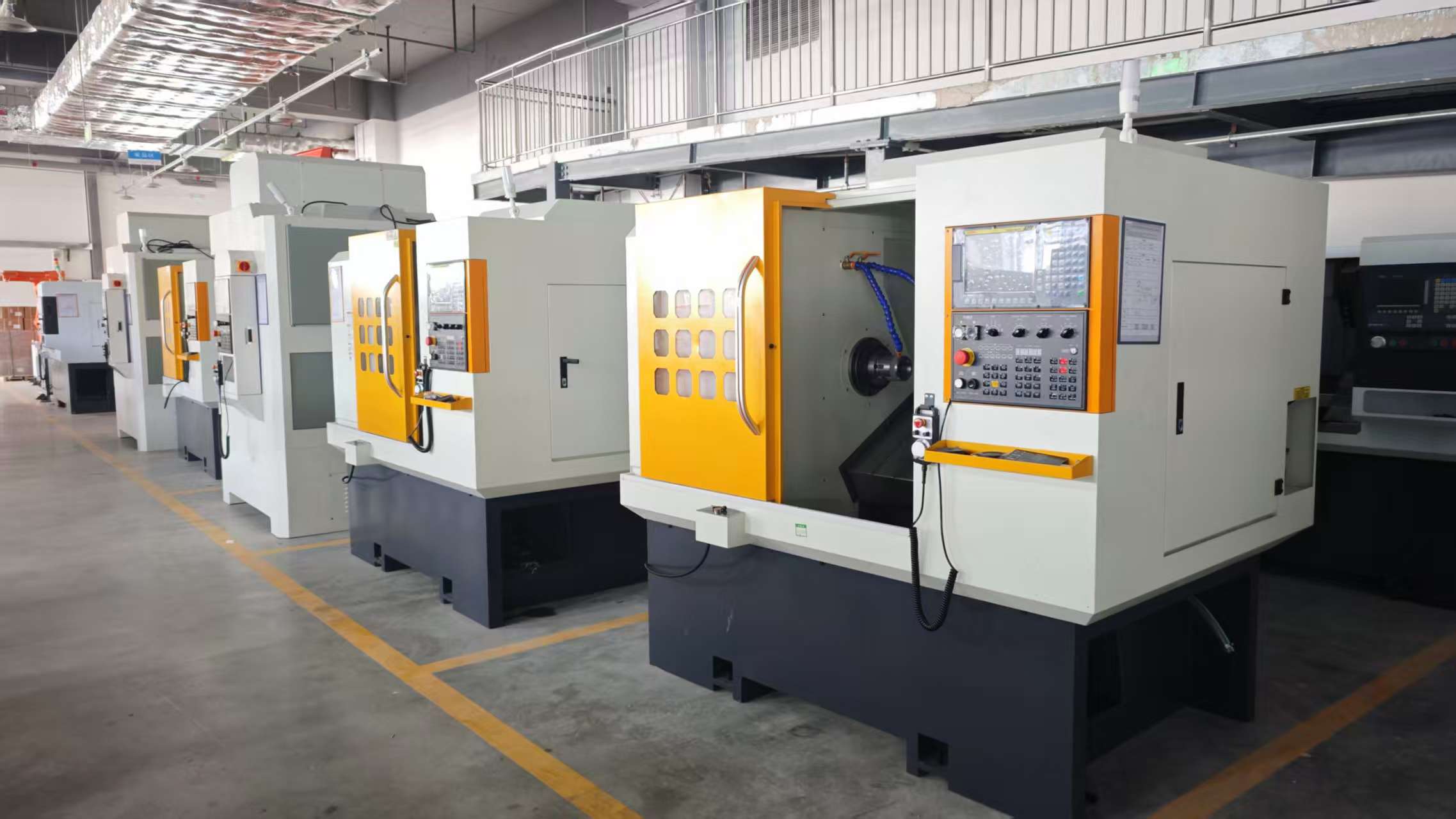
China Factory 4.0: Supply Chain Resilience and Efficiency

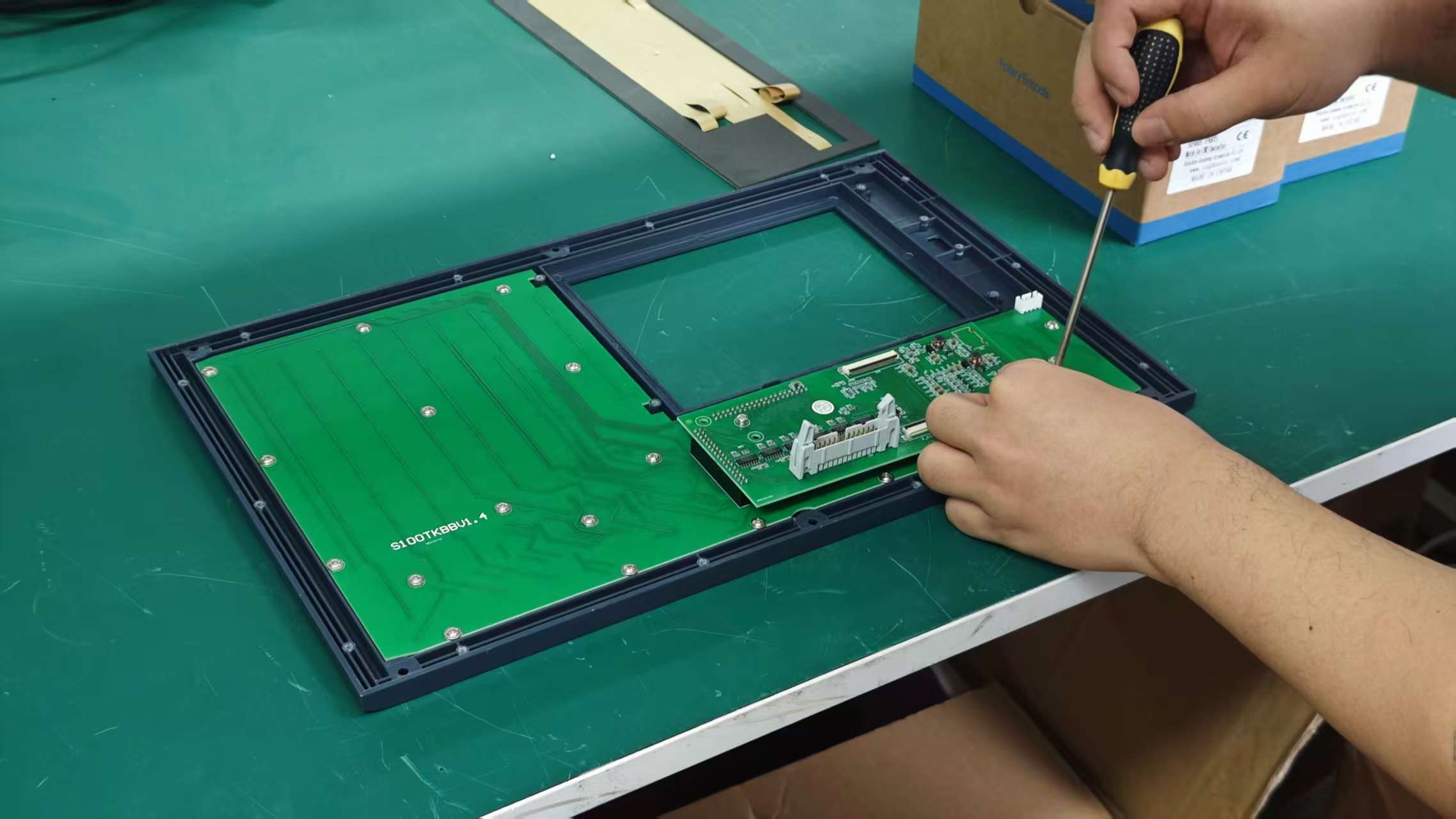
The global industrial procurement landscape is shifting toward suppliers that combine cost efficiency with advanced manufacturing technology. Zhejiang ZRF Spinning Co., Ltd. uses digital, automated systems to support production and quality control. This is the foundation of China Factory 4.0.

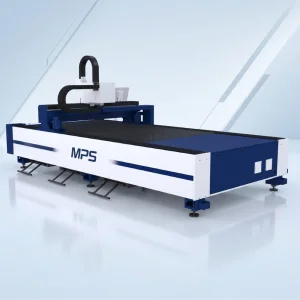
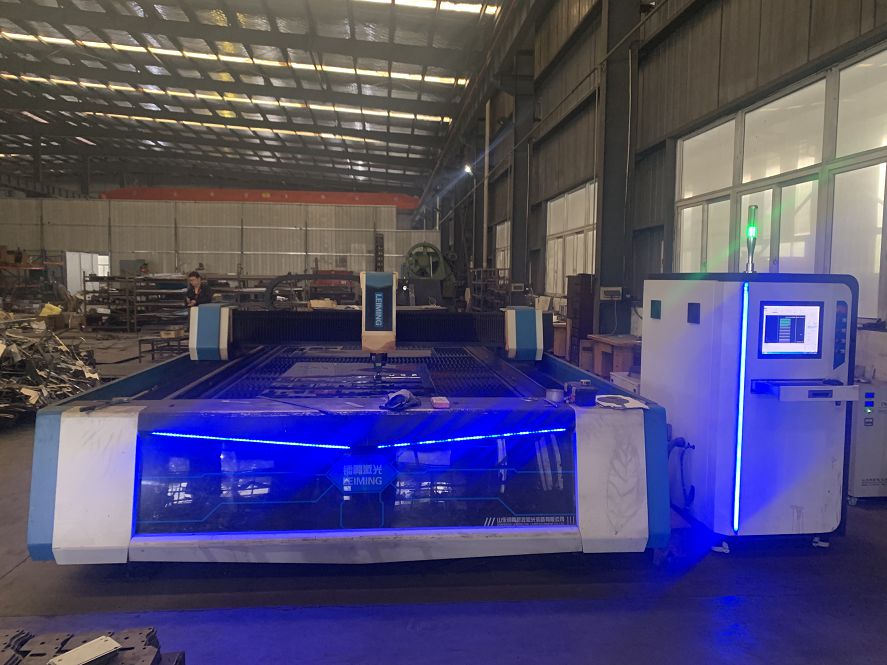
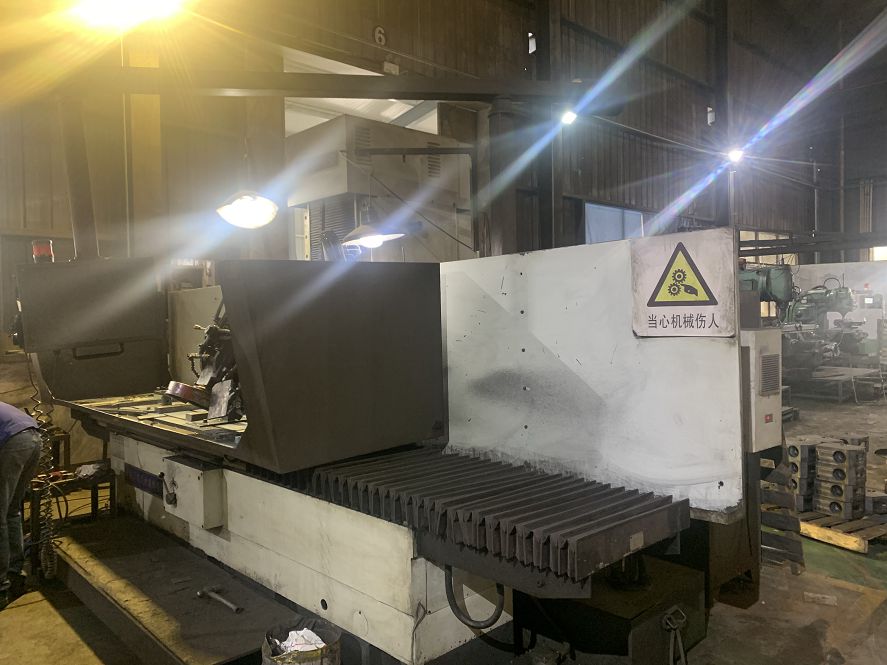
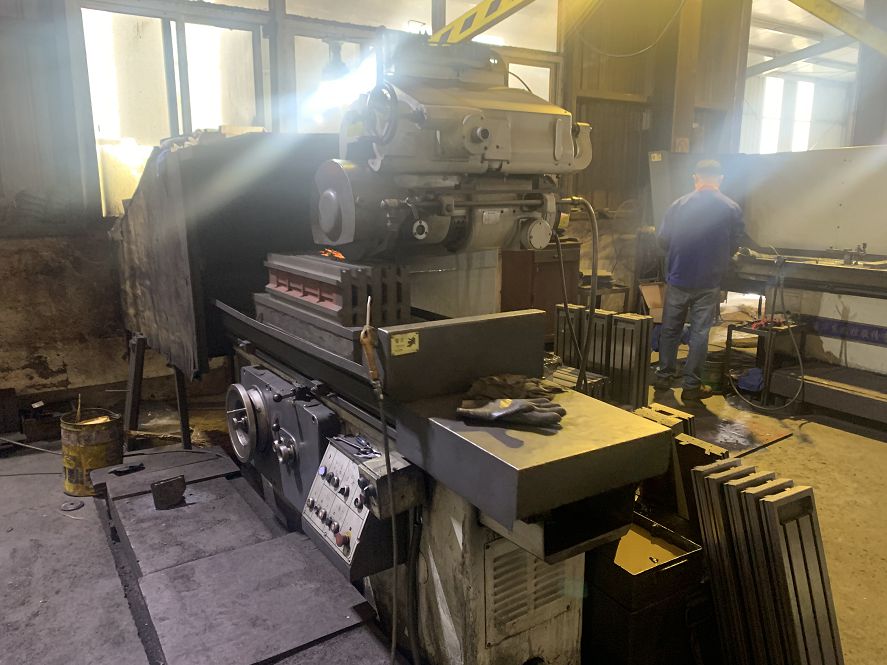
Through systematic production control, ZRF integrates precision processes like laser cutting, precision guideway grinding, and dynamic testing into a unified workflow. This reduces turnaround times for custom tooling and components. The following steps define our production capabilities:

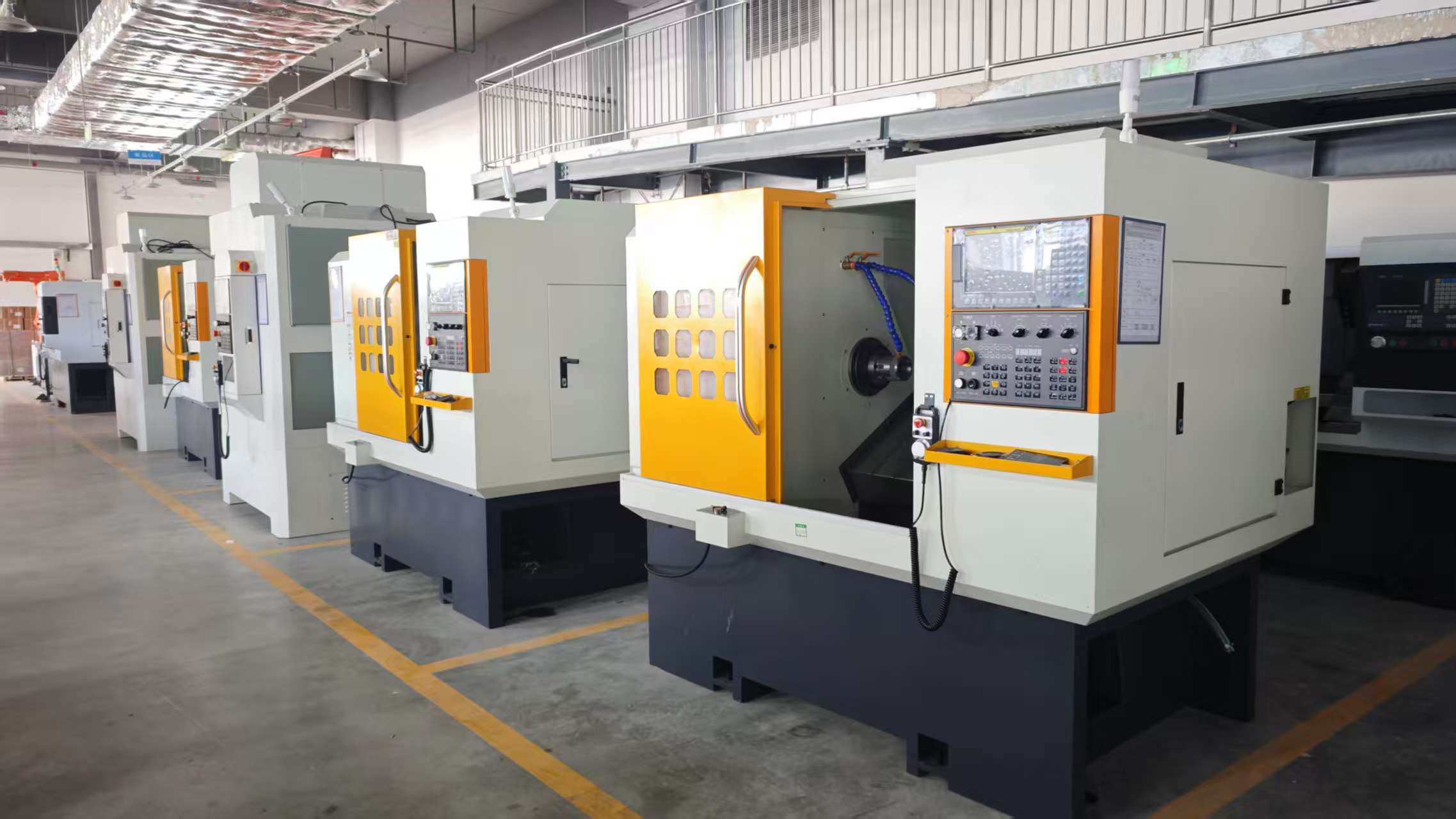
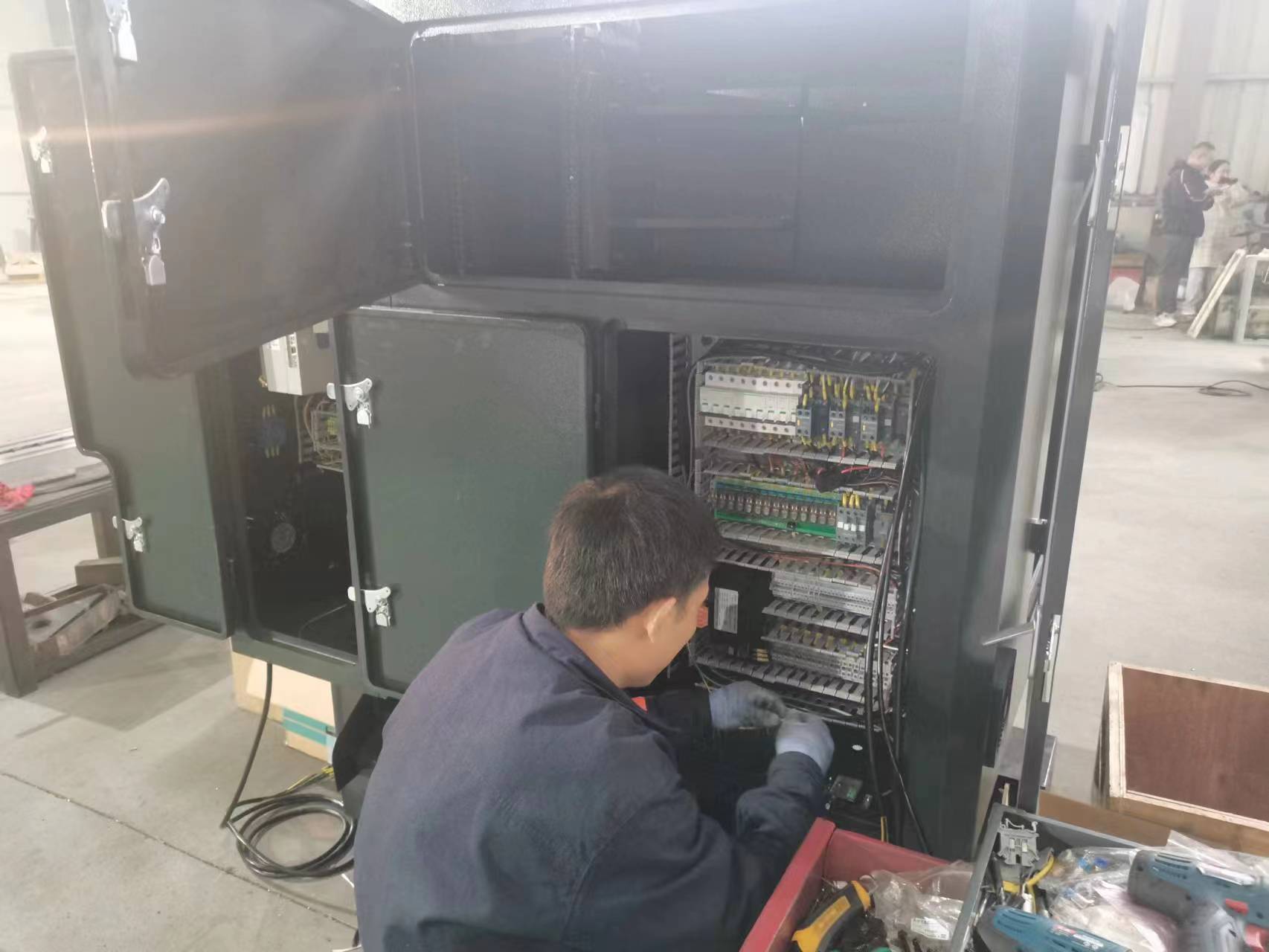
Assembly
Assembly
General Assembly
General Assembly
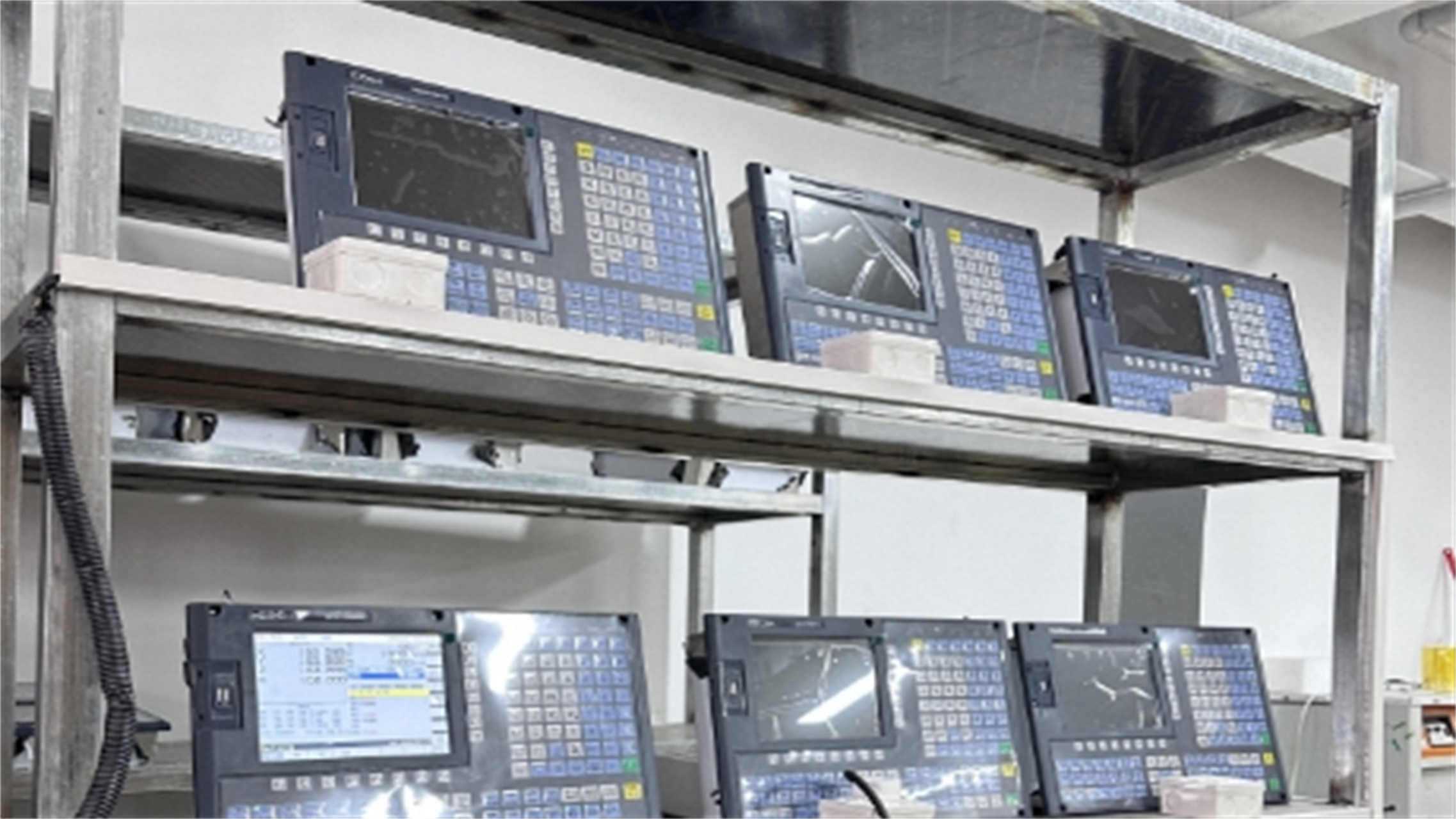
Debugging
Debugging
Aging
Aging
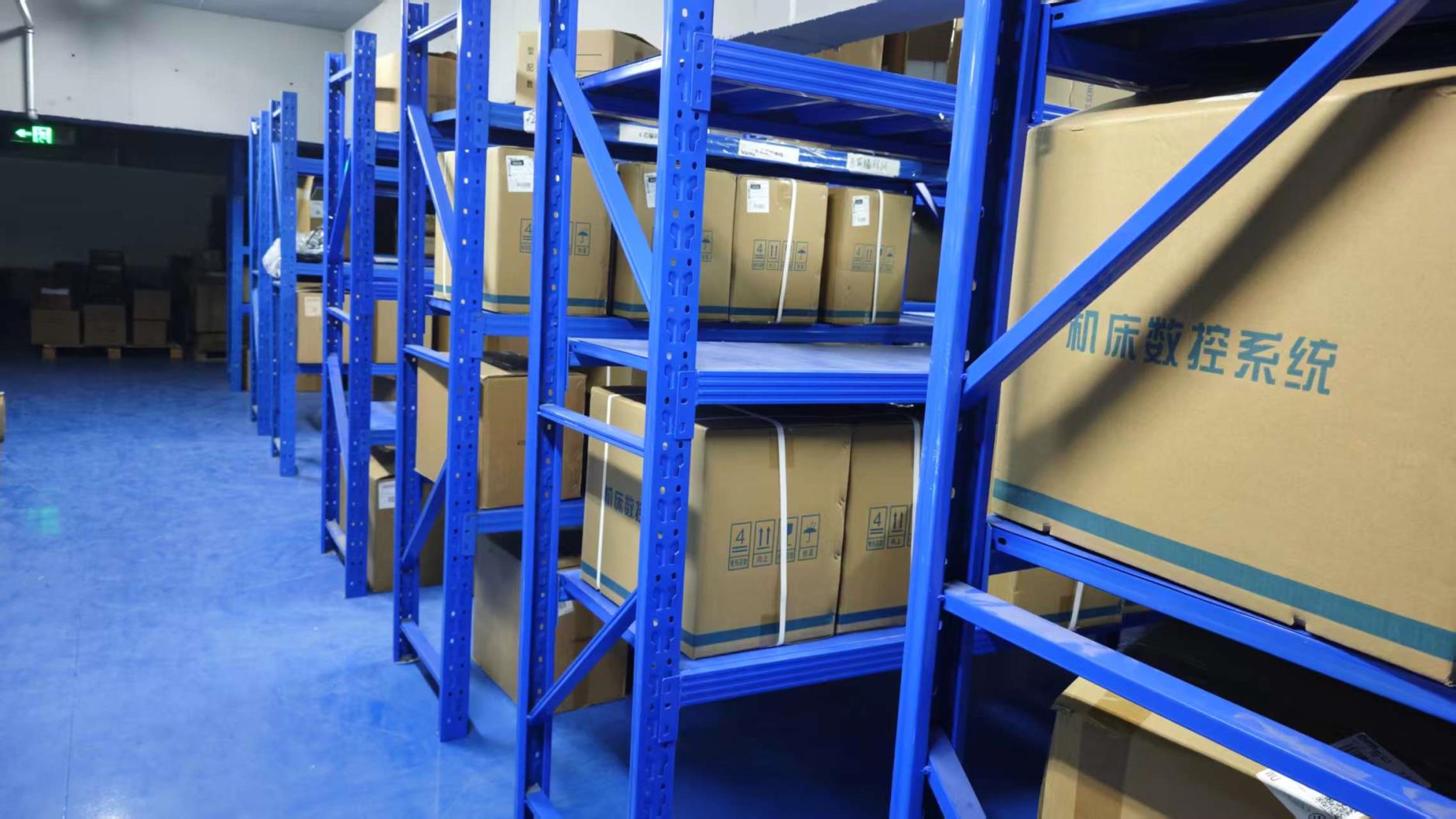
Storage
Storage
Assembly Line
Assembly Line
Testing
Testing
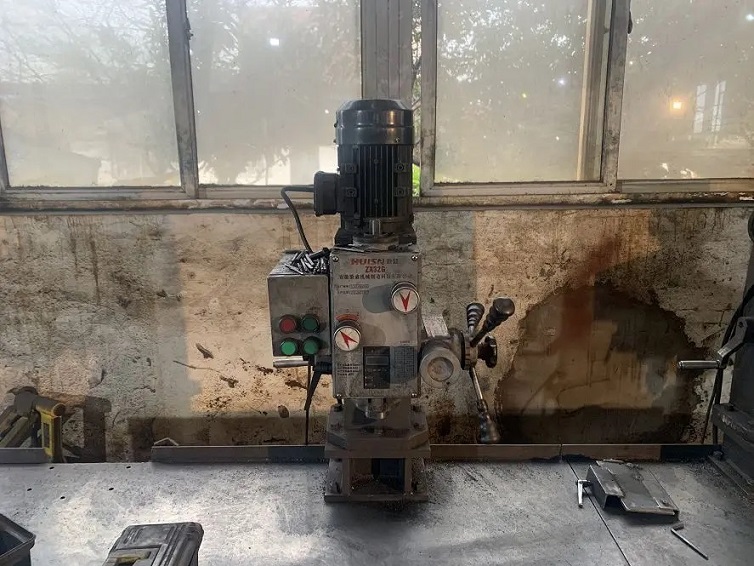
Milling and Drilling Machine
Milling & Drilling
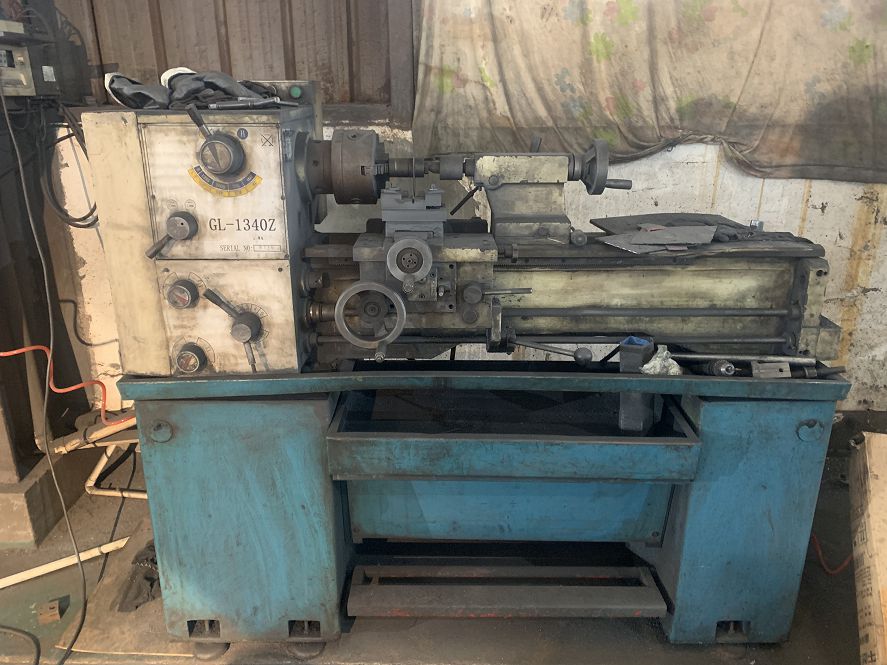
Lathe Machine
Lathe Machine
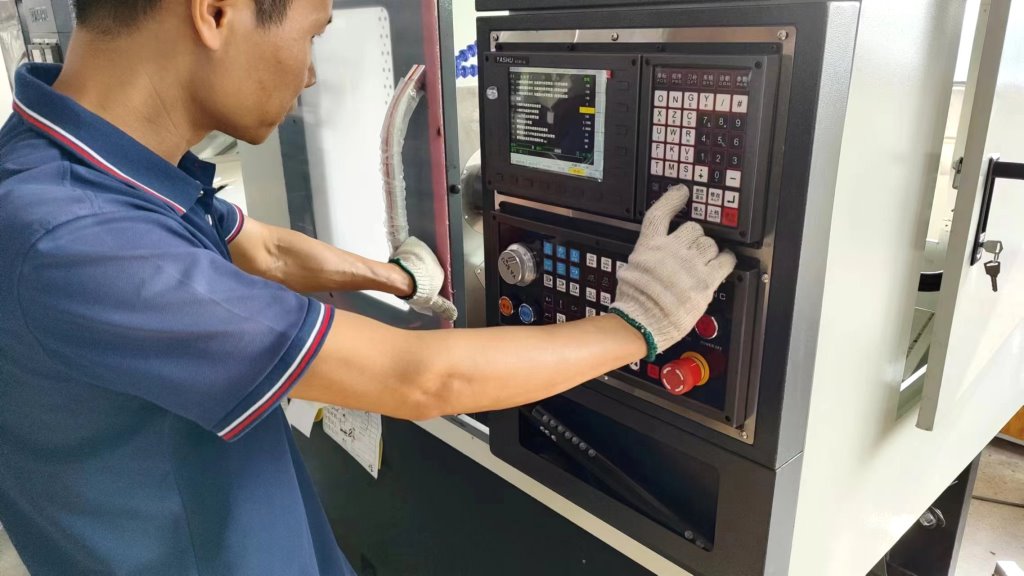
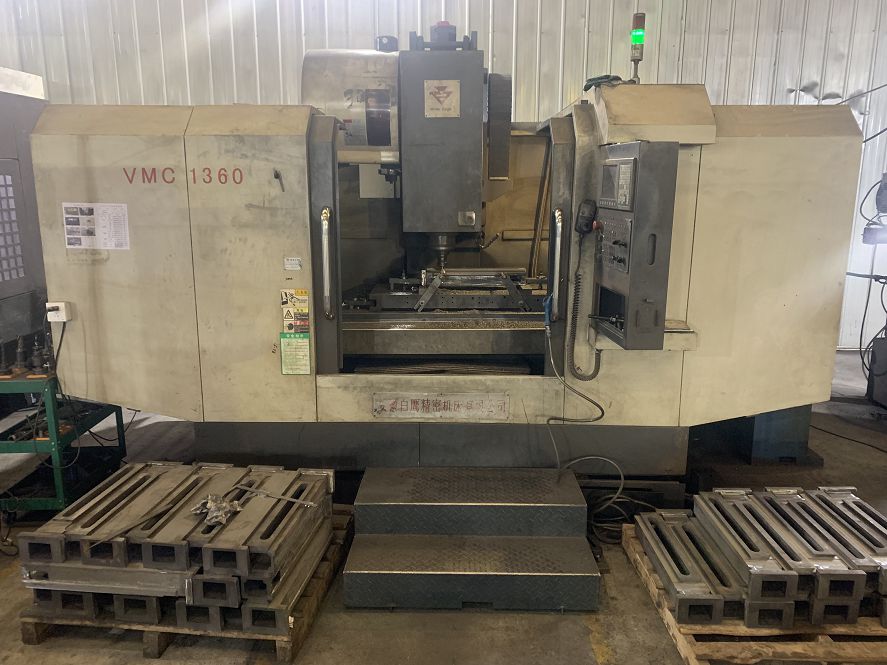
CNC Machine
CNC Machine
Laser Cutting Machine
Laser Cutting
Precision Guideway Grinder
Precision Grinder
Universal Grinding Machine
Universal Grinding

This machinery configuration allows ZRF to manage the entire manufacturing cycle. By relying on in-house engineering and production, we reduce supply chain bottlenecks. This enables us to manufacture and deliver custom fittings that meet exact client specifications.

Technical Roadmap and Future Outlook

The field of fluid power connection systems is evolving toward higher pressures, tighter tolerances, and lightweight materials. To meet these demands, the manufacturing roadmap for custom hose and fitting solutions centers on several technological developments:

1. Cold Flow Forming & Precision Spinning

Traditional manufacturing often relies on welding or casting, which can introduce microscopic defects. ZRF’s CNC metal spinning machines form materials over a mandrel under high pressure, maintaining structural consistency. This technique preserves the grain flow of alloys, producing hose ends and couplers with high resistance to fatigue and cracking.

2. Integrated Multi-Axis Turn-Mill Centers

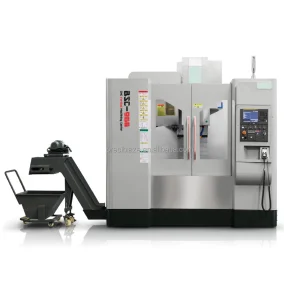
Modern custom fittings require complex geometries, internal threads, and precise sealing surfaces. ZRF’s combined CNC turning and milling centers allow multi-operation machining in a single setup. This helps eliminate alignment errors and ensures high concentricity between the hose tail and the thread profile.

3. Intelligent Tooling and Real-Time Metrology

We are integrating laser measurement sensors into our spinning and turning platforms. These systems measure part dimensions during the manufacturing process, allowing the CNC controller to adjust toolpaths dynamically. This ensures that wall thickness and outer diameters are held to tight tolerances.

Global Procurement and Localized Support

For procurement managers and engineers, sourcing from a manufacturer in China requires clear communication, strict quality standards, and reliable logistics. ZRF balances manufacturing scale with engineering support to address these requirements:

  • Regulatory Compliance: We build machinery and components that align with ISO9001 quality systems. We also configure equipment to produce parts that meet ASME, SAE, and DIN standards.
  • Comprehensive OEM/ODM Engineering: Clients can submit CAD files or physical samples. Our engineering team designs the tooling and CNC parameters to produce customized parts.
  • Testing Protocols: Every design undergoes testing, including pressure cycle evaluation, destructive burst tests, and metallurgical examination.
  • Global Delivery Logistics: We export to more than 20 countries. Our logistics network manages containerized sea freight, air freight, and door-to-door customs clearance.

Technical Q&A (FAQ)

Common questions regarding the manufacturing, technology, and configuration of custom hose and fittings solutions.

Q1: What are the main benefits of using CNC metal spinning instead of casting for hose fittings?
CNC metal spinning is a cold forming process that refines the material's grain structure, aligning it with the contours of the fitting. This process increases tensile strength and fatigue life, reduces porosity, and lowers the risk of leakage under high pressures compared to cast alternatives.
Q2: How does Zhejiang ZRF Spinning verify the dimensional accuracy of custom orders?
We use a multi-stage quality control process. Initial tool paths are verified through CNC simulation software. During production, we employ coordinate measuring machines (CMM), laser scanners, and optical comparators to confirm that all dimensions align with the engineering drawings.
Q3: Which materials can be processed on your CNC spinning and turning machines?
Our machinery handles a wide range of industrial metals, including carbon steel, 304 and 316 stainless steels, aluminum alloys, copper, brass, and high-nickel alloys designed for high-temperature or corrosive applications.
Q4: What is the typical lead time for custom tooling and initial sample production?
Depending on component complexity, custom tooling design and sample fabrication are typically completed within 15 to 30 working days. Production begins after the client reviews and approves the initial sample.
Q5: Do ZRF machines support integration with automated robotic loaders?
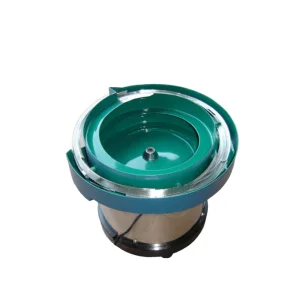
Yes, our CNC systems are built with standard communication protocols (such as Modbus or Profinet) to interface with robotic arms, automated bowl feeders, and gantry loaders for high-volume, automated production.