ZRF Spinning
Executive Whitepaper: Thermal Imaging Inspection & Heavy-Duty Manufacturing Integration
In the contemporary globalized industrial landscape, the convergence of high-precision metal forming and advanced thermographic analysis has become a foundational pillar for quality assurance. Thermal imaging inspection technology, once reserved for localized troubleshooting, has now evolved into an end-to-end process monitoring system. For heavy industries specializing in metal spinning, flanging, and mechanical fabrication, real-time thermal analysis provides critical insights into material behavior, friction mechanics, and structural fatigue.
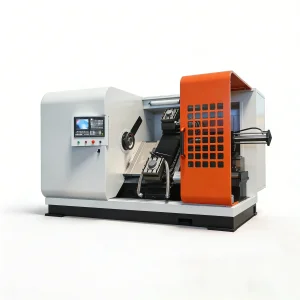
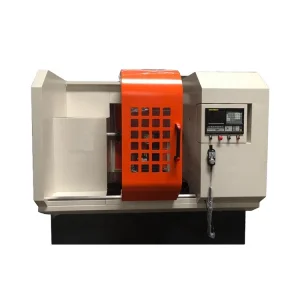
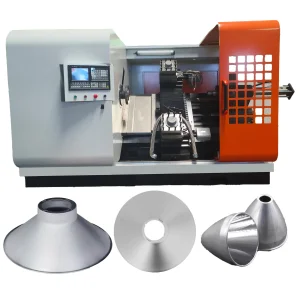
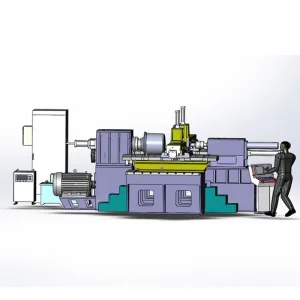
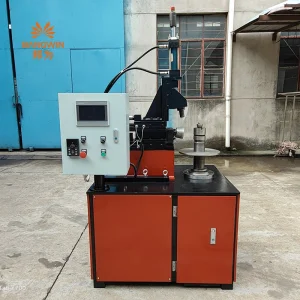
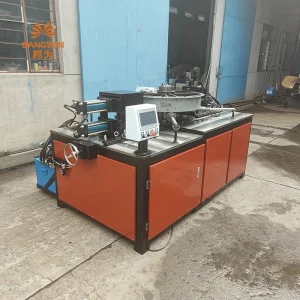
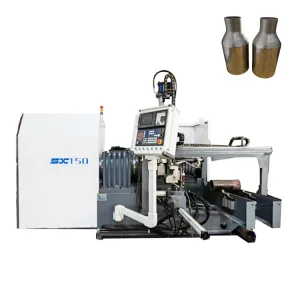
Zhejiang ZRF Spinning Co., Ltd., as a recognized pioneer in CNC metal forming technology, has seamlessly integrated thermal sensing paradigms with precision manufacturing equipment. Modern flow-forming and flanging procedures demand rigorous heat control. When metals undergo intense plastic deformation under adjustable speed and torque, slight deviations in temperature gradients can lead to micro-fractures, residual stress, or dimension deviation. By leveraging state-of-the-art thermography, industrial operators can dynamically adjust machine feeds, spindle rotational speeds, and coolant distribution, guaranteeing zero-defect production cycles.
Global Industrial & Commercial Landscape of Thermal Inspection
Worldwide commercial sectors—spanning petrochemical processing, aerospace engineering, defense logistics, and HVAC heat exchanger manufacturing—are witnessing an unprecedented rise in the adoption of thermographic monitoring systems. In the United States and Europe, stringent energy efficiency mandates and safety regulations require continuous monitoring of manufacturing systems. Thermal imaging inspection allows companies to detect thermal anomalies in electrical switchgears, verify heat insulation in pressure vessels, and monitor the friction-induced heat profiles of high-speed spindle operations.
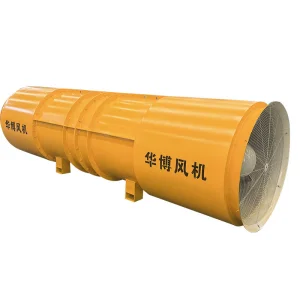
In metalworking specifically, thermal cameras calibrated for high emissivity are utilized to audit the temperature distribution across metal sheets during spinning and flanging processes. If a sheet falls below the recrystallization threshold during hot spinning, the component suffers from cold work hardening, rendering it brittle. Conversely, overheating can alter grain geometry, weakening the structural integrity of safety-critical components such as railway tunnel ventilation fans, automotive wheel hubs, or aerospace nose cones. Integrating inline thermal inspection prevents such catastrophic failures.
"The integration of non-contact infrared thermography into automated CNC metal spinning lines has reduced material waste by up to 24% while simultaneously improving tooling lifespan by avoiding excessive friction-induced thermal degradation." — ZRF Engineering Intelligence Center
China's Manufacturing and Factory Efficiency Advantages
China's manufacturing sector continues to dominate the global supply chain, not just because of raw scale, but due to high-tech process integration. Zhejiang ZRF Spinning Co., Ltd. represents this technological shift. By combining specialized mechanical manufacturing facilities with a dense local supplier network for high-end optical sensors, cooling assemblies, and CNC controllers, ZRF delivers industrial machinery that matches or surpasses international standards at a competitive cost.
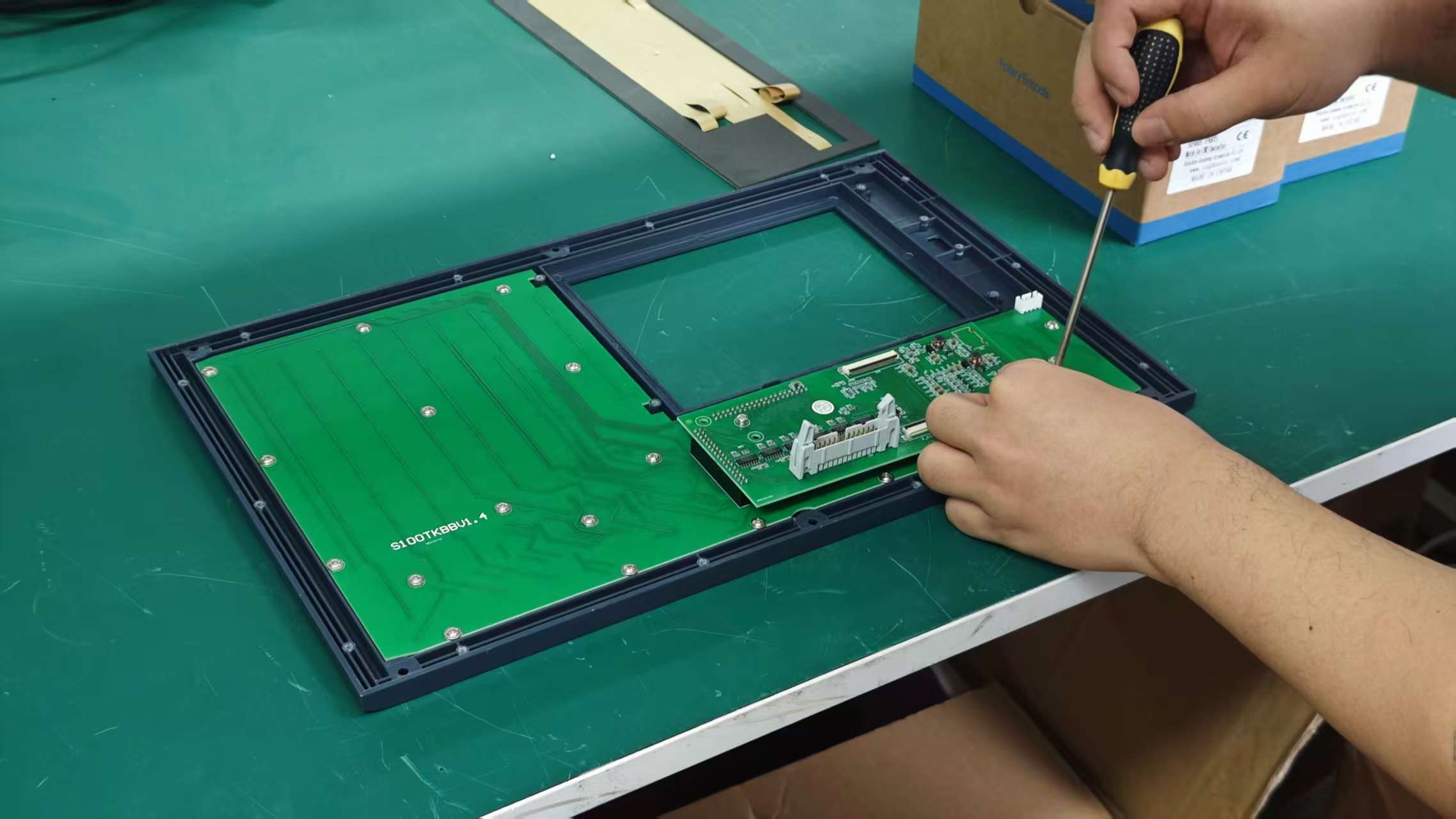
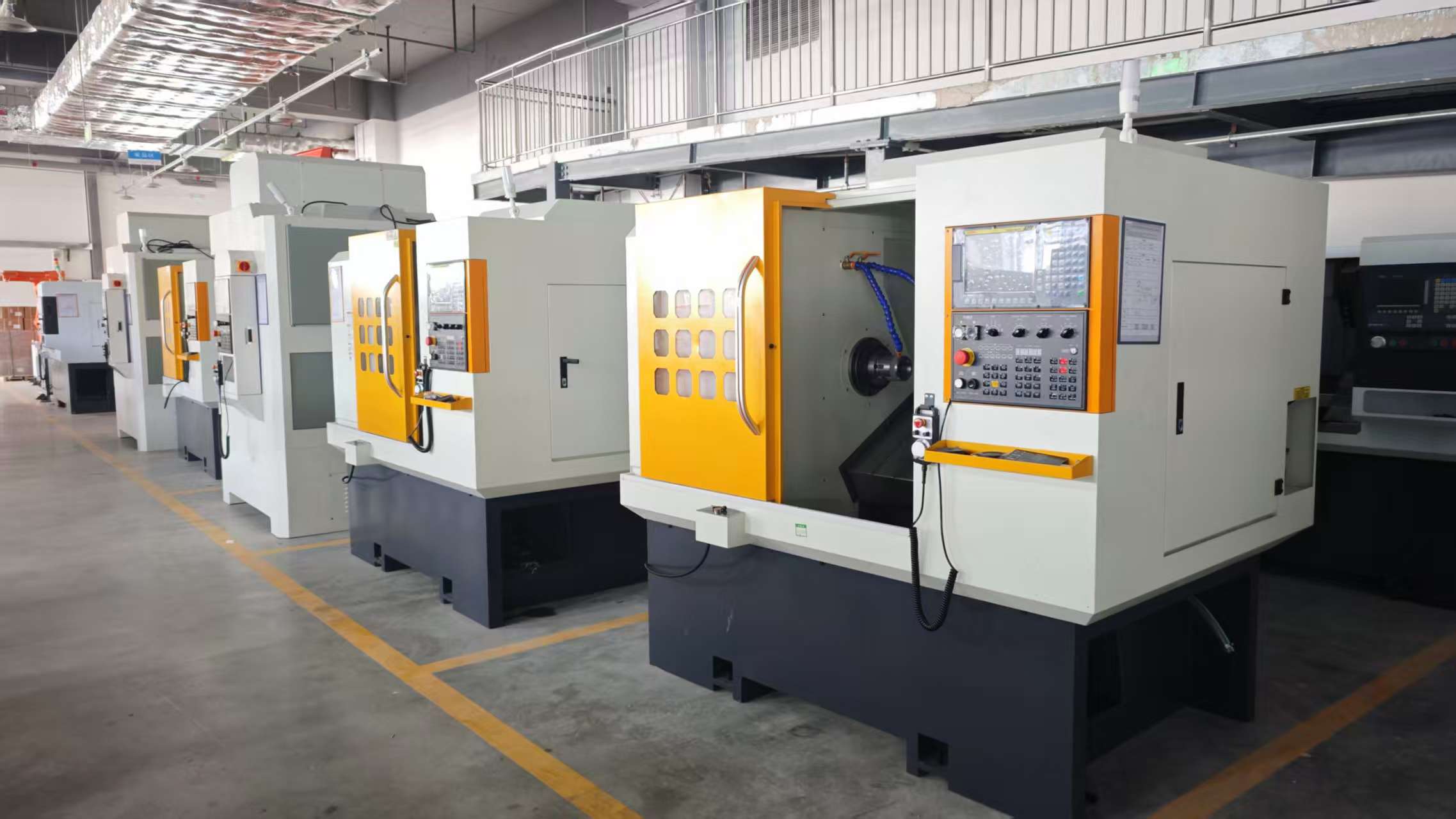
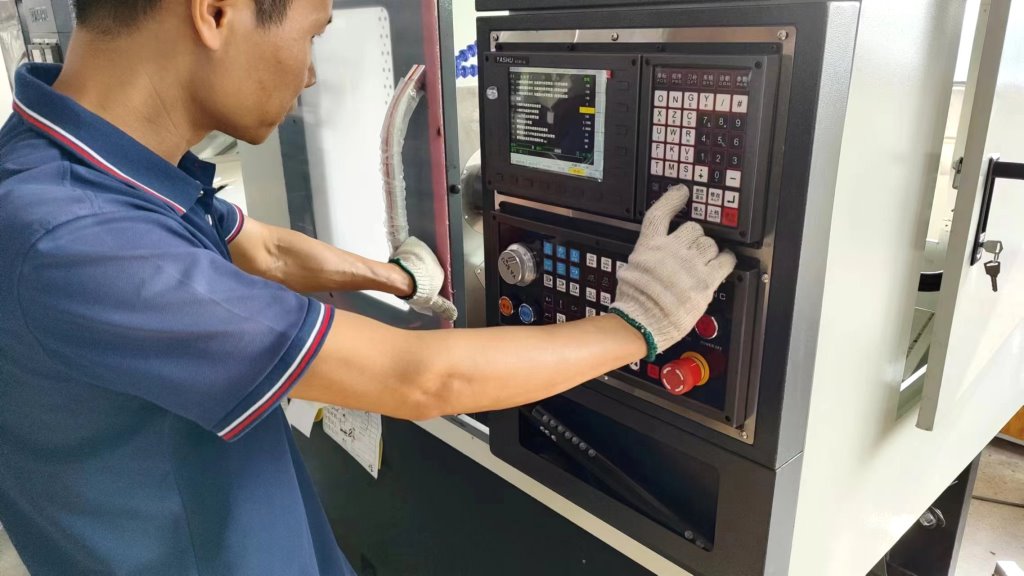
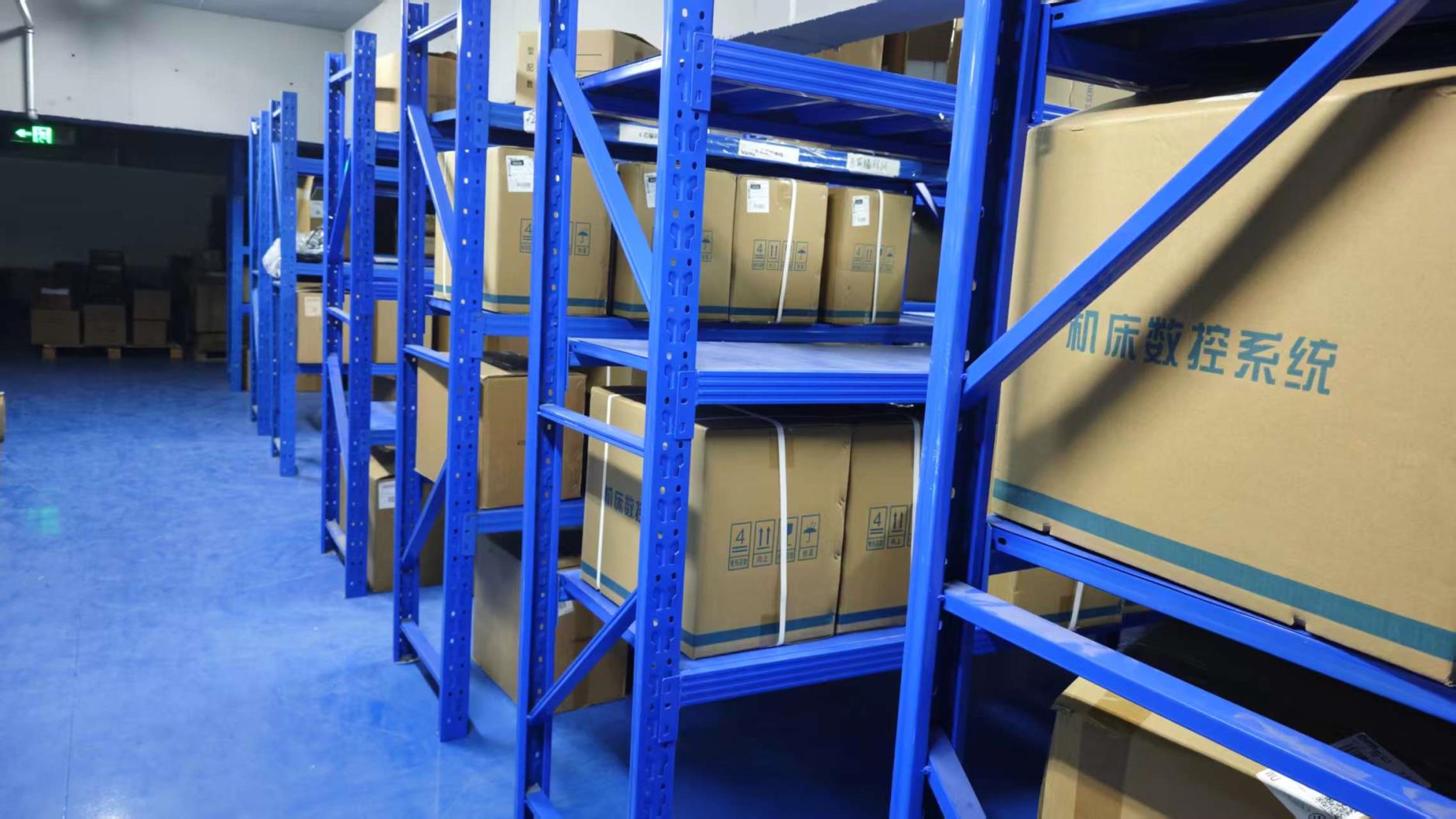
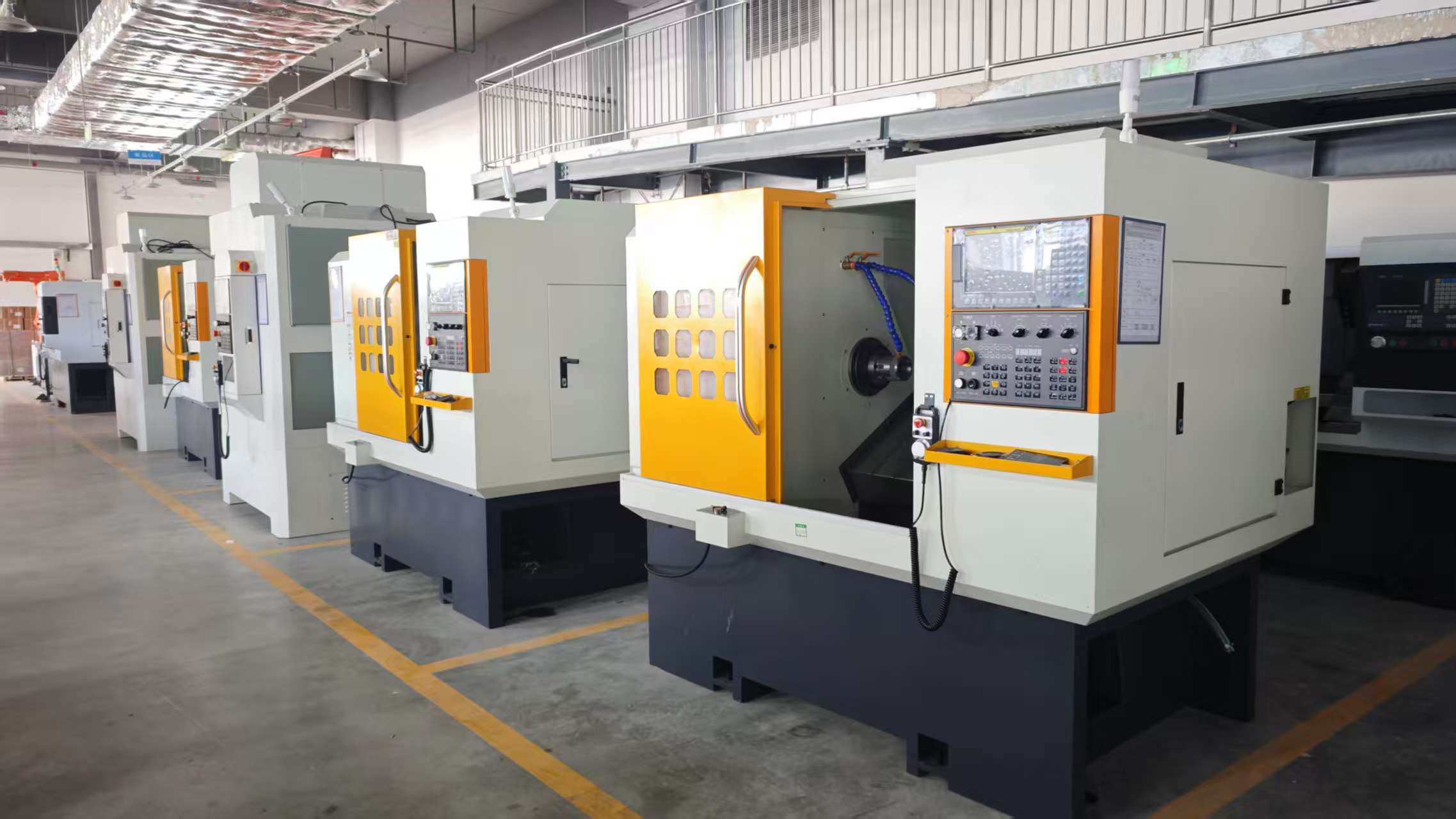
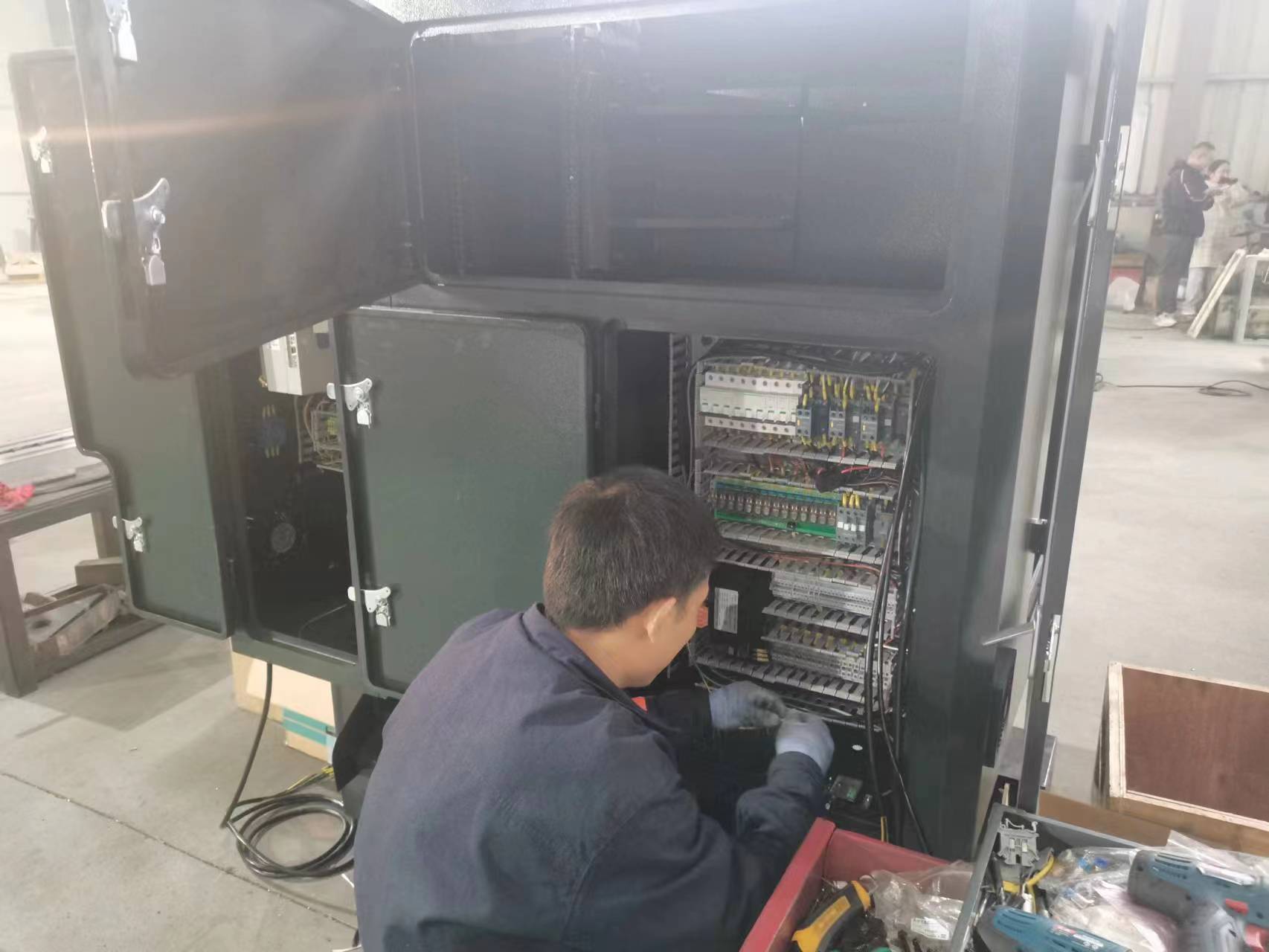
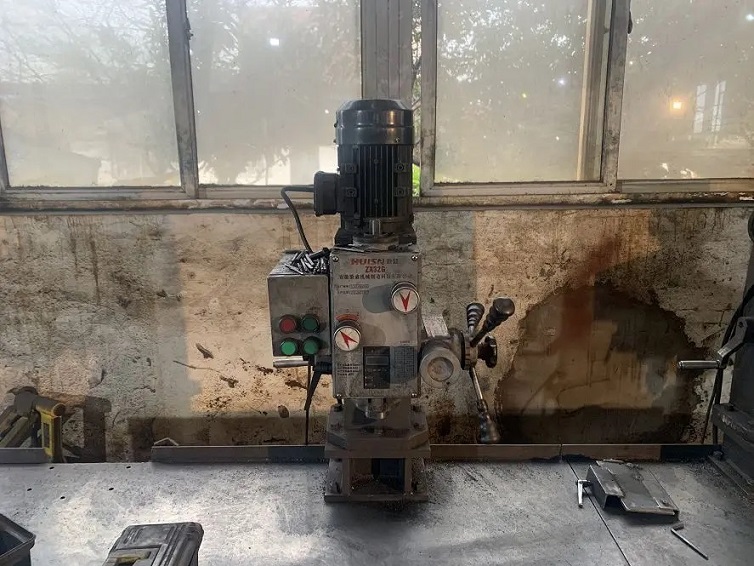
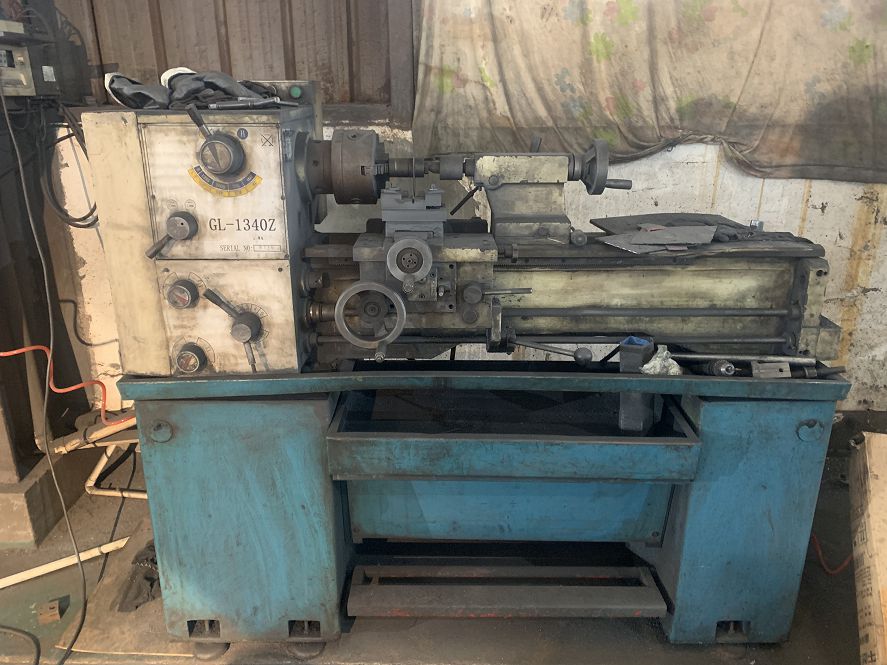
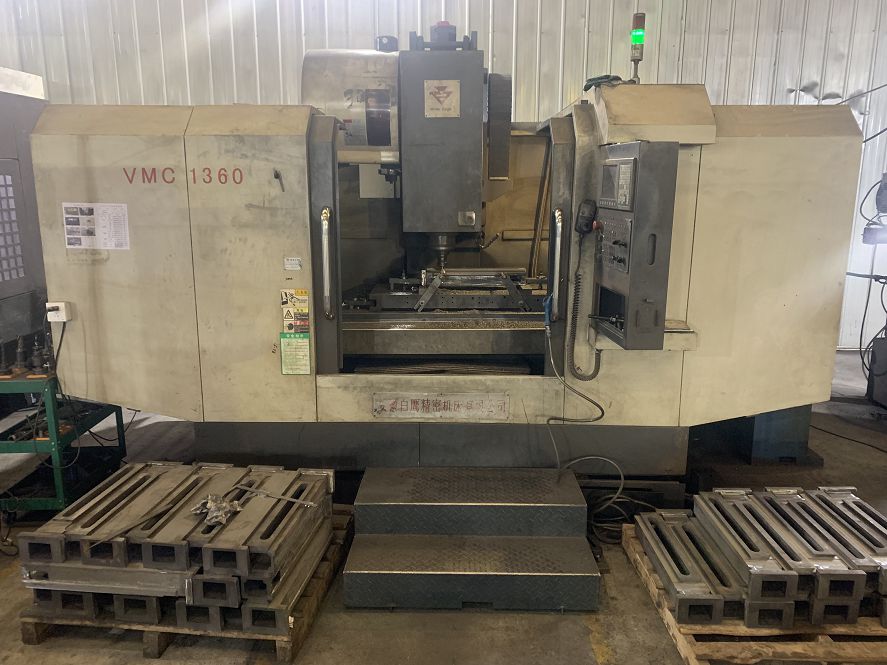
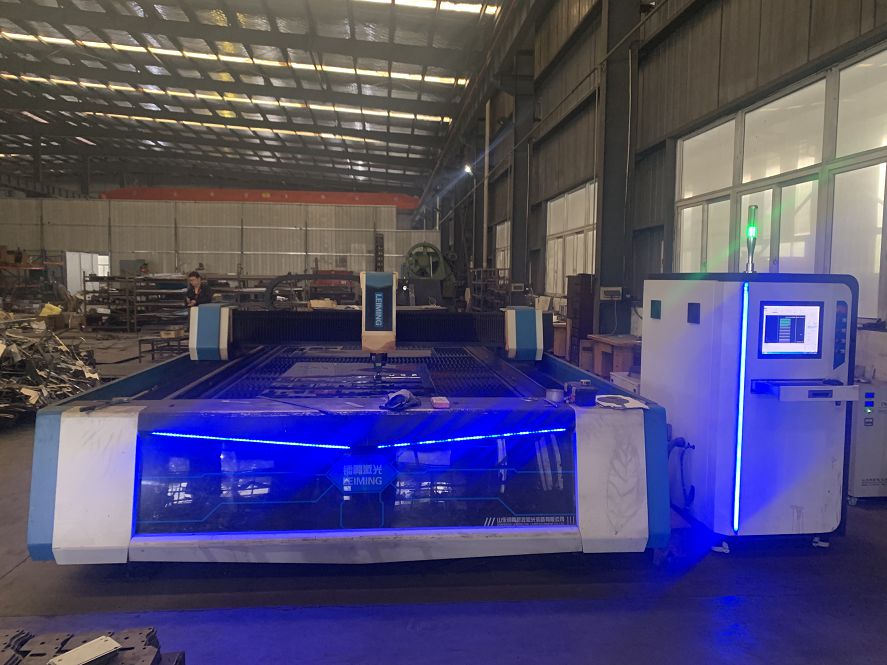
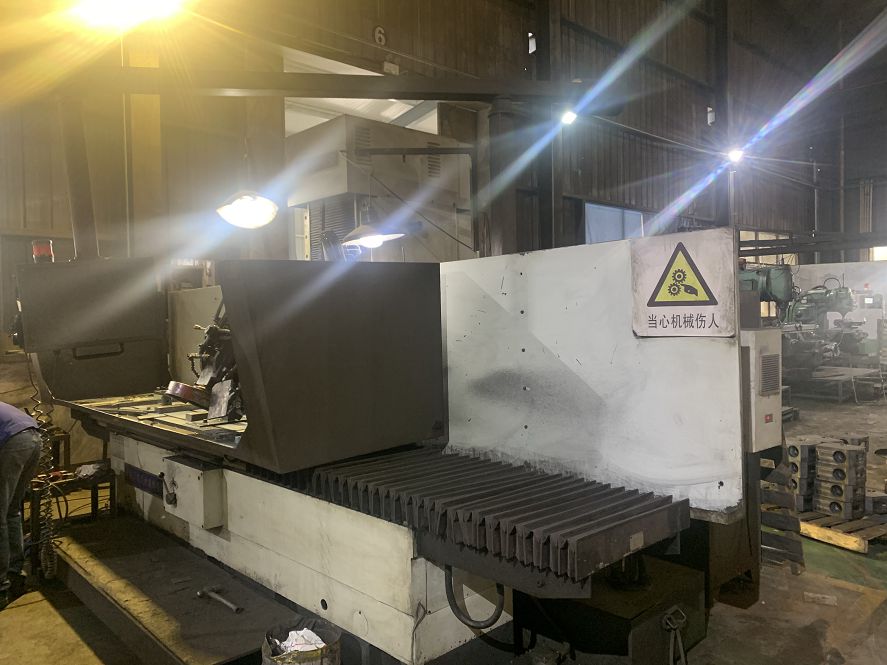
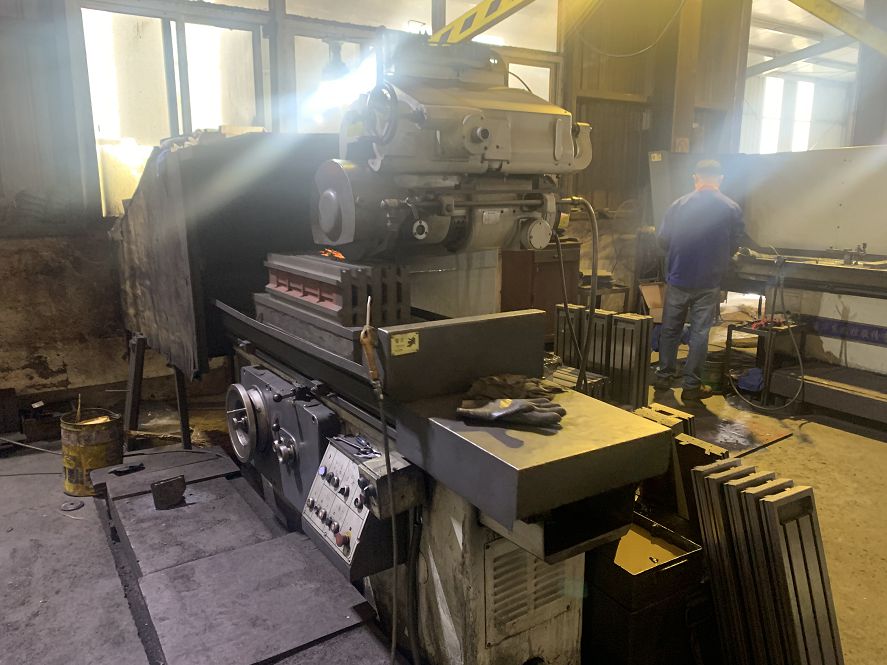
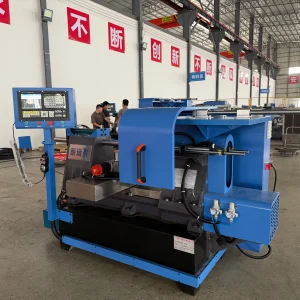
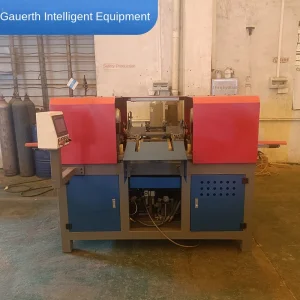
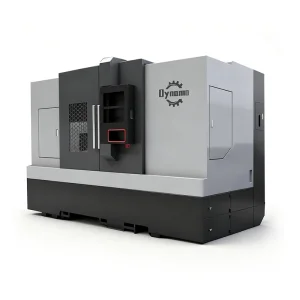
Our manufacturing process utilizes advanced machining assets, including precision guideway grinders, universal grinding units, laser cutting arrays, and dedicated CNC centers. This vertical integration guarantees that every component of our spinning and flanging systems—from the mechanical guides to the ventilation systems and electronic cabinets—is manufactured under strict tolerances. By optimizing factory floor layouts from initial assembly to debugging, aging, and final testing, China-based manufacturers are uniquely positioned to offer quick deployment, tailored OEM/ODM designs, and long-term operating reliability.