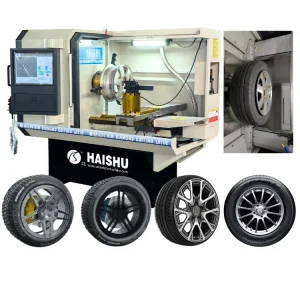
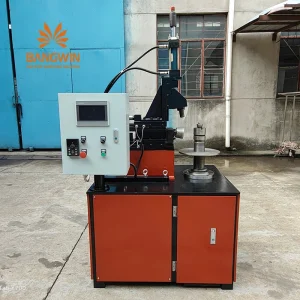
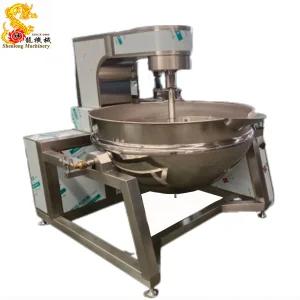
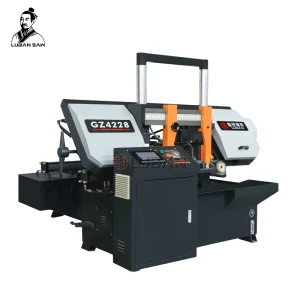
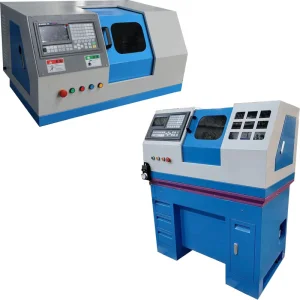
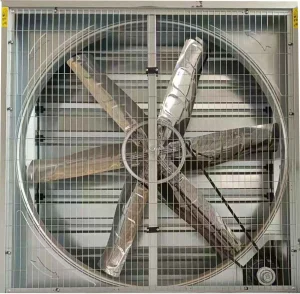
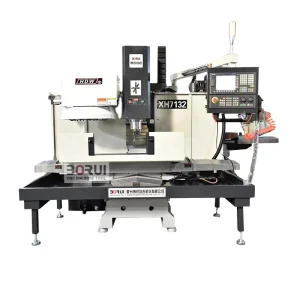
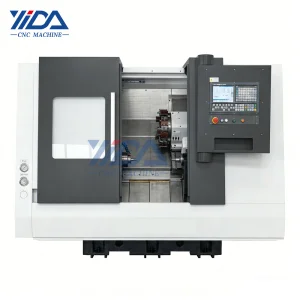
Advanced heavy-duty industrial processing setups engineered for maximum productivity, reliability, and precision
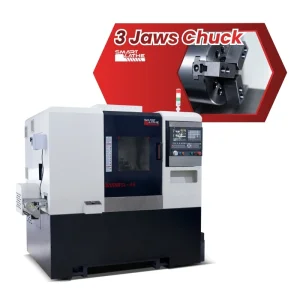
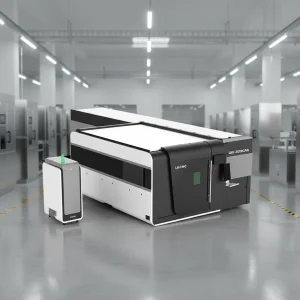
In the contemporary global manufacturing ecosystem, the demand for high-efficiency, multi-dimensional fabrication tools has propelled Chinese manufacturing factories to the forefront of engineering innovation. As a premier provider of sophisticated metalworking systems, the convergence of Multi-Functional Laser Engraving Machines with advanced CNC metal spinning and turning technologies represents a critical leap in production capacity.
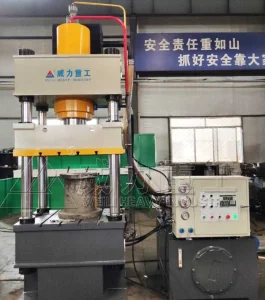
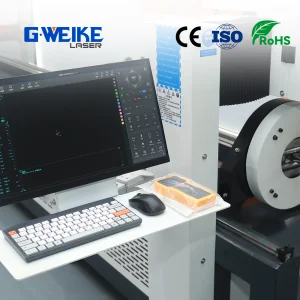
Chinese factories have revolutionized the global supply chain by offering vertically integrated industrial tools. Today's multi-functional laser engraving systems do not simply mark surfaces; they act as holistic machining centers. Integrated with fiber laser modules (ranging from 1kW to high-power 6kW setups), precise AI control architectures, and robust mechanical structures, these machines minimize material transit times, drastically lower operational overheads, and guarantee micro-level precision. This integration allows industries to transit effortlessly from heavy-duty metal deformation (via CNC spinning and hydraulic pressing) to ultra-fine surface styling and marking via specialized laser modules.
Why do global enterprises look to Chinese factories for multi-functional laser engraving and spinning equipment? The answer lies in the deeply integrated industrial clusters that offer unparalleled manufacturing flexibility, cost efficiencies, and advanced R&D output.
From HIWIN linear guide rails and CypCut CNC control systems to high-speed cooling fan systems, Chinese factories build machines using locally sourced, highly standardized components. This ecosystem ensures that replacement parts are readily available worldwide, reducing downtimes during intensive multi-shift factory runs.
The lifetime of a laser engraving or CNC spinning machine depends on structural stability. Chinese manufacturers employ stress-relieved heavy cast iron and welded frames that endure massive vibrational loads without structural warping, preserving high-speed accuracy for decades.
With massive domestic feedback loops from fields as diverse as aerospace, defense, and daily consumer electronics, manufacturers continuously optimize their firmware and structural configurations. The integration of modern AI-driven visual cameras for real-time error tracking and automatic autofocus laser heads is a product of these rigorous field tests.
Modern production facilities demand flexible machinery capable of managing multiple manufacturing phases. The integration of multi-functional laser engraving and mechanical spinning systems provides optimized pathways across major industrial domains:
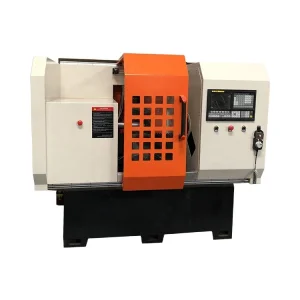
As a high-tech enterprise specializing in the research, development, and manufacturing of CNC spinning machine tools, Zhejiang ZRF Spinning Co., Ltd. has extensive experience and a strong technical foundation in the domestic spinning industry.
Our series of CNC spinning machine tools are widely applied across a variety of industries, including petrochemicals, electronics, daily hardware, food processing machinery, automotive and motorcycle components, pressure vessels, ventilation and environmental protection, defense, and aerospace. The ZRF spinning machine series has reached more than 30 provinces and cities across China and has been exported to over 20 countries and regions worldwide. Our advanced technology, excellent product quality, and comprehensive service system have earned the trust and recognition of users globally.
At Zhejiang ZRF Spinning Co., Ltd., we firmly advocate a philosophy of market-oriented development, research-driven innovation, and technological excellence. We focus on continuous improvement in both product performance and service quality. Our manufacturing process strictly adheres to the ISO9001 quality management system, ensuring reliable, safe, and high-quality products. Over the years, we have established long-term cooperative relationships with many leading domestic and international enterprises.
We are dedicated to providing our clients with advanced, safe, and reliable technology and products. Looking forward, Zhejiang ZRF Spinning Co., Ltd. will continue to leverage its deep technical expertise to strengthen its leadership in China's spinning industry and expand its global presence.
With a vision for the 21st century, full of opportunities and challenges, Zhejiang ZRF Spinning Co., Ltd. remains committed to excellence in innovation, quality, and service, striving to become a globally respected leader in spinning machine technology.
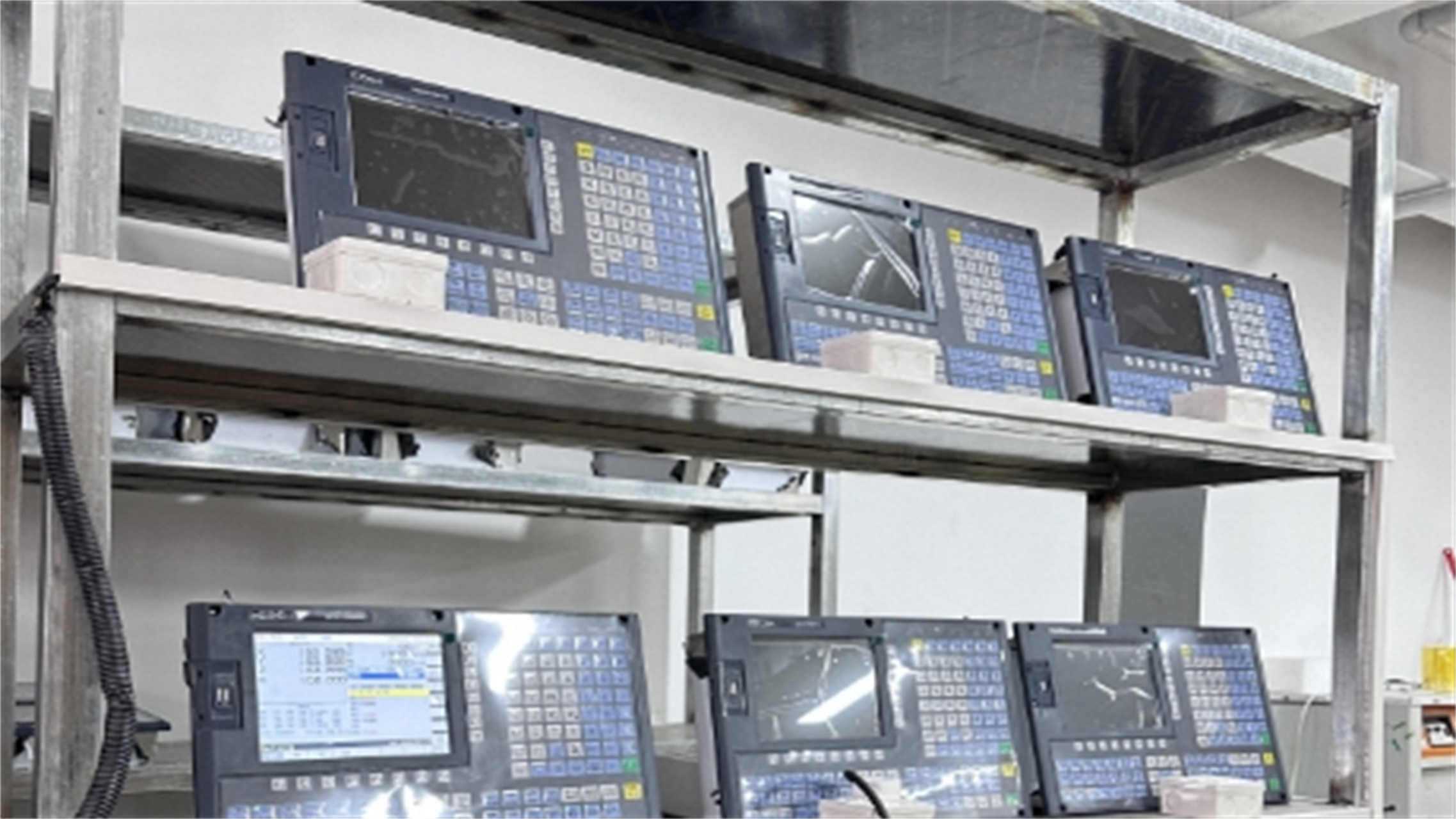
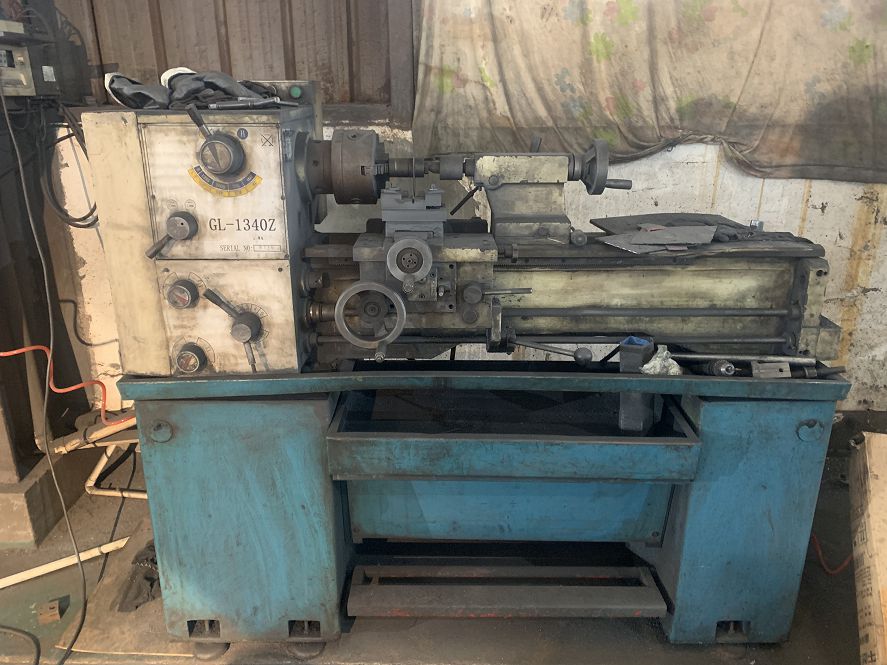
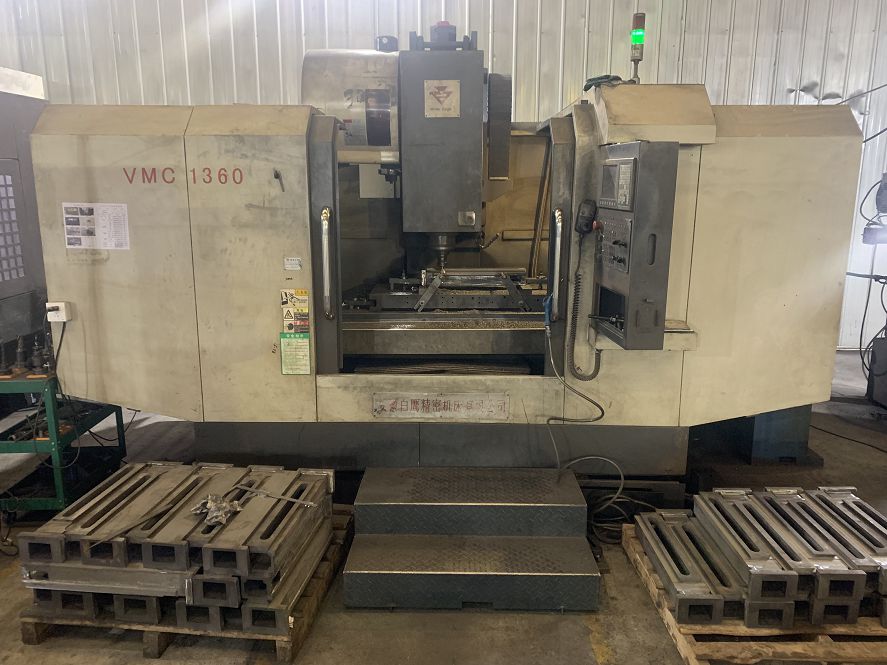
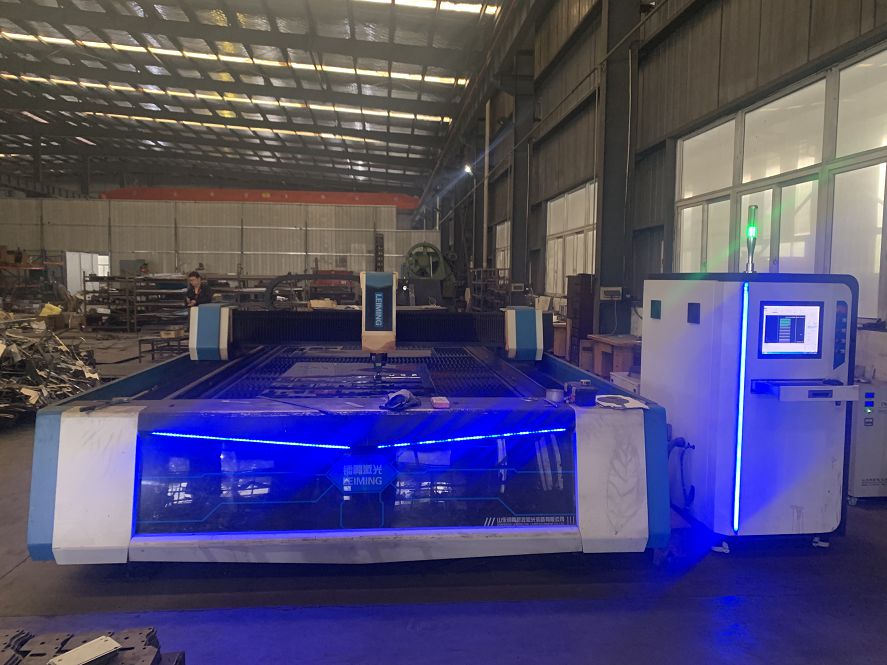
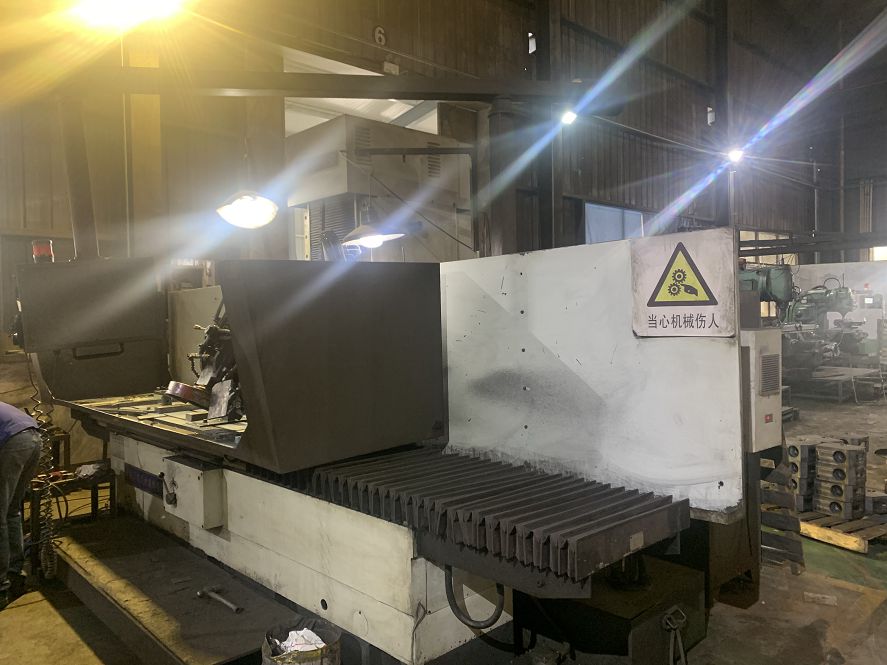
Real-world glance inside the ZRF high-tech manufacturing facility, assembly units, and quality control lines
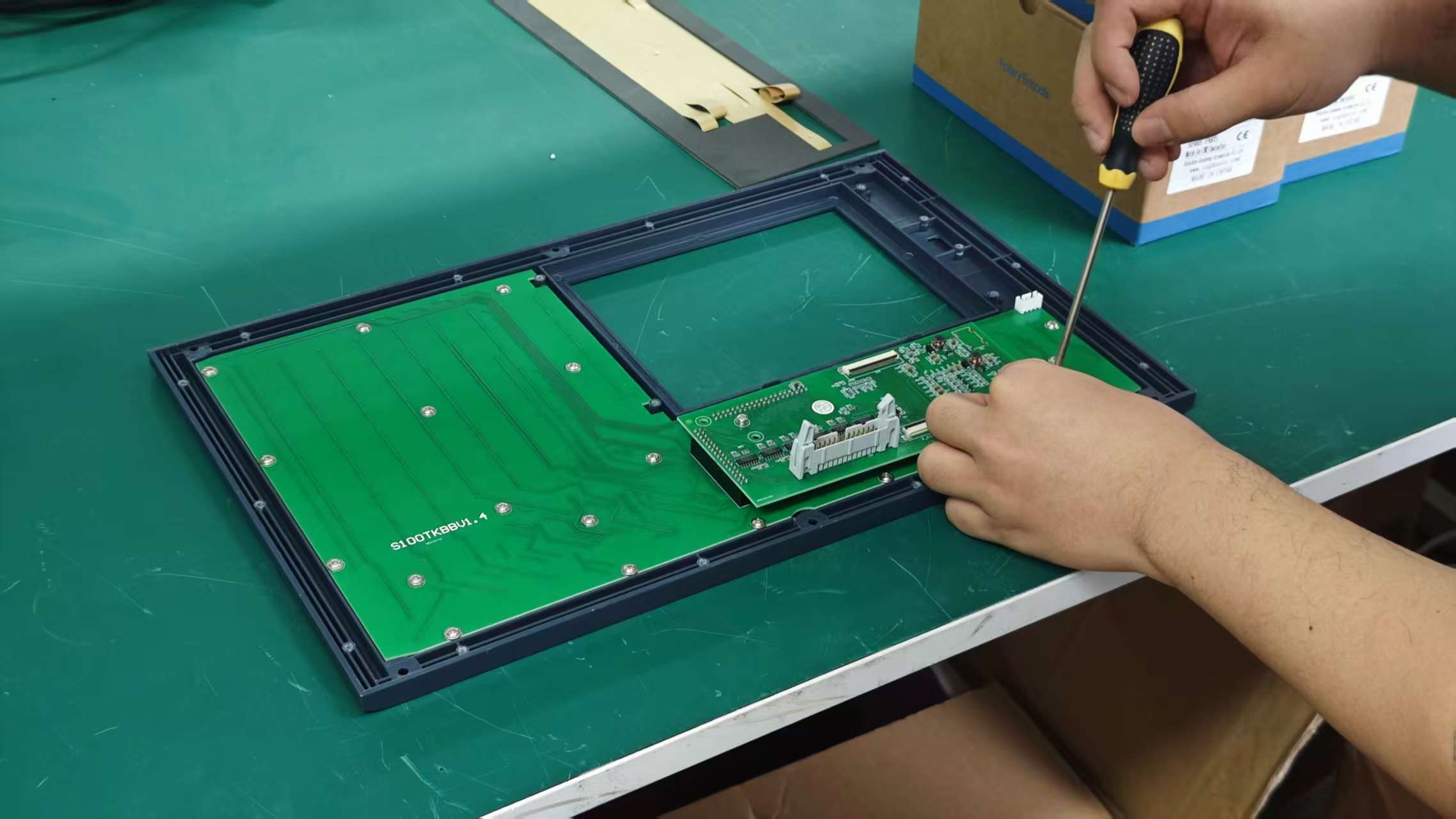
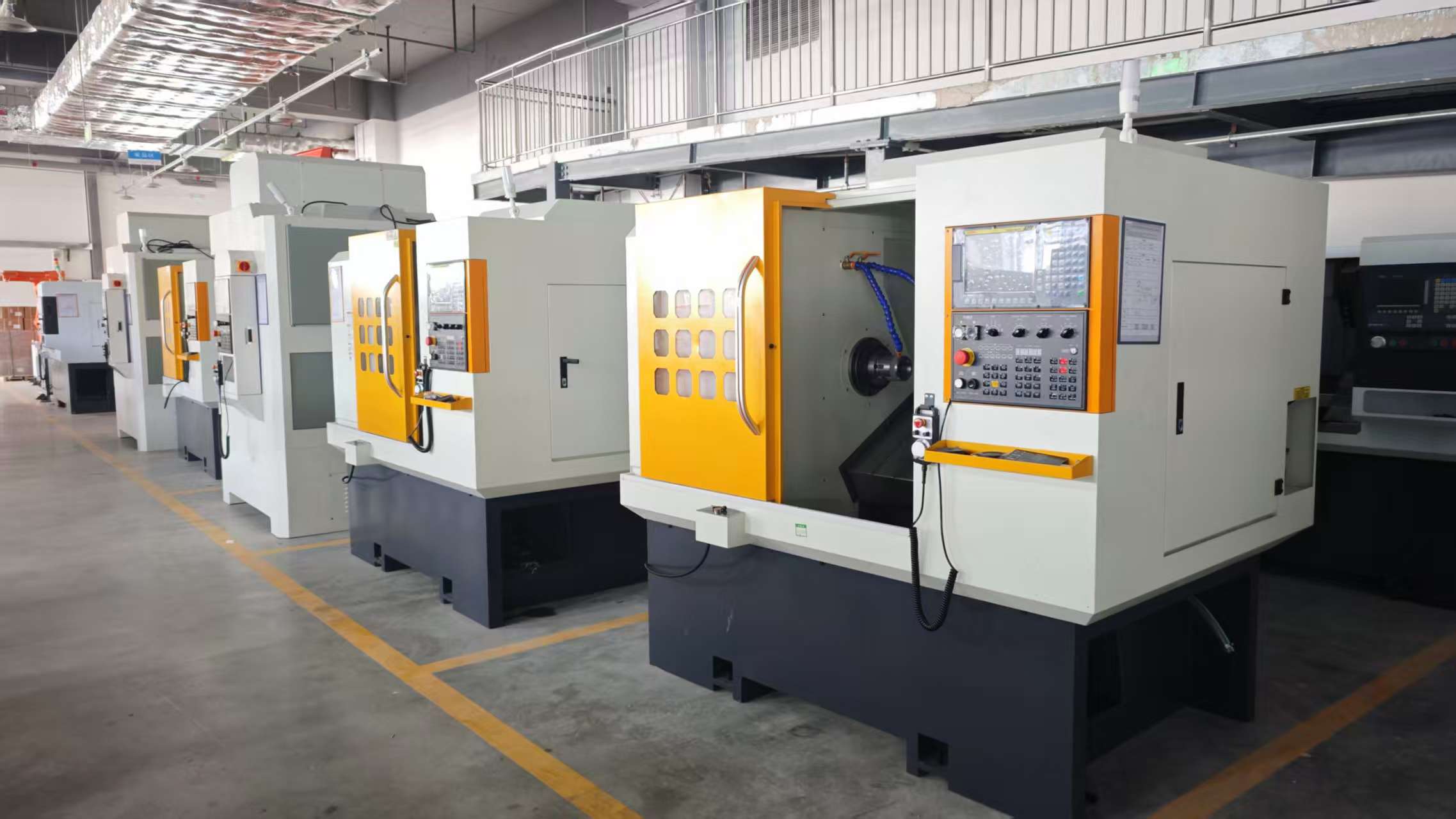
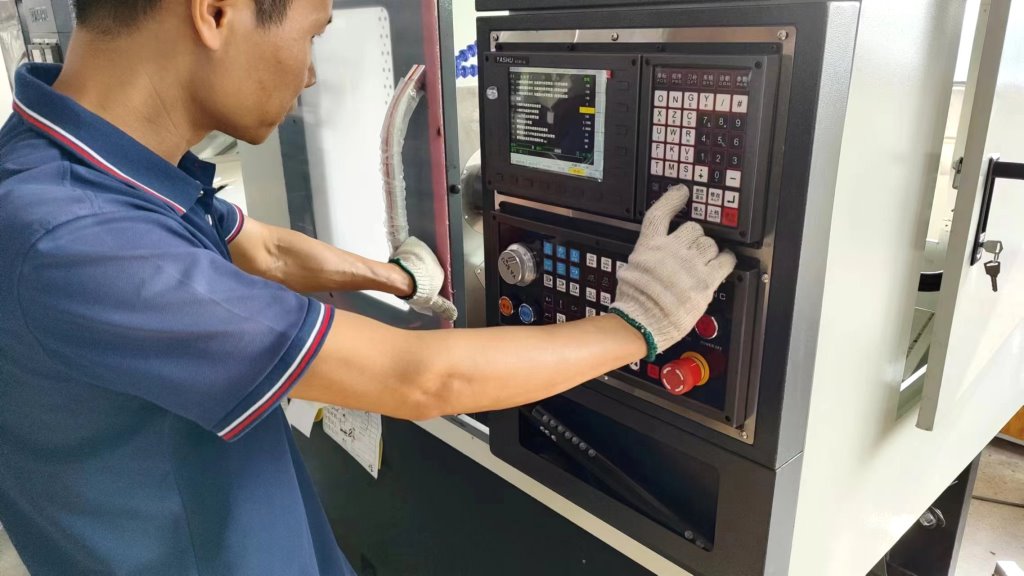
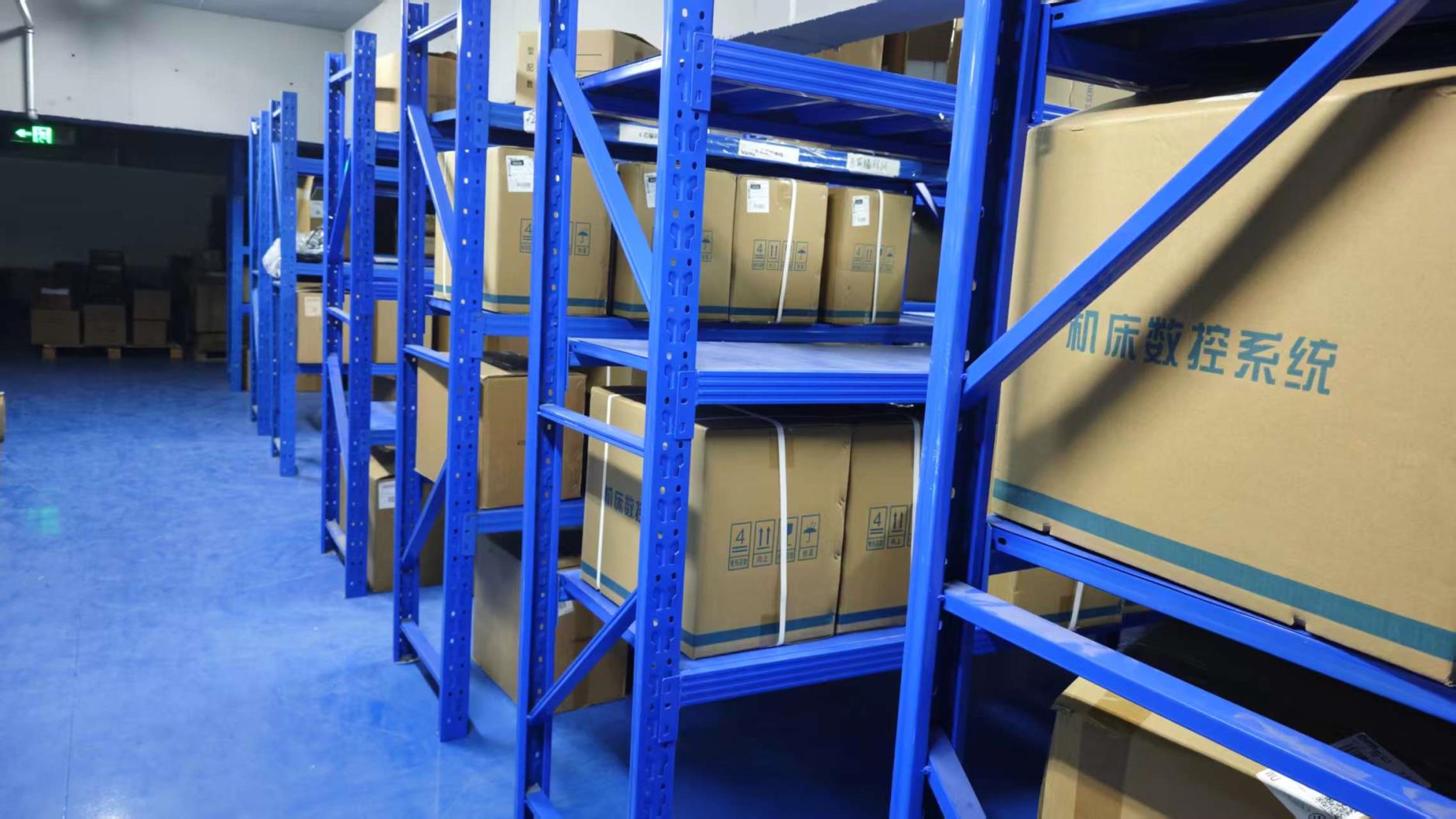
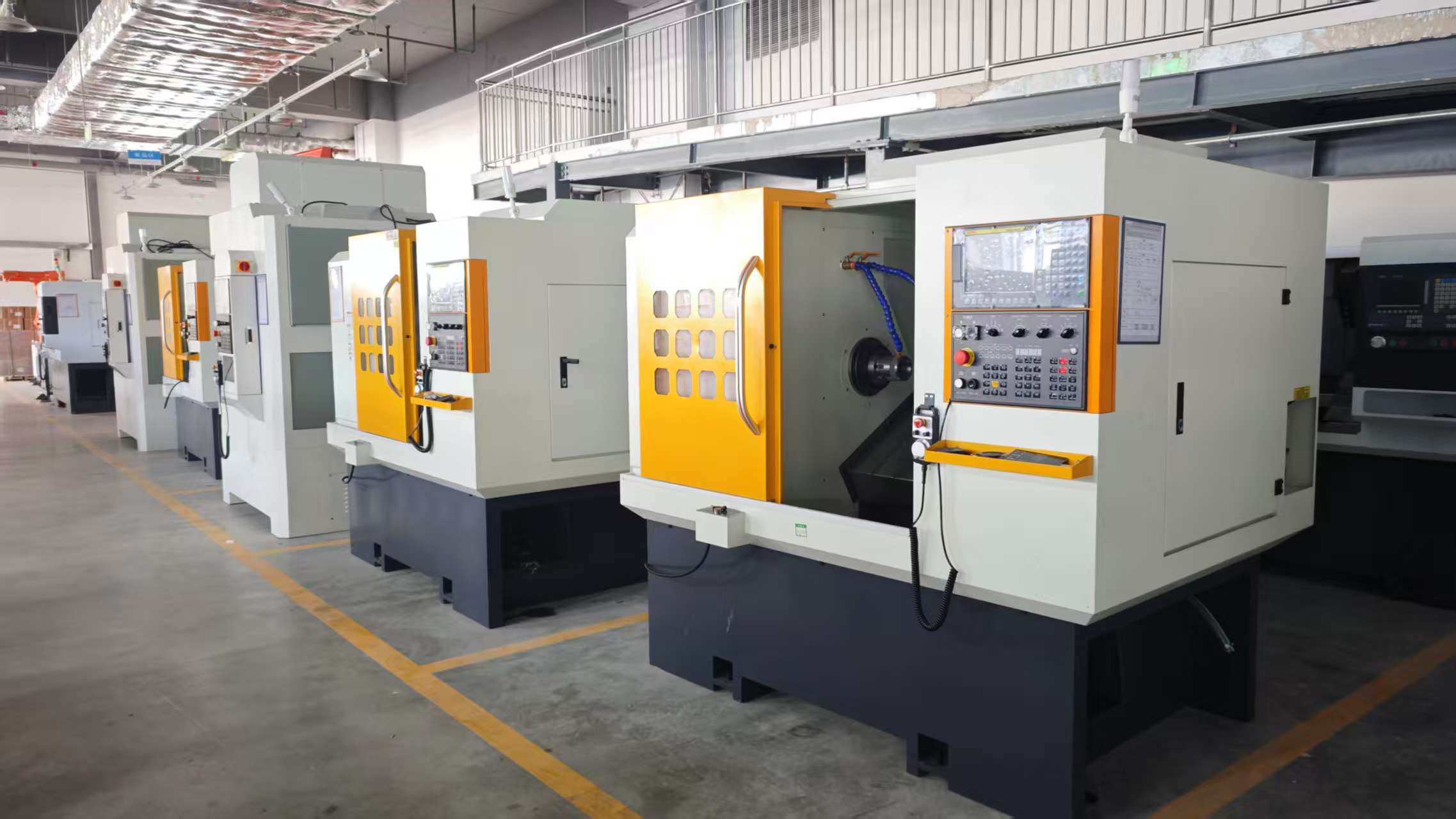
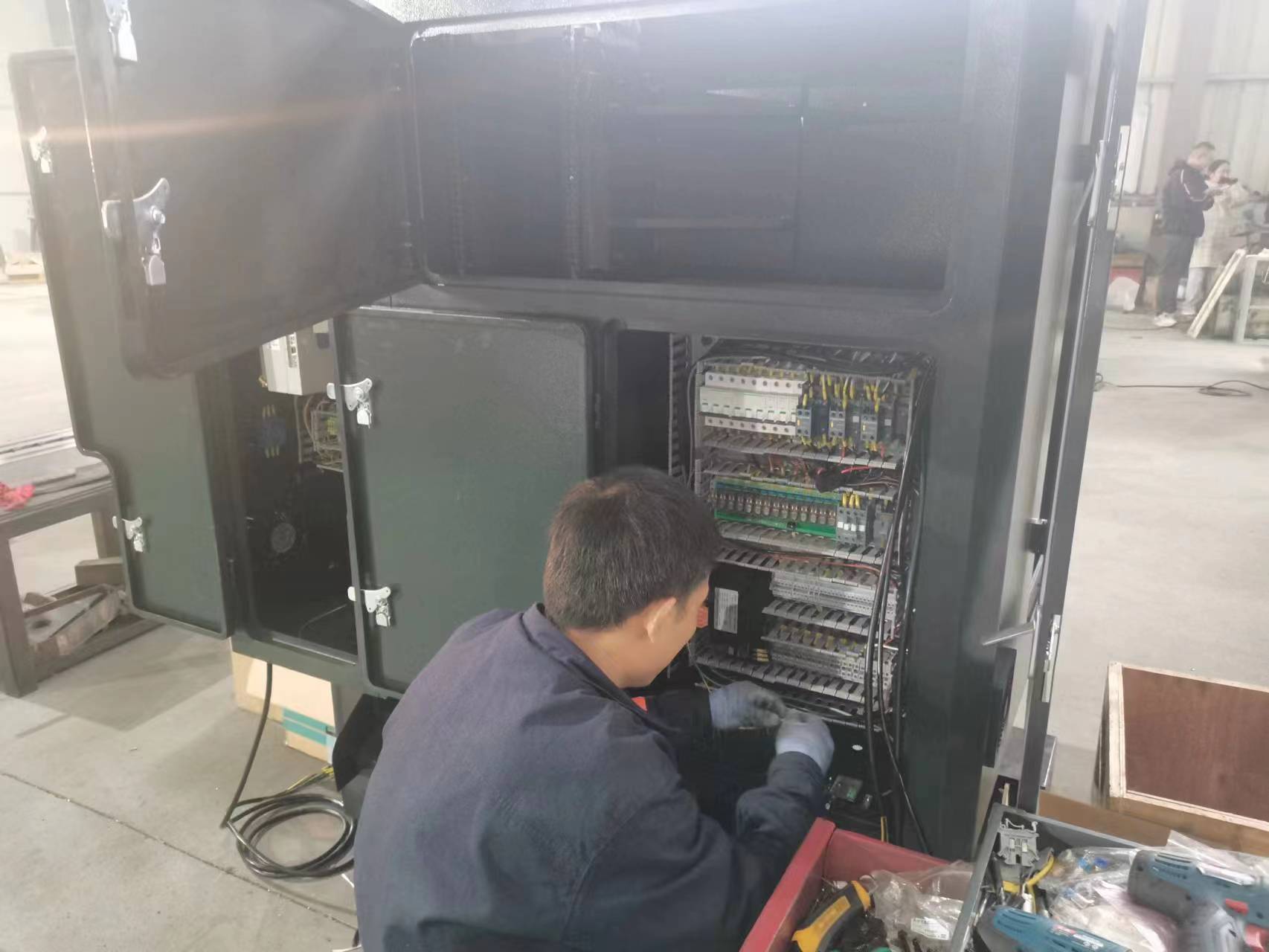
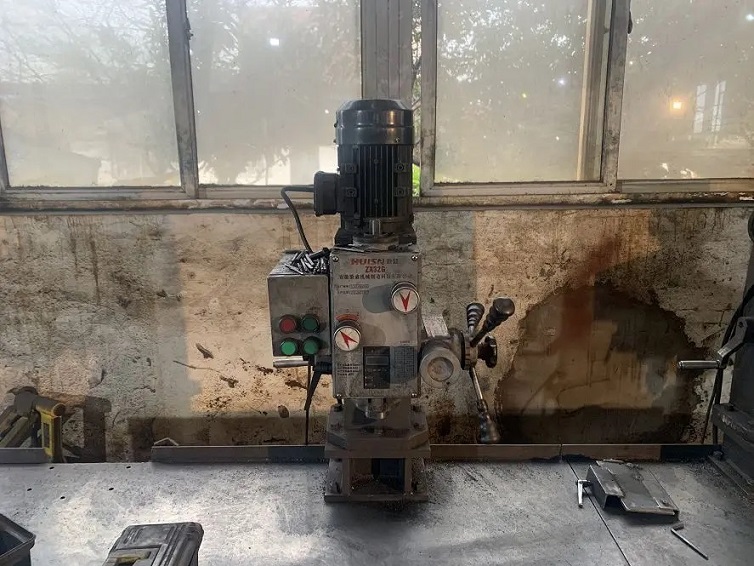
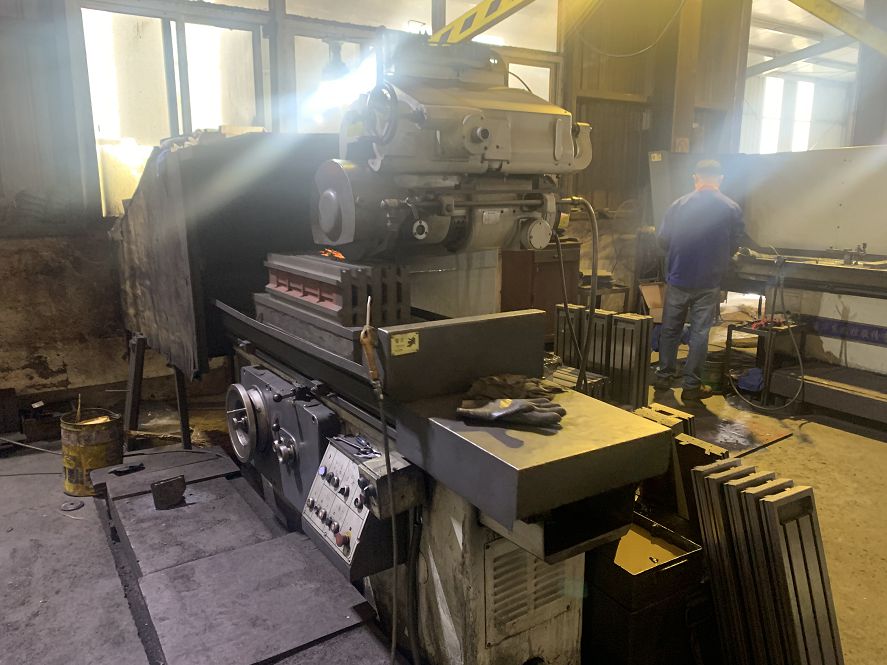
B2B procurement agents face multi-layered challenges when choosing custom-integrated machinery. To ensure long-term ROI, buyers should base their choices on the following strategic criteria:
Lightweight frames lead to microscopic tool deflection during high-pressure CNC operations or rapid laser movement. Always inspect the net weight of the machine frame, demanding high-grade cast steel setups for heavy spinning tools and dual-motor gantry drives for wide-format laser engravers.
An industrial system is only as capable as its software interface. Look for systems featuring native CAD/CAM compatibility, intelligent nested layout designs (like CypCut or CypOne for lasers, and advanced CNC interfaces for lathes), and direct support for digital vector formats (AI, PLT, DXF).
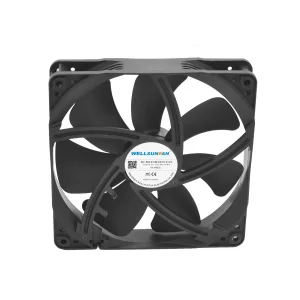
High-powered laser resonators and continuous-drive spindle motors produce massive thermal footprints. Deploying industrial ball-bearing dual-fan systems (such as high-speed 140mm cooling networks) and specialized industrial water chillers is non-negotiable to maintain stable output power and protect optical components.
Detailed engineering insights addressing the most critical technical queries from global buyers
Discover our full line of specialized workshop machinery optimized for global export
 ZRF Spinning