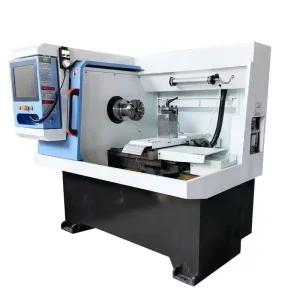
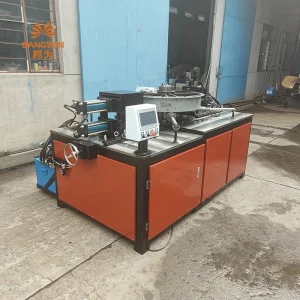
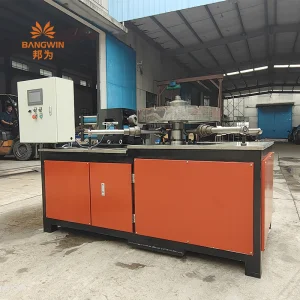
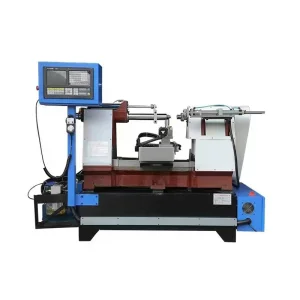
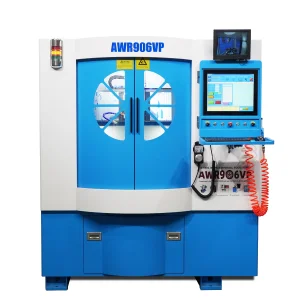
Explore our premium grade CNC metal spinning lathes, shrinking/necking machinery, and specialized industrial forming systems.
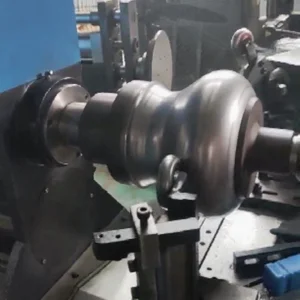
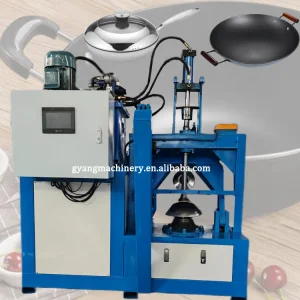
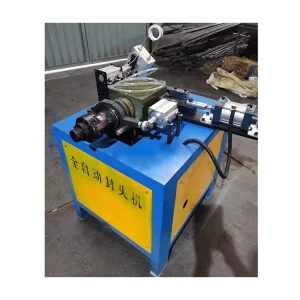
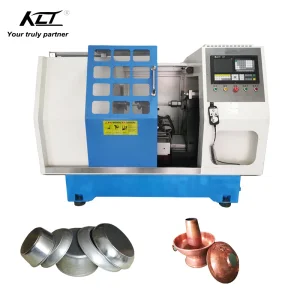
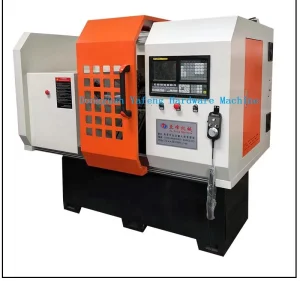
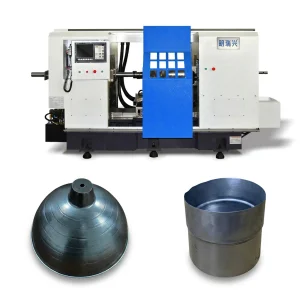
In the modern metal-forming sector, Precision CNC Flow Forming represents a key advancement in the manufacture of high-integrity, seamless, and rotationally symmetrical components. Unlike conventional stamping or casting methods, flow forming applies localized compressive forces via computerized rollers. This plastically deforms the workpiece over a rotating mandrel. This specialized process refines the microcrystalline grain structures of the metal, leading to elevated tensile strengths, precise wall thickness reductions, and close dimensional tolerances.
Zhejiang ZRF Spinning Co., Ltd. is positioned at the intersection of precision tool engineering and advanced material processing. Our customized CNC flow forming machinery and metal spinning lathes are developed to address complex fabrication requirements. Through digital control, our machines enable reliable wall-thickness profiling, uniform material distribution, and minimal waste. These factors are critical in high-reliability sectors such as aerospace, automotive, energy, and defense.
Did you know? Flow forming can increase the yield strength of materials like aluminum and stainless steel by up to 50% through mechanical work-hardening, allowing engineers to design thinner, lighter structures without sacrificing structural safety.
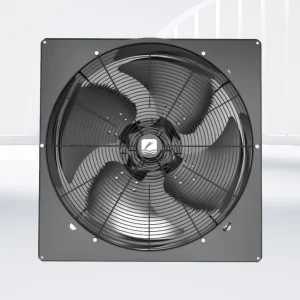
By integrating dual-roller and multi-axis CNC interpolation, ZRF metal spinning systems accommodate a wide range of materials—including copper, titanium, high-strength steels, and aluminum alloys. From the manufacturing of precision industrial fan housings to high-pressure vessels, our machine designs focus on mechanical rigidity, thermal stability, and operational longevity.
A specialized high-tech enterprise focusing on the research, development, and manufacture of high-rigidity CNC spinning machine tools.
As a specialized high-tech enterprise, Zhejiang ZRF Spinning Co., Ltd. maintains a strong technical foundation in the domestic metal spinning industry. Our series of CNC spinning machine tools are utilized across various fields, including petrochemicals, electronics, daily hardware, food processing machinery, automotive and motorcycle components, pressure vessels, ventilation, environmental protection, defense, and aerospace.
ZRF spinning systems are deployed in more than 30 provinces and cities across China and exported to over 20 countries and regions worldwide. Our manufacturing processes strictly adhere to the ISO9001 quality management system, helping to ensure the reliability, safety, and performance of every machine tool that leaves our facility. Over the years, we have built cooperative relationships with leading domestic and international enterprises.
Our mission centers on innovation-driven development, commitment to quality, professional service, and mutual growth. We leverage our technical expertise to strengthen our position in the domestic spinning industry while expanding our global reach.
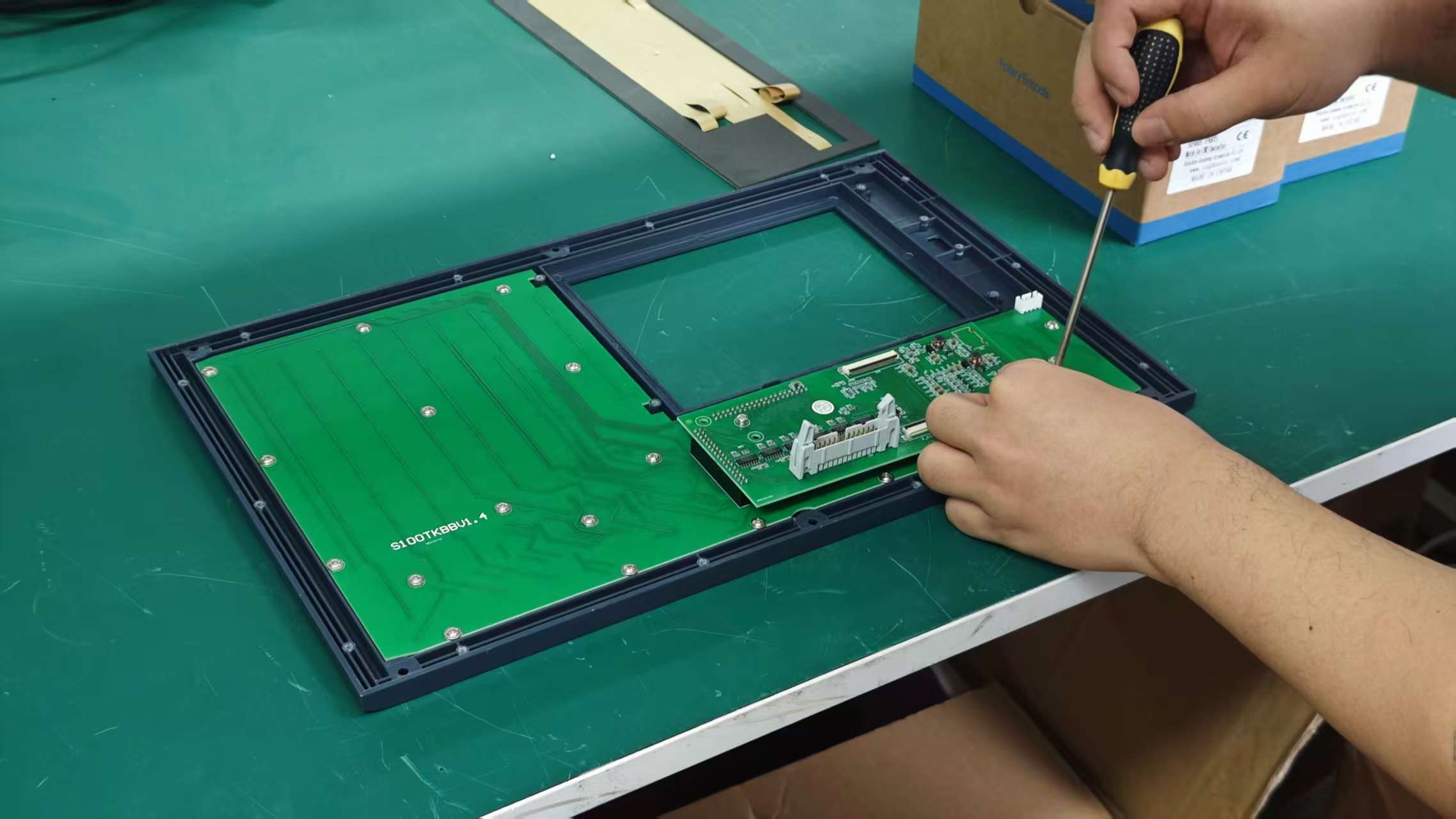
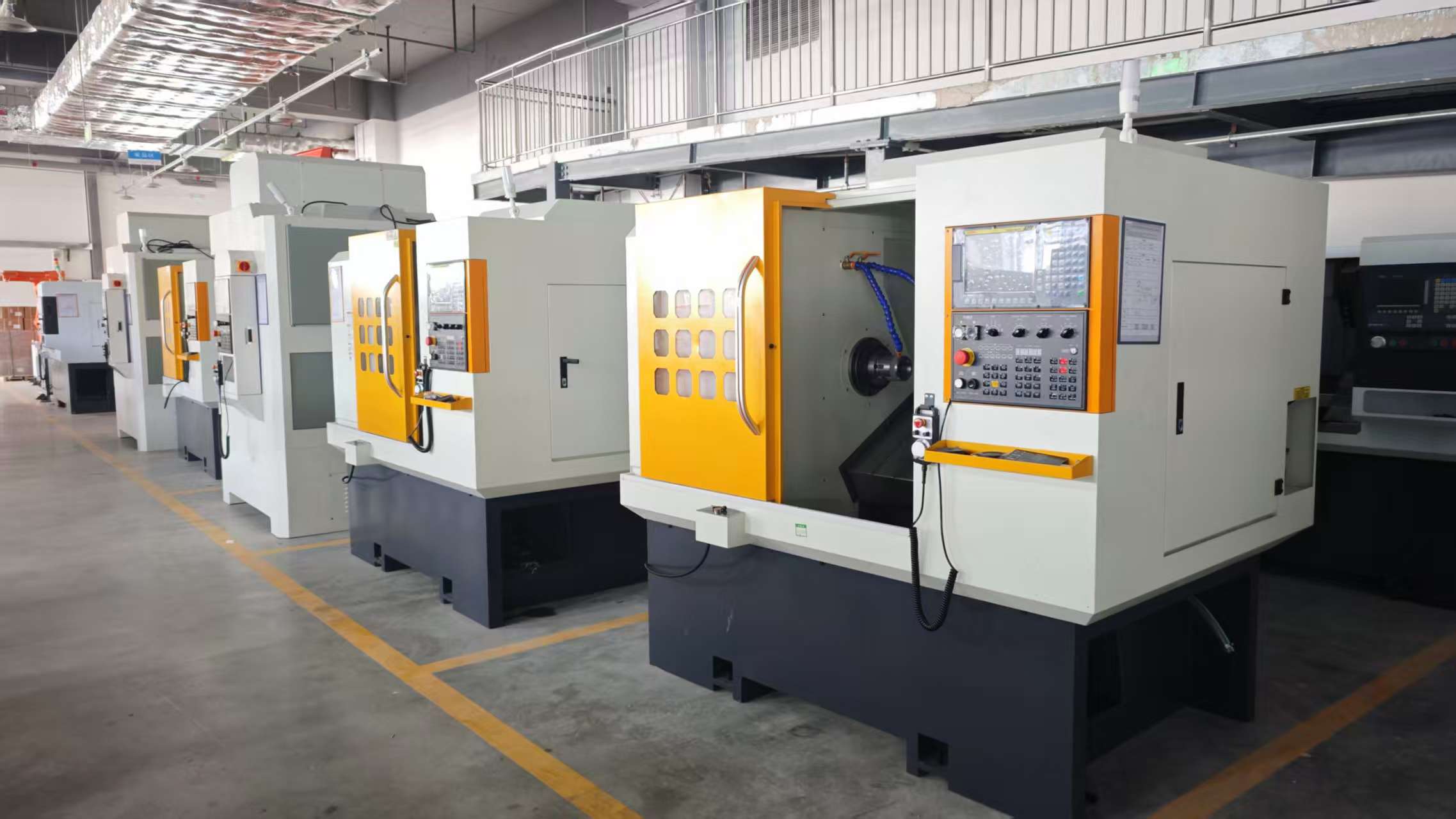
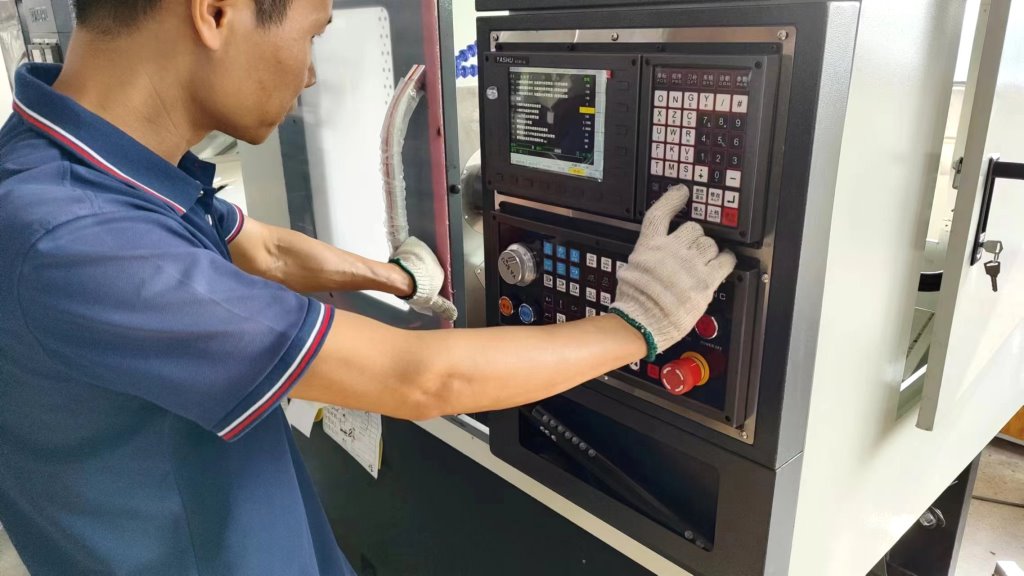
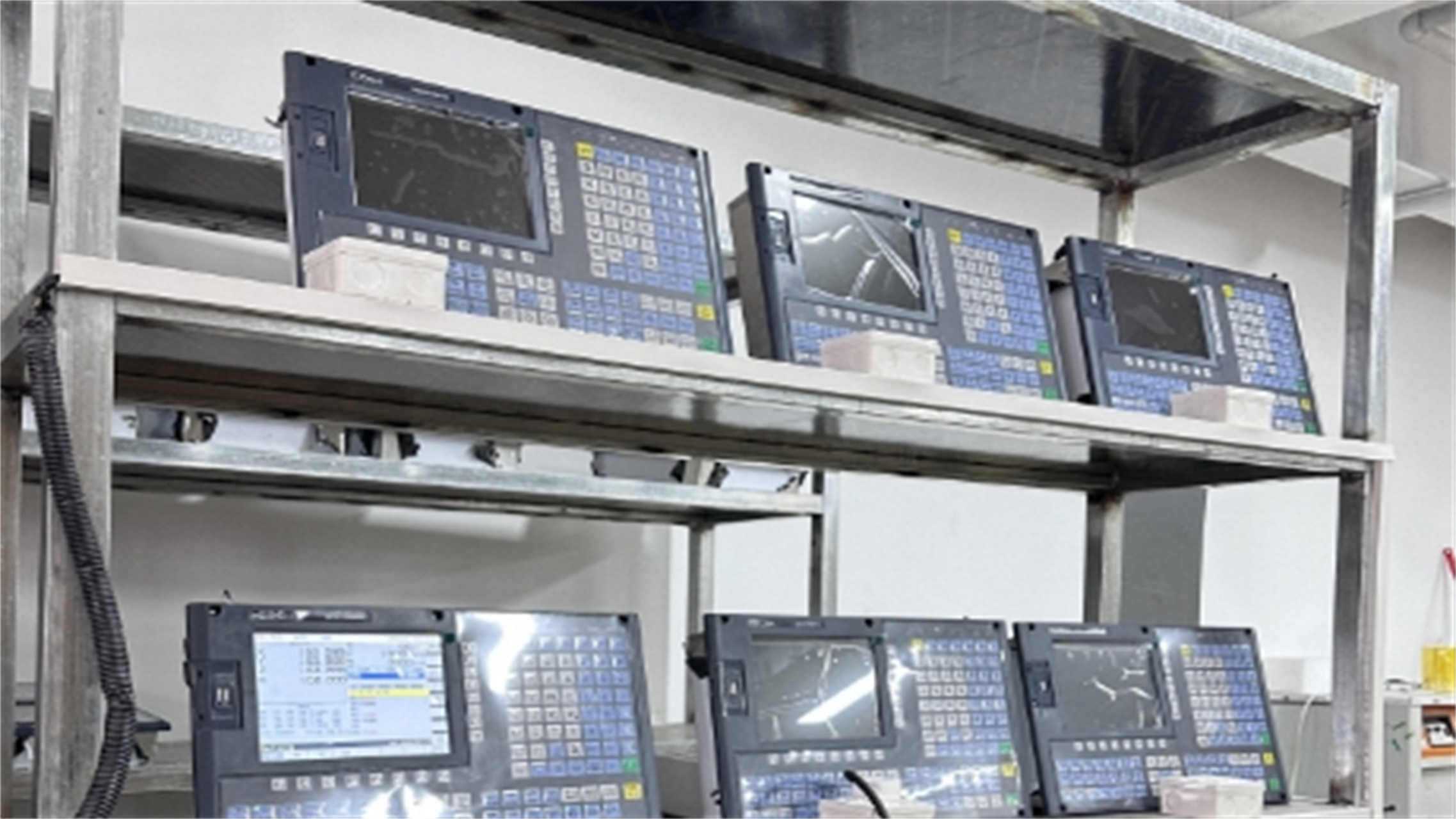
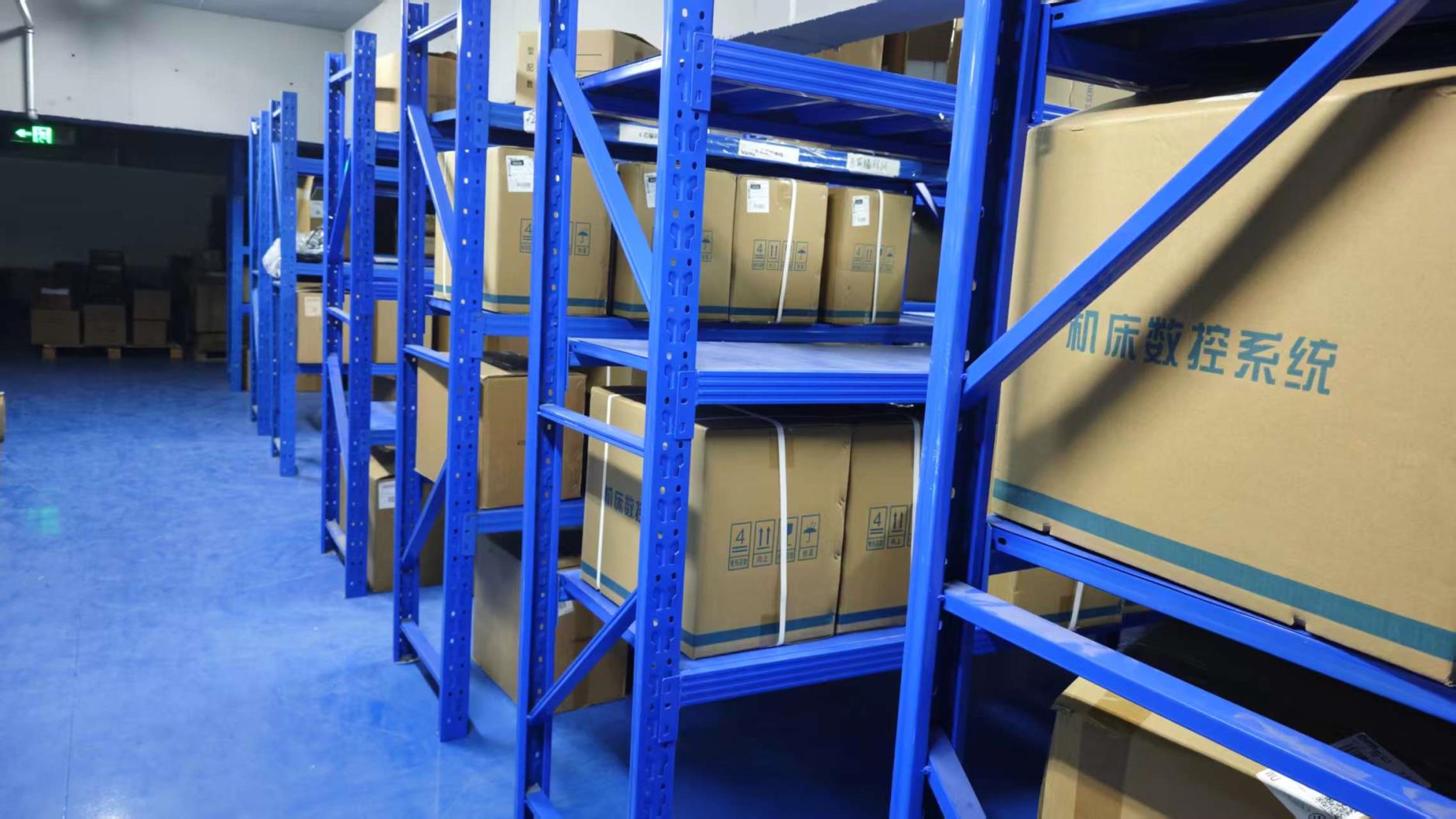
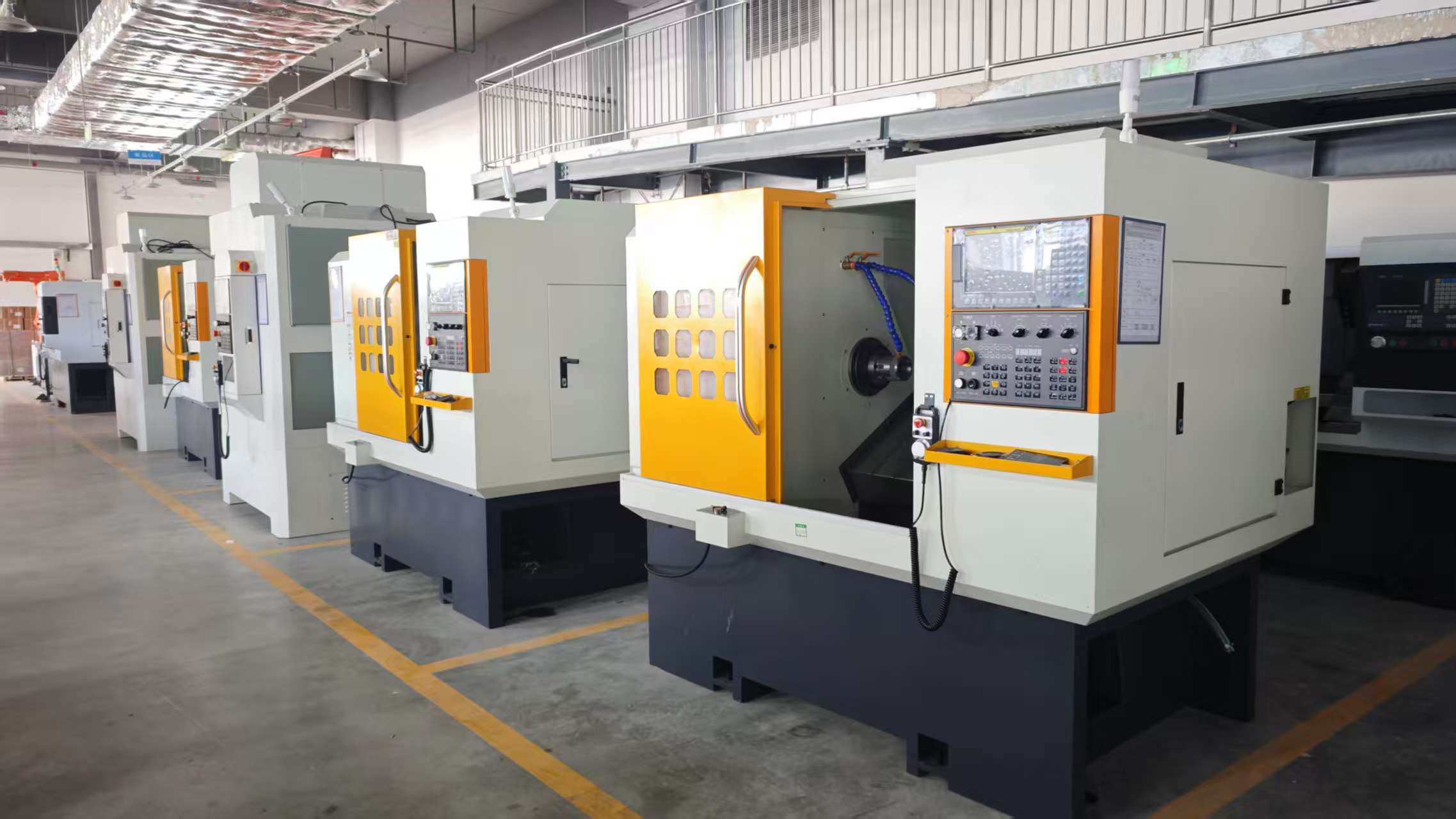
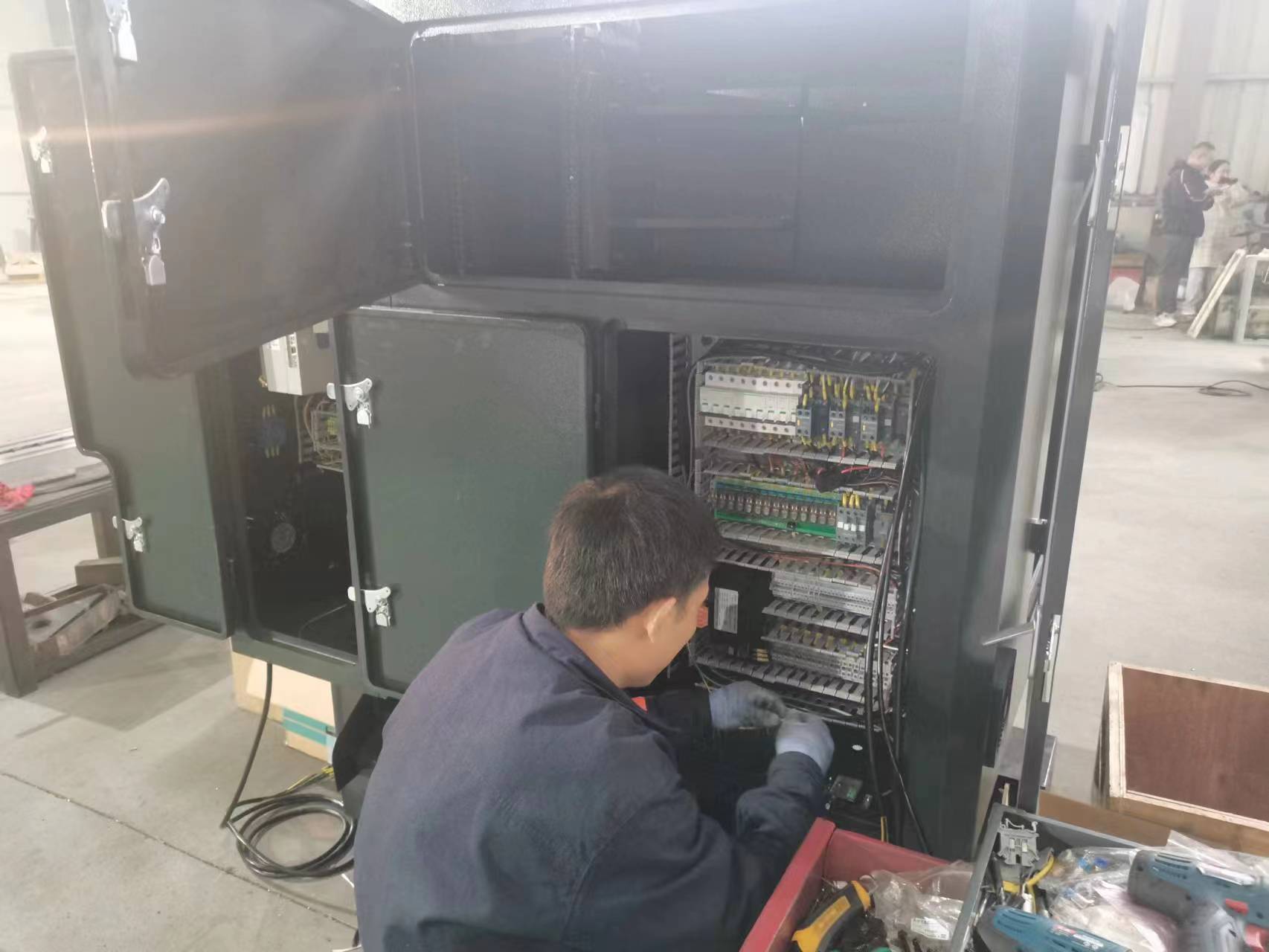
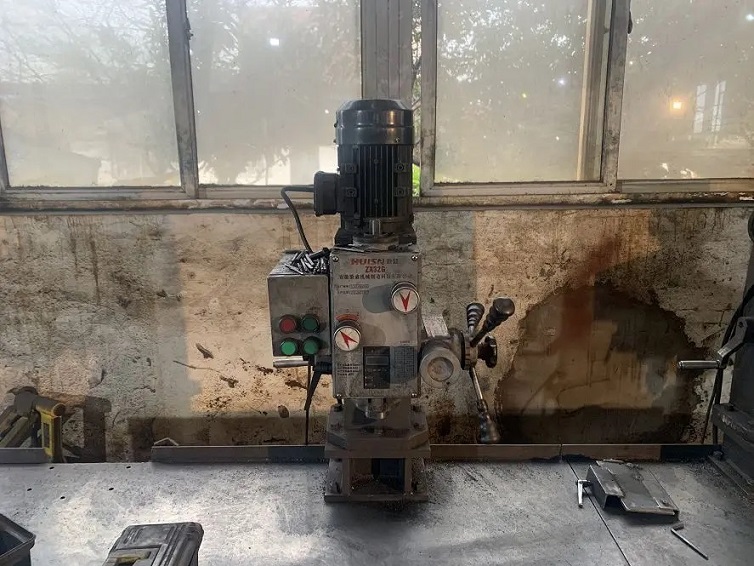
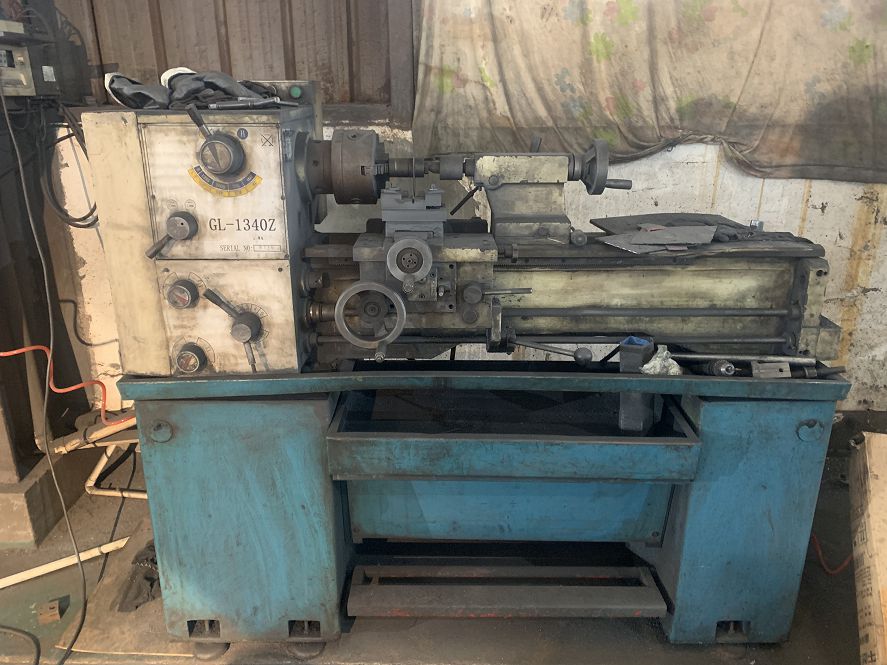
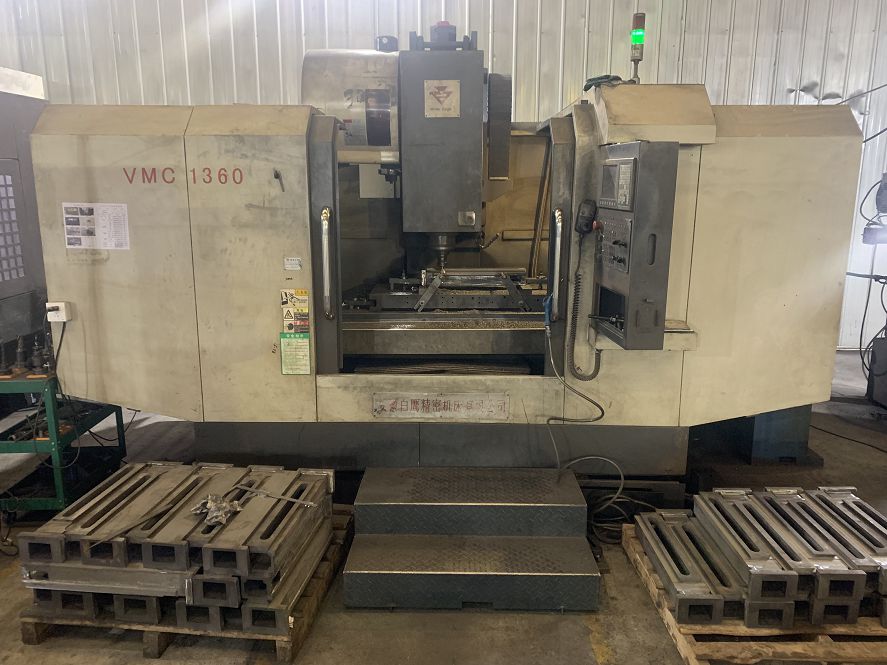
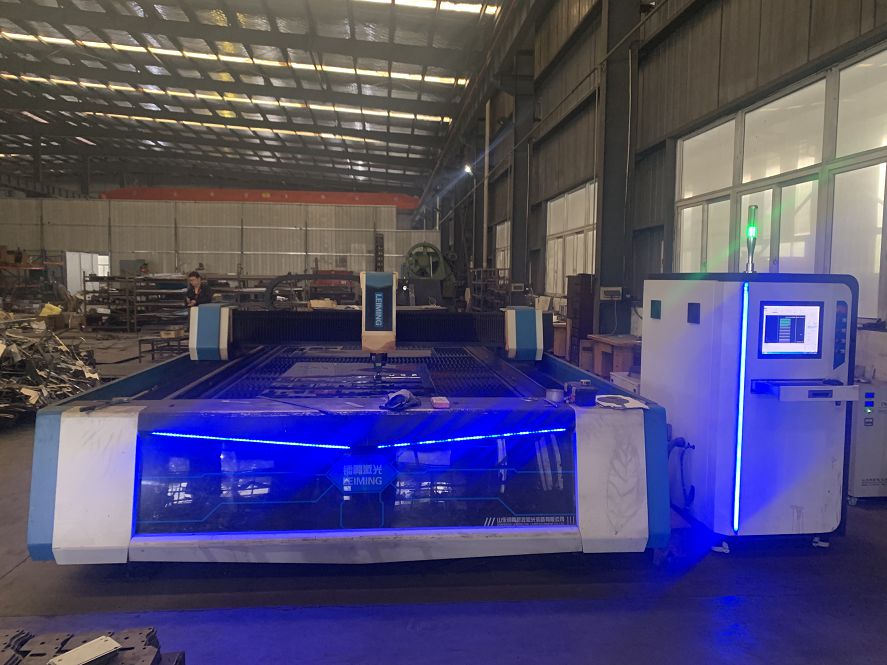
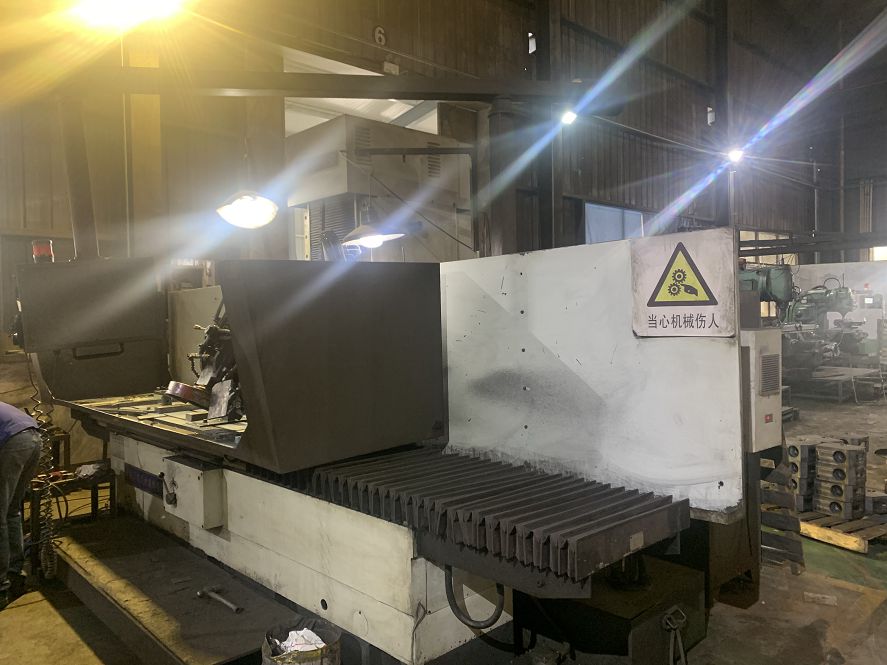
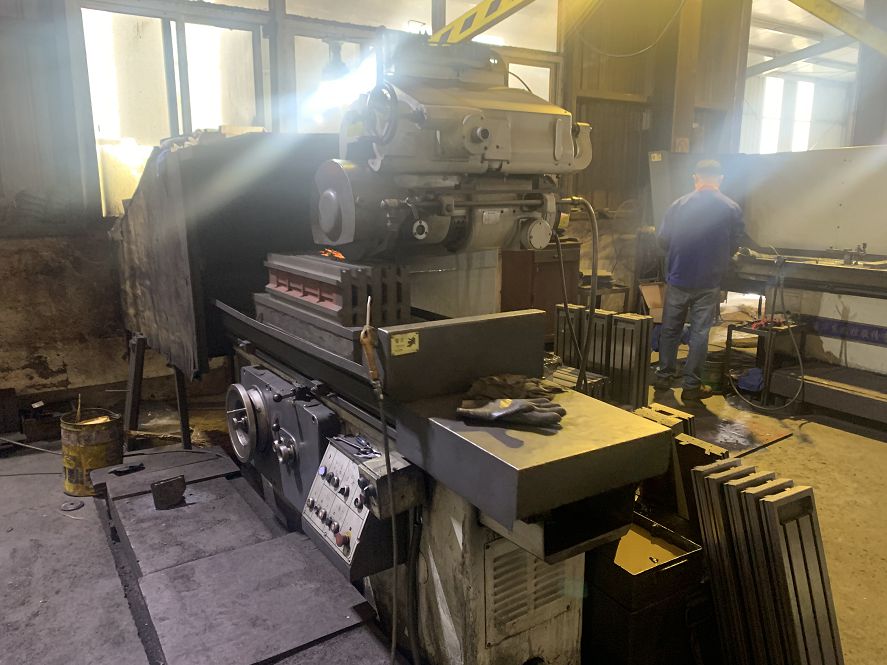
Analyzing key advancements in modern metal deformation, tooling design, and system automation.
Traditional spinning processes were historically dependent on manual operator skill, introducing variability in dimension and surface finish. CNC automation addresses this by standardizing feed rates, hydraulic pressures, and tool positions. This transition from conventional metal forming to automated multi-roller setups enables the manufacturing of complex profiles—such as parabolic cones, multi-step tubes, and variable-wall cylindrical vessels—with high repeatability.
Additionally, the industry is seeing growing demand for processing advanced alloys. High-performance components often require forming titanium alloys, Inconel, and high-strength steels. These materials require substantial forming forces and precise thermal controls, driving the development of specialized heavy-duty machinery featuring heated mandrels and robust mechanical frames.
Understanding the key parameters, standards, and material demands of international procurement officers.
Global procurement teams sourcing CNC metal spinning and flow forming machinery look beyond simple unit cost. They prioritize long-term performance, safety standards, and reliable technical support. Key evaluation factors include spindle torque, hydraulic configuration, control system compatibility, and structural stability.
| Performance Standard | Technical Benchmark Range | Critical Engineering Metric | Quality Verification Check |
|---|---|---|---|
| Spindle Positioning | 0.005 mm to 0.015 mm | Radial & Axial Runout Limits | Laser Interferometer Calibration |
| Wall Thickness Deviation | Within ± 0.02 mm | Compensated Roller Positioning | Ultrasonic Thickness Measurement |
| Structural Rigidity | Heavy-Duty Monoblock Steel Frame | Finite Element Analysis (FEA) Stress | Dynamic Load Vibration Analysis |
| Surface Finish (Ra) | 0.4 μm to 1.6 μm | Tool Path Control and Optimization | Stylus Profilometer Verification |
| Thermal Control | Active Hydraulic Cooling Loops | Oil Temperature Stabilization | Continuous Run IR Thermography |
To ensure compatibility with international workflows, our machinery supports standard programming languages and interfaces with industry-recognized CNC platforms. ZRF equipment is built to handle multiple material grades, including SS304/SS316 stainless steels, structural carbon steels, copper alloys, and high-strength aluminum series (such as 6061 and 7075).
Providing custom equipment and process designs to support key industries worldwide.
For each of these sectors, we provide tailored integration support. We assist clients from initial component design and finite element simulation through to mandrel manufacturing and customized toolpath programming. This comprehensive approach helps ensure that the machinery integrates smoothly into existing manufacturing lines.
At Zhejiang ZRF Spinning Co., Ltd., quality control is structured into every phase of production. We operate under a certified ISO 9001 quality management framework. Our equipment undergo mechanical alignment, thermal stability testing, and run-in validation cycles before shipping.
For our international clients, we provide complete compliance documentation, electrical certifications, and operating manuals. We offer remote diagnostics and technical support to minimize downtime. If on-site support is required, our technical teams travel to customer facilities to assist with commissioning, mechanical calibration, and operator training.
Our Quality Inspection Framework Includes:
Looking ahead to the next generation of smart, energy-efficient, and highly automated flow forming systems.
As manufacturing shifts toward digitalization and Industry 4.0, the future of metal spinning will focus on intelligent automation and environmental efficiency. ZRF is directing research and development efforts toward three main technological pillars:
Sustainability in Manufacturing: Flow forming is a low-waste manufacturing process compared to traditional machining. By forming shapes directly from sheet metal or tube blanks, raw material utilization rates can reach 90% or higher, reducing material waste and energy usage.
Answers to common engineering and procurement questions regarding our machinery and processes.
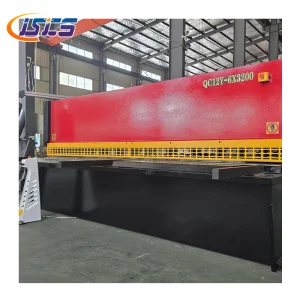
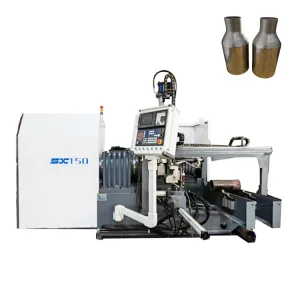
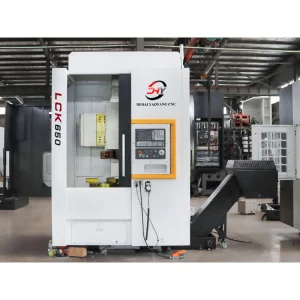
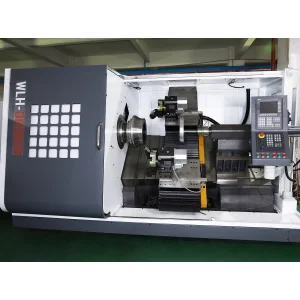
Explore our industrial-grade sheet metal cutting systems, heavy-duty flanging tools, and specialized wheel repair lathes.
 ZRF Spinning