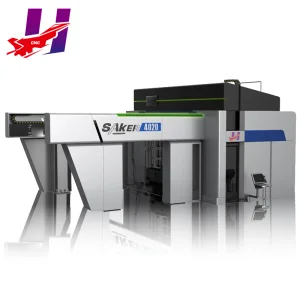
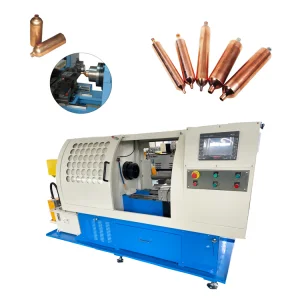
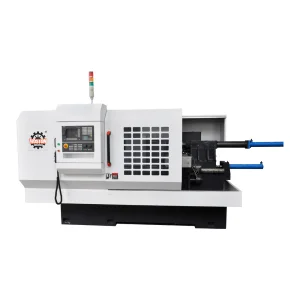
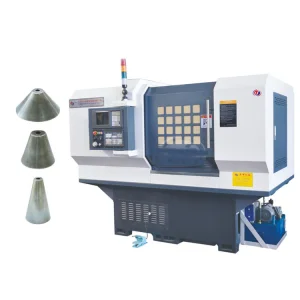
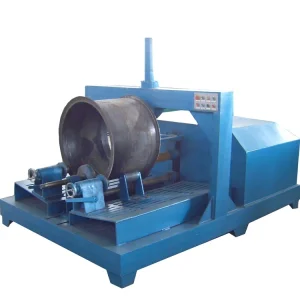
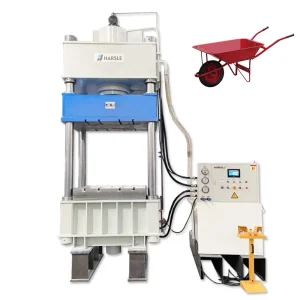
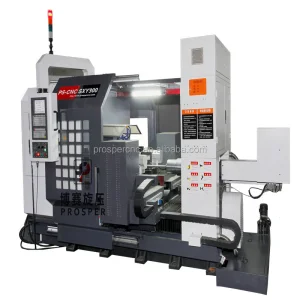
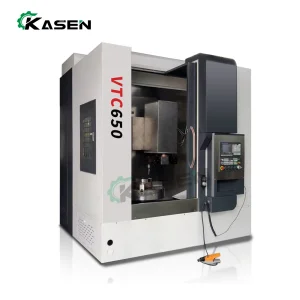
Explore our premium selection of multi-axis CNC spinning machines, heavy-duty flow forming lathes, and specialized industrial manufacturing systems.
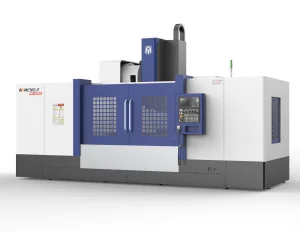
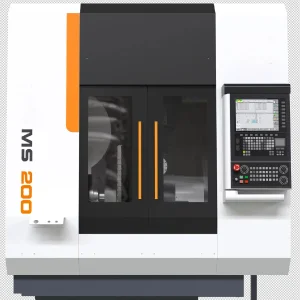
Analyzing the structural shift toward high-efficiency, lightweight, and balanced rotating components across target markets.
In the contemporary industrial manufacturing arena, the global demand for high-strength, lightweight rotating parts has seen an exponential surge. The core driver of this shift is the mandate for energy efficiency and emission reductions in the automotive, aerospace, and energy sectors. Among these critical components, pulley systems—ranging from Poly-V belt pulleys to complex multi-groove transmission sheaves—require absolute structural integrity and perfect dynamic balance. Standard casting and machining methods often fall short in material utilization, fatigue resistance, and overall manufacturing speed.
This is where Double-Roller CNC Pulley Spinning technology stands out. Unlike single-roller systems, double-roller configurations execute symmetrical force applications during deformation. This structural symmetry effectively cancels out deflection stresses on the main spindle, permitting unprecedented precision. Global procurement agents from Tier-1 automotive manufacturers and high-end industrial machinery brands are increasingly specifying flow-formed and spun pulleys. They demand component solutions that can withstand high cyclic stresses, offer a low coefficient of thermal expansion, and eliminate the microscopic porosity found in traditional cast metals.
Furthermore, sourcing from top-tier Chinese manufacturers like Zhejiang ZRF Spinning Co., Ltd. offers global buyers a critical economic advantage. Through integrated supply chains and rapid digital prototyping, ZRF reduces the transition time from CAD model to finished component. The manufacturing process of a V-grooved pulley via double-roller flow forming ensures high yield strength by refining the metal's grain structure, providing a high level of performance at a highly competitive total cost of ownership (TCO).
Understanding the precise mechanics, metal forming physics, and load balance equations of ZRF systems.
The core innovation behind the Double-Roller Symmetrical CNC Spinning Machine lies in its balanced force profile. In traditional metal spinning, a single forming roller exerts substantial radial forces on the workpiece and the lathe mandrel. This asymmetrical pressure causes minute shaft deflections, leading to dimensional inaccuracies, uneven wall thinning, and early bearing fatigue on the spindle. Double-roller symmetrical configurations eliminate this fundamental engineering challenge.
By positioning two matching forming rollers exactly 180 degrees apart, the radial force vectors cancel each other out ($F_{r1} + F_{r2} = 0$). This ensures that the mandrel and spindle experience purely axial stress. Below is a breakdown of how this mechanical layout translates into superior industrial outputs:
The cancellation of lateral force maintains the alignment of the mandrel, limiting concentricity tolerances to less than ±0.03mm. This is vital for high-speed pulleys (e.g., automotive alternators) where runout causes belt slip and acoustic resonance.
Simultaneous processing by two rollers accelerates plastic deformation. The grain flow lines within the metal are continuously compressed and aligned along the pulley profile, increasing yield strength by up to 45% compared to the blank plate.
By splitting the depth of cut/forming thickness between two tools, operators can double the feed rate ($f$) without tearing the material or inducing surface wrinkling, shortening production times.
Turnkey integrations addressing the challenges of production speed, material handling, and plant efficiency.
For large-scale industrial buyers, purchasing a machine is only part of the solution. The core challenge lies in system integration: how to weave a CNC metal spinning lathe into an automated factory environment. Zhejiang ZRF Spinning Co., Ltd. addresses this through tailored Macro-Industry Production Cells.
Our solutions start from raw coil material or pre-cut sheet blanks and end with finished, dynamically tested pulley units. ZRF integrates robotic arm loading/unloading configurations, automatic blank thickness detection, and vision systems to verify correct orientation. Through advanced CNC program interpolation, ZRF machines can process different metals—including aluminum alloys, carbon steel, and stainless steel—on a single line with minimal tool changes. This adaptability reduces setup times, allowing operators to run small batches efficiently.
A trusted, high-tech enterprise specializing in the R&D, design, and manufacture of advanced CNC spinning machine tools.
As a high-tech enterprise specializing in the research, development, and manufacturing of CNC spinning machine tools, Zhejiang ZRF Spinning Co., Ltd. has extensive experience and a strong technical foundation in the domestic spinning industry.
Our series of CNC spinning machine tools are widely applied across a variety of industries, including petrochemicals, electronics, daily hardware, food processing machinery, automotive and motorcycle components, pressure vessels, ventilation and environmental protection, defense, and aerospace. The ZRF spinning machine series has reached more than 30 provinces and cities across China and has been exported to over 20 countries and regions worldwide. Our advanced technology, excellent product quality, and comprehensive service system have earned the trust and recognition of users globally.
At Zhejiang ZRF Spinning Co., Ltd., we firmly advocate a philosophy of market-oriented development, research-driven innovation, and technological excellence. We focus on continuous improvement in both product performance and service quality. Our manufacturing process strictly adheres to the ISO9001 quality management system, ensuring reliable, safe, and high-quality products. Over the years, we have established long-term cooperative relationships with many leading domestic and international enterprises.
Our mission and values are centered around:
We are dedicated to providing our clients with advanced, safe, and reliable technology and products. Looking forward, Zhejiang ZRF Spinning Co., Ltd. will continue to leverage its deep technical expertise to strengthen its leadership in China's spinning industry and expand its global presence.
With a vision for the 21st century, full of opportunities and challenges, Zhejiang ZRF Spinning Co., Ltd. remains committed to excellence in innovation, quality, and service, striving to become a globally respected leader in spinning machine technology.
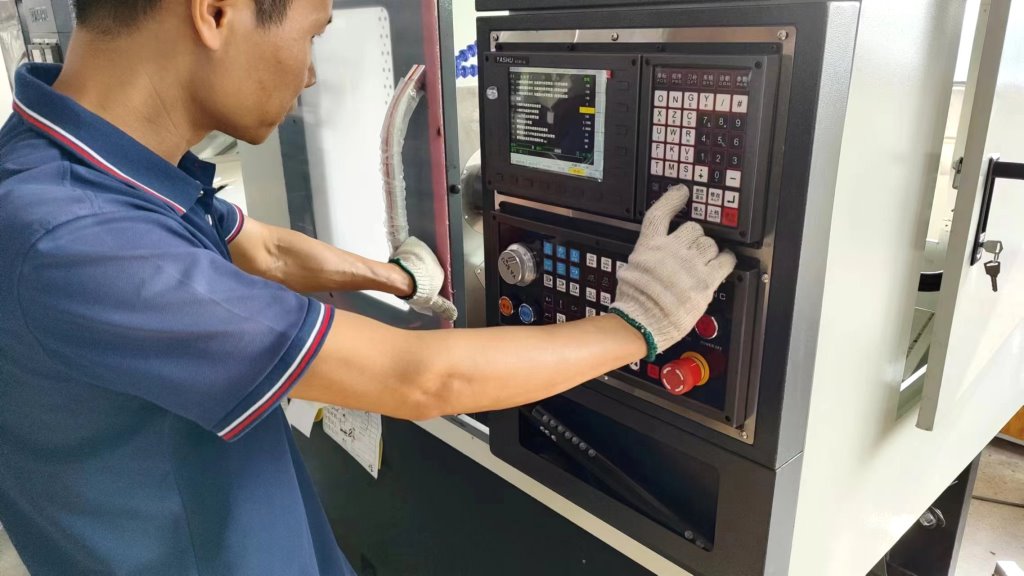
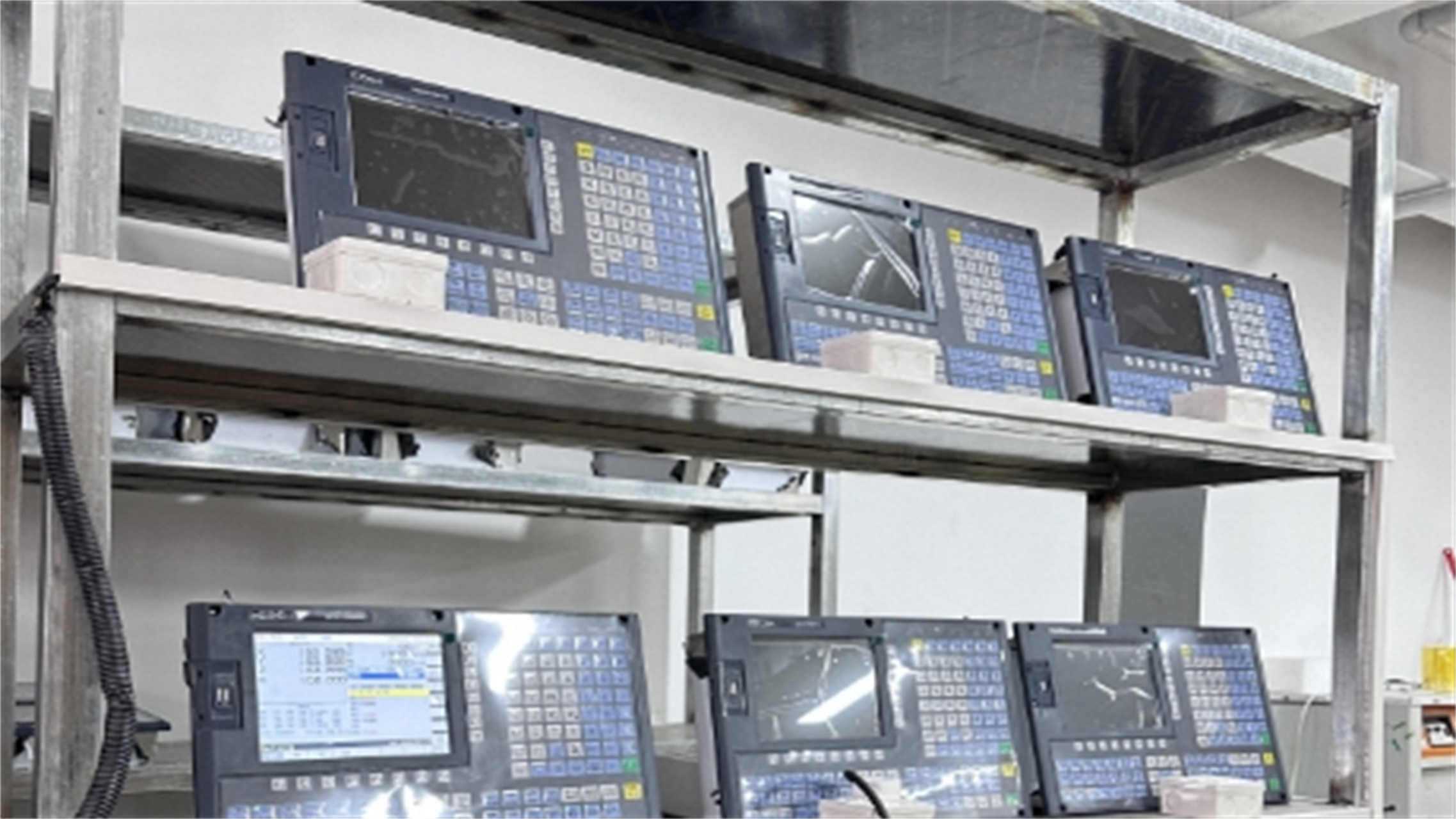
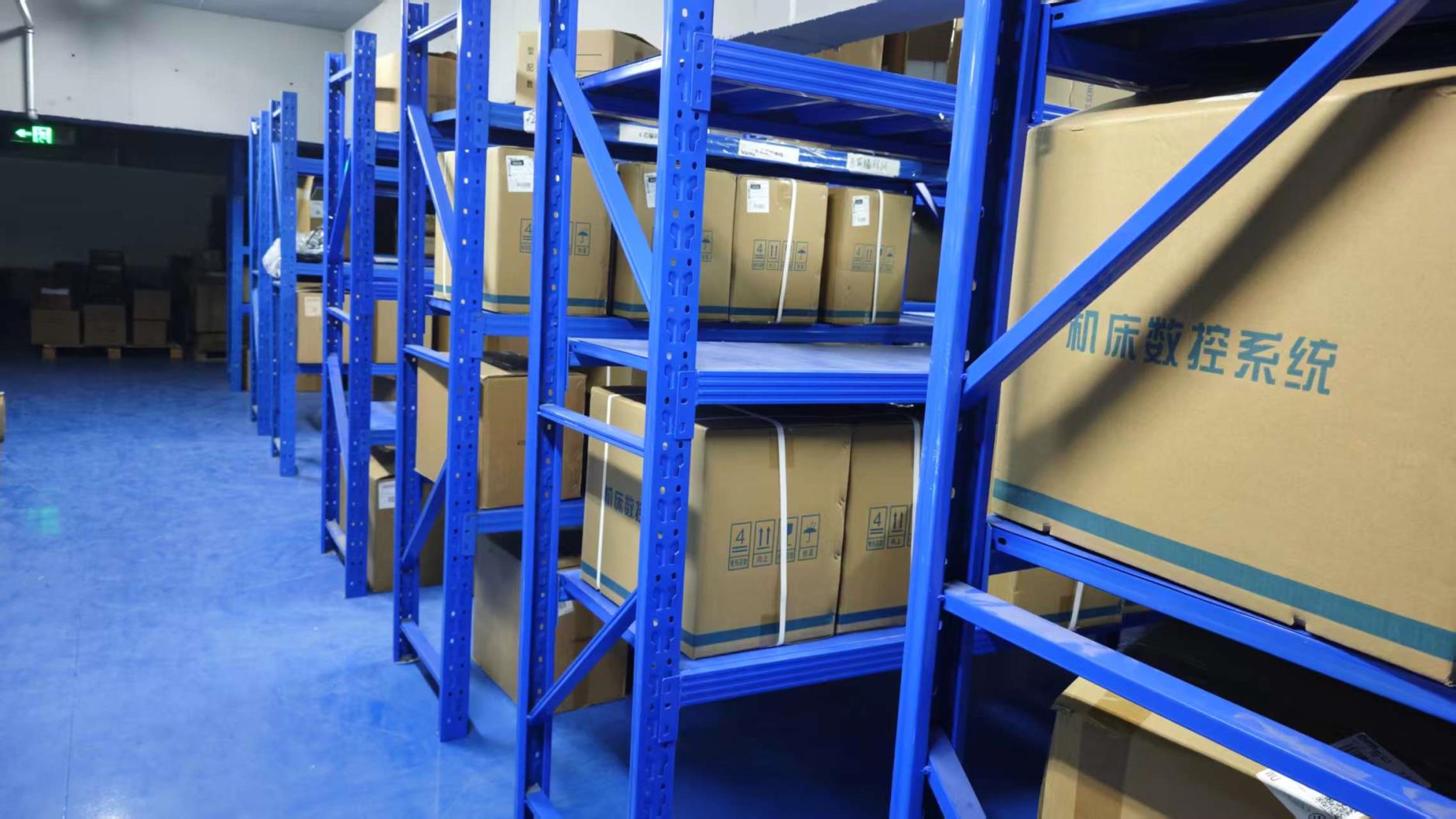
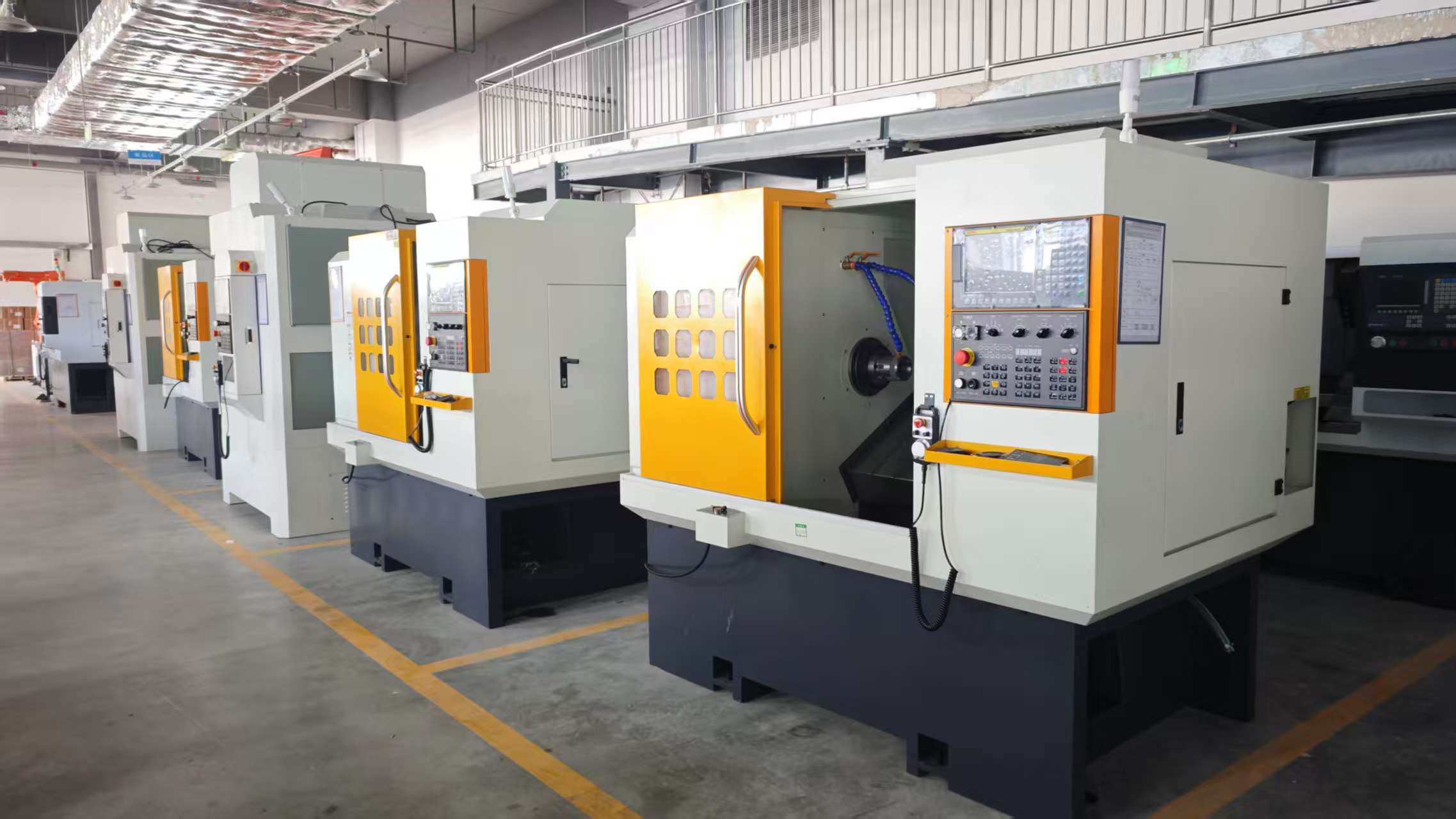
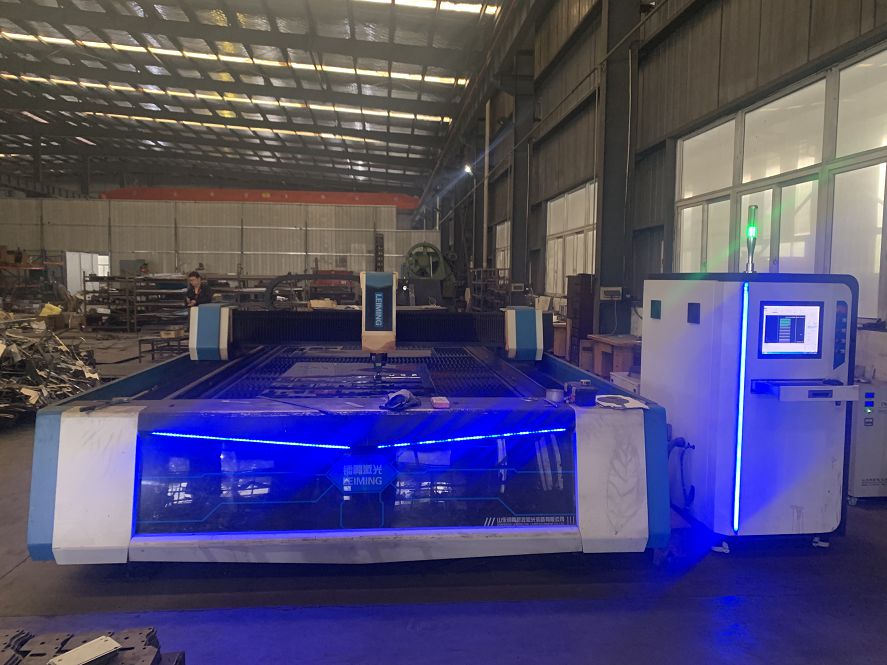
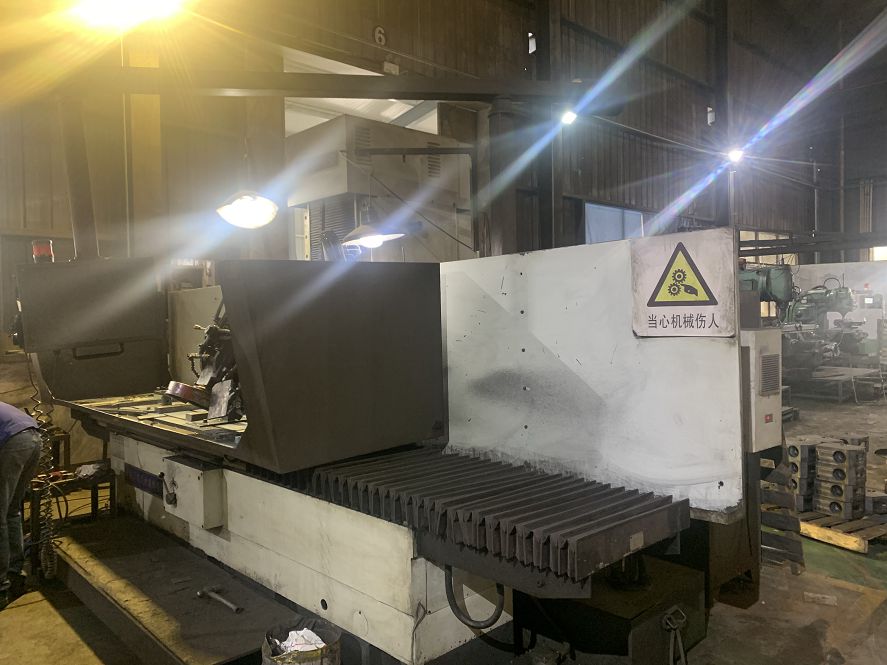
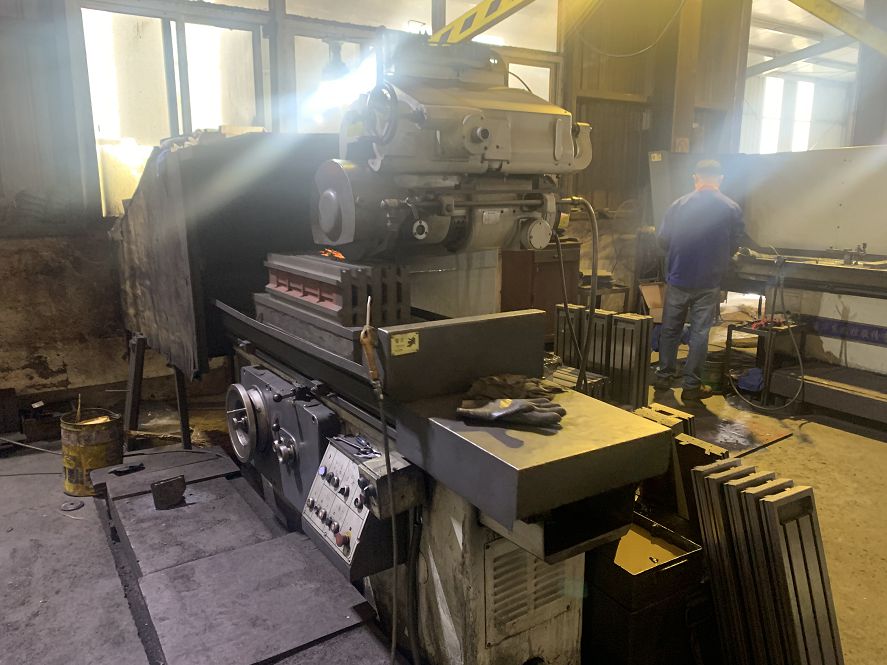
Explore our advanced machining assembly lines, debugging bays, and robust quality control installations.
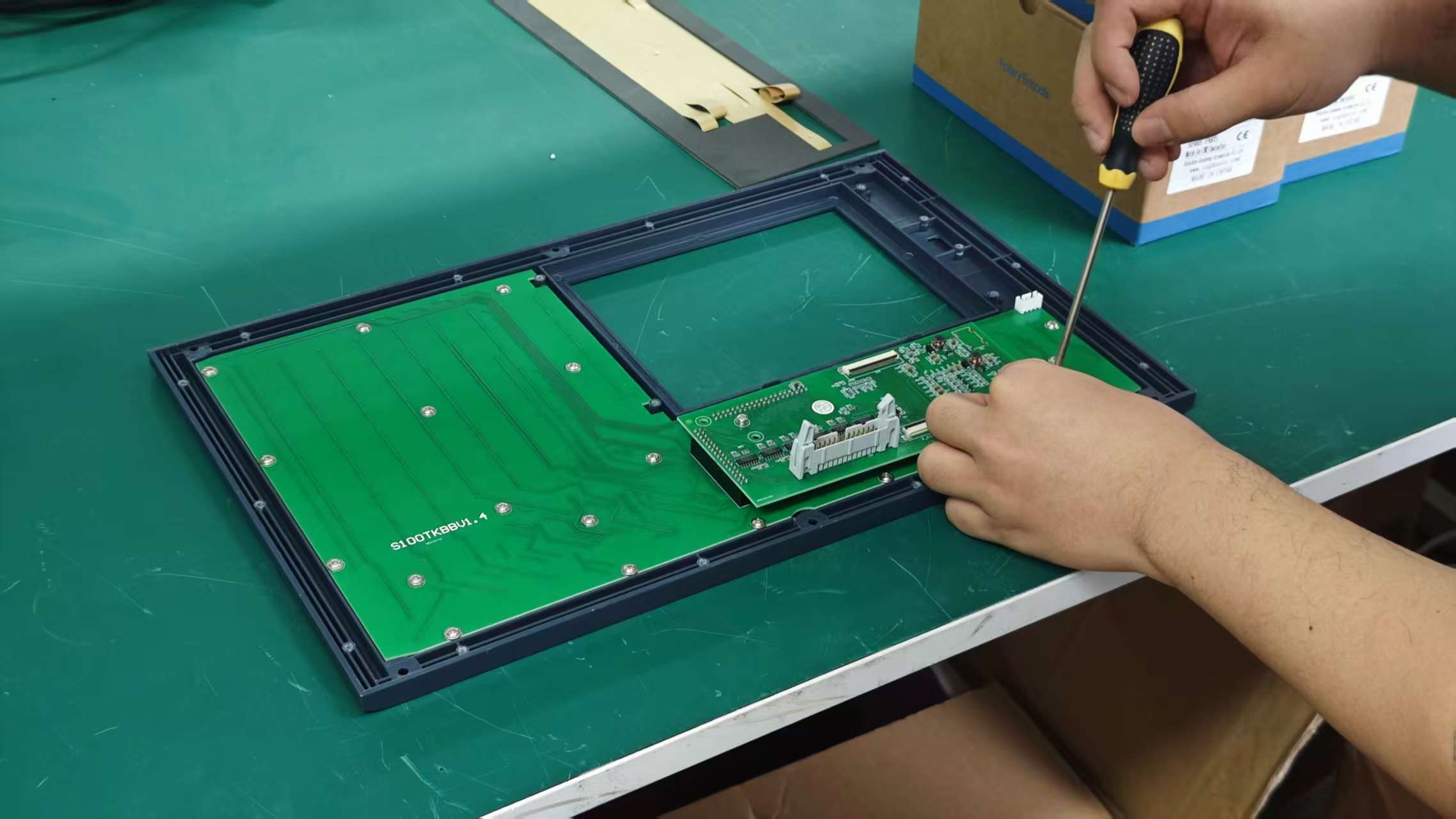
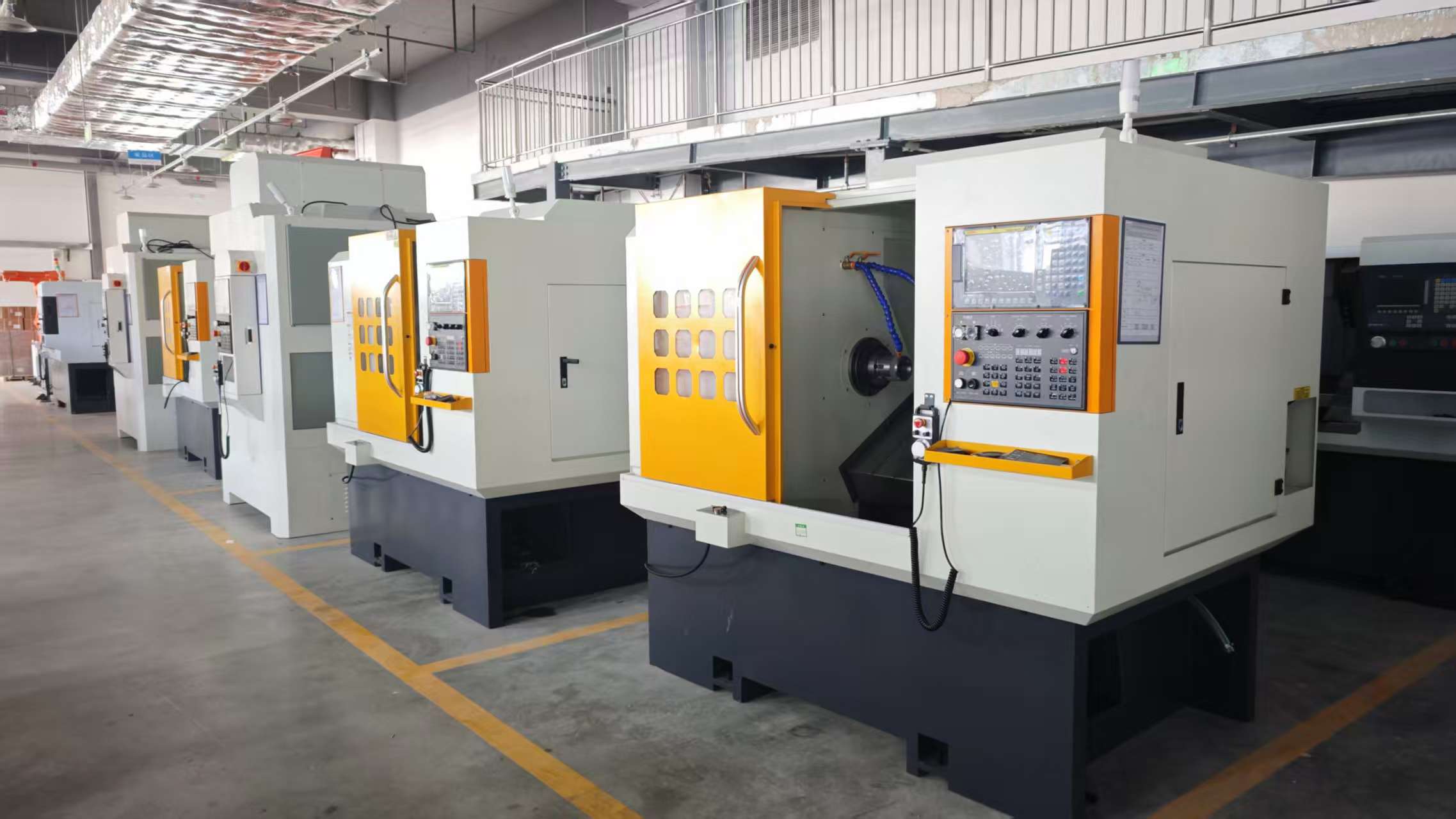
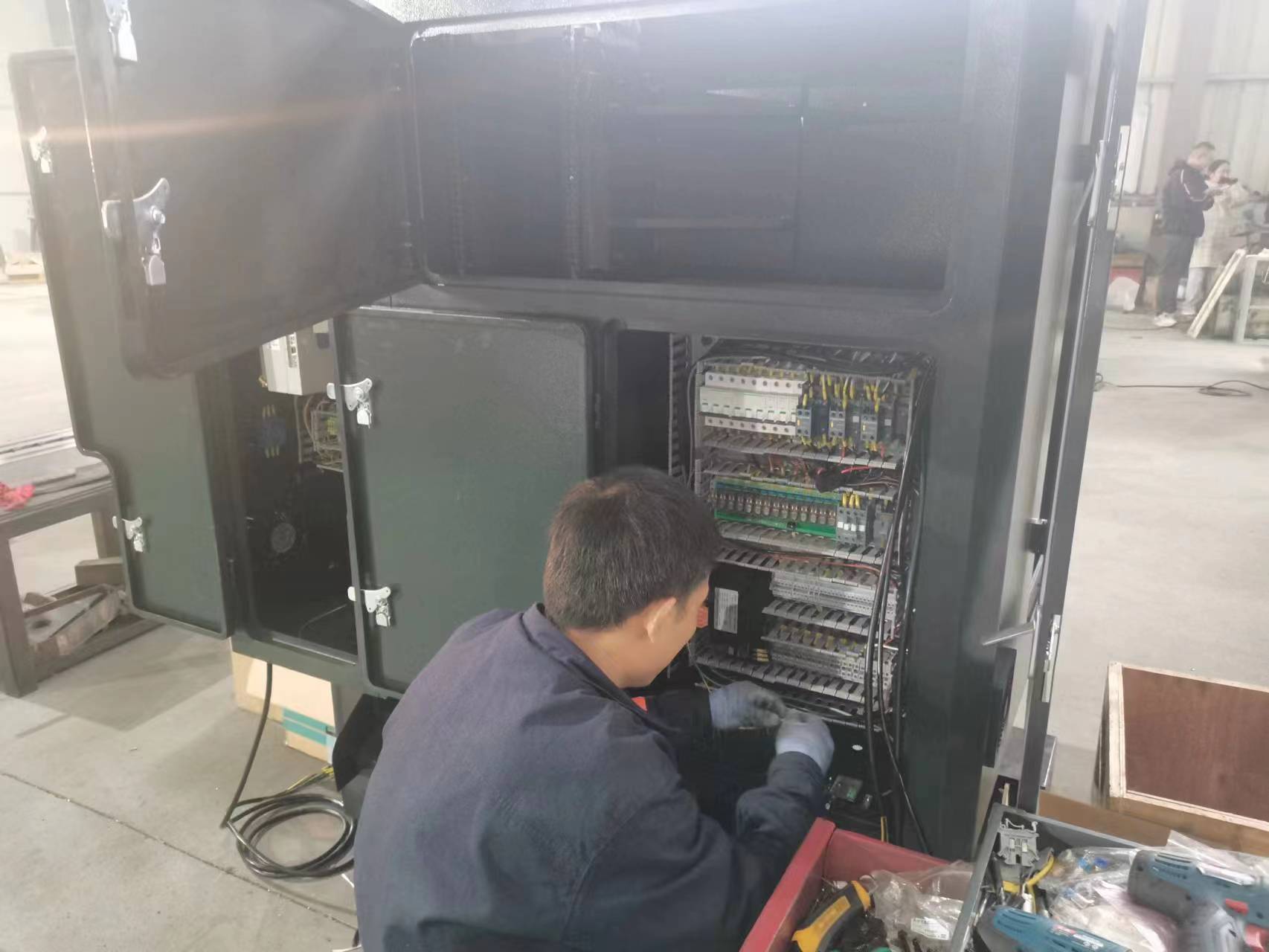
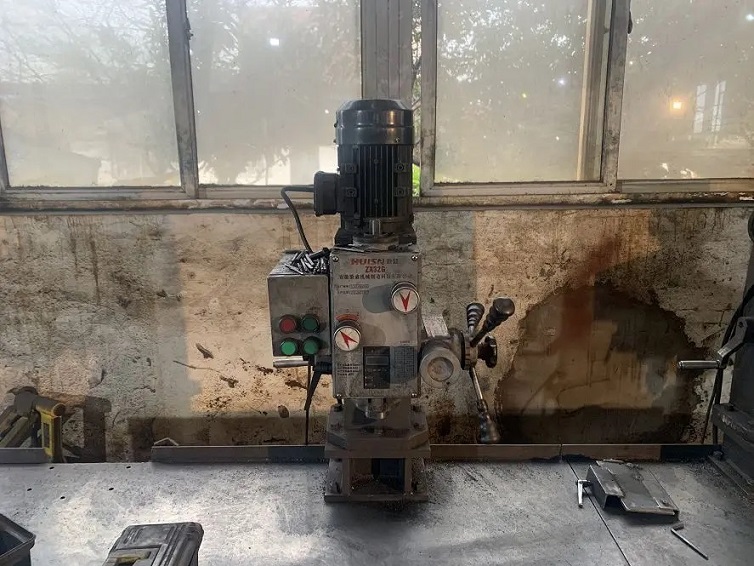
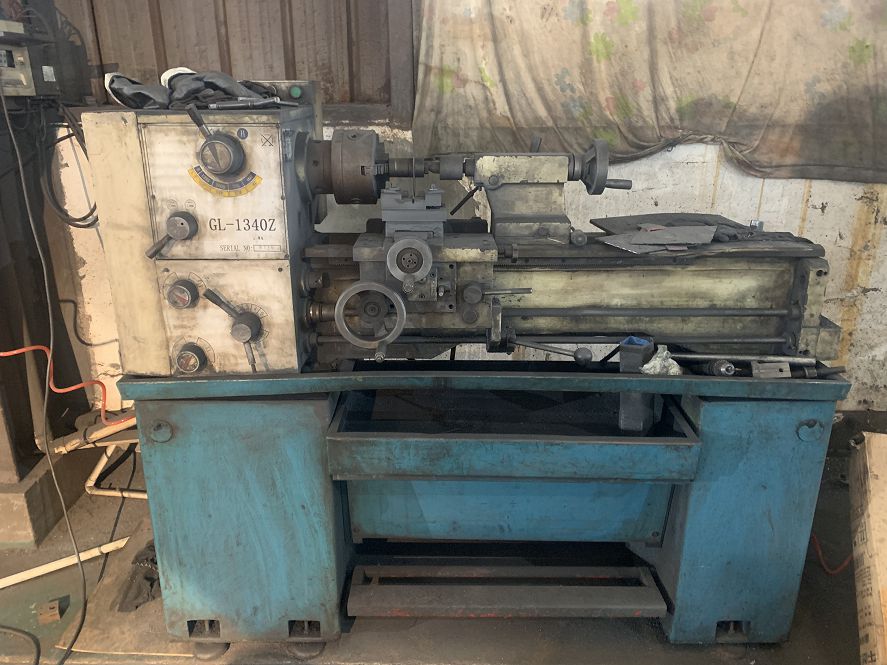
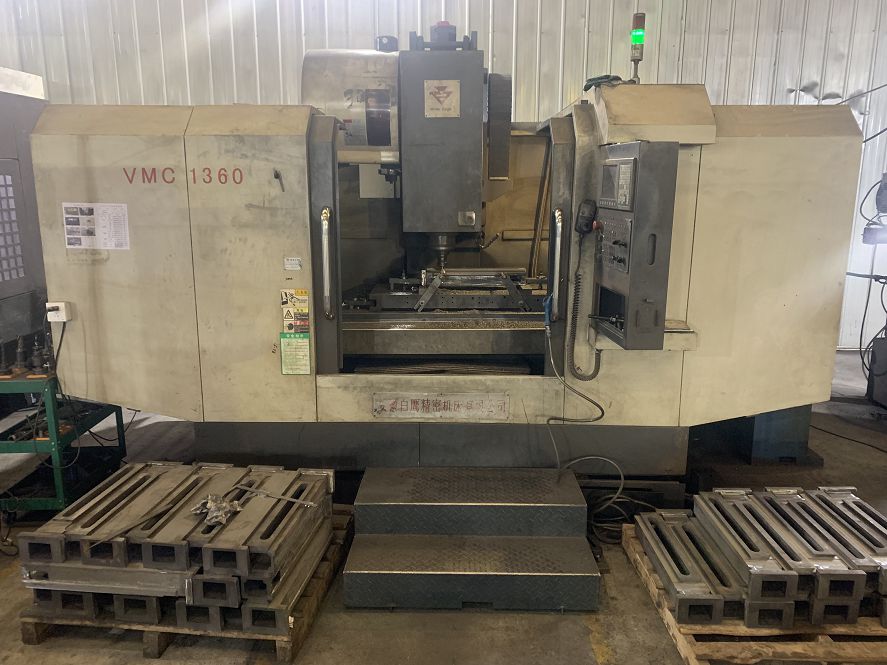
Bridging the gap between manual configurations and intelligent cyber-physical manufacturing systems.
The manufacturing sector is entering the era of Industry 4.0, and CNC spinning technology is advancing rapidly alongside it. ZRF’s engineering team has established a comprehensive research roadmap to transition spinning machine tools into intelligent, adaptive production systems. The roadmap centers on three primary pillars:
1. Adaptive Control and Self-Learning Toolpaths: While traditional CNC paths rely on fixed coordinates, variable material hardness can lead to springback variations. ZRF is integrating high-frequency displacement sensors and servo force monitors. By recording actual material displacement in real-time, the control system calculates deviation margins and adjusts toolpath trajectory on-the-fly. This step minimizes operator intervention and reduces part rejection rates during initial setups.
2. Thermal-Assisted Spinning Innovations: High-strength alloys like titanium, nickel superalloys, and advanced high-strength steels (AHSS) present challenges for room-temperature flow forming. ZRF is researching integrated induction heating mechanisms directly on the spindle face. Heating the metal blank above its recrystallization point lowers its yield strength, allowing standard forming pressures to shape previously unworkable materials without cracking.
3. Advanced CAD/CAM Digital Twin Platforms: Before metal meets tooling, ZRF utilizes finite element analysis (FEA) software. This software simulates dynamic stress loads, localized strain rates, and possible wall collapse. In the future, this simulation module will export code directly to ZRF spinning machines, eliminating trial-and-error prototyping phases and accelerating product development cycles.
Meeting high compliance requirements and providing robust service channels across global markets.
Zhejiang ZRF Spinning Co., Ltd. operates with a global perspective. Our products are exported to over 20 countries, and we recognize that compliance and local support are critical to our partners' operations. Our equipment is certified to CE standards, ensuring compliance with European directives regarding mechanical safety, electromagnetic compatibility, and low voltage systems. For North American markets, our control cabinets can be configured to comply with UL and NFPA guidelines.
To support global operations, ZRF offers multi-lingual documentation, step-by-step video setup guides, and online diagnostics. If a system anomaly occurs, our engineers can log into the machine's control system remotely to identify and rectify program issues. In addition, our regional network of service technicians and stocking distributors provides prompt access to replacement parts, including bearings, seals, and guide rails.
Answering critical technical questions about mechanics, materials, tooling, and operations.
Our machines process a wide range of ductile metals, including mild carbon steels (e.g., SPCC, Q235), structural steels, various aluminum alloys (especially the 5xxx and 6xxx series), copper, brass, and stainless steel (304, 316). Materials with high elongation at break are optimal for flow forming.
In single-roller systems, the high forming force acts as a cantilever load on the spindle. This can accelerate bearing wear and introduce runout over time. The double-roller design applies equal opposing forces, balancing the radial loads and subjecting the spindle primarily to axial pressure, extending bearing life.
Under optimal operating parameters, our systems achieve outer diameter tolerances of ±0.03mm, groove pitch accuracy of ±0.02mm, and thickness variation within ±0.02mm. This precision allows components to move directly to assembly without requiring additional finish machining.
We manage springback through a combination of proprietary toolpath compensations within our CNC system and optimized roller geometry. By integrating multi-pass program sequences that gradually set the metal, our machines manage elastic recovery to ensure the final product matches the specified dimensions.
Yes. ZRF specializes in tailored engineering. Our technical department designs custom rollers and software control packages matching your product profile, whether it requires multi-V grooves, timing belt profiles, or variable-thickness walls.
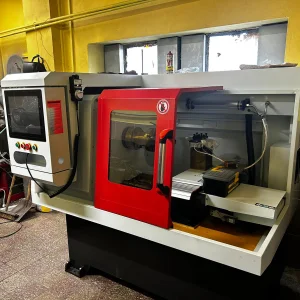
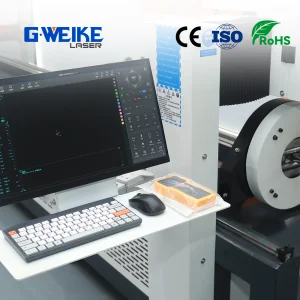
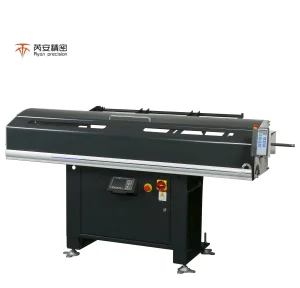
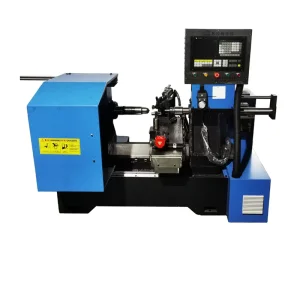
Browse our broad array of precision double-roller systems, metal lathes, bar feeders, and repair equipment.
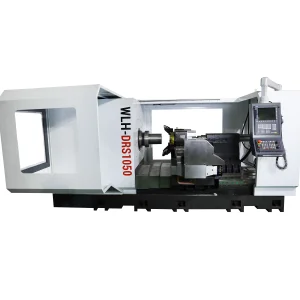
 ZRF Spinning