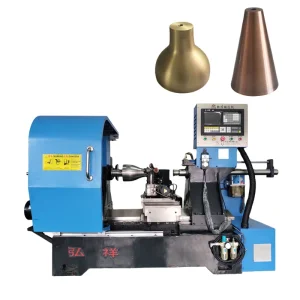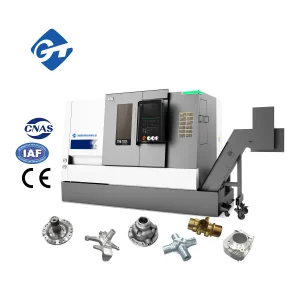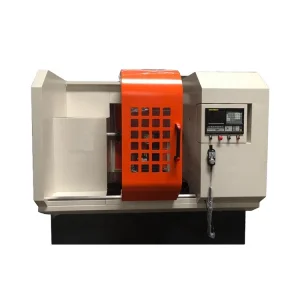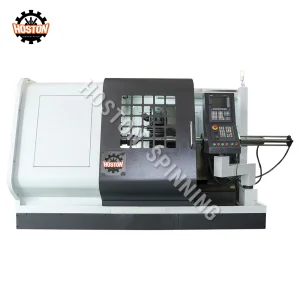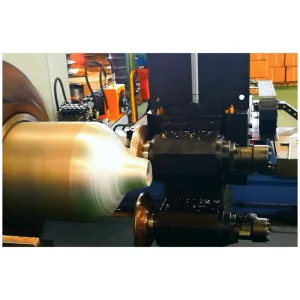
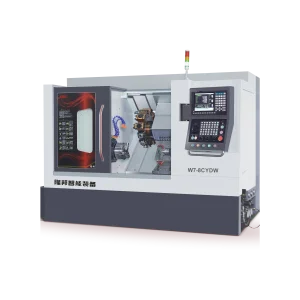
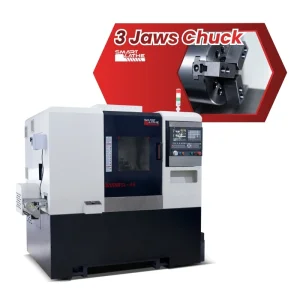
Hot Metal Induction CNC Spinning Lathes for the Switzerland Market

High-Precision Thermal Metal Forming Engineered for Swiss Mechanical Engineering Excellence

Featured Precision Metal Spinning Solutions

Industrial Whitepaper: The Evolution of Hot Metal Induction CNC Spinning

1. Contextualizing Switzerland’s High-Precision Industrial Landscape

Switzerland remains a global epicenter for ultra-precision manufacturing, high-end clockmaking, aerospace engineering, and advanced medical device development. The Swiss mechanical, electrical, and metalworking industries (MEM) demand technologies that deliver unmatched dimensional accuracy, structural durability, and raw material optimization. Within this framework, Hot Metal Induction CNC Spinning Lathes represent a paradigm shift in plastomechanics and metal forming.

In traditional cold forming processes, strain hardening increases deformation resistance, which often leads to micro-cracking, internal stresses, and early fatigue in metals like titanium alloys, high-strength stainless steel, and nickel superalloys (Inconel). By integrating localized, high-frequency induction heating elements directly into the CNC spinning loop, our systems raise the localized metal temperature above its recrystallization threshold dynamically. This allows Swiss manufacturers to form complex, seamless, rotational-symmetric parts without compromising structural integrity or mechanical properties.

2. Global & Localized Market Dynamics: CNC Spinning Systems

Globally, the transition towards sustainable, low-waste manufacturing processes has made near-net-shape metal forming solutions highly sought after. Traditional subtractive manufacturing (milling and turning from solid billets) produces significant raw material waste—often exceeding 60-70% in aerospace and valve body production. By contrast, CNC spinning utilizes sheet metal, tubes, or pre-formed blanks, and redistributes material volumetrically along a mandrel. This results in material utilization rates exceeding 90%.

For Switzerland, where energy prices and raw material import costs are premium economic factors, the implementation of induction-assisted CNC spinning represents an essential pathway for cost reduction. It eliminates the need for large-scale stamping dies, making low-to-medium volume production runs for custom Swiss industrial valves, hydrogen storage tanks, and bespoke architectural components economically viable.

95%
Material Efficiency
±0.02
Precision (mm)
1200°C
Max Induction Temp
30+
Export Regions

3. Technology Roadmap: The Mechanics of Induction-Assisted CNC Spinning

The technological integration of induction heating with multi-axis CNC interpolation requires complex thermal and mechanical synchronization. The machine's control system must simultaneously coordinate the rotational speed of the spindle, the feed rate of the dual-roller carriage, the real-time power output of the induction generator, and the infrared pyrometer feedback loop.

  • Close-Loop Pyrometer Temperature Control: Real-time temperature measurement at the deformation zone ensures the material is formed within its optimal plastic range (e.g., 850°C to 1050°C for stainless steels), preventing overheating or structural degradation.
  • High-Frequency Induction Coils: Custom-designed induction coils follow the contour of the spinning roller, delivering localized heat only to the deformation zone to minimize thermal expansion on the main spindle and mandrel.
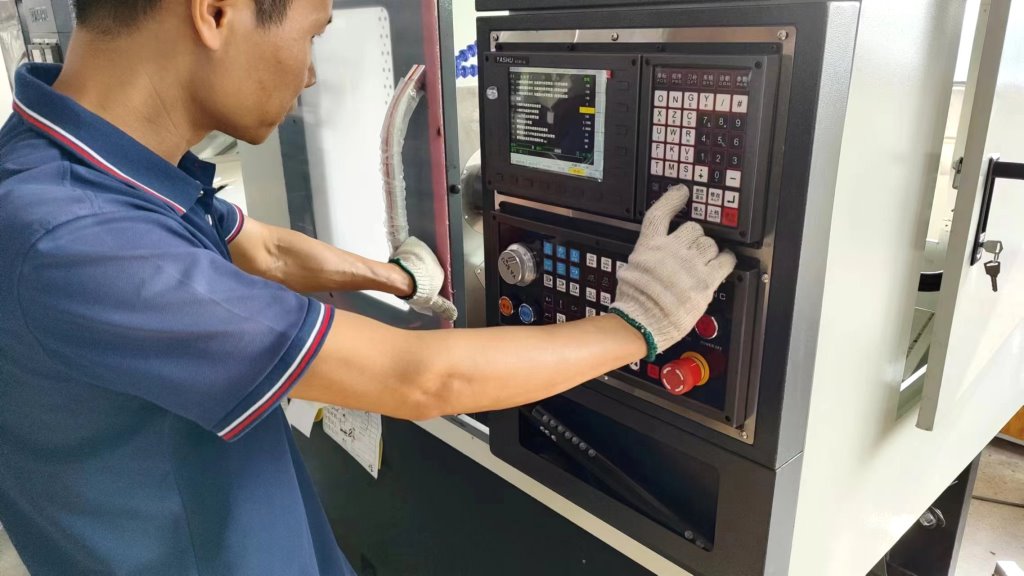
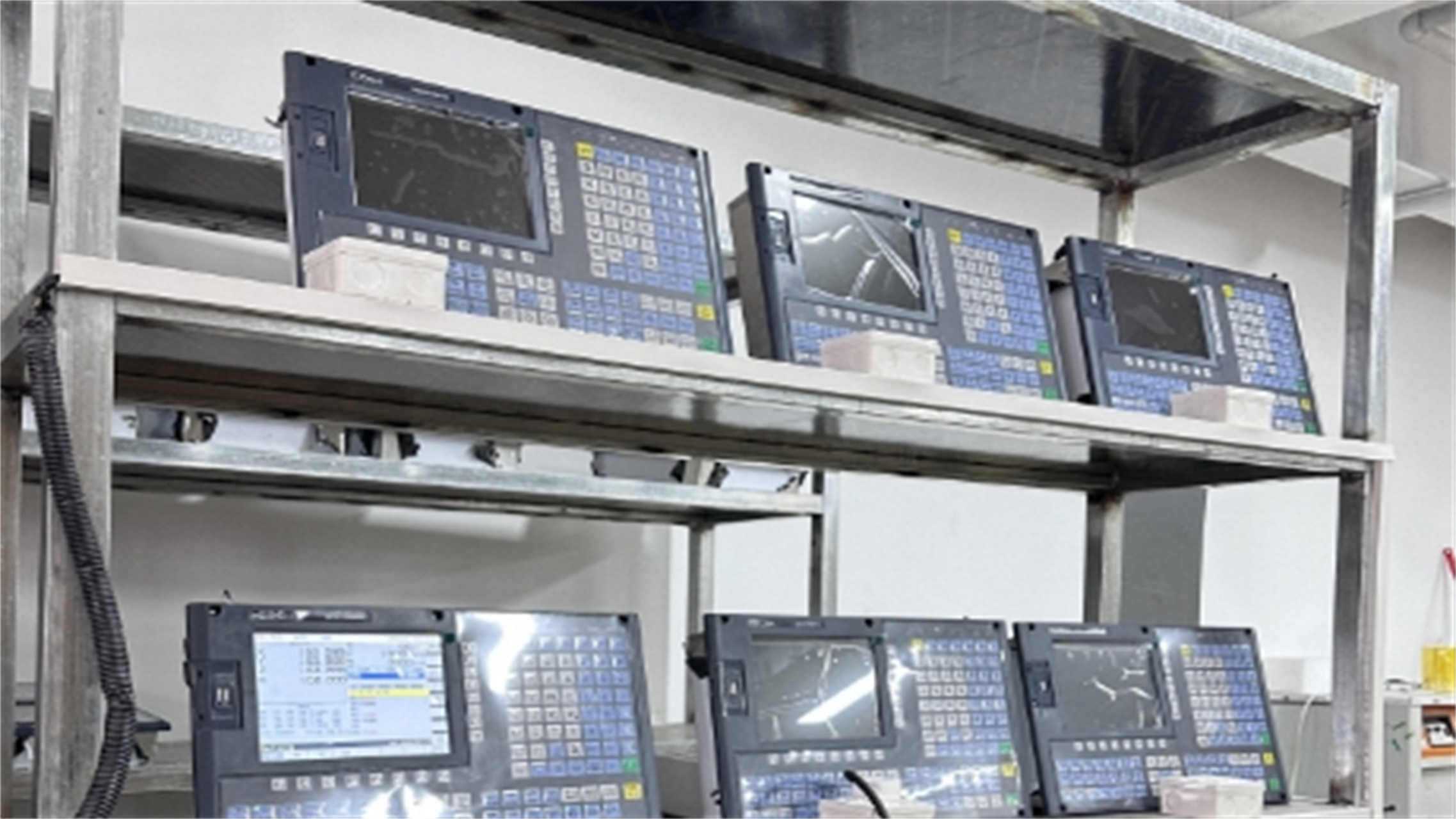
  • Multi-Axis Interpolation (CNC): Syntec or Siemens control systems handle high-load servo-drive configurations, managing axial and radial forces of up to 150 kN to deform heavy-walled tubes and plates.
  • Eco-Friendly Green Footprint: Highly localized heating means drastically lower energy consumption compared to heating entire blanks in pre-heating gas furnaces.

4. Key Application Scenarios in Switzerland’s Key Sectors

Our Hot Metal Induction CNC Spinning Lathes are uniquely configured to meet the rigorous quality standards of Swiss manufacturers across several high-end application areas:

  • High-Pressure Gas & Hydrogen Storage (Al & Steel): Hot closing and necking of tubes to produce lightweight, seamless gas cylinders for clean transit and energy systems in compliance with European safety standards.
  • Aerospace Propulsion & Exhaust Systems: Precision forming of thin-walled titanium and Inconel cones, venturi tubes, and nozzle shields for European launcher programs and satellite systems.
  • High-End Food Processing & Chemical Machinery: Seamless, hygienic components made of food-grade 316L stainless steel, processed without welds to eliminate potential bacterial harbor points.
  • Specialized Watchmaking and Jewelry Tooling: High-precision pre-forms of exotic metals, facilitating fast cycle times and reducing tool wear in subsequent machining processes.

Corporate Profile & Manufacturing Infrastructure

Zhejiang ZRF Spinning Co., Ltd. is a high-tech enterprise specializing in the research, development, and manufacturing of CNC spinning machine tools. We have built a strong technical foundation in the spinning industry. Our solutions are widely applied across various fields, including petrochemicals, electronics, daily hardware, food processing machinery, automotive components, pressure vessels, environmental protection systems, defense, and aerospace.

The ZRF spinning machine series is distributed across more than 30 provinces and cities in China and exported to over 20 countries and regions globally. Our production processes adhere strictly to the ISO9001 quality management system, ensuring that every CNC machine tool exported to Europe conforms to CE certification and Swiss mechanical engineering standards.

Our operational philosophy focuses on market-oriented development, research-driven innovation, and technological excellence. We are committed to continuous improvements in both product performance and service quality, and we work closely with global industrial partners to build long-term value.
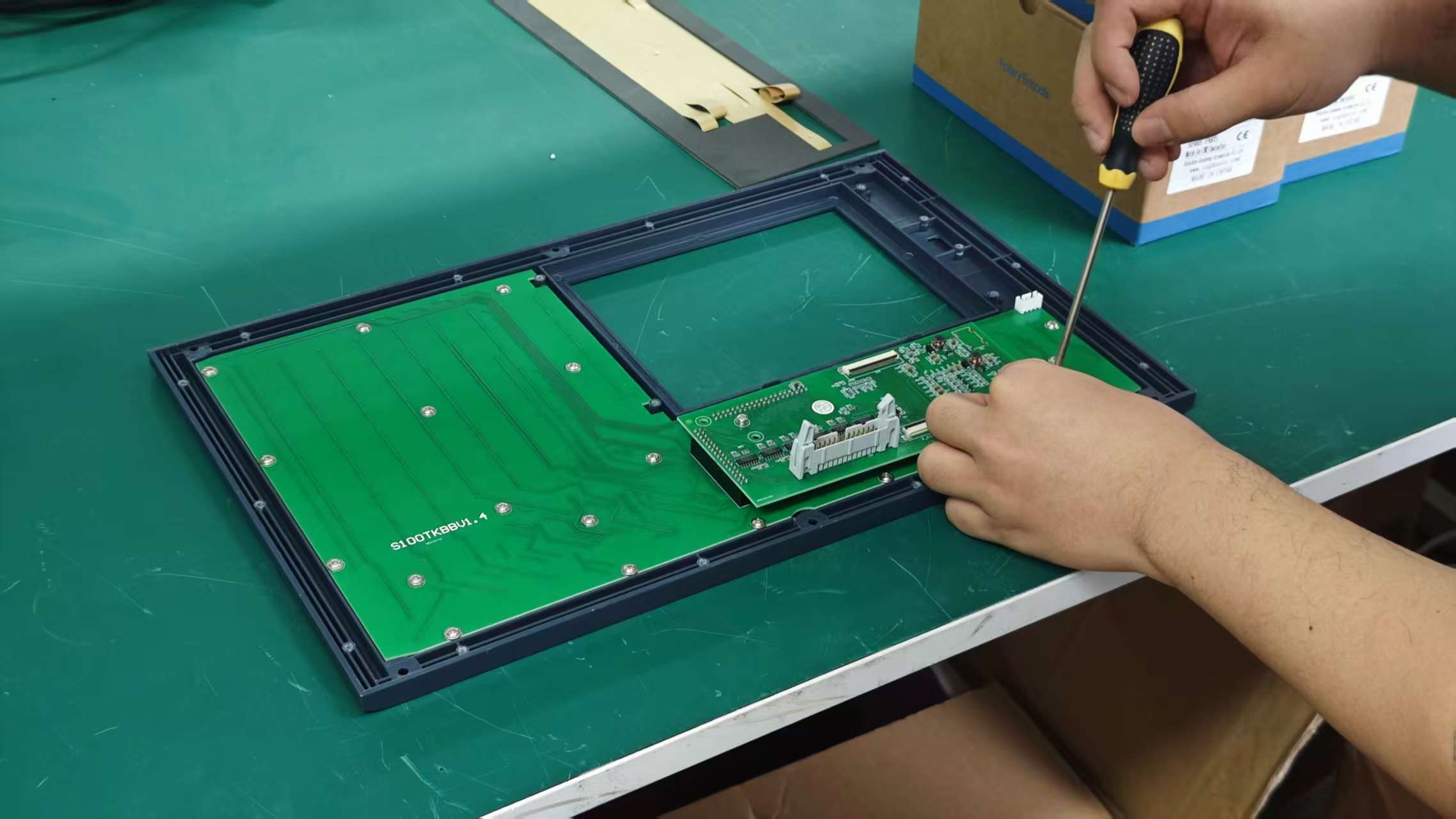
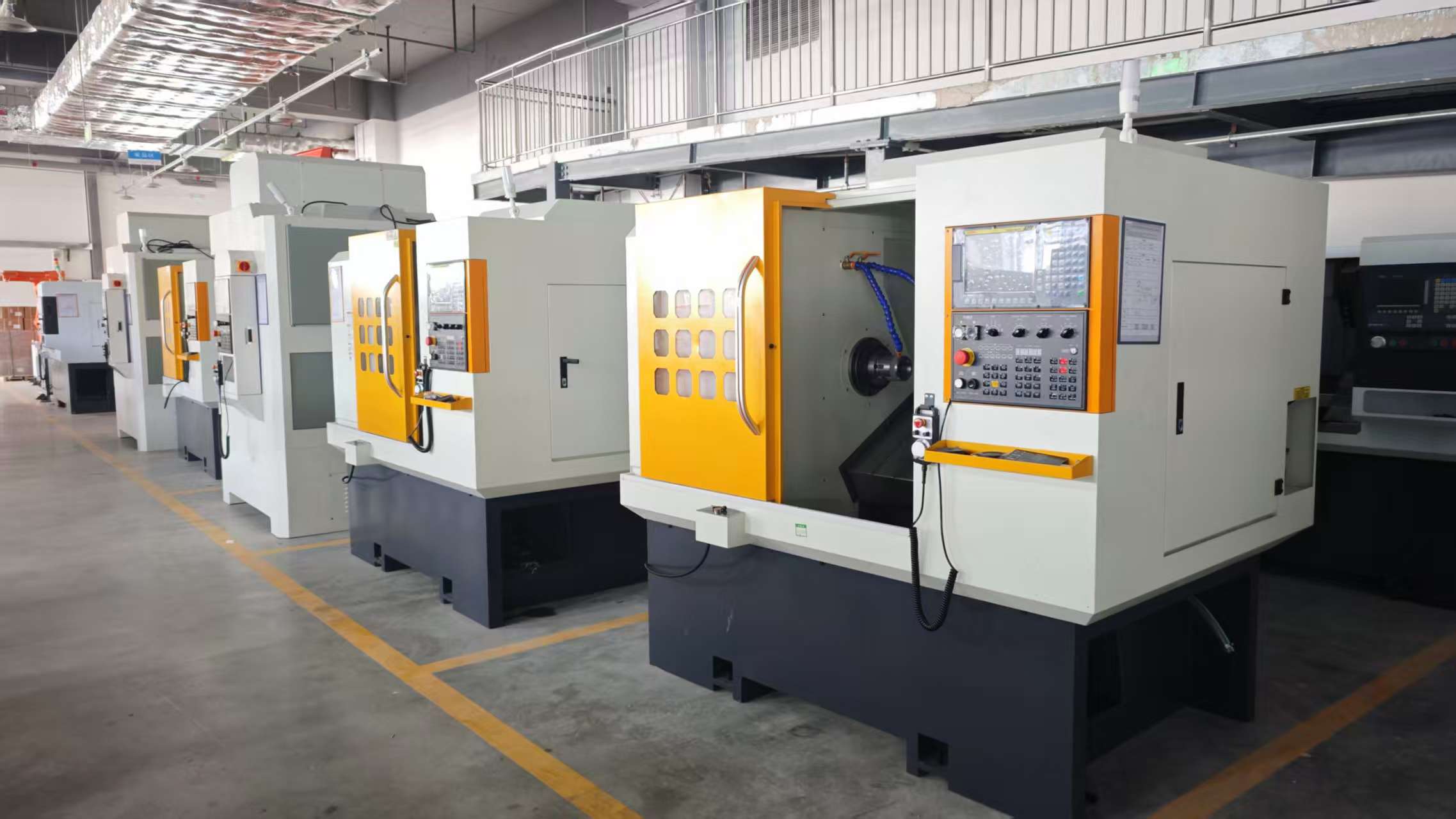
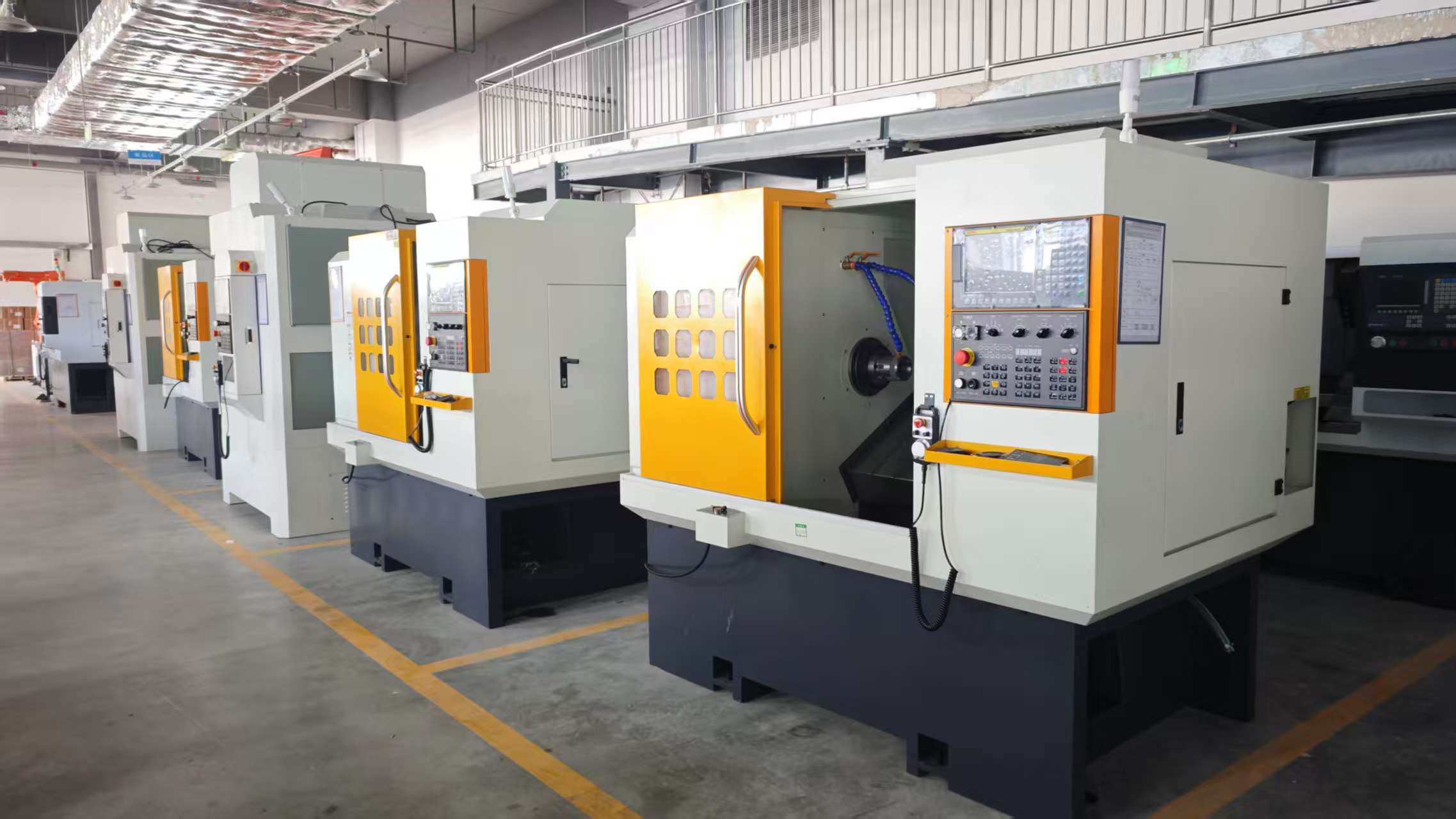
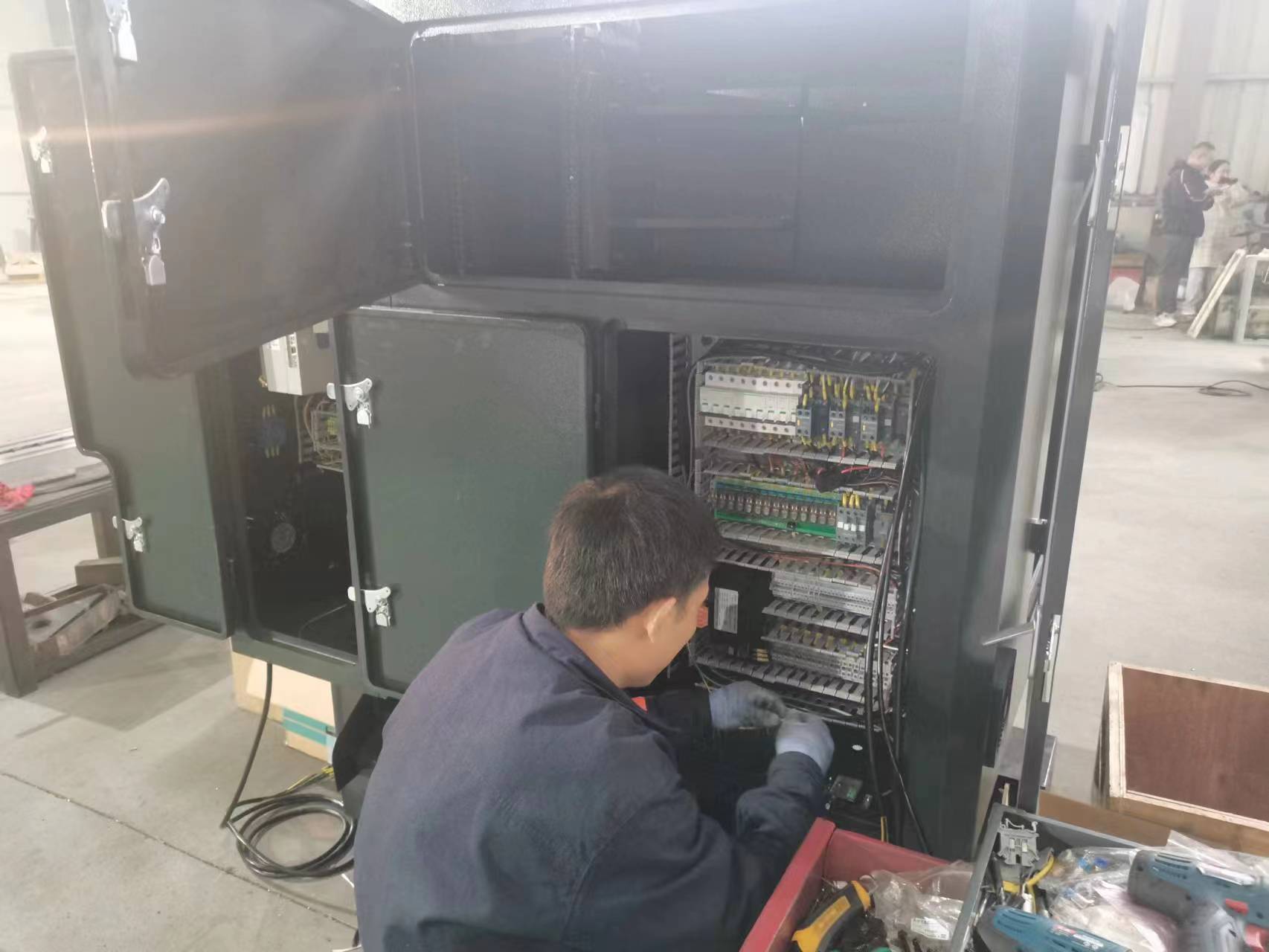
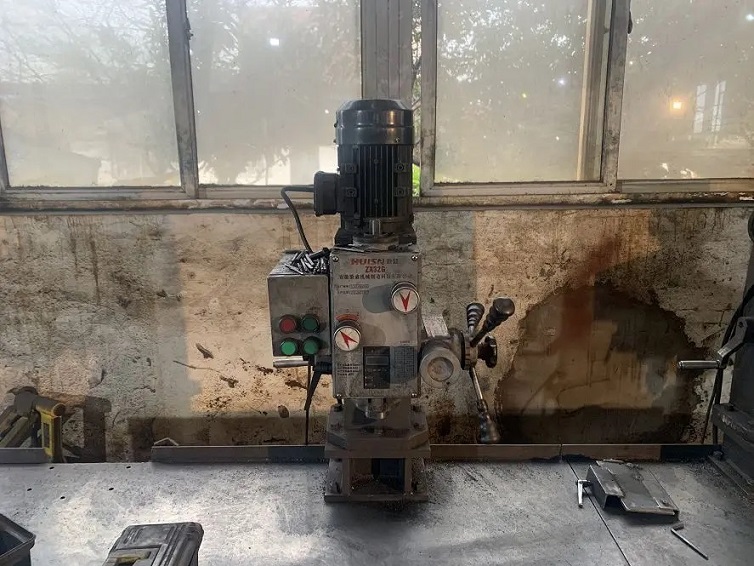
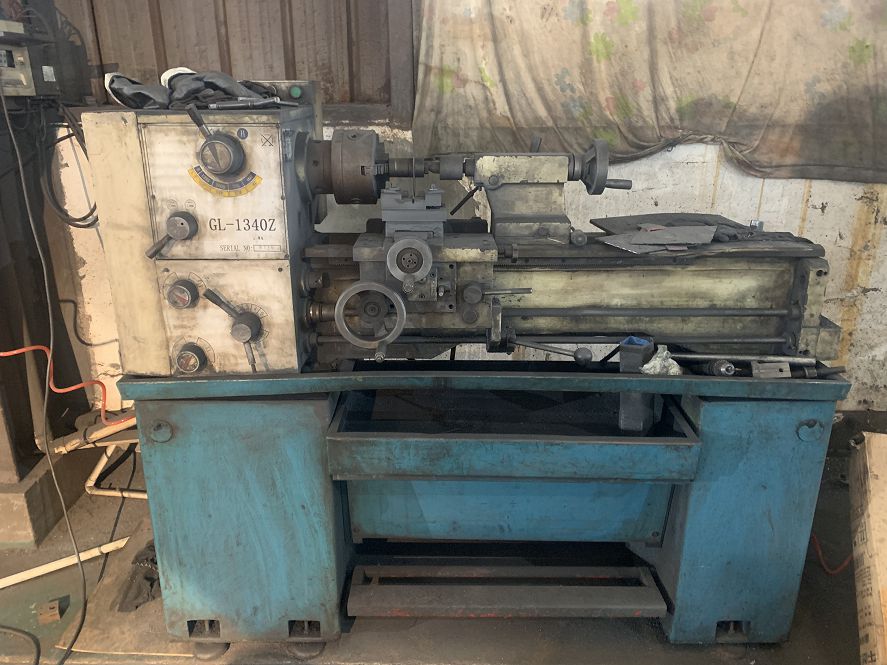
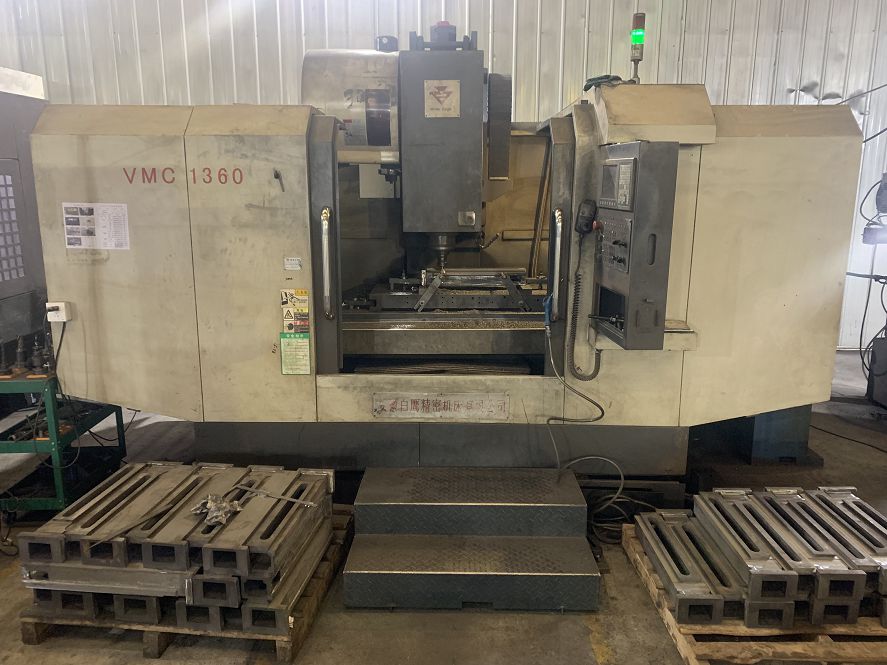
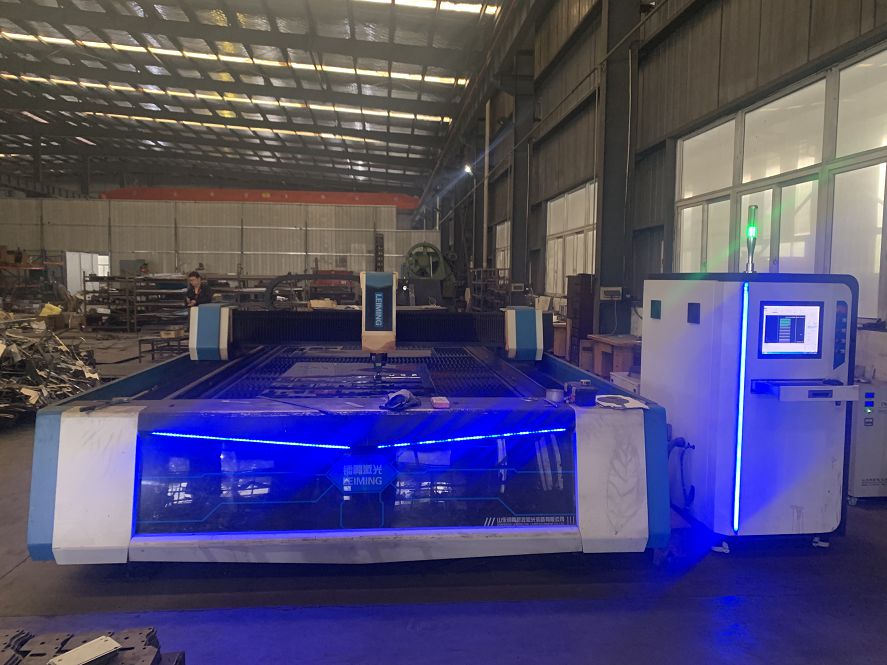
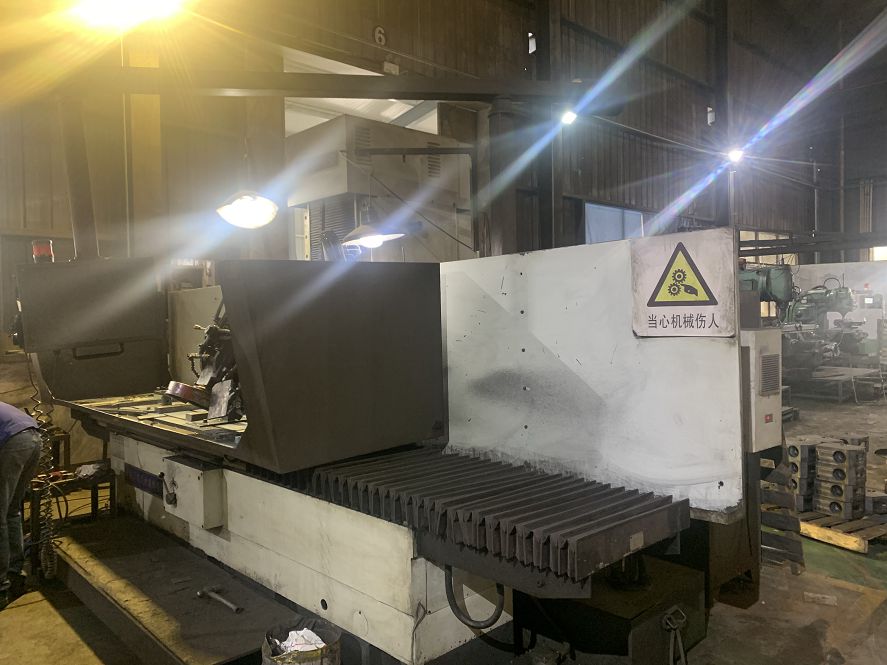
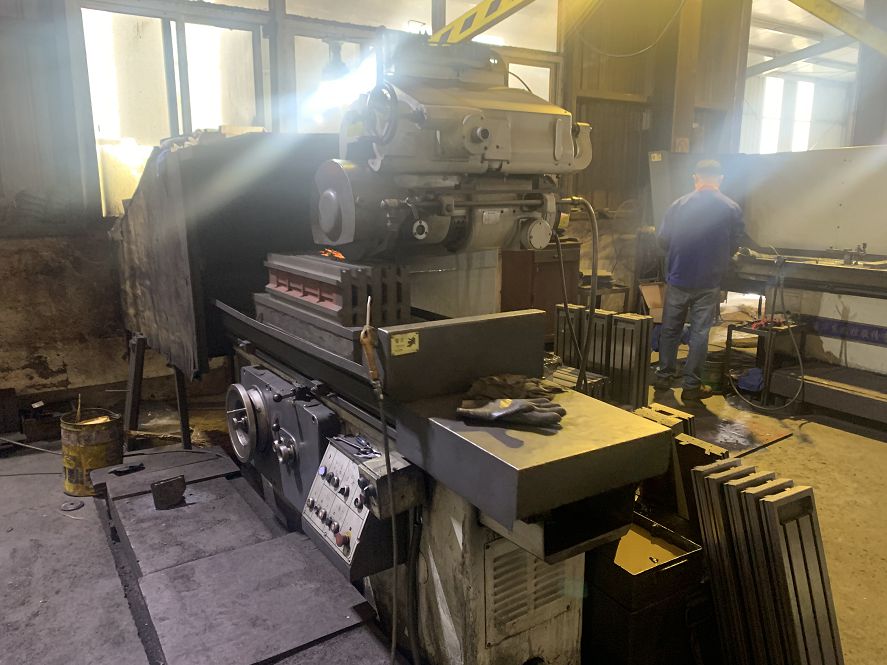
Our Advanced Manufacturing & Debugging Facility

Frequently Asked Questions: Technical Engineering Support

What are the main advantages of hot induction spinning over cold spinning?
Hot induction spinning locally heats the metal blank above its recrystallization temperature. This lowers the material's yield strength and increases ductility, which prevents cracking and relieves internal stresses in high-strength materials like titanium, Inconel, and heavy-walled steels. It also enables larger deformation ratios per pass and minimizes springback, ensuring higher dimensional accuracy.
Can these machines handle small-batch custom production runs for Swiss industries?
Yes, our CNC spinning lathes are highly versatile. Unlike traditional stamping presses that require expensive, custom tooling dies, spinning uses a CNC program and standard mandrels. This makes low-volume production and prototyping both fast and cost-effective.
Which CNC control systems are integrated into these lathes?
Our machines are equipped with industry-standard control systems, including Syntec, Siemens, or Fanuc. These controllers support G-code program configurations, multi-axis synchronization, and automated handling interfaces for robotic loading and unloading.
What safety and compliance certifications do these machine tools carry?
All ZRF machines exported to Switzerland and the broader European market comply with CE machinery directives, ISO9001 quality systems, and European electrical standards. They feature enclosed safety guards, light curtains, emergency stop systems, and localized exhaust interfaces.

Complete Metal Processing Portfolio