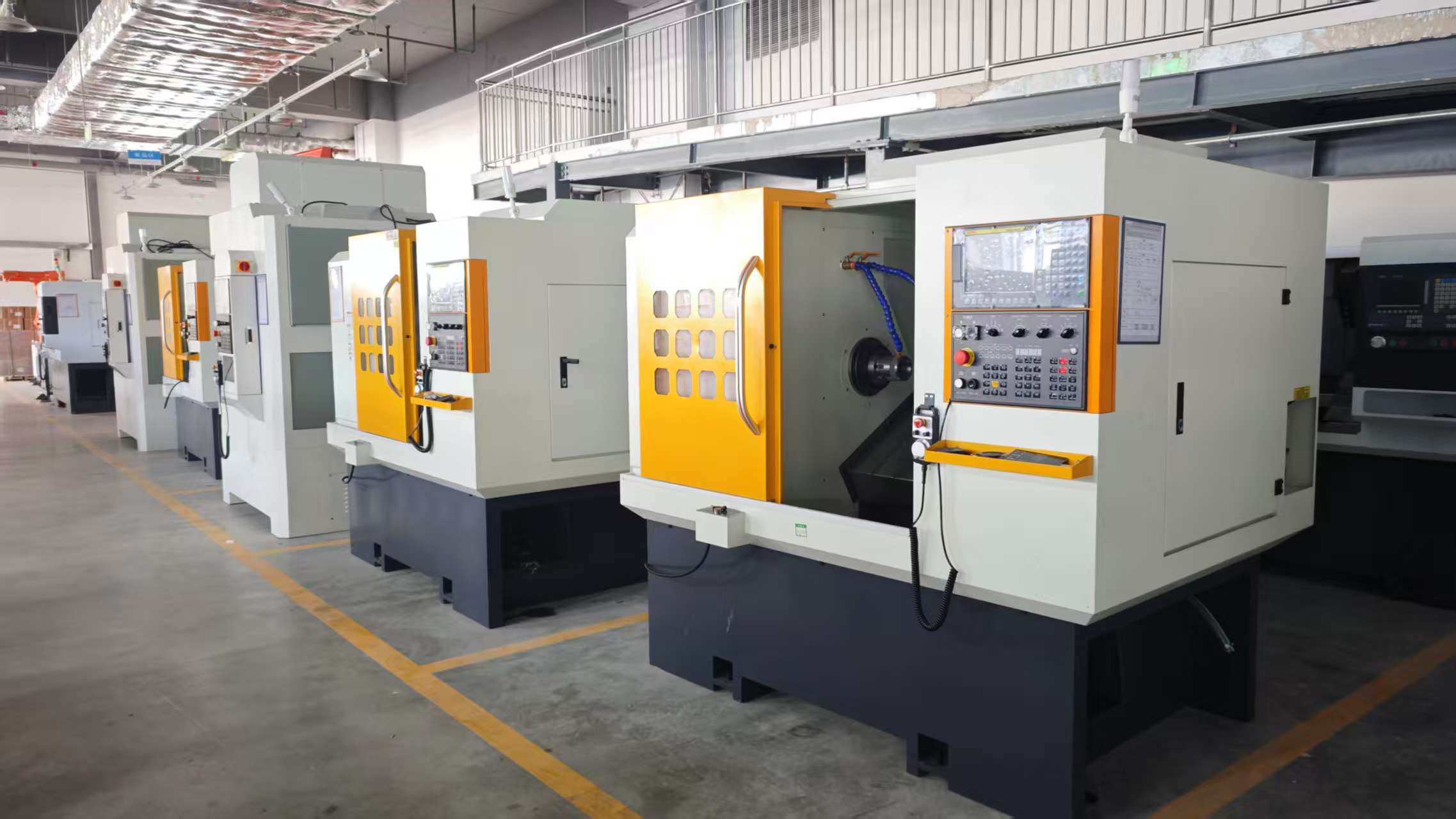
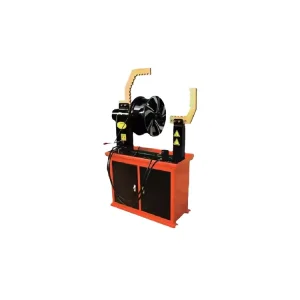
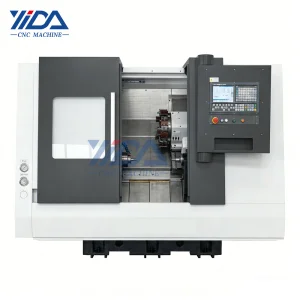
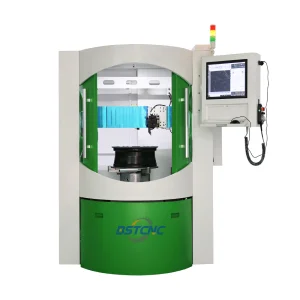
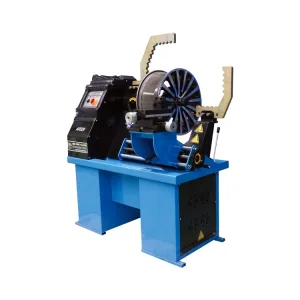
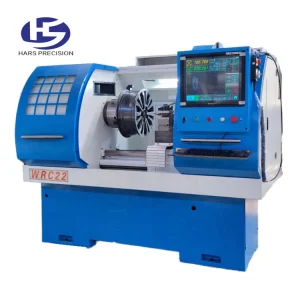
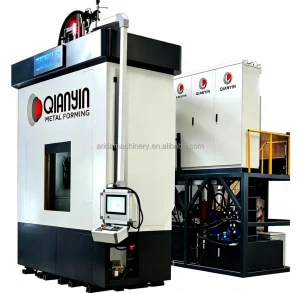
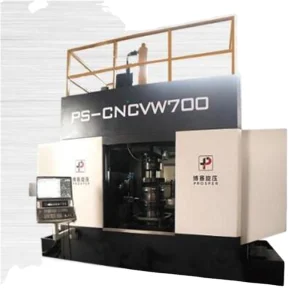
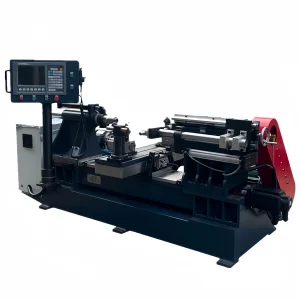
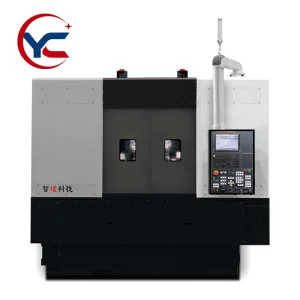
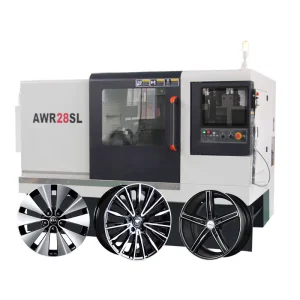
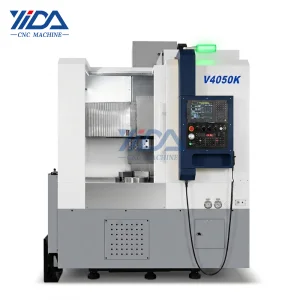
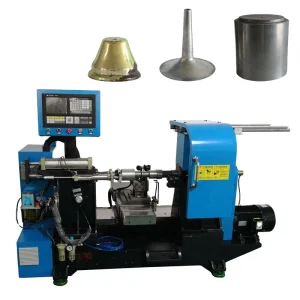
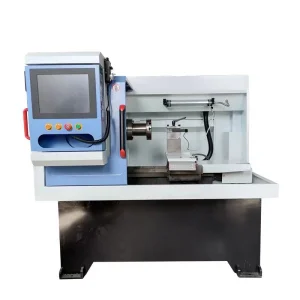
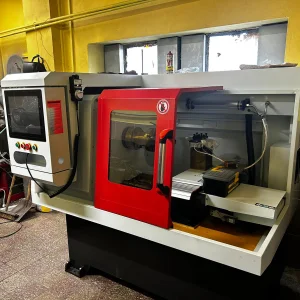
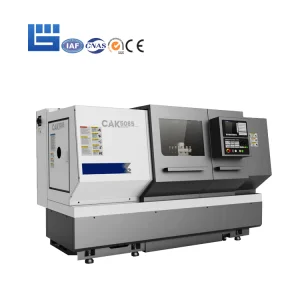
Automatic Alloy Wheel Rim Spinning Lathes

Precision Engineering, Flow-Forming Mastery, and High-Throughput Manufacturing Solutions for the United States Market

Send Inquiry Now
20+
Countries Exported
ISO9001
Quality Certified
14-26"
Wheel Size Capability
100%
Precision & Quality Tested

US Commercial & Industrial Wheel Manufacturing Landscape

Navigating the high-demand dynamics of lightweighting, electric vehicle performance, and localized supply chains

The United States automotive market is undergoing one of its most transformative eras. Driven by stringent Corporate Average Fuel Economy (CAFE) standards and the rapid expansion of Electric Vehicle (EV) manufacturing hubs across regions like the Rust Belt, the Southern Automotive Corridor, and the West Coast, the demand for lightweight, ultra-durable components has reached an all-time high.
Alloy wheels are no longer viewed merely as aesthetic accents; they are critical mechanical components designed to minimize unsprung mass, thereby extending EV range and enhancing vehicle dynamics. In this landscape, Automatic Alloy Wheel Rim Spinning Lathes—incorporating advanced flow-forming and spin-forming technologies—have emerged as crucial assets for Tier-1 suppliers and wheel manufacturers serving North American OEMs. By utilizing spinning processes instead of traditional casting, manufacturers can produce wheels with a significantly higher tensile strength-to-weight ratio, ensuring that they survive the rigorous mechanical stresses demanded by heavy EV battery payloads and diverse American road conditions.
EV Lightweighting Requirements

Flow-formed rims reduce wheel weight by up to 15%, directly contributing to increased battery range and superior performance ratings for modern EVs.

FMVSS Standard Compliance

Spinning processes refine the grain structure of aluminum alloys, making wheels exceptionally resilient against impact and structural failure.

Reshoring & Localized Supply

Establishing highly automated spinning cells in the US reduces reliance on volatile global shipping lanes and high import tariffs.

Global Procurement Demands & Technological Integration

The shift toward Industry 4.0, real-time quality control, and zero-defect initiatives

Modern international purchasing departments, especially those based in the United States, look for equipment suppliers that offer more than simple mechanical units. Sourcing professionals prioritize systems that seamlessly integrate with existing Enterprise Resource Planning (ERP) systems and Manufacturing Execution Systems (MES). To remain competitive, wheel spinning lathes must be equipped with digital twin software, smart sensors, and automated robotic loading mechanisms.
Furthermore, sustainability metrics—such as reducing energy consumption per unit manufactured and minimizing scrap rates—have become core components of supplier scorecard assessments. Precision metal spinning, which features near-net-shape manufacturing processes, drastically reduces raw material waste compared to subtractive machining methods. For US-based manufacturers, this translates to tangible cost savings on expensive alloy raw materials like 6061-T6 and 5052 aluminum.

Technological Architecture & Machinery Roadmap

Understanding the engineering innovations powering the next generation of alloy rim lathes

Zhejiang ZRF Spinning Co., Ltd. continuously refines the technological boundaries of wheel manufacturing. Our technological roadmap for the 2025-2030 cycle centers on three main pillars:
Adaptive Force Feedback Systems

Integrating hydraulic force monitoring sensors that communicate directly with the CNC system. If there are variations in the blank thickness or material hardness, the system dynamically adjusts the tool path and roller pressure in real time, preventing cracking or under-thickness issues.

Hybrid CNC Control Suites

Our systems combine standard metal-cutting lathe operations with flow-spinning programming. This allows operators to perform flow-forming and final edge trimming/milling on the same setup, eliminating setup changes and ensuring absolute concentricity.

Thermal Management Controls

Aluminium flow forming requires strict control over material temperatures to avoid cold-work hardening limit failures. Our machines feature integrated induction or gas heating mechanisms with optical pyrometers for precise temperature feedback.

USA Compliance, Safety, & Localized Customer Support

Aligning advanced foreign engineering with local American regulatory requirements

Deploying industrial machinery within the United States requires strict adherence to various workplace safety and electrical compliance frameworks. Every automatic wheel spinning lathe intended for the US market must conform to relevant standards to ensure smooth integration into manufacturing lines:
  • OSHA Compliance: Machines are built with comprehensive guarding, dual-hand control systems, optical light curtains, and integrated safety interlocks that immediately halt spindle operation if violated.
  • NFPA 79 Electrical Standards: Wiring schemes, control panels, and grounding systems are configured to meet local safety rules, preventing potential dust ignition or high-voltage failures in busy production environments.
  • UL-Listed Components: Critical electronic and pneumatic sub-assemblies (such as PLC units, servo drives, and safety switches) utilize internationally recognized UL/CE certifications for simplified local inspection approval.
Zhejiang ZRF Spinning Co., Ltd. guarantees seamless international support. Through secure cloud-connected remote diagnostics interfaces, our engineering office in China can collaborate directly with your local plant technicians in Chicago, Detroit, Houston, or Los Angeles, executing software updates, sensor calibrations, and mechanical troubleshooting within hours rather than days.

Company Profile

Zhejiang ZRF Spinning Co., Ltd. — Pioneering High-Tech CNC Metal Spinning Solutions
As a high-tech enterprise specializing in the research, development, and manufacturing of CNC spinning machine tools, Zhejiang ZRF Spinning Co., Ltd. has extensive experience and a strong technical foundation in the spinning industry.
Our series of CNC spinning machine tools are widely applied across a variety of industries, including petrochemicals, electronics, daily hardware, food processing machinery, automotive and motorcycle components, pressure vessels, ventilation and environmental protection, defense, and aerospace. The ZRF spinning machine series has reached more than 30 provinces and cities across China and has been exported to over 20 countries and regions worldwide. Our advanced technology, excellent product quality, and comprehensive service system have earned the trust and recognition of users globally.
At Zhejiang ZRF Spinning Co., Ltd., we firmly advocate a philosophy of market-oriented development, research-driven innovation, and technological excellence. We focus on continuous improvement in both product performance and service quality. Our manufacturing process strictly adheres to the ISO9001 quality management system, ensuring reliable, safe, and high-quality products. Over the years, we have established long-term cooperative relationships with many leading domestic and international enterprises.
Our mission and values are centered around:
  • Innovation-driven development
  • Commitment to quality
  • Honest and professional service
  • Sincere cooperation and mutual growth

State-of-the-Art Production & Quality Control Facilities

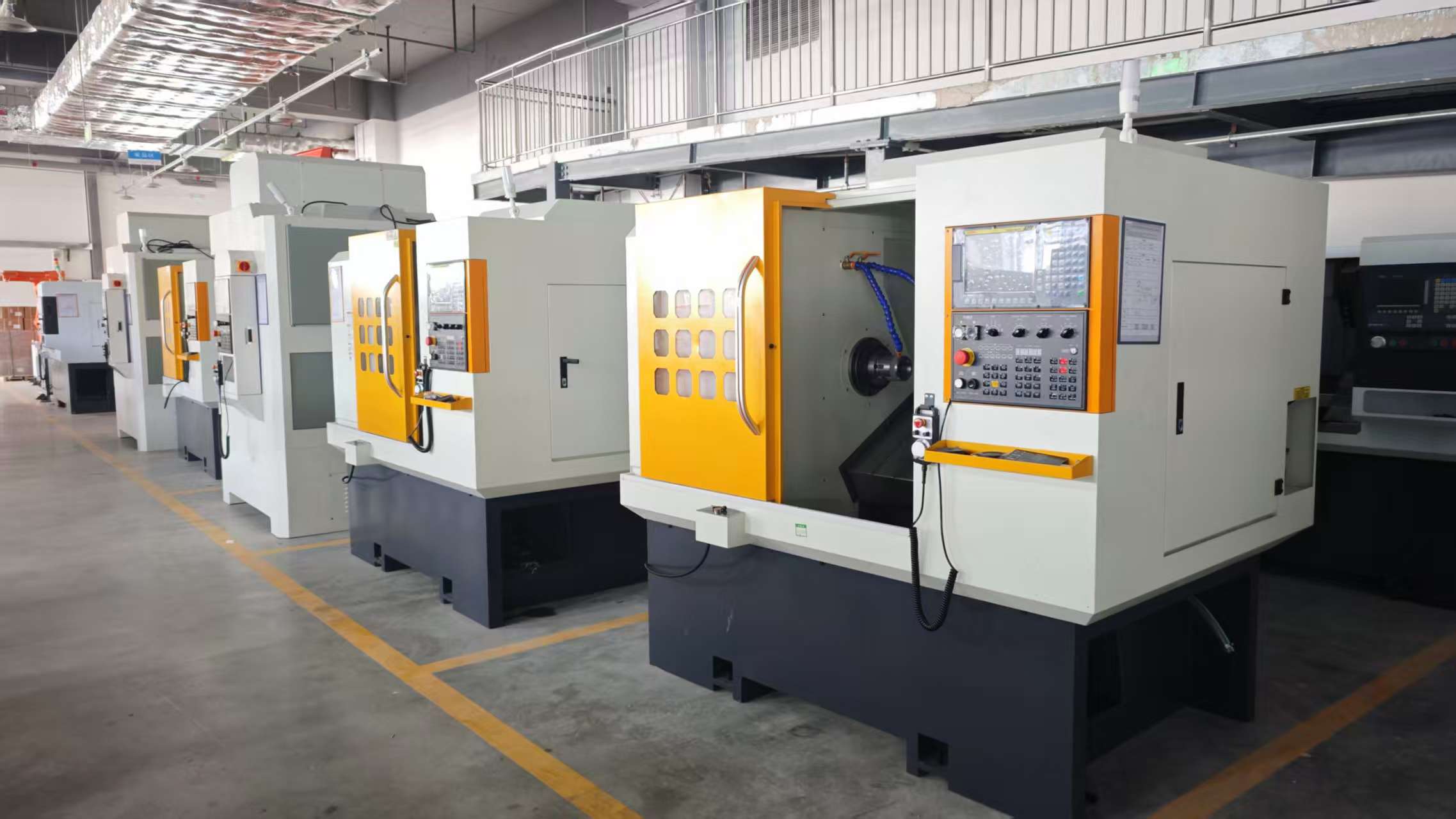
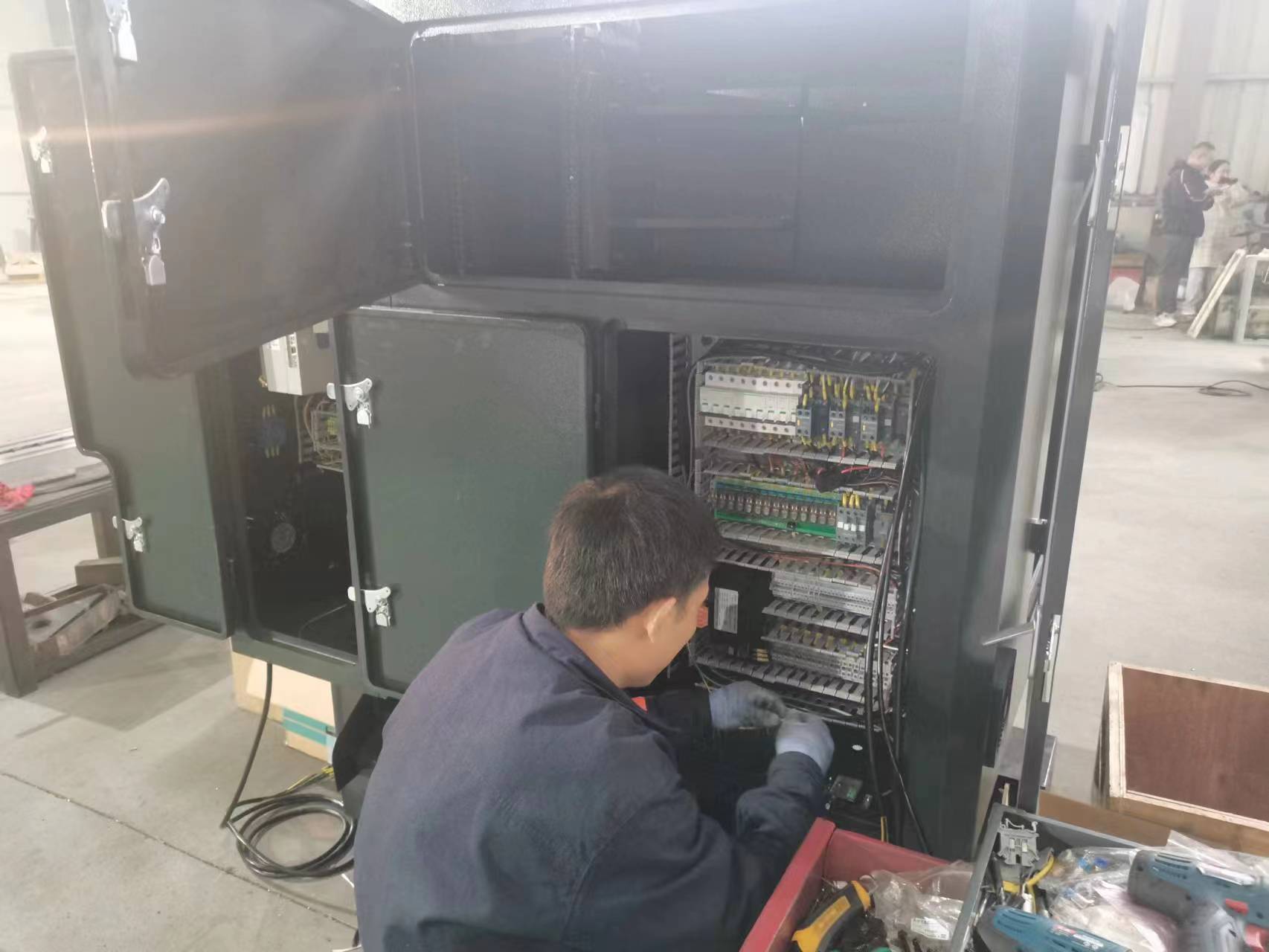
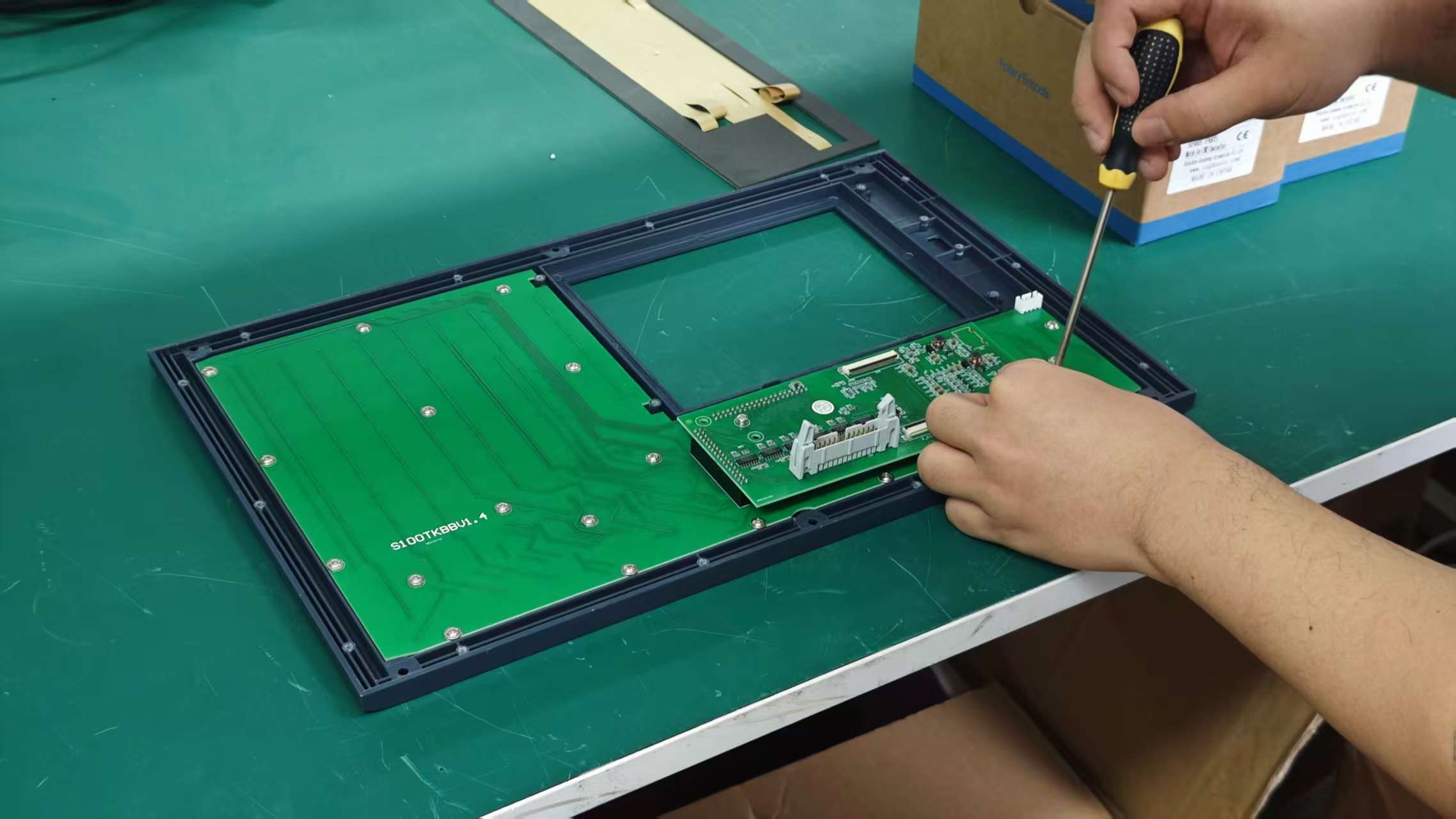
Assembly Facility
Precision Assembly
General Assembly
General Assembly
Debugging Phase
Machine Debugging
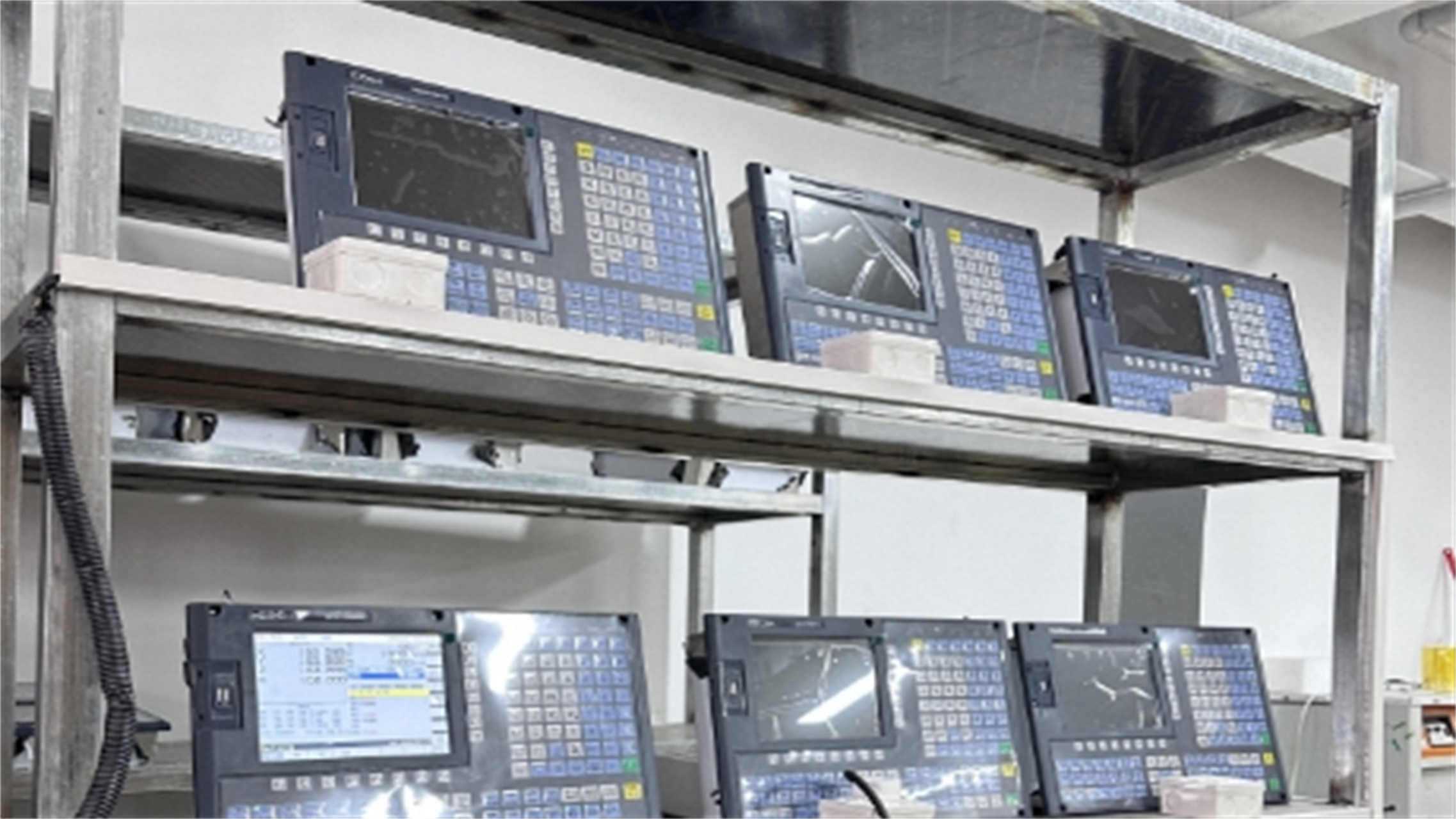
Aging Test Area
Component Aging
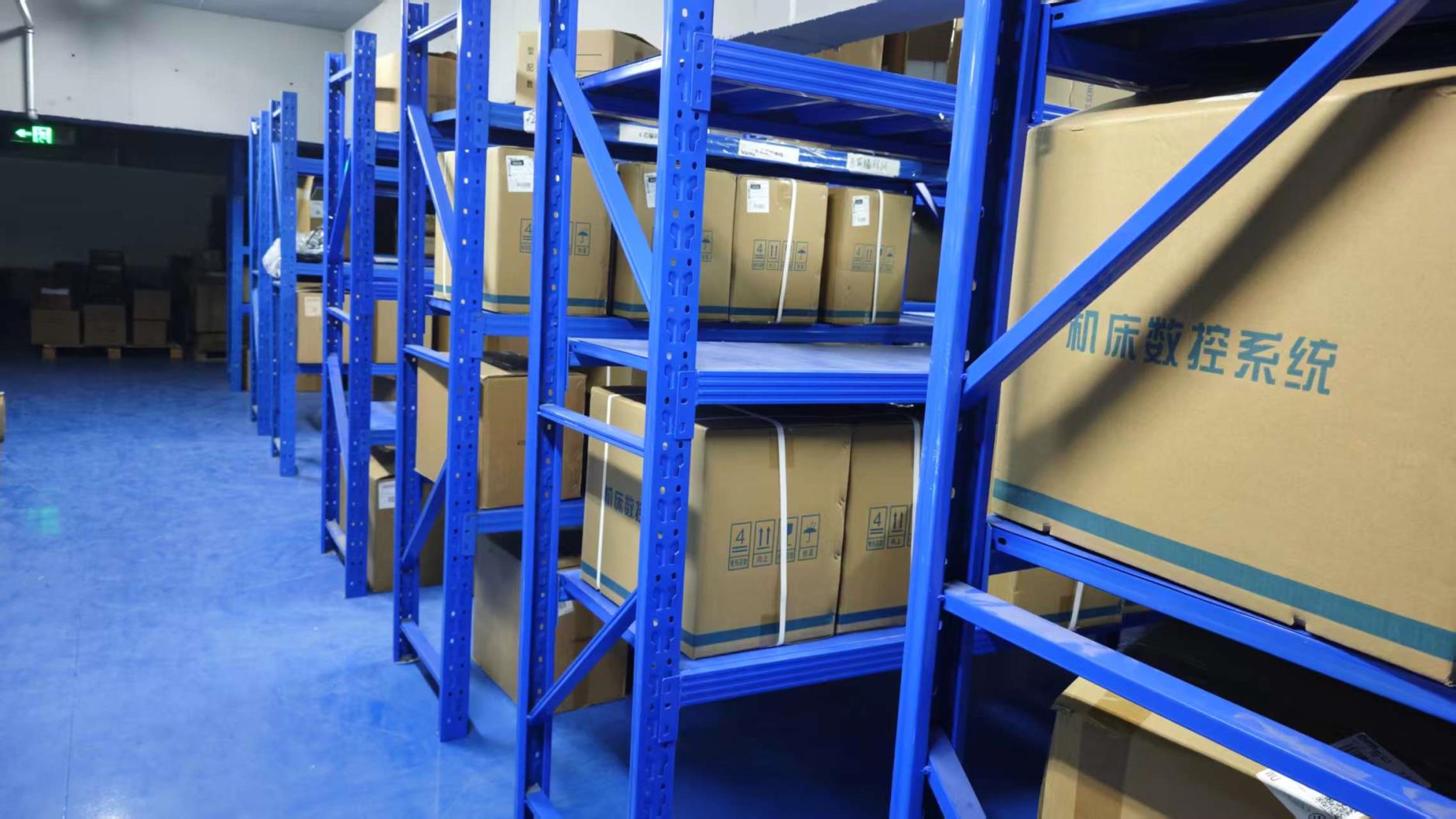
Warehouse Storage
Secure Storage
Assembly Line
Main Assembly Line
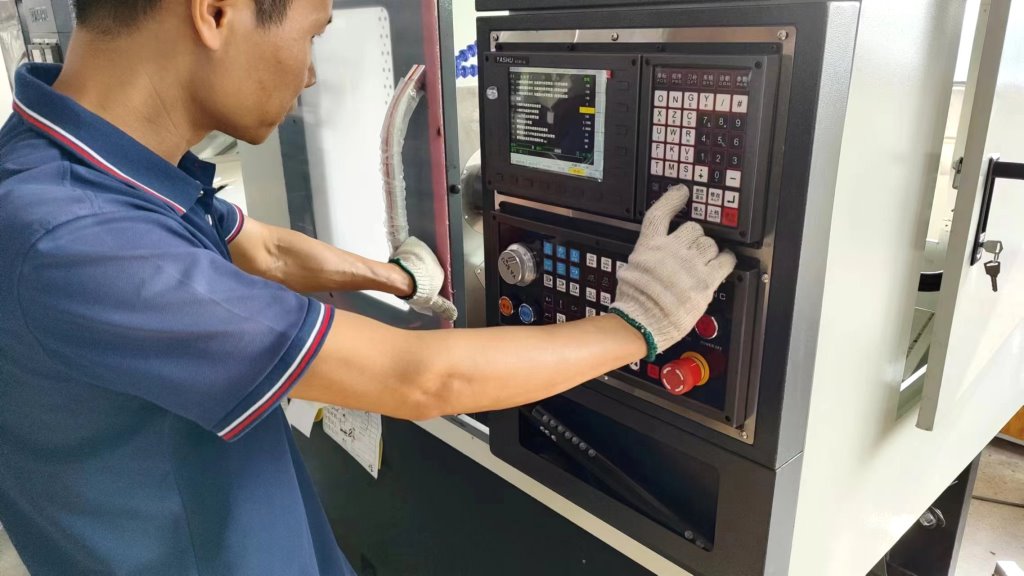
Quality Testing
Quality Testing
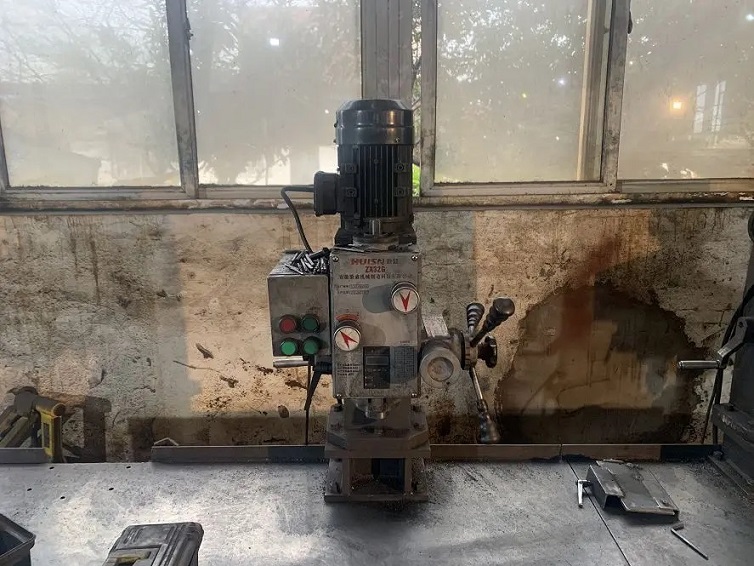
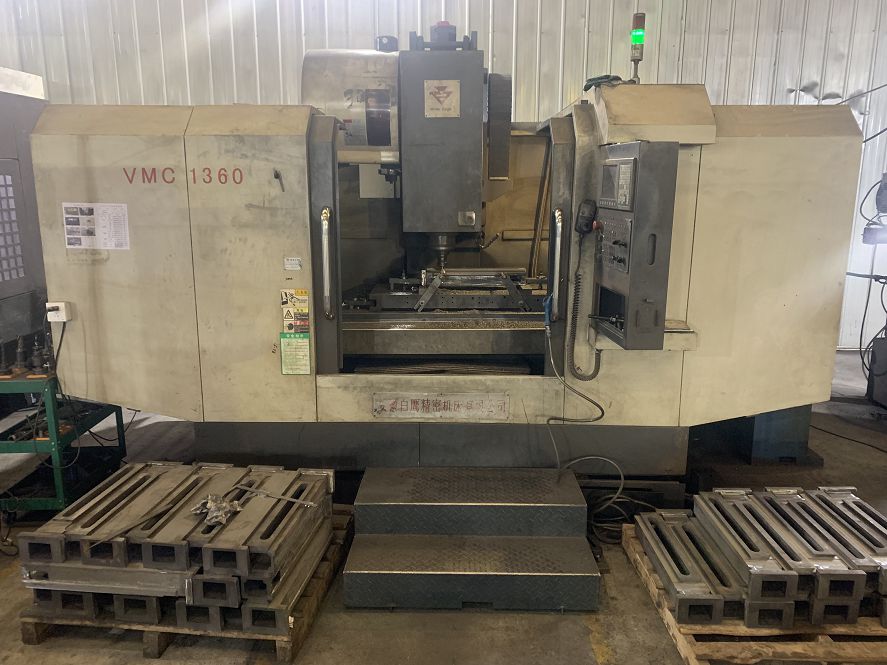
Milling and Drilling Machine
Milling & Drilling
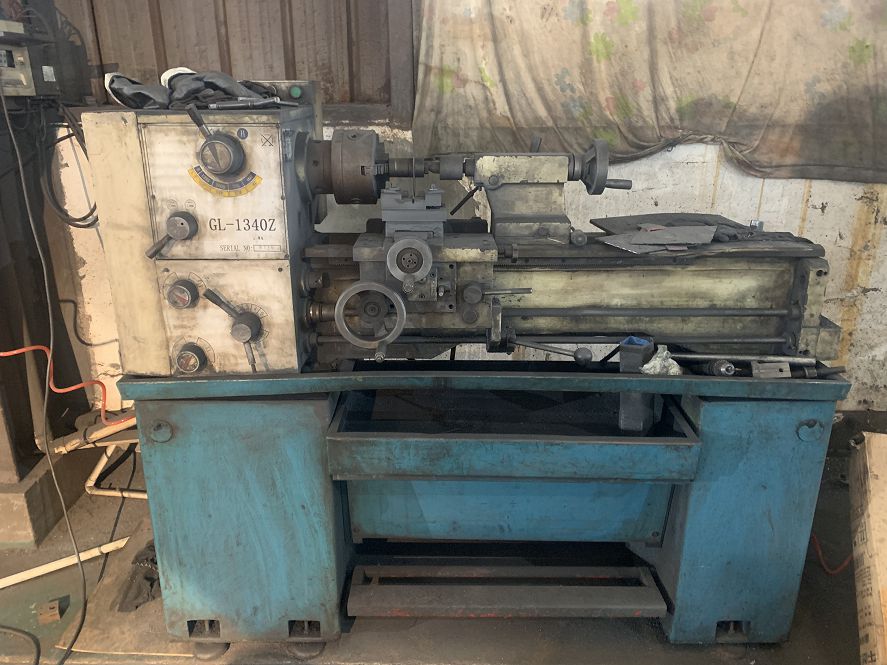
Lathe Machine
Lathe Manufacturing
CNC Machine
High Precision CNC
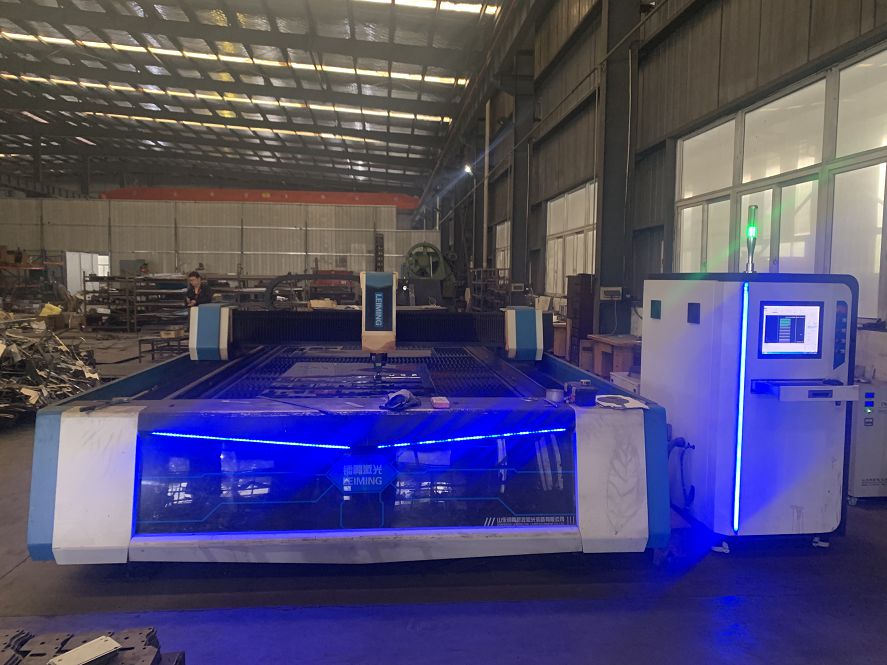
Laser Cutting Machine
Laser Cutting Section
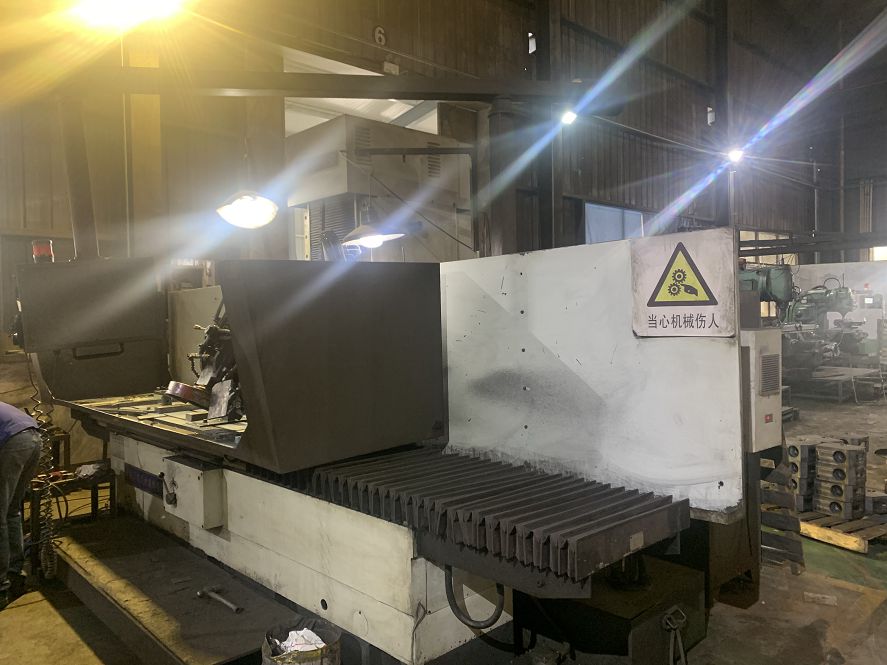
Precision Guideway Grinder
Guideway Grinding
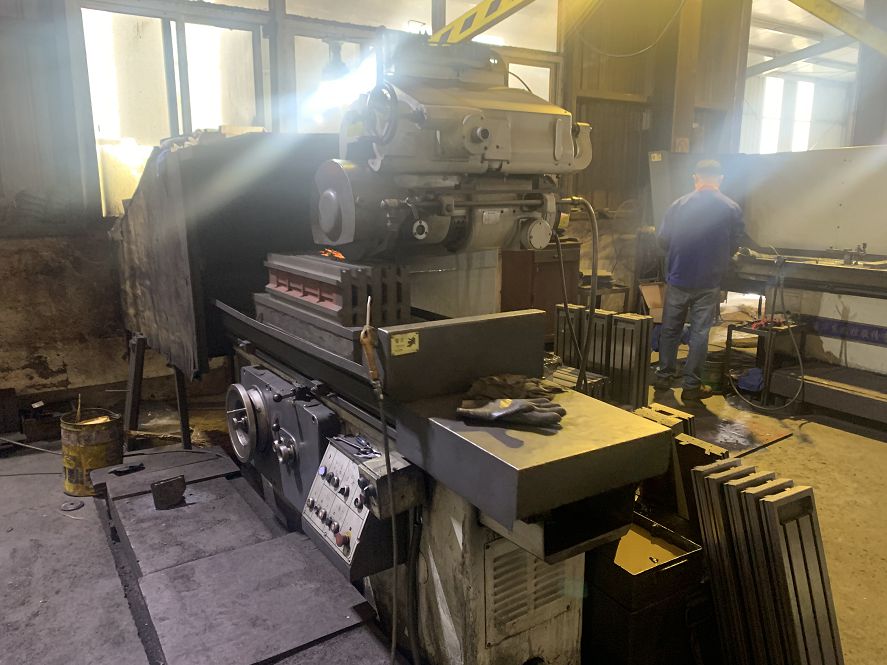
Universal Grinding Machine
Universal Grinding

Industrial Q&A (Frequently Asked Questions)

Technical answers addressing procurement, operations, and tooling standards

What is the mechanical difference between traditional casting and CNC flow spinning for alloy wheel rims?
Traditional casting relies on pouring molten metal into a static cavity mold, which frequently yields micro-porosity and random grain structures. In contrast, CNC flow spinning applies high-pressure roller systems to deform and stretch pre-cast blanks. The mechanical cold-working process physically alters and aligns the alloy grain structure along the flow pattern of the rim barrel, elevating tensile strength to approximate forged-metal properties while minimizing cross-sectional thickness.
How does ZRF maintain compliance with US manufacturing safety standards (OSHA & NFPA)?
Our specialized export machinery line is designed from the floor up with the American regulatory landscape in mind. We use UL-listed electronics, standard dual safety channel configurations, interlocked physical safety gates, and NFPA 79-aligned electrical enclosure wiring. We also assist plants during commissioning to pass local factory safety reviews.
What range of alloy wheel dimensions can be processed by ZRF spinning machines?
Our advanced catalog accommodates alloy wheel hub blanks ranging from 14 inches to 26 inches. This spans the entire spectrum of US commercial vehicles, high-end electric passenger cars, heavy-duty sport utility vehicles, and custom racing configurations.
How is remote diagnostic support executed for machinery operational inside the United States?
All ZRF CNC systems utilize an Ethernet-enabled module that interfaces with secure, encrypted servers. If a software bug or sensor calibration error occurs, our field engineers can remotely analyze telemetry, review PLC stack traces, rewrite tool profiles, and instruct on-site operators via a video interface, reducing downtime to a absolute minimum.