Optimized machining systems configured for regional automotive hubs, logistics yards, and commercial wheel rebuilders in the Greater Chicago area.
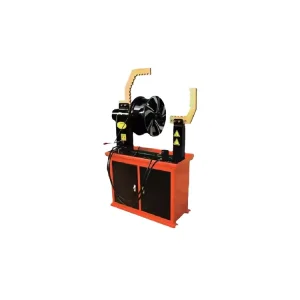
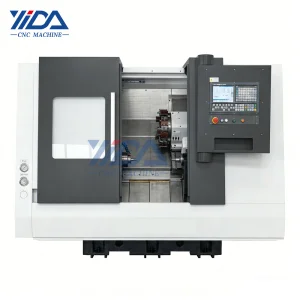
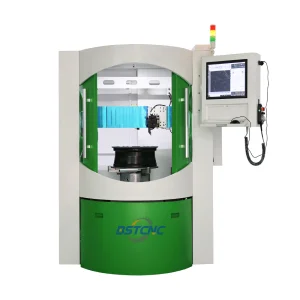
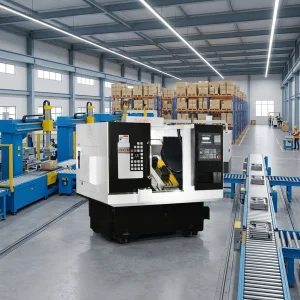
The Greater Chicago Metropolitan Area, historically known as the industrial backbone of the American Midwest, remains a pivotal logistics hub and manufacturing powerhouse. Connecting massive Class I railroads with global air freight networks through O'Hare and extensive interstate corridors, Chicago acts as a vital conduit for automotive component supply chains. The demand for robust, high-precision machining systems is driven by local Tier-1 and Tier-2 automotive component suppliers, heavy commercial truck body fabricators, and specialized aftermarket wheel modification centers.
Additionally, the harsh winter conditions of the Midwest—characterized by recurring freeze-thaw cycles, road salt applications, and pothole-ridden municipal highways—create a continuous and growing demand for wheel restoration, rim straightening, and aftermarket structural reconditioning. Local service hubs and distribution terminals require machinery that can quickly restore cast and forged aluminum alloy rims to original geometric specifications.
For these demanding applications, the introduction of automatic CNC technology has eliminated manual operator variables. This transition ensures consistent product dimensions, reliable cycle times, and compliance with the Department of Transportation (DOT) and Federal Motor Vehicle Safety Standards (FMVSS).
Analyzing the physics of rotary extrusion, shear spinning, and CNC toolpath optimization for aluminum alloy rims.
Cold rotary extrusion stretches the aluminum alloy (typically A356 or 6061-T6), aligning its microcrystalline grain structure along the outer rim. This process increases tensile strength, allowing for thinner, lighter, and more resilient wheel walls.
Equipped with state-of-the-art contact probes or non-contact laser measurement systems, the machines scan the exact topography of the rim. The CNC controller then generates a custom toolpath to remove minimal material while maximizing structural integrity.
By coordinating rotation with X- and Z-axis movements via high-performance servo motors, our lathes maintain consistent pressure and feed rates. This prevents structural wall thinning and ensures uniform wall thickness across complex wheel geometries.
Traditional metal turning relied on simple material removal, which often severed the crystalline grain boundaries of cast metals, reducing the overall structural strength of the wheel. Modern alloy wheel rim spinning lathes utilize a combination of pressure, heat (often generated through localized friction or induction systems), and precise geometric control to reform the alloy without fracturing it.
By maintaining a controlled thermal environment and optimizing feed rates (measured in millimeters per revolution), these machines prevent crack formation and internal micro-voids. This makes them ideal for both manufacturing premium new rims and repairing bent or distorted wheels. The process results in a component with properties comparable to a fully forged wheel, at a fraction of the cost.
As a high-tech enterprise specializing in the research, development, and manufacturing of CNC spinning machine tools, Zhejiang ZRF Spinning Co., Ltd. has established an extensive engineering foundation in the domestic and international metal forming industries.
Our advanced CNC spinning systems are widely applied across diverse sectors, including petrochemicals, electronics, daily hardware, food processing, automotive component fabrication, ventilation systems, and aerospace engineering. By adhering to rigorous quality standards and manufacturing methodologies, ZRF ensures every system delivers exceptional performance and reliability.
Our Core Missions & Values:
Zhejiang ZRF Spinning Co., Ltd. has established robust international logistics channels to support North American markets, particularly Chicago and the wider Midwest region. Our production facility is certified to ISO9001 quality management standards, ensuring every machine tool undergoes comprehensive assembly inspections, debugging phases, and load testing before dispatch.
By integrating premium international electrical and hydraulic components, ZRF guarantees that all exported machinery is compliant with international safety requirements, such as CE and local UL certifications. This simplifies installation and minimizes startup time at client facilities.
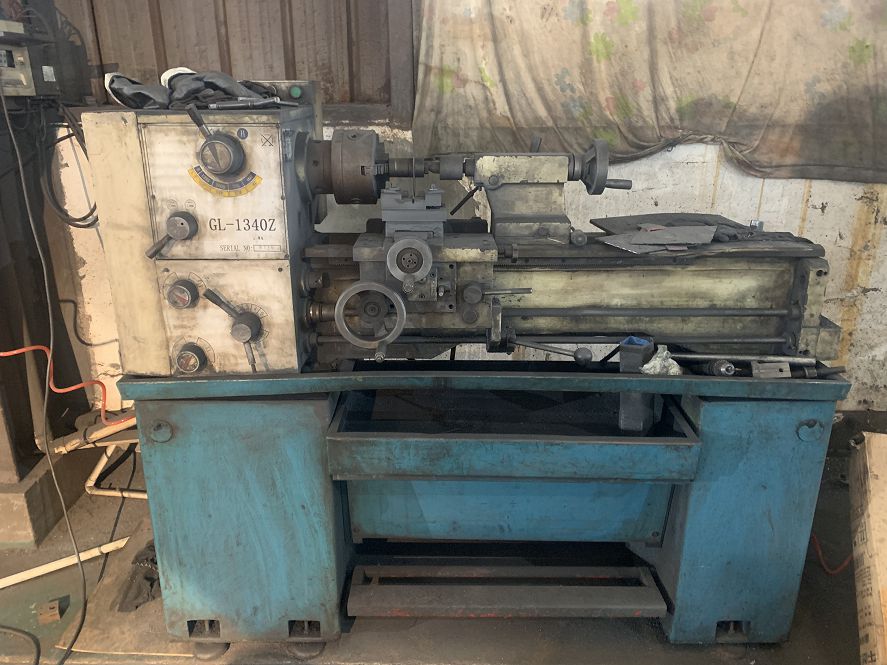
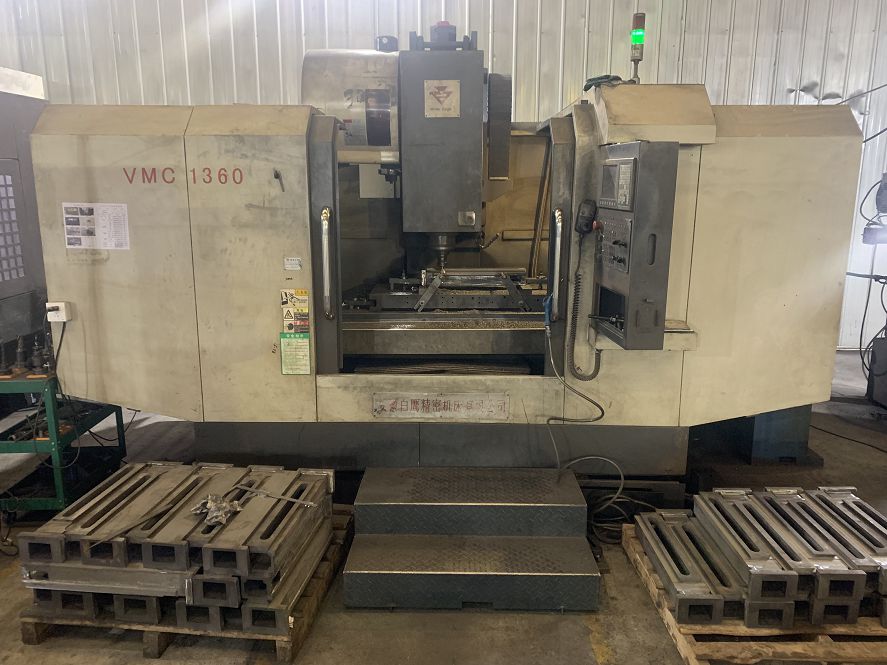
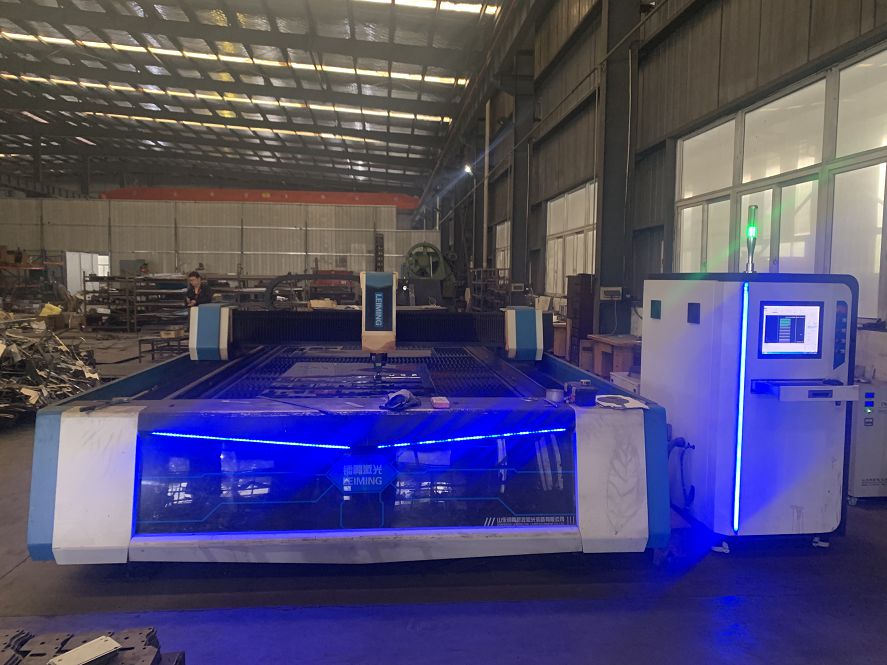
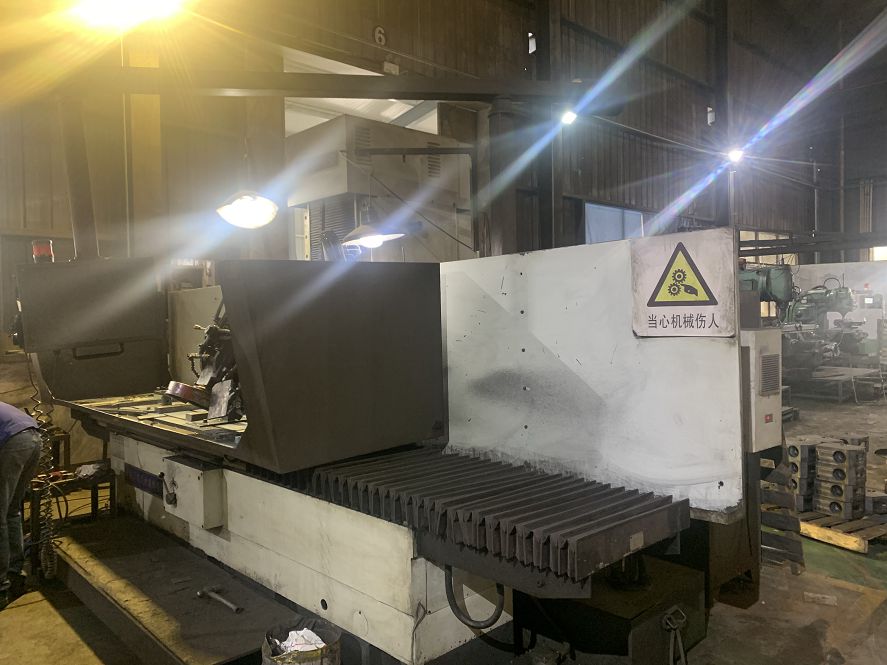
Connect with our Supply Chain TeamA transparent look into our manufacturing, assembly, testing, and quality control processes.
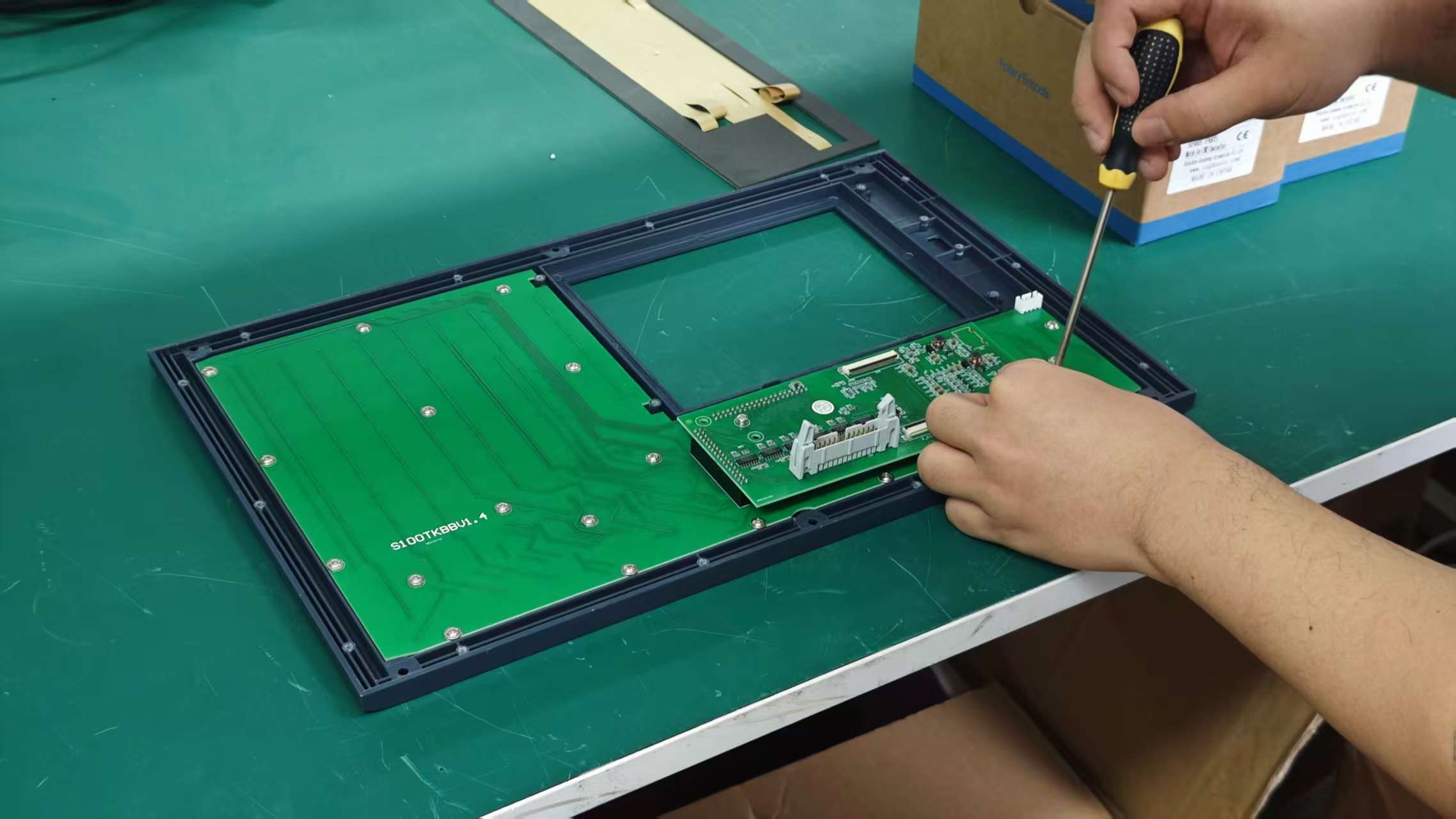
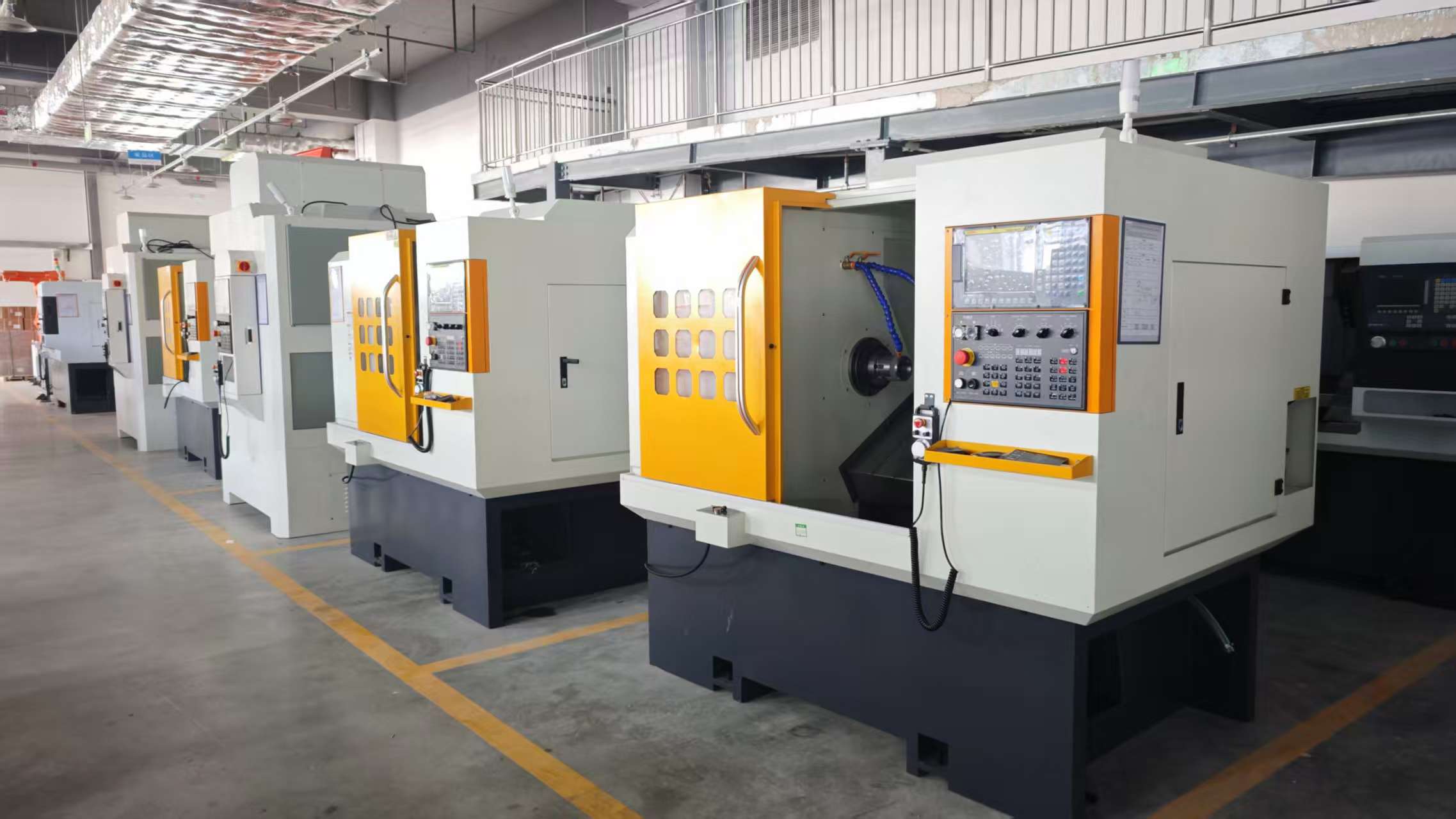
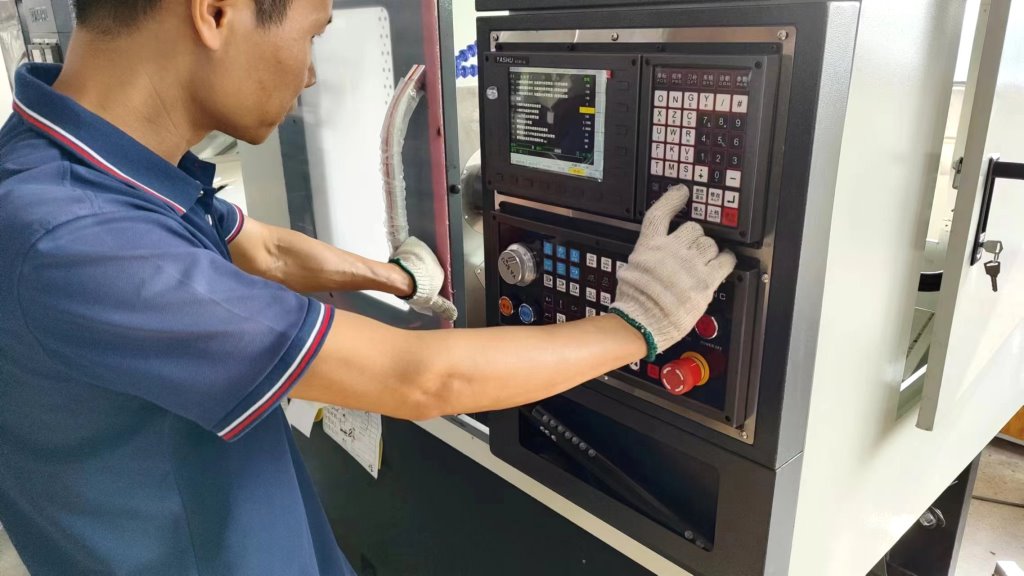
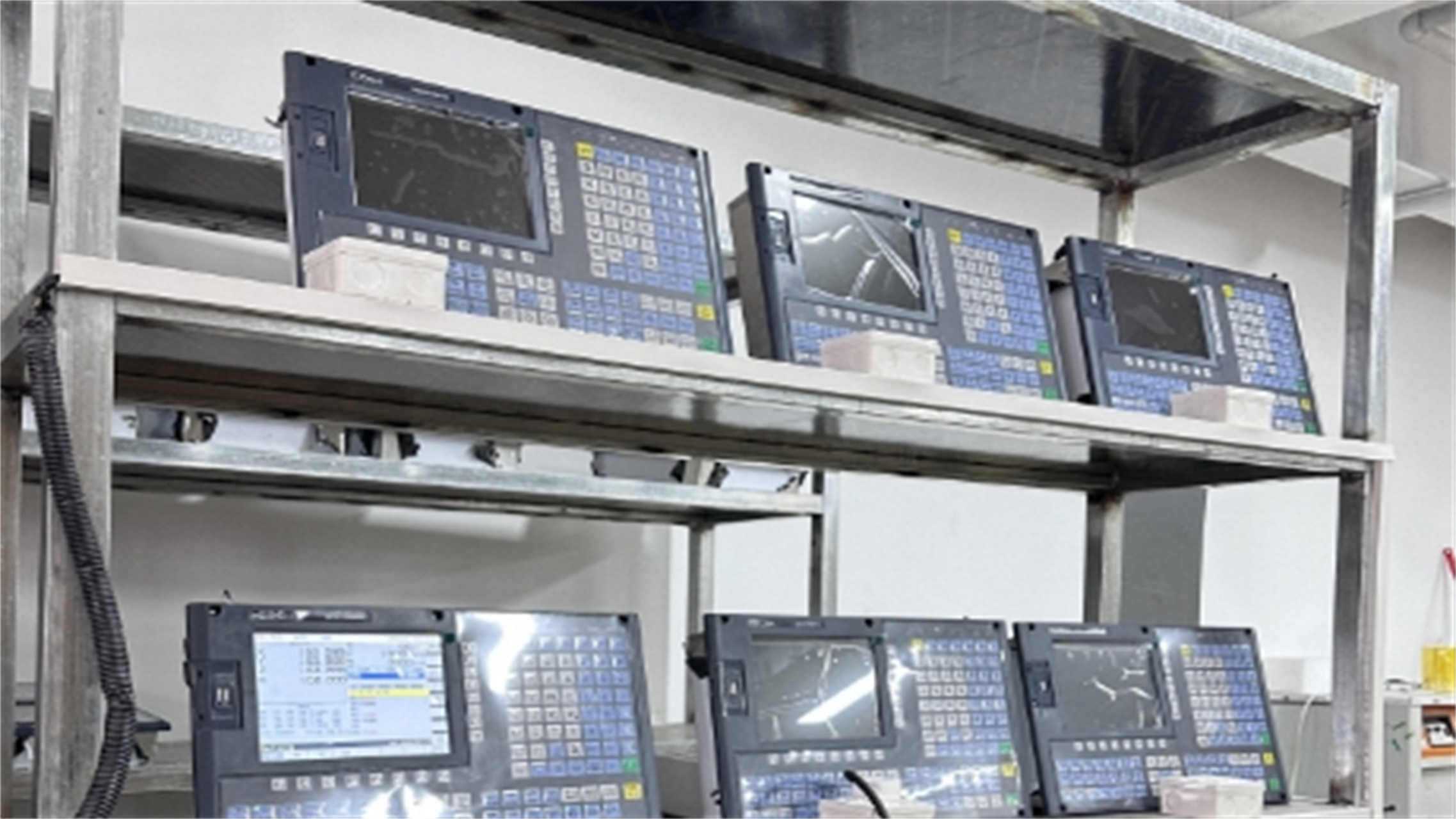
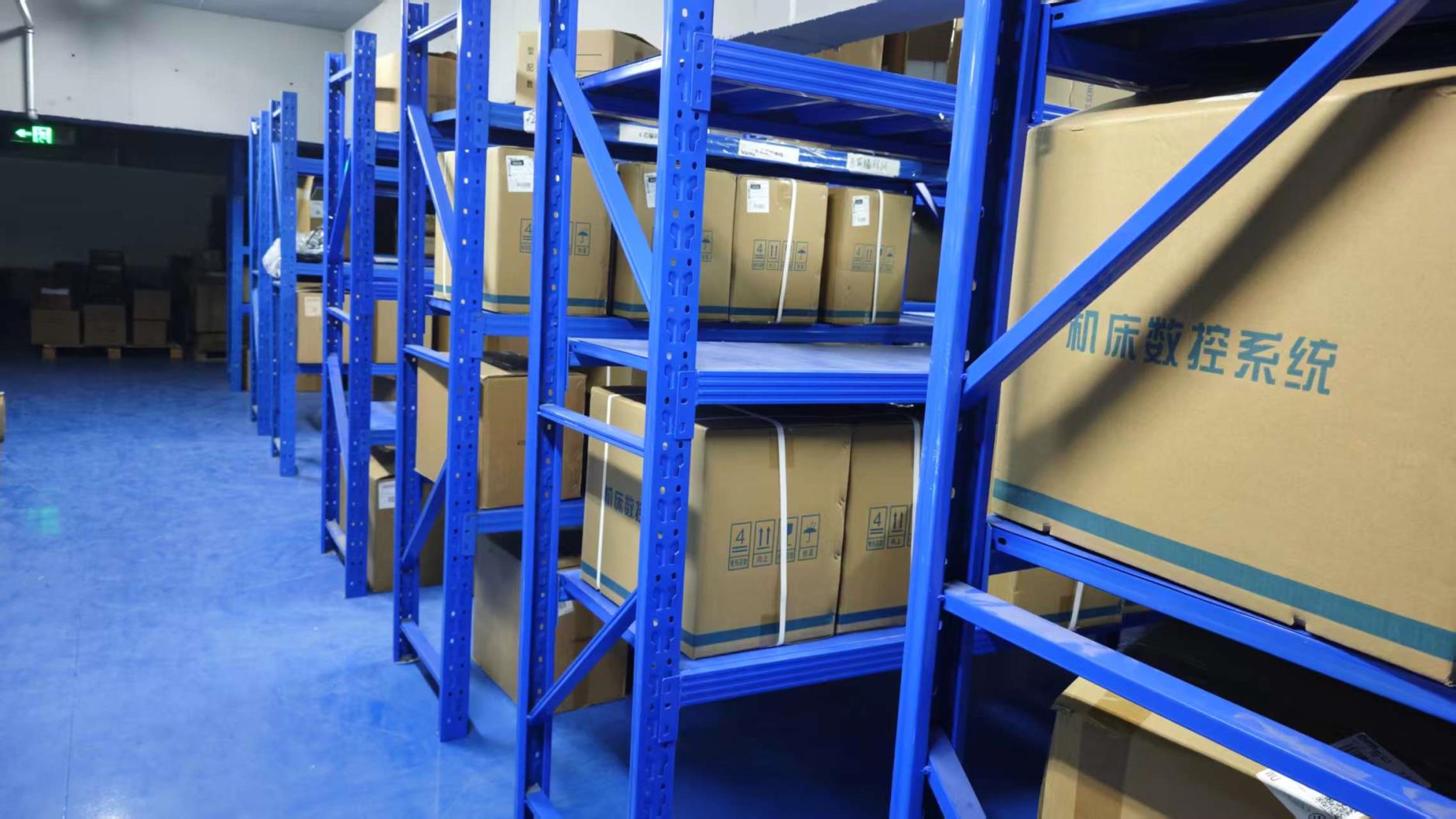
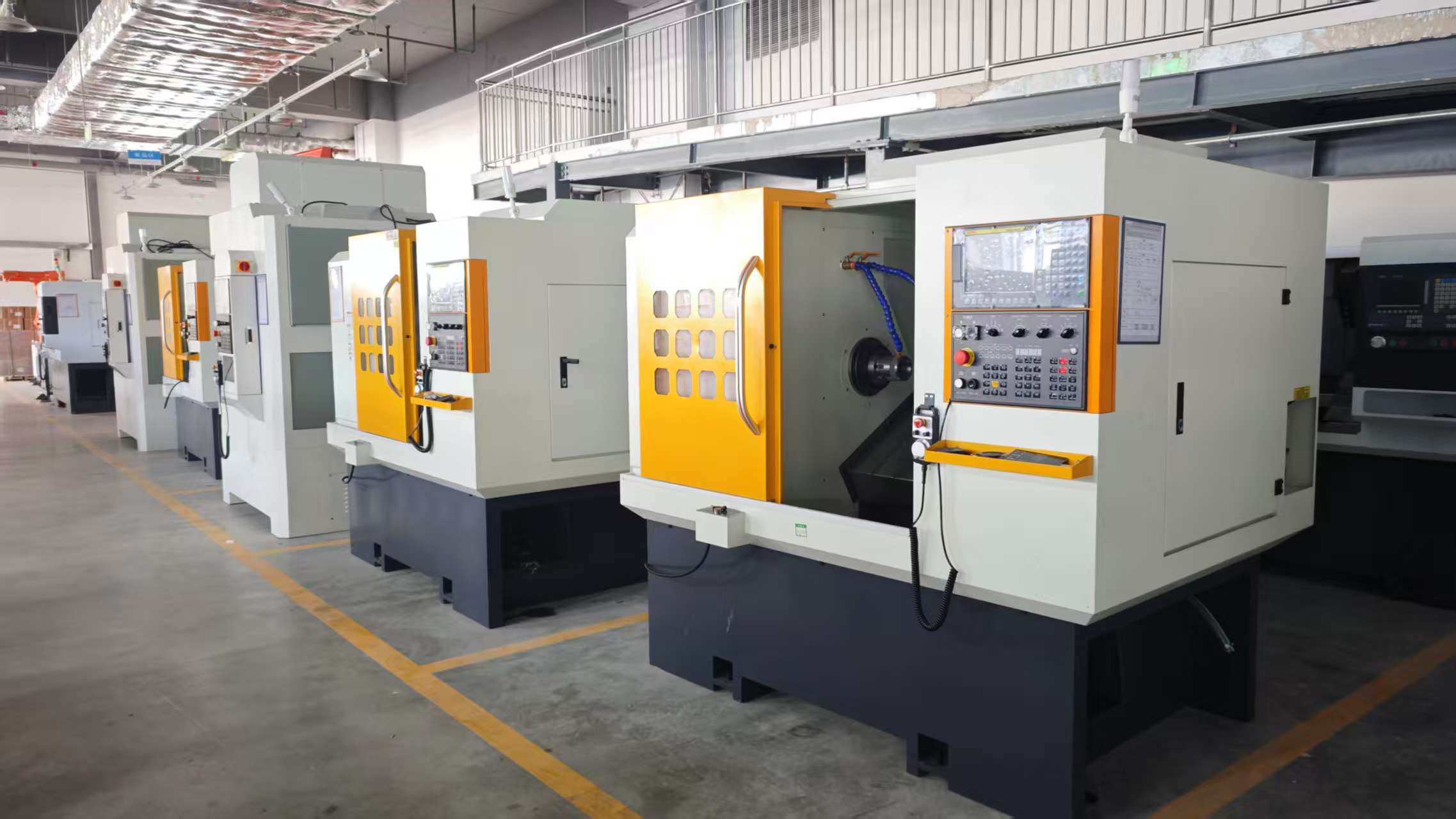
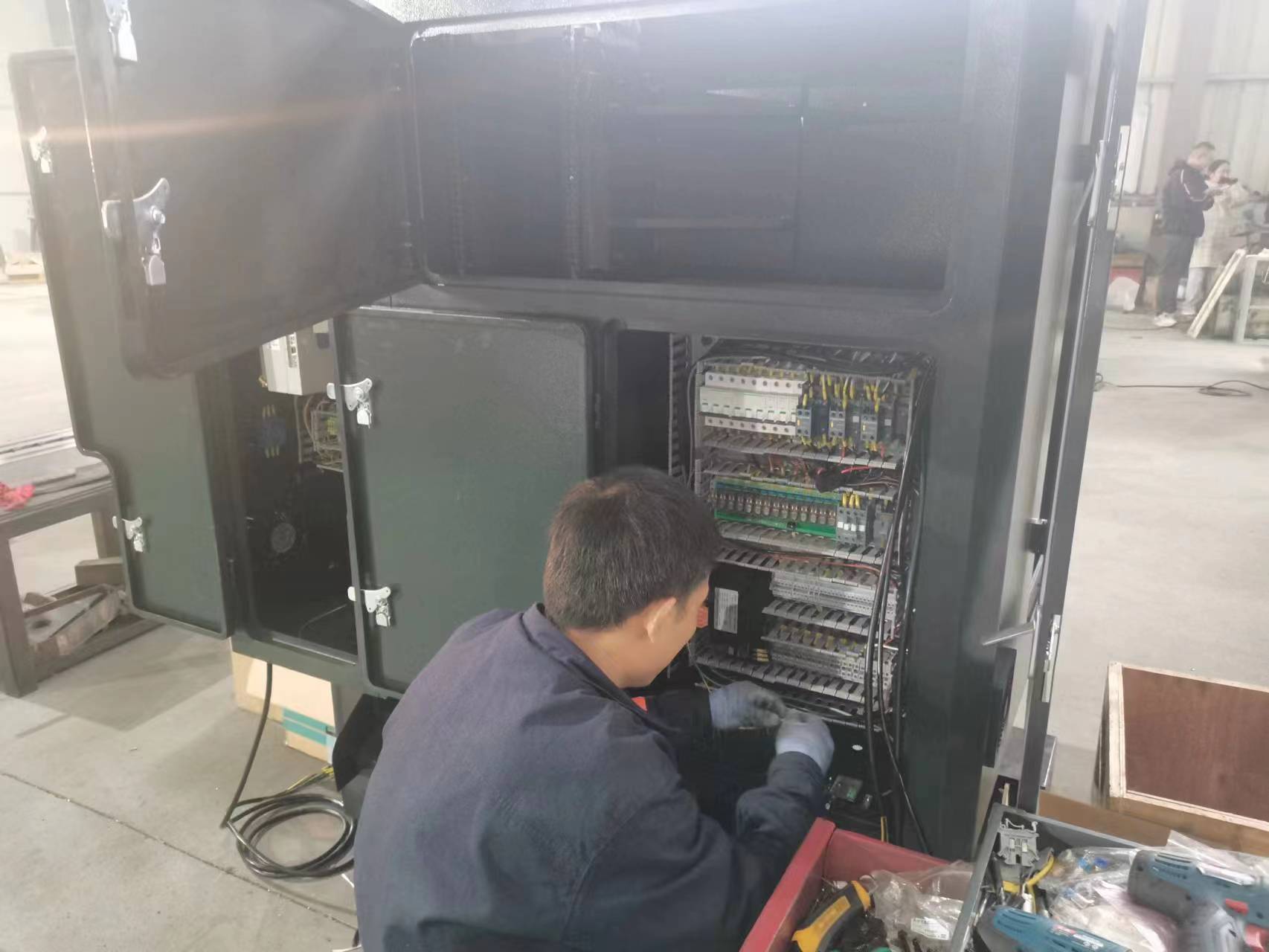
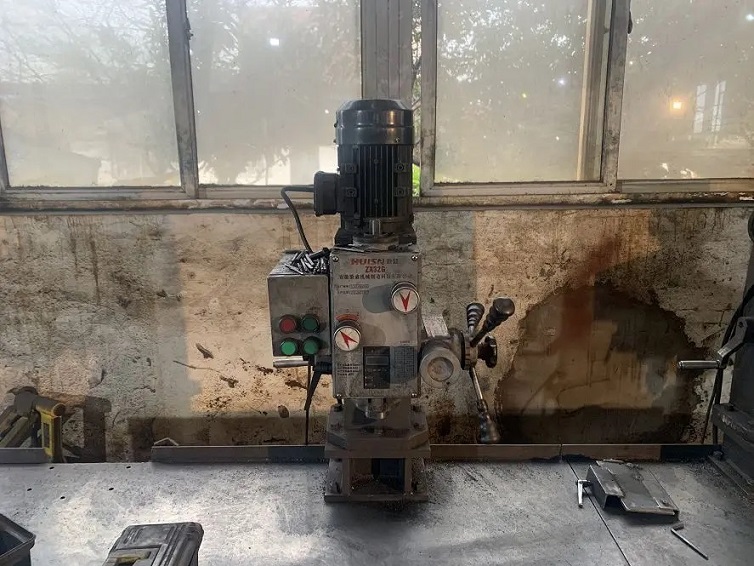
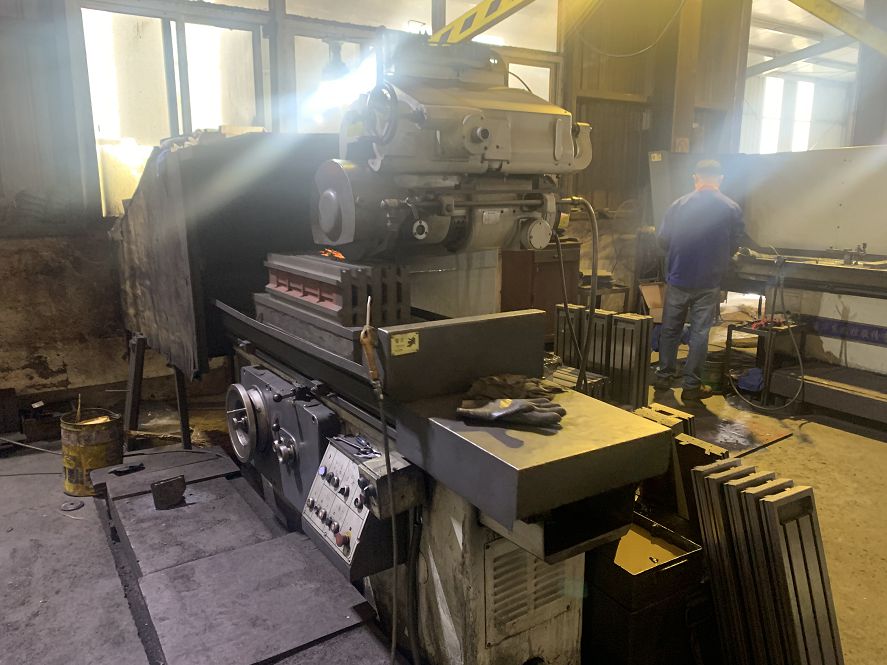
Deploying heavy CNC metal forming and spinning machinery in the United States requires compliance with municipal and state codes. In Chicago, industrial sites must follow OSHA (Occupational Safety and Health Administration) regulations, the National Electrical Code (NEC/NFPA 70), and local Chicago Electrical Code amendments. Our export packages are configured to meet these requirements, featuring CE documentation and UL-listed electrical panels as standard options.
In addition to regulatory compliance, local field support is essential for minimizing downtime. We provide Chicago-based customers with virtual troubleshooting, remote diagnostics via secure IoT gateways, and an organized spare parts supply chain. This approach ensures replacement tooling, servo drives, and hydraulic valves can be delivered quickly to keep your operations running smoothly.
To ensure a smooth transition from arrival to operational readiness, ZRF offers a structured integration protocol:
Answers to common engineering, operational, and shipping questions from machine tool operators and procurement managers.
A standard CNC lathe uses turning tools to remove material by cutting. In contrast, an alloy wheel spinning lathe (or flow-forming lathe) uses heavy-duty roller tools and high hydraulic pressure to plastically deform and reshape metal over a mandrel without cutting it. This process refines the metal's grain structure, increasing density and strength.
Our straightening and spinning lathes are designed to repair geometric distortions (such as radial and lateral runout). If a wheel has structural cracks, it must first be repaired using appropriate welding procedures (like TIG welding under controlled temperatures). Once welded, the wheel can be mounted on our lathe to restore its roundness and machine its face to a high-tolerance finish.
The machine uses a ruby-tipped touch probe (or laser sensor) to scan the wheel's face profile, recording coordinates along the curve. The CNC controller processes this data to generate a custom machining program. A diamond-tipped tool then cuts a micro-fine layer of aluminum from the wheel face, restoring its original factory finish and rainbow-like shine.
Yes, all exported ZRF control systems feature clear English interfaces. They support standard G-code and allow operators to import DXF or CAD files via USB or network connections. This makes it easy to set up custom toolpaths for unique wheel designs.
For standard models, manufacturing and testing take between 30 to 45 days. Ocean shipping from Ningbo/Shanghai to the Port of Chicago via East/West Coast intermodal routes takes approximately 25 to 35 days. We offer Full Container Load (FCL) shipping, securely packing and moisture-proofing all machinery to protect it during transit.
Heavy-duty hardware designed for manufacturing new rims, repairing commercial wheels, and custom restoration projects.
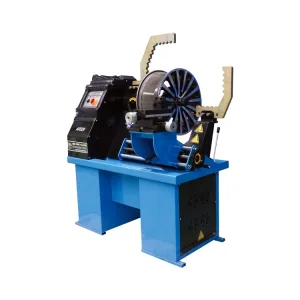
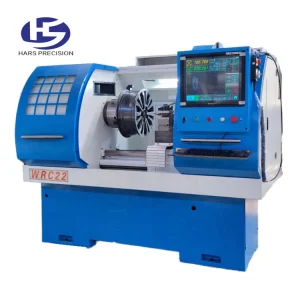
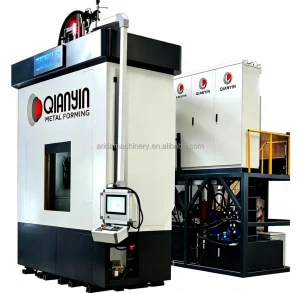
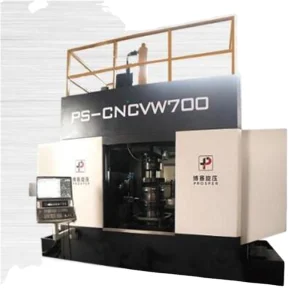
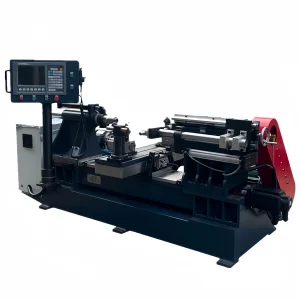
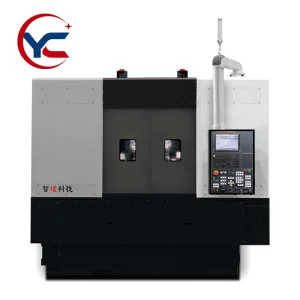
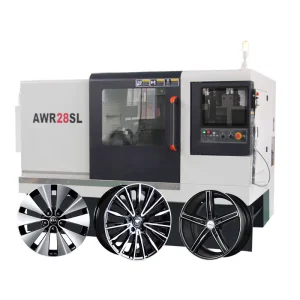
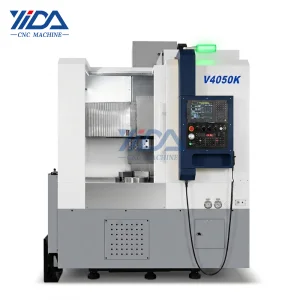
Highly customized equipment profiles engineered for specialty wheel repair shops and dedicated industrial manufacturing.
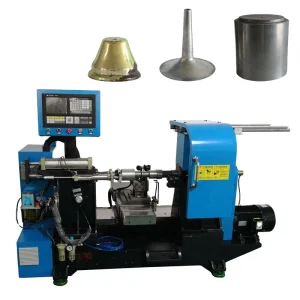
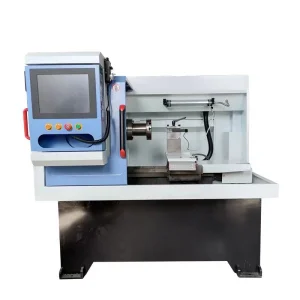
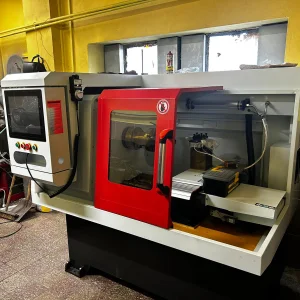
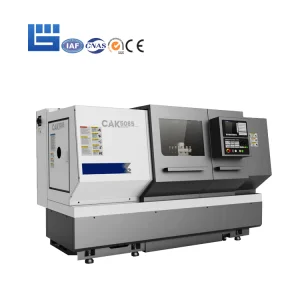
Contact our engineering consultants today to receive custom tooling proposals, detailed electrical integration specifications, and ocean shipping quotes tailored for your facility in Chicago or globally.
 ZRF Spinning