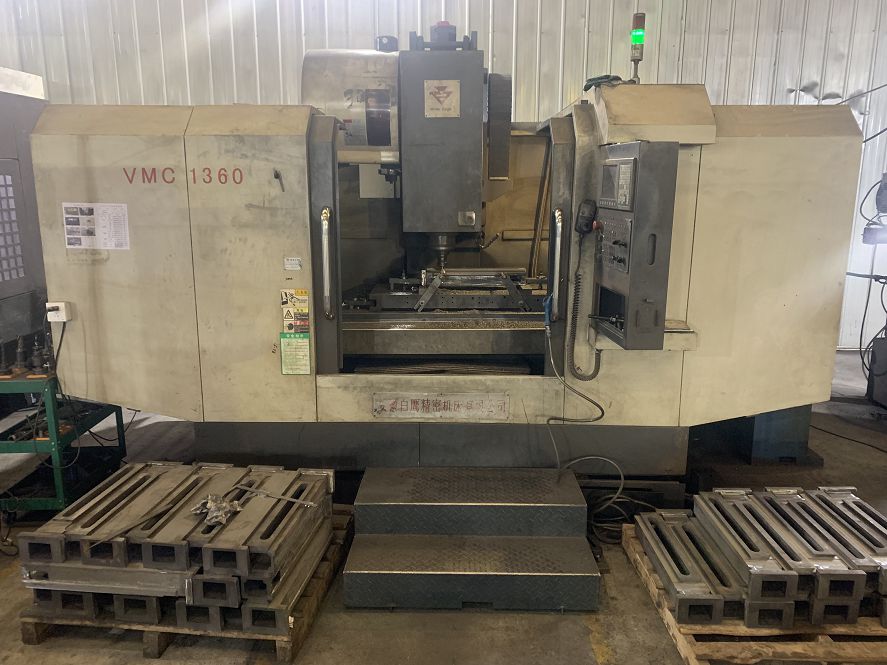
High-performance adhesives require reliable containment and precise application machinery. Browse our state-of-the-art metal forming, processing, and cutting systems engineered for modern industrial facilities.
The global industrial landscape is experiencing a fundamental shift from mechanical fastening methods—such as riveting, welding, and bolting—toward advanced chemical bonding solutions. High-performance, specialized adhesives and sealants are now critical to structural integrity, lightweight design, and long-term durability across high-tech industries. From automotive assembly lines to aerospace components, the demands on chemical formulations have intensified, requiring exporters and manufacturers to deliver superior performance characteristics, including extreme temperature range stability, chemical resistance, fast cure times, and exceptional shear strength.
Procurement departments in multinational corporations prioritize three key pillars when selecting specialized adhesives and sealants partners: regulatory compliance (REACH/RoHS), batch-to-batch consistency, and application-specific customizability. Because adhesives directly affect the structural safety and operational lifespan of finished goods, choosing a certified factory is not merely a purchasing decision; it is a long-term risk management strategy. Factories with integrated production lines, raw material quality controls, and advanced testing laboratories command a competitive advantage in the global market.
Different industries demand distinct physical and chemical traits. Below is an overview of specialized solutions deployed across major industrial sectors.
Structural epoxy pastes and film adhesives engineered to withstand cryogenic temperatures and high heat. These adhesives offer low outgassing properties, meeting strict NASA and ESA standards for vacuum conditions, while ensuring excellent stress distribution along composite airplane wings and fuselage sections.
Thermal interface materials (TIMs) and polyurethanes designed for EV battery pack sealing and cooling. These materials prevent moisture ingress and manage thermal runaway risks, ensuring cell-to-pack structural integrity while remaining lightweight to maximize vehicle driving range.
Low-viscosity, fast-curing silicones and acrylics optimized for microelectronic circuit boards. They offer dust proofing, vibration dampening, and high dielectric strength, protecting fragile silicon chips from environmental moisture, electrostatic discharge, and mechanical shock.
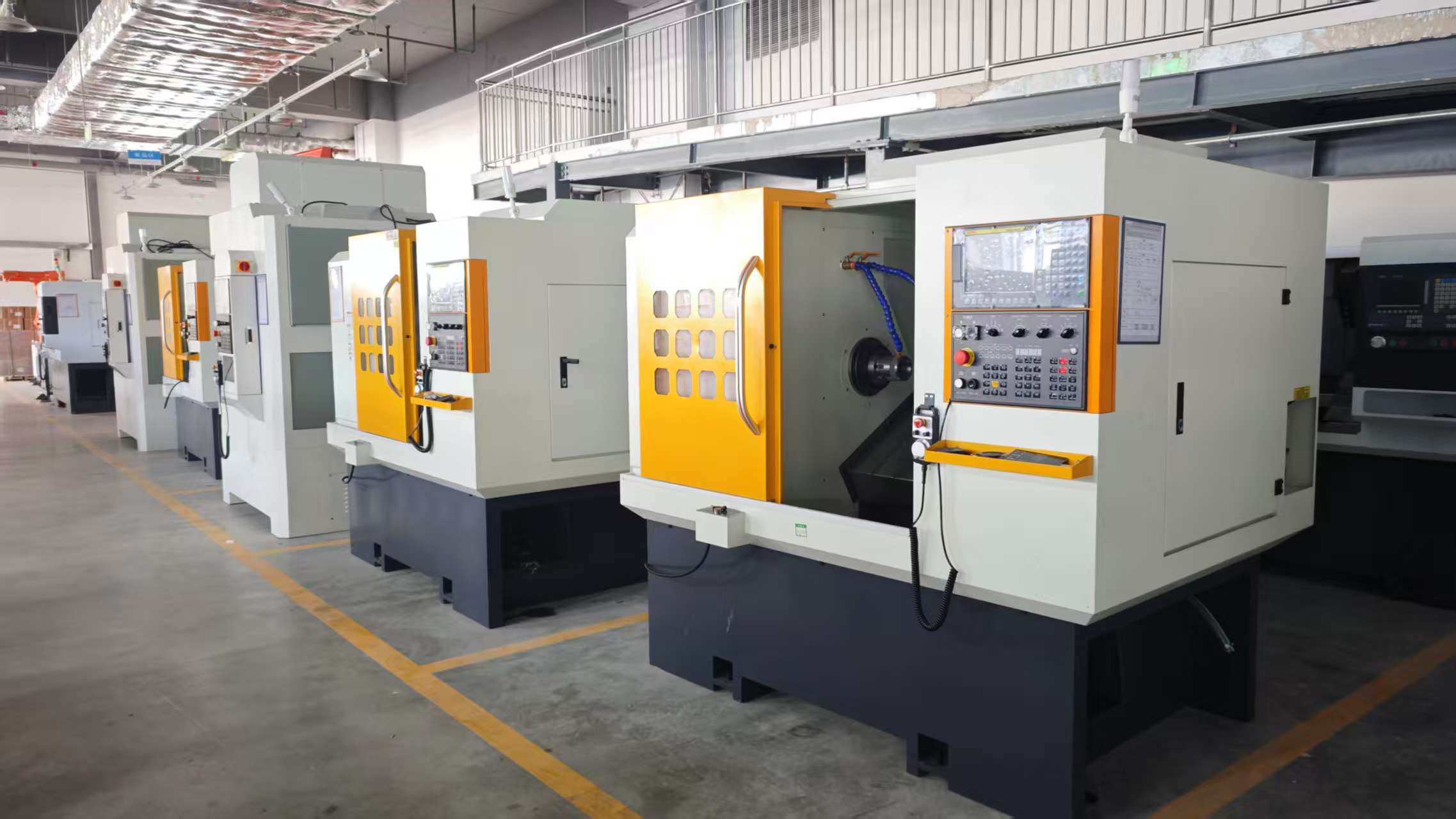
Developing these specialized formulations is only half the battle. From a manufacturing standpoint, sealants and adhesives must be packaged in highly durable containers—such as aluminum cartridges, high-pressure composite canisters, or chemical-resistant drums. This is where high-precision metal forming and pipe-processing machines become indispensable. Factories rely on CNC machinery to construct leak-proof containers, valves, and precision nozzles to ensure the product remains stable and uncontaminated throughout its shelf life.
How state-of-the-art metal forming machinery directly influences adhesive container production and dispensing precision.
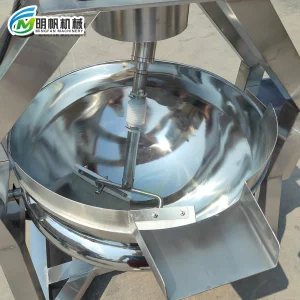
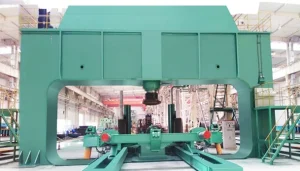
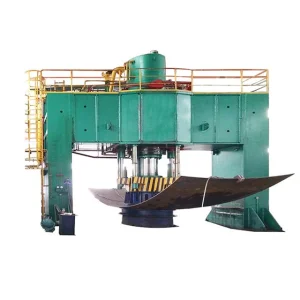
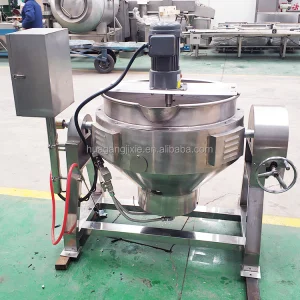
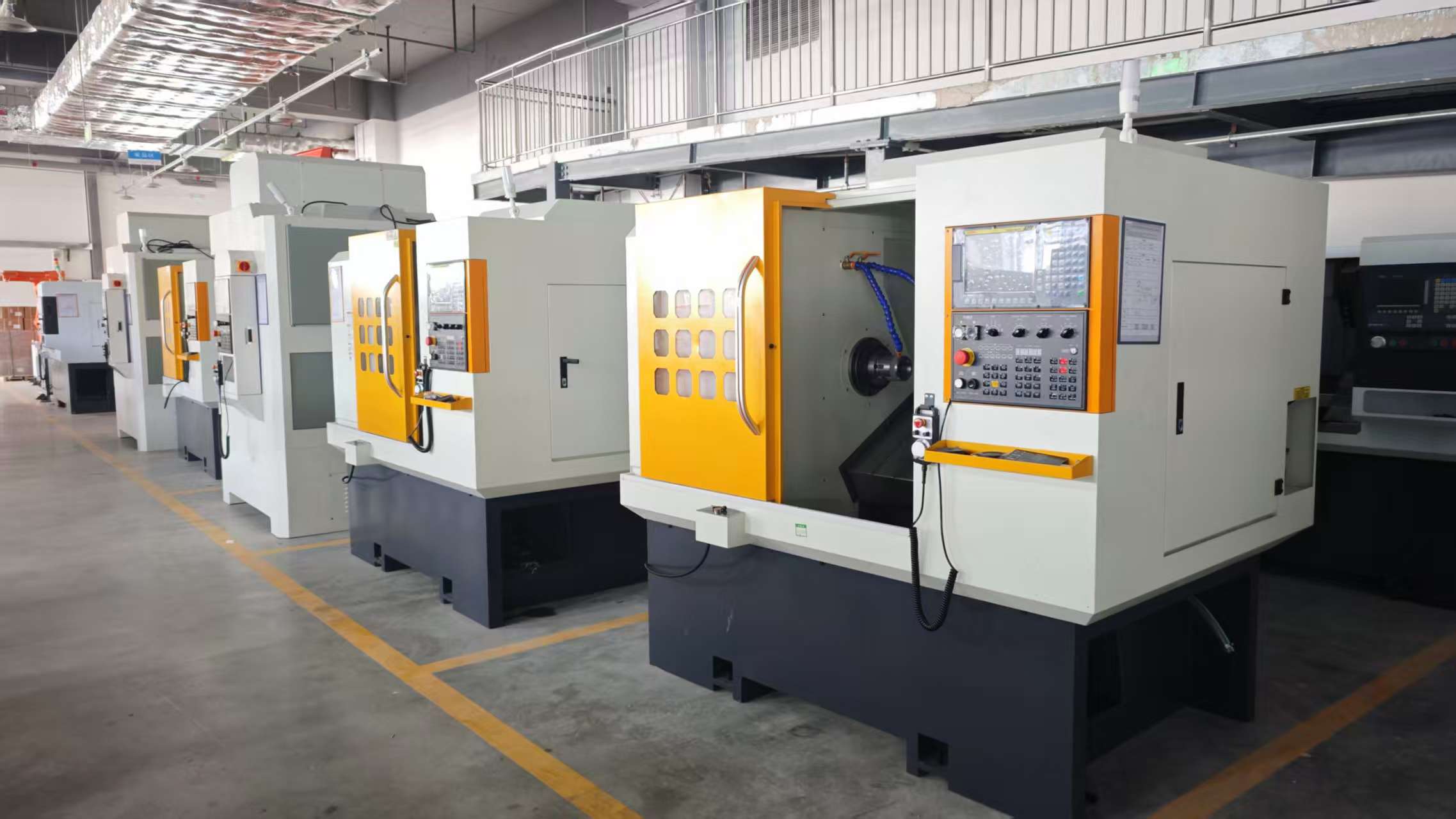
The manufacturing process begins in heavy-duty jacketed reaction vessels. These planetary mixing pots must withstand high torque and thermal fluctuations. Precision manufacturing tools, such as CNC automatic spinning and flanging machines, are used to fabricate these large steel reactor components to prevent micro-fissures or seal failure.
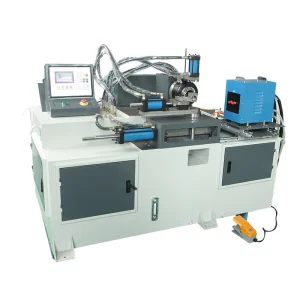
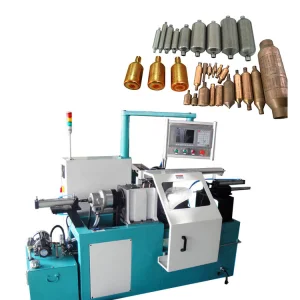
Adhesive packaging (especially for pressurized moisture-sensitive sealants) requires perfectly sealed aluminum or tinplate tubes. Utilizing automated pipe end forming and necking machines ensures that tube openings and threaded caps fit with zero tolerance, eliminating air ingress that would cure the adhesive inside the package.
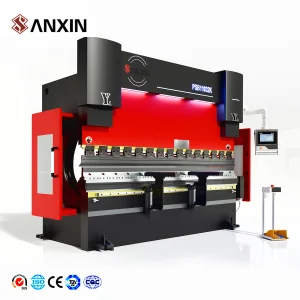
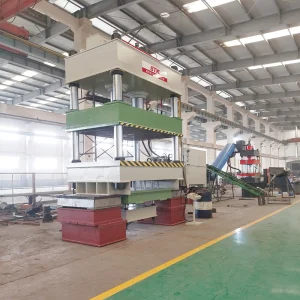
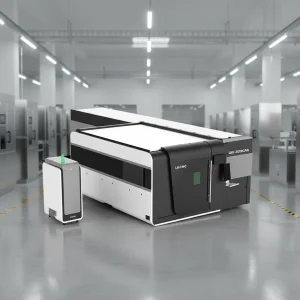
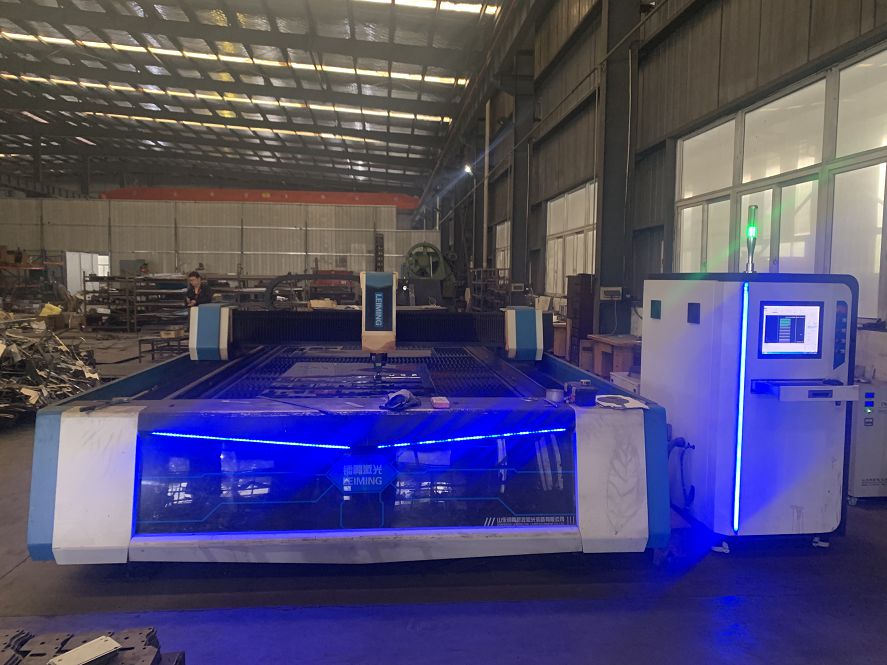
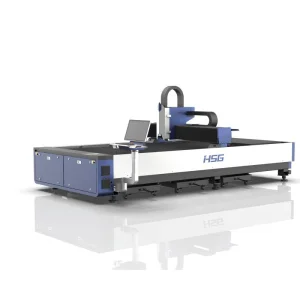
High-viscosity polyurethanes require specialized applicator tips. The metal stamping, deep-drawing hydraulic presses, and fiber laser cutting machines shape the sheet metal and composite tubes, creating reliable nozzles capable of handling high fluid pressures without rupture.
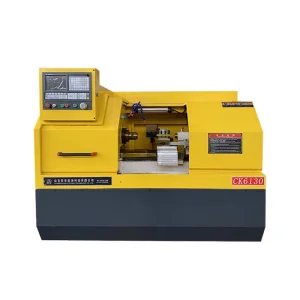
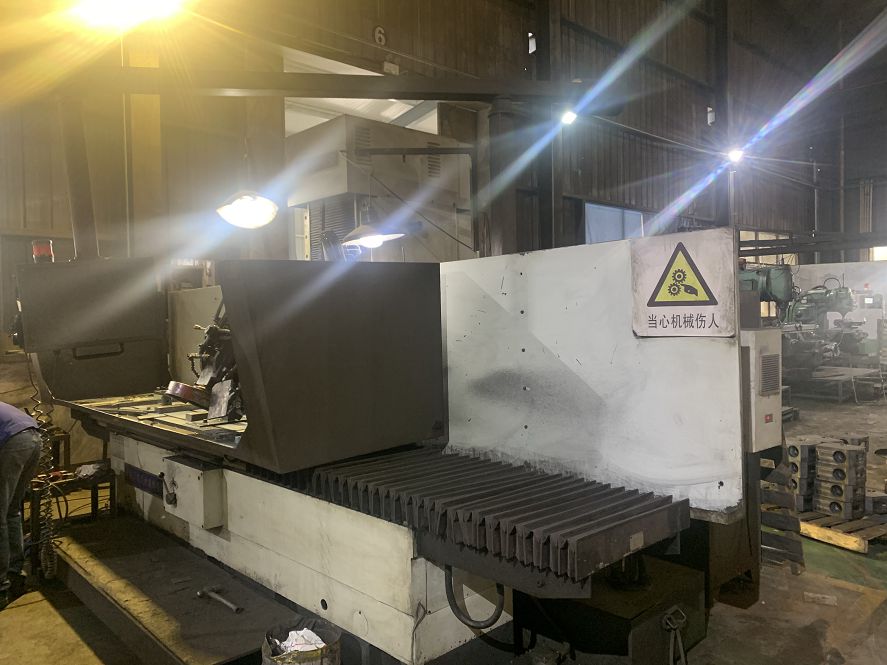
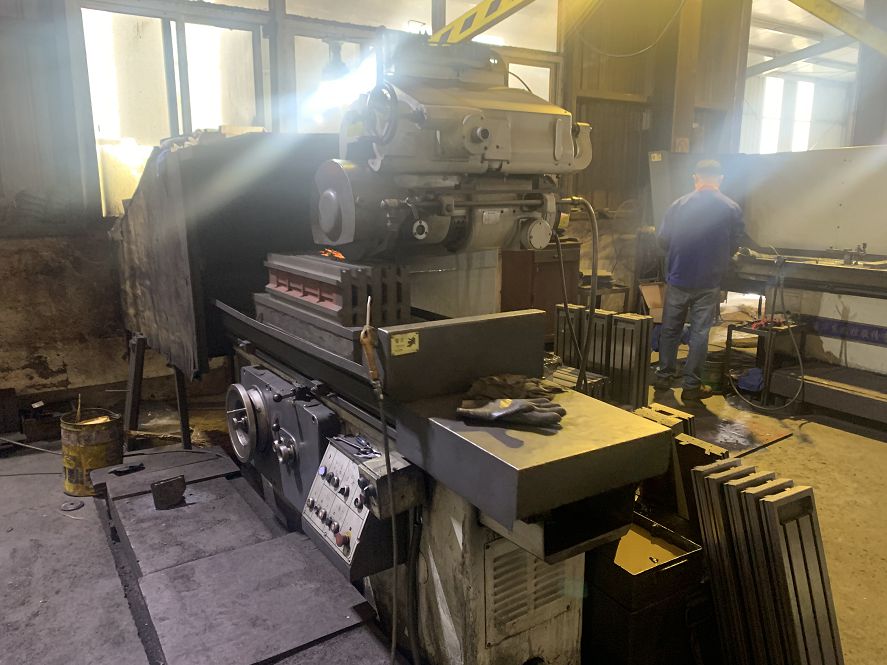
Before leaving the factory, the completed adhesive canisters are subjected to pressure tests, verifying the strength of the spun joints. Fully automatic rim repair lathes and precise grinding machinery guarantee the metal components are smooth, preventing stress concentration points.
Zhejiang ZRF Spinning Co., Ltd. provides the manufacturing machinery that shapes the containers, drums, and application equipment used by the world's leading specialized adhesives and sealants exporters.
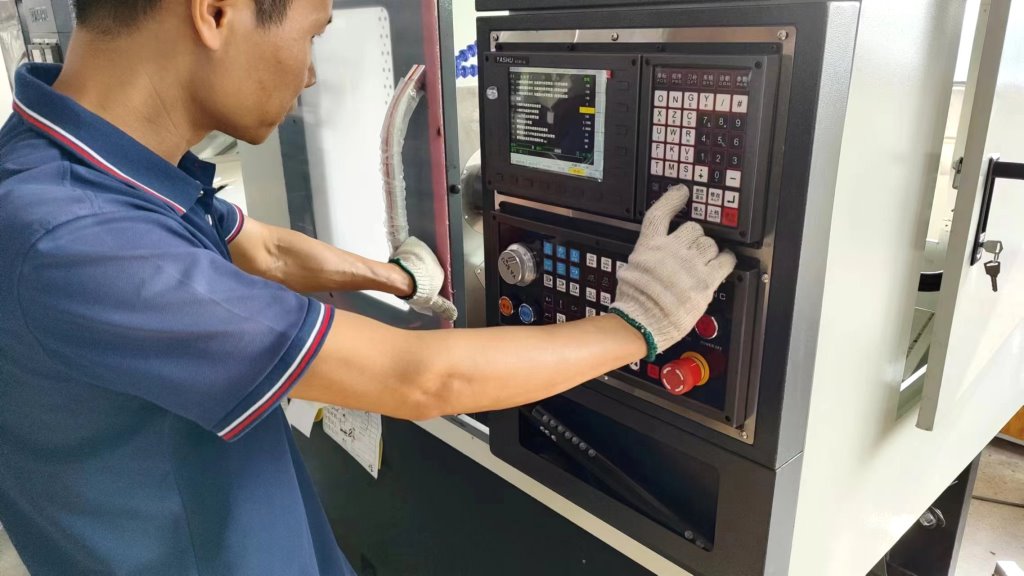
Zhejiang ZRF Spinning Co., Ltd. is a high-tech enterprise specializing in the research, development, and manufacturing of CNC spinning machine tools. With extensive experience and a strong technical foundation in the domestic spinning industry, the company serves as a vital hardware backbone for global packaging, chemical processing, and pressure vessel industries.
Our series of CNC spinning machine tools are widely applied across a variety of industries, including petrochemicals, electronics, daily hardware, food processing machinery, automotive and motorcycle components, pressure vessels, ventilation and environmental protection, defense, and aerospace. The ZRF spinning machine series has reached more than 30 provinces and cities across China and has been exported to over 20 countries and regions worldwide. Our advanced technology, excellent product quality, and comprehensive service system have earned the trust and recognition of users globally.
At Zhejiang ZRF Spinning Co., Ltd., we firmly advocate a philosophy of market-oriented development, research-driven innovation, and technological excellence. We focus on continuous improvement in both product performance and service quality. Our manufacturing process strictly adheres to the ISO9001 quality management system, ensuring reliable, safe, and high-quality products. Over the years, we have established long-term cooperative relationships with many leading domestic and international enterprises.
Our mission and values are centered around:
We are dedicated to providing our clients with advanced, safe, and reliable technology and products. Looking forward, Zhejiang ZRF Spinning Co., Ltd. will continue to leverage its deep technical expertise to strengthen its leadership in China’s spinning industry and expand its global presence.
With a vision for the 21st century, full of opportunities and challenges, Zhejiang ZRF Spinning Co., Ltd. remains committed to excellence in innovation, quality, and service, striving to become a globally respected leader in spinning machine technology.
Specialized adhesives are classified as chemical substances. Consequently, exports face stringent international regulations. Exporters must maintain deep compliance structures to guarantee smooth transit across international borders:
Furthermore, local technical support plays a critical role. Leading adhesive exporters partner with local application centers to troubleshoot issues on-site. If an industrial assembly line experiences bonding failure, application engineers must perform lap-shear tests and analyze surface preparation methods locally. This rapid response minimizes downtime, protecting the manufacturer’s bottom line.
Essential technical answers regarding selection, storage, packaging, and application requirements.
While both polymers bond to surfaces, their primary functions differ. Specialized adhesives are designed to transfer high shear and tensile loads between substrates (structural bonding). Sealants focus on preventing fluid or gas migration, resisting joint movement, and withstanding thermal expansion, prioritizing elongation and environmental barrier traits over shear strength.
Polyurethanes react with atmospheric moisture to initiate curing. If the aluminum cartridges or tubes have minor micro-pores, ambient humidity will penetrate the packaging, resulting in premature curing. Precision manufacturing equipment, such as automatic metal-spinning and end-sealing machines, is critical to ensuring airtight metal containers that protect the compound.
Adhesion relies on intimate molecular contact. Surface contamination from mold release agents, oils, or oxides prevents the adhesive from wetting the substrate, causing adhesive failure rather than cohesive failure. Exporters recommend specific solvents, mechanical abrasion, or corona discharge treatment protocols to optimize bond line strength.
Adhesive factories run a battery of tests including Lap Shear Strength (ASTM D1002), T-Peel Strength (ASTM D1876), Tensile Strength (ASTM D638), Shore Hardness, viscosity tests using viscometers, and thermal aging tests to verify durability under elevated temperature and humidity profiles.
Zhejiang ZRF Spinning Co., Ltd. supplies high-precision CNC spinning and flanging machines. These systems are used by chemical equipment manufacturers to construct pressurized jacketed mixing pots and seamless metal cartridges, ensuring zero leakages and precise fluid delivery during high-speed automated packaging runs.
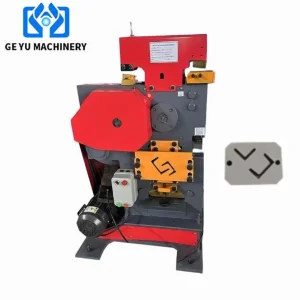
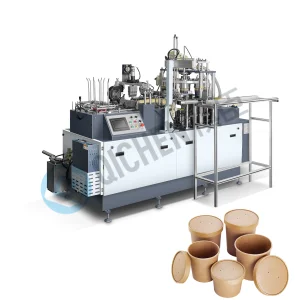
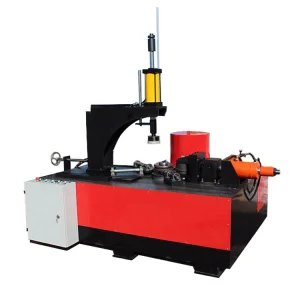
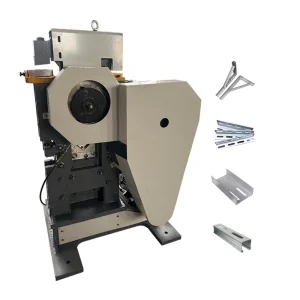
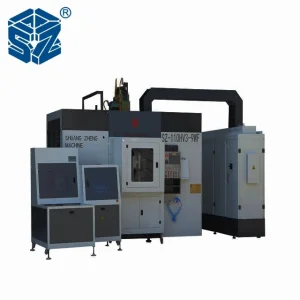
Explore our collection of heavy machinery, including high-power laser cutters, automatic tube end spinners, and hydraulic drawing presses designed to optimize manufacturing output.
 ZRF Spinning