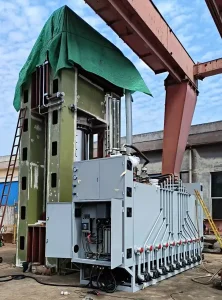
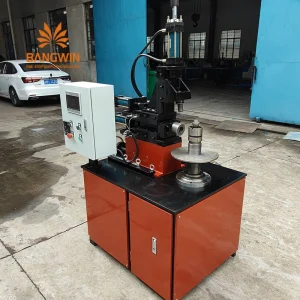
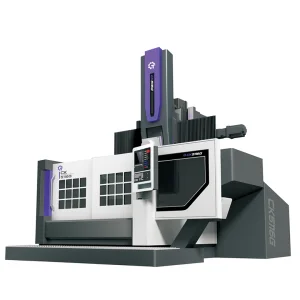
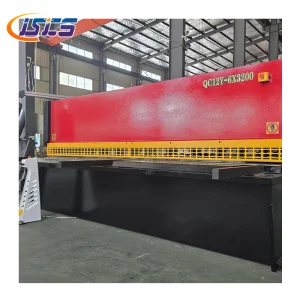
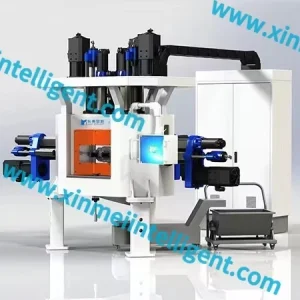
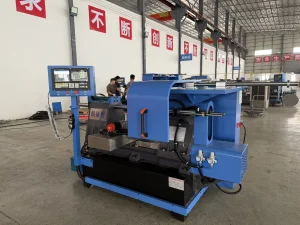
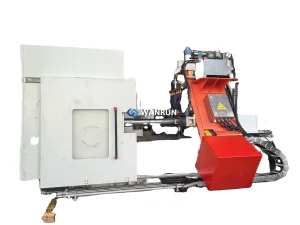
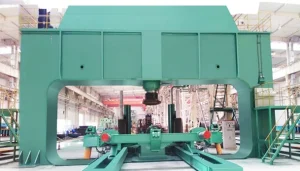
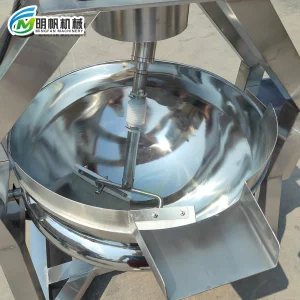
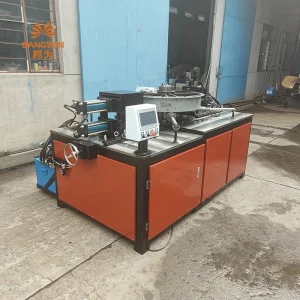
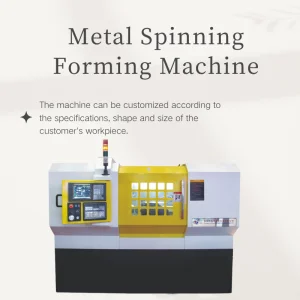
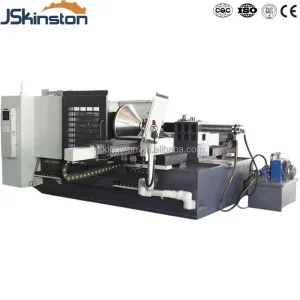
Integrating state-of-the-art diagnostic monitoring to complement our advanced CNC forming machinery.
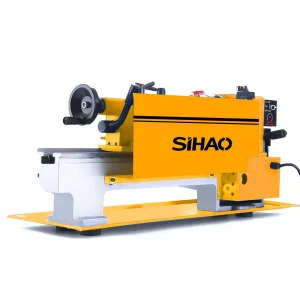
The global industrial landscape is undergoing a dramatic transformation driven by digitalization, automation, and predictive maintenance protocols. At the heart of this revolution lies Industrial Thermal Imaging—a technology that has evolved from simple diagnostic tools into sophisticated, real-time feedback loops integrated into complex manufacturing assembly lines. Today, industrial thermal cameras act as the "eyes" of predictive maintenance systems, offering crucial visual data on thermodynamic behaviors within heavy machinery, electronics, chemical processing plants, and metallurgical lines.
In manufacturing sectors like CNC spinning, hot metal forming, and robotic welding, temperature monitoring is critical. A deviation of just a few degrees can alter the physical properties of alloys, compromising the structural integrity of structural elements like dished heads, pressure vessels, and aerospace components. By tracking real-time spatial heat distributions rather than relying on single-point pyrometer sensors, advanced thermal cameras provide the "Information Gain" that engineers need to prevent manufacturing defects, optimize cycle times, and prevent unexpected machine downtimes.
To help global procurement officers and system engineers select the right technology partner, we have compiled the definitive list of the top 10 industrial thermal camera manufacturers and exporters. This selection is based on technology depth, global export capability, industry certifications, and reliability in harsh manufacturing environments.
The global benchmark in thermal imaging. Teledyne FLIR offers a comprehensive suite of radiometric thermal cameras designed for industrial automation and predictive maintenance. Their proprietary MSX® technology overlays visual outlines on thermal images for unrivaled spatial clarity.
Specializing in harsh industrial environments, Fluke offers rugged infrared line scanners and point-to-point pyrometers. Their systems are heavily deployed in metallurgical processes, glass manufacturing, and continuous web monitoring where high reliability is paramount.
Renowned for German-engineered precision, Optris produces highly compact infrared cameras and pyrometers. Their thermal imaging devices are standard options for integration into CNC lathes, spinning tools, and plastic extrusion machines due to their small form factor.
A household name in portable industrial diagnostics. Testo manufactures handheld thermal imagers that are highly favored by facility engineers for substation maintenance, energy auditing, and rapid thermodynamic diagnostics of HVAC networks.
Specialists in high-end, research-grade thermal imagers. InfraTec’s cooled detector cameras provide ultra-high resolution and frame rates, making them indispensable for advanced scientific research, material stress analysis, and semiconductor inspection.
A rapidly expanding division offering exceptional cost-to-performance ratios. Hikmicro specializes in mass-producing robust handheld and fixed thermal cameras integrated with state-of-the-art AI auto-focusing and cloud diagnostic platforms.
Pioneers in high-volume, affordable thermal sensor cores. Seek Thermal specializes in providing OEM solutions, allowing manufacturers of other machinery to integrate native thermal monitoring directly into their control interfaces and panels.
Widely trusted for critical utilities, LumaSense offers highly precise thermal imagers designed for boiler monitoring, reformer tube tracking, and chemical reactor thermal diagnostics, offering extreme temperature calibration ranges.
A niche leader in Short-Wave (SWIR), Medium-Wave (MWIR), and Long-Wave (LWIR) infrared detectors. Xenics provides highly specialized cameras for hyperspectral analysis, high-speed automated sorting, and non-destructive material evaluation.
Renowned for precision measurement technology. Micro-Epsilon’s thermoIMAGER series consists of robust, industrial-grade thermal cameras that integrate seamlessly into automation networks via GigE Vision and industrial Fieldbus systems.
When selecting thermal imaging components, purchasing officers must look beyond simple pixel resolution. The matrix below defines the core metrics required to match specific industrial environments with the correct technology.
| Parameter | Range | Significance for Heavy Machinery | Target Applications |
|---|---|---|---|
| Spectral Range | SWIR (0.9-1.7µm) / LWIR (8-14µm) | Determines penetration through dust/smoke and accurate metal reflection correction. | Hot spinning, laser cutting, furnace inspection |
| NETD Sensitivity | <20mK to <50mK | Lower values mean the camera can differentiate minute temperature variations. | PCB inspection, micro-welding analysis |
| Interface Options | GigE Vision, Modbus, OPC UA | Standardizes communication with PLCs and industrial control computers. | Automated assembly lines, robotic feedback |
| Calibration Range | -20°C up to 2000°C | Ensures high-temperature metal melts do not saturate the sensor. | Metal casting, boiler diagnostics, gas flaring |
High-precision metal forming—such as the deep drawing of dished ends, high-speed flanging, and precision metal spinning—involves significant mechanical deformation, friction, and sometimes applied heat. For instance, in heavy-duty CNC vertical turning and horizontal spinning systems, managing the thermodynamic threshold of the raw material (steel alloys, aluminum, copper) is crucial to avoid stress fractures or micro-cracks.
By integrating industrial thermal cameras into the enclosure of CNC metal spinning machines or along automated robotic assembly lines, operators can monitor heat signatures in real-time. This provides an active feedback loop where the CNC control unit can adjust feed rates, rotational speeds, or cooling jet pressure dynamically based on the thermal readings.
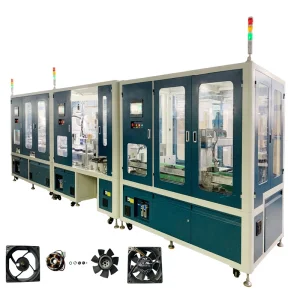
Furthermore, during automated fan assembly or valve component processing, real-time thermal analysis ensures that press-fits, structural welds, and motor alignments fall within precise thermal parameters, drastically raising the first-pass yield and satisfying strict aerospace and defense standards.
As a high-tech enterprise specializing in the research, development, and manufacturing of CNC spinning machine tools, Zhejiang ZRF Spinning Co., Ltd. has extensive experience and a strong technical foundation in the domestic spinning industry.
Our series of CNC spinning machine tools are widely applied across a variety of industries, including petrochemicals, electronics, daily hardware, food processing machinery, automotive and motorcycle components, pressure vessels, ventilation and environmental protection, defense, and aerospace. The ZRF spinning machine series has reached more than 30 provinces and cities across China and has been exported to over 20 countries and regions worldwide. Our advanced technology, excellent product quality, and comprehensive service system have earned the trust and recognition of users globally.
At Zhejiang ZRF Spinning Co., Ltd., we firmly advocate a philosophy of market-oriented development, research-driven innovation, and technological excellence. We focus on continuous improvement in both product performance and service quality. Our manufacturing process strictly adheres to the ISO9001 quality management system, ensuring reliable, safe, and high-quality products. Over the years, we have established long-term cooperative relationships with many leading domestic and international enterprises.
Continuous R&D is at the core of all our tooling and control software solutions.
Strict ISO9001 compliance guarantees reliable, long-lasting heavy machinery production.
Sincere collaboration, professional services, and honest relations worldwide.
We are dedicated to providing our clients with advanced, safe, and reliable technology and products. Looking forward, Zhejiang ZRF Spinning Co., Ltd. will continue to leverage its deep technical expertise to strengthen its leadership in China’s spinning industry and expand its global presence. With a vision for the 21st century, full of opportunities and challenges, Zhejiang ZRF Spinning Co., Ltd. remains committed to excellence in innovation, quality, and service, striving to become a globally respected leader in spinning machine technology.
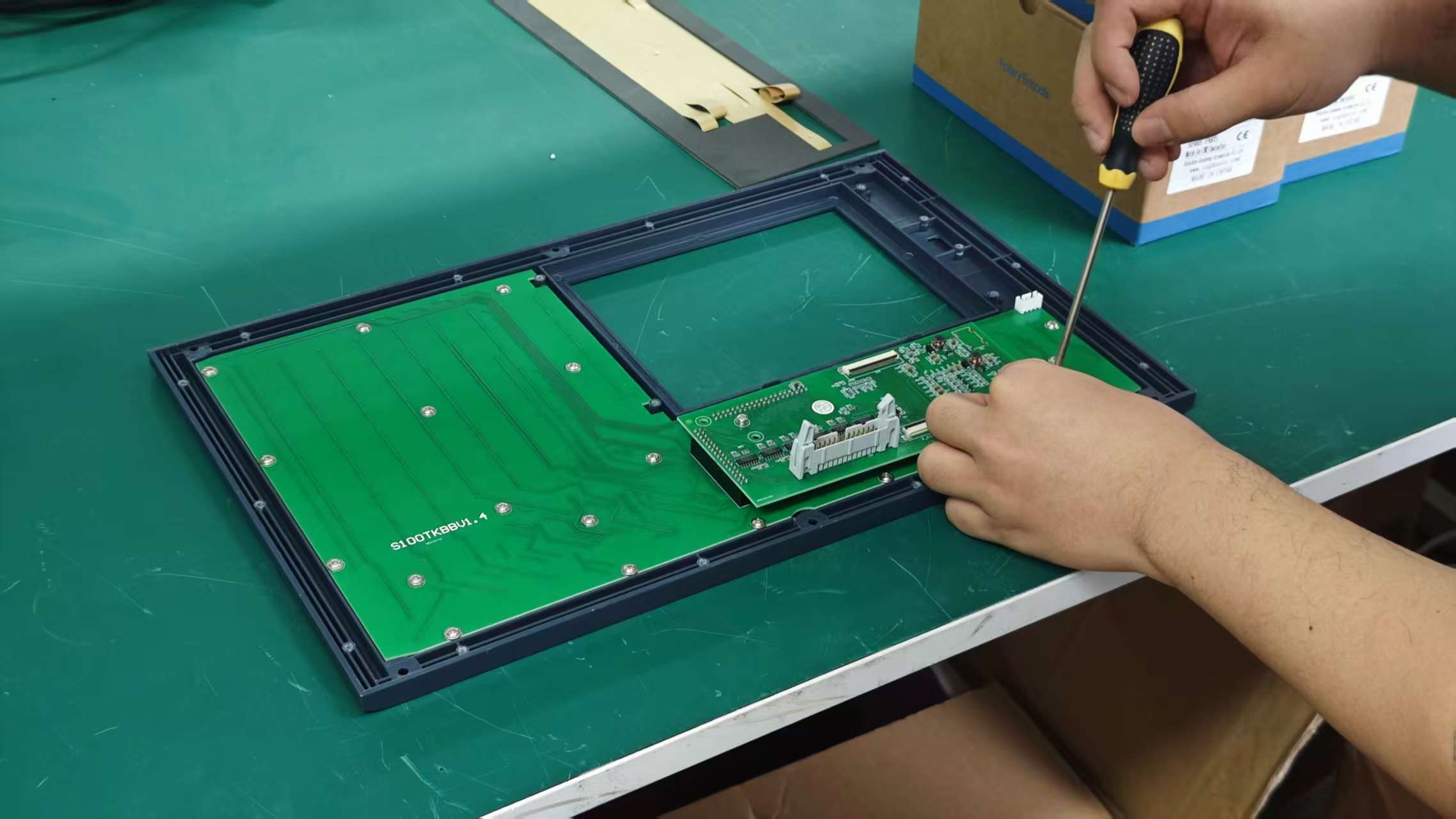
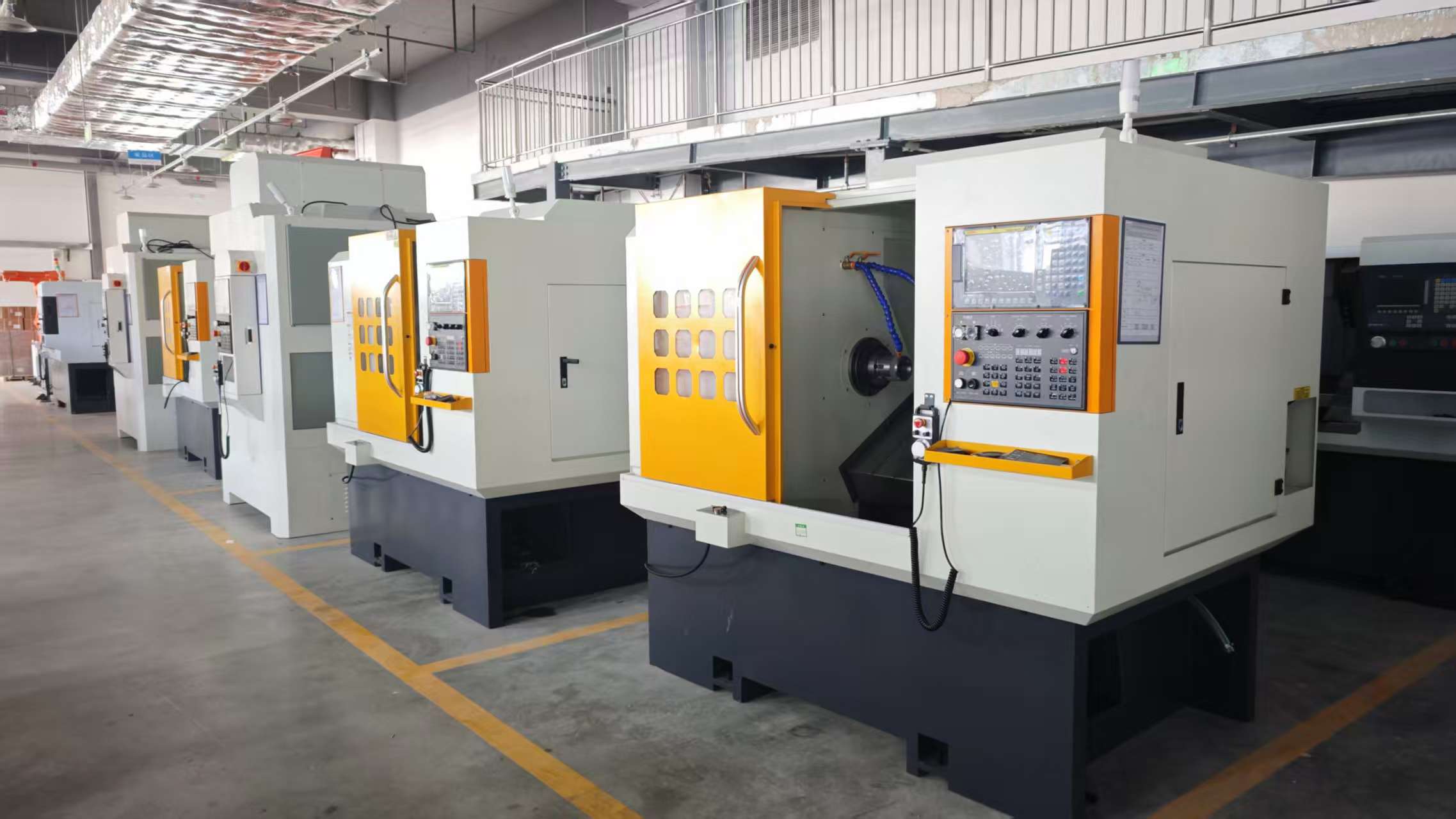
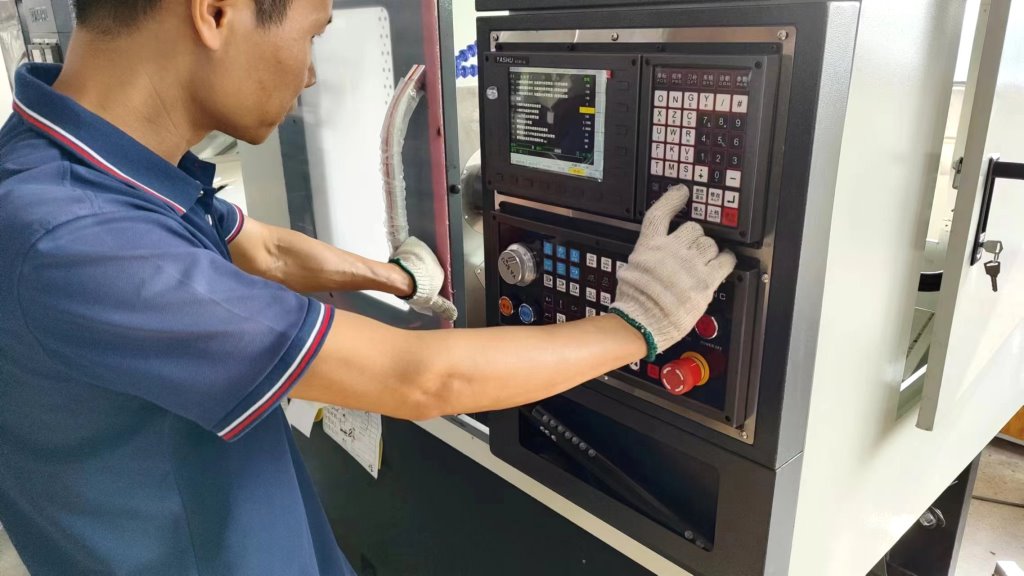
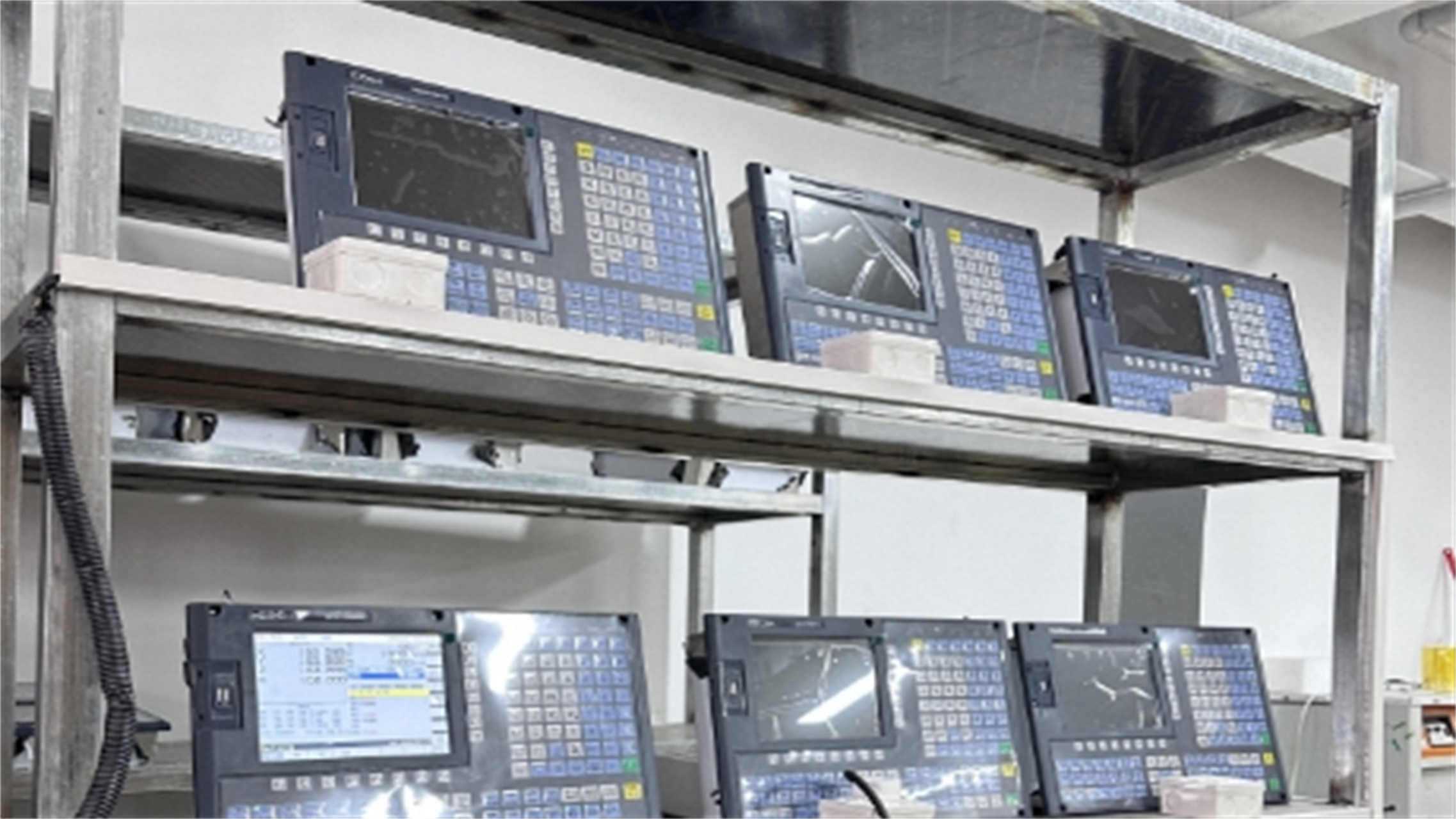
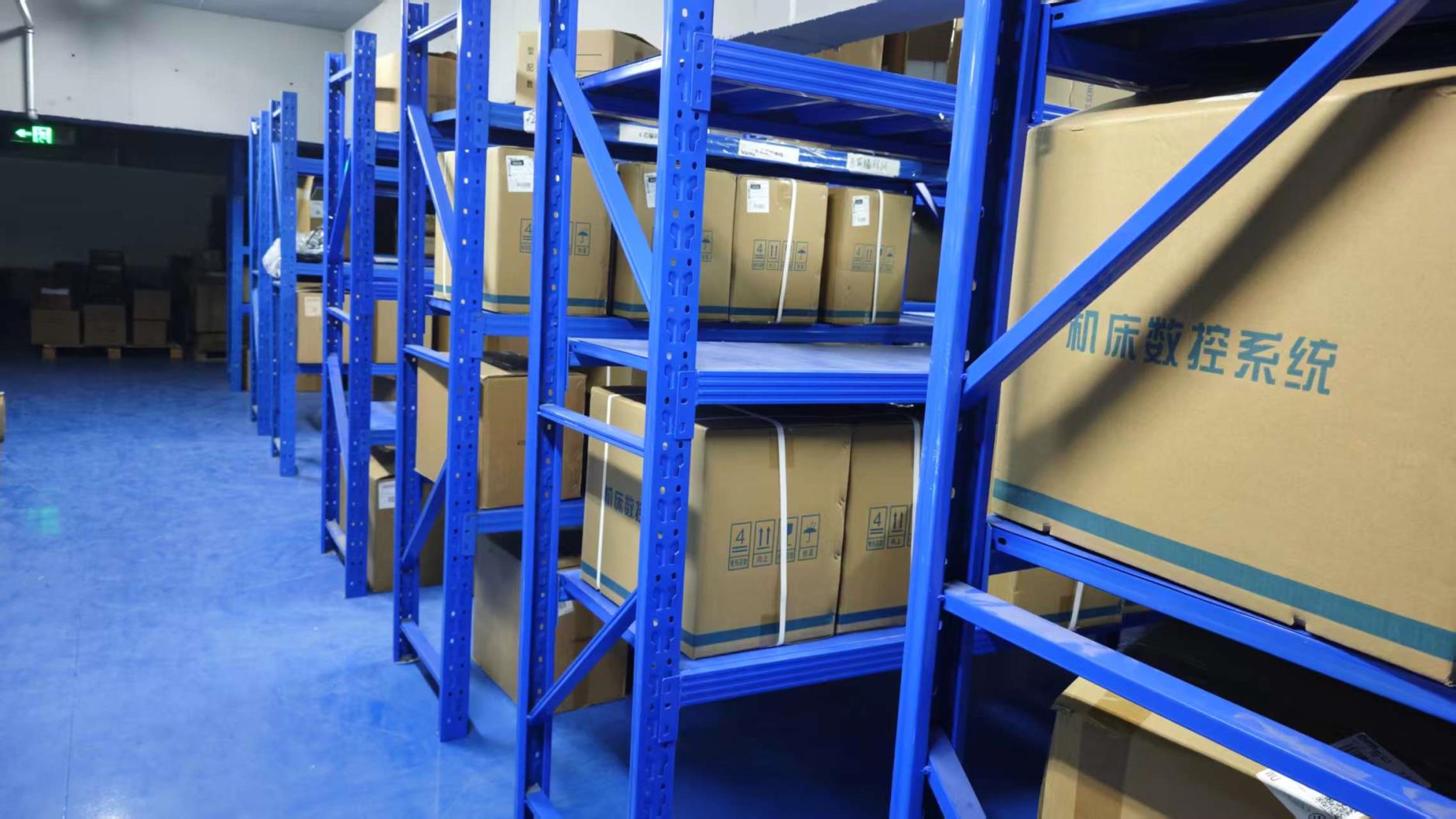
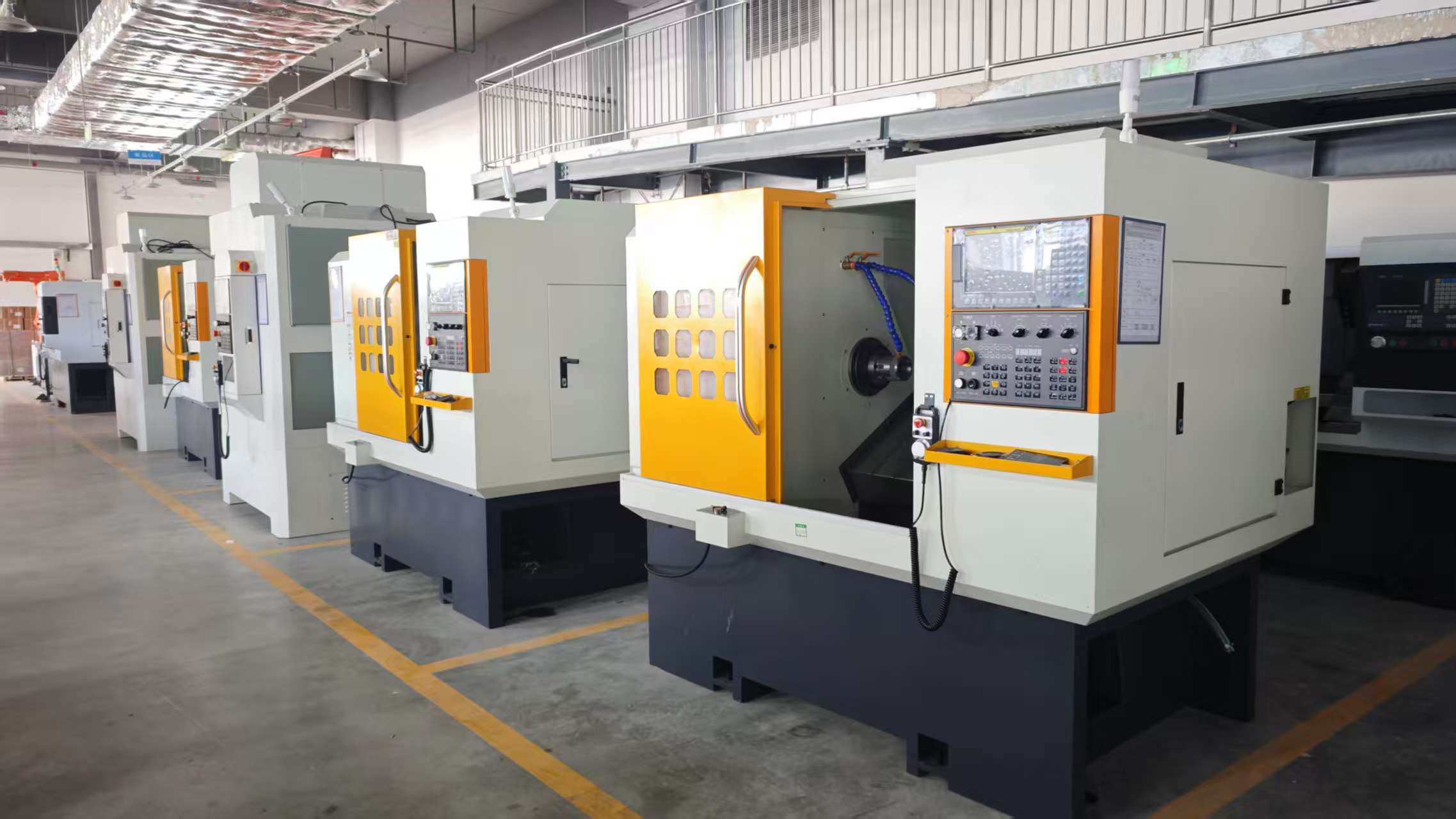
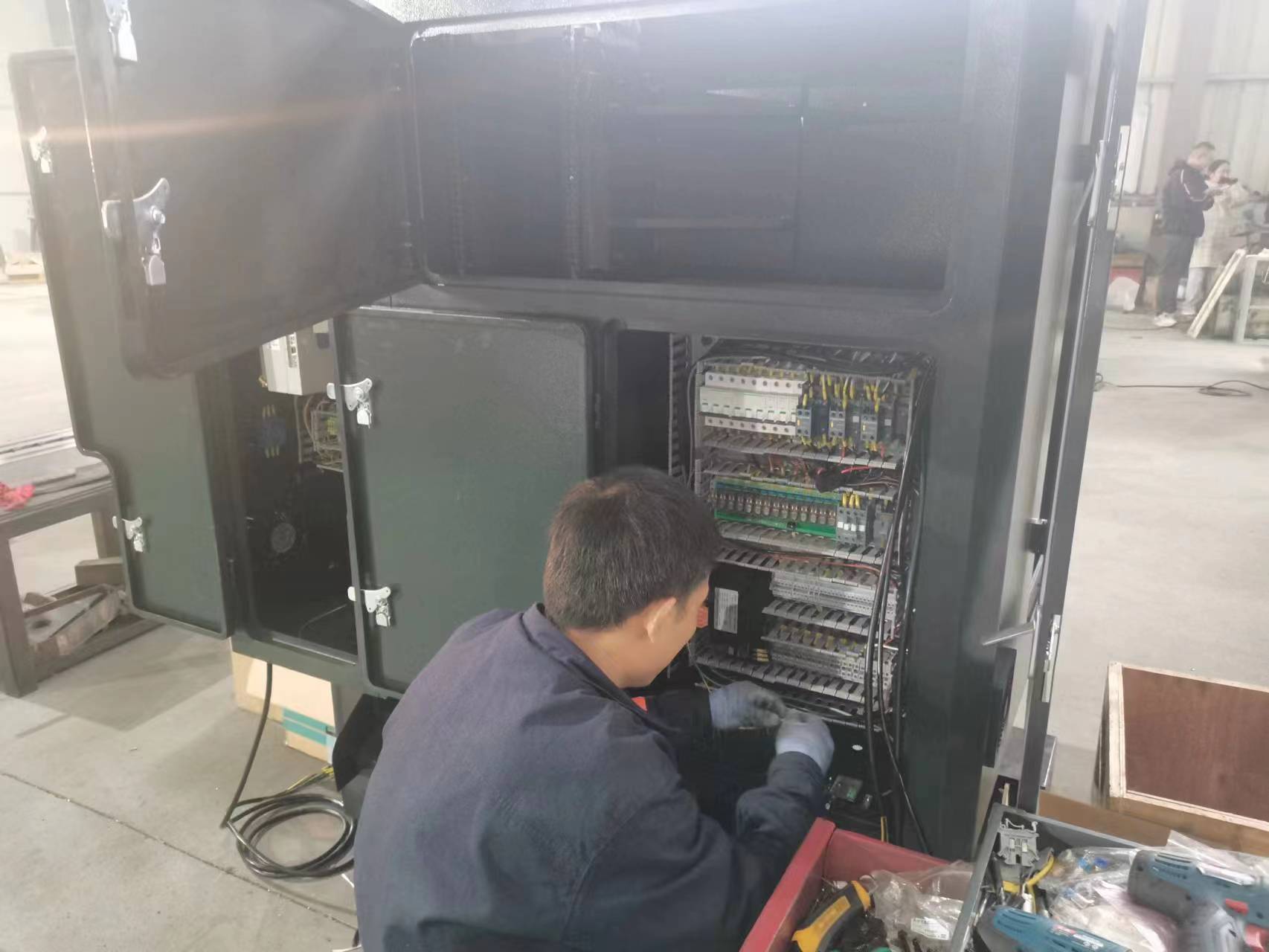
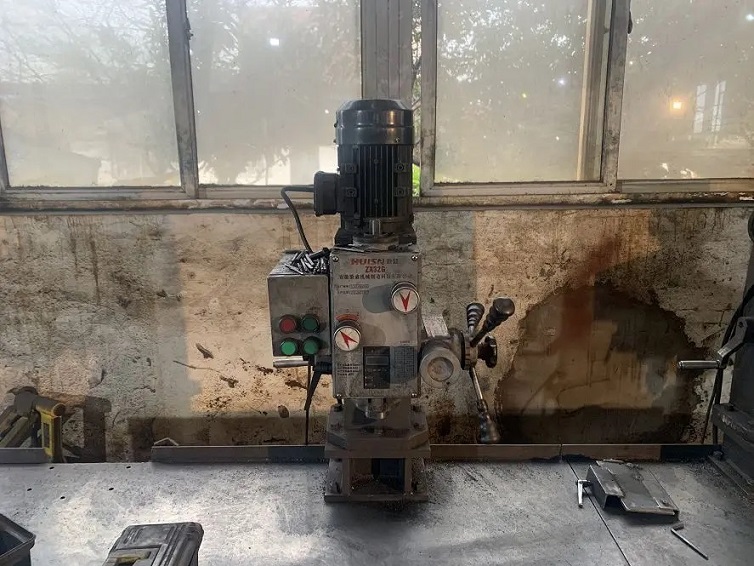
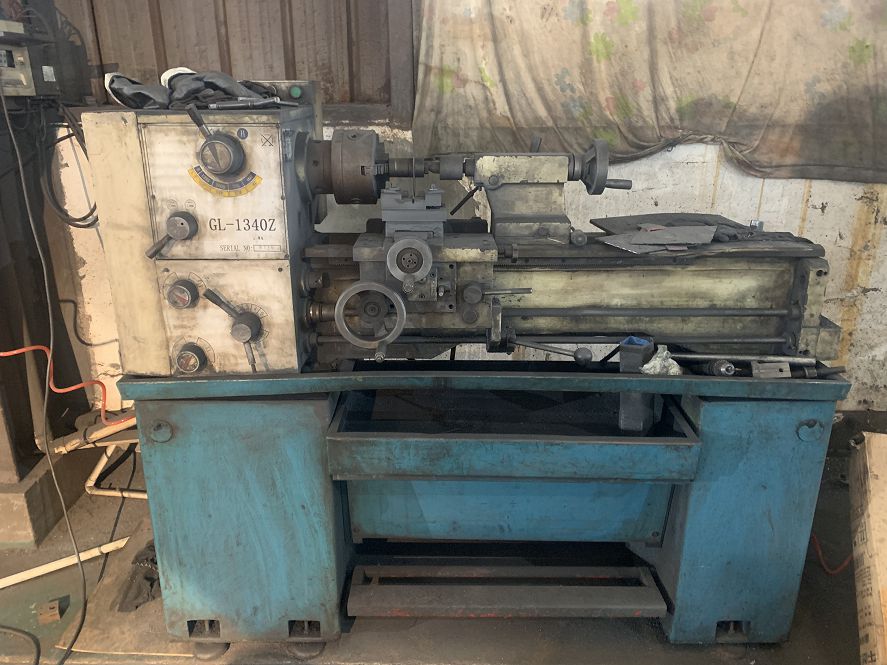
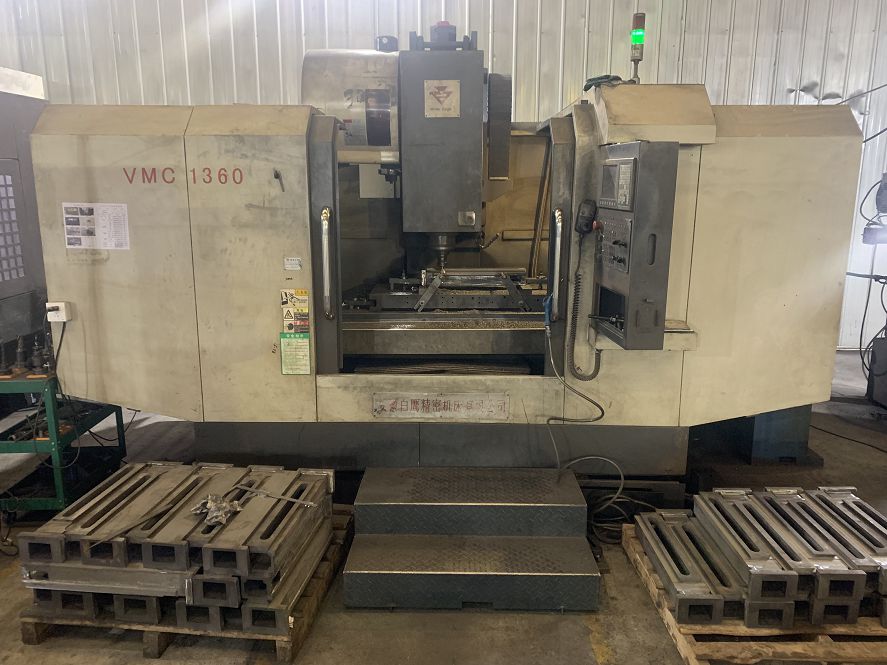
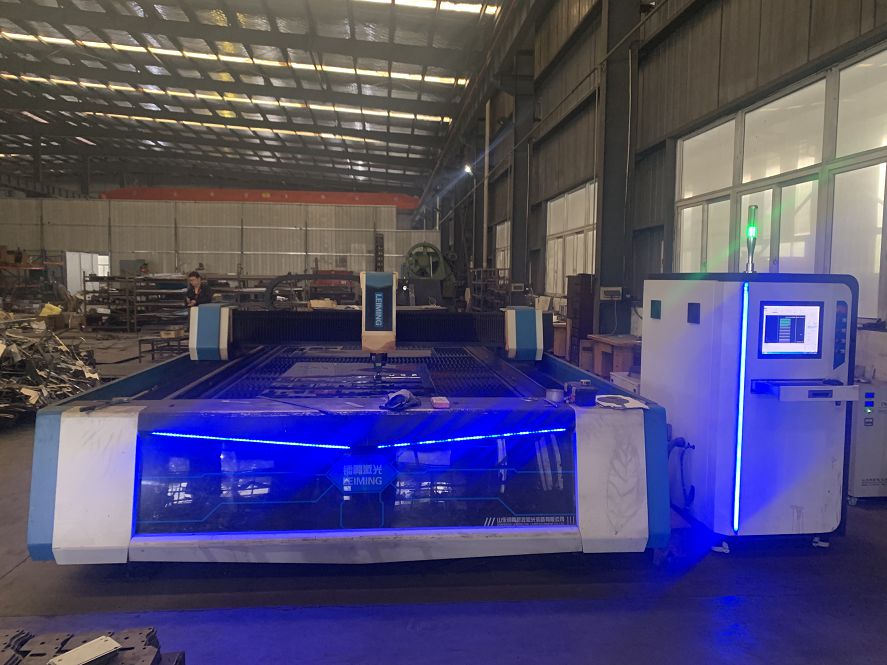
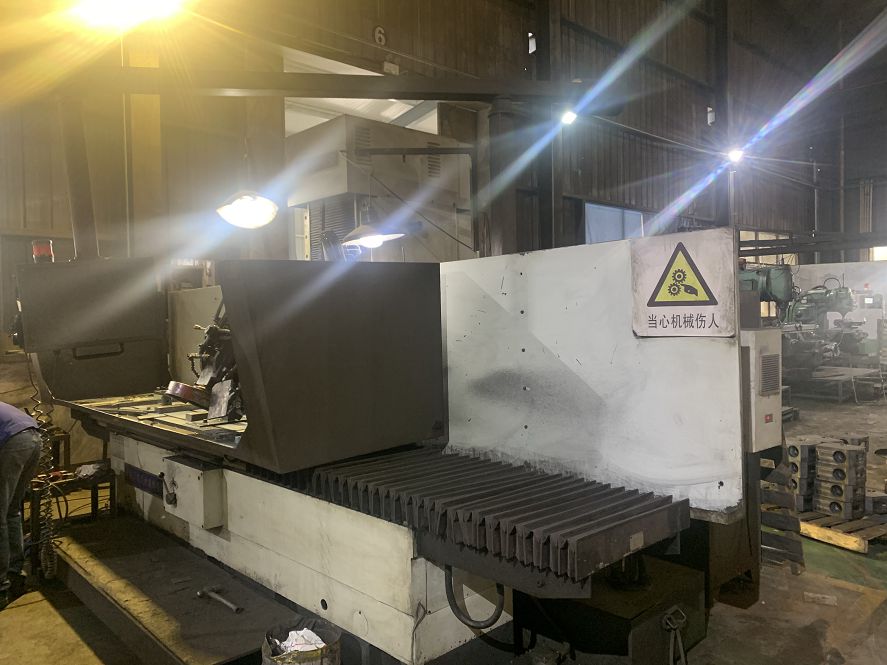
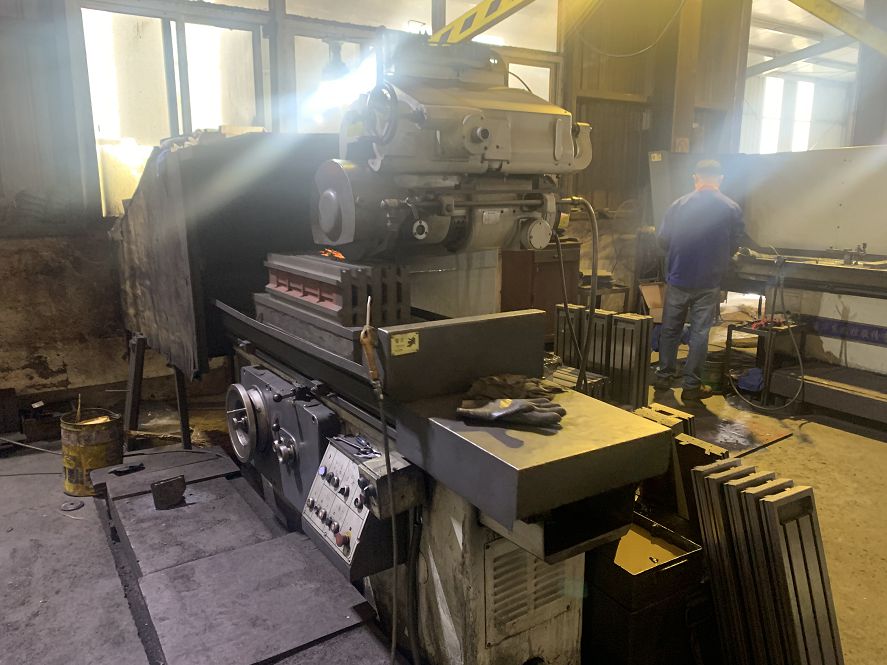
Take a look inside the modern facility of Zhejiang ZRF Spinning Co., Ltd. Our factory features state-of-the-art milling, grinding, assembly, and testing platforms, ensuring every machine tool meets rigorous standards.
By 2026, the integration of on-chip AI in industrial thermal cores will become standard. Traditional systems upload raw thermographic video arrays to central servers, consuming valuable network bandwidth. Future configurations will analyze thermal fluctuations on the fly, immediately detecting high-frequency welding anomalies, machine bearing friction issues, or local circuit board overheating.
Furthermore, the development of multispectral imaging (combining infrared, visible light, and acoustic sensors) will offer unmatched diagnostics. For heavy industries, this means that a single multi-sensor node can listen for structural cracks, view surface deformation, and map heat distribution simultaneously.
Importing industrial thermal cameras requires strict compliance with international standards. Reliable exporters must guarantee certificates such as ATEX/IECEx (essential for hazardous or explosive environments in chemical and oil refineries), CE, RoHS, and NIST traceable calibration certificates.
Additionally, under strict export compliance frameworks like the US NDAA and European dual-use laws, identifying the source of optical sensor cores is critical for large-scale enterprise tenders. Ensure your chosen exporter provides comprehensive documentation and local system-integration support to facilitate deployment.
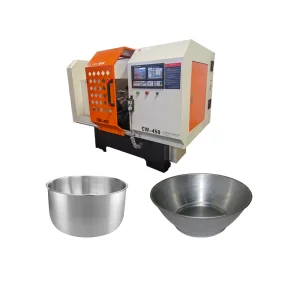
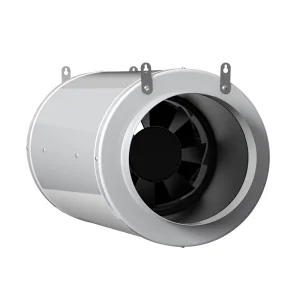
Our complete catalog of heavy metal forming, CNC spinning, and ventilation equipment solutions.
 ZRF Spinning