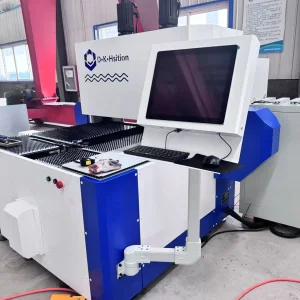
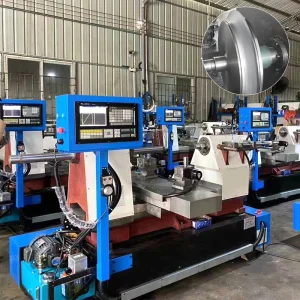
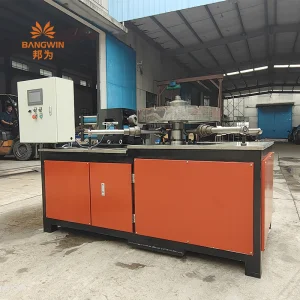
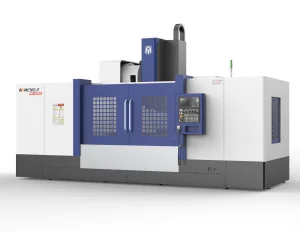
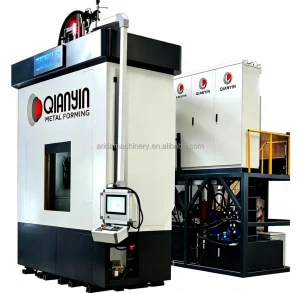
Explore our advanced catalog of highly energy-efficient CNC forming equipment designed to minimize raw material waste and dynamic power usage.
In the modern landscape of international manufacturing, global procurement teams are no longer evaluating factories based solely on unit price and lead times. Driven by rigorous ESG (Environmental, Social, and Governance) corporate policies and looming border tax regulations such as the European Union's Carbon Border Adjustment Mechanism (CBAM), industrial buyers are actively prioritizing partners who integrate eco-conscious manufacturing methods. Metal forming, spinning, and bending processes have historically been resource-intensive; however, the deployment of intelligent CNC systems is redefining efficiency benchmarks.
Zhejiang ZRF Spinning Co., Ltd., as a leading high-tech enterprise specializing in the research, development, and manufacturing of CNC spinning machine tools, stands at the vanguard of this technical transition. With decades of robust engineering experience, ZRF has integrated energy-conserving mechanisms, near-net-shape processing configurations, and advanced control modules across its lineup, satisfying the stringent criteria of top-tier global exporters.
A detailed whitepaper evaluation of the technological interventions driving low-impact, highly circular mechanical fabrication worldwide.
Metal spinning achieves final geometry through localized plastic deformation, reducing raw material waste by up to 90% compared to traditional subtractive machining methods. This method preserves material grain integrity and minimizes scrap rates.
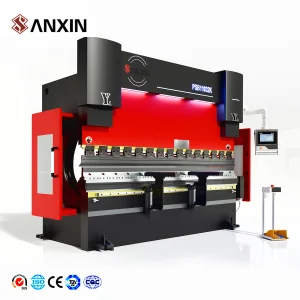
Integrating high-efficiency servo motors to run hydraulic pumps in systems like the SANXIN CNC Press Brake ensures that energy is drawn only during active movements. This eliminates idle energy loss, slashing system power consumption by 35% to 50%.
Utilizing high-order CAD/CAM algorithms prevents excessive passes and minimizes friction. Wherever feasible, minimum quantity lubrication (MQL) or dry machining setups are deployed to bypass hazardous chemical coolant runoffs.
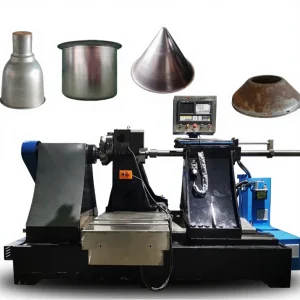
As integrated in ZRF's double-wheel CNC spinning machine series, offset force balance neutralizes spindle deflection. This structural efficiency allows faster single-pass shaping, shortening active cycle times and cutting thermal loading.
Cold metal deformation avoids high-temperature heating cycles. Hydraulic sheet benders and automatic flanging machines shape sheet metal without thermal modification, reducing gas or high-voltage electrical carbon footprints.
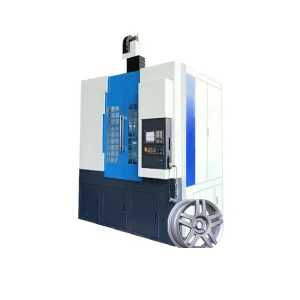
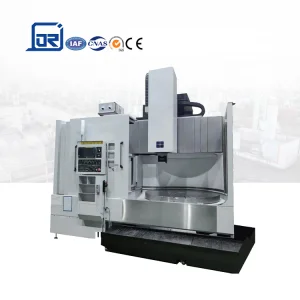
Regenerative Variable Frequency Drives (VFDs) capture kinetic energy released during heavy spindle deceleration—such as in rim spinning and vertical turning lathes—converting it back into electricity to feed the local factory grid.
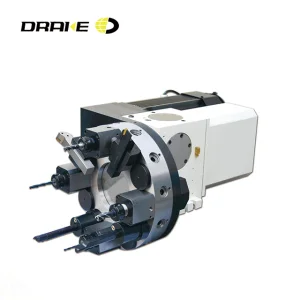
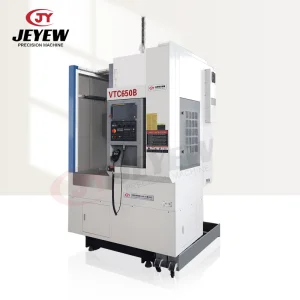
Multi-station live tool turrets enable multi-axis single-setup operations. By combining turning, milling, and drilling in a single cycle, factories eliminate inter-process transport energy and cut setup scrap.
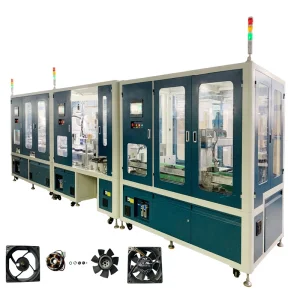
Robotic integration, as seen in axial fan automated assembly lines, ensures highly repeatable cycle times, zero physical over-travel, and instant standby power down. Process precision prevents scrap generation during line starts.
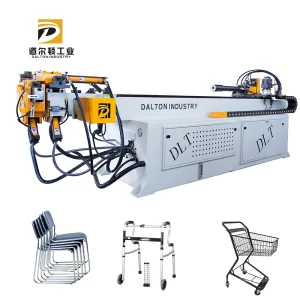
CNC pipe benders prevent wall thinning and material folding. By maintaining mechanical integrity without requiring heat-treating or post-bending stress relief, overall energy intensity per part drops significantly.
Implementing real-time data loops tracking raw sheet stock to finished components. Combined with deep-cavity tooling optimization, this method maintains raw material yields exceeding 98.4% across the manufacturing plant.
China’s heavy machinery and CNC equipment sector has transitioned from a high-volume manufacturing center to a high-technology innovation hub. Zhejiang province, in particular, hosts a dense concentration of raw material processors, high-performance servo motor designers, precision tooling manufacturers, and advanced control software engineers.
Zhejiang ZRF Spinning Co., Ltd. leverages this localization of upstream and downstream partners to provide rapid custom configurations. The immediate proximity to raw steel and specialty alloys eliminates cross-border logistics overheads, dramatically decreasing the embedded scope-3 emissions of all exported machinery. Furthermore, Chinese manufacturing ecosystems offer unprecedented engineering agility, enabling ZRF to execute complex machine custom-builds, from initial debugging to aging and general assembly, at speeds unmatched in Western markets.
Overcoming cross-border barriers through comprehensive certifications, on-site commissioning, and regulatory alignment.
Deploying automated industrial machinery across different territories requires rigorous engineering compliance.浙江 ZRF Spinning Co., Ltd. has developed a comprehensive global delivery framework. Every CNC spinning machine, hydraulic press brake, and vertical lathe conforms to international standards. For European markets, compliance with CE Directives for Machinery Safety is certified. For North America, electrical controls are pre-engineered to meet UL and CSA parameters.
Beyond paperwork, ZRF guarantees operational continuity through a dedicated system of remote diagnostics, localization assistance, and engineering support:
ZRF deploys seasoned field engineers internationally to handle layout preparation, physical assembly, local power hookups, and primary calibrations.
Hands-on training for localized operators, focusing on machine safety parameters, routine preventative maintenance, and green duty-cycle optimization.
We monitor localized environmental regulations, ensuring exhaust ventilation, hydraulic fluid containment, and noise suppression comply with regional industrial zone mandates.
As global environmental goals tighten, three key vectors are driving the evolution of advanced metalworking machinery.
1. AI-Driven Adaptive Control Systems: Machine tools are rapidly transitioning from static G-code execution to dynamic sensor-monitored environments. Real-time torque and stress sensing allow the machine controller to dynamically modify feeds and speeds. This prevents tool breakage and ensures energy usage remains matched to actual material resistance, reducing peak energy spikes by up to 30%.
2. Smart Decarbonization Metrics: Modern ERP integrations demand real-time carbon tracking at the machine tool level. Future CNC machines will display live kilowatt-hour-per-part consumption data, allowing production managers to optimize cycles for the lowest environmental impact.
3. Pure Mechanical Bending & Spinning: Advanced cold metalwork avoids the need for chemical tempering or thermal processes. High-tonnage machinery with dynamic spring-back compensation eliminates post-forming thermal stress-relief steps, simplifying manufacturing workflows.
Exporters must actively adopt these green practices to remain competitive in global supply chains:
Analyzing how high-efficiency forming, spinning, and cutting tools integrate into diverse production environments.
Heavy-duty spinning machines form large-diameter cones, cowlings, and generator housings. High precision ensures minimal dynamic unbalance, reducing aerodynamic drag and structural fatigue in operation.
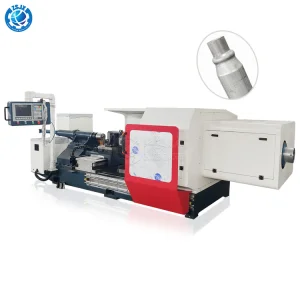
Automated rim spinning and repair lathes process high-grade aluminum alloy hubs. Precise diamond cutting paths reduce machining times, helping automotive manufacturers meet strict vehicle weight-reduction targets.
Integrating automatic flanging and robotic assembly lines enables rapid production of cooling fan cowls. Consistent metal forming yields high air-flow efficiency and quiet fan operation.
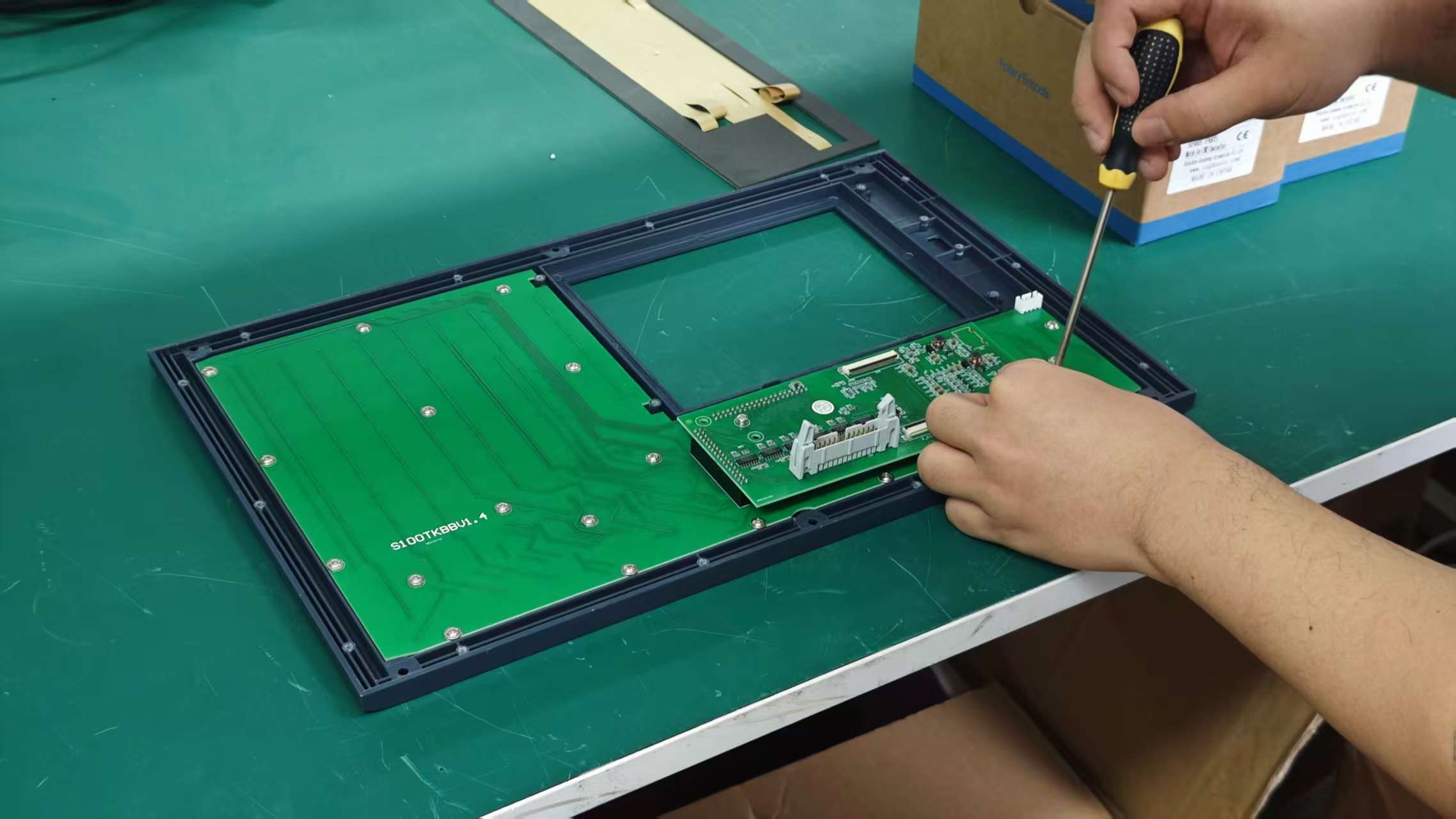
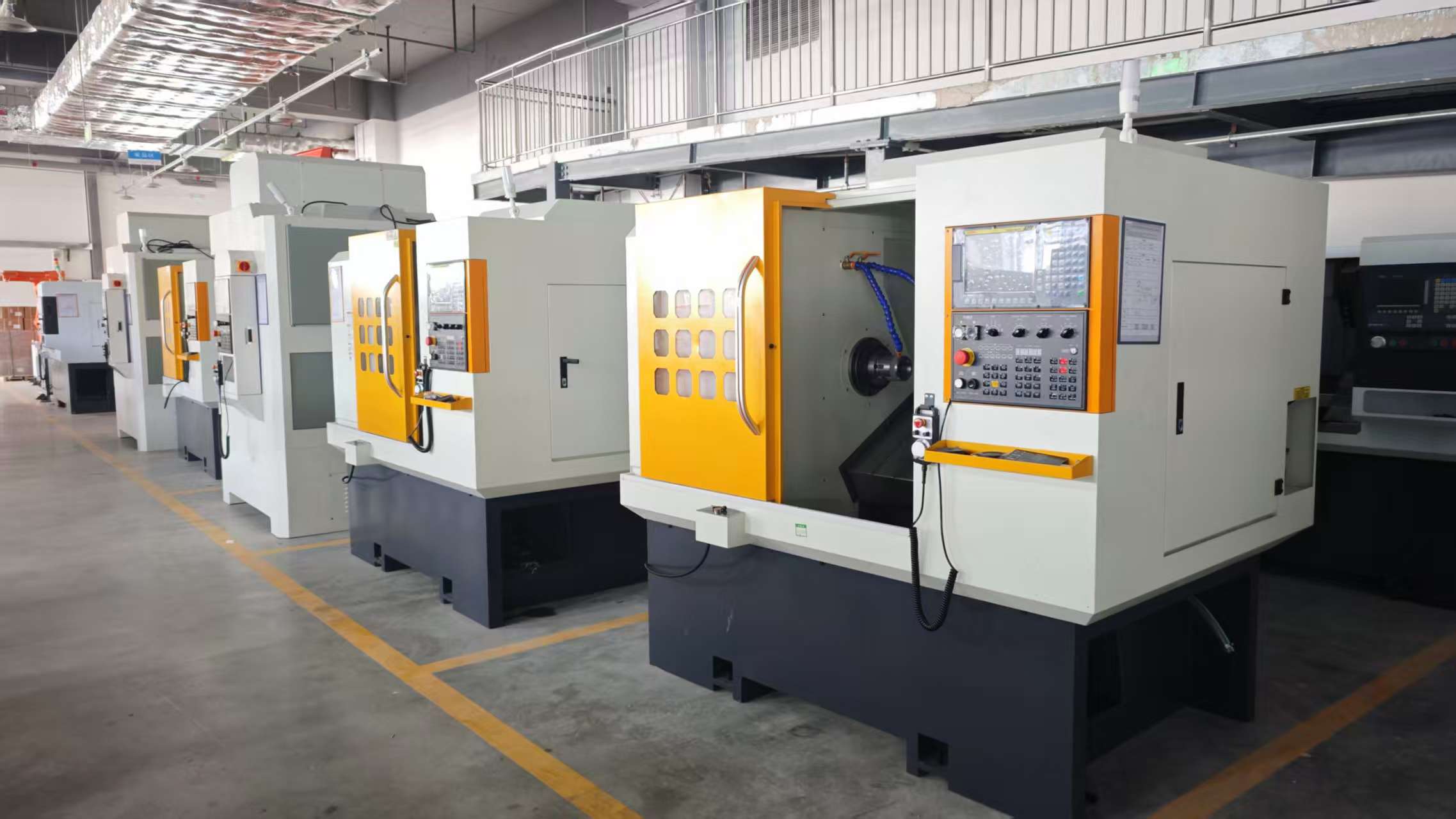
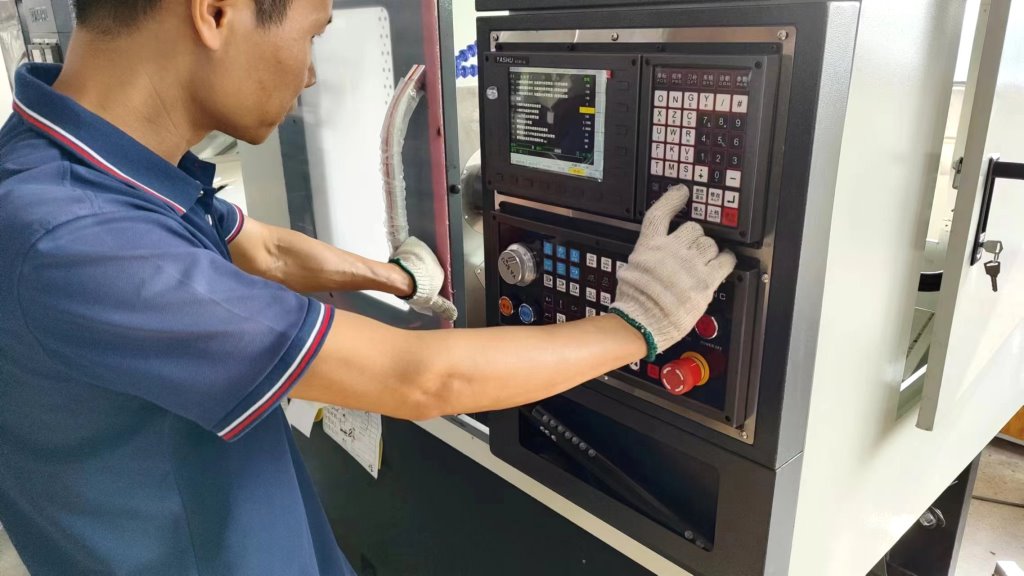
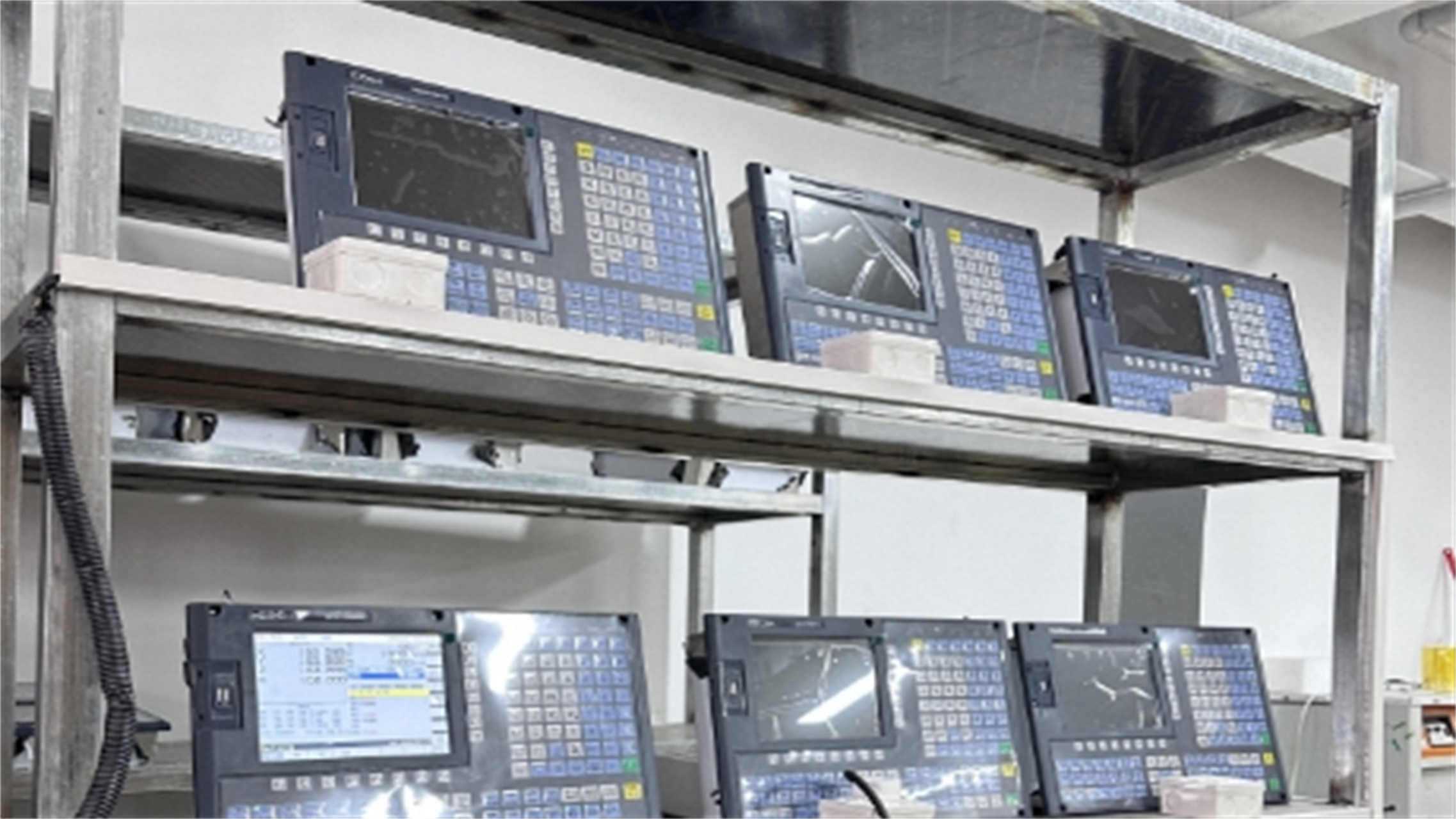
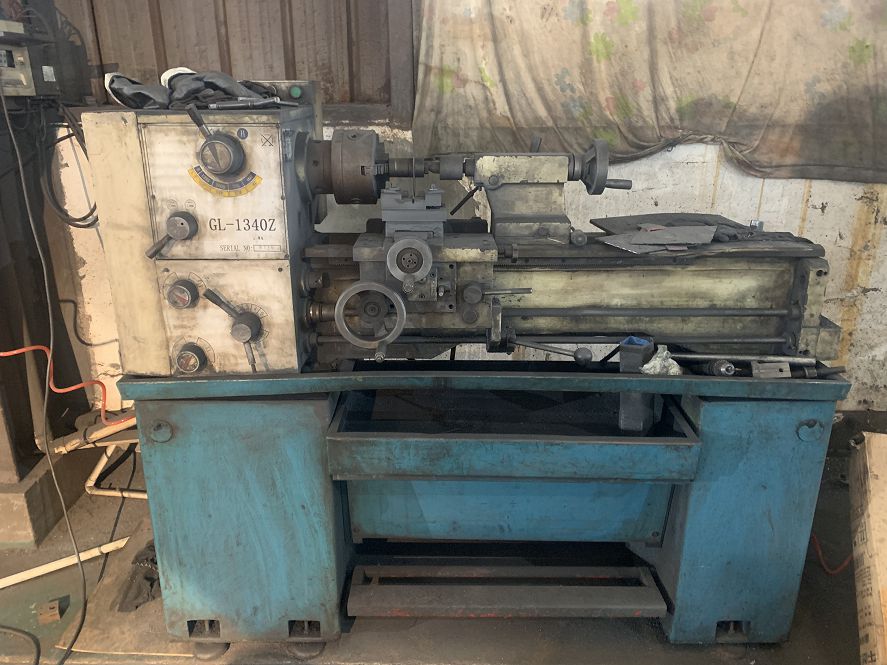
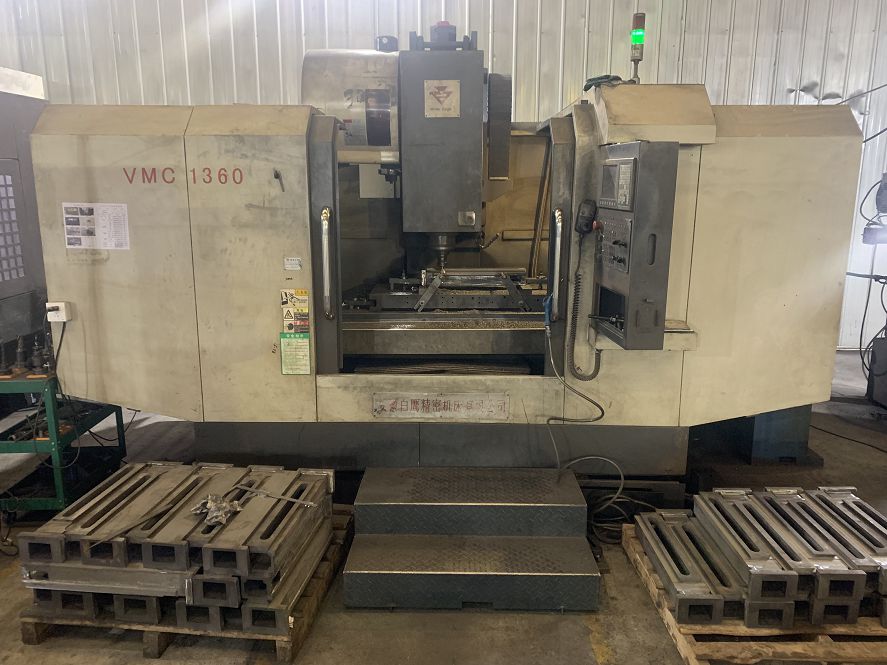
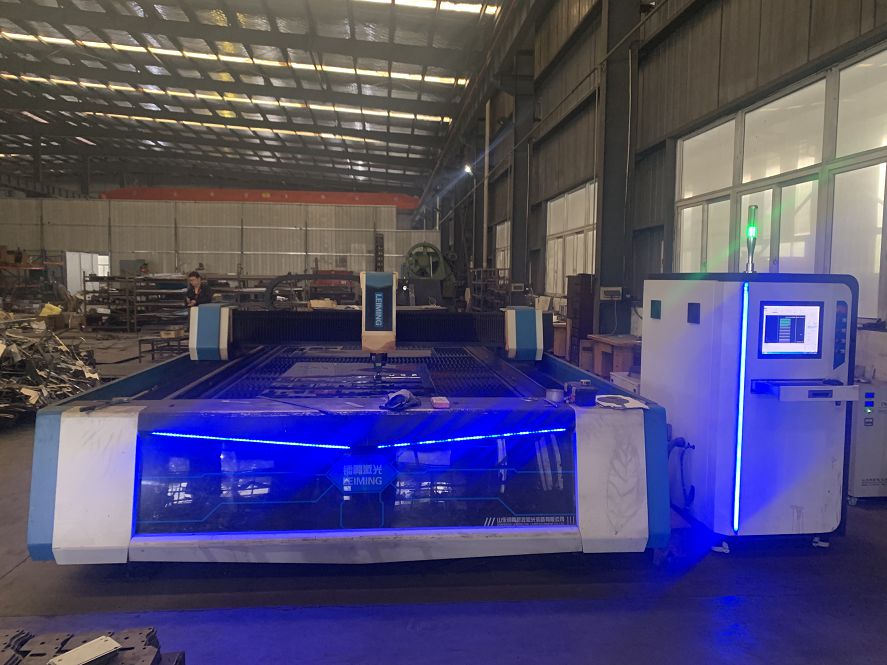
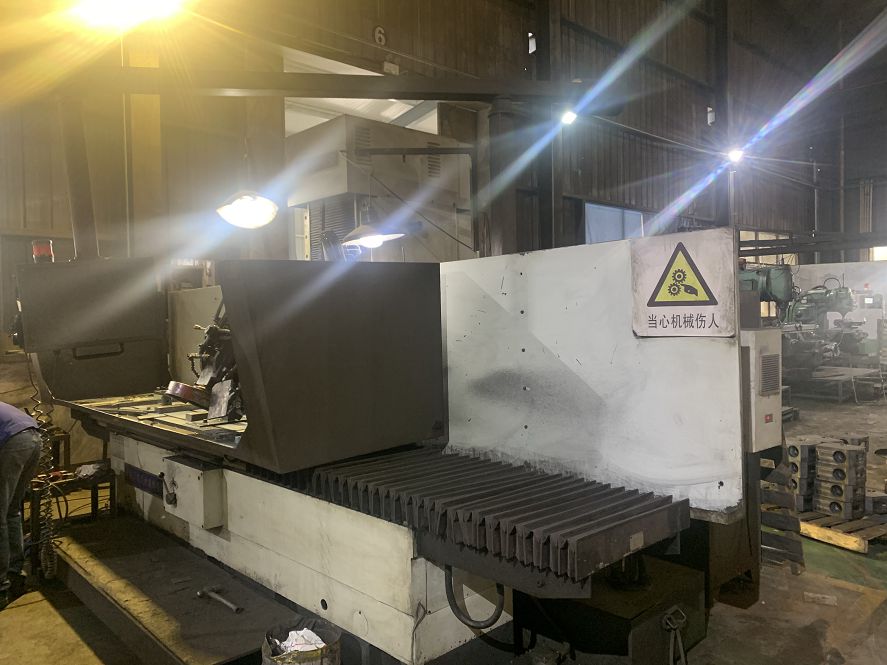
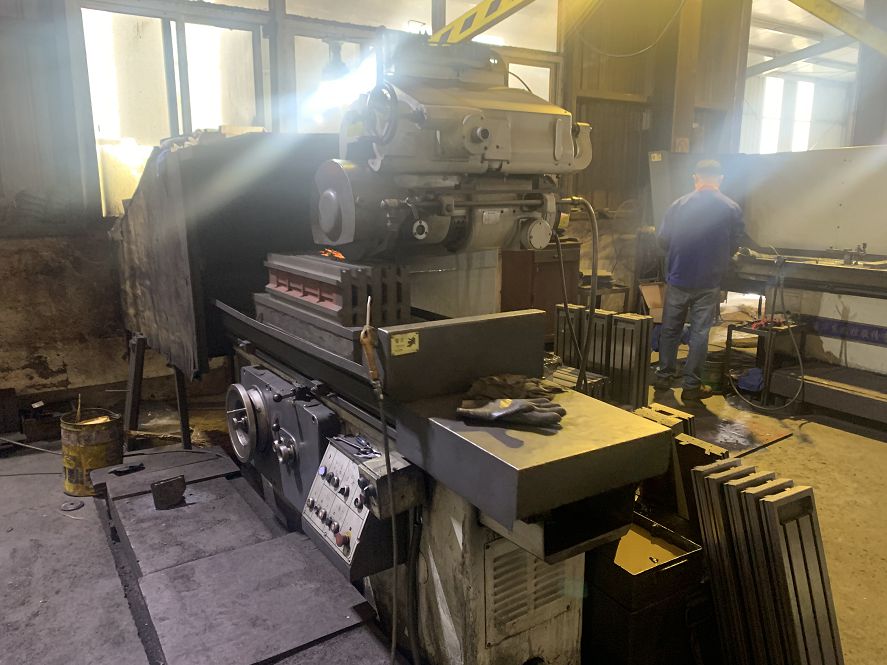
An inside look at our specialized manufacturing processes, showcasing precision engineering from raw materials to final machinery testing.
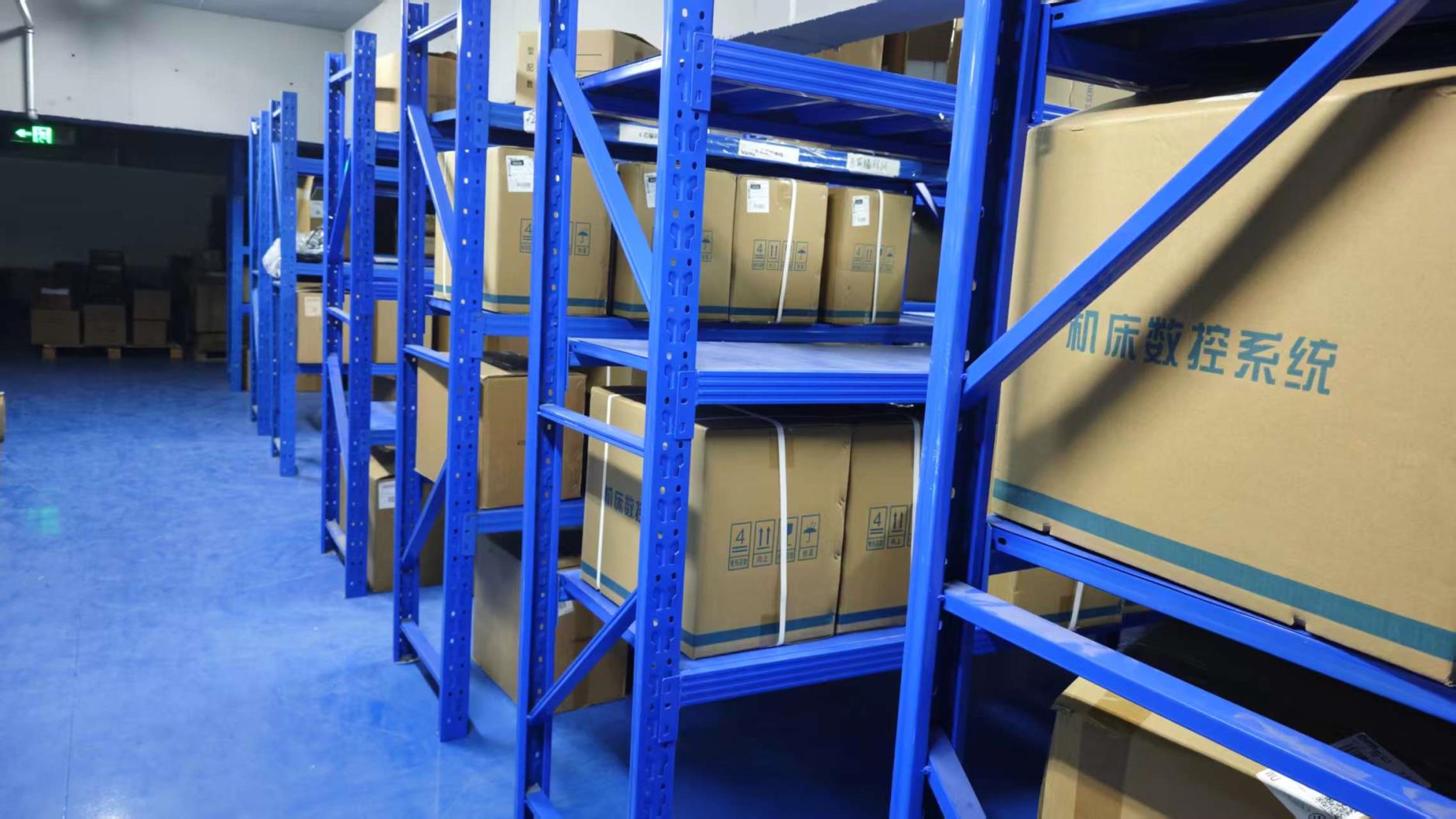
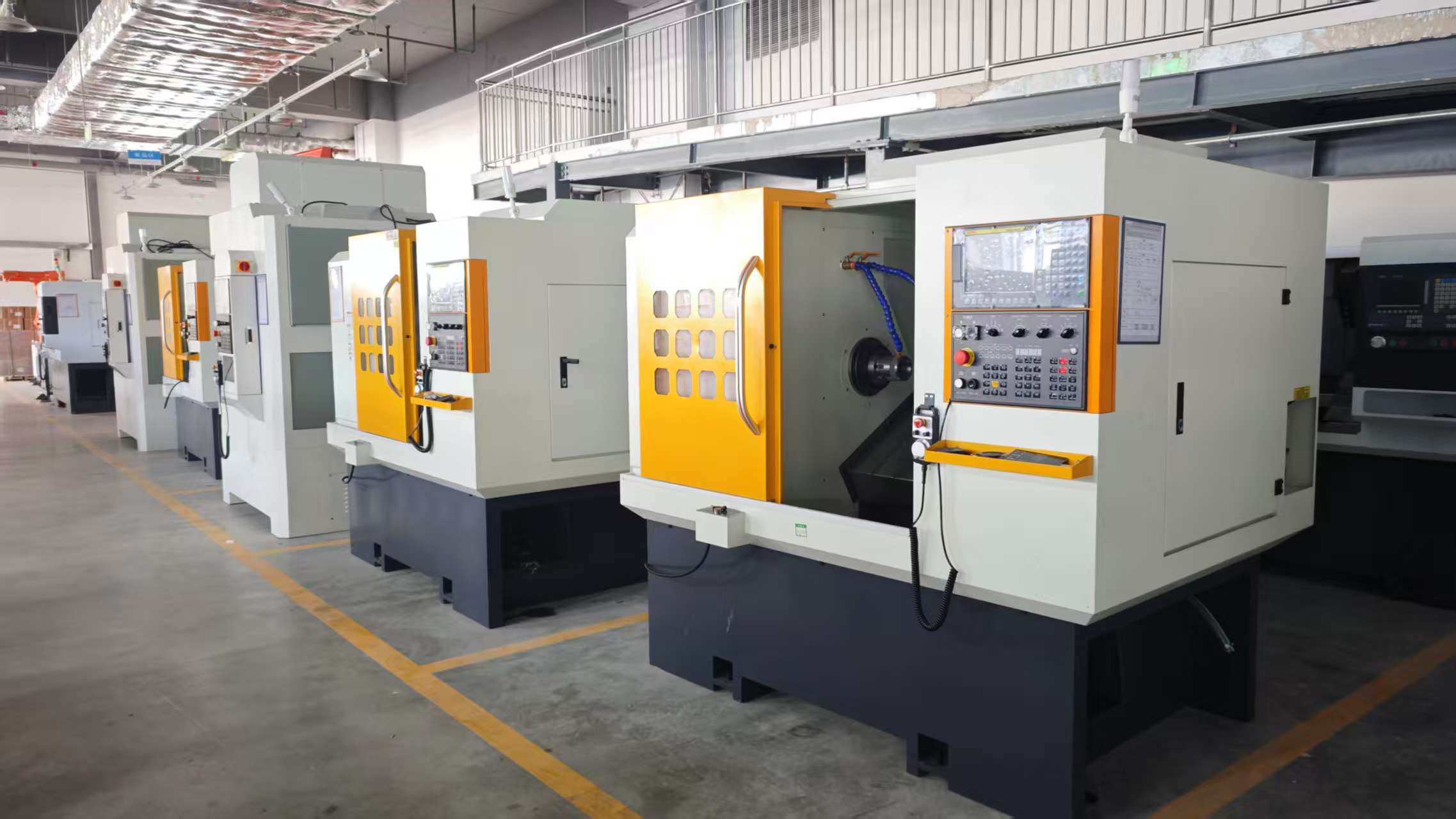
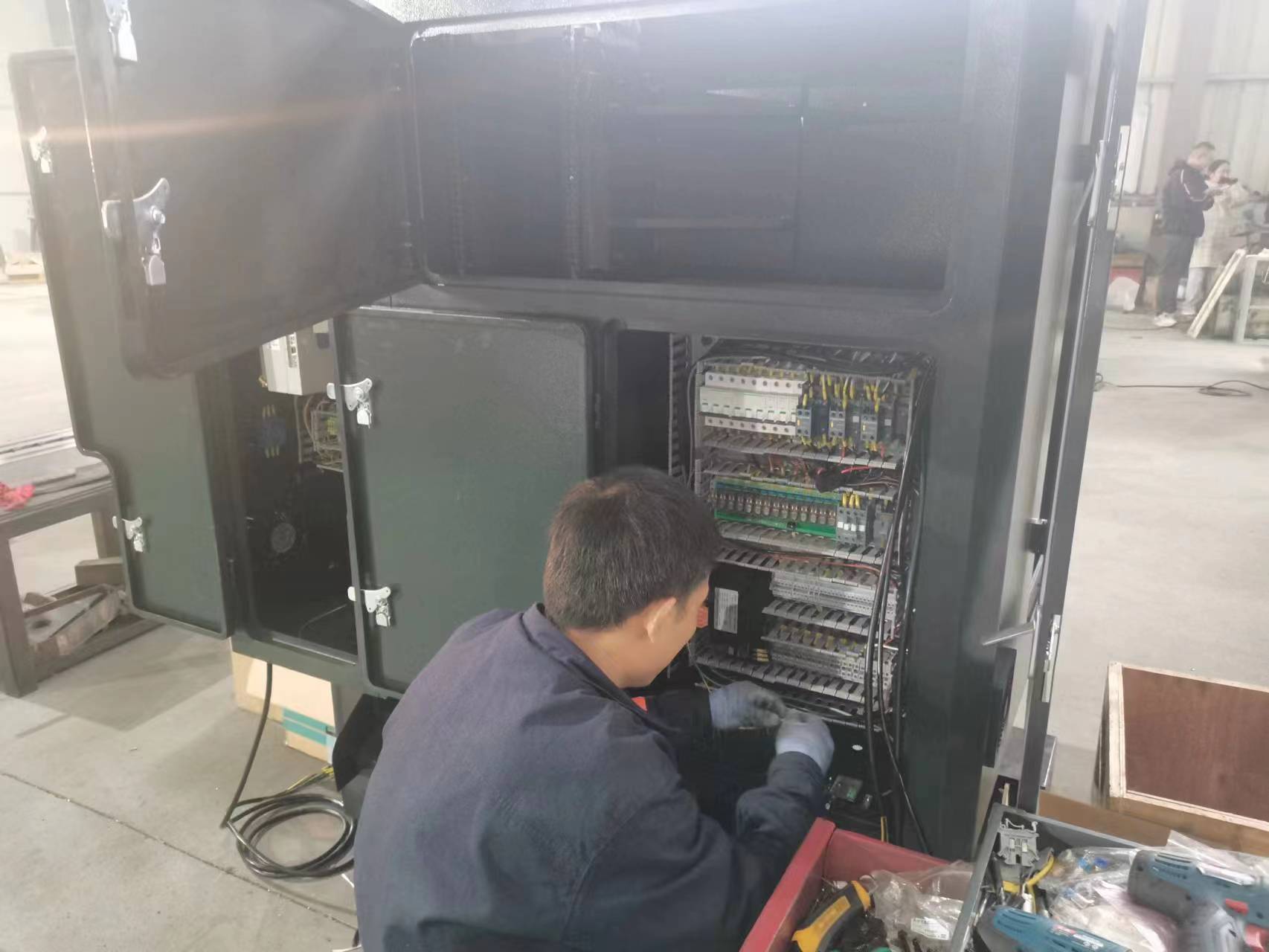
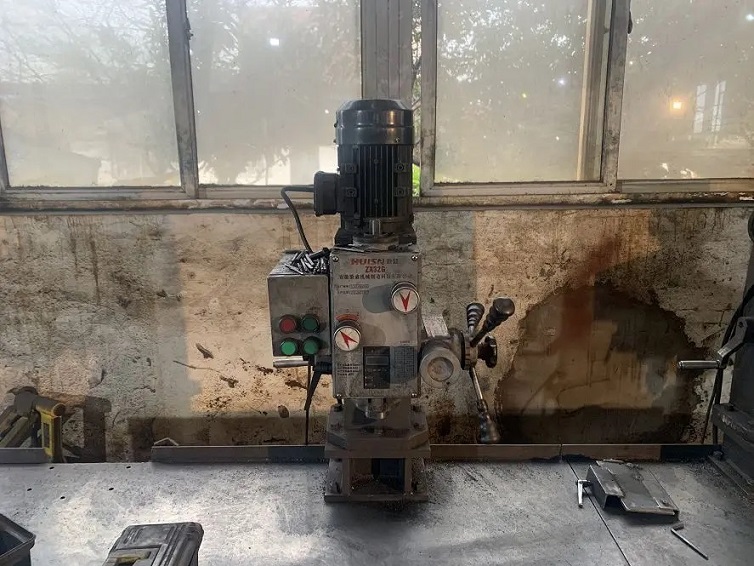
Expert technical answers addressing common search intent and procurement queries in green metal forming.
CNC metal spinning is highly efficient for low to medium-volume production runs. Unlike stamping, which requires custom-machined steel dies and generates substantial blanking scrap, metal spinning uses simpler mandrels and applies progressive forming pressure. This minimizes raw material scrap and avoids the high energy usage associated with die fabrication and hydraulic stamping presses.
Industrial machinery exported to the EU must comply with the Machinery Directive (2006/42/EC), the Low Voltage Directive (2014/35/EU), and the Electromagnetic Compatibility (EMC) Directive (2014/30/EU). Standard CE marking is mandatory. Furthermore, keeping alignment with eco-design regulations and chemical use standards (like REACH and RoHS) ensures compliance with modern European environmental mandates.
Conventional hydraulic systems rely on constant-speed induction motors that run continuously, even when the machine is idle. Servo-driven hydraulic systems use high-performance permanent magnet synchronous motors controlled by a variable-frequency drive. They actively govern pump speeds, delivering flow and pressure only when demanded by the CNC program. This dynamic adjustment slashes standby energy draw to near zero.
Yes. ZRF’s heavy-duty dual-wheel machines are designed with high-rigidity structures and advanced multi-axis CNC controllers. These features allow precise control over deformation parameters when forming challenging metals, including titanium alloys, high-nickel superalloys, and structural stainless steels, ensuring high reliability across industries.
Explore the second half of our advanced machinery catalog, engineered for heavy industrial processing and structural forming.
 ZRF Spinning