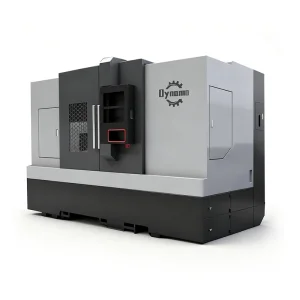
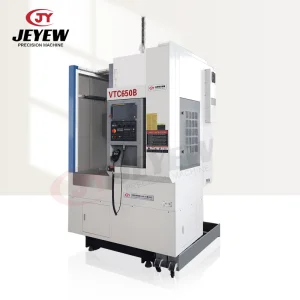
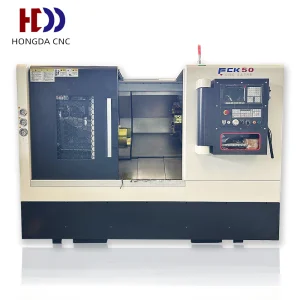
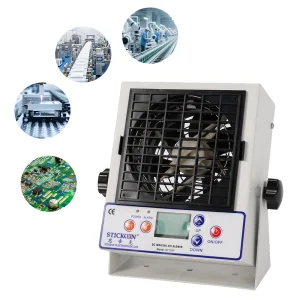
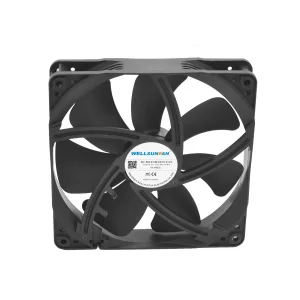
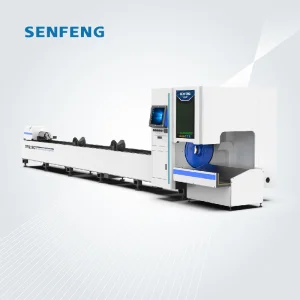
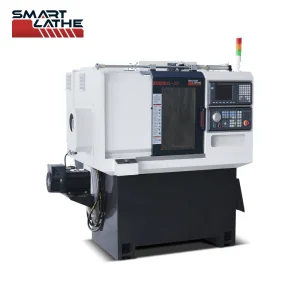
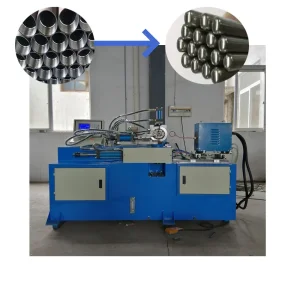
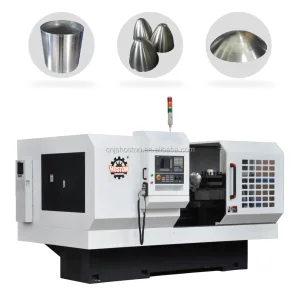
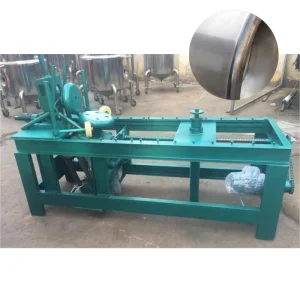
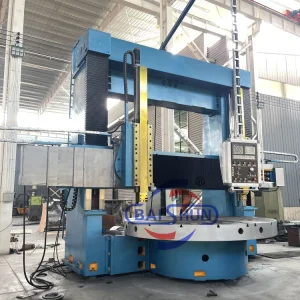
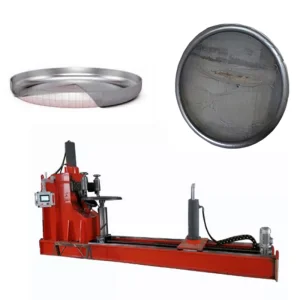
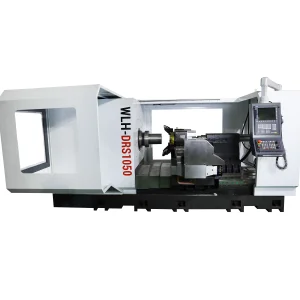
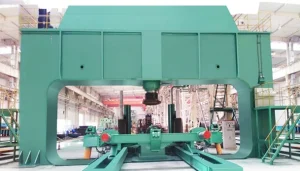
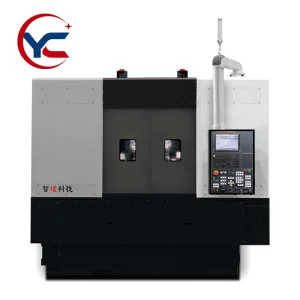
Explore our foundational range of CNC turning, spinning, and industrial manufacturing machinery engineered to support high-performance industrial processes.
Unlocking operational efficiency and maximizing output yield with custom OEM robotic palletizing systems.
In modern industrial factories, the efficiency of end-of-line palletizing dictates the maximum production limits of the entire upstream manufacturing system. As a leading high-tech manufacturer, Zhejiang ZRF Spinning Co., Ltd. applies its deep CNC machine tool engineering heritage to resolve complex automation challenges. Whether dealing with heavy drums, bags, cartons, or specialized industrial vessels manufactured through CNC spinning and lathe processes, our automated robotic palletizers represent the bridge between raw material shaping and logistical readiness.
"OEM Automated Robotic Palletizing is no longer an isolated post-production operation; it is an integrated continuation of the precision fabrication, milling, and surface treatment stages."
Custom OEM robotic palletizer solutions serve as the foundation of modern high-capacity factories. Transitioning from manual, semi-automated systems to highly flexible, vision-guided multi-axis robotic handlers optimizes floor layout and eliminates bottle-necks. Implementing the correct end-effector tooling, structural frames, and motion controllers directly protects your product integrity while scaling overall plant output.
Key technological advancements driving modern material handling, logistics, and end-of-line packaging.
AI-driven 3D camera sensors allow industrial robots to identify, locate, and grip arbitrarily arranged products, correcting alignment on the fly without complex manual fixtures.
Algorithms process variable dimensions and layer requirements, enabling robots to dynamically arrange complex assortments on a single pallet for customized retail shipments.
Collaborative robotic palletizers operate in shared zones with human workers without hard fencing, reducing safety footprints while maintaining efficient production rates.
Historically, automated palletizers were rigid, massive structural systems designed to process a single product line for years. Modern production schedules demand high agility. Factory managers expect line setups to transition from carton-packing to plastic-totes or heavy metallic drums within minutes. By developing custom End-of-Arm Tooling (EoAT) systems, manufacturers can use identical robot arms to lift porous metals, soft cardboard, or sensitive chemical packages using specialized vacuum grippers, mechanical claws, and magnetic pick-and-place setups.
A strategic breakdown of factors influencing large-scale industrial robotic automation investments.
For international buyers in petrochemicals, metal forming, and automotive components, choosing a robotic palletizing manufacturer requires auditing their structural capabilities. Below is a structured look at the essential criteria global procurement teams prioritize during the vendor assessment process:
Combining heavy-duty machining capacity with robotic cell software development ensures that each structural column, guide path, and robot pedestal we deliver handles high torque and intense workloads for decades.
Advanced engineering capabilities shaping the future of global CNC machinery and industrial automation.
As a high-tech enterprise specializing in the research, development, and manufacturing of CNC spinning machine tools, Zhejiang ZRF Spinning Co., Ltd. has extensive experience and a strong technical foundation in the domestic spinning industry.
Our series of CNC spinning machine tools are widely applied across a variety of industries, including petrochemicals, electronics, daily hardware, food processing machinery, automotive and motorcycle components, pressure vessels, ventilation and environmental protection, defense, and aerospace. The ZRF spinning machine series has reached more than 30 provinces and cities across China and has been exported to over 20 countries and regions worldwide. Our advanced technology, excellent product quality, and comprehensive service system have earned the trust and recognition of users globally.
At Zhejiang ZRF Spinning Co., Ltd., we firmly advocate a philosophy of market-oriented development, research-driven innovation, and technological excellence. We focus on continuous improvement in both product performance and service quality. Our manufacturing process strictly adheres to the ISO9001 quality management system, ensuring reliable, safe, and high-quality products. Over the years, we have established long-term cooperative relationships with many leading domestic and international enterprises.
We are dedicated to providing our clients with advanced, safe, and reliable technology and products. Looking forward, Zhejiang ZRF Spinning Co., Ltd. will continue to leverage its deep technical expertise to strengthen its leadership in China’s spinning industry and expand its global presence.
With a vision for the 21st century, full of opportunities and challenges, Zhejiang ZRF Spinning Co., Ltd. remains committed to excellence in innovation, quality, and service, striving to become a globally respected leader in spinning machine technology and smart automated solutions.
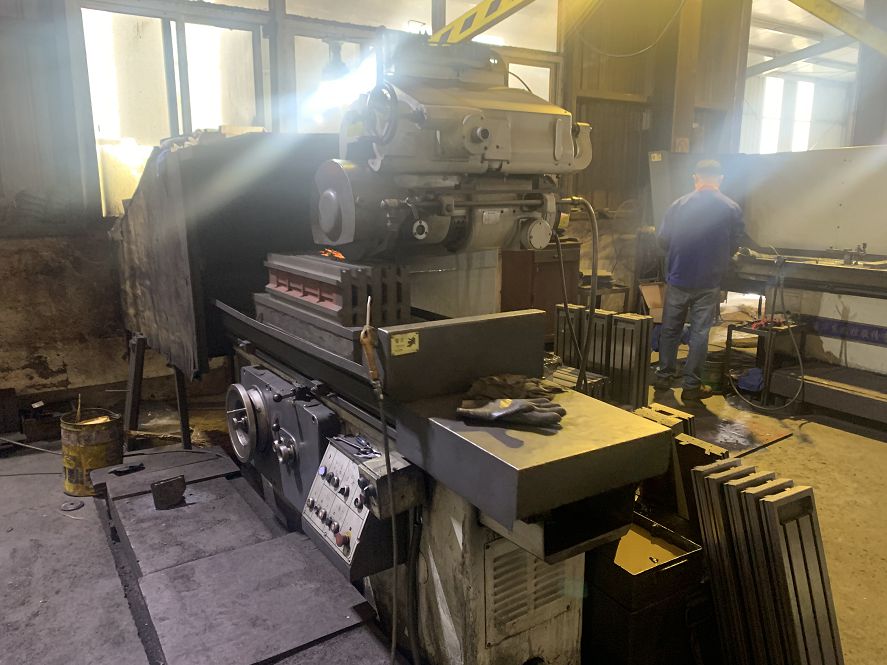
A transparent view inside our factory, showcasing our rigorous production, assembly, debugging, and quality control processes.
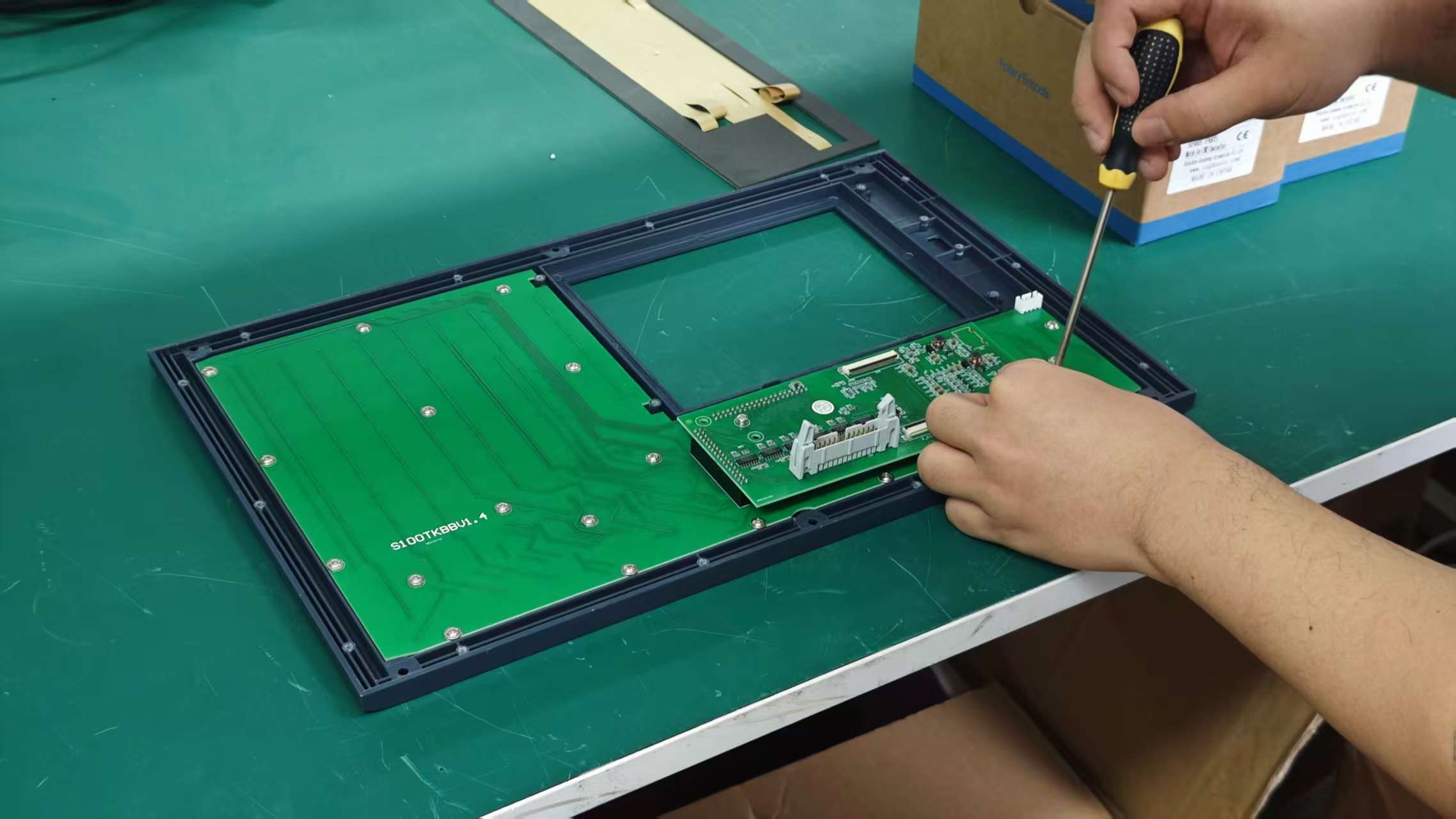
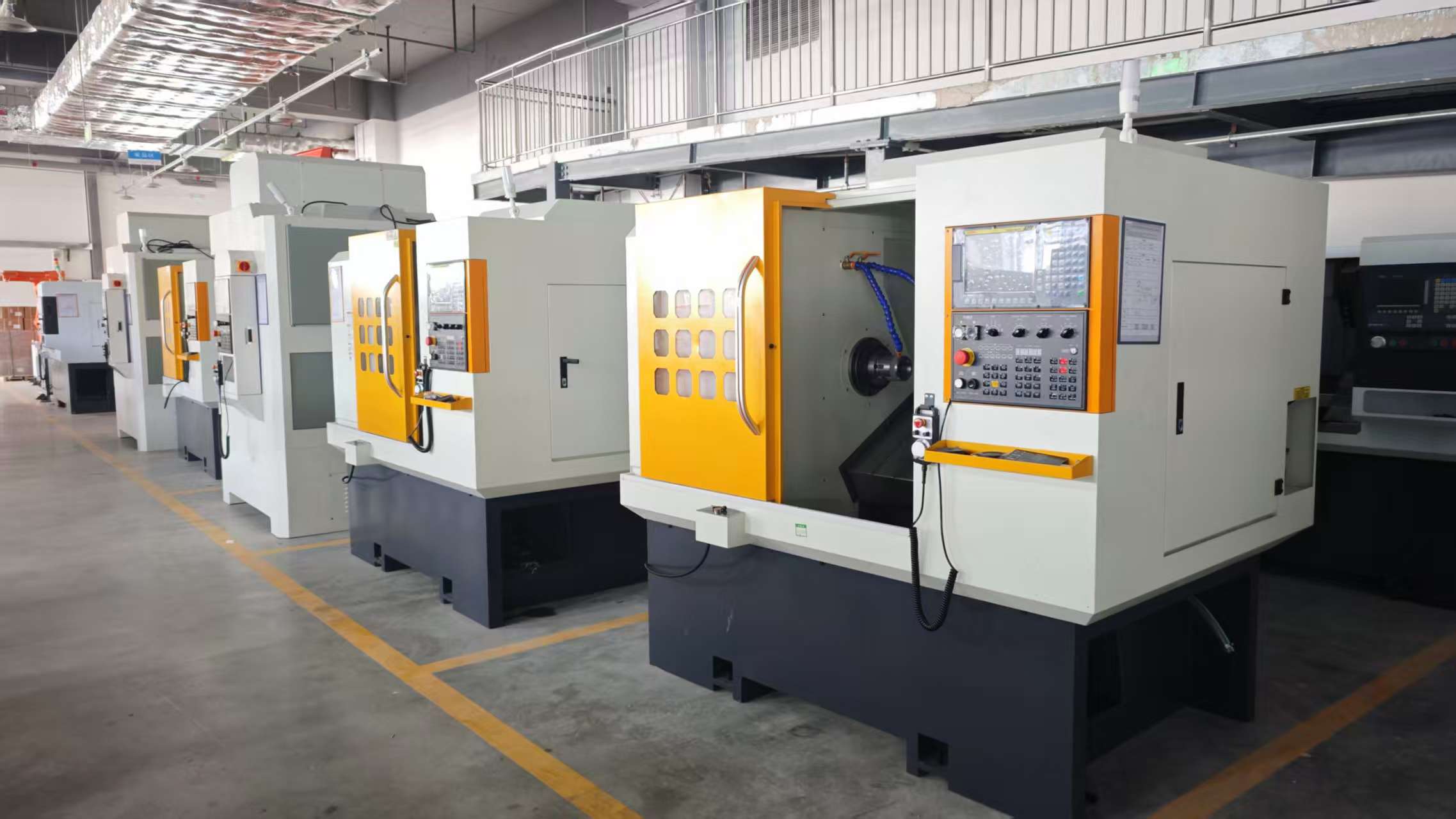
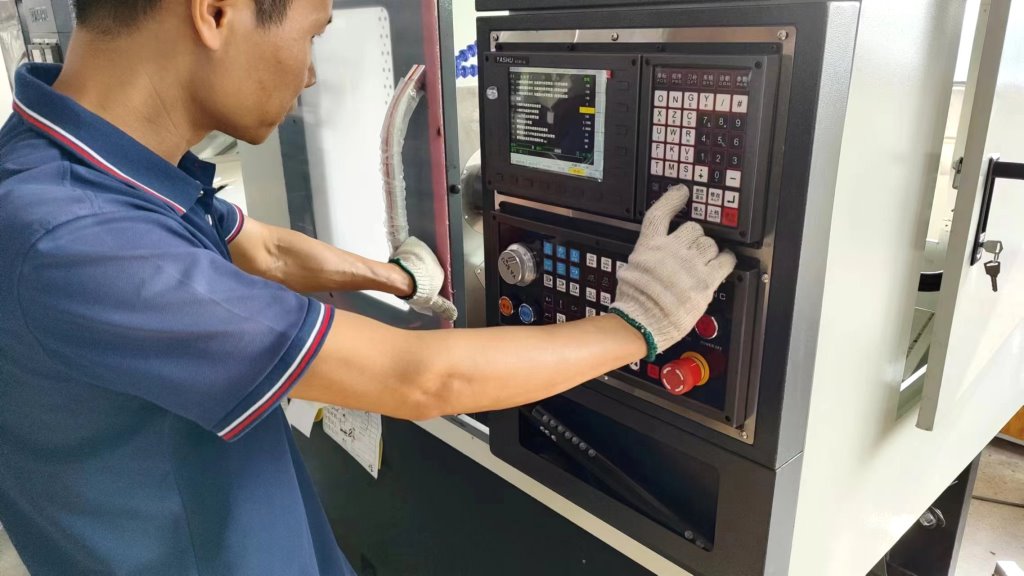
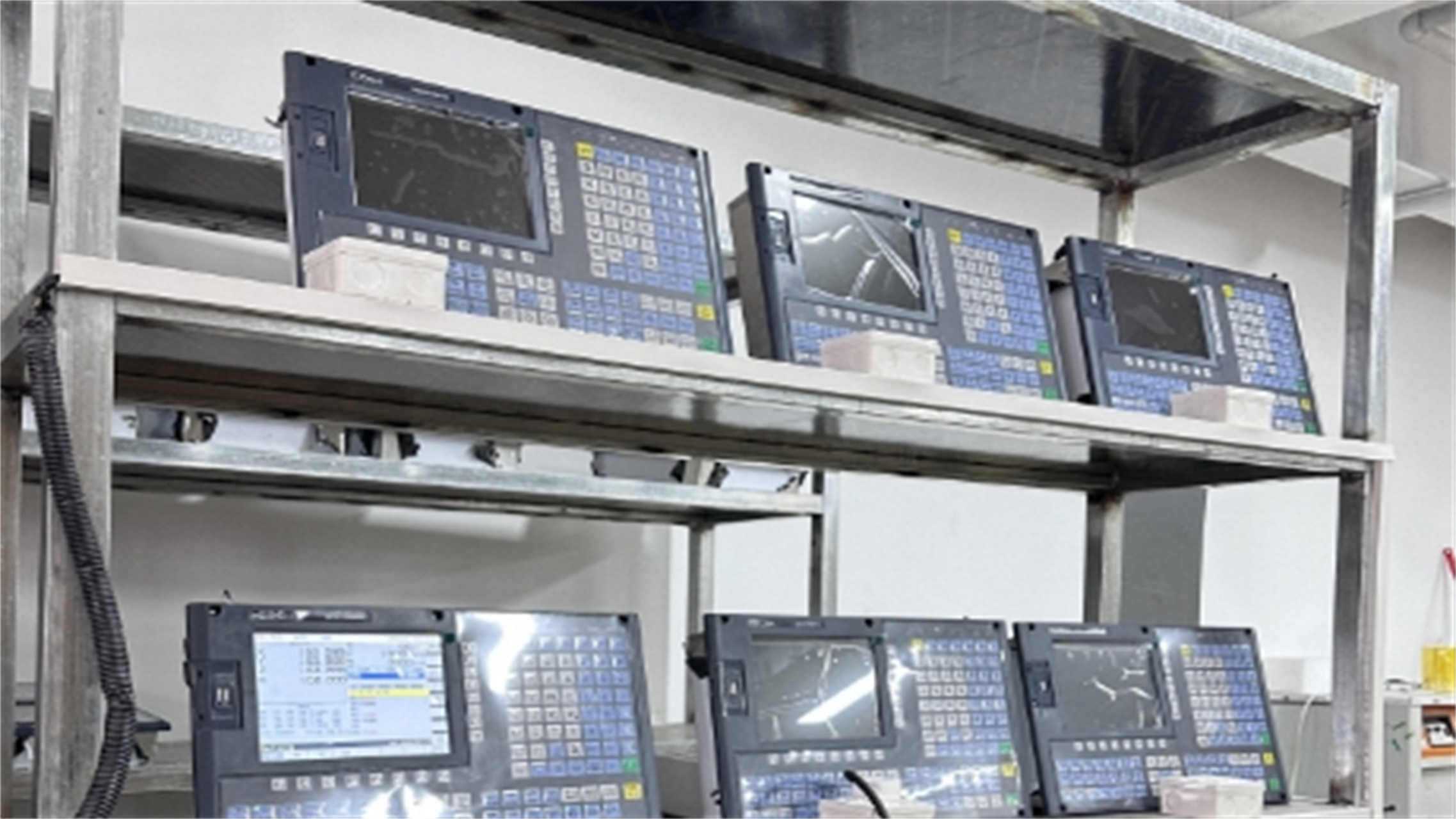
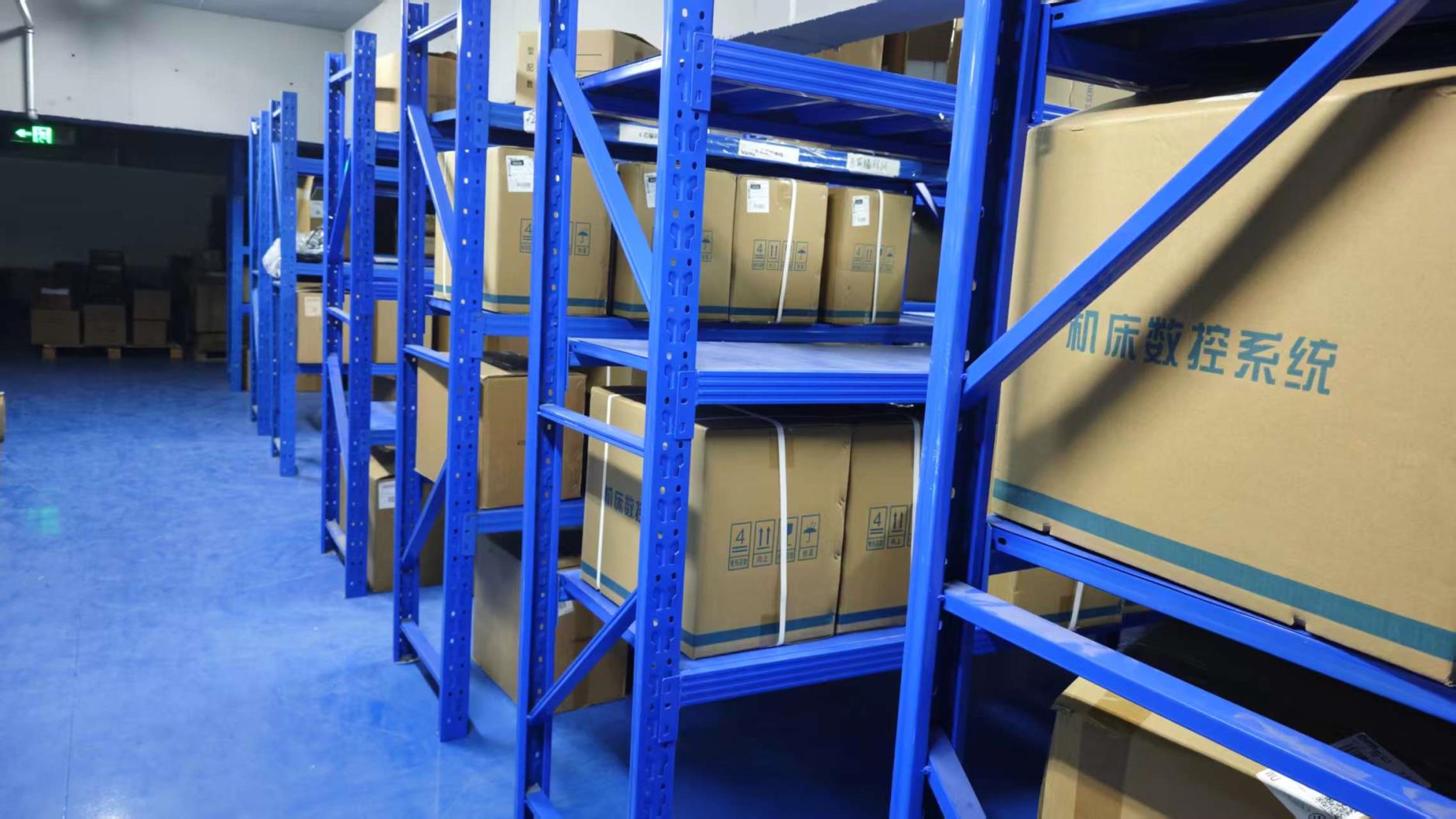
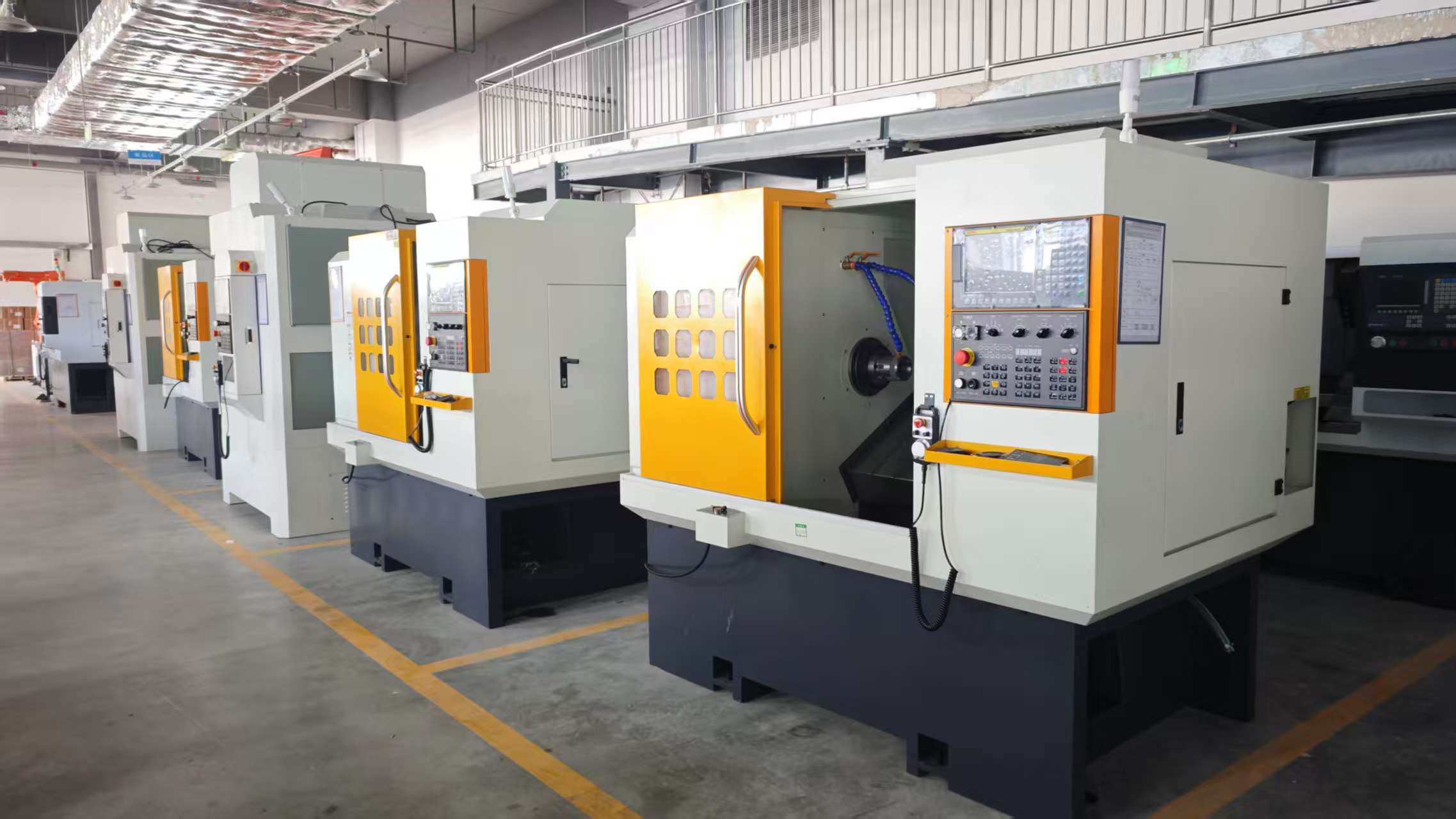
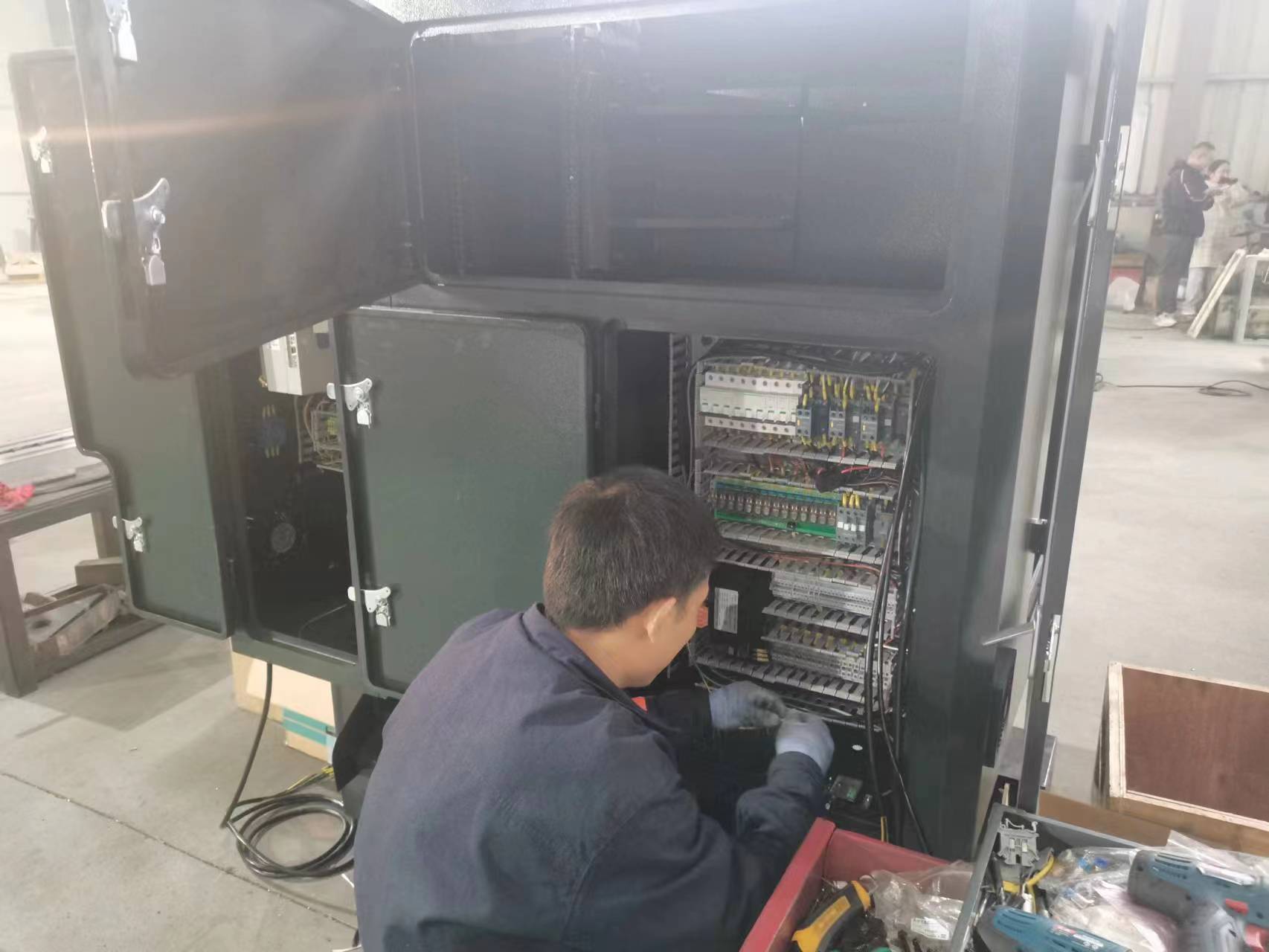
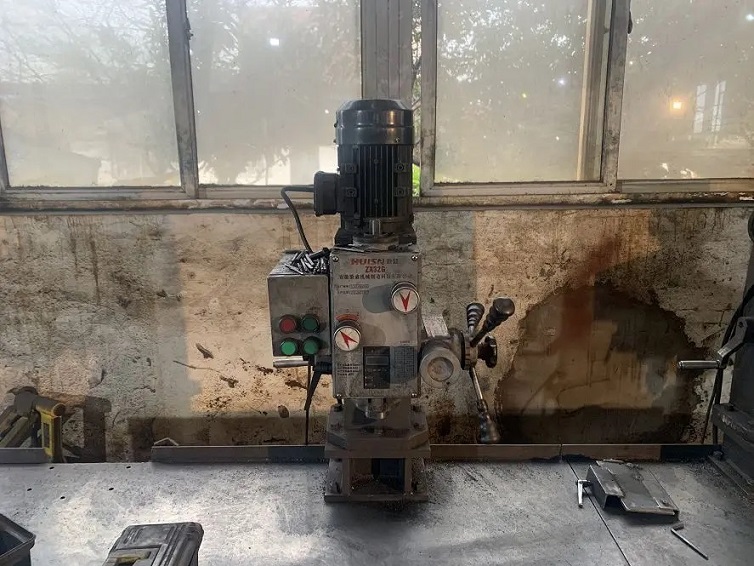
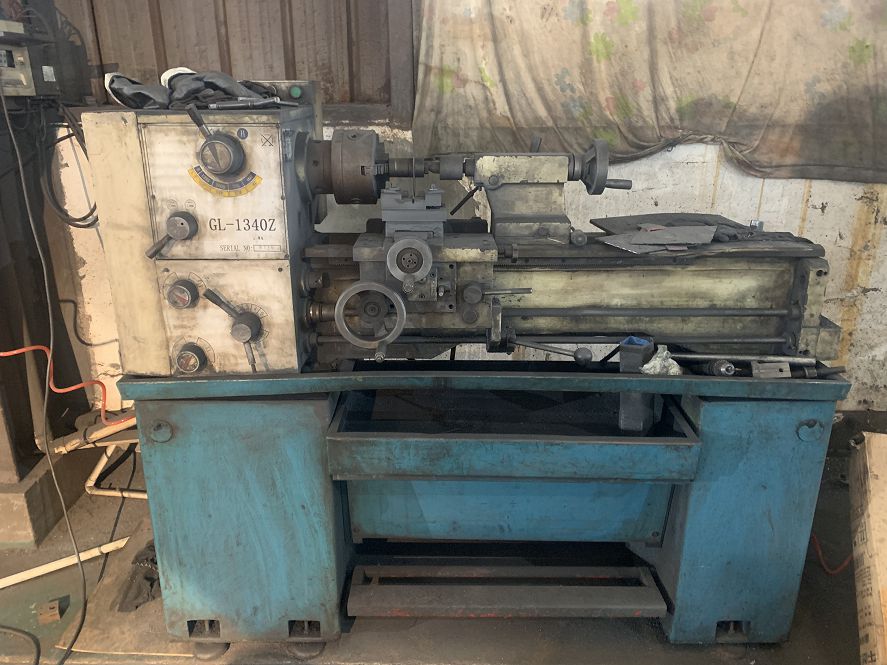
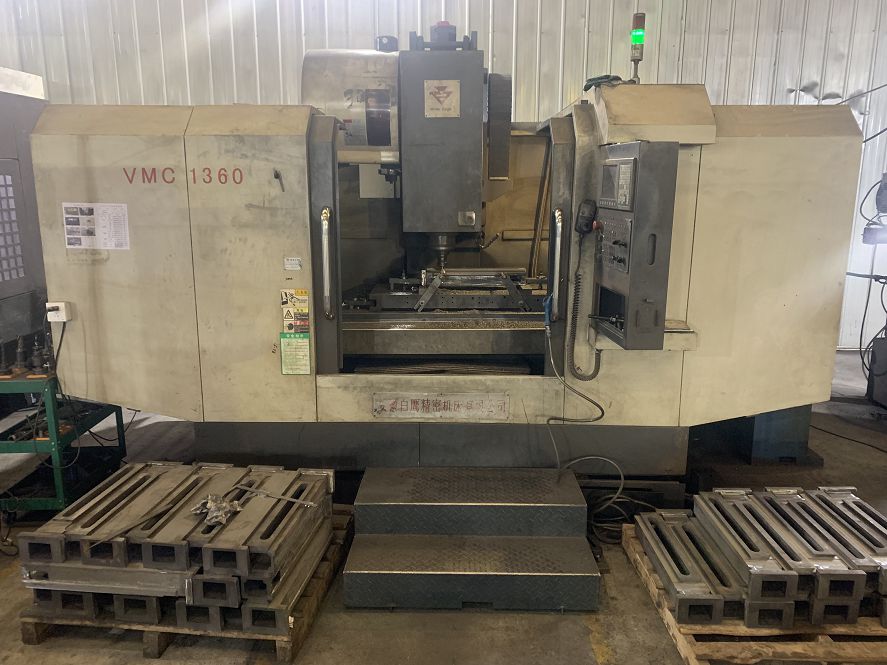
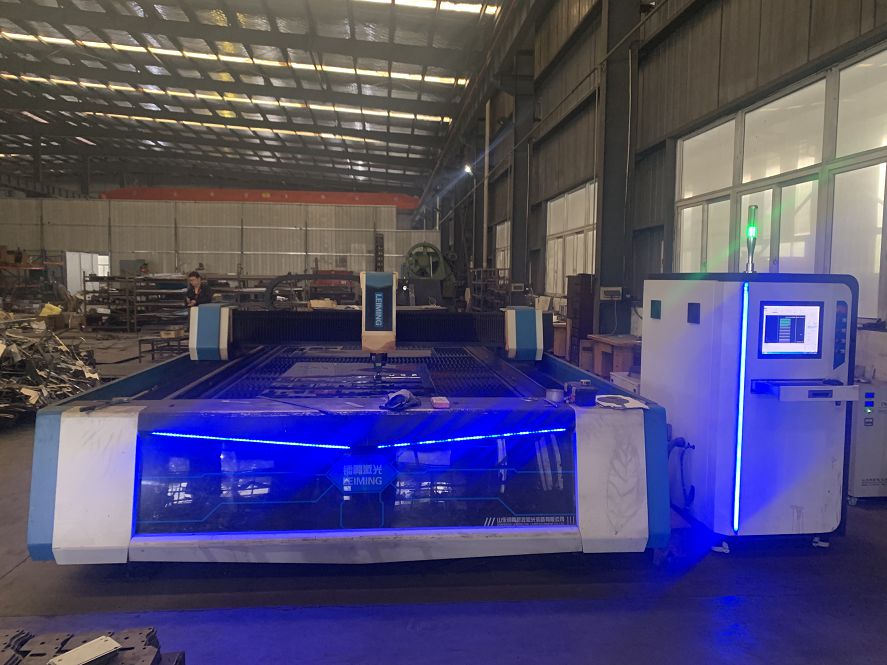
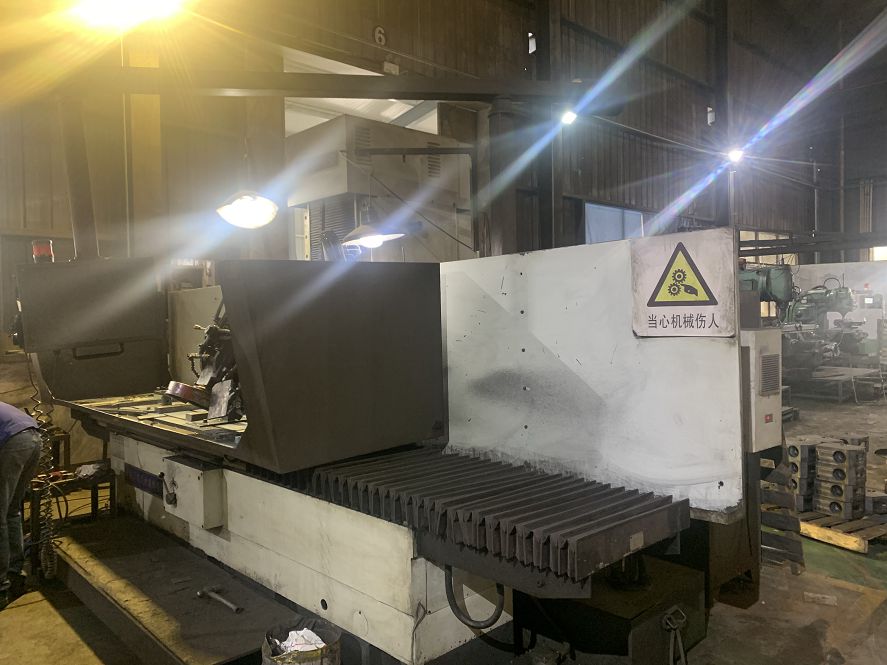
Adapting end-of-line robotic operations to comply with global performance standards.
Moving toward fully autonomous factories requires close integration between physical robot hardware and software-based data intelligence. Industrial manufacturers are actively prioritizing developments in the following technical areas:
Deploying large-scale machinery across different regions requires strict compliance with international functional safety standards. Our production processes adhere to major safety codes, including:
Addressing core technical questions from industrial manufacturing engineers and global procurement managers.
A1: Custom OEM robotic palletizers provide unmatched system flexibility. Traditional mechanical palletizers rely on structural sweepers and line switchers configured to handle a single packaging size. By contrast, robotic systems adjust to changes in product dimensions, mixed stacking patterns, and layer configurations via quick programming adjustments. Additionally, robotic palletizers have a much smaller physical footprint, making them easier to integrate into existing production lines.
A2: The gripper is custom-designed for the specific characteristics of your product. For standard cardboard boxes, vacuum pad grids or foam area grippers are preferred. For open trays or high-weight bags, mechanical side clamps with bottom support fingers ensure stable positioning. Heavy metals, iron drums, or raw castings use electromagnetic toolings to guarantee safe handling and prevent product damage.
A3: Drawing on ZRF’s extensive expertise in CNC machine tool manufacturing, we produce structural columns, rotary bases, and support rails that are built for high rigidity. Each structural weldment undergoes stress-relief heat treatment to prevent long-term deformation. We also utilize precision guideway grinding and top-tier bearings to ensure consistent positional accuracy under continuous heavy loads.
A4: Yes. Our automation systems support industrial Ethernet protocols such as EtherNet/IP, PROFINET, and Modbus TCP. This connectivity allows the palletizer’s control panel to exchange data in real time with your Warehouse Management System (WMS) and Enterprise Resource Planning (ERP) platform to track batch numbers, throughput, and shipping configurations.
A5: We integrate comprehensive functional safety systems, including safety PLCs, laser scanners, light curtains, and interlocking safety gates. These features create multi-zone safety barriers: if an operator approaches the working area, the system automatically slows the robot’s movement to a safe speed or initiates an emergency stop to prevent injury.
A6: Most high-throughput manufacturing plants achieve full return on investment (ROI) within 12 to 24 months. This return is driven by reduced labor overhead, lower product damage rates, consistent packaging quality, and optimized production speeds.
A7: We provide complete support throughout the system lifecycle, beginning with virtual layout design and Factory Acceptance Testing (FAT) before shipment. For global installations, we offer onsite setup, system commissioning, and operator training, supplemented by secure remote diagnostic tools for fast troubleshooting.
A8: Building reliable robotic systems requires high-precision structural components. Our experience in CNC machine tool fabrication allows us to machine tight-tolerance components, precision gear seats, and robust support columns in-house, ensuring superior build quality and long-term durability.
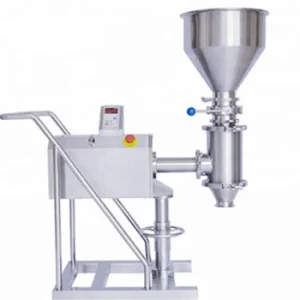
Explore our secondary lineup of industrial tools, processing machines, and ventilation components designed for challenging factory environments.
 ZRF Spinning