Explore our elite engineering portfolio featuring industry-recognized high-precision and heavy-duty sheet forming systems.
Understanding the Mechanics of Thermally-Assisted Precision Forming in Modern Metallurgy
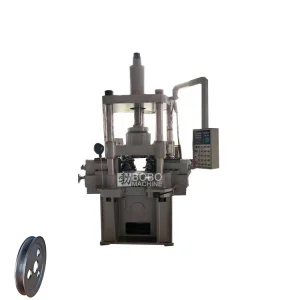
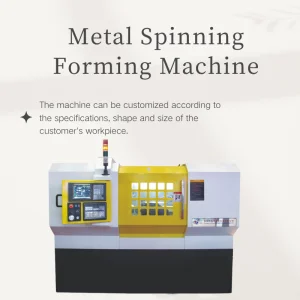
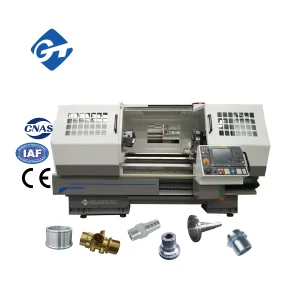
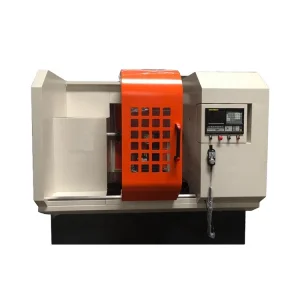
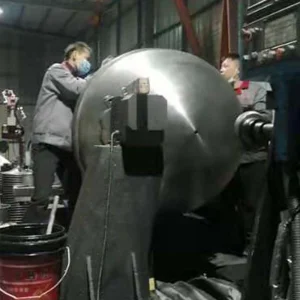
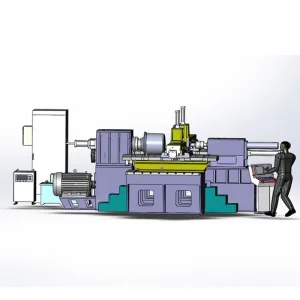
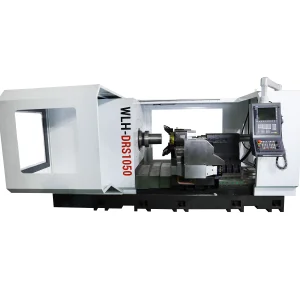
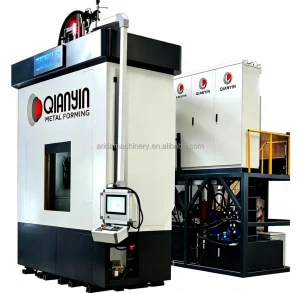
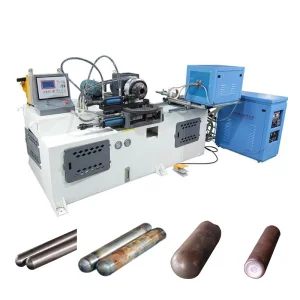
In the vanguard of advanced manufacturing, the fabrication of thick-walled, high-strength structural components poses a critical engineering challenge. Conventional cold metal forming processes often reach their physical limits when dealing with hard-to-deform materials such as titanium alloys, superalloys, nickel-based systems, and high-strength steels. Herein lies the significance of Hot Metal Induction CNC Spinning. By seamlessly combining localized electromagnetic induction heating with high-tonnage multi-axis CNC roller pressure, this hybrid technology facilitates the dynamic deformation of metals under controlled elevated thermal conditions.
Zhejiang ZRF Spinning Co., Ltd. has stood at the intersection of metallurgy and machinery design, pioneering these techniques. Localized induction heating operates on the principles of electromagnetic induction. An alternating magnetic field induces eddy currents within the workpiece, heating the metal rapidly to its plastic or recrystallization temperature zone. Under these thermal dynamics, the yield strength of the material drops precipitously, while the elongation capacity rises. This window allows the CNC rollers to shape complex geometries—including flares, barrels, domes, and multi-grooved wheels—without incurring structural micro-cracks, work-hardening limits, or high tooling costs.
"The integration of real-time temperature feedback and closed-loop CNC path adjustment is the hallmark of modern hot spinning. It transitions metal forming from a trial-and-error craft into a predictable, mathematically optimized engineering discipline."
The global market for hot metal induction CNC spinning is expanding rapidly, fueled by demands for lightweighting in transport, energy efficiency, and deep-space exploration. In North America and Europe, the primary drivers are aerospace propulsion components, defense systems, and high-pressure chemical storage. Factories in Asia, particularly in China, are accelerating their industrial upgrading, shifting from basic metal stamping to advanced flow forming and induction spinning.
Industrial users globally are looking to replace multi-part welded assemblies with monolithic spun parts. Monolithic parts minimize weld-line weaknesses, reduce non-destructive testing (NDT) overheads, and dramatically lower component weight. Zhejiang ZRF Spinning Co., Ltd. actively caters to this shift, supplying custom-designed CNC platforms to defense, aerospace, and petrochemical hubs across over 20 countries.
The development path of Hot Metal Induction CNC Spinning is governed by three major technological milestones:
Integrating high-frequency induction generators directly with CNC software to adjust heating depth and power output on-the-fly relative to the metal’s instantaneous wall thickness.
Distributing dynamic stresses symmetrically via twin-roller assemblies. This suppresses spindle runout and maintains precise concentricity during extreme high-temperature flow forming.
Developing machine learning models that read sensory data (pyrometers, force cells) to predict micro-void formations and tweak the roller toolpath in micro-seconds.
Deploying specialized thermal forming across highly demanding commercial domains.
Spinning of thick-walled end caps, gas cylinders, and reactors. Ensures complete metallurgical density and zero weld seams to safely withstand high pressures.
Forming nose cones, nozzle liners, and missile casings from titanium and nickel superalloys. Induction heating enables precision at recrystallization limits.
High-speed manufacturing of lightweight multi-groove pulleys, hub assemblies, and drive shafts, maximizing tensile strength via optimized grain alignment.
Creating aerodynamic cowls, high-flow industrial exhaust housings, and fan casings with flanged rims that require high structural stiffness.
Zhejiang ZRF Spinning Co., Ltd. – Leading the Era of Intelligent CNC Metal Forming
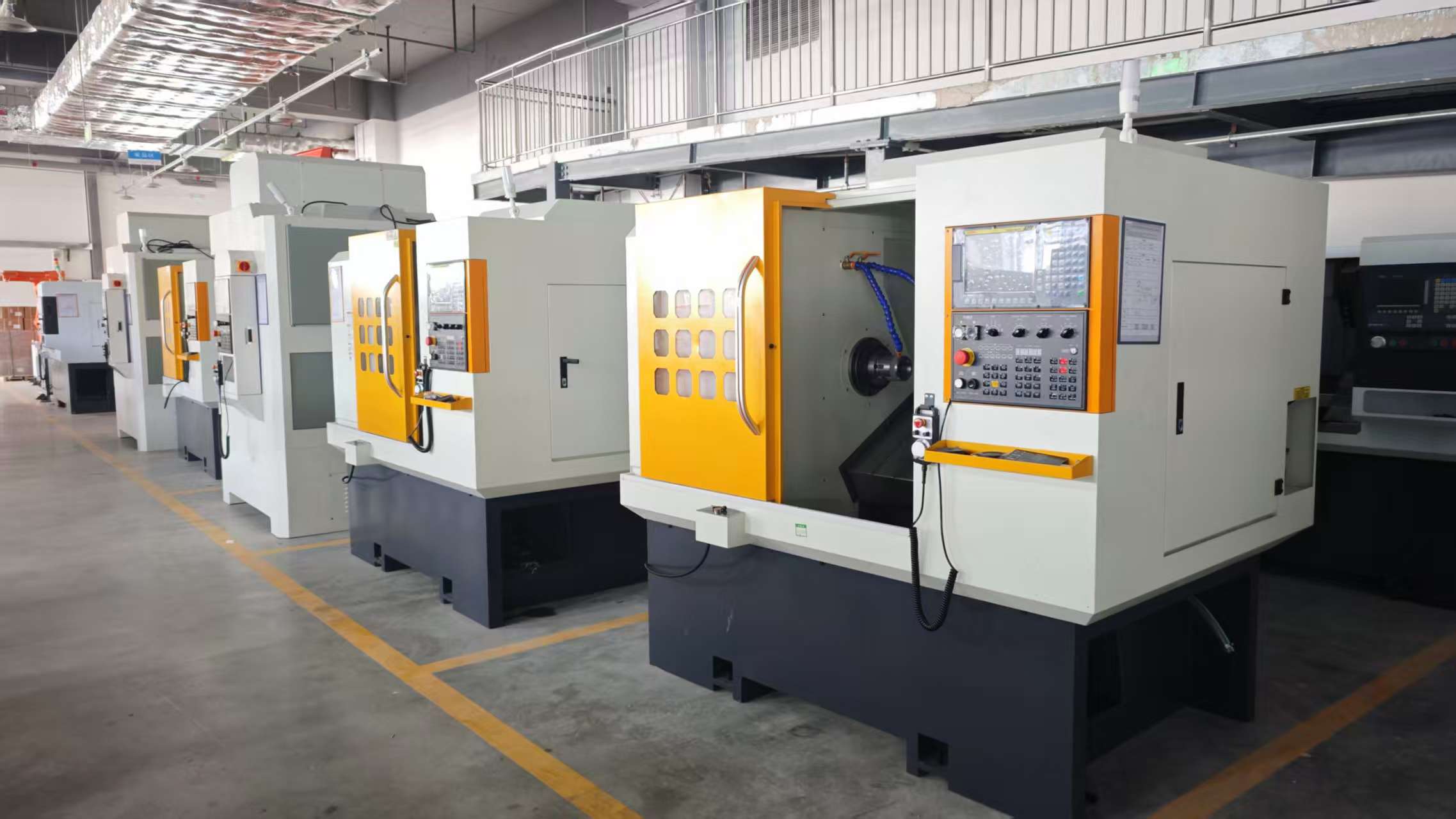
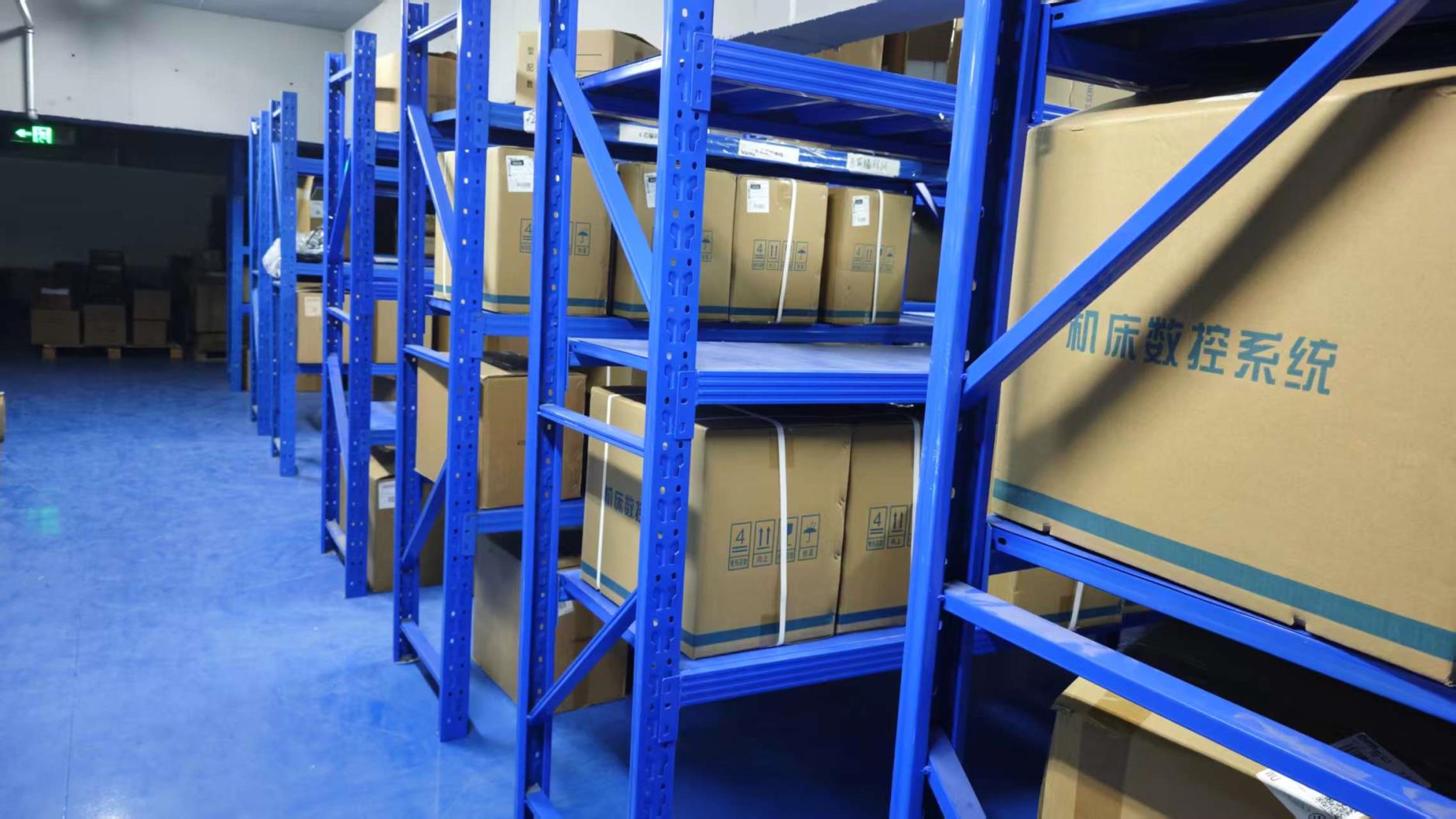
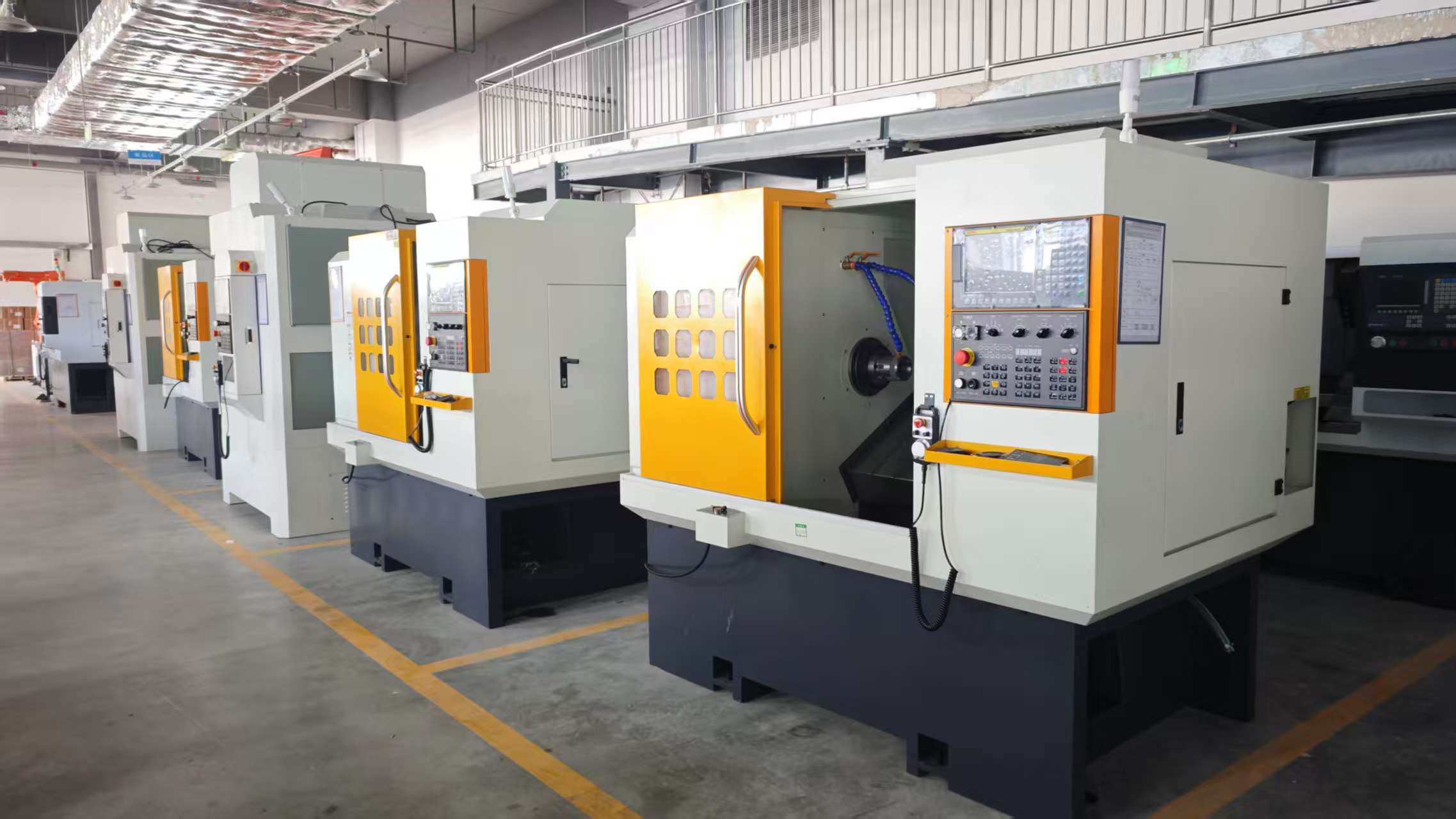
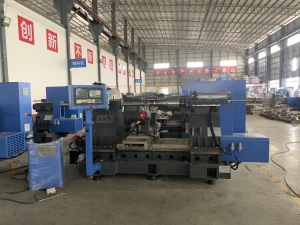
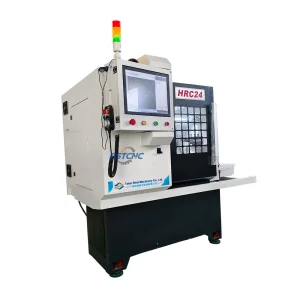
As a high-tech enterprise specializing in the research, development, and manufacturing of CNC spinning machine tools, Zhejiang ZRF Spinning Co., Ltd. has extensive experience and a strong technical foundation in the domestic spinning industry. Our series of CNC spinning machine tools are widely applied across a variety of industries, including petrochemicals, electronics, daily hardware, food processing machinery, automotive and motorcycle components, pressure vessels, ventilation and environmental protection, defense, and aerospace.
The ZRF spinning machine series has reached more than 30 provinces and cities across China and has been exported to over 20 countries and regions worldwide. Our advanced technology, excellent product quality, and comprehensive service system have earned the trust and recognition of users globally. At Zhejiang ZRF Spinning Co., Ltd., we firmly advocate a philosophy of market-oriented development, research-driven innovation, and technological excellence.
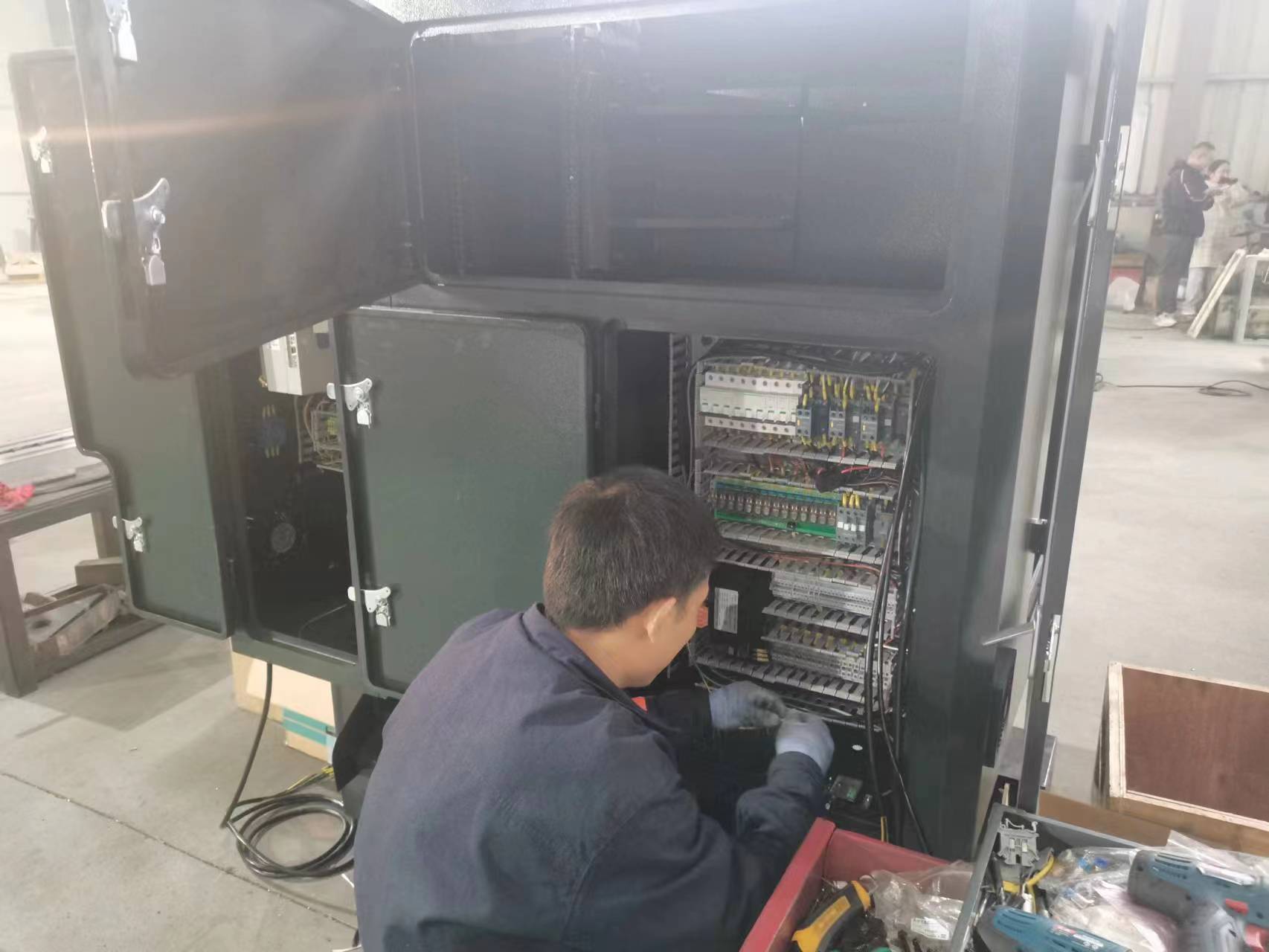
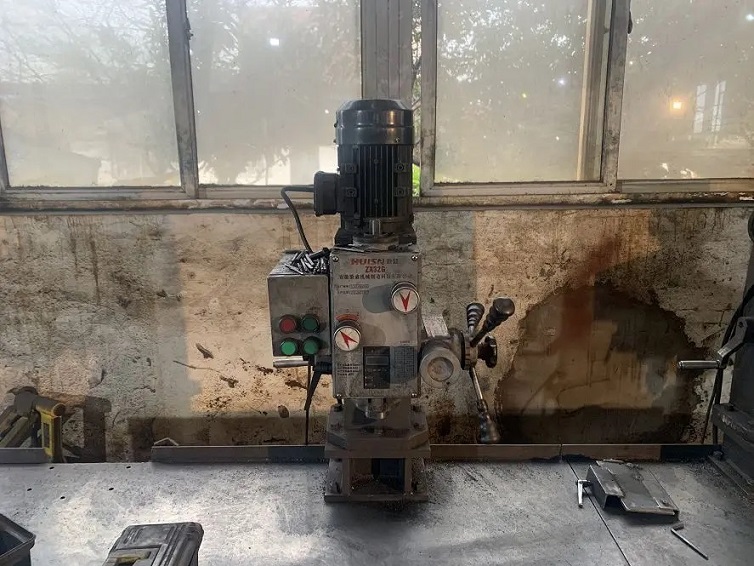
We focus on continuous improvement in both product performance and service quality. Our manufacturing process strictly adheres to the ISO9001 quality management system, ensuring reliable, safe, and high-quality products. Over the years, we have established long-term cooperative relationships with many leading domestic and international enterprises.
Addressing standard procurement, technical, and engineering inquiries.
Induction heating delivers concentrated, rapid energy targeting only the specific zone under deformation. This limits thermal distortion in the remaining parts of the workpiece. Gas-torch heating is imprecise, energy-inefficient, and creates undesirable surface oxidation scale across the entire component.
It is ideal for high-strength, low-ductility alloys such as Titanium (Grades 2 and 5), Inconel 718, high-strength structural carbon steels, and thick-gauge stainless steels (such as 316L or duplex systems). Elevating the temperature past their plastic limit reduces forming force and prevents tearing.
Depending on the diameter and structural rigidity of the raw workpiece, ZRF CNC machines can achieve wall thickness tolerances of ±0.05 mm and outer diameter dimensional accuracy within ±0.1 mm, utilizing double-roller synchronized pressure vectors.
Yes, but in a highly positive way. When performed within the correct recrystallization temperature envelope, hot induction spinning refines the metal's grain structure. It eliminates internal voids and aligns the grain boundaries with the flow contours, enhancing the fatigue resistance and tensile properties of the finished product.
Our machine series feature enclosed thermal guarding, integrated infrared temperature sensors for closed-loop heat regulation, auto-cooling spindles, and active ventilation. All systems comply with international factory safety standards and ISO9001 protocols.
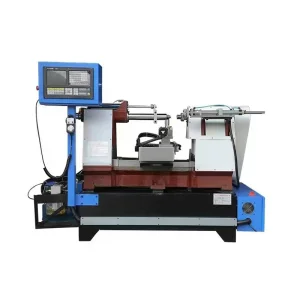
Further industrial solutions covering laser processing, custom forming, and specialized CNC machining.
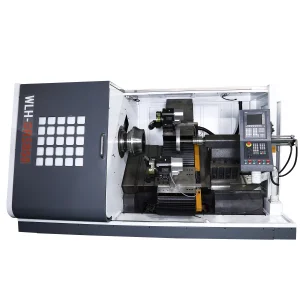
 ZRF Spinning