Discover our high-precision CNC spinning lathes, industrial air ventilation systems, and metal forming solutions tailored for global markets.
Analyzing the mechanics, structural properties, and cost dynamics of modern metal deformation techniques for commercial-grade cookware and culinary vessel production.
| Performance Indicator | Traditional Deep Drawing | ZRF Automatic CNC Spin Forming | Operational/SEO Advantage |
|---|---|---|---|
| Tooling & Die Capital Costs | Extremely High (Custom male/female dies per size) | Low-Cost (Simple mandrels and standard rollers) | Speeds up prototyping and small-batch versatility |
| Material Utilization Rate | 75% - 82% (Significant blank trimming required) | Up to 96% (Near net shape, minimal trim waste) | Direct reduction of raw material overhead |
| Finished Mechanical Strength | Standard properties, risk of localized thinning | Enhanced tensile strength due to rotary grain alignment | More robust pots/bowls with thinner, lighter walls |
| Setup Changeover Times | 4 to 8 Hours (Heavy die adjustments) | 15 to 30 Minutes (Digital program + mandrel swap) | Enables Lean JIT production models |
Addressing the strategic requirements of procurement officers, quality control engineers, and international equipment buyers.
Procurement teams are shifting away from standalone machinery in favor of modular cells. Modern manufacturing requires CNC spin forming machinery that seamlessly interfaces with automatic sheet loaders, trimming/beading attachments, and robot-arm transfer stations to achieve complete hands-free operations.
European and North American buyers prioritize compliance above all else. Machinery must conform strictly to European Machinery Directive 2006/42/EC. This includes integrated safety enclosures, dual-channel emergency stop safety relays, light curtains, and explosion-proof internal electronics for high-dust metallic environments.
Heavy deformation cycles generate extreme localized heat. Global enterprises require active cooling loops for hydraulic units and spindle bearings to prevent thermal drift. Consistent heat management maintains dimensional tolerances within ±0.1mm during uninterrupted 24/7 manufacturing schedules.
How regional specialization, integrated logistics, and deep engineering clusters elevate Zhejiang ZRF Spinning Co., Ltd. onto the global stage.
Mitigating cross-border operational risks through proactive field service and international certification structures.
Each unit shipped is fully CE marked, with complete technical dossiers prepared for immediate customs clearance and localized OSHA/factory audits. We guarantee alignment with Low Voltage Directive (LVD) and Electromagnetic Compatibility (EMC) regulations, mitigating compliance risks for our customers.
All ZRF spinning machines feature secure Ethernet/Wi-Fi gateways for remote engineering diagnostics. Our mainland engineering team can access real-time sensor logs, modify CNC PLC loops, and verify roller calibrations without requiring an on-site visit, reducing downtime by up to 90%.
Through our network of regional partners, ZRF provides hands-on operator training covering toolpath programming, mandrel preparation, dynamic roller pressure configuration, and routine hydraulic maintenance. Empowering local teams guarantees sustained, long-term equipment efficiency.
How artificial intelligence, IoT sensor feedback, and green manufacturing standards are shaping the next generation of metal spinning machinery.
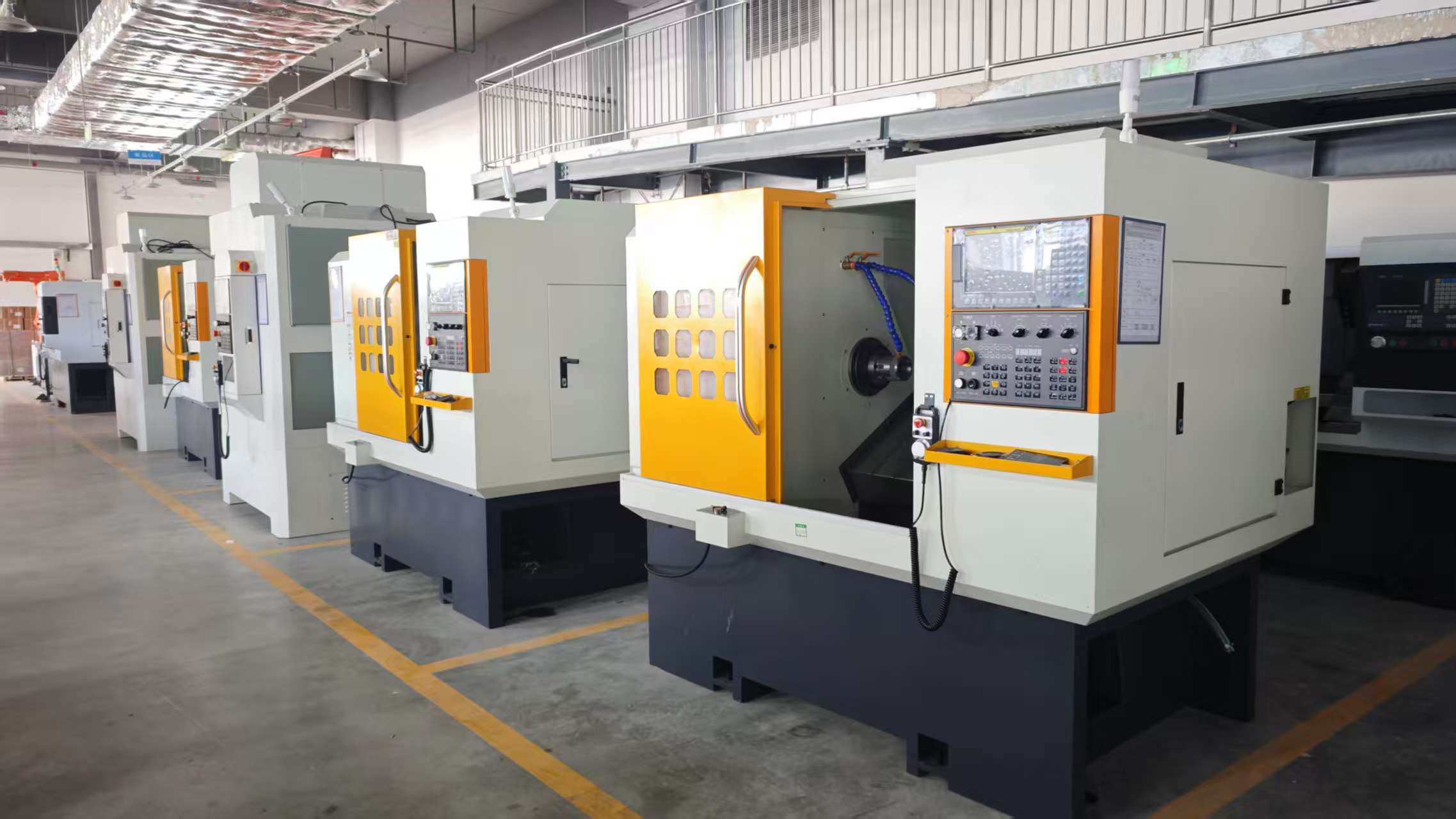
A high-tech pioneer specializing in CNC spinning machine tool research, development, and advanced manufacturing.
In-depth answers to the most common engineering and procurement questions about automatic CNC pot and bowl spin forming systems.
Our systems process a wide range of ductile metals, including aluminum alloys (1050, 3003, and 5052 series), commercial grade stainless steels (SUS304, SUS316, and SUS430), oxygen-free copper, brass, and deep-drawing structural carbon steel. Different materials require dedicated roller pressure adjustments and program travel profiles to control elongation and prevent tearing.
Because metal spinning utilizes a single mandrel profile rather than matching male/female die cavities, tooling wear is concentrated along the mandrel's contact surfaces. For high-speed aluminum forming, we utilize chromium-alloyed tool steel (Cr12MoV) heat-treated to HRC 58-62, which routinely yields over 500,000 components before requiring regrinding.
Our CE-compliant systems incorporate heavy-duty steel safety gates with dual-channel magnetic safety interlock switches, an active light curtain guarding the loading window, and integrated fire suppression nozzles for magnesium-aluminum alloy environments. If the machine's barrier envelope is breached during operation, the main spindle stops within 1.2 seconds.
Yes. Utilizing our advanced CNC programming and synchronization software, we can install auxiliary hydraulic cross-slides or dual-axis interpolation drives. This allows the rollers to dynamically change their radial position during spindle rotation, producing high-precision oval, rectangular, and polygonal pans.
We perform complete material analysis and test runs. Customers can ship sample metal sheets or design profiles to our Zhejiang R&D center. We will select the ideal rollers, generate the target program, spin the product, and supply a comprehensive dimensional verification report alongside finished sample parts before order confirmation.
Explore our auxiliary products, including heavy-duty flanging systems, gas cookers, high-frequency pipe forming machines, and custom cutting tools.
 ZRF Spinning