Engineered for immediate integration into Boeing corridor aerospace supply chains and high-tolerance Pacific Northwest industrial networks.
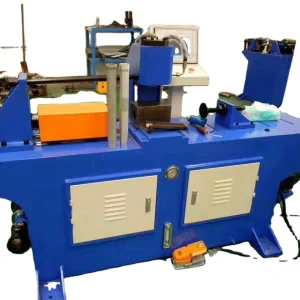

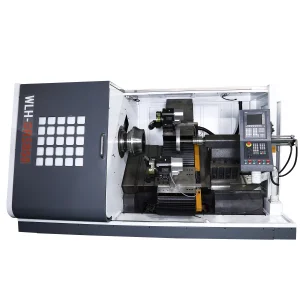
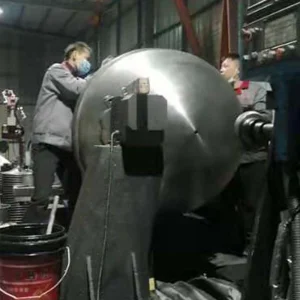
The Seattle metropolitan area—stretching from the aerospace fabrication plants of Everett down to the space tech hub of Kent Valley and Redmond—is globally recognized as a center of excellence for aerospace, defense, marine engineering, and clean energy innovation. Manufacturing flight-critical components requires systems capable of producing seamless, high-integrity cylindrical and conical geometries. This is where precision CNC flow forming plays an indispensable role.
Traditional multi-stage machining processes yield substantial raw material waste, often turning up to 80% of expensive aerospace-grade alloys into scrap shavings. By contrast, CNC flow forming operates on the principle of incremental cold plastic deformation. As pressure rollers compress the workpiece over a precision mandrel, the material is elongated and thinned, optimizing its internal grain structure and significantly increasing mechanical properties such as yield strength and fatigue resistance.
From rocket motor cases for commercial orbital launchers to complex ducting for commercial gas turbines and specialized marine propulsion components, local fabricators and defense primes are upgrading their production lines with high-power CNC spinning systems. Direct supply access to reliable global manufacturers is essential to sustaining Seattle's industrial momentum.
A comparative engineering breakdown for manufacturing directors, procurement managers, and systems integrators.
In high-precision manufacturing, terms like *metal spinning*, *shear forming*, and *flow forming* are frequently conflating. However, the mechanical mechanics and final stress distributions differ greatly. **Shear spinning** reduces the thickness of a flat circular blank while maintaining the starting outer diameter, forcing the metal to conform to the profile of a conical mandrel. The thickness of the finished piece is defined directly by the sine rule (starting thickness multiplied by the sine of the half-mandrel angle).
In contrast, **CNC flow forming** is a cold-working process that specifically targets cylindrical parts. By applying localized force through one or more rollers, the wall thickness of a starter tube or preform is reduced, driving the material to flow axially along a cylindrical mandrel. This enables the fabrication of long, high-precision, thin-walled cylinders with varying internal steps, thick flanges, and precisely calibrated structural ribs.
| Performance Characteristic | CNC Flow Forming (Cold Tube Process) | Conventional Metal Spinning | Multi-Axis High-Speed Machining |
|---|---|---|---|
| Material Conservation | Excellent (Near 95-98% utilization) | Good (Blank diameter remains constant) | Poor (High chip volume, up to 80% waste) |
| Grain Structure Evolution | Axially aligned, compressed grains (High fatigue strength) | Partially oriented grains | Severed grain flow lines (Lower structural load limits) |
| Wall Thickness Control | Extremely precise (±0.01 mm, multi-roller) | Standard tolerance (±0.25 mm) | High accuracy (but limits thin-wall stability) |
| Tensile Strength Enhancement | Up to 50% increase via severe plastic deformation | Minimal structural improvement | No metallurgical improvement |
As a high-tech enterprise specializing in the research, development, and manufacturing of CNC spinning machine tools, Zhejiang ZRF Spinning Co., Ltd. has extensive experience and a strong technical foundation in the domestic and global spinning industry.
Our series of CNC spinning machine tools are widely applied across a variety of industries, including petrochemicals, electronics, daily hardware, food processing machinery, automotive and motorcycle components, pressure vessels, ventilation and environmental protection, defense, and aerospace. The ZRF spinning machine series has reached more than 30 provinces and cities across China and has been exported to over 20 countries and regions worldwide. Our advanced technology, excellent product quality, and comprehensive service system have earned the trust and recognition of users globally.
For industrial buyers in Seattle, partnering with Zhejiang ZRF Spinning Co., Ltd. provides a highly competitive route to acquiring next-generation cold-forming capabilities. Capitalizing on China's massive industrial manufacturing ecosystem, ZRF combines rigorous quality management with significant cost efficiencies. Our manufacturing process strictly adheres to the ISO9001 quality management system, ensuring reliable, safe, and high-performance machines delivered directly to international shipping hubs.
Continuous hardware and software upgrades, utilizing multi-axis synchronized hydraulic control and proprietary CNC tool-path simulation systems.
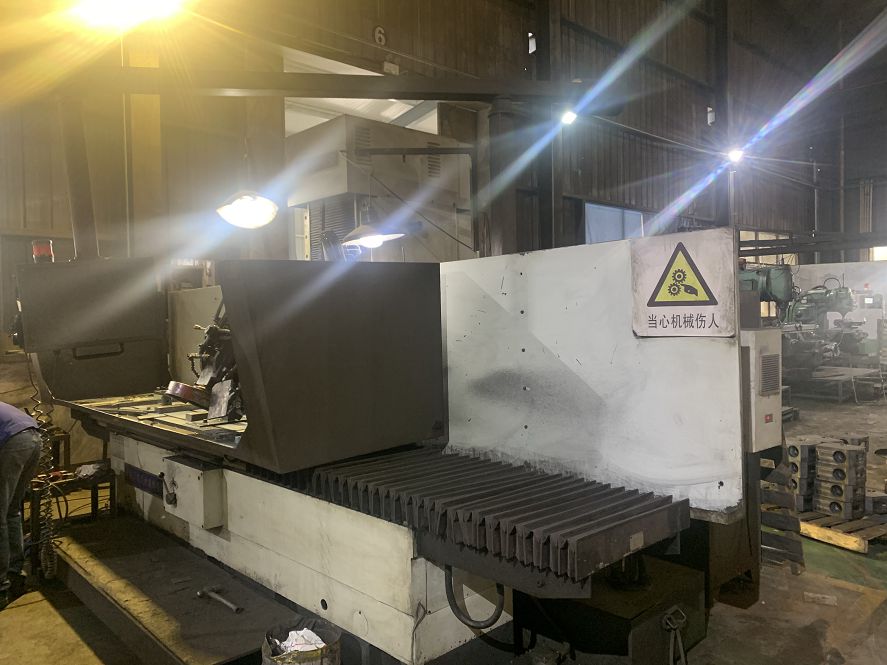
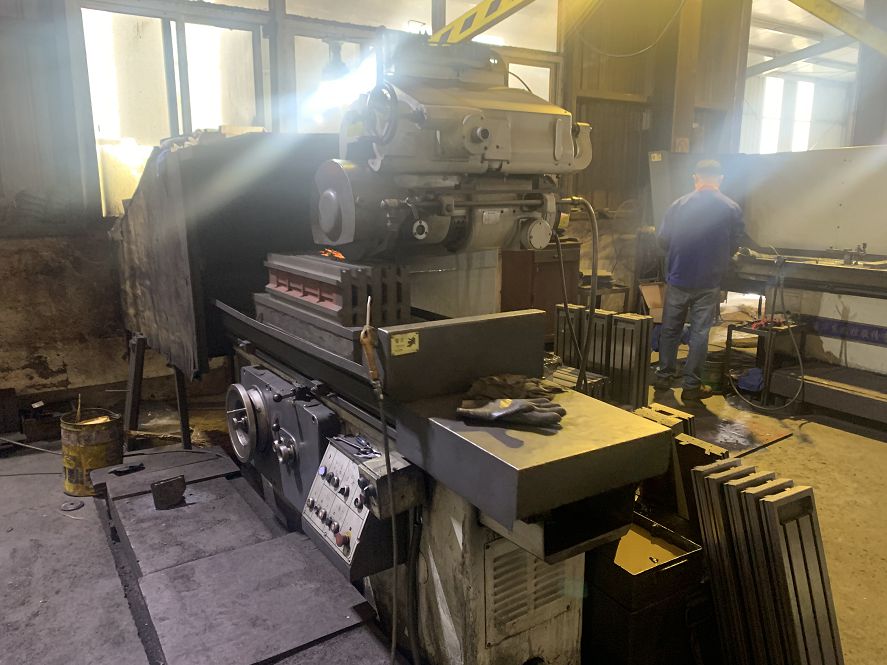
Strict adherence to CE safety guidelines, utilizing precision guideway grinders, universal grinding tools, and localized laser structural testing.
Direct transport solutions to Puget Sound ports (Seattle & Tacoma), providing comprehensive customs clearance documentation and on-site integration support.
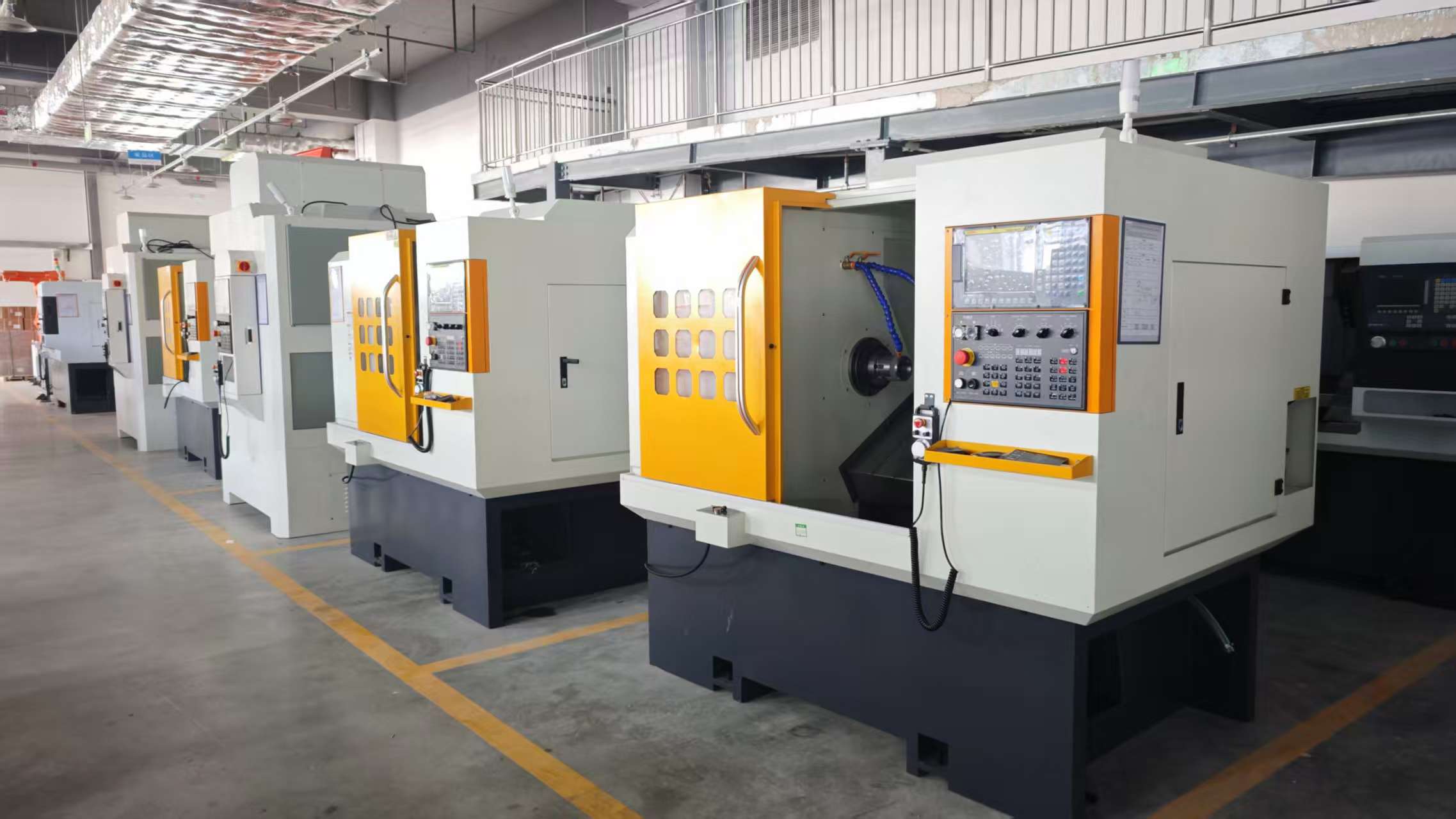
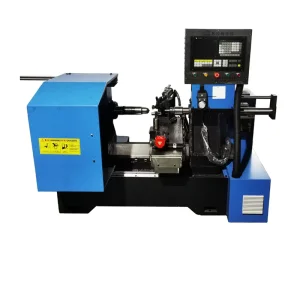
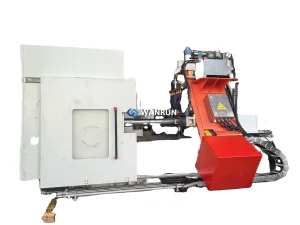
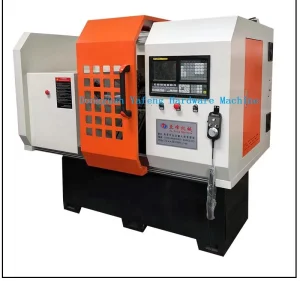
Heavy-duty automation designed for consistent wall reductions and custom sheet-metal spinning profiles.

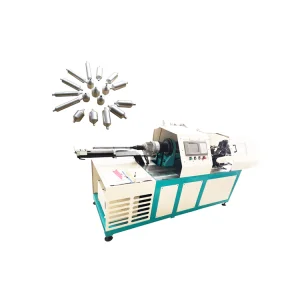

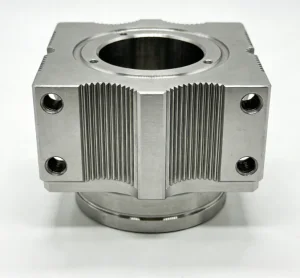
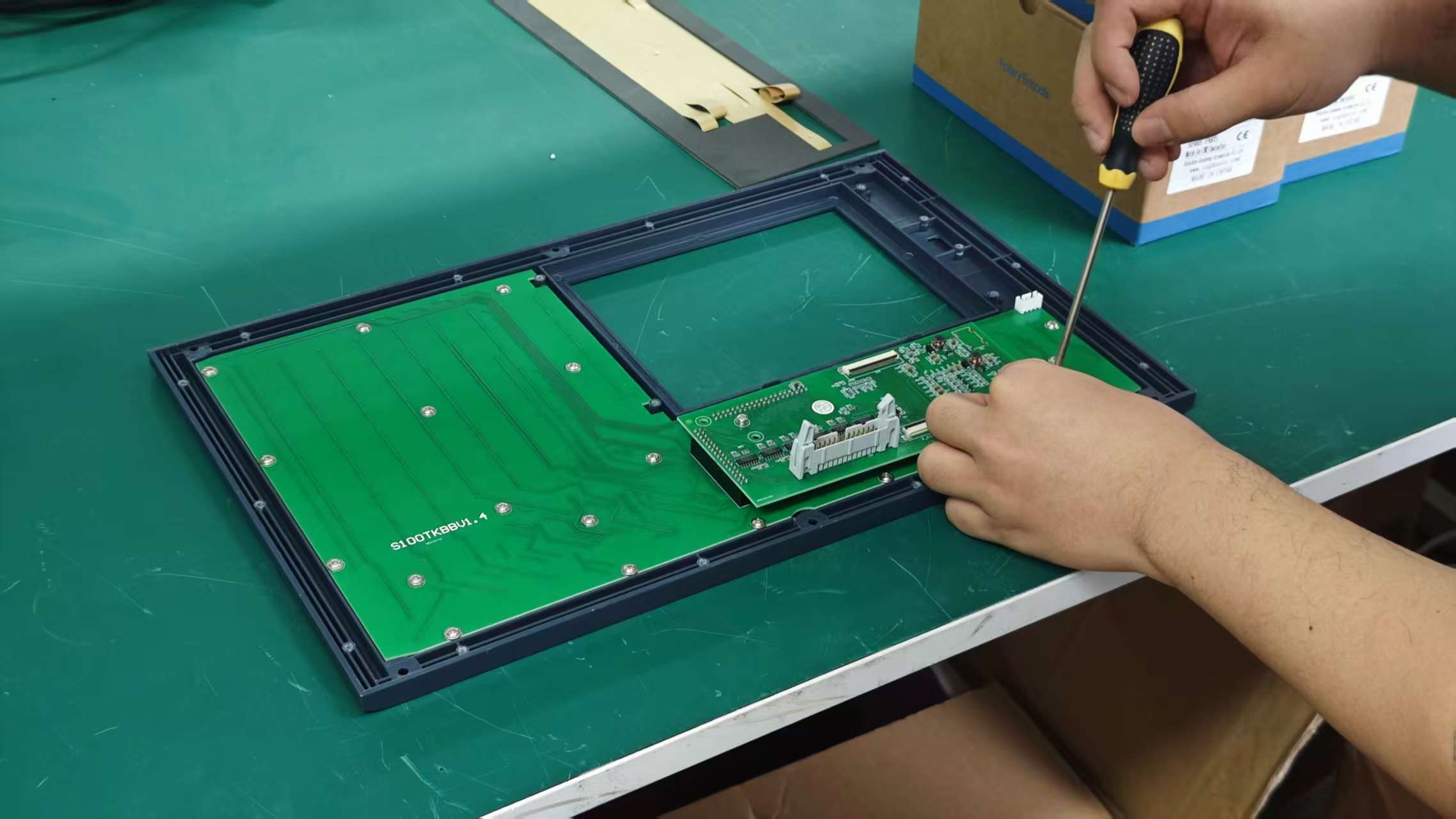
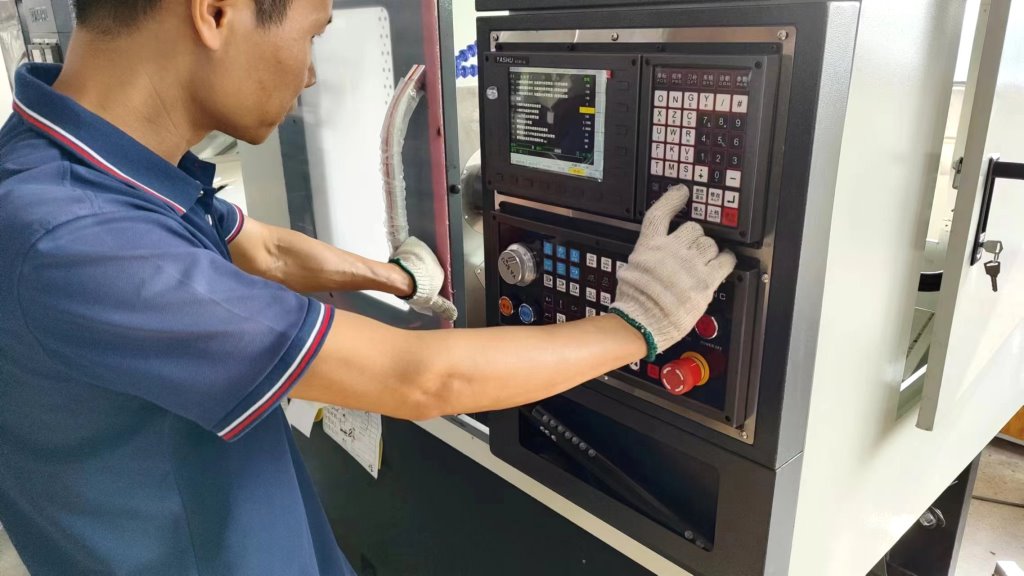
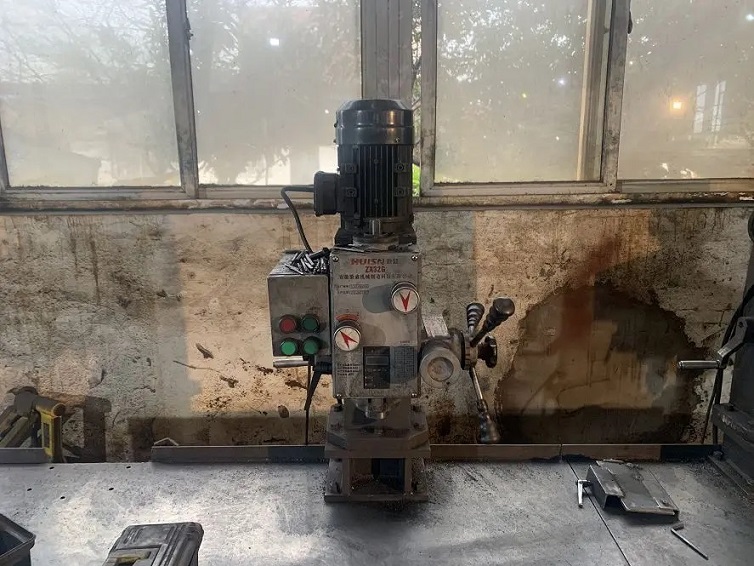
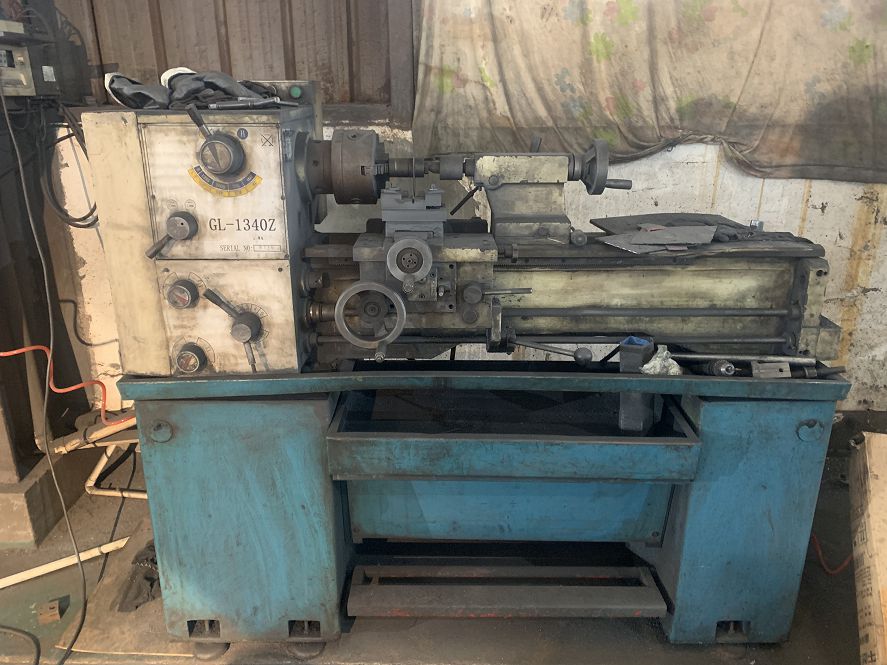
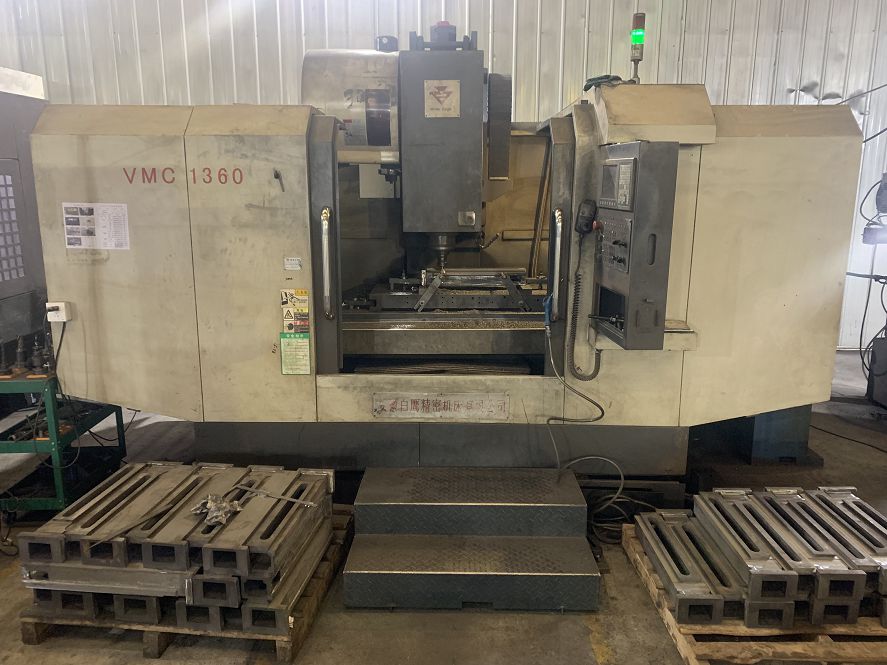
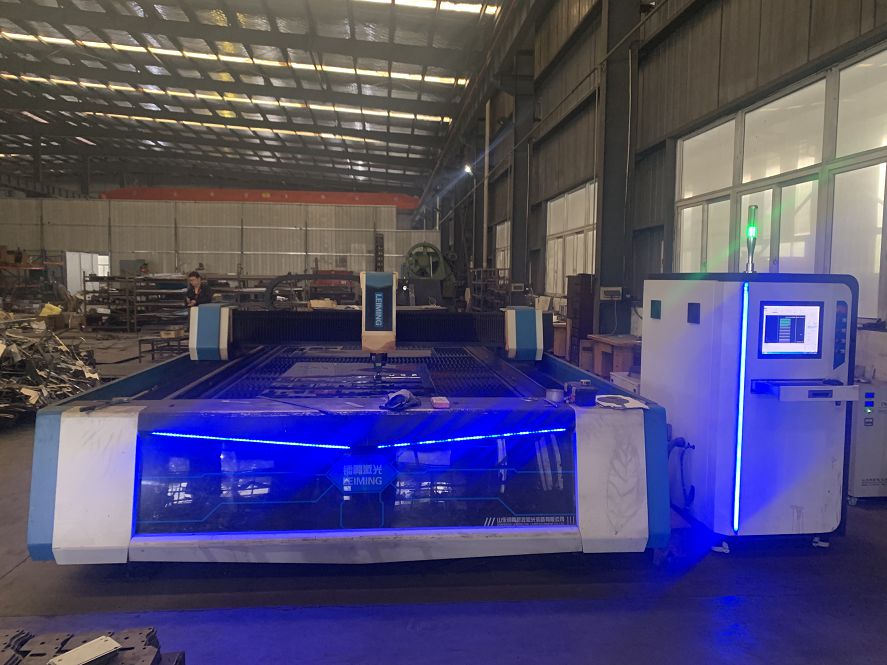
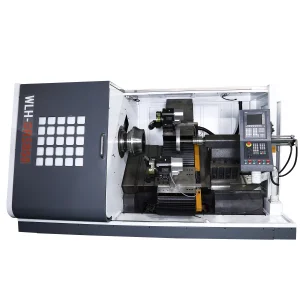
Every machine undergoes strict machining, component calibration, structural aging, and final software testing before global dispatch.
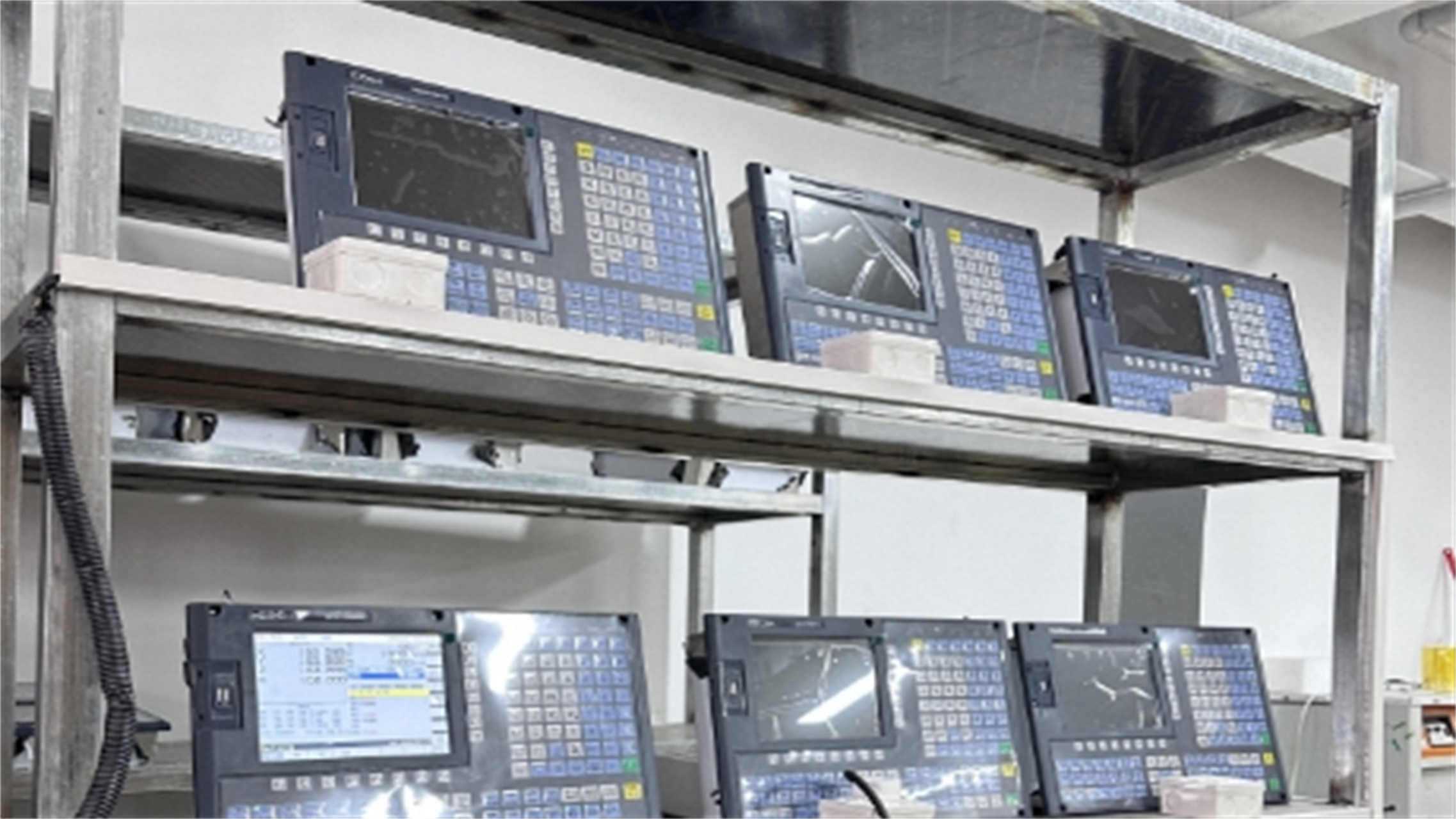
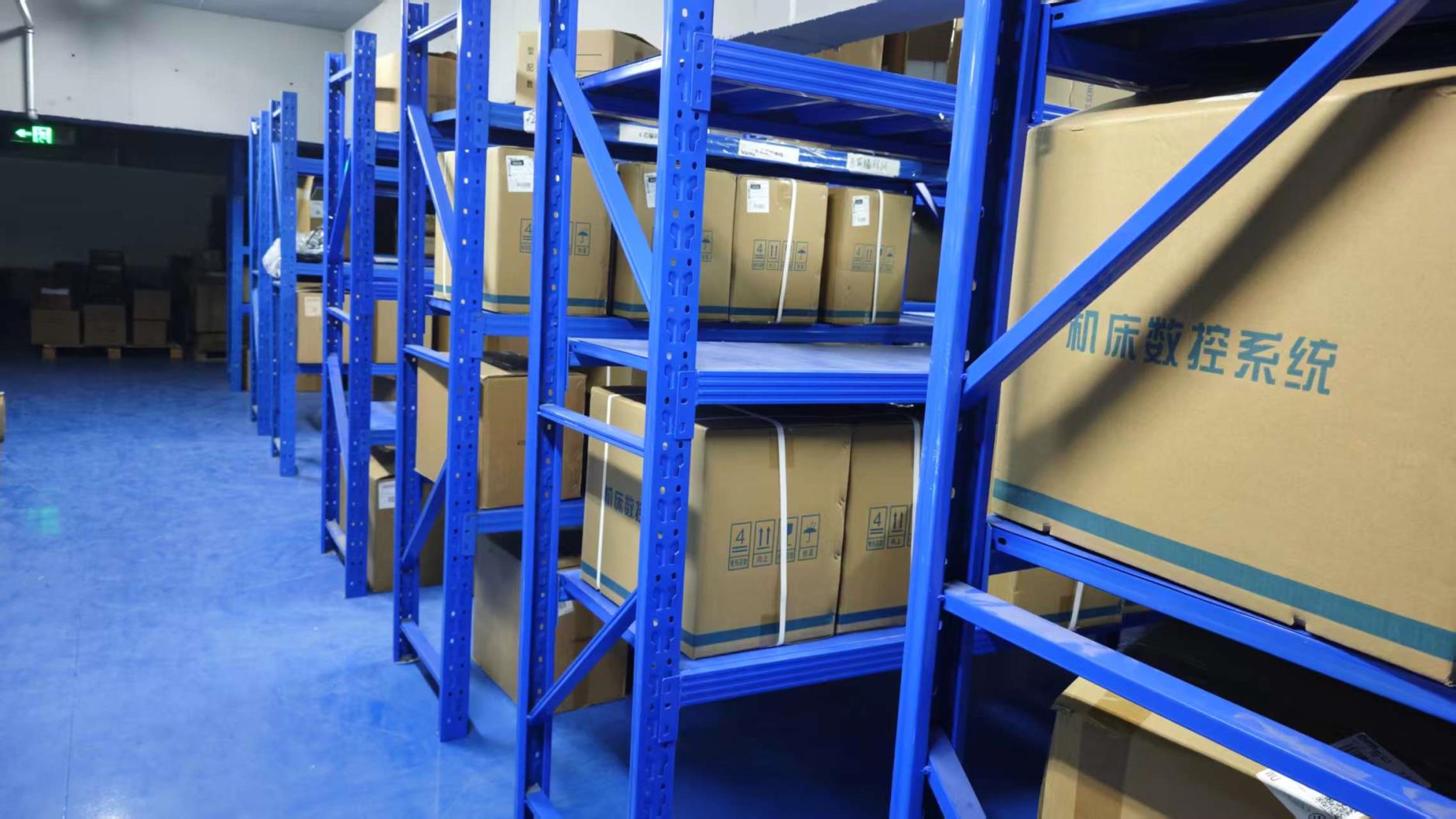
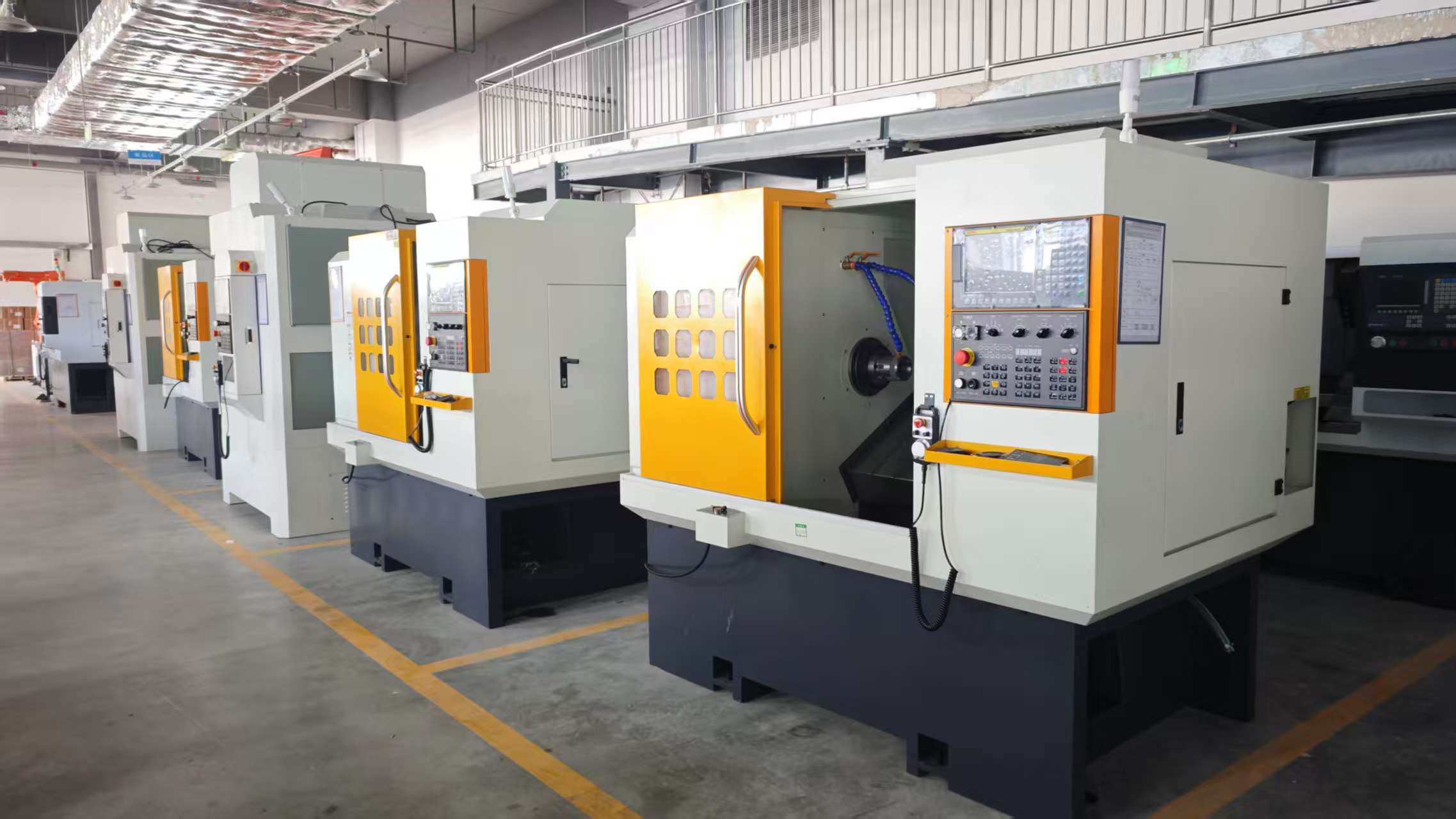
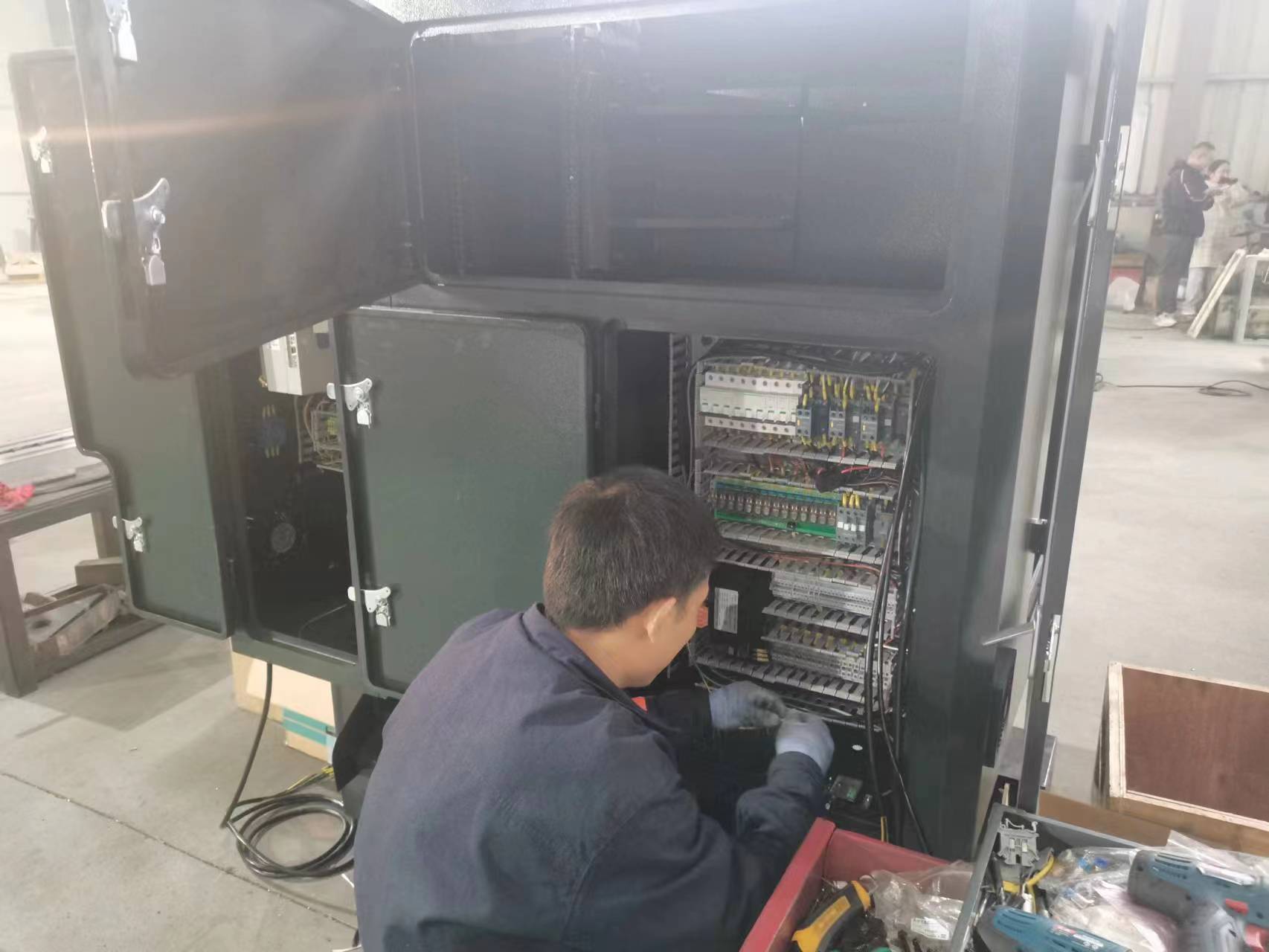
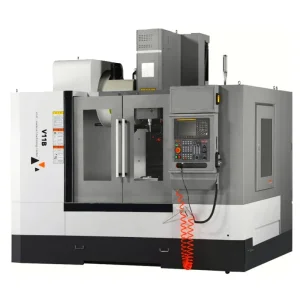
Custom engineering designs configured to solve high-pressure, thin-walled, and aerodynamic structural challenges.
Fabrication of high-strength fuel tank domes, propellant tubes, and rocket motor nozzle cowls. The cold work deformation enhances pressure tolerances while keeping wall profiles extremely thin to reduce launch weight.
Seamless high-pressure hydrogen and CNG accumulator cylinders. By eliminating welded longitudinal seams, flow formed tubes significantly reduce micro-fracture risks under deep-sea or high-pressure applications.
Production of perfectly balanced ventilation housings, custom nozzles, and air induction inlets. Ensures uniform material distribution to eliminate high-velocity rotational vibration.
Insights into tooling capability, lead times, materials compatibility, and global support structures.
Depending on the ductility of the alloy, wall thickness reductions between 40% and 75% can be achieved in a single pass without intermediate annealing. Harder materials like Titanium Ti-6Al-4V or Inconel 718 may require warm forming configuration or intermediate vacuum annealing steps to relieve internal work hardening.
ZRF machines are constructed with heavy cast-iron beds that undergo extensive stress-relief thermal cycles. We equip our flow forming systems with high-resolution closed-loop hydraulic servo systems, enabling active roller path correction down to ±0.01 mm. This level of precision meets standard aerospace parameters like Boeing D6-82479 and engine nozzle design requirements.
Our machines are engineered to work with a broad spectrum of structural metals, including Austenitic Stainless Steels (304, 316), Aluminum Alloys (2024, 6061, 7075), Titanium Alloys, Nickel-Chromium superalloys (Inconel), and high-conductivity Copper hardware.
Ocean freight from major ports near Zhejiang (Ningbo/Shanghai) to the Port of Seattle typically takes 18 to 25 days. Complete system manufacturing, electrical configuration matching US standards (such as 480V, 3-Phase, 60Hz), and factory acceptance testing takes between 60 to 90 days from order confirmation.
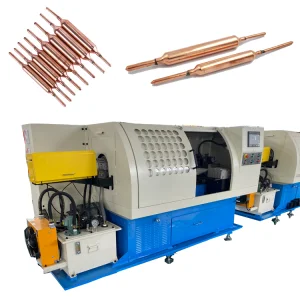
High-capacity systems configured with multi-roller assemblies for production-scale cold forming.
 ZRF Spinning