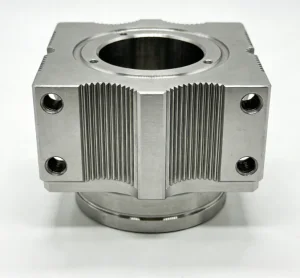
Engineered for high-volume, thin-wall precision applications across Singapore’s top industrial sectors.
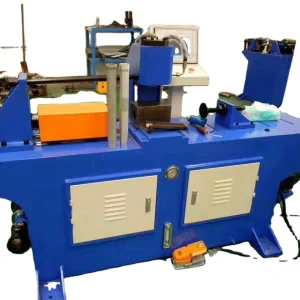
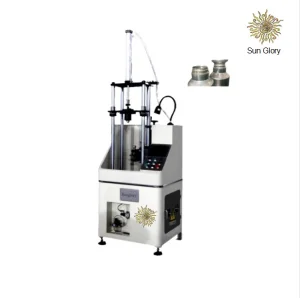
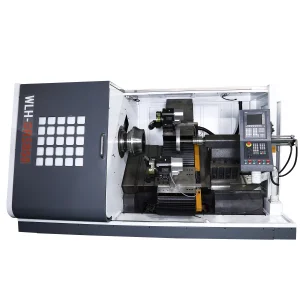
As Singapore consolidates its position as a global advanced manufacturing and precision engineering hub under the Research, Innovation and Enterprise (RIE) 2025 plan, local industries face intense pressure to optimize material utilization, reduce labor dependencies, and achieve extreme tolerances. The Seletar Aerospace Park, Tuas Biomedical Park, and the Jurong Innovation District are leading a structural transition towards chipless forming technologies. Traditional machining, while accurate, creates significant raw material waste—a critical drawback given Singapore's reliance on imported high-value alloys like Titanium, Inconel, and aerospace-grade Stainless Steel.
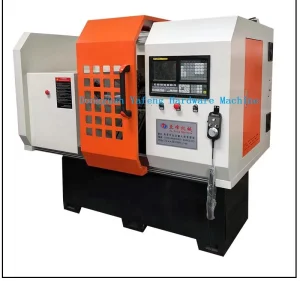
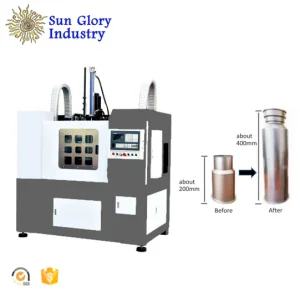
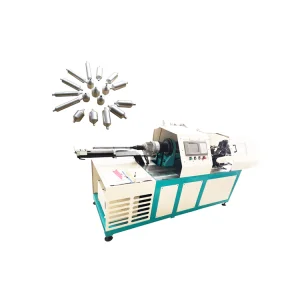
CNC Flow Forming offers a transformative solution. By utilizing localized compressive forces over a mandril, this process displaces metal plastically to form thin-walled, seamless cylindrical or conical components with high dimensional precision. In Singapore’s high-tech semiconductor fabrication plants, where vacuum chambers and gas delivery pipelines require ultra-smooth internal surfaces and leak-free structural integrity, flow-formed tubes provide unprecedented reliability. This method achieves significant material savings of up to 70% compared to traditional boring and turning, aligning perfectly with the national push toward green manufacturing and carbon footprint reduction.
Enabling the local production and maintenance of rocket motor casings, combustor liners, and jet engine tailpipe nozzles within Singapore’s aviation MRO ecosystem.
Forming seamless, ultra-high-purity (UHP) stainless steel tubing with extreme geometric consistency for chemical vapor deposition (CVD) equipment gas delivery systems.
Minimizing material waste and tool wear, significantly lowering the Total Cost of Ownership (TCO) for precision machine shops operating in high-overhead Singapore environments.
Furthermore, Singapore's Smart Industry Readiness Index (SIRI) framework highlights the necessity for manufacturing assets that support IoT integration, real-time sensing, and closed-loop process control. Zhejiang ZRF Spinning Co., Ltd. supplies CNC flow forming machinery configured with advanced CNC systems (such as Siemens 840D SL or Fanuc series) that interface seamlessly with local Manufacturing Execution Systems (MES). This integration allows real-time data capture of forming forces, roller positions, and spindle loads, enabling predictive quality assurance and meeting the stringent digital compliance standards of Singapore's tier-1 aerospace and defense contractors.
Analyzing the global transition toward chipless, net-shape metal forming solutions across defense and aerospace industries.
Flow forming is not merely a dimensional shaping process; it is a metallurgical enhancement technique. During the forming cycle, the metal undergoes severe plastic deformation, which refines the grain structure along the axial direction. This deformation yields significant increases in tensile strength, yield strength, and hardness, a phenomenon known as strain hardening or work hardening. Consequently, engineers can specify thinner walls without sacrificing structural integrity, allowing for weight reductions in aerospace structural components, rocket hulls, and high-pressure gas storage cylinders.
Globally, the demand for precision flow-formed products is growing rapidly. From lightweight alloy wheels in the automotive industry to fuel tanks for satellite launch systems, the capability to form complex internal geometries with tight tolerances is a key competitive differentiator. For Singaporean enterprises seeking international contracts, investing in robust CNC flow forming machinery is a vital step toward matching the production standards of leading manufacturers in Germany, Japan, and the United States.
The field of flow spinning and incremental sheet metal forming is evolving rapidly. Key technological trends driving research and development include:
Get in touch with our application engineers to request a detailed feasibility study and project quote tailored to your component geometry.
Send Inquiry NowZhejiang ZRF Spinning Co., Ltd. - Leading the research, development, and manufacturing of advanced CNC spinning machine tools.
As a high-tech enterprise specializing in the research, development, and manufacturing of CNC spinning machine tools, Zhejiang ZRF Spinning Co., Ltd. has extensive experience and a strong technical foundation in the domestic spinning industry.
Our series of CNC spinning machine tools are widely applied across a variety of industries, including petrochemicals, electronics, daily hardware, food processing machinery, automotive and motorcycle components, pressure vessels, ventilation and environmental protection, defense, and aerospace. The ZRF spinning machine series has reached more than 30 provinces and cities across China and has been exported to over 20 countries and regions worldwide. Our advanced technology, excellent product quality, and comprehensive service system have earned the trust and recognition of users globally.
At Zhejiang ZRF Spinning Co., Ltd., we firmly advocate a philosophy of market-oriented development, research-driven innovation, and technological excellence. We focus on continuous improvement in both product performance and service quality. Our manufacturing process strictly adheres to the ISO9001 quality management system, ensuring reliable, safe, and high-quality products. Over the years, we have established long-term cooperative relationships with many leading domestic and international enterprises.
We are dedicated to providing our clients with advanced, safe, and reliable technology and products. Looking forward, Zhejiang ZRF Spinning Co., Ltd. will continue to leverage its deep technical expertise to strengthen its leadership in China’s spinning industry and expand its global presence.
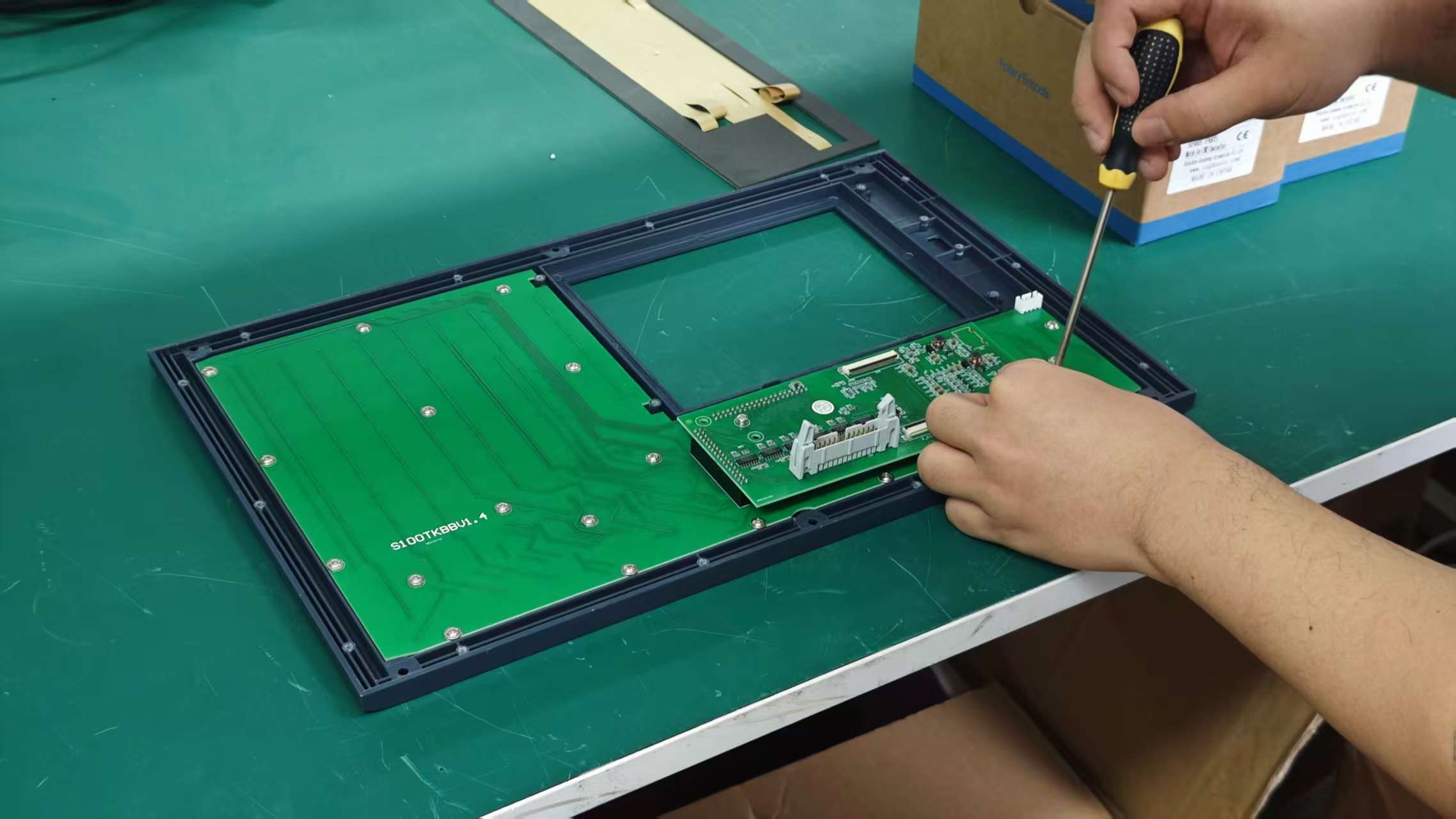
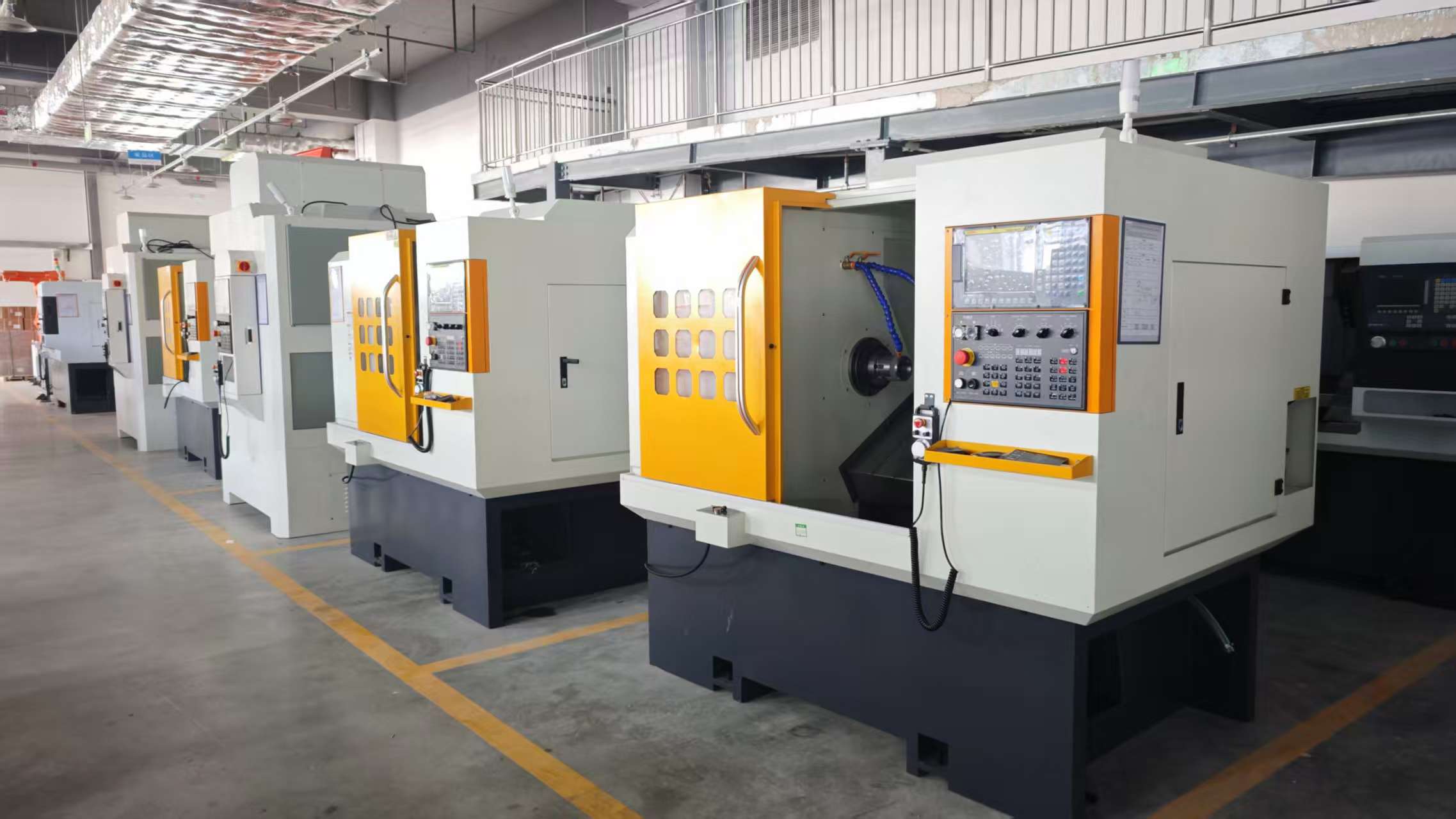
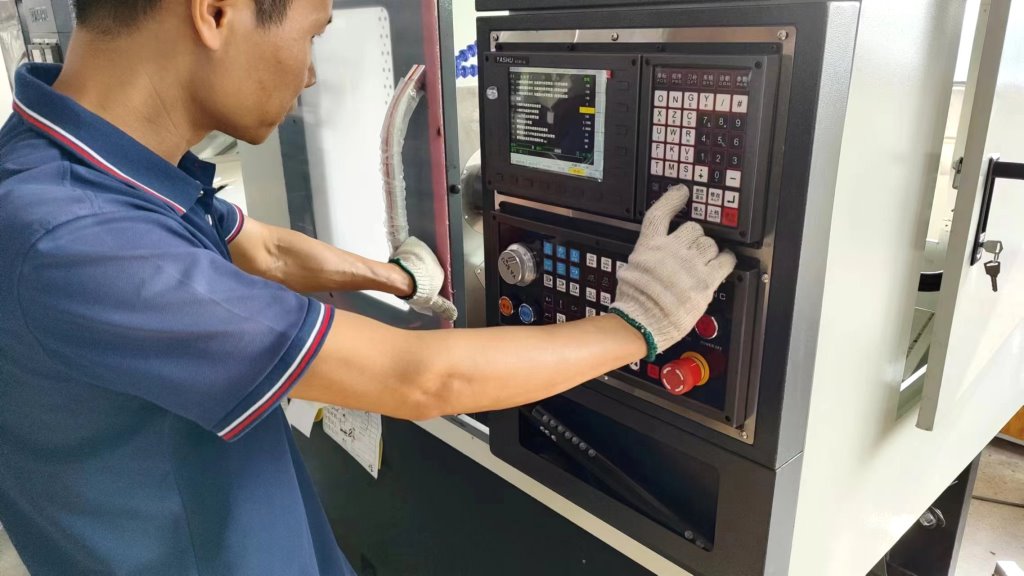
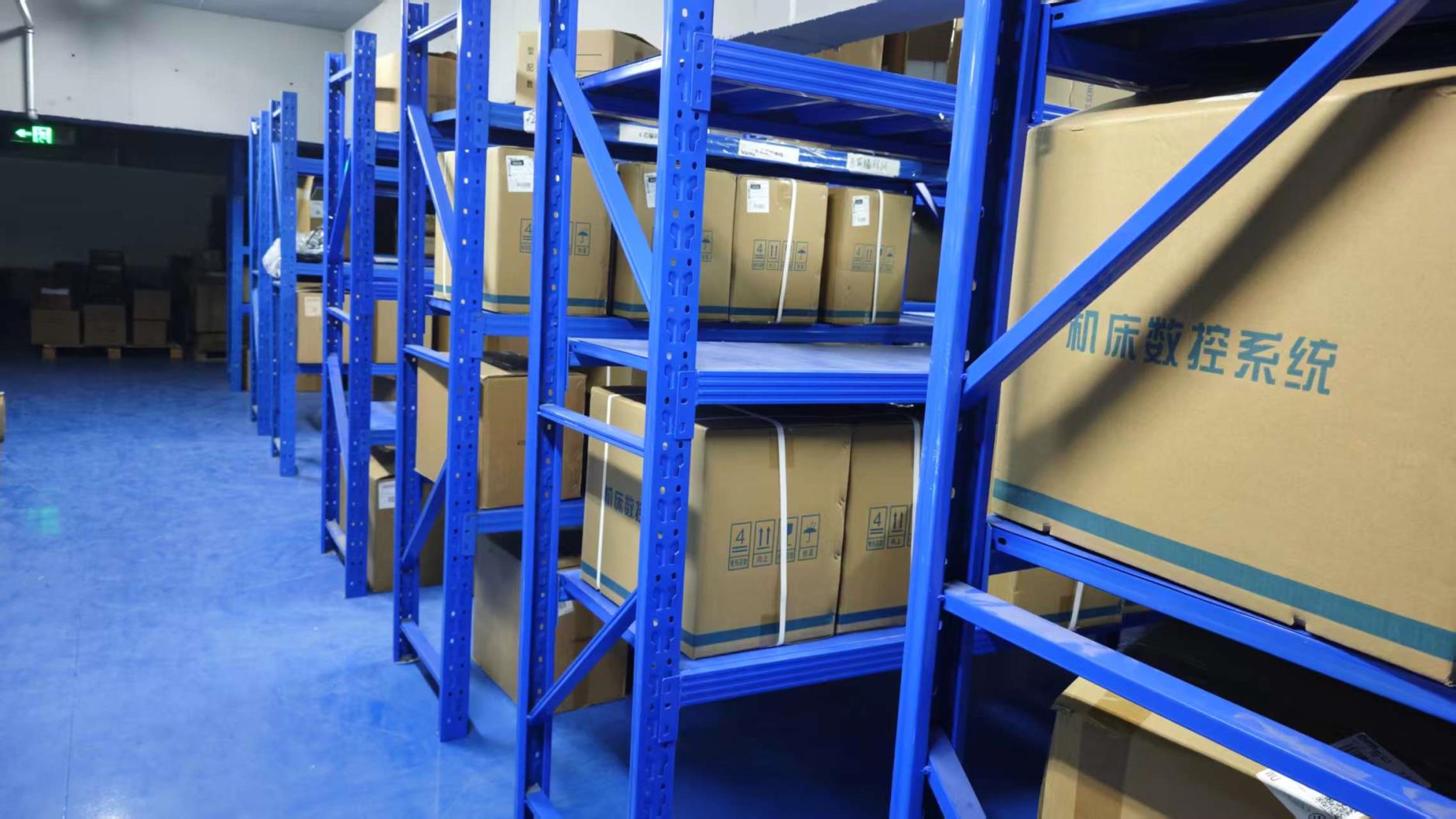
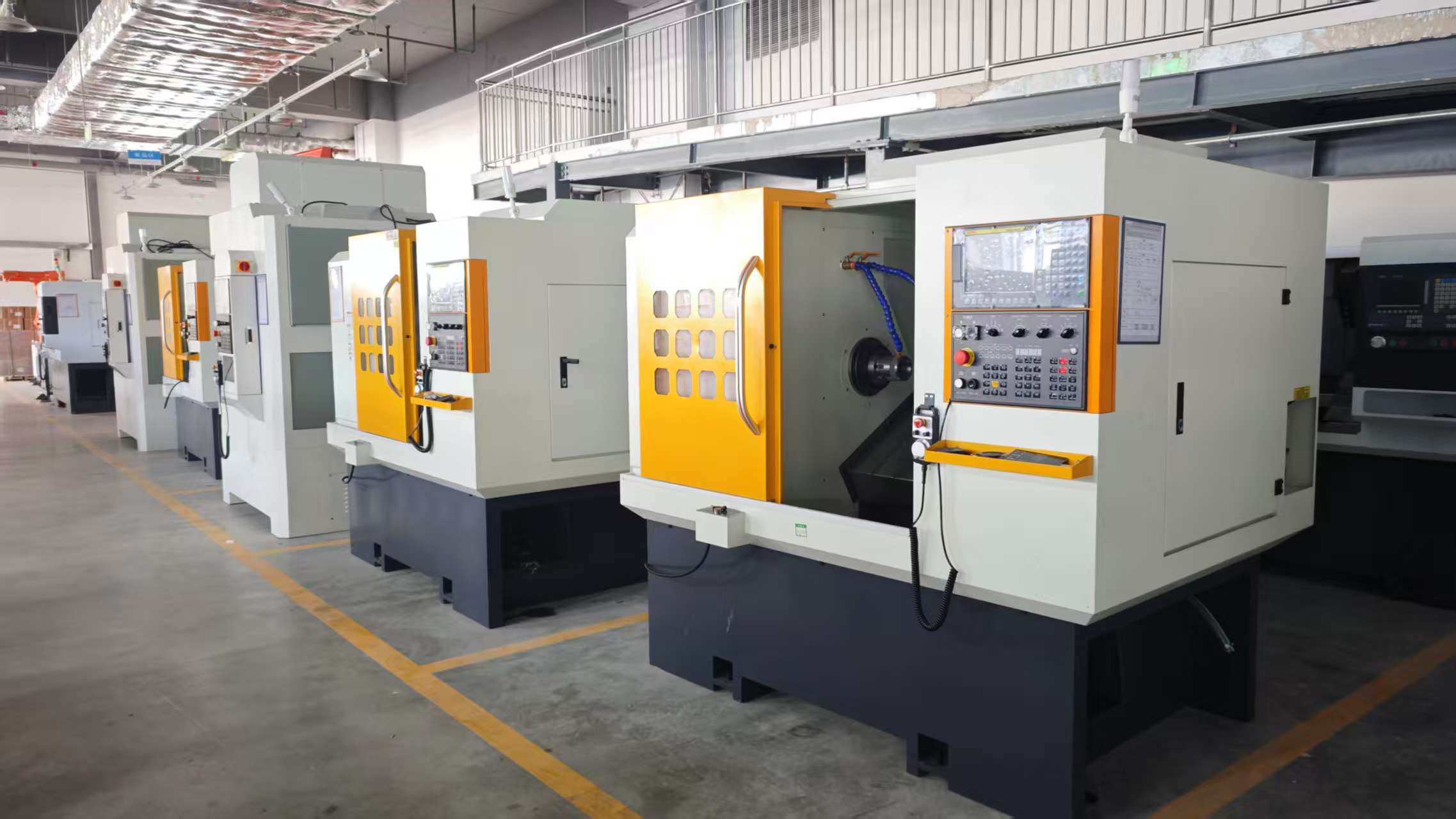
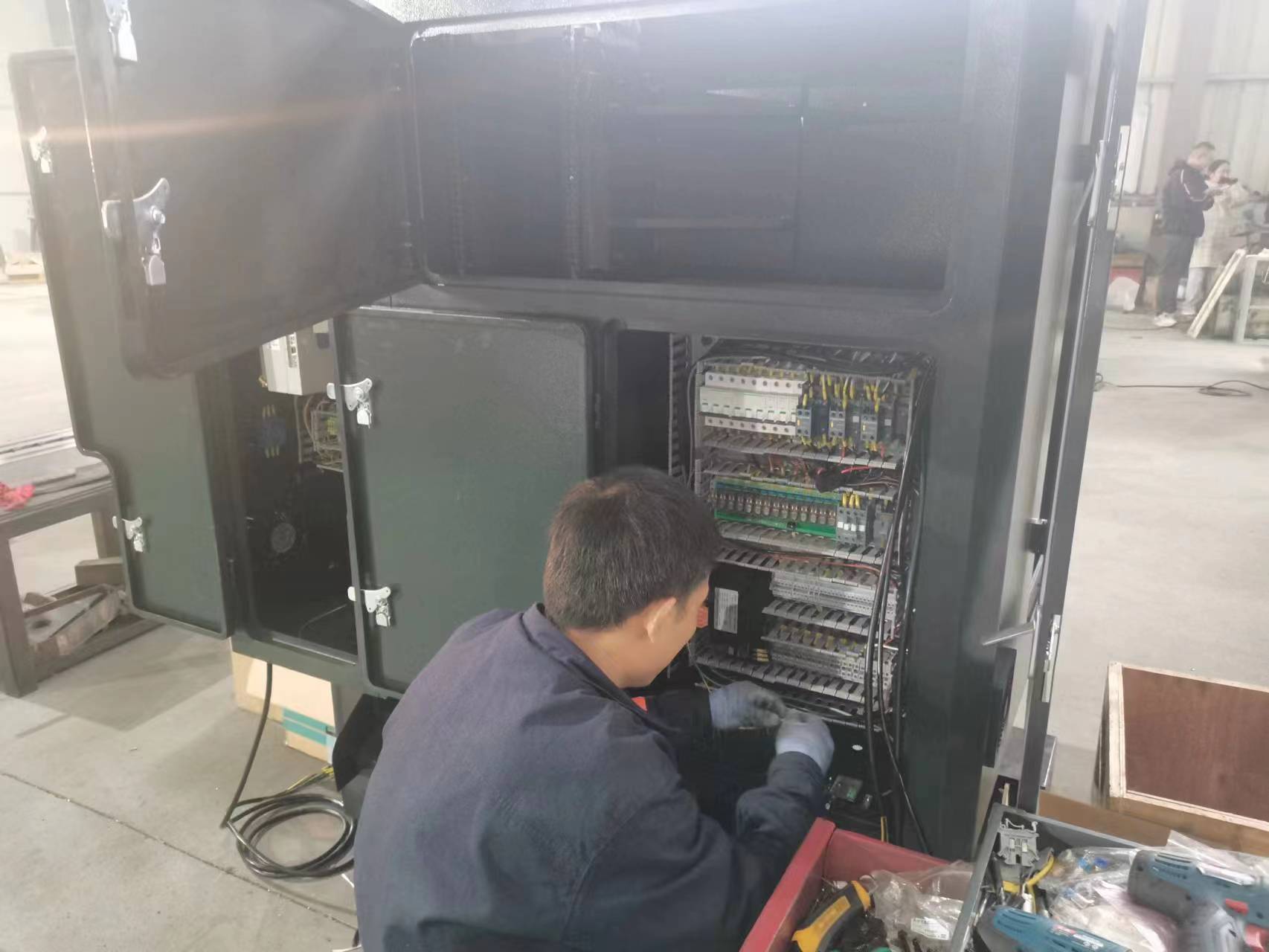
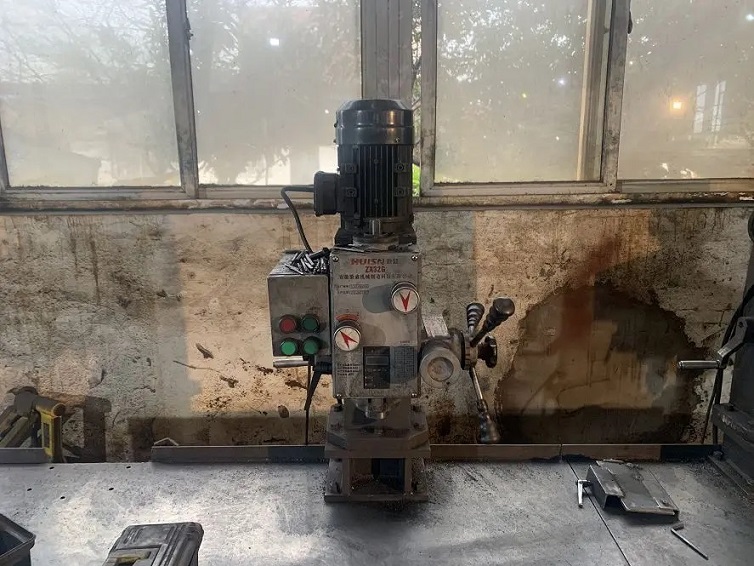
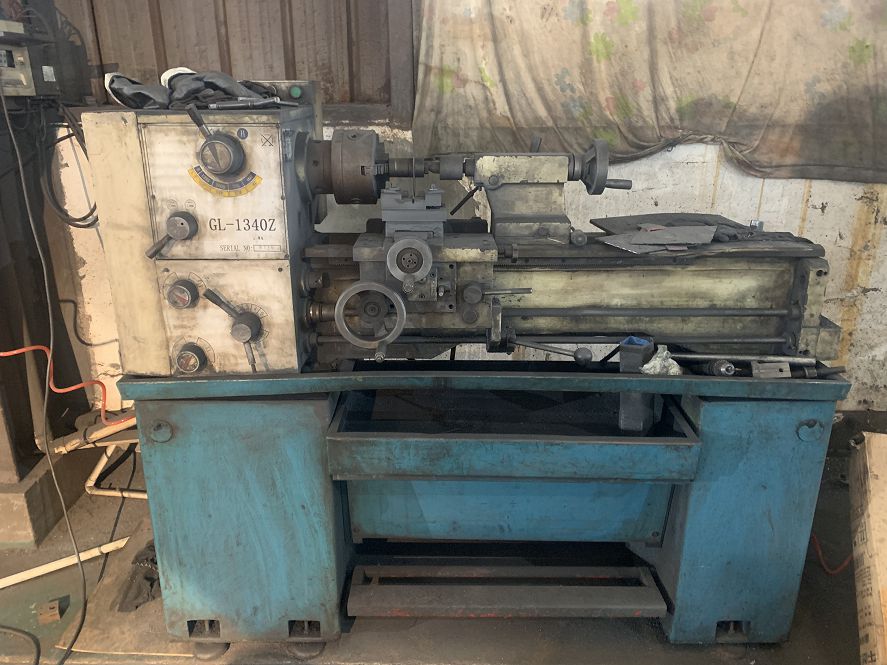
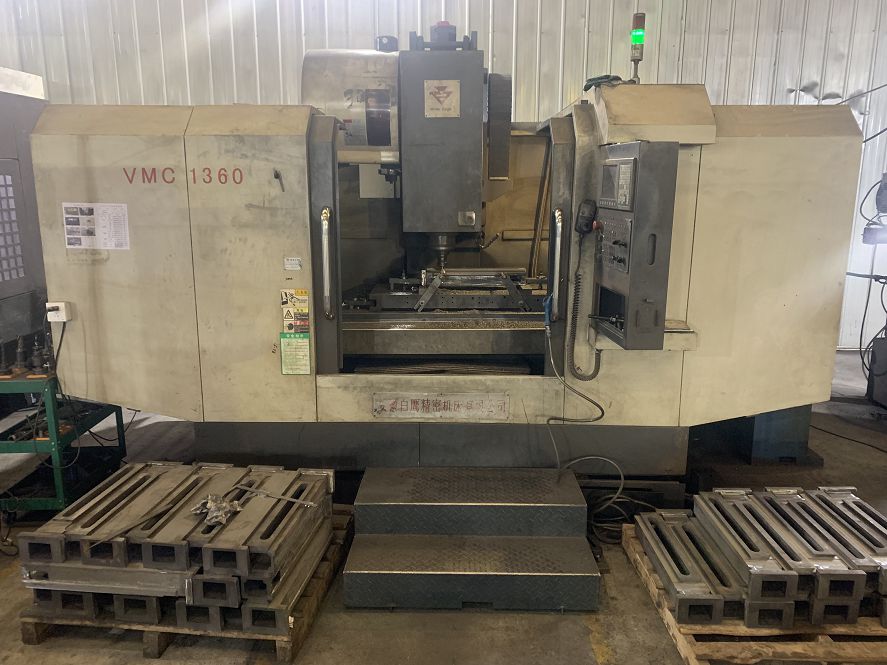
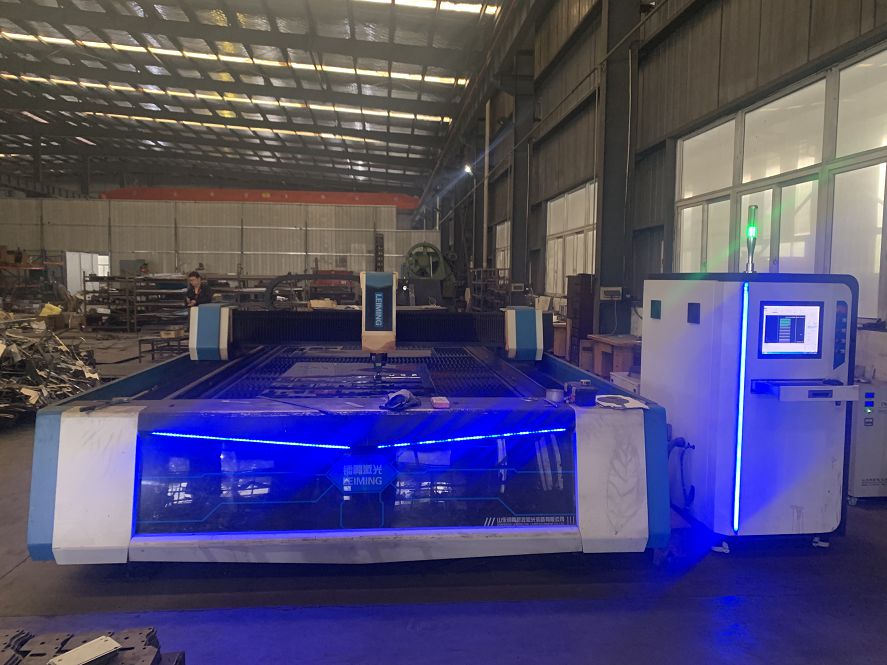
Explore our strict quality control stages, advanced machining facilities, and general assembly lines.
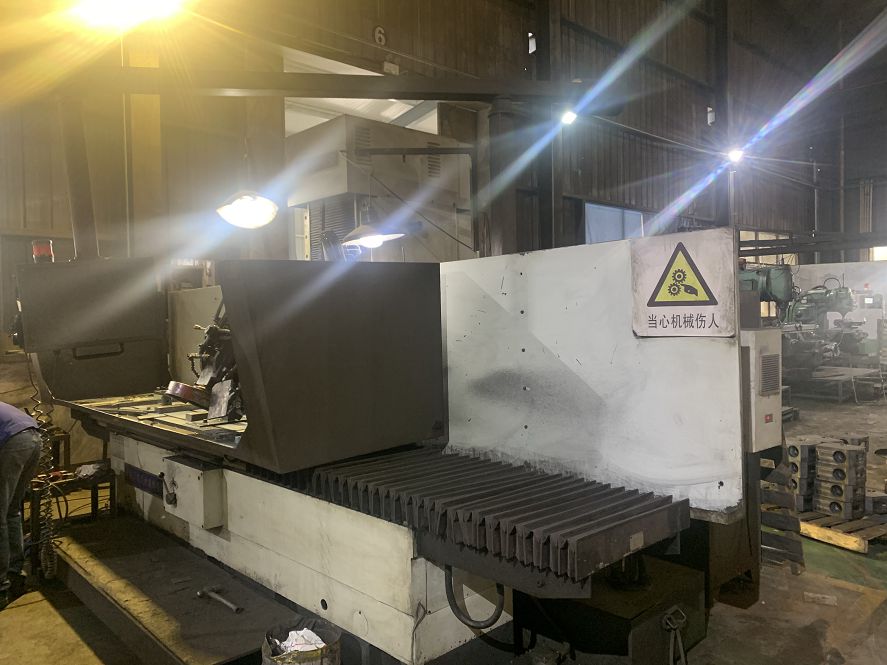
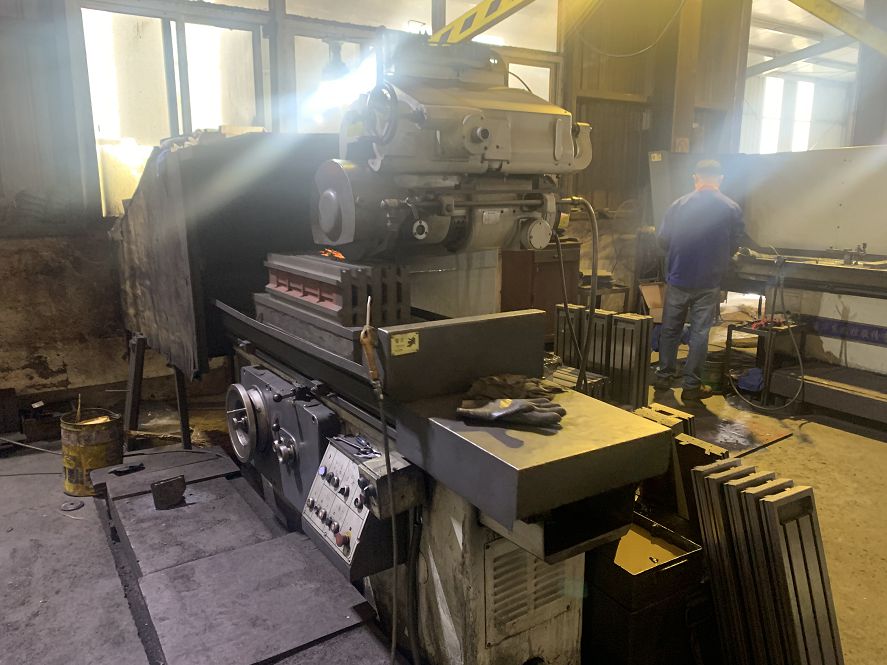
Used for ultra-precision calibration of rotational tooling, forming rollers, and specialized mandrels ensuring sub-micron dimensional stability.
Comprehensive technical guidance to resolve structural design, material selection, and process optimization queries.
Explore our complete machinery portfolio, serving high-precision industries across Singapore and global markets.
 ZRF Spinning