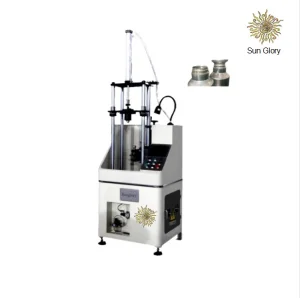
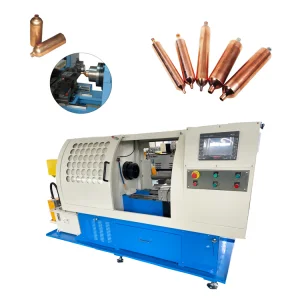
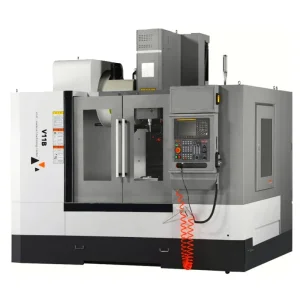
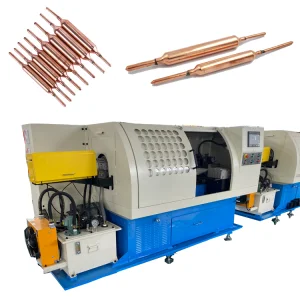
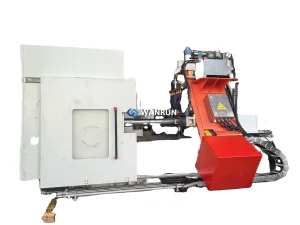
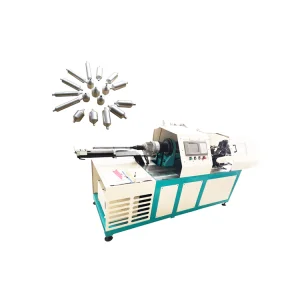
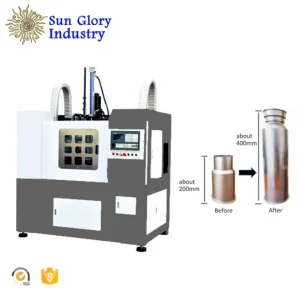
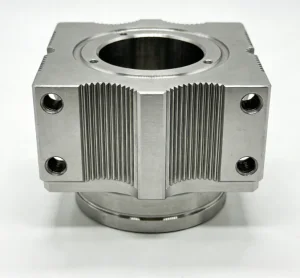
Explore our foundational tooling machinery engineered to optimize grain structure and tensile strength across structural cylindrical components.
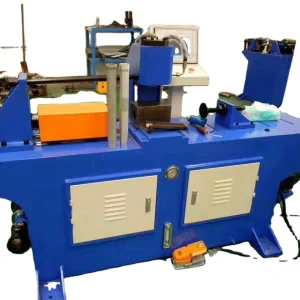
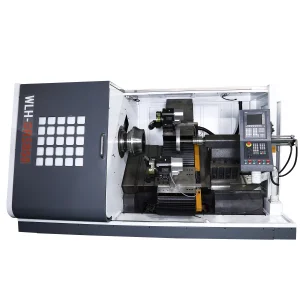
Hanoi and the surrounding Northern Vietnam economic zone (including Haiphong, Bac Ninh, and Vinh Phuc) have rapidly matured from low-intensity assembly lines into high-tech manufacturing powerhouses. Undergoing a profound industrial automation cycle, local manufacturers supplying global OEM leaders in consumer electronics, automotive, and defense are facing stricter dimensional tolerances and raw material performance profiles.
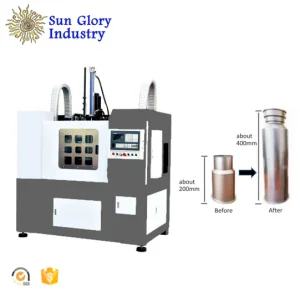
CNC Flow Forming (or Shear Spinning) has emerged as the definitive solution for generating seamless, rotationally symmetrical hollow components. By utilizing high pressure via localized compression rollers, our CNC machines reshape alloys over a mandrel. This process drastically reduces wall thickness while significantly refining the metallic microstructure, achieving exceptional tensile strength and dimensional accuracy up to ±0.01 mm.
Whether producing fuel tanks for aerospace propulsion, high-strength alloy wheels for Electric Vehicles (EVs), or precise defense instrumentation, Hanoi's forward-looking factories are abandoning traditional wasteful machining operations in favor of waste-free incremental metal forming.
Optimized for processing heavy-wall seamless tubes and complex geometry profiles in local mechanical assembly lines.
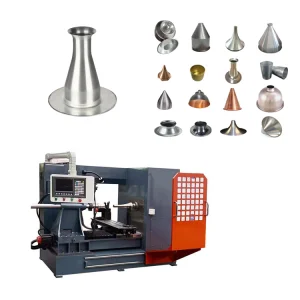
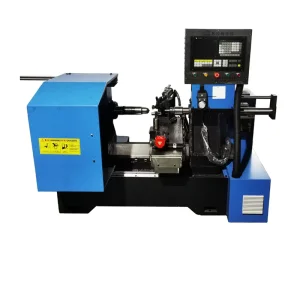
As a high-tech enterprise specializing in the research, development, and manufacturing of CNC spinning machine tools, Zhejiang ZRF Spinning Co., Ltd. has built an extensive technological foundation and an industry-leading reputation across China and global industrial corridors.
Our comprehensive series of CNC spinning machine tools are engineered for highly demanding sectors, including petrochemicals, automotive manufacturing, environmental ventilation, pressure vessels, aerospace propulsion systems, and defense equipment. Our equipment is operational in more than 30 provinces across China and has been exported to over 20 countries worldwide—meeting strict European CE and North American industrial parameters.
Adhering to a philosophy of market-oriented development, research-driven innovation, and technological excellence, ZRF enforces a strict ISO9001 quality management system. From heavy cast frames to precise dual-roller hydraulic configurations, our manufacturing pipeline guarantees reliability, repeatability, and ultimate physical longevity.
A technical overview of shear forming dynamics, material structural transformation, and CNC path programming.
Though frequently confused, conventional metal spinning and flow forming utilize different mechanical mechanics. Conventional spinning bends a sheet metal blank over a rotating mandrel with minimal changes to the original material thickness. In contrast, CNC flow forming applies intense localized hydrostatic pressure to stretch and thin the material over a cylindrical mandrel. The wall thickness reduction can exceed 75% in a single cold pass, depending on the ductility of the alloy. The shear force causes significant dislocation density accumulation, refining the grain structure, removing internal micro-voids, and increasing the material's yield strength by up to 50% without requiring heat treatment.
Our machinery is configured to form a wide range of engineering metals, including:
As manufacturing trends shift toward sustainability and carbon neutrality, traditional subtractive machining (milling away bulk metal) is increasingly replaced by near-net-shape technologies. ZRF's development path focuses on integrating real-time force-feedback sensors and optical tracking cameras into our CNC systems. This allows the machine to dynamically adjust roller paths, compensating for variations in material hardness. This smart manufacturing approach ensures consistent wall thickness and minimizes scrap rates.
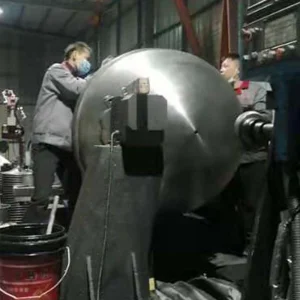
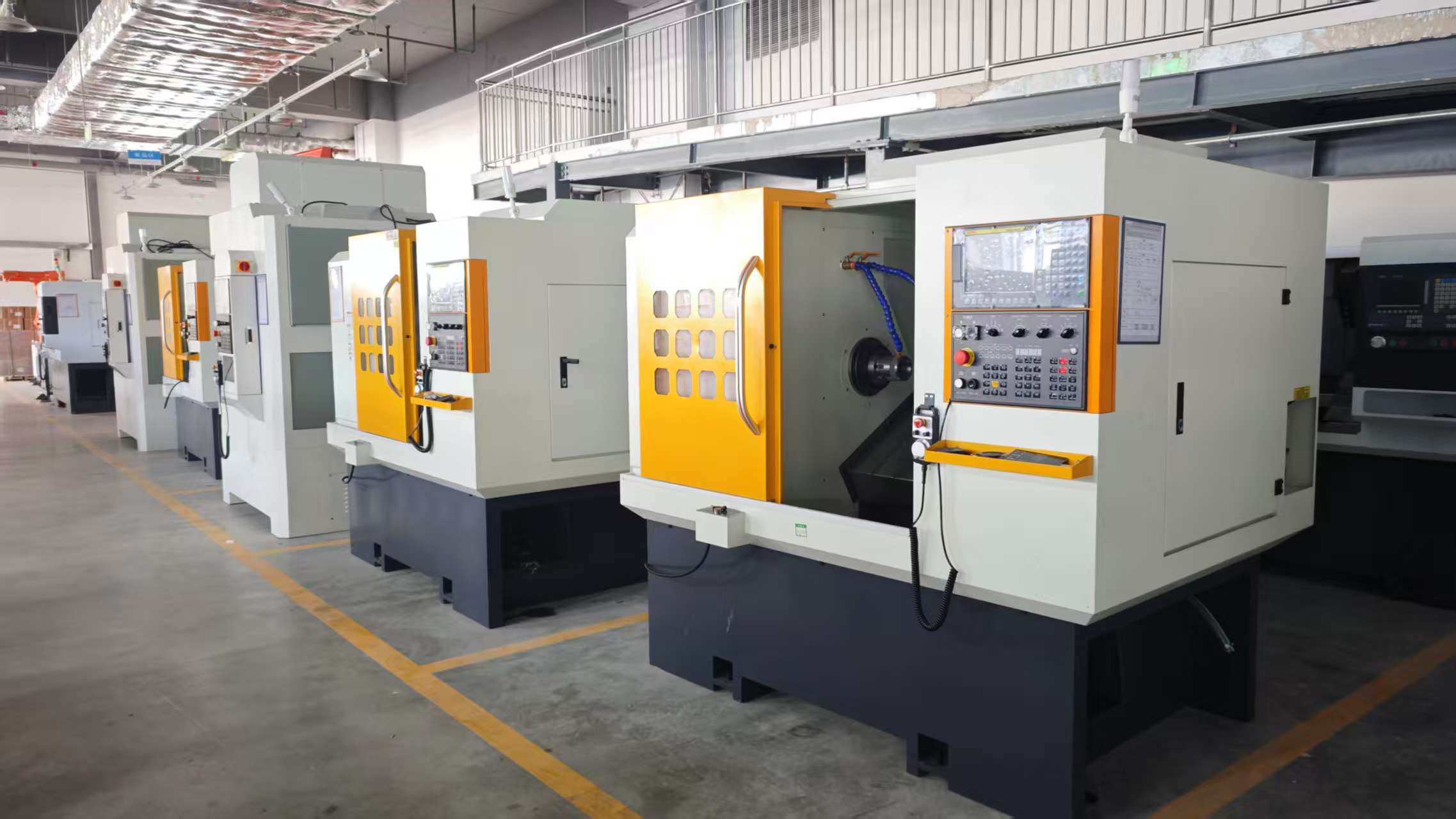
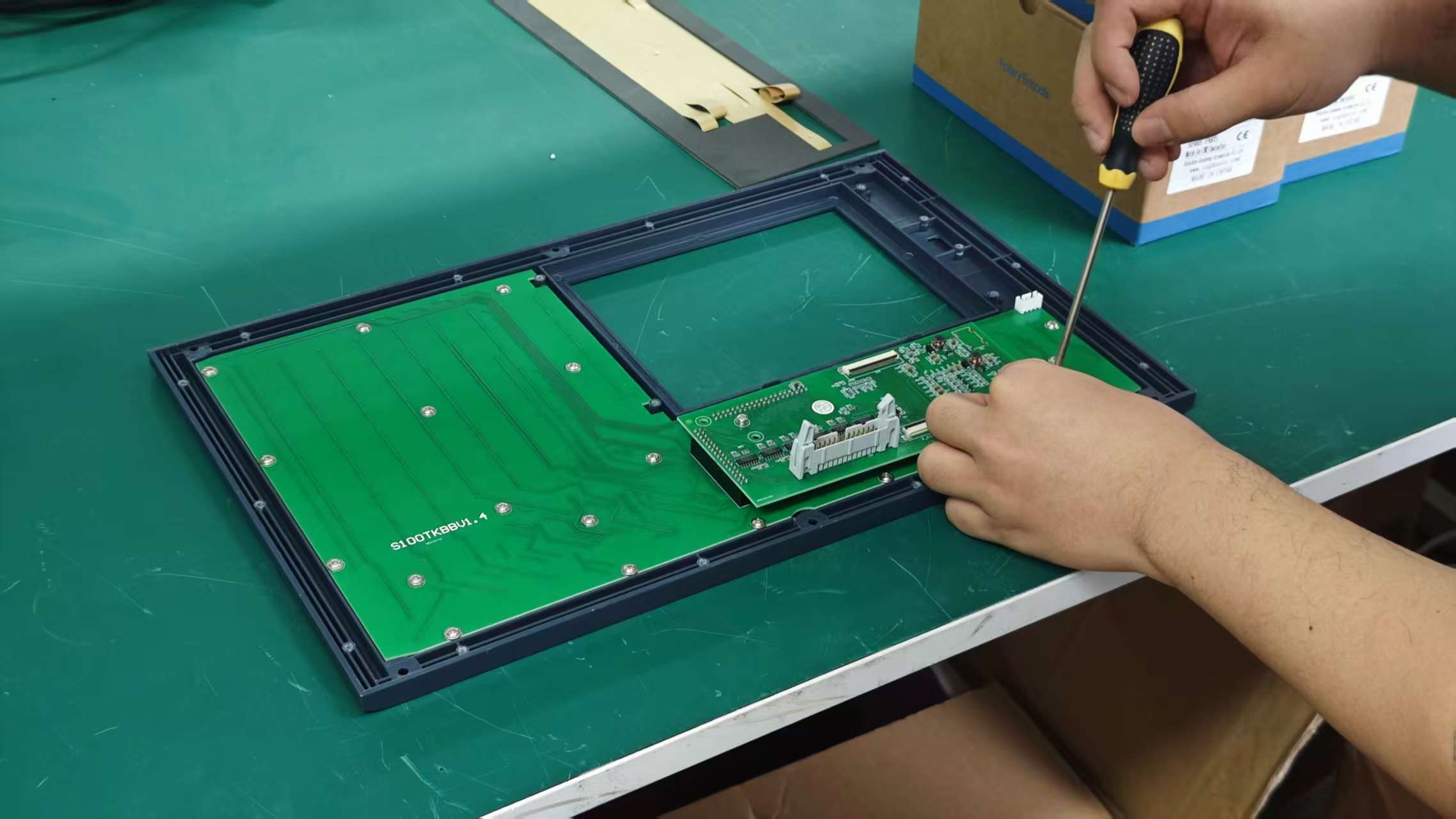
Visualizing our rigorous manufacturing, testing, and debugging processes that ensure high reliability on the factory floor.
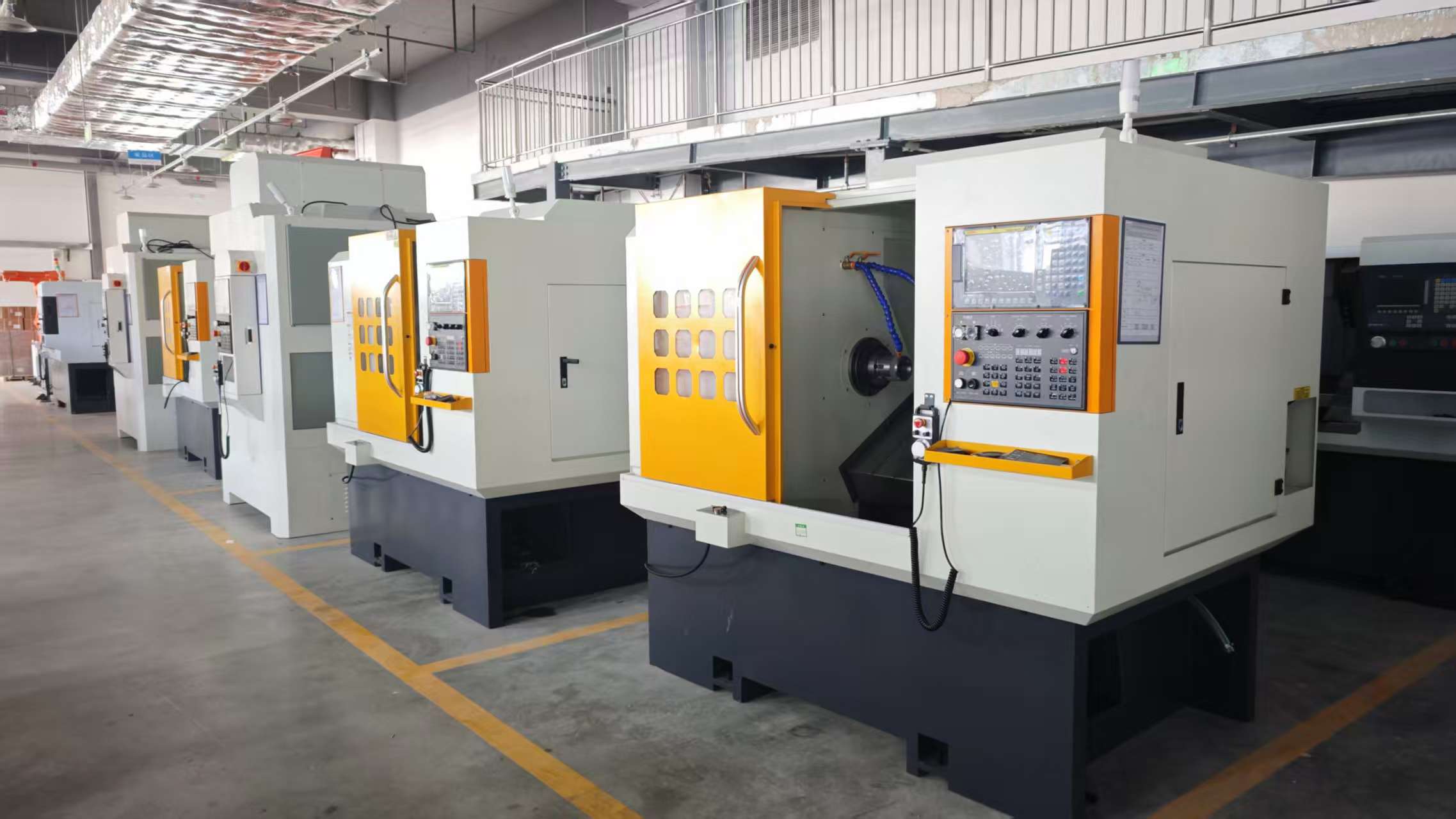
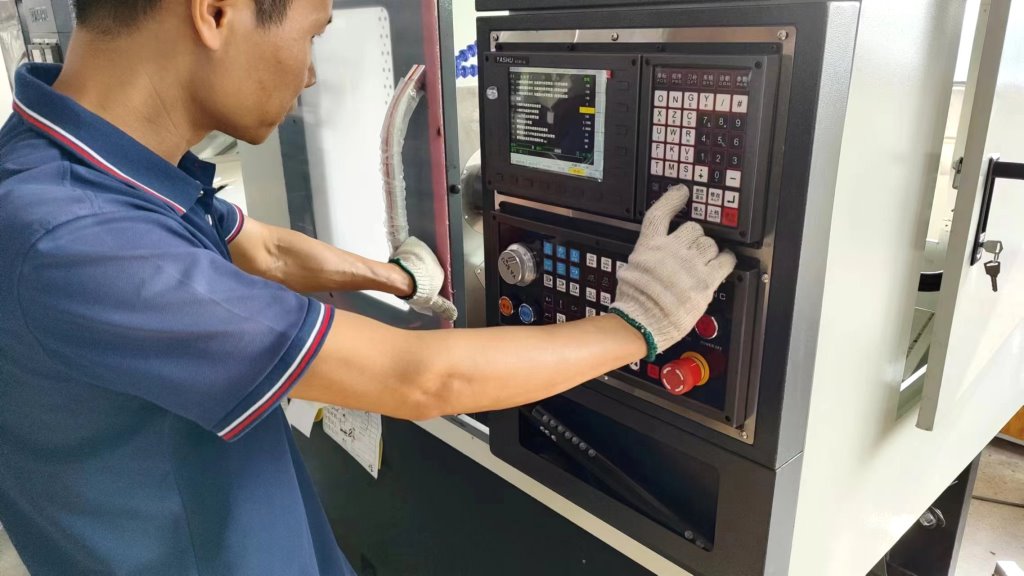
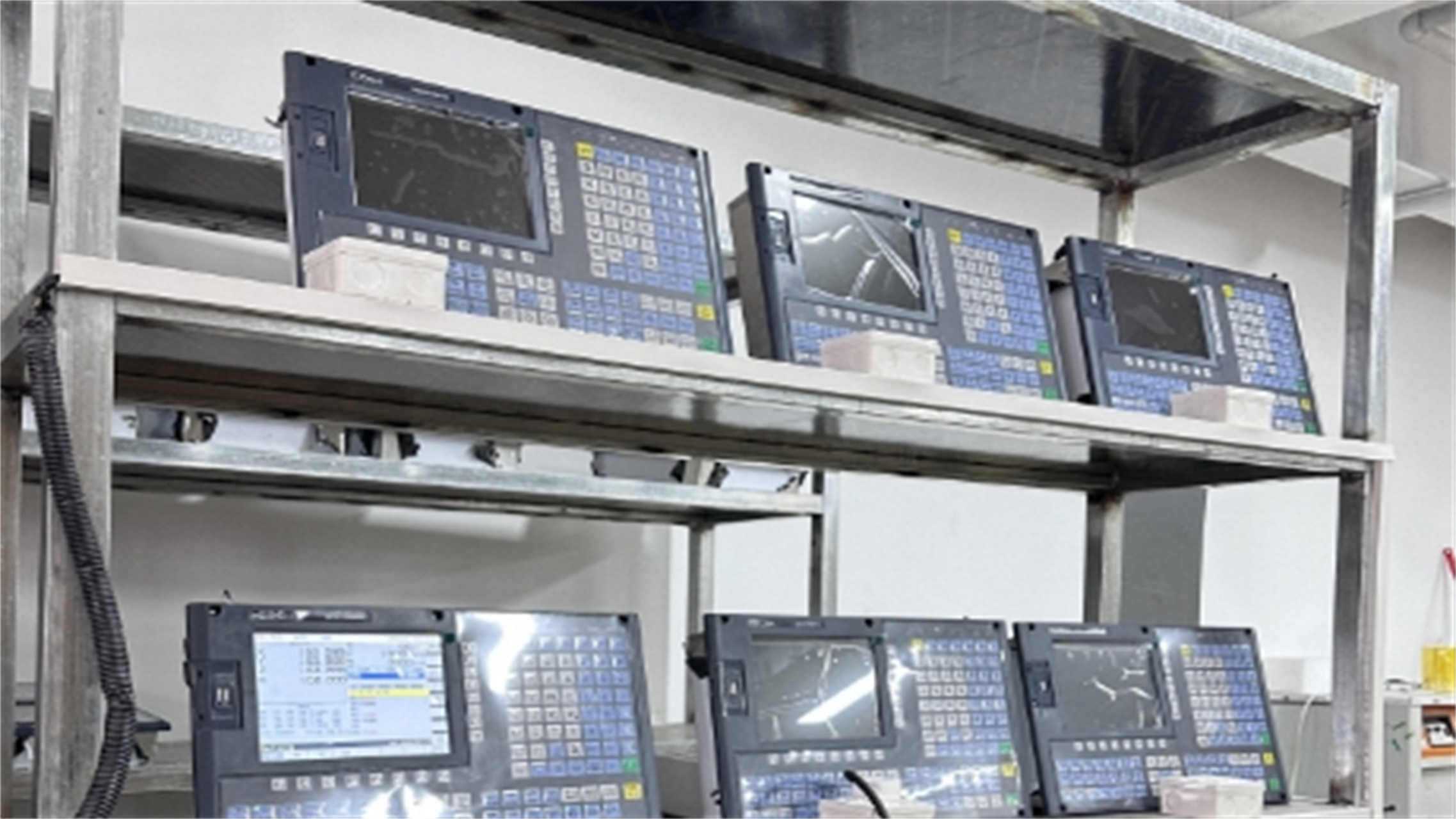
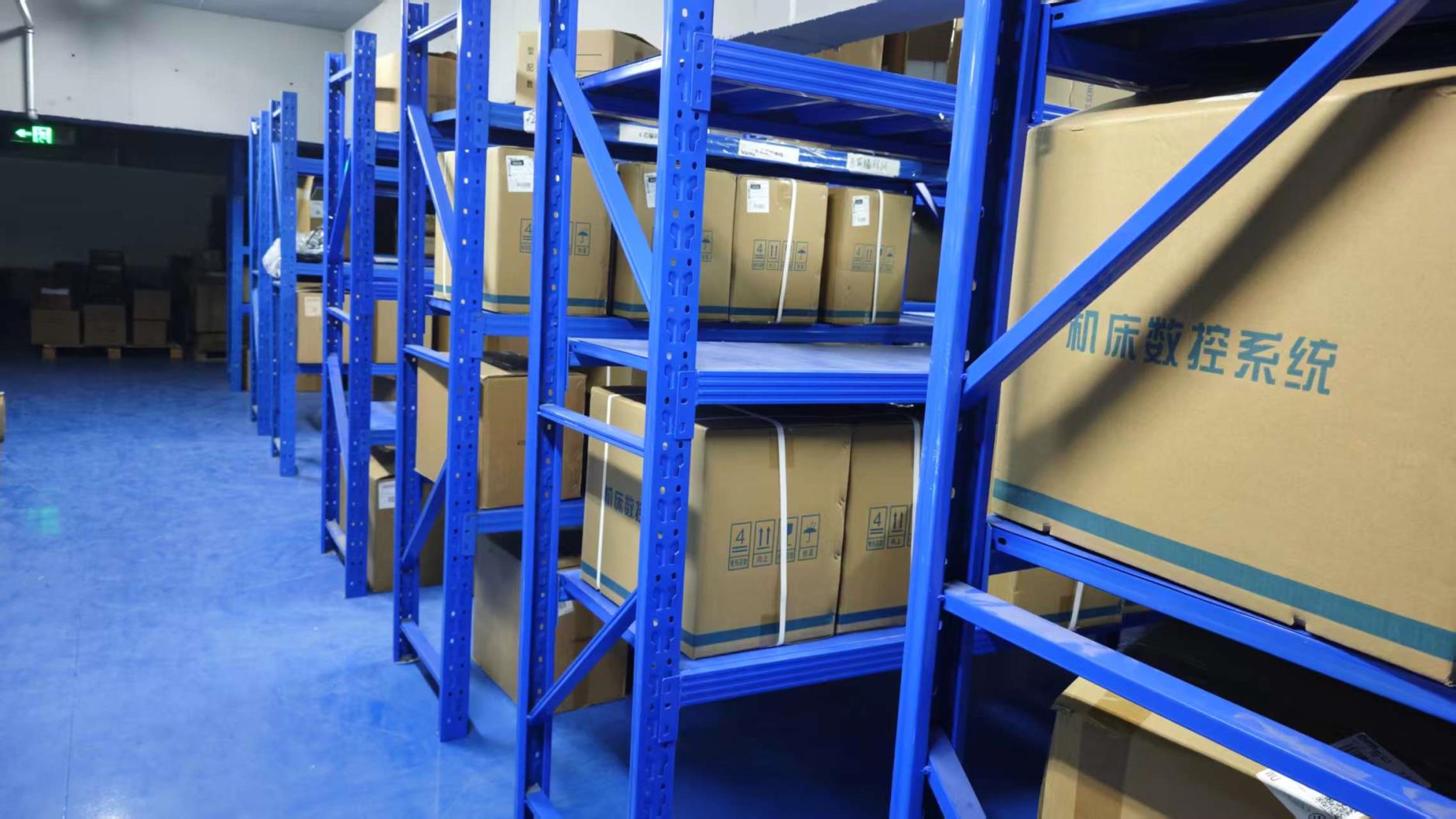
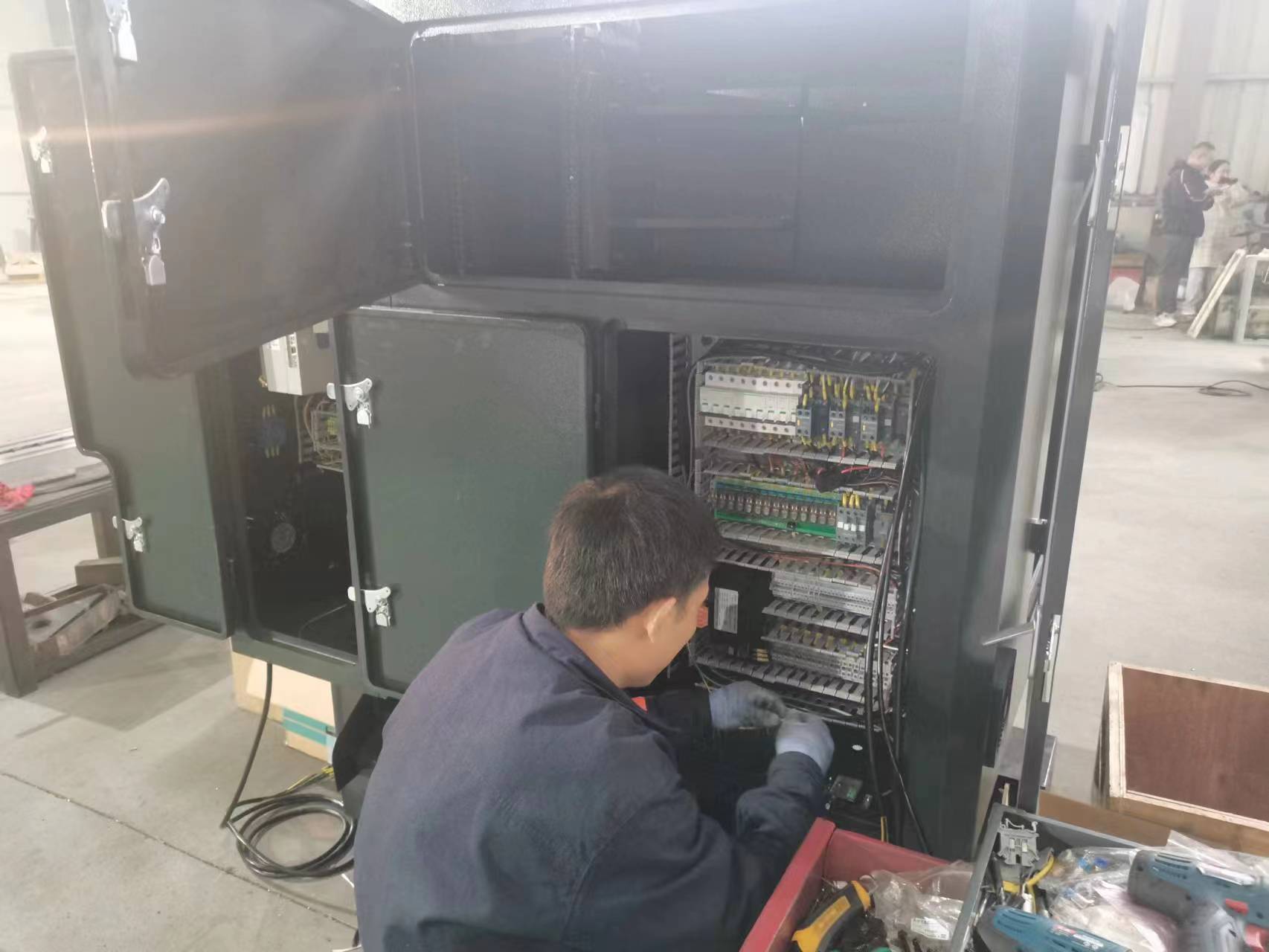
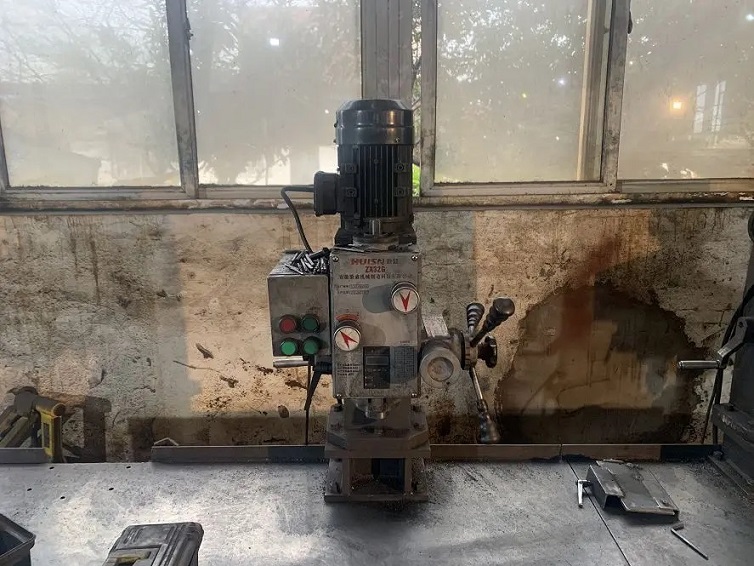
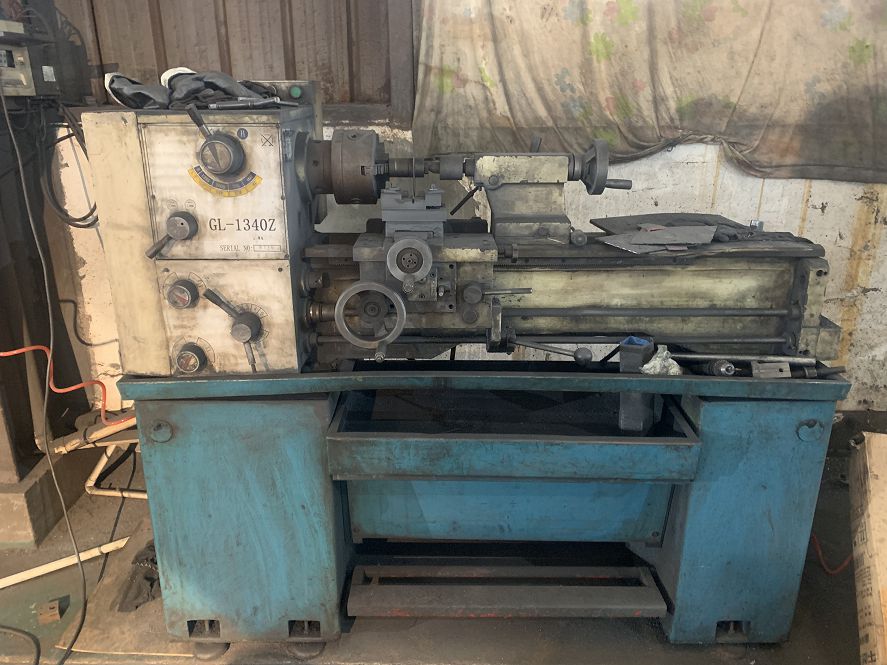
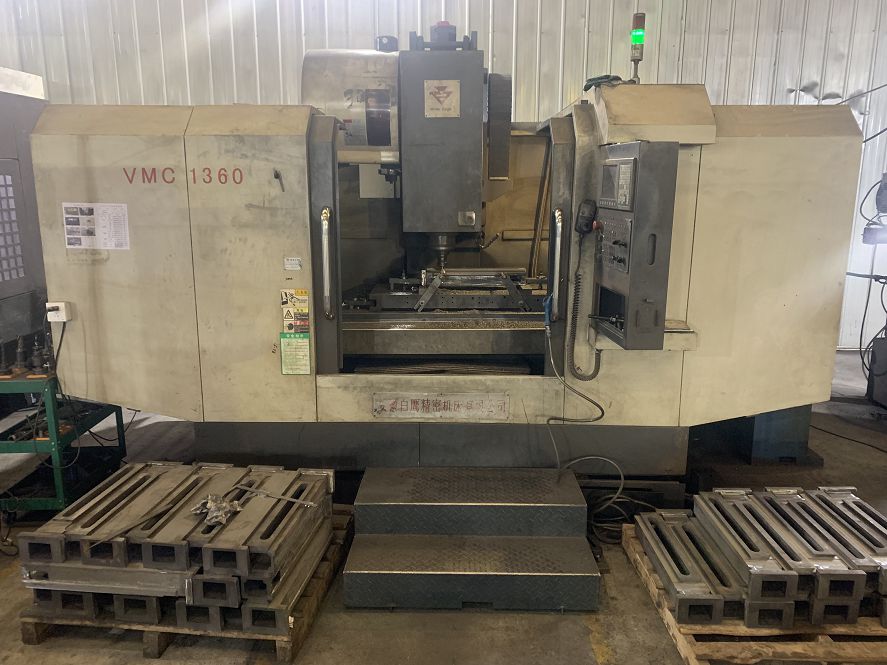
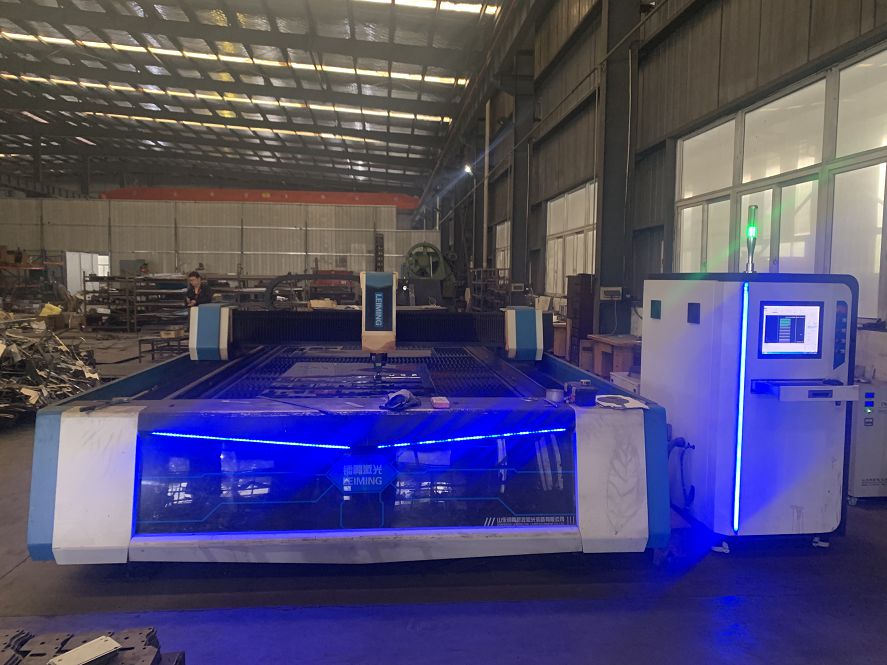
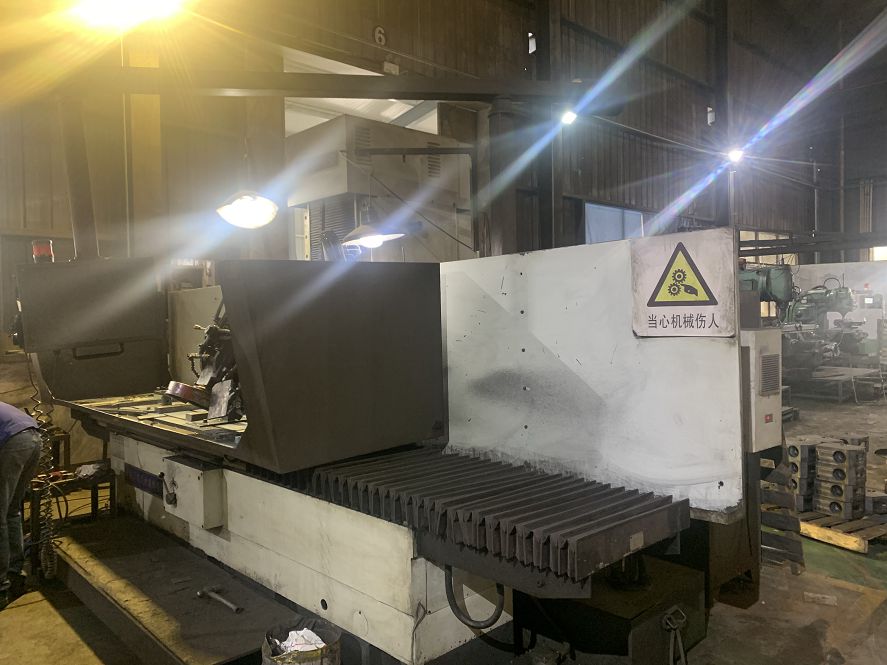
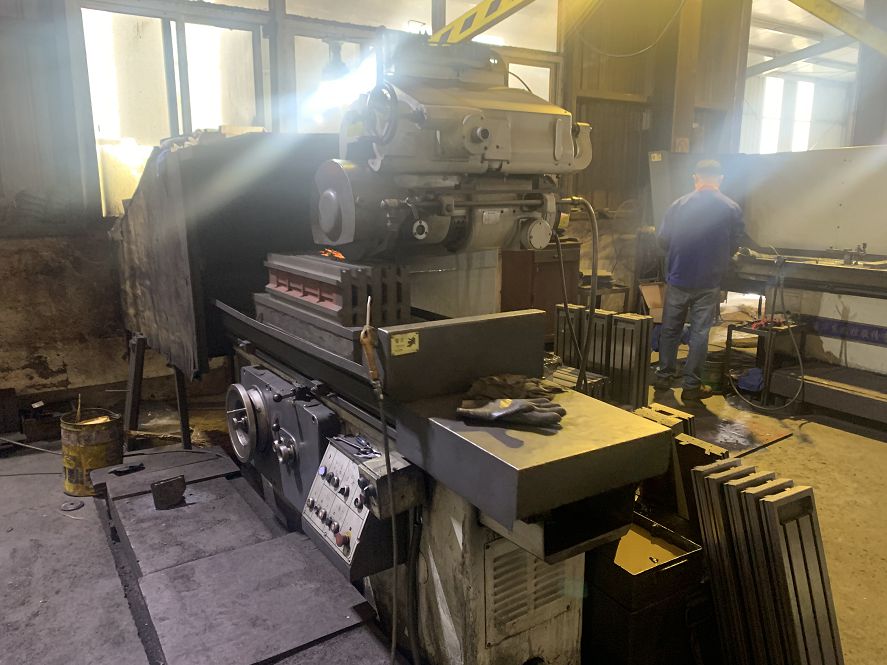
For manufacturers in Hanoi's industrial zones (such as Thang Long IP, Hoa Lac Hi-Tech Park, and Quang Minh IP), buying heavy industrial machinery requires comprehensive local support. ZRF addresses this by offering complete installation and commissioning services directly in Vietnam.
Our localized service network includes:
ZRF machines strictly adhere to international quality benchmarks:
Addressing the technical, operational, and commercial questions most relevant to engineering leads and procurement managers in Hanoi.
Browse our catalog of heavy-duty, multi-roller, and specialized high-volume CNC spinning machines.
 ZRF Spinning