Advanced engineering platforms tailored for high-precision components, optimized for Uruguayan manufacturing corridors.
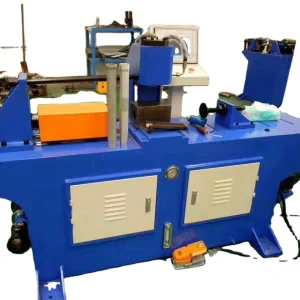
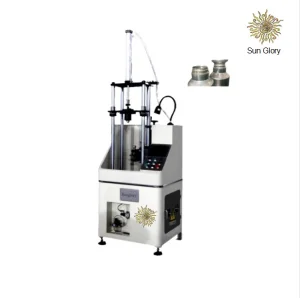
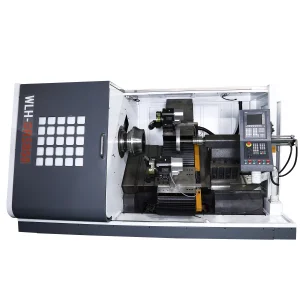
Understanding the micro and macro dynamics driving advanced metal spinning and flow forming machines in South America.
Uruguay is rapidly positioning itself as a high-value manufacturing and assembly hub within the Southern Common Market (Mercosur). With its strategic geopolitical location, robust logistics corridors through the Port of Montevideo, and attractive incentives within Free Trade Zones (such as Zonamerica and Parque Industrial Pando), the nation is pivoting from primary processing to sophisticated light-to-medium industrial manufacturing. Among these, the localized production of automotive components, wind energy hardware, agricultural seeding equipment, and defense apparatuses demands cutting-edge mechanical forming methodologies.
Traditional metal-cutting and stamping techniques are increasingly viewed as inefficient due to significant material waste (shavings and off-cuts) and high tooling costs for low-to-medium volume production. This is where Precision CNC Flow Forming Machines become a vital technological asset. By applying compressive incremental force over a rotating mandrel, flow forming elongates and shapes metal preforms into highly precise, seamless hollow components. This process refines the micro-grain structure of metals, yielding exceptional tensile strength and unmatched dimensional accuracy—critical parameters for parts serving Uruguay’s agricultural machinery pipelines and regional automotive supply chains.
Information Gain Insight: Unlike basic sheet spinning, CNC flow forming induces significant plastic deformation under cold-working conditions. For Uruguayan factories seeking regional export compliance, this metallurgical upgrade allows for wall-thickness reductions of up to 80% while retaining structural integrity, directly reducing transport weight and materials costs for finished components.
Cold flow forming aligns the grain direction along the axis of deformation, significantly boosting yield strength and fatigue resistance in heavy-load rotating parts.
The continuous mechanical contact of high-rigidity rollers yields roller burnishing effects, achieving inner and outer surface finishes of Ra 0.2–0.8 µm.
By shifting metal rather than cutting it away, material utilization rates reach up to 95%, optimizing procurement costs for high-value alloys in Uruguay.
A comprehensive breakdown of ZRF Spinning's machine architecture for engineers and procurement heads.
Zhejiang ZRF Spinning Co., Ltd. builds CNC flow forming machines capable of executing both forward and backward flow forming operations. When configured for Uruguayan industrial projects, the equipment supports multi-roller configurations (typically two-roller or three-roller configurations). The three-roller configuration balances radial forces perfectly, preventing mandrel deflection when fabricating high aspect-ratio tubes (e.g., drive shafts, seamless transmission housings, and hydraulic cylinders).
Our control units integrate multi-axis CNC interpolation (Siemens or Fanuc systems, optimized with ZRF's custom metal spinning human-machine interface). This allows operators in Uruguay to load pre-calculated spinning curves, adjust feed rates in real-time, and compensate for spring-back effects characteristic of high-strength alloys like SS304, AISI 4130, and high-strength low-alloy (HSLA) steels.
| Performance Vector | Traditional Metal Spinning | CNC Flow Forming (ZRF Standard) | Stamping / Deep Drawing |
|---|---|---|---|
| Wall Thickness Reduction | Minimal (typical thinning 10% - 20%) | High (up to 80%+ reduction per pass) | Moderate (controlled by die clearances) |
| Dimensional Tolerance | ±0.2 mm to ±0.5 mm | ±0.02 mm to ±0.05 mm | ±0.1 mm to ±0.3 mm |
| Tooling Cost & Setup | Low (simple wood/steel mandrels) | Low-to-Medium (hardened steel mandrels) | Very High (custom matched dies) |
| Surface Finish (Ra Value) | 1.6 – 3.2 µm | 0.2 – 0.8 µm (eliminates post-grinding) | 0.8 – 1.6 µm |
| Material Versatility | Ductile metals (Al, Cu, soft carbon steel) | All formable alloys (including Titanium, Inconel) | Restricted by sheet drawability indices |
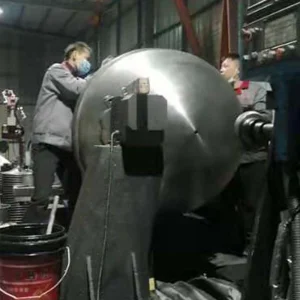
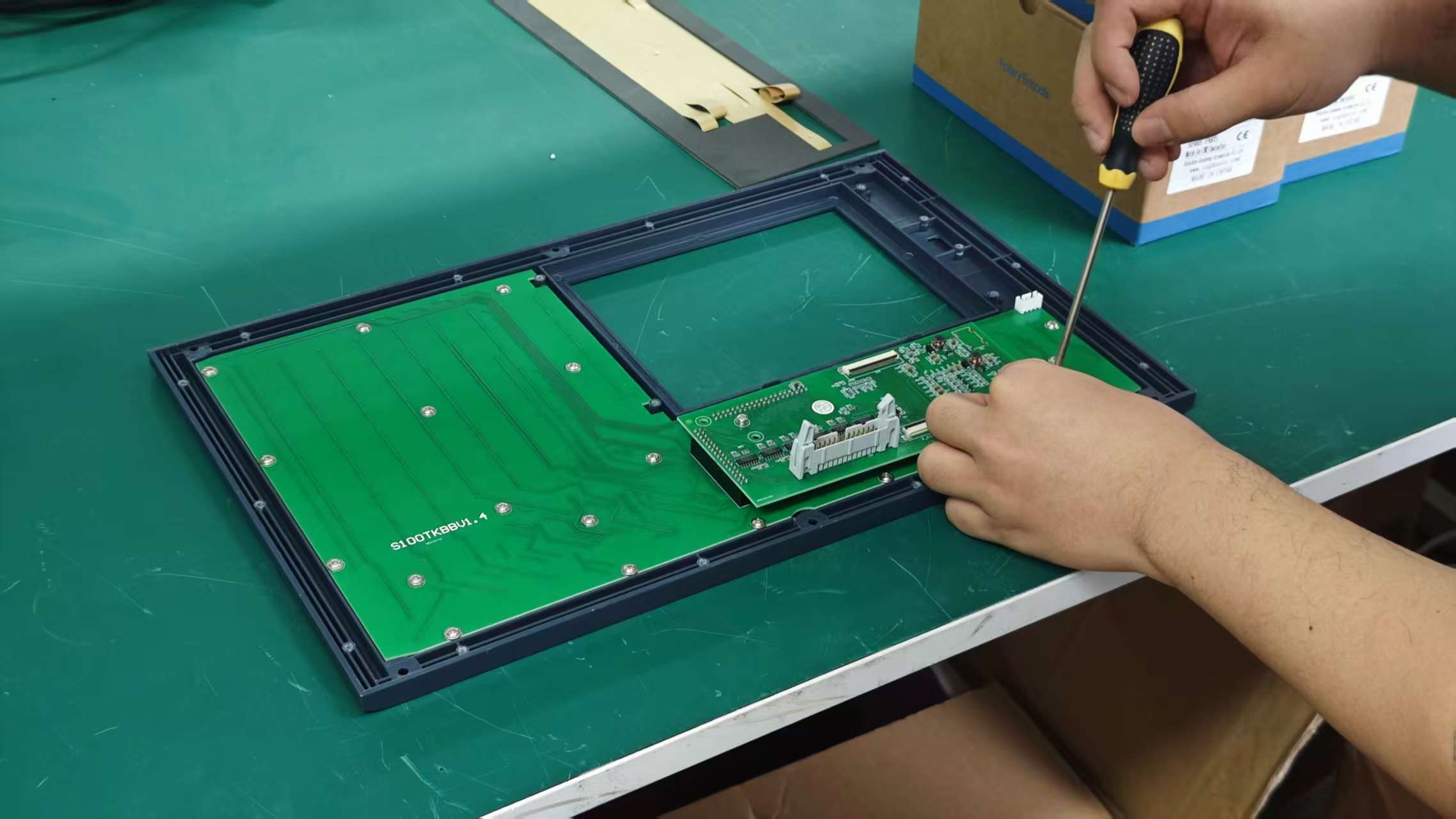
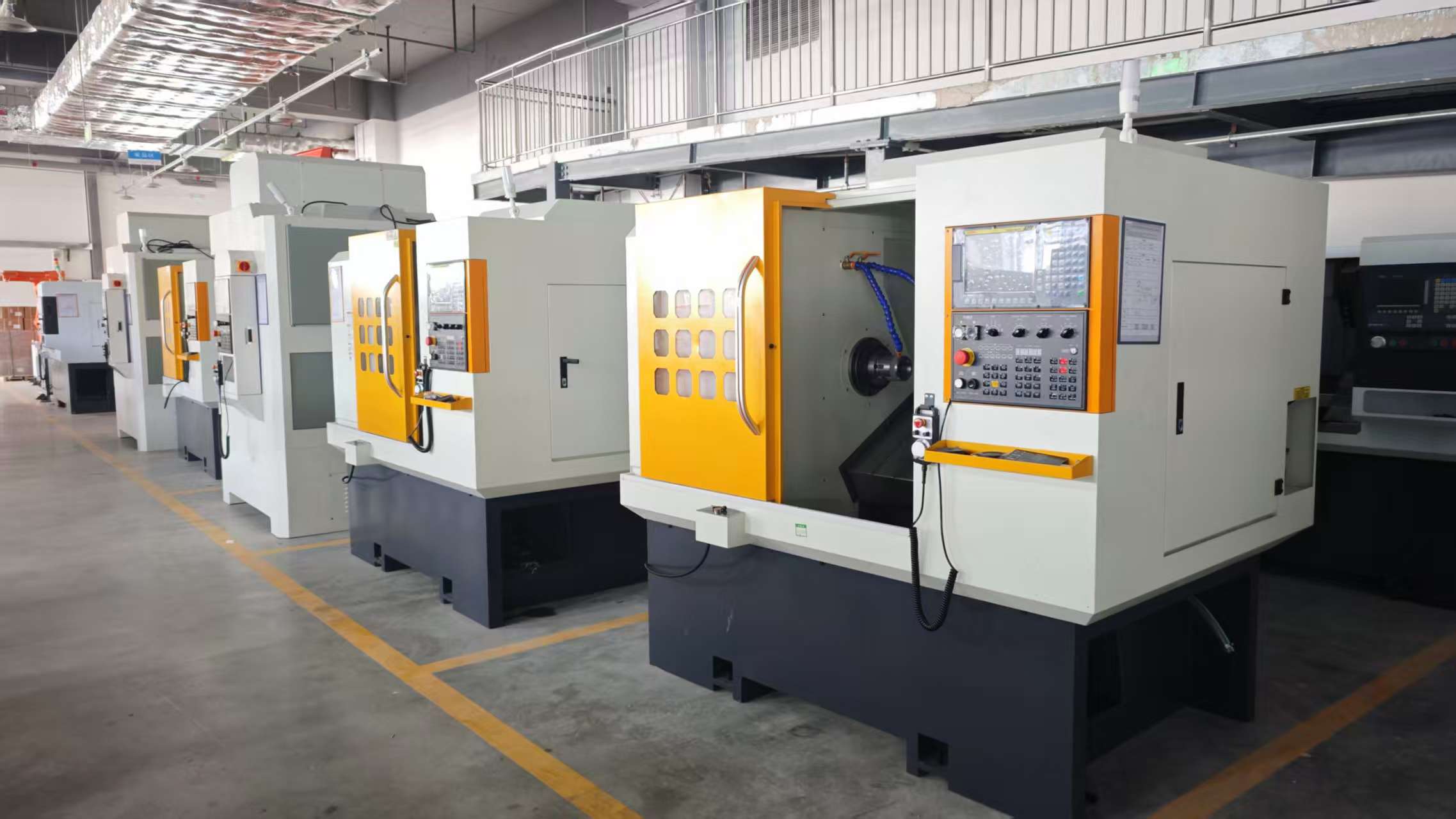
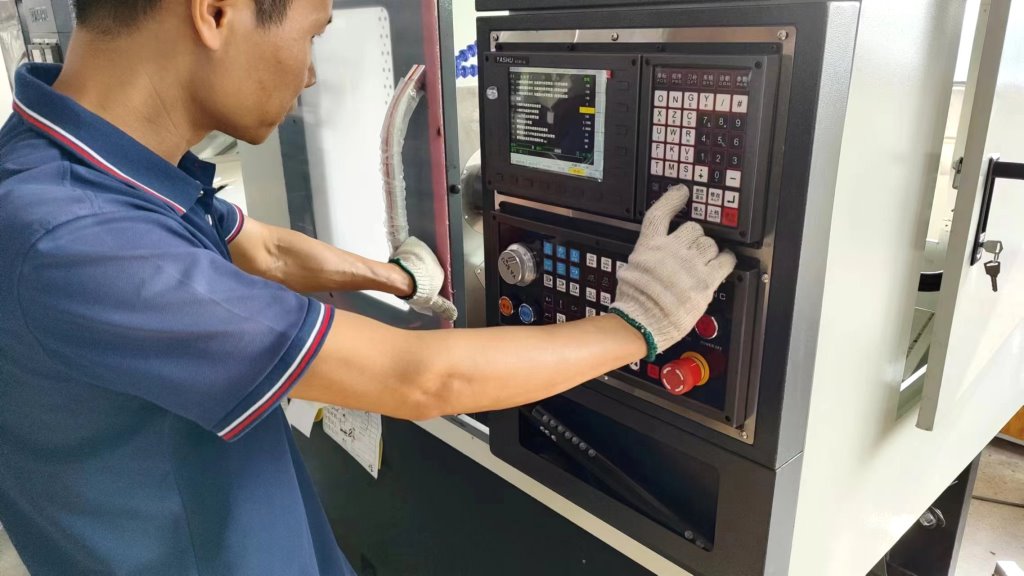
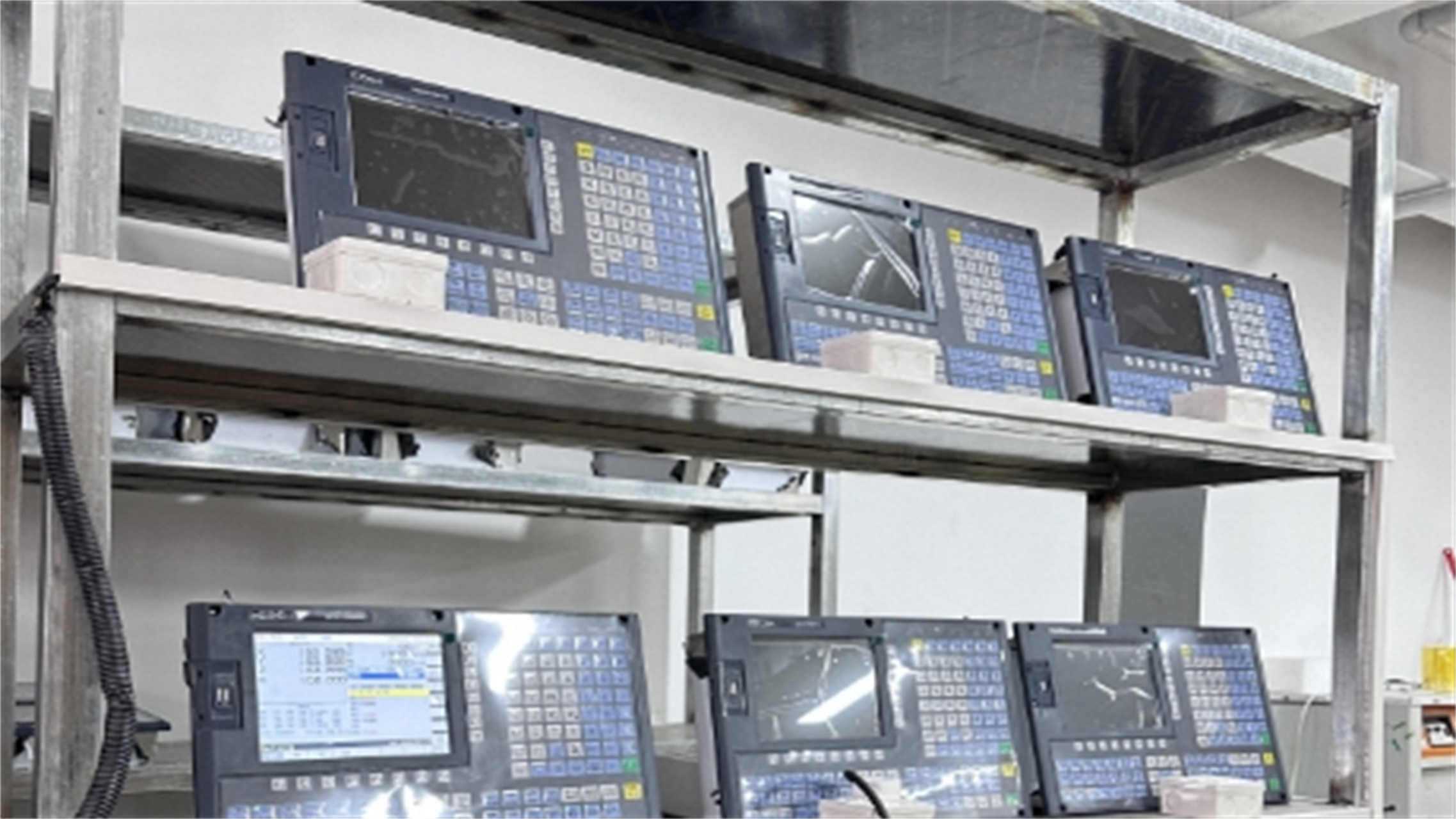
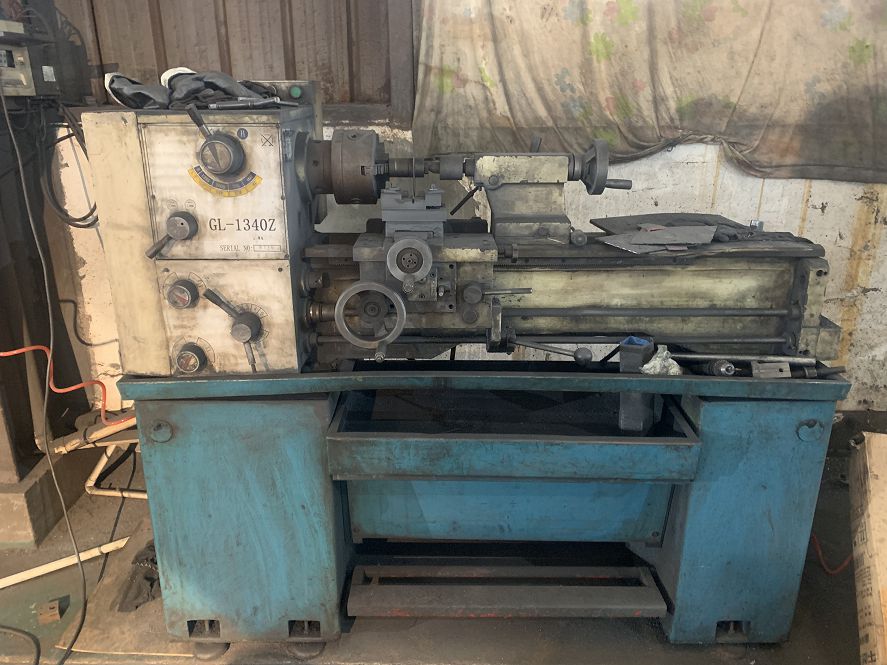
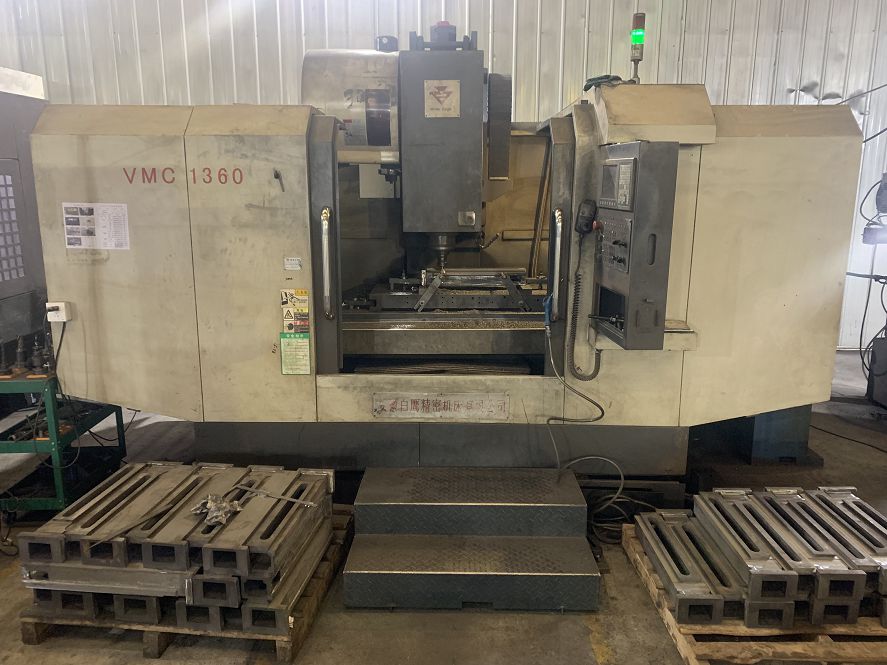
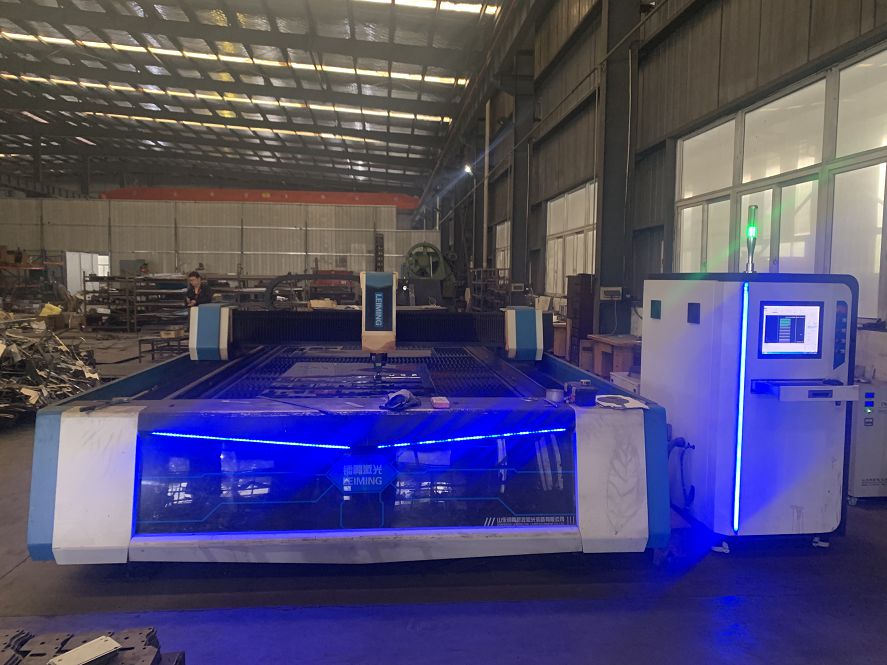
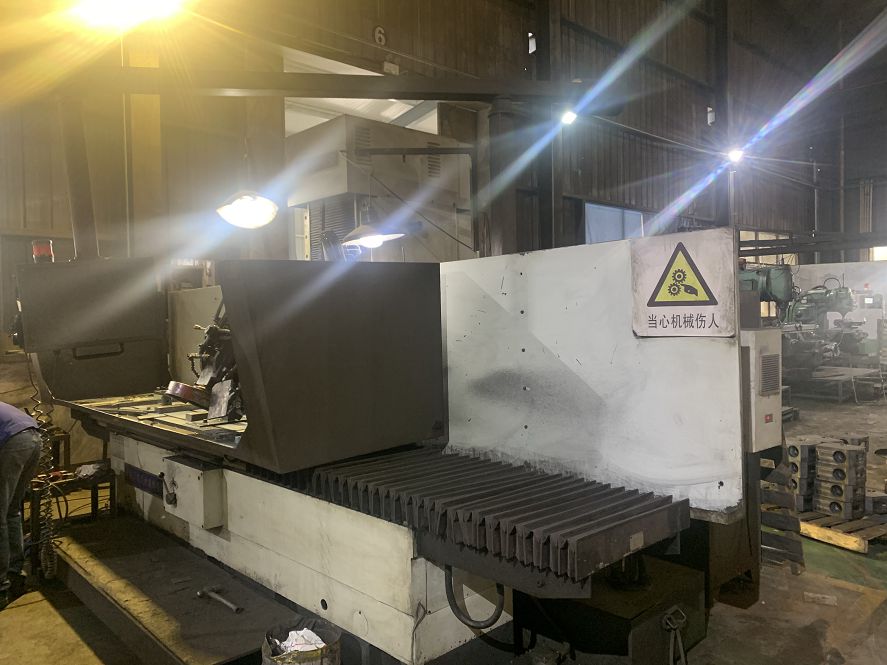
A visual look inside our ISO 9001:2015 certified production lines, showing how precision and consistency are forged.
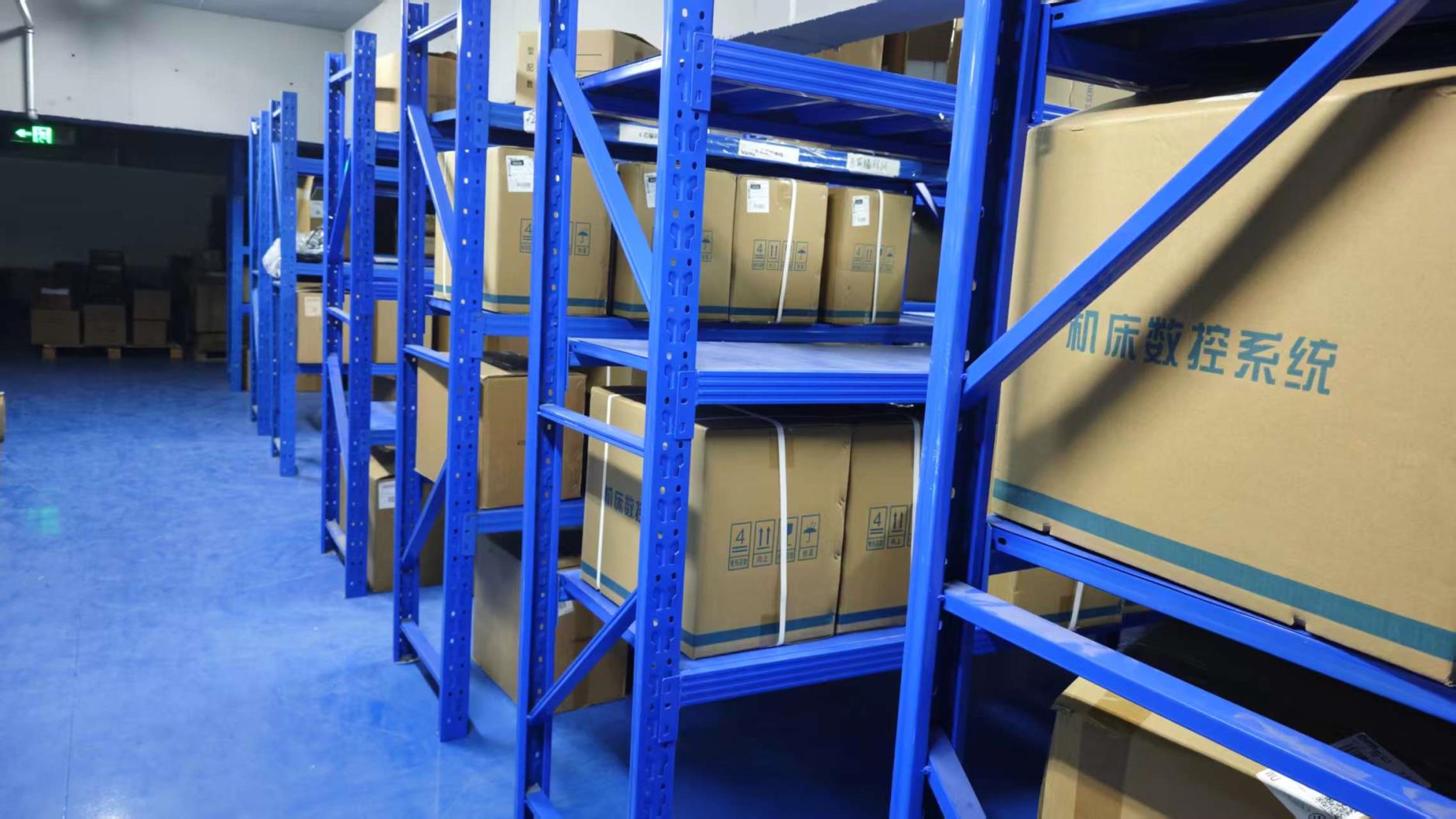
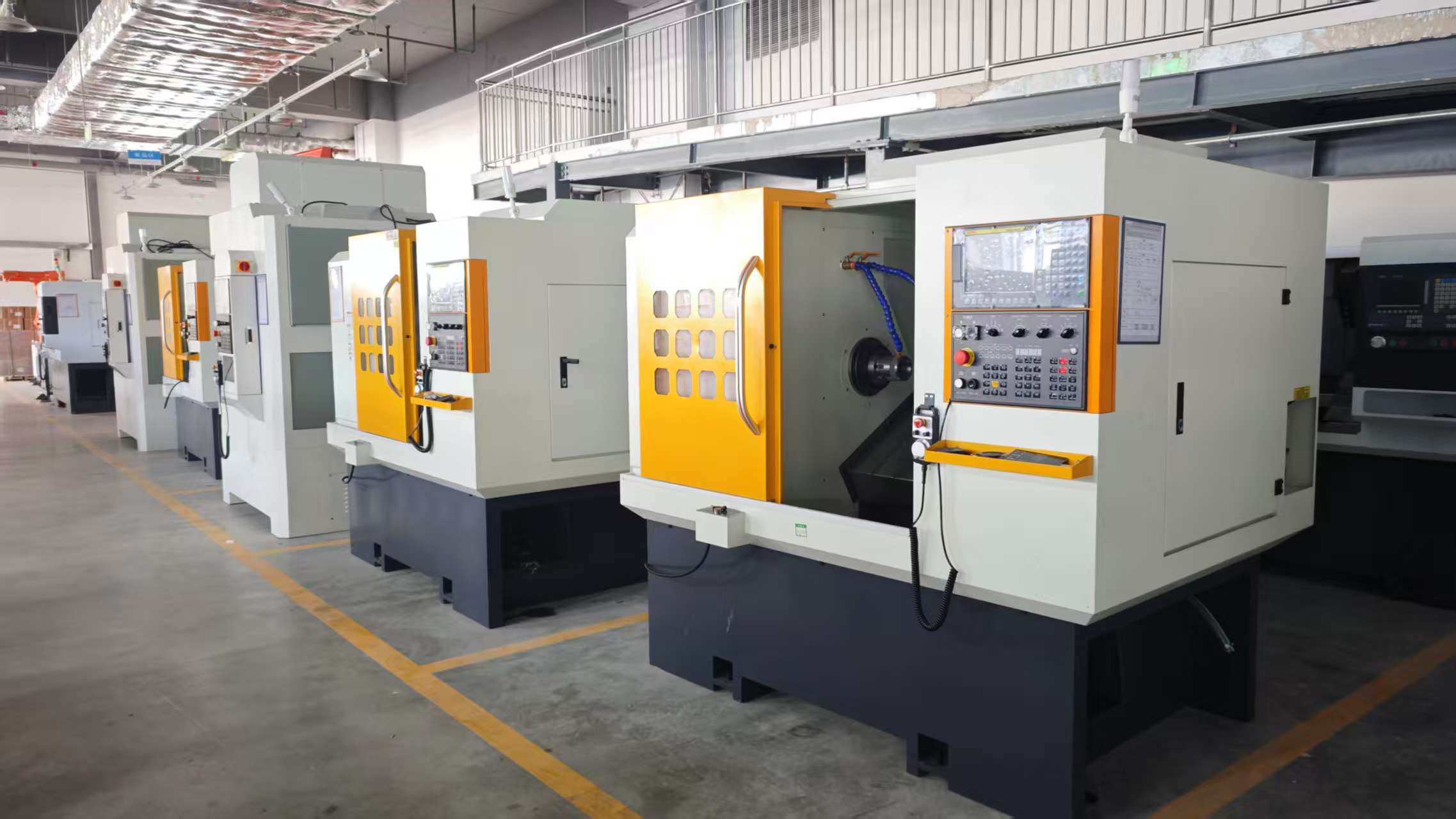
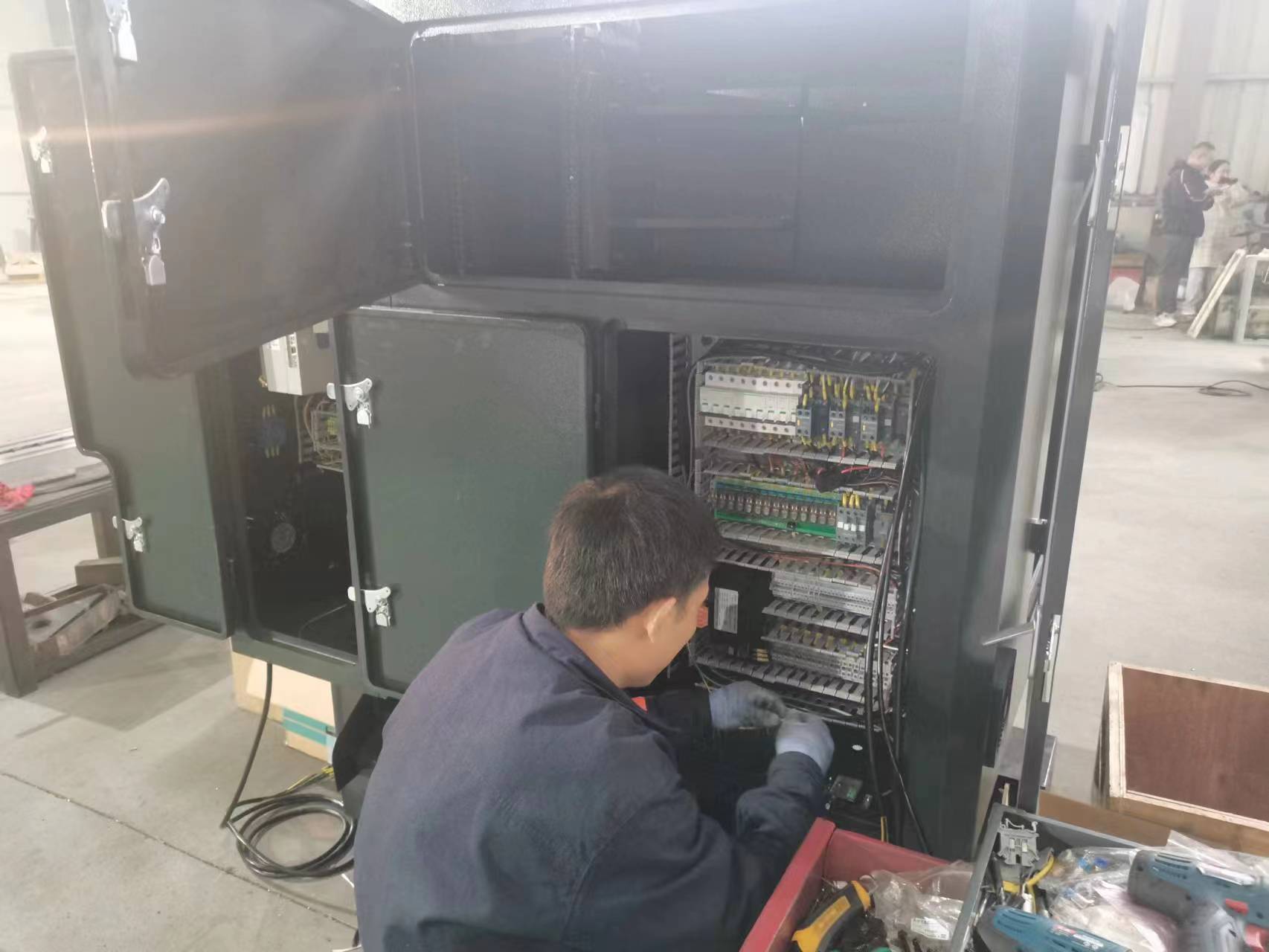
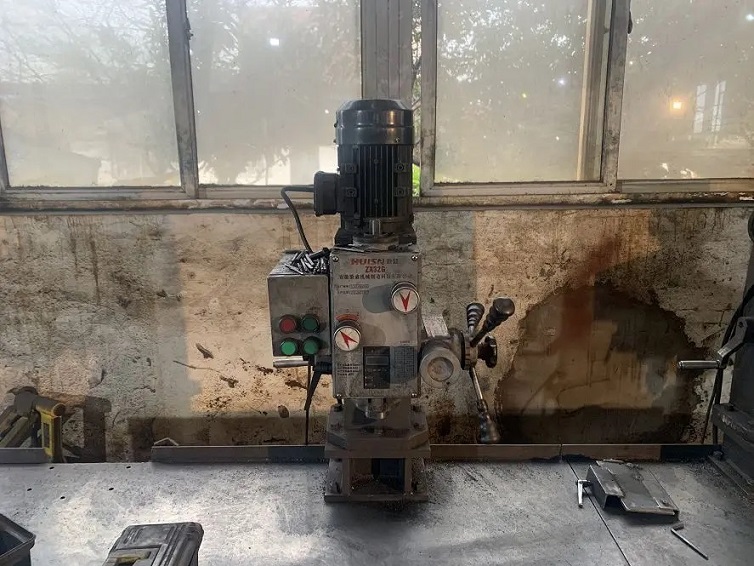
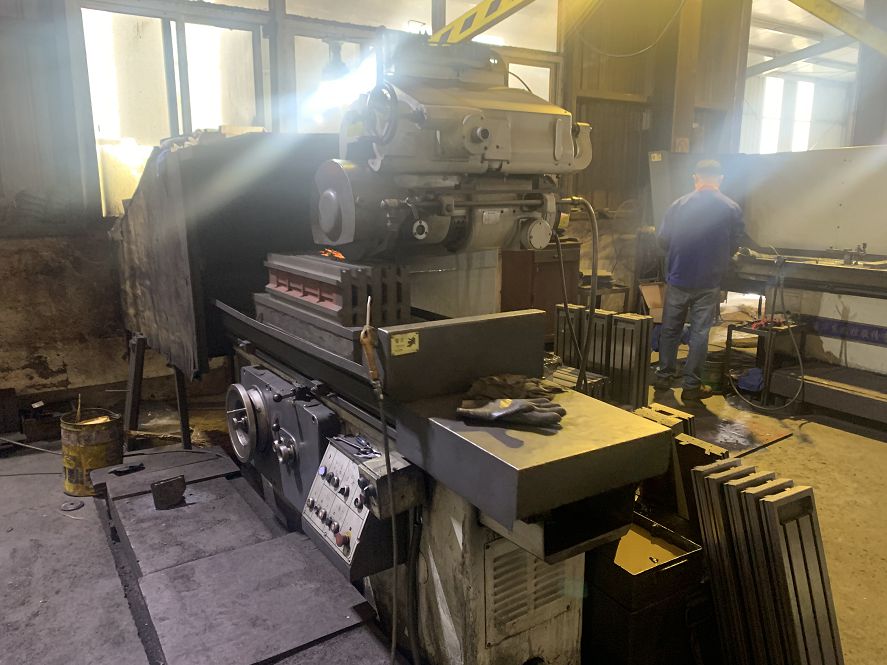
A trusted technological leader in the development and manufacturing of CNC spinning machine tools.
As a high-tech enterprise specializing in the research, development, and manufacturing of CNC spinning machine tools, Zhejiang ZRF Spinning Co., Ltd. has extensive experience and a strong technical foundation in the spinning industry. Our series of CNC spinning machine tools are widely applied across a variety of sectors globally, including petrochemicals, electronics, daily hardware, food processing machinery, automotive and motorcycle components, pressure vessels, ventilation, environmental protection, defense, and aerospace. The ZRF spinning machine series has reached more than 30 provinces and cities across China and has been exported to over 20 countries and regions worldwide. Our advanced technology, excellent product quality, and comprehensive service system have earned the trust and recognition of users globally.
At Zhejiang ZRF Spinning Co., Ltd., we firmly advocate a philosophy of market-oriented development, research-driven innovation, and technological excellence. We focus on continuous improvement in both product performance and service quality. Our manufacturing process strictly adheres to the ISO9001 quality management system, ensuring reliable, safe, and high-quality products. Over the years, we have established long-term cooperative relationships with many leading domestic and international enterprises.
Export Countries
Quality Certified
Precision Tolerance
Advanced CNC Control
Our mission and values are centered around:
We are dedicated to providing our clients with advanced, safe, and reliable technology and products. Looking forward, Zhejiang ZRF Spinning Co., Ltd. will continue to leverage its deep technical expertise to strengthen its leadership in the spinning industry and expand its global presence.
Navigating logistics, customs clearance at Montevideo, and technical onboarding for Uruguayan operators.
Importing advanced heavy machinery like a CNC flow forming station into Uruguay requires detailed planning around regulatory compliance. Machinery imported into the country must comply with Mercosur safety standards, specifically involving electrical safety interfaces and pressure vessel design rules where hydraulic systems are concerned. Furthermore, the Laboratorio Tecnológico del Uruguay (LATU) monitors imported industrial metrology and safety equipment, necessitating precise technical documentation, CE certificates, and factory acceptance test (FAT) documentation.
At ZRF Spinning, we ensure that every machine dispatched to South America is bundled with comprehensive documentation packets translated into Spanish, alongside raw schematic diagrams (electrical, hydraulic, and pneumatic). Our logistics team maintains deep expertise in coordinating maritime shipments via the Port of Montevideo. From coordinating custom container tie-downs for high-tonnage machine frames (to prevent distortion during transit) to navigating local Uruguayan customs brokers, we ensure a friction-free delivery. Post-installation, our engineers offer remote or on-site commissioning and programming training to transition local staff into proficient operators of our CNC interface.
Mercosur Integration Advantage: Uruguayan assembly plants using ZRF's CNC Flow Forming Machines can easily meet local content thresholds (Valor de Contenido Regional - VCR) for automotive and industrial exports to Brazil and Argentina. The low raw material waste and structural superiority of flow-formed components ensure lower scrap rates and robust cost structures.
How ZRF Spinning integrates data-driven diagnostics, thermal optimization, and predictive maintenance.
The field of metal forming is undergoing rapid digitization. Modern CNC flow forming units are no longer isolated mechanical assets; they are fully integrated nodes within an enterprise resource planning (ERP) environment. ZRF Spinning's R&D roadmap focuses on three core technological enhancements designed to improve manufacturing efficiency in Uruguay and global markets:
1. Real-Time Ultrasonic Thickness Measurement: Integrating inline sensor arrays that measure wall thickness while the deformation cycle is active. The CNC system adjusts the tool path dynamic offset instantly to compensate for material temperature variations and thickness deviations in the feedstock.
2. Thermal-Assisted Hot Flow Forming: For specialized applications involving high-strength titanium or nickel alloys (often required in advanced defense and environmental industries), we offer integrated induction heating units. This pre-heats the metal blank, minimizing force requirements and reducing processing times while preventing micro-cracking.
3. Machine Learning Predictive Maintenance: Vibration and thermal sensors installed on main spindles, hydraulic pumps, and linear guide systems analyze wear patterns. This telemetry data predicts maintenance cycles before unplanned downtime occurs, a crucial feature for factories operating outside immediate domestic logistics hubs.
In-depth, engineering-focused answers designed to address the specific queries of industrial procurement managers.
Standard metal spinning primarily changes the shape of a metal blank without intentionally altering its thickness, making it ideal for thin-gauge hollowware. CNC flow forming, however, applies massive localized pressure to reduce the wall thickness of a cylindrical preform over a mandrel. This process forces the metal to flow axially, resulting in high-density grain structures, superior tensile strength, and precise wall thicknesses.
Our heavy-duty flow forming machines feature FEA-optimized (Finite Element Analysis) cast-iron beds and structural columns that isolate vibration. Precision-ground linear guideways, heavy-duty ball screws, and high-pressure hydraulic cylinders provide the necessary force to form tough materials without frame deflection, ensuring long-term dimensional repeatability.
Yes. By configuring our machines with multi-roller configurations (up to three rollers) and optional hot-spinning (induction heating) integrations, they can successfully form high-strength steels, titanium alloys, Inconel, and stainless steels. These setups are highly valuable for Uruguayan companies involved in energy and aerospace manufacturing.
We integrate industry-leading CNC controllers (such as Siemens 840D SL or Fanuc systems) combined with ZRF's proprietary human-machine interface. This user-friendly interface allows operators to program complex curves, change roller feed paths, and monitor processing forces in real time, making custom component runs highly efficient.
We provide full-spectrum support, starting with detailed pre-delivery site planning. Upon arrival at the Port of Montevideo, we coordinate with local logistics teams for site delivery. A senior technician is assigned to supervise mechanical assembly, system debugging, and initial tool path configuration, followed by extensive training for local operators.
Standard configuration machines have a typical manufacturing lead time of 90 to 120 days, depending on customization. Shipping from our facilities in China to the Port of Montevideo takes approximately 35 to 45 days. We handle export documentation, customs packing list compliance, and transport insurance to guarantee safe arrival.
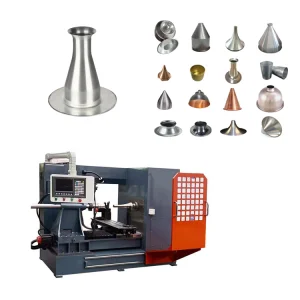
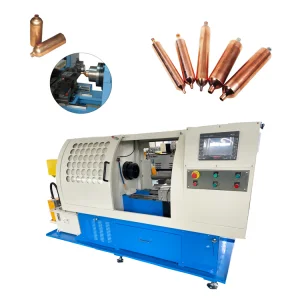
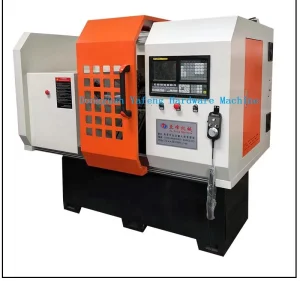
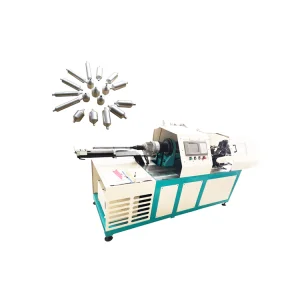
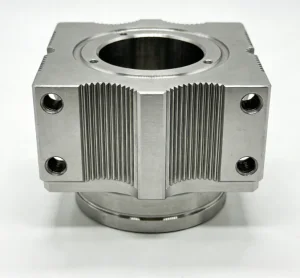
Explore our complete product catalog, built to meet diverse industrial demands with high reliability and precision.


 ZRF Spinning