High-Efficiency Precise Flow Forming Models
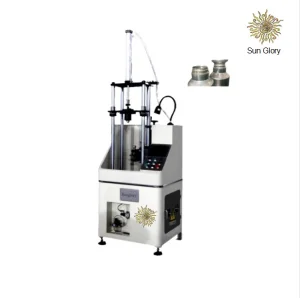
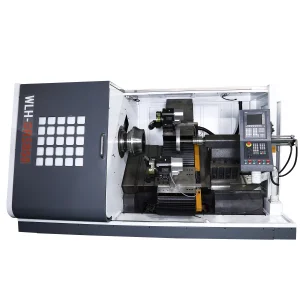
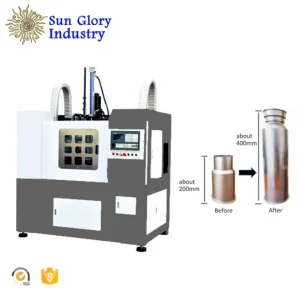
In modern global precision manufacturing, raw material utilization and grain-structure integrity dictate product viability and economic competitiveness. CNC Flow Forming Technology represents the apex of cold rotary deformation, forcing metal workpieces over a hardened mandrel using multiple synchronized rollers. Unlike conventional subtractive turning or high-temperature forging, flow forming produces complex, hollow, rotationally symmetrical parts with virtually zero material waste, while simultaneously refining grain structures to drastically increase yield strength.
In South Korea's high-tech industrial economy, precision is paramount. The integration of Zhejiang ZRF Spinning Co., Ltd.'s multi-axis CNC flow spinning and forming machines provides Korean factories—ranging from Gyeonggi-do's semiconductor tooling workshops to Ulsan's heavy automotive and shipping lines—with an optimized path toward technological upgrade. By achieving ultra-precise tolerances (+/-0.01mm) and high surface finishes, ZRF machinery helps bypass costly secondary grinding stages, reducing overall operational cycles.
"By integrating precision force monitoring with robust multi-roller mechanical frames, ZRF Flow Forming Systems enable Korean and international manufacturing plants to achieve up to 70% material savings compared to solid bar-stock machining."
South Korea's national manufacturing blueprint is highly regionalized and relies heavily on localized supplier chains. ZRF's CNC Flow Forming solutions are engineered to fit directly into these distinct ecosystems:
Traditionally, high-end flow forming machines were manufactured by German or Japanese brands with high capital expenditure. Zhejiang ZRF Spinning Co., Ltd. has bridged this gap by combining advanced industrial PC controllers, rigid mechanical structures, and highly competitive pricing.
This structural approach makes ZRF machinery highly competitive for mid-tier and tier-1 manufacturers in South Korea who require quick return on investment (ROI) without compromising technical capability. Below is a comparative matrix outlining manufacturing approaches:
| Parameters | CNC Flow Forming (ZRF Standard) | Traditional Metal Spinning | Conventional Machining (Turning) | Deep Drawing / Pressing |
|---|---|---|---|---|
| Material Savings | Extremely High (Up to 75%) | Moderate | Low (High chip volume) | Moderate to Low |
| Grain Structure | Refined, cold-hardened flow lines | Moderately elongated | Interrupted/Cut grain structure | Stretched, vulnerable corners |
| Surface Finish | Ra 0.4 to 0.8 µm (Roller burnished) | Ra 1.6 to 3.2 µm | Ra 0.8 to 1.6 µm | Ra 1.6 µm |
| Tooling Costs | Low (Simple mandrels) | Very Low | Extremely Low (Standard inserts) | High (Custom progressive dies) |
| Tensile Strength Gain | Up to 50-100% Increase (Cold-work) | Slight increase | No change (baseline) | Minimal to Moderate |
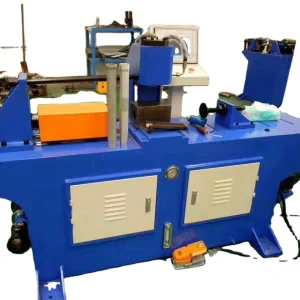
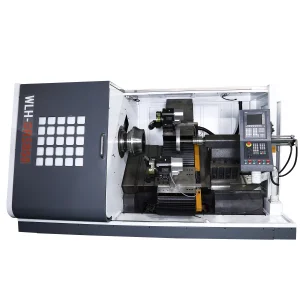
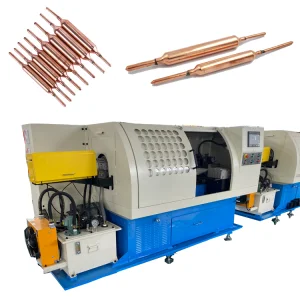
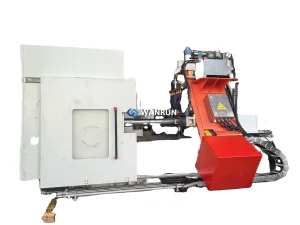
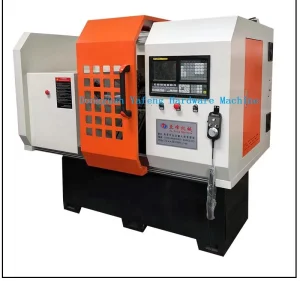
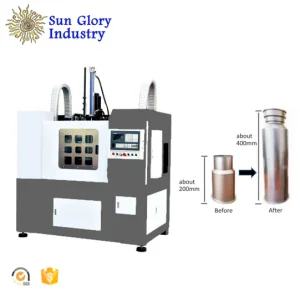
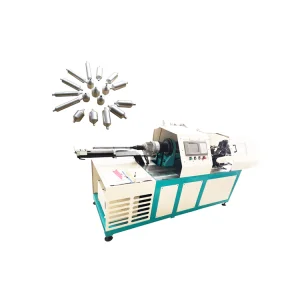
To cover all variations of mechanical configurations required in the metal shaping industry, ZRF designs and distributes specialized machines for heavy duty, complex tube manipulation and HVAC component generation.
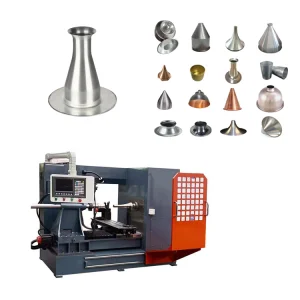
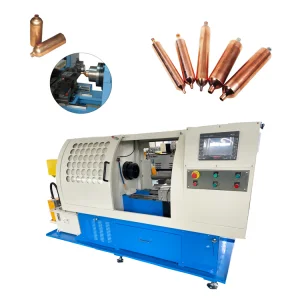
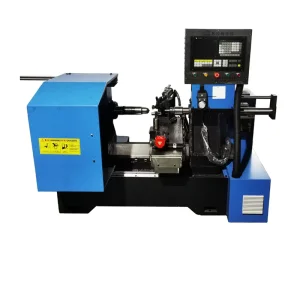
As a high-tech enterprise specializing in the research, development, and manufacturing of CNC spinning machine tools, Zhejiang ZRF Spinning Co., Ltd. has extensive experience and a strong technical foundation in the domestic and international spinning industries. Our series of CNC spinning machine tools are widely applied across a variety of industries, including petrochemicals, electronics, daily hardware, food processing machinery, automotive and motorcycle components, pressure vessels, ventilation, environmental protection, defense, and aerospace.
The ZRF spinning machine series has reached more than 30 provinces and cities across China and has been exported to over 20 countries and regions worldwide. Our advanced technology, excellent product quality, and comprehensive service system have earned the trust and recognition of users globally. At Zhejiang ZRF Spinning Co., Ltd., we firmly advocate a philosophy of market-oriented development, research-driven innovation, and technological excellence. We focus on continuous improvement in both product performance and service quality.
Our manufacturing process strictly adheres to the ISO9001 quality management system, ensuring reliable, safe, and high-quality products. Over the years, we have established long-term cooperative relationships with many leading domestic and international enterprises.
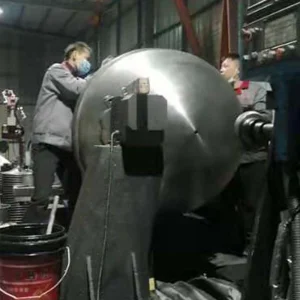
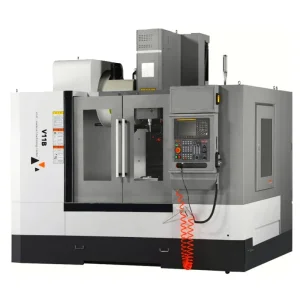
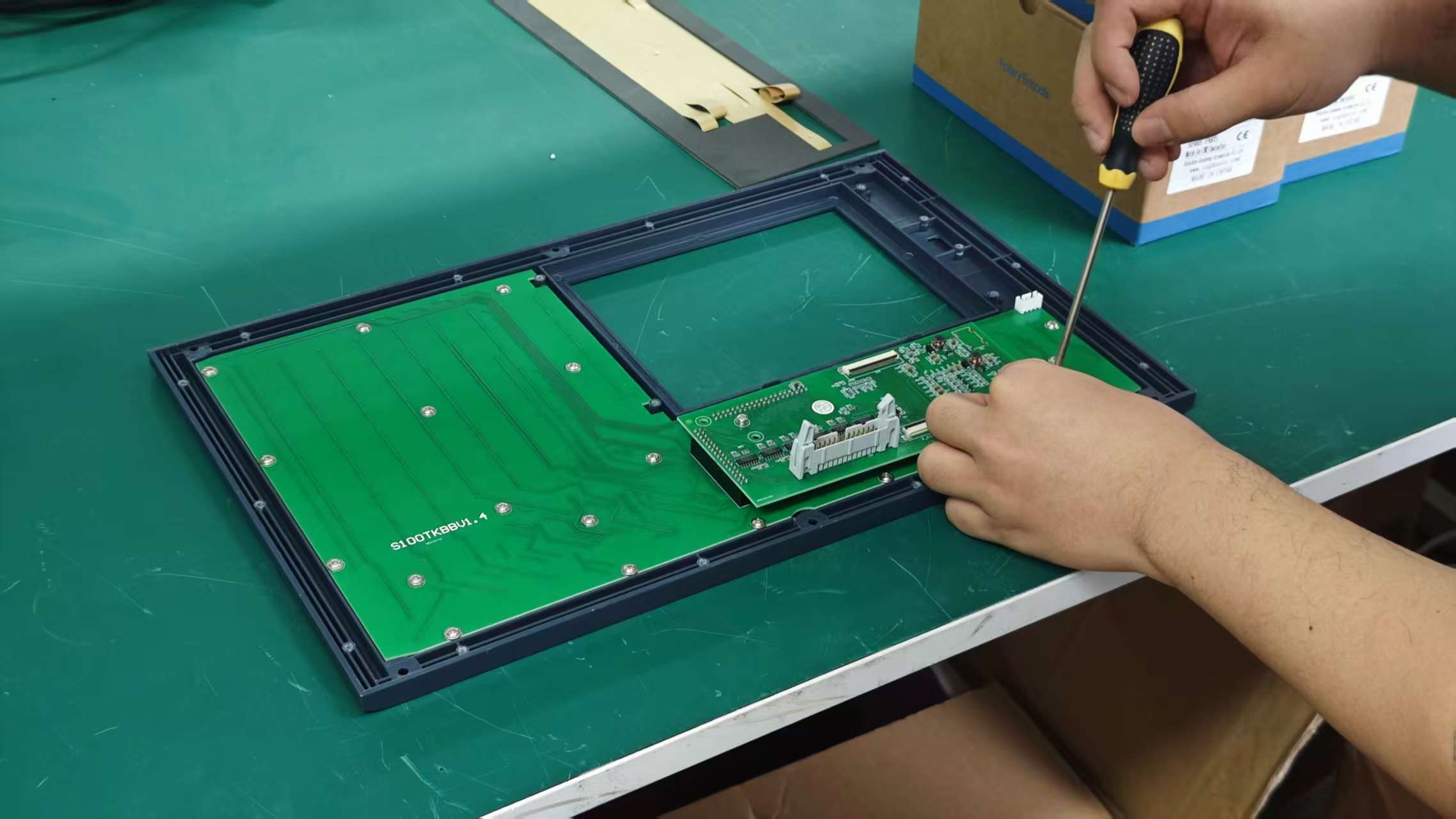
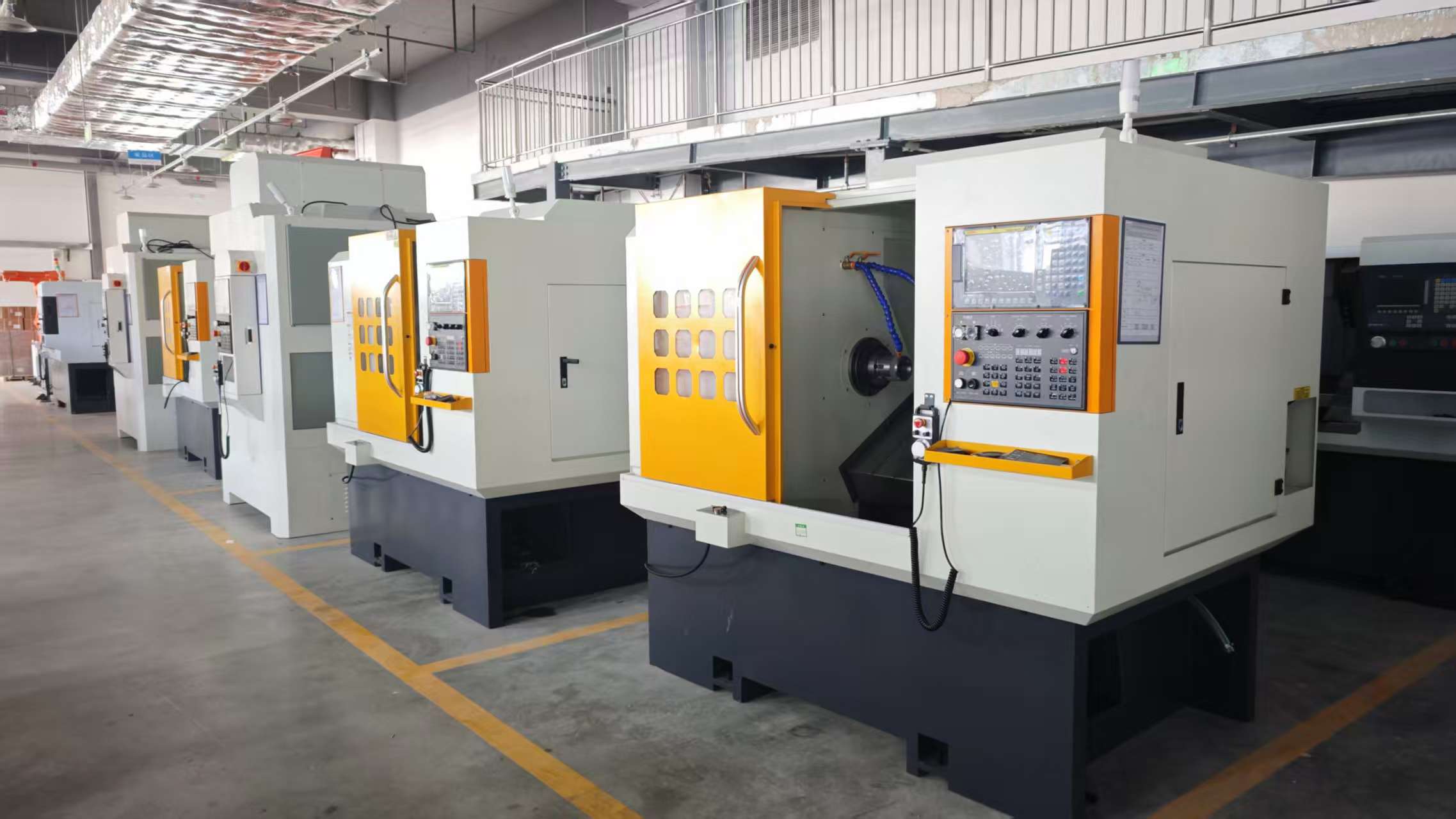
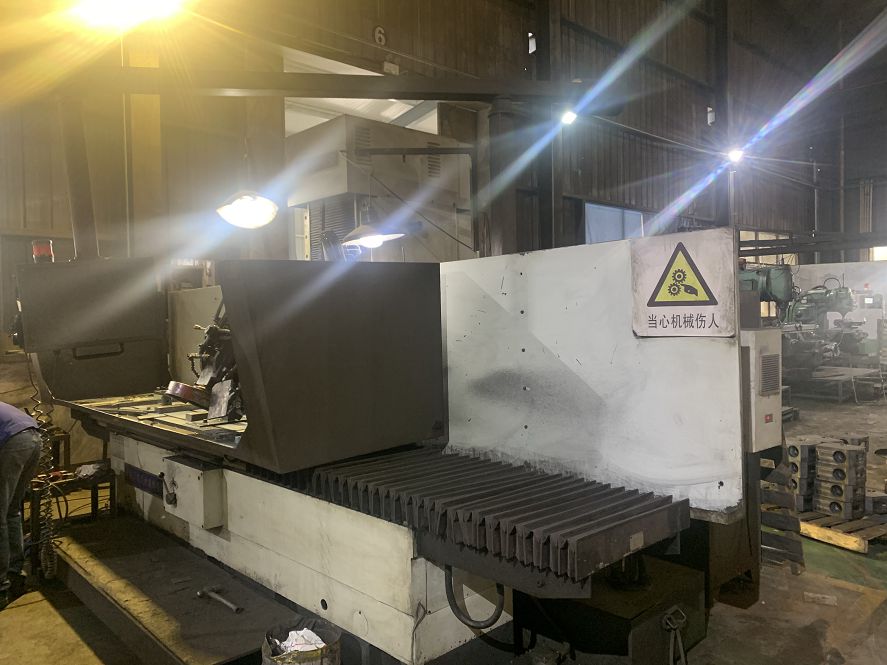
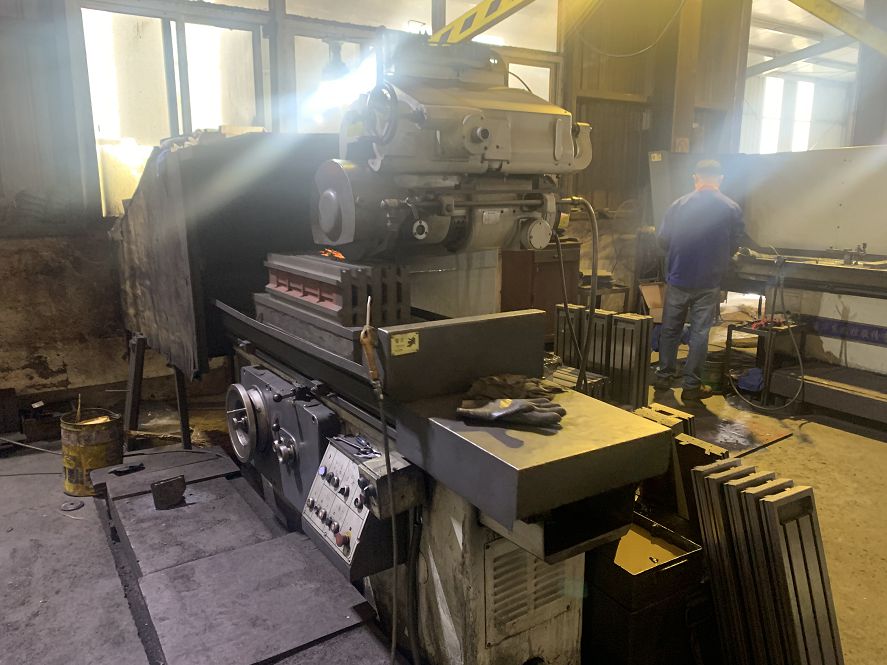
Every machine is built, verified, and calibrated in our clean, modern production facility. The images below represent our dedicated workspace sections.
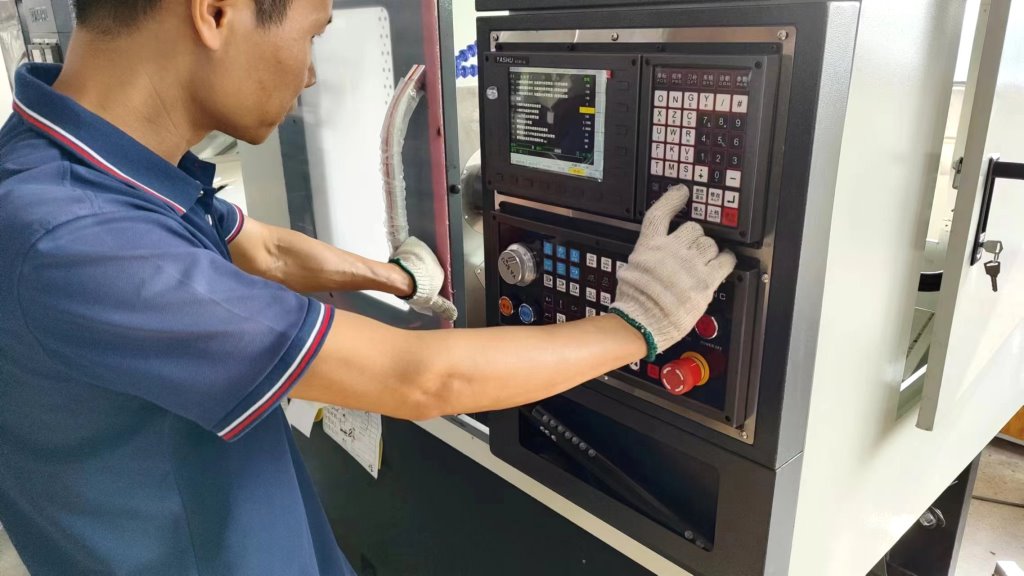
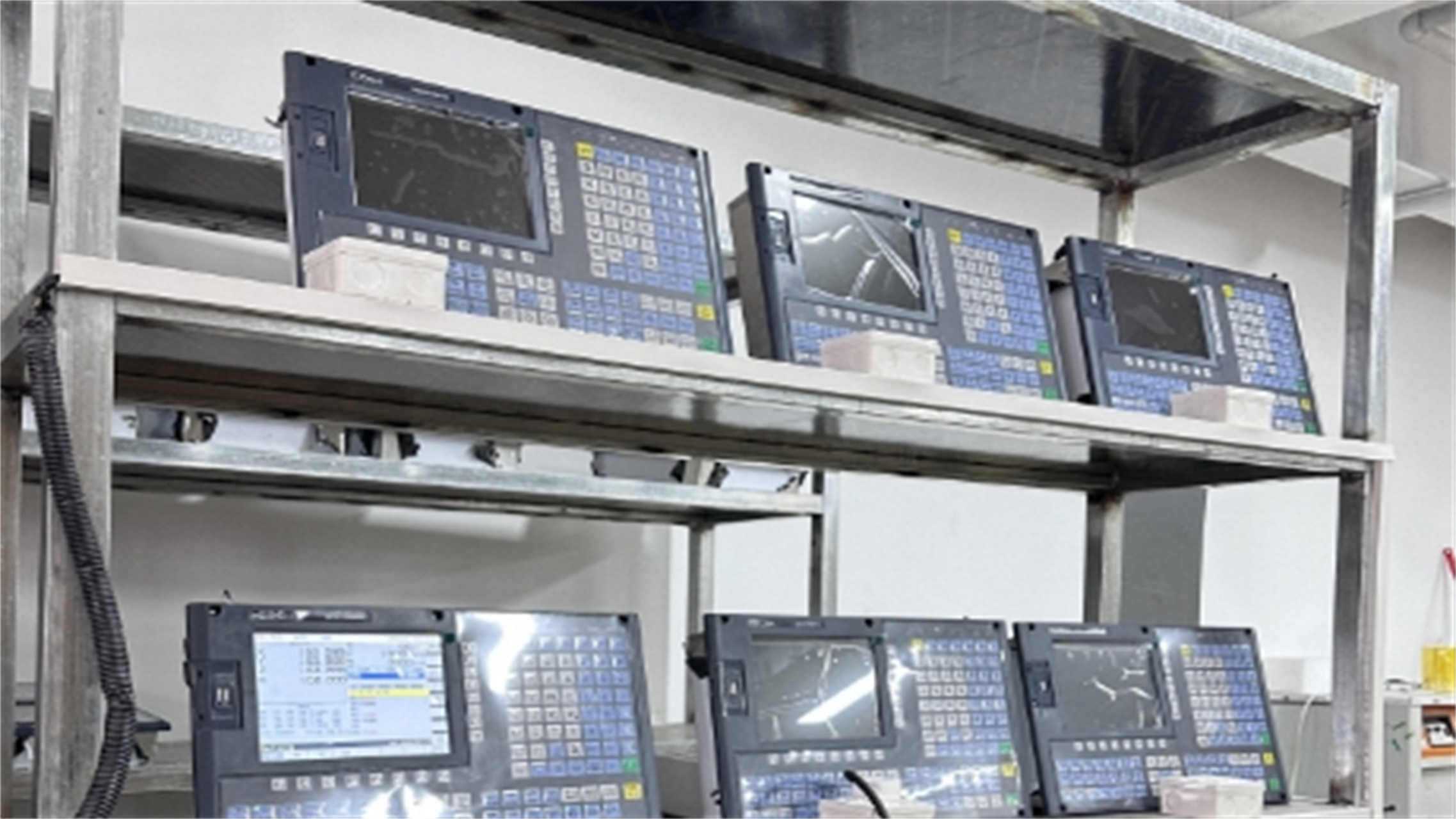
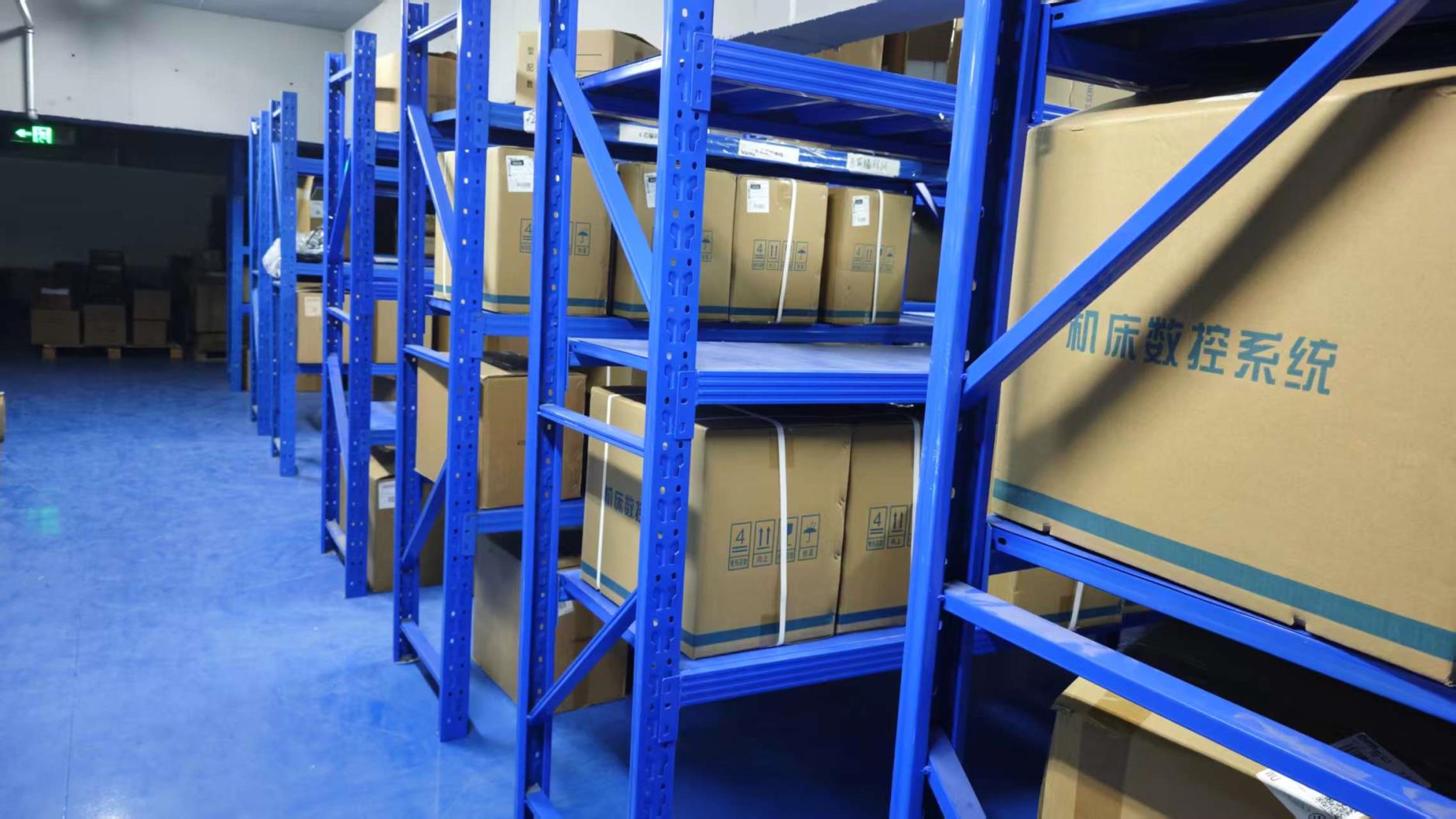
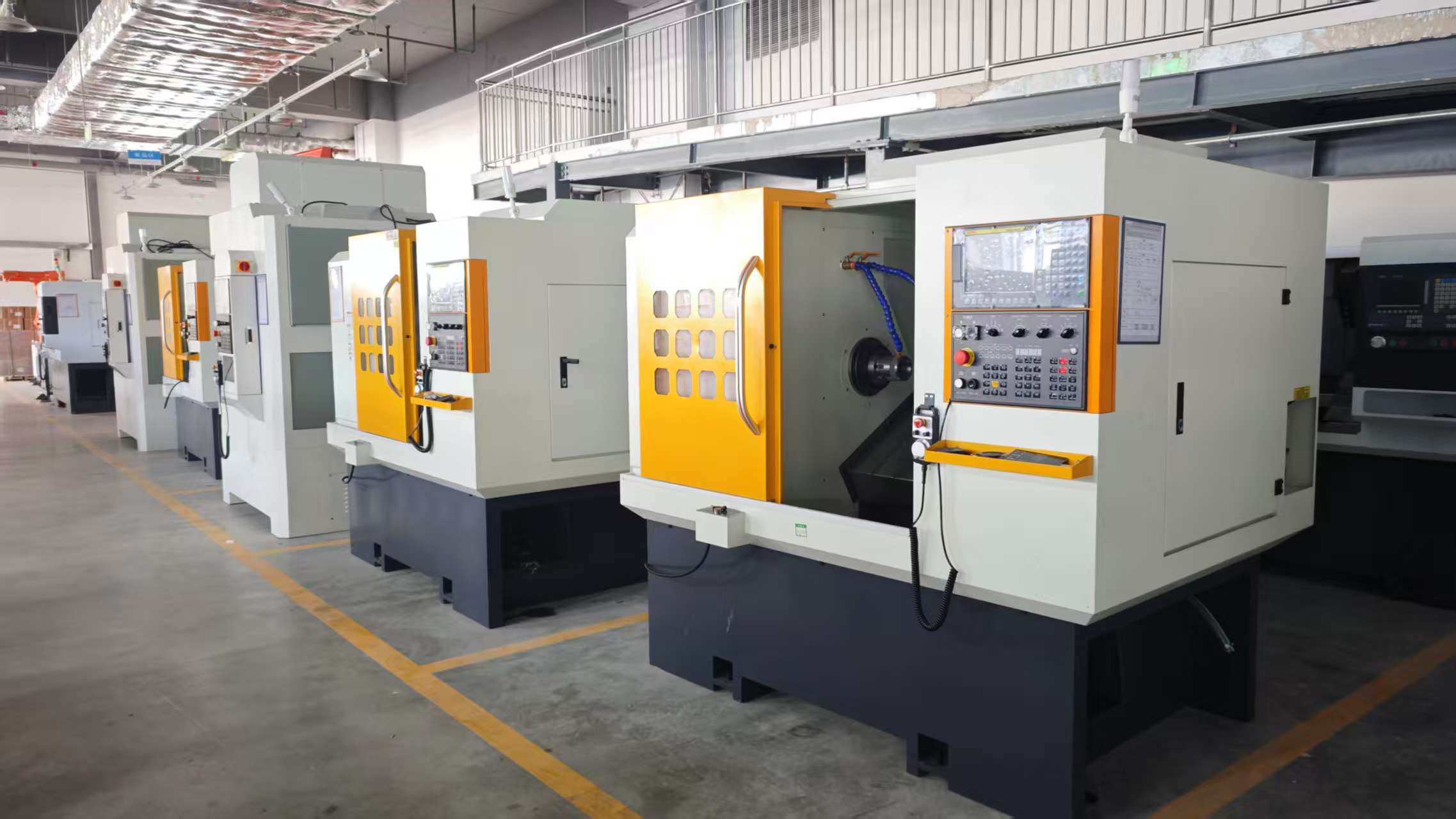
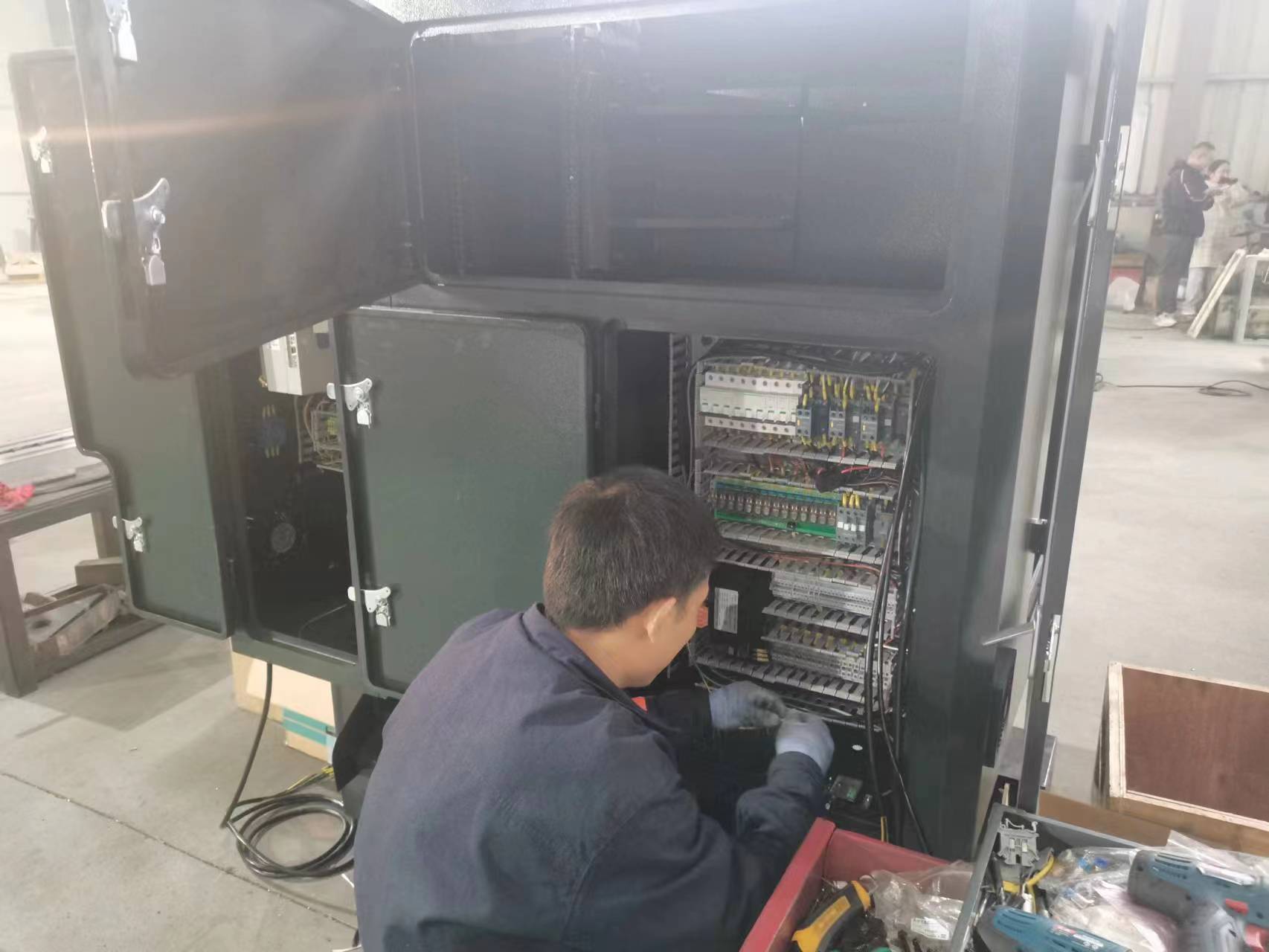
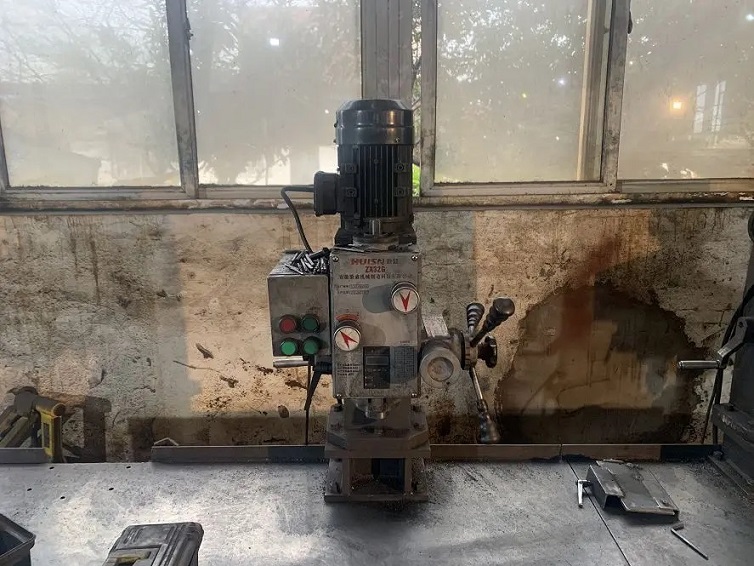
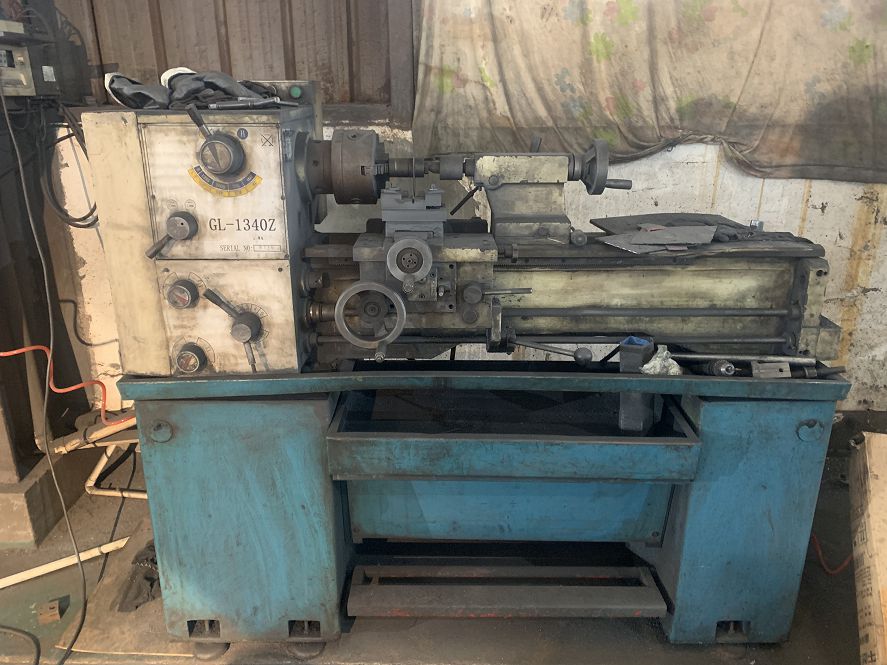
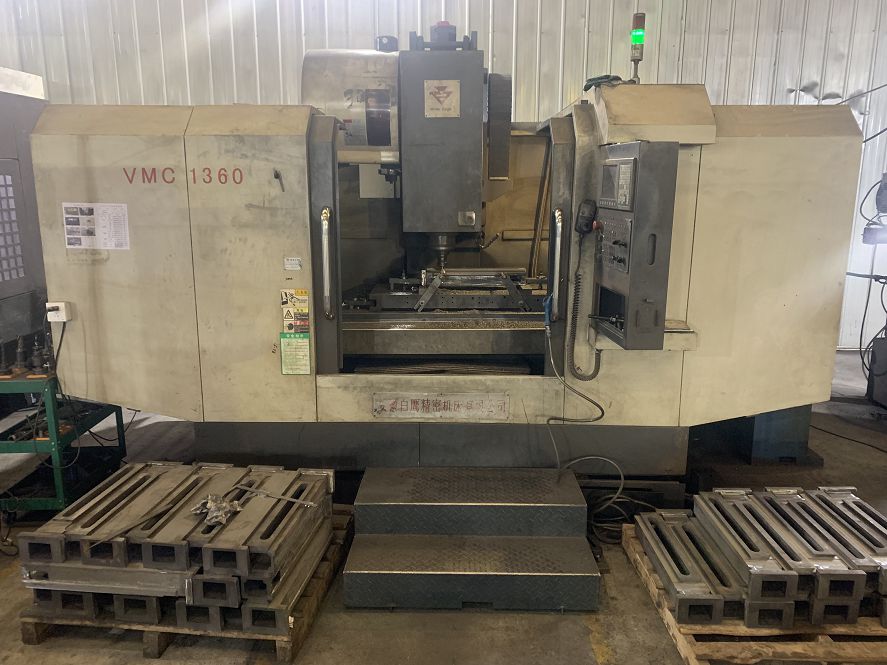
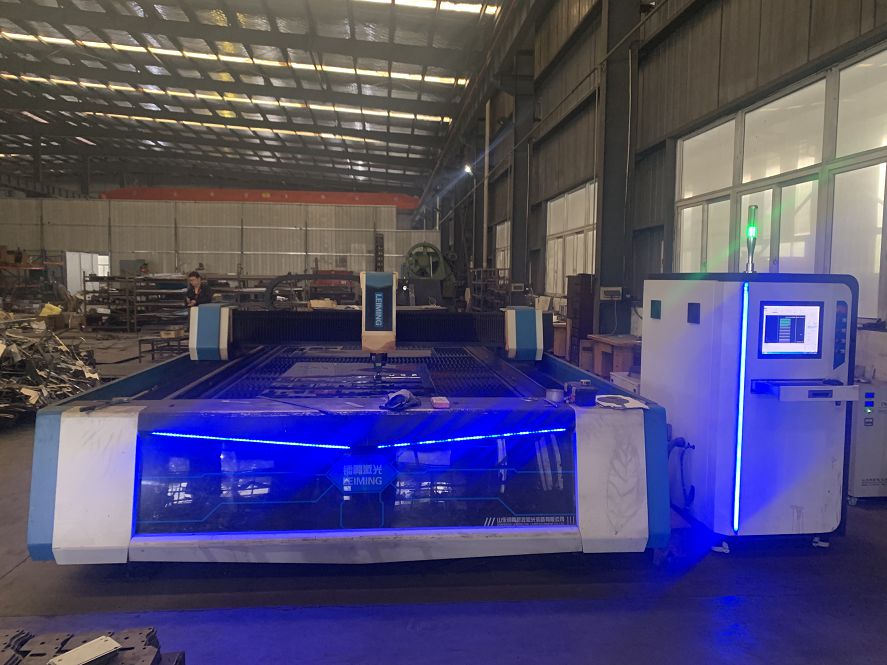
Looking toward the next phase of manufacturing integration, ZRF is focusing on combining advanced sensory technology with control systems to assist operators.
Consult with our engineers to configure custom flow forming paths, custom tooling mandrels, or specific automated part-loading setups matching your factory layout.
Send Inquiry NowOptimized Flow Spinning & Tube Forming Machinery
Technical Clarifications for Procurement Engineers
 ZRF Spinning