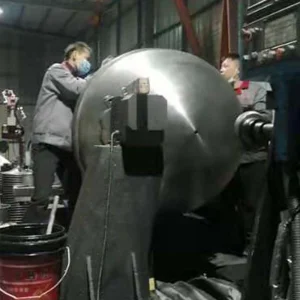
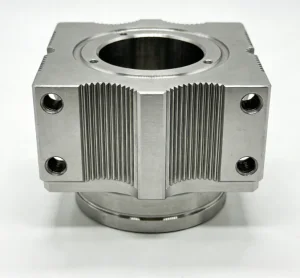
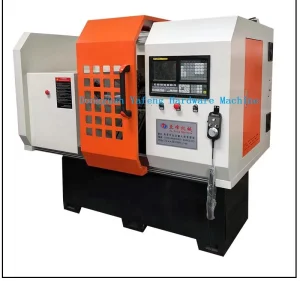
Discover our primary CNC flow forming and spinning solutions engineered for high tolerance, structural integrity, and exceptional productivity across Romanian industrial applications.
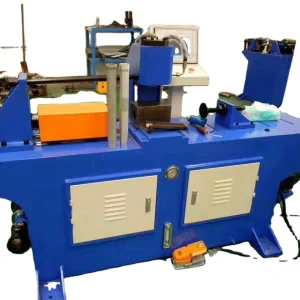
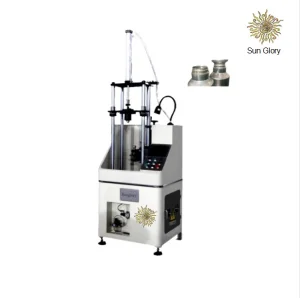
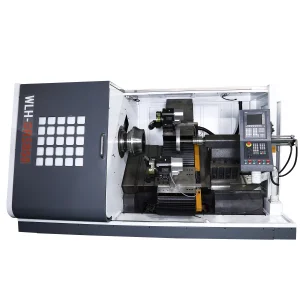
Romania has positioned itself as one of the fastest-growing industrial hubs in Central and Eastern Europe. Driven by a robust automotive sector (led by major OEMs like Dacia Renault in Mioveni and Ford Otosan in Craiova), an expanding aerospace component cluster in Brașov and Bacău, and a resilient defense industrial base, Romanian manufacturers are seeking advanced manufacturing technologies to improve efficiency and reduce material waste.
Flow forming, a highly specialized cold-forming manufacturing technique, is uniquely suited to address these modern production challenges. Unlike conventional chip-removal machining, flow forming plastically deforms a preform over a mandrel using high-pressure rollers. This process yields components with near-zero material waste, remarkable surface finishes, and enhanced mechanical properties due to cold-work hardening.
For Romanian engineering operations seeking to transition from traditional turning and drawing to high-performance, chipless cold-forming, partnering with a premier exporter like Zhejiang ZRF Spinning Co., Ltd. provides access to cutting-edge CNC metal forming technology tailored to strict European quality standards.
"The shift toward eco-efficient, low-carbon production in the European Union mandates that Romanian manufacturers minimize raw material scrap. ZRF's CNC Flow Forming Lathes achieve up to 70% material utilization improvements over solid-block machining processes."
Understanding the microstructural benefits, engineering parameters, and metallurgical advantages of ZRF CNC flow forming machinery.
At the core of ZRF's CNC flow forming machinery lies the principle of incremental cold deformation. Under immense localized pressure applied by two or three CNC-controlled rollers, the metal's grain structure is aligned axially along the mandrel. This eliminates grain boundary voids and dramatically increases the material's yield strength, tensile strength, and hardness.
Achieve precise wall thickness reductions exceeding 75% in a single pass, depending on the material's initial ductility, allowing for lightweight, high-strength hollow structures.
Maintain wall thickness tolerances within ±0.02mm and roundness deviations within 0.05mm, satisfying the strict quality requirements of international aerospace and defense standards.
The continuous roller burnishing action yields mirror-like internal and external surface finishes (down to Ra 0.2 μm), eliminating the need for post-forming grinding or polishing.
Globally, manufacturers are shifting away from traditional casting and welding processes for pressure vessels and drive components. Seam-welded tubes represent points of mechanical vulnerability under high operational pressure. By utilizing ZRF's WR200-3T Three-Roller CNC Flow Forming Machine for Seamless Pipe, Romanian factories can produce long, thin-walled seamless tubes from thick-walled cylindrical preforms. This ensures high structural integrity and pressure resistance, which are crucial for the petrochemical infrastructure in Ploiești and regional gas transmission projects.
Targeted solutions for hardware, custom manufacturing lines, and specialized axial forming processes.
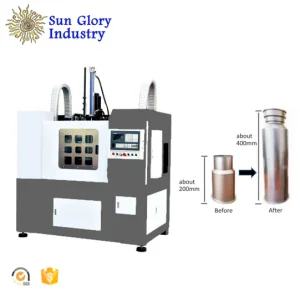
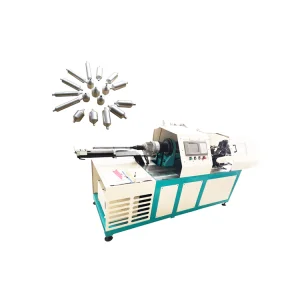
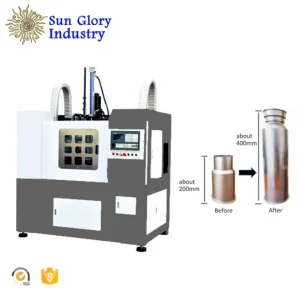
We align our heavy-duty CNC spinning lathe capabilities with the operational needs of Eastern European manufacturing giants.
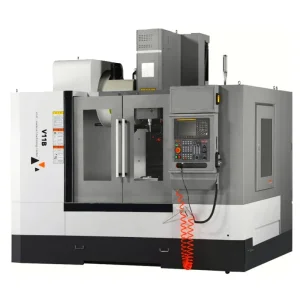
Romanian tier-1 automotive suppliers face strict weight-reduction guidelines to support global EV platforms. ZRF's high-accuracy heavy-duty metal combo spin flow lathes enable the forming of lightweight aluminum alloy wheels, pulley hubs, and transmission housings with high fatigue strength and minimal rotary imbalance.
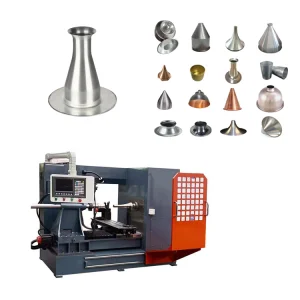
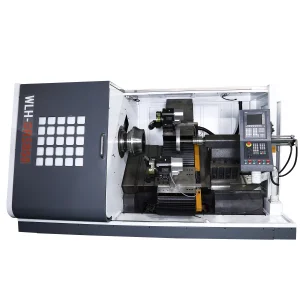
Aerospace facilities in Ghimbav, Brașov, demand uncompromising material structural integrity. Our specialized flow forming lathes are designed for shaping high-performance alloys (like Inconel, Titanium, and Stainless Steel) into critical engine parts, such as combustor chambers, exhaust nozzles, and nose cones.
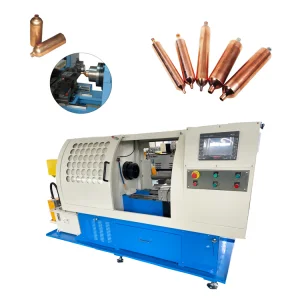
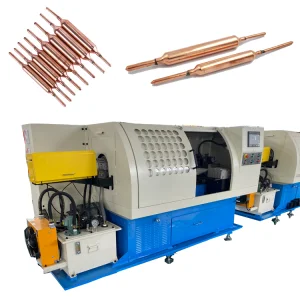
HVAC, commercial fan components, and fluid transport lines require high durability and precise geometry. ZRF’s copper metal spinning machines are designed to meet this demand, offering optimized production for copper and iron hardware, fan inlets, and high-efficiency ventilation nozzles.
A high-tech pioneer in the development, research, and manufacturing of CNC metal spinning and flow forming machine tools.
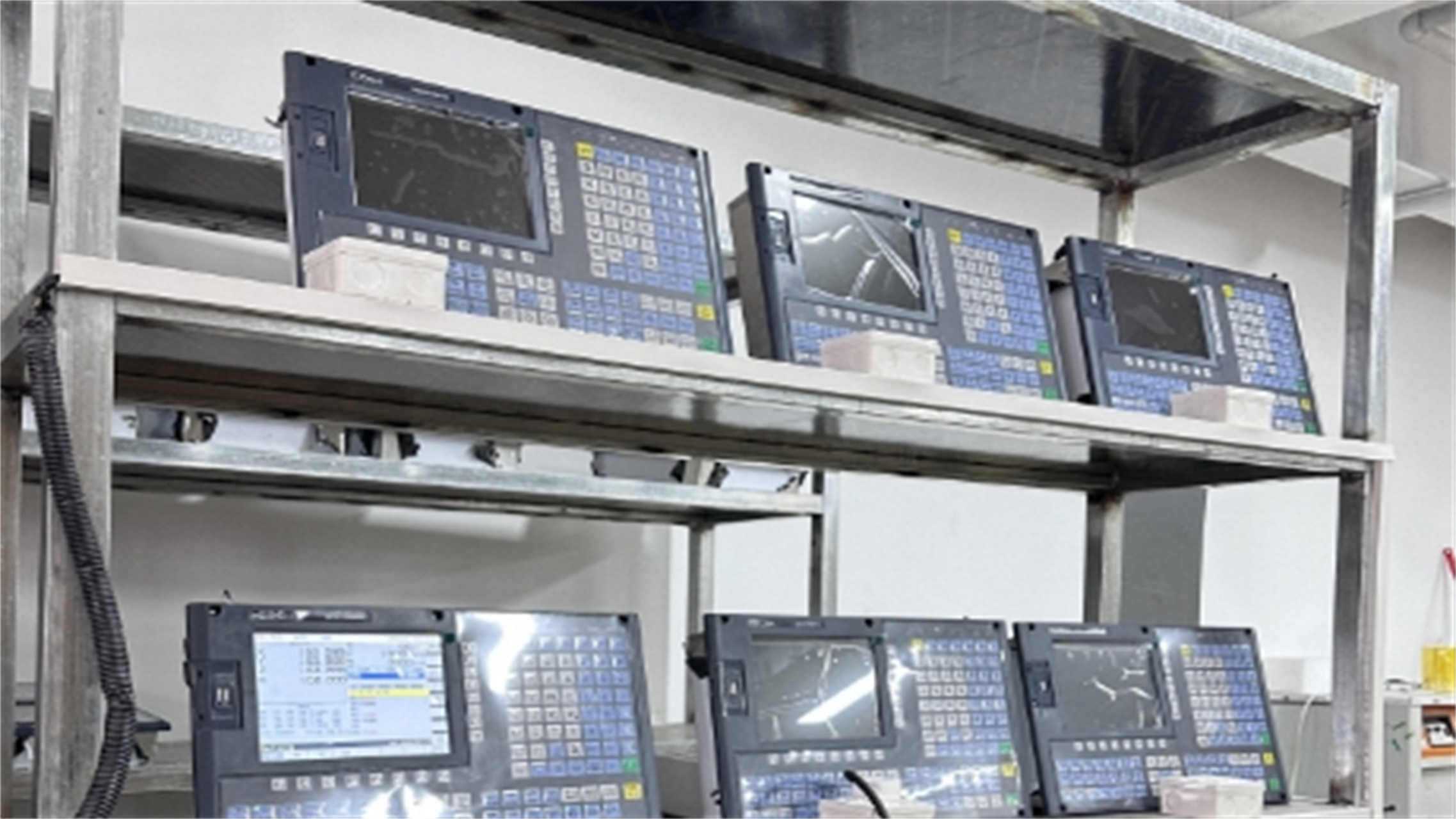
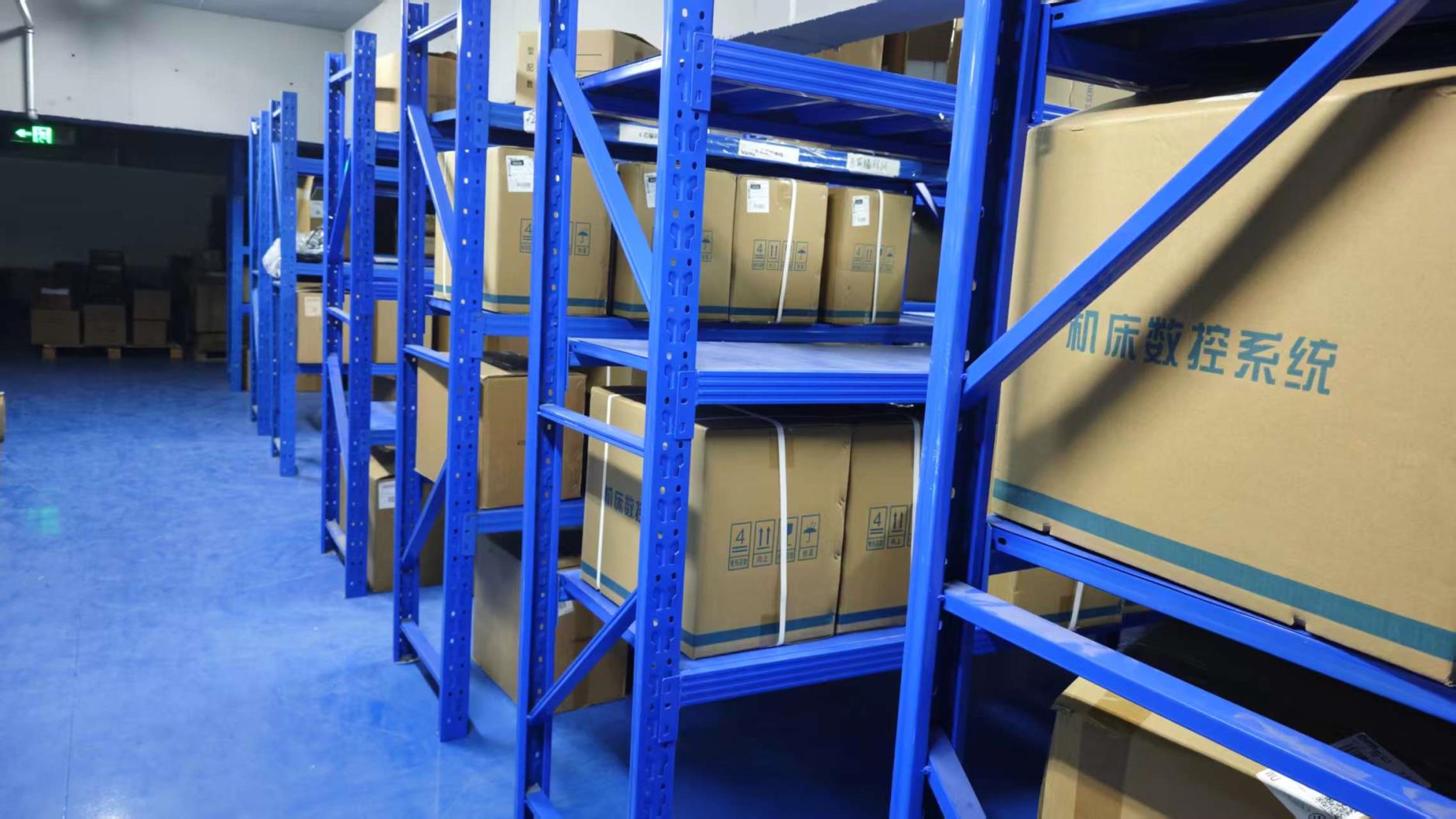
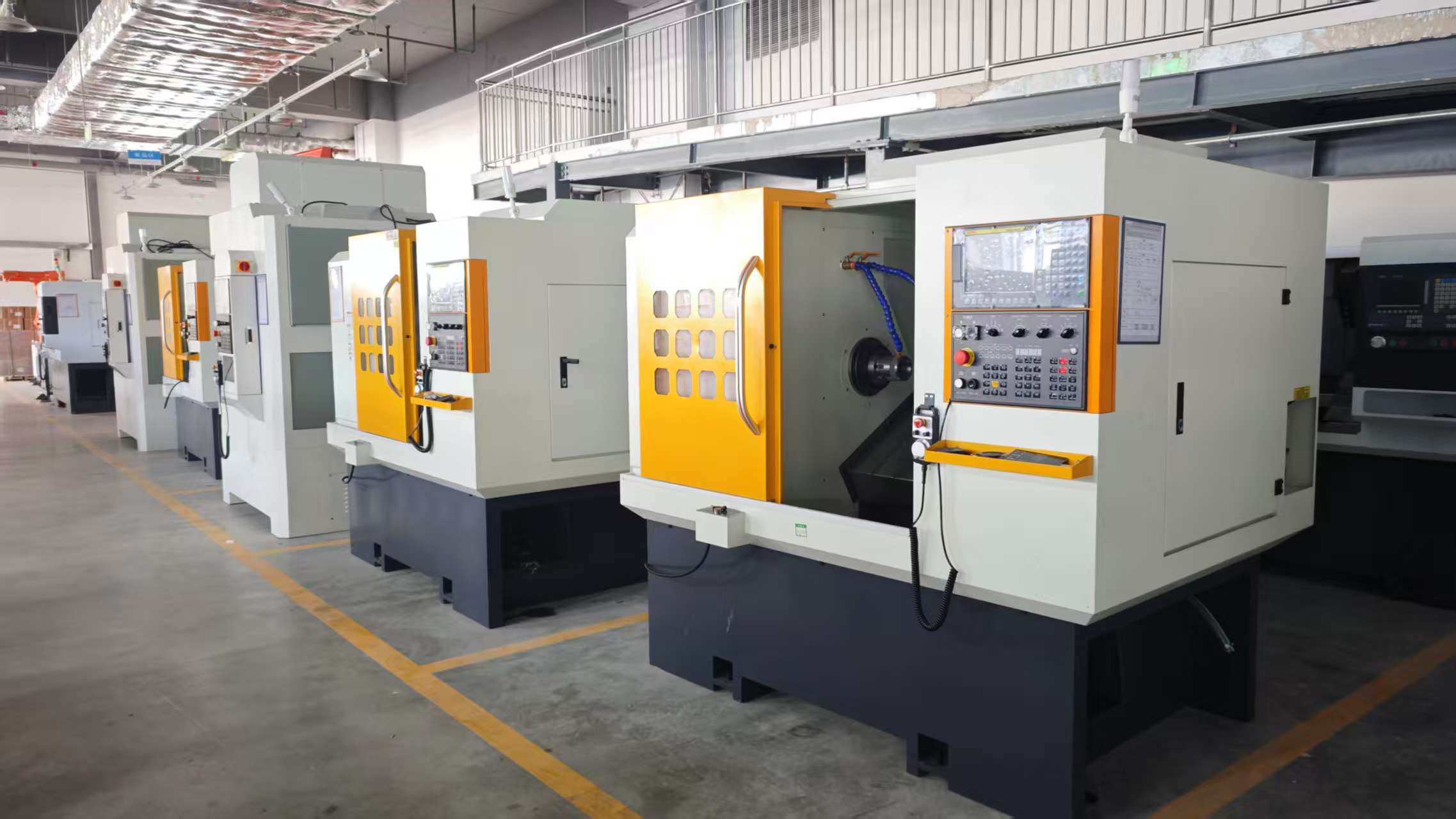
As an established high-tech enterprise, Zhejiang ZRF Spinning Co., Ltd. holds a deep technical foundation in the metal spinning industry. Our series of CNC spinning machine tools are widely applied across various fields, including petrochemicals, electronics, hardware, food processing machinery, automotive components, pressure vessels, ventilation, environmental protection, defense, and aerospace.
Adhering to our core philosophy of market-oriented development, research-driven innovation, and technological excellence, our manufacturing process strictly operates under the ISO9001 quality management system. The ZRF spinning machine series has achieved widespread adoption across 30 Chinese provinces and has been exported to over 20 countries and regions globally, earning the trust of leading industrial enterprises worldwide.
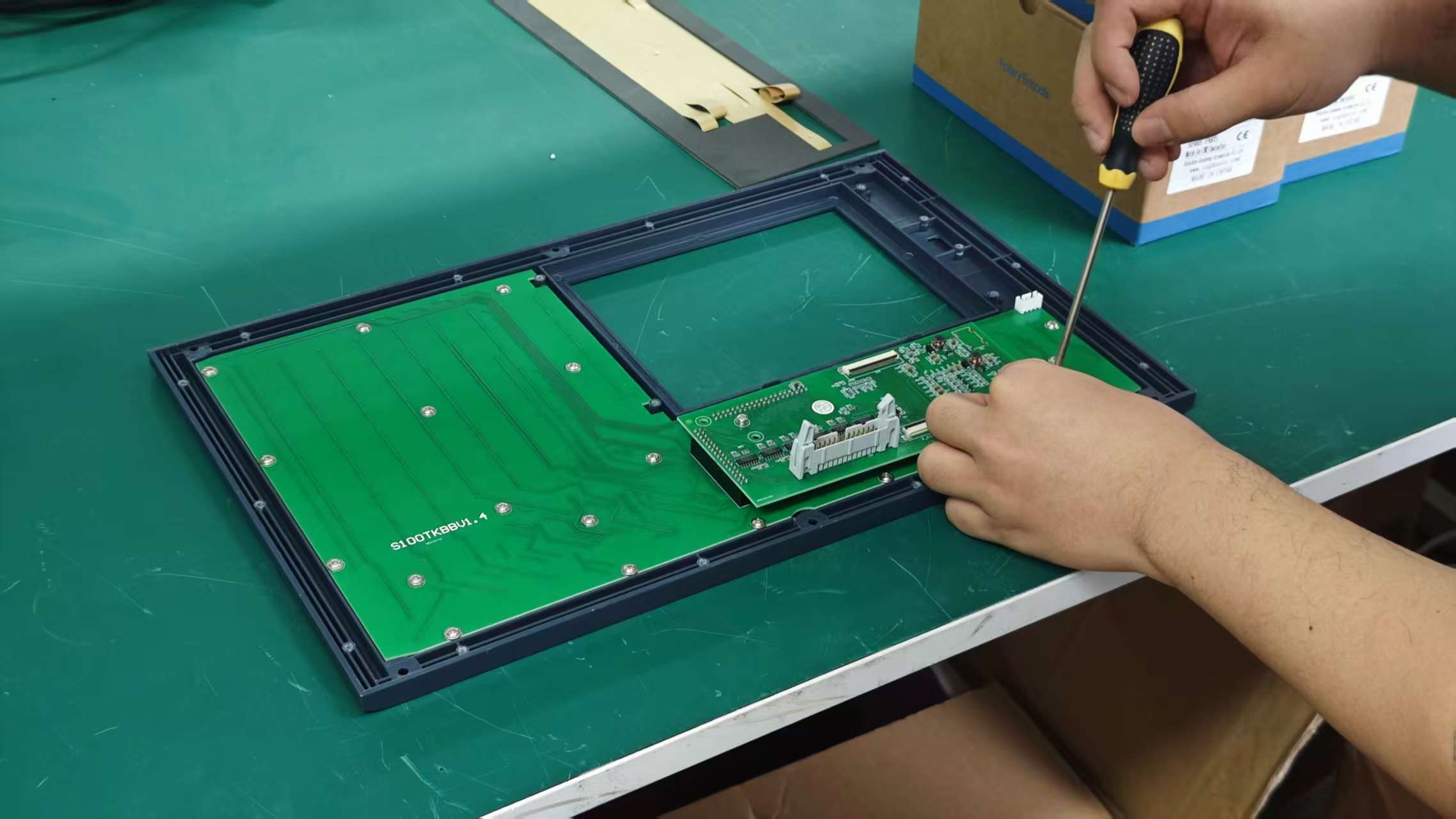
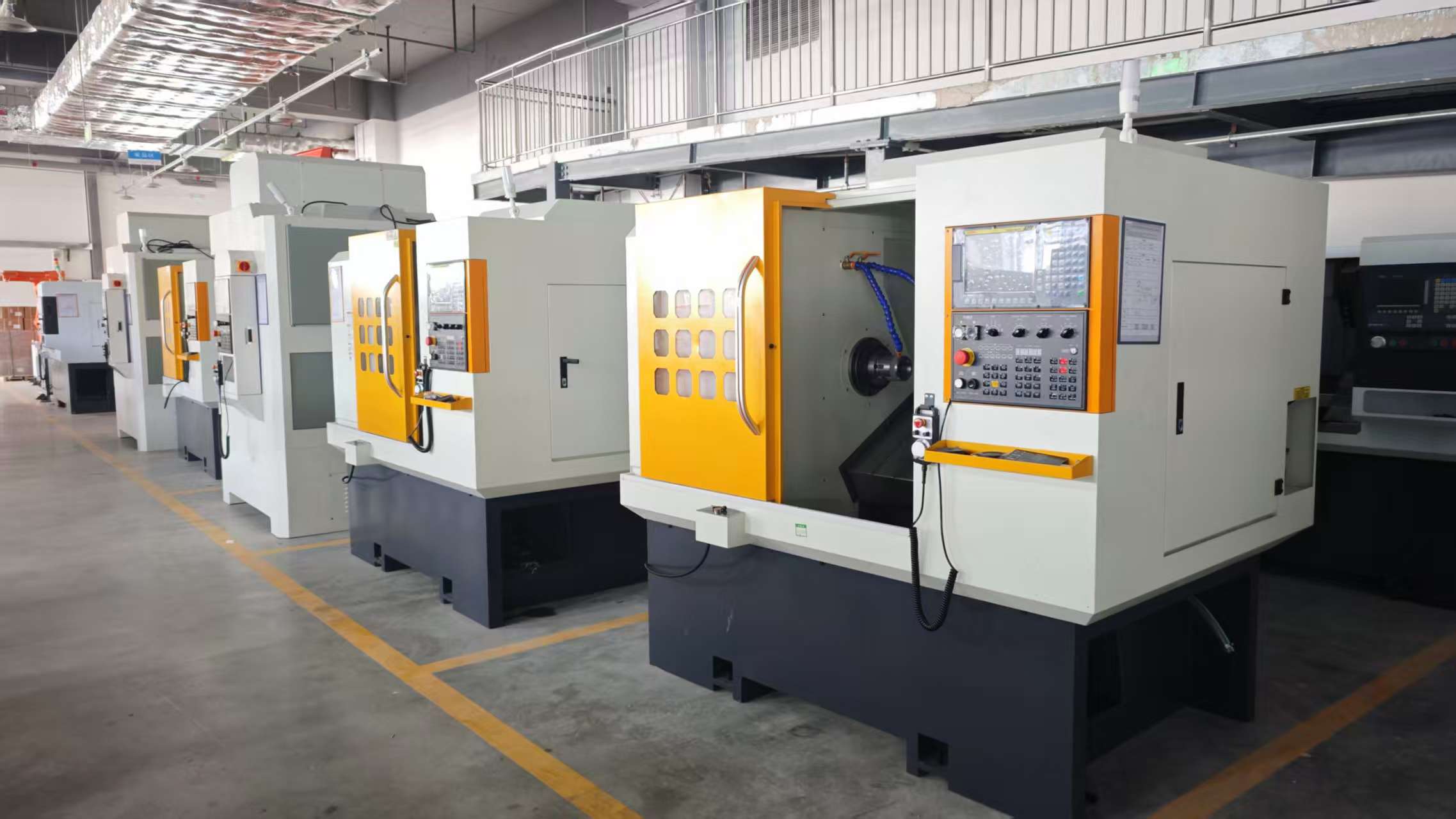
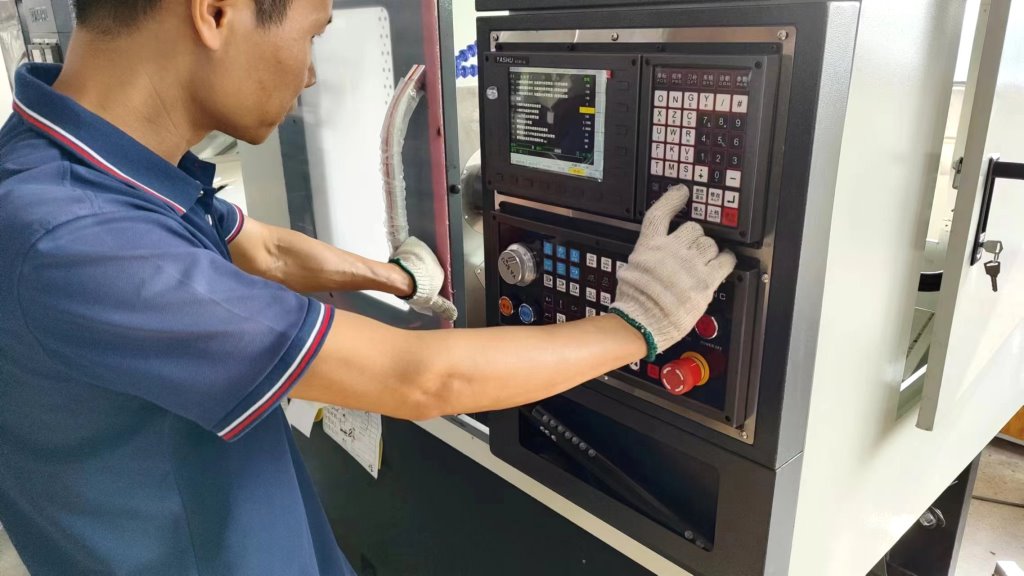
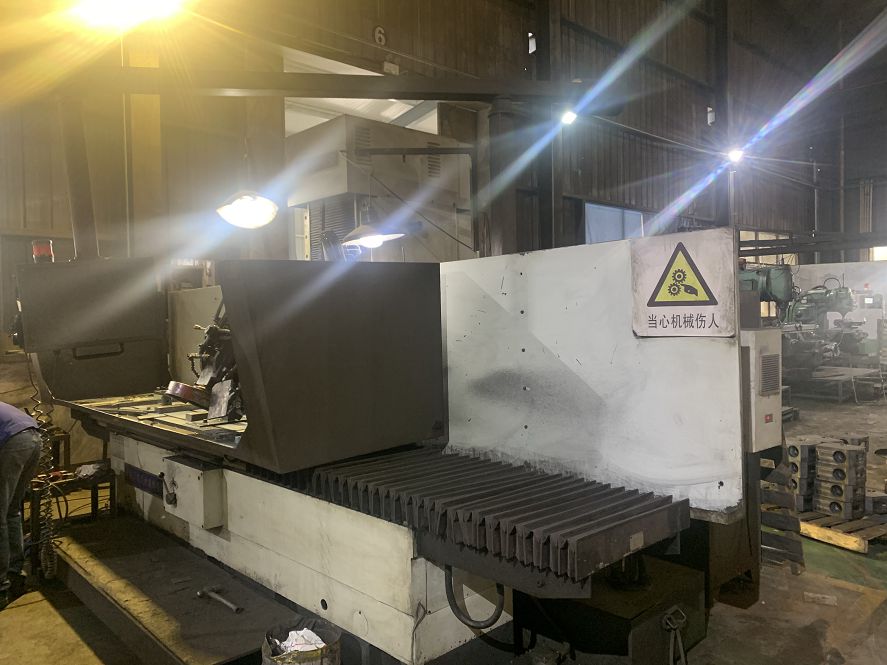
Ensuring seamless import, regulatory compliance, and localized installation support across industrial regions in Romania.
Importing industrial machinery into the European Union requires adherence to strict safety directives. ZRF ensures that all CNC flow forming machines and metal spinning systems exported to Romania comply with the necessary EU directives, including the Machinery Directive 2006/42/EC, the Low Voltage Directive 2014/35/EU, and the EMC Directive 2014/30/EU. Each machine is delivered with comprehensive CE marking and technical documentation in English.
To support our Romanian clients in industrial hubs like Timișoara, Brașov, and Pitești, ZRF has established a structured support framework:
ZRF coordinates shipping directly to key Romanian ports, such as Constanța, or key dry ports in Bucharest and Vest. We prepare all customs documentation, HS-code definitions, and transit declarations to ensure smooth customs clearance.
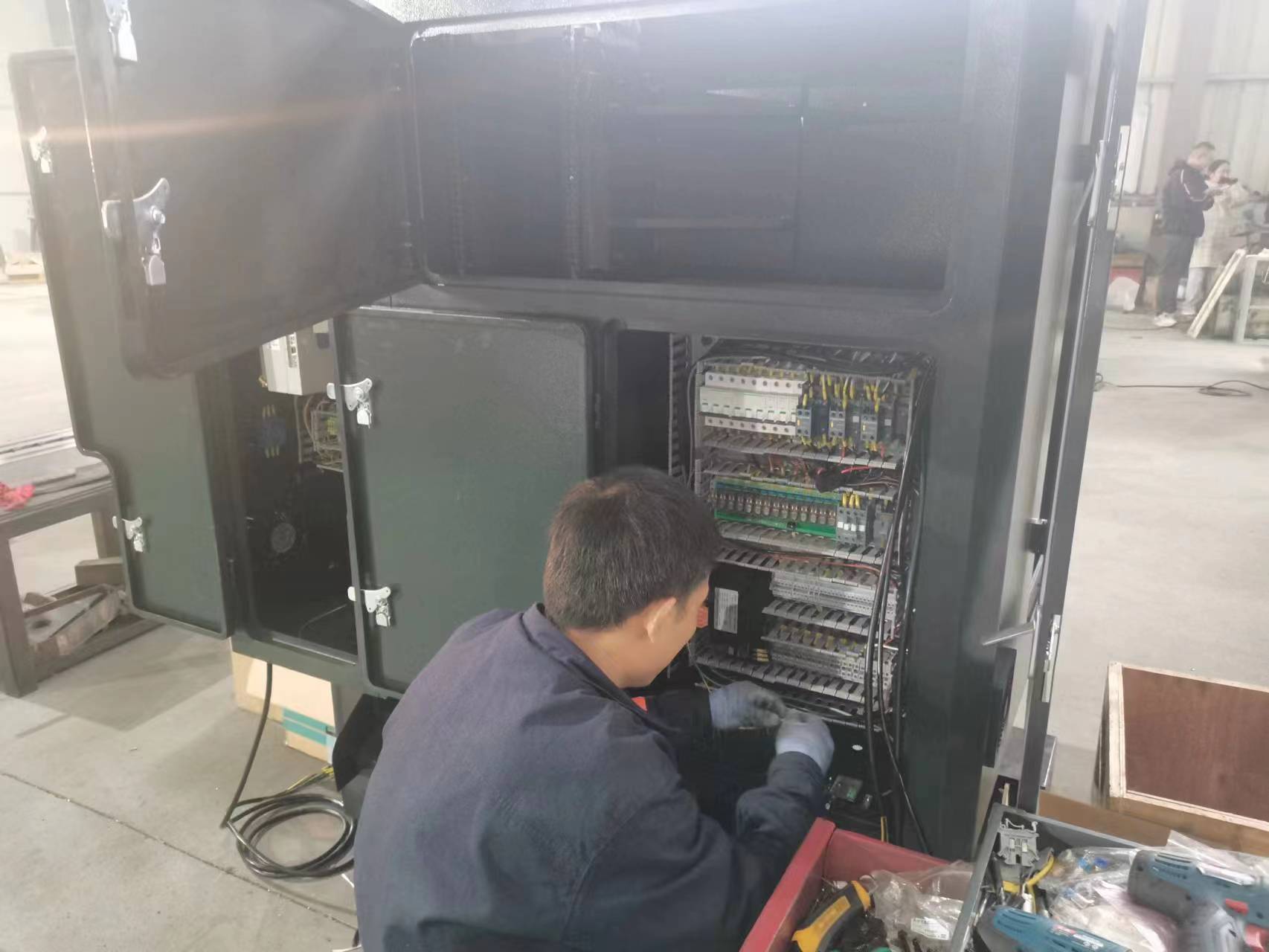
Our field application engineers provide on-site installation, geometric calibration, and software commissioning. We align the CNC axes and configure parameters to integrate the machine with your existing factory automation.
Every CNC machine is equipped with secure Ethernet/Wi-Fi remote diagnostics modules. In the event of an operational issue, ZRF technical staff in our engineering office can diagnose PLC states, trace toolpaths, and update software remotely.
A forward-looking perspective on how ZRF is integrating digital twins, smart sensor arrays, and predictive tool-wear algorithms.
The metal forming landscape is shifting toward digitization. Zhejiang ZRF Spinning Co., Ltd. is currently researching and developing advanced features that will define the next generation of flow forming machinery:
Partner with Zhejiang ZRF Spinning Co., Ltd. to optimize your metal forming processes, reduce material waste, and achieve high-precision results.
Send Inquiry NowDirect answers from our engineering directors regarding mechanical capabilities, material constraints, and export logistics.
Our CNC flow forming machinery is engineered to process a wide range of ductile metals, including carbon steels, high-strength low-alloy steels (HSLA), stainless steels (304, 316, 400 series), aluminum alloys (such as 6061, 7075), copper, brass, and high-performance alloys like Titanium and Inconel. Highly hard materials may require hot flow forming techniques, which can be configured via our induction heating integration options.
Deep drawing requires high-tonnage hydraulic presses and expensive, product-specific die sets, which are cost-prohibitive for low-to-medium volume runs. Flow forming, however, uses simple mandrels and programmable CNC rollers. This provides high flexibility for prototype and batch production, allows for local variable wall thicknesses, and improves material yield strength through cold work-hardening.
The standard manufacturing, testing, and debugging period for our CNC flow forming machines ranges from 90 to 120 days from order confirmation and technical approval. Ocean transit from China to Constanța port typically takes 35 to 45 days. We also offer expedited customs support to streamline import procedures.
ZRF CNC machinery can be configured with Siemens Sinumerik, Fanuc, or our own custom-configured dual-channel spinning CNC systems. These systems are programmed with user-friendly graphic interfaces, allowing operators to construct complex spinning curves and multi-pass forming paths without extensive G-code programming.
We provide remote diagnostic support with direct access to ZRF PLC engineers. For physical maintenance or complex calibrations, we send technical service teams to your facility. Our machines are also built with standardized components (such as Rexroth hydraulics and NSK bearings) to simplify local parts replacement.
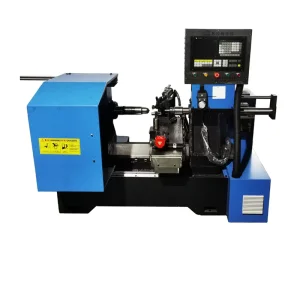
Explore our complete catalog of industrial-grade spinning lathes, hydraulic forming systems, and custom production machinery designed for Romanian engineering sectors.
 ZRF Spinning