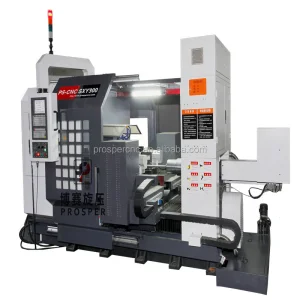
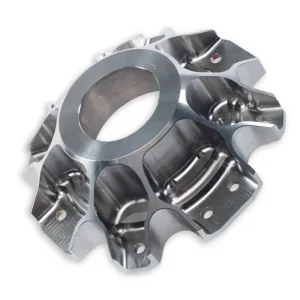
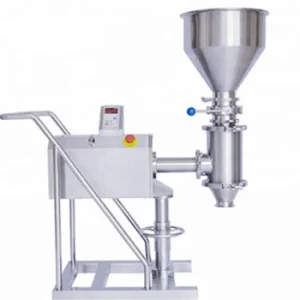
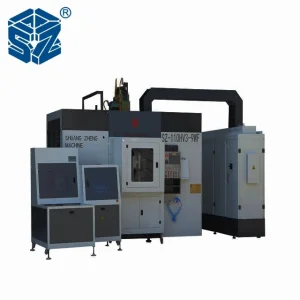
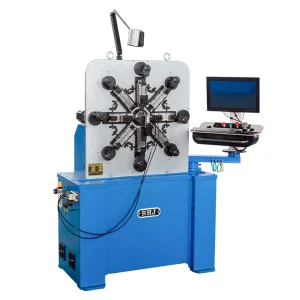
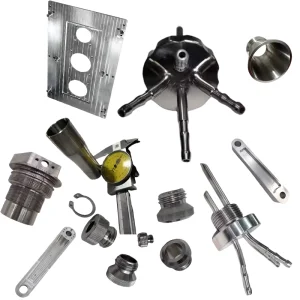
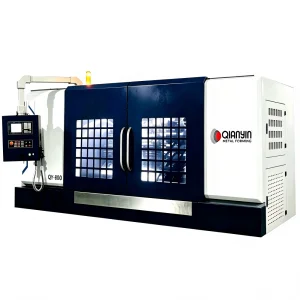
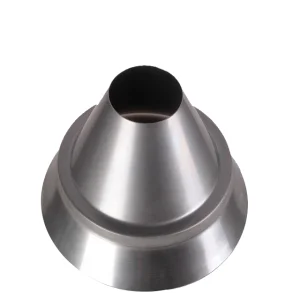
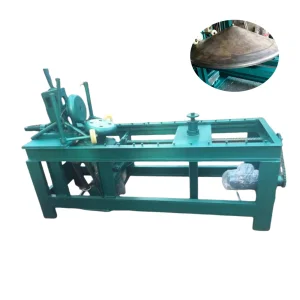
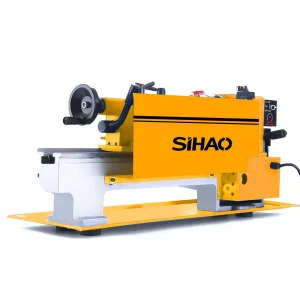
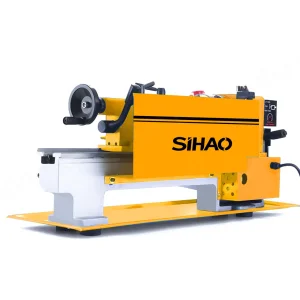
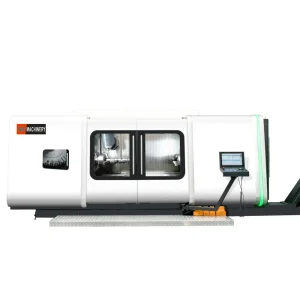
Engineered for extreme structural integrity and strict dimensional tolerances, these four featured systems represent the pinnacle of rotary forming engineering, custom-configured for complex aerospace nose cones and industrial components.
Aerospace nose cones, particularly those employed in high-speed flight profiles, orbital launch vehicles, and atmospheric re-entry systems, are subjected to extreme thermal gradients, mechanical shear stresses, and aerodynamic pressures. Designing and manufacturing these components demands a fabrication method that eliminates weak points such as welded seams and optimizes grain boundary structures. Multi-axis CNC metal spinning and flow forming have emerged as the premier technologies to meet these stringent requirements.
During the spinning process, a flat circular blank or preformed metal preform is clamped against a rotating mandrel. The CNC-controlled rollers apply localized forces exceeding the material's yield strength, causing dynamic plastic deformation. By systematically controlling the shear angle and reducing the wall thickness along a predetermined path, the grain structure of the metal is refined and elongated in a continuous direction. This strain hardening dramatically elevates tensile strength, fatigue resistance, and fracture toughness, which are vital characteristics for applications operating under the extreme conditions of high-velocity flight.
Continuous plastic deformation aligns metallurgical grain boundaries parallel to the nose cone profile, eliminating microscopic stress concentration points.
Multi-axis tracking allows dynamic variation of wall thickness down to ±0.02 mm, placing structural mass exactly where load paths dictate.
Single-piece fabrication eliminates longitudinal and circumferential weld lines, ensuring uniform thermal expansion during high-speed atmospheric friction.
In the North Korean market, heavy industrial manufacturing and precision metal forming are critical components of local development initiatives. Key industrial centers, such as those in Hamhung, Nampo, and Pyongyang, rely on robust machinery to produce structural parts, high-pressure storage systems, and specialized industrial components. As these sectors modernize, the demand for highly reliable, repeatable, and cost-efficient forming technology has risen.
For industrial operations looking to procure multi-axis machinery, selecting systems with high structural rigidity and modern CNC controls is essential. The integration of multi-axis spinning machines in local factories facilitates the domestic fabrication of complex geometries—such as parabolic nose cones, spherical storage tanks, and industrial ventilation cowls. By transitioning to CNC-driven cold flow forming, local enterprises can achieve high material yield rates (approaching 95% efficiency), which is particularly valuable when processing specialized or limited-resource alloys. As a global exporter, ZRF Spinning provides the necessary technological support, ensuring that machinery exported to regional markets delivers stable performance, easy operator integration, and long-term durability under demanding industrial conditions.
These systems are engineered to streamline manufacturing lines by combining multiple machining processes—including spinning, turning, and milling—into single-setup operations to ensure maximum concentricity.
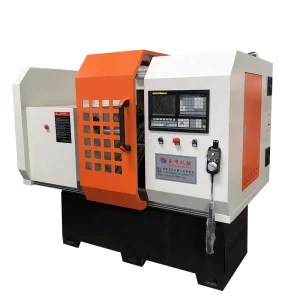
Traditional metal spinning relied heavily on the physical skill of human operators template-guiding a single roller. In modern aerospace fabrication, this manual methodology is insufficient. Modern aerospace nose cone spinning involves multi-axis (ranging from 3-axis up to 7-axis) simultaneous CNC path interpolation. With high-precision axes controlling horizontal feed (Z-axis), cross feed (X-axis), roller angle tilt (U/V axes), and mandrel rotation, the system can continuously adjust the contact point and pressure angle relative to the raw workpiece.
This dynamic adjustment is crucial when handling high-strength, low-ductility alloys commonly used in aerospace assemblies, such as Titanium Alloys (Ti-6Al-4V), Nickel-Based Superalloys (Inconel 718), and high-strength Maraging Steels. These materials exhibit narrow plastic deformation limits. Attempting to spin them without precise thermal and path tracking often results in surface micro-cracking, structural tearing, or localized thinning. Modern multi-axis machines overcome this by incorporating closed-loop laser heating systems (hot spinning) and real-time ultrasonic wall thickness sensors, enabling immediate feed-rate correction during operation.
| Material Class | Common Alloys | Forming Temperature | Typical Applications | Tensile Strength Gain (Post-Spin) |
|---|---|---|---|---|
| Titanium Alloys | Ti-6Al-4V, Ti-3Al-2.5V | 500°C - 700°C (Warm/Hot) | Re-entry vehicles, tactical nose cones | +15% to +25% |
| Superalloys | Inconel 718, Hastelloy C-276 | 750°C - 950°C (Hot) | Gas turbine cowlings, combustion liners | +20% to +30% |
| Maraging Steels | Vascomax 300, 350 | Ambient (Cold flow forming) | Solid rocket motor casings, radomes | +10% to +18% |
| Aluminum Alloys | 2024-T6, 7075-T6 | Ambient to 150°C | Meteorological rockets, subsonic fairings | +12% to +20% |
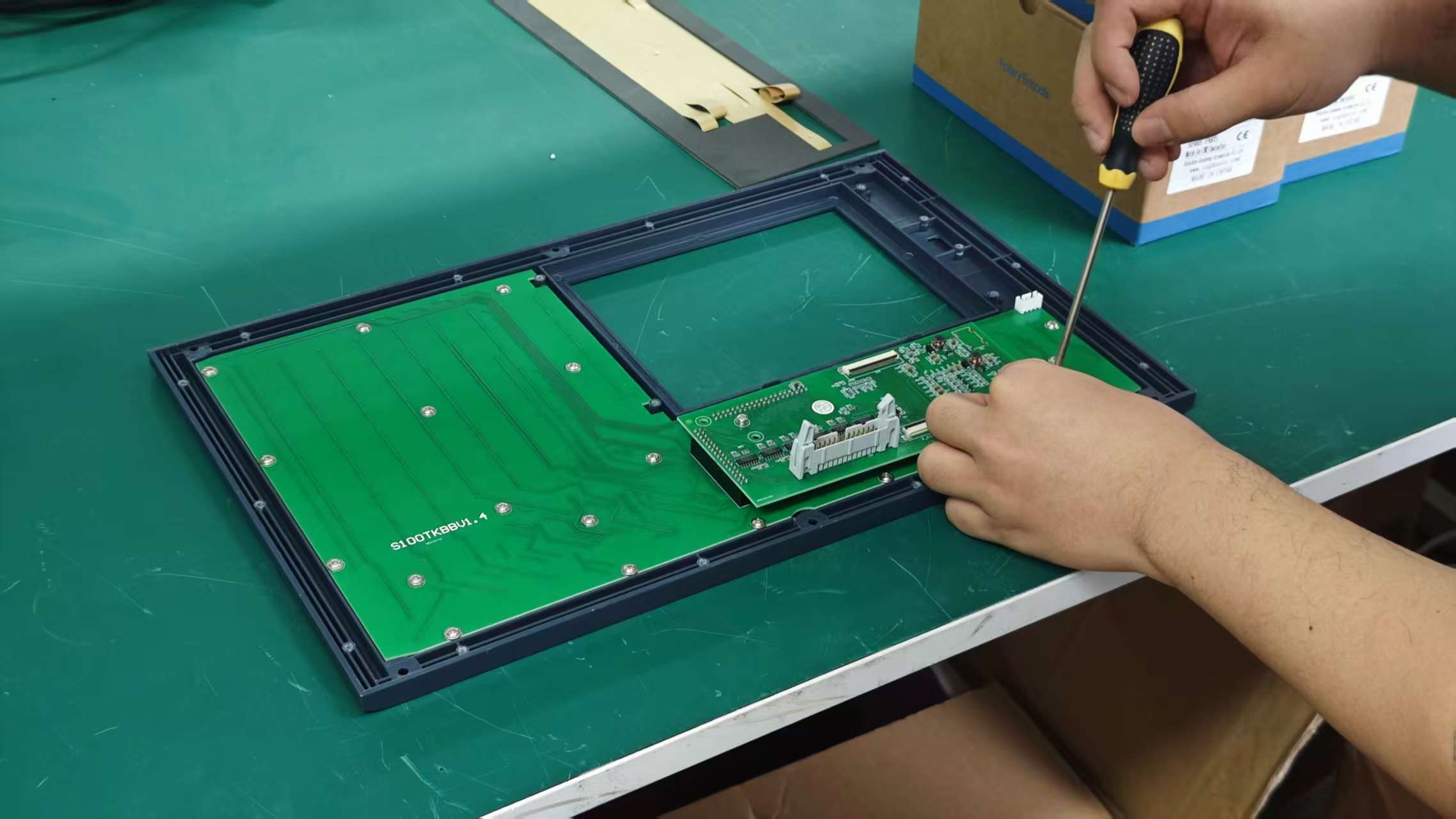
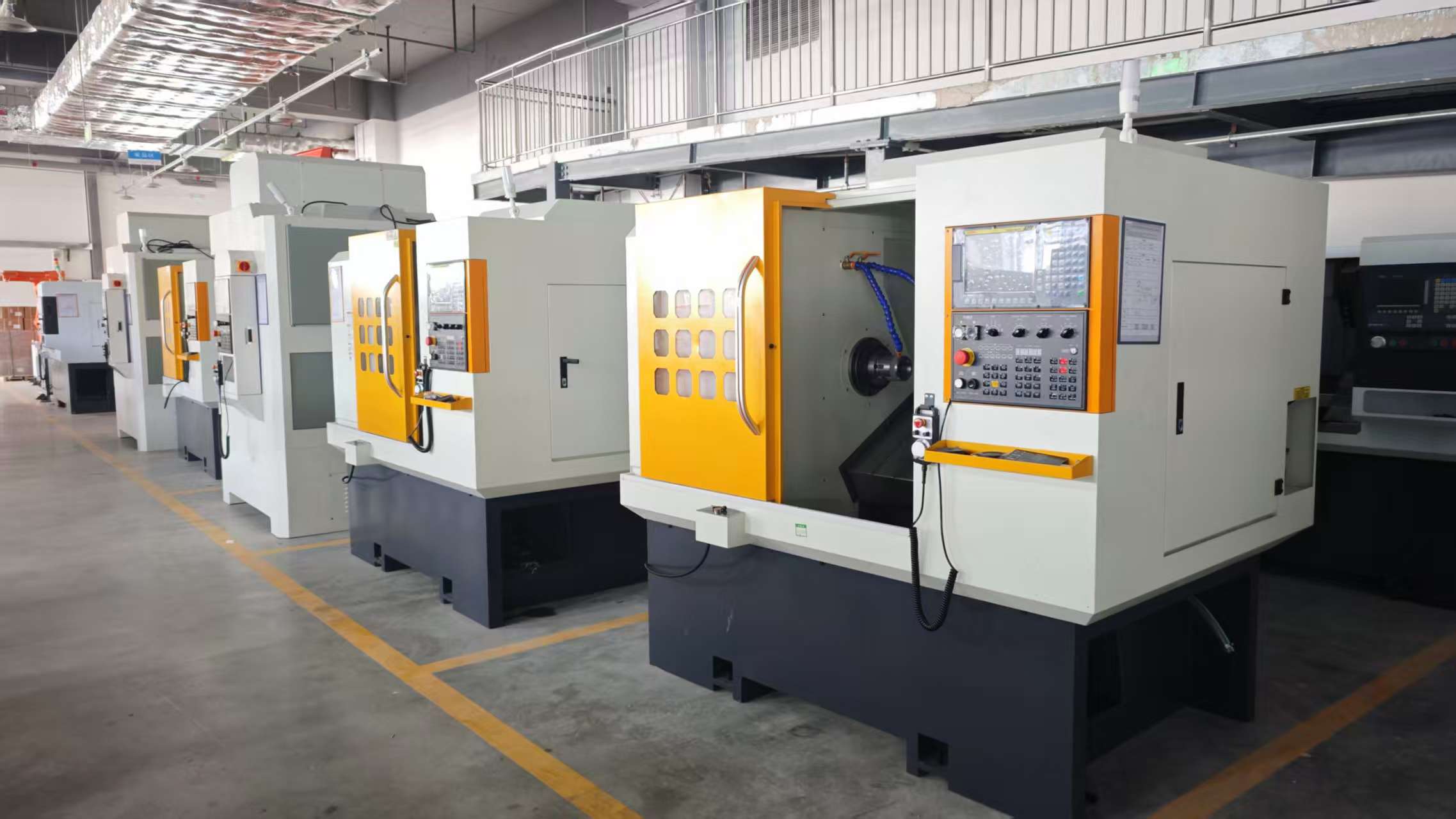
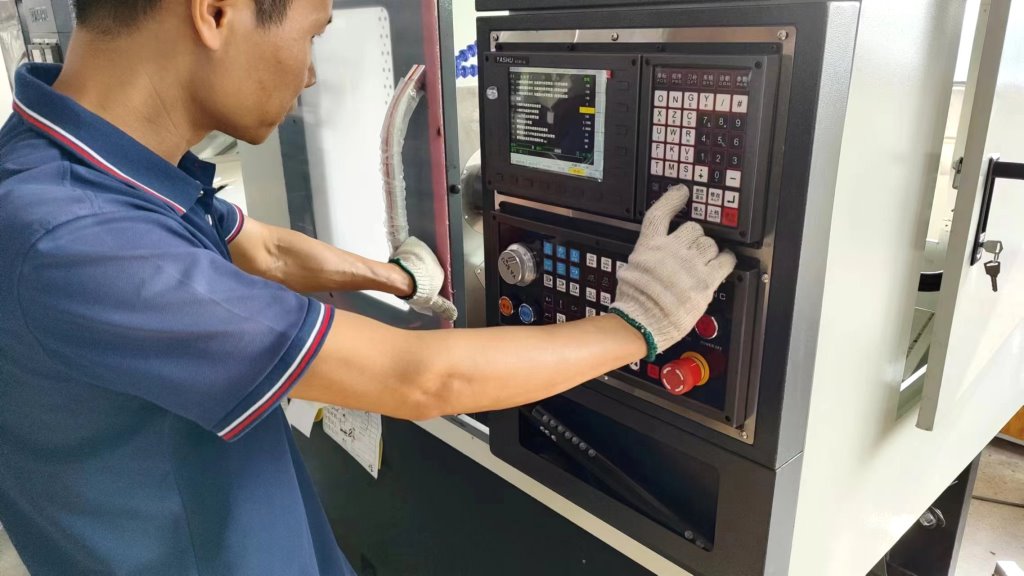
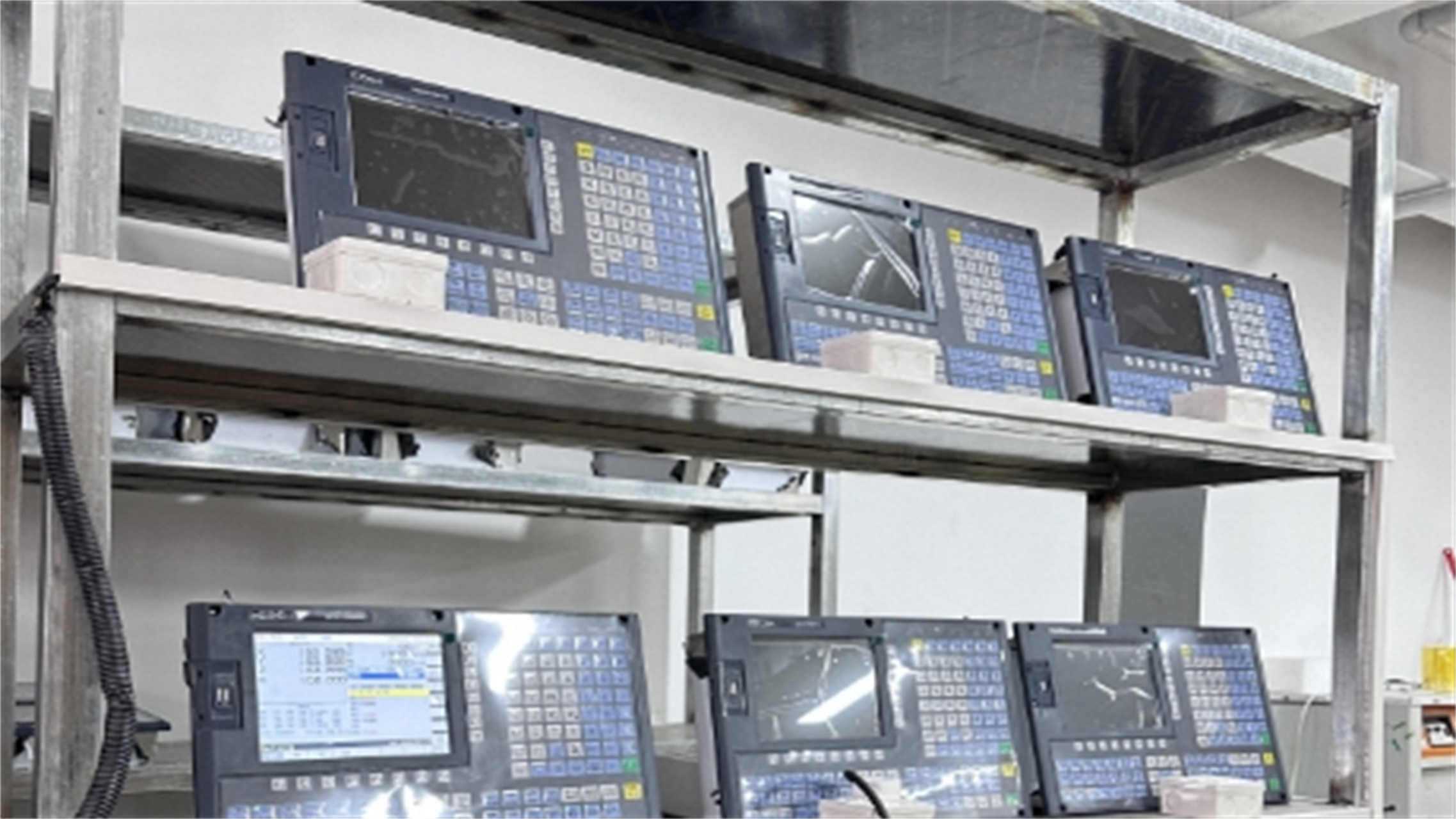
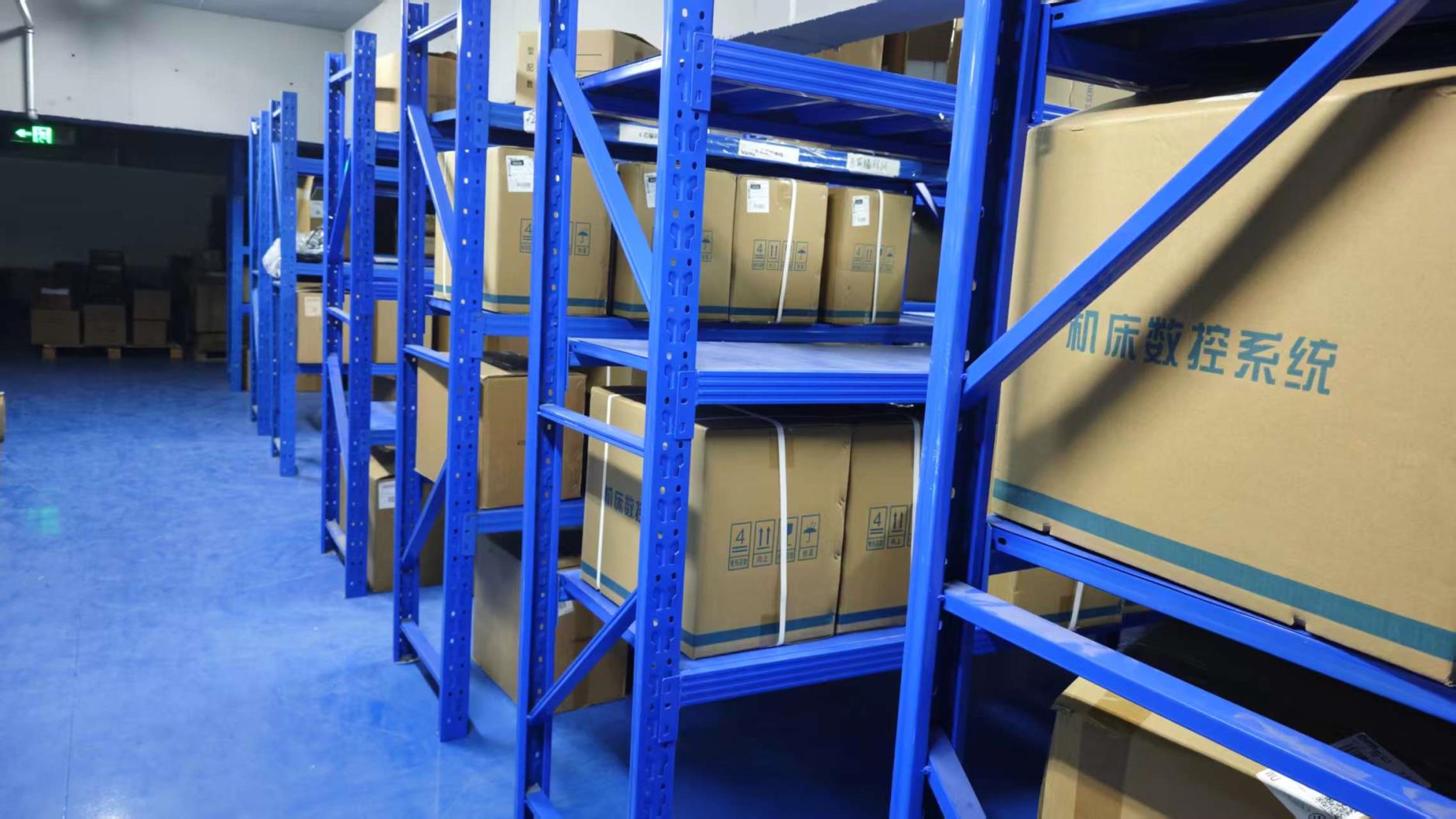
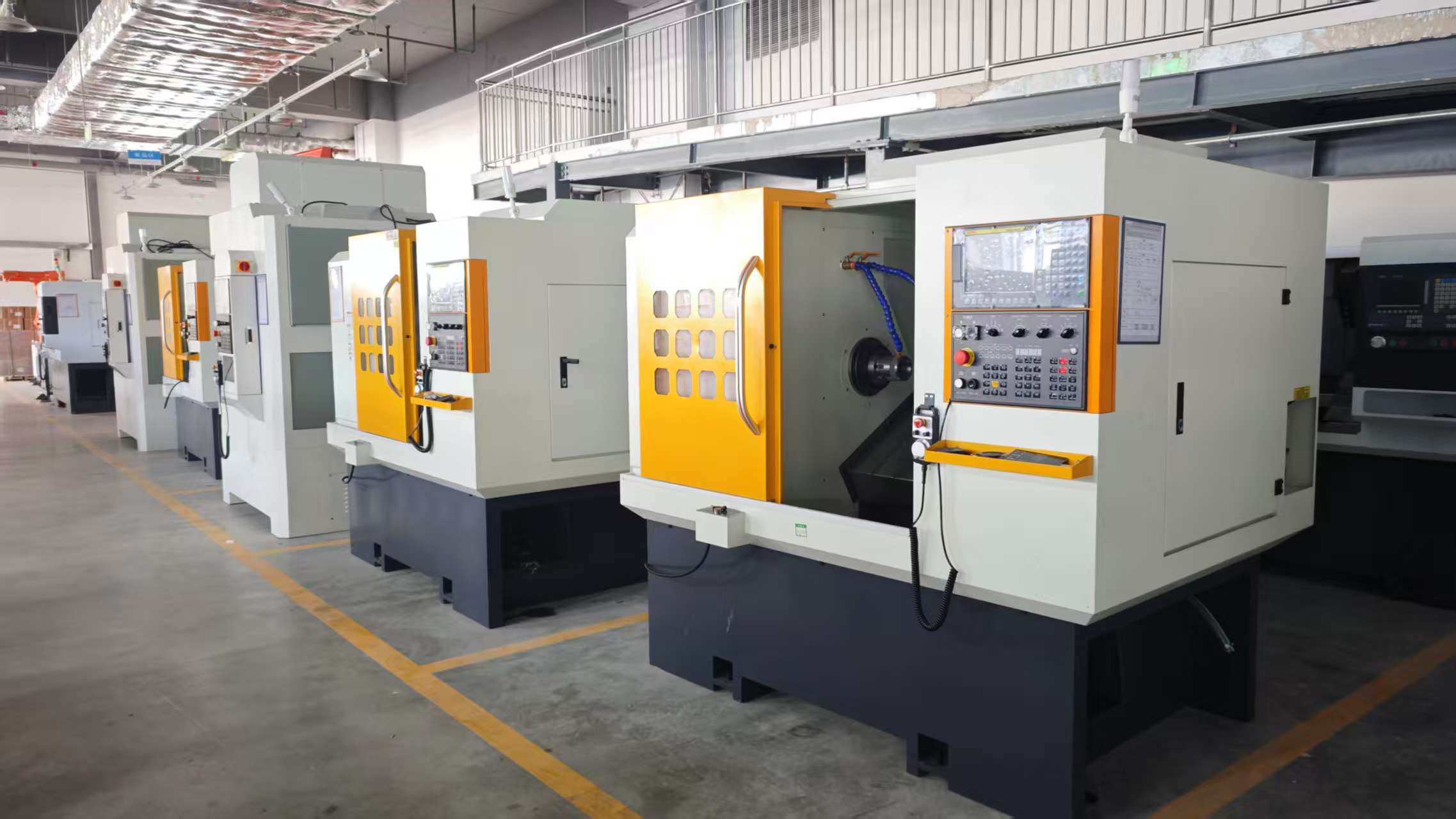
As a specialized manufacturer in the domestic spinning industry, Zhejiang ZRF Spinning Co., Ltd. has established a comprehensive manufacturing infrastructure designed to meet the demands of global industrial procurement.
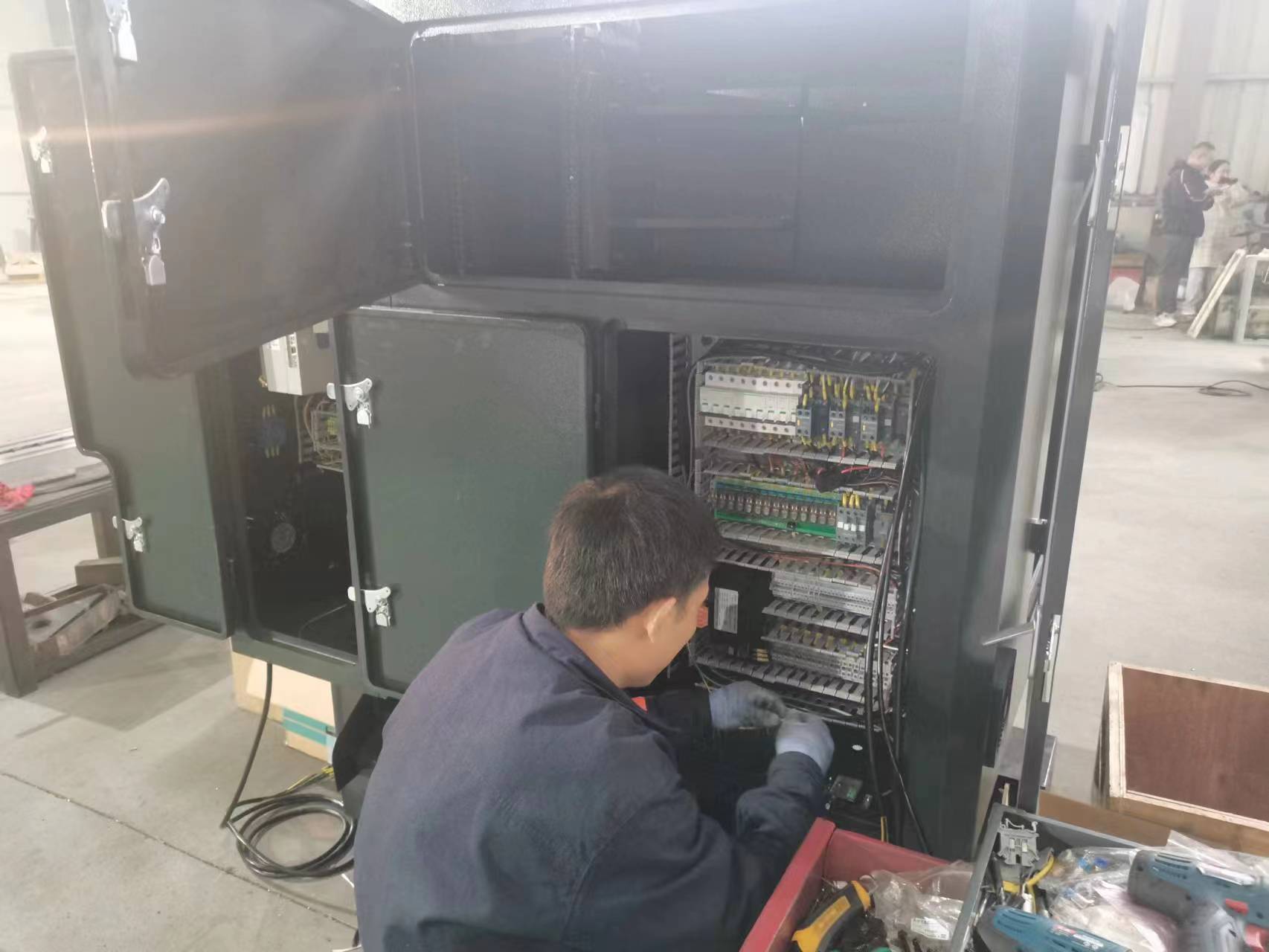
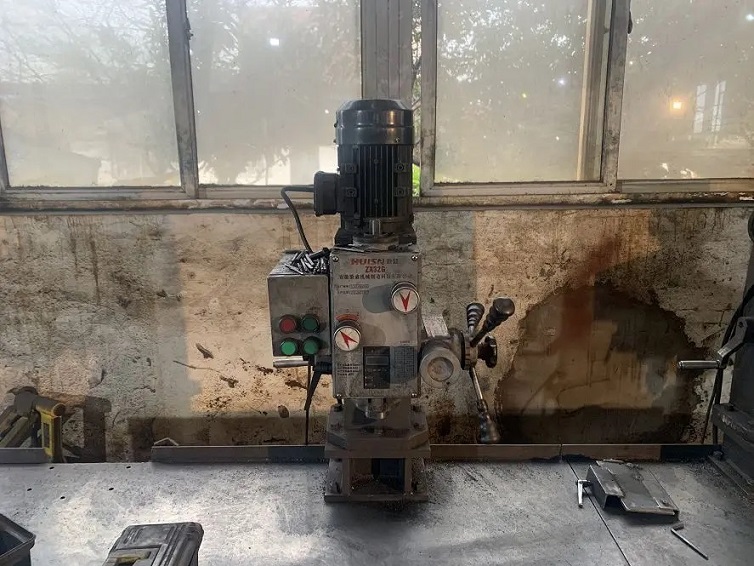
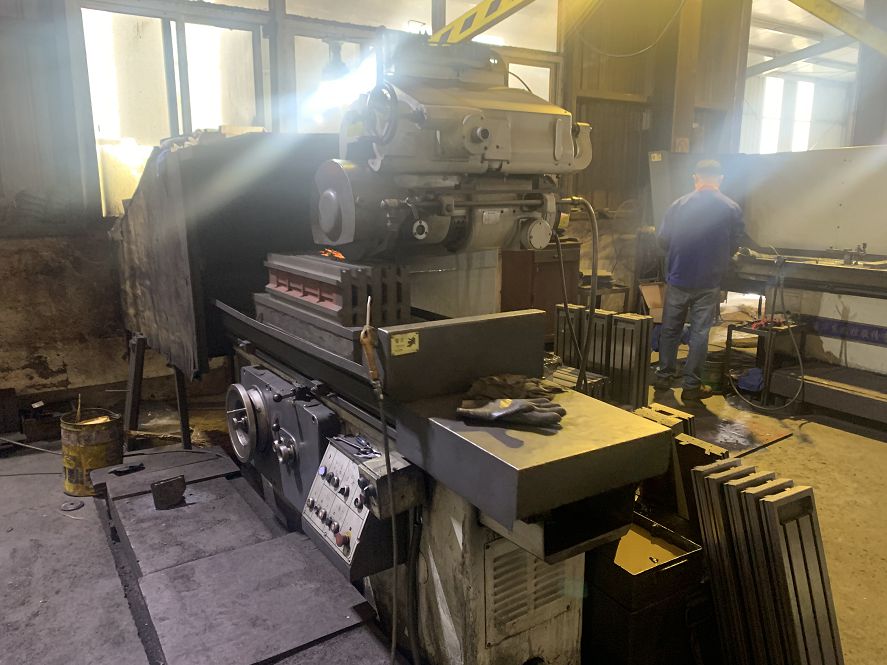
Under our Factory 4.0 philosophy, our facility integrates vertical supply chain steps from research and development to high-precision component milling, assembly, debugging, and aging. Utilizing advanced precision guideway grinders, horizontal laser cutting tools, and multi-axis machining centers, ZRF ensures that every CNC spinning tool is manufactured in-house. This closed-loop fabrication chain shields clients from international supply disruptions, guarantees compatibility of replacement parts, and reduces production lead times.
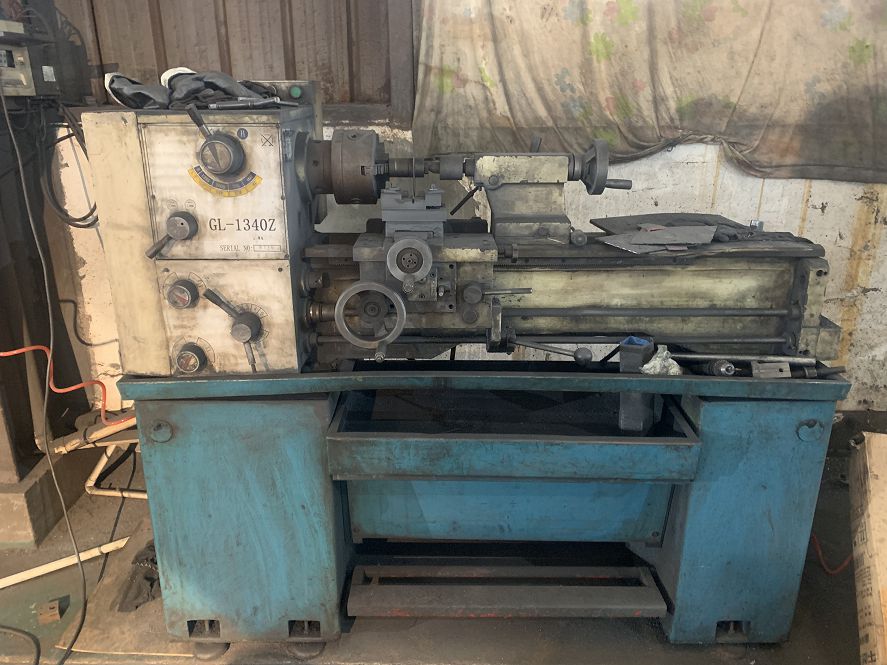
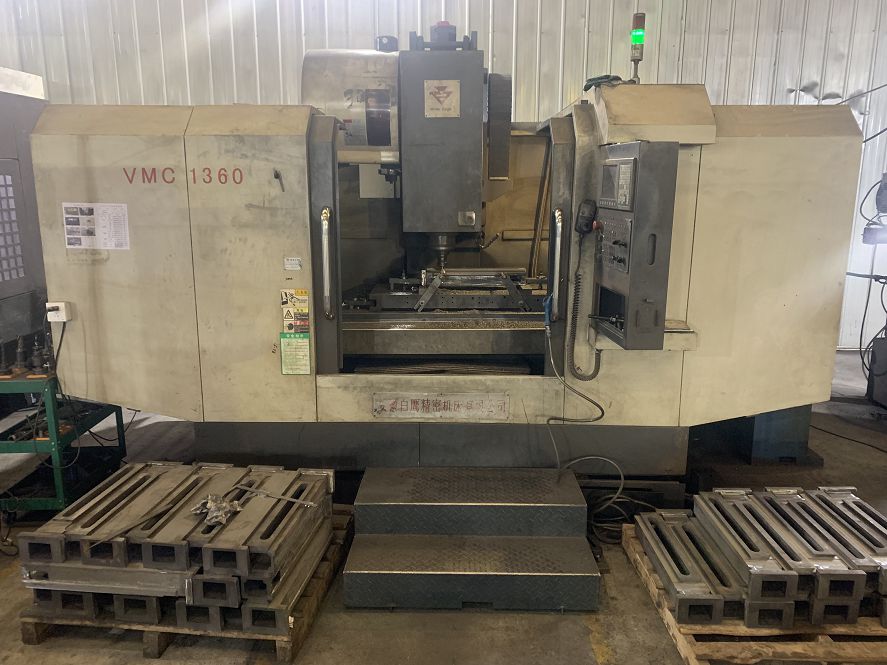
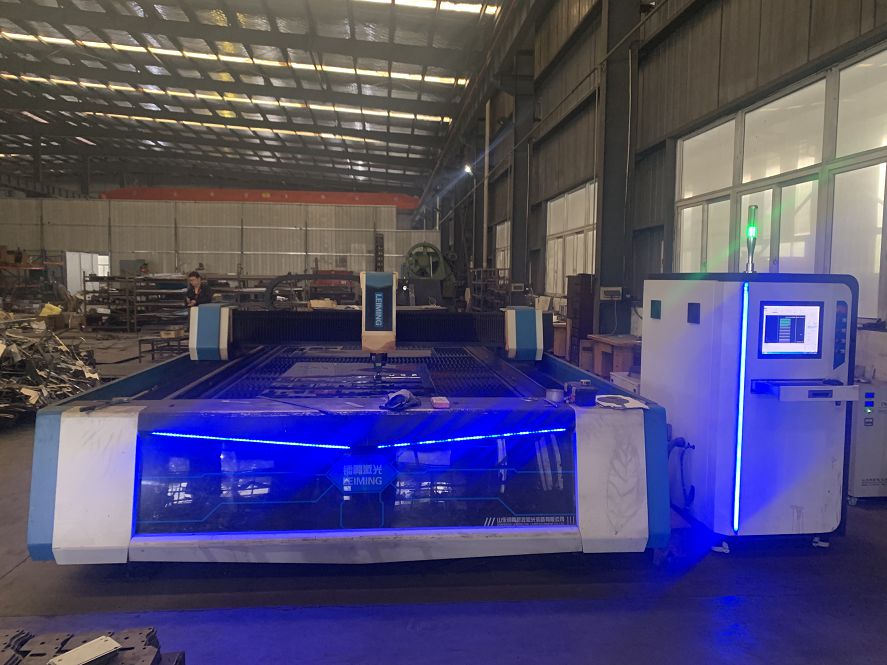
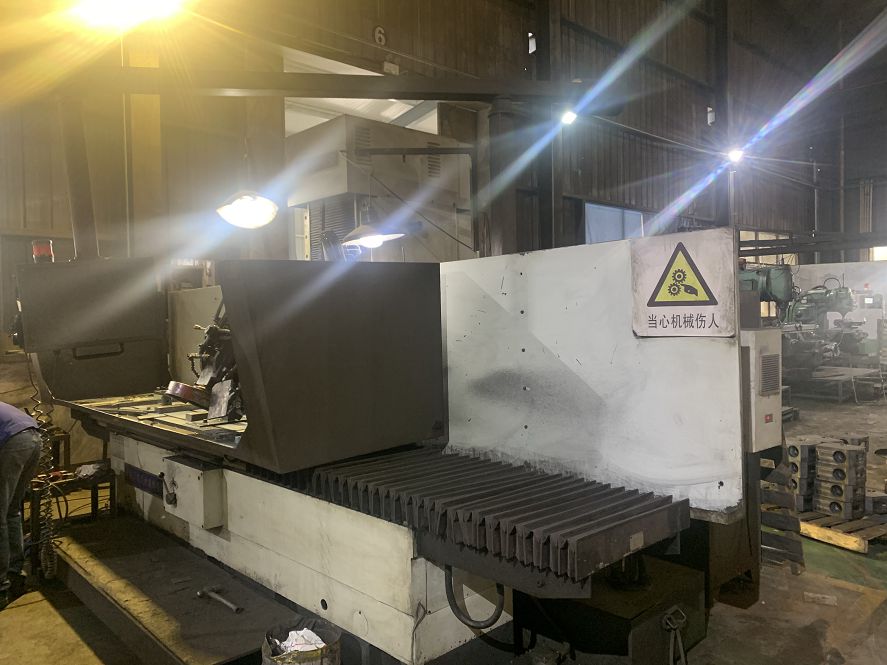
Explore our complete catalog of industrial-grade forming machines, including high-capacity five-axis turning centers, multi-grind turbine mills, and structural steel spinning services.
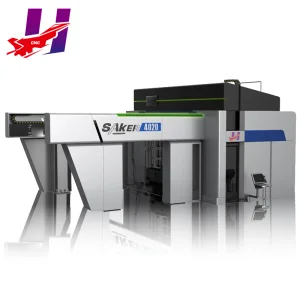
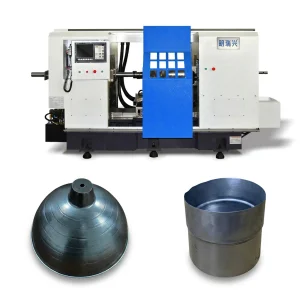
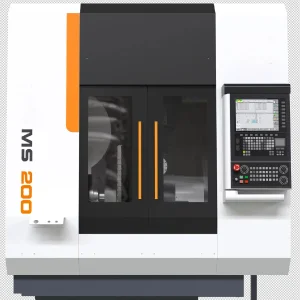
Get professional answers regarding mechanics, configuration choices, material handling capabilities, and export compliance when purchasing multi-axis spinning systems.
In conventional spinning, the diameter of the raw blank is systematically reduced while the thickness of the metal sheet remains relatively constant. This is mostly used for commercial shapes like cookware or simple cones. In shear spinning (flow forming), the diameter of the finished piece remains equal to the starting blank diameter, while the wall thickness is intentionally reduced by the rollers. The material is stretched over a rotating mandrel to match its exact profile. This process is crucial for high-precision aerospace nose cones as it induces significant plastic deformation, strengthening the component without altering its circular dimensions.
ZRF designs its multi-axis systems with temperature-compensated bed structures and water-cooled spindle frames. When processing hard alloys requiring hot spinning (such as titanium or Inconel), the system utilizes automated gas burner rings or induction heating coils. Real-time infrared thermal cameras monitor the temperature distribution of the workpiece. The CNC controller dynamically adjusts the axis feed rates based on material expansion indexes, maintaining structural tolerances down to ±0.02 mm under thermal loads.
Our heavy-duty spinning machines utilize high-grade, industrial-level CNC control packages (such as Siemens 840D SL or custom-developed ZRF real-time control software). These systems support multi-channel programming, enabling independent control of dual symmetric rollers or multi-axis tooling towers. Our control systems allow operators to import 3D CAD files to automatically generate tool paths, reducing setup times and minimizing human programming errors on the factory floor.
A single-roller setup exerts a substantial unilateral bending load on the workpiece spindle and mandrel, which can introduce microscopic deflection and compromise wall thickness accuracy. A double-roller system places two symmetric rollers directly opposite each other. This layout balances radial forces and minimizes structural deflection. The dual-roller system also increases material displacement speed, reducing processing times and helping prevent work hardening before reaching the final part dimensions.
Whether you require a custom multi-axis vertical turning-milling center or specialized double-spin CNC machinery, ZRF Spinning provides engineered solutions to meet your technical requirements.
 ZRF Spinning