Advanced CNC metal spinning solutions tailored for Vietnam's developing aerospace assembly supply chain.
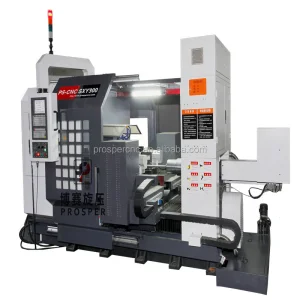
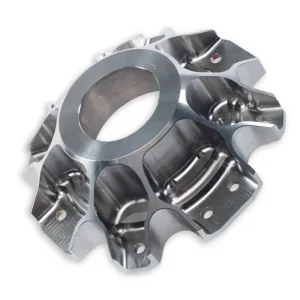
Vietnam is rapidly moving up the global value chain, transitioning from low-cost assembly to high-precision engineering and advanced manufacturing. Driven by massive Foreign Direct Investment (FDI) in high-tech sectors and government initiatives like the Master Plan on IT and Electronics Development, the nation has established itself as an essential node in the global aerospace supply chain. Leading aerospace conglomerates are continuously expanding their manufacturing footprint in industrial corridors such as Ho Chi Minh City, Hanoi, and Da Nang. The production of mission-critical aerospace structures—specifically aerospace nose cones, rocket engine casings, and defense radomes—demands advanced, high-efficiency equipment capable of forming thick, hard-to-deform alloys with micro-scale precision.
Aerospace nose cones are subjected to extreme atmospheric drag, aerodynamic heating, and structural stress. Producing these components via traditional machining causes significant material waste (often exceeding an 80% buy-to-fly ratio) and introduces stress concentration points that compromise structural reliability. Multi-axis CNC spinning—specifically shear spinning and flow forming—offers an elegant solution. By utilizing localized hydraulic compression, the raw material (often titanium alloys, aerospace-grade aluminum, nickel-base superalloys, or high-strength steels) is flowed over a rotating mandrel.
This method refines the material’s grain flow pattern, aligning it along the outer contour of the nose cone. As a result, the finished product exhibits superior tensile strength, enhanced fatigue resistance, and exceptional surface finish, all while maintaining high dimensional tolerances and minimal wall thickness deviation.
"For Vietnam's tier-1 aerospace suppliers, incorporating multi-axis CNC spinning machines represents a strategic shift from basic parts manufacturing to producing flight-critical structural assemblies."
Expand production capabilities with multi-axis milling, rotary assemblies, and heavy-duty conical spinning machines.
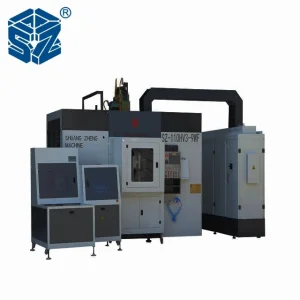
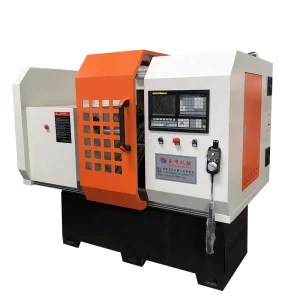
In the global aerospace arena, there is a clear trend toward manufacturing larger, single-piece, and highly integrated components. Joint-free designs for nose cones, propellant tanks, and launch vehicle casings significantly reduce the risk of structural failure under load. Achieving this requires complex multi-axis CNC control configurations, typically incorporating 3 to 7 axes of synchronized interpolation movement.
Modern spinning systems combine heavy-duty structural frames with high-resolution closed-loop feedback loops. Our machines feature:
1. Civil Aviation Components: Fabrication of auxiliary power unit (APU) cowlings, engine intake cowls, and nose radomes for regional aircraft assembled or maintained in Vietnam's high-tech zones.
2. Satellite & Launcher Systems: Production of lightweight aluminum-lithium nose cones and propellant tank domes for local aerospace research organizations and satellite launchers.
3. Defense & Radomes: Manufacturing of nose cones with variable wall thicknesses for defense systems requiring precise radar transparency.
As a high-tech enterprise specializing in the research, development, and manufacturing of CNC spinning machine tools, Zhejiang ZRF Spinning Co., Ltd. has extensive experience and a strong technical foundation in the spinning industry. Our series of CNC spinning machine tools are widely applied across a variety of industries, including petrochemicals, electronics, daily hardware, food processing machinery, automotive and motorcycle components, pressure vessels, ventilation, defense, and aerospace.
The ZRF spinning machine series has reached more than 30 provinces and cities across China and has been exported to over 20 countries and regions worldwide. Our advanced technology, excellent product quality, and comprehensive service system have earned the trust and recognition of users globally.
At Zhejiang ZRF Spinning Co., Ltd., we firmly advocate a philosophy of market-oriented development, research-driven innovation, and technological excellence. Our manufacturing processes strictly adhere to the ISO9001 quality management system, ensuring reliable, safe, and high-quality products. Over the years, we have established long-term cooperative relationships with many leading domestic and international enterprises.
Looking forward, Zhejiang ZRF Spinning Co., Ltd. will continue to leverage its deep technical expertise to strengthen its leadership in the spinning industry, expanding its global footprint with a commitment to excellence in innovation, quality, and service.
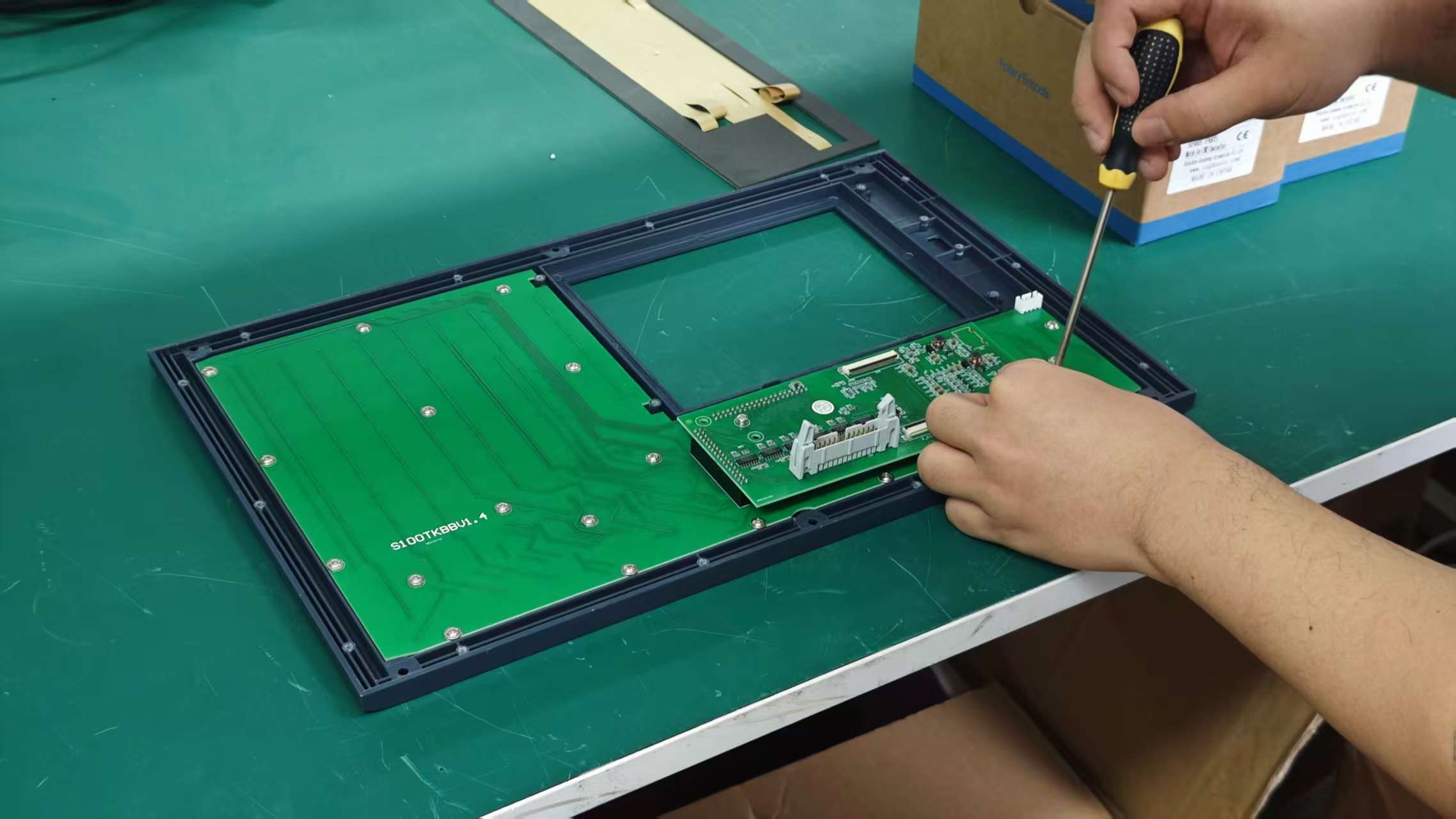
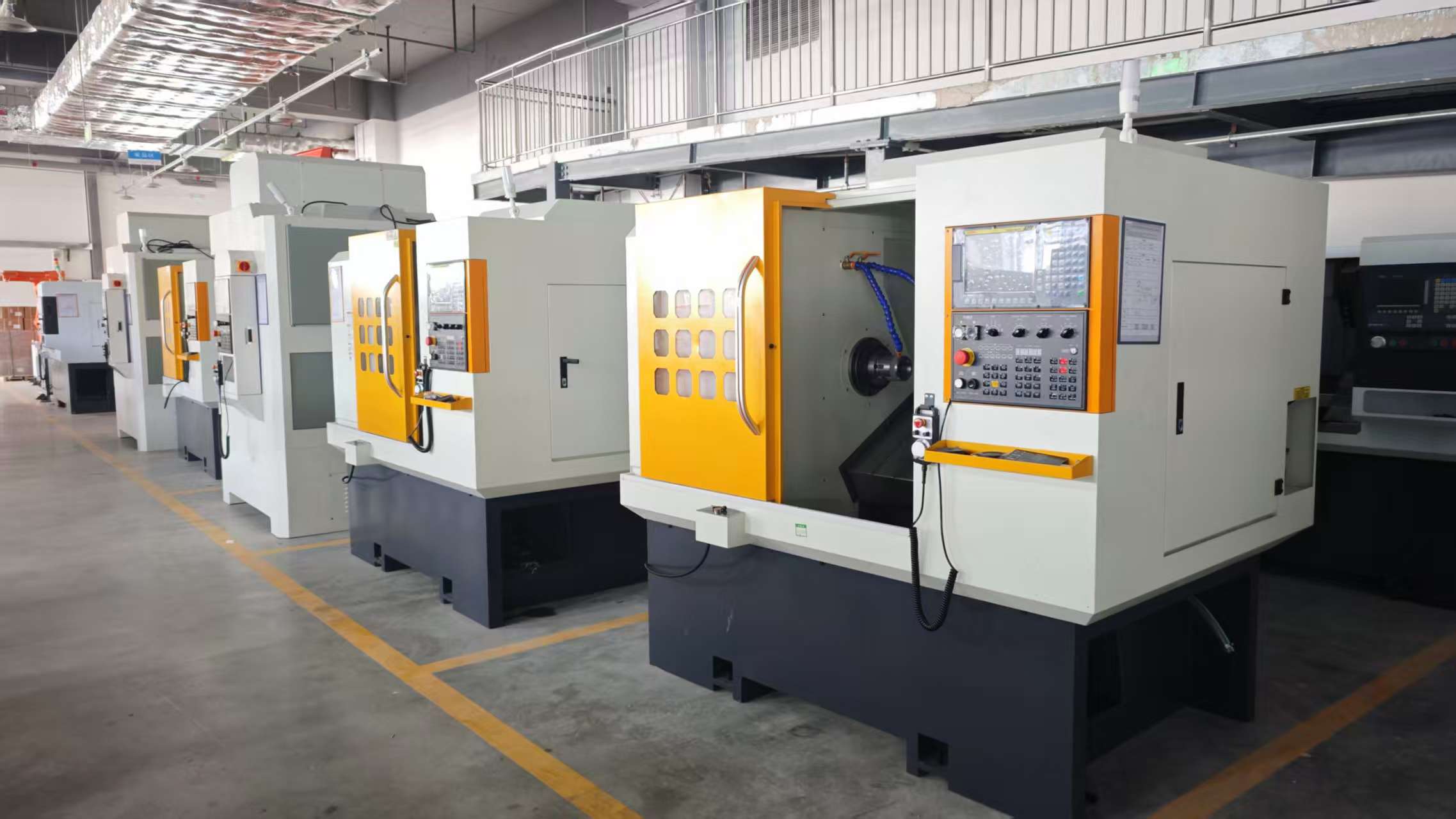
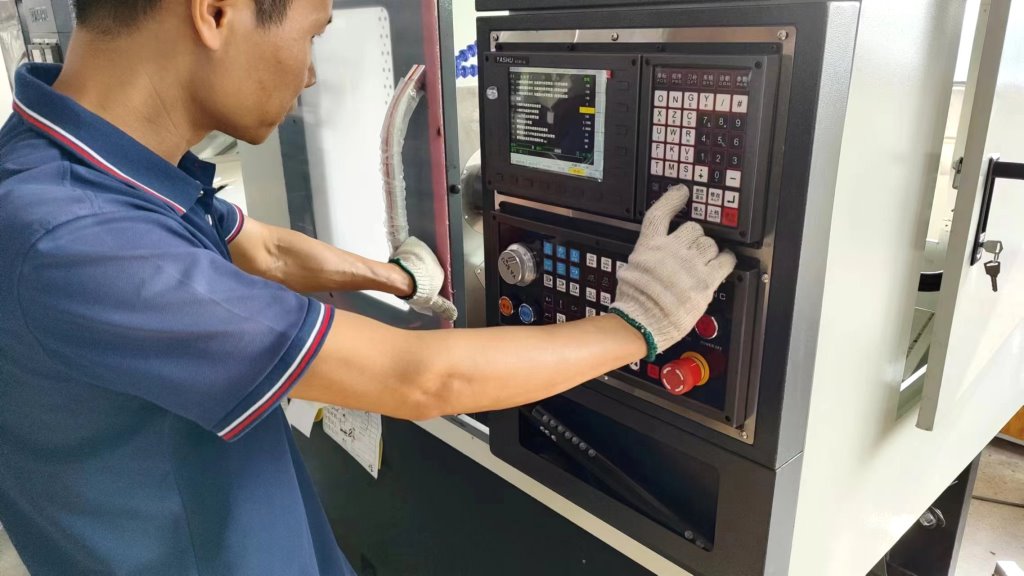
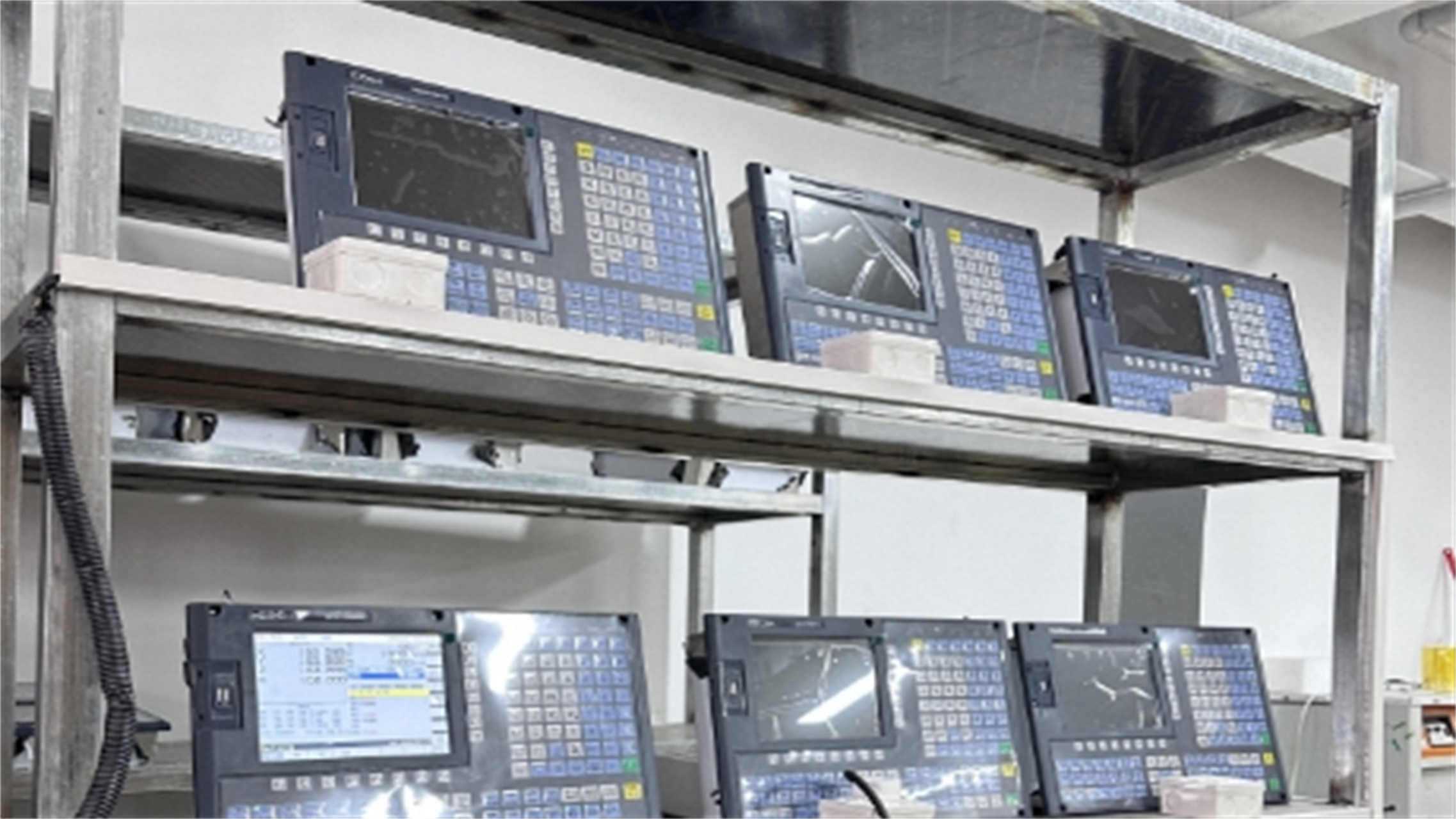
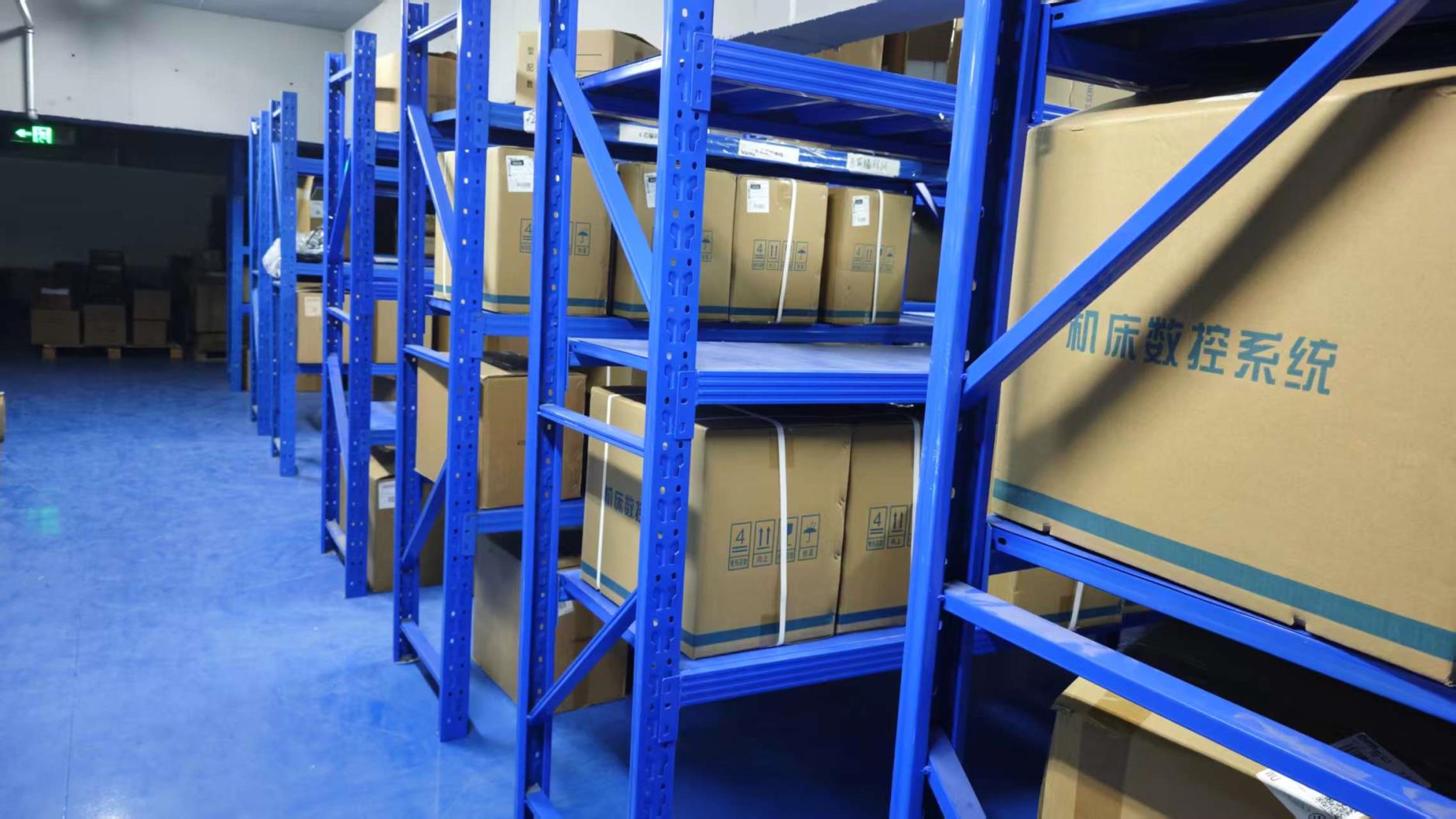
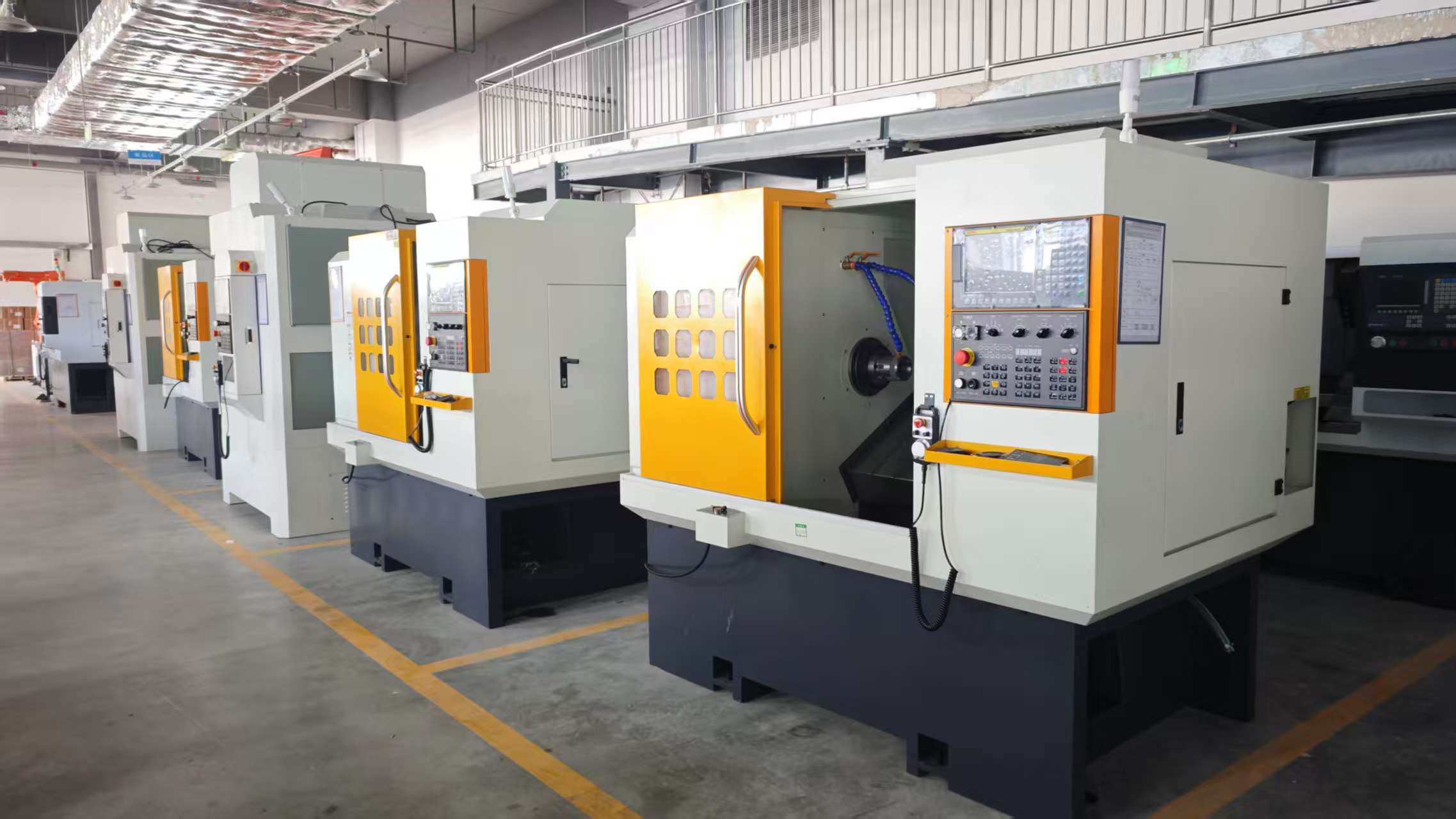
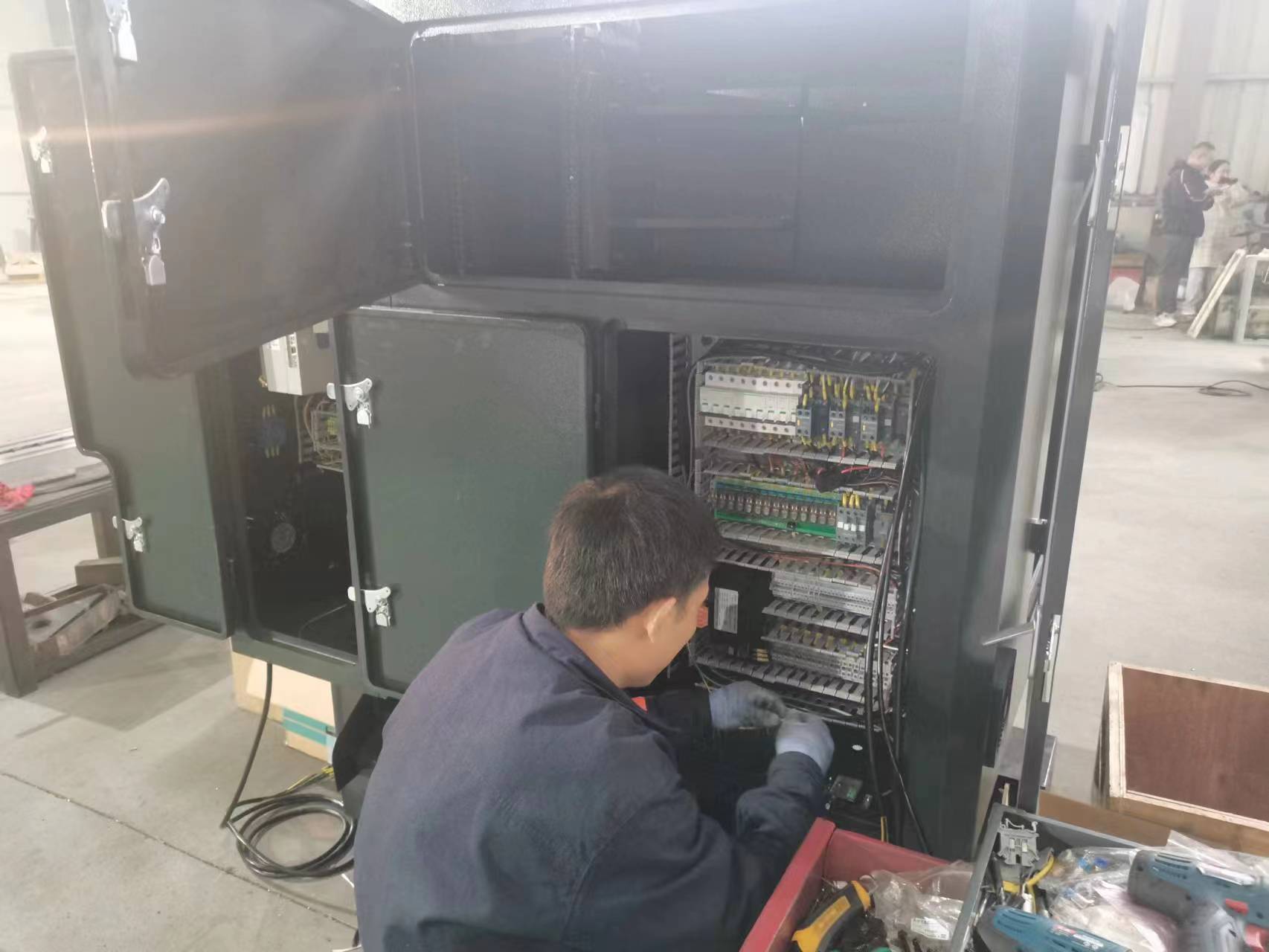
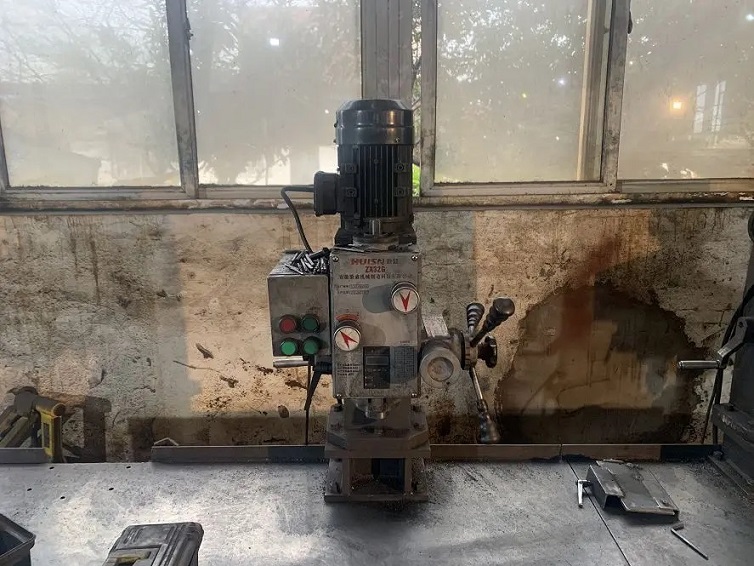
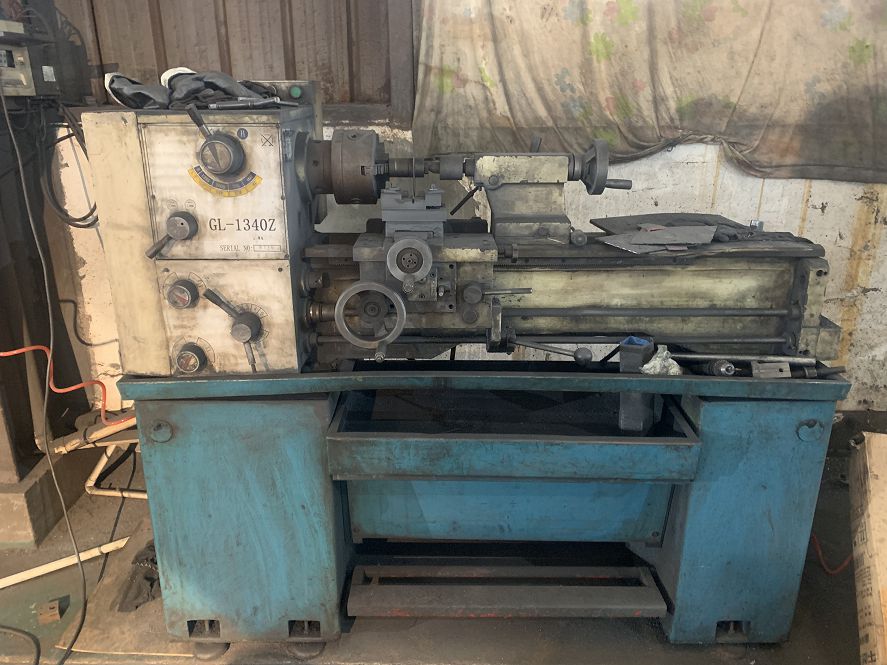
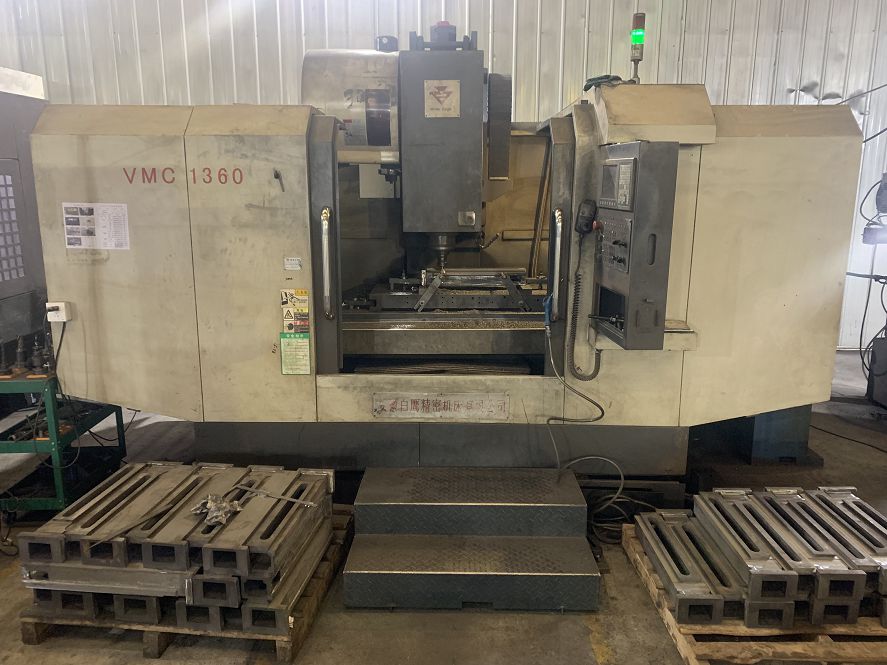
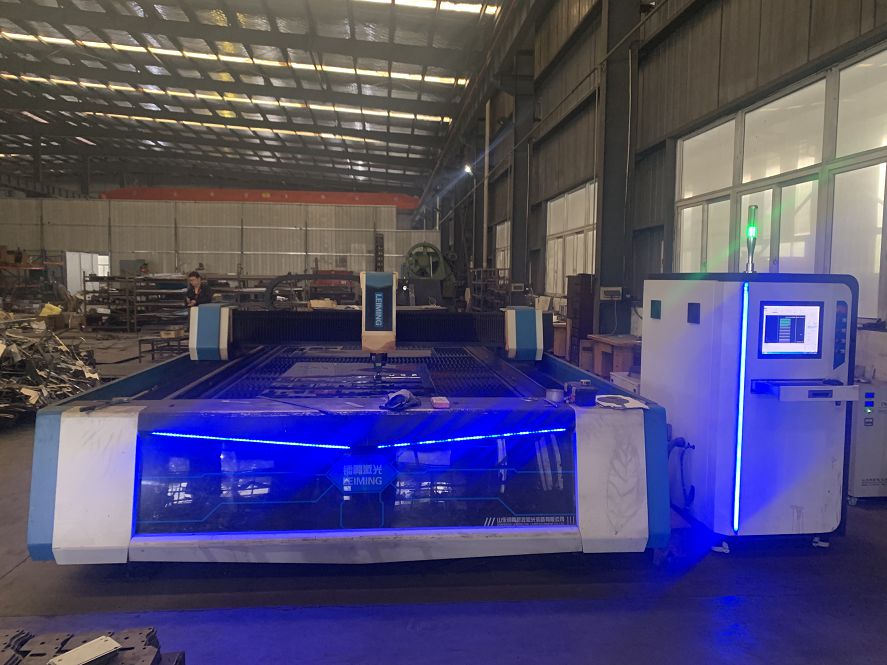
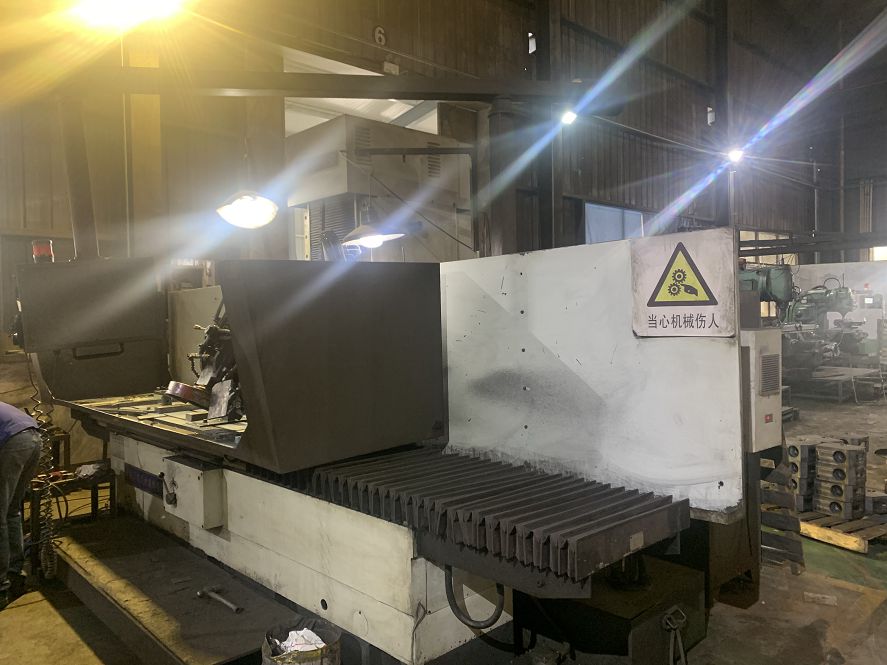
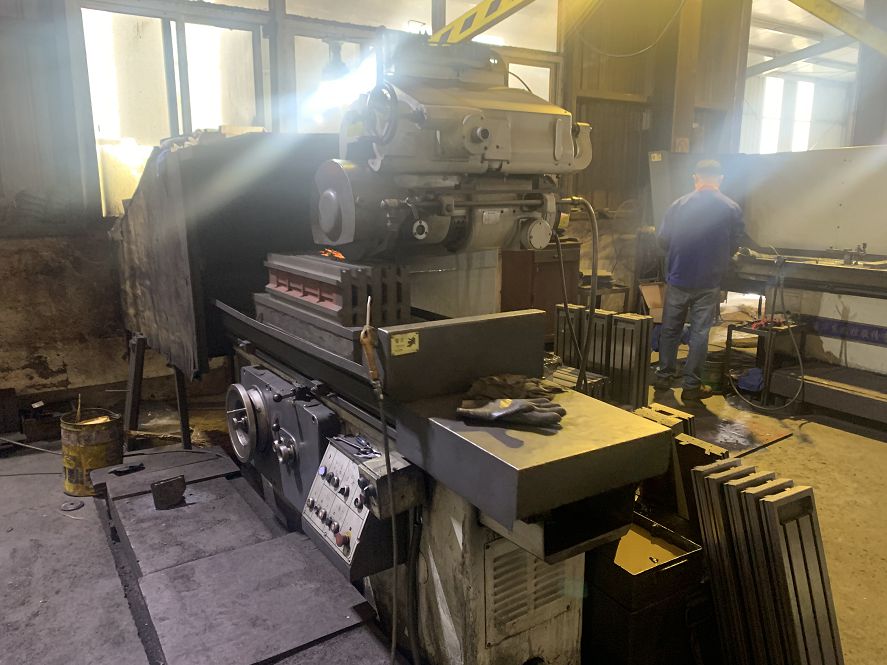
Integrate turning-milling centers, heavy duty 5-axis machines, and specialized conical finishing lines to establish a complete production floor.
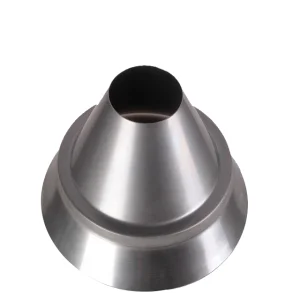
Explore ZRF's premium five-axis systems, gas turbine grinding centers, and large-capacity high-power CNC configurations.
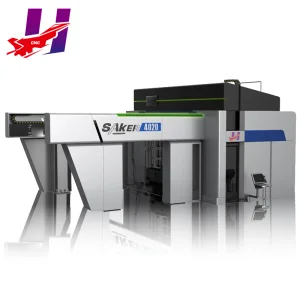
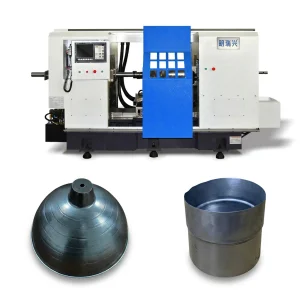
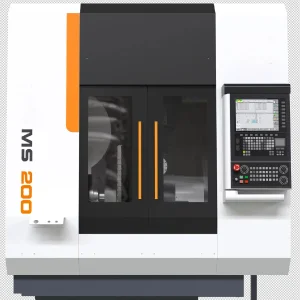
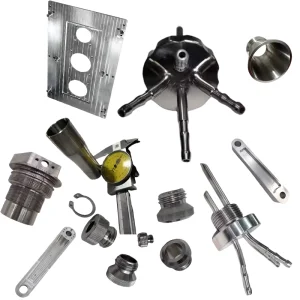
Expert engineering insights regarding material behaviors, tolerances, machine selection, and operational parameters for aerospace manufacturing in Vietnam.
Traditional machining of aerospace nose cones from solid billets results in extremely high material waste (often exceeding 80%), high tool wear, and interrupted grain lines. Deep drawing is restricted by tool geometry and struggles with high-strength alloys like titanium or Inconel.
Multi-axis CNC spinning provides a high-precision, localized deformation process. This continuous plastic deformation refines the material’s microstructure, aligns its grain boundaries along the profile contour, and increases yield and tensile strength. The result is a lighter, structurally superior nose cone with a smooth surface finish and negligible material waste.
Our machines are designed to spin a wide range of hard-to-deform, high-performance alloys. This includes:
ZRF machines utilize an advanced close-loop CNC controller coupled with high-resolution displacement and pressure sensors. The system dynamically compensates for the deflection of the mandrel and structural components under load.
By using our customized CAM software, the tool path is calculated with compensation offsets. This enables us to maintain wall thickness variations within ±0.05 mm and contour tolerances within ±0.1 mm, satisfying the stringent standards required by international aviation authorities.
Yes. At room temperature, titanium alloys have low ductility and high spring-back properties. To prevent structural cracking and maintain shape accuracy, titanium alloys must be spun under elevated temperatures (typically between 500°C to 800°C).
ZRF provides integrated gas-burner or induction-heating configurations alongside real-time optical infrared temperature sensors to precisely control workpiece heat throughout the forming cycle.
We provide comprehensive engineering services for Vietnam-based manufacturers, including:
Get in touch with the technical sales team at Zhejiang ZRF Spinning Co., Ltd. today to discuss custom configurations, material tests, and detailed quote sheets for Vietnam.
 ZRF Spinning