Engineered to support high-precision forming of complex geometries, titanium alloys, and critical aerodynamic casings.
Over the last decade, Costa Rica has systematically positioned itself as one of Latin America's primary high-technology manufacturing corridors. Propelled by the establishment of specialized free trade zones such as the Coyol Free Zone (Alajuela) and the Cartago Industrial Park, the country has migrated from basic assembly operations toward complex, tight-tolerance aerospace component fabrication and advanced electronics assembly. Leading international subcontractors supplying North American and European primes are actively establishing production footprints within the region.
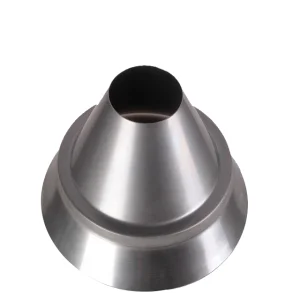
This industrial transition demands processing machinery capable of working with exotic alloys, such as Titanium (Grade 5), Inconel 718, and high-strength aviation aluminum (7075-T6). Multi-axis aerospace nose cone metal spinning machines represent a critical capability vector here. By utilizing flow-forming processes, local manufacturers can produce axisymmetric hollow components with variable wall thickness profiles, exceptional surface finishes, and optimal grain alignment. This makes them highly suitable for radar-transparent nose cones, rocket engine nozzles, and missile fairings.
As the Central American aerospace supply chain integrates with global defense corridors, the requirement for multi-axis CNC metal spinning solutions becomes paramount. The capability to combine shear spinning and flow forming on a single, rigid platform allows Costa Rican manufacturers to satisfy demanding aerospace specifications while keeping cycles efficient and minimizing scrap rates.
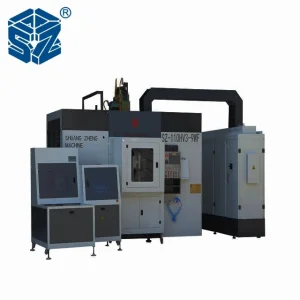
Explore specialized rotational forming and combined vertical-horizontal CNC platforms designed for aerospace geometries.
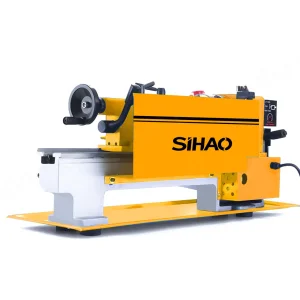
Understanding the plastic deformation mechanisms of metals under high compressive loads is key to selecting the correct aerospace spinning platform. In conventional metal spinning, a flat sheet blank is progressively shaped over a mandrel using a roller, without intentionally changing the sheet's original thickness. This process works well for low-stress cylindrical housings and decorative cones but does not provide the structural integrity required for supersonic nose cones.
For critical aerospace applications, Shear Spinning (Flow Forming) is the industry standard. In this process, the metal is deformed under extreme shear stresses, causing the wall thickness to reduce systematically while the outer diameter remains constant. This severe cold-working process deforms the metal grains, elongating them along the axial direction of the cone. This refinement of the microstructural grain alignment results in significant improvements in tensile strength, yield strength, and fatigue resistance.
Deploying Multi-Axis CNC control (up to 5 or 7 axes) allows the roller toolpath to adjust to variable wall thickness profiles in real-time. Aerospace nose cones often require thicker cross-sections at the base for structural mounting and thinner profiles at the tip to reduce weight. Zhejiang ZRF Spinning Co., Ltd.'s multi-axis systems utilize state-of-the-art CNC control software to monitor roller pressure, rotational speed, and axial feed rates, ensuring uniform thickness tolerances and minimal material waste.
How Zhejiang ZRF Spinning Co., Ltd. integrates smart manufacturing, precision tooling, and global quality control standards to deliver production reliability.
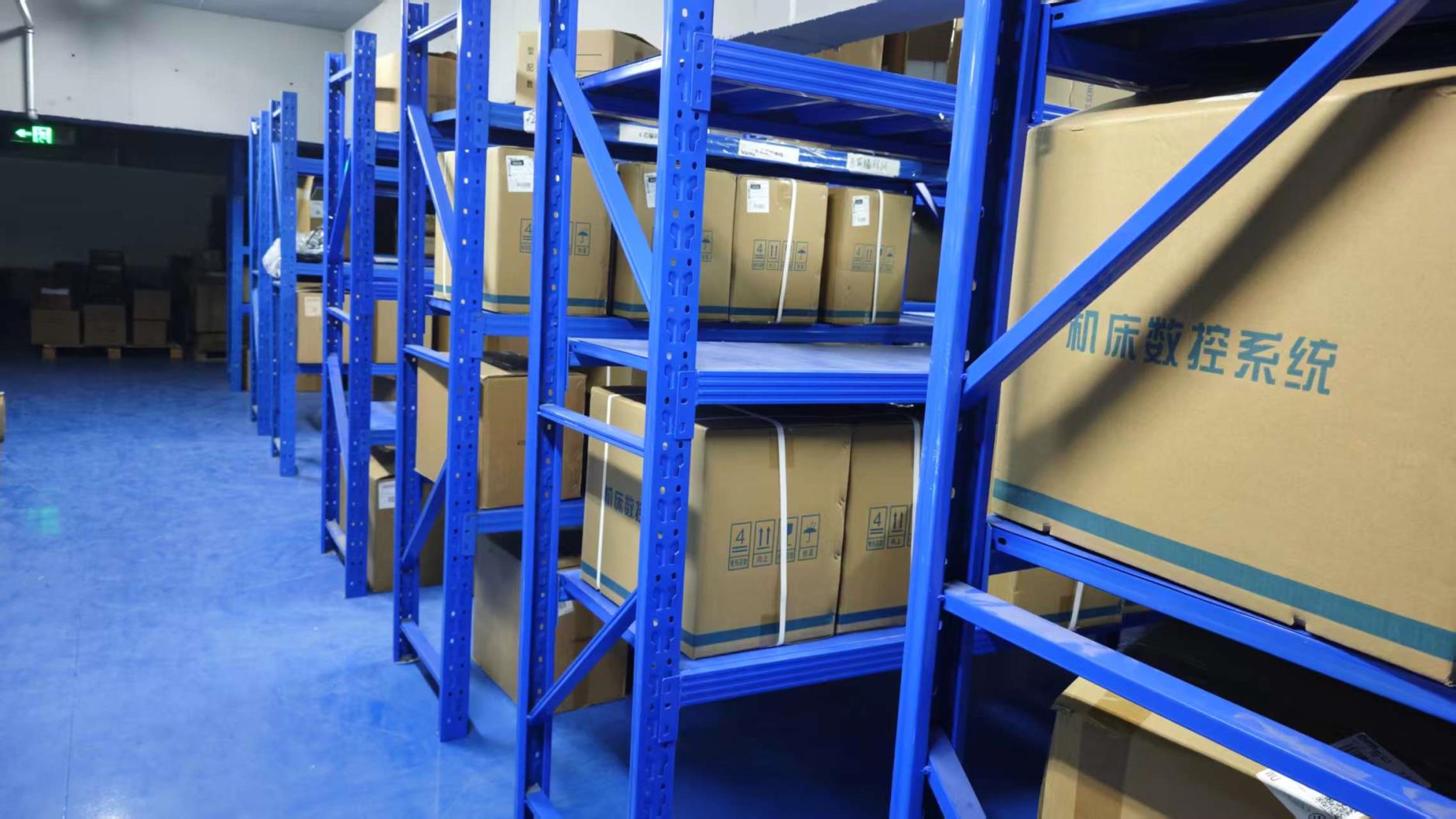
As a leading high-tech enterprise specializing in the R&D and manufacture of CNC spinning machine tools, Zhejiang ZRF Spinning Co., Ltd. has established a comprehensive research, engineering, and testing infrastructure. Global procurement teams looking to supply plants in Central America require manufacturing partners that can manage geopolitical disruptions, maintain component availability, and provide reliable remote support. ZRF meets these requirements through a robust supply chain built on Chinese manufacturing efficiency, vertical integration, and adherence to international quality standards.
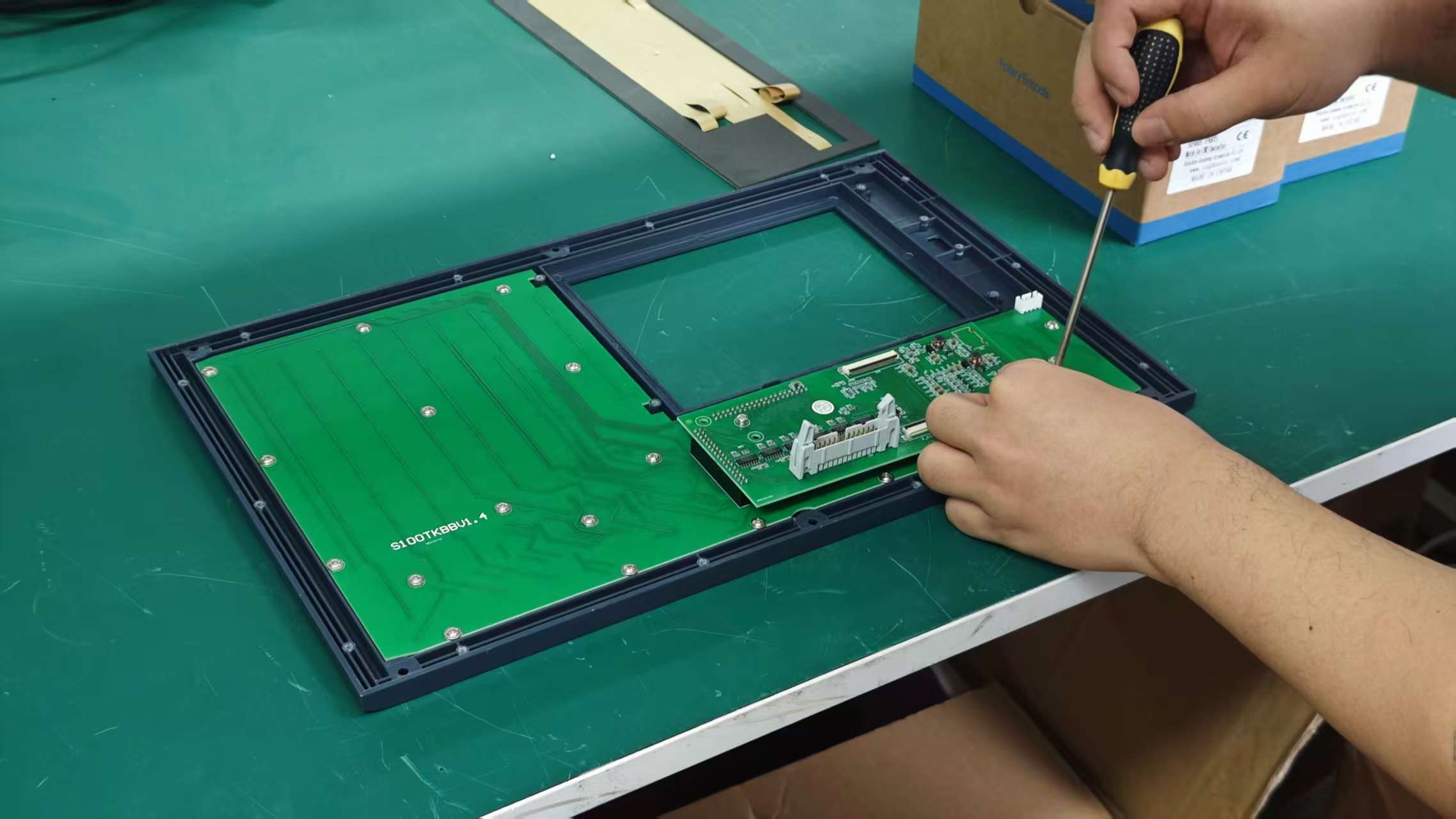
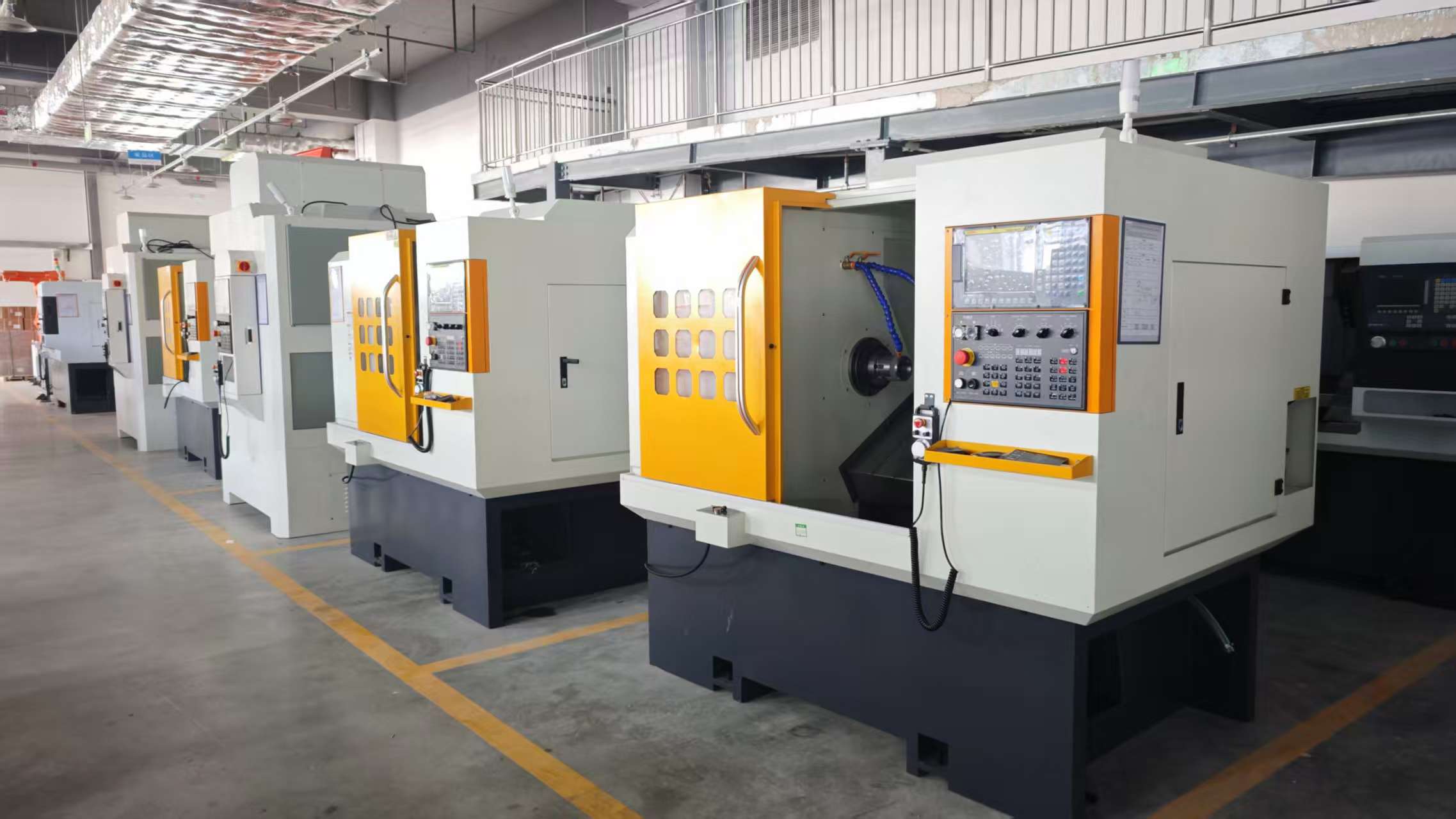
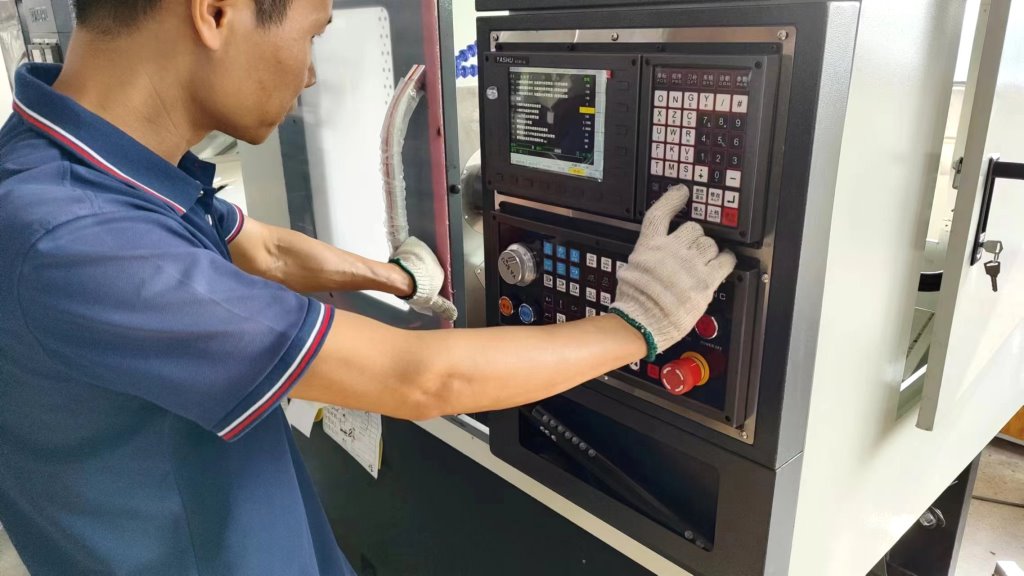
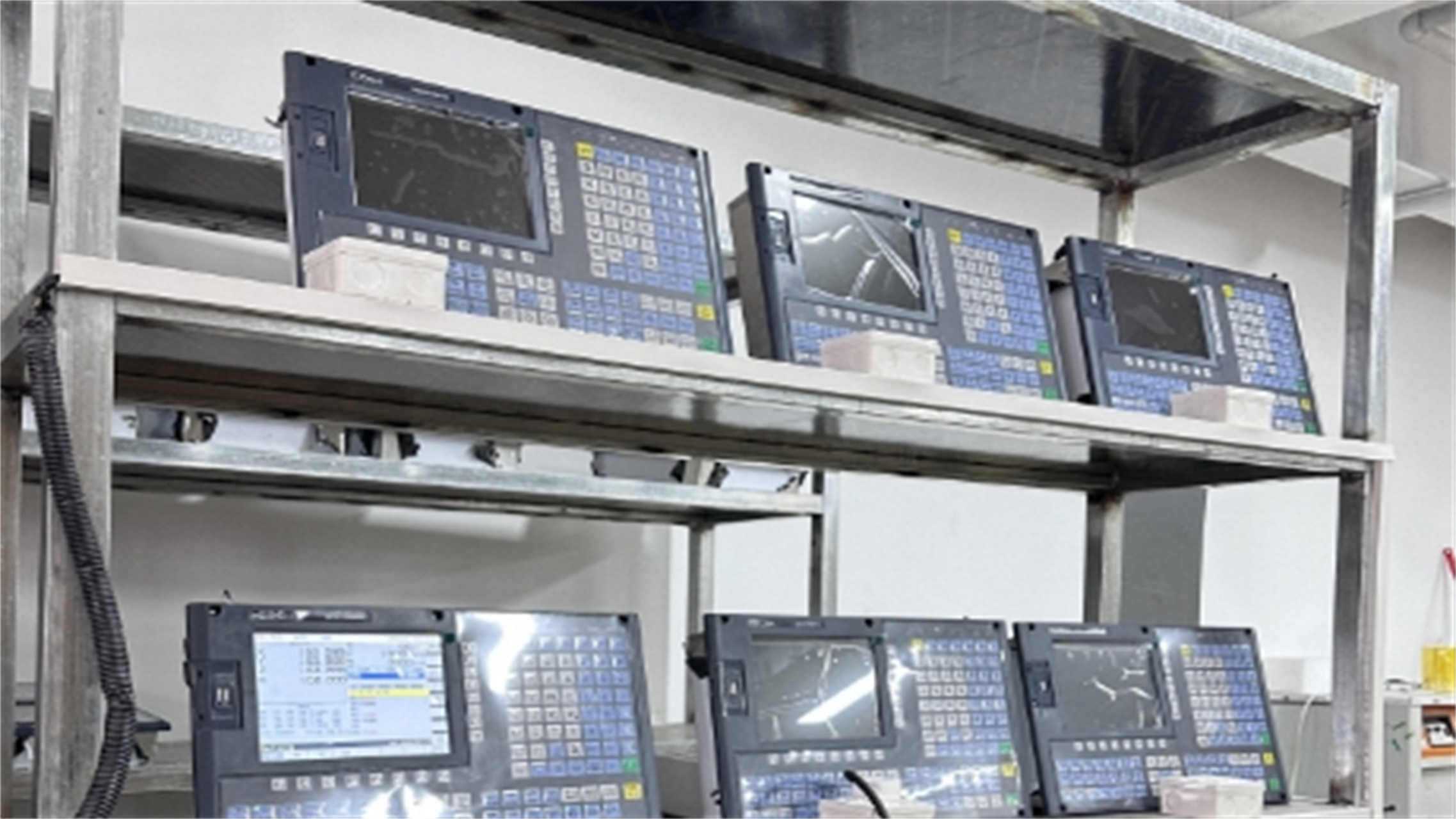
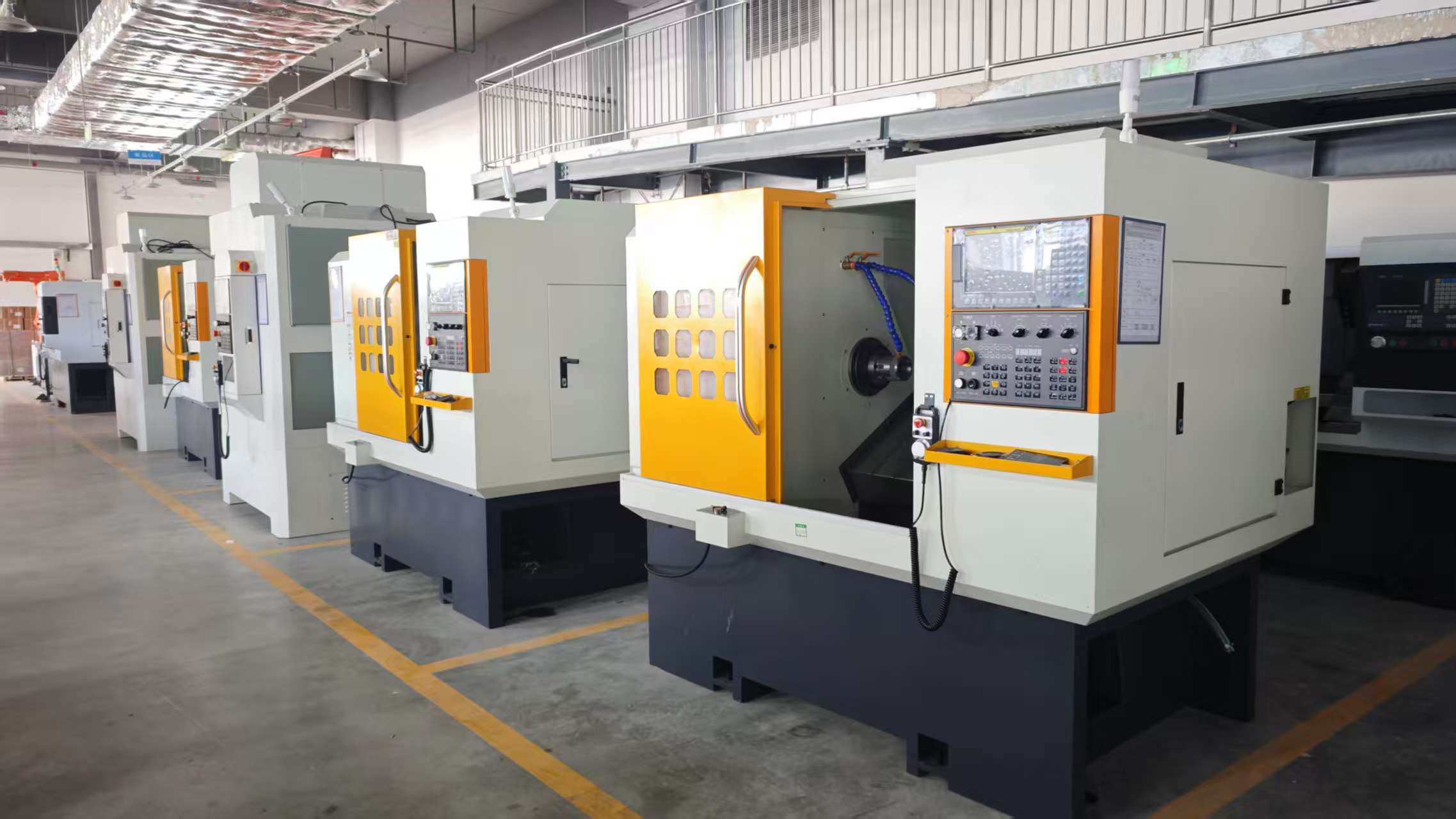
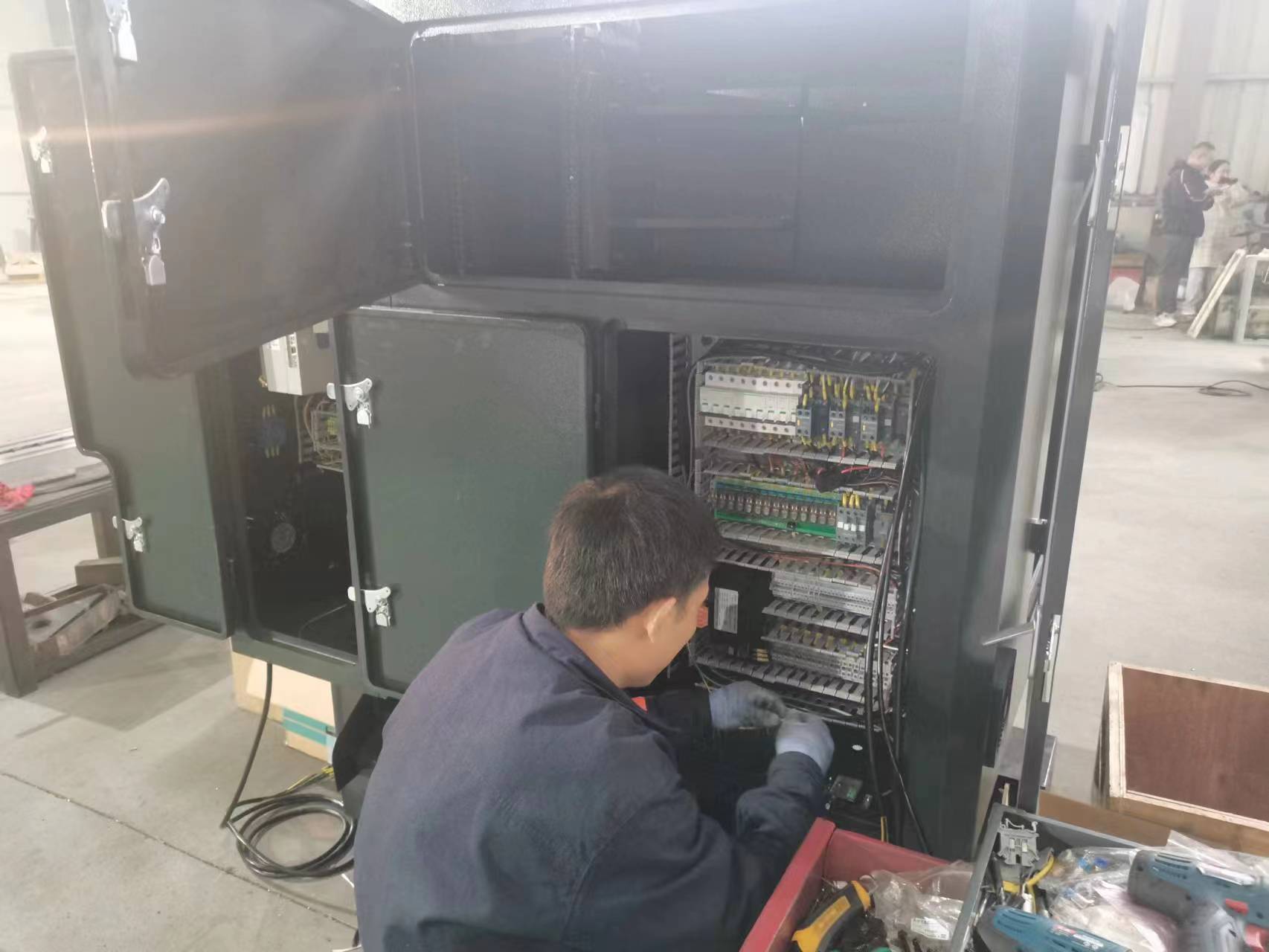
ZRF's manufacturing facilities feature advanced precision machinery, including large-scale guideway grinders, universal grinding machines, and automated laser cutting systems. By keeping critical processes in-house—from initial casting structural preparation and guideway grinding to final assembly, testing, and debugging—ZRF ensures that every CNC spinning lathe meets strict geometric limits. Production complies with the ISO9001 quality management framework, ensuring that each machine delivers consistent performance and safety before shipment.
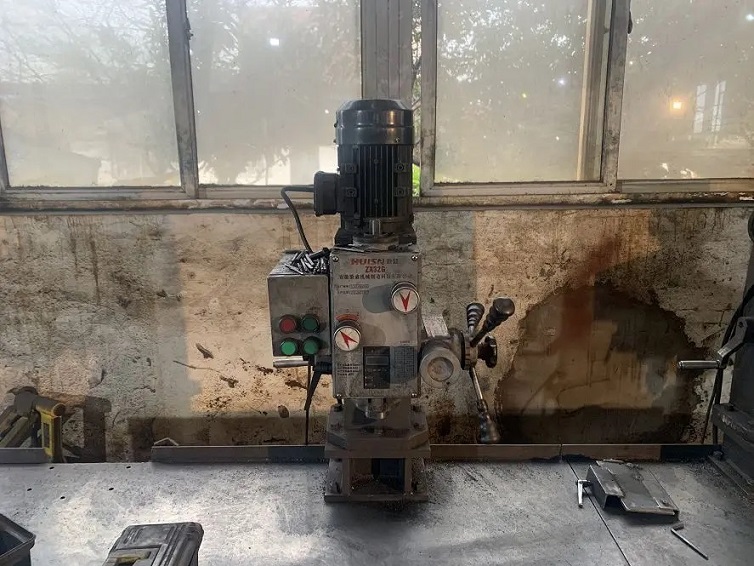
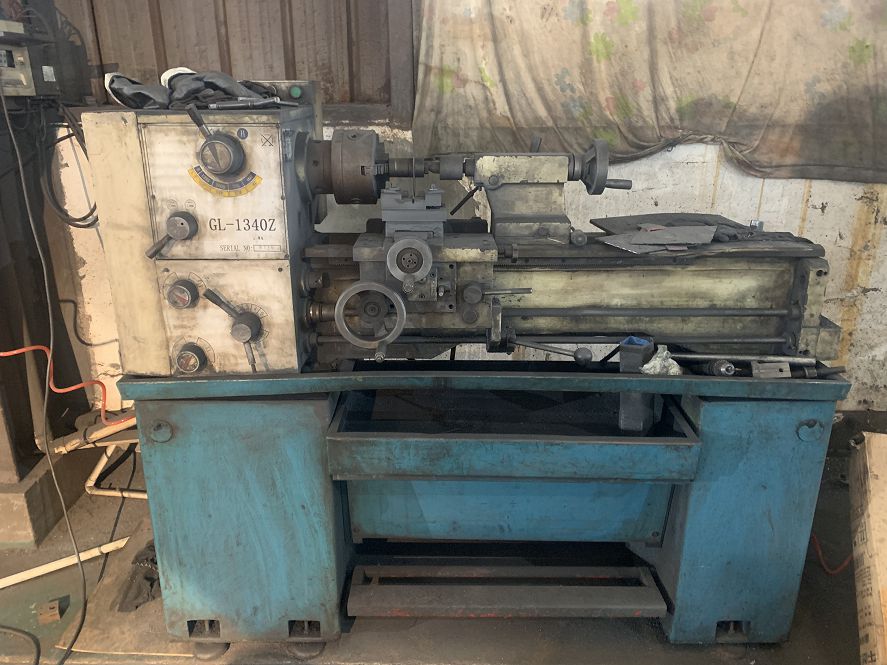
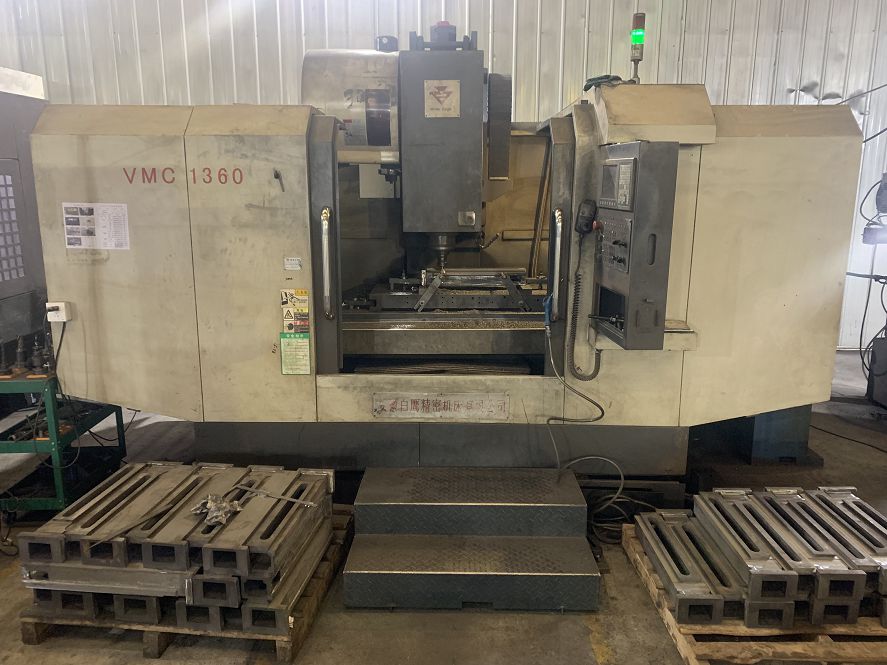
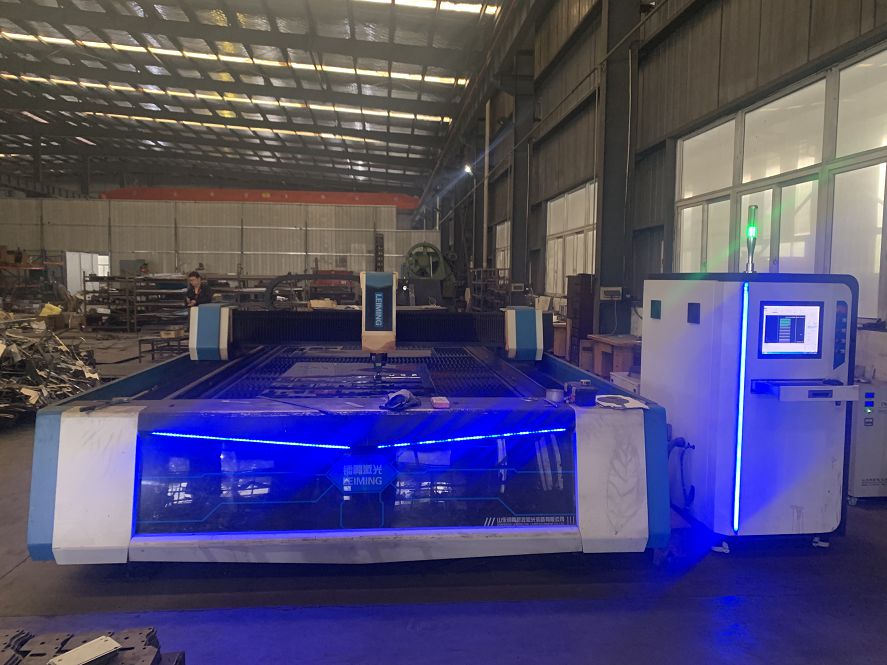
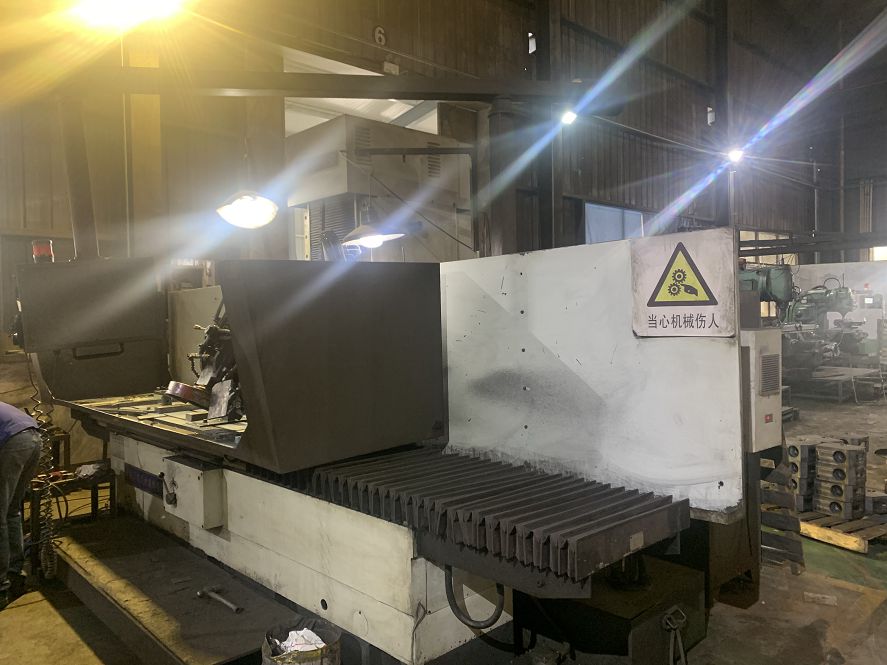
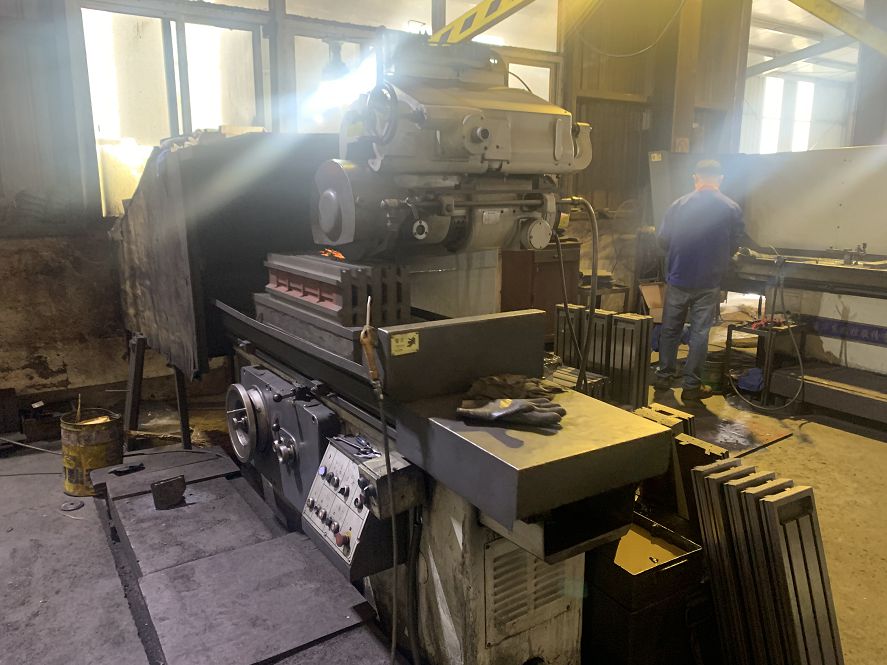
Real-world production scenarios demonstrating how CNC flow forming supports advanced industrial development in the region.
An aerospace component contractor in Coyol used ZRF’s 5-axis vertical turning-milling systems to form thin-walled aluminum satellite sensor fairings. The integrated flow forming wheels minimized micro-cracking and maintained structural integrity under launch-simulation stress tests.
A factory specializing in aerospace propulsion subassemblies deployed ZRF's high-precision 5-axis milling and grinding center to process heat-resistant nickel-chromium superalloys. The combination of high-rigidity spindles and stable thermal management allowed for continuous 24/7 production runs.
By switching from traditional subtractive machining to CNC flow forming on ZRF's double spin series spinning machines, a defense manufacturing facility reduced component weight by 22% while increasing structural yield limits through cold-work hardening.
Aligning equipment procurement with aerospace standards and production efficiency.
In aerospace manufacturing, components must meet strict design and safety standards. Procurement managers working with Costa Rican tier-1 and tier-2 aerospace manufacturers face the challenge of sourcing machinery that guarantees repeatable accuracy, maintains complete production data logs, and runs efficiently with minimal downtime. The machinery must also integrate into modern shop floors utilizing digital twin simulations and networked MES (Manufacturing Execution Systems).
Zhejiang ZRF Spinning Co., Ltd. addresses these challenges by developing CNC spinning machine tools equipped with open architecture CNC systems. This allows for real-time monitoring of axis load, spindle torque, and temperature profiles. By collecting high-resolution feedback from the forming path, manufacturers can verify the dimensional accuracy of every nose cone. This provides the level of traceability required for AS9100 Rev D audits and aviation-grade production records.
Additionally, the mechanical design of ZRF machines features heavy cast-iron beds that undergo heat treatment to relieve internal stresses. The guideways are precision-ground on specialized grinders, ensuring structural stability and dampening vibrations. This stability is critical when flow-forming high-strength alloys, preventing surface defects and preserving tool life.
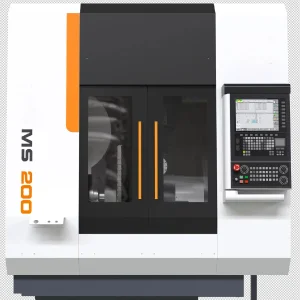
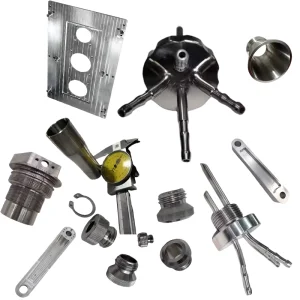
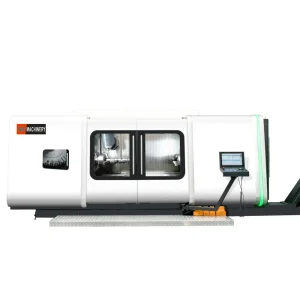
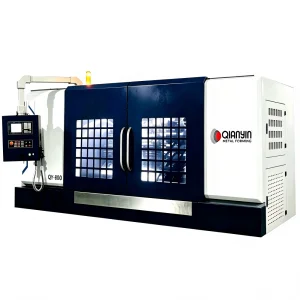
A comprehensive range of CNC machines, mills, and custom turning services optimized for global aerospace and defense markets.
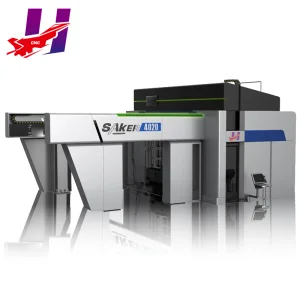
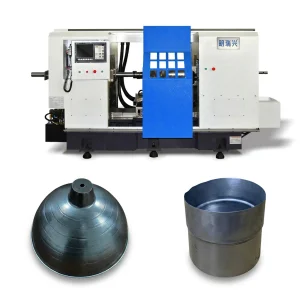
Technical answers addressing procurement, tolerances, and material specifications for aerospace manufacturers.
 ZRF Spinning