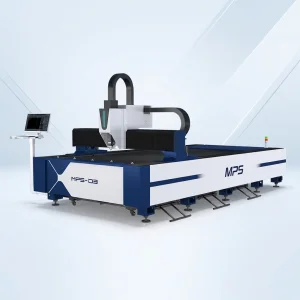
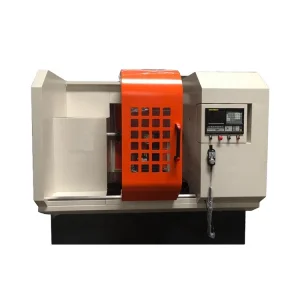
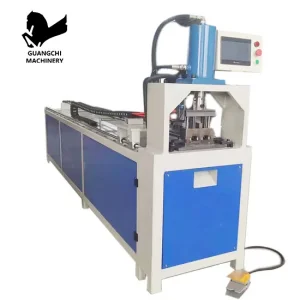
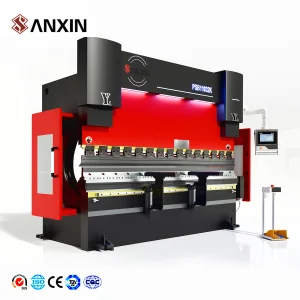
Discover our leading CNC spinning automation equipment, hydraulic press brakes, and laser cutters that form the mechanical foundation for precision optoelectronic assemblies.
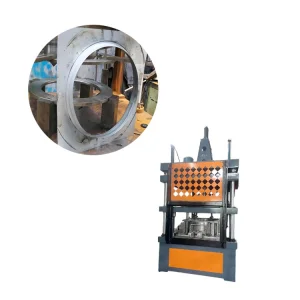
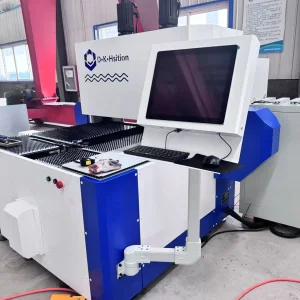
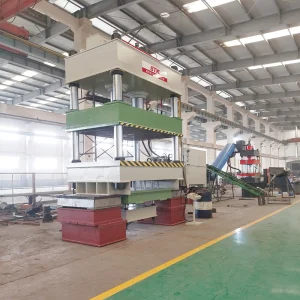
In modern optoelectronics and laser engineering, the performance of an optical system is highly dependent on the quality of its mechanical housing. Whether you are dealing with advanced precision optical components such as high-reflectivity mirror substrates, beam splitters, custom prism mounts, or large-aperture lenses, the integrity of these components relies on high-stability, low-stress, and sub-micron tolerance structural mounting.
Without high-precision mounting housings, even the most advanced optical design is prone to micro-deflections caused by thermal fluctuations, mechanical vibrations, and structural stresses. This is where the intersection of advanced metal forming—specifically CNC spinning, multi-axis milling, grinding, and precision assembly—plays a key role. Zhejiang ZRF Spinning Co., Ltd. fills this gap by producing high-precision CNC spinning machinery and components that serve as the foundational housings, enclosures, and structural mounts for precision optical assemblies globally.
SEO Insight / Information Gain: When sourcing "Precision Optical Components", engineers must look beyond the glass. The thermal expansion coefficients (CTE) of the surrounding metal barrel, the circularity of the optical mount, and the precision flanging of containment housings directly govern the optical alignment stability down to the level of nanometer deviations.
The global precision optics market is undergoing rapid growth, driven by key sectors such as automotive autonomous driving systems (LIDAR), industrial automation, medical endoscopes, aerospace defense, and advanced satellite communication. These fields require extremely reliable optical systems capable of operating in harsh environments, including extreme pressure, deep space vacuum, and intense temperature fluctuations.
As a result, procurement officers in North America, Europe, and Asia are shifting their focus to factories that offer full vertical integration. Integrating optical coating, mechanical forming, and precision verification under one roof ensures trace-ability and minimizes defects. Manufacturers must comply with stringent international standards such as ISO9001 and MIL-SPEC, ensuring that every CNC machine tool or mechanical component meets structural specifications.
| Metal Forming Method | Tolerance Limits (mm) | Best Suited Optical Structural Components | Material Efficiency |
|---|---|---|---|
| CNC Metal Spinning | ±0.05 to ±0.1 | Rotationally Symmetrical Housings, Reflector Shells, Domes | Extremely High (Minimal Waste) |
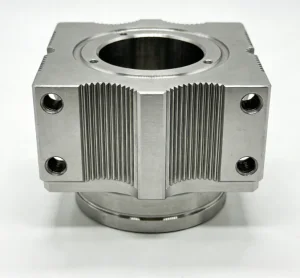
| 5-Axis CNC Machining | ±0.005 to ±0.01 | Prism Mounts, Multi-lens Barrels, Camera Housings | Moderate (Subtractive Process) |
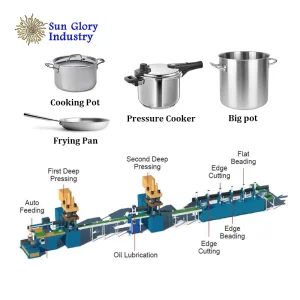
| Deep Drawing Pressing | ±0.15 to ±0.25 | Protective Outer Shells, Sensor Cover Plates | High (High Tooling Cost) |
| Precision Guideway Grinding | ±0.001 to ±0.003 | Linear Rails, Optical Bench Reference Planes | Low (Finishing Process) |
Combining high-performance technology with structural engineering to deliver reliable precision manufacturing globally.
Precision optical housings are often rotationally symmetrical, requiring specific manufacturing technologies to produce. Standard milling processes can introduce residual stresses in the metal profile, leading to micro-deformations over time. In contrast, CNC metal spinning applies localized, incremental force via computer-controlled rollers, keeping the microstructure of materials like aluminum alloys, stainless steel, and specialty copper uniform.
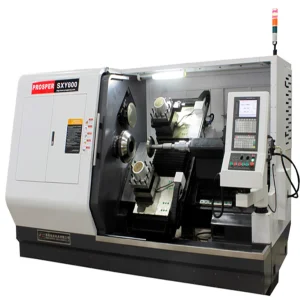
This process is highly efficient for manufacturing parabolic lighting reflectors, opto-mechanical sensor shrouds, and lens housing shells. Advanced machinery, such as the PROSPER SXY800 CNC Spinning Machine, utilizes multi-axis programming to maintain uniform wall thickness, high circularity, and a clean surface finish. This reduces the need for extensive post-process machining, minimizing raw material waste and lowering production costs.
Understanding local requirements is essential when sourcing precision machinery. Different regions prioritize distinct aspects of the manufacturing workflow:
As a high-tech enterprise specializing in the research, development, and manufacturing of CNC spinning machine tools, Zhejiang ZRF Spinning Co., Ltd. has extensive experience and a strong technical foundation in the domestic spinning industry.
Our series of CNC spinning machine tools are widely applied across a variety of industries, including petrochemicals, electronics, daily hardware, food processing machinery, automotive and motorcycle components, pressure vessels, ventilation and environmental protection, defense, and aerospace. The ZRF spinning machine series has reached more than 30 provinces and cities across China and has been exported to over 20 countries and regions worldwide. Our advanced technology, excellent product quality, and comprehensive service system have earned the trust and recognition of users globally.
At Zhejiang ZRF Spinning Co., Ltd., we firmly advocate a philosophy of market-oriented development, research-driven innovation, and technological excellence. We focus on continuous improvement in both product performance and service quality. Our manufacturing process strictly adheres to the ISO9001 quality management system, ensuring reliable, safe, and high-quality products. Over the years, we have established long-term cooperative relationships with many leading domestic and international enterprises.
We are dedicated to providing our clients with advanced, safe, and reliable technology and products. Looking forward, Zhejiang ZRF Spinning Co., Ltd. will continue to leverage its deep technical expertise to strengthen its leadership in China’s spinning industry and expand its global presence.
With a vision for the 21st century, full of opportunities and challenges, Zhejiang ZRF Spinning Co., Ltd. remains committed to excellence in innovation, quality, and service, striving to become a globally respected leader in spinning machine technology.
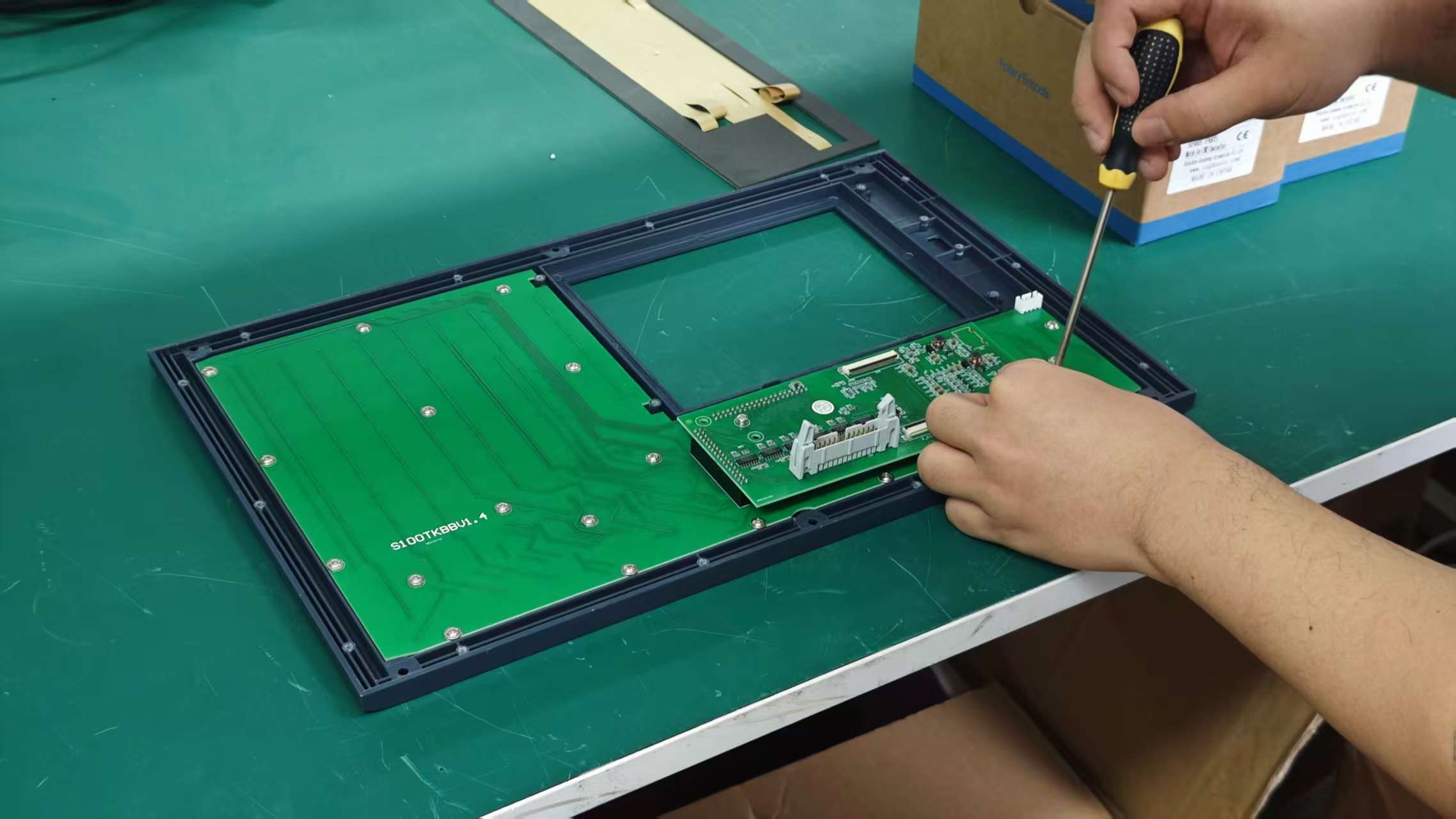
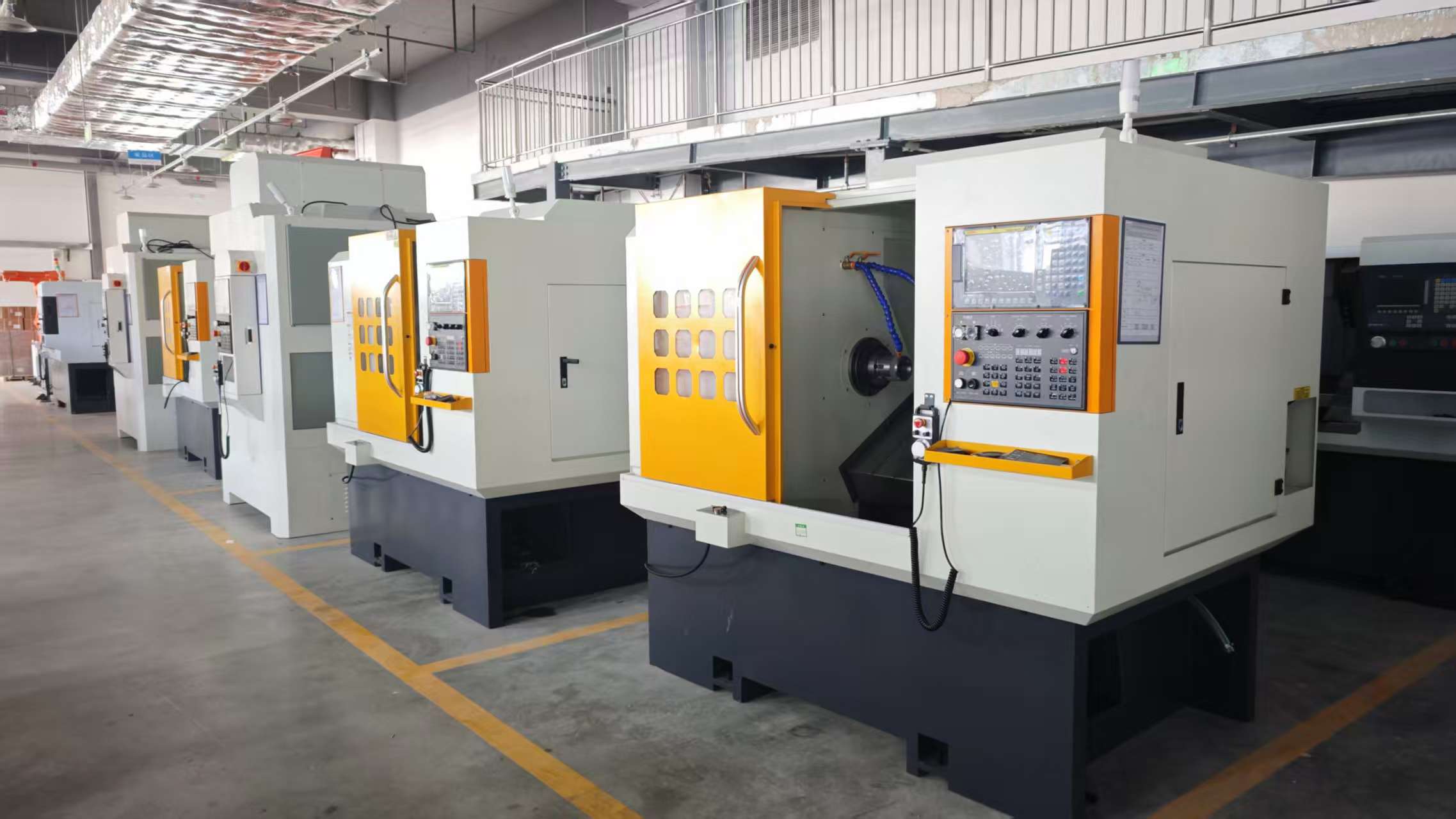
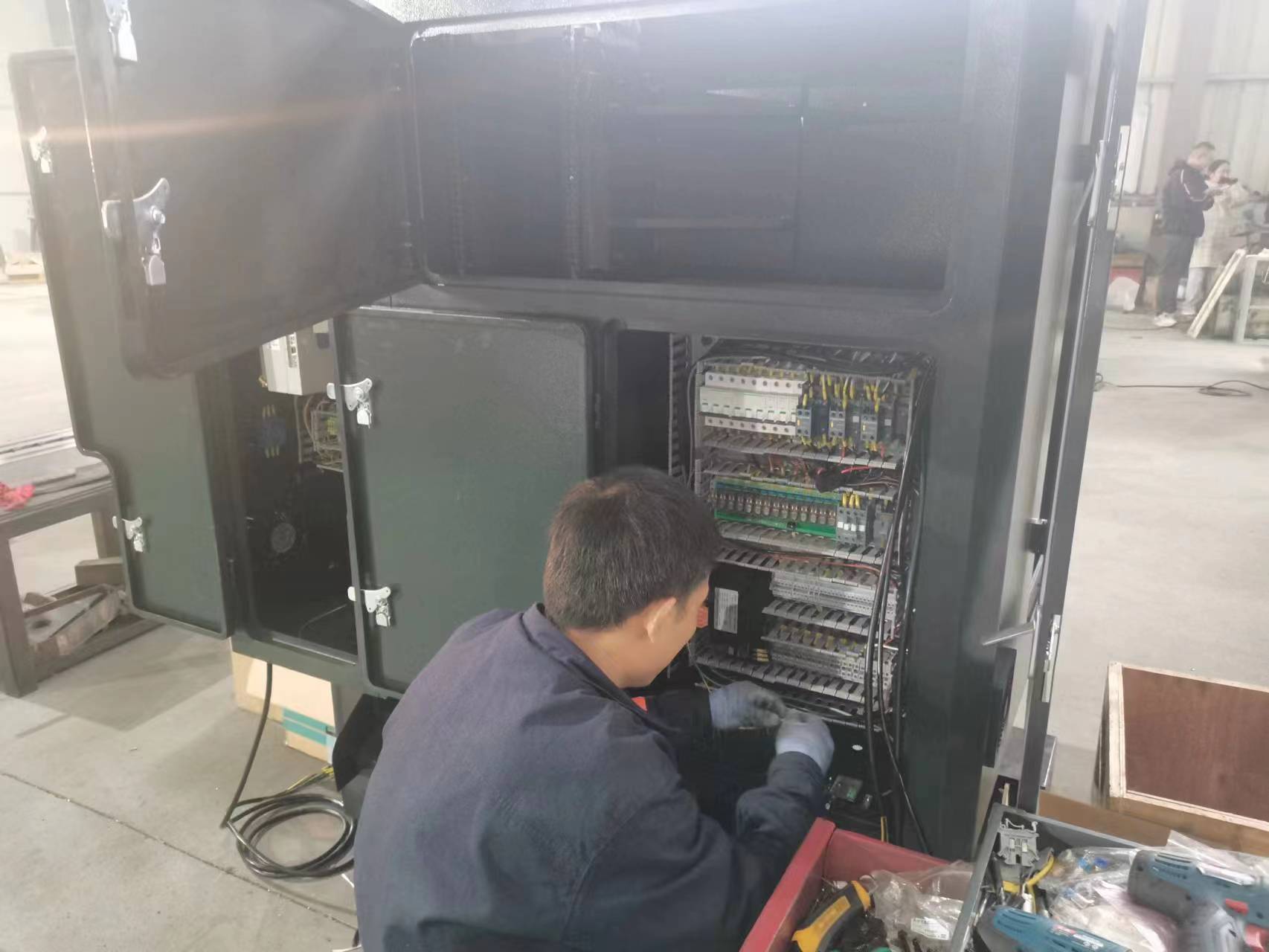
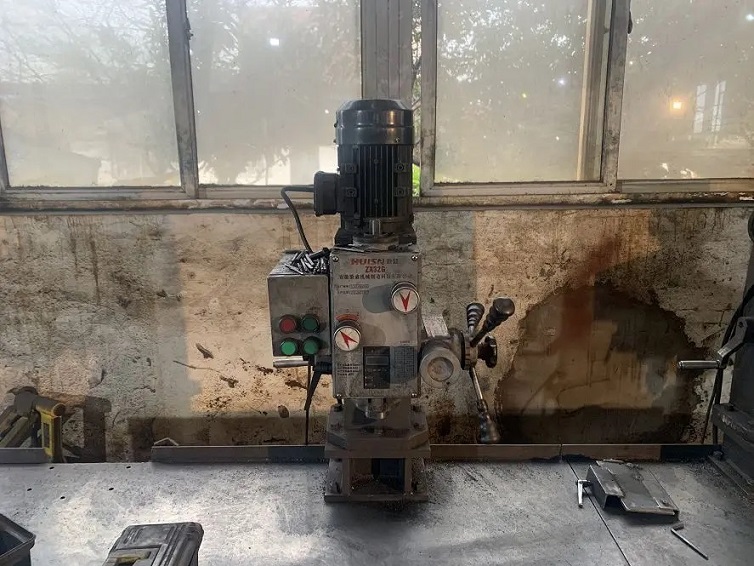
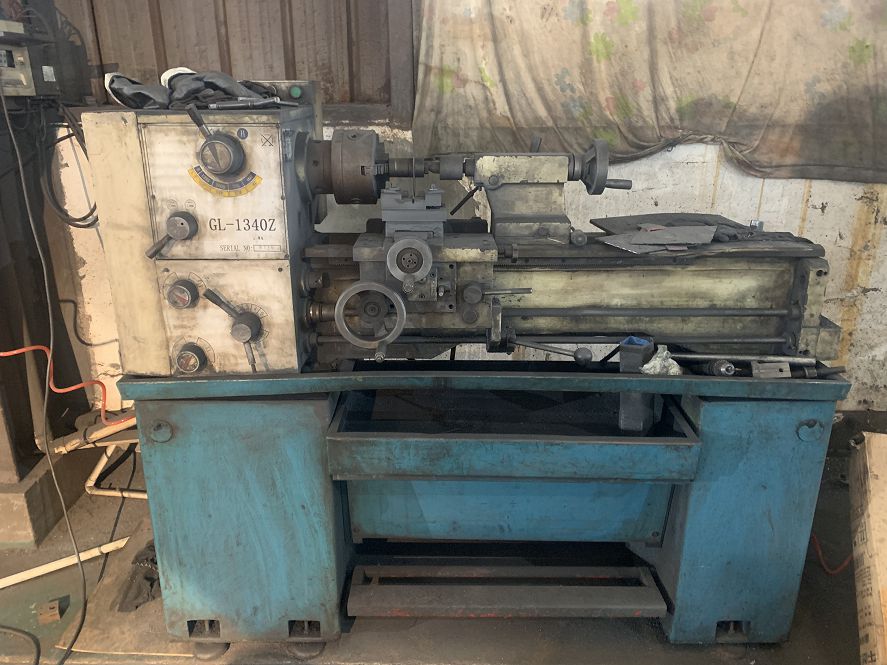
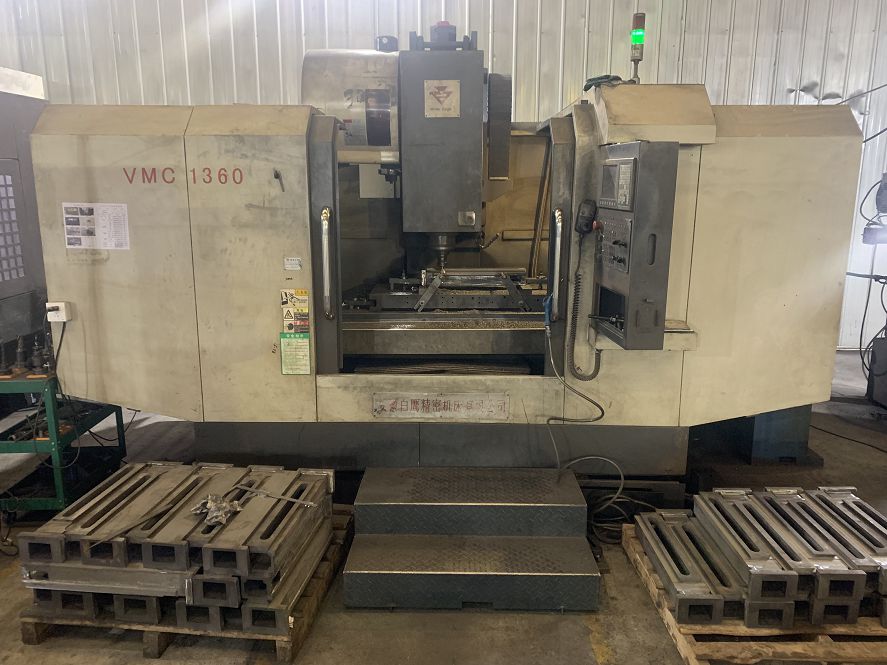
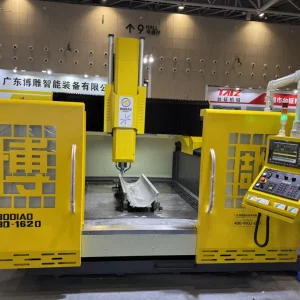
Take a closer look at our internal workflow, from general assembly and debugging to our precision machining centers, ensuring quality at every step.
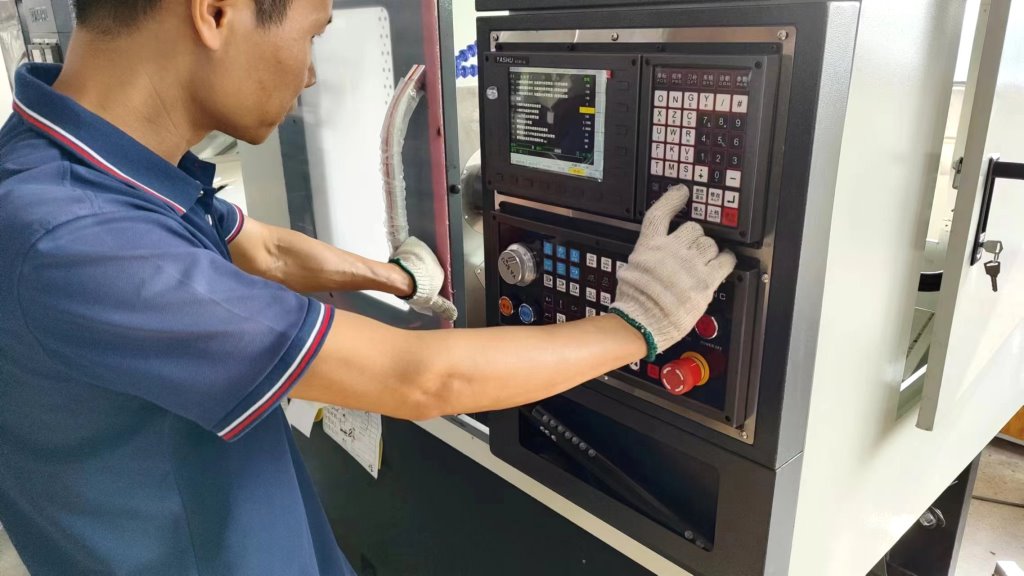
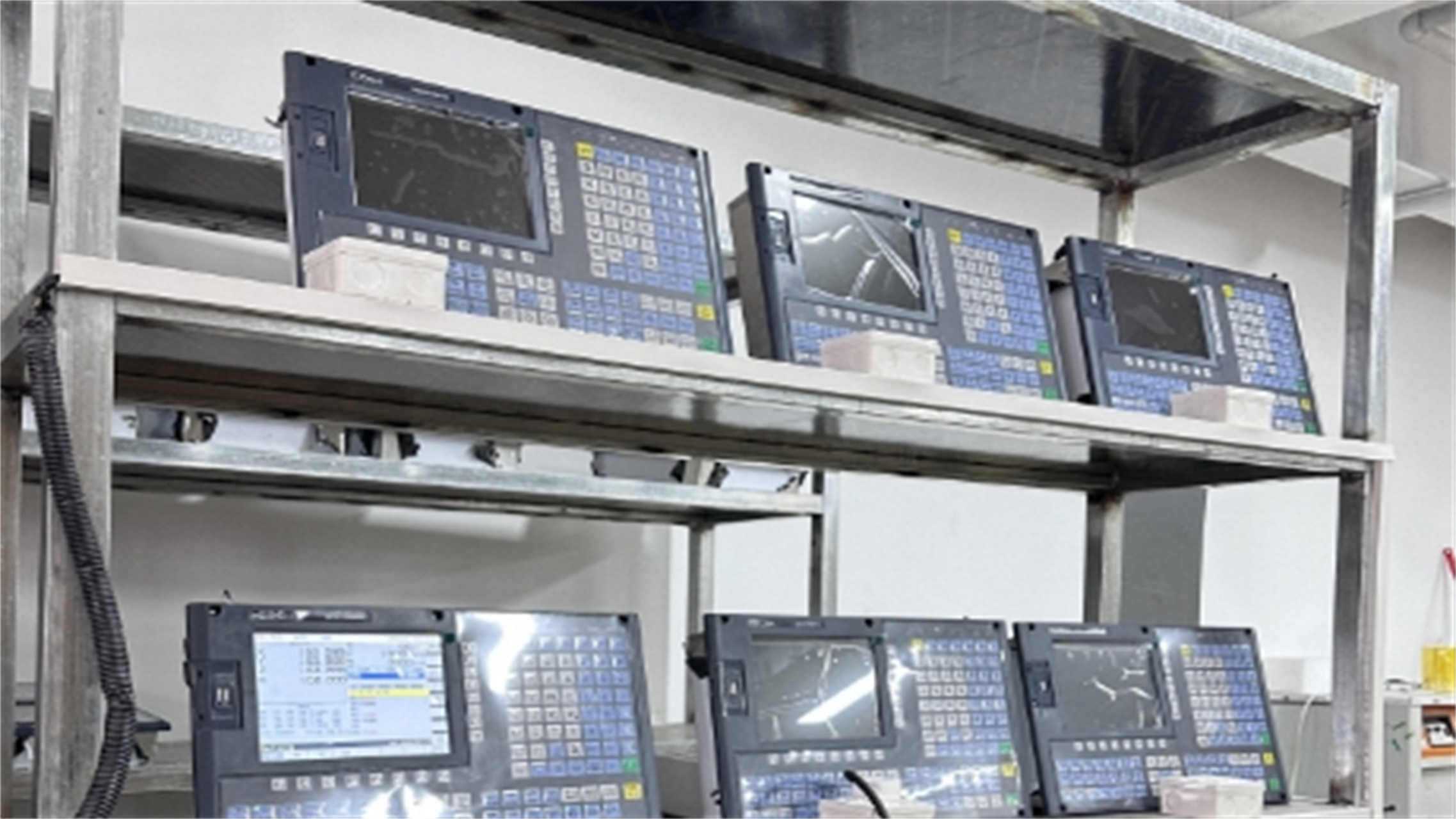
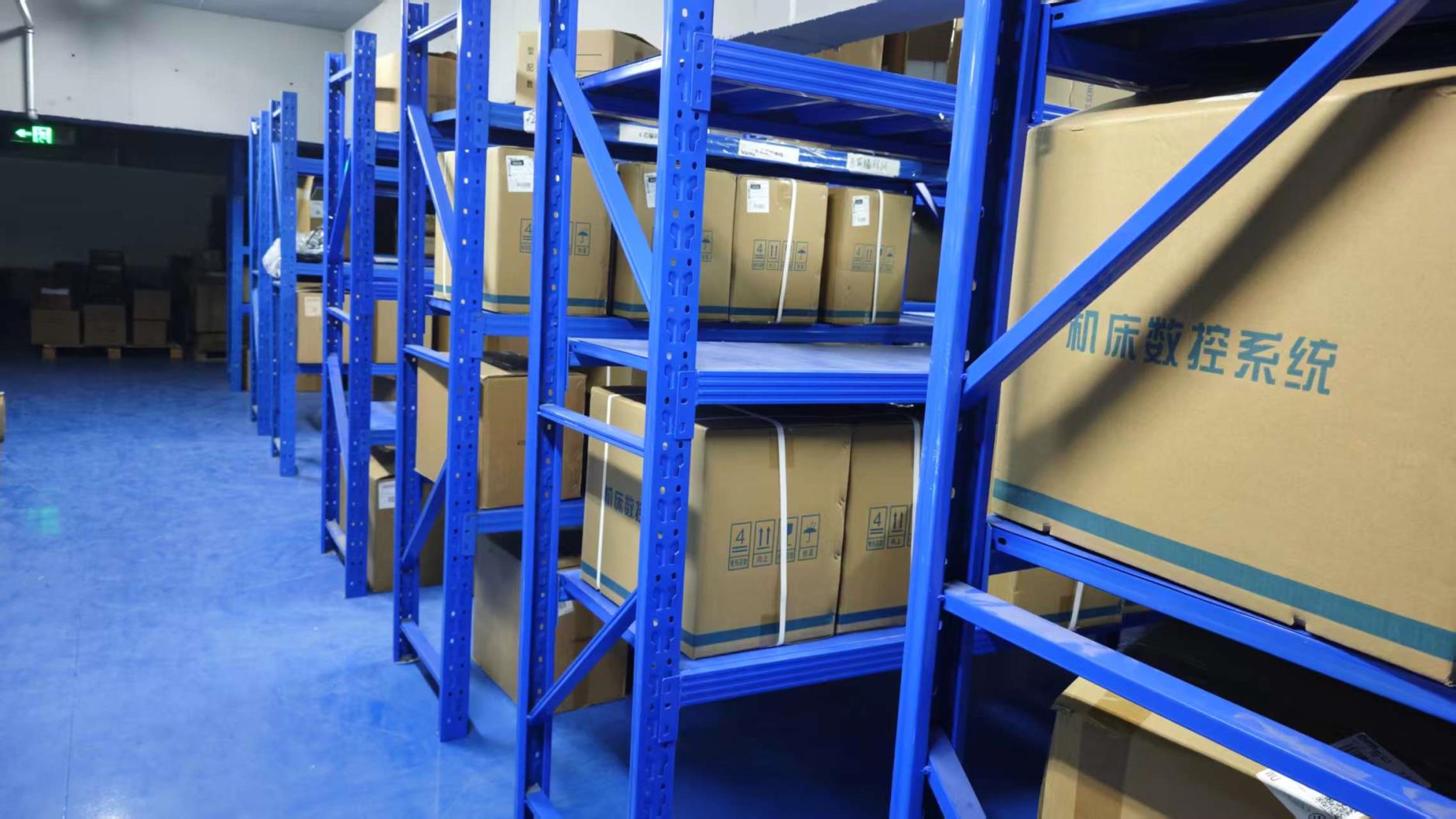
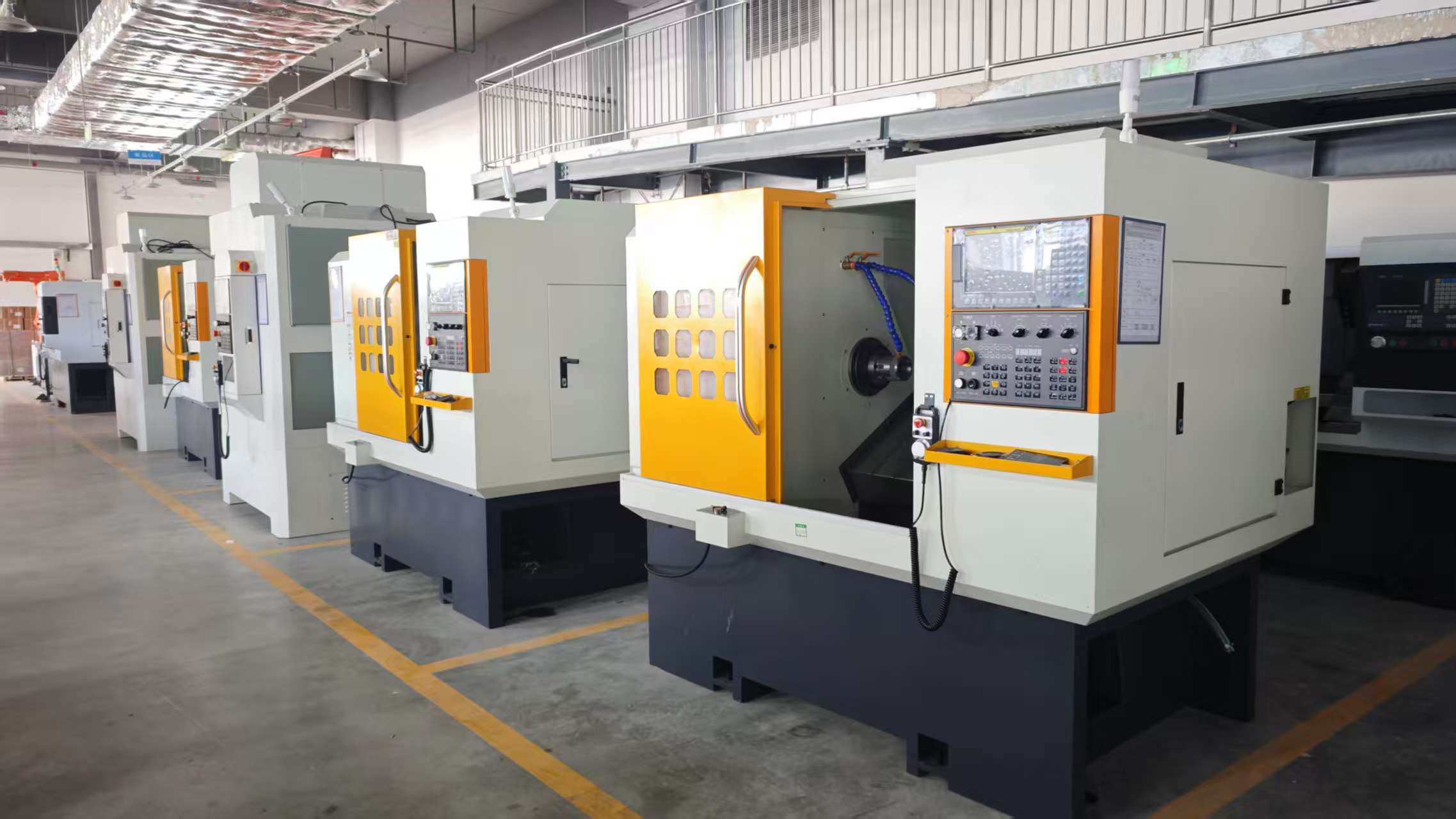
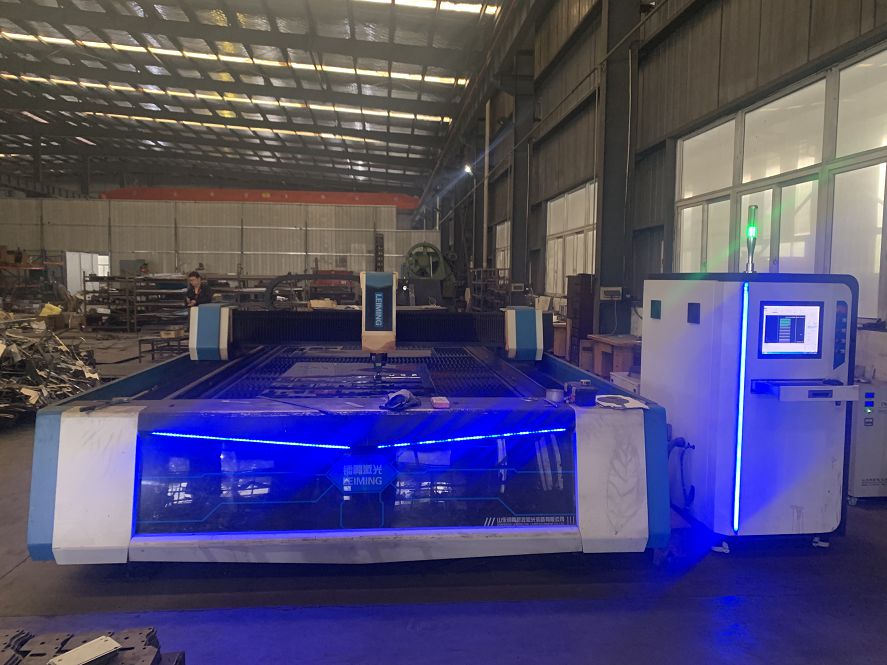
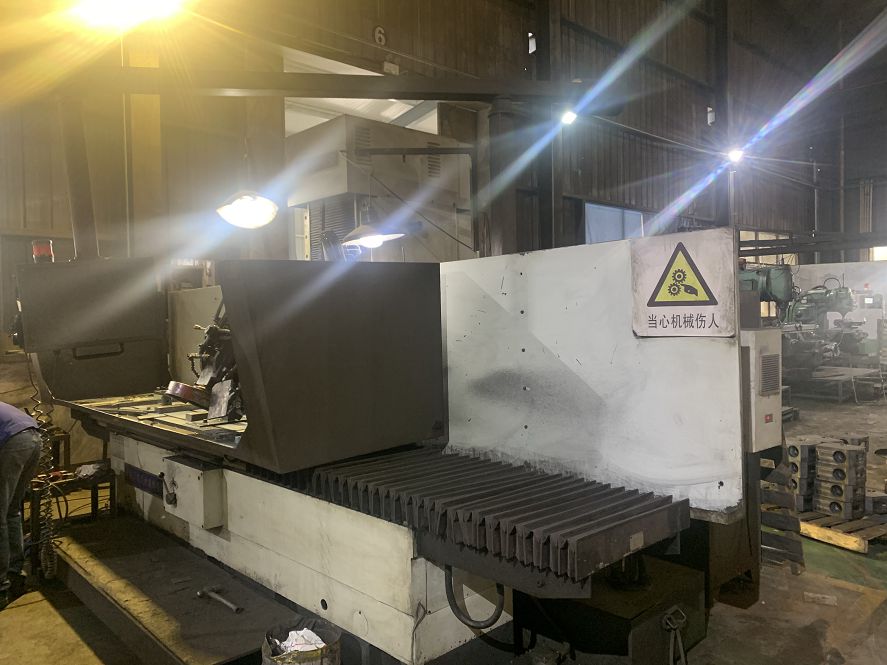
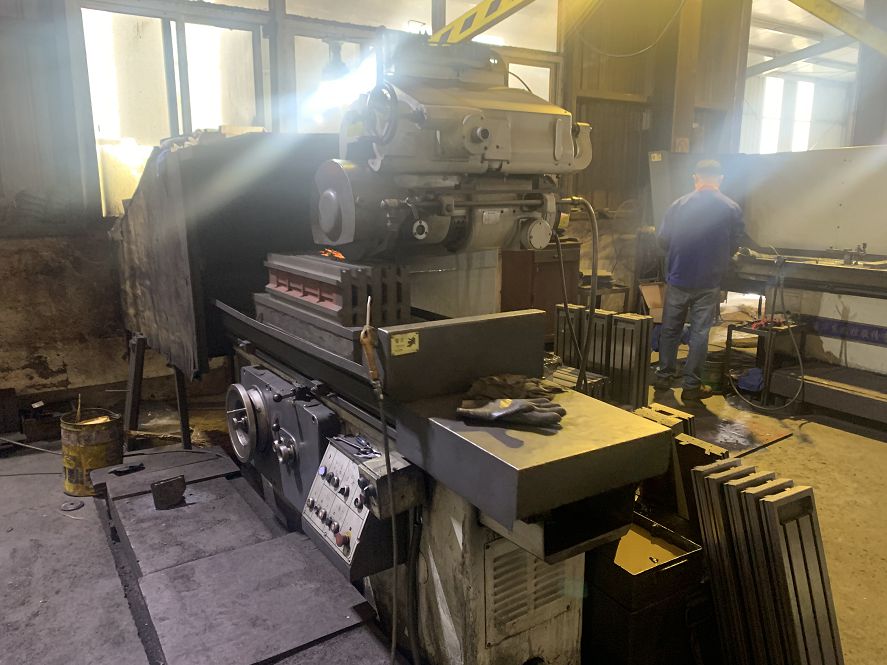
As industry standards evolve, optical and structural manufacturing are becoming increasingly integrated. The sector is moving toward closer alignment between mechanical housing production and optical component design, ensuring complete systems function reliably under diverse conditions.
Key technological shifts shaping the industry include:
Clarifying common queries about precision CNC spinning, optical housing alignments, and sourcing capabilities.
CNC metal spinning provides a cost-effective way to form rotationally symmetrical parts with high circularity and minimal material waste. Unlike traditional stamping, which requires expensive dies, spinning uses single mandrels and programmable rollers. This keeps material grain structures uniform and reduces internal stresses, preventing the micro-deformations that can disrupt optical alignments.
Our advanced CNC spinning machine tools and multi-axis lathe lines are designed to maintain high dimensional consistency. Depending on material thickness and part geometry, our machinery can hold tolerances within ±0.05mm to ±0.1mm. For flat components and specialized profiles, our CNC hydraulic press brakes and laser systems achieve precision up to 0.01mm.
We run our manufacturing and assembly lines strictly under the ISO9001 quality management framework. Every CNC spinning machine, laser cutter, and grinding system undergoes a multi-step quality protocol. This includes structural stress checks during assembly, physical debugging, electrical testing, and an extended aging run before packing and delivery.
Yes, we customize configurations based on client requirements. Whether you need a specific control interface, custom tooling, safety light curtains for CE compliance, or modified axis setups, our design and engineering teams work directly with your team to customize machines for your production line.
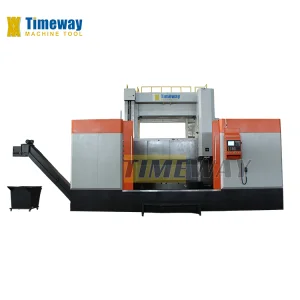
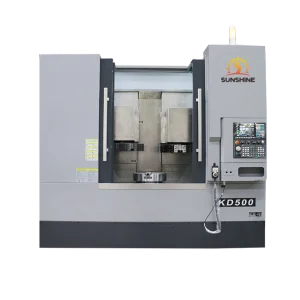
Browse our selection of multi-axis machining centers, vertical lathes, grinding systems, and specialized industrial equipment.
 ZRF Spinning