Premium solutions driving productivity, precision, and efficiency across defense, automotive, aerospace, and lighting manufacture.
Analyzing key shifts in commercial, industrial, and architectural lighting sectors.
In the contemporary global lighting sector, the structural, thermal, and optical performance of reflectors and lamp shades determines the efficacy of commercial illumination systems. As global regulatory bodies push for net-zero carbon footprints, there has been a drastic engineering shift from passive lighting housings to active optical control components. Historically, manual metal spinning was sufficient for basic dome shades. However, modern high-intensity discharge (HID), explosion-proof, horticultural grow-lights, and architectural LED systems require mathematically optimized reflector curves (parabolic, ellipsoidal, and complex compound shapes) that cannot be consistently manufactured using archaic techniques.
Consequently, the implementation of multi-axis CNC metal spinning has emerged as the definitive standard for world-class exporters. China, as the dominant hub of global supply chain logistics, has established a consolidated industrial ecosystem that fuses raw material accessibility (such as high-purity 1060, 1070, and 3003 aluminum alloys) with advanced CNC machinery. This synergy allows manufacturers to output products with minimal dimensional tolerances (often within ±0.1 mm) while maintaining exceptional surface finish parameters necessary for optimal specular or diffuse reflectance.
How automation and advanced toolpath planning guarantee superior optical performance.
Unlike deep drawing or casting, CNC metal spinning is a dynamic incremental forming process. A flat circular metal blank is secured on a rotating mandrel, and a hydraulic or servo-controlled roller progressively shapes the metal over the mold. The key engineering advantage of this method lies in the preservation of the raw material’s grain structure. By utilizing continuous, controlled pressure, CNC spinning refines grain boundaries, increasing the tensile strength and hardness of the final lamp shade while minimizing wall thinning.
From an optical standpoint, the internal surface of a lighting reflector acts as the primary light distribution control mechanism. The mathematical profile of the reflector must guide light rays without introducing unwanted aberrations or hot spots. Traditional manufacturing often leaves visible "chatter marks" or tool ridges on the reflective surface, which scatter light and diminish the overall Light Output Ratio (LOR). CNC spinning overcomes this constraint through automated pass-skimming and programmable constant-surface-speed (CSS) tooling, ensuring that the surface roughness ($R_a$ value) is minimized prior to secondary polishing or anodizing.
Furthermore, material selection is critical. Aluminum alloys like 1060 (99.6% purity) are highly favored for lighting reflectors due to their excellent anodization properties. For structural lamp shades that must withstand high wind loads in outdoor high-mast or industrial streetscape applications, tougher alloys such as 5052 (magnesium-aluminum) are selected. CNC spinning machines must dynamically adapt force profiles to handle these varying yield strengths, a task that Zhejiang ZRF Spinning Co., Ltd.'s proprietary CNC software executes with real-time feedback loops.
Precise toolpaths eliminate micro-deviations, preserving parabolic angles to focus light output accurately and eliminate glare.
Advanced shear forming controls flow, maintaining structural thickness at the flange and neck, preventing deformation under high wind loads.
Strict metallurgical control prevents orange-peel effects, providing an ideal substrate for specular, semi-specular, or diffuse coatings.
Unpacking ZRF Spinning's advanced technology and operational advantages in Zhejiang.
Global industrial procurement has shifted its primary focus from raw unit cost to overall supply chain resilience. High-volume lighting OEMs require manufacturing partners that mitigate geological, political, and material risks. This is where China’s Factory 4.0 infrastructure excels, particularly exemplified by Zhejiang ZRF Spinning Co., Ltd. As a high-tech enterprise specializing in the research, development, and manufacturing of CNC spinning machine tools, Zhejiang ZRF Spinning Co., Ltd. has extensive experience and a strong technical foundation in the domestic spinning industry.
ZRF’s capability is not merely defined by the physical output of metal parts, but by the continuous advancement of the spinning machinery itself. When an enterprise controls both the machine manufacturing technology and the part fabrication process, it achieves complete vertical integration. Our series of CNC spinning machine tools are widely applied across a variety of industries, including petrochemicals, electronics, daily hardware, food processing machinery, automotive and motorcycle components, pressure vessels, ventilation and environmental protection, defense, and aerospace.
This wide-ranging industrial cross-pollination means that advances in aerospace prototype spinning directly inform the rigidity and speed of lighting reflector production lines. The ZRF spinning machine series has reached more than 30 provinces and cities across China and has been exported to over 20 countries and regions worldwide. Our advanced technology, excellent product quality, and comprehensive service system have earned the trust and recognition of users globally.
At Zhejiang ZRF Spinning Co., Ltd., we firmly advocate a philosophy of market-oriented development, research-driven innovation, and technological excellence. We focus on continuous improvement in both product performance and service quality. Our manufacturing process strictly adheres to the ISO9001 quality management system, ensuring reliable, safe, and high-quality products. Over the years, we have established long-term cooperative relationships with many leading domestic and international enterprises.
A comprehensive visual walk-through of our integrated assembly, debugging, testing, and machining capabilities.
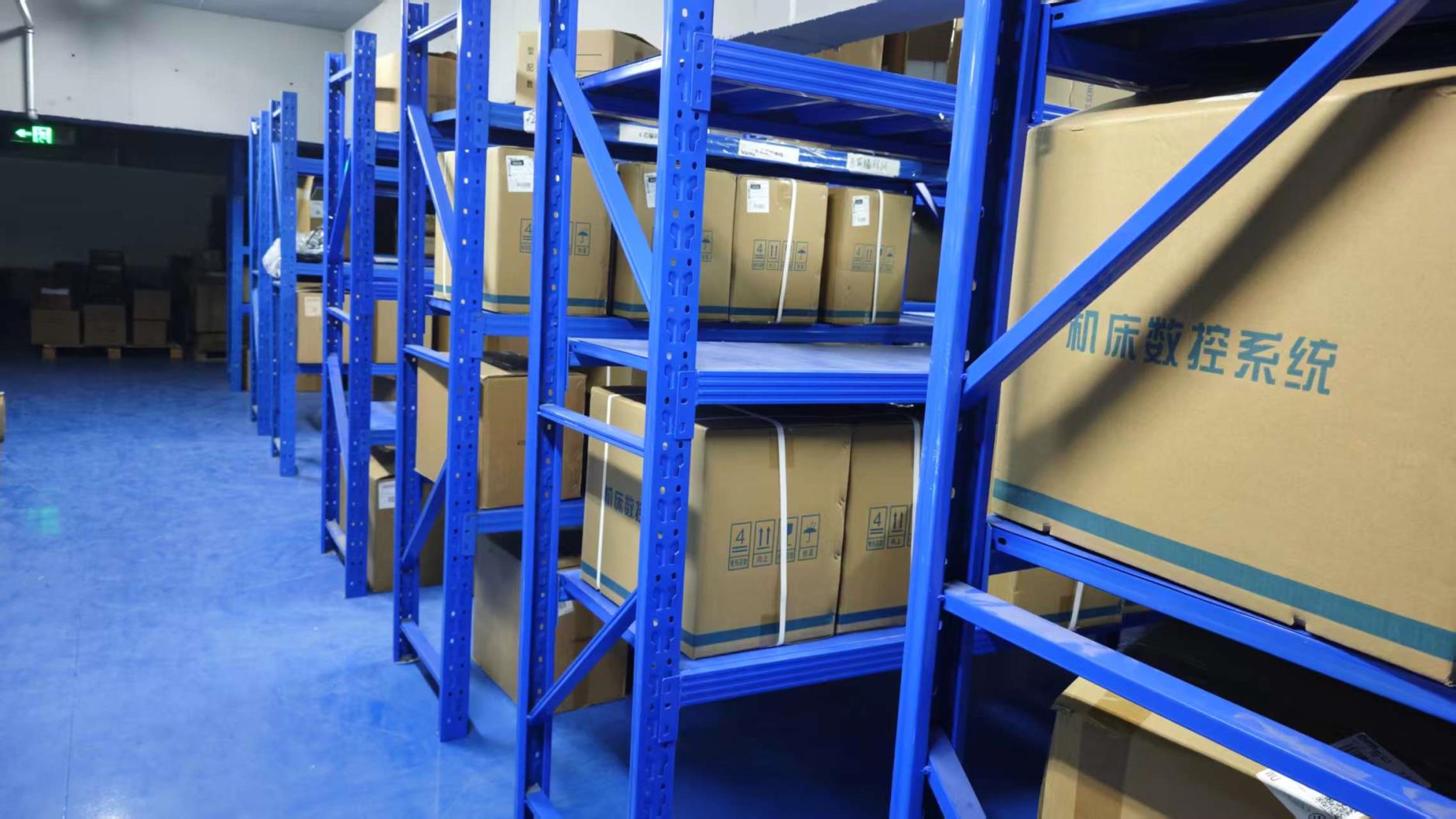
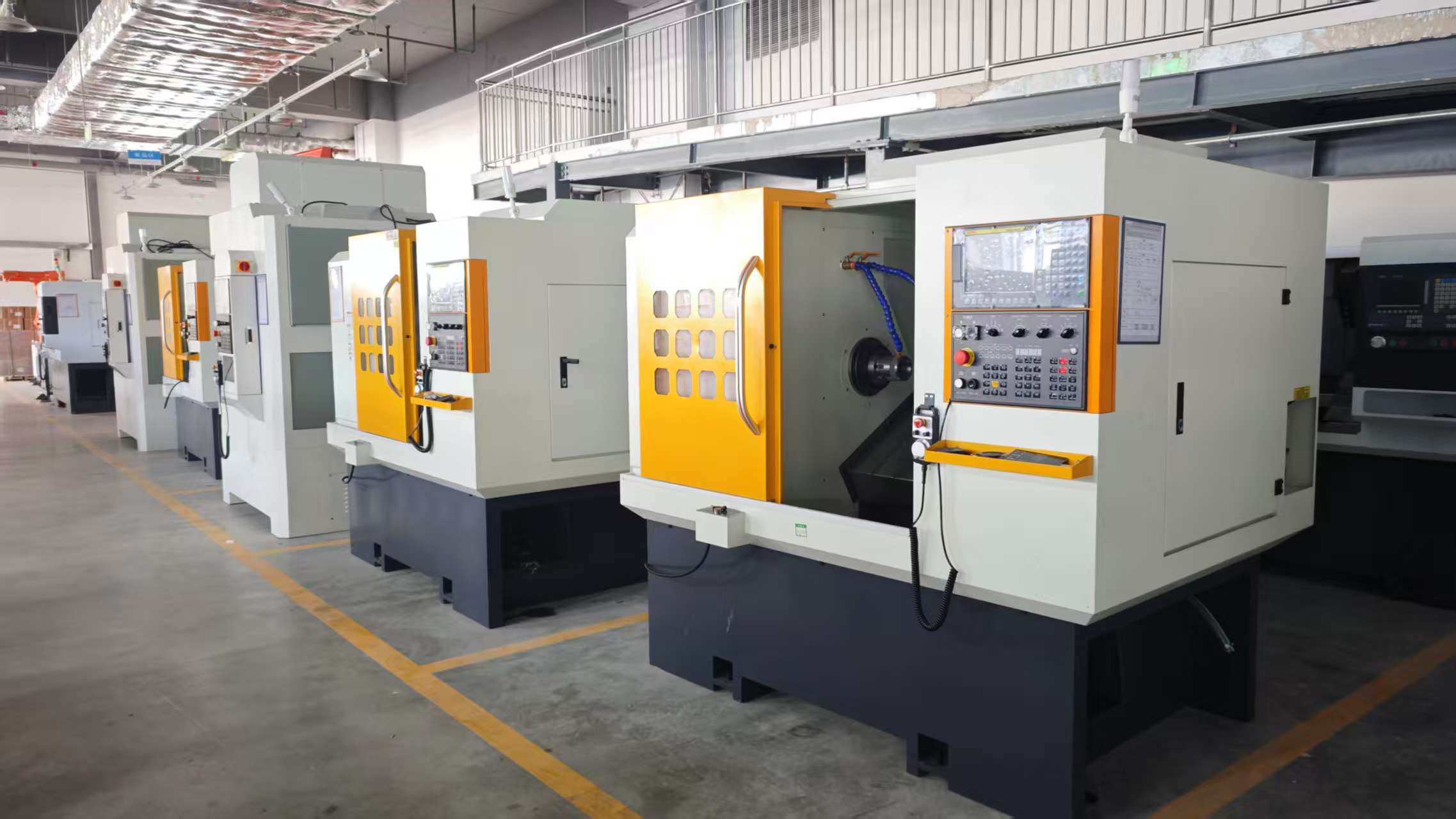
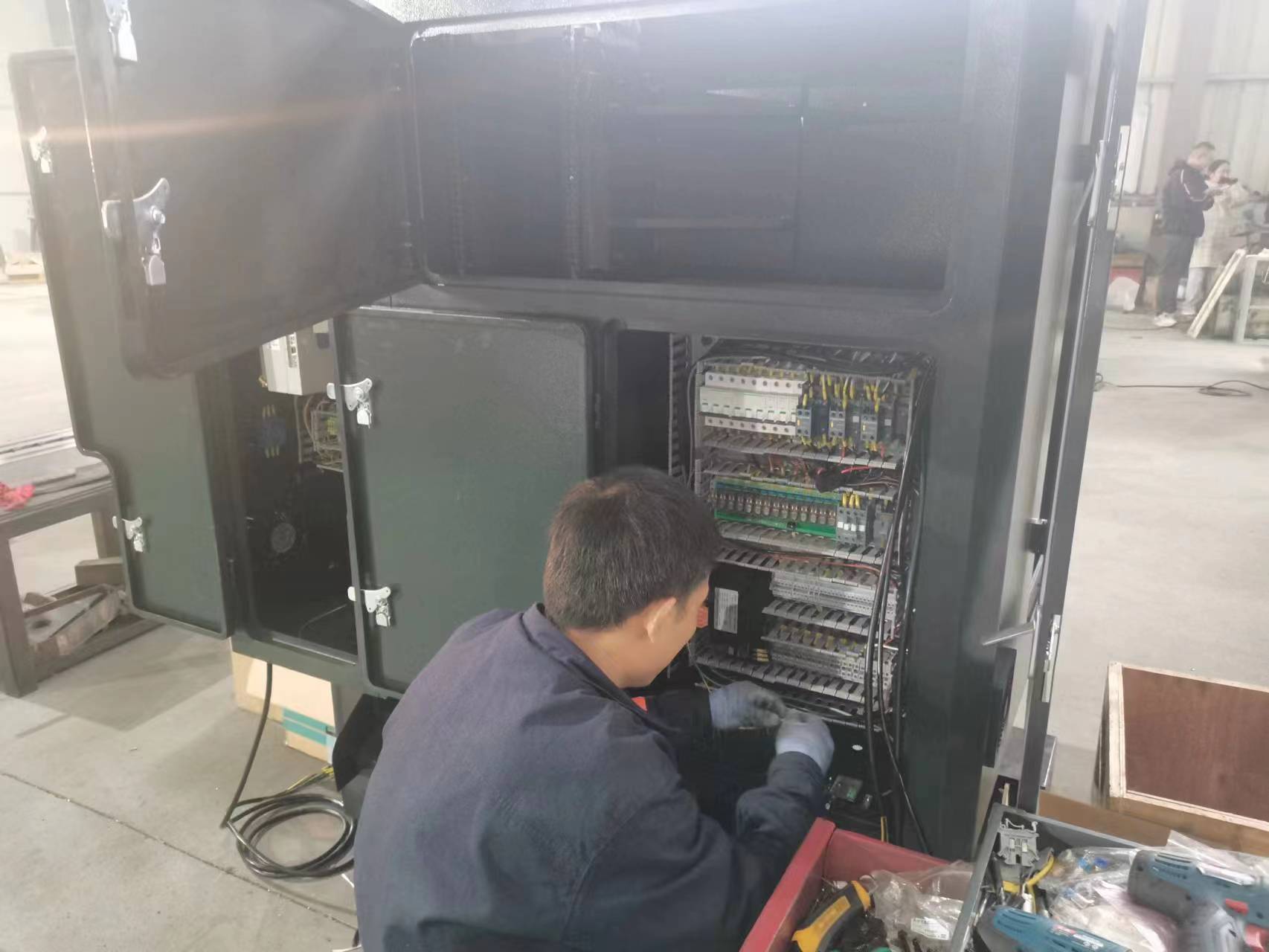
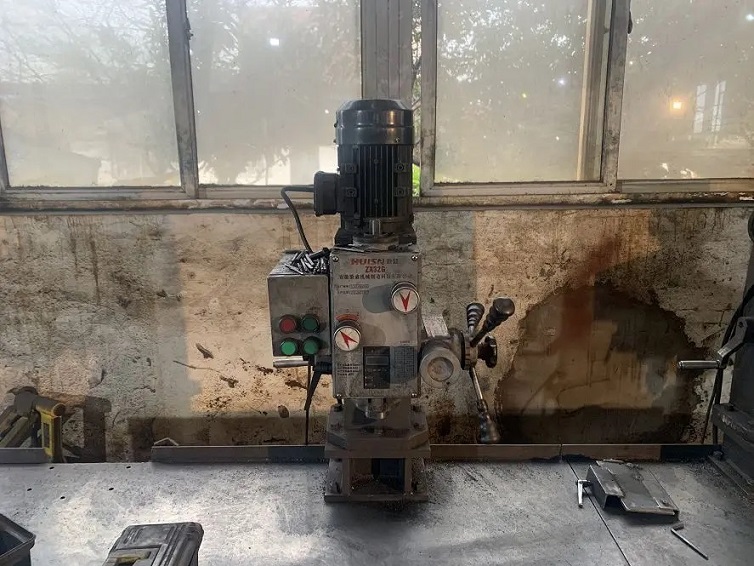
Underpinning our manufacturing authority is a state-of-the-art facility featuring dedicated lines for lathe machining, precision guideway grinding, and dynamic product aging. Every stage of our assembly and debugging process is optimized for traceabilty and absolute repeatability, in line with modern E-E-A-T manufacturing standards. Below is a detailed view of our operational infrastructure:
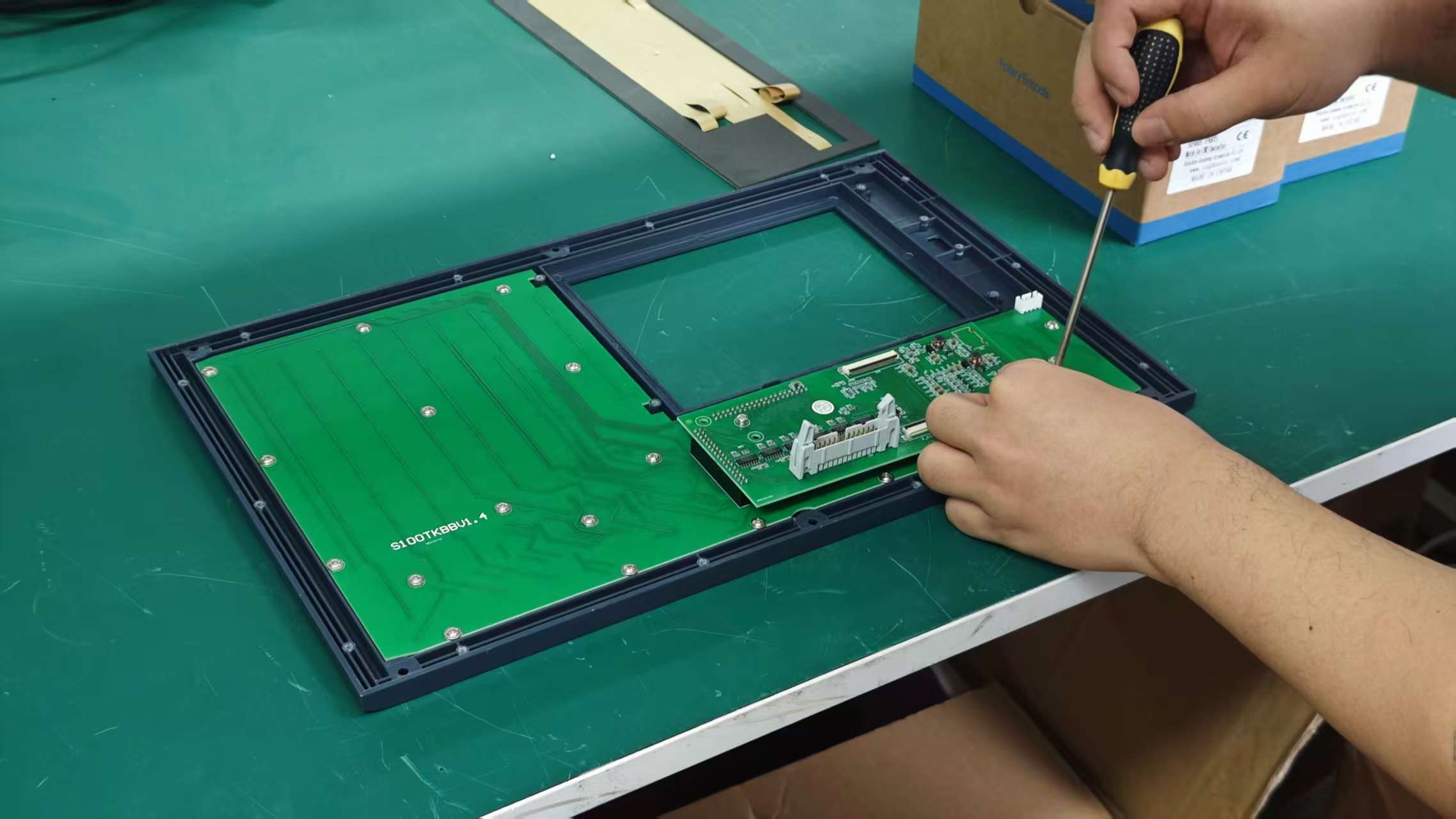
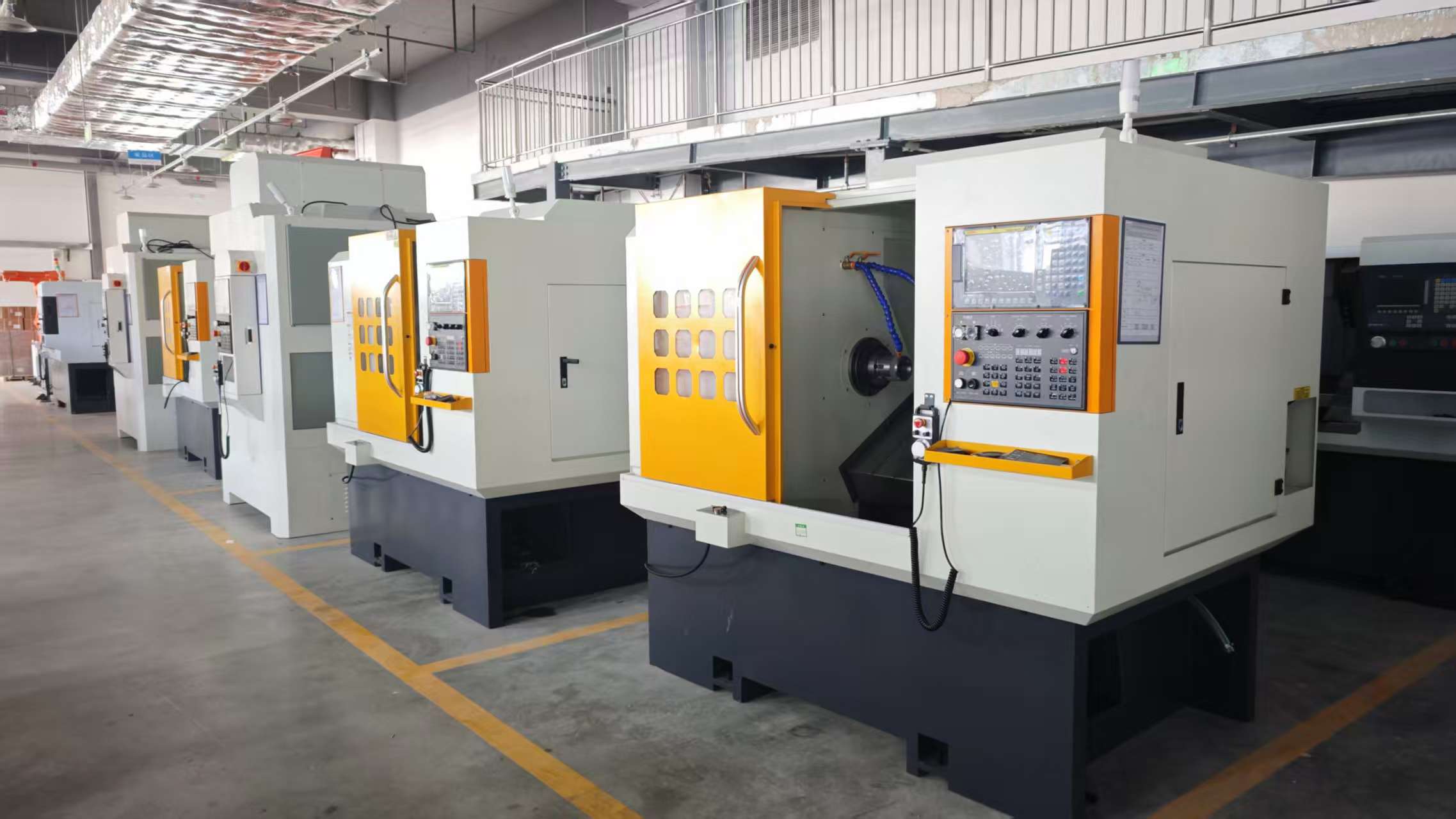
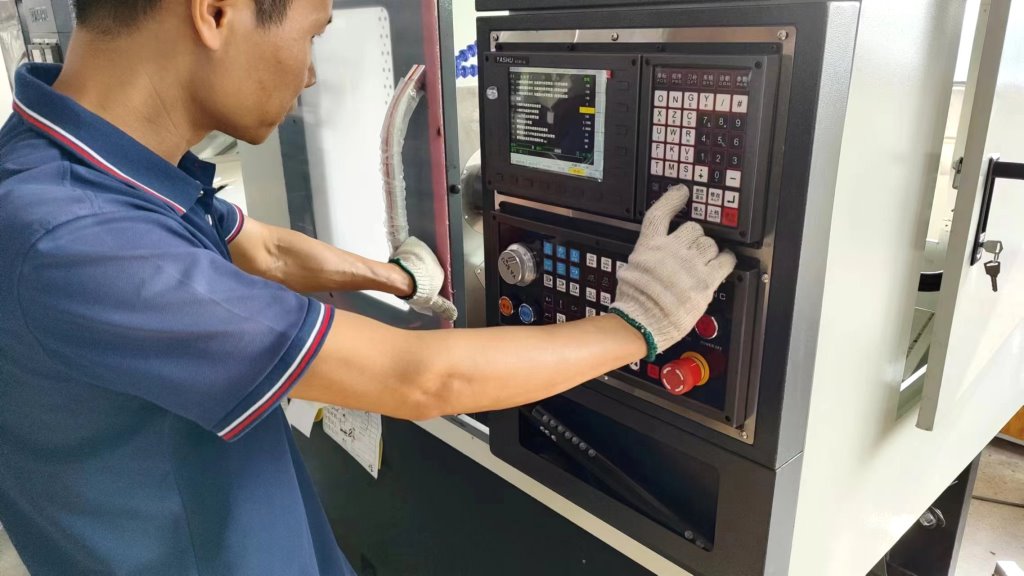
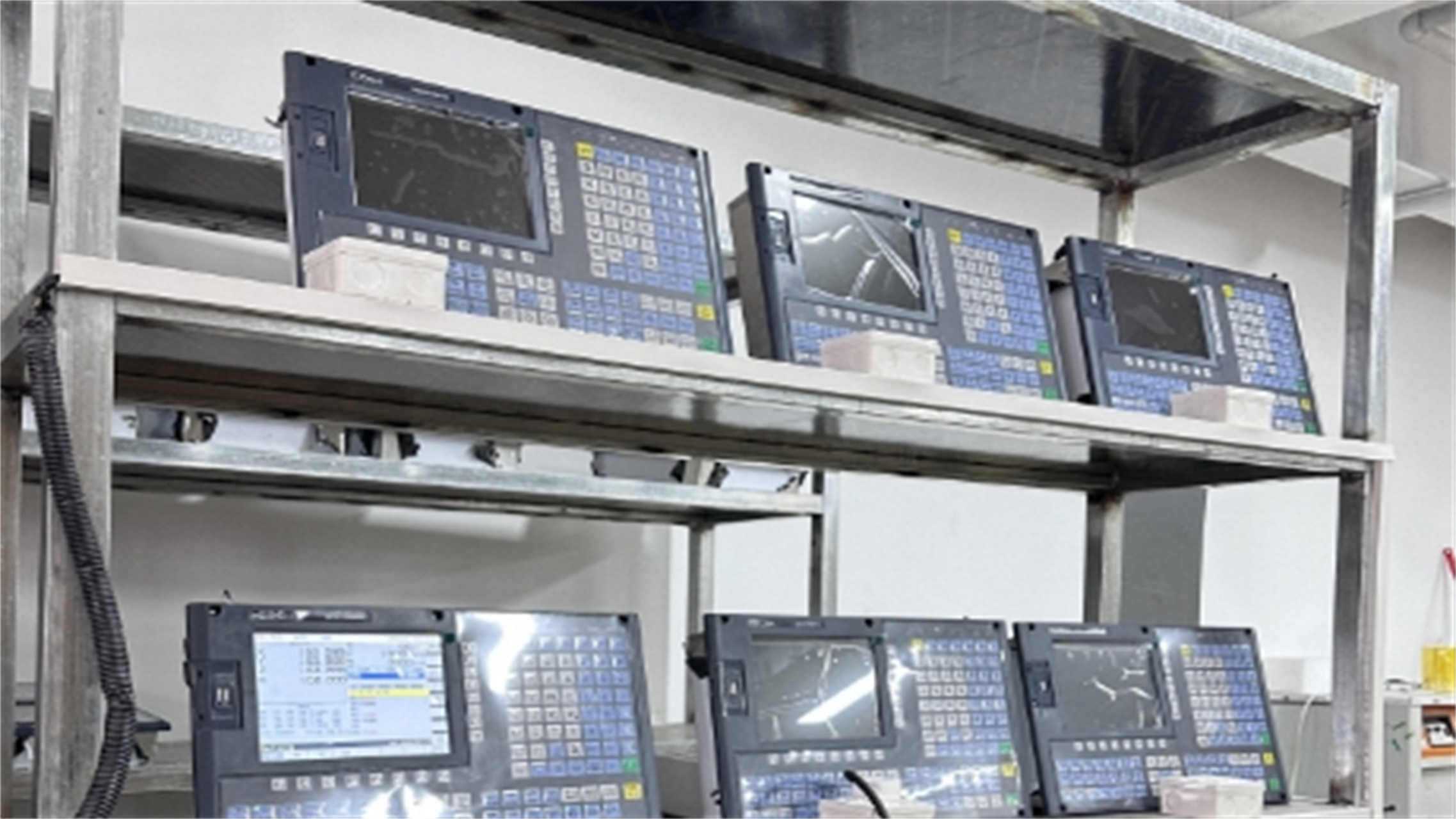
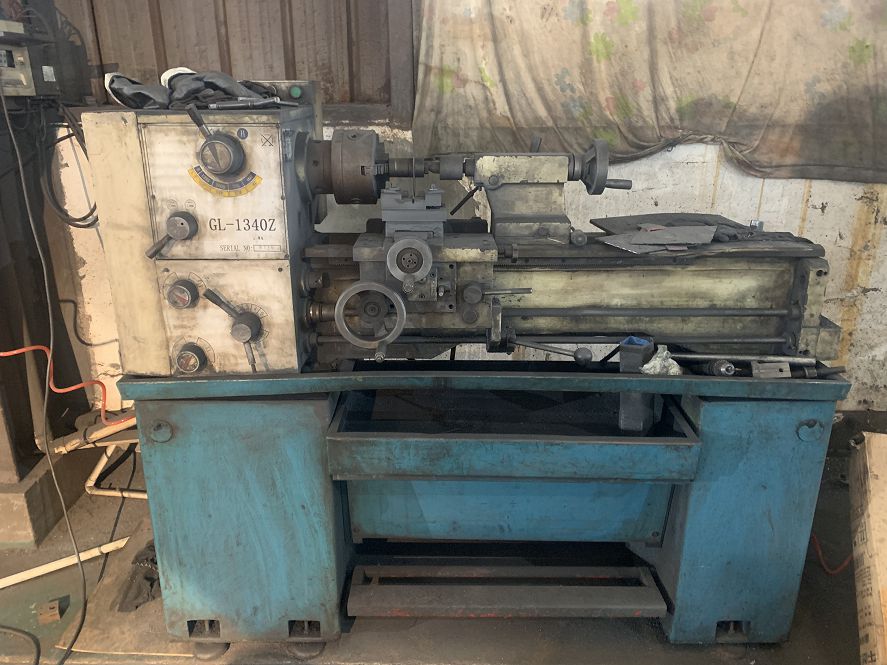
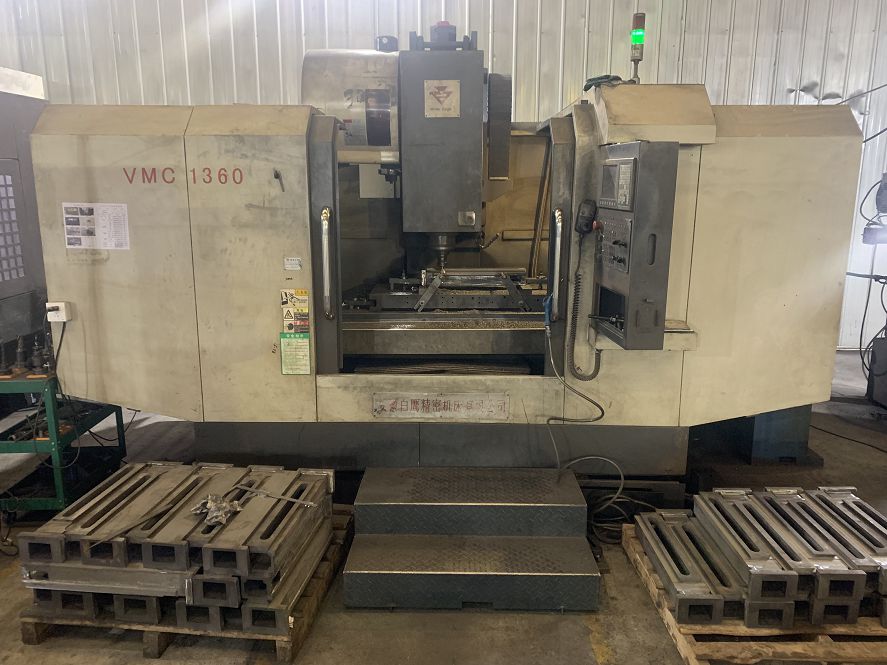
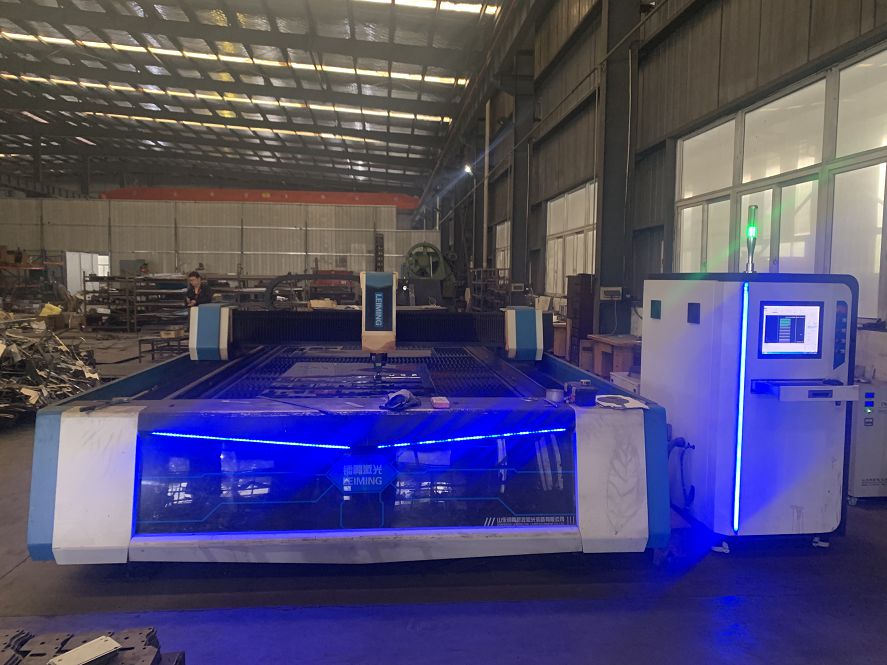
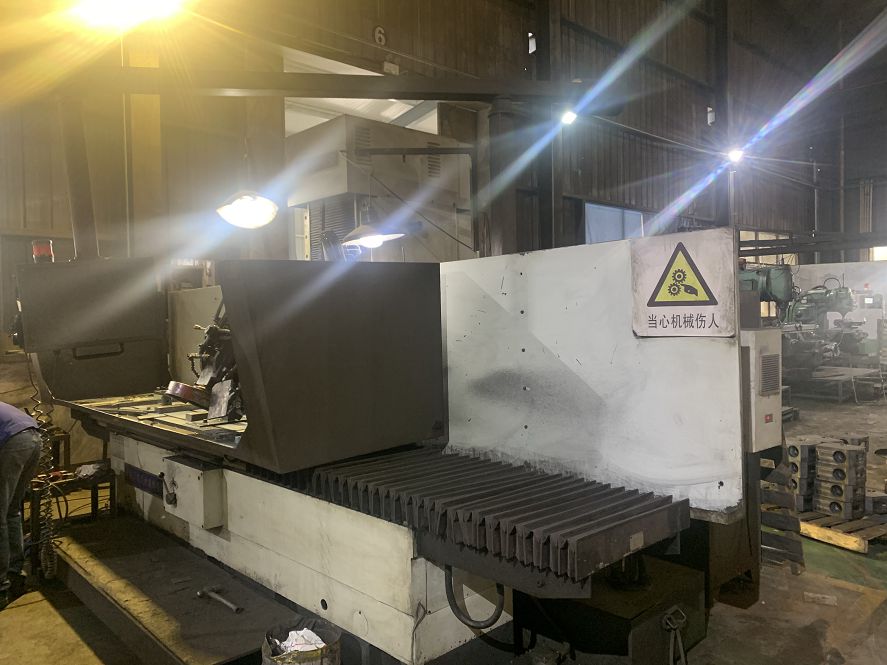
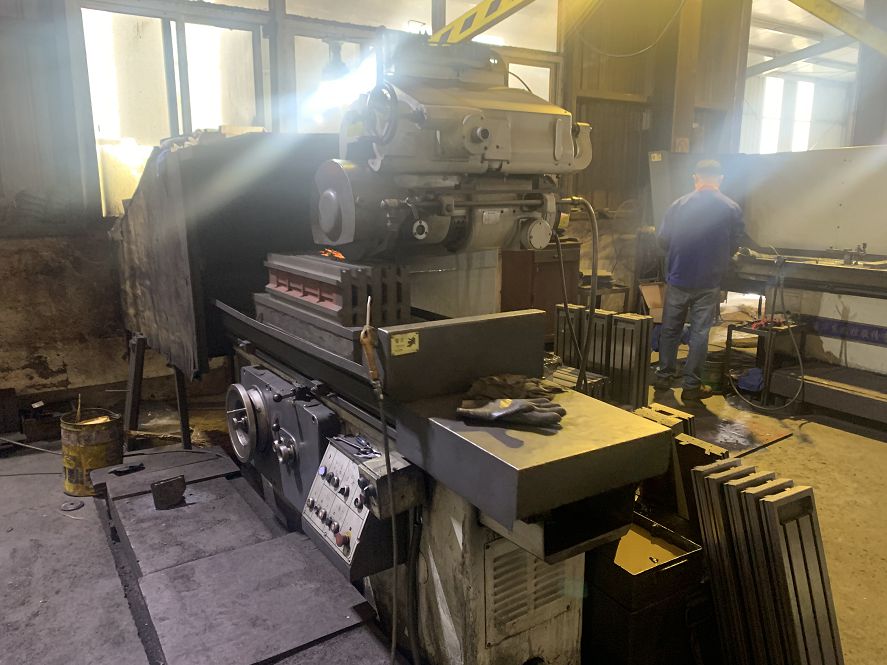
Our core mission and values focus on: Innovation-driven development, commitment to quality, honest and professional service, and sincere cooperation and mutual growth. We are dedicated to providing our clients with advanced, safe, and reliable technology and products. Looking forward, Zhejiang ZRF Spinning Co., Ltd. will continue to leverage its deep technical expertise to strengthen its leadership in China’s spinning industry and expand its global presence, striving to become a globally respected leader in spinning machine technology.
Comparing manufacturing methodologies to help procurement team make data-driven decisions.
Spun lighting reflectors find critical applications across diverse, challenging environments. In industrial high-bay installations (e.g., deep warehouses, logistics centers), reflectors must operate at extreme heights where maintenance is costly; thus, long-term durability and dust-repellent coatings are necessary. In outdoor public environments (such as municipal stadiums, harbors, and expressways), the assembly must withstand moisture, thermal cycling, and high-velocity wind loads. Furthermore, in explosion-proof applications (like petrochemical facilities or chemical plants), the integration of zero-porosity spun reflectors ensures that light containment is structurally solid and spark-free.
| Evaluation Parameter | CNC Metal Spinning | Deep Drawing (Pressing) | Alloy Die Casting |
|---|---|---|---|
| Tooling Cost | Low (Rapid prototype turnaround) | Very High (Complex stamping dies) | Extremely High (Hardened molds) |
| Surface Smoothness ($R_a$) | 0.4 – 1.6 μm (Highly controllable) | 1.6 – 3.2 μm (Potential tool marks) | 3.2 – 6.3 μm (Requires extensive grinding) |
| Structural Density | High (No porosity, cold-worked grain) | Medium (Localized stress thinning) | Low (Risk of micro-porosity/bubbles) |
| Reflective Coating Adhesion | Excellent (Uniform surface structure) | Good (Requires stress-relief) | Fair (Porosity causes blistering) |
| Design Flexibilty | Excellent (Software-driven curvature modification) | Rigid (Requires tool modifications) | Rigid (Requires completely new mold) |
Direct technical answers addressing lead times, material tolerances, and structural integrity.
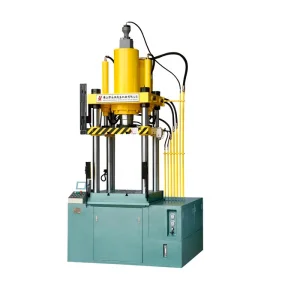
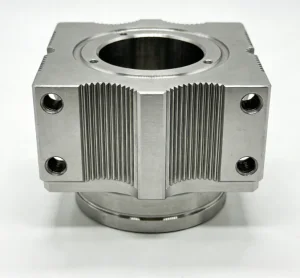
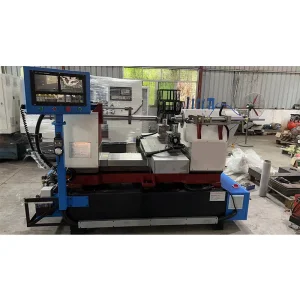
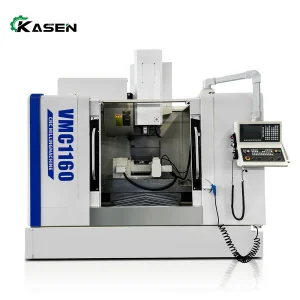
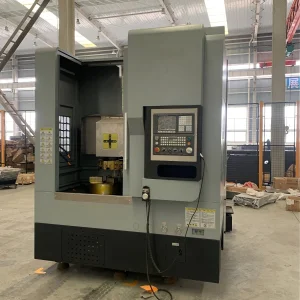
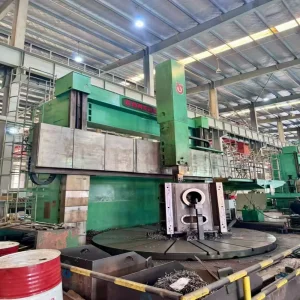
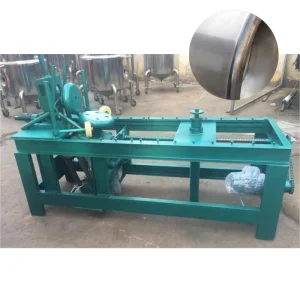
Discover our range of heavy-duty fabrication equipment, precision hydraulic presses, and multi-axis machining centers.

 ZRF Spinning