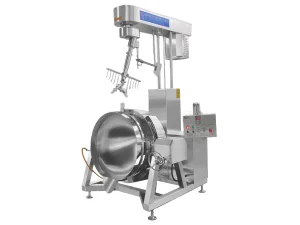
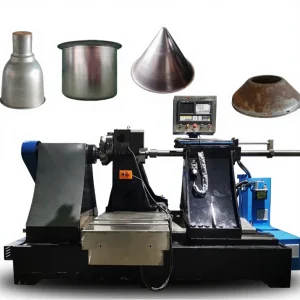
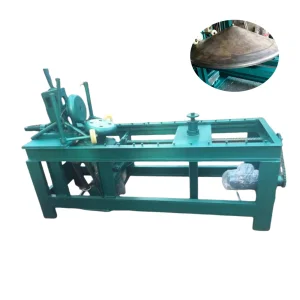
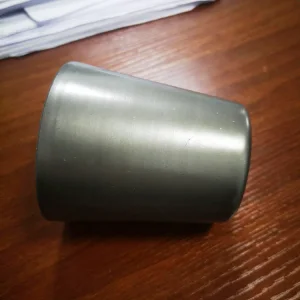
Explore our premium machinery array designed for high tolerance processing, strict metrological standards, and robust production line calibration.
An in-depth analysis of structural integrity, metrological alignment, and factory efficiency benchmarks within advanced global supply chains.
In modern manufacturing processes, dimensional accuracy and physical consistency must be validated in real-time. As global standards require narrower tolerance bands (frequently down to 0.01mm or lower), the traditional barrier between metal forming machinery and calibration instrumentation has dissolved. Portable calibration equipment is critical for on-site validation of machine tool kinematics, pressure vessels, and formed components. Without consistent calibration of hydraulic pressures, rotational velocities, and laser cutting powers, production lines face expensive downtime and high scrap rates.
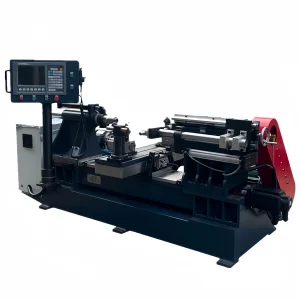
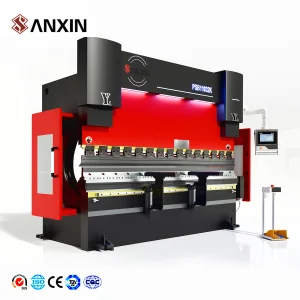
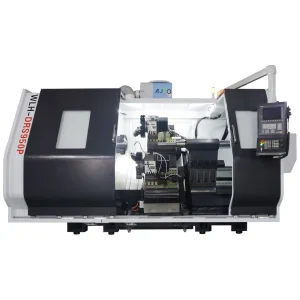
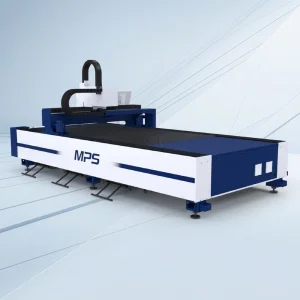
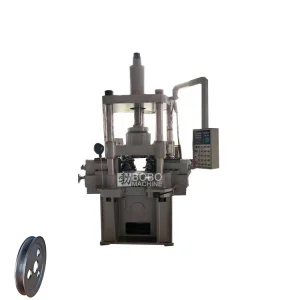
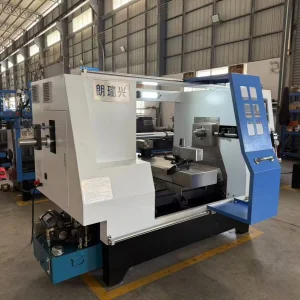
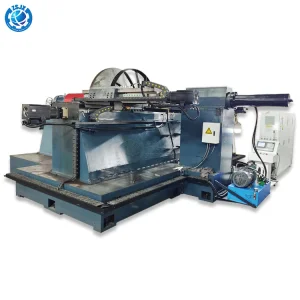
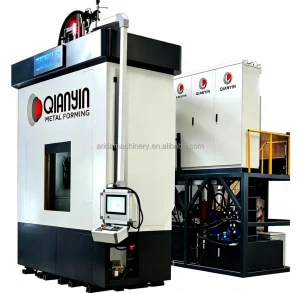
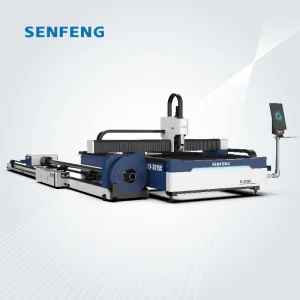
As a leading player in precision metal forming and specialized CNC solutions, Zhejiang ZRF Spinning Co., Ltd. builds hardware that functions as the mechanical counterpart to advanced metrological systems. High-quality products, such as CNC spinning equipment, automatic hydraulic press brakes, and laser cutters, rely on real-time feedback loops and calibration tools. These tools ensure that physical outputs consistently match mathematical models.
Zhejiang ZRF Spinning Co., Ltd. is a high-tech enterprise specializing in the research, development, and manufacturing of CNC spinning machine tools. The company has extensive experience and a strong technical foundation in the domestic spinning industry.
Our series of CNC spinning machine tools are widely applied across a variety of industries, including petrochemicals, electronics, daily hardware, food processing machinery, automotive and motorcycle components, pressure vessels, ventilation and environmental protection, defense, and aerospace. The ZRF spinning machine series has reached more than 30 provinces and cities across China and has been exported to over 20 countries and regions worldwide. Our advanced technology, excellent product quality, and comprehensive service system have earned the trust and recognition of users globally.
At Zhejiang ZRF Spinning Co., Ltd., we firmly advocate a philosophy of market-oriented development, research-driven innovation, and technological excellence. We focus on continuous improvement in both product performance and service quality. Our manufacturing process strictly adheres to the ISO9001 quality management system, ensuring reliable, safe, and high-quality products. Over the years, we have established long-term cooperative relationships with many leading domestic and international enterprises.
Our core mission and corporate values center on:
We are dedicated to providing our clients with advanced, safe, and reliable technology and products. Looking forward, Zhejiang ZRF Spinning Co., Ltd. will continue to leverage its deep technical expertise to strengthen its leadership in China's spinning industry and expand its global presence. With a vision for the 21st century, full of opportunities and challenges, we remain committed to excellence in innovation, quality, and service, striving to become a globally respected leader in spinning machine technology.
The trajectory of portable calibration equipment and heavy-duty forming systems is defined by digitalization, smart diagnostic loops, and extreme mobility. The next generation of industrial calibration equipment focuses on several key trends:
Onboard, real-time wireless transmitters stream vibration, thermal expansion, and concentricity variables directly to cloud platforms for analysis.
Advanced algorithmic software automatically calculates environmental deviation factors (humidity, atmospheric pressure, temperature) to deliver instant calibration formulas.
Utilizing carbon-fiber matrices and low-expansion alloys to eliminate measurement drift during field calibration in harsh industrial environments.
Different global market sectors demand tailored solutions that address unique mechanical and metrological challenges:
Manufacturing equipment cannot operate effectively in isolation. To succeed globally, machinery and calibration tools must comply with regional standards and operate within structured support networks:
Our automated manufacturing systems conform to the European CE directives, UL standards, and ISO 9001:2015 quality processes. This compliance guarantees that our products integrate smoothly into industrial plants in Western Europe, the Americas, and Southeast Asia.
We provide localized support teams, digital troubleshooting, and field calibration services. These services ensure that your equipment remains within certified operational boundaries, preventing alignment issues before they affect production.
Global procurement departments prioritize total cost of ownership (TCO), supply chain transparency, and responsive customer service. Working directly with a Chinese manufacturer like Zhejiang ZRF Spinning Co., Ltd. offers several advantages:
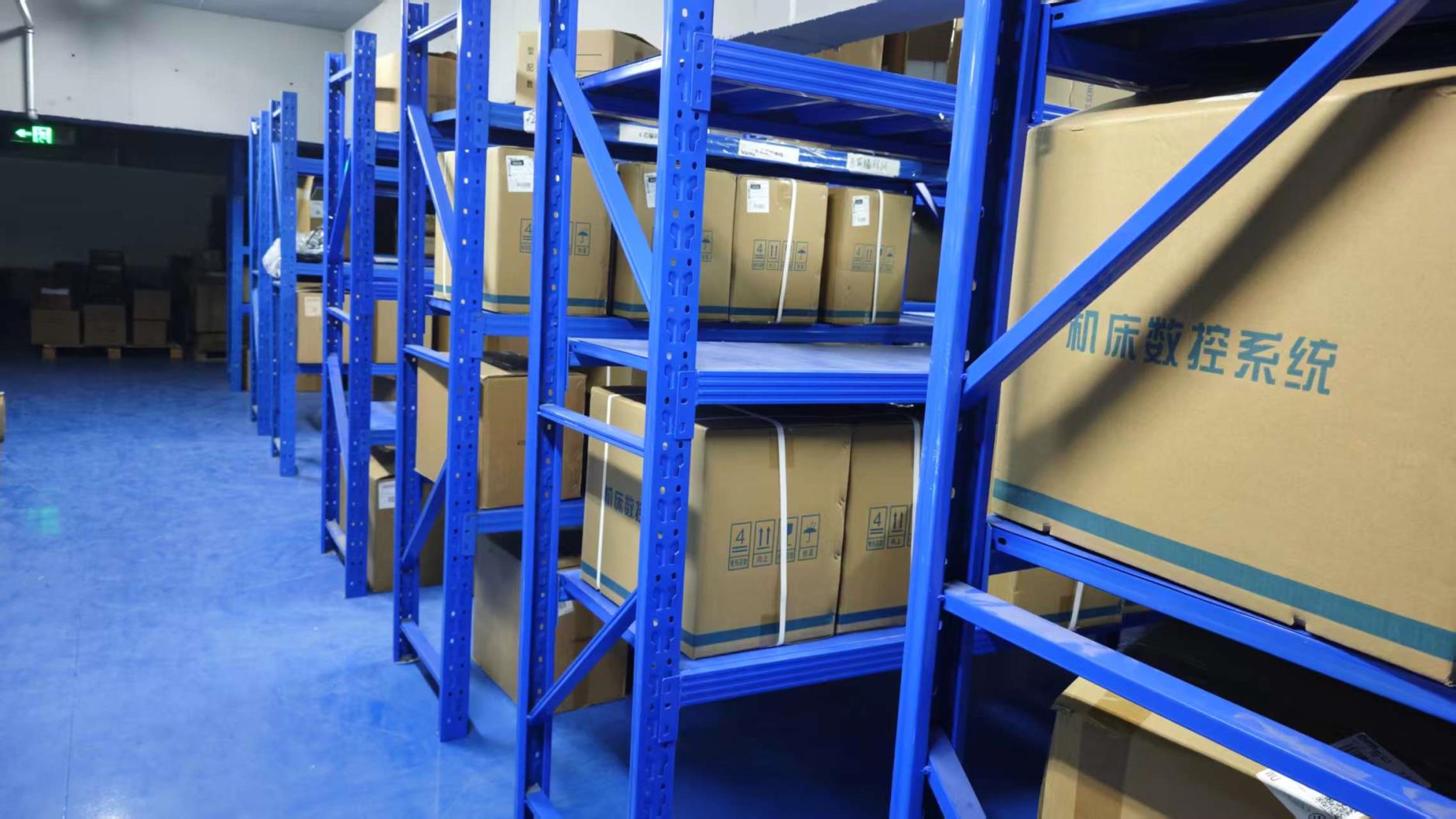
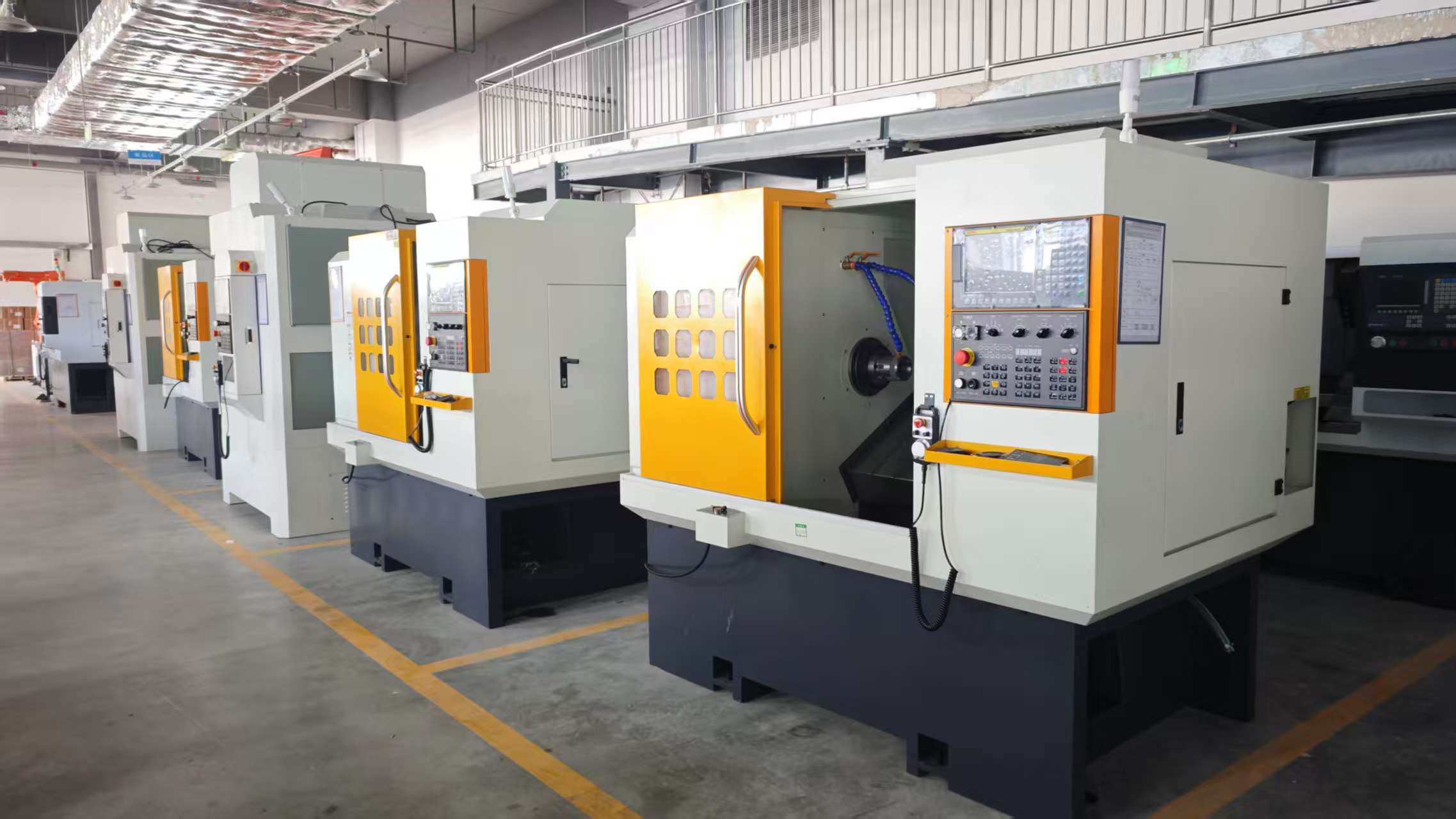
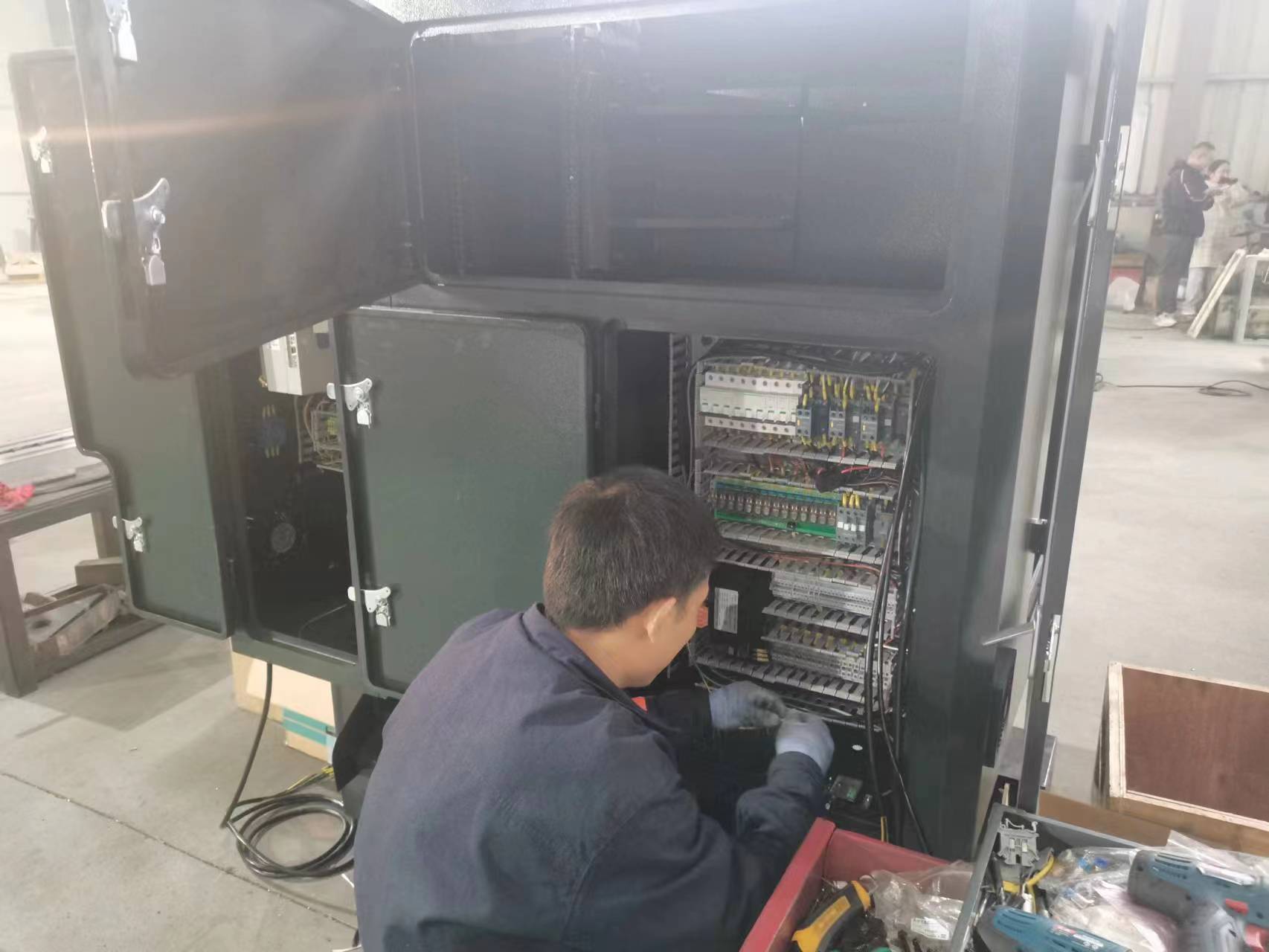
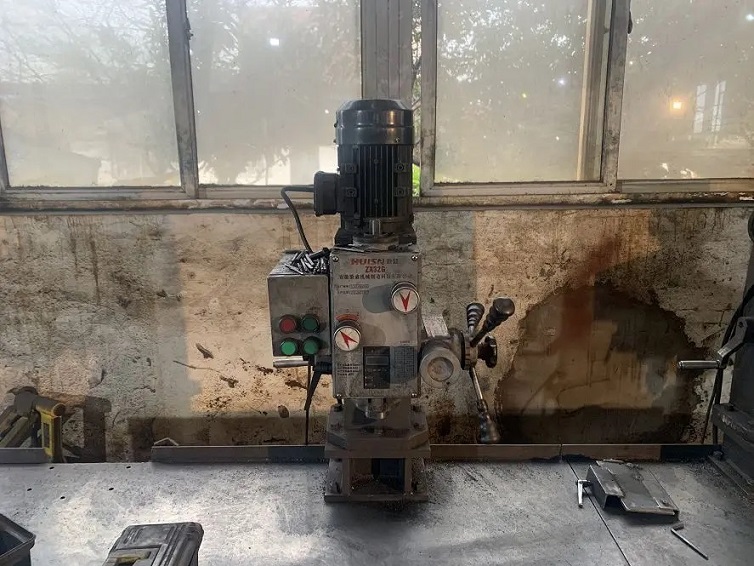
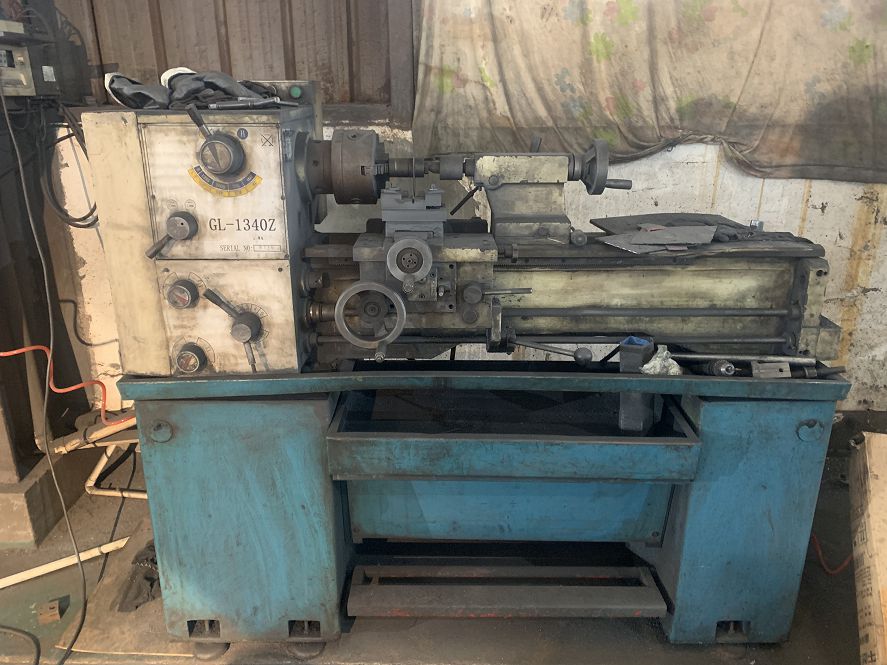
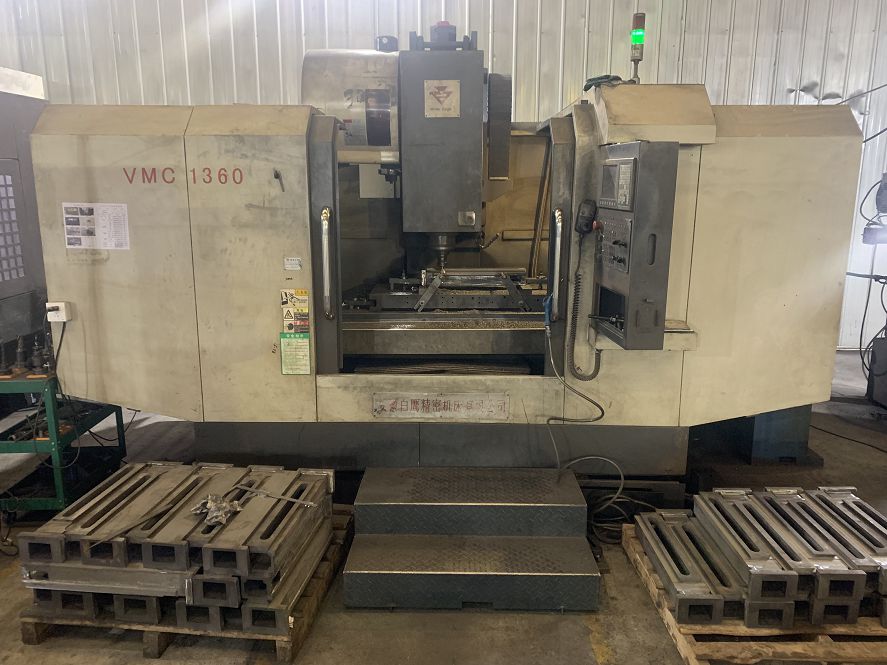
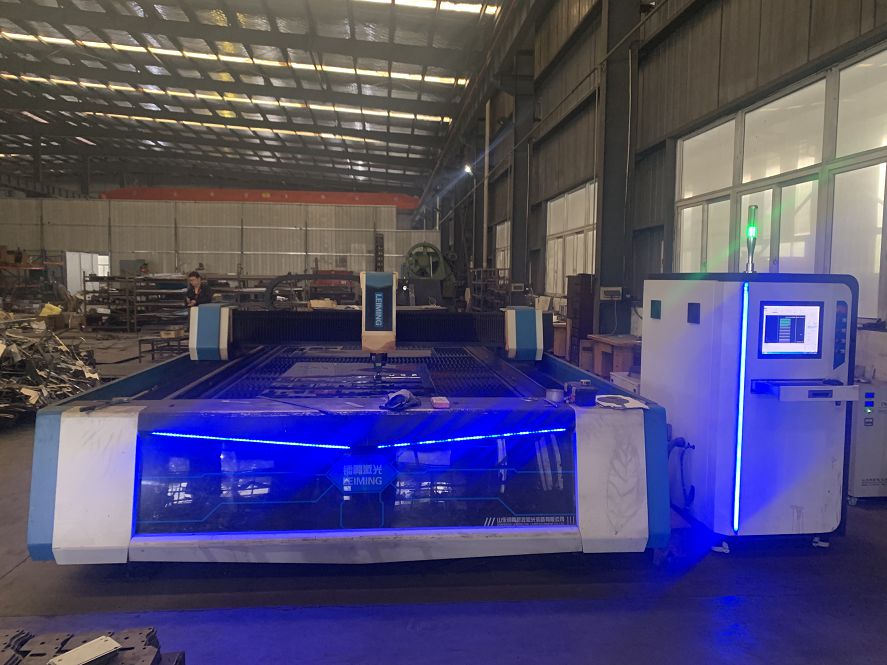
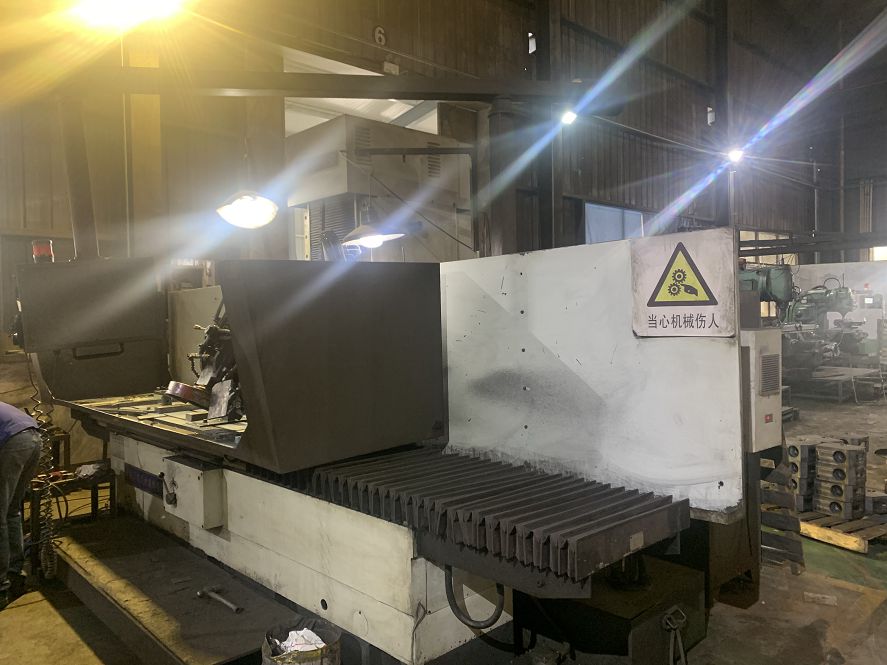
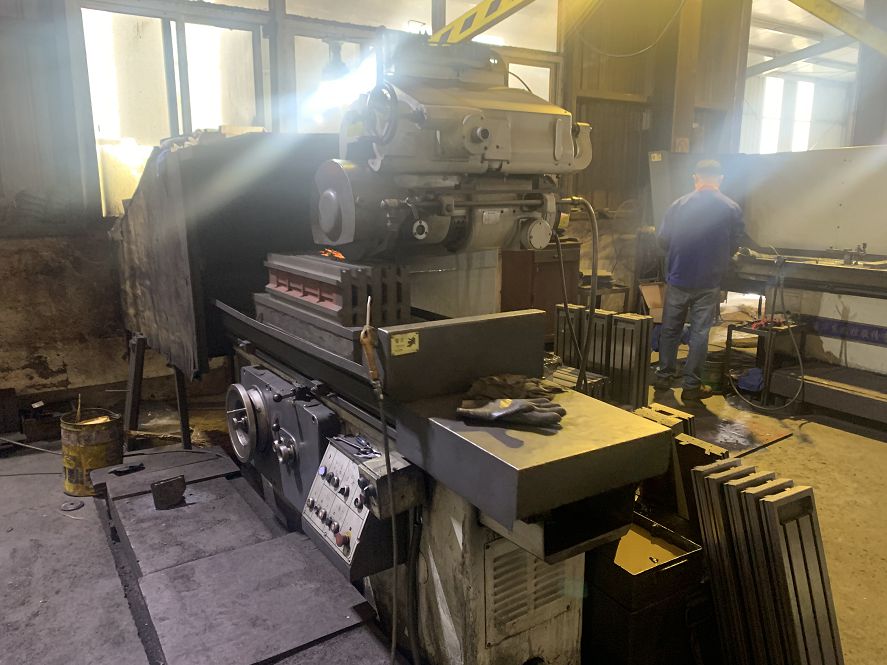
A transparent look inside Zhejiang ZRF's advanced manufacturing, debugging, testing, and machining departments, ensuring every machine tool conforms to rigorous quality standards.
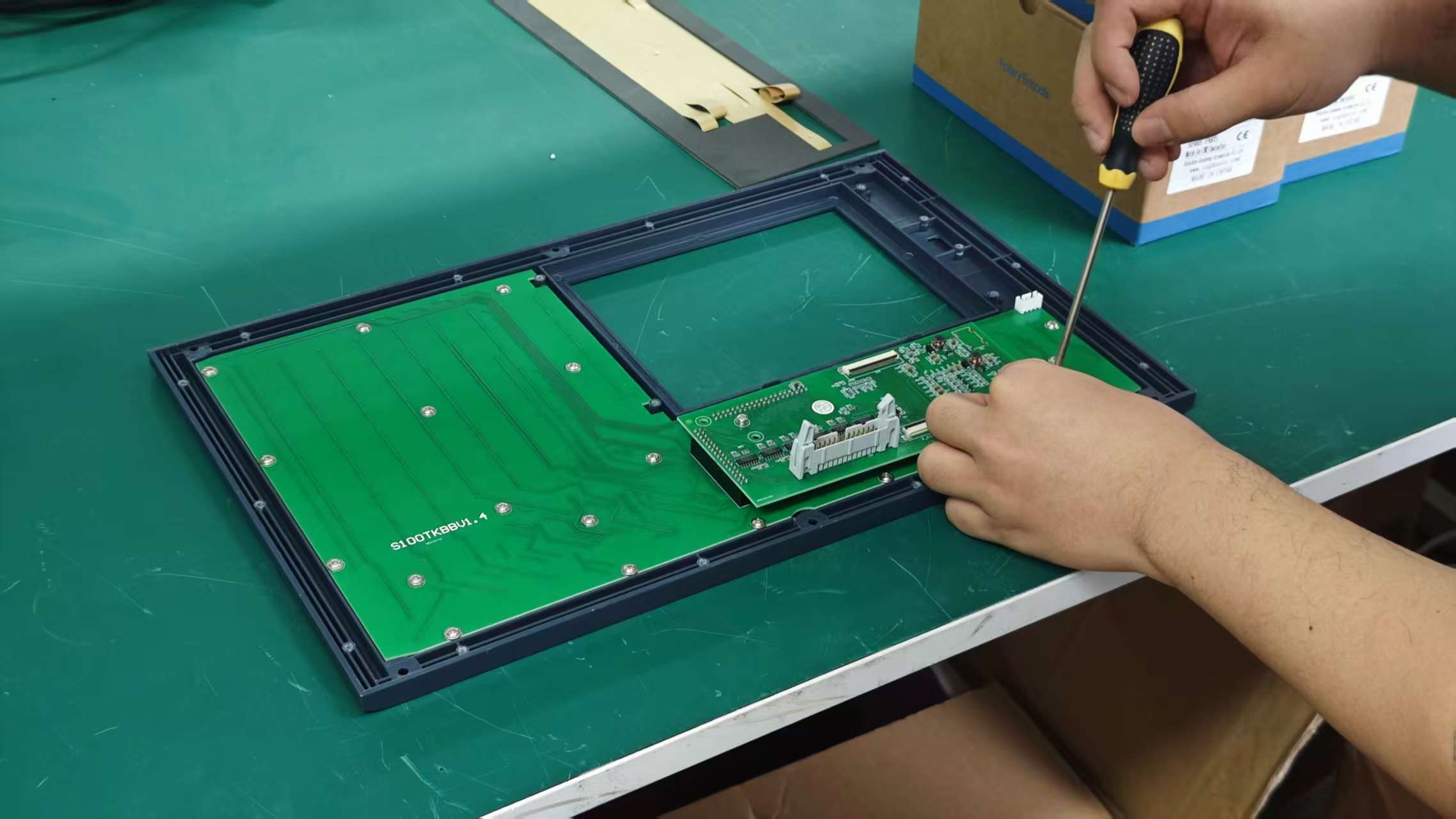
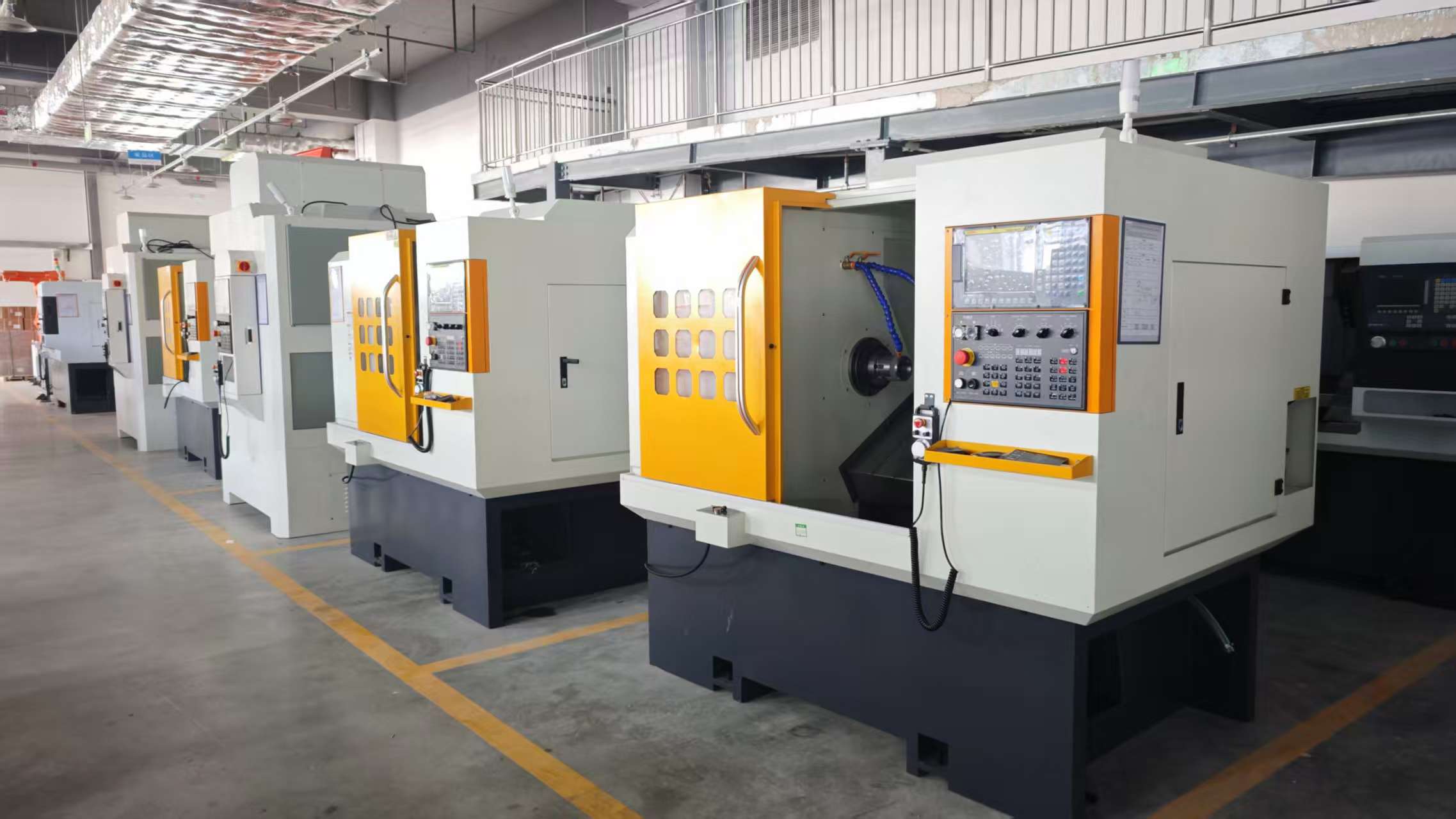
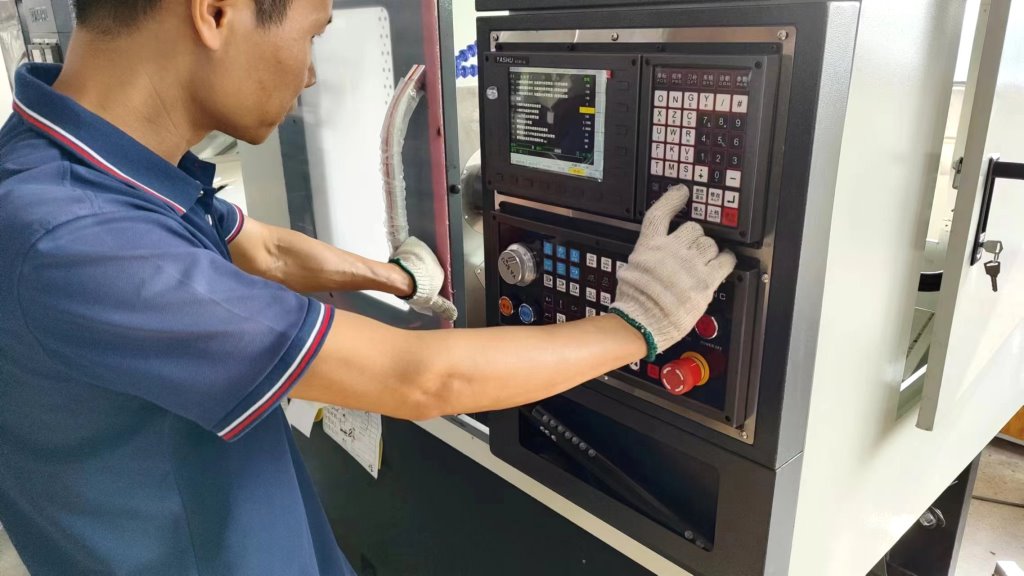
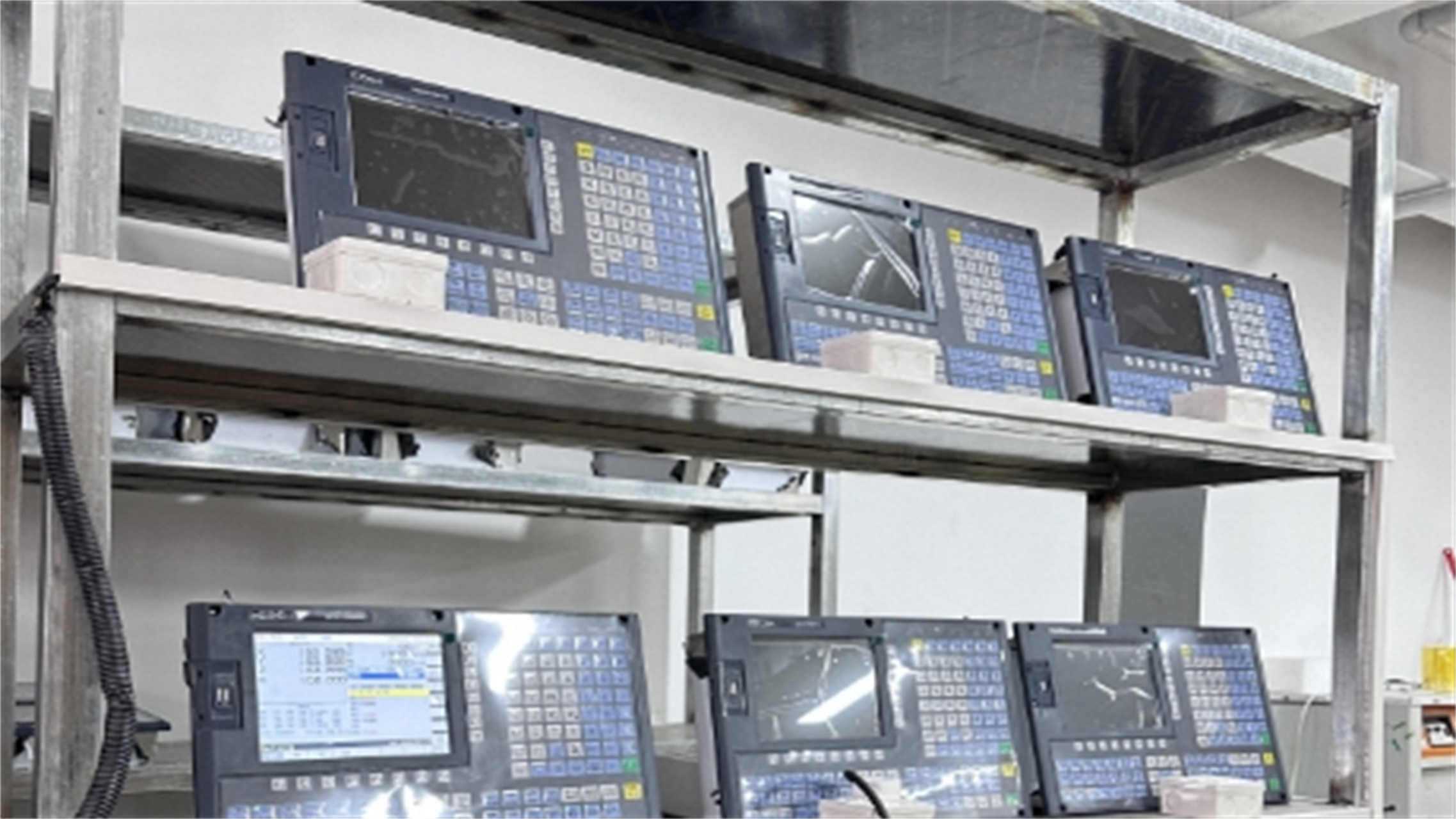
Technical guidance and industry insights from our senior application engineers on equipment calibration, structural tolerances, and operation.
Discover our specialized heavy-duty solutions engineered to handle challenging materials and deliver repeatable forming tolerances.
 ZRF Spinning