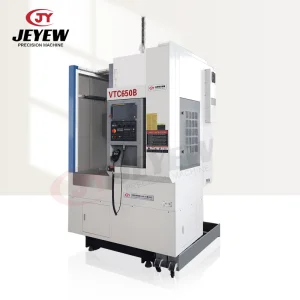
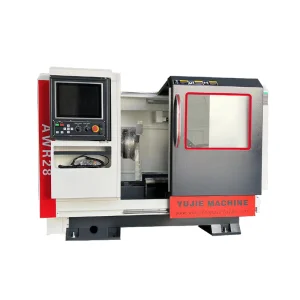
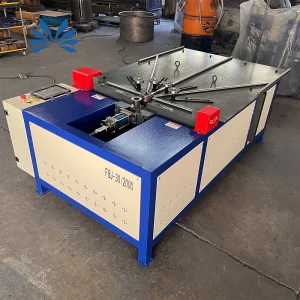
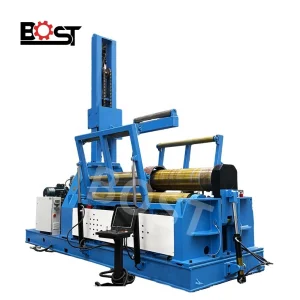
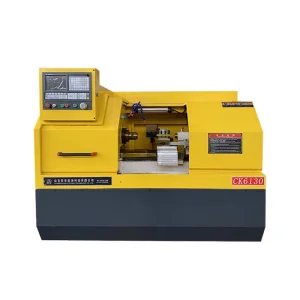
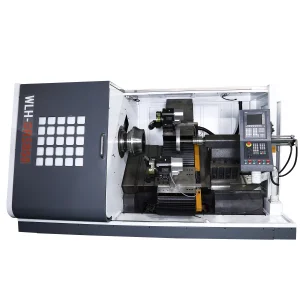
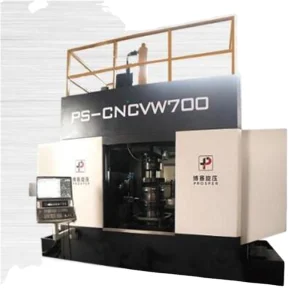
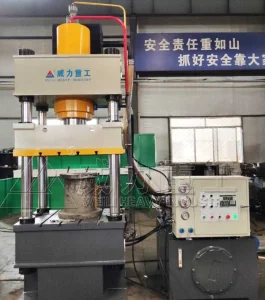
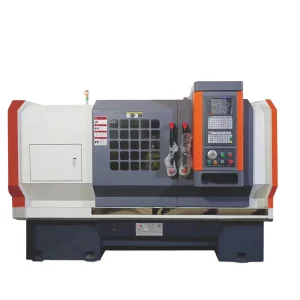
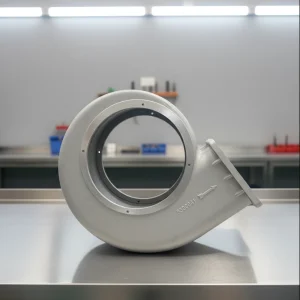
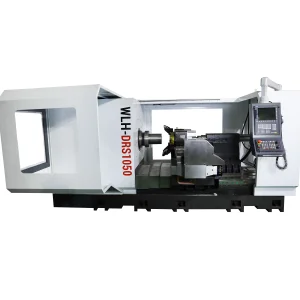
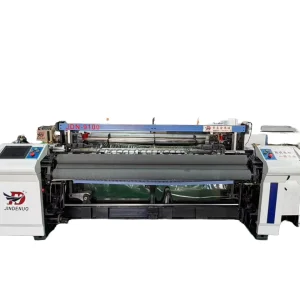
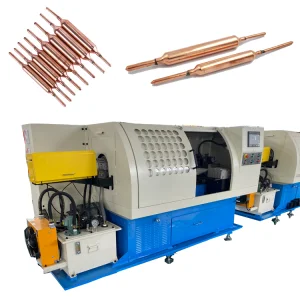
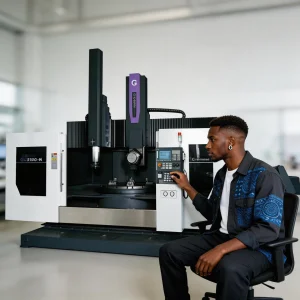
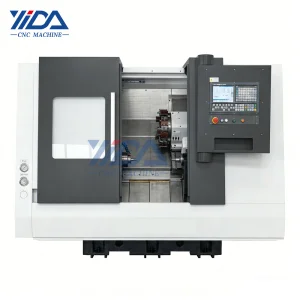
Explore our CE-certified, high-volume production units engineered for precision, high throughput, and seamless industrial integration.
As a high-tech enterprise specializing in the research, development, and manufacturing of CNC spinning machine tools, Zhejiang ZRF Spinning Co., Ltd. has extensive experience and a strong technical foundation in the domestic spinning industry.
Our series of CNC spinning machine tools are widely applied across a variety of industries, including petrochemicals, electronics, daily hardware, food processing machinery, automotive and motorcycle components, pressure vessels, ventilation and environmental protection, defense, and aerospace. The ZRF spinning machine series has reached more than 30 provinces and cities across China and has been exported to over 20 countries and regions worldwide. Our advanced technology, excellent product quality, and comprehensive service system have earned the trust and recognition of users globally.
Our manufacturing process strictly adheres to the ISO9001 quality management system, ensuring reliable, safe, and high-quality products. Over the years, we have established long-term cooperative relationships with many leading domestic and international enterprises.
Looking forward, Zhejiang ZRF Spinning Co., Ltd. will continue to leverage its deep technical expertise to strengthen its leadership in China's spinning industry and expand its global presence, striving to become a globally respected leader in spinning machine technology.
In the contemporary manufacturing landscape, the transition from discrete batch processing to continuous, high-volume automated production is no longer just an operational advantage—it is a survival mechanism. Industrial automation, powered by CE-certified high-volume assembly lines, enables enterprises to meet the exponential demands of global markets while maintaining rigid quality tolerances. High-volume assembly lines integrate complex mechanical components, robust feedback controls, and computer-guided operations to systematically eliminate cycle inefficiencies and human error.
At the intersection of this industrial evolution lies metal forming and spinning. Advanced machinery, such as heavy-duty CNC lathes, flanging lines, and sheet metal rolling machines, serves as the critical entry point for raw material processing. By establishing integrated systems where primary metal deformation and final assembly operate in synchronous cycles, factories realize significant cost reductions and unmatched output consistency. This whitepaper explores the critical variables governing the acquisition, operation, and scaling of these high-volume systems within globally competitive ecosystems.
Trust in industrial machinery is forged through engineering precision and transparent technical parameters. When procuring capital equipment that dictates factory output for decades, buyers rely on established benchmarks of Experience, Expertise, Authoritativeness, and Trustworthiness (E-E-A-T). For Zhejiang ZRF Spinning Co., Ltd., E-E-A-T is manifested in every spindle, guideline, and structural rib we fabricate.
Our tenure in the CNC spinning and lathe sector has allowed us to gather invaluable empirical data on tool wear, thermal deflection under load, and cycle optimization. This hands-on experience is integrated directly into our machine designs, enabling our customers to bypass the typical calibration curves and operational friction associated with lesser-known systems.
High-volume assembly lines demand multi-disciplinary engineering expertise. From Finite Element Analysis (FEA) used to simulate stress distribution on heavy-duty vertical lathes, to the sophisticated programming of Fanuc or Siemens CNC interfaces controlling multi-axis spinning systems, our team possesses the theoretical knowledge and execution skills required to build machines that run 24/7 without degradation.
| Performance Indicator | Legacy Assembly Systems | ZRF High-Volume CNC Integrated Lines | Operational Value Generated |
|---|---|---|---|
| Average Setup & Calibration Time | 120 - 180 Minutes | 15 - 30 Minutes | Drastically reduces downtime during production changeovers. |
| Precision Tolerance Limits | ±0.1 mm to ±0.2 mm | ±0.01 mm to ±0.02 mm | Eliminates post-processing scrap and secondary machining steps. |
| CNC Automation Integration | Manual / Semi-Automatic | Fully Closed-Loop Digital CNC System | Enables unmanned operation and real-time remote diagnostics. |
| Energy Efficiency Rating | Standard Power Draw | Optimized Servo-Regenerative Drive | Lowers localized carbon footprint and factory power bills by up to 25%. |
Expanding manufacturing lines across international borders introduces severe compliance hurdles. Operating machinery within the European Union, North America, and other regulated zones requires strict adherence to safety and electromagnetic standards. The foundational baseline for exporting equipment to the European Economic Area is the CE Certification, signifying compliance with European safety directives.
Our high-volume assembly lines and CNC spinning tools comply with the **Machinery Directive 2006/42/EC**. This covers safety interlocks, optical light curtains to protect operators, fail-safe emergency stop circuits, and acoustic insulation to reduce shop floor decibels. Additionally, we conform to the **Low Voltage Directive (LVD) 2014/35/EU** and the **Electromagnetic Compatibility (EMC) Directive 2014/30/EU**, ensuring that electrical cabinets do not emit hazardous noise or experience interference from neighboring factory assets.
Purchasing machinery from Zhejiang ZRF Spinning Co., Ltd. does not mean dealing with a distant vendor. We support our customers through localized engineering partnerships. This includes:
Why do leading global brands source their assembly lines and metal-forming technologies from China, and specifically from Zhejiang? The answers lie in the dense supply chain ecosystem that maximizes speed, cost efficiency, and innovation.
Zhejiang is the global hub for mechanical component manufacturing. Within a 100-kilometer radius of our production site, we can source ultra-high-grade cast steel, precision-ground linear guideways, high-grade bearings, and sophisticated electrical assemblies. This proximity reduces logistical lead times and transport costs, letting us pass these savings directly to our clients.
Unlike Western equipment manufacturers burdened by rigid standard product lists and slow engineering cycles, Chinese factories excel at bespoke adaptations. If a customer requires an custom flanging machine integrated with an automated robotic pick-and-place arm, our design team can complete mechanical revisions and validate them via simulation software within weeks rather than months.
Corporate procurement of major capital equipment requires navigating comprehensive request-for-proposals (RFPs). Modern procurement departments do not just look at purchase prices; they evaluate total life cycle costs, integration capacity, and risk mitigation profiles.
Buyers must ensure the CNC architecture (e.g., Syntec, Fanuc, or Siemens) seamlessly communicates with the factory's overarching MES (Manufacturing Execution System) or ERP for data collection and analytics.
Large enterprises demand integrated inspection systems. For example, our wheel lathe machines can be fitted with laser measuring probes that inspect wheel profiles in real-time, feeding findings back to adjust CNC tool paths automatically.
Modular physical builds ensure that a single metal spinning unit bought today can be linked to a fully automated robotic assembly line tomorrow as regional volume demands scale up.
As the industrial world transitions toward Industry 4.0, several key trends are redefining the design of heavy assembly and spinning systems:
Our machinery is designed to solve real-world engineering challenges across diverse sectors:
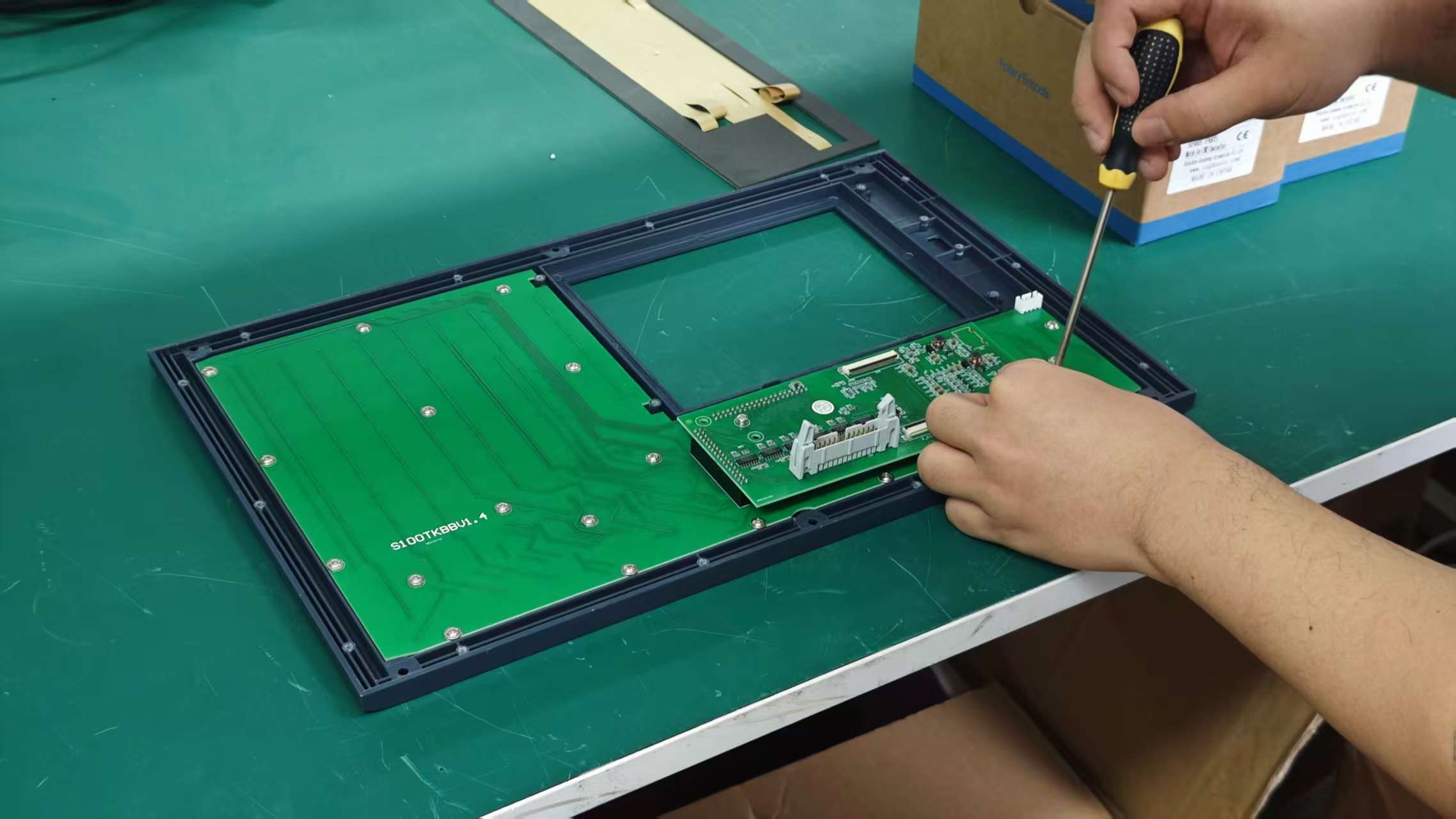
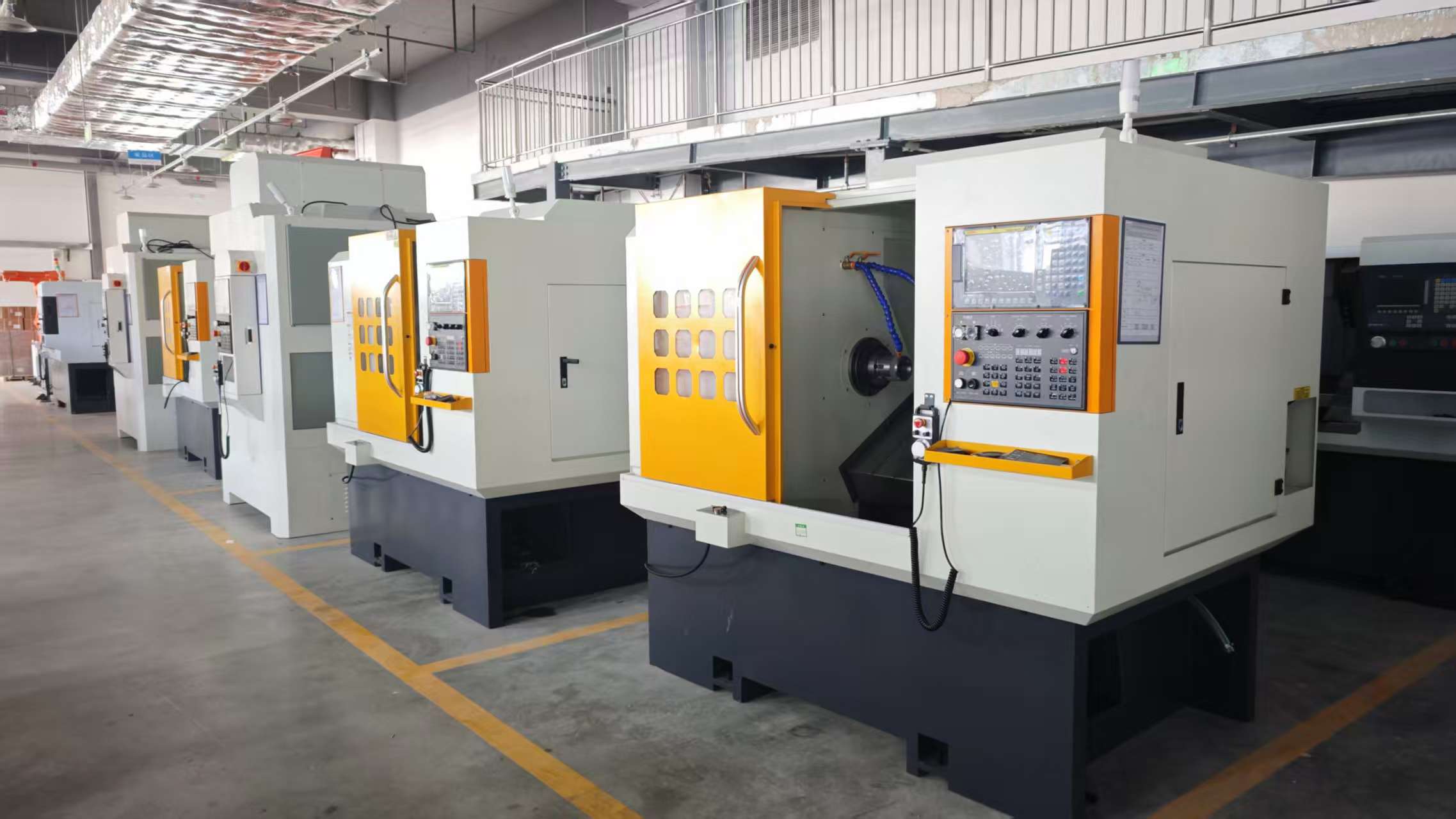
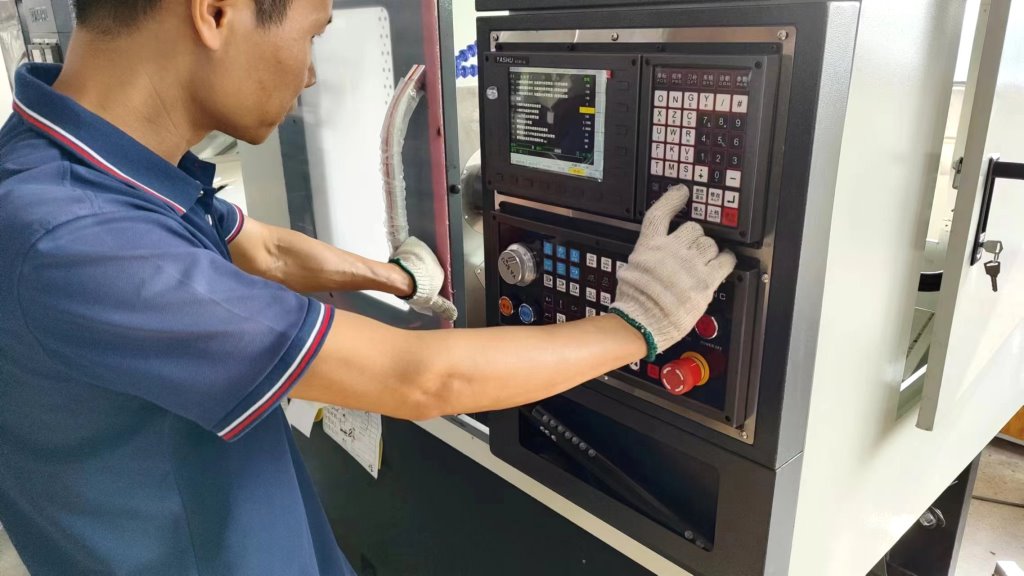
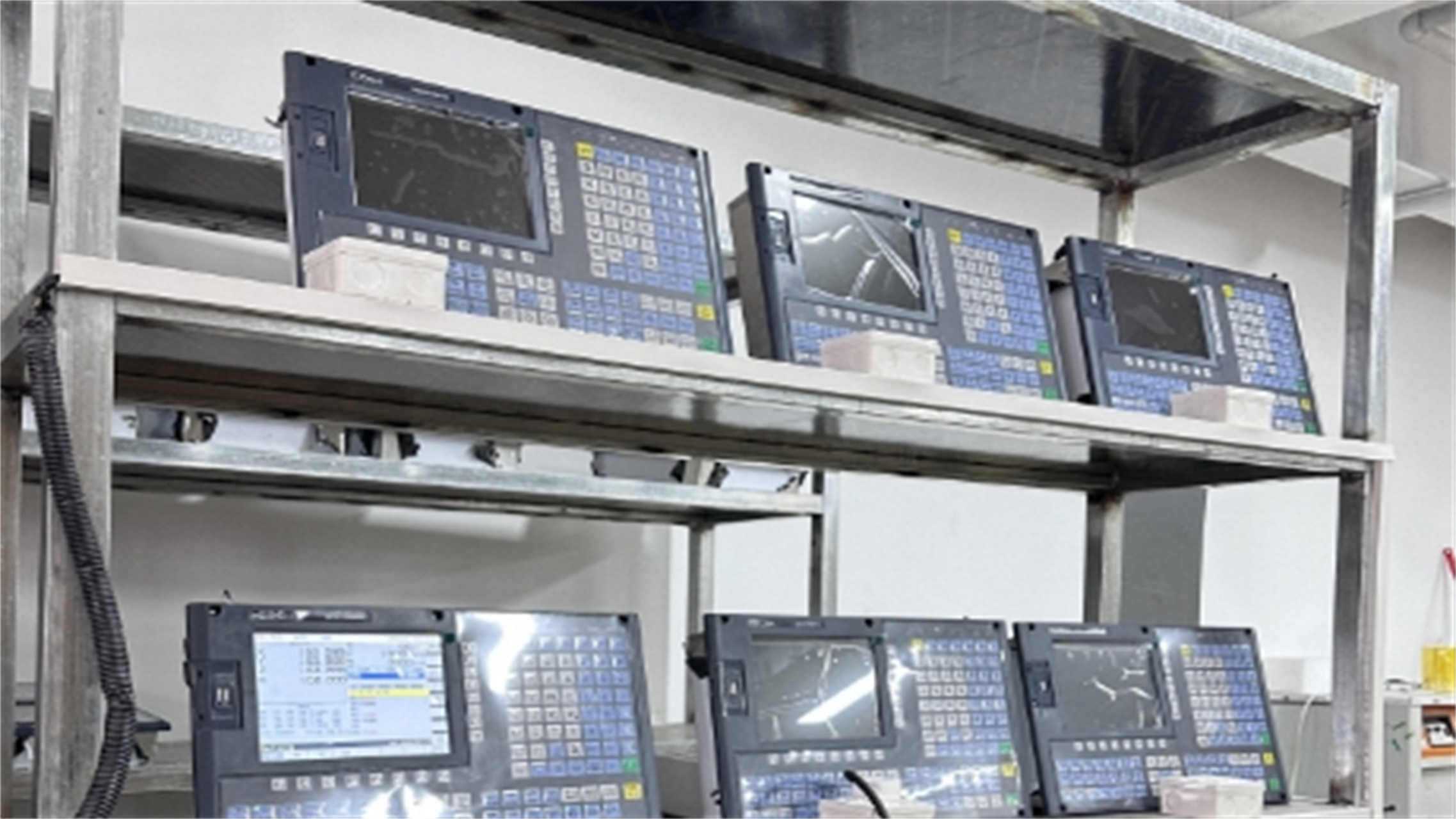
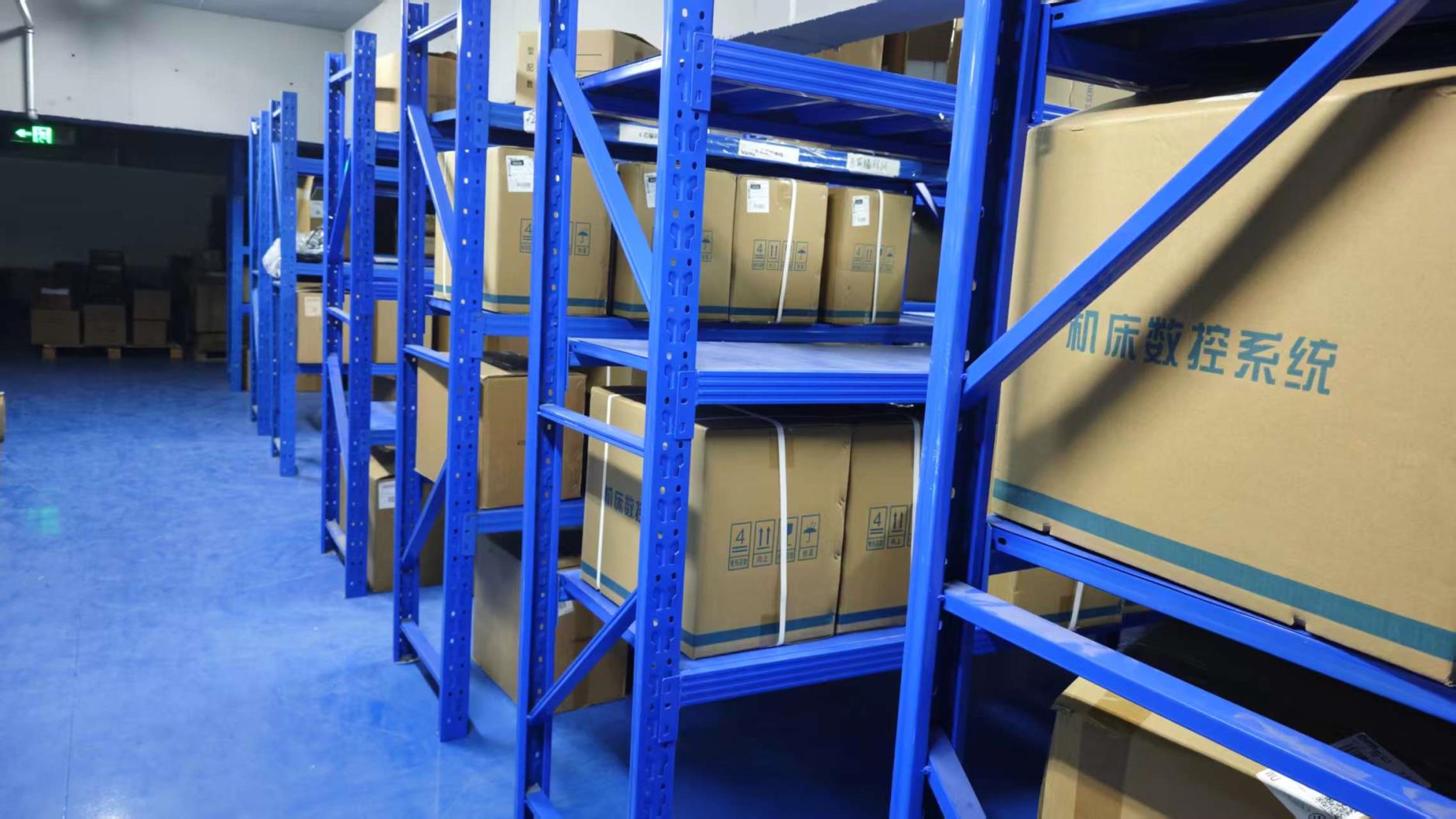
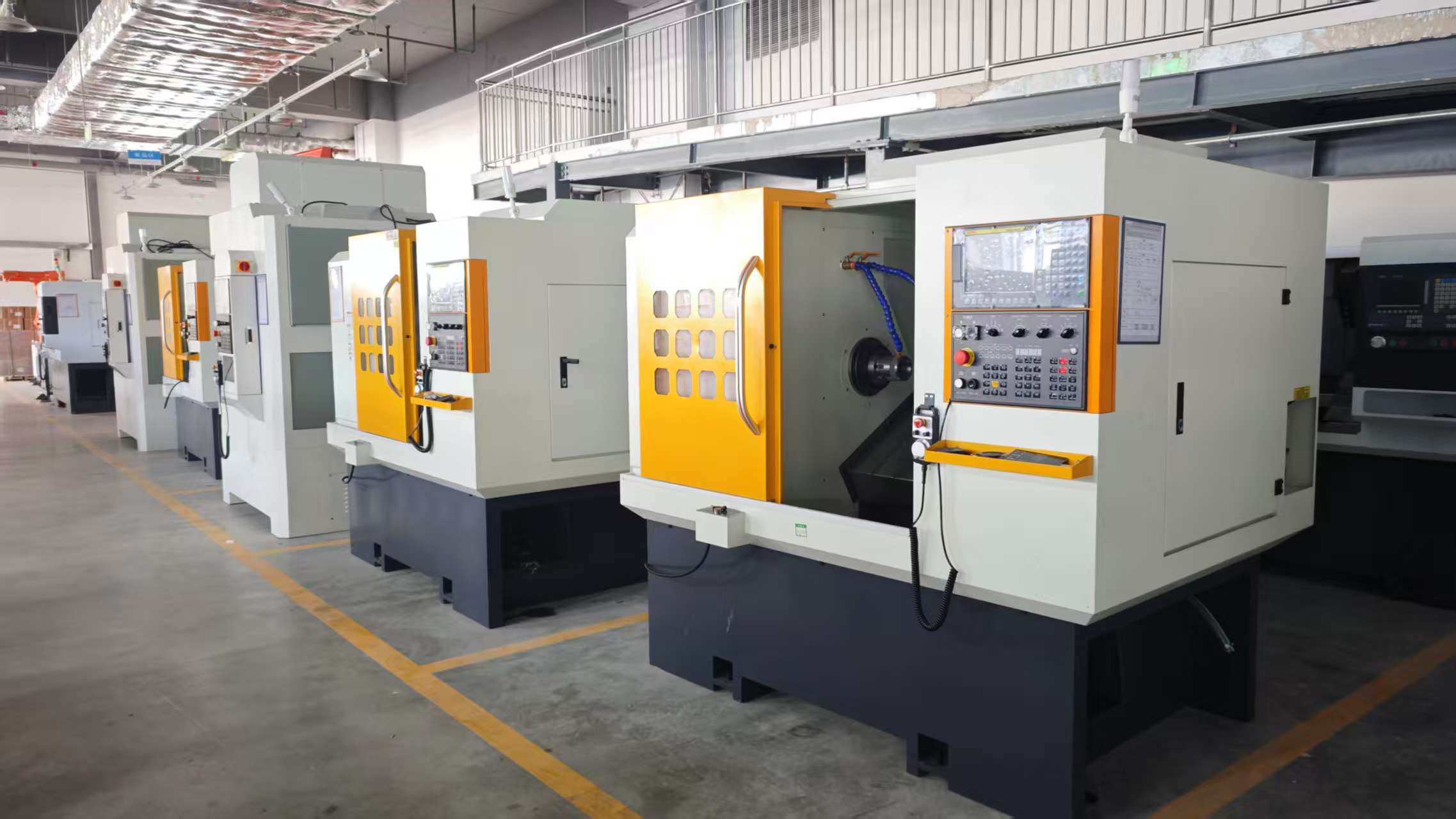
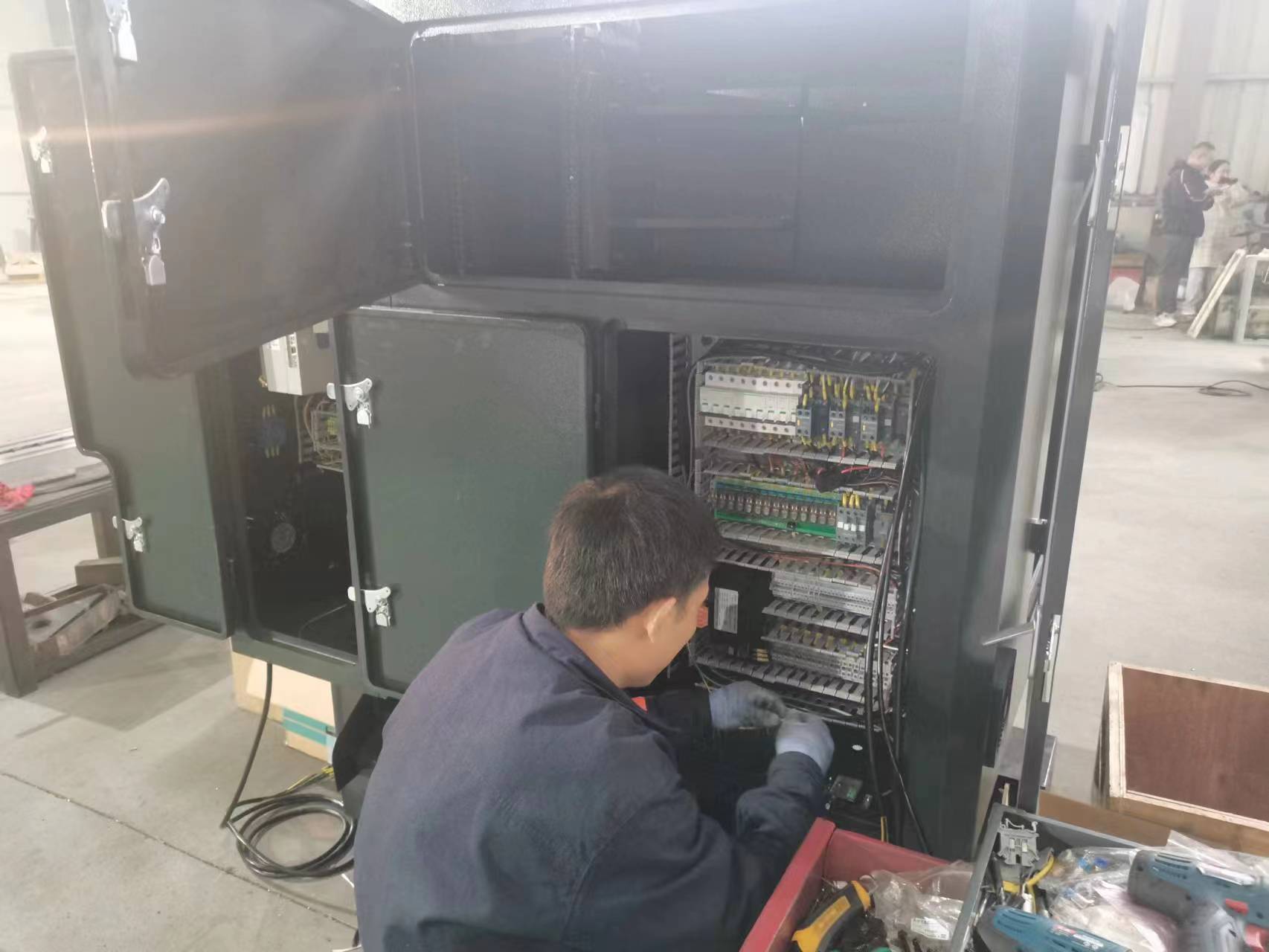
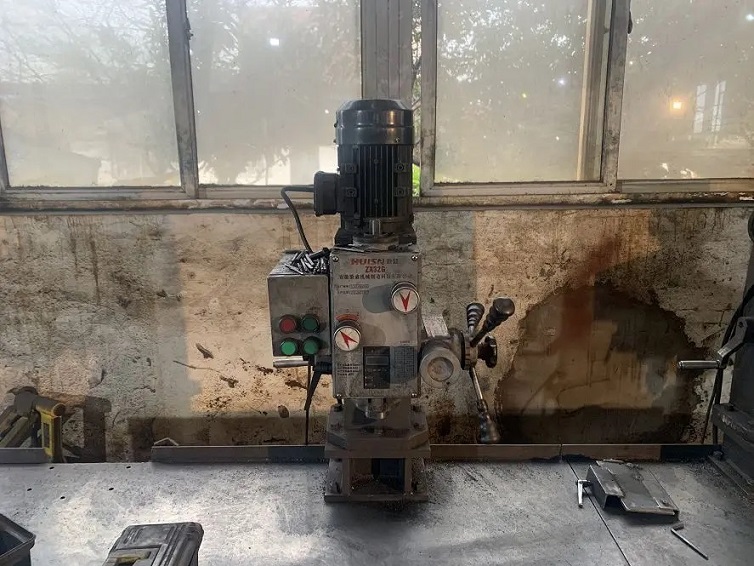
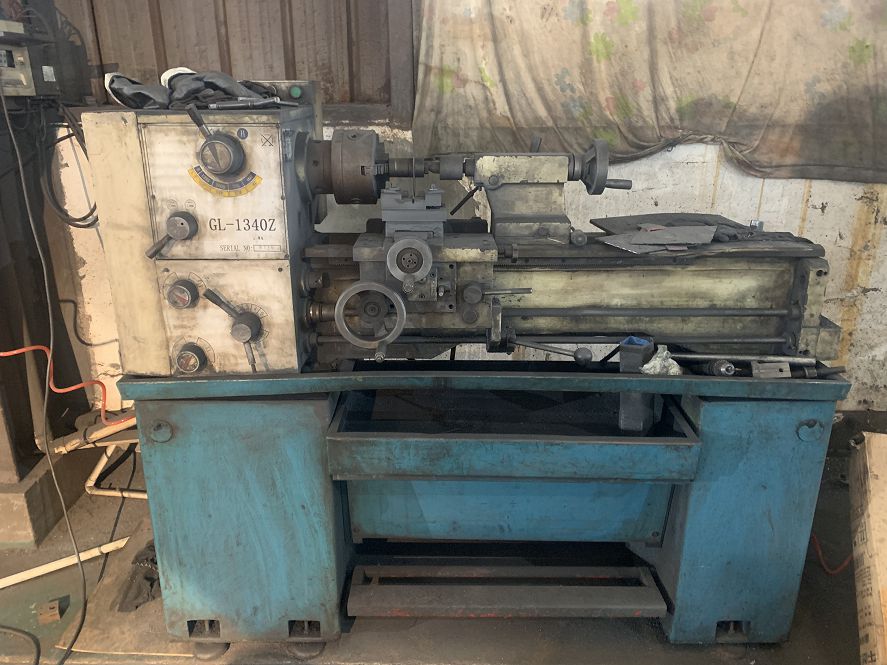
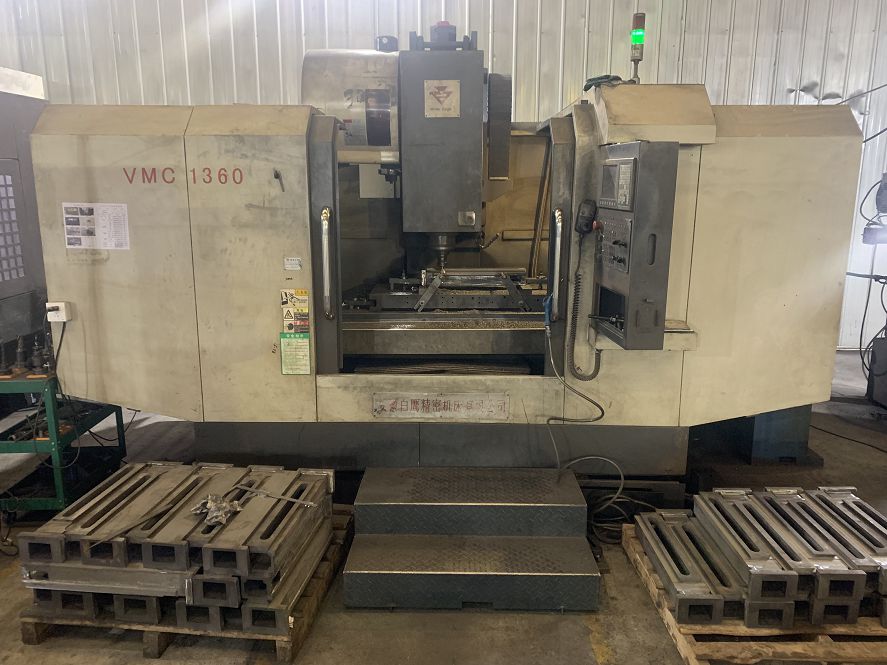
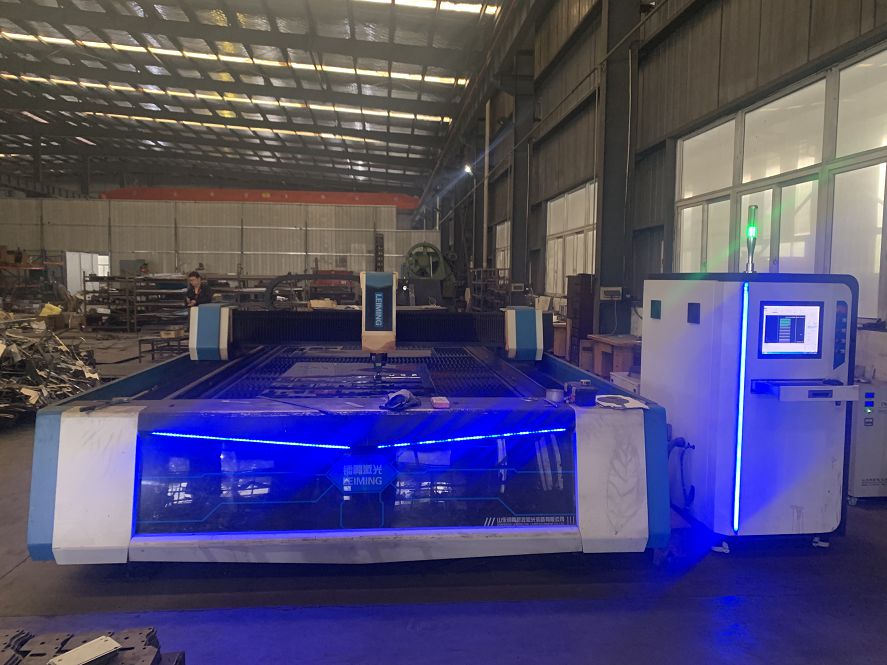
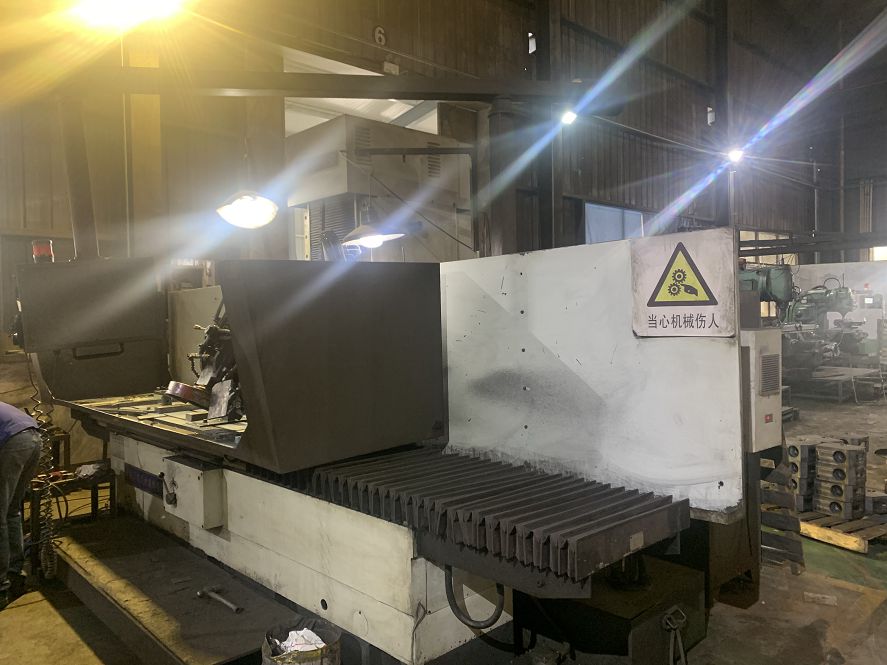
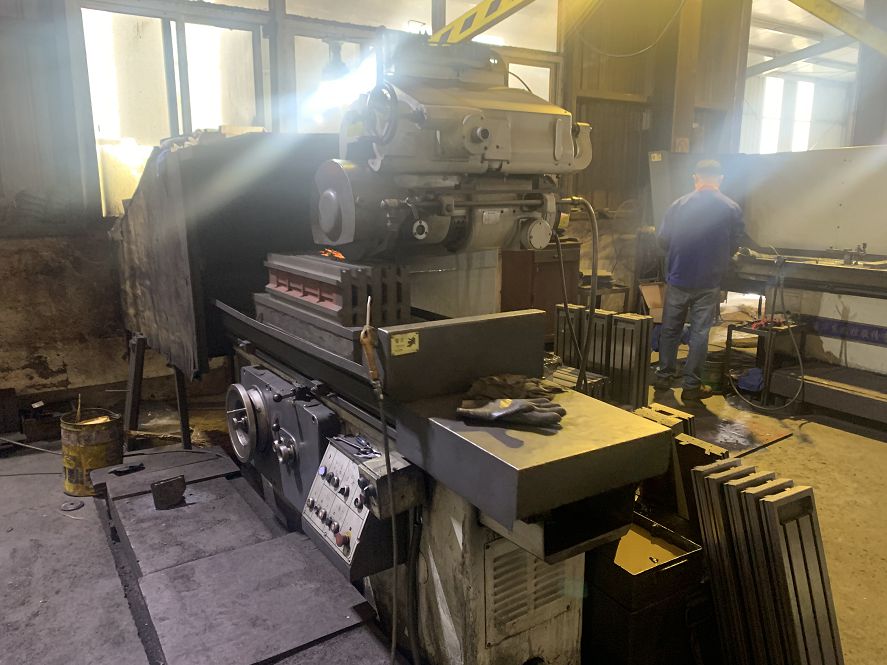
Under the hood of Zhejiang ZRF Spinning Co., Ltd.: View our state-of-the-art workshops and precision tools that drive our international exports.
Get authoritative answers regarding engineering specifications, CE compliance, global operations, and lead times.
Browse the remaining lineup of high-precision heavy-duty rollers, hydraulic presses, spinning tools, and CNC horizontal lathes.
 ZRF Spinning