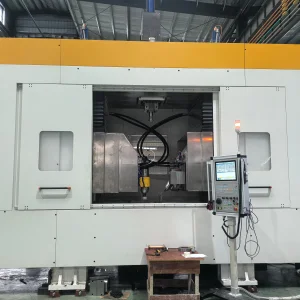
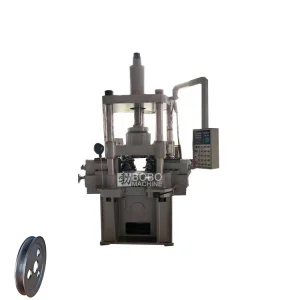
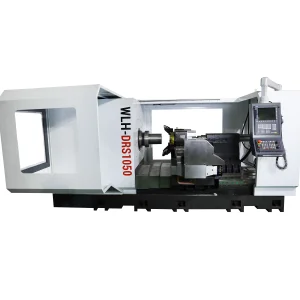
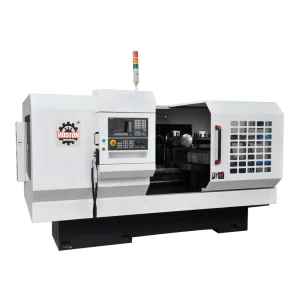
Engineered for immediate integration into West Coast high-performance supply chains, offering unparalleled mechanical durability and micron-level accuracy.
The San Francisco Bay Area and Northern California represent a global epicenter for technological disruption, transitioning rapidly from software dominance into a highly sophisticated hardware manufacturing ecosystem. While the region is globally recognized for Silicon Valley's digital innovations, a critical renaissance is occurring in hardware design, mechanical prototyping, and specialty fabrication. Modern industries in the region—ranging from electric vehicle (EV) automotive startups in Fremont and San Jose, to space exploration and aerospace firms in the East Bay, to cutting-edge robotics laboratories in San Francisco proper—require specialized metal components that are stronger, lighter, and produced with near-zero waste.
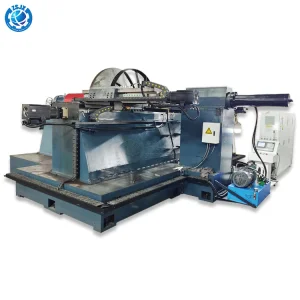
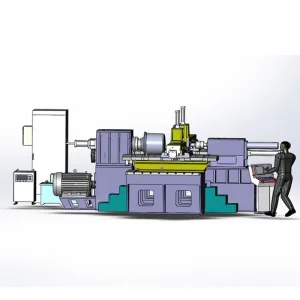
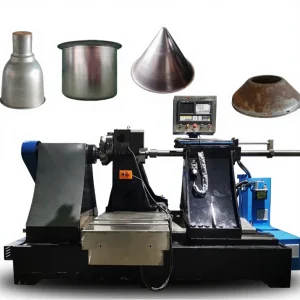
At the heart of this hardware revolution lies the demand for rotationally symmetrical, load-bearing metal structures. Traditional stamping, drawing, and multi-step welding methods are increasingly viewed as outdated due to material fatigue points, high tooling expenses, and substantial scrap generation. Consequently, manufacturers throughout San Francisco's industrial clusters are turning to Double-Roller CNC Pulley Spinning Machines. This high-efficiency metal forming technology deforms sheet metal or tubular blanks over a rotating mandrel using two symmetrical forming rollers. The resulting components possess an unbroken grain structure, outstanding fatigue life, and dimensional tolerances matching or exceeding traditional CNC machining.
Unlike metal removal operations (such as milling or turning) which cut across the metal's natural grain, double-roller metal spinning elongates and aligns the crystalline grain structure parallel to the part profile. This microstructural transformation yields up to a 45% increase in tensile strength, enabling local aerospace and robotics companies to specify thinner wall profiles while maintaining high structural load capacities.
In metal spinning, the lateral pressure applied by a single forming roller can generate substantial bending moments on both the machine spindle and the centering mandrel. For high-precision components, this deflection leads to wall thickness variations and ovality deviation. The double-roller design resolves this challenge by positioning two rollers diametrically opposite one another. As the CNC controller synchronizes the radial feed of both rollers, the radial forming forces cancel each other out.
This cancellation of bending stress ensures that the mandrel and spindle remain perfectly aligned throughout the deformation process. This balance is particularly vital when forming hard alloys like titanium, stainless steel, and high-strength steels frequently used in maritime propulsion systems around the Port of Oakland, or specialized structural components in San Francisco's local defense and energy contractors.
In the competitive landscape of modern manufacturing, balancing Capital Expenditure (CAPEX) with operational reliability is a critical metric for global operations directors. Chinese manufacturing has evolved past simple cost-efficiency to become a major contributor to high-level system integration, robust material sciences, and advanced CNC software implementation. Factories like Zhejiang ZRF Spinning Co., Ltd. represent this development, combining domestic supply-chain networks with stringent Western quality standards.
The advantages of sourcing from our state-of-the-art facility in Zhejiang, China include:
The industrial demands of the San Francisco Bay Area are diverse and technically demanding. Zhejiang ZRF Spinning provides targeted configurations specifically optimized for local industries:
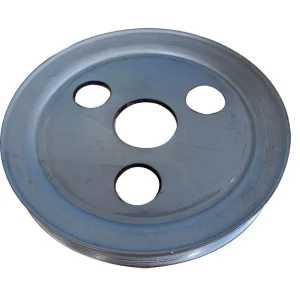
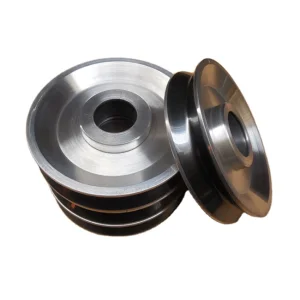
Precision drive pulleys and lightened rotor sleeves require dynamic balance and minimal radial runout. Our double-roller machines produce split-groove pulleys with zero-draft angles and thin-walled hollow shafts that maximize torque transmission efficiency.
Working with high-value alloys such as Inconel, Titanium, and Al-Li alloys, our flow-forming machines shape rocket nose cones, combustion chamber liners, and exhaust nozzles without structural seams, reducing structural failure risks under high pressure.
The Bay Area's commitment to clean tech and energy efficiency drives demand for high-efficiency ventilation fans and slurry pumps. Our double-roller machines form smooth venturi inlets and heavy-duty fan shoruds with repeatable precision.
For research entities and product design firms throughout San Francisco, the ability to prototype rapidly using CNC G-code paths rather than casting dies saves months of product development time and thousands of dollars in tooling costs.
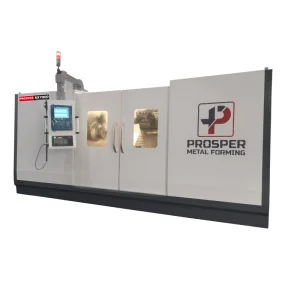
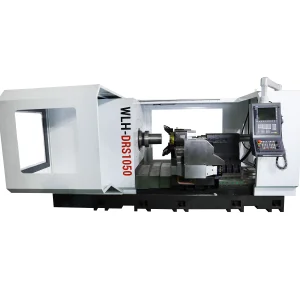
High-torque, high-rigidity platforms tailored for heavy-wall steel forming, precision copper processing, and high-volume industrial pulley production lines.
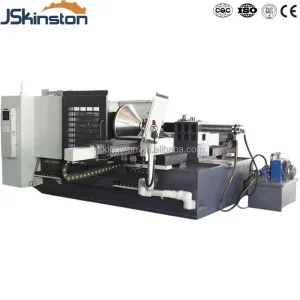
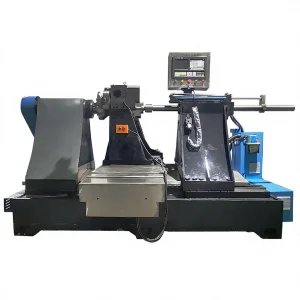
As precision manufacturing aligns with industrial digitalization, the field of metal spinning is experiencing major technological updates. Standard manually-guided hydraulic levers have been replaced by closed-loop feedback CNC interfaces. Modern systems leverage digital modeling software to predict how thin a material can stretch before tearing.
Our current research and development priorities focus on several technological fields:
Our spinning platforms process a broad spectrum of structural metals: from aerospace-grade Titanium Gr. 5 and Hastelloy, to highly formable Copper (C101/C110) for cooling jackets, and high-tensile structural carbon steels. Symmetrical tooling forces ensure consistent material flow behavior even across these varying metallurgies.
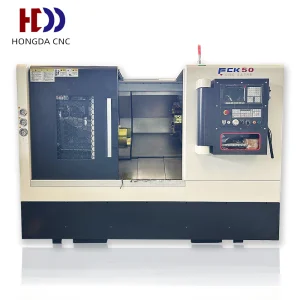
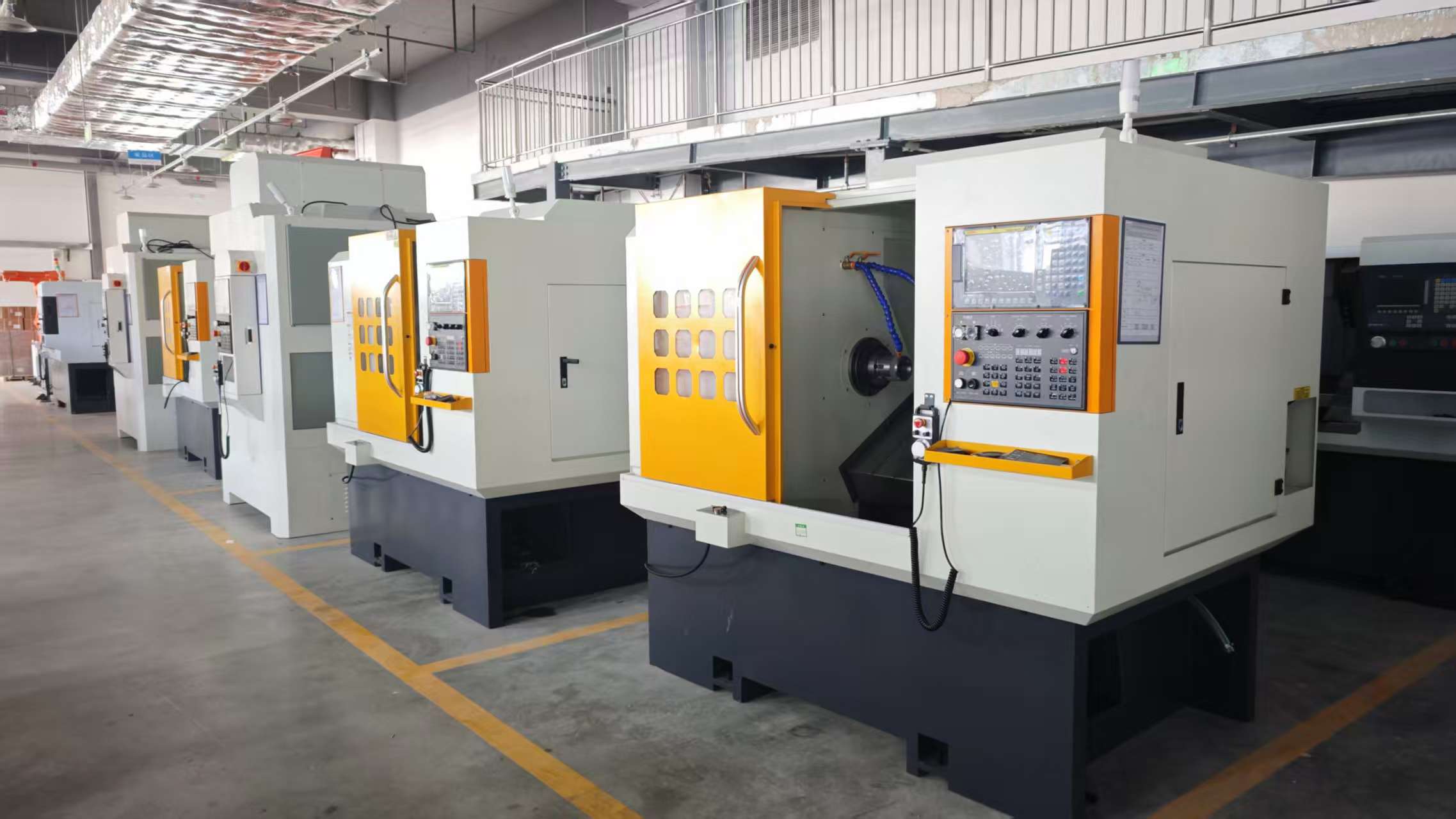
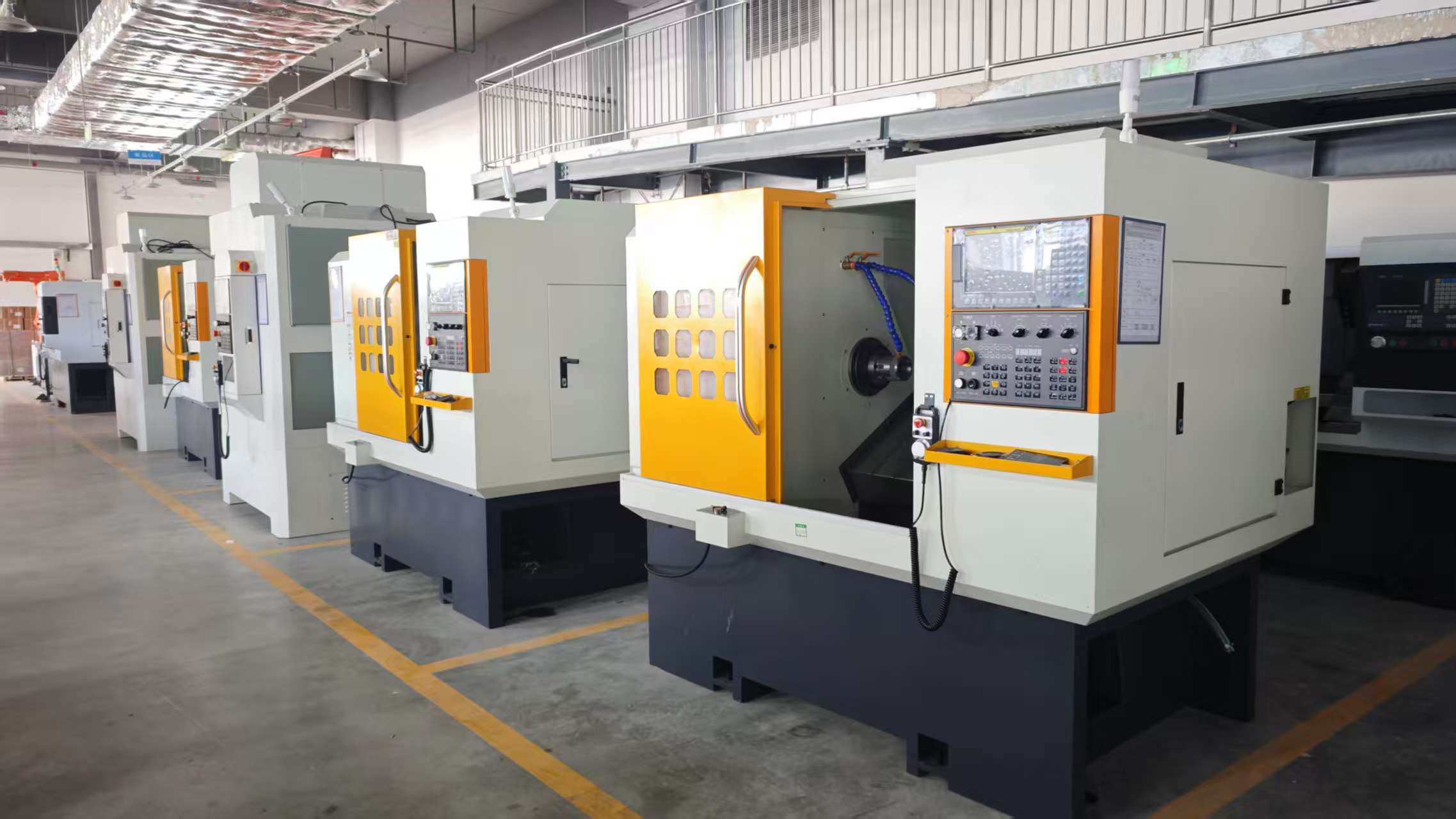
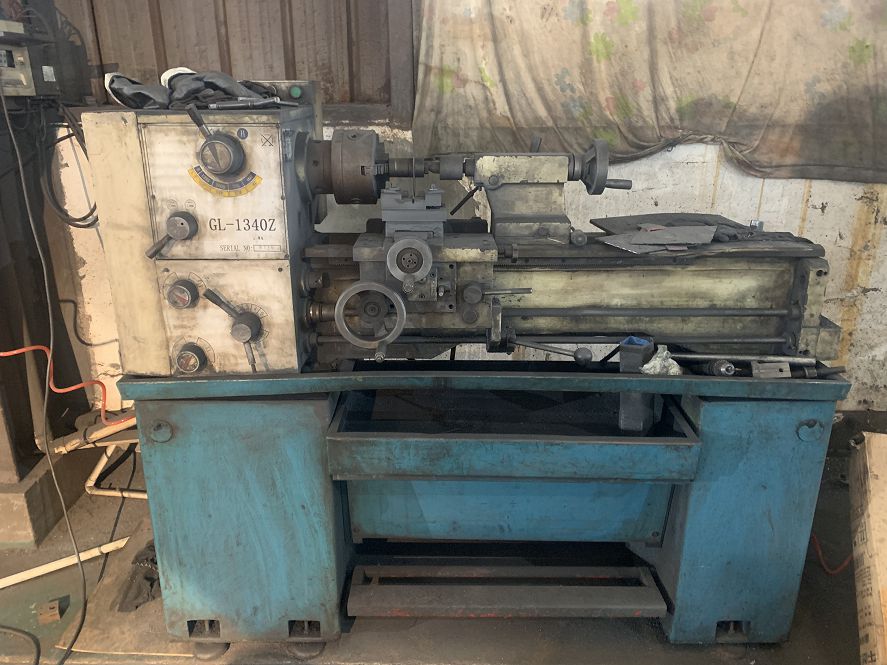
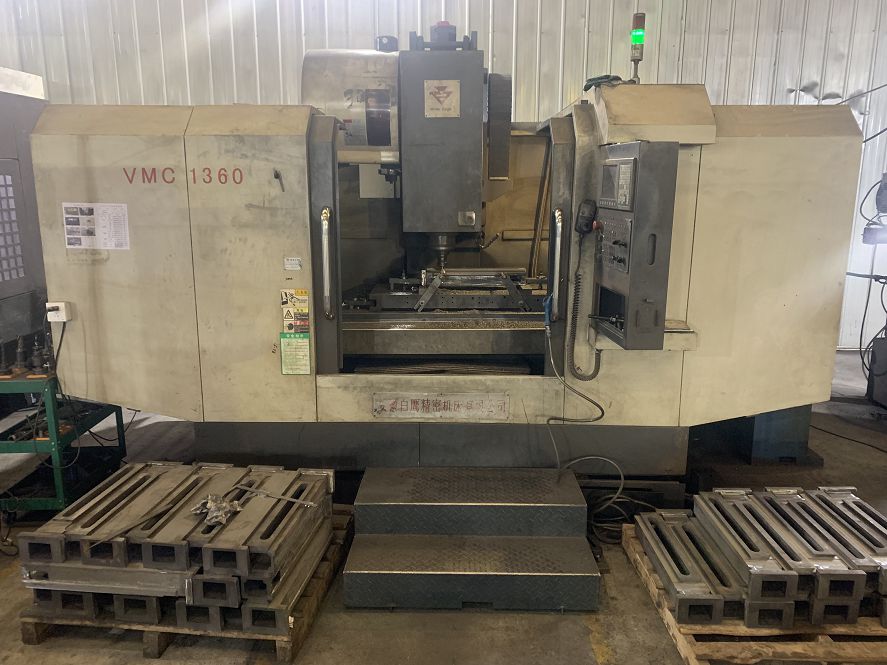
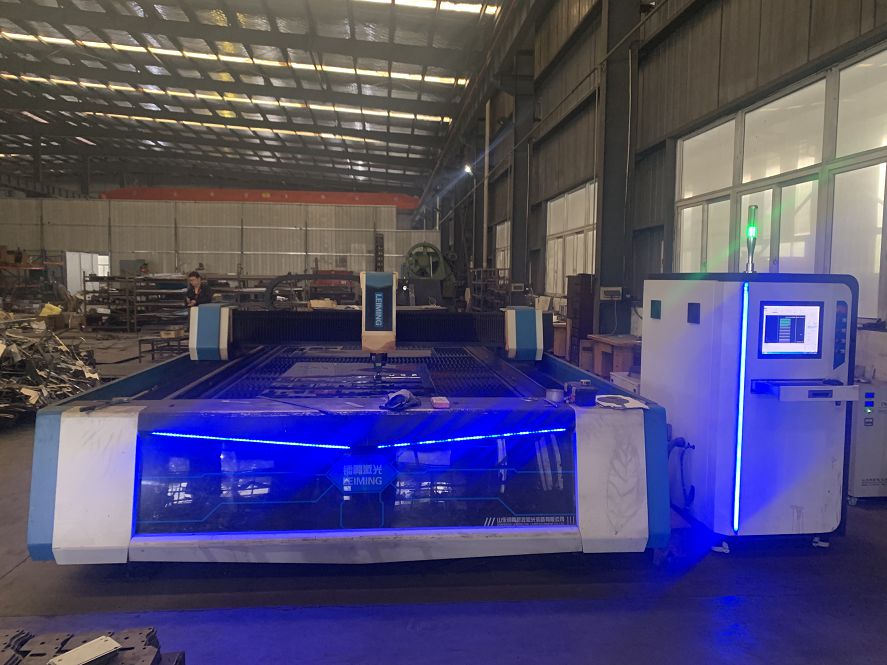
Multi-axis turning-milling centers and specialized forming machinery providing comprehensive capabilities for complex engineering components.
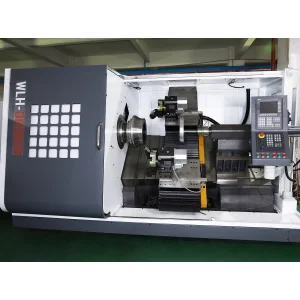
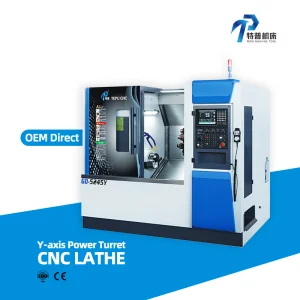
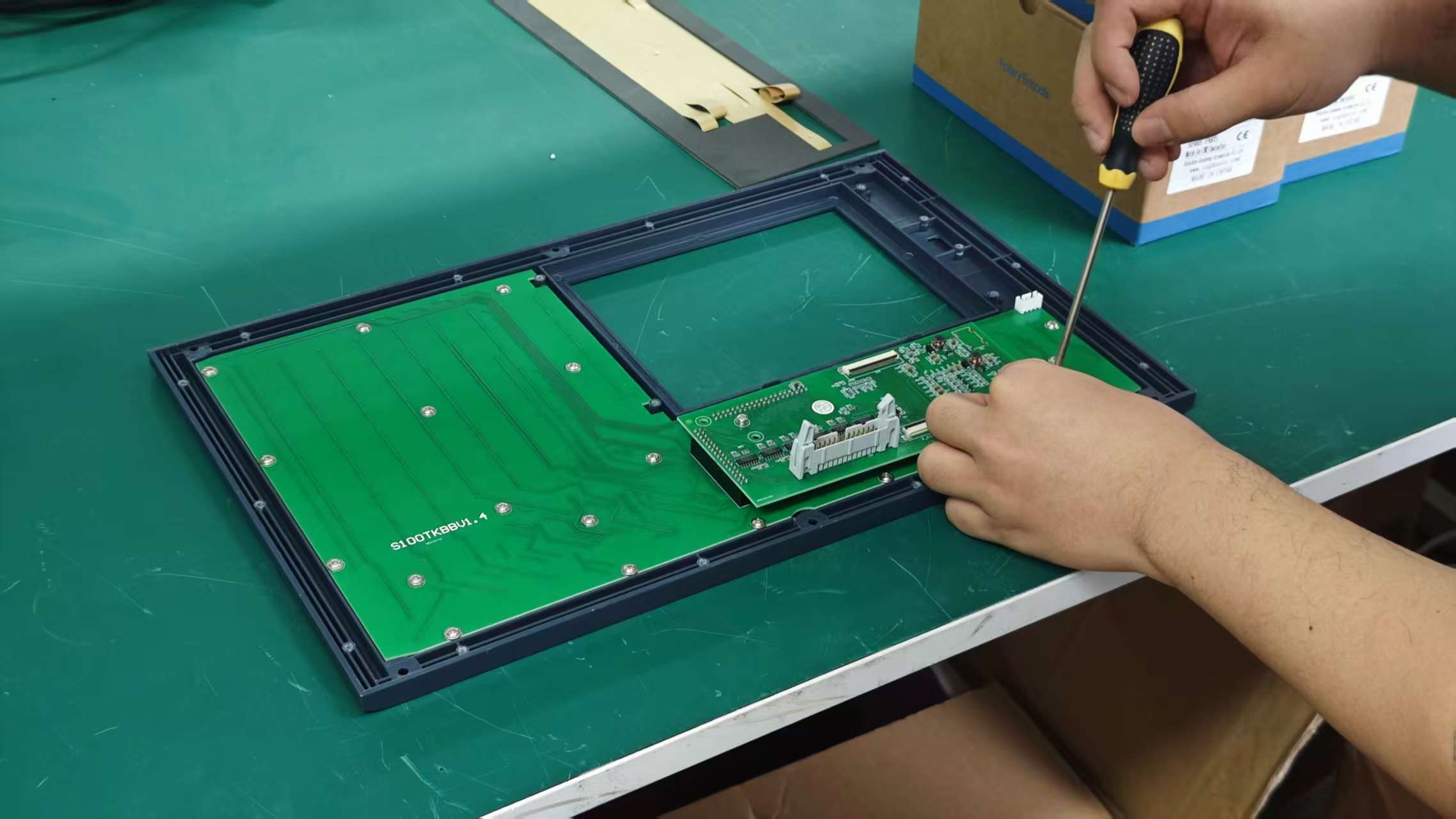
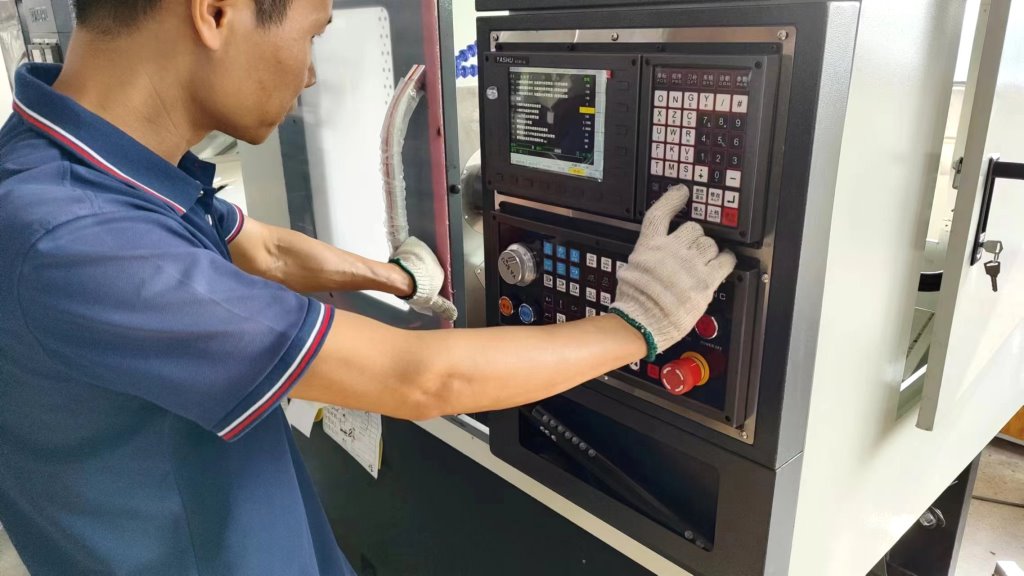
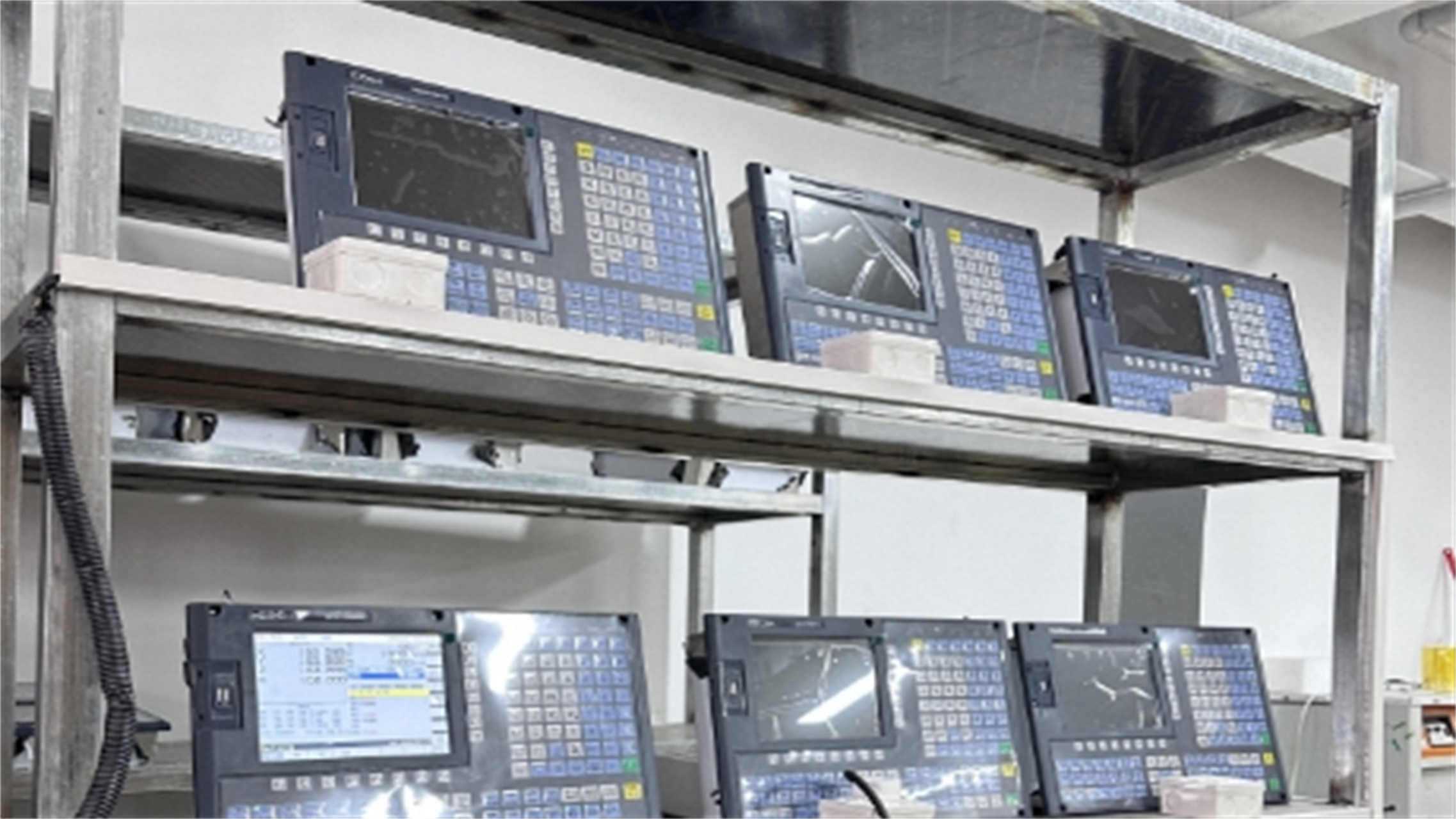
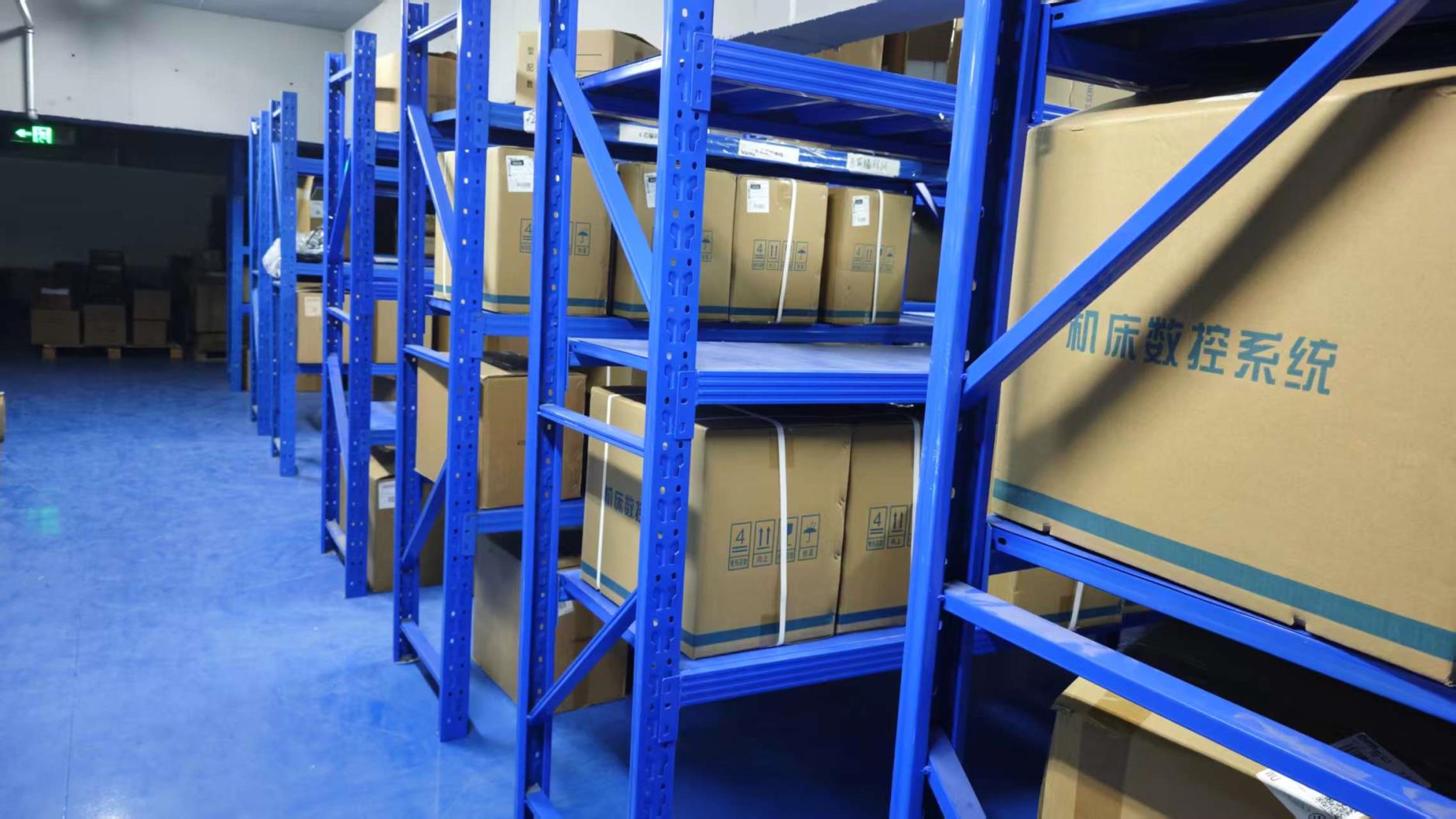
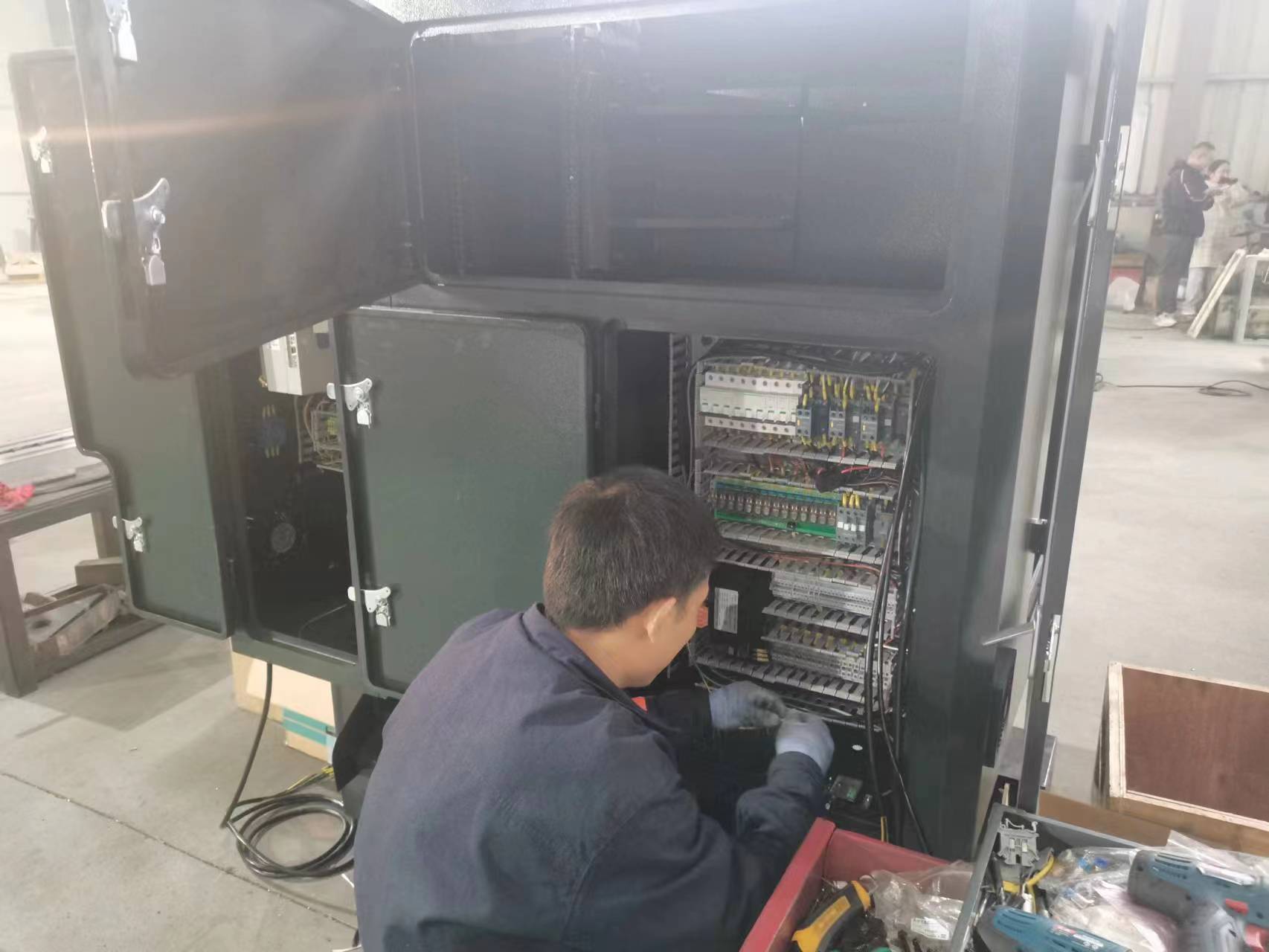
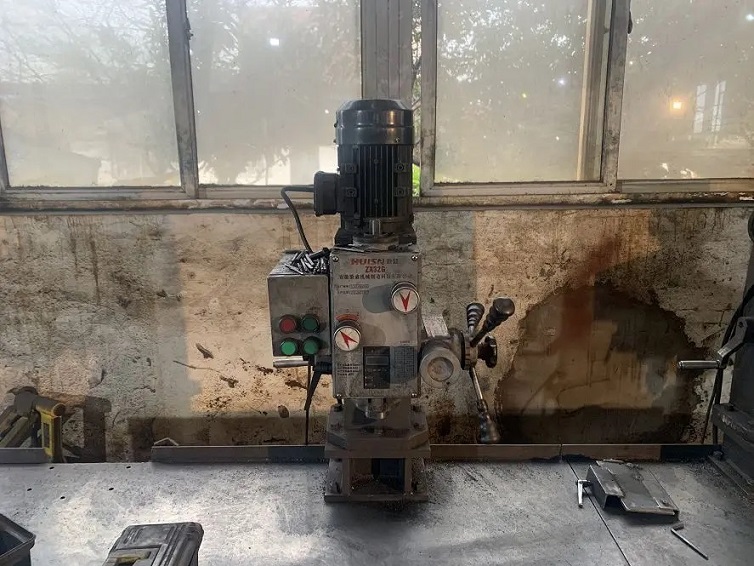
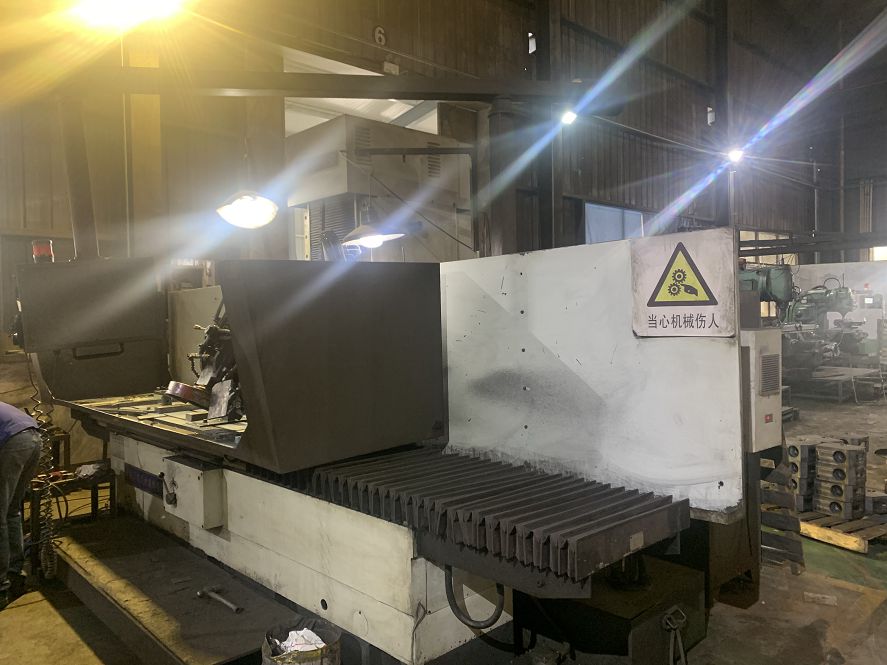
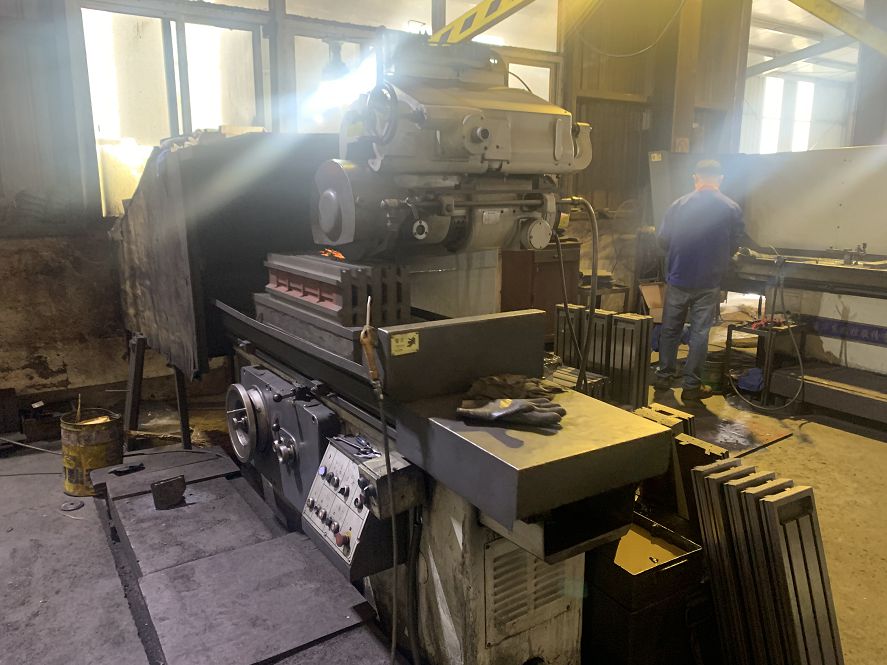
Inside our advanced manufacturing plant: precision grinding, assembly lines, and inspection departments ensuring long-term operational reliability.
Zhejiang ZRF Spinning Co., Ltd. is committed to engineering excellence, focusing on the following values:
We invest a significant portion of our annual revenue into control system programming, high-rigidity structural analysis, and thermal-expansion offset research to continuously improve machining performance.
From initial casting inspection to final spindle runout verification under load, our quality team enforces strict checking standards at every step of the assembly pipeline.
We provide transparent specifications, accurate shipping estimates, and detailed material testing results so our clients can make informed purchasing decisions.
We maintain collaborative partnerships with engineering research institutions and industrial clients worldwide, refining our machinery configurations based on real-world production feedback.
Looking forward, Zhejiang ZRF Spinning Co., Ltd. will continue to build on our technical expertise to maintain our position in China's spinning industry and expand our support for manufacturing centers across North America.
Crucial engineering, installation, and procurement insights for San Francisco Bay Area buyers and operations managers.
 ZRF Spinning