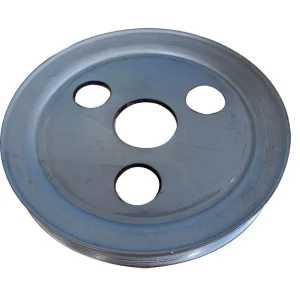
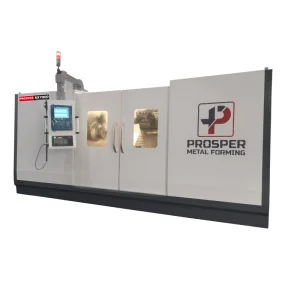
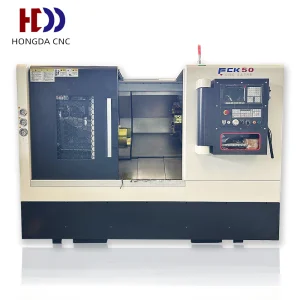
Deploying advanced deformation kinematics to satisfy the heavy-industry demands of Central Asia.
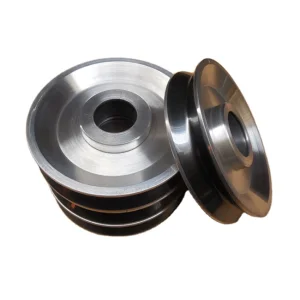
Kazakhstan stands as the dominant economic engine of Central Asia, navigating a critical transition from resource extraction to high-value manufacturing. Under the industrial development frameworks launched by the Ministry of Industry and Construction, heavy engineering, railway infrastructure, agricultural machinery, and mining support equipment are undergoing sweeping localization initiatives. Kazakhstan's key industrial hubs—including Karaganda, Pavlodar, Oskemen (Ust-Kamenogorsk), and the Almaty region—demand precise, highly repeatable metal forming technologies capable of handling heavy structural alloys.
Among these structural technologies, the deployment of Double-Roller CNC Pulley Spinning Machines has emerged as a cornerstone process. Whether fabricating pulleys for mineral extraction conveyor lines, heavy-duty mining ventilation fans, or multi-groove transmission sheaves for agricultural machinery working the fertile soils of Akmola and Kostanay, standard casting processes no longer meet modern durability specifications. Local enterprises are increasingly replacing obsolete cast-iron pulley lines with flow-formed, spin-strengthened pulleys that possess structural integrity, superior balance, and exceptional fatigue resistance under severe temperature fluctuations (ranging from -40°C in Kazakh winters to +40°C in summers).
"By implementing ZRF double-roller flow forming, engineering firms in Pavlodar and Shymkent are achieving up to a 45% reduction in material waste and a 60% boost in tensile strength, directly aligning local production lines with Eurasian Economic Union (EAEU) standards."
Double-roller metal spinning represents the pinnacle of modern cold/warm deformation technology. Unlike single-roller systems which introduce asymmetrical bending moments and structural deflection, the double-roller symmetrical layout applies equal and opposite radial forces to the workpiece. This balanced force distribution ensures that the mandrel and spindle experience negligible bending stress during high-pressure cycles, securing tight tolerances (often within <0.05 mm) and maintaining perfect concentricity.
When forming multi-groove pulleys—such as double-groove and three-groove folding configurations for automotive and drive assemblies—the CNC pathing controls the twin rollers in a synchronized sequence. The rollers press radially into the blanks, splitting, folding, and flow-forming the metal into precise groove geometries. This cold deformation process reorganizes the microcrystalline structure of the alloy:
| Metric Parameter | Traditional Cast Pulley | Double-Roller CNC Spun Pulley | Engineering Impact |
|---|---|---|---|
| Grain Structure | Discontinuous, porous | Continuous, elongated grain flow | Eliminates internal voids; minimizes fracture points |
| Tensile Strength | Base material baseline | Increased by 30% to 50% | Supports high RPMs and extreme torque envelopes |
| Material Efficiency | 50%-60% yield (high machining loss) | Up to 95% yield | Drastically lowers unit cost for high-grade steels |
| Dynamic Balance | Requires counterweight balancing | Perfect geometric symmetry | Reduces system vibration, extending bearing life |
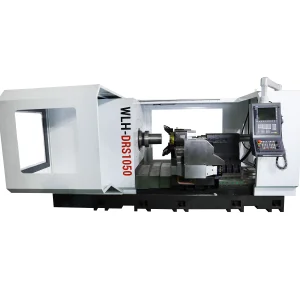
Heavy-duty systems configured for Petrochemical, Oil Tank, and Infrastructure Applications in Western Kazakhstan
As a high-tech enterprise specializing in the research, development, and manufacturing of CNC spinning machine tools, Zhejiang ZRF Spinning Co., Ltd. has built extensive experience and a powerful technical foundation in the domestic and global spinning industries.
Our comprehensive line of CNC spinning machine tools is widely applied across a variety of demanding industries, including petrochemicals, electronics, hardware, food processing machinery, automotive components, pressure vessels, ventilation, environmental protection systems, defense, and aerospace. The ZRF spinning machine series has reached more than 30 provinces and cities across China and has been successfully exported to over 20 countries and regions worldwide, serving central industrial networks in Central Asia, Europe, and the Middle East.
At Zhejiang ZRF Spinning Co., Ltd., we advocate a core operating philosophy of market-oriented development, research-driven innovation, and technological excellence. We maintain continuous improvement across product performance and service quality. Our entire manufacturing workflow strictly adheres to the ISO9001 quality management system, ensuring reliable, safe, and high-performance equipment. Over the years, we have forged long-term, mutually beneficial partnerships with leading domestic and international industrial enterprises.
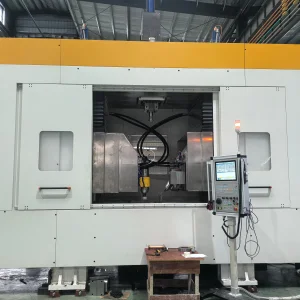
A transparent look inside our ISO9001-certified factory assembly, testing, and debugging bays.
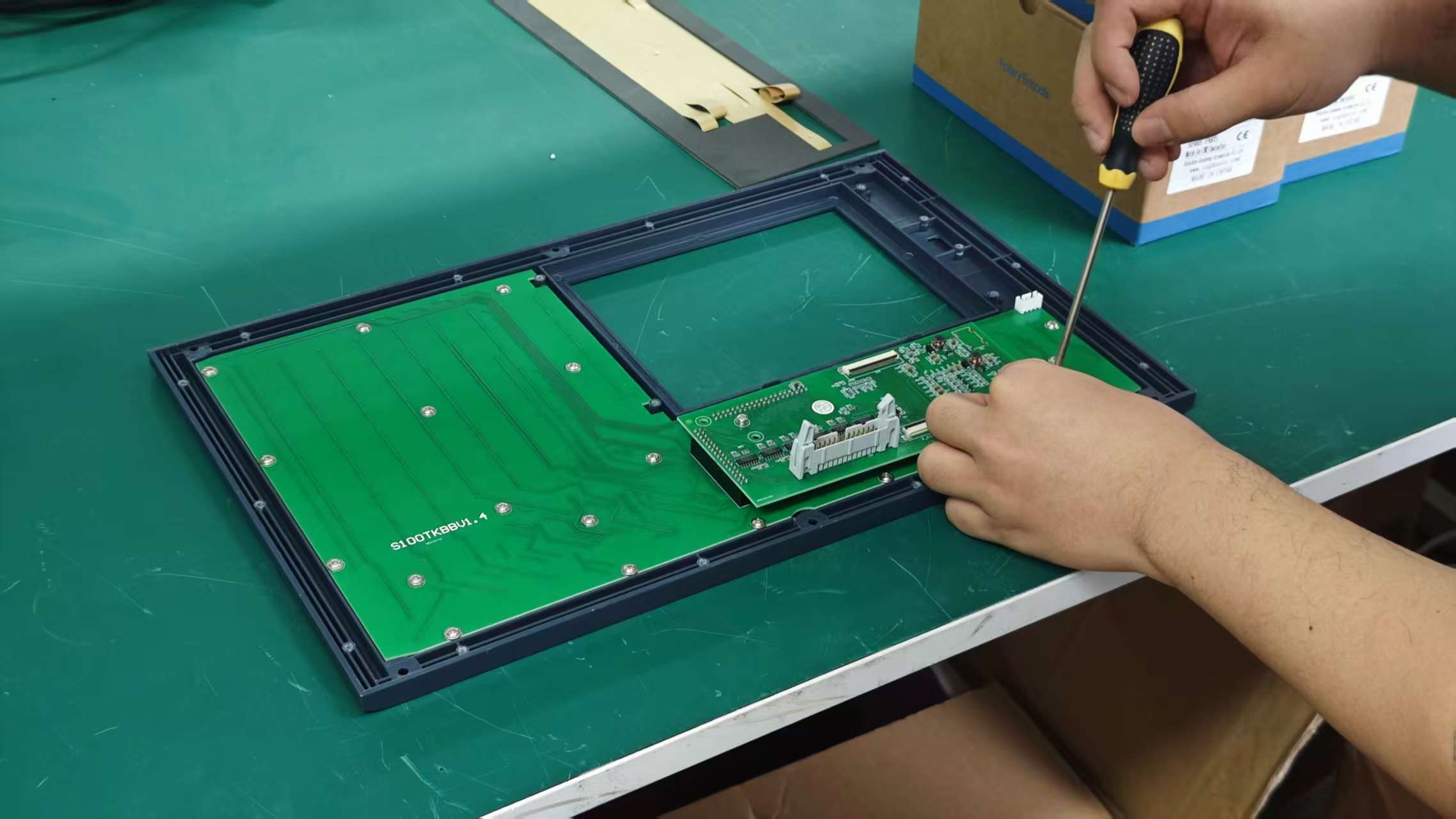
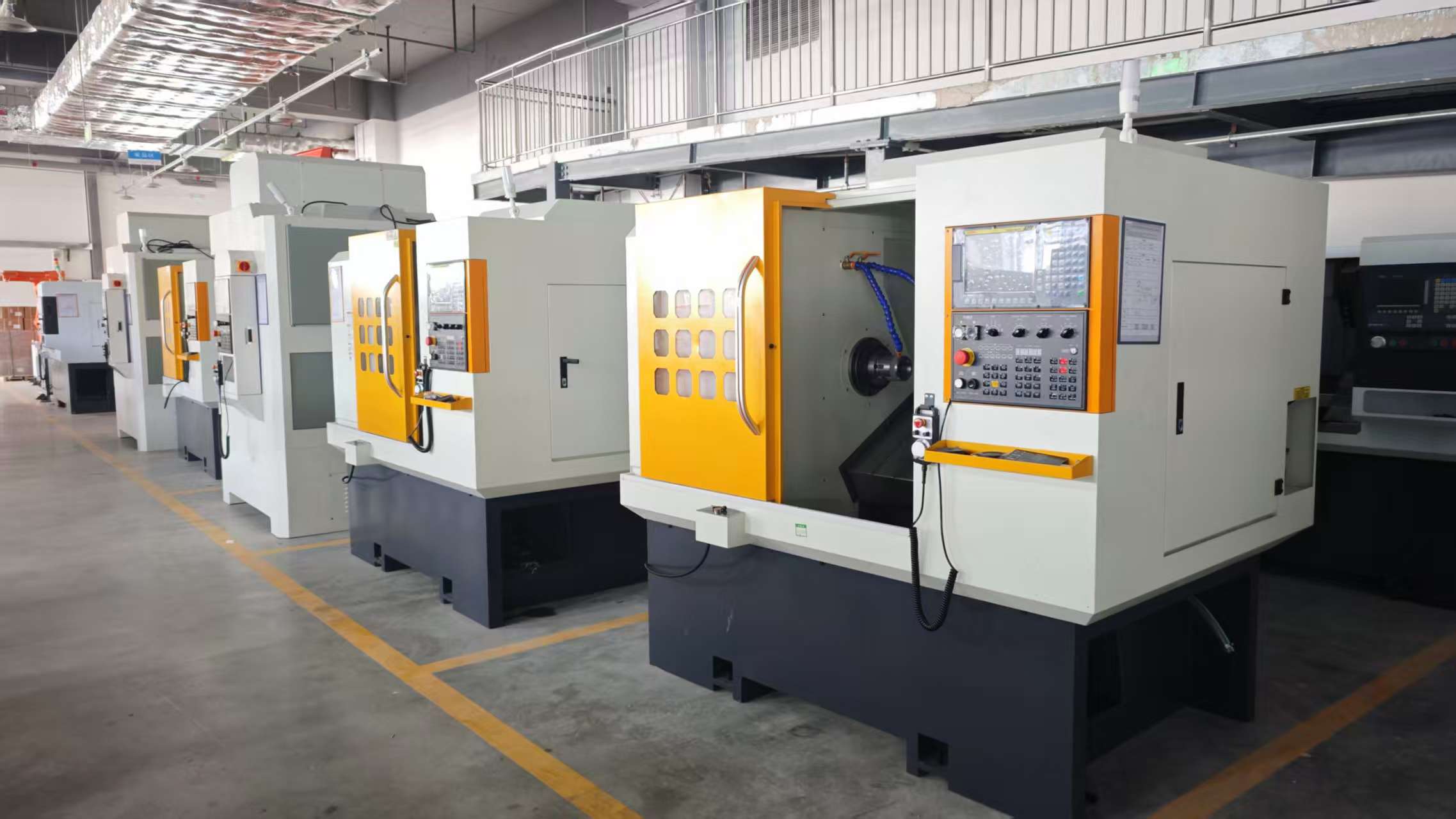
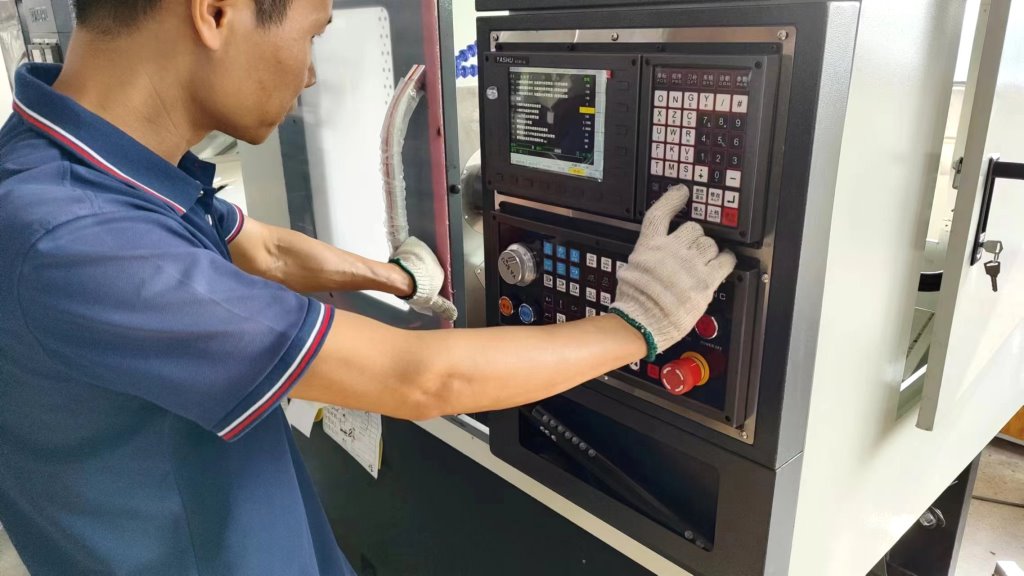
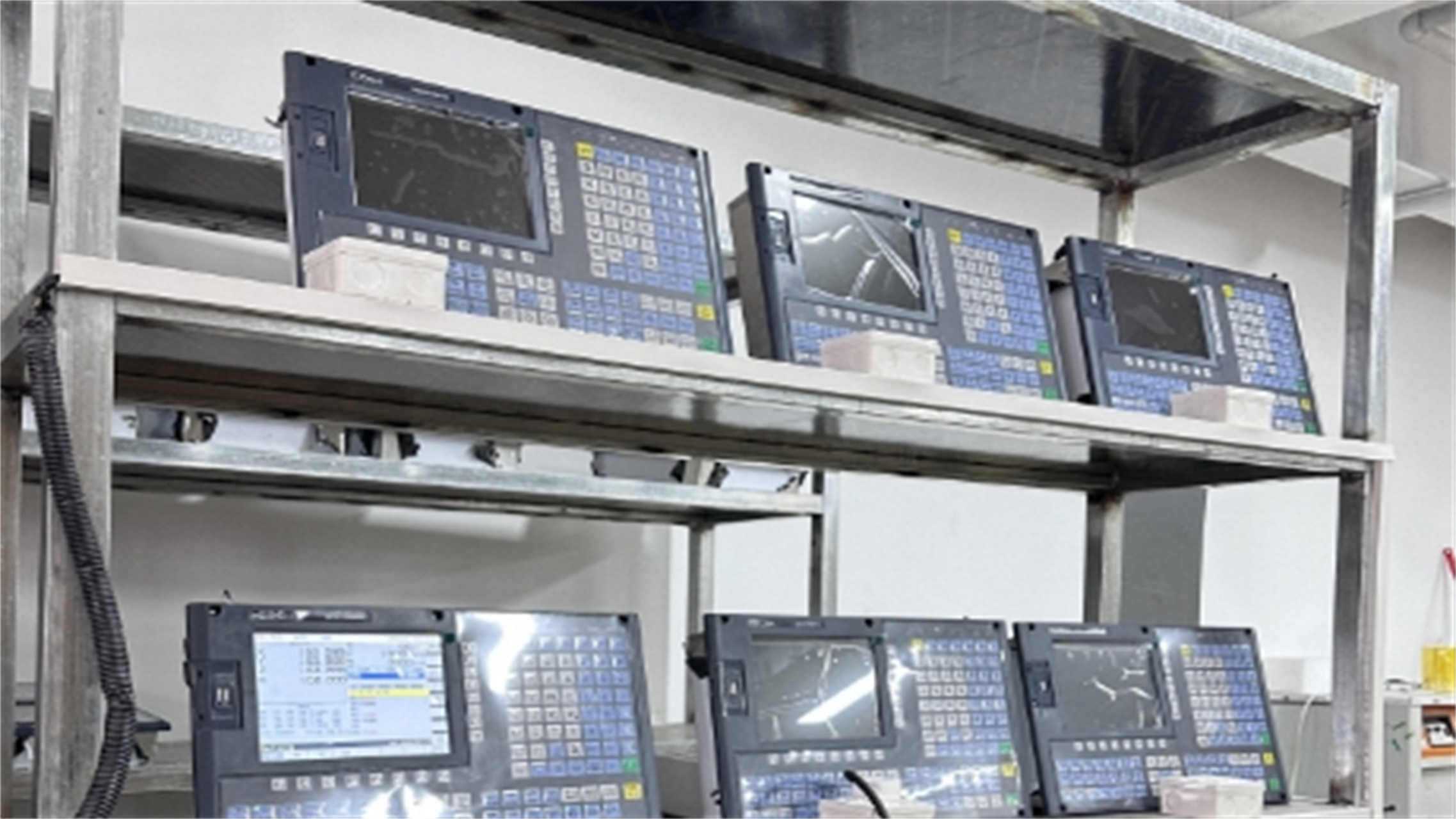
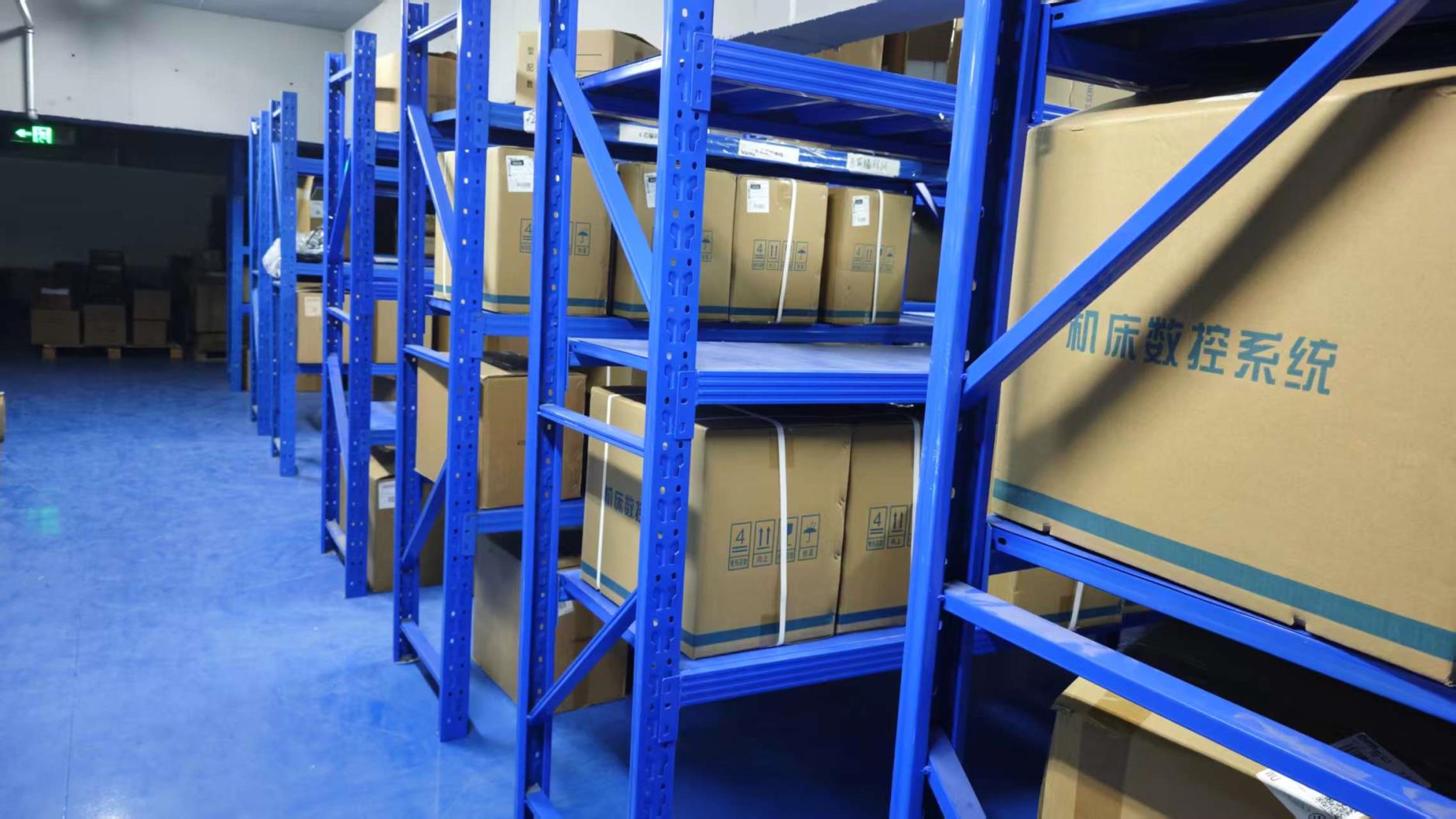
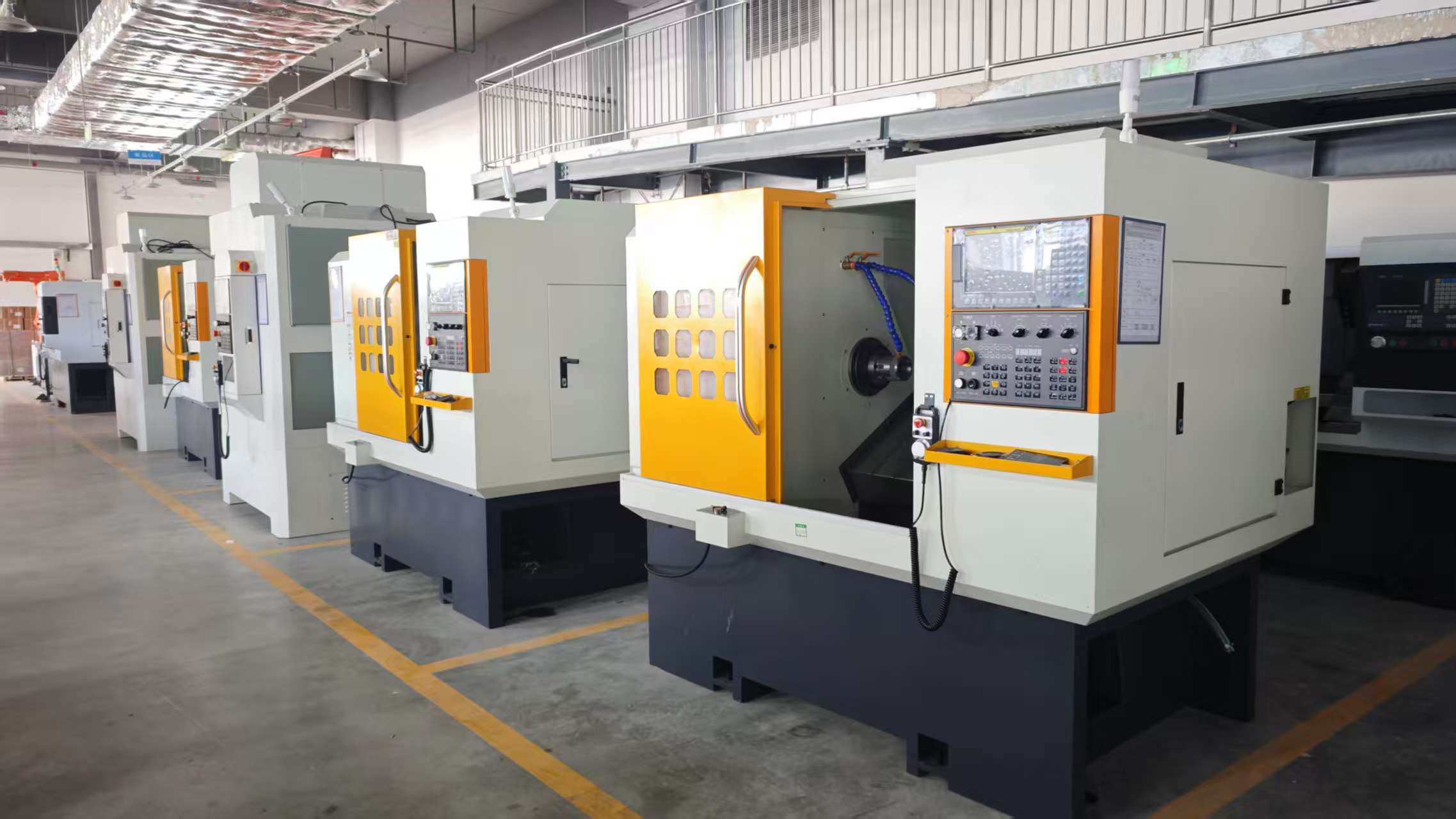
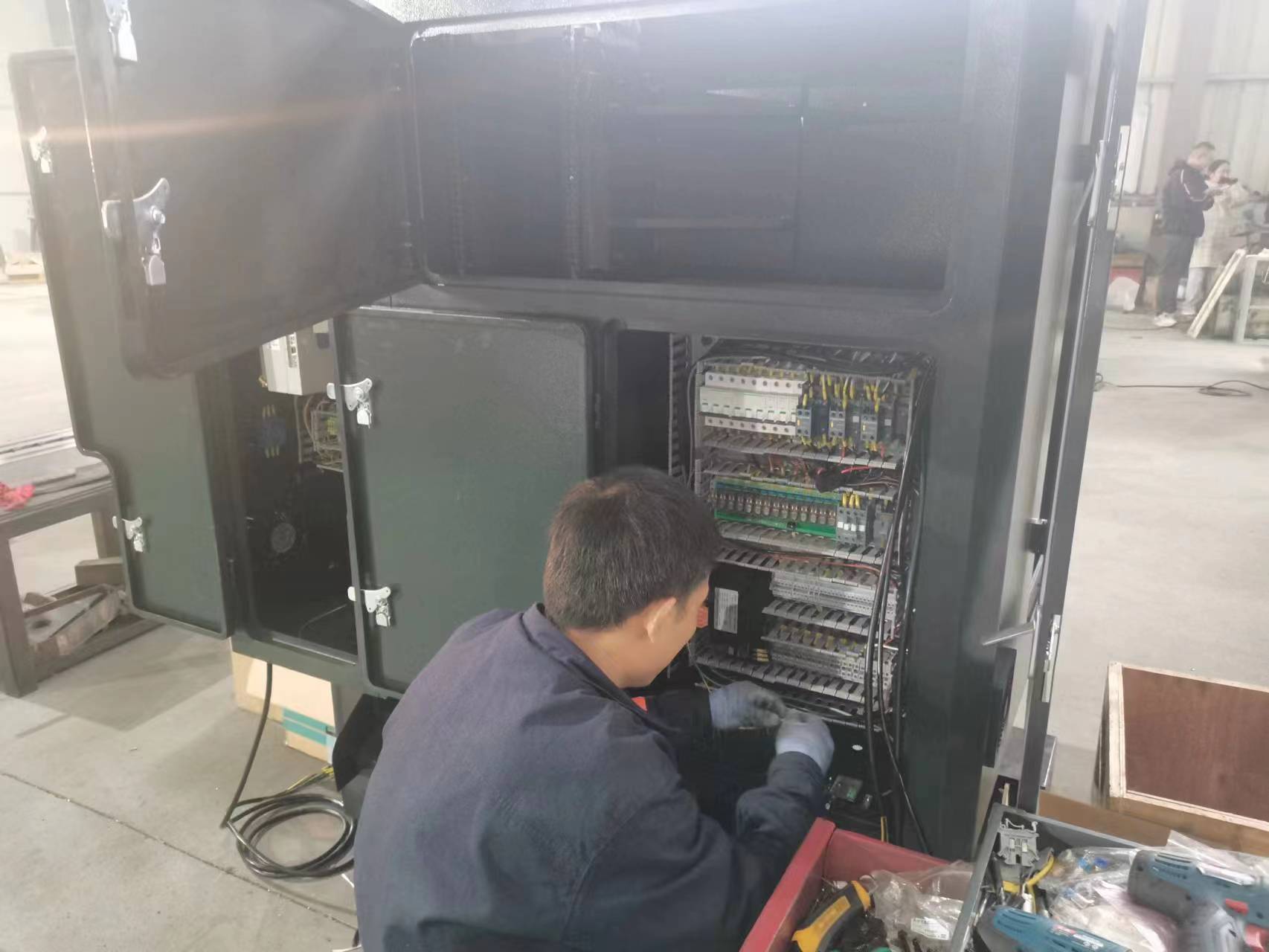
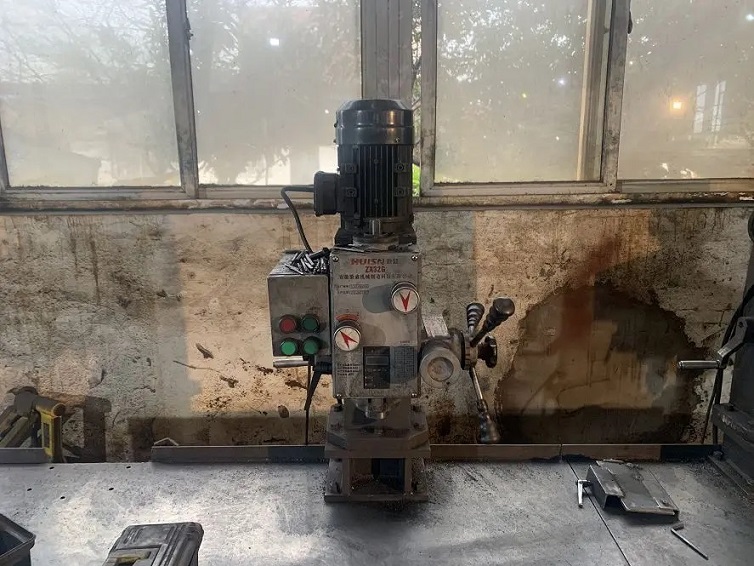
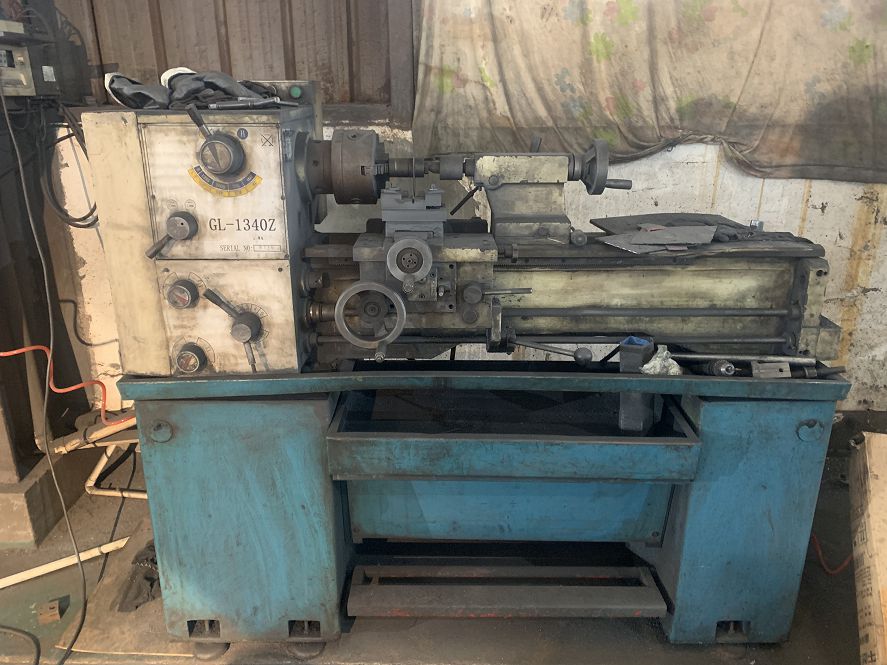
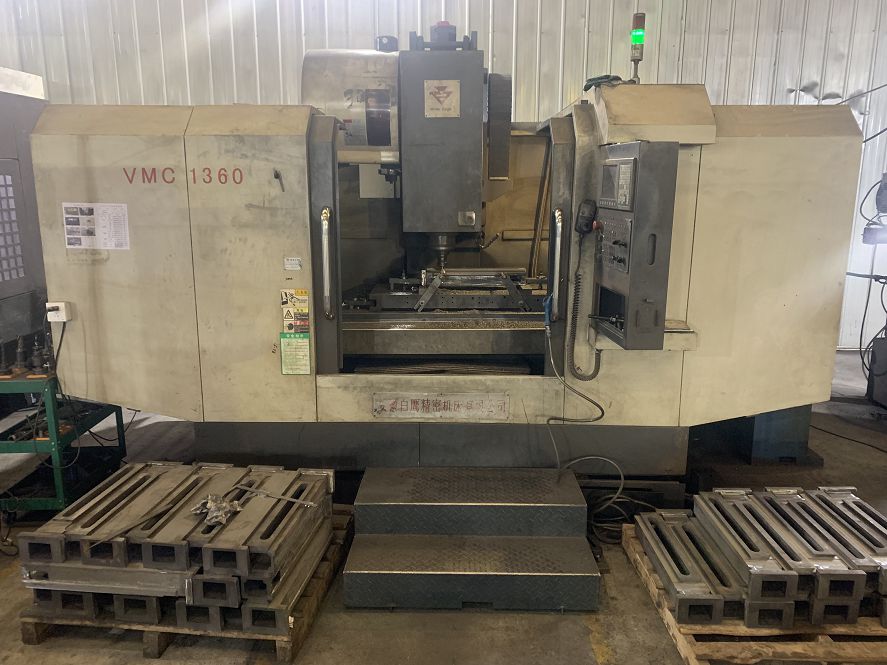
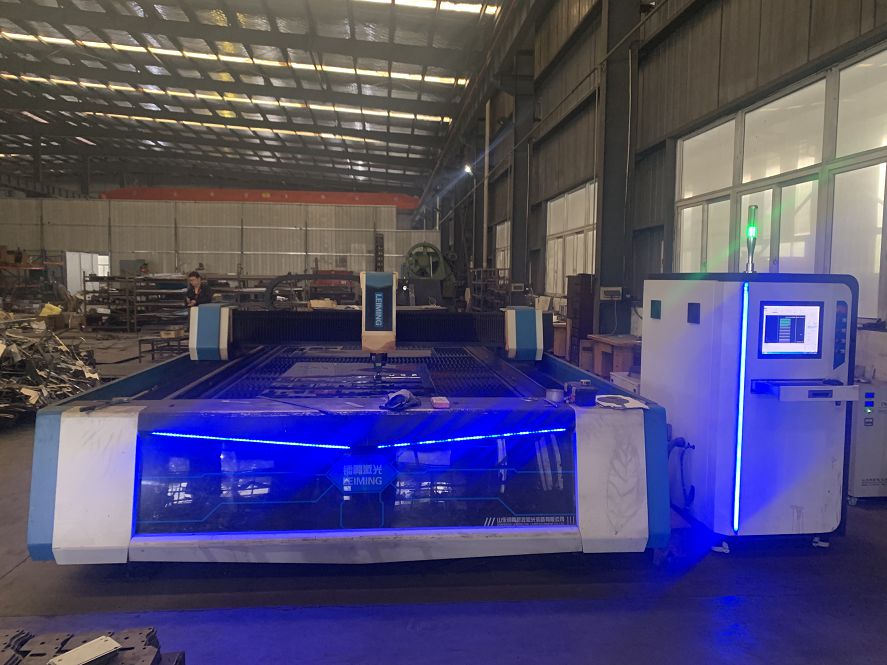
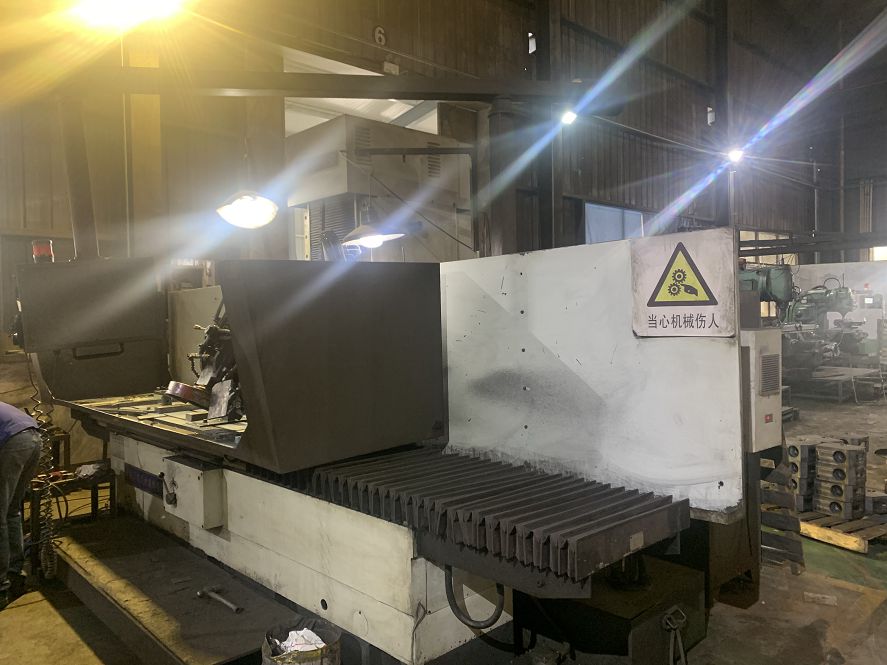

Procuring heavy CNC machinery within the Eurasian Customs Union requires careful planning around technical compliance, electrical standards, and shipping routes. Zhejiang ZRF Spinning Co., Ltd. offers a fully structured import support framework designed specifically for Kazakhstan buyers.
Our double-roller CNC spinning machines are shipped with comprehensive documentation prepared for Customs Union registration. We build our power cabinets with high-quality electrical components engineered to run on local grid architectures (typically 380V/50Hz, 3-Phase). The CNC control systems, powered by advanced software nodes, feature multi-language operation interfaces including Russian and English, ensuring smooth operational training for engineers and technicians in Almaty, Astana, and Karaganda.
We coordinate logistics using established land cargo routes, sending machinery directly via Horgos or Alashankou-Dostyk rail-highway corridors. This keeps shipping times down to 15 to 25 business days from our factory directly to your facility in Kazakhstan, avoiding the long lead times of ocean shipping.
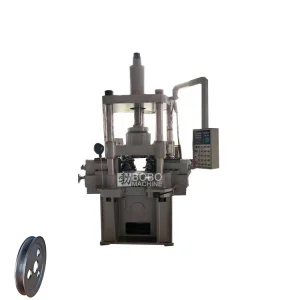
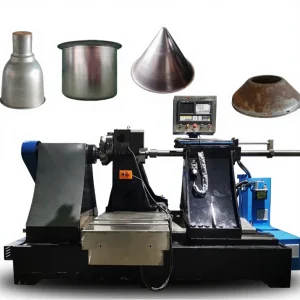
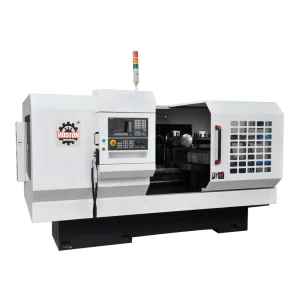
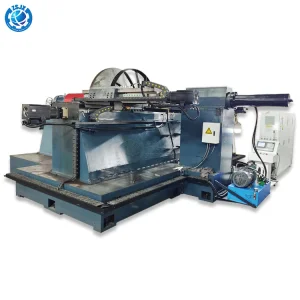
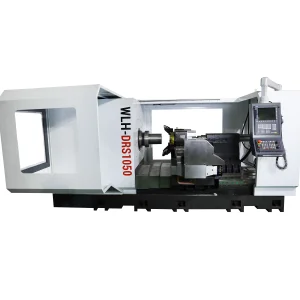
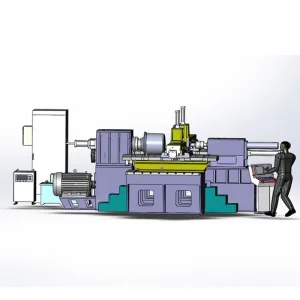
Review our core line of international exports, configured with dual-roller tooling heads for advanced manufacturing applications.
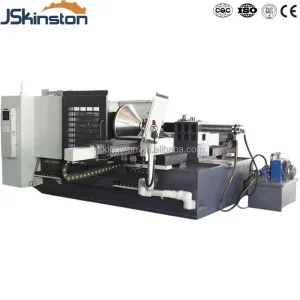
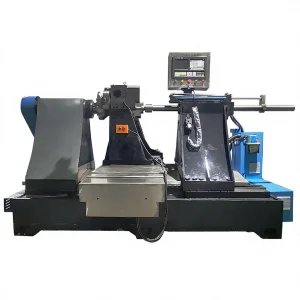
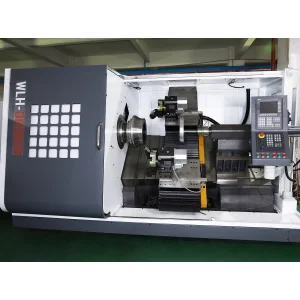
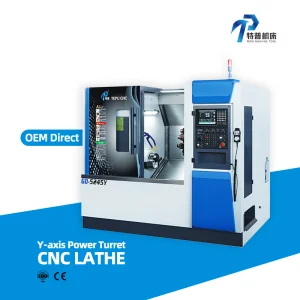
The future of metal deformation engineering relies on smart data collection and digital control loops. ZRF Spinning Co., Ltd. is actively integrating advanced IoT frameworks to bridge the gap between machine operations and enterprise planning. Our current development roadmap includes the integration of high-resolution force transducers directly onto the dual-roller slide carriages. These sensors capture feed-back forces at millisecond intervals, feeding real-time deflection data back to the central processor.
This feedback loop allows the machine to make micro-adjustments during the spinning process, compensating for any material hard spots or slight variations in blank thickness. This capability is particularly useful when working with high-strength structural steels like Q345B, Hardox, or special AISI grades. Additionally, we are incorporating cloud-linked diagnostics, enabling our engineering support teams in China to perform remote troubleshooting, code updates, and configuration checks for customers based in Almaty or Karaganda. This proactive maintenance support keeps unplanned downtime to a minimum.
Get answers to common engineering questions regarding the application and deployment of CNC pulley spinning machines.
Double-roller configurations apply symmetrical forces on the workpiece, which balances radial forces and prevents bending moments on the main spindle. This design maintains high structural rigidity, keeps tolerances under 0.05 mm, and extends the service life of both the spindle and the tooling mandrels.
Our systems process carbon steel blanks (like SPCC, Q235, Q345), high-strength micro-alloy steels, various stainless steel grades (including 304 and 316), and structural aluminum alloys. The high-torque hydraulic motors handle materials up to 6mm to 8mm in thickness without requiring pre-heating.
We provide comprehensive on-site installation support. Once the machinery arrives at your facility, ZRF engineers manage assembly, calibrate the hydraulic systems, and configure the CNC program scripts. We also conduct a week of hands-on training for your operators, covering machine setup, safety protocols, toolpath programming, and basic maintenance tasks.
We use industrial PLC and CNC controllers from reputable brands like Siemens, Syntec, or Keyuan Control systems, depending on client preferences and specific configuration requirements. The power systems are customized to your local grid standard—typically 380V, 50Hz, 3-Phase.
Flow-formed pulleys feature a continuous grain flow that eliminates structural porous spots common in cast pulleys. This grain structure increases dynamic burst resistance, reduces balance errors, and minimizes overall vibration, protecting the drive motors and bearings in your machinery.
 ZRF Spinning