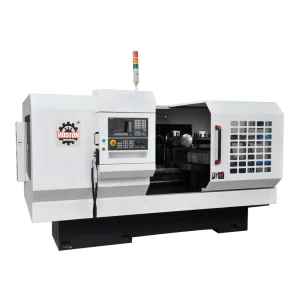
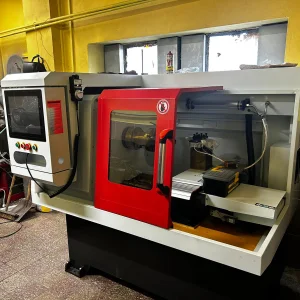
Top Trusted Computerized CNC Turning Centers Manufacturer & Suppliers

Precision Engineering, Multi-Axis Dynamic Metal Spinning, and Smart Manufacturing Ecosystems by Zhejiang ZRF Spinning Co., Ltd.

Global Industrial Landscape of Computerized CNC Turning & Metal Spinning

Understanding the macro-economic forces, market dynamics, and regional demand driving manufacturing precision worldwide.

The modern manufacturing sector is undergoing a profound paradigm shift. As industries like aerospace, automotive, energy, and defense demand tighter tolerances, superior surface finishes, and structural optimization, Computerized CNC Turning Centers and metal spinning systems have transitioned from optional specialized equipment to fundamental backbone technologies.
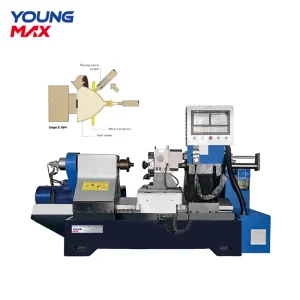
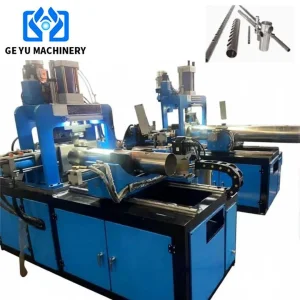
Unlike traditional subtractive lathe processes that shear raw metal stock down to a designated diameter, advanced CNC metal spinning and flow-forming machines leverage compressive forces. Under precise program control, rollers shape rotating sheet metal over a mandrel, aligning the material's grain structure to enhance tensile strength while saving up to 70% in material waste. This ecological and structural efficiency is driving massive adoption across the Americas, Europe, and Asia-Pacific.
In North America and Europe, the demand is heavily anchored on aerospace component production, structural pressure vessels, and defense-related hollow shells. Conversely, in the Asia-Pacific region—particularly in manufacturing hubs like China and India—the demand is fueled by high-throughput consumer goods production, advanced automotive wheel rim refurbishing, industrial ventilation systems, and massive chemical process installations.
As a premier manufacturer in this space, Zhejiang ZRF Spinning Co., Ltd. bridges this global demand by engineering multi-axis, double-roller, and heavy-duty vertical configurations designed to meet rigorous regional compliance standards (including CE and ISO 9001 systems) while maximizing operational uptime.
30+
Chinese Provinces Covered
20+
Countries & Regions Exported
ISO9001
Strict Quality Assurance
0.01mm
Precision Repeatability

Zhejiang ZRF Spinning Co., Ltd.

A High-Tech Enterprise Dedicated to Continuous Research, Quality Control, and Worldwide Cooperation.

As a high-tech enterprise specializing in the research, development, and manufacturing of CNC spinning machine tools, Zhejiang ZRF Spinning Co., Ltd. has extensive experience and a strong technical foundation in the domestic spinning industry. Our series of CNC spinning machine tools are widely applied across a variety of industries, including petrochemicals, electronics, daily hardware, food processing machinery, automotive and motorcycle components, pressure vessels, ventilation and environmental protection, defense, and aerospace.
The ZRF spinning machine series has reached more than 30 provinces and cities across China and has been exported to over 20 countries and regions worldwide. Our advanced technology, excellent product quality, and comprehensive service system have earned the trust and recognition of users globally. At Zhejiang ZRF Spinning Co., Ltd., we firmly advocate a philosophy of market-oriented development, research-driven innovation, and technological excellence. We focus on continuous improvement in both product performance and service quality. Our manufacturing process strictly adheres to the ISO9001 quality management system, ensuring reliable, safe, and high-quality products. Over the years, we have established long-term cooperative relationships with many leading domestic and international enterprises.

Core Pillars of Our Quality & Service Commitment

Innovation-Driven Development

Integrating advanced mechanical structures, software control systems, and automated robotics to push boundaries in rotational sheet-metal shaping.

Commitment to Quality

Adhering strictly to standard manufacturing pathways, heavy structural aging tests, and multi-tier quality checks to deliver durable machinery built for heavy duty.

Honest Service & Mutual Growth

Forging lasting international partnerships by providing comprehensive installation, structural tuning, operator training, and post-purchase engineering support.

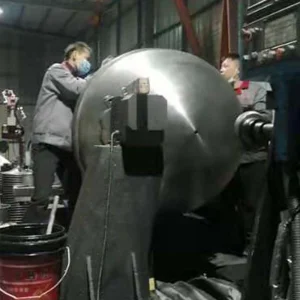
Internal Facilities & Production Workflows

A transparent look at our specialized manufacturing processes, industrial machinery, assembly floor, and quality testing labs.
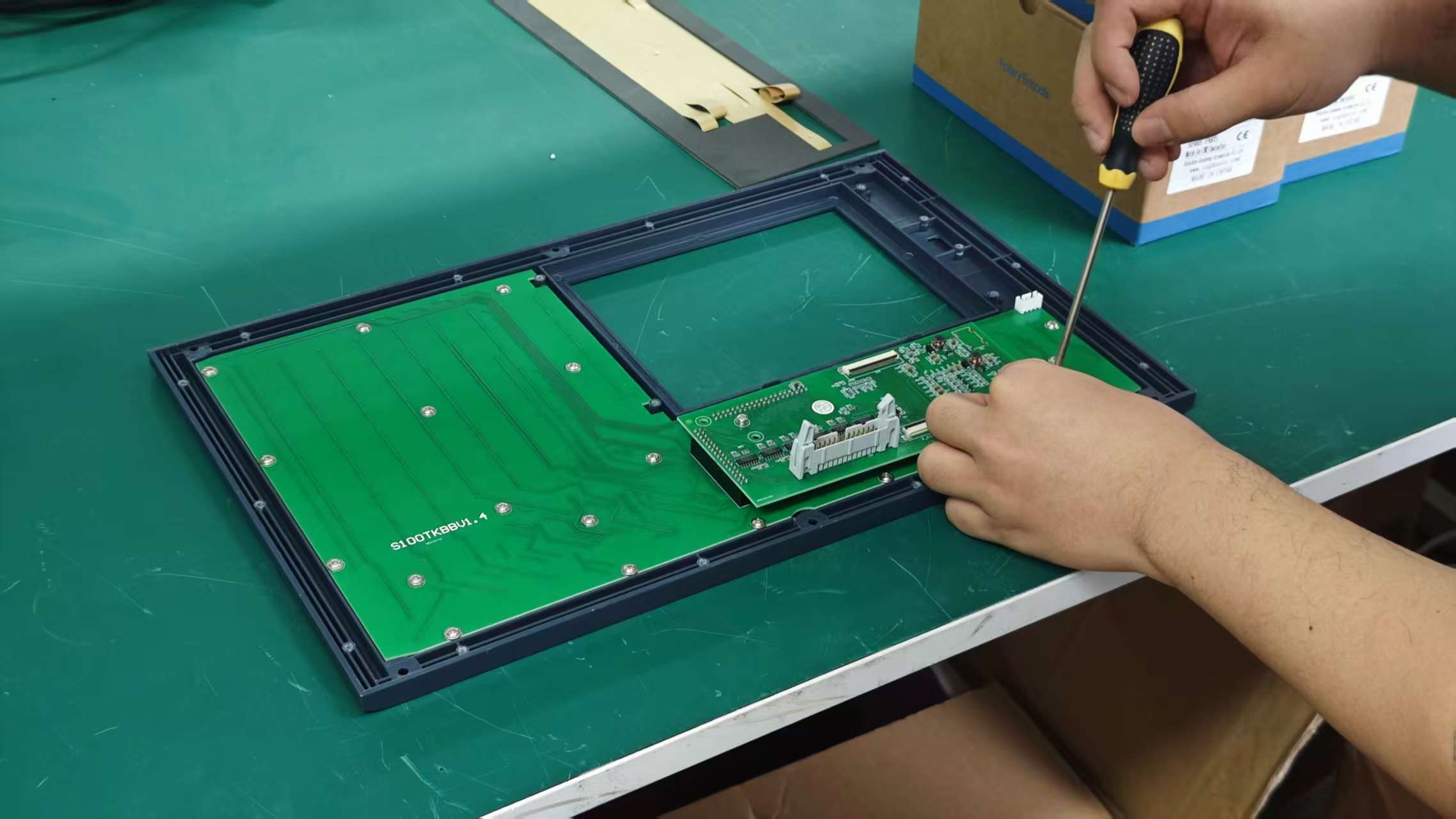
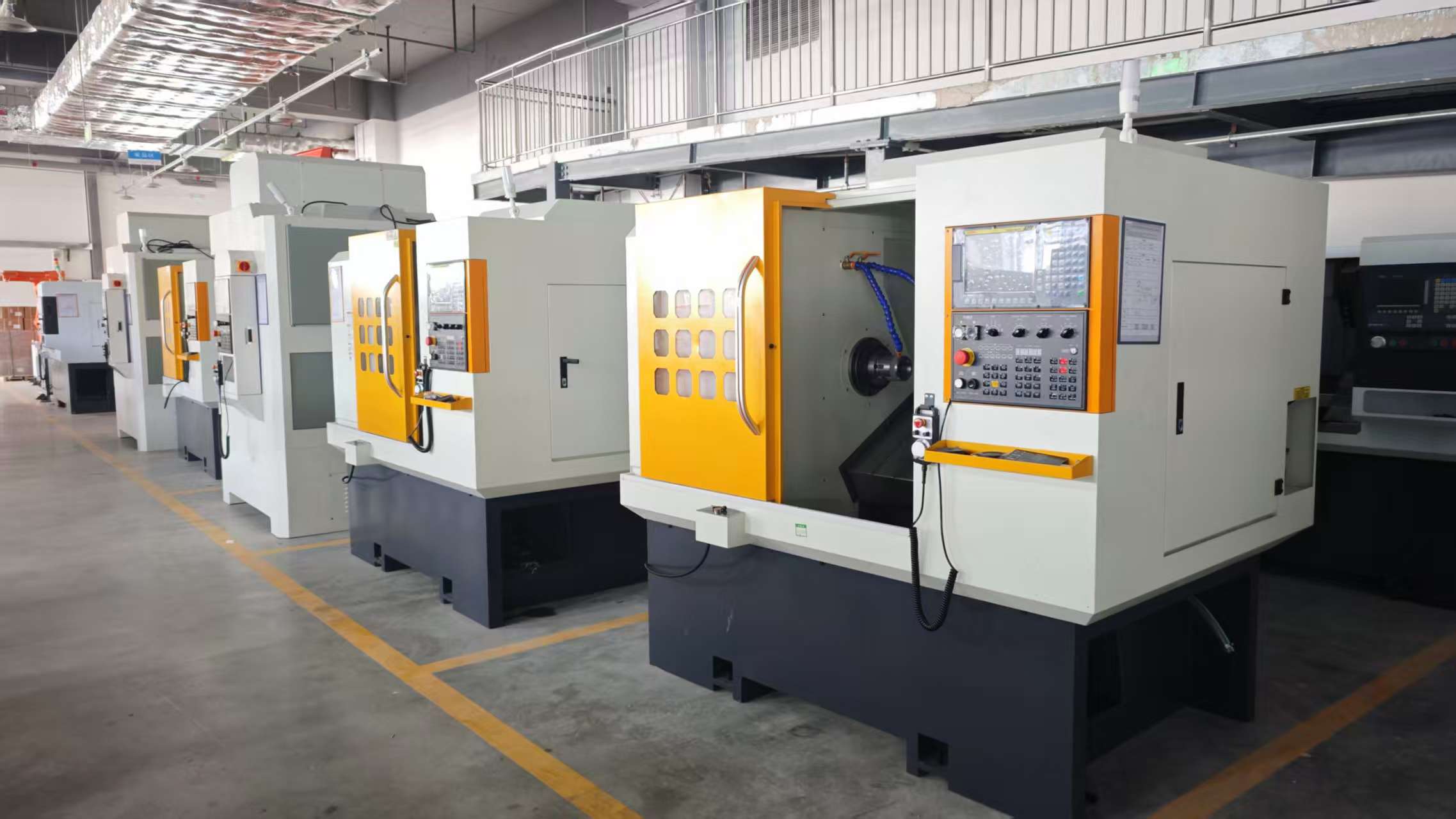
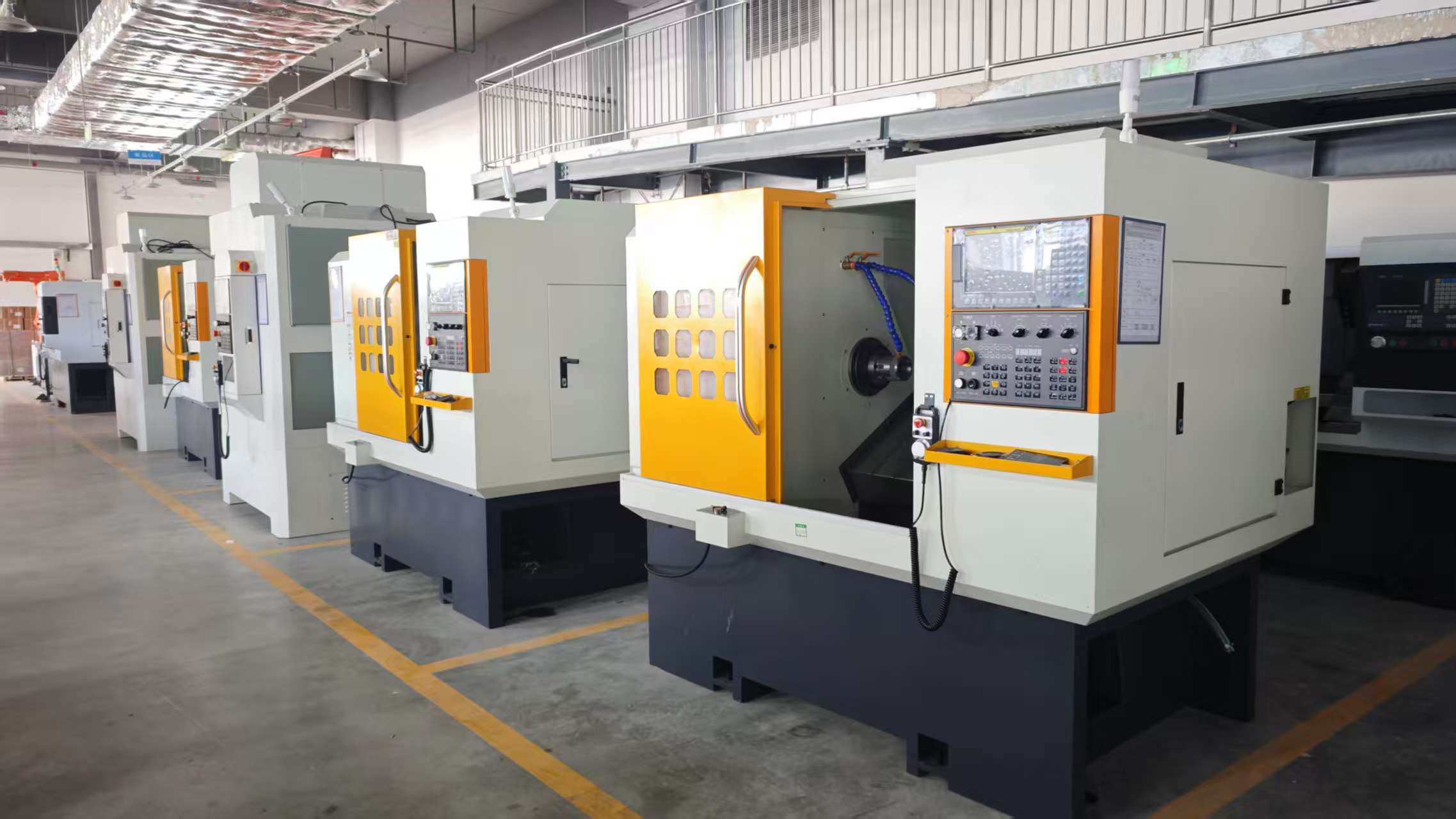
Assembly Area
Component Assembly
General Assembly Line
General Assembly Floor
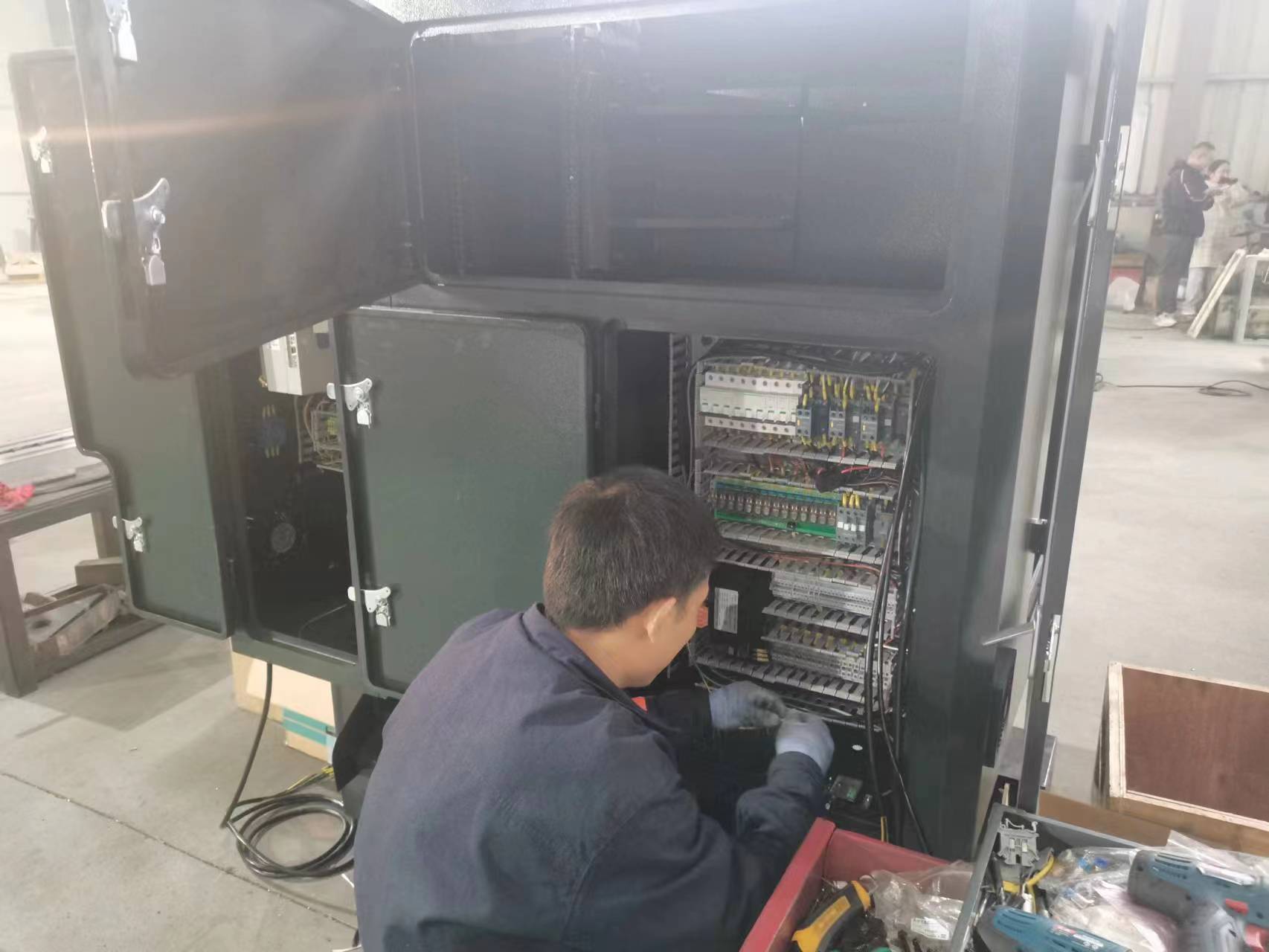
Precision Debugging
System Debugging & Calibration
Aging Test Area
Aging & Stress Verification
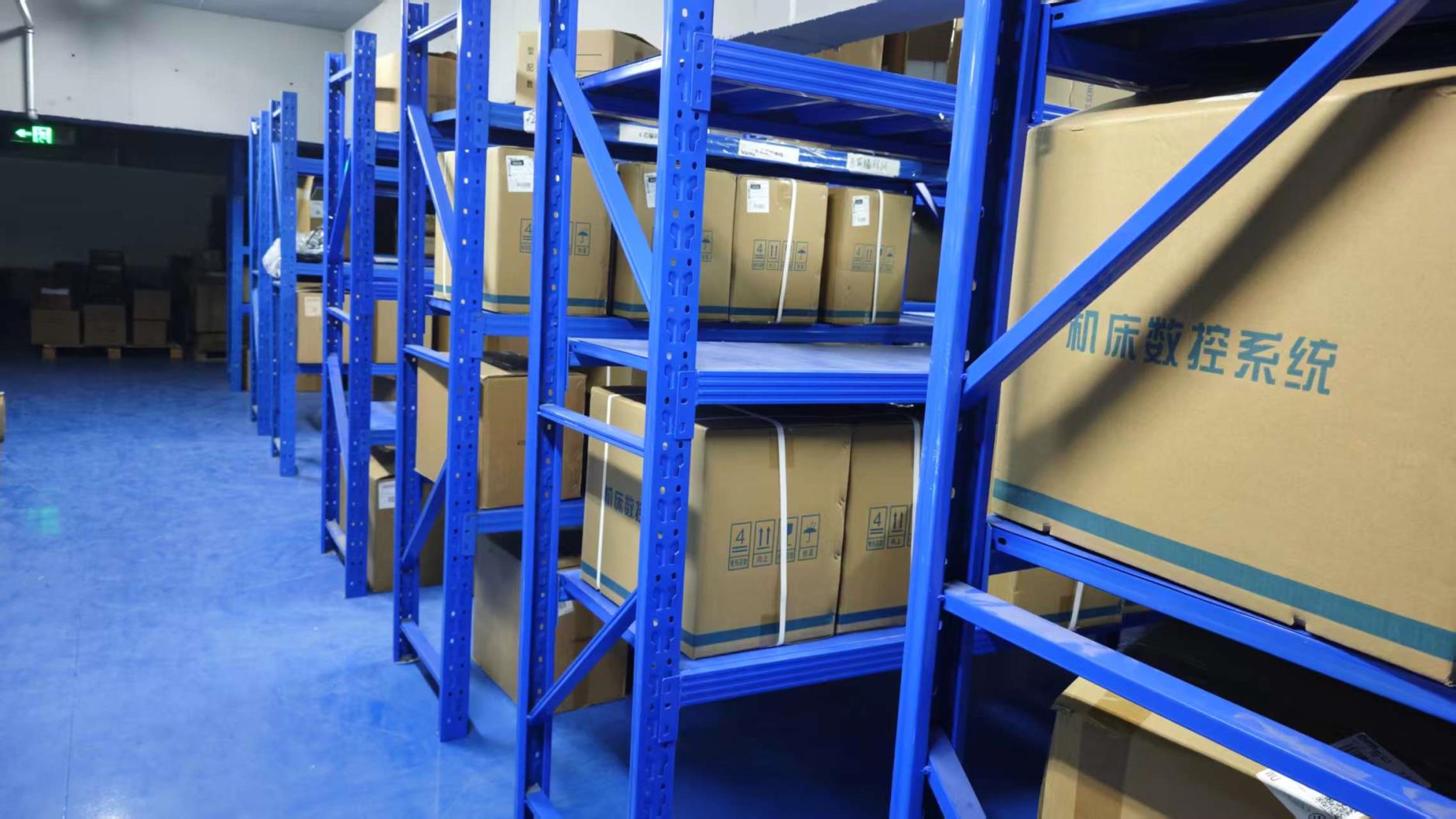
Machine Storage
Finished Goods Storage
Assembly Line Overview
Heavy Assembly Line
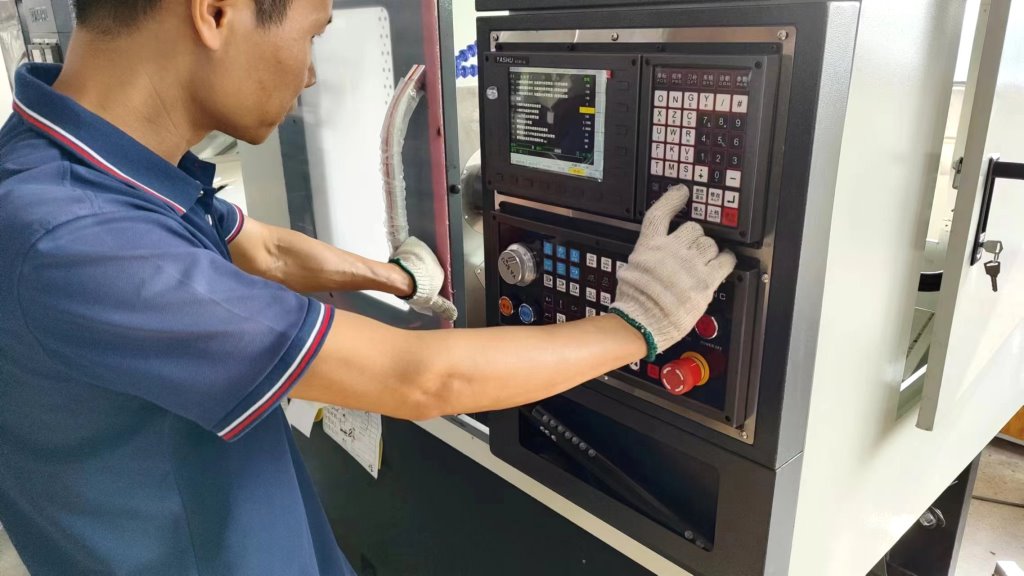
Machine Testing
Functional System Testing
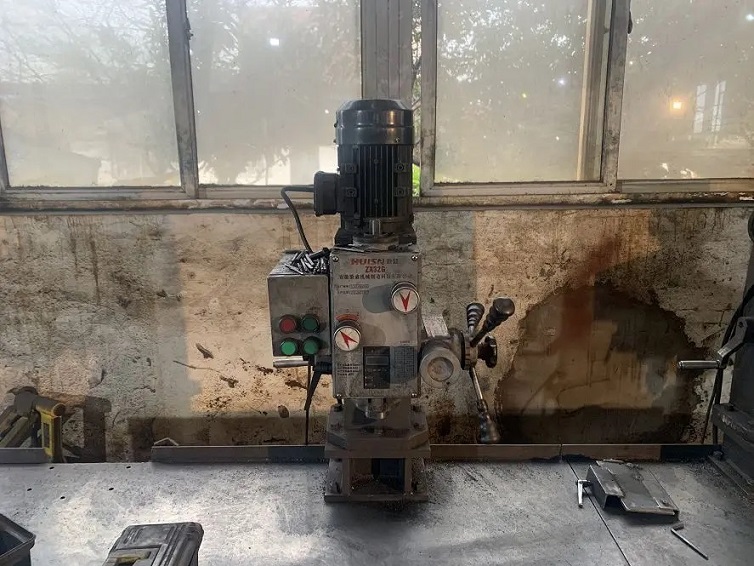
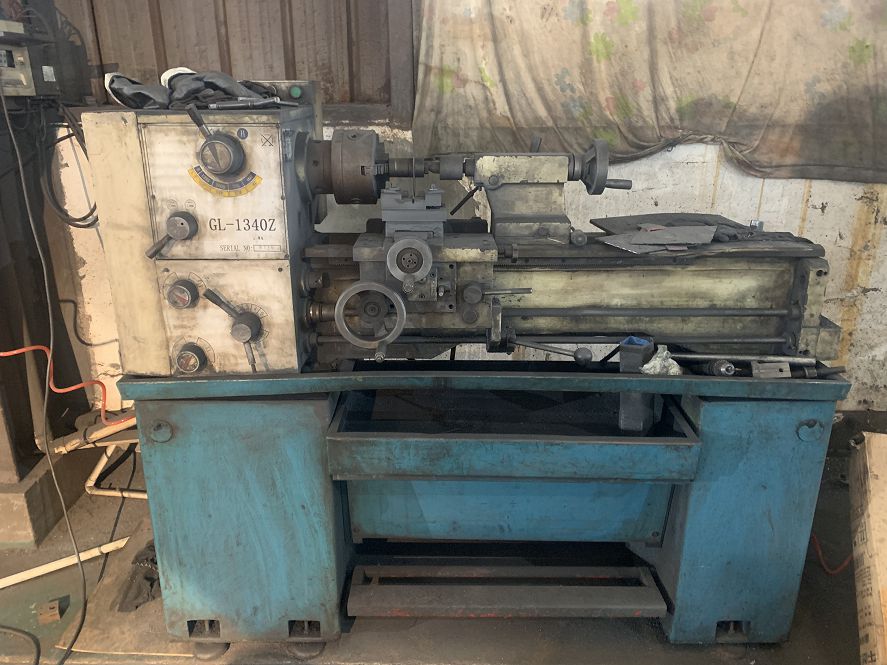
Milling and Drilling Process
Milling & Drilling Machine
Lathe Machining Station
Heavy Lathe Machining
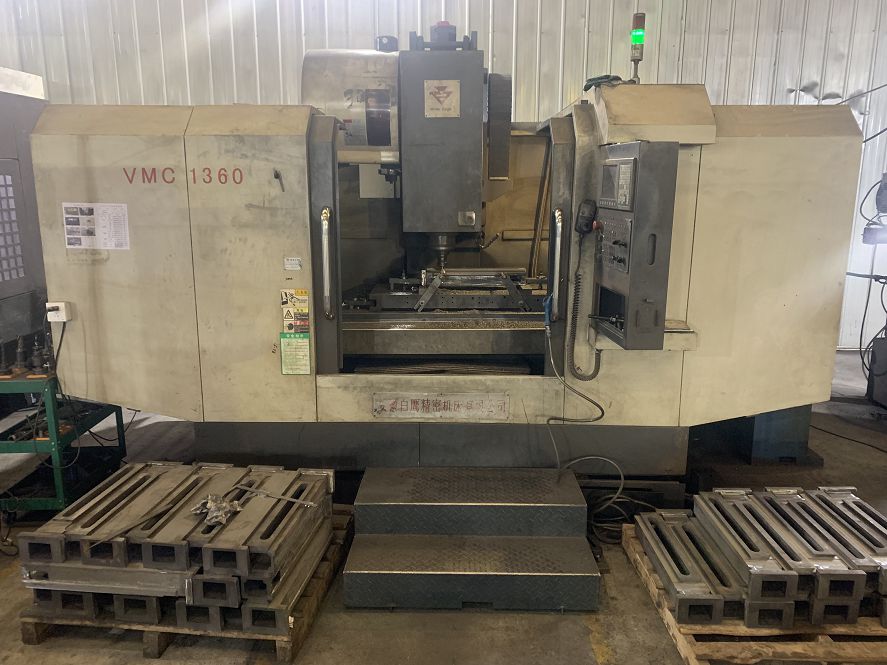
CNC Machining Center
CNC Machining Operations
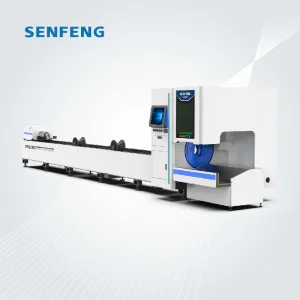
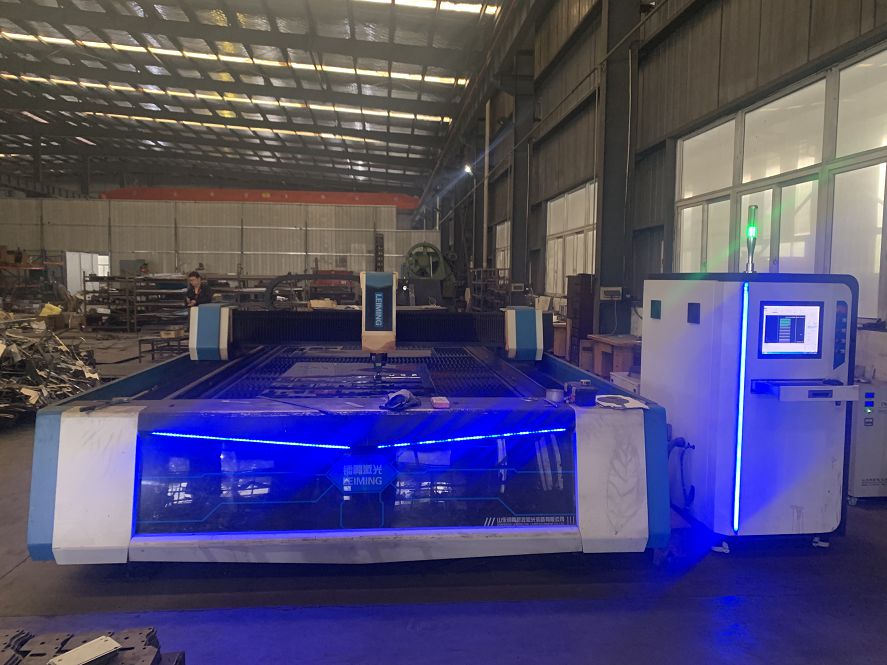
Laser Cutting Machine
Laser Cutting Systems
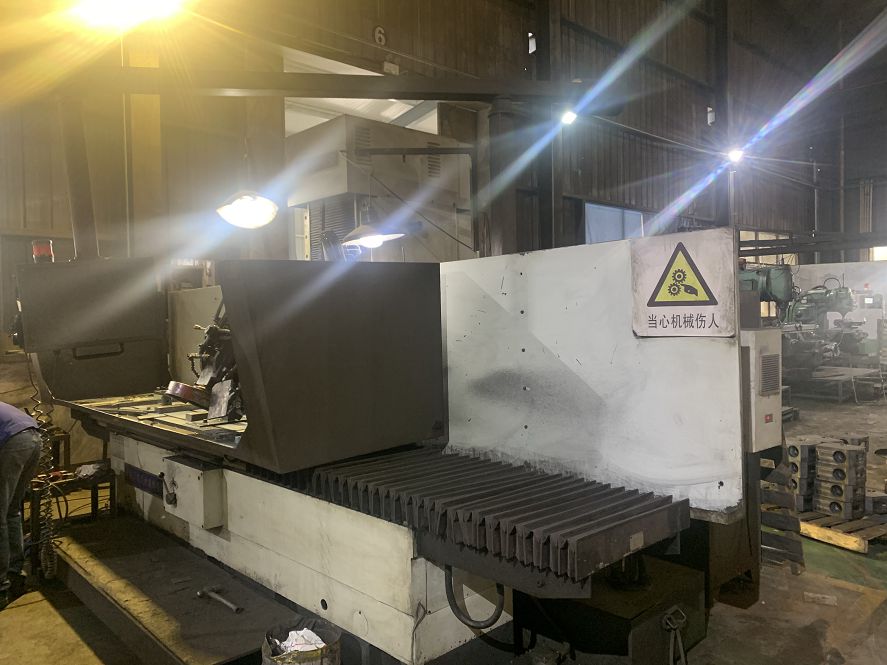
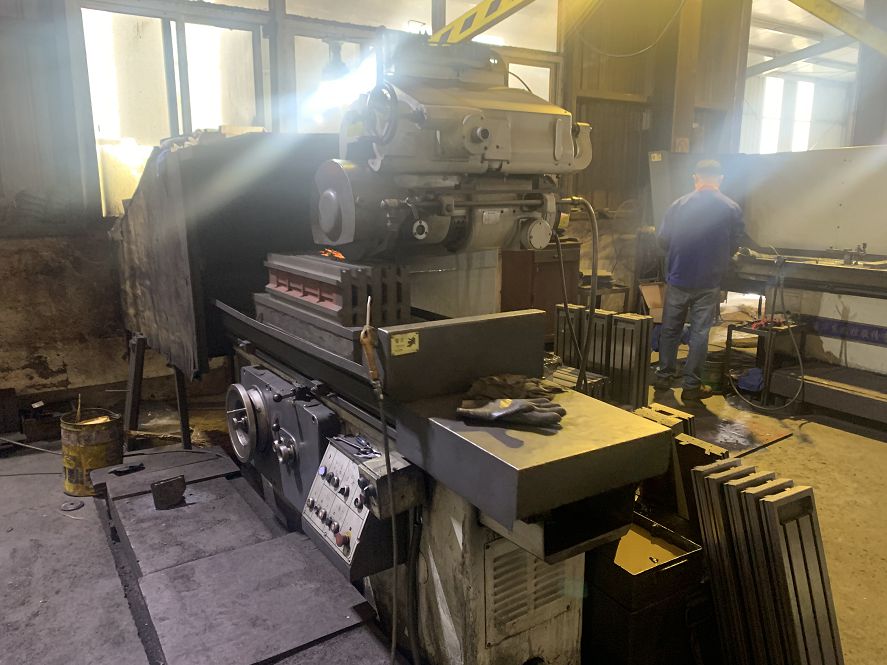
Precision Guideway Grinder
Precision Guideway Grinding
Universal Grinding Machine
Universal Grinding & Finishing

Key Industry Development Trends (2025–2030)

Analyzing the technological shifts toward intelligence, environmental stewardship, and hybrid process integration.

Artificial Intelligence & Cyber-Physical CNC

Contemporary CNC turning centers are adopting integrated sensor setups. Acoustic emission systems, thermal sensors, and real-time vibration analyzers monitor the cutting and spinning rollers. This feed-forward data allows algorithms to modify tool paths dynamically to prevent tool wear or material tearing.

High-Strength Alloy & Hot-Spinning Technologies

Traditional metal spinning was confined to high-ductility materials like copper and aluminum. Modern industries now utilize CNC hot spinning, where integrated laser or induction heaters heat hard-to-deform materials (like titanium or high-nickel superalloys) above recrystallization temperatures, enabling complex structural necking.

Hybrid Subtractive-Forming Systems

Manufacturers no longer want separate machines for spinning, turning, punching, and milling. The market trend points toward multi-tasking hybrid systems. Machines with built-in tool turrets perform spinning, follow it up with immediate precision boring or milling, and finish with a CNC lathe turn—all in a single clamping setup.

Technical Roadmap & Machine Specifications

Evaluating the design variations between diverse turning, spinning, and bending machines in industrial applications.

Machine Category Primary Processing Mechanism Typical Material Capability Ideal Application Scenario Key Precision Advantage
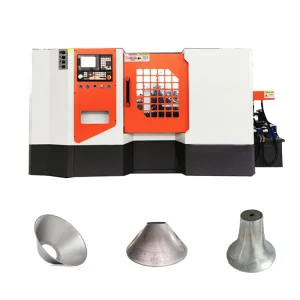
CNC Metal Spinning Machines Incremental local plastic forming using roller pressure. Stainless steel, carbon steel, copper, aluminum alloys. Hollow symmetrical parts, industrial pots, cones, nozzles. Increases material tensile strength, minimizes scrap.
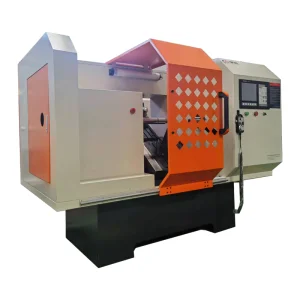
CNC Slant-Bed Rim Repair Lathes Rotational subtractive turning with dynamic optical probing. Aluminum wheel alloys, custom forged steel rims. Automotive service, custom aftermarket wheel profiling. High rigidity bed layout, accurate probe-to-cut correlation.
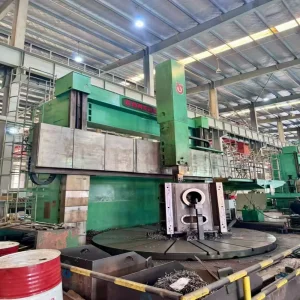
Heavy-Duty CNC Vertical Lathes Vertical axis rotation with multi-station tooling systems. Large cast iron structures, structural carbon steel, alloys. Large flange machining, wind turbine hubs, industrial drums. Eliminates gravitational sag on large diameters.
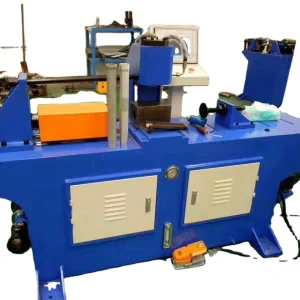
CNC Laser Tube Cutters & Benders Thermal fiber laser ablation & CNC rotary draw bending. Structural pipe steel, stainless tubing, copper conduit. HVAC exhaust pipes, structural frames, fluid lines. Clean cut edges with no mechanical distortion.

Localized Engineering Applications & Solutions

How specialized CNC turning and spinning machines resolve specific industrial challenges around the globe.

Aerospace, Defense & Rocket Cones

Aerospace systems utilize nose cones, fuel tank bulkheads, and engine nozzles that must withstand hyperbaric stresses without failing. Traditional welded assemblies introduce heat-affected zones vulnerable to fatigue. Using heavy-duty CNC flow forming, raw preforms are spun into single-piece seamless structures, maximizing material performance and stability.

Commercial HVAC & Air Movement Systems

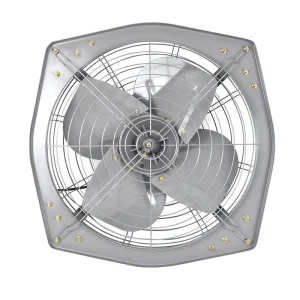
Industrial ventilation structures require large-diameter venturi inlets, impeller shrouds, and axial fan casings. These circular parts must have minimal eccentricity to prevent aerodynamic imbalance at high RPMs. Dynamic double-roller CNC spinning machines shape these components directly from metal discs, maintaining perfect concentricity.

High-Volume Cookware & Housewares

Producing high-volume aluminum pots, pans, and bowls requires automated manufacturing cells. Fully automatic production lines combine high-speed blanking, metal spinning, automated edge trimming, and pick-and-place robotic systems. Zhejiang ZRF Spinning provides complete, integrated systems that output finished housewares every few seconds.

Frequently Asked Questions (FAQ)

Essential technical answers regarding computerized CNC turning, spinning setups, and quality sourcing guidelines.

What is the fundamental difference between CNC Turning and CNC Metal Spinning?
CNC turning is a subtractive machining process where a tool bit cuts away metal from a rotating bar to create profiles. CNC metal spinning, by contrast, is a metal forming process. It uses specialized rollers to apply localized pressure on a rotating sheet metal disk, stretching and forming it over a mandrel. No material is removed during spinning, yielding significant material savings and improving grain alignment for stronger parts.
What criteria should be used to select a supplier for computerized CNC turning centers?
To ensure reliable equipment, look for suppliers with: 1) Certified compliance with ISO 9001 and CE frameworks. 2) In-house R&D facilities with precision machining tools (like guideway grinders and milling machines) that ensure build quality. 3) Comprehensive structural testing processes (including thermal aging and runtime simulation). 4) Worldwide service capabilities with existing export networks (ZRF has exported to over 20 countries).
How does the dynamic slant-bed configuration benefit wheel rim repair lathes?
A slant-bed design increases the rigidity of the lathe structure, which minimizes vibrations during cutting. For alloy rim repair, this rigidity is crucial because any chatter affects the surface finish. It also makes chip evacuation easier and provides a safer layout for operators when loading heavy car wheels.
Can CNC spinning machines handle high-strength stainless steel alloys?
Yes. Heavy-duty spinning machines, such as the double-roller WLH-DRS850, apply high forces that easily exceed the yield strength of stainless steel. Our machines are designed with high-torque spindles and heavy-duty frame structures, allowing them to form stainless steels (such as SUS 304 and 316) through shear necking and flow forming without material tearing.
What role does ISO 9001 compliance play in the manufacturing process at ZRF?
ISO 9001 ensures that every step of manufacturing—from raw castings and laser cutting to assembly, debugging, and aging—is documented and checked against strict tolerances. This standardization ensures that every machine shipped to our clients meets the same quality, accuracy, and durability standards.