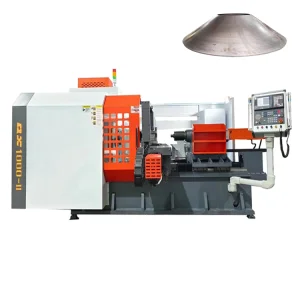
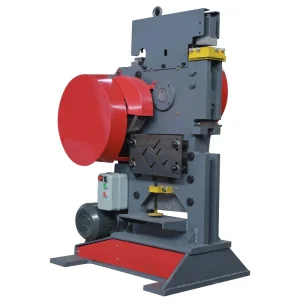
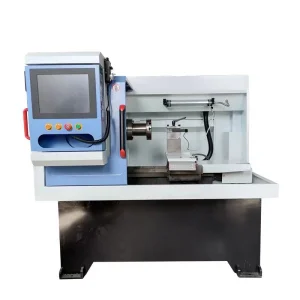
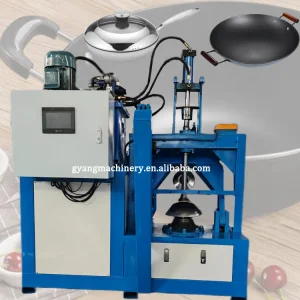
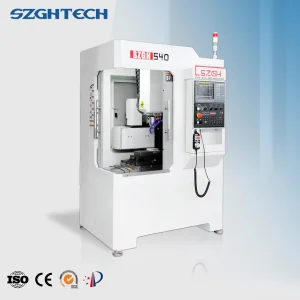
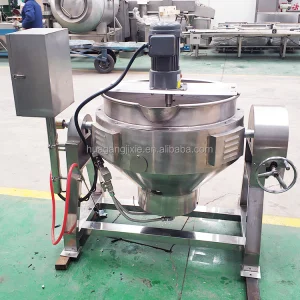
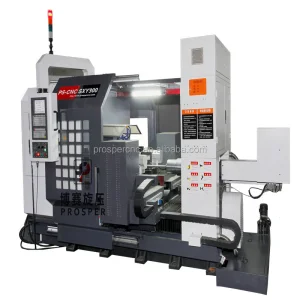
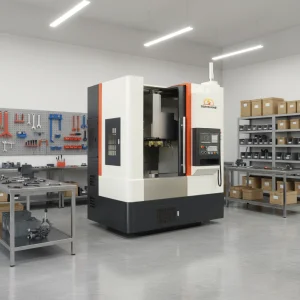
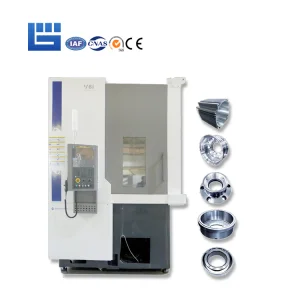
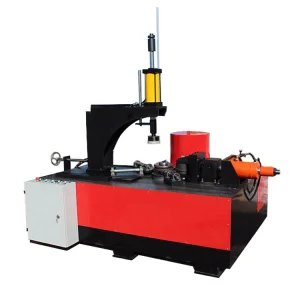
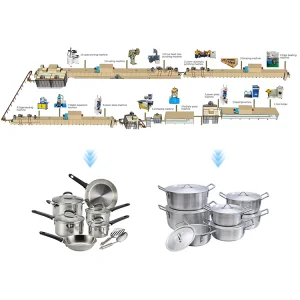
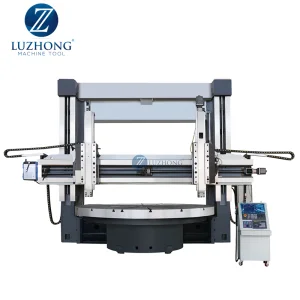
Explore the foundational forming systems utilized in high-precision aerospace, automotive, and industrial manufacturing pipelines before proceeding to the metrology standards validation.
In modern advanced manufacturing, components used in the aerospace, defense, energy, and automotive industries operate under extreme mechanical conditions. To guarantee structural reliability, precision forming technologies (such as CNC flow forming, vertical lathe machining, and heavy-duty stamping) must be directly coupled with high-end inspection and testing systems. Metrology is no longer a post-production checkpoint; it is an integrated loop within Smart Manufacturing. Without sophisticated 3D coordinate validation, optical defect profiling, and non-destructive testing (NDT), the microscopic variations inherent in metal forming processes could lead to catastrophic fatigue failure in mission-critical applications.
Evaluating the leading players in the industrial measurement space requires focusing on volumetric accuracy, dynamic repeatabilities, software compatibility, and hardware durability. Here is an analytical breakdown of the top 10 specialized categories and key manufacturing solutions shaping global industrial metrology:
CMMs remain the gold standard for volumetric inspection of complex geometric parts. Industrial giants such as Zeiss and Hexagon utilize air-bearing guide tracks and thermal compensation systems to measure workpiece features down to sub-micron accuracy, crucial for verifying spun metal structures and CNC-machined impellers.
Utilizing telecentric lenses and high-resolution CMOS arrays, companies like Keyence dominate the automated optical inspection (AOI) sector. These systems measure 2D and 3D surface parameters instantly, enabling rapid quality control for stamped components and machined electronics parts.
High-energy industrial computed tomography (CT) and ultrasonic scanners from Olympus (Evident) and Waygate Technologies analyze deep casting voids and internal cracks without damaging the components. This is crucial for verifying high-pressure vessels and aerospace turbines.
For large-format equipment like spinning lathe beds and heavy structures, manufacturers use Faro and Leica laser trackers. These coordinate systems operate dynamically in shop-floor environments with real-time vibrational compensation.
Taylor Hobson and Mahr develop specialized stylus and non-contact profilometers to measure micro-geometry. For components processed on CNC lathes, checking absolute roundness and sub-micron roughness is vital to control friction and sealing properties.
In CNC environments, visual tool measurement systems verify cutting-edge angles and wear profiles before machining begins. Zoller and Speroni tools prevent errors at the source, saving scrap costs and maintaining production run consistency.
The inspection landscape is undergoing a dramatic shift from traditional offline lab quality checkouts to real-time, in-line edge intelligence. The next five years will be characterized by the rapid convergence of sensor technologies, computing power, and manufacturing automation.
Rather than routing components to a separate quality room, modern manufacturing tools integrate sensor arrays directly on the spindle or processing head. In-situ laser scan systems profile the workpiece as it forms. If the system detects deflection or thickness deviation, it dynamically updates the CNC offset, compensating for thermal expansion and tool wear instantly.
Automated Visual Inspection (AVI) is transitioning from simple threshold-based pixel comparison to deep-learning models. Neural networks are trained on millions of micro-defect classifications to distinguish between cosmetic surface scuffs and structural micro-cracks. This reduces false-alarm rates and ensures high-speed production run efficiency.
Future metrology nodes will combine multiple physical principles simultaneously. By combining structured optical light, eddy current sensors, and acoustic emissions, a single measurement system can generate a comprehensive digital twin of a component, covering both surface topography and sub-surface density.
Different sectors demand highly customized approaches to metrology validation. Below are the macro-solutions optimized for major industrial segments:
Requirements: Ultra-low tolerances, structural integrity verification under variable G-forces.
Application: Flow-formed combustion chambers, nose cones, and pressure vessel spheres. Validation relies on automated ultrasonic thickness gauging combined with volumetric laser tracking.
Requirements: Resistance to high pressures, leak-proof weld structures, corrosive environment resistance.
Application: Flow-formed stainless steel containers and seamless pipe joints. Magnetic particle testing and automated phased-array ultrasonic testing (PAUT) are utilized to guarantee structural containment.
Requirements: Perfect dynamic balancing, weight reduction, high-speed radial stress distribution.
Application: Light-weight alloy wheels formed via CNC spinning. Automatic run-out testing machines check radial deviations down to 0.01mm, followed by inline X-ray checking for internal air bubbles.
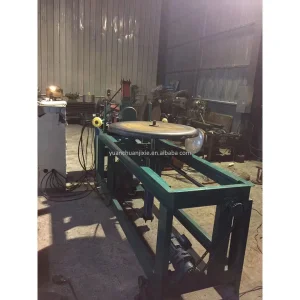
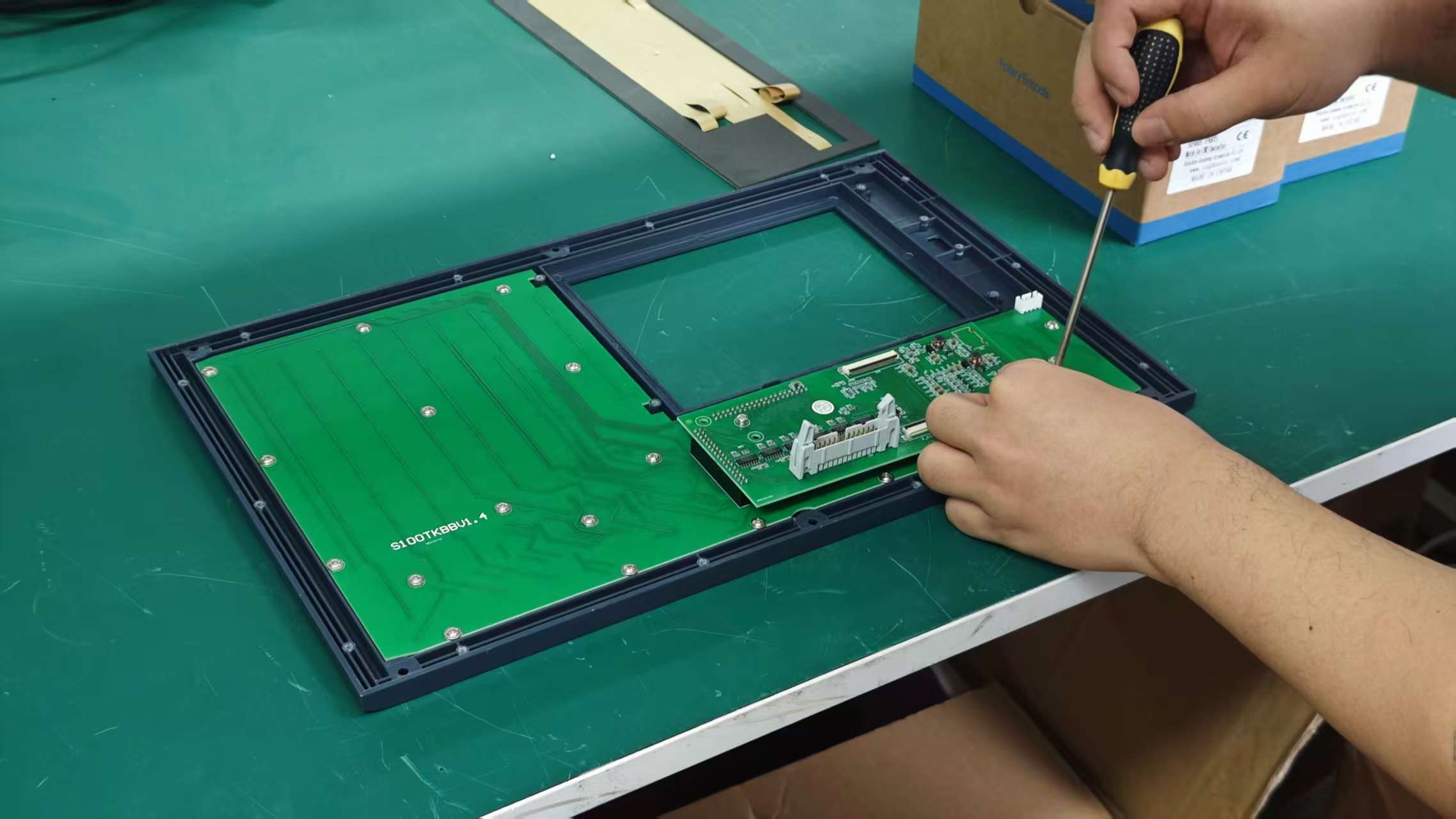
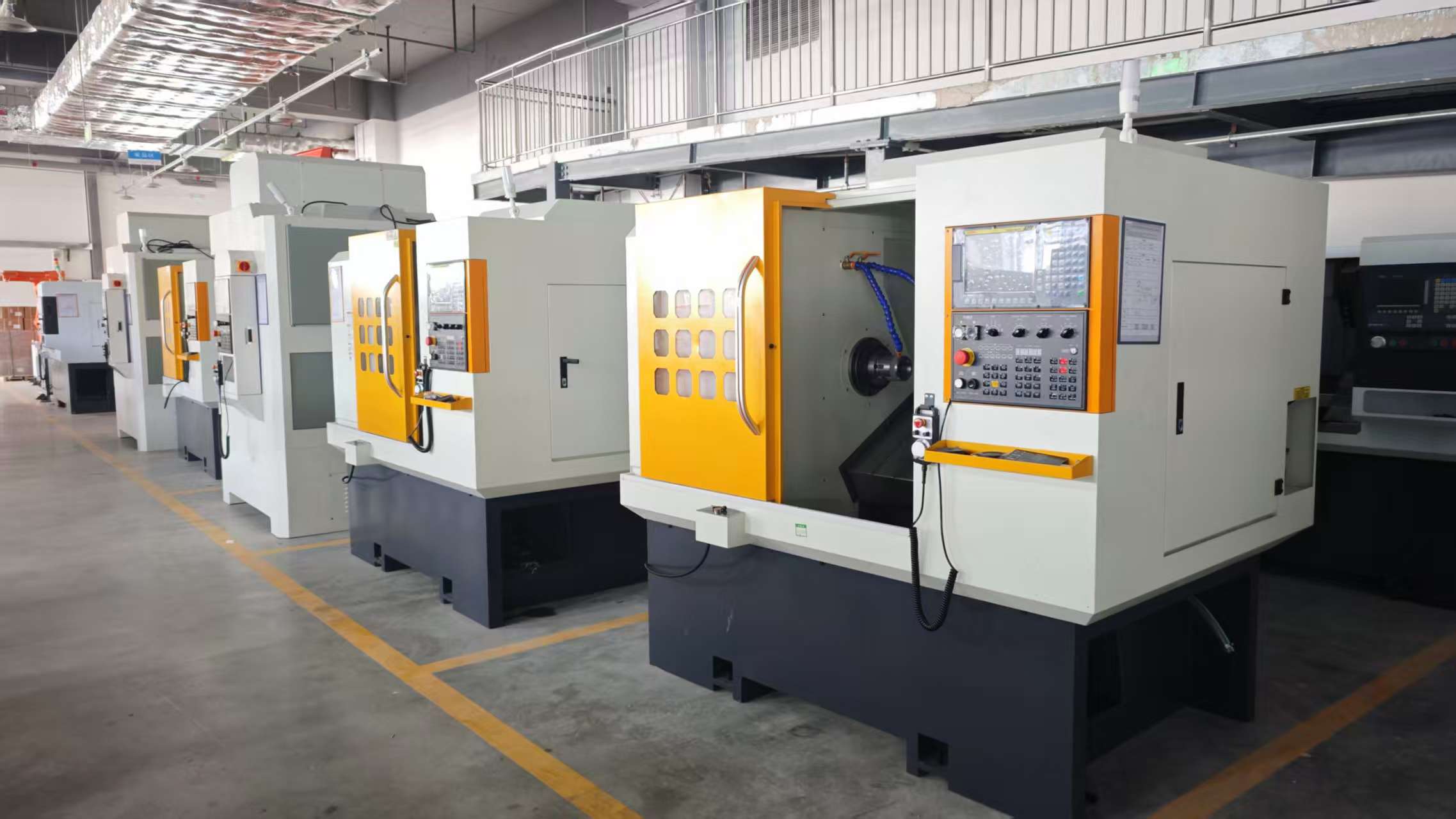
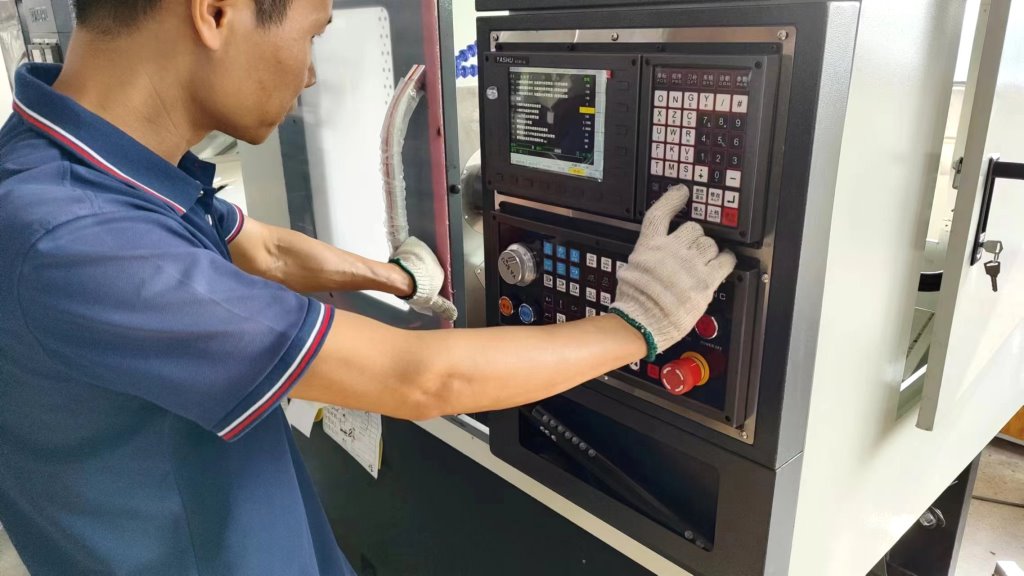
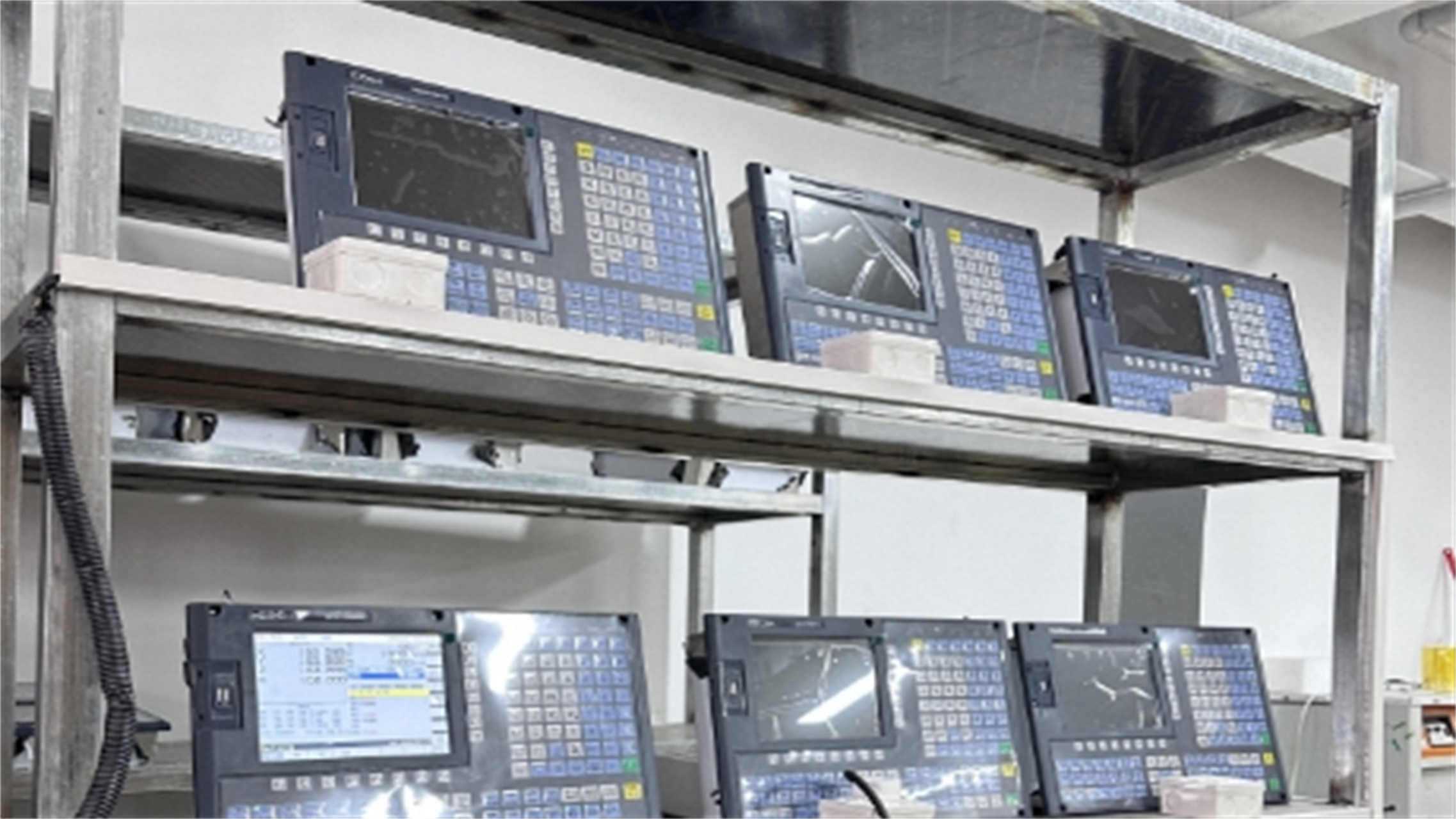
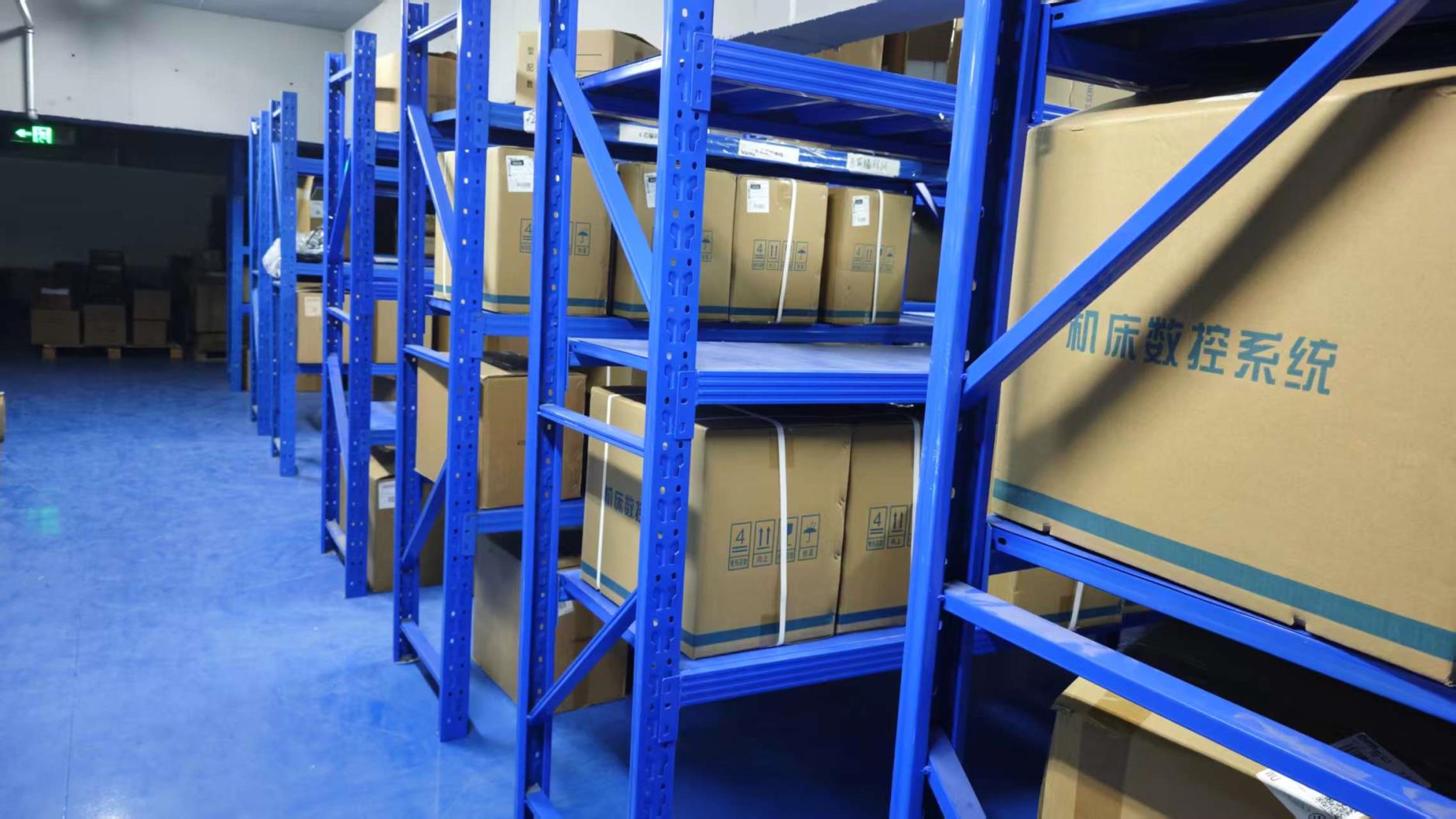
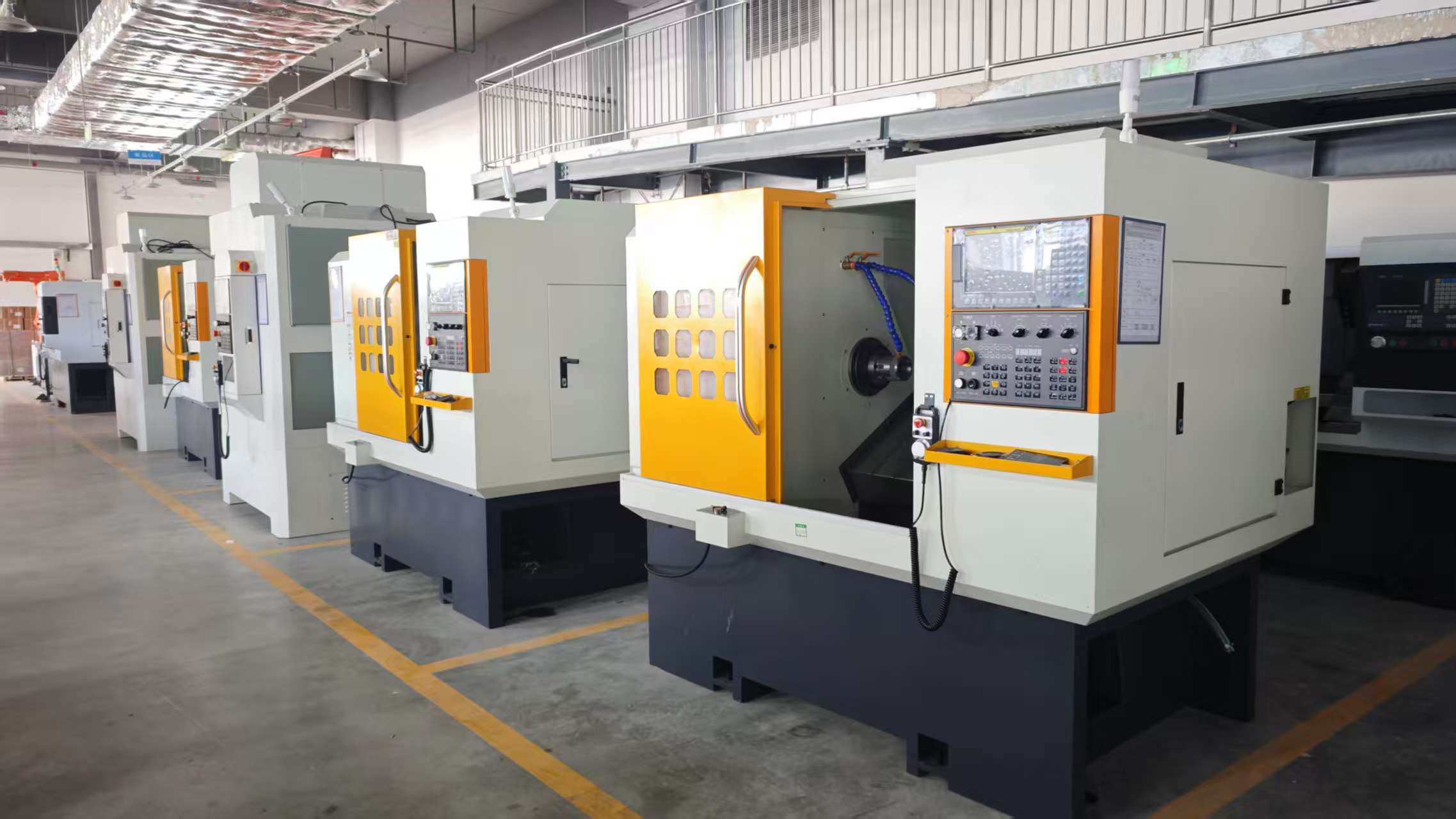
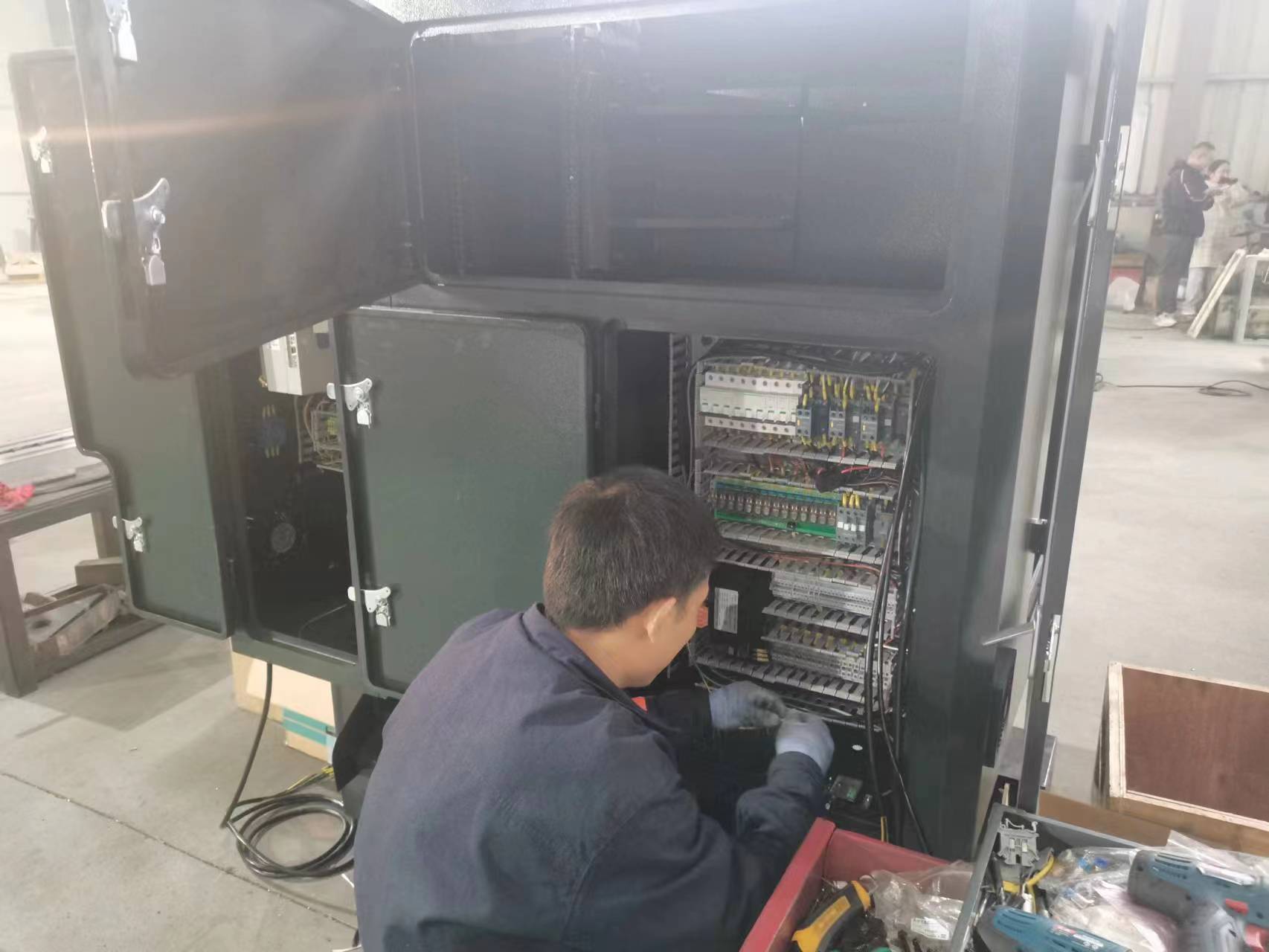
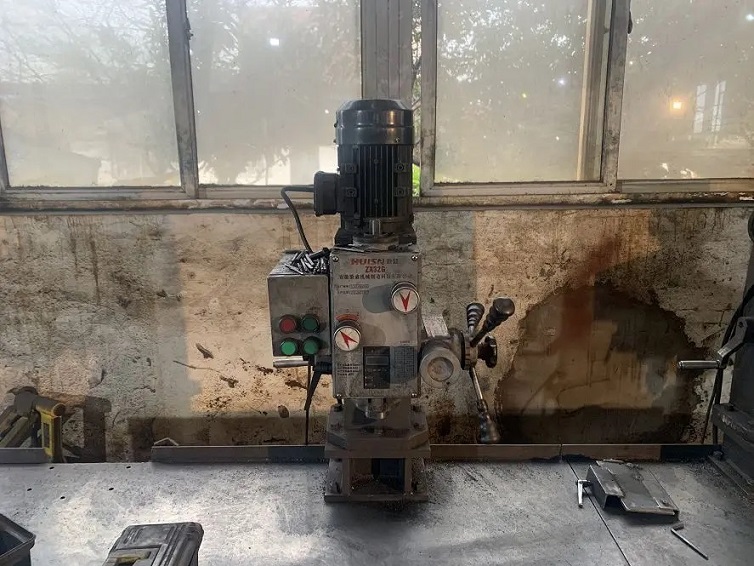
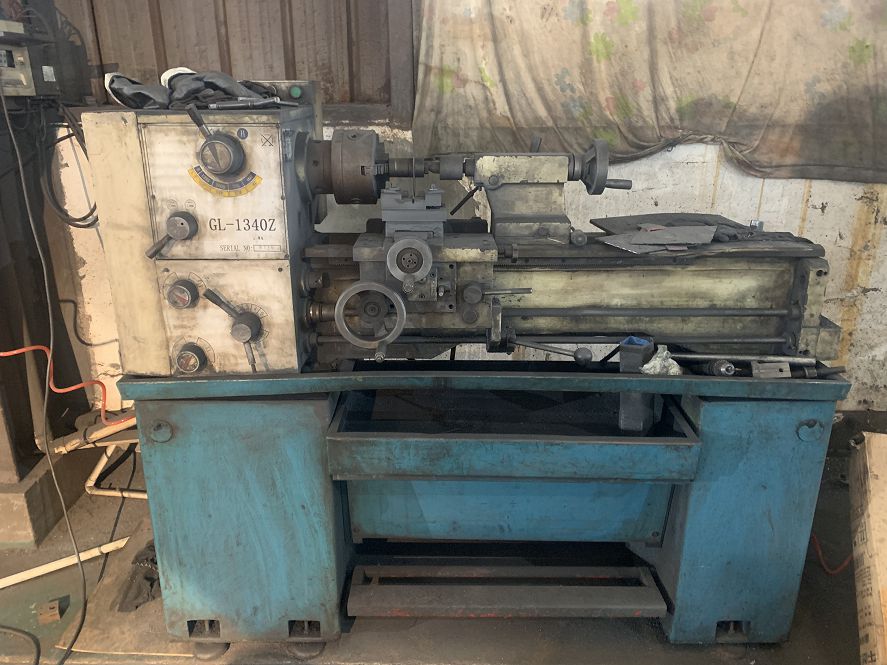
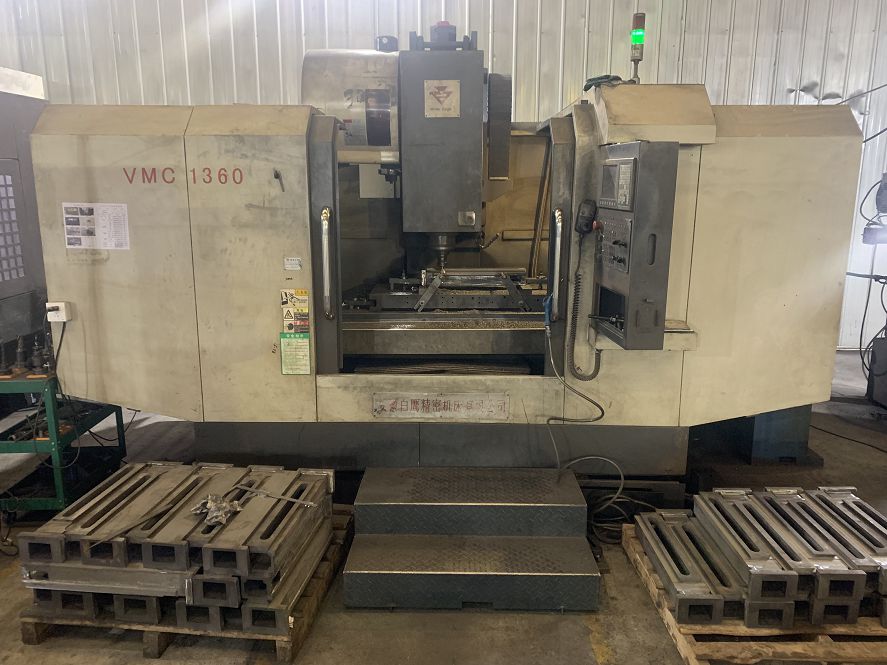
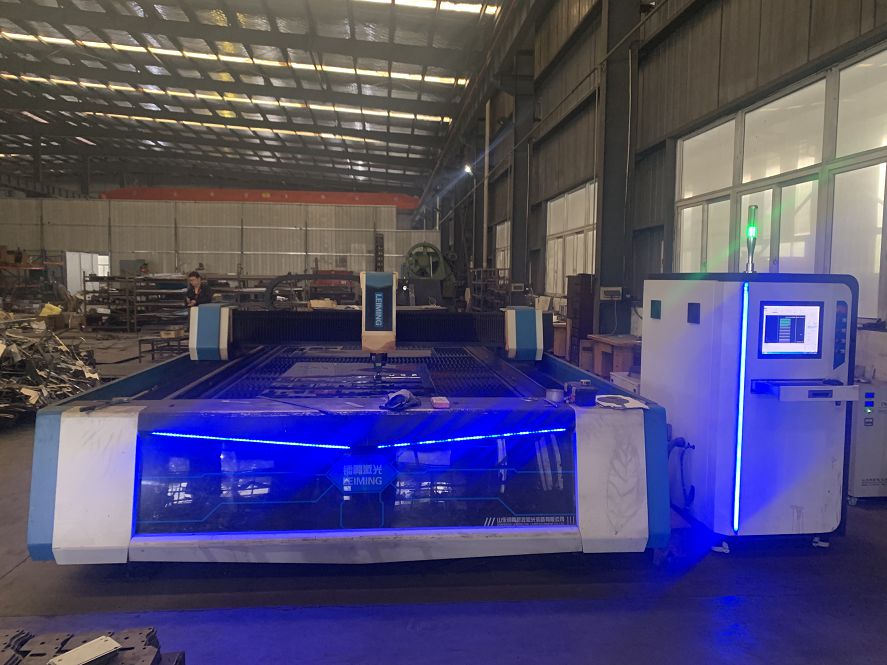
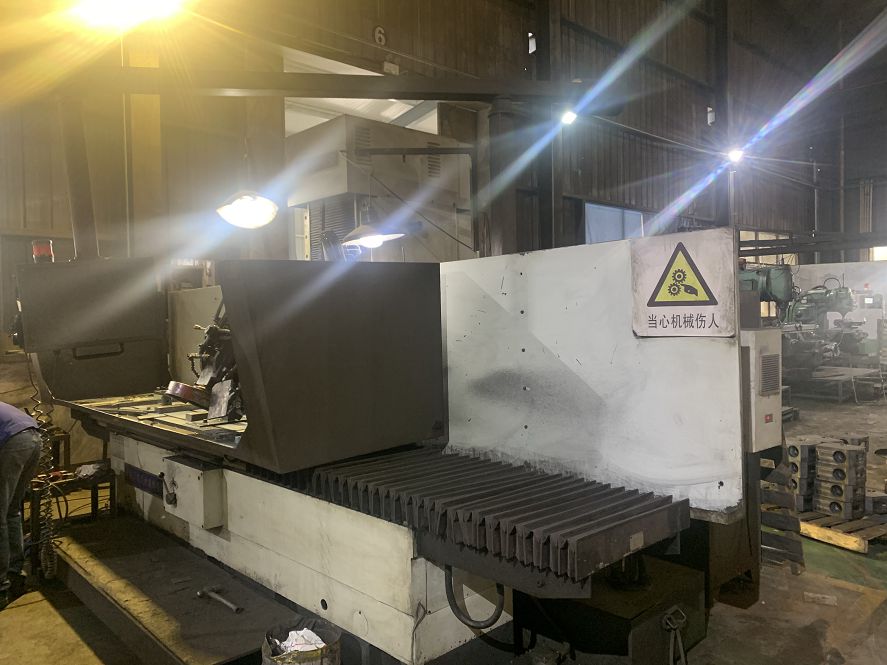
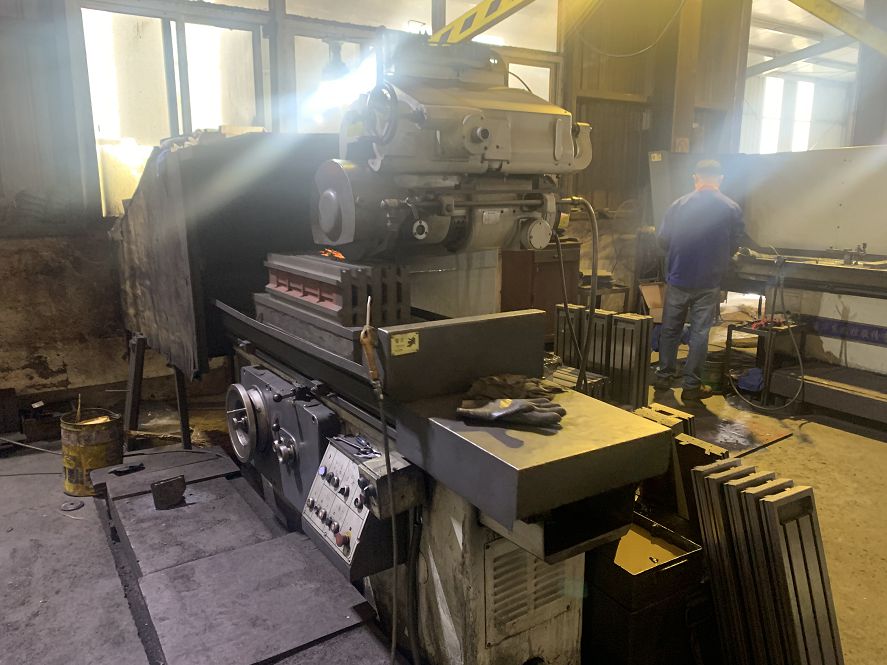
Zhejiang ZRF Spinning Co., Ltd. represents the peak of Chinese high-tech equipment manufacturing integration. By implementing ISO 9001-compliant production flows, ZRF coordinates advanced metal deformation processes with structural quality control. Below, you can examine our operational pipeline across our specialized machining and assembly divisions.
Procuring heavy machinery and high-precision testing apparatus requires managing compliance pathways, standard approvals, and local calibration support. Without a sound technical and legal infrastructure, industrial investments can face operational delays.
Any high-end measurement or spinning system must comply with safety and performance protocols, including CE mark directives, UL listings for electrical components, and ISO 9001 quality system workflows. Calibration instruments must maintain unbroken traceability chains back to national metrology institutes (NIST, NPL, PTB) to ensure validity.
A comprehensive procurement analysis evaluates beyond the initial acquisition costs. Procurement officers must factor in calibration frequency, software subscription updates, replacement parts logistics, and training requirements. Choosing machinery with standard modular parts significantly reduces lifetime operational costs.
Technical answers to common queries regarding industrial metrology, precision metal forming, and sourcing.
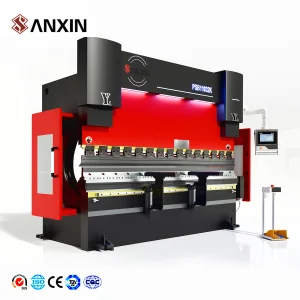
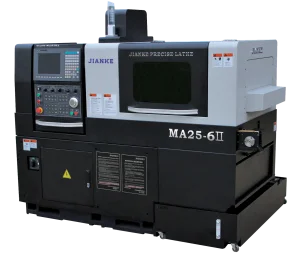
Browse our extended line of precision lathes, heavy-duty shearers, press brakes, and automated production units engineered for high-performance fabrication.
 ZRF Spinning