Leveraging high-capacity industrial machines, air circulation equipment, and precision forming technologies to build custom conveyor components and advanced production architectures.
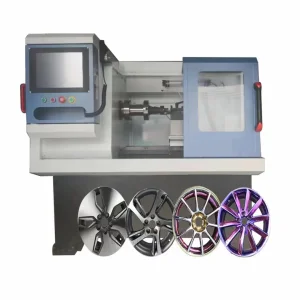
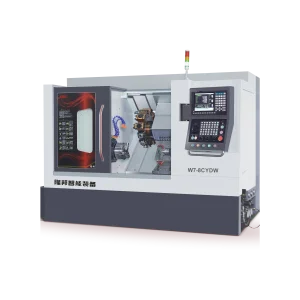
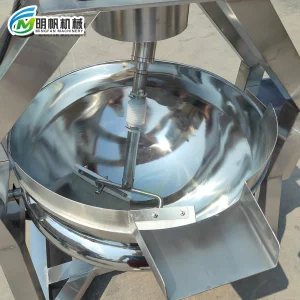
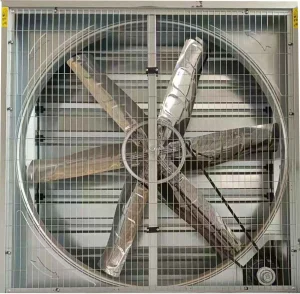
In the era of rapid industrial transformation, supply chain agility has shifted from a competitive advantage to a fundamental operational requirement. Procurement departments in global enterprises are increasingly moving away from rigid, legacy, single-purpose conveyor setups toward customizable, highly versatile, and fast-deployable Modular Conveyor Systems.
Standardized structural designs and customizable belt modules facilitate dynamic adjustments to factory layouts without necessitating major rebuilds. Industry data indicates that utilizing standardized modular components reduces system setup times by 40% and post-installation restructuring overheads by up to 55%. As logistics networks and processing plants face unpredictable shifts in product volume and geometry, the capability to quickly adapt conveyor paths—scaling lengths, adjusting elevations, or integrating specialized diverters—is a primary differentiator.
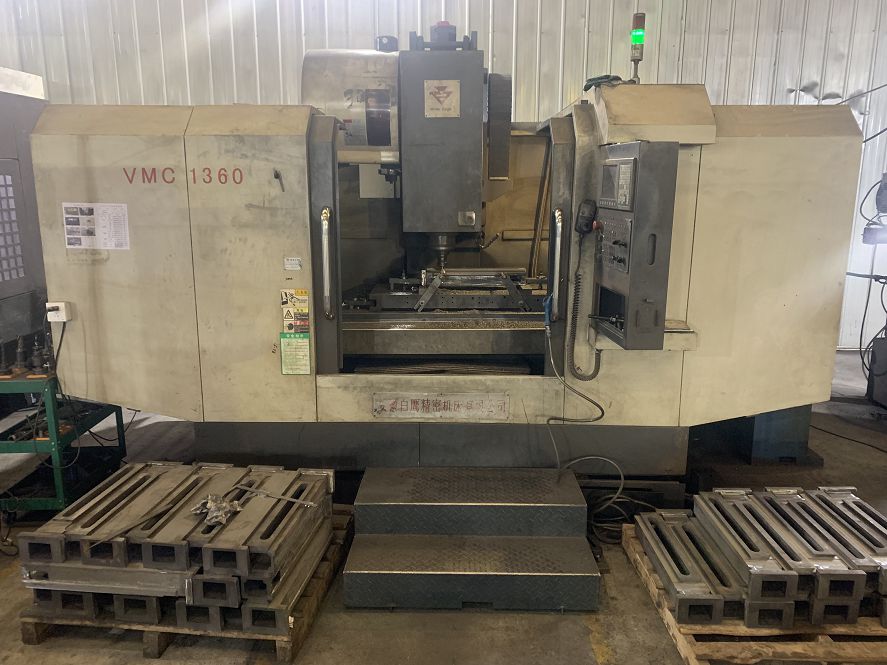
For multinational procurement teams, selecting an experienced OEM/ODM partner is critical. Heavy-duty applications require structural chassis fabricated using high-precision CNC tooling, premium alloy frame extrusions, and heavy-duty structural steel to withstand rigorous load profiles and continuous operational cycles. Working directly with a manufacturer possessing extensive metal-forming and machinery debugging capabilities ensures that core structural components, driving drums, and tension assemblies are engineered to minimize material fatigue and maximize runtime.
Interchangeable plastic grid belts, roller cartridges, and snap-in side guides allow quick adaptation to varying package shapes, preventing product damage and ensuring seamless transfer across assembly points.
In modular designs, localized damage is resolved by replacing single damaged links or drop-in roller cassettes instead of complete belt rolls, reducing emergency downtime and component replacement costs.
Modern manufacturing requires materials handling systems optimized for specific operational and environmental demands. Our modular conveyor configurations are custom-engineered to meet these sector-specific requirements.
Designed for heavy loads, impact resistance, and ESD-safe operations. Our configurations facilitate continuous transport of heavy powertrain components, structural sub-assemblies, and sensitive EV battery cells through robotic assembly cells and inspection stations.
High-speed sortation requires modular networks featuring dynamic routing, pneumatic divert stations, and friction-driven accumulation rollers. These components enable quiet, automated distribution of multi-format packages under continuous 24/7 schedules.
Cleanroom environments and food-grade packaging demand specialized, open-frame stainless steel systems. Designed to facilitate regular washdown protocols (CIP/SIP) with corrosion-resistant plastics and FDA-compliant wear strips, these systems minimize contamination risks.
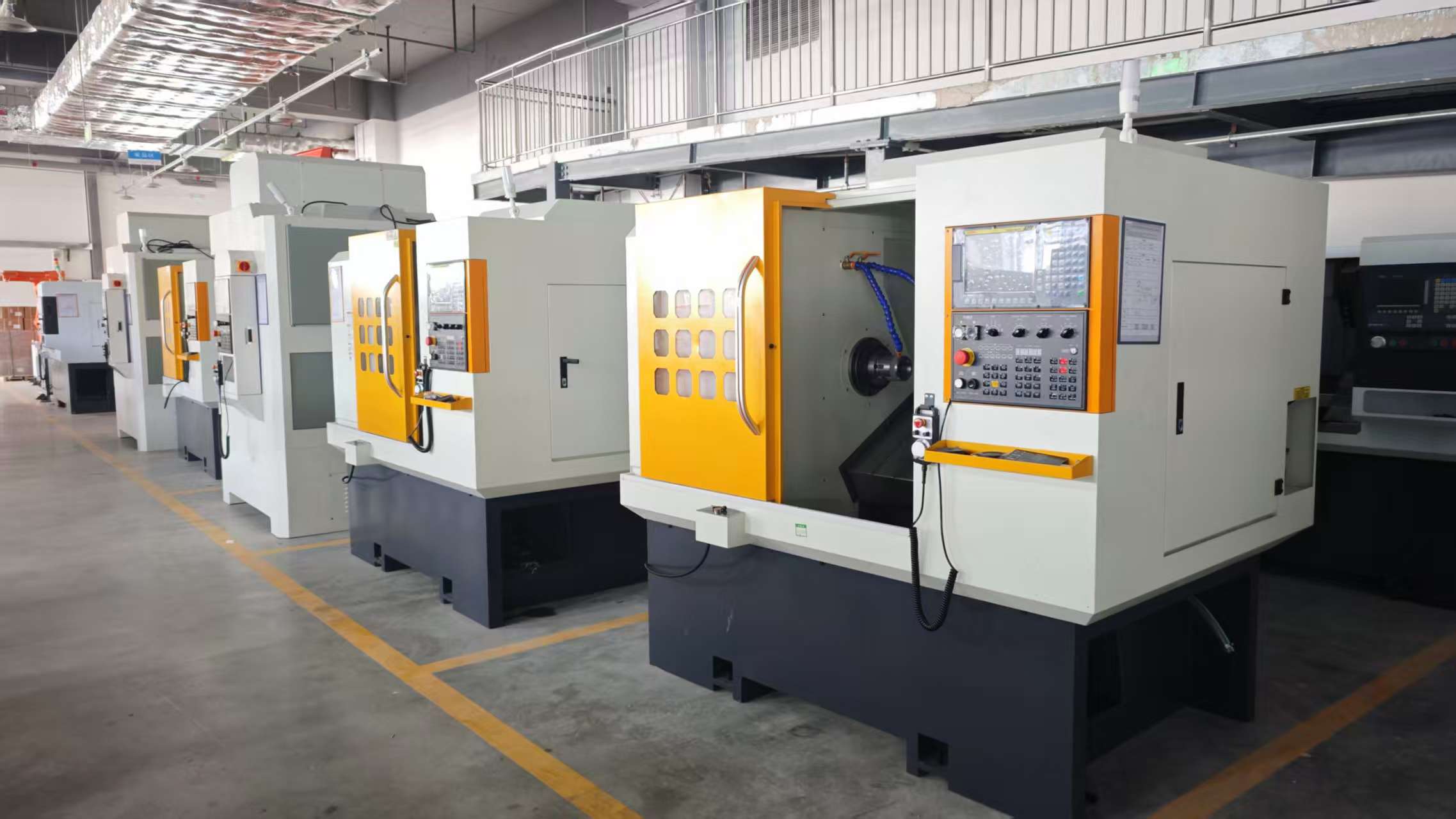
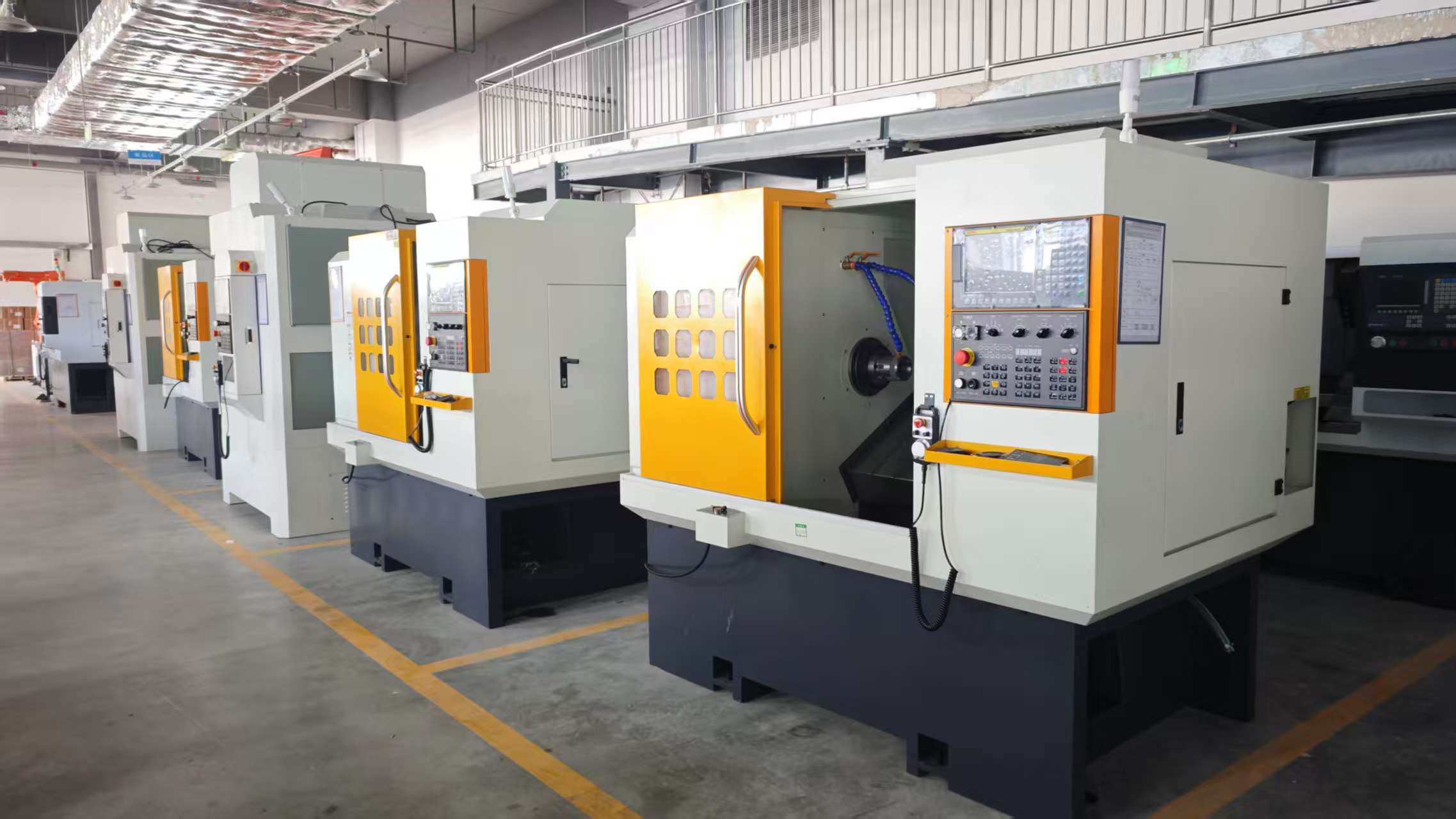
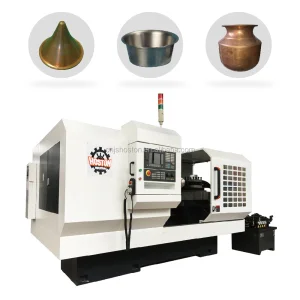
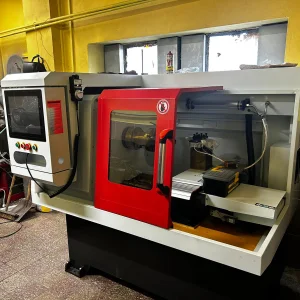
Zhejiang ZRF Spinning Co., Ltd., as a high-tech enterprise specializing in the research, development, and manufacturing of CNC spinning machine tools, possesses a robust technical foundation in the domestic industrial machinery industry.
Our experience in fabricating advanced metal-spinning systems and CNC machinery enables us to provide the manufacturing backing required for durable modular conveyor systems. CNC spinning and deep forming technologies are central to producing conveyor rollers, pulley drums, and drive wheels with tight runout tolerances and structural integrity. A conveyor's performance depends on the precision of its rotating parts; minor alignment issues can accelerate belt wear and increase motor energy consumption.
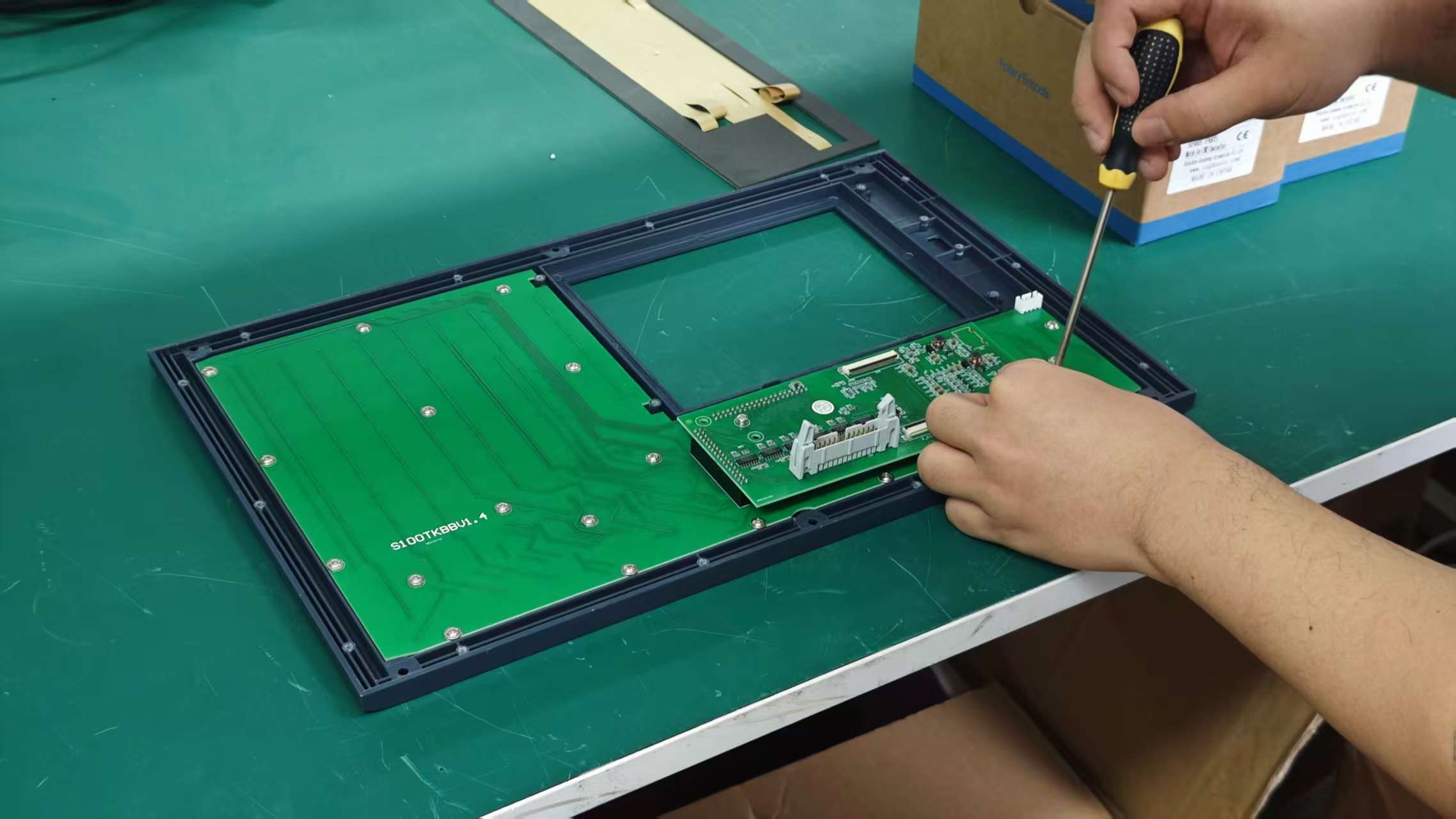
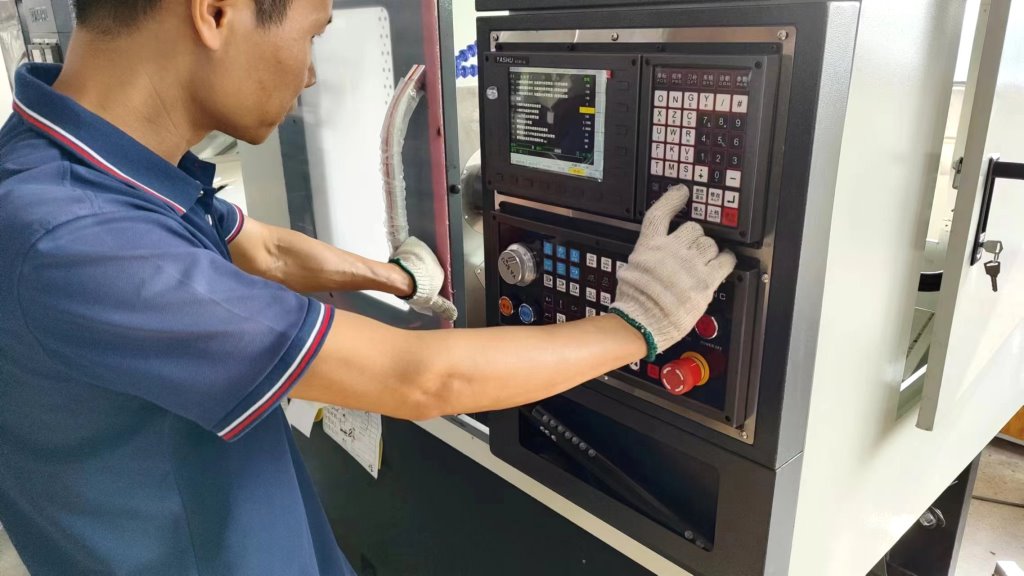
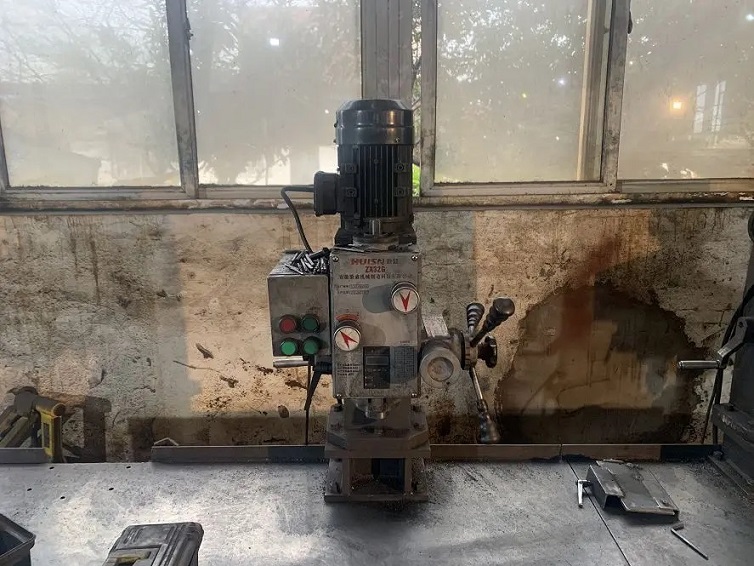
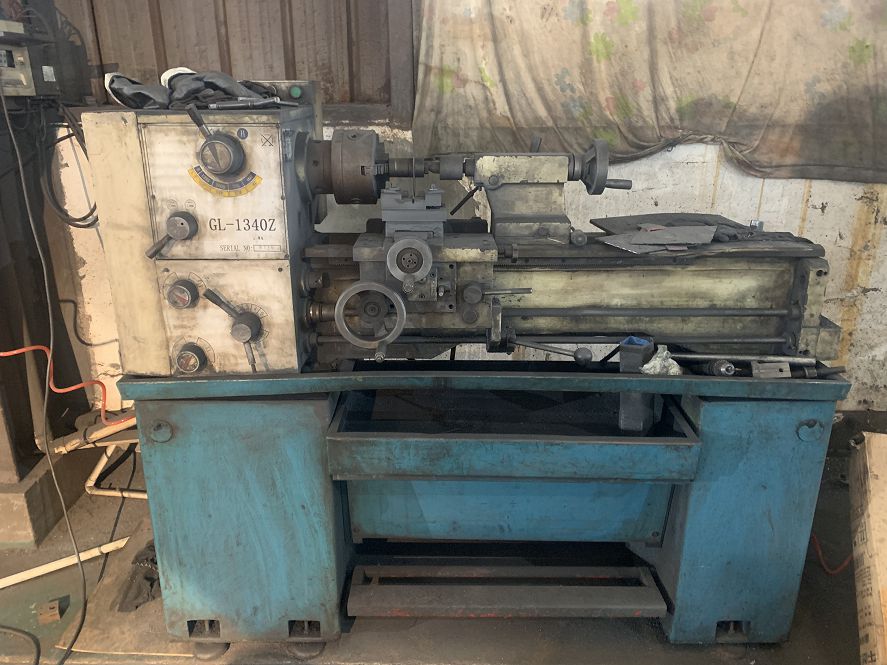
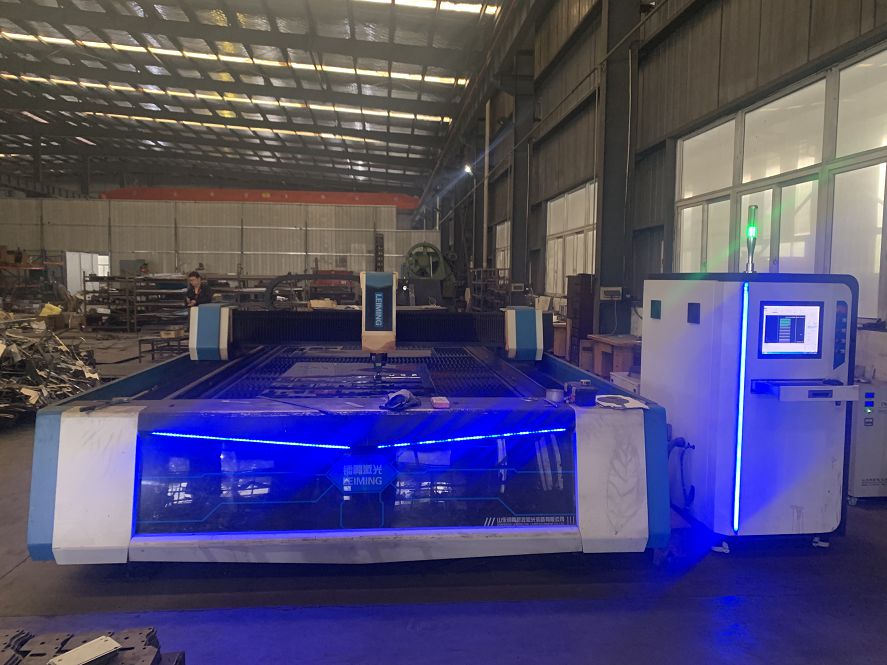
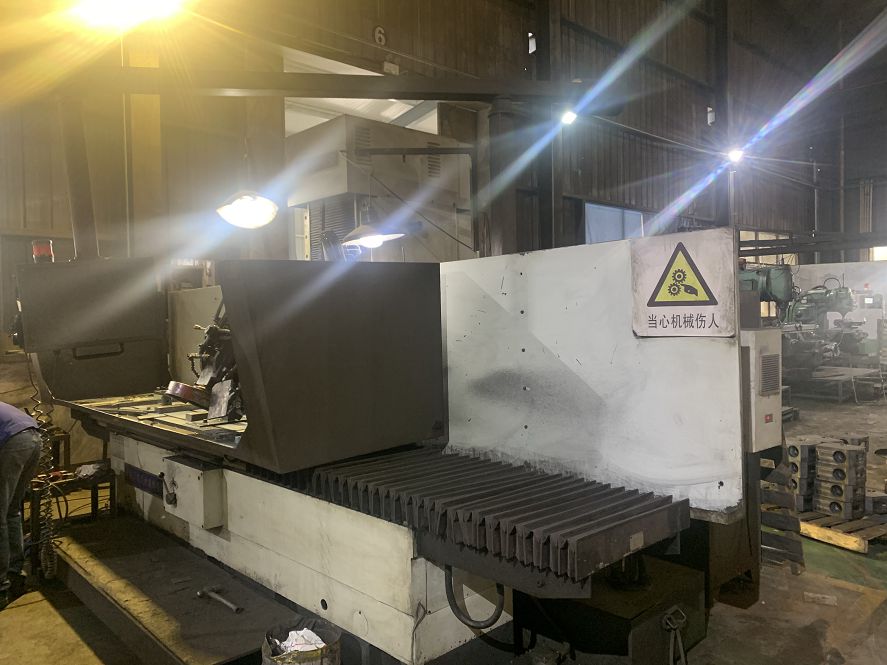
Operating under the philosophy of market-oriented development, research-driven innovation, and technological excellence, we implement rigorous quality controls at every stage of the manufacturing process. From raw plate laser cutting to high-precision guideway grinding and dynamic roller balancing, our systems are built to withstand high loads and deliver long operational lifetimes.
Our manufacturing workflow strictly adheres to the ISO9001 quality management system, ensuring that our products meet high safety and reliability standards for demanding industrial applications worldwide.
Our conveyor lines can be integrated with smart vibration sensors and temperature-monitoring units near bearing blocks. This hardware setup enables predictive maintenance alerts via OPC UA protocols, allowing operators to address issues before physical components fail.
We leverage synchronous motor technologies and low-loss roller bearings. By reducing kinetic resistance and matching belt structures to precise mechanical tension limits, our modular systems lower energy use by up to 30% during continuous operation cycles.
Material handling technology is evolving rapidly. Future industrial setups require modular conveyors capable of communicating with higher-level execution software like WMS and ERP systems.
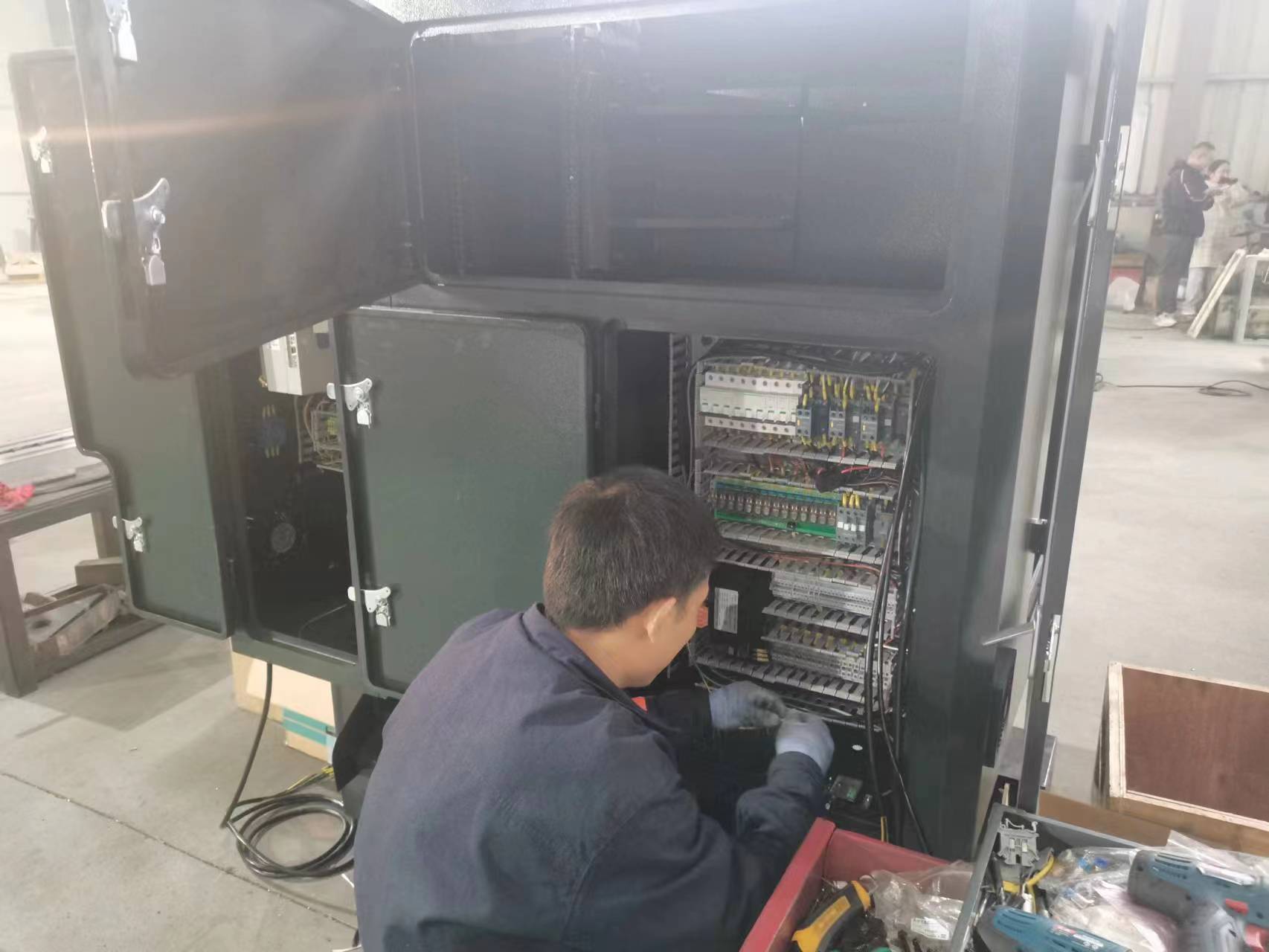
Our technical development focuses on integrating modular structures with intelligent control logic. This involves incorporating optical sensors, variable frequency drives (VFDs), and programmable logic controllers (PLCs) directly into the conveyor chassis. These systems adjust line speeds dynamically based on downstream product flow, minimizing energy usage and mechanical wear.
Additionally, we prioritize environmental sustainability in our material selection. We utilize recyclable plastic compounds for modular grid belts and eco-friendly lubricants for rolling components. Selecting these wear-resistant and low-coefficient materials reduces structural friction, enabling smaller drive motor configurations and lower lifetime power consumption.
Operating internationally requires strict adherence to regional standards and robust logistical support. We ensure that our systems meet global quality and safety guidelines.
Our manufacturing and assembly lines comply with ISO9001:2015. All modular electrical integrations are compliant with CE regulations, UL control standards, and OSHA guidelines, ensuring safe integration with existing factory floor systems.
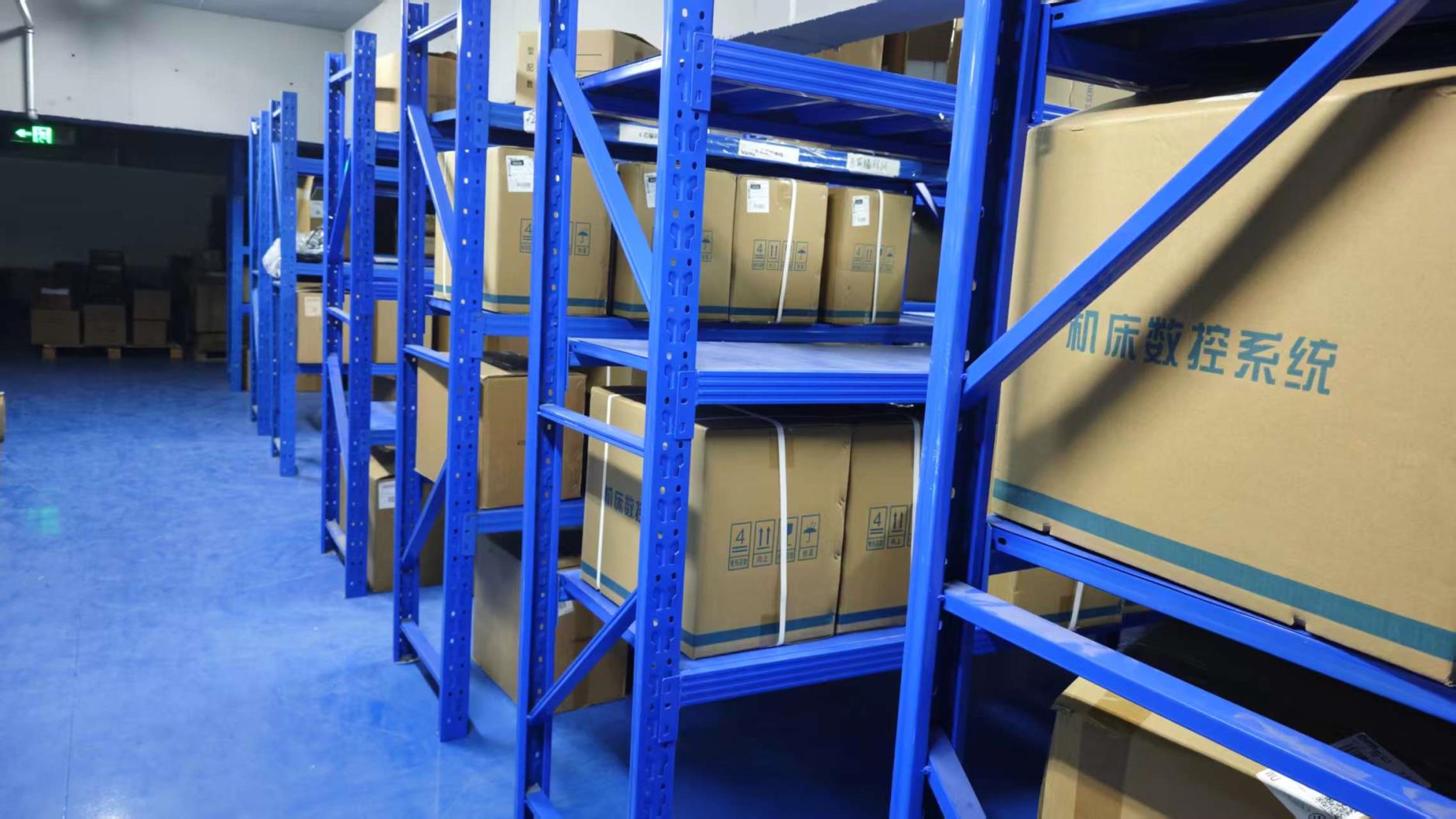
We support modular standardization by maintaining stock of wear parts, plastic grid sections, standardized steel rollers, and electrical controller modules. This facilitates quick dispatch to major global ports, minimizing operational disruption.
Our engineering team assists with layout design, load analysis, motor sizing, and structural validation. We deliver 3D CAD models and integration documentation to ensure new components align with existing material handling systems.
Comprehensive engineering and procurement support answers, helping you select and deploy the ideal conveyor configuration for your plant.
Modular plastic belts consist of interlocking plastic segments driven by sprockets rather than relying on tension pulleys. This positive drive design prevents tracking issues and slippage, even under wet or oily conditions. Additionally, if a portion of the belt is damaged, you only need to replace the affected modular links rather than the entire belt roll. This design reduces maintenance costs and minimizes equipment downtime.
Our experience in fabricating CNC spinning systems, laser cutters, and high-precision guideway grinders enables us to manufacture core dynamic parts for conveyor systems. We machine drum pulleys, steel roller assemblies, and precision structural frames to tight tolerances, minimizing radial runout and mechanical friction. This engineering approach ensures optimal energy transfer and longer operational life for the conveyor components.
Yes. For cleanrooms, food processing, or pharmaceuticals, we construct the structural frame using grade 304 or 316 stainless steel. We combine this with FDA-compliant, high-density polyethylene (HDPE) or polypropylene (PP) plastic belts. Our frame geometries are designed with open profiles to prevent material buildup and simplify clean-in-place (CIP) washdowns.
To design your system, we require: 1) The dimensions and weight range of the products to be conveyed; 2) The target conveying speed and desired throughput per hour; 3) The plant layout space, including details on any required turns, elevation changes, or inclines; 4) Environmental conditions (e.g., ambient temperatures, washdown requirements, exposure to chemicals); and 5) Control interface specifications (such as integration with external PLCs or variable speed drives).
Rather than shipping fully assembled, long structures, modular systems are broken down into pre-wired section modules. These compact units pack efficiently into shipping containers, reducing global freight costs. Once on site, the pre-drilled frames and modular connections allow for straightforward assembly, helping to minimize installation time and labor costs.
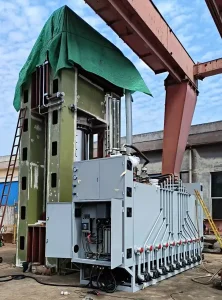
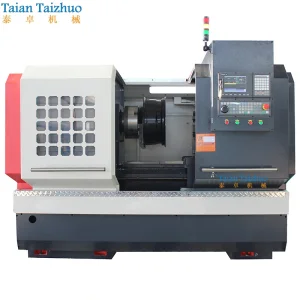
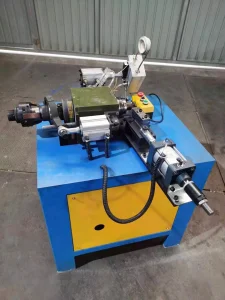
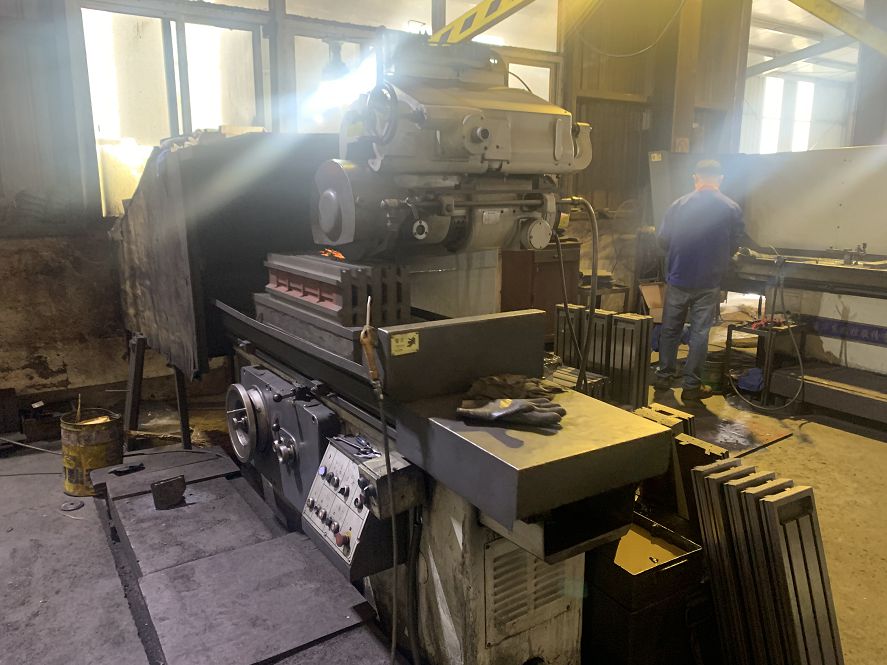
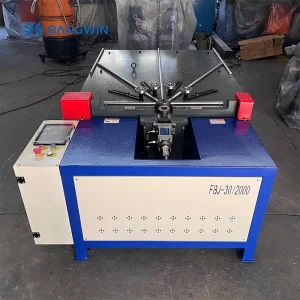
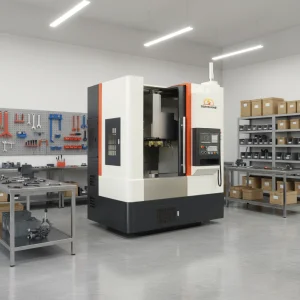
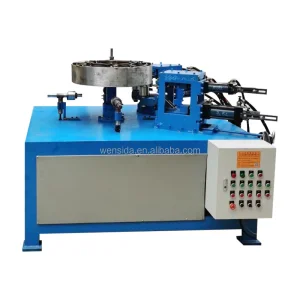
Our industrial production systems utilize high-capacity hydraulic machinery, CNC spinning lathes, and multi-purpose forming tools to manufacture reliable heavy-duty conveyor parts.
 ZRF Spinning