
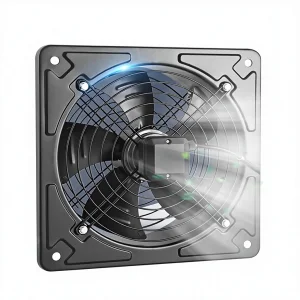
In modern industrial systems, high-speed fans, blowers, and turbo compressors serve as the vital circulation nodes for heavy HVAC, commercial kitchen venting, aerospace defense cooling, electronics thermal management, and petrochemical exhaust recovery. Under high operating speeds (often exceeding 3,000 RPM for heavy-duty industrial blowers, and stretching past 50,000 RPM in aerospace or turbocharging applications), the structural integrity of the fan housing is paramount.
The fan housing does not merely act as a protective shroud; it is a critical aerodynamic conduit. An imperfectly formed fan housing—plagued by wall thickness variations, out-of-roundness deviations, or weak welded joints—triggers turbulent flow separation, acoustic resonances, and violent mechanical vibrations. Over time, these dynamic imbalances accelerate bearing wear, resulting in catastrophic motor failure.
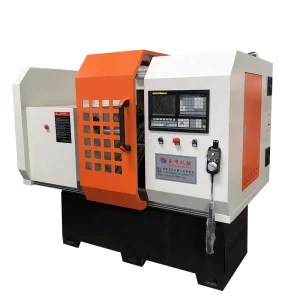
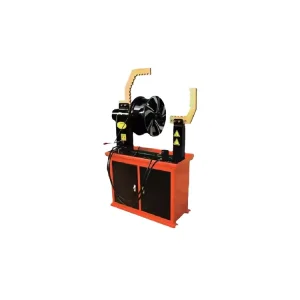
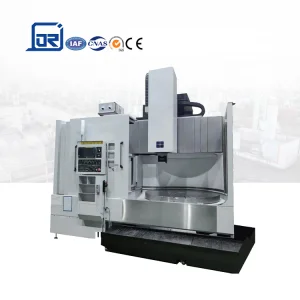
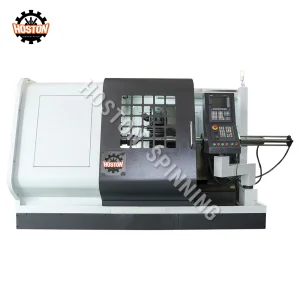
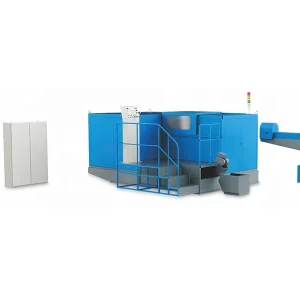
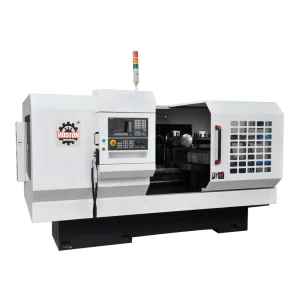
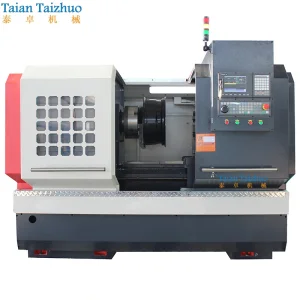
Globally, HVAC and aerospace enterprises are shifting away from traditional welded multi-piece casings to seamless, aerodynamically optimized scroll housings and inlet cones. To achieve this, Tier-1 manufacturing entities rely on state-of-the-art CNC Metal Spinning and Flow Forming Equipment. This manufacturing transition provides a massive leap in thermodynamic efficiency and structural lifespan, transforming industrial ventilation from a system component to an optimized performance driver.
Die-less seamless metal spinning minimizes internal micro-roughness and joint drag, enhancing airflow path efficiency by up to 14%.
Precise concentricity and wall-thickness control eliminate high-frequency acoustic resonances across high RPM ranges.
Cold rotary flow spinning alters the grain alignment structure, offering an incremental yield strength boost for high stress limits.
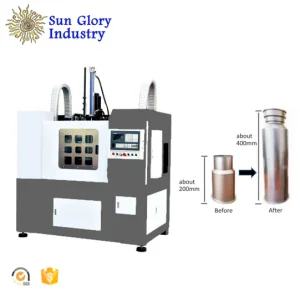
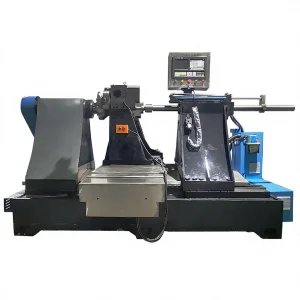
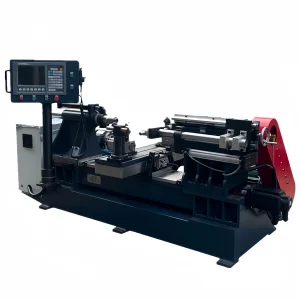
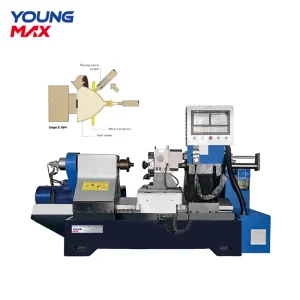
At the forefront of metal forming technology, Zhejiang ZRF Spinning Co., Ltd. has engineered high-capacity CNC spinning machinery capable of handling various materials including aluminum, copper, carbon steel, and stainless steel. Metal spinning, also known as spin forming, involves a rotating metal disc or tube shaped over a mandrel via computer-controlled rollers. Unlike traditional deep-drawing stamping, which requires massive, expensive dies, CNC metal spinning provides extreme flexibility, making it highly suitable for high-mix, low-volume (HMLV) and custom OEM/ODM industrial runs.
In high-speed exhaust blower housings and axial fan shrouds, any variation in material thickness around the perimeter causes a dynamic weight distribution error. Under high-speed rotation, this minor thickness discrepancy leads to severe centrifugal imbalances. Zhejiang ZRF’s CNC spinning machines utilize advanced closed-loop hydraulic and electronic control systems, delivering unmatched real-time monitoring of roller feed rates and positioning forces. This control yields a highly uniform wall thickness profile, with thickness deviations kept below 3.5%, matching strict aerospace and defense standards.
We recognize that mechanical designers have highly specific design parameters. Our custom design services handle complex geometric forms:
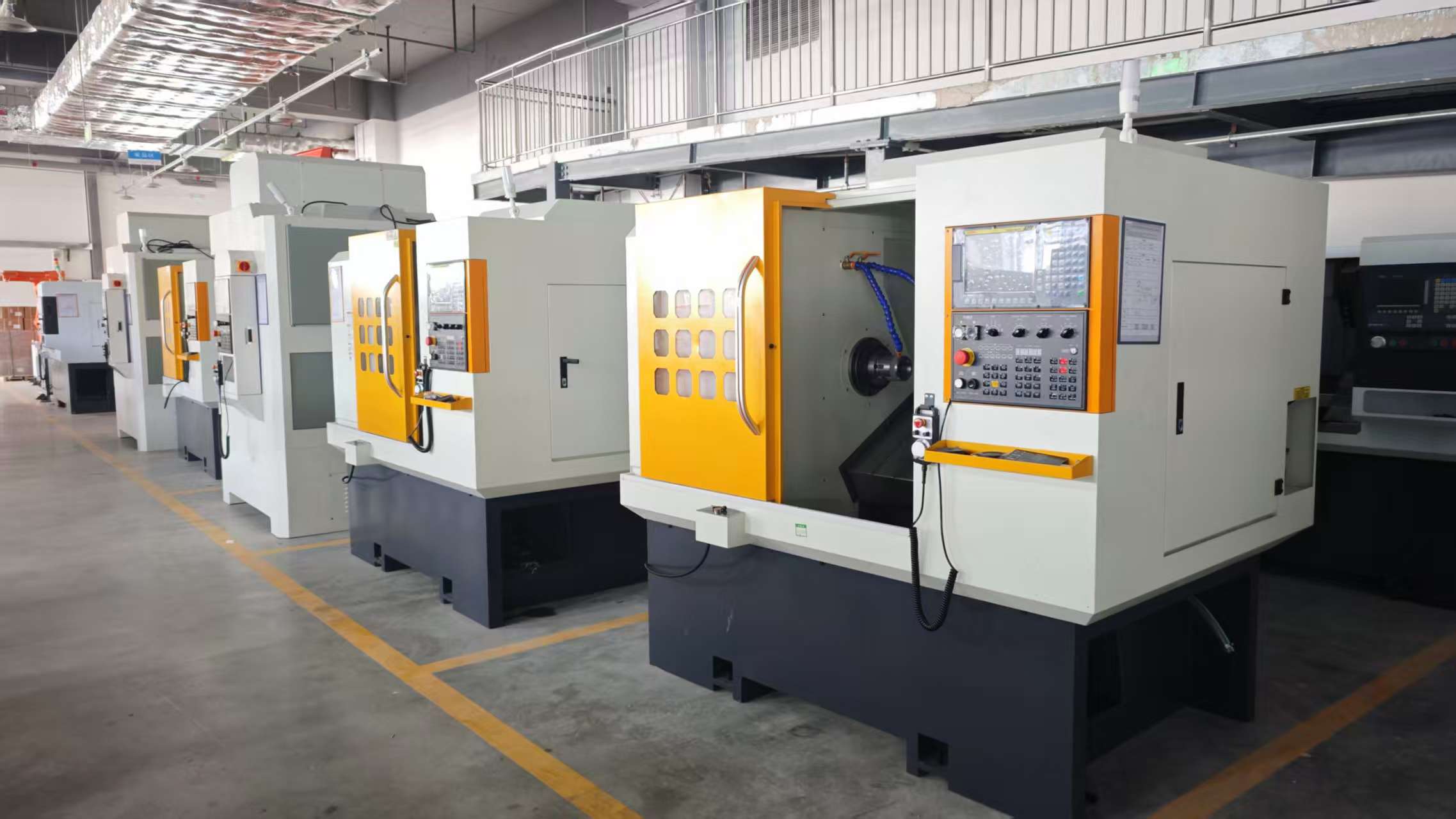
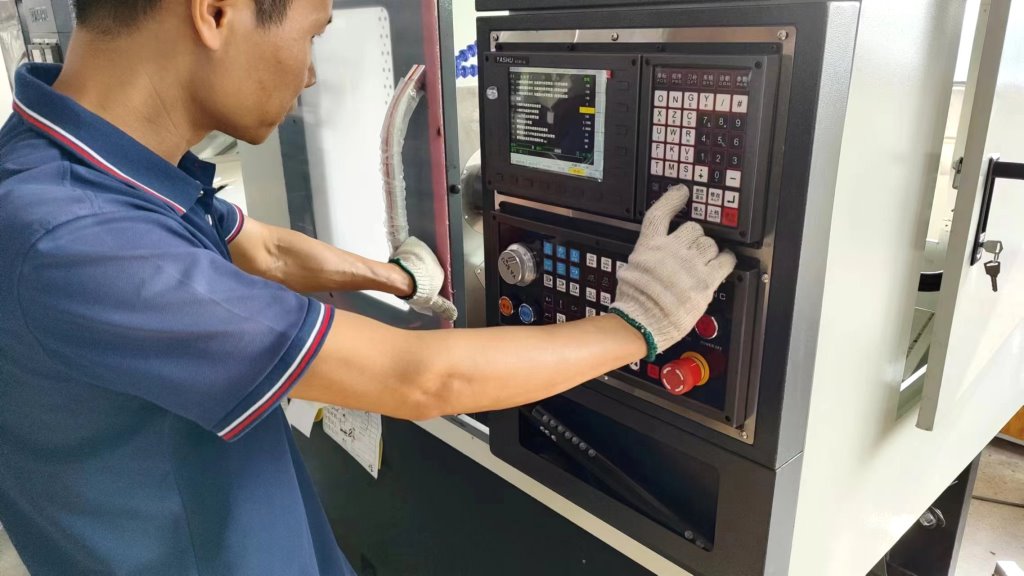
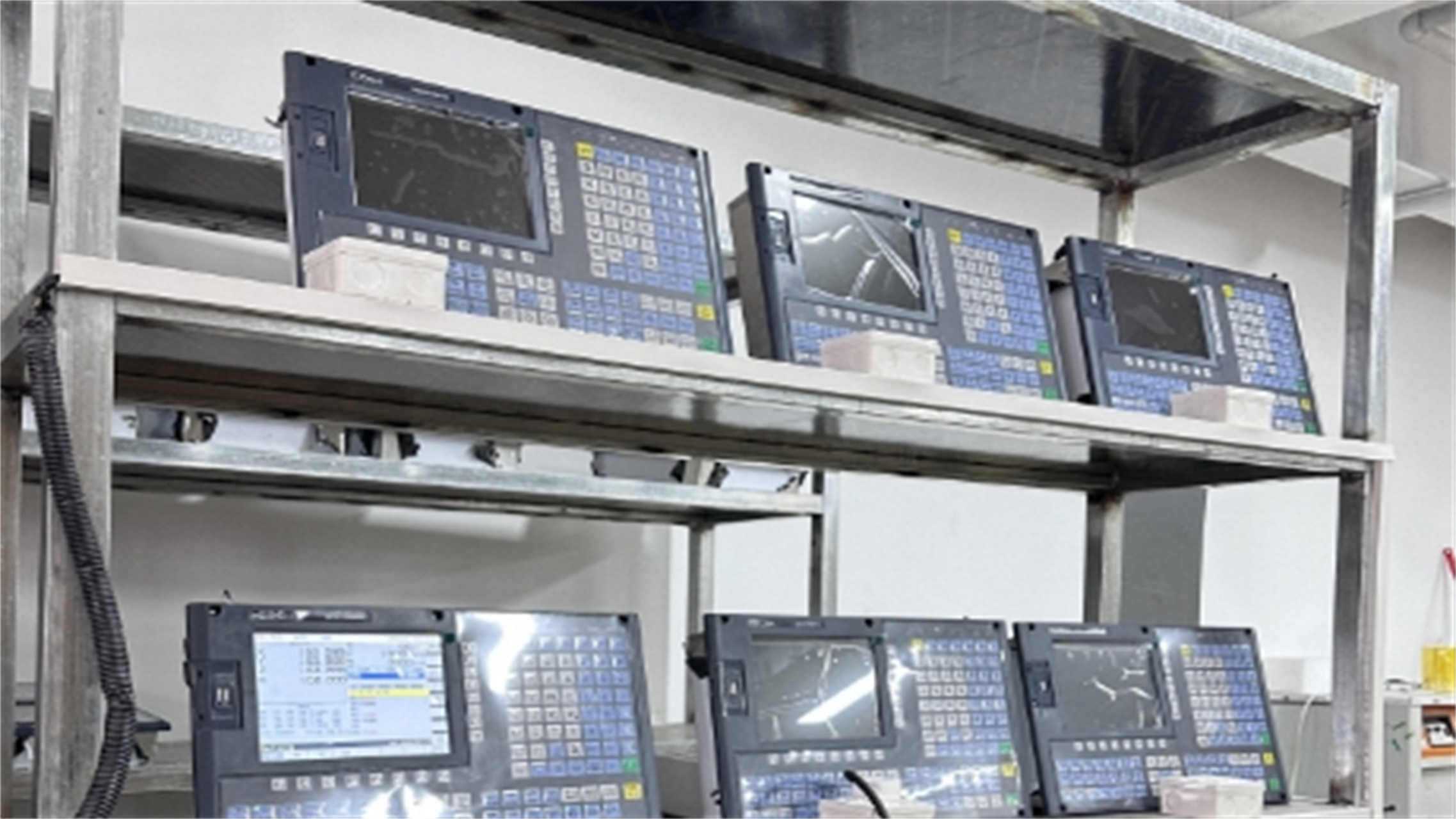
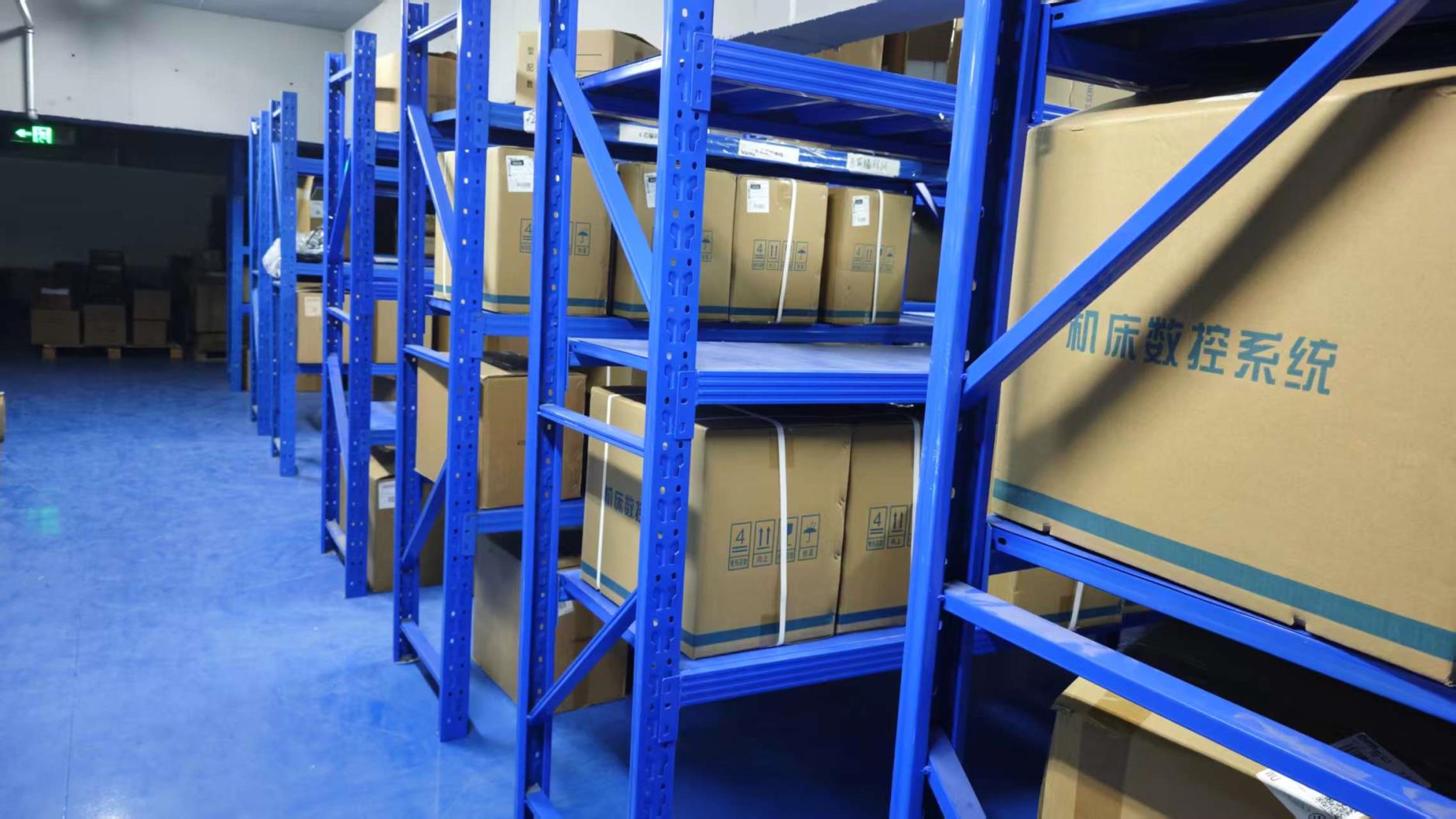
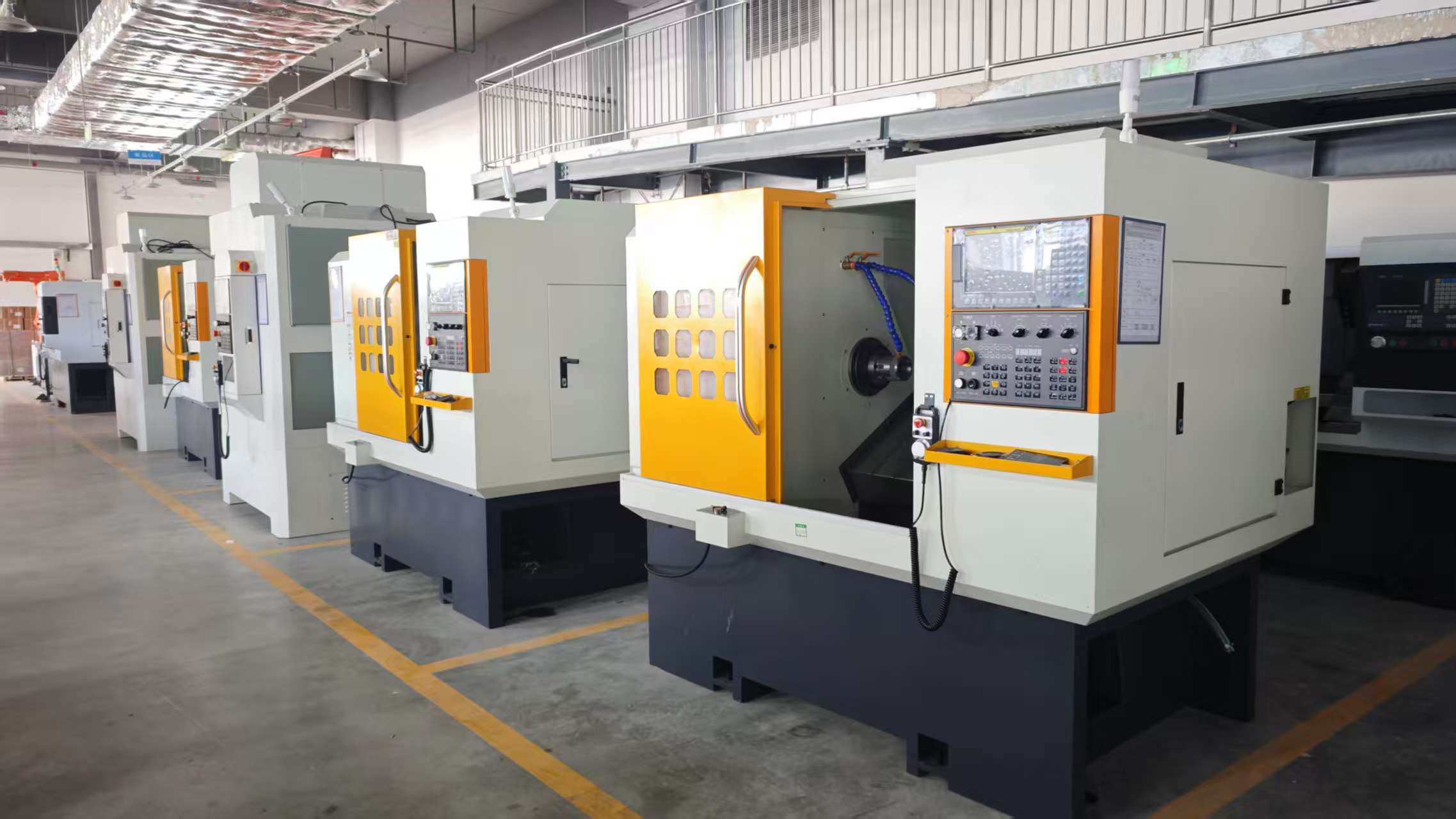
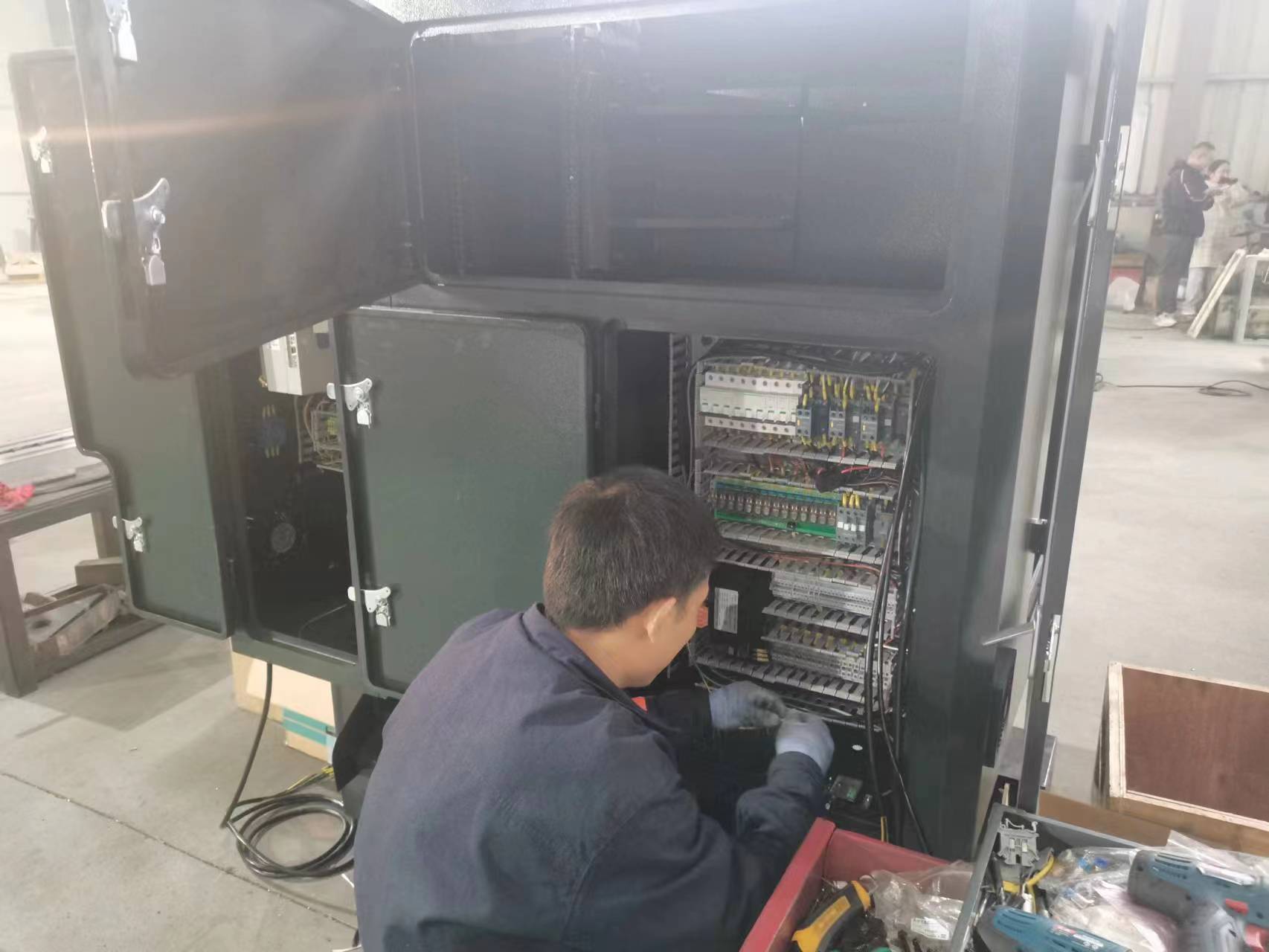
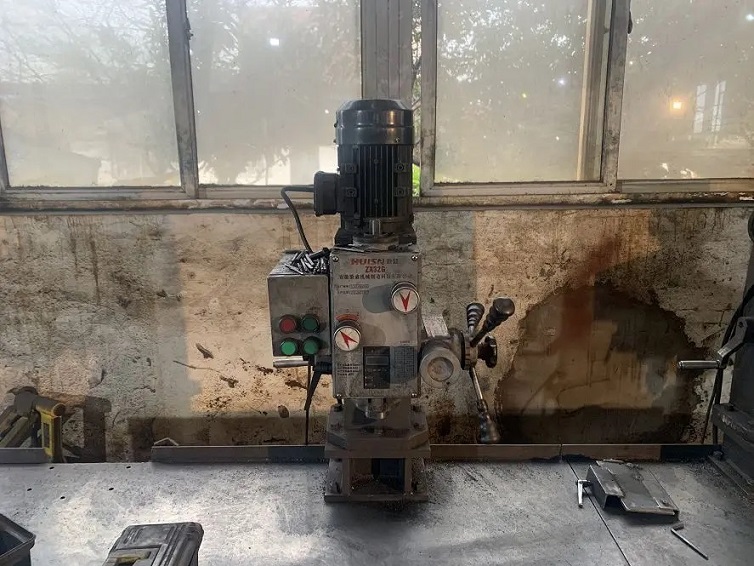
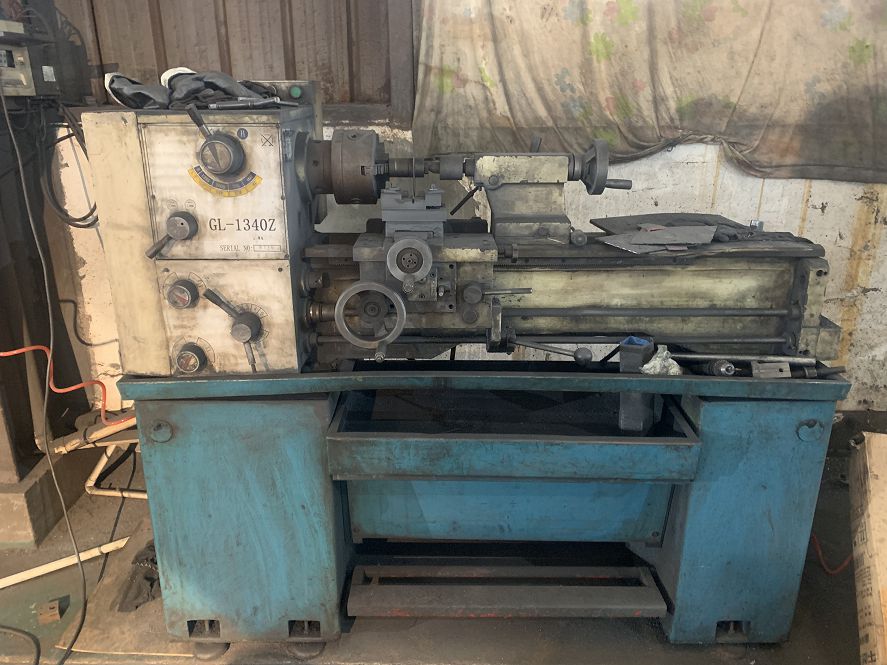
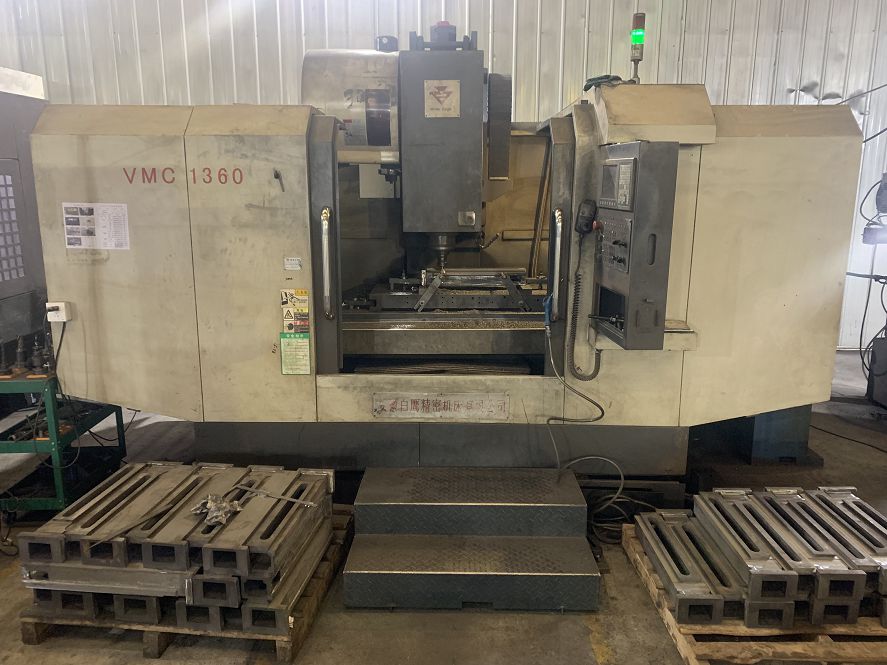
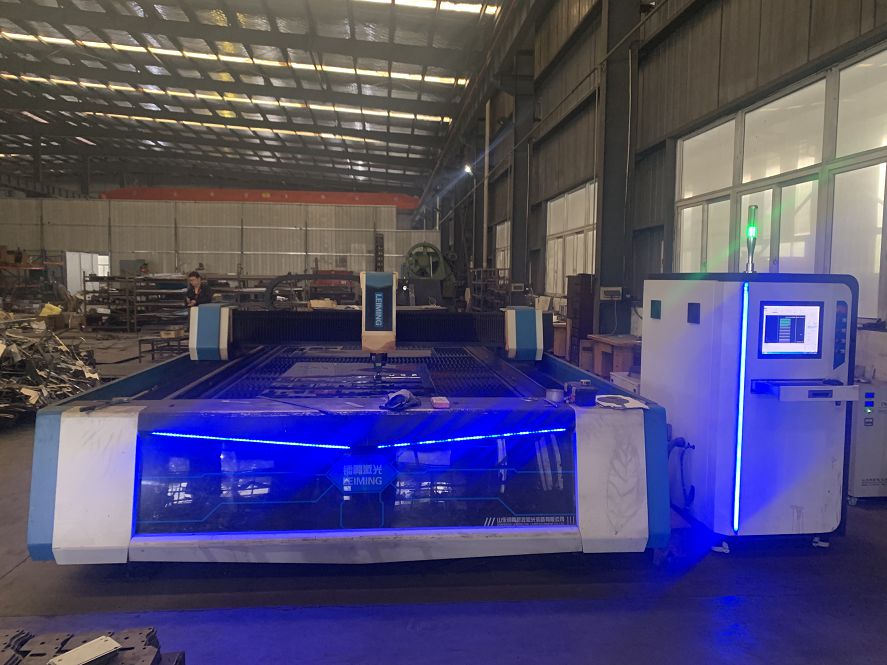
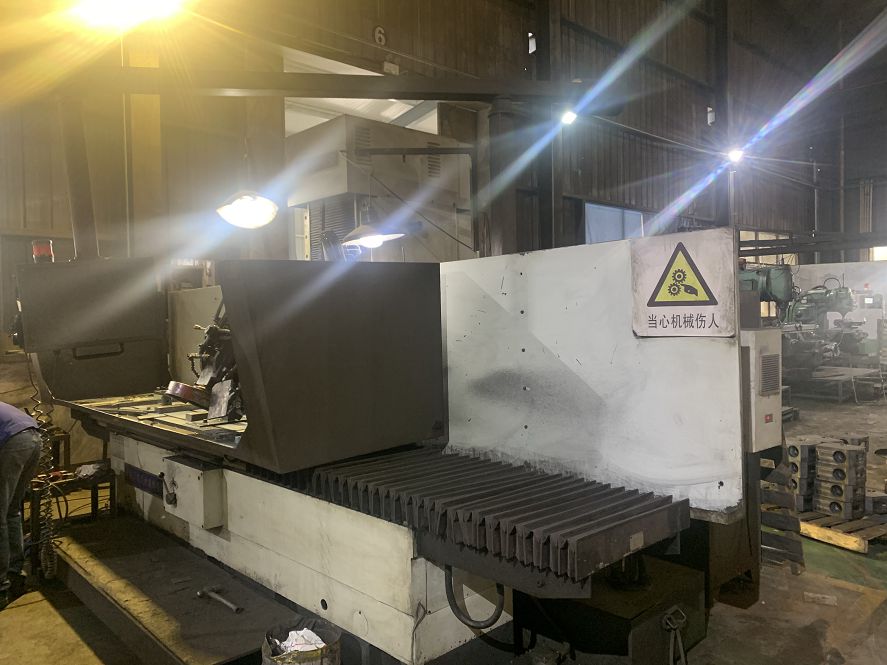
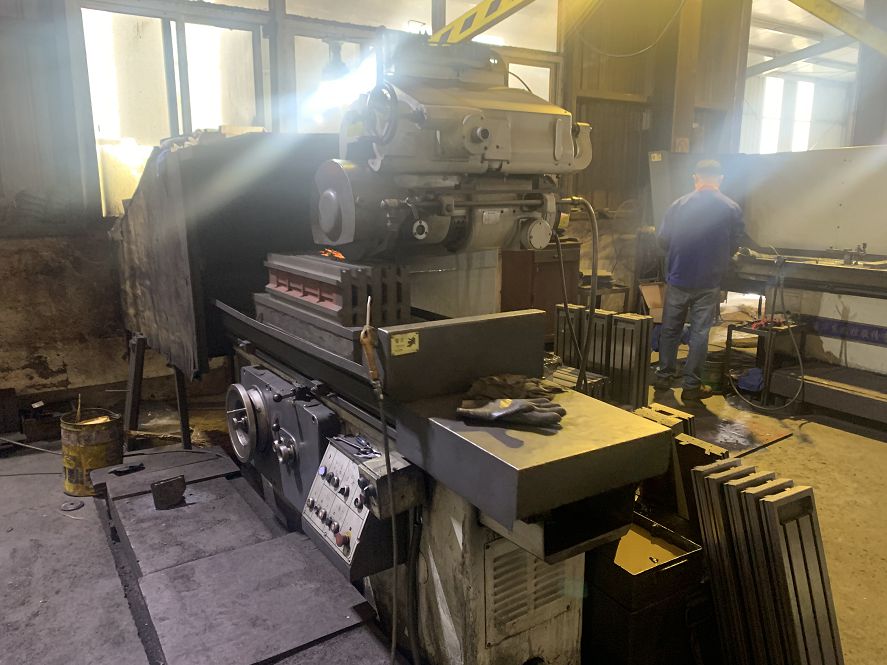
In the industrial machinery sector, the value of a factory goes beyond its machines; it depends heavily on the surrounding supply chain ecosystem. Based in Zhejiang Province—one of China's most advanced manufacturing hubs—Zhejiang ZRF Spinning Co., Ltd. benefits from a highly integrated local supply chain.
This industrial cluster provides rapid access to high-grade sheet metal alloys, immediate tool-steel casting services, specialized heat treatments, and precision surface processing (such as anodizing and zinc plating). As a result, our engineering team can transition custom CAD profiles to high-speed fan housing tooling, execute production, run multi-axis CNC finishing, and conduct dynamic balance testing in a fraction of the time required by Western competitors.
Our manufacturing facilities adhere to strict quality management guidelines. ZRF maintains a rigorous quality assurance flow:
When sourcing OEM/ODM high-speed fan housings or purchasing advanced CNC metal spinning machinery to produce them, procurement managers face strict performance specifications. Sourcing based solely on cost often leads to high component failure rates and costly system integration issues. Below is our recommended technical sourcing evaluation matrix:
| Assessment Vector | Standard Requirement | ZRF High-Precision Capability | Impact on System Performance |
|---|---|---|---|
| Concentricity Tolerance | Within 0.5 mm | Within 0.05 mm to 0.1 mm | Eliminates dynamic impeller rubbing; reduces vibrational wear on bearings. |
| Wall Thickness Variation | < 10% deviation | < 3.5% deviation via CNC rollers | Ensures uniform mass distribution, vital for high-speed dynamic balancing. |
| Flange Perpendicularity | < 0.8 degrees | < 0.2 degrees (Precision Ground) | Minimizes structural mounting stresses and prevents housing deformation under bolt torque. |
| Surface Internal Roughness | Ra 3.2 μm | Ra 0.8 μm to 1.6 μm | Reduces boundary layer friction losses, maximizing fan static pressure efficiency. |
The industrial ventilation landscape is undergoing rapid transformation, driven by energy efficiency directives and sustainability goals:
With the rapid growth of high-density AI computing infrastructure, data centers require ultra-efficient thermal management systems. High-static-pressure fans operating continuously are essential. This demands high-speed fan housings that minimize acoustic noise and energy waste. Seamless spin-formed inlet paths are key to meeting these strict green energy requirements.
Automotive and rail transit HVAC systems are transitioning from heavy steel structures to lightweight aluminum alloy and composite constructions. Our dual-roller CNC spinning machines are designed to cold-form high-strength aluminum alloys, delivering excellent yield strength with minimal weight.
Chemical facilities, heavy marine vessels, and commercial kitchen setups require ventilation equipment capable of withstanding corrosive vapors and heat. Our flow-forming and spinning machines handle high-nickel alloys and stainless steels, yielding smooth, weld-free, corrosion-resistant housings that eliminate stress corrosion cracking risks.
Stamping requires large, expensive tooling dies, making design modifications costly and slow. Welding, on the other hand, creates seams that introduce thermal distortions and structural weak points prone to fatigue cracking under high pressure and vibration. Metal spinning is a flexible, die-less process that produces seamless, axially symmetric shapes with high structural integrity and uniform thickness, all at lower setup costs.
Our CNC metal spinning machinery handles a wide range of metals, including soft metals like aluminum and copper, high-tensile carbon steels, marine-grade stainless steels, and specialized aerospace titanium alloys. Our robust machine designs provide the high forming pressures required to process thick metals without compromising precision.
Depending on the material thickness and part geometry, our high-precision CNC spinning machines maintain dimensional tolerances within ±0.05 mm to ±0.15 mm. This precision is critical for maintaining consistent clearance between impeller tips and housings, optimizing aerodynamic efficiency and reducing noise.
Yes. We provide complete OEM/ODM engineering services, from initial design review and simulation to prototyping and volume production. Because CNC metal spinning uses programmable toolpaths, we can quickly iterate prototype variations without fabricating new stamping dies, saving valuable time and development costs.
 ZRF Spinning