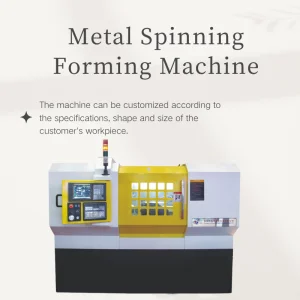
High-efficiency CNC machine tools, automated rotary units, and advanced forming equipment engineered for rigorous international performance requirements.
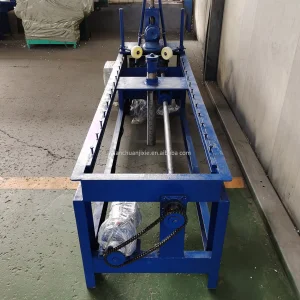
Unlike traditional deep drilling, honing, or boring that wastes up to 30-50% of the raw material in shavings, flow forming redistributes material plastically, reducing environmental footprint and saving significant material costs.
Extreme cold rolling induces high hydrostatic stress, refining grain boundaries along the axial flow. The result is a substantial increase in yield and tensile strength, with compressed inner-bore fiber paths.
Achieves an inner bore surface finish down to Ra 0.1 μm or lower without secondary honing. The burnished surface increases seal longevity, mitigates micro-abrasion, and minimizes friction losses.
In modern heavy-duty industrial machinery, the integrity and performance reliability of hydraulic cylinders are paramount. Historically, cylinders operating under high dynamic pressure gradients were fabricated using traditional methods such as hot-finished seamless pipes, followed by drilling, skiving, and roller burnishing. However, these methods suffer from inherent limitations: significant material loss, geometric deviation over long strokes, and discontinuous structural fibers.
Inner-bore flow forming represents a paradigm shift in precision tube production. By applying localized compression via multiple high-performance forming rollers over a highly polished mandrel, the metal is subjected to plastic deformation beyond its yield point. This process refines the microcrystalline matrix of the steel, producing seamless tubes with high dimensional precision, dynamic fatigue resistance, and an exceptional inner-bore surface finish.
As a leading hub for manufacturing excellence, China's specialized factories and exporters have successfully scaled this technology. Combining state-of-the-art CNC spinning platforms with robust supply chain networks, Chinese manufacturers provide the global market with high-performance hydraulic cylinders and machine tooling systems that meet the rigorous requirements of diverse sectors, including offshore exploration and aerospace engineering.
The engineering roadmap of inner-bore flow forming technology points toward higher automation, improved precision, and adaptability to complex alloys. Historically limited to carbon steels, modern flow forming plants utilize high-end thermal-assisted CNC platforms and multi-roller configurations to expand manufacturing boundaries.
Conventional flow forming utilized a dual-roller approach, which often introduced minor asymmetric radial deflections on thin-walled cylinders. Modern Chinese facilities have integrated 3-roller and 4-roller synchronized systems. These setups distribute the mechanical forces symmetrically around the circumference of the workpiece. This configuration minimizes runout errors and maintains precise straightness tolerances (up to 0.2 mm per meter) over long-stroke tubes.
The processing of high-strength alloys, such as duplex stainless steel, titanium, and nickel-chromium alloys, often leads to work hardening, which can cause surface micro-fissures during cold forming. Advanced manufacturing pathways incorporate real-time induction heating immediately ahead of the forming rollers. This localized thermal expansion reduces the flow stress of the material, enabling deep wall reductions in a single pass without compromising the internal grain structure.
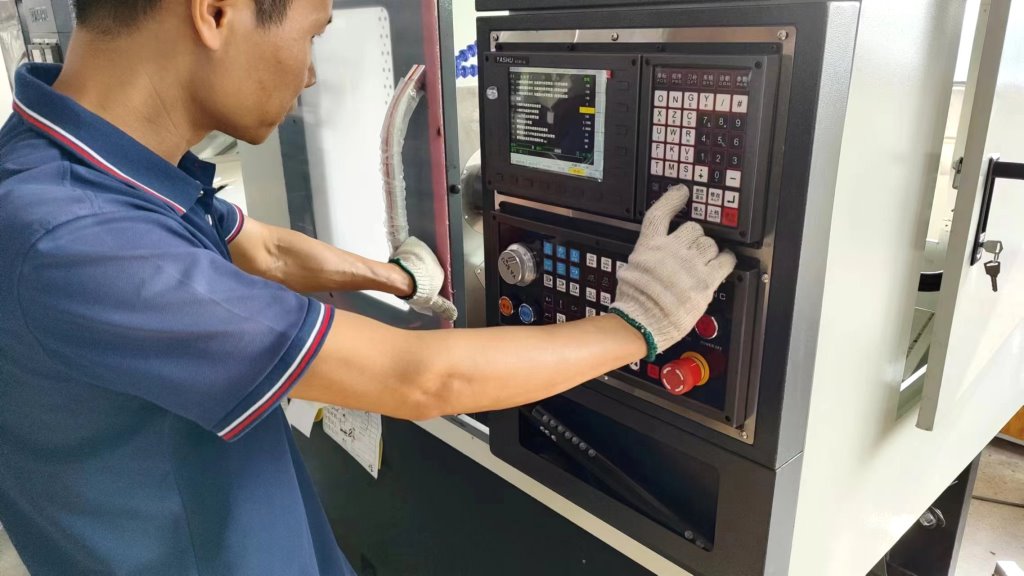
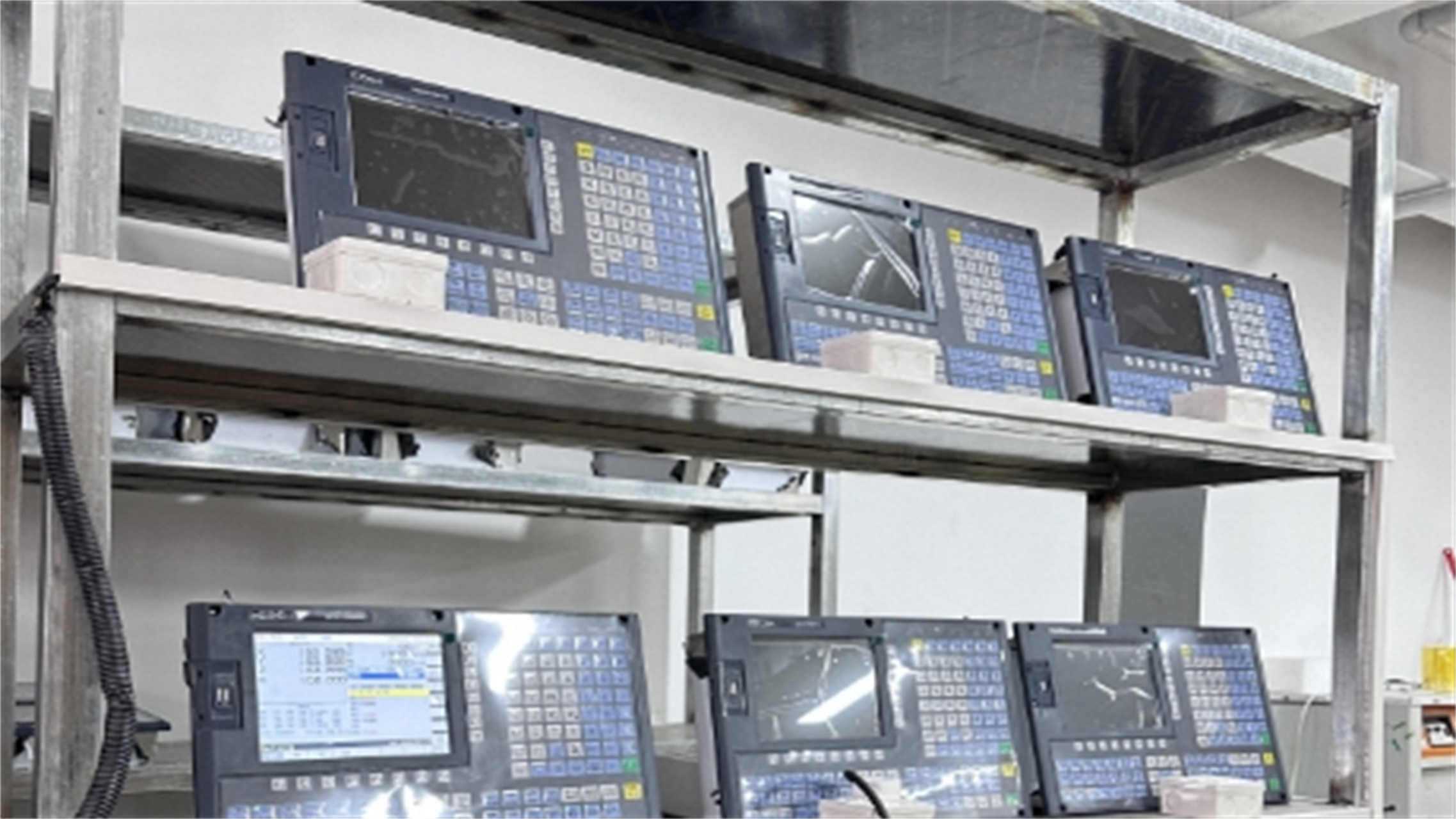
Modern plants leverage Siemens and GSK CNC systems equipped with real-time feedback loops. Ultrasonic and laser distance sensors measure wall thickness during production, adjusting the roller path dynamically to compensate for material variance. This level of control ensures high-precision walls even in components with variable cross-sections.
Flow-formed hydraulic cylinders are engineered for critical applications where equipment failure could have significant consequences. High mechanical properties and precise tolerances are essential in these environments.
| Industry Sector | Critical Challenge | Flow Forming Technical Solution | Quantifiable Engineering Value |
|---|---|---|---|
| Aerospace & Defense | Landing gear actuator weight reduction requirements under severe impact forces. | Precision cold wall-thinning using ultra-high-strength steel grades. | Up to 25% component weight reduction with enhanced yield strength. |
| Marine & Offshore Oil | Corrosion in harsh saltwater environments and risk of hydrogen embrittlement. | Flow forming of corrosion-resistant duplex alloys with compacted surfaces. | Significant increase in lifespan under high-pressure subsea cycles. |
| Heavy Excavation & Mining | Abrasive dust, extreme duty cycles, and continuous high-load operations. | Highly polished internal bore surfaces (Ra < 0.15 μm) and work-hardened surfaces. | Reduced friction wear on hydraulic seals, extending operational lifetimes. |
| Renewable Wind Energy | Continuous pitch control adjustments requiring high fatigue strength. | Seamless structural integration with compressed longitudinal grain flows. | Excellent fatigue resistance under high cyclic load dynamics. |
As a high-tech enterprise specializing in the research, development, and manufacturing of CNC spinning machine tools, Zhejiang ZRF Spinning Co., Ltd. has extensive experience and a strong technical foundation in the domestic spinning industry. Our series of CNC spinning machine tools are widely applied across a variety of industries, including petrochemicals, electronics, daily hardware, food processing machinery, automotive and motorcycle components, pressure vessels, ventilation and environmental protection, defense, and aerospace.
The ZRF spinning machine series has reached more than 30 provinces and cities across China and has been exported to over 20 countries and regions worldwide. Our advanced technology, excellent product quality, and comprehensive service system have earned the trust and recognition of users globally. At Zhejiang ZRF Spinning Co., Ltd., we firmly advocate a philosophy of market-oriented development, research-driven innovation, and technological excellence.
We focus on continuous improvement in both product performance and service quality. Our manufacturing process strictly adheres to the ISO9001 quality management system, ensuring reliable, safe, and high-quality products. Over the years, we have established long-term cooperative relationships with many leading domestic and international enterprises.
We are dedicated to providing our clients with advanced, safe, and reliable technology and products. Looking forward, Zhejiang ZRF Spinning Co., Ltd. will continue to leverage its deep technical expertise to strengthen its leadership in China’s spinning industry and expand its global presence. With a vision for the 21st century, full of opportunities and challenges, Zhejiang ZRF Spinning Co., Ltd. remains committed to excellence in innovation, quality, and service, striving to become a globally respected leader in spinning machine technology.
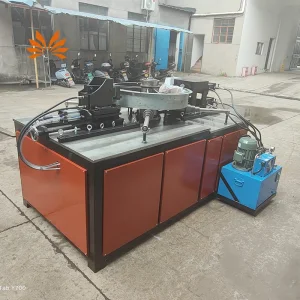
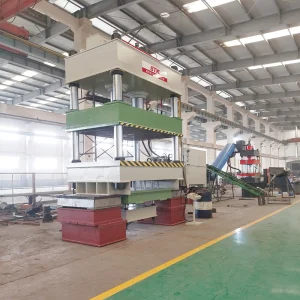
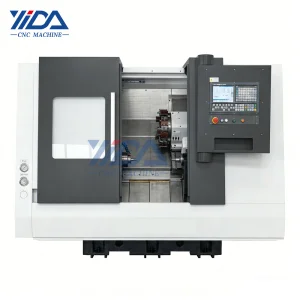
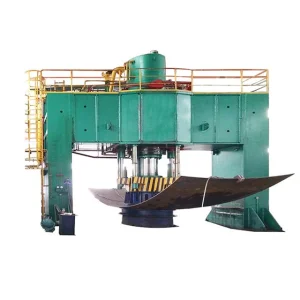
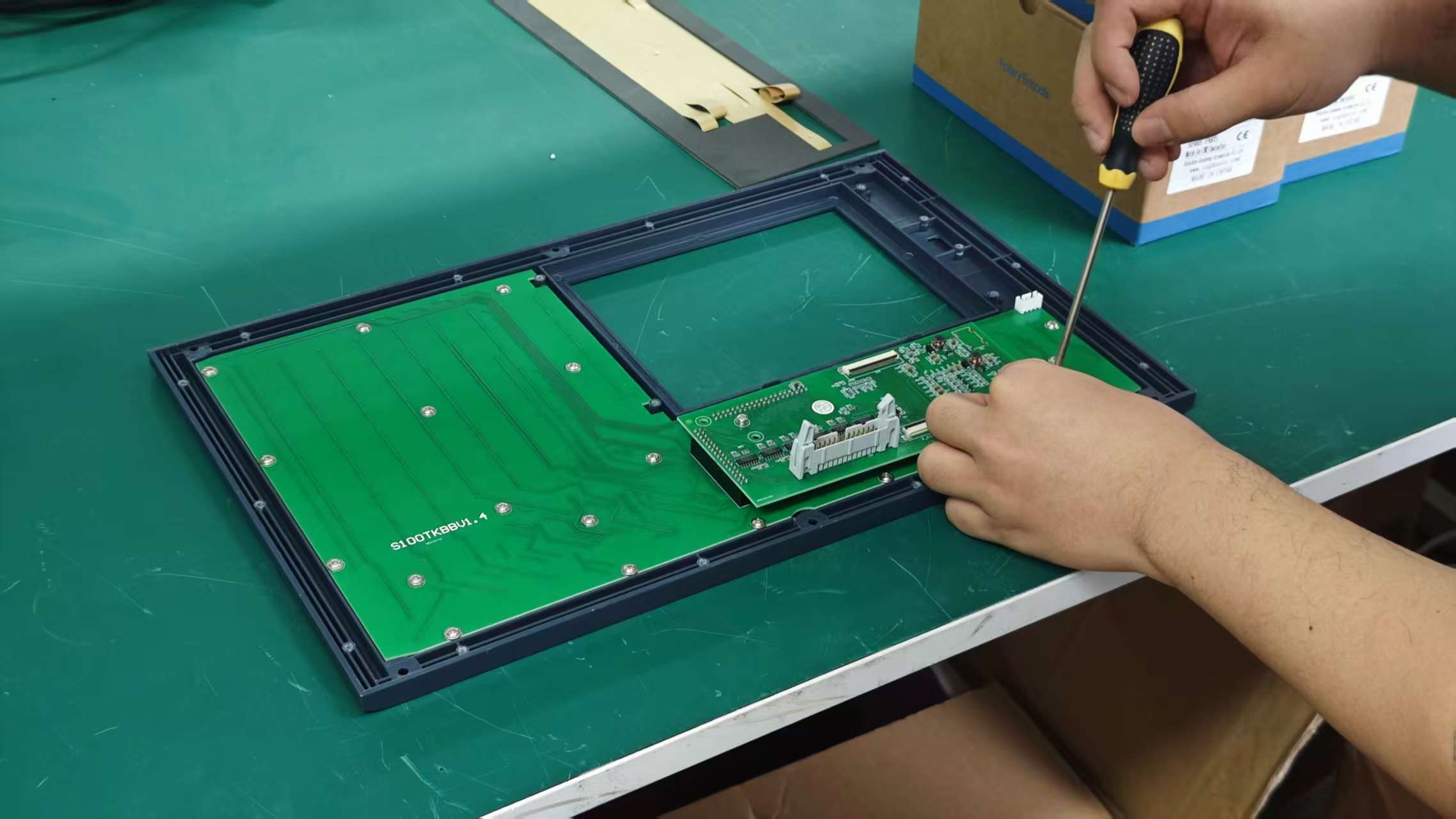
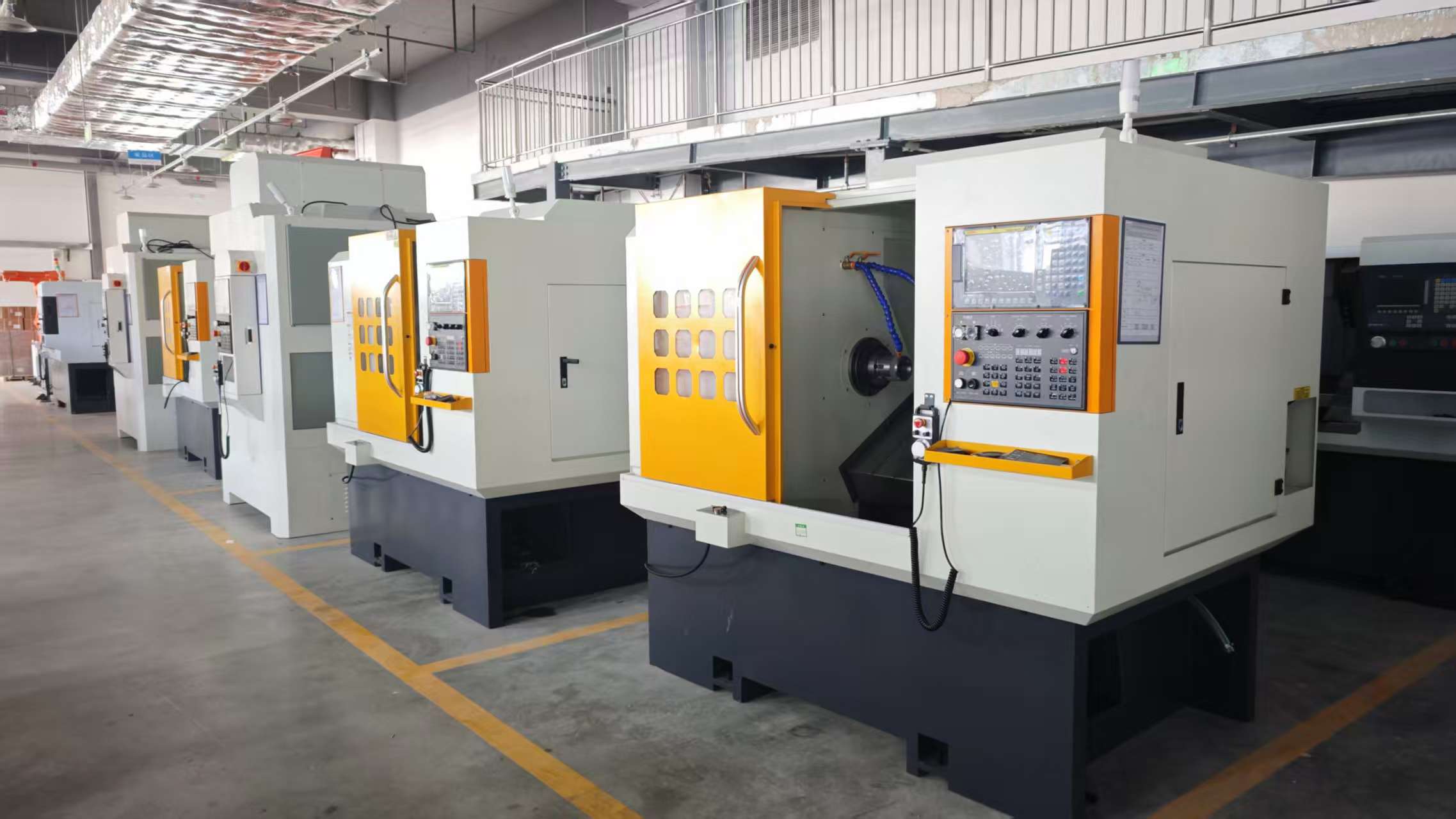
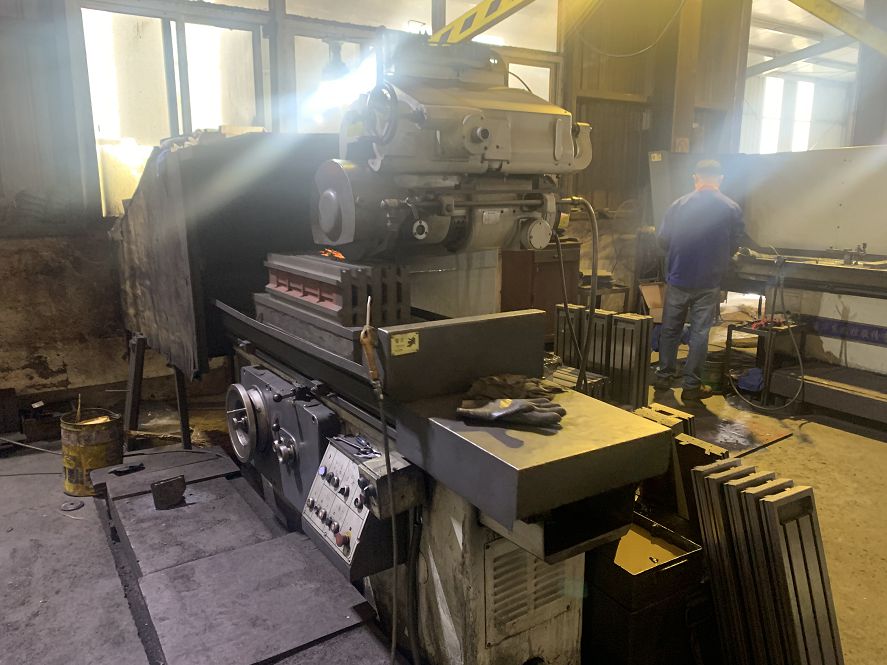
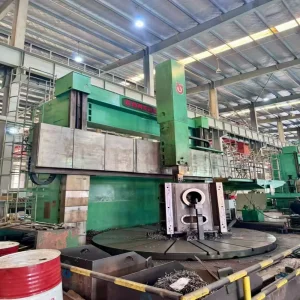
Modern production relies on more than just raw machinery; it requires a integrated ecosystem of components, logistics, and quality assurance. China's Factory 4.0 initiatives combine automated raw material handling, CNC precision machining, vertical logistics, and non-destructive evaluation (NDE) into a single, cohesive workflow.
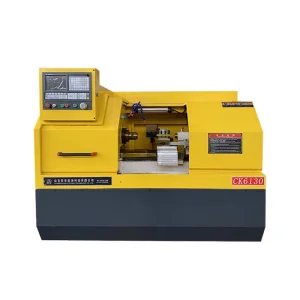
The production lines at Zhejiang ZRF Spinning Co., Ltd. demonstrate this integration. With advanced guideway grinders, precision lathes, and automated testing rigs, every phase of production is monitored to maintain high standards of precision and quality control.
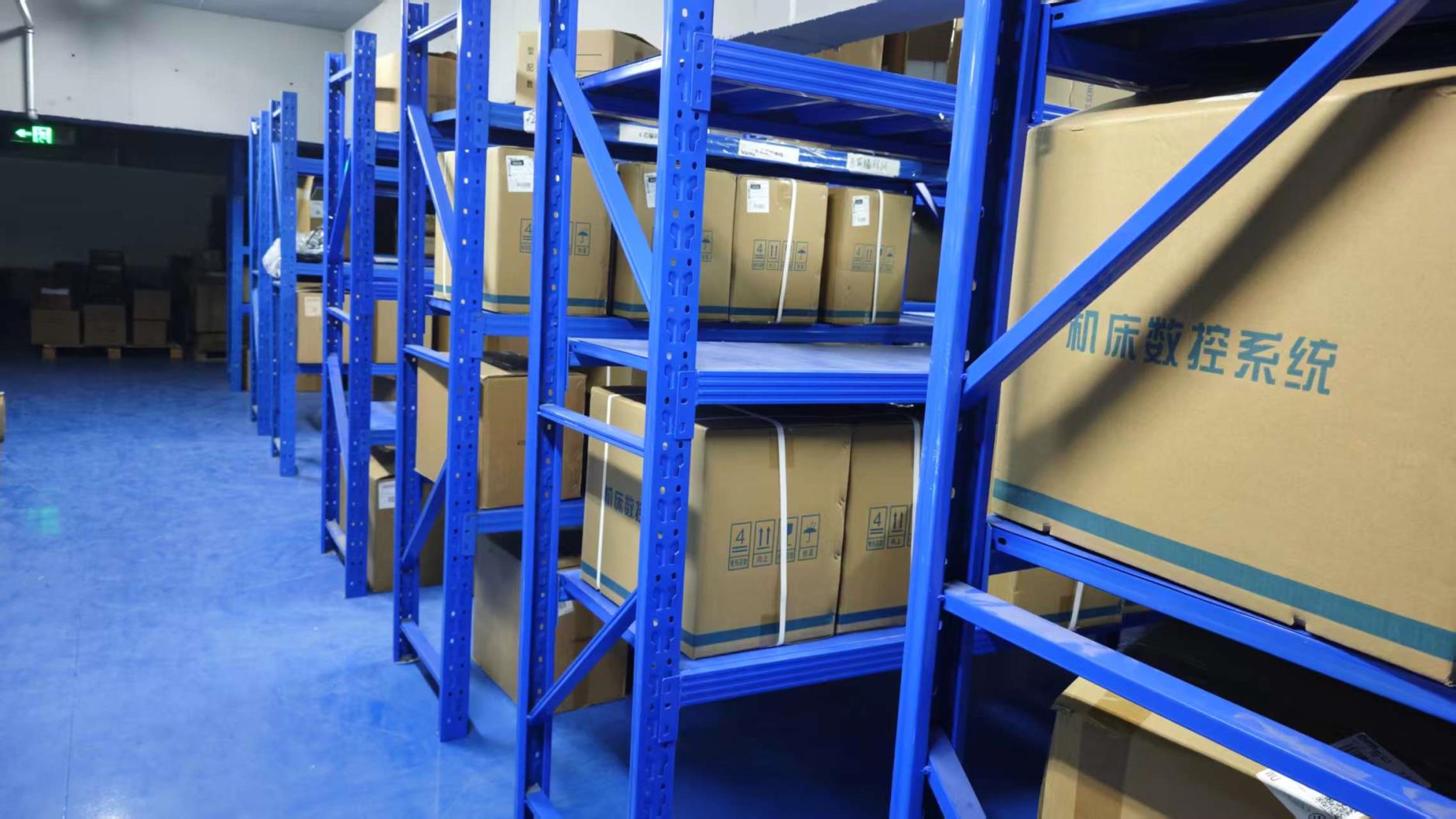
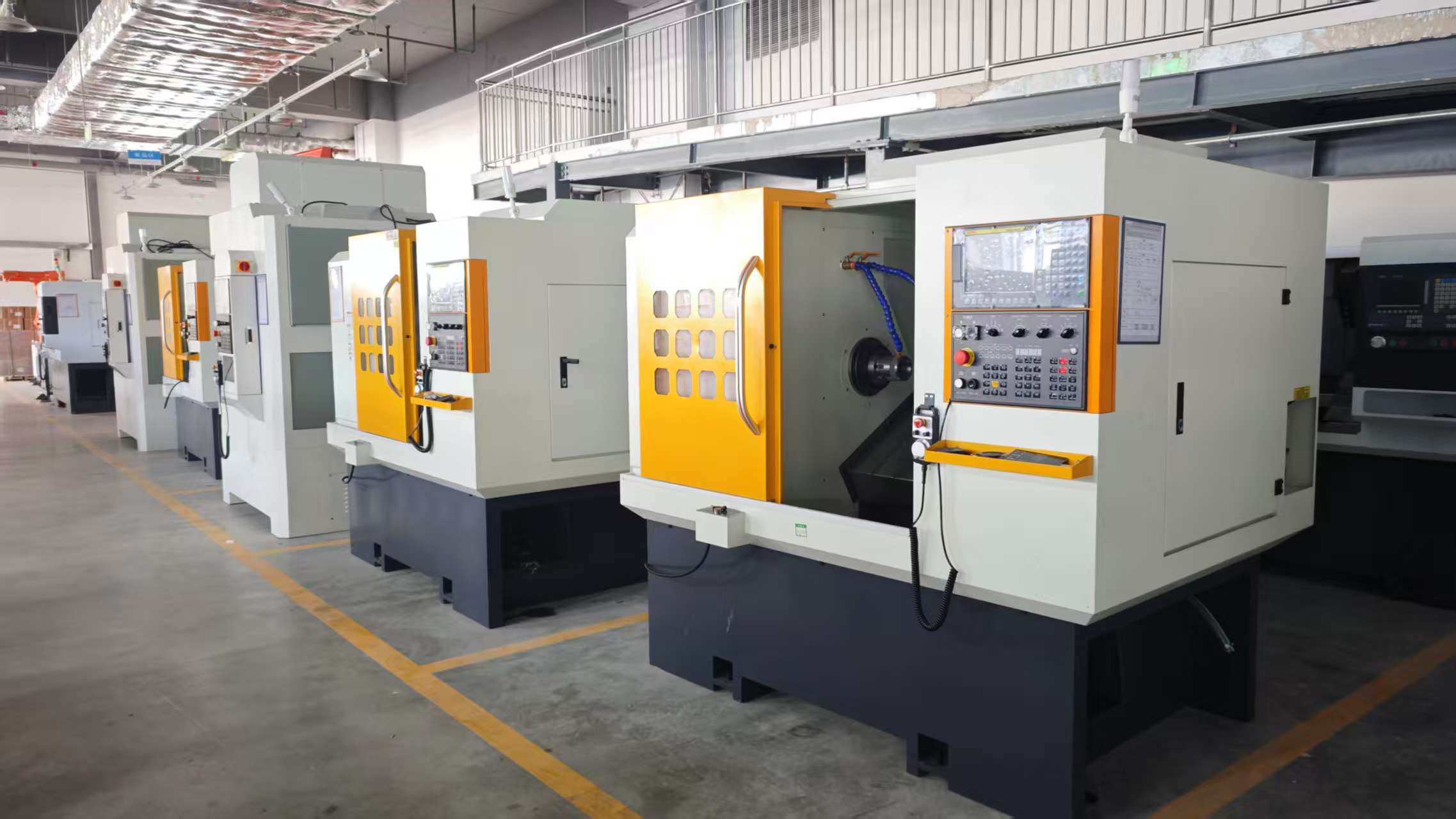
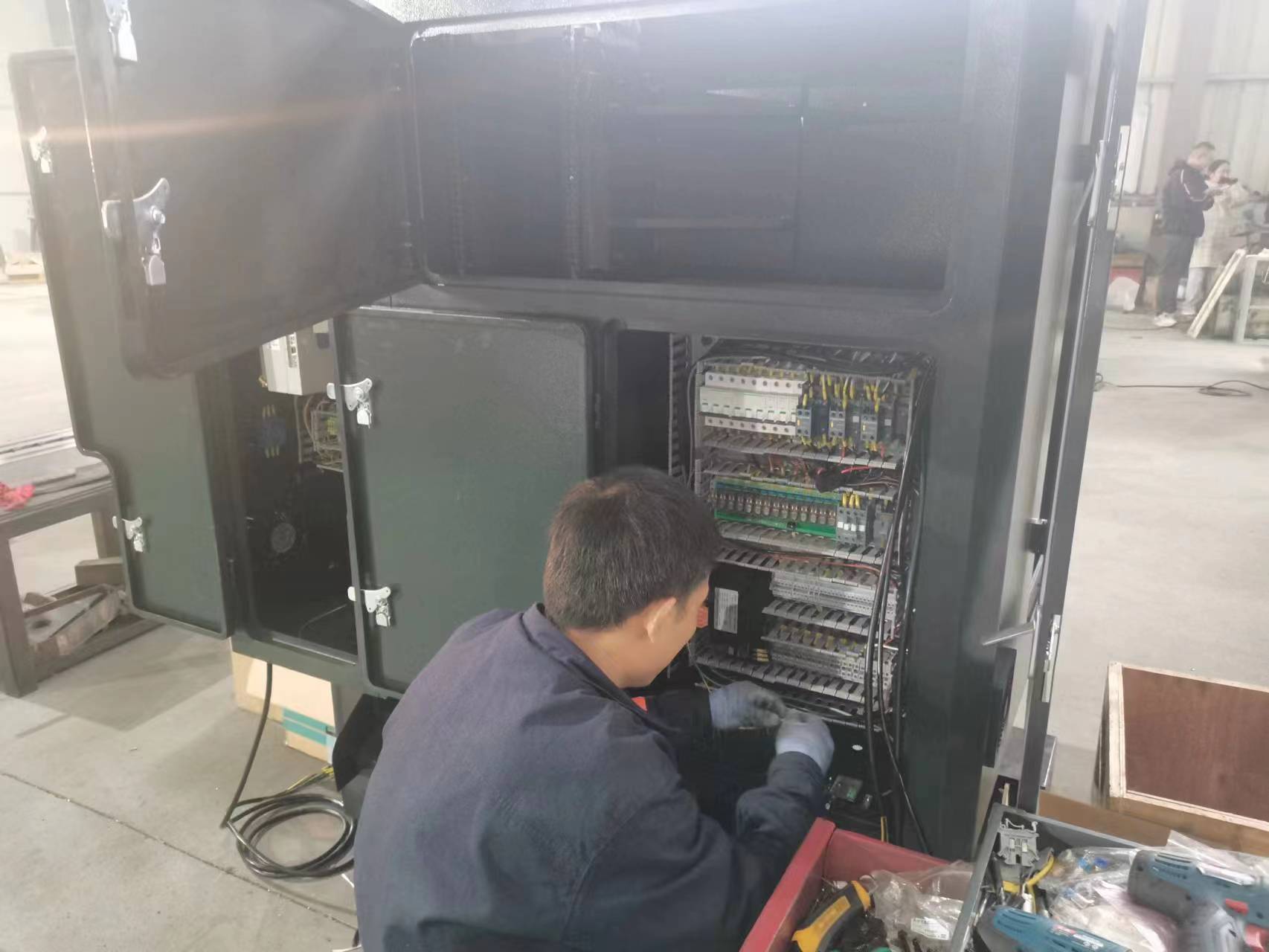
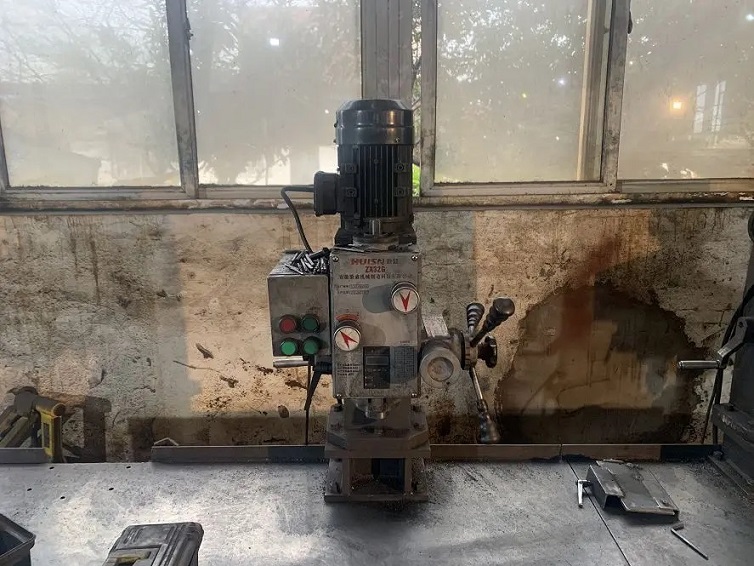
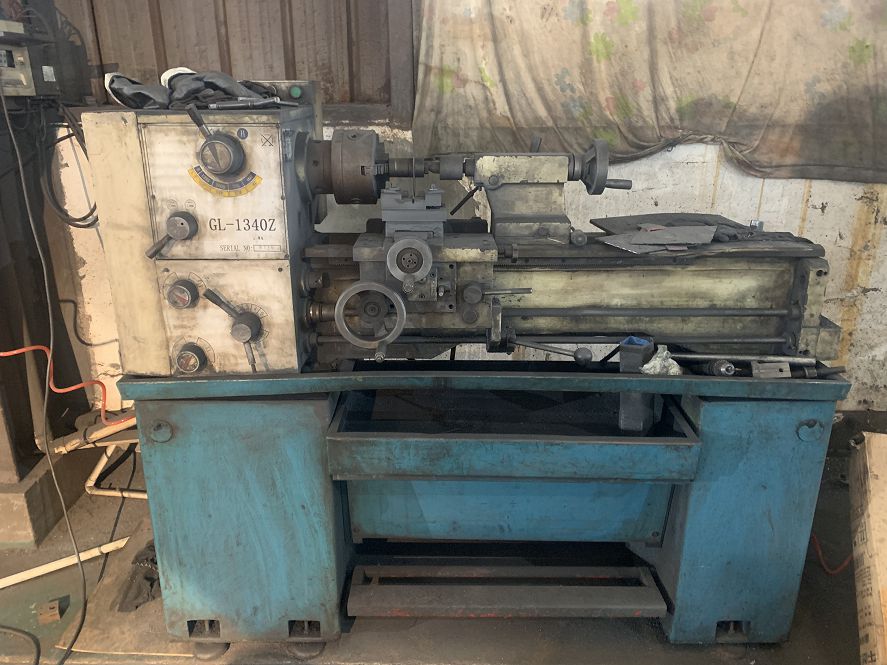
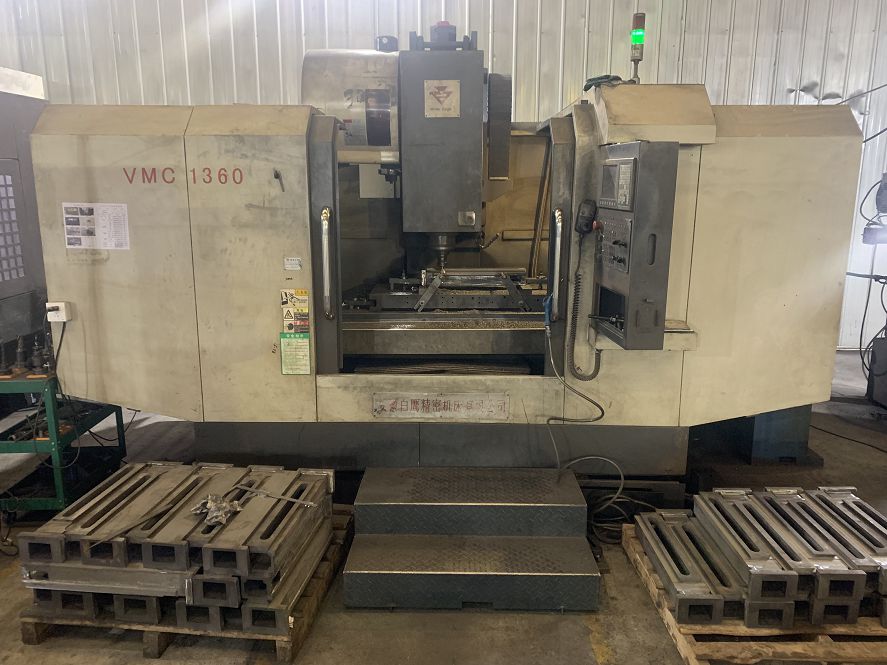
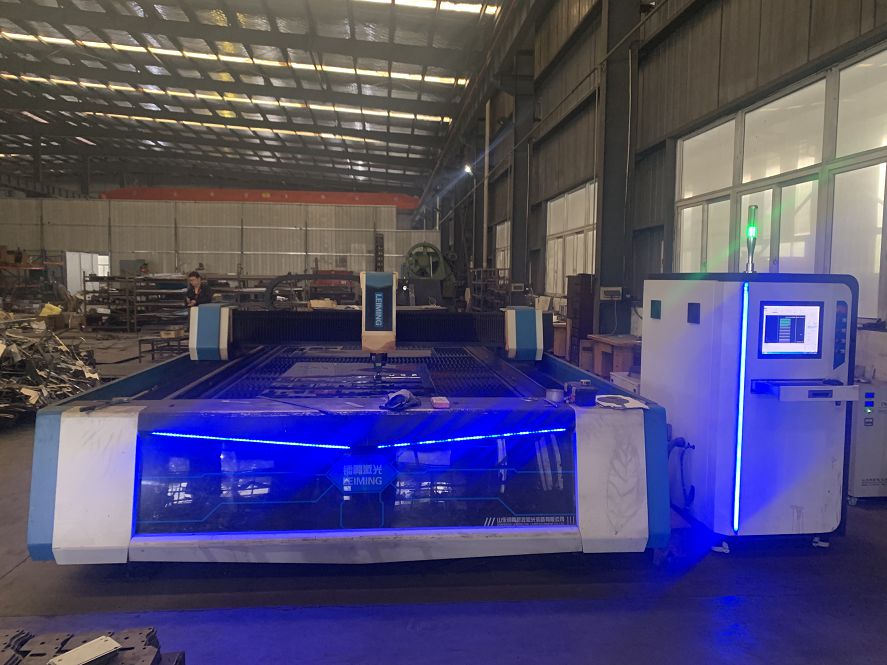
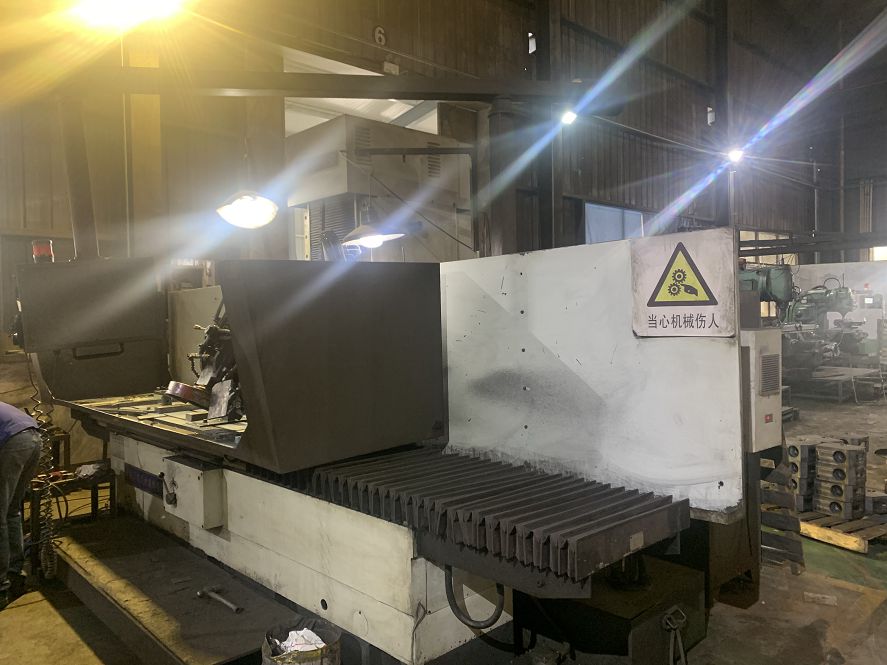
International buyers seeking high-quality hydraulic tubes require detailed quality control documentation. ZRF meets these standards through structured testing protocols and material transparency.
Our international quality management system includes:
Flow-formed cylinders exhibit a higher fatigue limit than skived tubes. Skiving is a subtractive machining process that cuts through structural steel fibers. In contrast, flow forming is an additive-deformation process that compresses structural fibers continuously along the axis. This induces residual compressive stress on the inner skin, helping to mitigate micro-crack propagation under cyclic pressure.
Depending on the starting material ductility, ZRF CNC machines can achieve wall thickness reductions of 30% to 75% in a single cold pass. For carbon steels, up to 60% reduction can be attained without intermediate annealing. Higher reduction rates refine the microcrystalline structure, increasing hardness and strength values.
Yes. Our systems process a range of materials, including traditional structural alloys (ST52, E355, 4140), duplex and super-duplex stainless steels (316L, 2205), and aerospace titanium alloys (Ti-6Al-4V). The parameter control of our CNC systems adjusts feed rates and roller force profiles to match the specific properties of each alloy.
Surface cracking is typically caused by excessive localized tensile stress during shaping. The multi-roller CNC configuration of ZRF machines ensures that the zone under deformation remains in a state of high hydrostatic compression. By optimizing feed rates and roller angles, tensile stress at the exit boundary is minimized, preventing cracking and maintaining structural integrity.
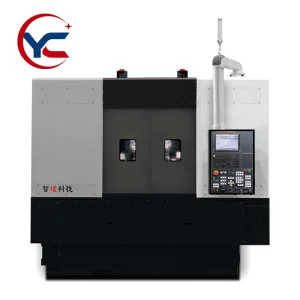
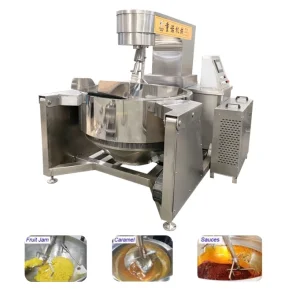
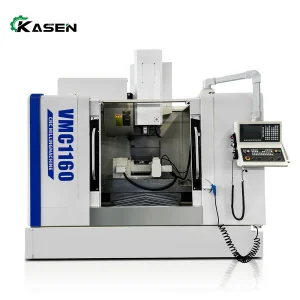
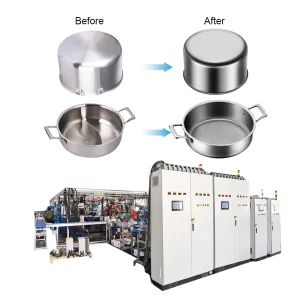
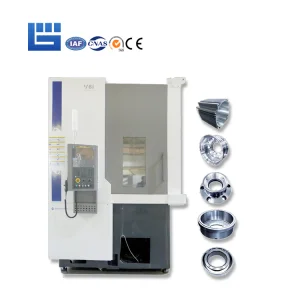
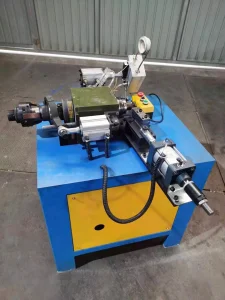
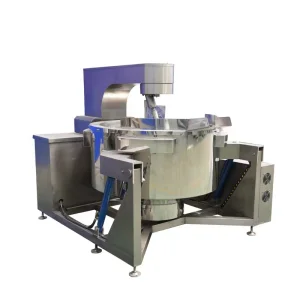
Complementary high-precision vertical turning centers, automatic polishing arrays, and specialized food/chemical vessel manufacturing systems.
 ZRF Spinning