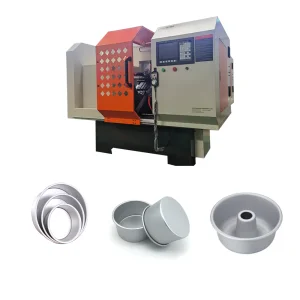
Explore our primary manufacturing line-up, engineered to process advanced metals, aerospace-grade materials, and custom-formed components with unparalleled precision.
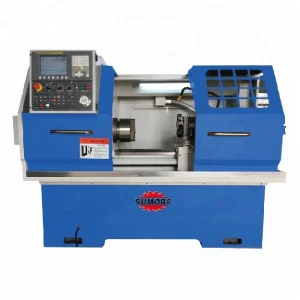
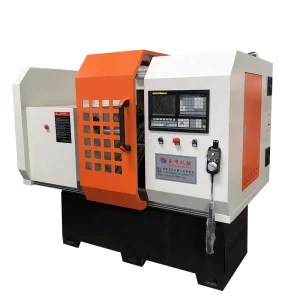
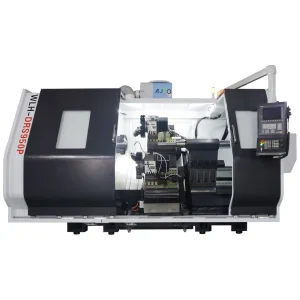
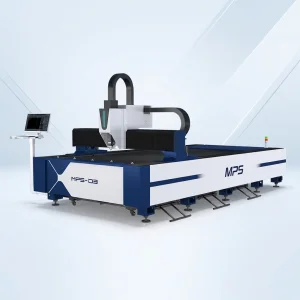
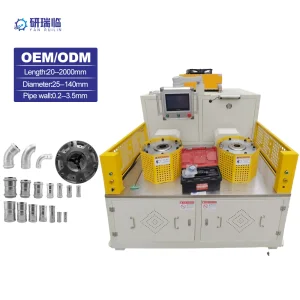
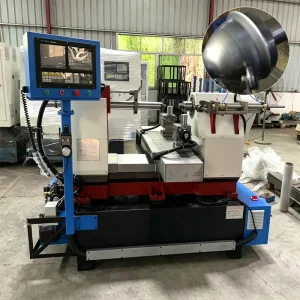
In modern industrial manufacturing, relying on a single production technique often limits the structural integrity, geometric complexity, and cost efficiency of final parts. The fusion of Advanced Additive Manufacturing (3D Printing) and CNC Metal Spinning / Subtractive Machining represents a revolutionary technological leap. While metal 3D printing technologies—such as Directed Energy Deposition (DED) and Selective Laser Melting (SLM)—excel at fabricating intricate inner geometries and near-net-shape components directly from digital models, they frequently exhibit surface roughness and anisotropy.
This is where precision CNC Spinning and Lathe machining become critical. By subjecting additive-manufactured preforms to subsequent shear spinning, flow forming, or precision multi-axis milling, manufacturers can eliminate internal voids, improve grain structures, achieve sub-micron dimensional tolerances, and dramatically increase mechanical properties. This hybrid pathway significantly minimizes material waste, shortens product cycles, and delivers components optimized for extreme conditions.
Tracking the integration of additive systems and smart robotics in heavy-duty component manufacturing.
How top-tier global industries deploy advanced hybrid spinning and forming machines to solve critical production challenges.
Precision forming of rocket engine nose cones, missile casing structures, and aircraft fuel cell domes. Achieving highly consistent thickness tolerances while processing advanced superalloys.
Manufacturing lightweight alloy wheels, flow-formed rim profiles, and transmission gear blanks. Reduces unsprung mass, which in turn enhances electric vehicle battery ranges.
Producing high-strength pressure vessels, thick-walled piping connections, and industrial flanged ends. This equipment delivers reliable corrosion resistance and pressure tolerance under harsh operating conditions.
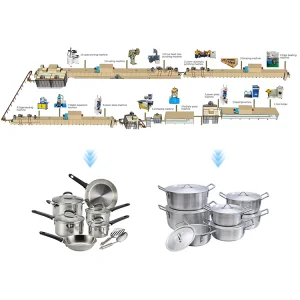
High-speed automated production lines for commercial ventilation funnels, industrial fan housings, and stainless-steel pots or pans. Delivers consistent quality at high volumes.
An established, high-tech manufacturer specializing in advanced research, development, and mass manufacturing of CNC spinning machines and automated metal forming solutions.
As a leading high-tech enterprise specializing in the research, development, and manufacturing of CNC spinning machine tools, Zhejiang ZRF Spinning Co., Ltd. has established a robust technical foundation and extensive field experience in the domestic and international metal forming industries. Our advanced series of CNC spinning machine tools are widely applied across a variety of demanding sectors, including petrochemicals, electronics, daily hardware, food processing machinery, automotive and motorcycle components, pressure vessels, ventilation, environmental protection, defense, and aerospace.
To ensure high standards of performance and long-term durability, ZRF's manufacturing process strictly adheres to the ISO9001 quality management system. From precision grinding of guideways to full-load aging tests, we monitor every step. Today, the ZRF spinning machine series is deployed across more than 30 provinces and cities in China and exported to over 20 countries and regions worldwide. We continue to advocate a philosophy of market-oriented development, research-driven innovation, and technological excellence, establishing long-term cooperative partnerships with leading domestic and international enterprises.
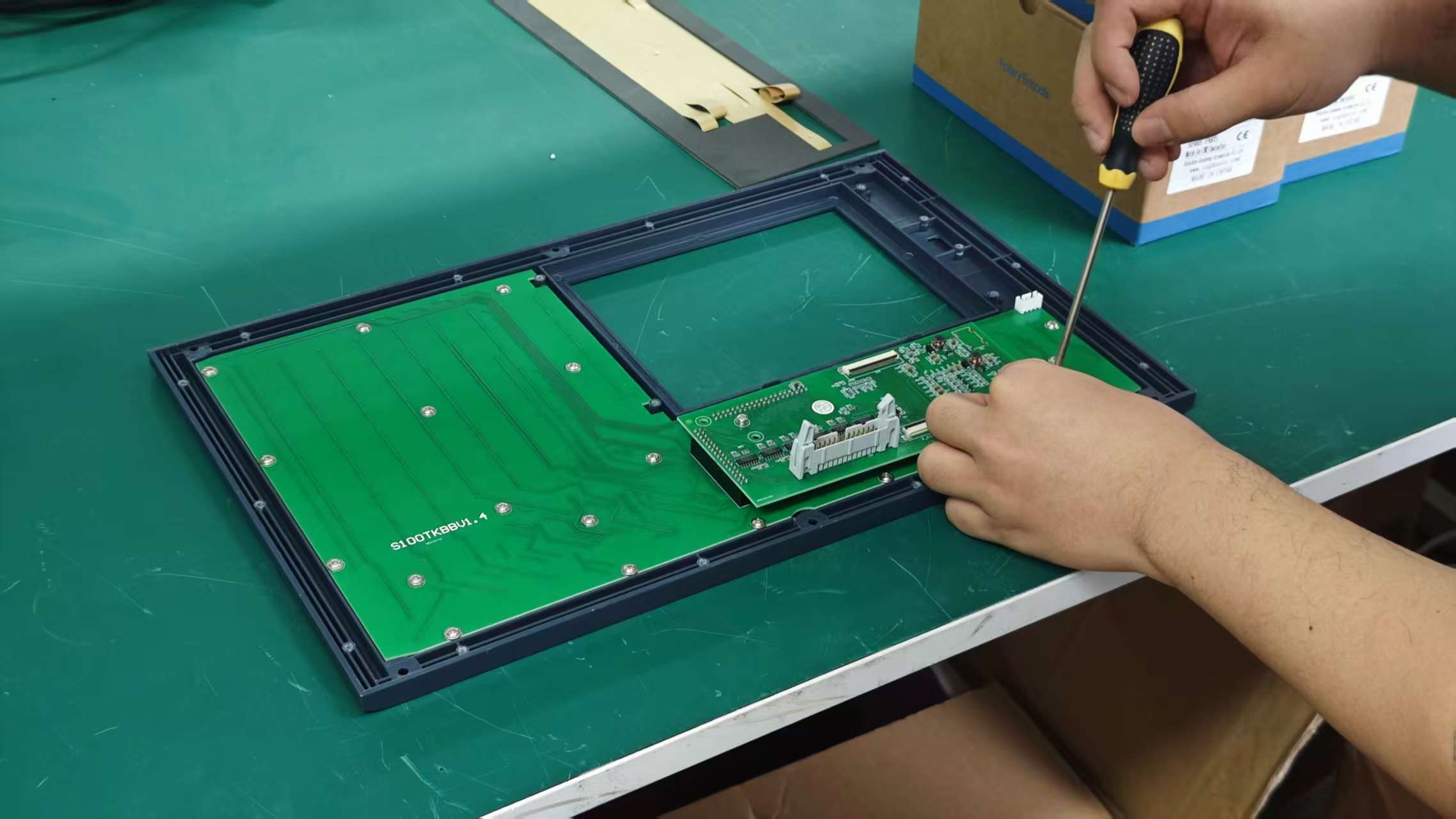
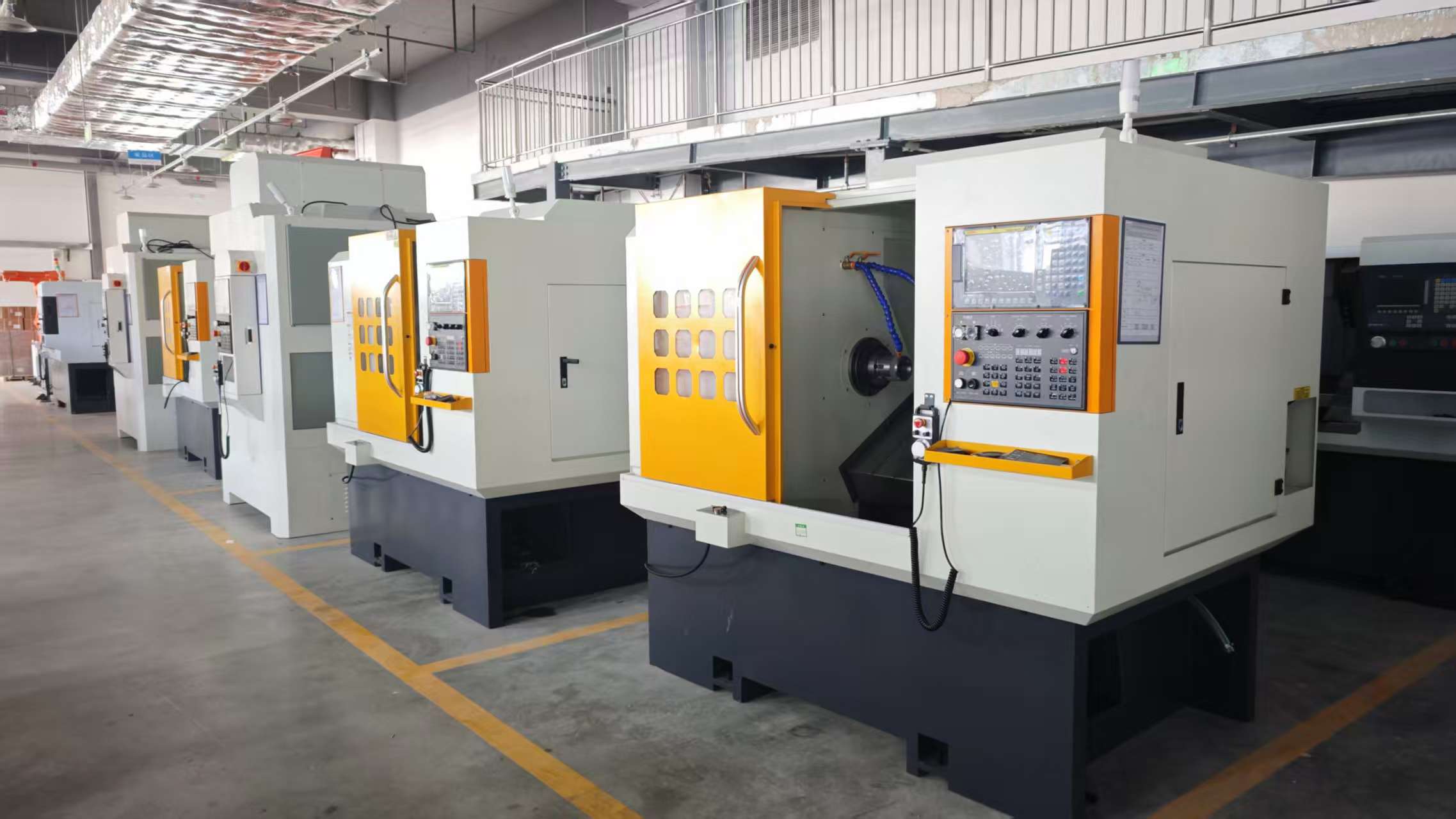
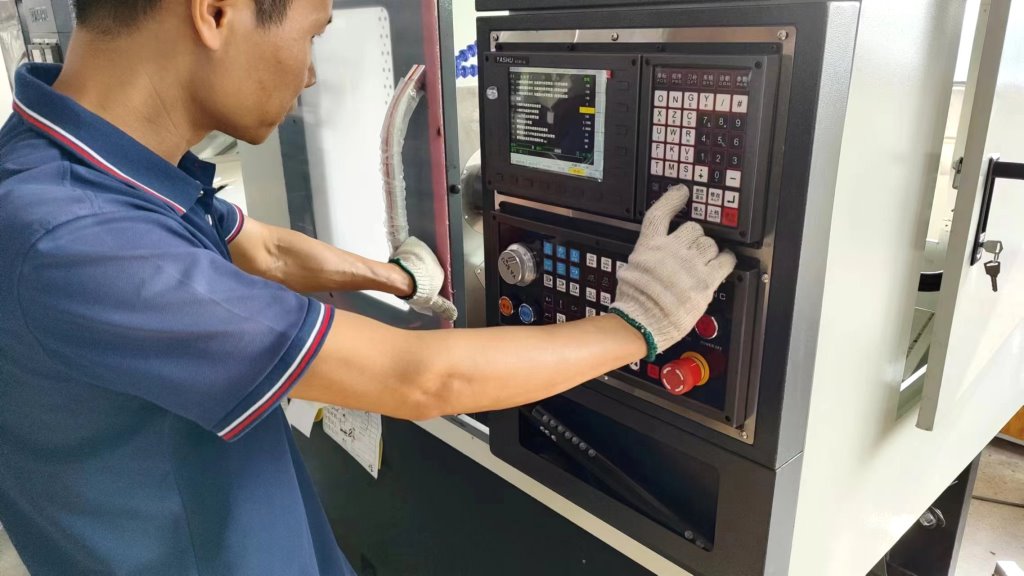
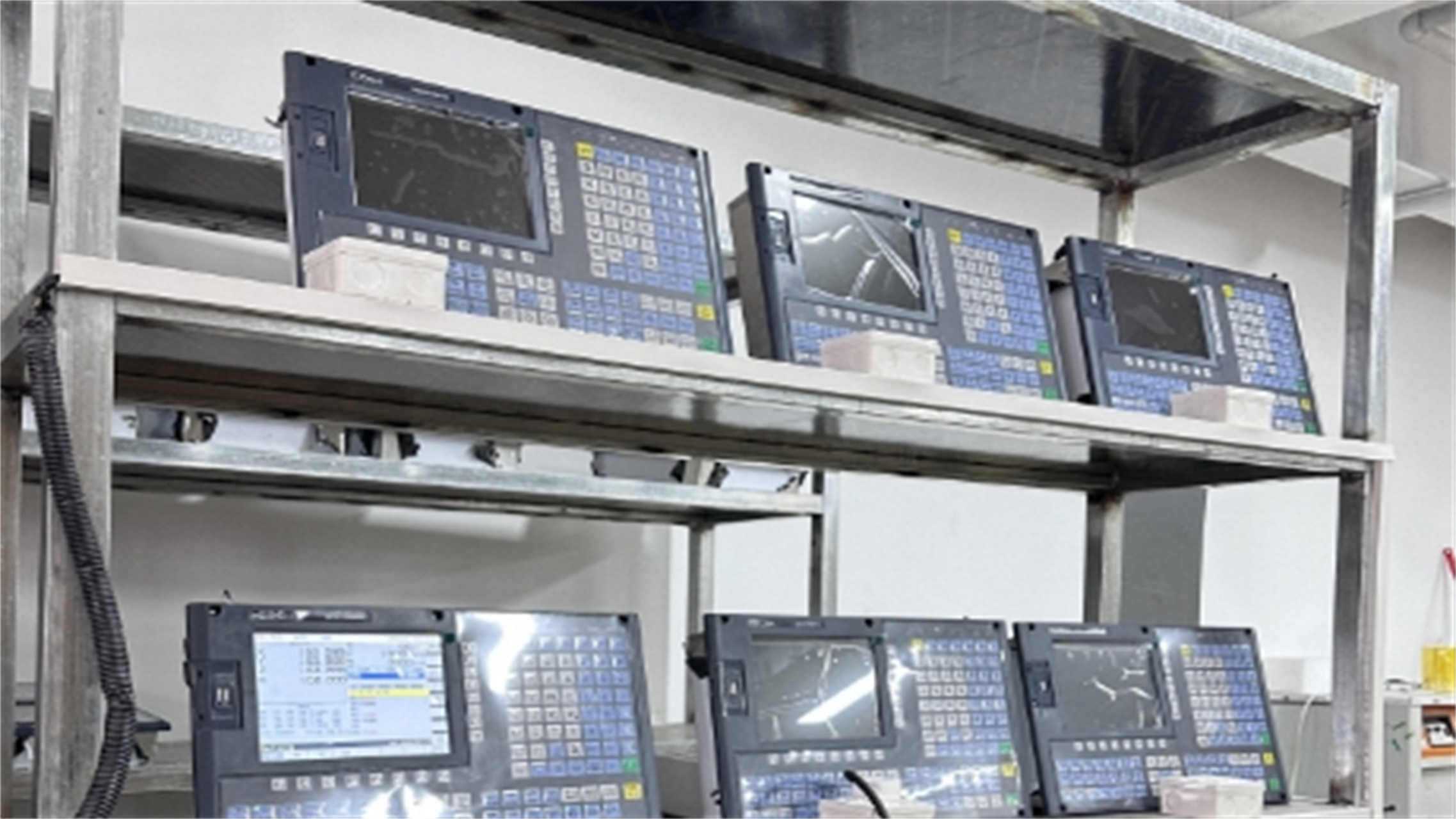
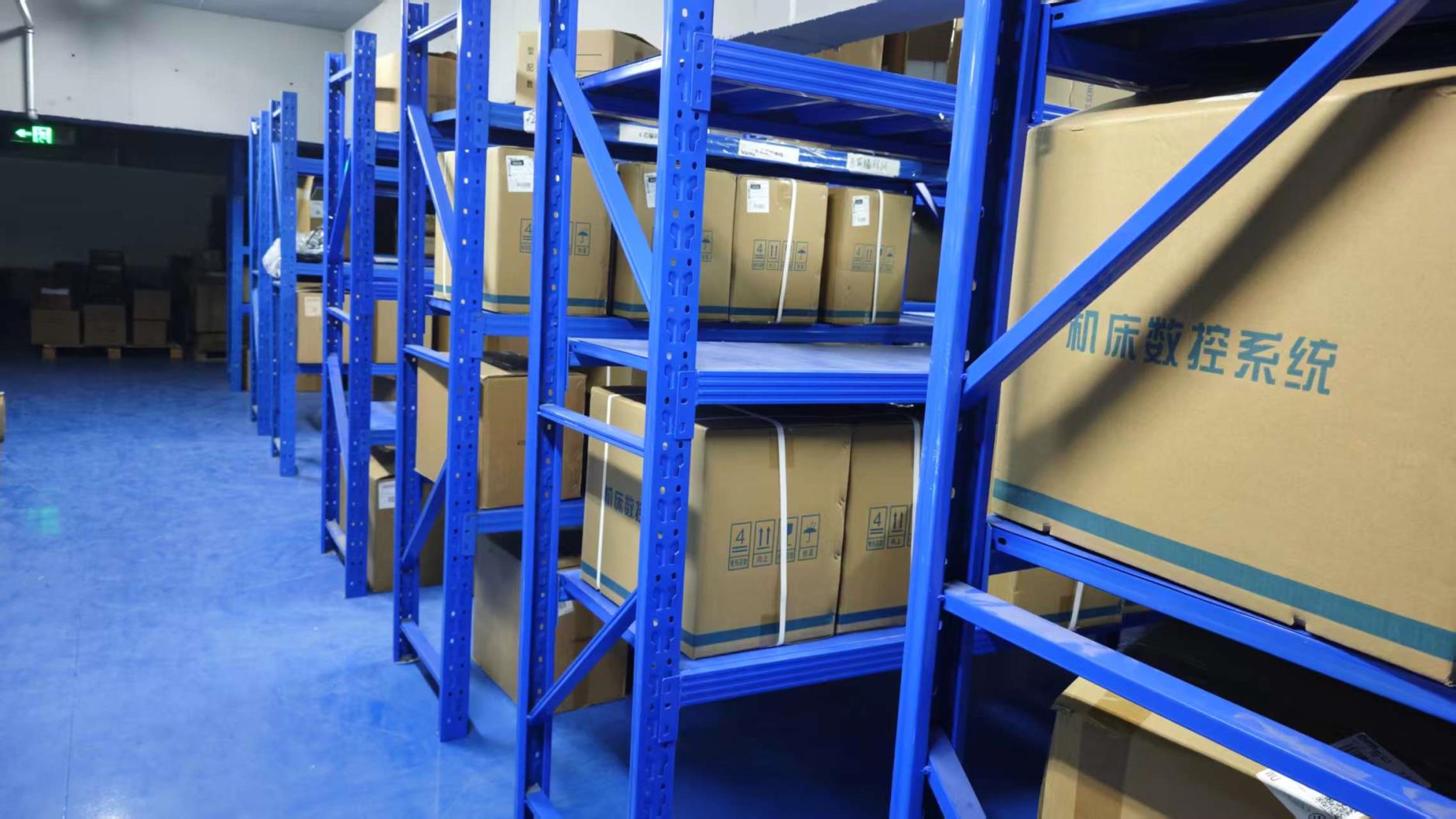
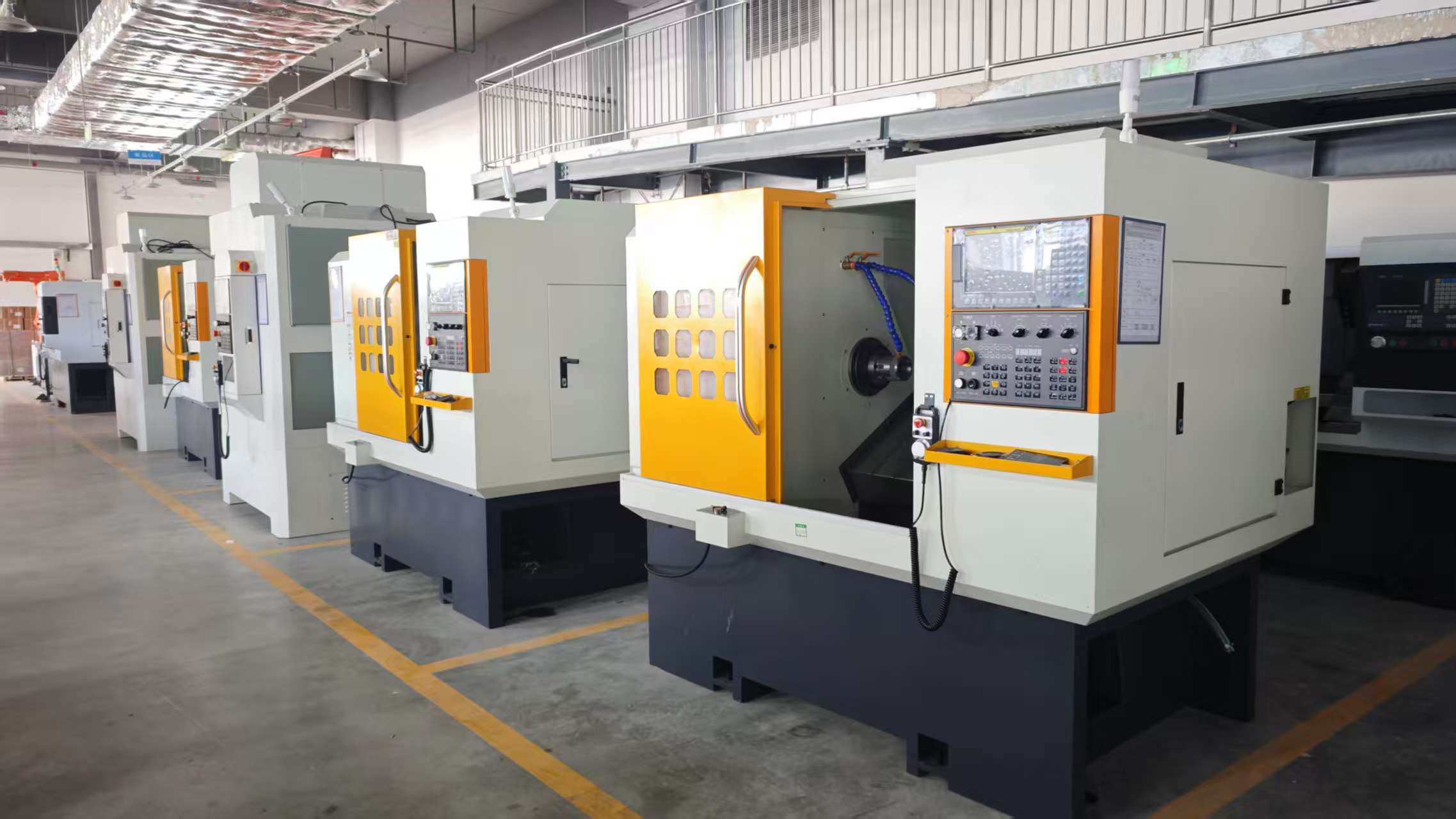
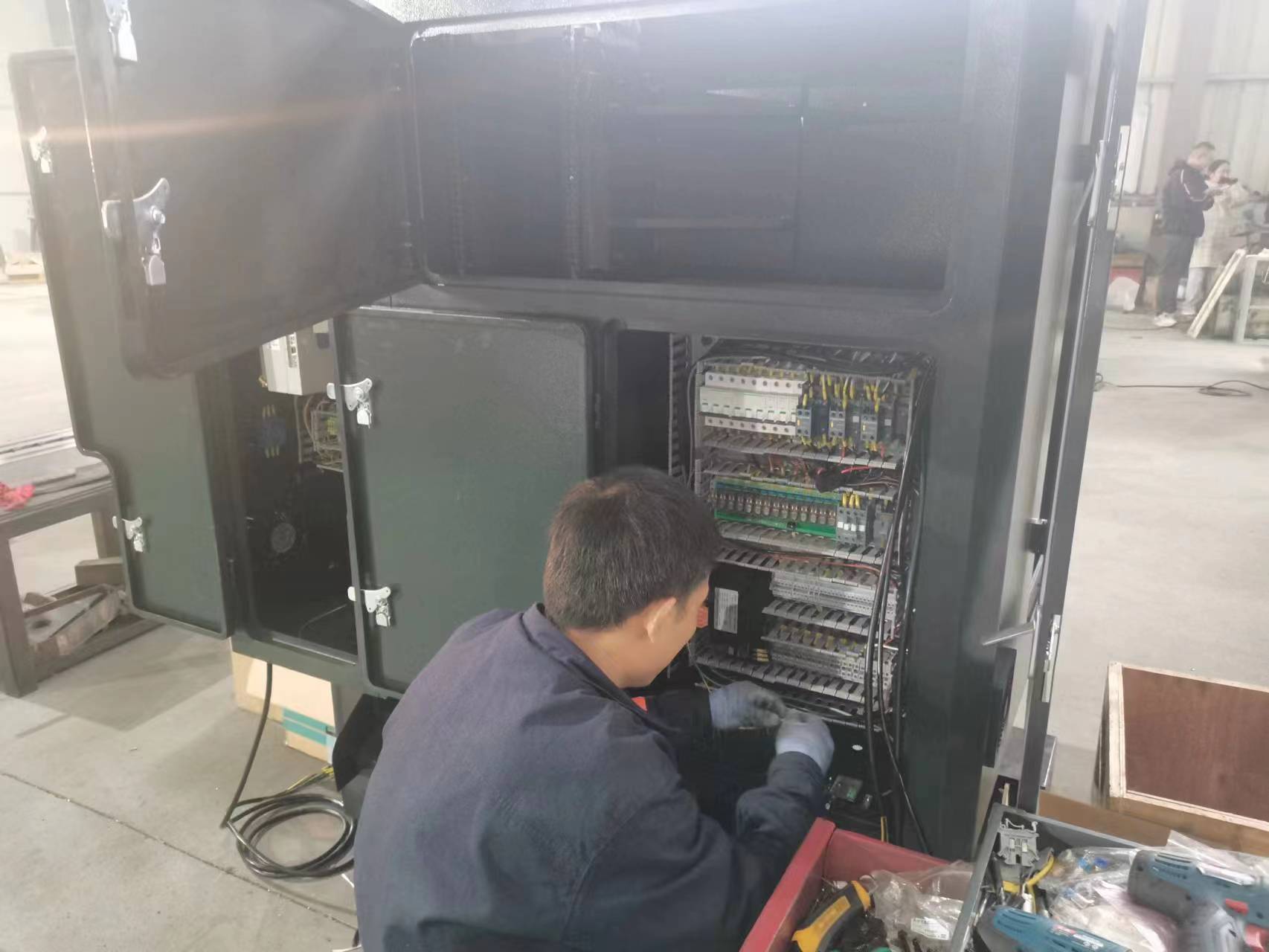
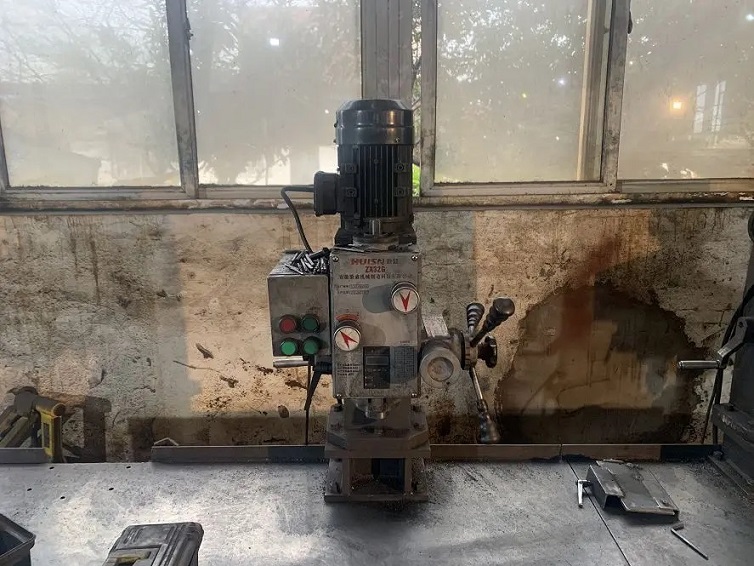
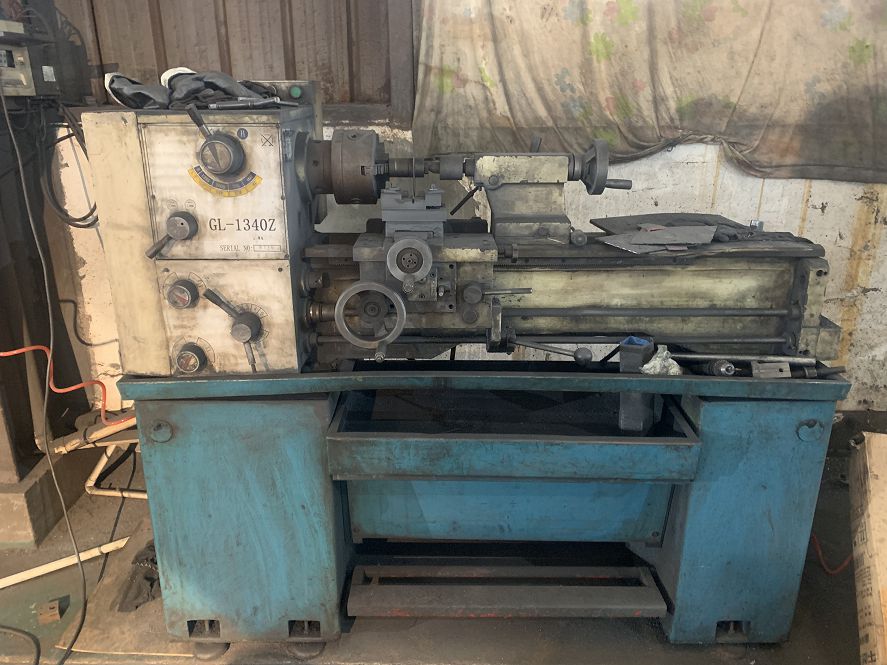
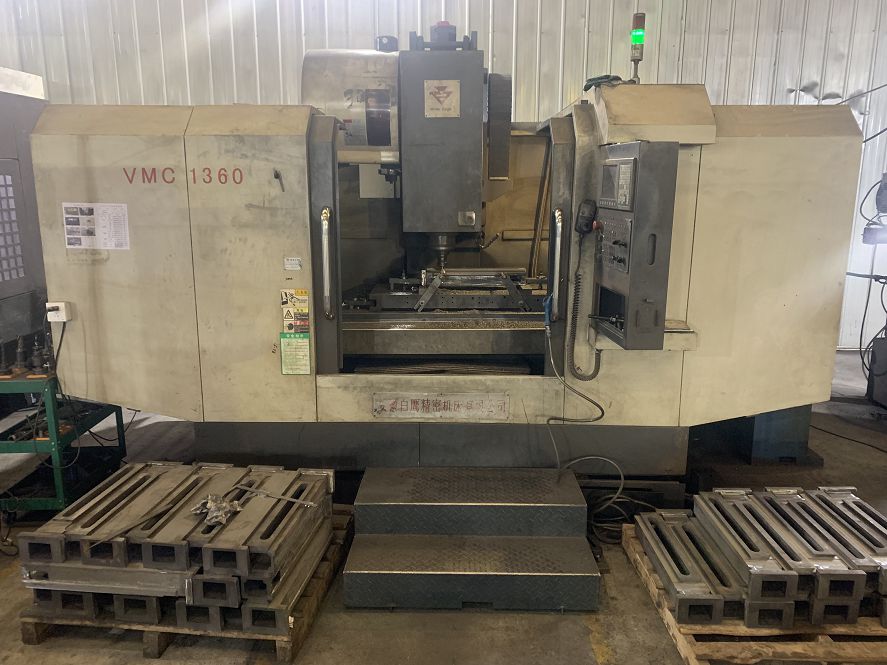
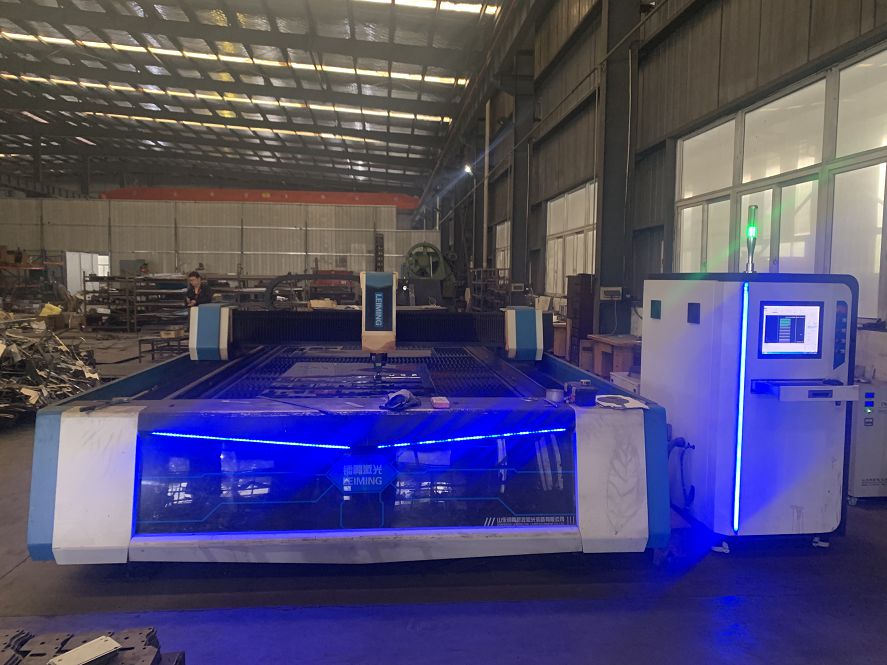
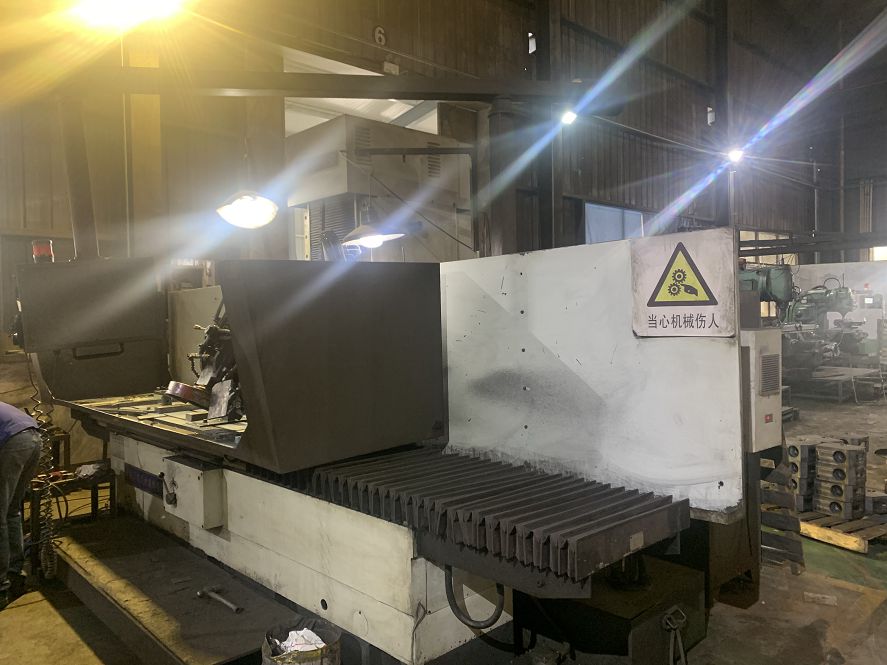
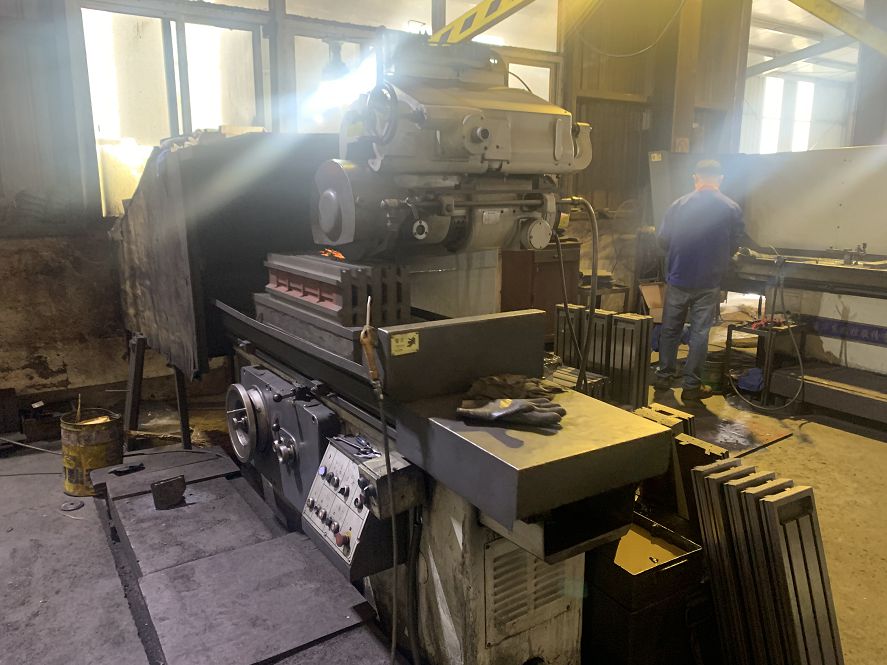
Deploying advanced heavy machinery from China offers key advantages, particularly in terms of integrated industrial clusters and high-efficiency supply chains. In Zhejiang, ZRF maintains immediate access to high-grade raw castings, specialized motor manufacturers, and top-tier linear guideway suppliers. This domestic ecosystem reduces assembly lead times by up to 35% compared to European and North American alternatives.
Our localized pricing model passes these structural savings directly to our clients without compromising on component quality. We utilize premium global brands for critical machine interfaces—such as Siemens, Fanuc, and GSK CNC operating systems—ensuring seamless integration and easy spare parts sourcing in your home region.
ZRF supports operations across more than 20 countries. We offer comprehensive engineering services that extend from initial installation to specialized custom retrofits:
Expert technical answers to common questions about advanced CNC spinning, hybrid manufacturing, and commissioning.
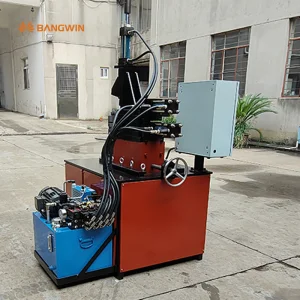
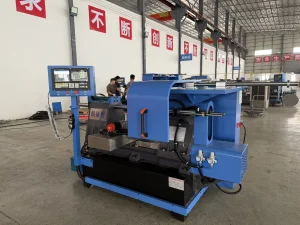
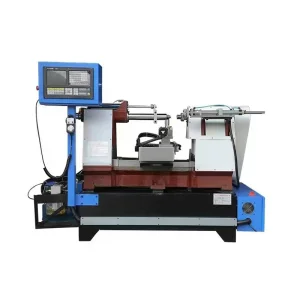
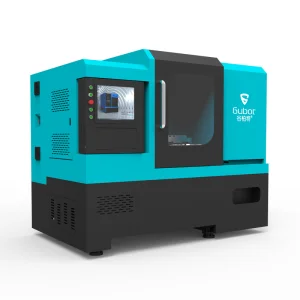
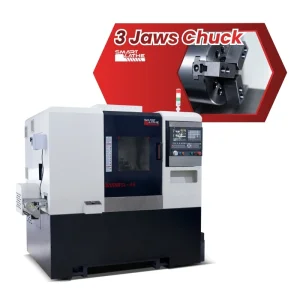
Explore our specialized heavy machines, designed for precision alloy wheel repairs, complex tube-end geometries, and dedicated production lines.
 ZRF Spinning