Deploying cutting-edge technology for precise thickness control, high-tonnage deformation, and structural integrity across international target fields.
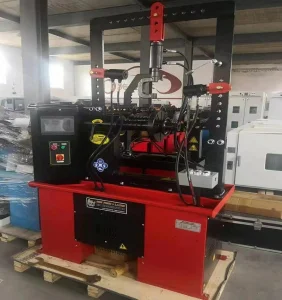
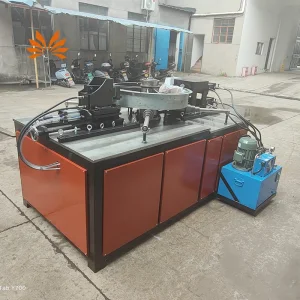
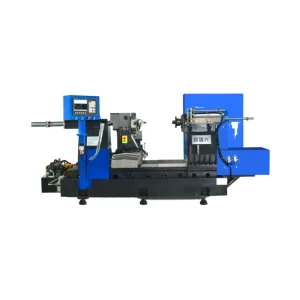
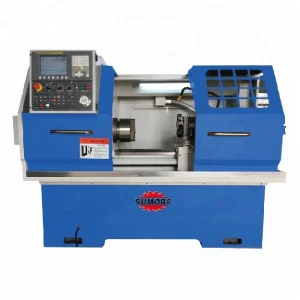
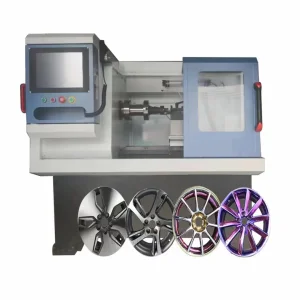
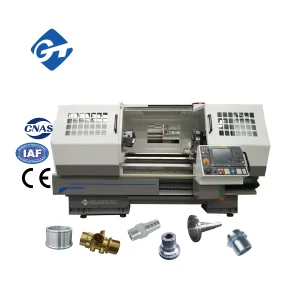
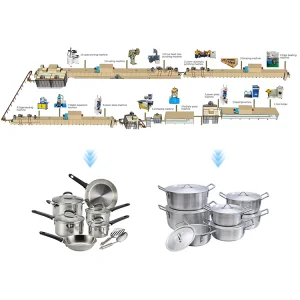
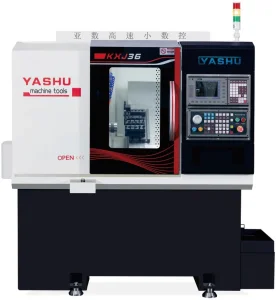
Understanding the advanced mechanics of shear spinning and flow forming for structural industrial components.
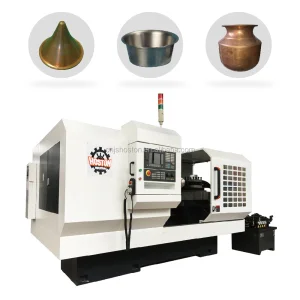
In advanced metal fabrication, Thinning & Elongation Spinning (often referred to as flow forming or shear spinning) is a highly specialized plastic deformation process. Unlike conventional metal spinning where the diameter of the starting blank is reduced to match a mandrel without altering thickness, flow forming targets the wall thickness directly. The process applies localized, high-tonnage compressive forces via computer-controlled rollers to force the metal to flow axially along a hardened mandrel.
Mathematically governed by the Sine Law (where the final wall thickness \(t_1 = t_0 \cdot \sin \alpha\), with \(t_0\) being the starting blank thickness and \(\alpha\) being the half-cone angle), this process achieves significant wall thinning—often exceeding 70-80% thickness reduction in a single pass—while simultaneously elongating the workpiece.
As the roller deforms the material against the spinning mandrel, it alters the metallurgical structure of the workpiece. The grain boundaries of the metal are severely elongated, aligned, and refined in the direction of the flow. This directional grain refinement triggers a phenomenon known as cold work hardening, which substantially increases the tensile strength, yield strength, and hardness of the final component.
For defense, aerospace, and high-pressure chemical installations, this structural improvement allows engineers to design components that are significantly lighter yet exhibit greater fatigue resistance than parts produced by conventional casting, welding, or deep drawing.
Zhejiang ZRF Spinning Co., Ltd. - Empowering global industries with high-performance CNC metal forming technology.
As a high-tech enterprise specializing in the research, development, and manufacturing of CNC spinning machine tools, Zhejiang ZRF Spinning Co., Ltd. has extensive experience and a strong technical foundation in the domestic spinning industry. Our manufacturing philosophy focuses on continuous improvement in both product performance and service quality. Our production processes strictly adhere to the ISO9001 quality management system, ensuring reliable, safe, and highly efficient machines for domestic and international clients alike.
Our series of CNC spinning machine tools are widely applied across a variety of industries, including petrochemicals, electronics, daily hardware, food processing machinery, automotive and motorcycle components, pressure vessels, ventilation, environmental protection, defense, and aerospace. The ZRF spinning machine series has reached more than 30 provinces and cities across China and has been exported to over 20 countries and regions worldwide. Our advanced technology, excellent product quality, and comprehensive service system have earned the trust and recognition of users globally.
At Zhejiang ZRF Spinning Co., Ltd., we firmly advocate a philosophy of market-oriented development, research-driven innovation, and technological excellence. We focus on:
Unifying high-capacity hardware with absolute manufacturing control. Below is a view of our tooling, cutting, and grinding setups.
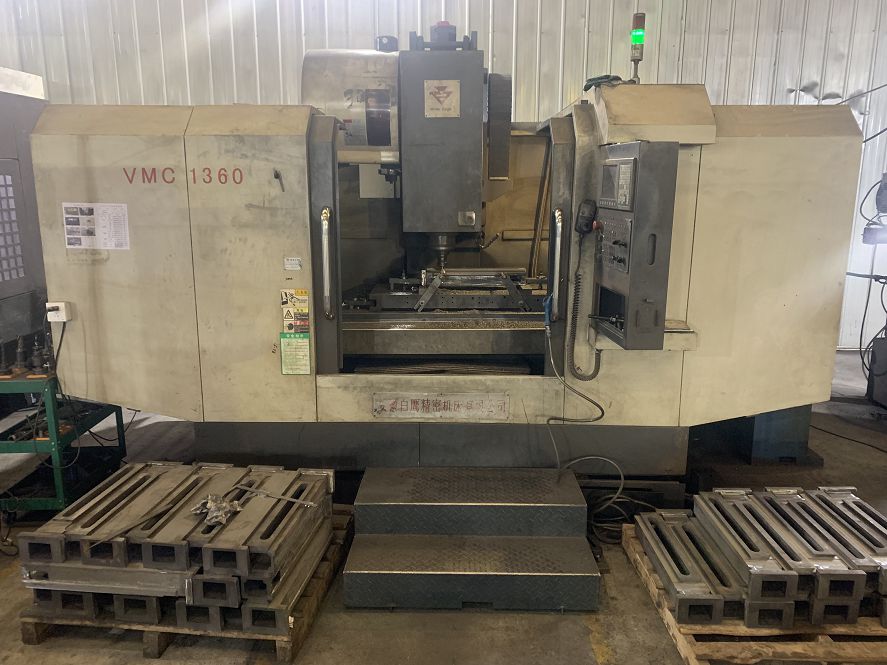
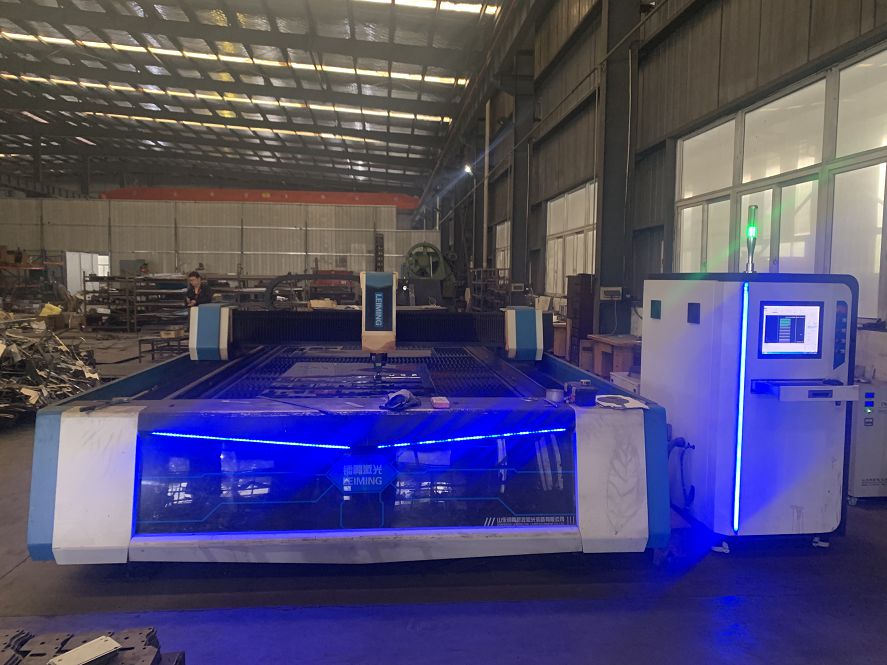
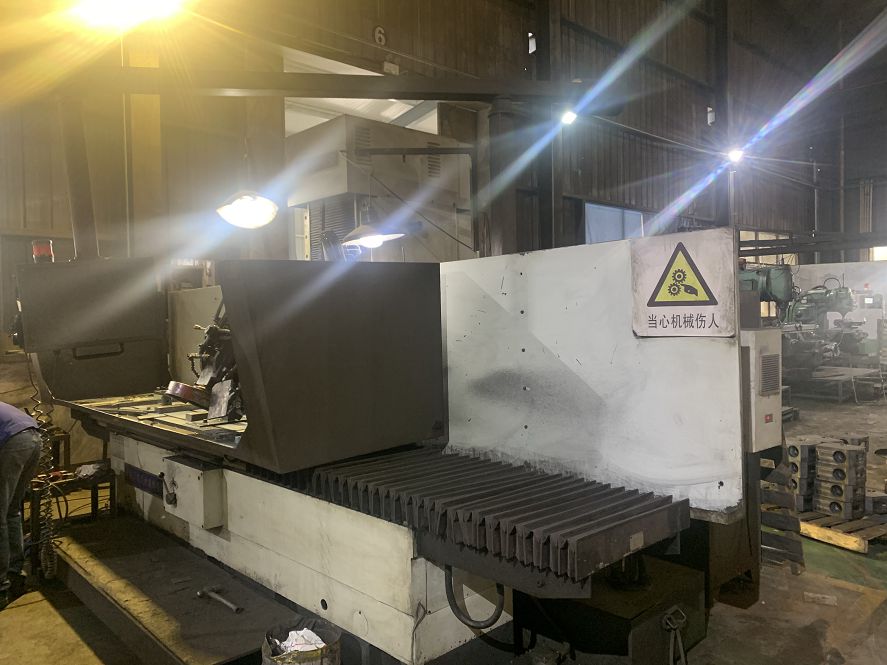
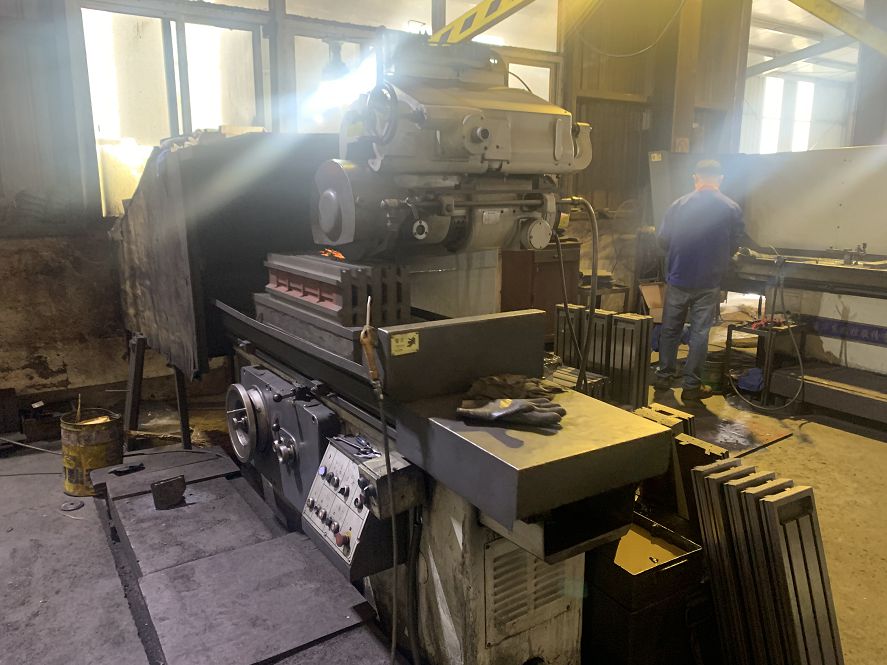
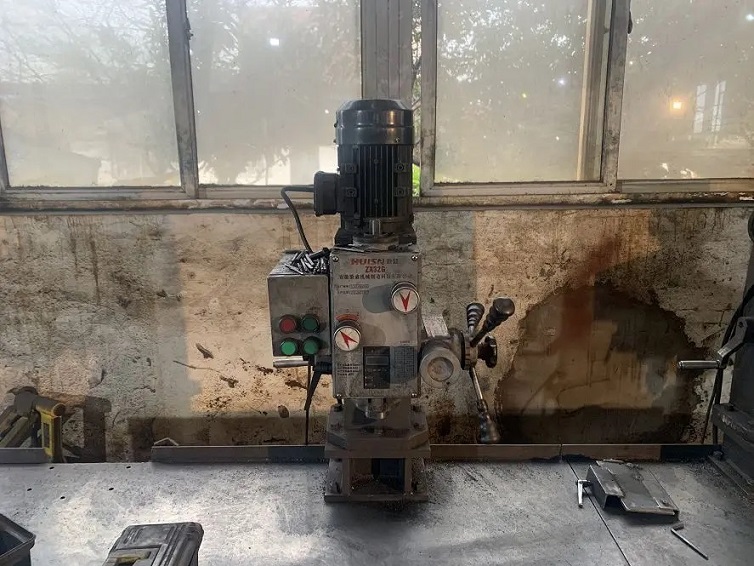
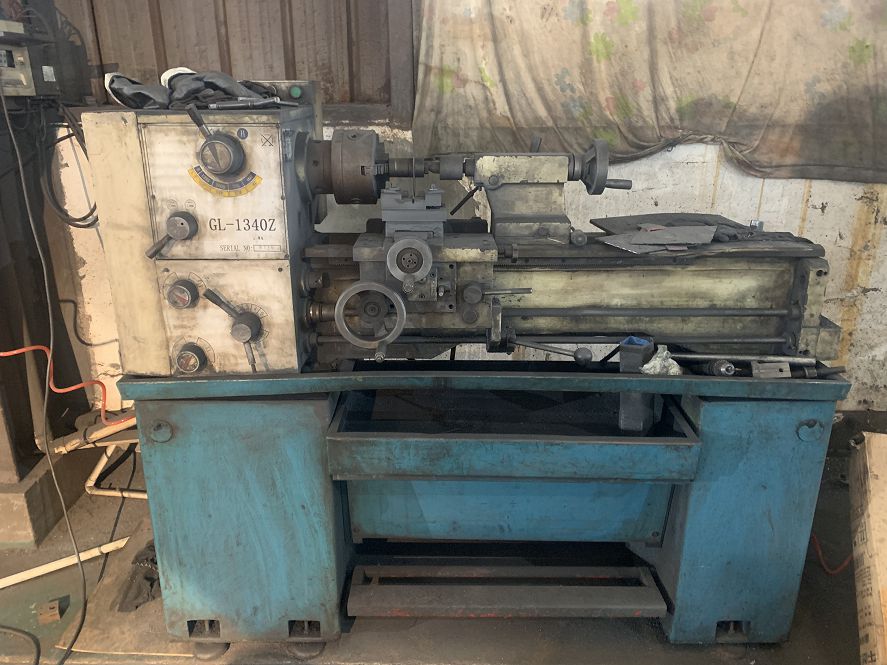
By utilizing top-tier grinding and milling machinery (such as our Precision Guideway Grinder and Universal Grinding Machine), ZRF guarantees that the structural components of our spinning lathes are finished to extreme tolerances. This level of rigidity prevents micro-chatter, elastic rebound of the metal, and dimensional drift during high-performance thinning and elongation processing.
Where high-precision wall reduction and structural optimization meet global supply chain requirements.
Producing end closures, hemisphere shells, and seamless high-pressure gas cylinders for oil and chemical sectors. Flow forming removes weld lines, minimizing weak points and chemical corrosion hotspots.
Manufacturing solid-rocket booster casings, missile nose cones, and lightweight jet engine venturi ducts. This setup provides high strength-to-weight ratios for aerospace alloys.
Forming high-strength steel transmission drums, aluminum alloy wheel rims, and drive shafts. The process cuts down on rotating mass, helping to reduce vehicle fuel consumption and emissions.
| Industry Vertical | Target Components | Critical Material Classes | Key Parameter Benefits |
|---|---|---|---|
| Petrochemical & Gas | Storage dome heads, pressure vessels, separator casings | Stainless Steel (304, 316L), Duplex Steel, Nickel Alloys | No welded longitudinal seams, uniform structural integrity |
| Ventilation & HVAC | Exhaust fan housings, mixed-flow nozzles, venturi ports | Carbon Steel, Galvanized Sheet, Aluminum Alloys | High aerodynamic stability, balanced rotation without vibration |
| Aerospace | Combustion chambers, rocket cones, engine cowlings | Titanium Alloys, Inconel, Superalloys | Weight reduction of up to 40% over traditional castings |
| Automotive | Wheel rims, clutch cylinders, shock absorber tubes | Formable Aluminum Alloys (6xxx, 7xxx series), HSLA Steel | High fatigue limits, excellent rotational concentricity |
Ensuring reliability and machine durability through our specialized production steps.
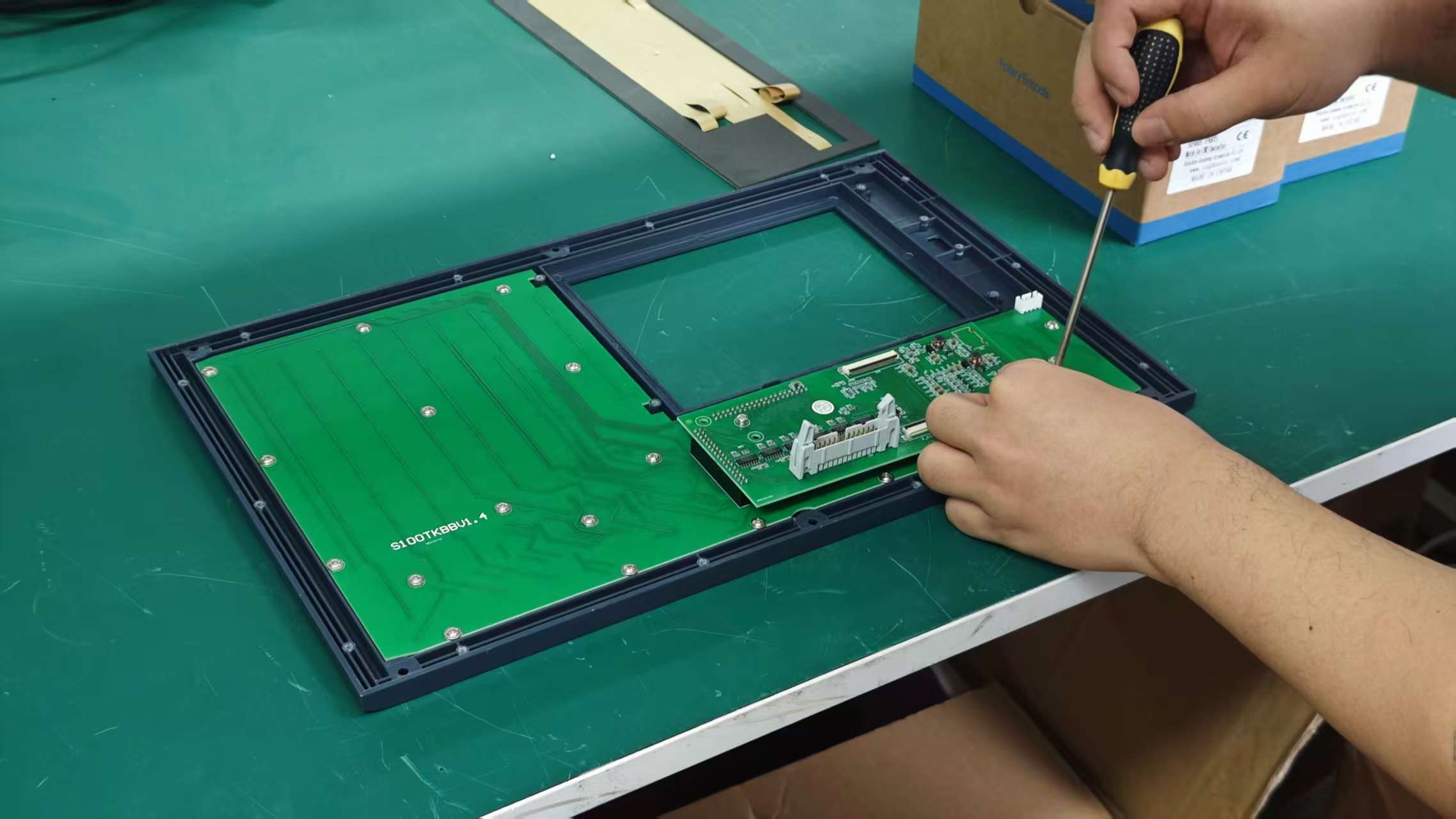
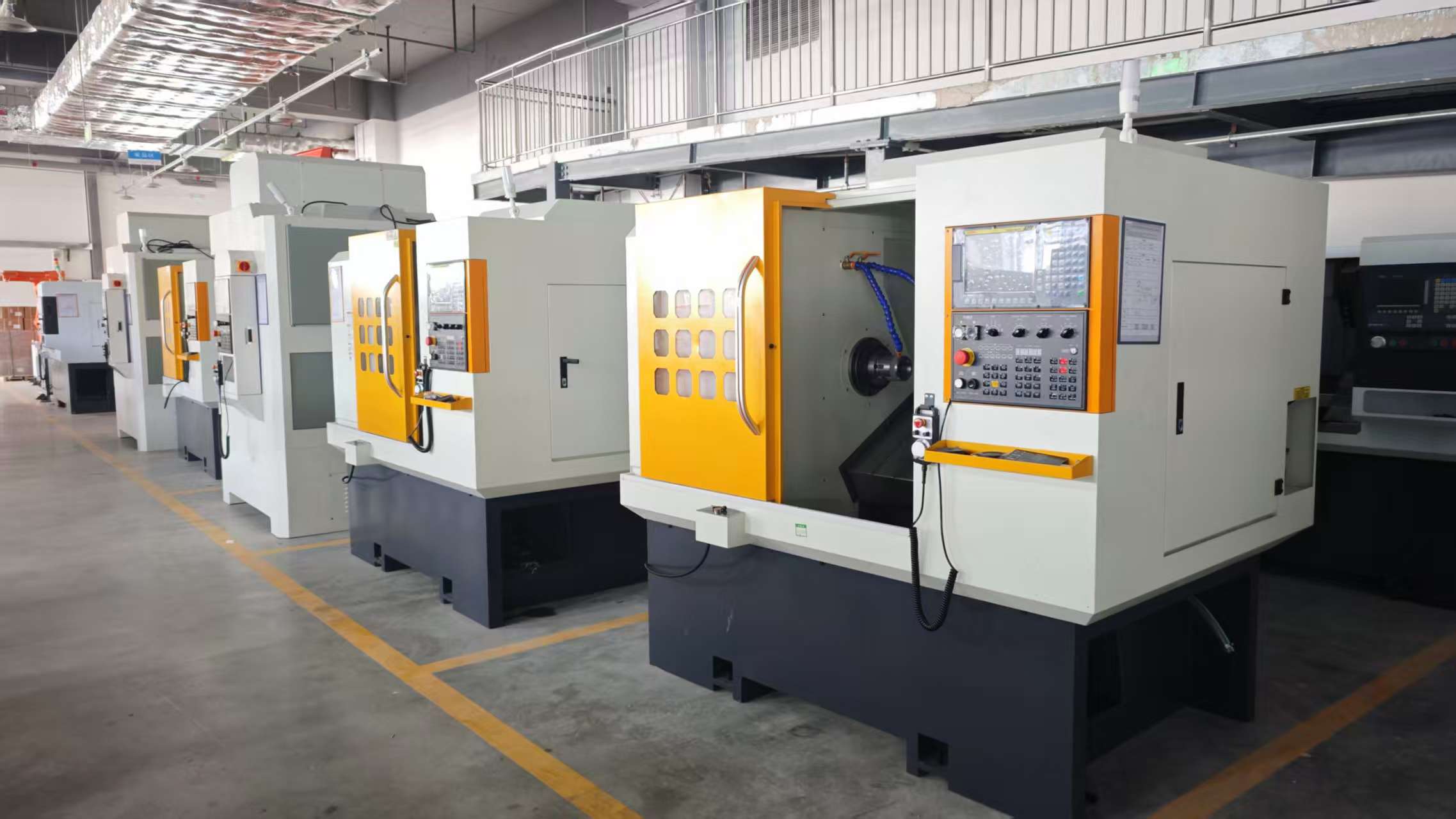
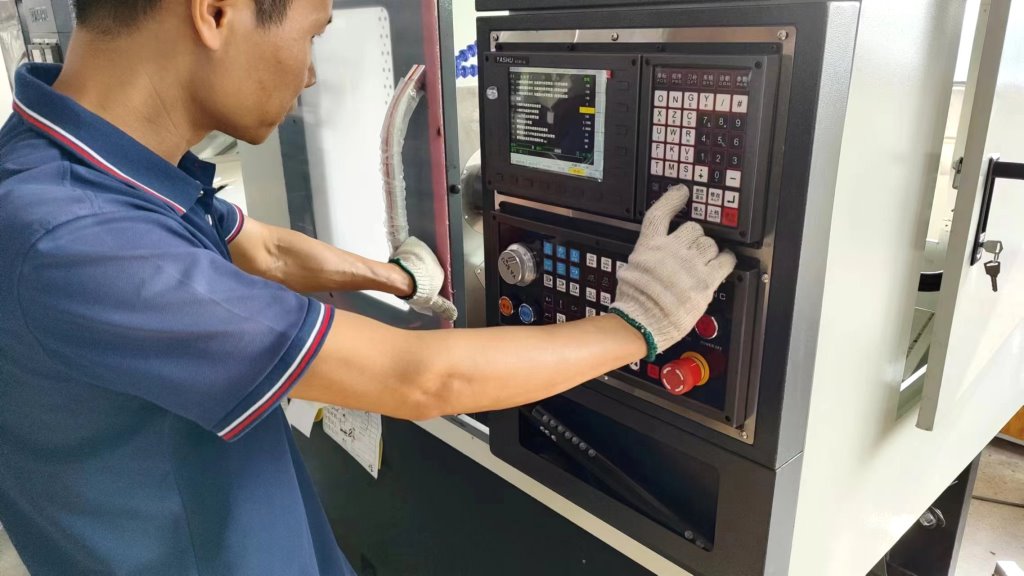
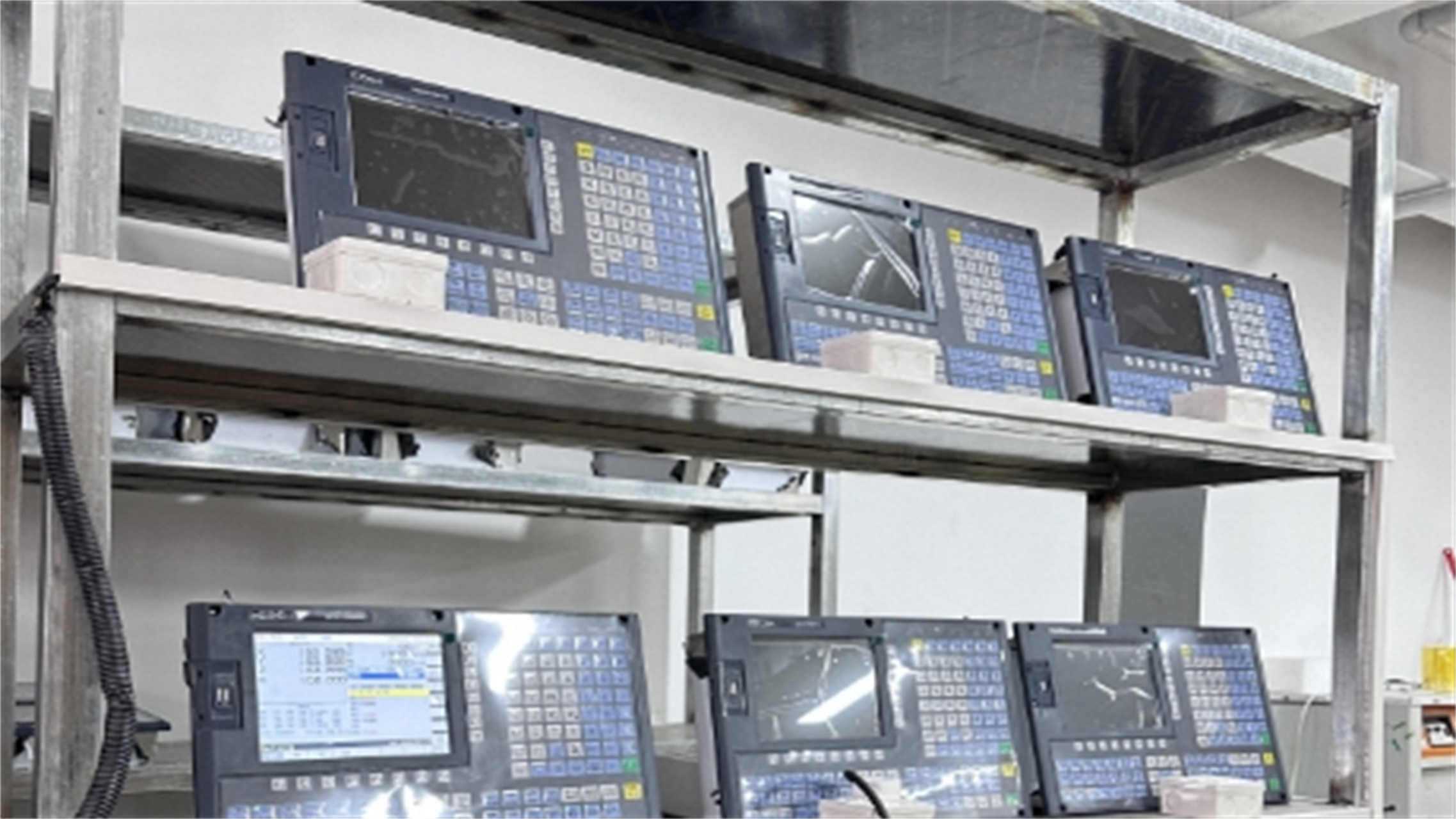
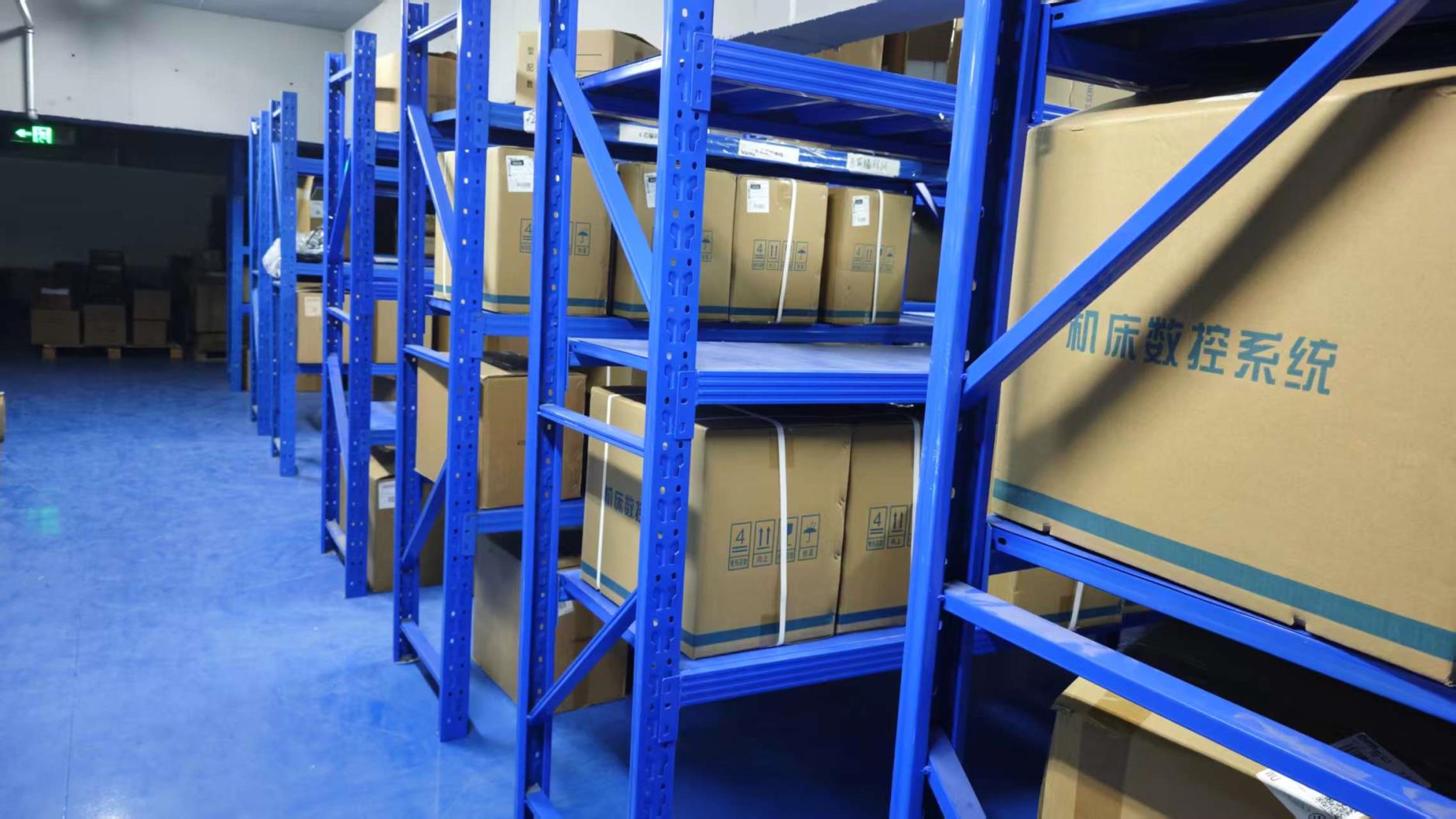
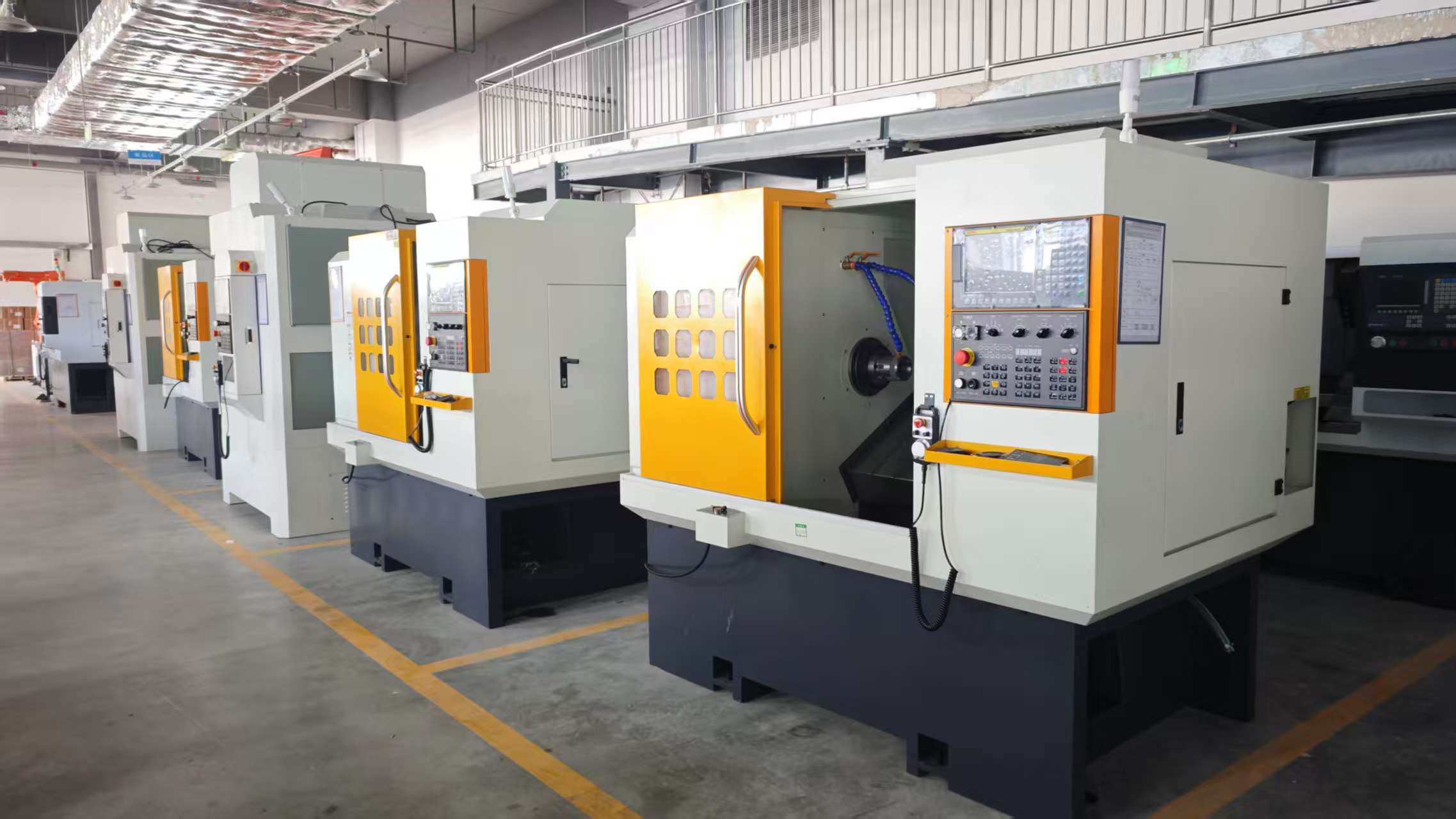
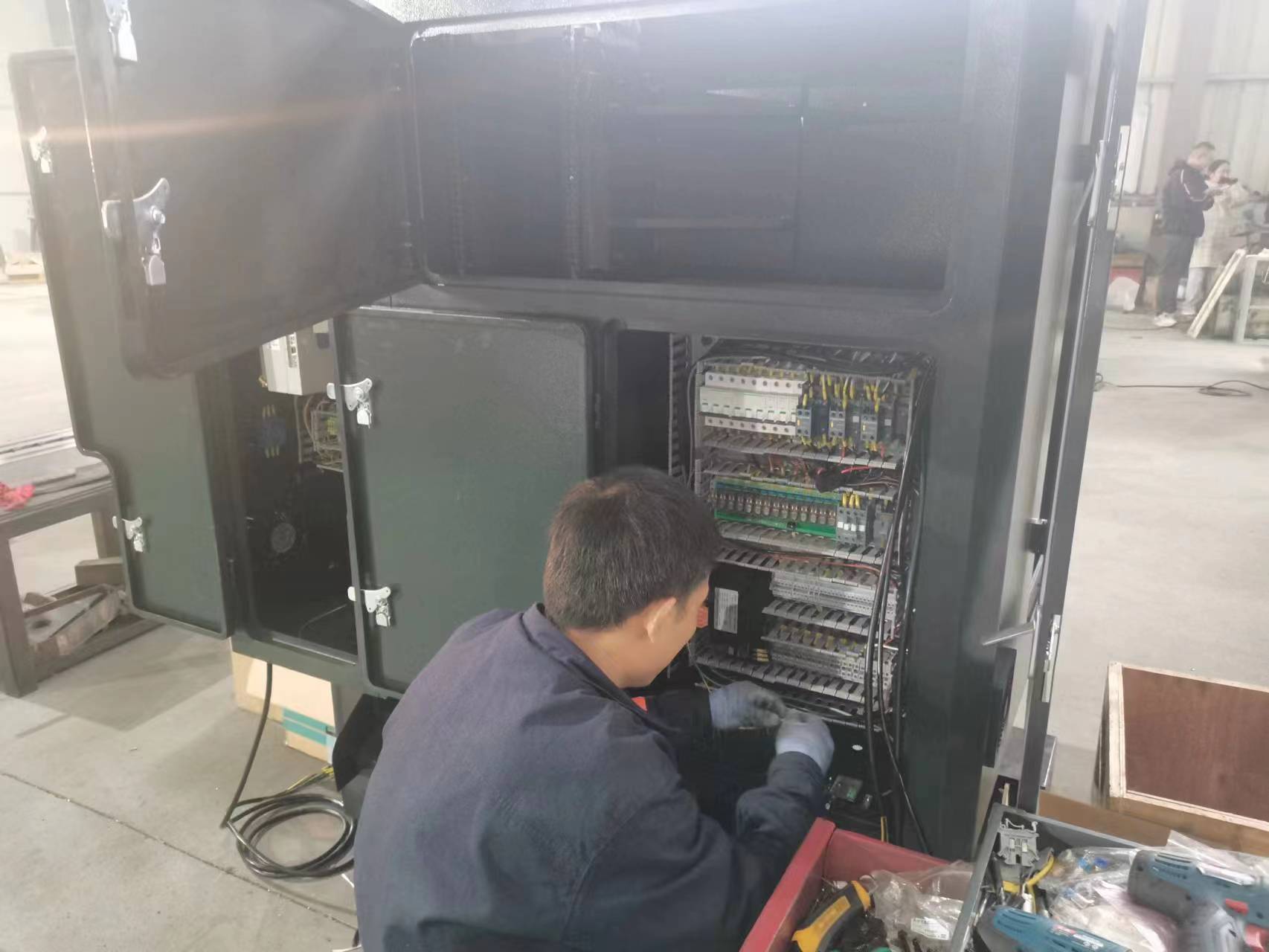
Before any ZRF spinning machine is shipped, it passes through an extensive series of inspections. This starts with Assembly and General Assembly, followed by a dedicated Aging process to relieve internal casting stresses. Afterward, the machine undergoes multi-day Debugging and strict Testing protocols to verify axis alignment, spindle runout, and pressure maintenance, ensuring dependable operation for the end user.
Ensuring global export support, regulatory compliance, and on-site maintenance services.
Our machinery lines comply with CE certifications, UL-compliant electrical panel configurations, and ASME directives, making them ready for integration into North American and European production lines.
We provide on-site setup, calibration, and customized G-code programming training for local operators, helping you achieve fast production ramp-up times and optimal throughput.
Supported by our localized storage network, we maintain inventory levels of crucial replacement components (rollers, bearings, and CNC modules) to minimize downtime for international clients.
Driving the next generation of flow forming technology with automated intelligence and adaptive feedback loops.
Integrating infrared thermography with active coolant modification to control material strain hardening in real time, preventing thermal stress fracturing during thin-wall elongation runs.
Using ultrasonic sensors to measure wall thickness on-the-fly, allowing the CNC program to automatically adjust tool paths and roller positions to compensate for material thickness variations.
Developing machinery that combines localized laser pre-heating with mechanical flow forming, extending the process to hard-to-form metals like titanium alloys and high-nickel superalloys.
Addressing key technical questions from engineering, procurement, and production departments.
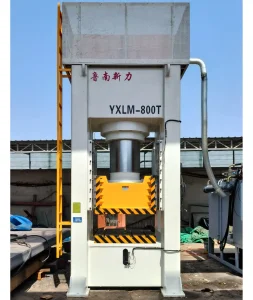
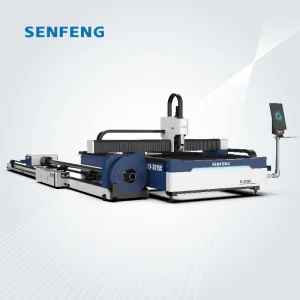
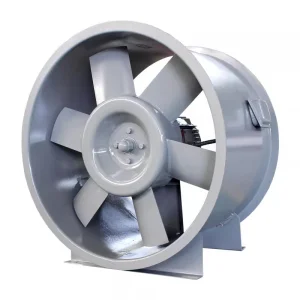
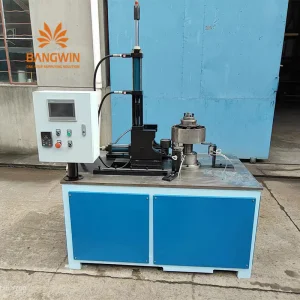
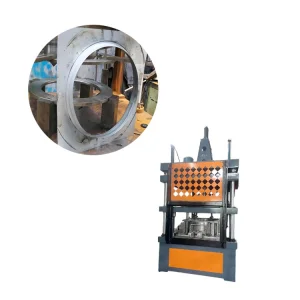
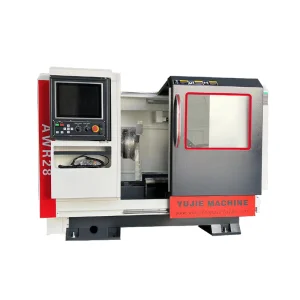
Heavy-duty industrial hydraulic presses, fiber lasers, exhaust fans, and turn-key flanging systems.
 ZRF Spinning