High-performance CNC spinning systems, specialized vertical lathes, and flow forming machinery engineered for optimal material throughput and efficiency.
Analyzing the intersection of CNC metal forming, automated handling solutions, and compliance standards within the modern smart manufacturing environment.
In the contemporary globalized manufacturing ecosystem, the efficiency of material handling and component fabrication determines the competitive edge of large-scale enterprises. Transitioning to advanced CE-certified metal forming and spinning machinery represents a critical evolutionary leap. As industries shift away from energy-intensive thermal forming towards high-precision cold flow forming, modern CNC technology serves as the backbone of high-capacity workflows. By integrating multiaxial numerical controls and automated loading mechanisms, manufacturers achieve unparalleled repeatability, minimal material waste, and rapid throughput.
Globally, the demand for precision-formed rotationally symmetrical parts has surged across the aerospace, defense, energy, and automotive sectors. CNC spinning processes represent a highly efficient alternative to traditional stamping and casting, requiring lower tooling investment while offering unmatched flexibility. Through the shear deformation of metal over rotating mandrels, structural integrity is enhanced via work hardening, yielding lighter yet significantly stronger final components. Consequently, optimizing these mechanical operations is key to establishing agile, lean production facilities that comply with stringent regulatory and environmental standards worldwide.
Where engineering precision meets automated innovation. Understanding the milestones that define the future of high-accuracy metal forming.
Modern spinning equipment utilizes complex multi-pass algorithms to control forming rollers with micron-level precision. Dynamic force feedback sensors adapt roller pressure continuously to prevent structural thinning or tearing during intense deformation cycles.
Real-time laser sensors and thermal imaging capture variations in temperature and workpiece geometry during high-speed spinning. Predictive compensation engines auto-adjust toolpath offsets, guaranteeing zero-defect output across large production runs.
With growing carbon taxes and material costs, CNC spinning maximizes resource usage. It yields raw-to-finished weight ratios exceeding 95%, dramatically outperforming traditional subtractive lathe machining and open-die forging.
To provide maximum clarity for sourcing managers and process design engineers, the following table details the key performance and economic indicators distinguishing these metal-forming methodologies.
| Performance Indicator | ZRF CNC Metal Spinning Solutions | Conventional Stamping / Die Pressing | Strategic Advantage |
|---|---|---|---|
| Initial Tooling Investment | Low-to-moderate; single roller/mandrel configuration. | Extremely high; complex male/female matched dies. | Reduces capital expenditure for low-to-mid volume runs. |
| Setup & Lead Times | Hours; rapid software program updates and minor tool swaps. | Weeks to months; requires precision die casting and tuning. | Enables rapid prototyping and agile batch adjustments. |
| Material Efficiency | High (typically 90% - 98%); minimal scrap generated. | Moderate (60% - 80%); significant edge-trimming waste. | Drastically lowers high-cost alloy and raw material costs. |
| Microstructural Quality | Grain structure is aligned continuously along contours. | Grain structure is sheared or weakened at sharp bends. | Imparts superior fatigue strength and structural resilience. |
| Process Flexibility | Highly adaptive; handles varying wall thicknesses on the fly. | Rigid; thickness determined strictly by initial blank/die. | Facilitates execution of complex aerodynamic shapes. |
How ZRF's high-tech metal spinning machinery solves critical fabrication challenges in heavy industry and commercial applications.
In aerospace and military systems, components must withstand extreme thermal and mechanical stresses. ZRF CNC spinning machines form critical axisymmetric components like rocket nose cones, engine cowlings, and structural casings. By leveraging work-hardening properties, our machinery enables manufacturers to decrease component weight while keeping structural integrity high.
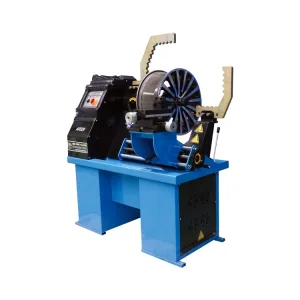
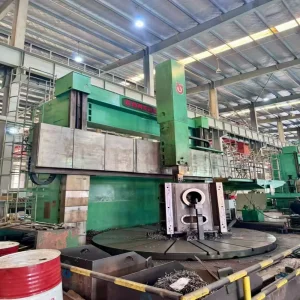
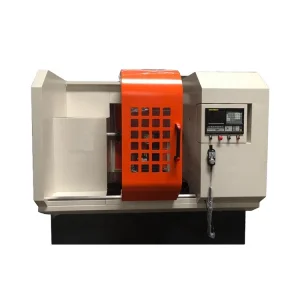
Fuel economy and performance targets mandate lightweight structural profiles. Utilizing dedicated wheel-repair and heavy-duty turning lathes allows companies to form alloy wheels with exceptional geometric precision. This ensures minimal runout, optimal high-speed dynamic balance, and decreased wear on vehicular mechanical assemblies.
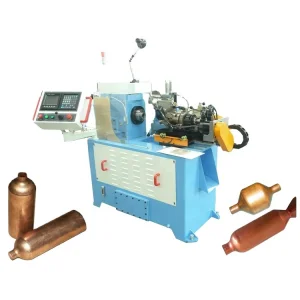
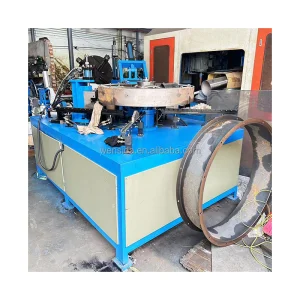
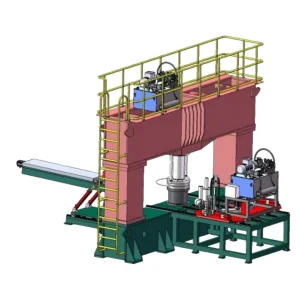
Manufacturing tank end heads, specialized flanges, and structural pipe assemblies for containment units requires massive forming forces. Our heavy-duty hydraulic axial fan housing, flanging, and tank-head forming machinery processes high-gauge carbon steel, stainless steel, and exotic alloys, while keeping consistent wall thickness throughout the formed radius.
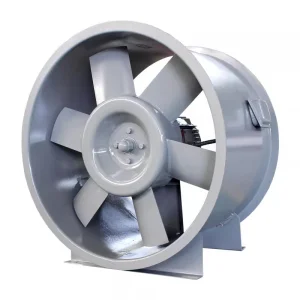
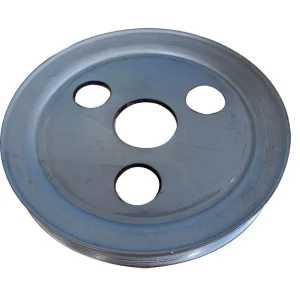
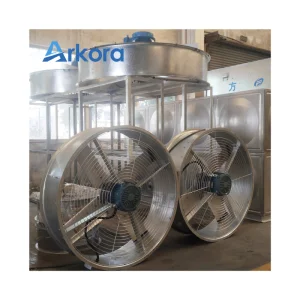
Industrial mixed-flow exhaust fans and heavy-duty cooling tower systems require aerodynamically optimized fan blades and housings. High-speed spinning and flanging machines ensure that housing rings are perfectly concentric. This tight tolerance reduces turbulence, decreases power consumption, and eliminates system vibrations.
Zhejiang ZRF Spinning Co., Ltd. — A high-tech enterprise dedicated to research-driven innovation, strict quality controls, and robust mechanical engineering.
As a prominent high-tech enterprise specializing in the research, development, and manufacturing of CNC spinning machine tools, Zhejiang ZRF Spinning Co., Ltd. has built a reputation for excellence in the metal forming industry. With a solid foundation in industrial manufacturing, our CNC spinning machines are utilized across diverse fields, including petrochemicals, daily electronics, food processing machinery, defense, and aerospace. Adhering to the ISO9001 quality management framework, ZRF ensures every mechanical component passes rigorous testing protocols before international shipping.
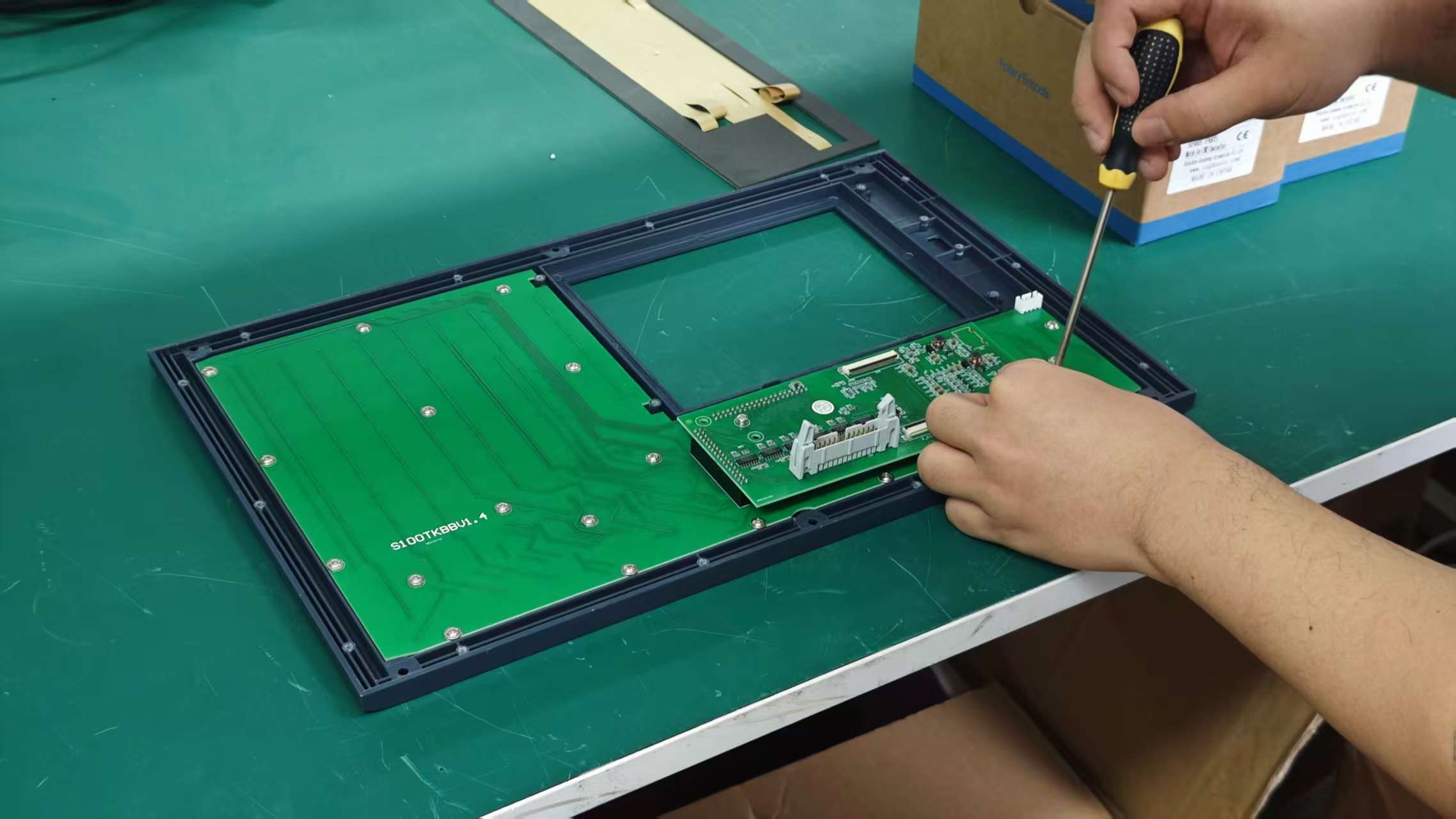
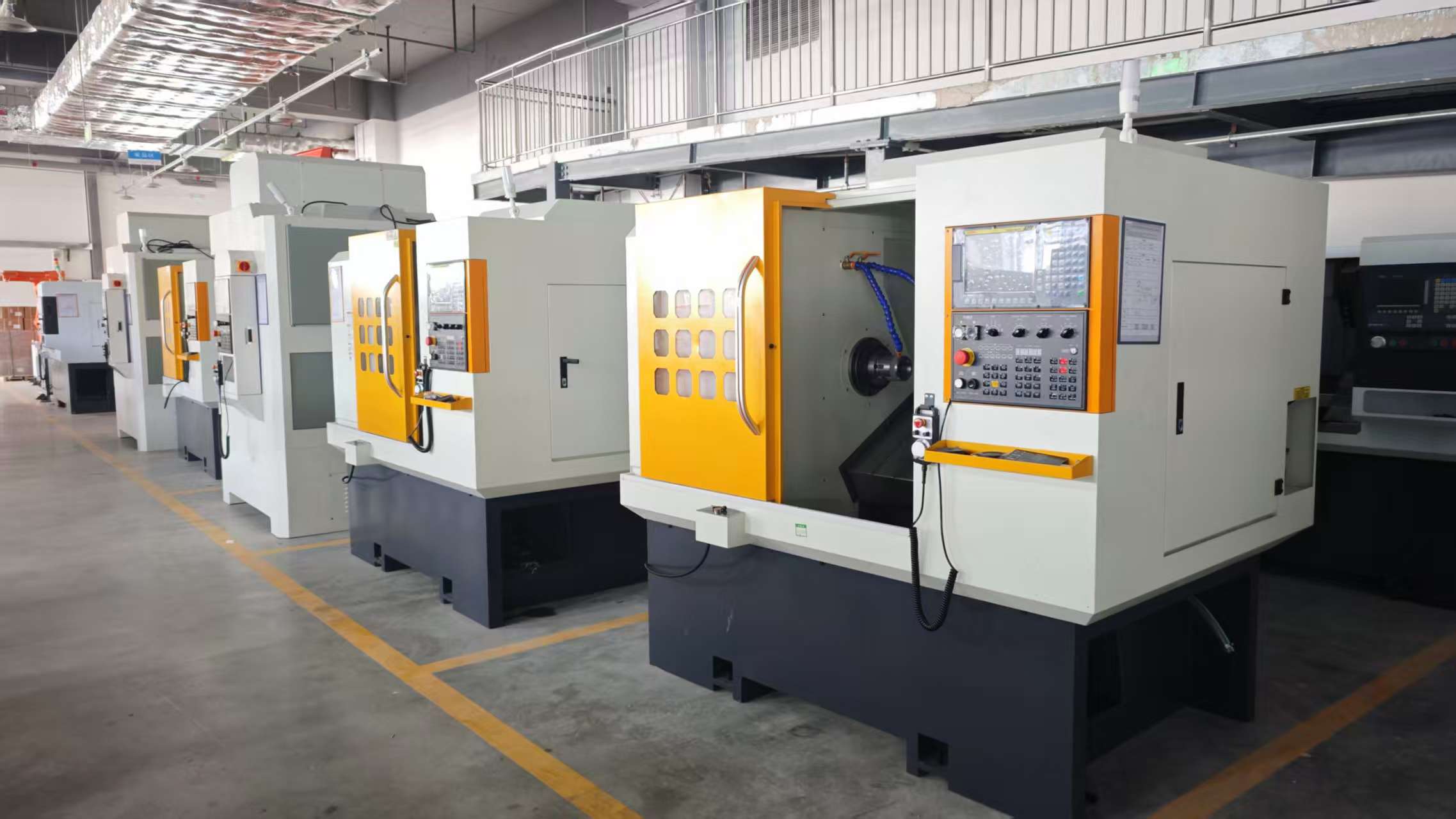
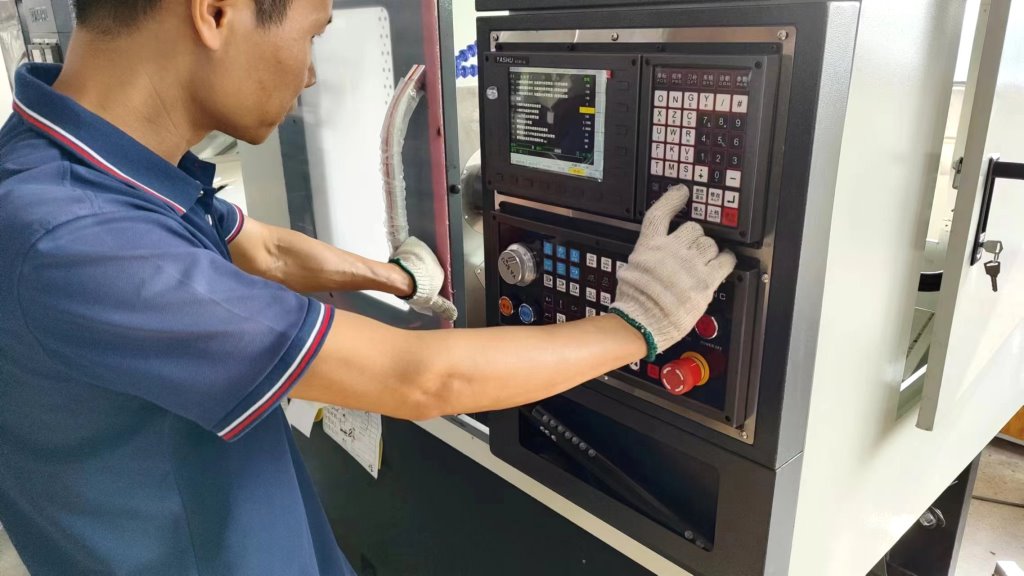
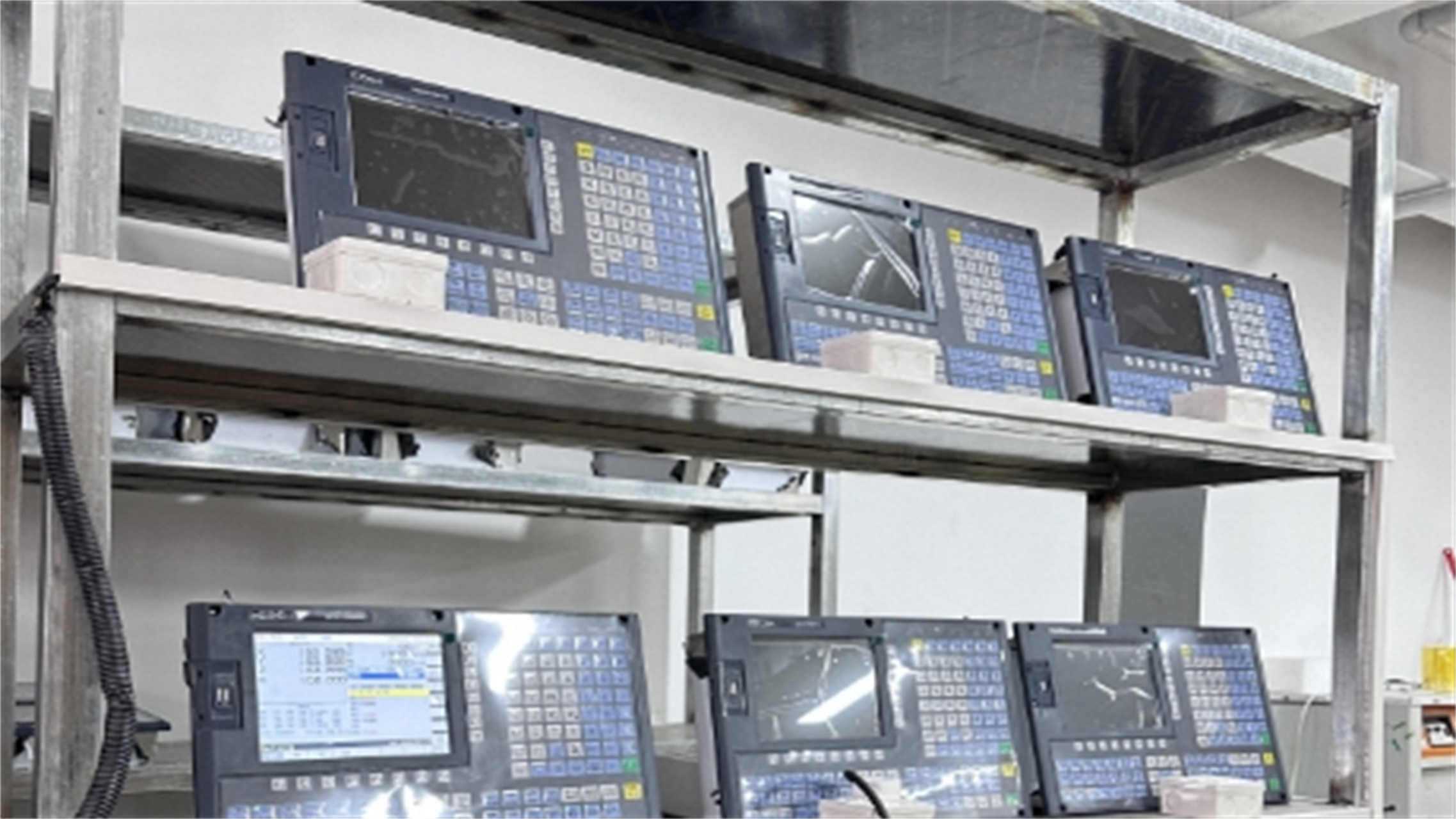
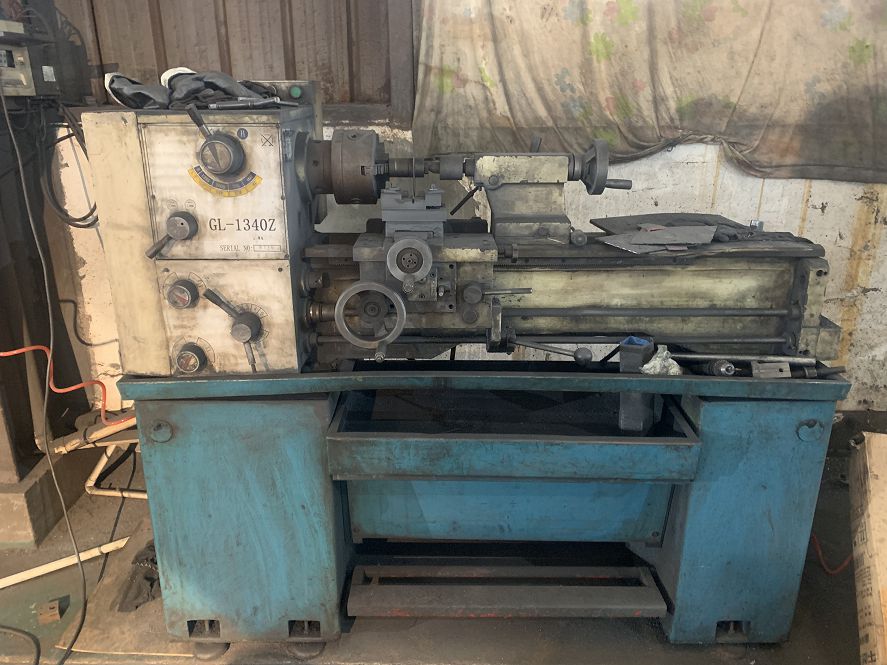
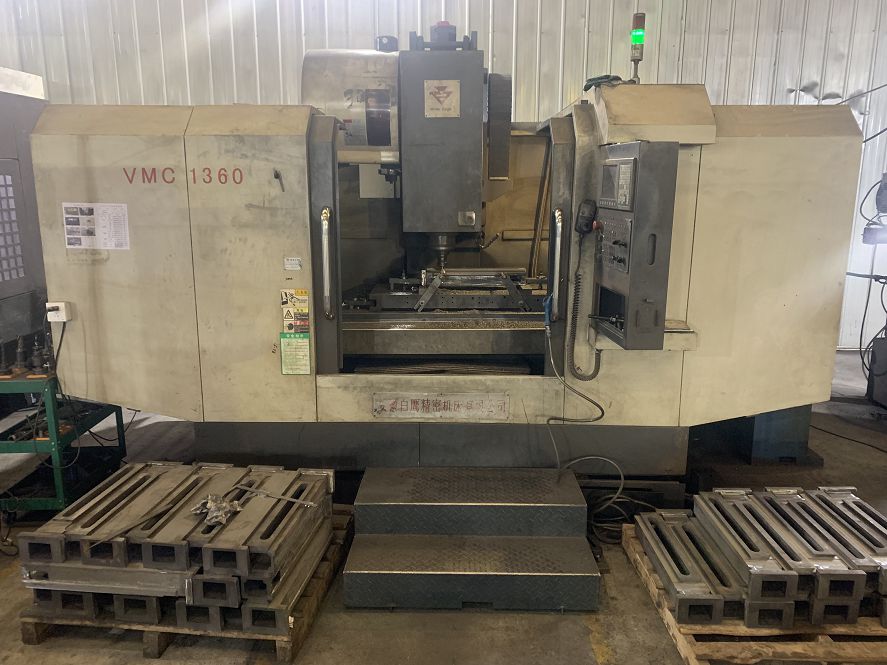
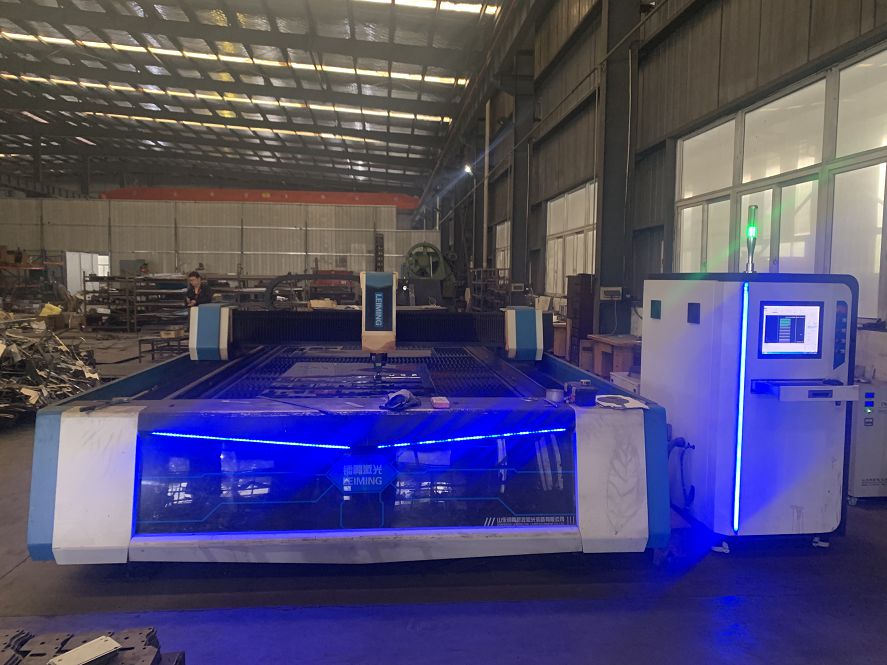
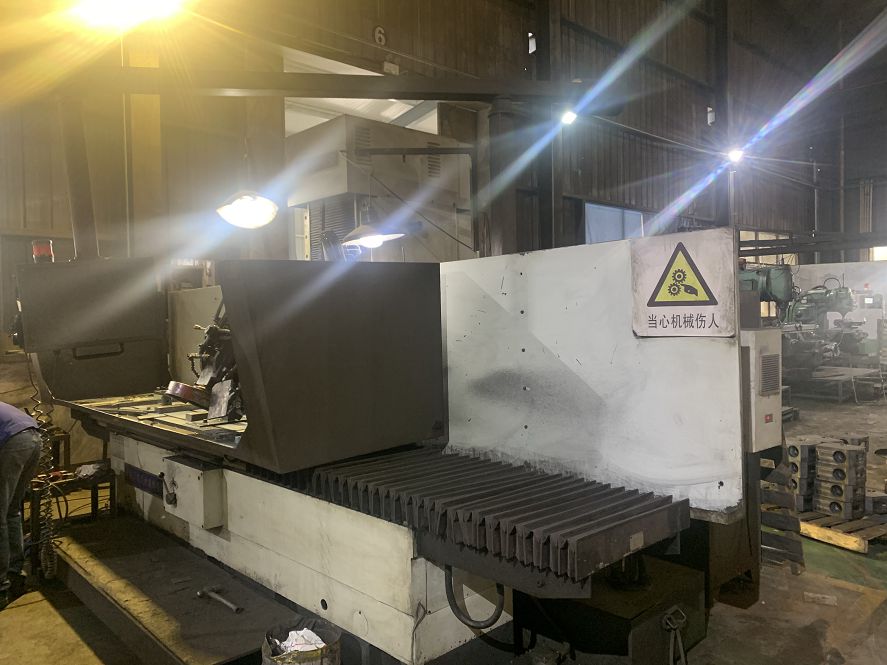
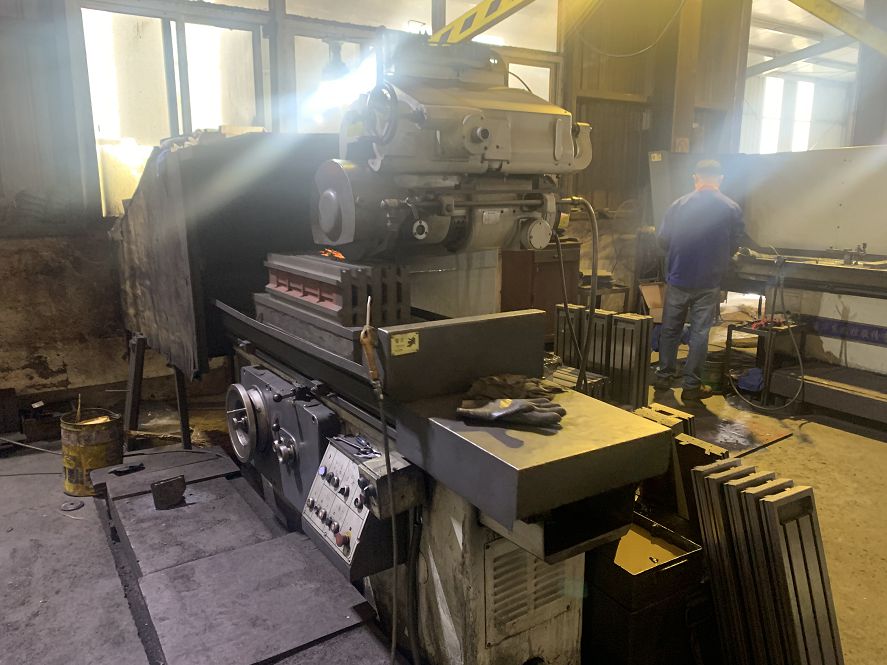
Our manufacturing hub houses advanced production equipment including precision guideway grinders, laser cutting systems, and specialized milling and drilling machinery. By handling all key structural manufacturing in-house, we control quality and guarantee tolerances. From the initial assembly stages to final electronic debugging and stress-testing, each phase is monitored by skilled engineers. Our dedication to honest service, technical expertise, and continuous innovation enables us to serve clients in more than 20 countries, delivering solutions that increase productivity and maximize ROI.
An inside look at our advanced production facilities, heavy milling machinery, and rigorous quality inspection lines.
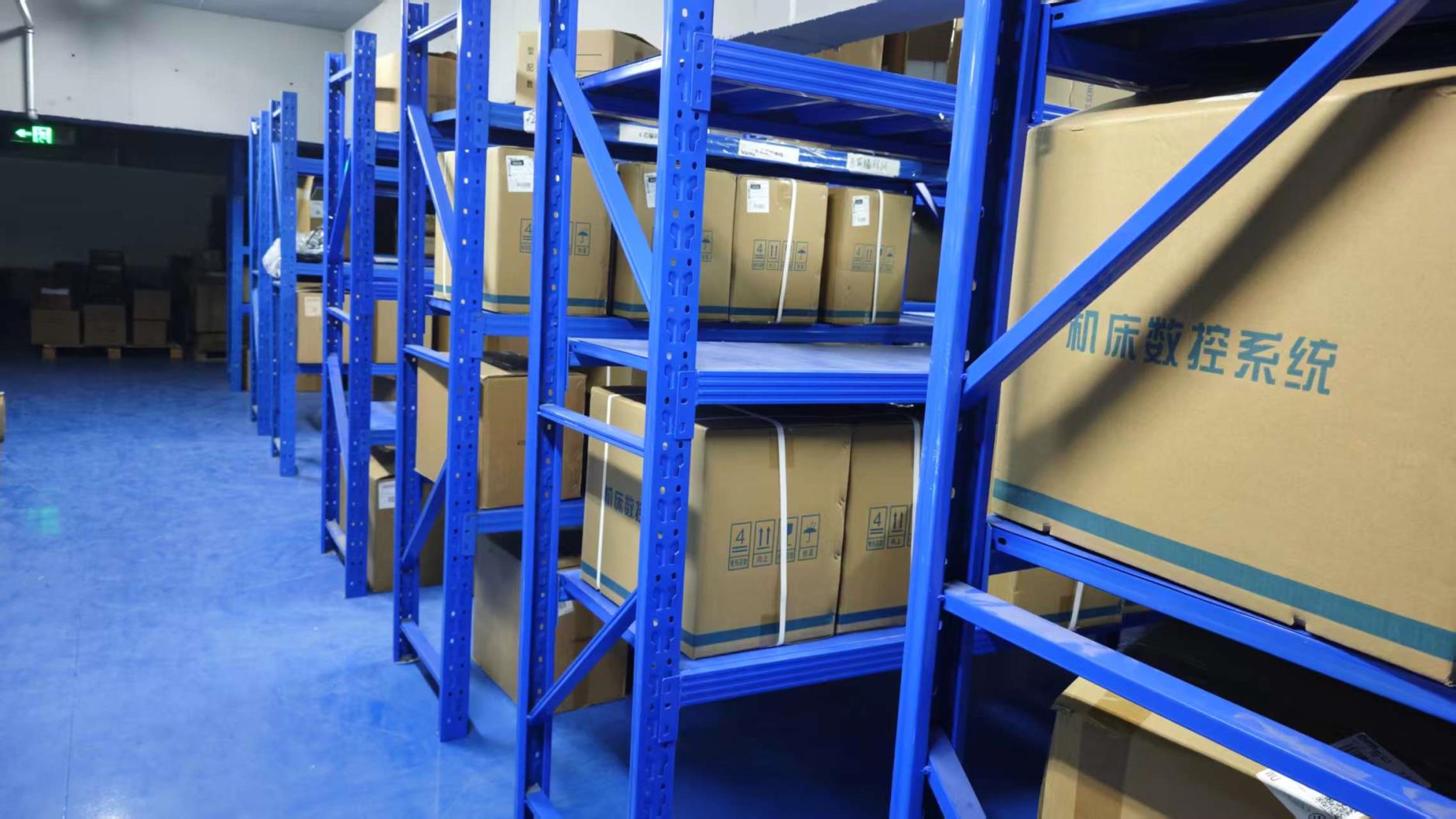
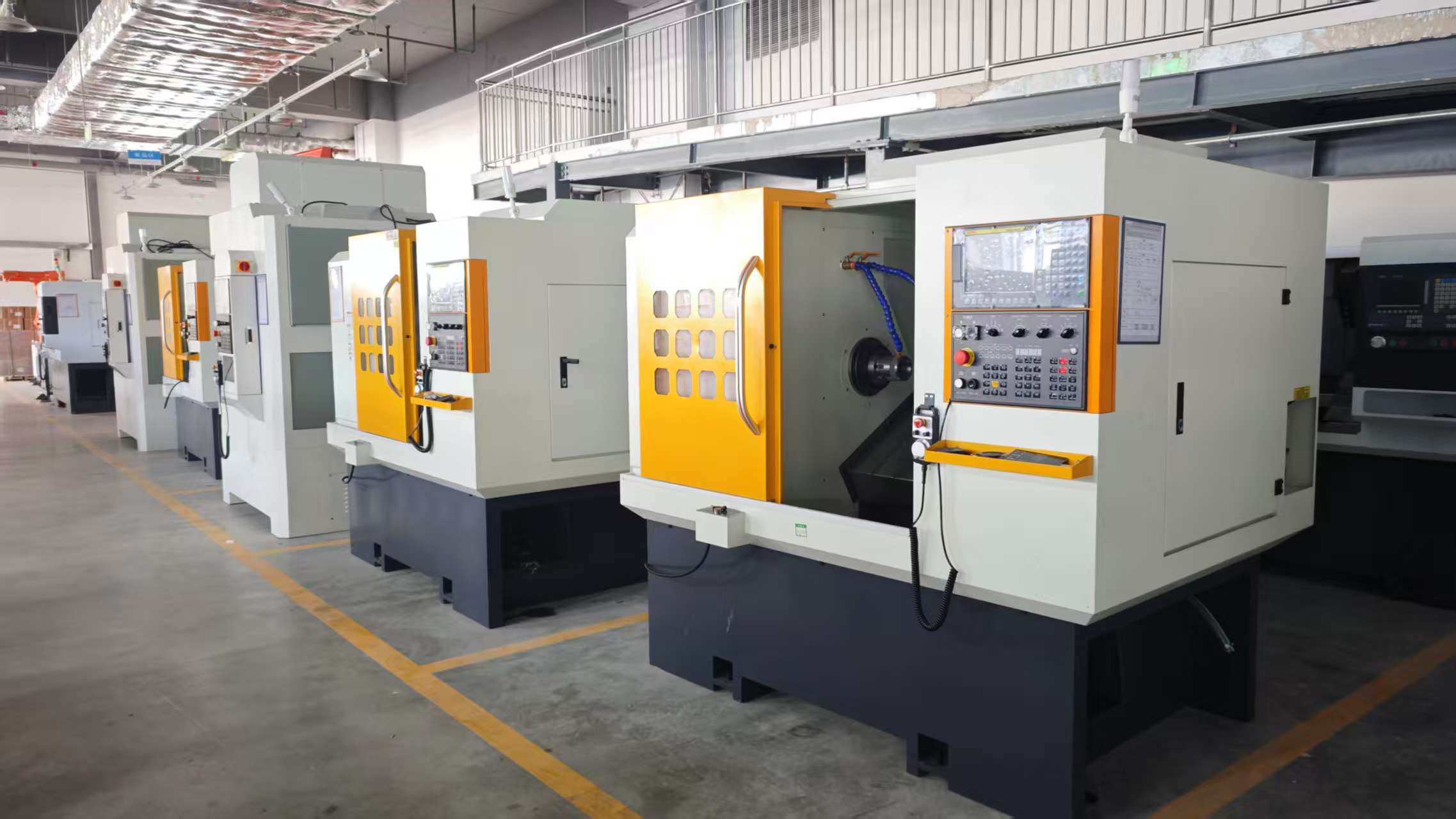
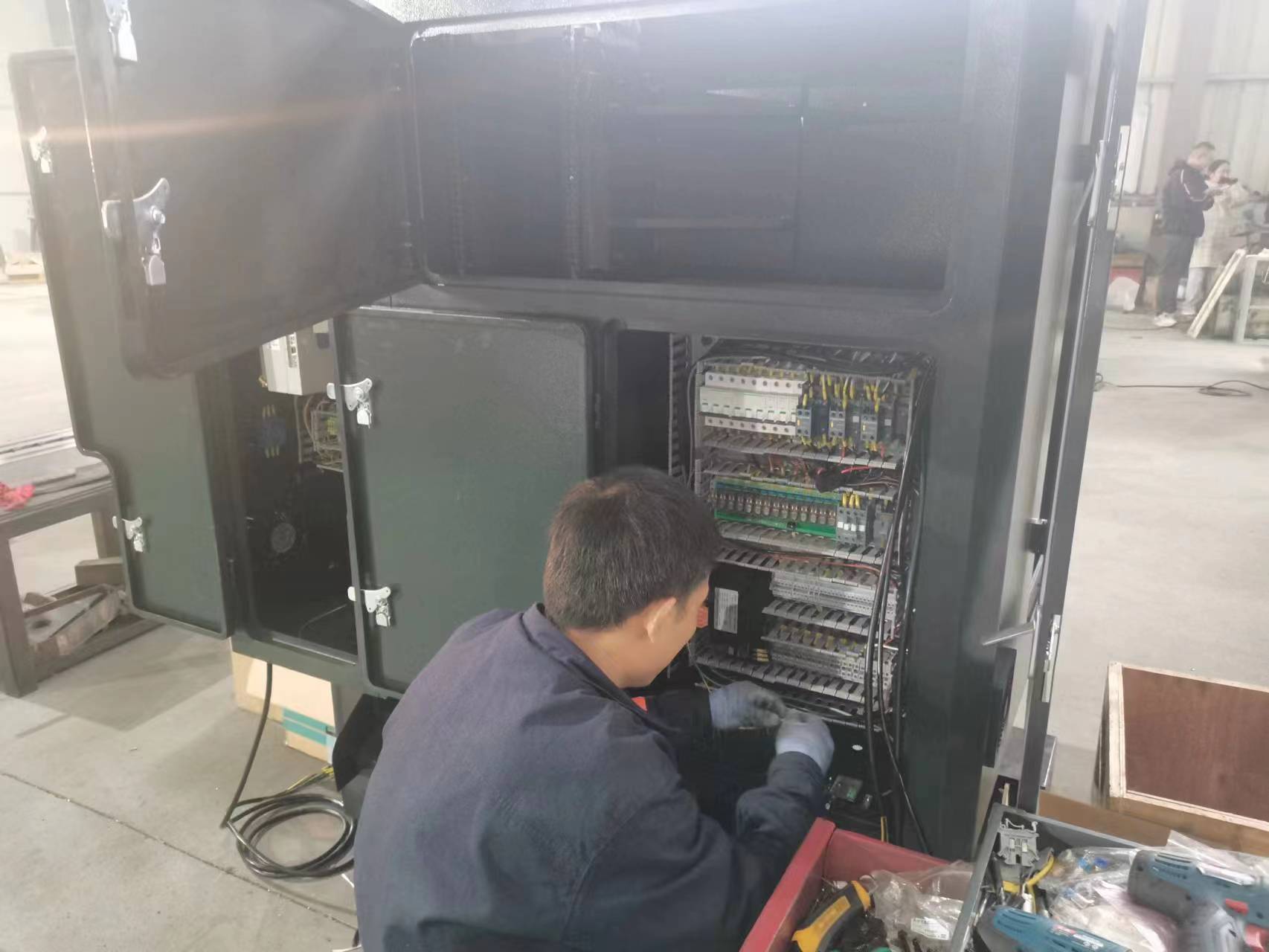
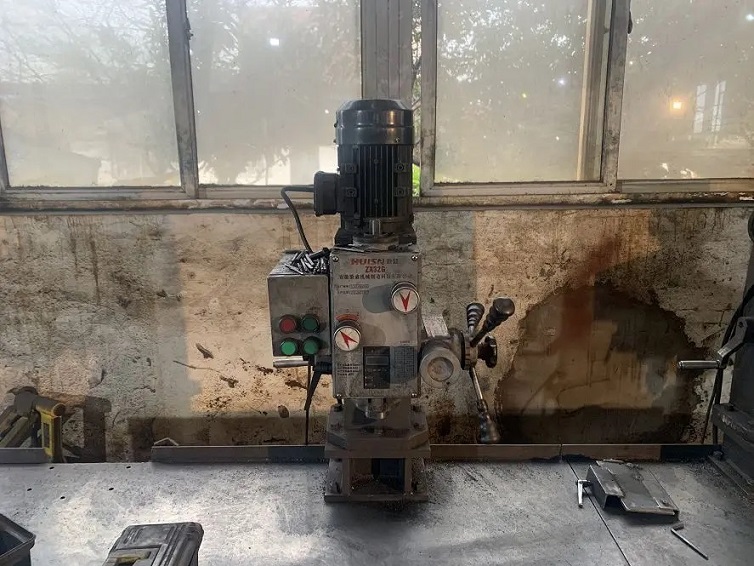
Expert insights into machinery standards, material capabilities, and industrial implementation challenges.
CE Certification indicates compliance with the European Union's Machinery Directive 2006/42/EC, EMC Directive, and Low Voltage Directive. For industrial operators, this ensures the machine incorporates vital safety mechanisms—such as dual-channel safety interlocks, light curtains, emergency stop circuits, and electrical enclosures designed to isolate high-voltage systems. This certification verifies that the equipment meets international safety regulations, simplifying clearance and local compliance verification.
Our CNC spinning machines are designed to process structural carbon steels (such as Q235 and Q355), stainless steels (304, 316, 430), and lightweight alloys like aluminum and copper. Depending on the machine model, raw hydraulic system capacities, and spindle configurations, the maximum blank thickness capacity ranges from 1.0 mm up to 15 mm for mild steels, and up to 8 mm for work-hardening stainless steels.
ZRF spinning machines utilize modern CNC controllers that support direct CAD/CAM imports. Operators can generate toolpaths through graphical programming interfaces or standard G-code/M-code structures. The system includes toolpath simulation tools to verify tool clearance and program feasibility before beginning a physical run, reducing setup times and protecting the machinery.
We provide comprehensive global customer support, including on-site setup, calibration, and training programs for machinery operators. We also offer remote diagnostics and troubleshooting assistance. Replacement parts, custom-engineered spinning rollers, and software upgrades are managed directly by our technical department to maximize machinery uptime.
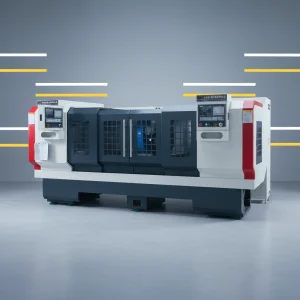
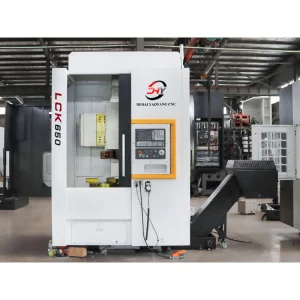
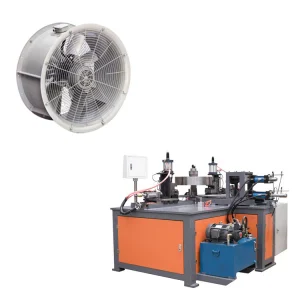
Advanced flanging, automated horizontal lathes, and specialized industrial ventilation components engineered to support high-capacity production facilities.
 ZRF Spinning