ZRF Spinning
Precision Metallurgy & CNC Tube End Closing in German Heavy Industry
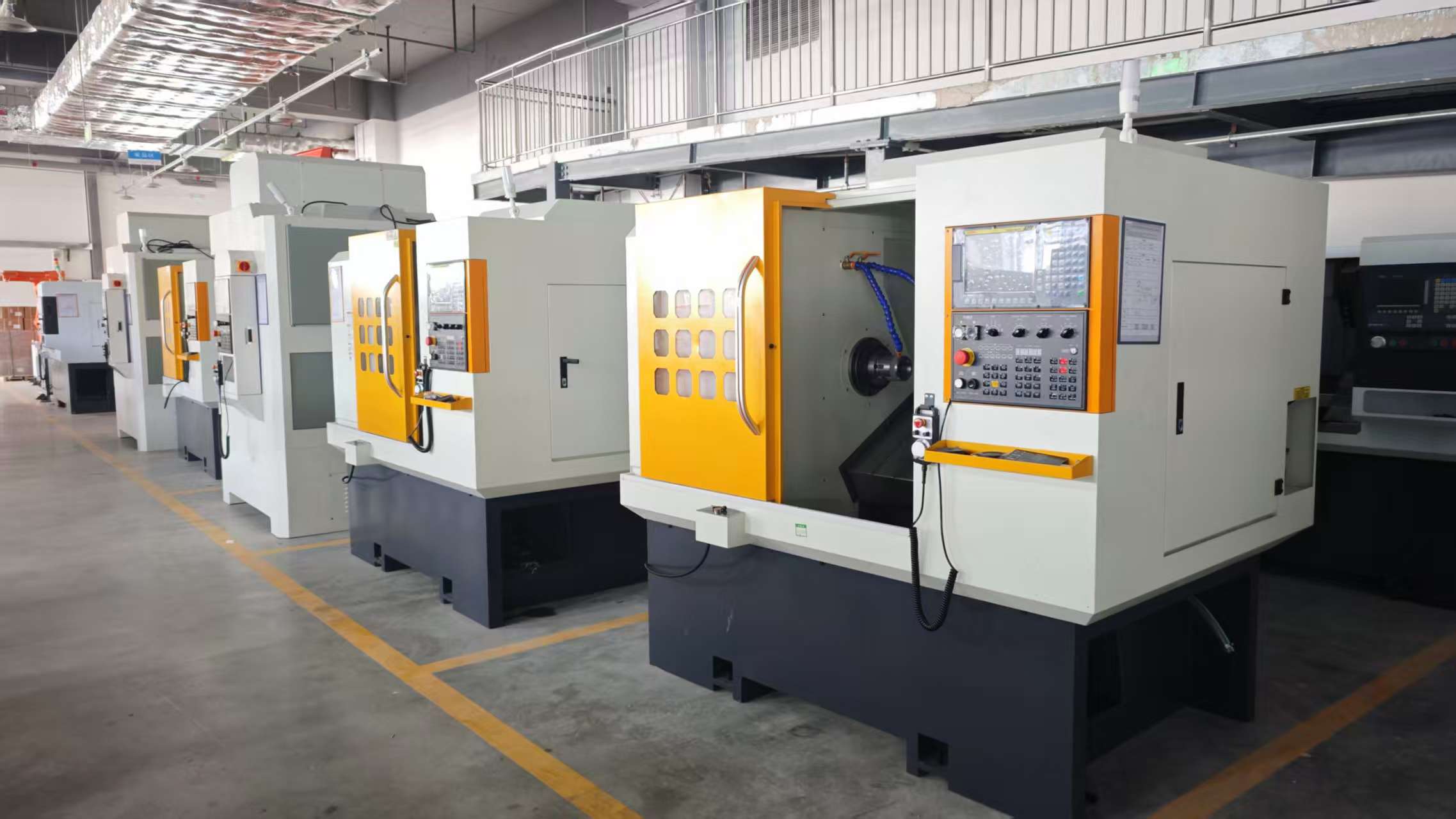
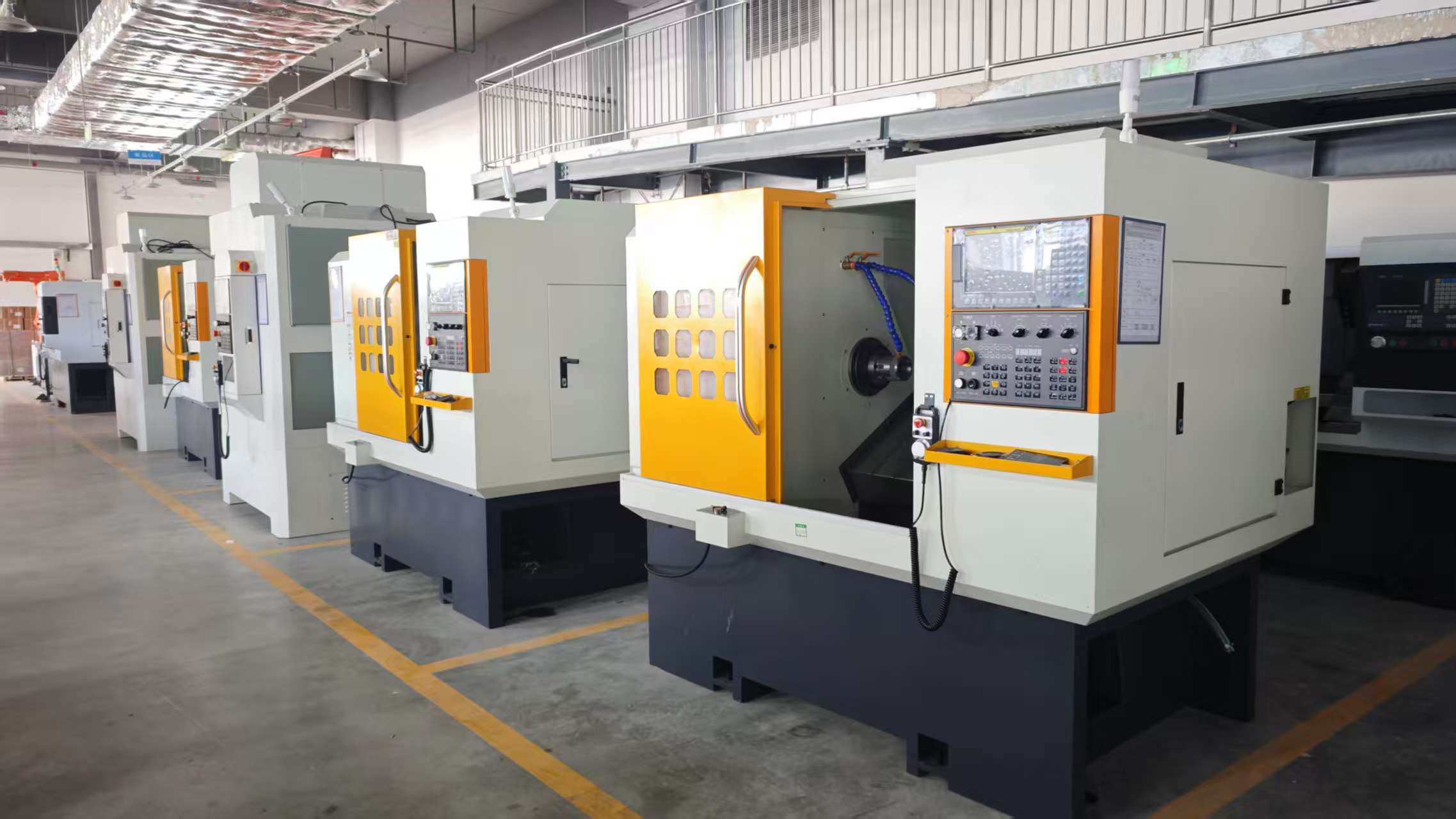
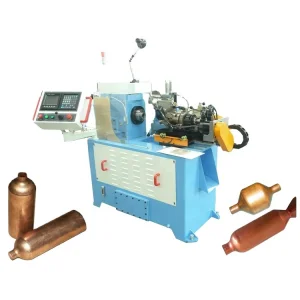
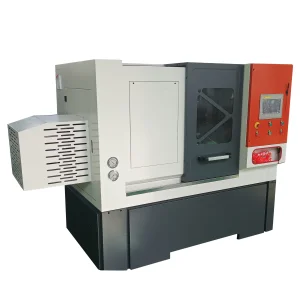
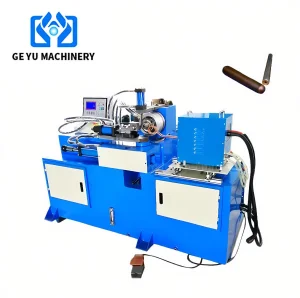
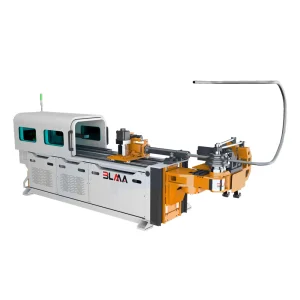
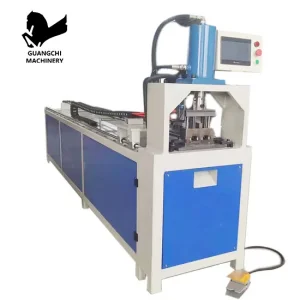
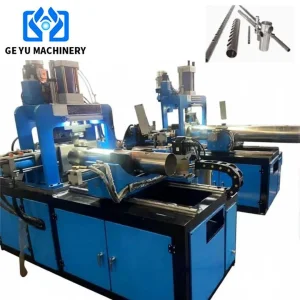
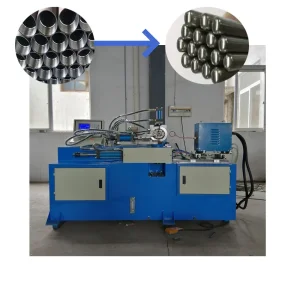
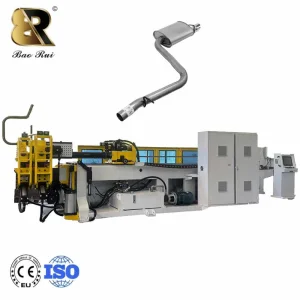
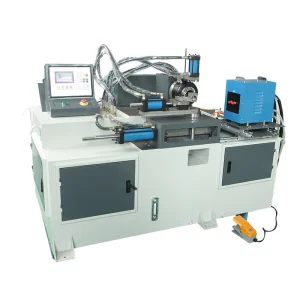
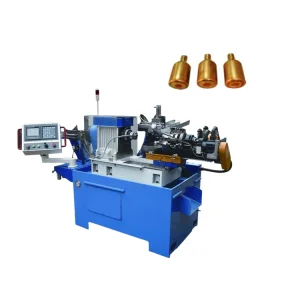
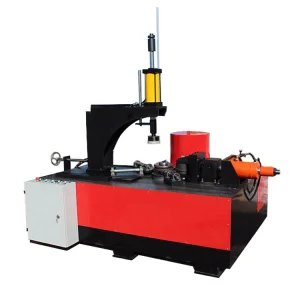
In modern industrial applications across Germany—ranging from automotive giants in Baden-Württemberg to HVAC OEM suppliers in Bavaria—the demand for precision tube end modifications has surged. The integration of CNC Tube Necking-in & Closing Machines represents a major leap forward from conventional manual hydraulic swaging. These systems leverage automated metal spinning mechanics to reduce, close, or form complex contours on the ends of steel, copper, aluminum, and stainless steel tubes. By implementing precise toolpath trajectory controls, these machines guarantee material integrity, uniform wall thickness, and microstructural consistency.
Information Gain Insight: Unlike standard hydraulic presses, CNC spinning and necking-in processes cause plastic deformation through rotational shear forces. This significantly reduces residual tensile stress in the formed zone, dramatically lowering the risk of stress corrosion cracking (SCC) in high-pressure components.
Understanding the Mechanics: Hot vs. Cold Necking-in & Closing
Depending on the wall thickness, tube diameter, and the specific alloy (e.g., standard structural steel vs. high-strength automotive steel like DP800), manufacturers must choose between cold forming and hot-forming operations. CNC systems developed by Zhejiang ZRF Spinning Co., Ltd. incorporate advanced parameters to handle both:
- Cold Necking-in: Best suited for highly ductile materials like copper (SF-Cu) and aluminum (AlMgSi0.5). Cold forming yields a superior surface finish (down to Ra 0.8 microns) and increases yield strength through work hardening, which is highly desired for refrigeration and air-conditioning components.
- Hot Spinning/Closing: Essential for thick-walled carbon steel and stainless steel tubes (above 3mm thickness). By integrating medium-frequency induction heating units, the tube ends are heated rapidly to forging temperature (approx. 850°C to 1100°C). The CNC spinning roller then shapes the dome, seal, or neck with minimal mechanical stress, consolidating the metal at the tip to achieve a 100% leak-proof hermetic seal.
Industry 4.0 Integration & Compliance in Germany
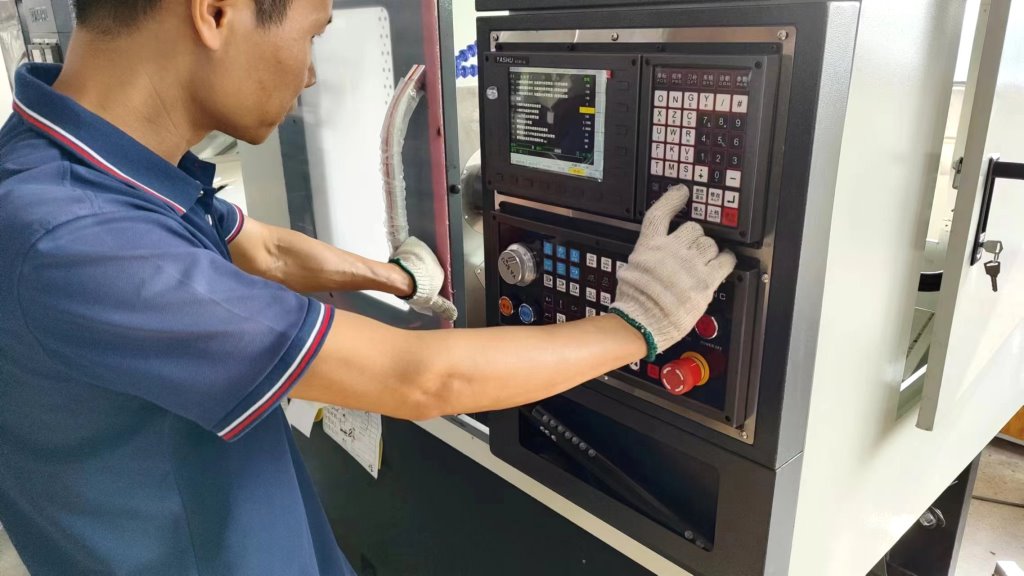
To operate within Germany’s strict manufacturing ecosystems, machinery must satisfy rigorous safety and digital workflow criteria. Legacy systems struggle with integration, whereas modern CNC tube end-closing systems feature open architectures compatible with Siemens Sinumerik controllers or advanced CNC platforms. This enables seamless connection to local Manufacturing Execution Systems (MES) and telemetry networks for real-time quality assurance.
Compliance is non-negotiable. Machines delivered to Germany comply fully with the CE Machinery Directive 2006/42/EC, the Low Voltage Directive 2014/35/EU, and electromagnetic compatibility standards (2014/30/EU). In terms of safety, the integration of dual-channel safety relays, physical protective enclosures, and optoelectronic light curtains ensures safe operator zones during high-speed spinning operations.