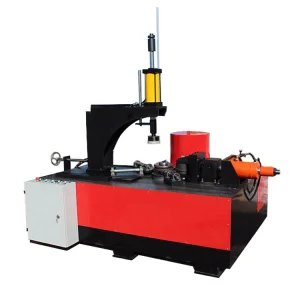
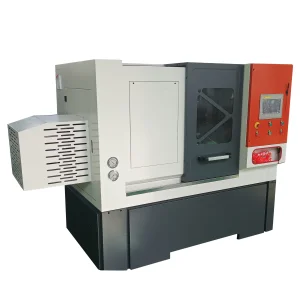
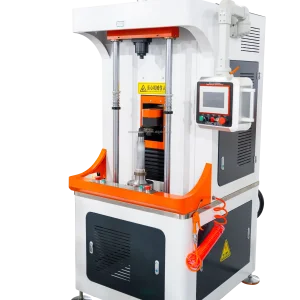
Pioneering automation lines deployed for Italian and European manufacturing demands, integrating high-speed tooling with exceptional thermal stability.
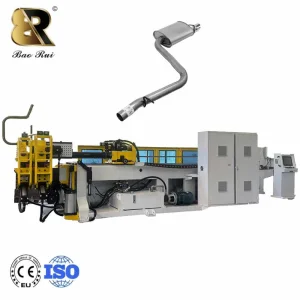
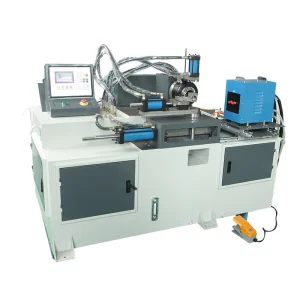
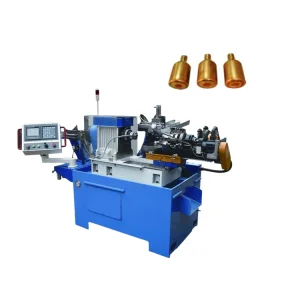
Analyzing the technological transformation within Italy's advanced manufacturing hubs, from Milan to Emilia-Romagna.
Italy remains a primary engine of European industrial precision manufacturing, with critical clusters in regions like Lombardy, Veneto, and Emilia-Romagna requiring high-performance metal processing machinery. The demands of local Tier-1 automotive component suppliers, commercial refrigeration (HVAC) manufacturers, and premium sanitary valve producers have evolved beyond traditional chip-making techniques. High energy costs, strict raw material conservation regulations, and intense global market competition have accelerated the migration toward near-net-shape processing, specifically represented by CNC Tube Necking-in & Closing Machines.
In the transition to smarter manufacturing ecosystems, Italian operators seek machines capable of seamlessly integrating into existing MES (Manufacturing Execution Systems) networks. Precision, cycle time stability, and raw material utilization are key indicators of operational efficiency. The necking-in process—where metal tubes are reduced in diameter or entirely sealed at their ends through advanced spinning rollers—replaces legacy multi-step processes like deep drawing, welding, and post-machining. This saves vital resources, reduces structural weld weaknesses, and delivers a superior grain structure across the finished component.
Engineered with robust hydraulic structures and customizable tooling to meet stringent industrial tolerances.
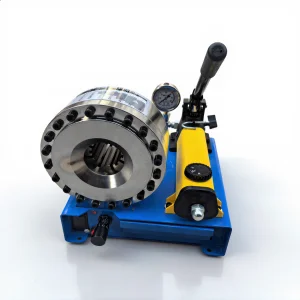
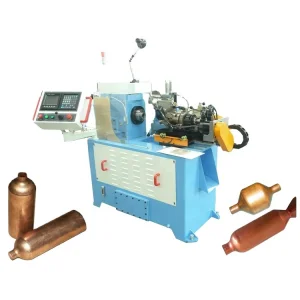
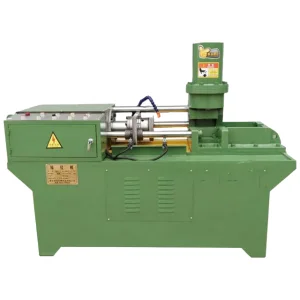
Procurement teams sourcing metal forming technology look beyond the initial purchase price, focusing on long-term operational resilience, energy efficiency, and compliance. Modern manufacturing faces high volatility in energy costs, driving demand for machines featuring servo-hydraulic systems and high-efficiency induction heating modules. Modern CNC Tube End-Closing and Necking Machines must adapt quickly to diverse materials: from thick carbon steel and corrosion-resistant AISI 316 stainless steel to high-conductivity copper alloys.
A major trend in automated metalworking is the push for consolidated process flows. Multi-axis systems capable of combining tube end heating, spinning, sealing, and precision trimming in a single setup minimize operator handling, lower scrap rates, and maintain consistency. When choosing a machinery partner, Italian and European manufacturers prioritize compliance with European safety standards (such as CE directives), accessible PLC control systems (e.g., Siemens or EtherCAT-based controllers), and reliable, remote diagnostics.
Delivering high-tech manufacturing, robust quality control systems, and cost-effective machinery worldwide.
Zhejiang ZRF Spinning Co., Ltd. is a specialized high-tech enterprise dedicated to the research, development, and production of CNC spinning machine tools. Building on deep technical roots in China's domestic metal forming sector, our systems serve diverse industries, including petrochemicals, electronics, commercial food machinery, pressure vessels, environmental filtration, defense, and aerospace.
ZRF's CNC spinning machine series serves more than 30 provinces across China and is exported to over 20 countries and regions. Operating under strict ISO9001-certified processes, we maintain quality control throughout machining, assembly, testing, and shipping. By maintaining internal control over key manufacturing steps, from precision guideway grinding to final testing, ZRF delivers reliable machine tools with long service lives, providing direct cost advantages to our global customers.
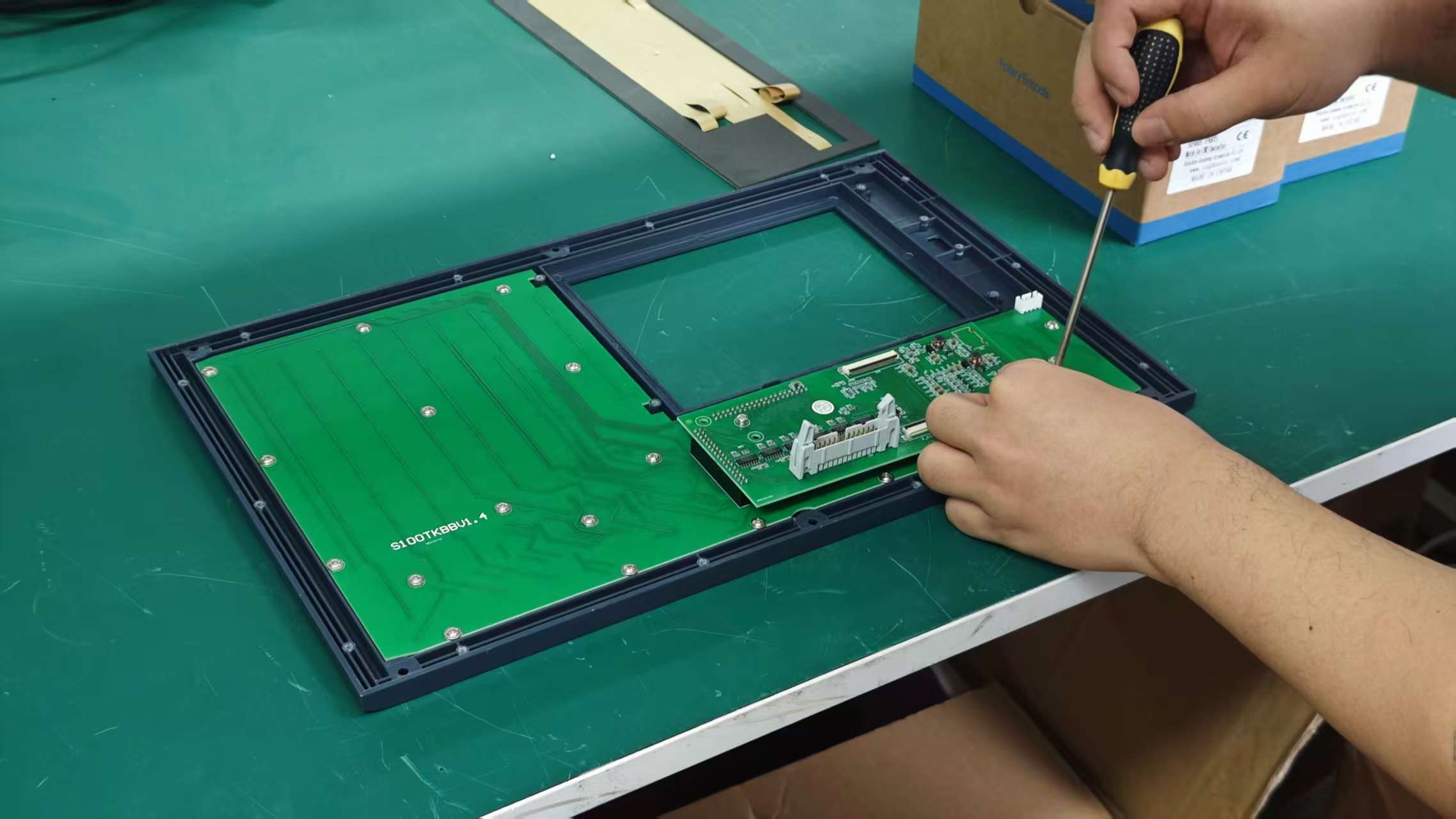
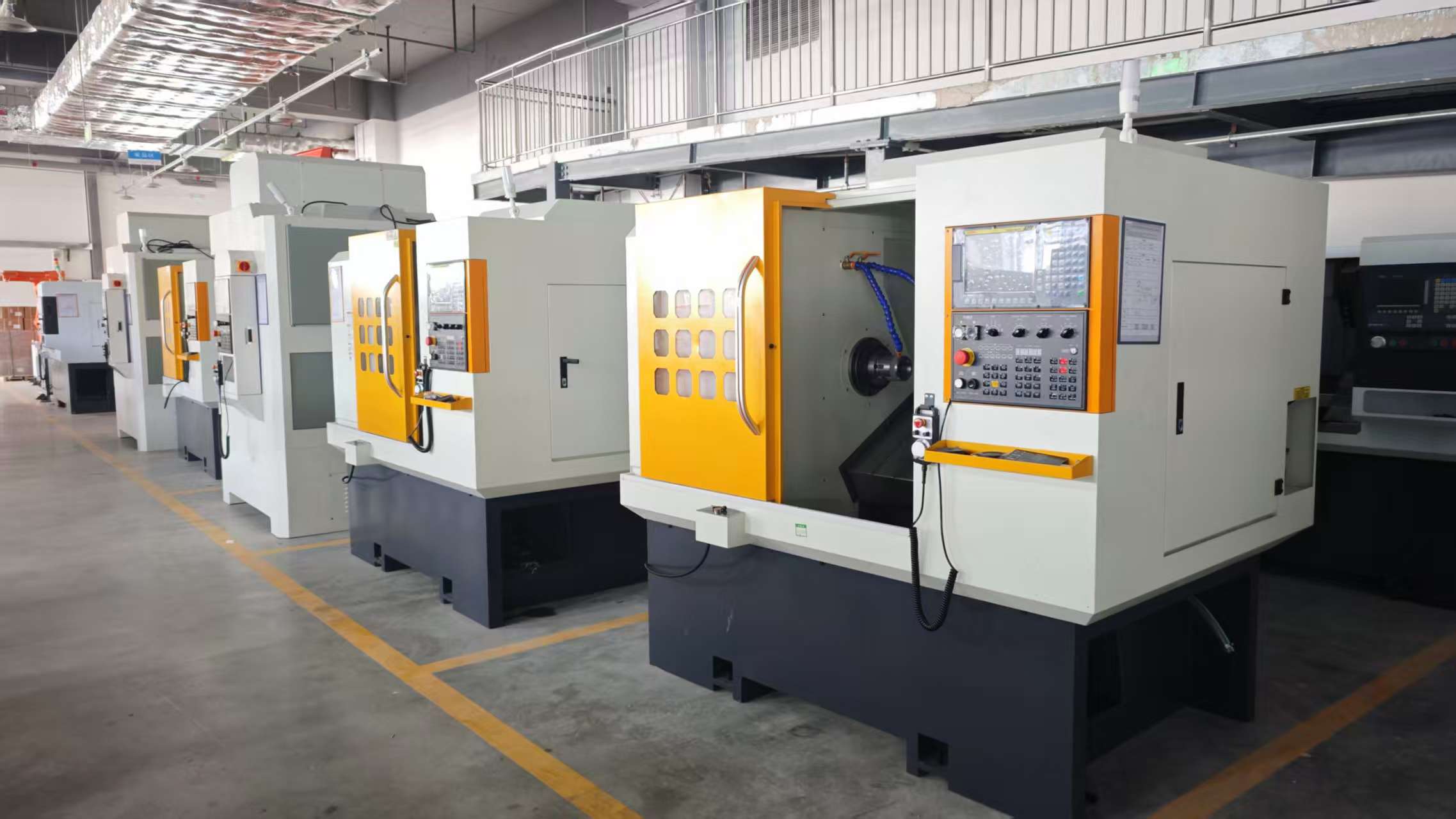
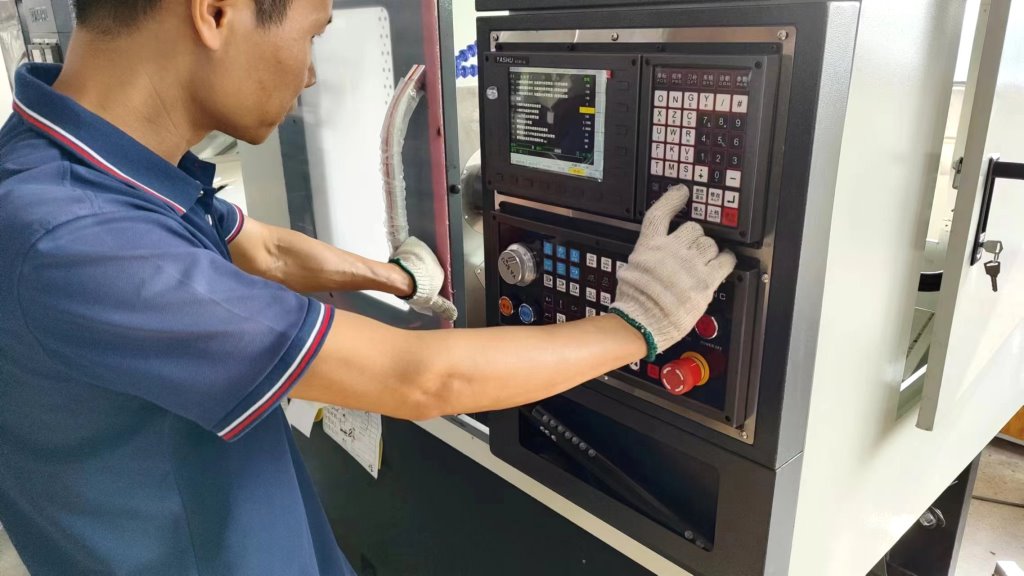
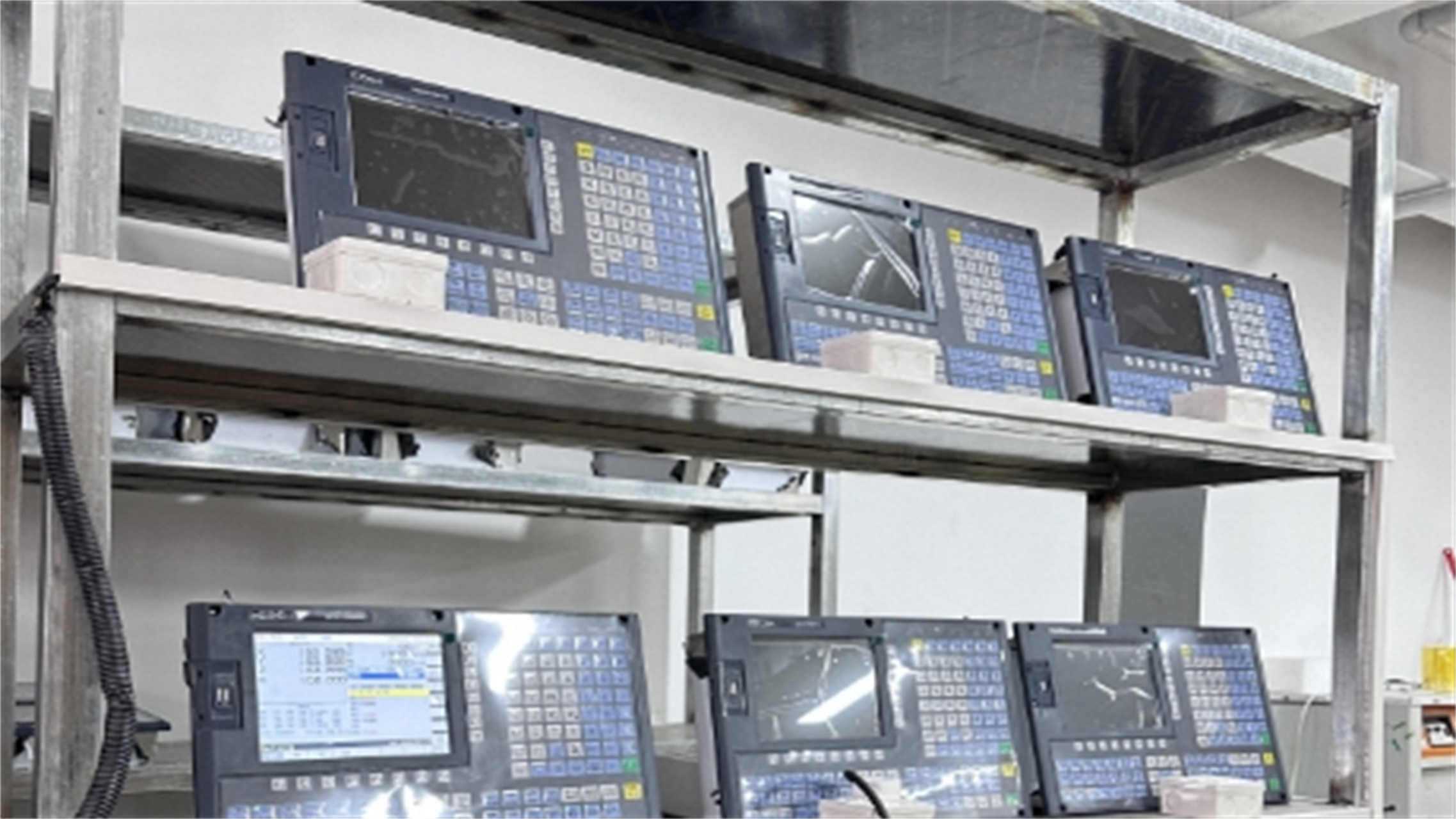
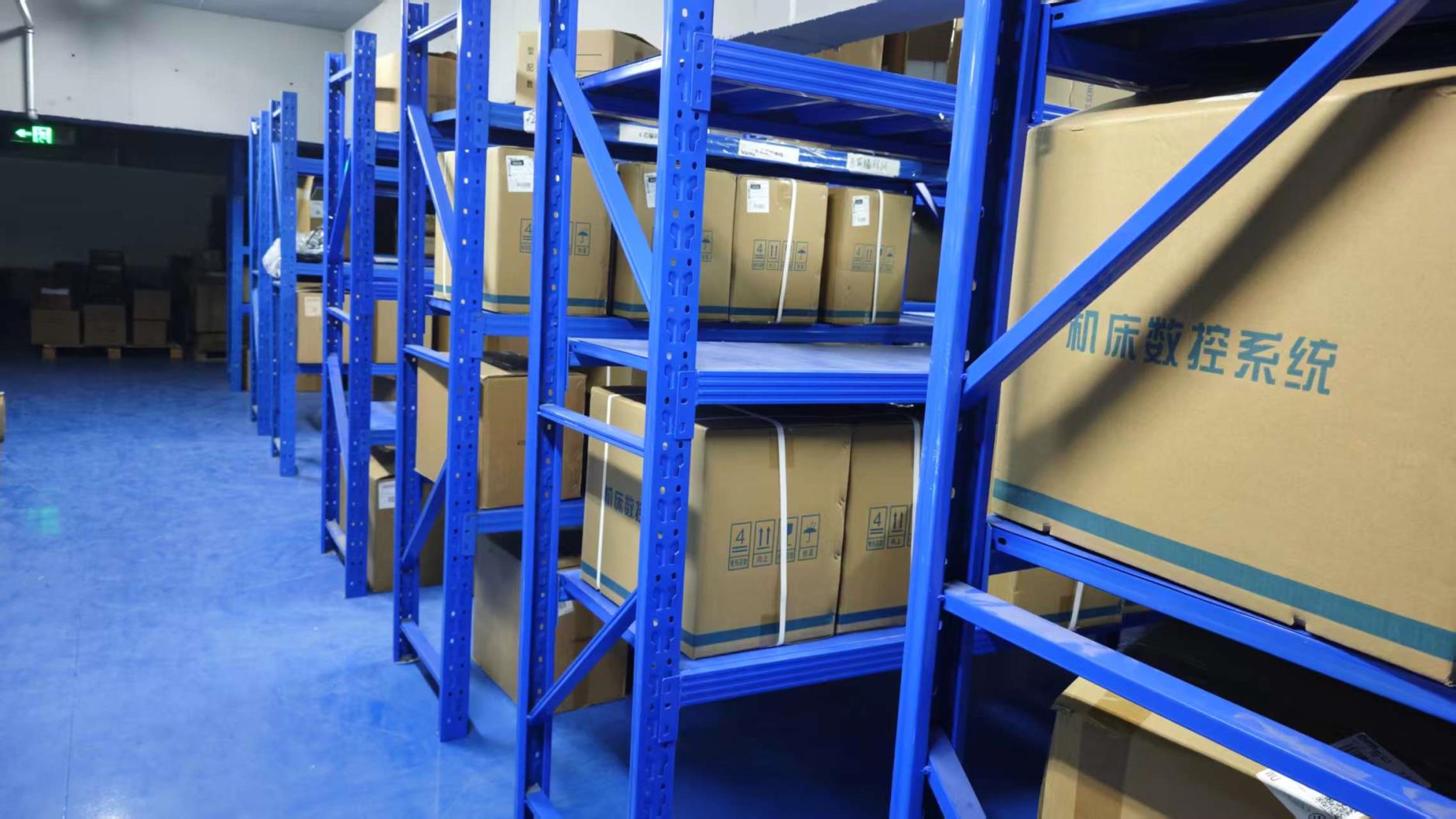
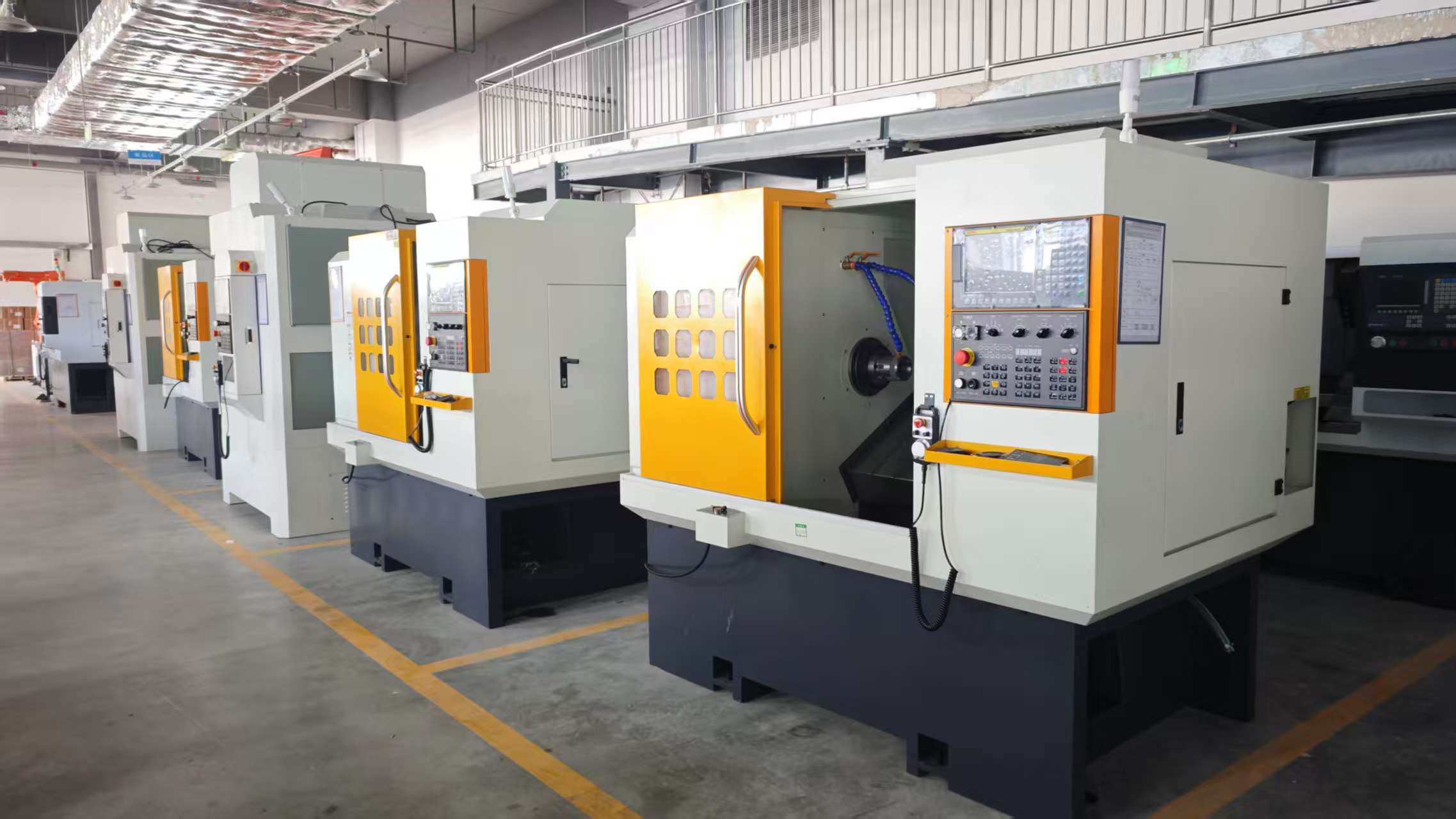
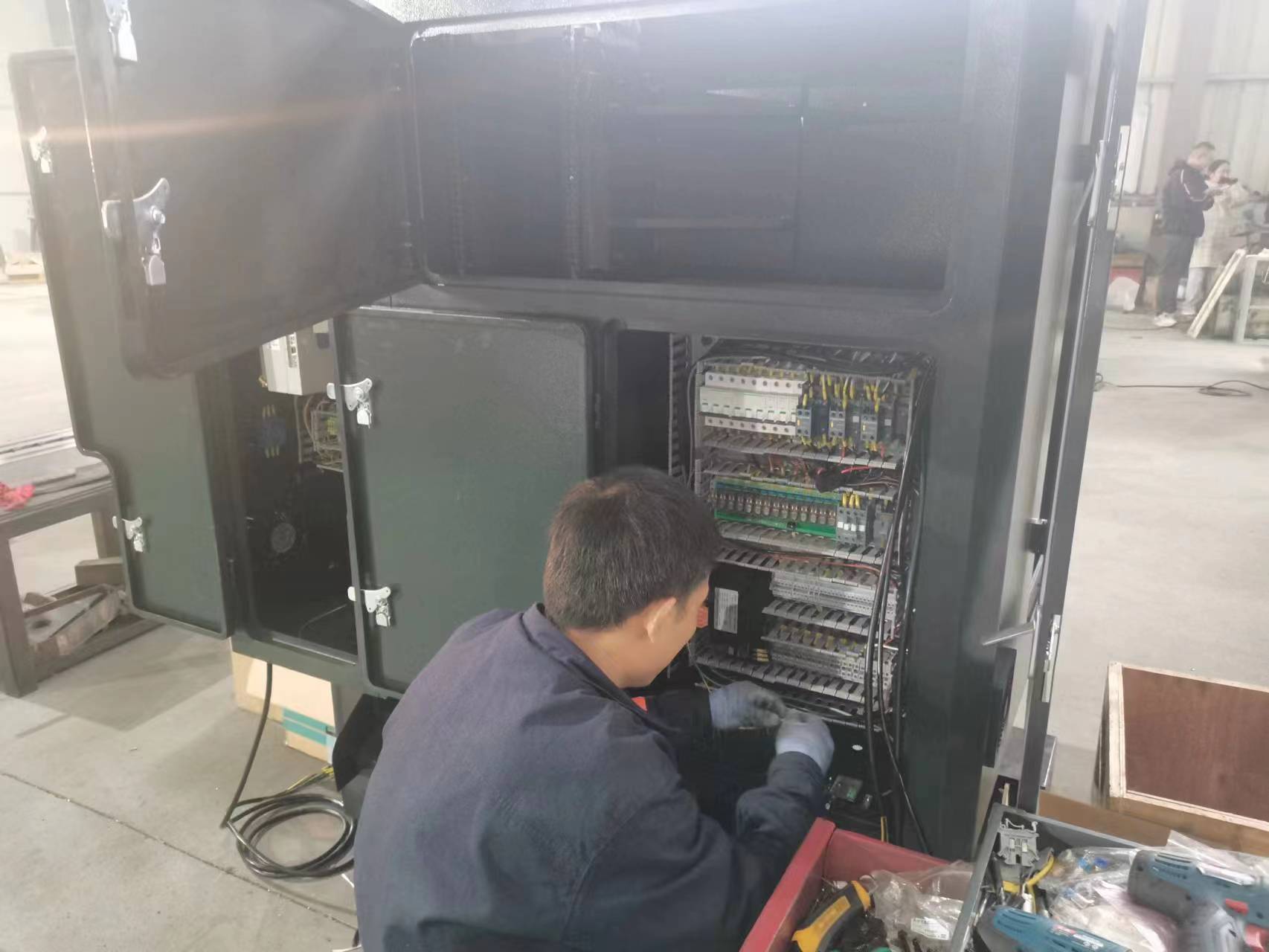
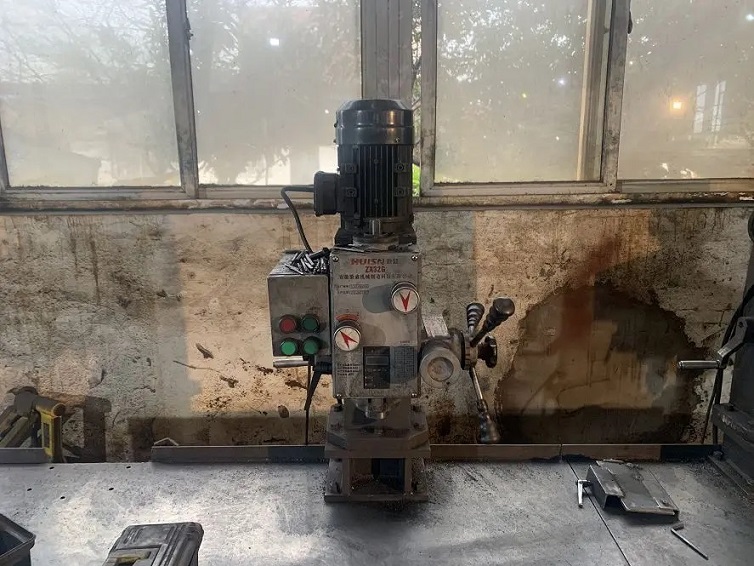
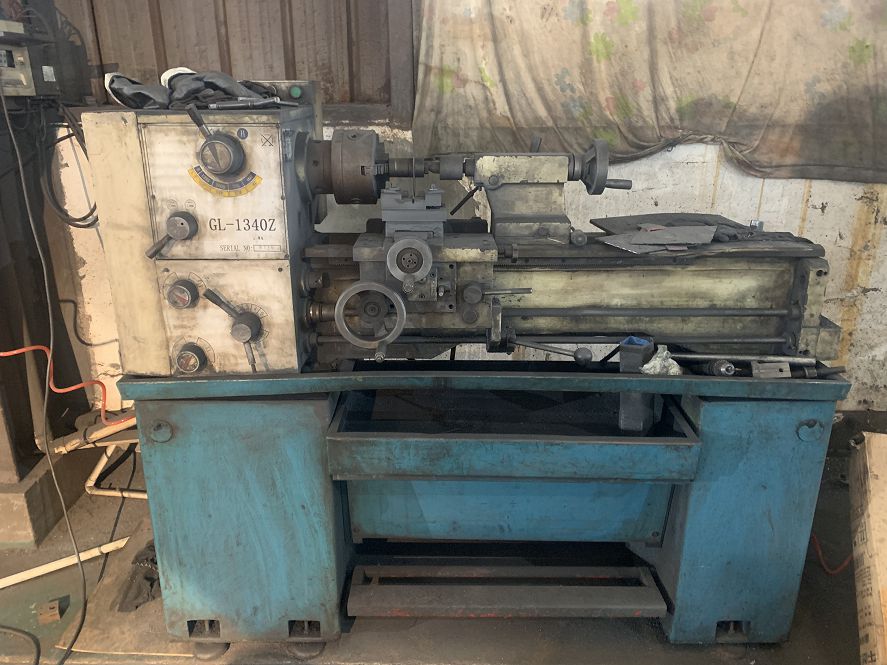
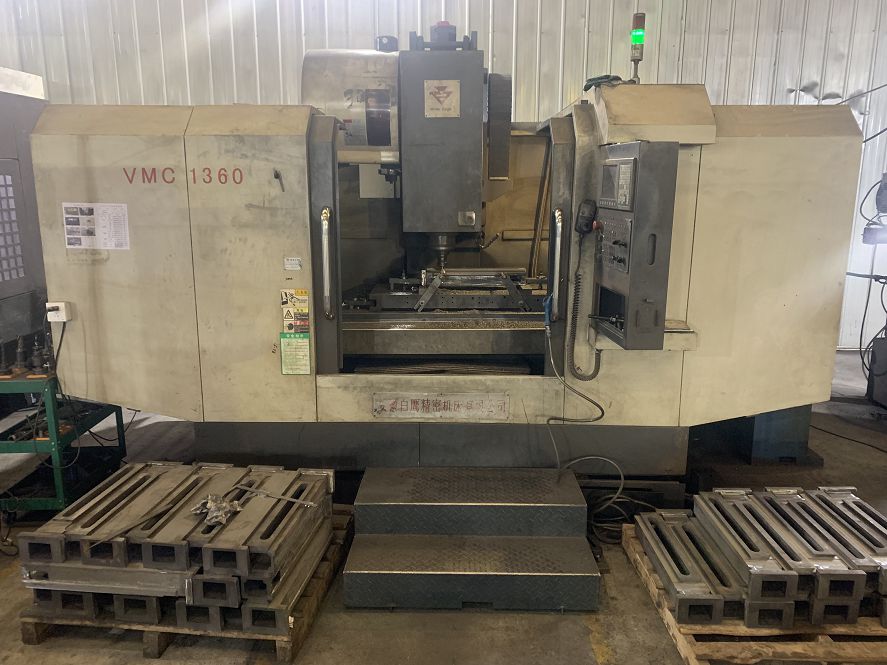
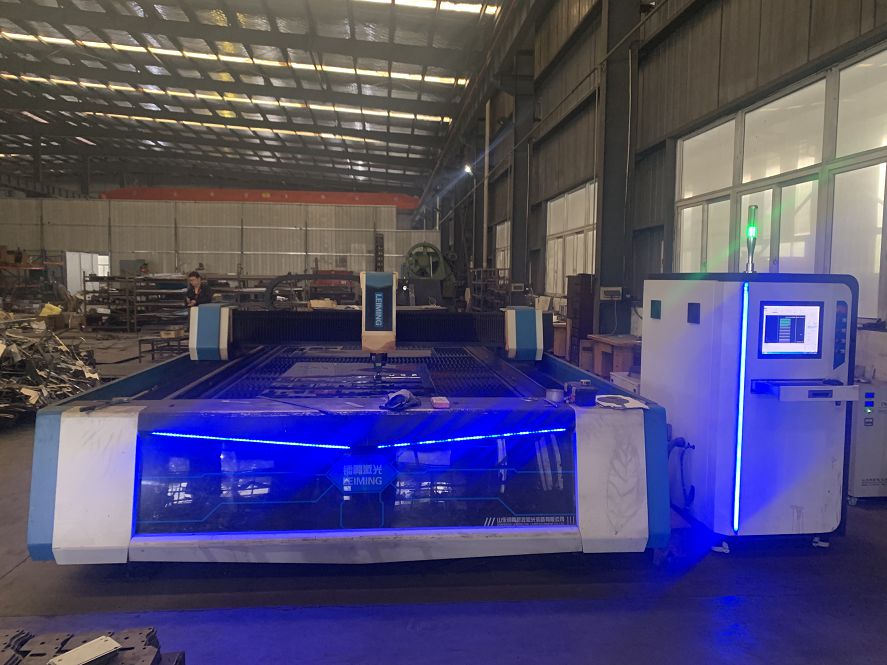
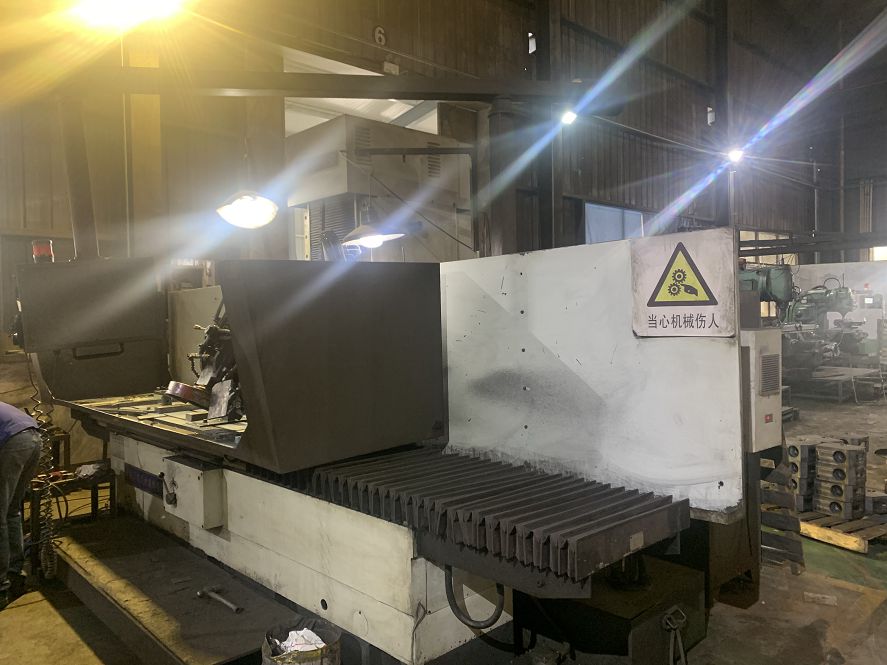
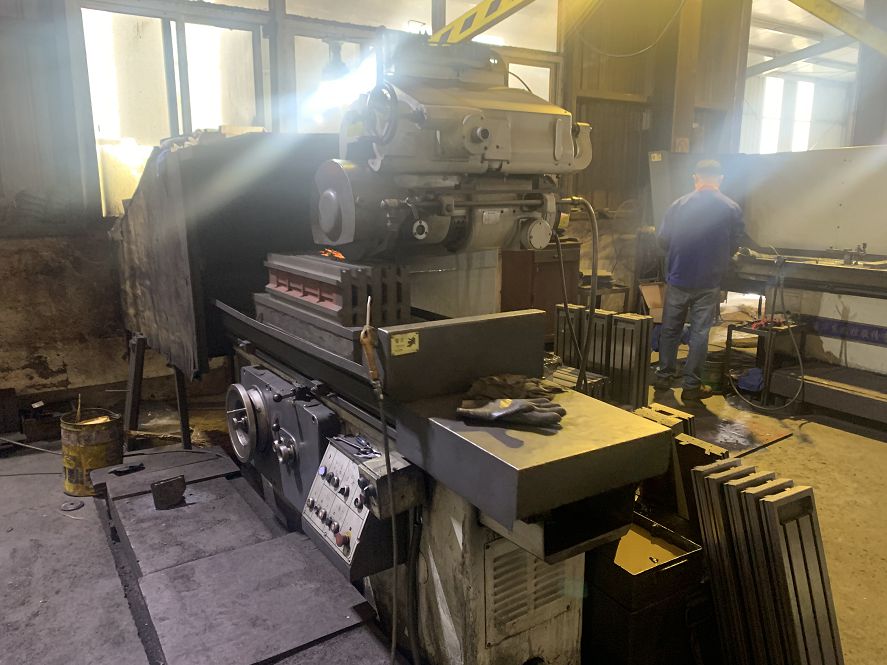
Examining three practical scenarios where ZRF technology addresses quality standards and reduces costs.
A tier-one supplier of pressure vessels based near Turin needed to transition from multi-step deep drawing to hot-spinning necking-in and sealing. By deploying ZRF's heavy-duty CNC closing machinery with integrated induction heating, the client formed 300mm diameter steel pipes into sealed gas cylinders with dynamic wall-thickness profiling. The process met strict Pressure Equipment Directive (PED) safety regulations and lowered scrap rates to under 0.5%.
A commercial HVAC and heat exchanger manufacturer in Padua required high-speed, repeatable end-forming and necking for thin-wall capillary copper tubes (2mm to 8mm diameter). Standard mechanical press systems often caused cracking. Introducing ZRF's high-speed capillary tube spinning machines enabled micro-spinning at over 3,000 RPM, producing consistent, defect-free seal closures to keep refrigeration units sealed and reliable.
An architectural design fabricator based in Veneto sought to manufacture tapered structural pillars and custom-designed handrails from AISI 304 and 316 grade stainless steel. Traditional welding and grinding of separate parts created cosmetic blemishes and weak points. Applying ZRF's multi-axis CNC tube forming technology allowed them to spin single-piece structural tubes, maintaining consistent grain lines and achieving a high-quality surface finish directly on the machine.
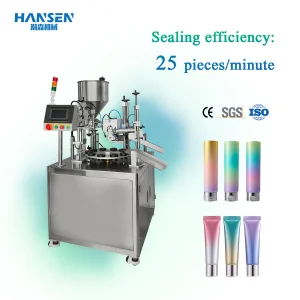
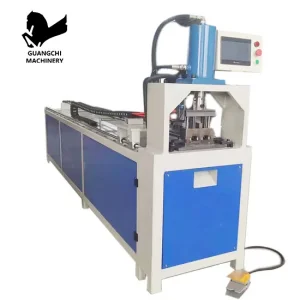
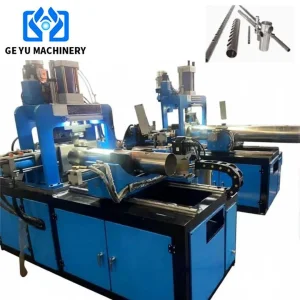
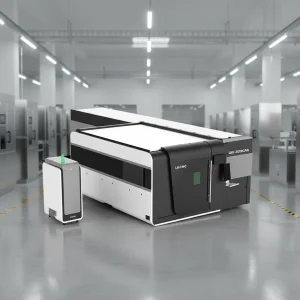
A complete selection of advanced CNC machinery designed for heavy closing, multi-axis bending, laser cutting, and hole punching.
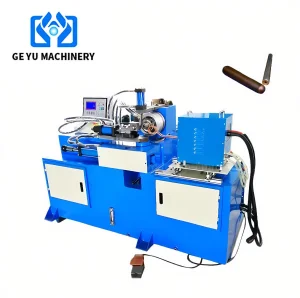
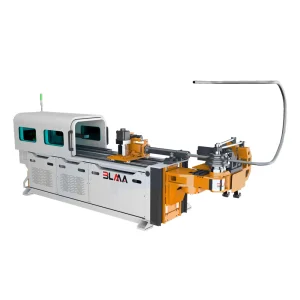
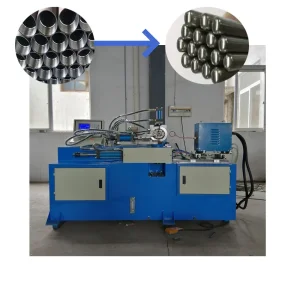
Understanding the physics of rotary spinning and thermal parameters that govern metal structural integrity.
The process of tube necking-in and end closing relies on localized metal deformation under rotary shear stress. Unlike traditional drawing operations that pull metal through fixed dies, rotary spinning uses CNC-controlled rollers to exert localized pressure on a rotating workpiece. This reduces friction forces and distributes strain across the tube's circumference. The metal undergoes plastic deformation, causing it to flow axially and radially. This changes the tube profile and increases wall thickness at the formed end.
When closing the end of a high-pressure cylinder, thermal management is key. For thicker carbon steels and select stainless steel grades, cold forming can cause work-hardening, leading to micro-cracking and high tool wear. ZRF CNC closing machines use high-frequency induction heating to warm the tube end to forging temperature (typically between 850°C and 1150°C, depending on the alloy). The CNC system maintains constant speed and feed rates, coordinating the roller movement to close the end shut. This creates a solid weld-free seal capable of holding high pressures.
For thin-wall materials like copper and aluminum used in HVAC capillaries, cold forming is preferred. ZRF's systems control roller contact forces using closed-loop hydraulic and servo systems, preventing buckling or wall thinning. By managing variables like spindle rotation, feed rate, and lubrication, our equipment helps manufacturers achieve consistent results within tight tolerances.
Answering procurement, integration, and technical questions regarding CNC spinning machinery.
Improve your tube forming processes with ZRF's high-precision CNC spinning machinery. Contact our design and application engineers today to discuss your technical specifications, request a custom quote, or schedule a virtual tour of our production facilities.
Send Inquiry Now ZRF Spinning