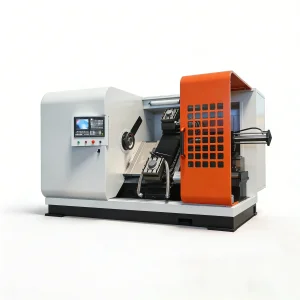
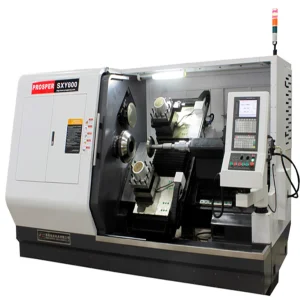
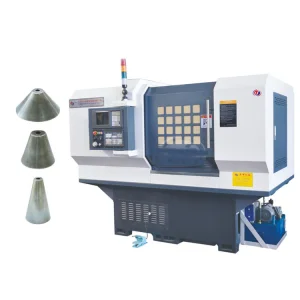
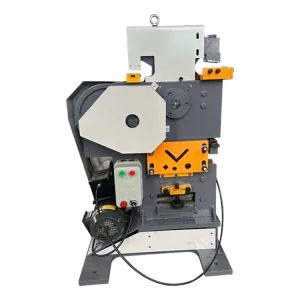
Premium metal forming equipment optimized for high-volume manufacturing lines in the Bangladesh market.
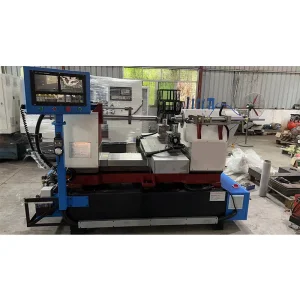
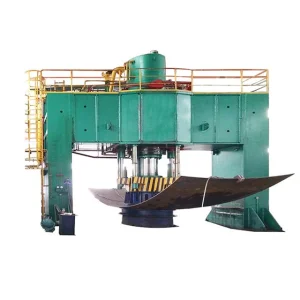
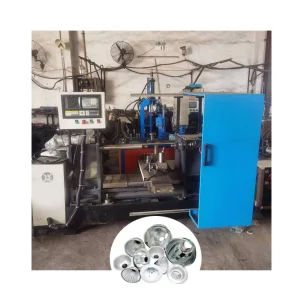
Analyzing the shift from manual metal fabrication to automated, high-precision CNC metal forming.
Bangladesh is undergoing a rapid industrial transformation. Historically dominated by the Ready-Made Garments (RMG) sector, the national economic policy is now aggressively diversifying towards the **Light Engineering Sector (LES)**, electronics, and automotive assembly. Industrial clusters in Dhaka (specifically Gazipur, Narayanganj, and Keraniganj), Bogra, and Chittagong are experiencing an unprecedented surge in demand for local metal processing machinery.
Traditional manual metal forming techniques are no longer sufficient to meet the strict quality controls, dimensional tolerances, and high production speeds required by modern global supply chains. As Bangladesh integrates into global markets, the adoption of **CNC Metal Splitting, Shearing, and Spinning machines** has transitioned from a competitive advantage to an absolute operational necessity.
How CNC spinning and shearing technologies solve core manufacturing challenges across heavy and light industries.
In the global metal-forming sector, metal spinning (especially when powered by advanced CNC path-control algorithms) is recognized as a highly cost-efficient manufacturing method compared to traditional deep drawing and press stamping. For manufacturers in emerging industrial economies like Bangladesh, understanding this comparison is vital for optimal capital expenditure (CAPEX) allocation:
| Feature / Parameter | Traditional Press Stamping | CNC Metal Spinning (ZRF Solution) |
|---|---|---|
| Tooling / Mold Cost | Extremely High (Requires matched male/female dies) | Very Low (Single mandril block, programmable toolpath) |
| Setup Time | Several hours to days for heavy die alignment | Minutes (Software program upload + mandrel change) |
| Material Waste Ratio | High blank trimming waste (often 20% to 35%) | Minimal (Less than 5% due to precise roller shearing) |
| Structural Integrity | Risk of thinning at stress corners, structural micro-fractures | Improves tensile strength through grain flow alignment |
Global leader in R&D and manufacturing of heavy-duty, high-precision CNC metal forming machinery.
As a high-tech enterprise specializing in the research, development, and manufacturing of CNC spinning machine tools, Zhejiang ZRF Spinning Co., Ltd. has extensive experience and a strong technical foundation in the domestic spinning industry.
Our series of CNC spinning machine tools are widely applied across a variety of industries, including petrochemicals, electronics, daily hardware, food processing machinery, automotive and motorcycle components, pressure vessels, ventilation and environmental protection, defense, and aerospace. The ZRF spinning machine series has reached more than 30 provinces and cities across China and has been exported to over 20 countries and regions worldwide. Our advanced technology, excellent product quality, and comprehensive service system have earned the trust and recognition of users globally.
At Zhejiang ZRF Spinning Co., Ltd., we firmly advocate a philosophy of market-oriented development, research-driven innovation, and technological excellence. We focus on continuous improvement in both product performance and service quality. Our manufacturing process strictly adheres to the ISO9001 quality management system, ensuring reliable, safe, and high-quality products. Over the years, we have established long-term cooperative relationships with many leading domestic and international enterprises.
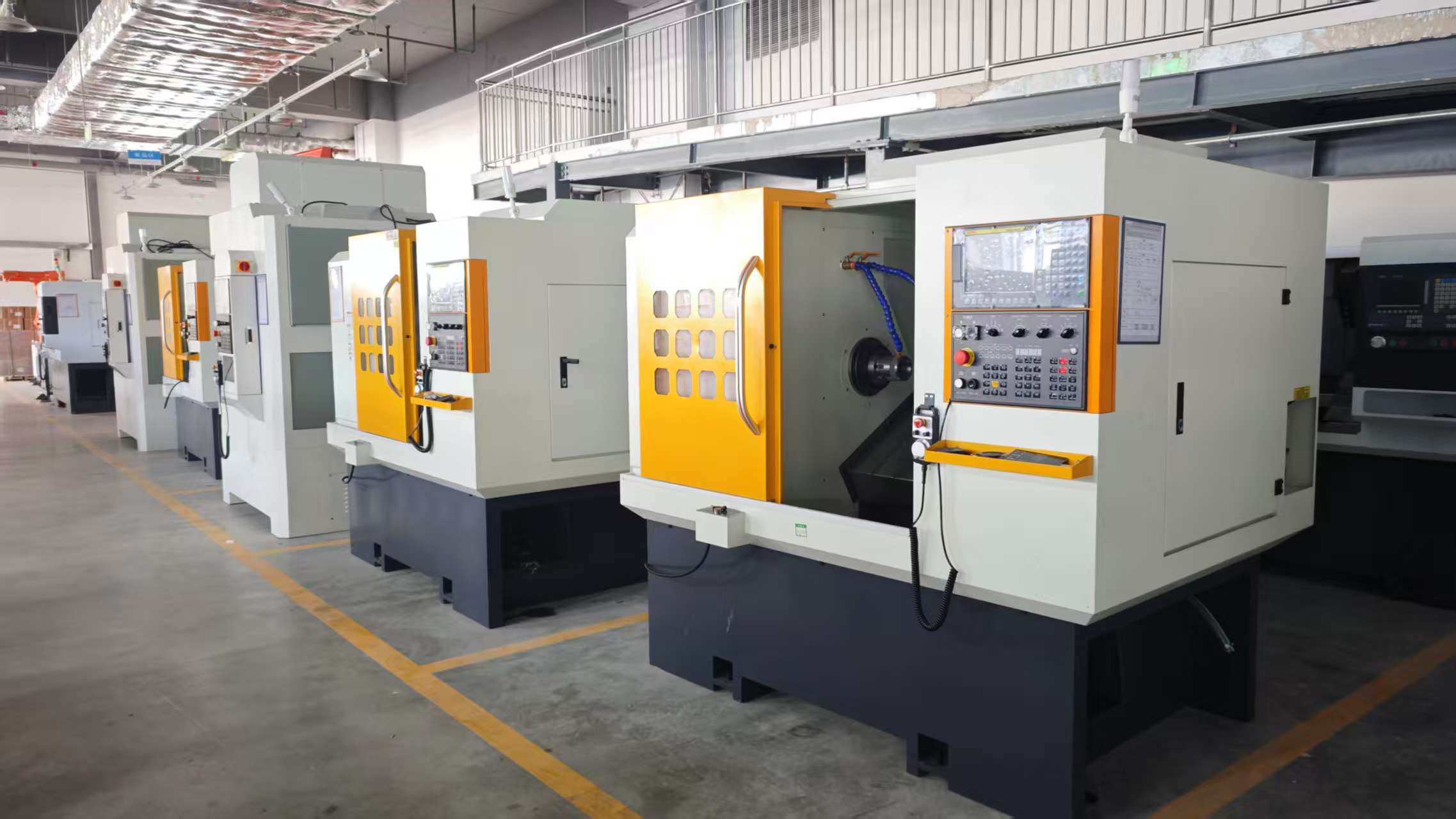
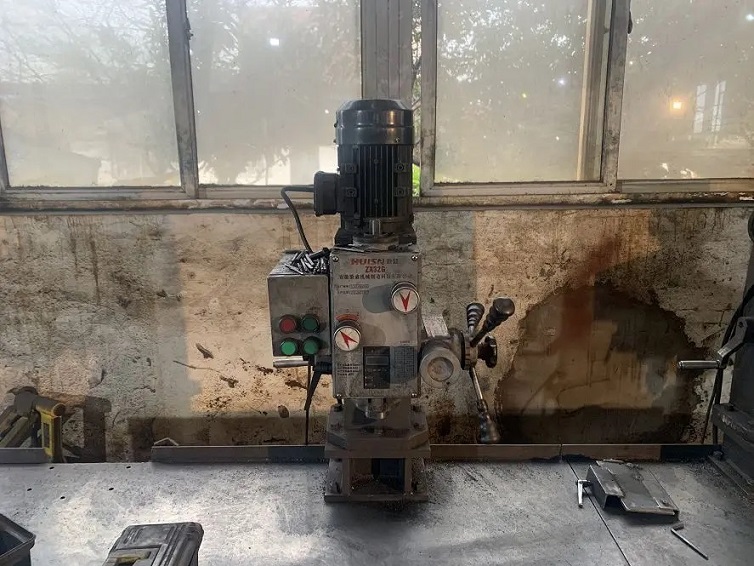
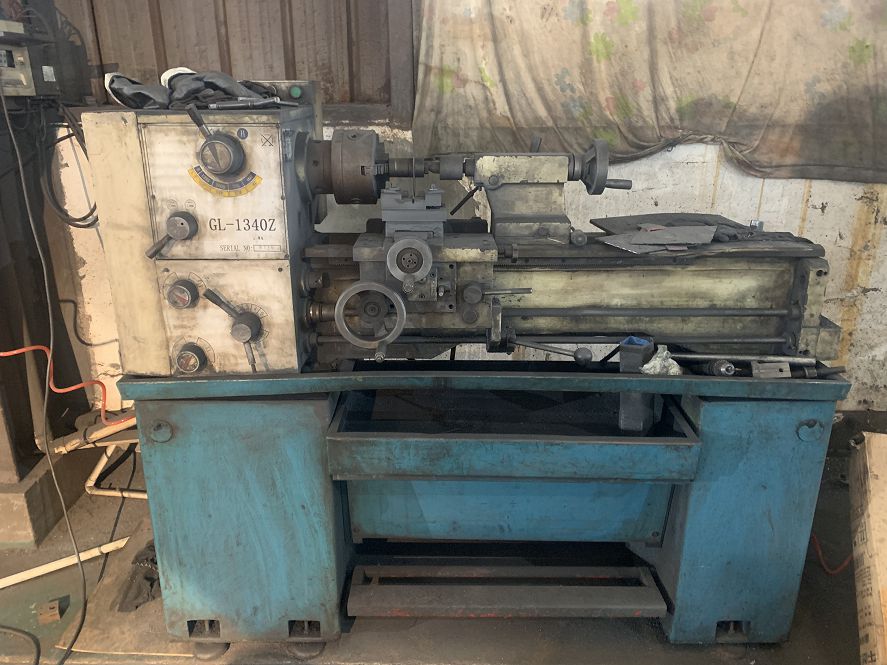
Strict quality assurance, micro-level calibration, and stress-testing under simulated field conditions.
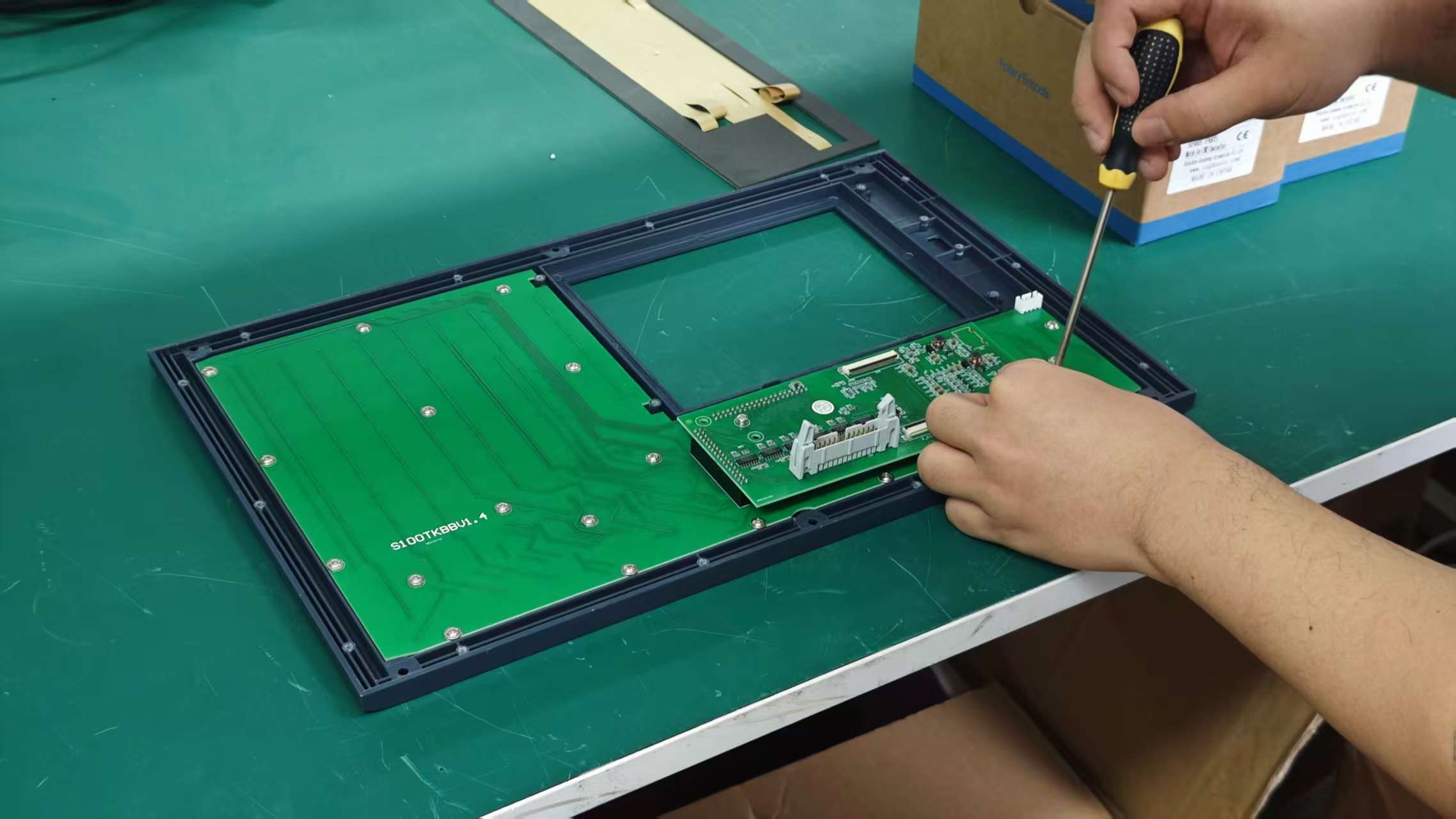
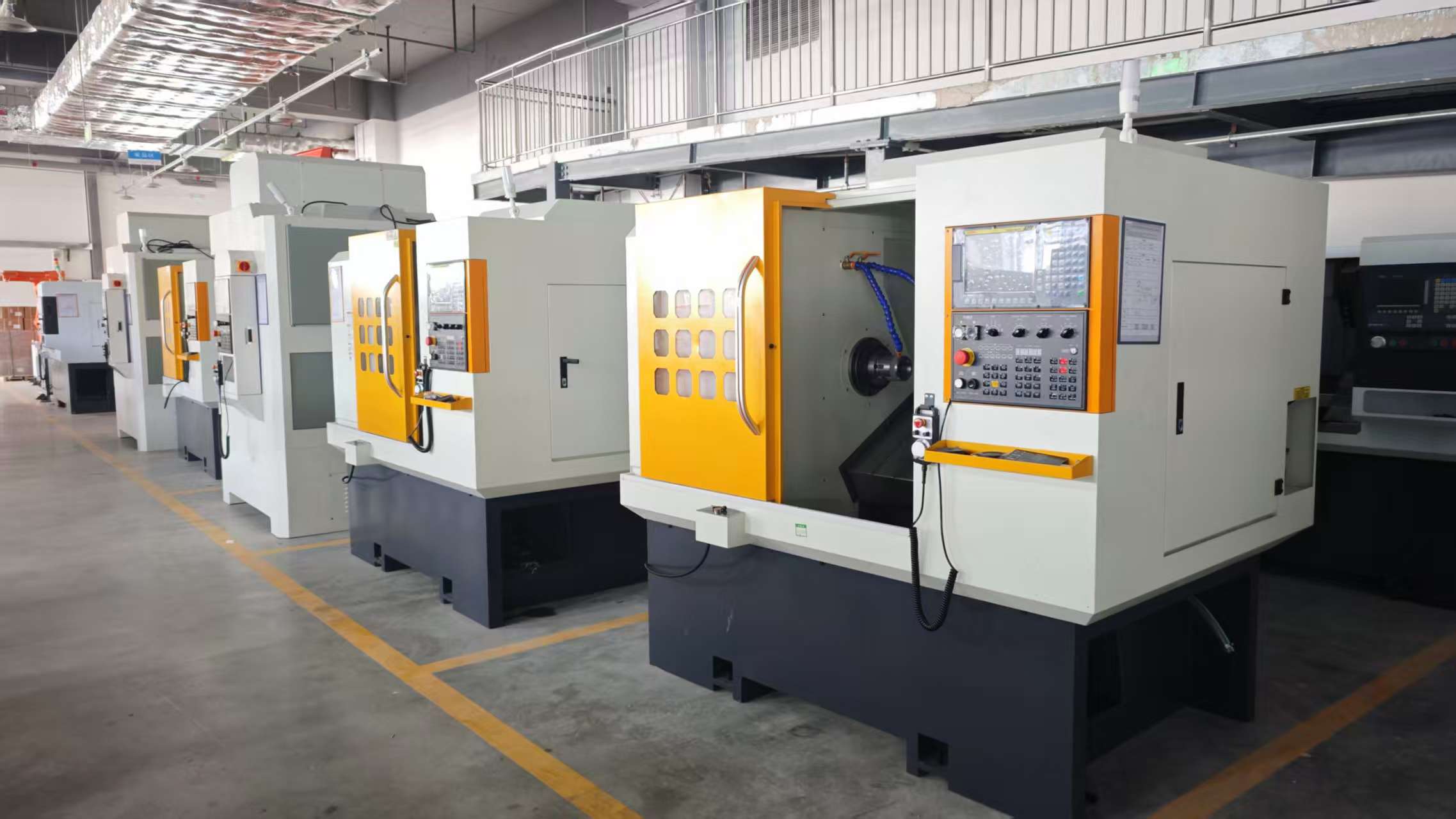
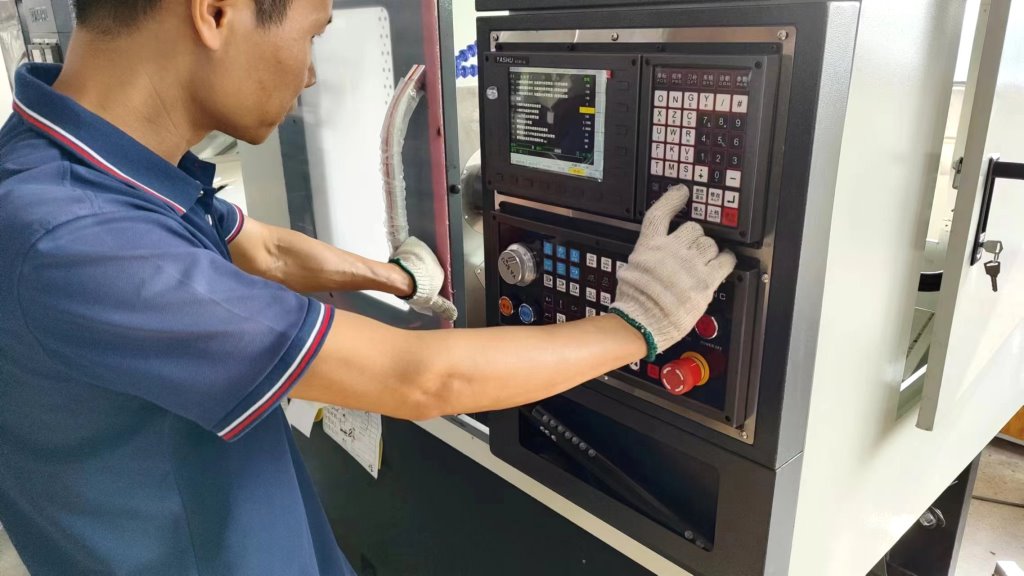
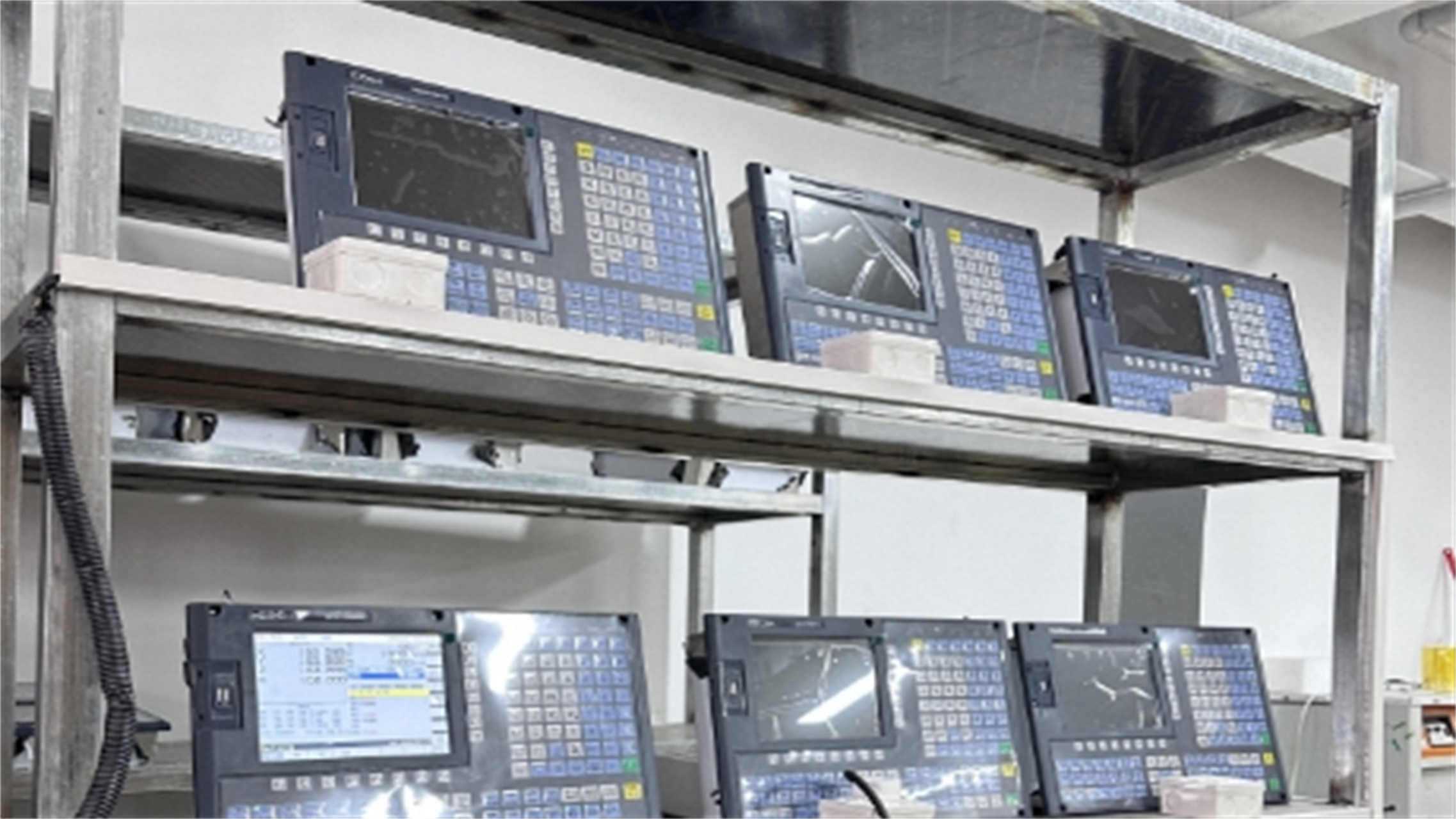
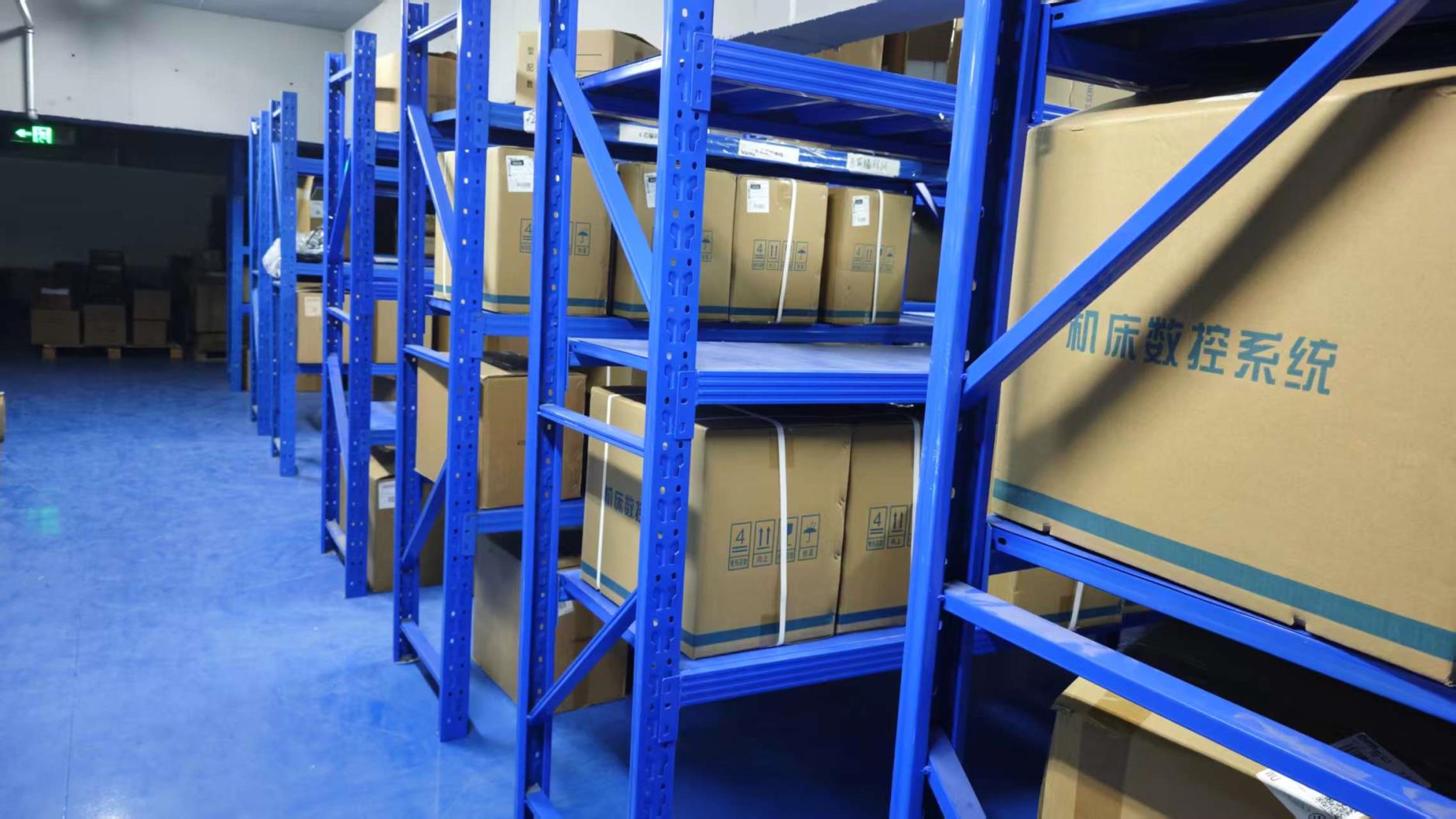
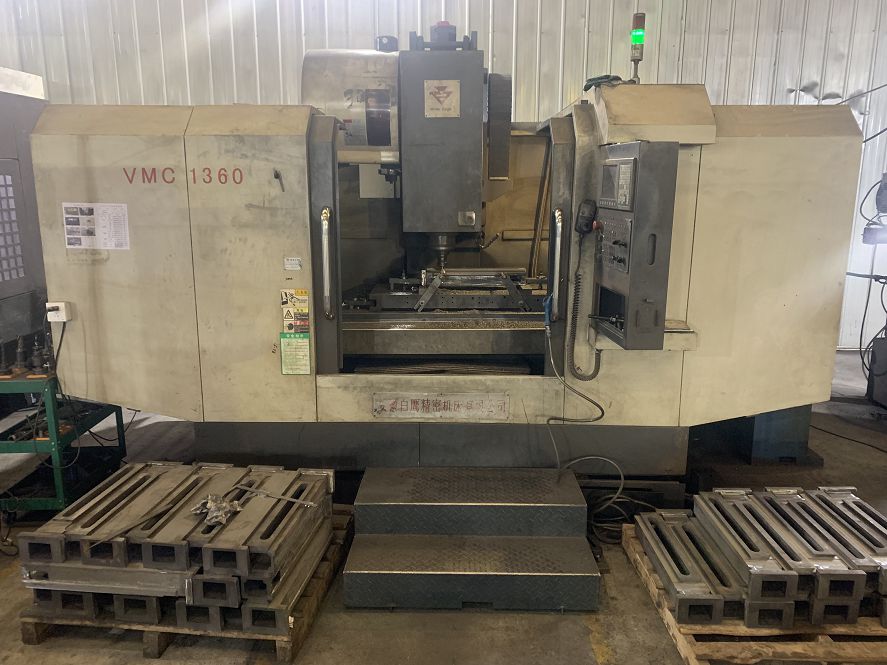
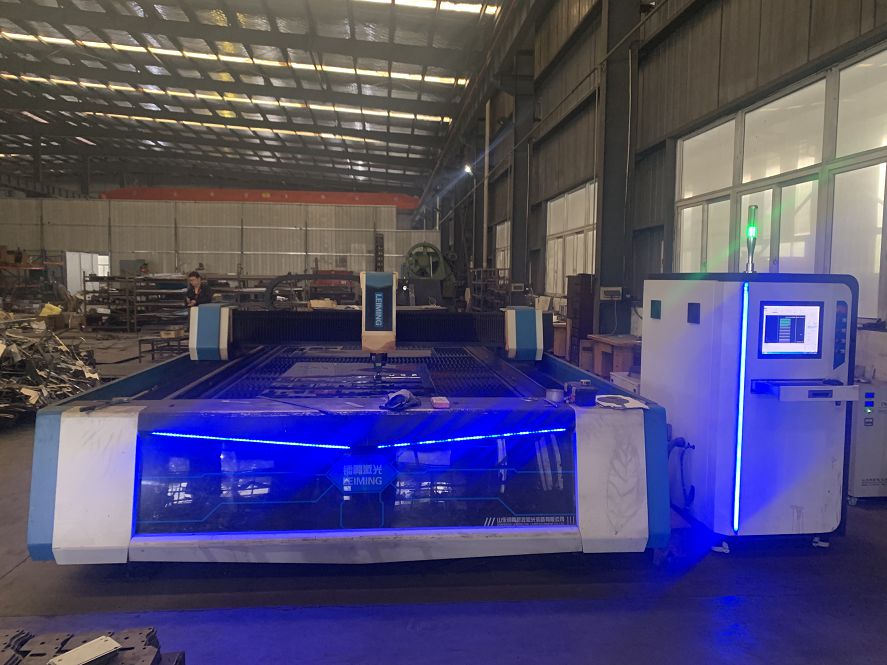
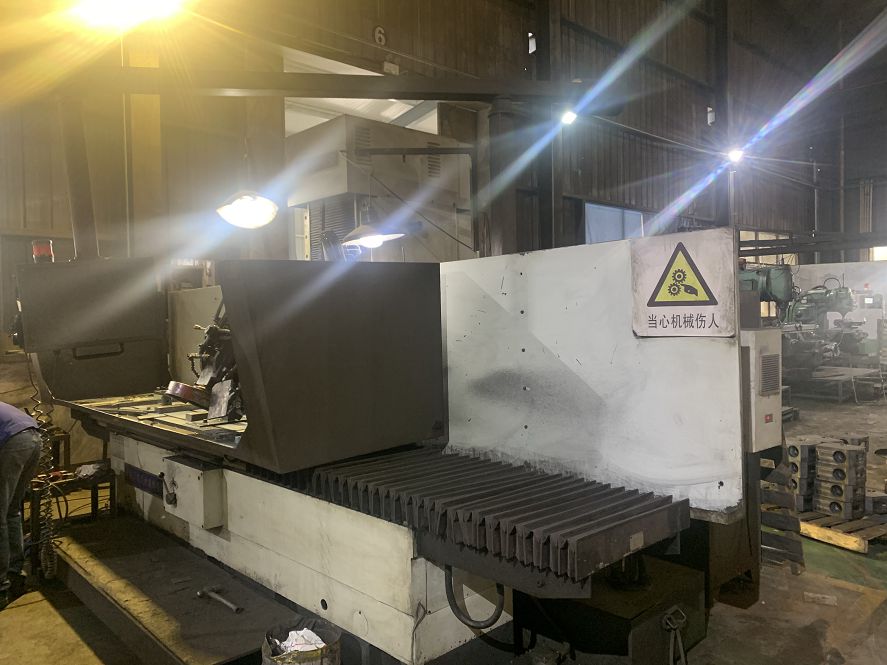
Addressing power fluctuations, operator upskilling, and dedicated local engineering service.
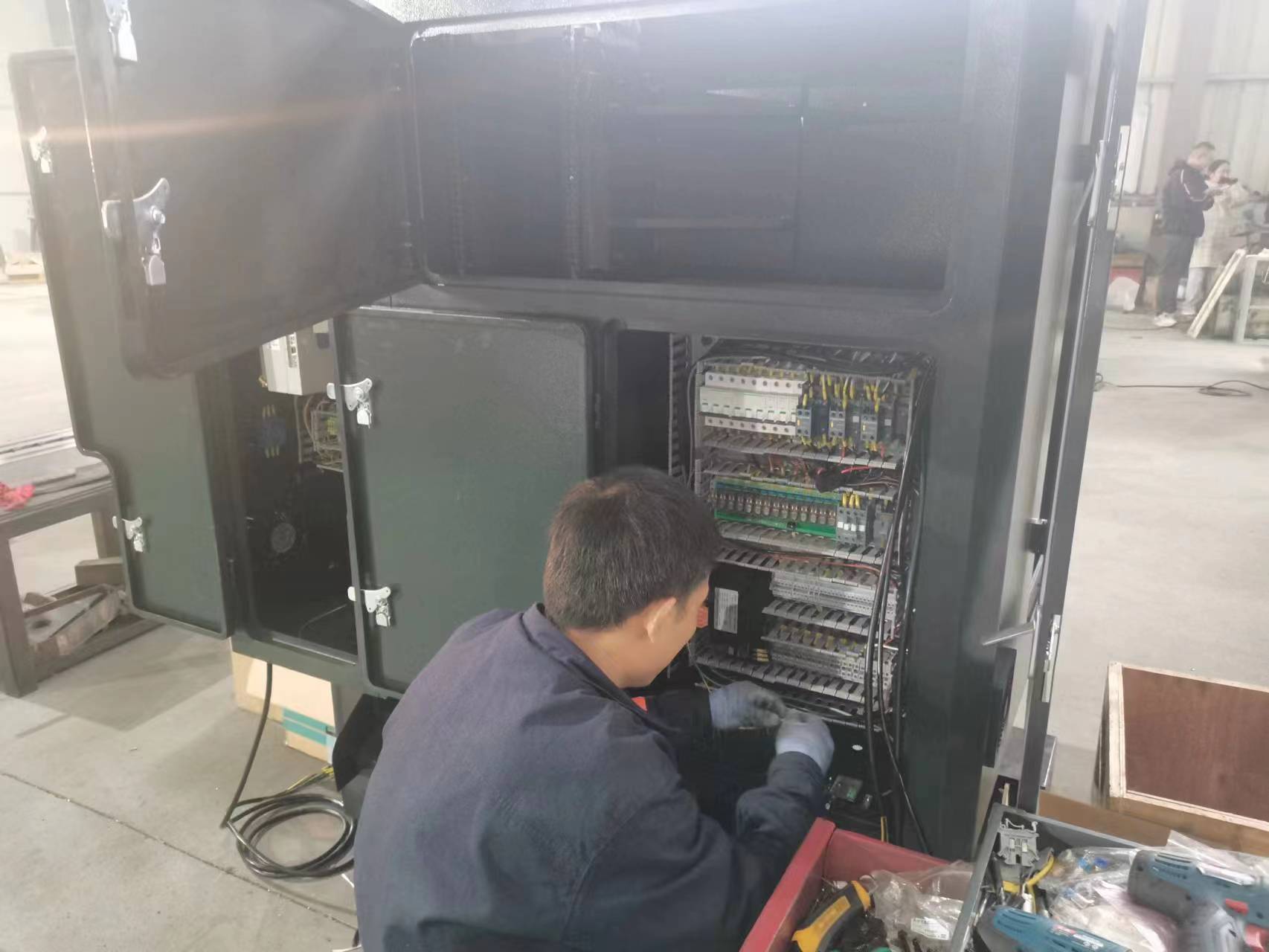
Industrial power grids in Bangladesh (such as in the industrial zones of Gazipur, Savar, or Narayanganj) often experience voltage drops or power surges. At ZRF, we integrate **reinforced industrial electrical panels** equipped with high-performance voltage stabilizers and line filters to protect sensitive Siemens or Syntec CNC modules from sudden supply spikes. Our standard exports are built to match the local 380V/50Hz 3-phase power standard.
One of the primary challenges for factories adopting CNC technology in Bangladesh is the availability of skilled operators. To solve this, ZRF offers pre-delivery validation and training at our factory, along with dedicated on-site installation training by engineering experts in Dhaka or Chittagong. Operators are trained in CAD/CAM drawing conversions, tooling setup, toolpath optimization, and basic diagnostic troubleshooting.
Every CNC Metal Spinning and Shearing machine built by Zhejiang ZRF Spinning Co., Ltd. conforms to international manufacturing and safety standards. Our manufacturing processes strictly comply with:
We extend an 18-month comprehensive warranty across our main CNC machinery lines, backed by standard spare parts delivery and prompt remote assistance.
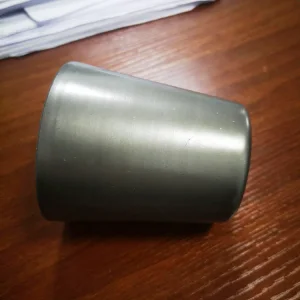
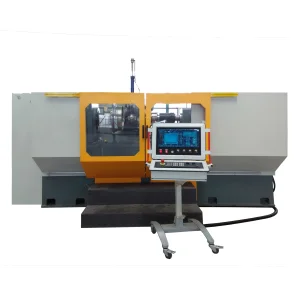
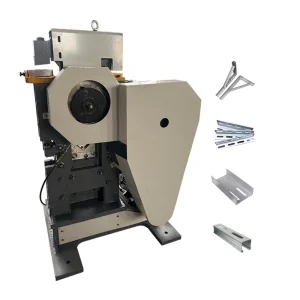
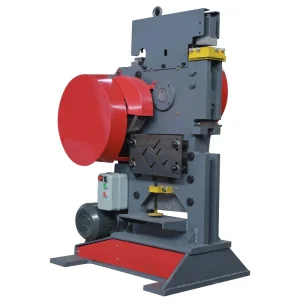
Explore our full catalogue of high-efficiency machines configured for structural sheet processing.
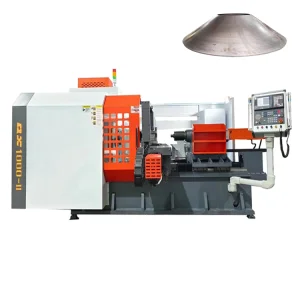
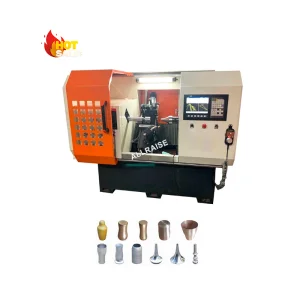
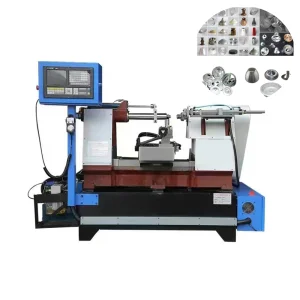
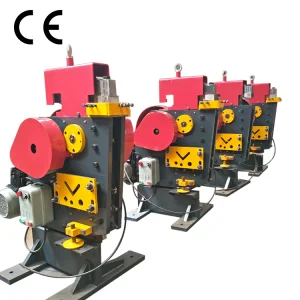
The evolutionary trajectory of metal forming tech toward smart automation, cloud Diagnostics and remote control.
Modern CNC metal forming has moved past simple path execution. Emerging lines now utilize smart feedback loops. Our latest developments focus on integrating high-resolution laser sensors and real-time stress gauges that monitor sheet deformation resistance during the spinning stroke. This enables the machine controller to dynamically adjust roller pressure, reducing fracture rates in complex profiles to near zero.
For Bangladeshi manufacturers, machine downtime during peak production cycles can be very costly. Incorporating edge-computing diagnostic modules into the CNC framework allows the system to analyze vibration patterns on the spindle and feed drives, alerting local factory floor managers to perform preventive lubrication or part replacement before a structural breakdown occurs.
Our R&D division is expanding the limits of complex shape processing through multi-axis simultaneous control systems. This allows for the production of asymmetric components, elliptical structures, and localized thickness variations on a single machine platform, eliminating the need to move parts across multiple processing stations.
Answering key structural, economic, and operational questions from plant managers and business owners in Bangladesh.
 ZRF Spinning