Engineered to deliver high accuracy and extreme productivity for Melbourne's advanced manufacturing and fabrication plants.
An authoritative whitepaper exploring structural transformations, high-efficiency manufacturing technologies, and localized procurement strategies.
Melbourne, the capital city of Victoria, has long stood as Australia’s manufacturing heartland. Historically dominated by traditional automotive assembly lines, the local industry has undergone a massive paradigm shift. Today, Melbourne's industrial landscape focuses on high-value, specialized sectors including aerospace components, defense system fabrication, commercial food-grade equipment, architectural metal structures, and advanced HVAC infrastructure. As local labor costs rise and national supply chain security policies require stronger domestic manufacturing capability, industrial workshops in suburbs like Dandenong, Campbellfield, Somerton, and Bayswater are forced to pivot toward automated machinery.
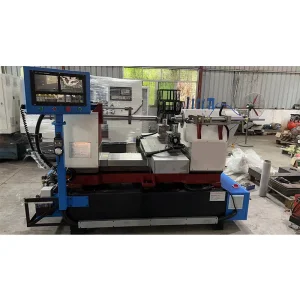
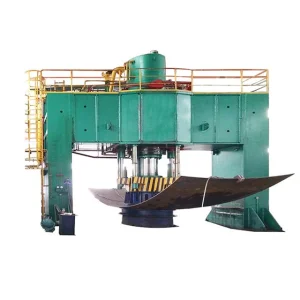
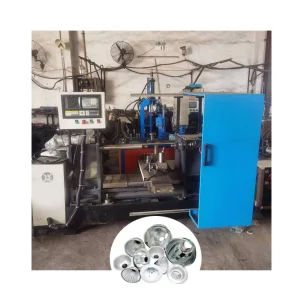
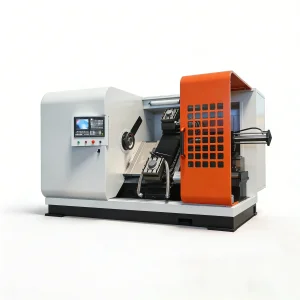
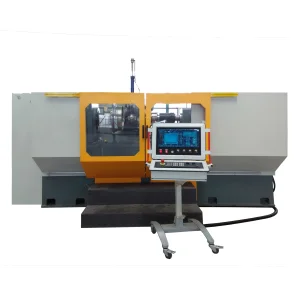
In this high-pressure landscape, conventional metal fabrication techniques fall short. Standard stamping presses require extremely expensive custom dies, which are financially unviable for low-to-medium batch runs. Metal spinning technology (and specifically multi-axis CNC spinning and shear forming) provides an exceptionally agile, cost-effective solution. Local engineers require machinery that can form complicated symmetrical or asymmetrical shapes with minimal tooling costs. Consequently, finding a reliable supplier for CNC Metal Splitting, Shearing & Spinning Machines for the Melbourne market is a critical priority for commercial growth in the region.
On a global scale, the metal forming sector is experiencing a transition driven by carbon reduction directives, material pricing volatility, and the "Industry 4.0" wave. Advanced CNC systems allow for precise control over the metal grain structure during deformation. In classic spinning and shear forming, the workpiece is pressed over a mandrel via hydraulic or servo rollers. This cold-working process improves the yield strength, tensile strength, and hardness of the final component, allowing manufacturers to use thinner initial blank gauges without sacrificing structural integrity.
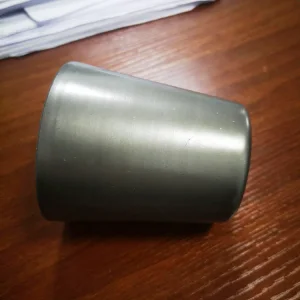
Furthermore, global supply chains are focusing heavily on "near-shoring" and "reshoring." For countries like Australia, this requires setting up compact, versatile micro-factories. Rather than housing massive 500-ton stamping presses, modern facilities install flexible CNC metal spinning and combined shearing machines that can quickly transition from producing an industrial ventilation cone to a commercial kettle dome within minutes by simply loading a new CNC program. This flexibility is the cornerstone of modern industrial resilience.
“By transitioning from deep drawing to CNC metal spinning, Melbourne manufacturers can expect up to a 90% reduction in upfront tooling costs, alongside a 30% reduction in material waste. This is the ultimate operational leverage required in the current high-inflation market.”
For Melbourne purchasers evaluating offshore machinery suppliers, understanding the manufacturing efficiency of Chinese factories is essential. China's industrial ecosystem possesses a massive concentration of raw material supply, integrated component logistics, and high-tech R&D centers. As a premier manufacturer in this sector, Zhejiang ZRF Spinning Co., Ltd. exemplifies this efficiency.
Our company has integrated the entire supply chain, allowing us to perform high-precision heavy-duty CNC machining, grinding, heat-treatment, and final assembly under a single, ISO9001-certified management system. Because we manufacture components at a scale serving more than 30 Chinese provinces and over 20 global nations, we purchase materials like raw cast steel, precision linear guideways, and German-imported CNC controllers at bulk discount rates. We pass these cost benefits directly to our international clients, offering premium-tier European engineering standards at a highly competitive capital expense.
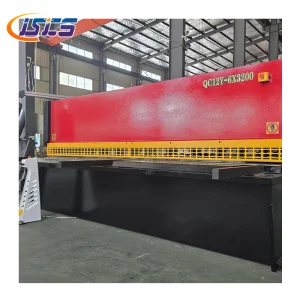
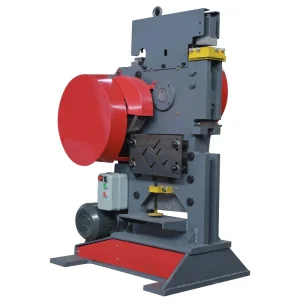
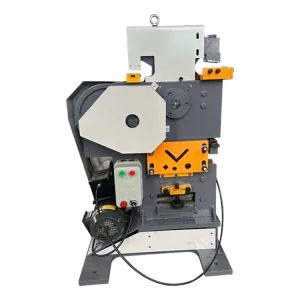
Engineered for clean cuts, minimal deformation, and seamless integration with industrial automated lines in the Victorian market.
In Melbourne's industrial corridors, CNC metal spinning and shearing machines serve a variety of specialized sectors:
Our technology utilizes advanced CNC path programming, enabling operators to choose between standard metal spinning and shear forming. Shear forming follows the **Sine Law**, where the wall thickness of the finished part is determined by the formula: t = t0 × sin(α), where t0 is the original thickness, and α is the half-cone angle. This allows for massive production speed gains when forming conical parts for heavy industrial projects.
Additionally, Zhejiang ZRF Spinning Co., Ltd. integrates state-of-the-art servo-driven hydraulic systems. Older systems relied on continuous displacement hydraulic pumps that wasted huge amounts of electricity during standby phases. Our modern systems utilize high-speed servo motors paired with high-torque gear pumps. This combination ensures maximum torque is delivered only when forming pressure is required, reducing energy use by up to 40%—a critical advantage for Melbourne factories dealing with high energy costs.
A pioneer in global metal forming machinery, specializing in heavy-duty CNC lathes, shearing stations, and industrial spinning lines.
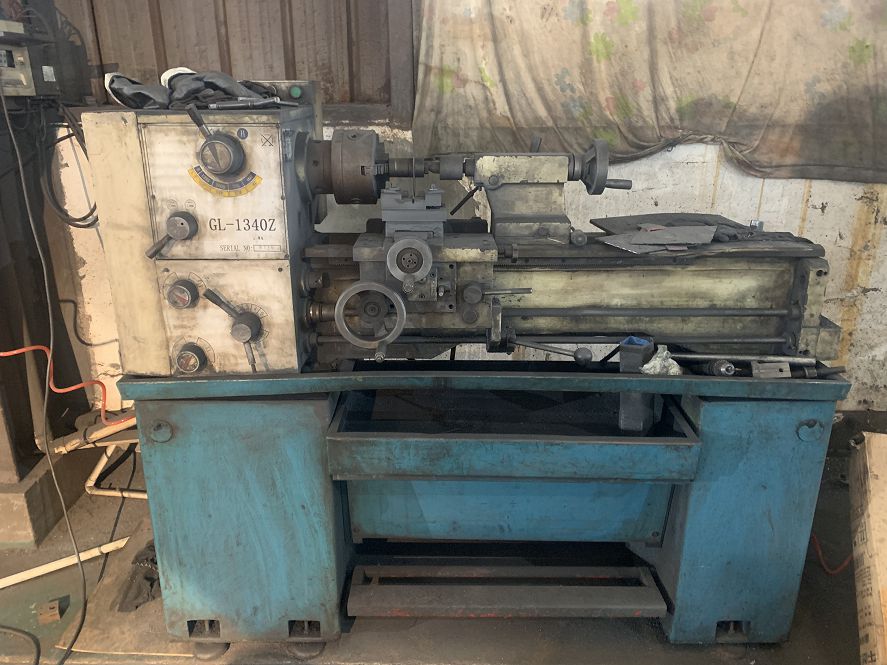
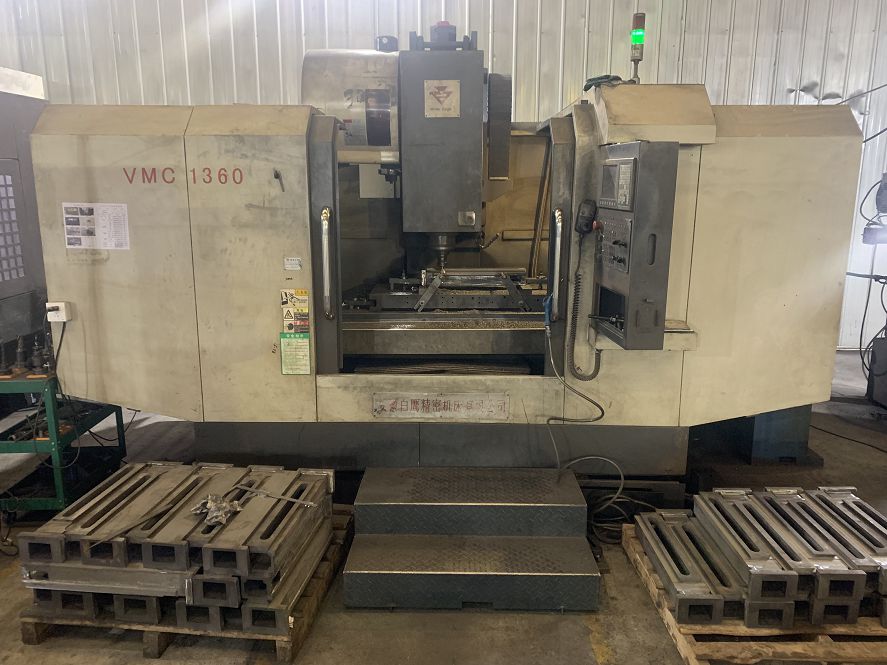
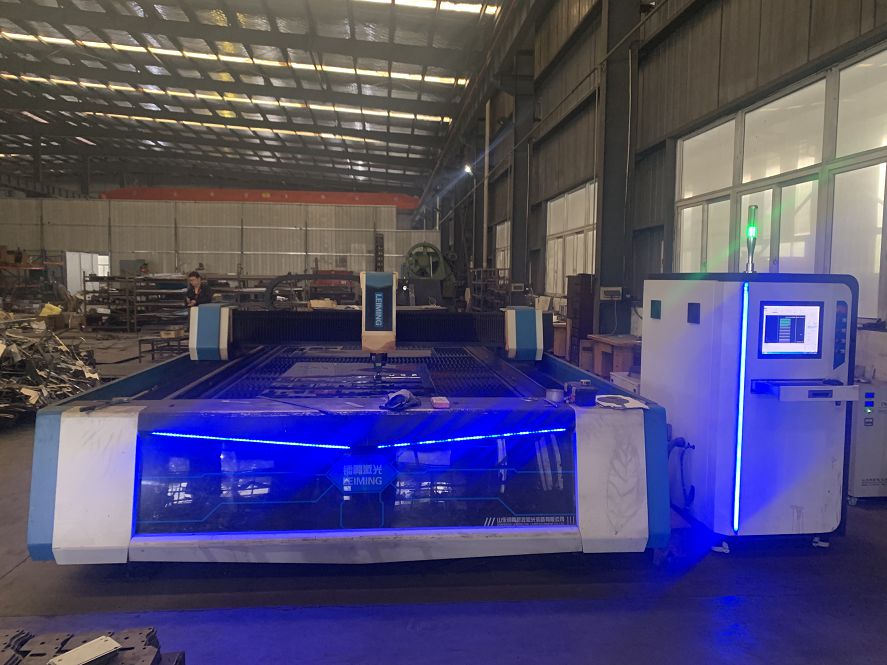
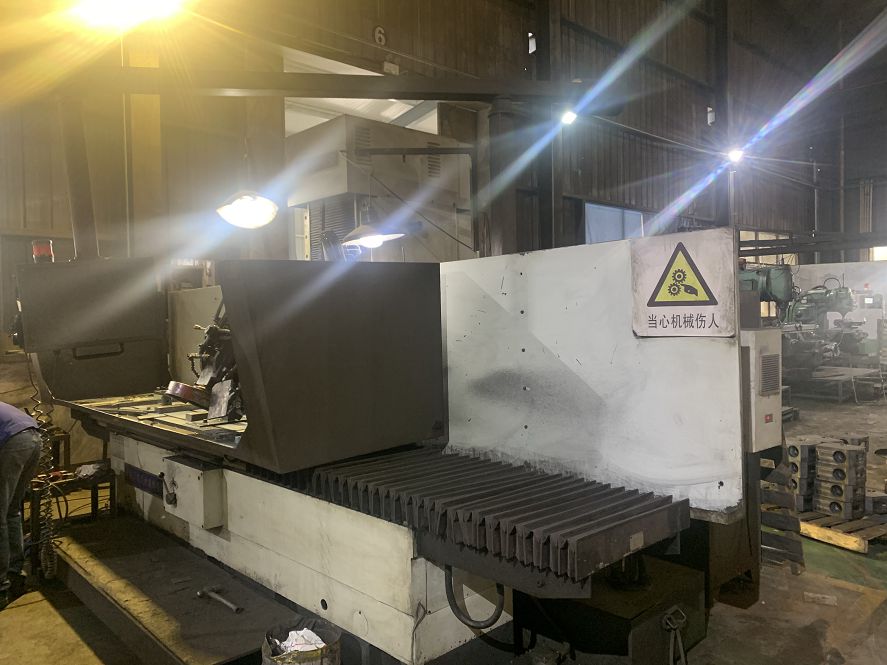
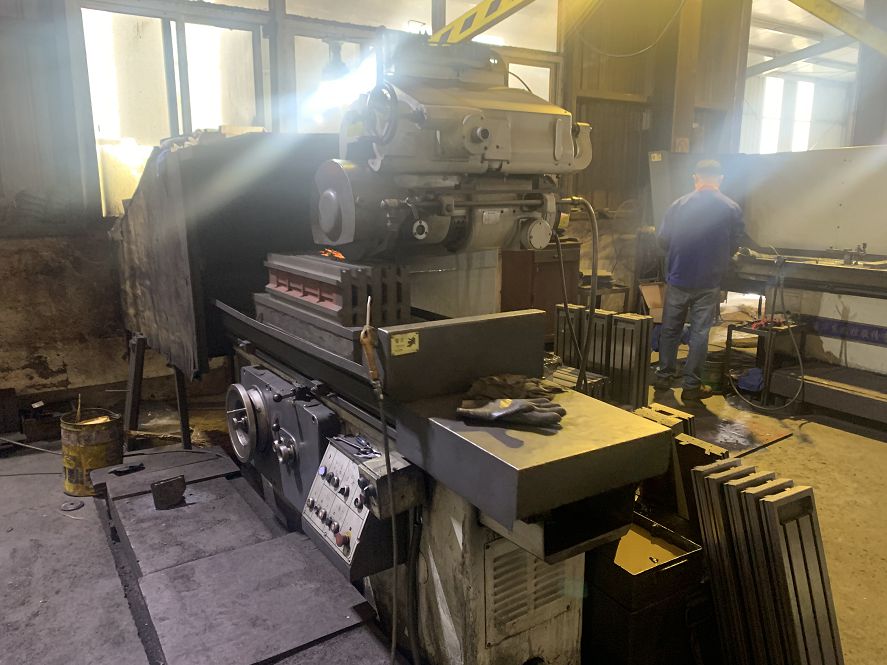
As a high-tech enterprise specializing in the research, development, and manufacturing of CNC spinning machine tools, Zhejiang ZRF Spinning Co., Ltd. has extensive experience and a strong technical foundation in the domestic spinning industry.
Our series of CNC spinning machine tools are widely applied across a variety of industries, including petrochemicals, electronics, daily hardware, food processing machinery, automotive and motorcycle components, pressure vessels, ventilation and environmental protection, defense, and aerospace. The ZRF spinning machine series has reached more than 30 provinces and cities across China and has been exported to over 20 countries and regions worldwide. Our advanced technology, excellent product quality, and comprehensive service system have earned the trust and recognition of users globally.
At Zhejiang ZRF Spinning Co., Ltd., we firmly advocate a philosophy of market-oriented development, research-driven innovation, and technological excellence. We focus on continuous improvement in both product performance and service quality. Our manufacturing process strictly adheres to the ISO9001 quality management system, ensuring reliable, safe, and high-quality products. Over the years, we have established long-term cooperative relationships with many leading domestic and international enterprises.
Our mission and values are centered around:
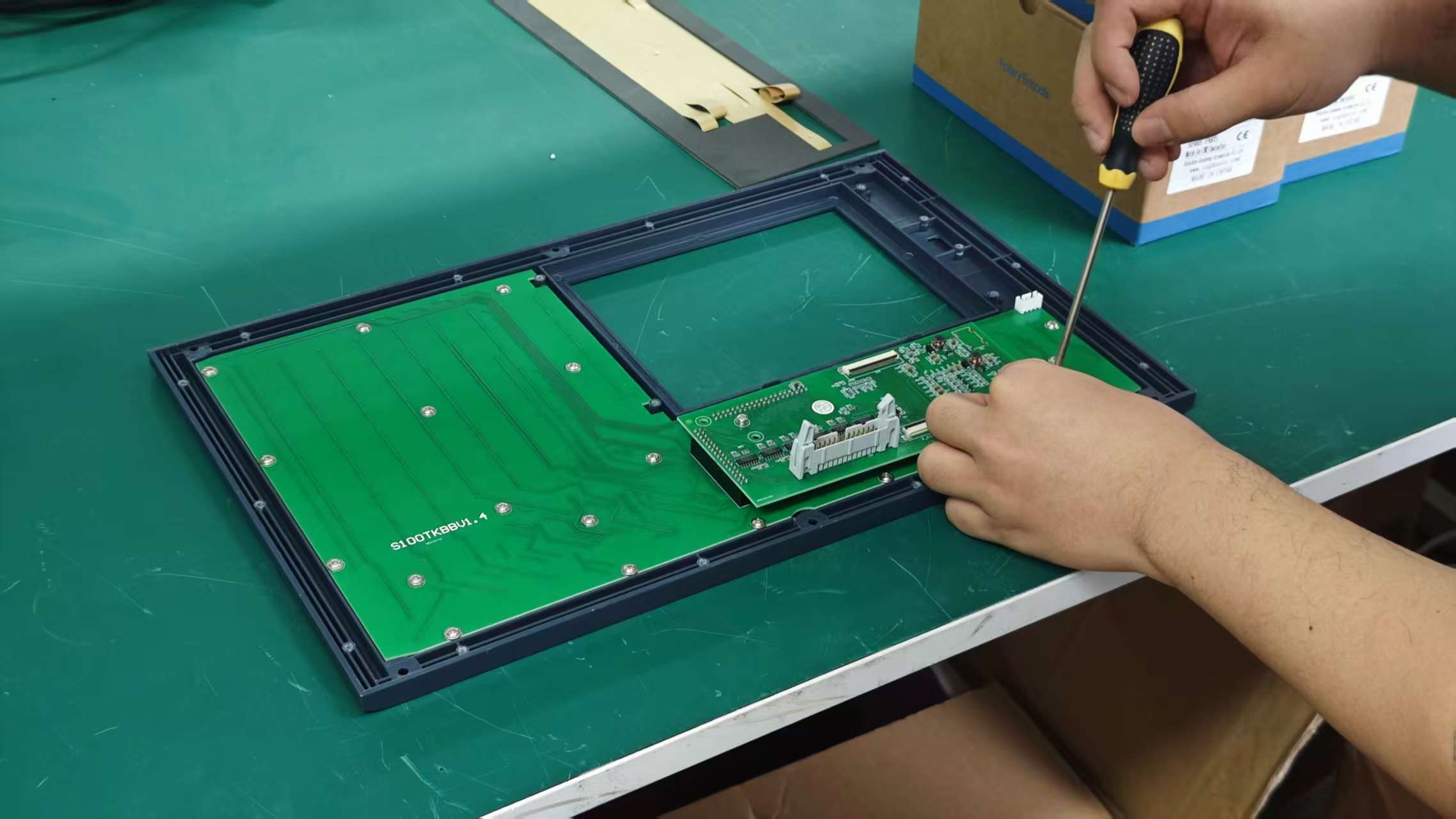
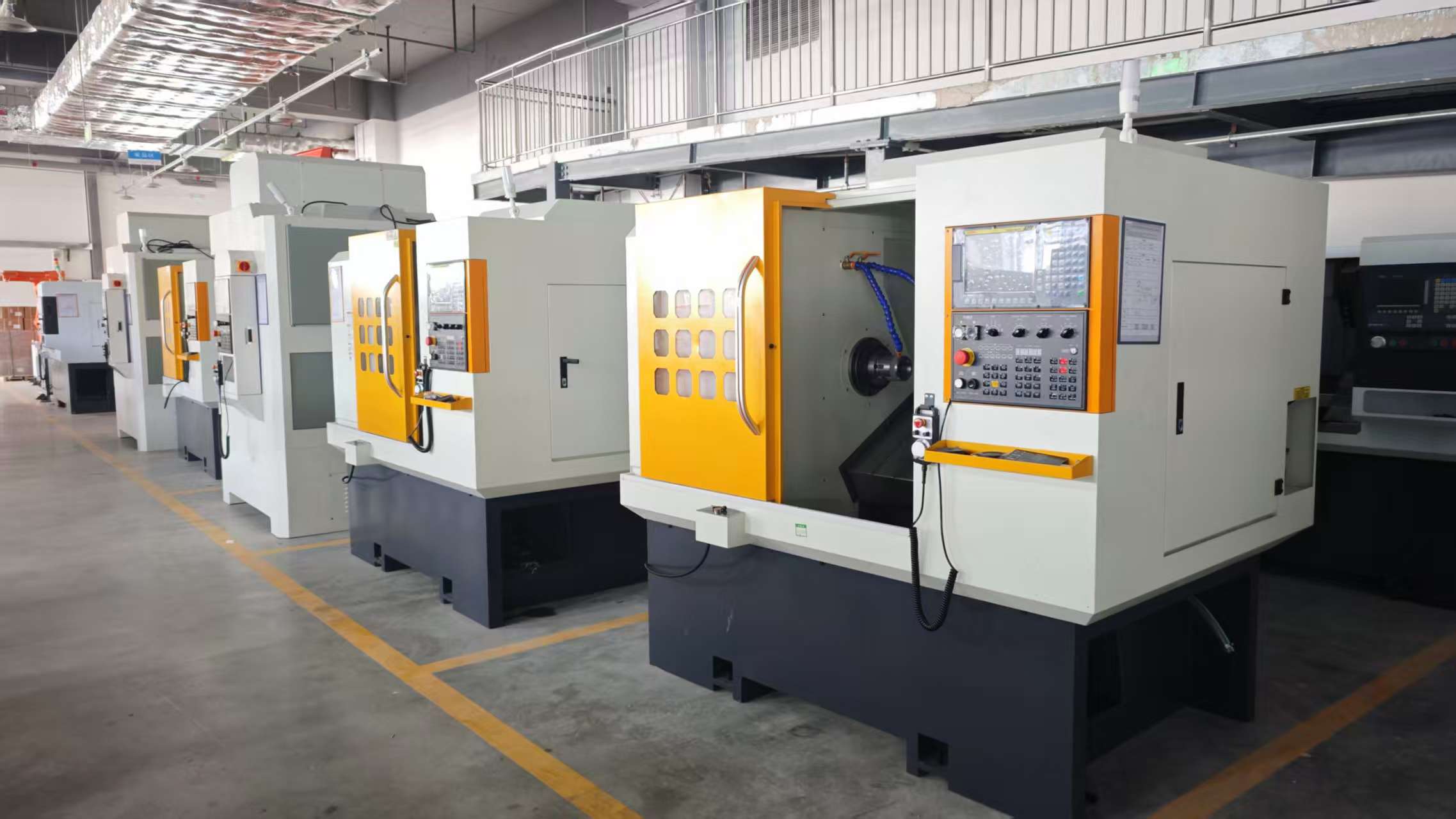
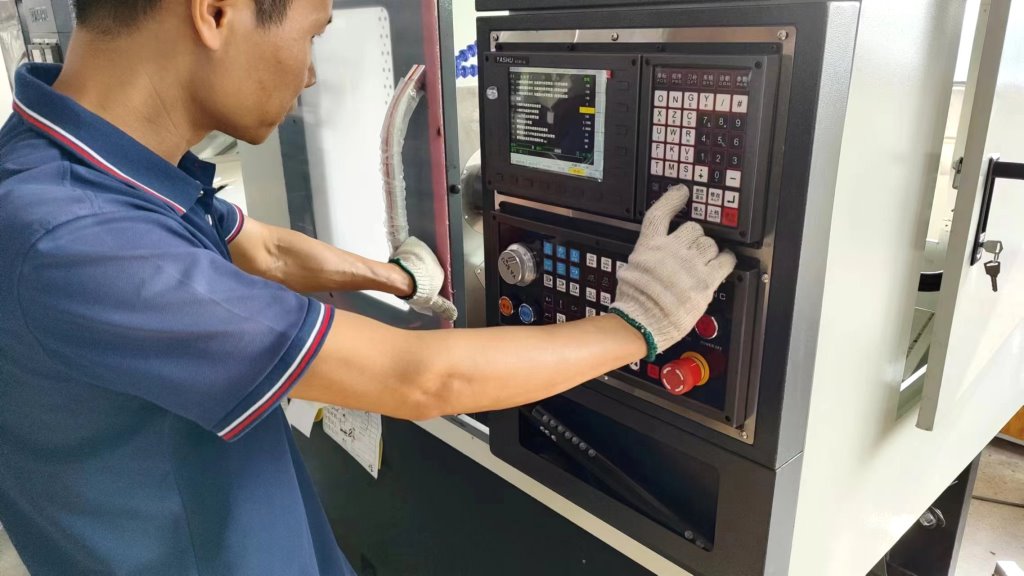
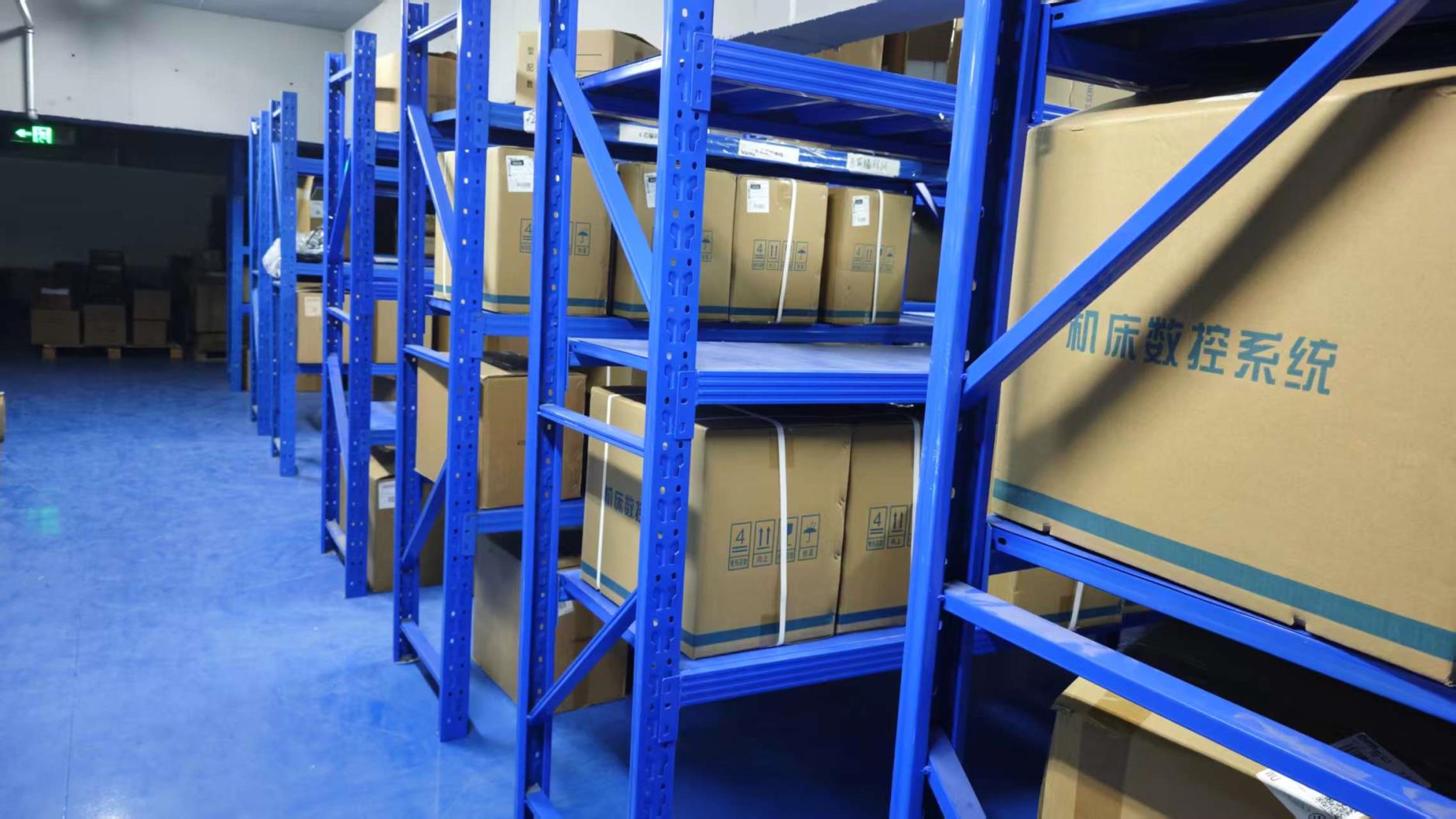
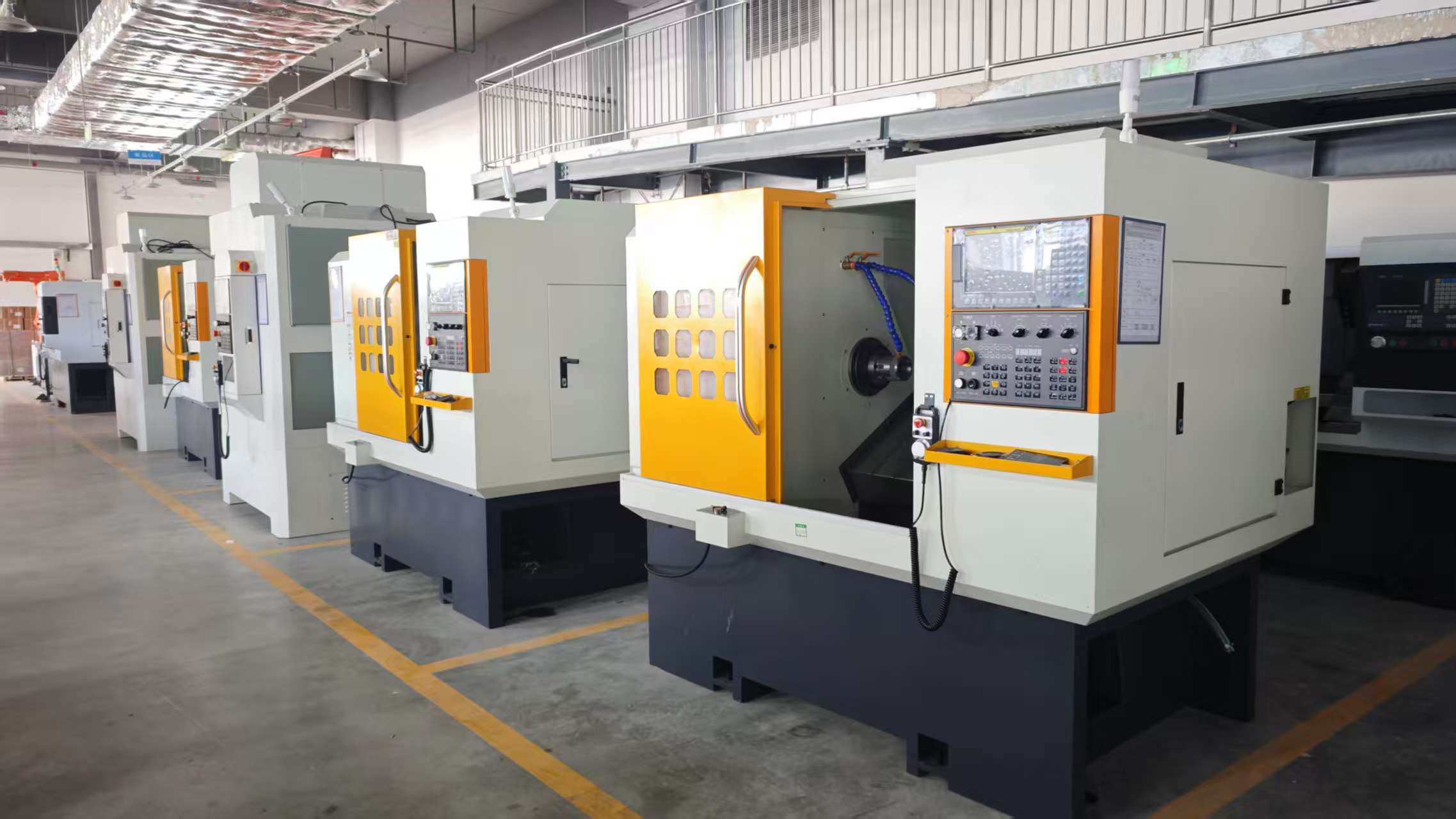
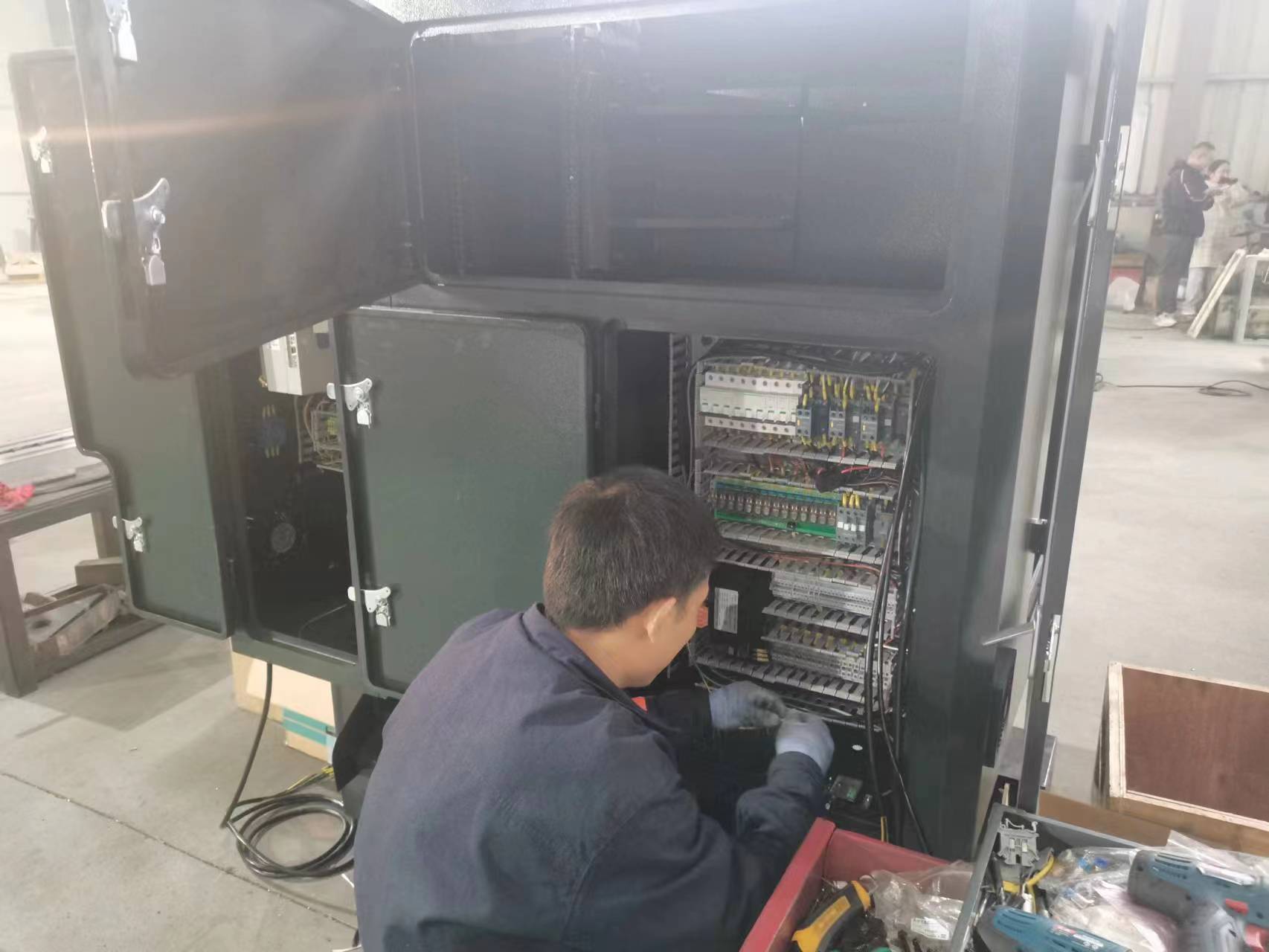
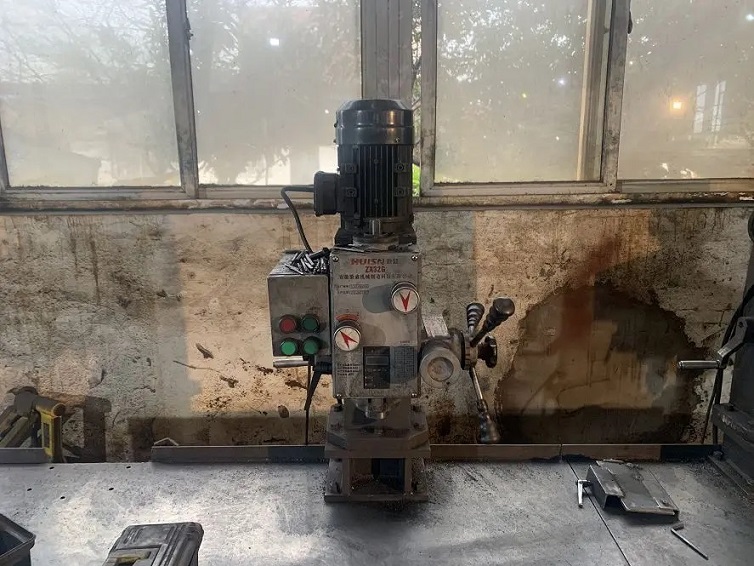
We are dedicated to providing our clients with advanced, safe, and reliable technology and products. Looking forward, Zhejiang ZRF Spinning Co., Ltd. will continue to leverage its deep technical expertise to strengthen its leadership in China’s spinning industry and expand its global presence.
With a vision for the 21st century, full of opportunities and challenges, Zhejiang ZRF Spinning Co., Ltd. remains committed to excellence in innovation, quality, and service, striving to become a globally respected leader in spinning machine technology.
Answering critical engineering and importing questions for technical buyers in the Australian and global markets.
Metal spinning is a multi-pass forming technique where the thickness of the initial metal blank remains mostly uniform throughout the cycle. The roller progressively deforms the metal against the mandrel to create shapes like cylinders, domes, and custom lighting cones.
Shear forming (or shear spinning) is a single-pass process where the diameter of the finished piece matches the initial blank diameter, but the thickness is intentionally reduced based on the sine of the angle of the wall. Shear forming is ideal for high-rigidity parts like cone heads, aerospace nozzles, and pressure vessel domes.
By employing high-accuracy servo drives and advanced toolpath controllers (such as Siemens or high-speed custom systems), our rollers apply highly consistent, program-guided force during the forming operation. This reduces material stress and eliminates common failures such as thinning, tearing, or edge wrinkling. Additionally, the integrated CNC trimming system allows operators to trim the excess flange material on the fly, reducing manual processes and achieving material utilization rates as high as 98%.
Yes. Our heavy-duty CNC spinning machines are constructed with cast-iron beds and double-roller systems that deliver up to 55kW or higher spindle motor power. This provides the force required to cold-form tough metals like 316 stainless steel, structural carbon steel, brass, and even titanium alloys. For extremely hard materials, we offer options for custom hot-spinning setups that integrate heat sources directly into the process.
Absolutely. We construct our machines to meet international safety protocols, including CE certifications. When exporting to Australia, we can customize electrical cabinets with premium components that align with local standards. Safety elements such as dual-channel safety doors, light curtains, emergency stops, and heavy-duty enclosures are standard for our machinery exports to Victoria and elsewhere.
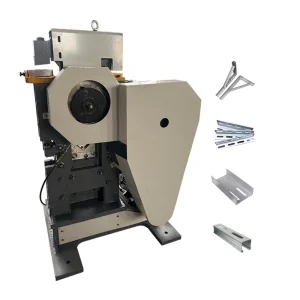
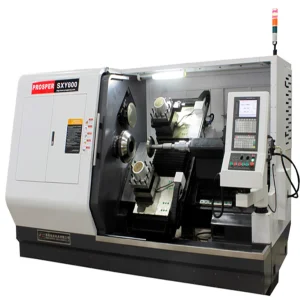
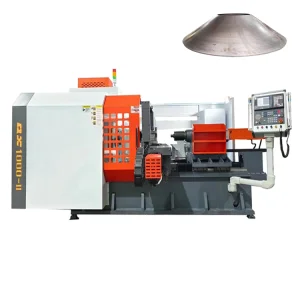
Our comprehensive range of equipment designed to cover all levels of workshop scale, material thickness, and production speed requirements.
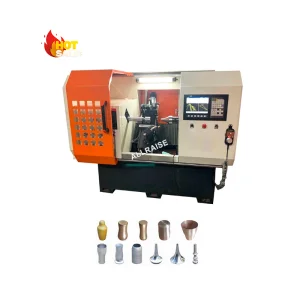
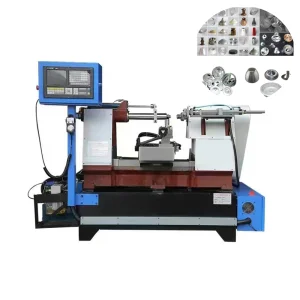
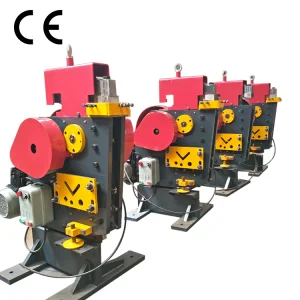
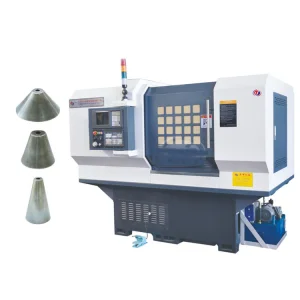
Partner with Zhejiang ZRF Spinning Co., Ltd. for direct engineering support, customized CNC tooling paths, and robust warranties. Get in touch with our commercial sales engineers today.
Send Inquiry Now ZRF Spinning