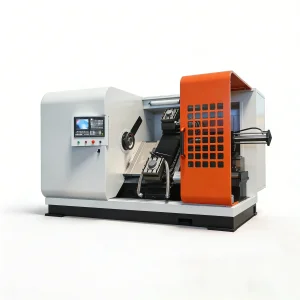
Premium CNC spinning and metal shearing installations optimized for precision, scalability, and heavy-duty manufacturing environments.
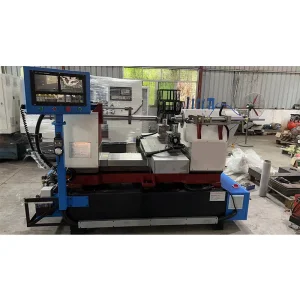
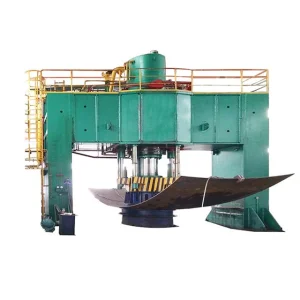
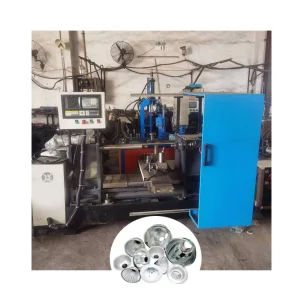
Houston, Texas serves as the epicenter of global energy production, marine fabrication, petrochemical refinement, and aerospace exploration. In this highly demanding industrial zone, standard sheet metal fabrication techniques often fall short when processing heavy-wall pressure vessels, custom oilfield connectors, heavy HVAC fan cowlings, and aerospace dome structures. Traditional methods like stamping require prohibitively expensive dies and long lead times, while welding segmented sheets introduces structural stress points vulnerable to failure in high-pressure or corrosive environments.
This is where CNC Metal Splitting, Shearing & Spinning technology steps in. By leveraging rotational force and programmed shear rollers, spinning machines deform metal blanks over a mandrel without seam welds, creating seamless rotationally symmetrical parts with enhanced tensile strength and grain structure. Houston's top fabricators increasingly mandate these high-precision machinery systems to meet rigorous Quality Assurance (QA) parameters and keep up with tight production schedules in the Gulf Coast region.
Procuring industrial-grade CNC metal spinning machines in the United States has traditionally meant navigating extremely long lead times (exceeding 12 to 18 months) and high capital expenditures from European or domestic machine tool builders. Meanwhile, the rapid growth of localized manufacturing hubs in Texas requires flexible machinery that can quickly adapt to changing prototype demands. To stay competitive, American buyers are seeking global strategic partnerships that offer both technological depth and rapid deployment capabilities.
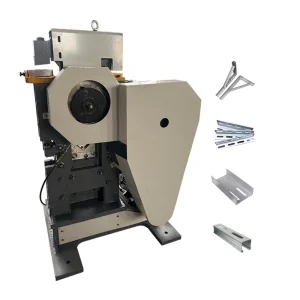
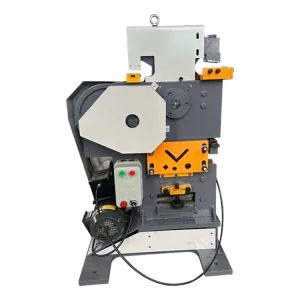
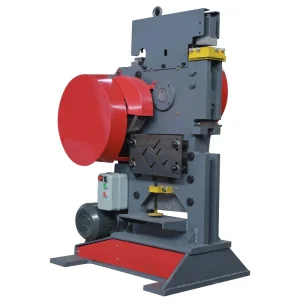
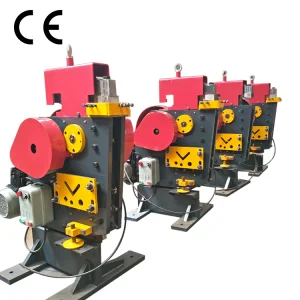
Maximize material yield and process optimization with our advanced range of cutting and automated deformation centers.
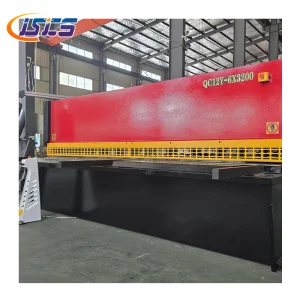
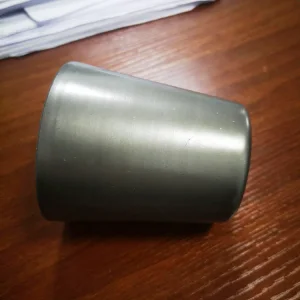
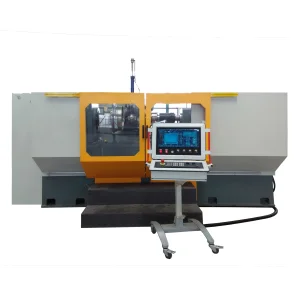
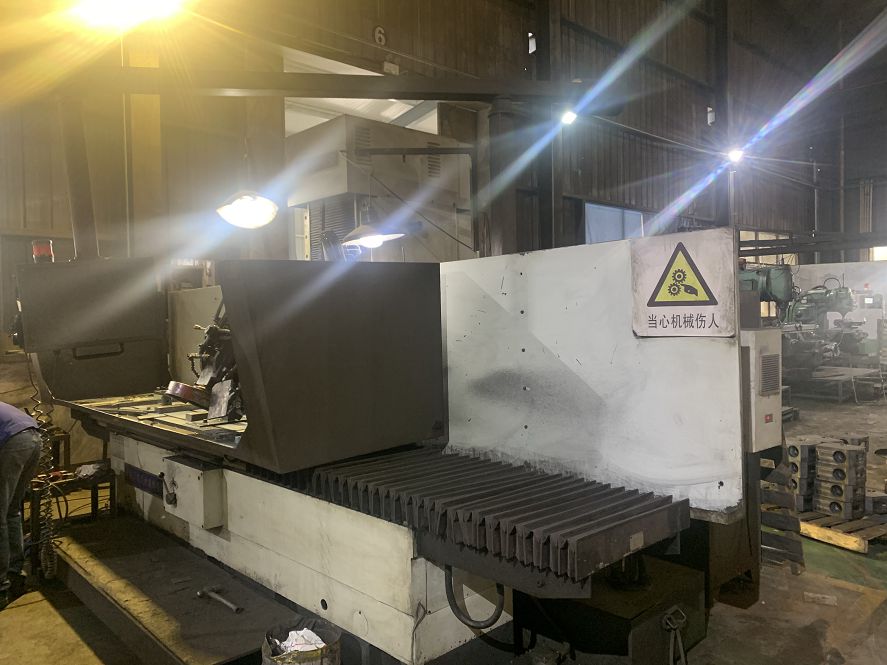
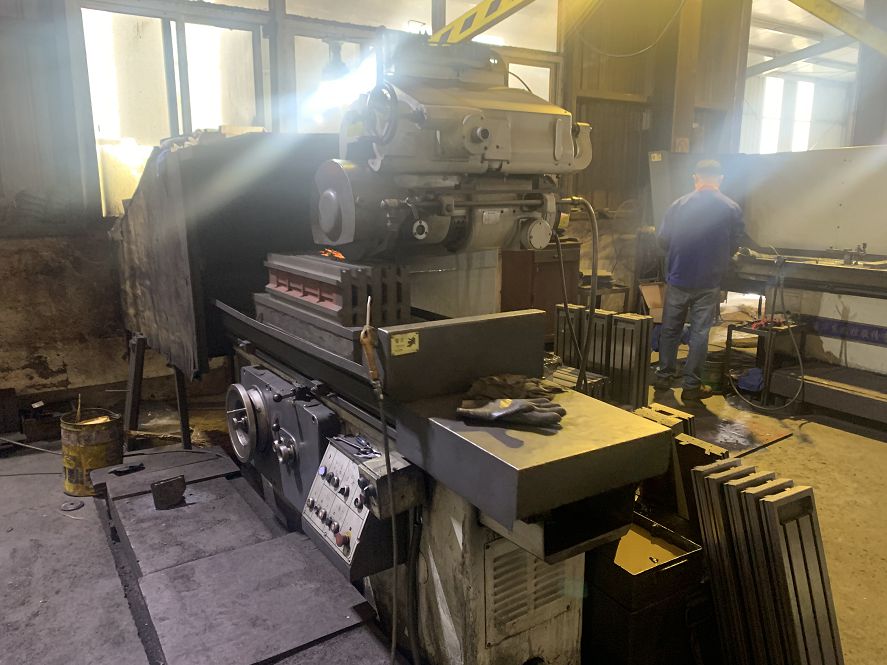
As a global pioneer in metal spinning technology, Zhejiang ZRF Spinning Co., Ltd. leverages the structural advantages of China's advanced manufacturing clusters to deliver world-class machinery with optimized lead times and superior pricing. By operating a fully integrated supply chain from basic casting to ultra-precise guideway grinding, we control every dimension of quality internally. This mitigates global supply chain bottlenecks and ensures that your heavy-duty spinning machines arrive in Houston on schedule and ready for installation.
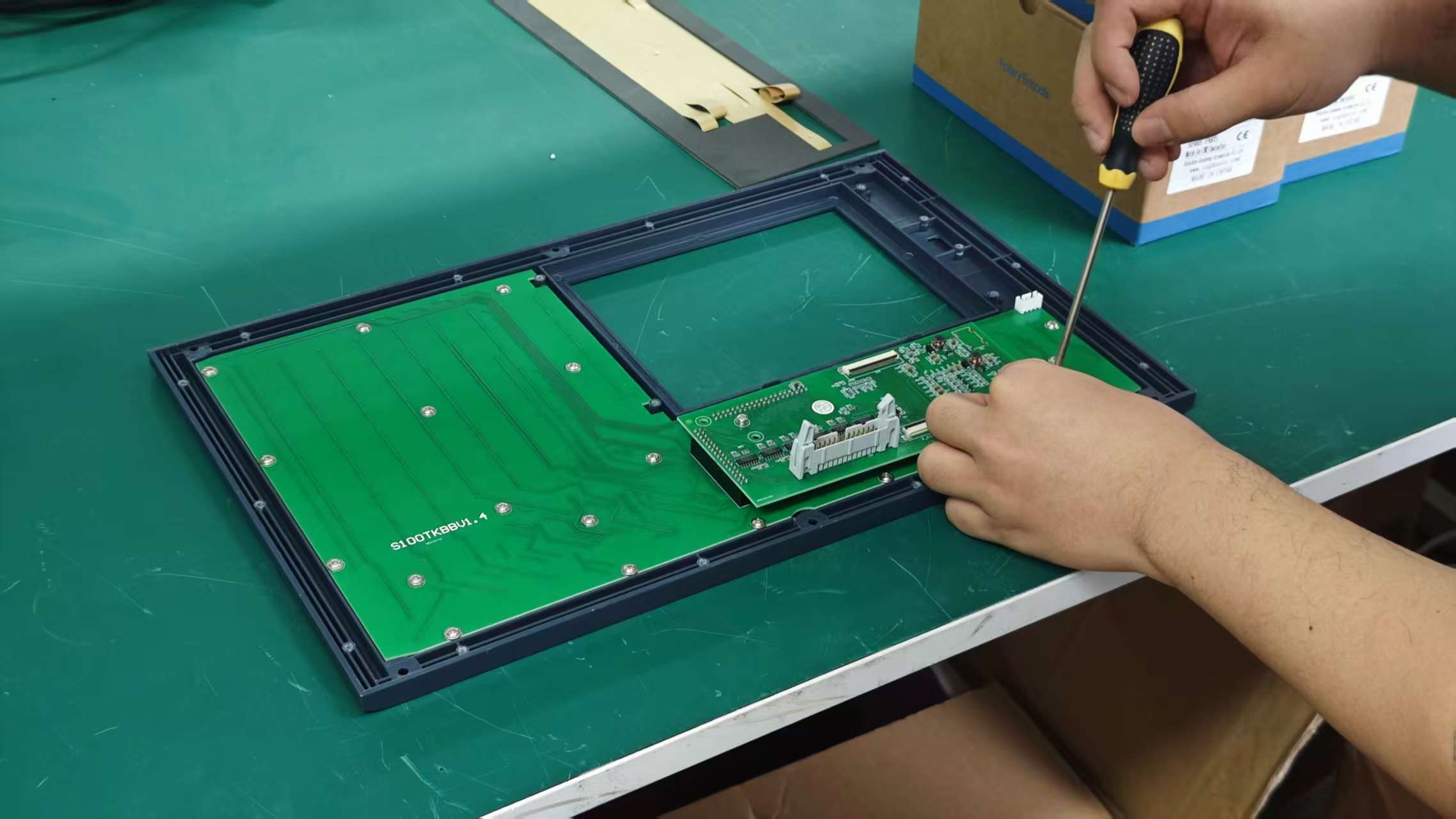
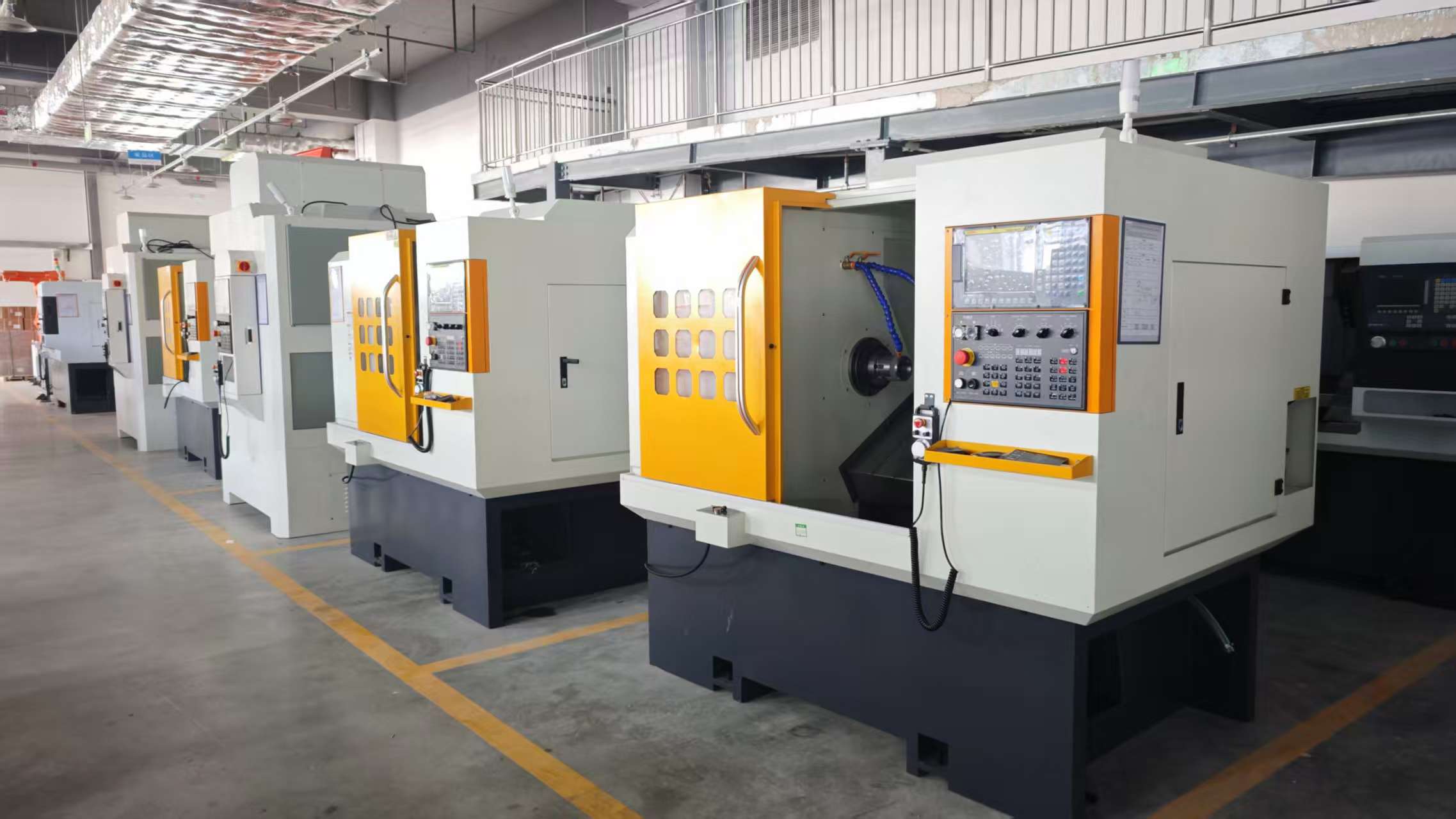
Our Industry 4.0 plant design features high-precision multi-axis machining centers, laser positioning systems, and specialized debugging stations. By integrating automation into our own manufacturing process, we deliver machinery equipped with modern PLC configurations, industrial IoT sensors, and high-safety hydraulic modules. This guarantees consistent uptime and enables Houston manufacturers to meet strict safety and operational parameters.
Zhejiang ZRF Spinning Co., Ltd. is a registered high-tech enterprise specializing in the research, development, design, and assembly of state-of-the-art CNC spinning machine tools. Our technologies are applied globally across defense, aerospace, petrochemical processing, pressure vessels, HVAC systems, food machinery, and commercial cookware. With exports to more than 20 countries, our systems comply with rigorous global quality frameworks, including ISO9001 and CE certifications, establishing ZRF as a highly reliable partner for Texas fabricators.
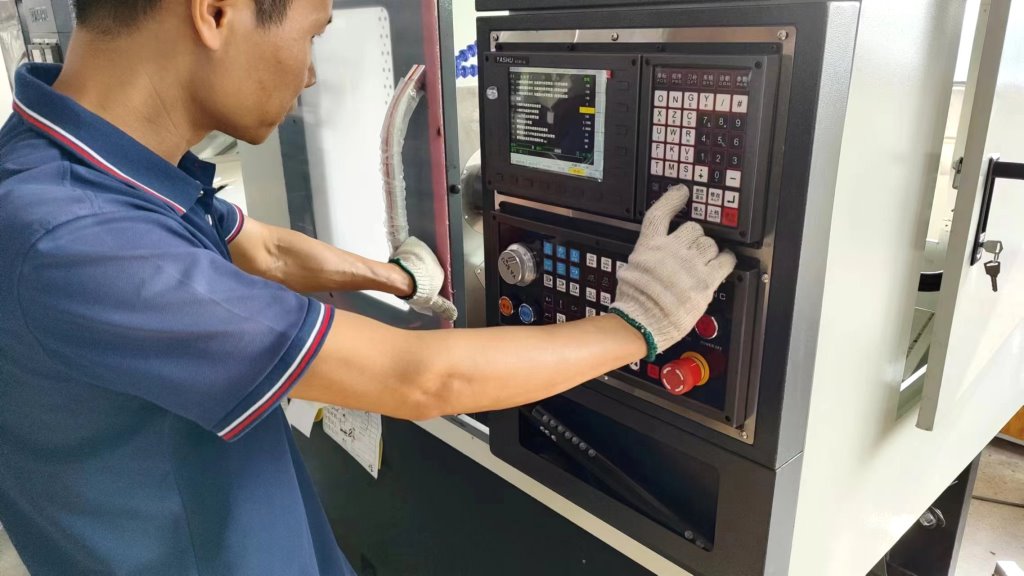
Take an inside look at our advanced engineering, precision grinding, assembly lines, and rigorous stress testing protocols.
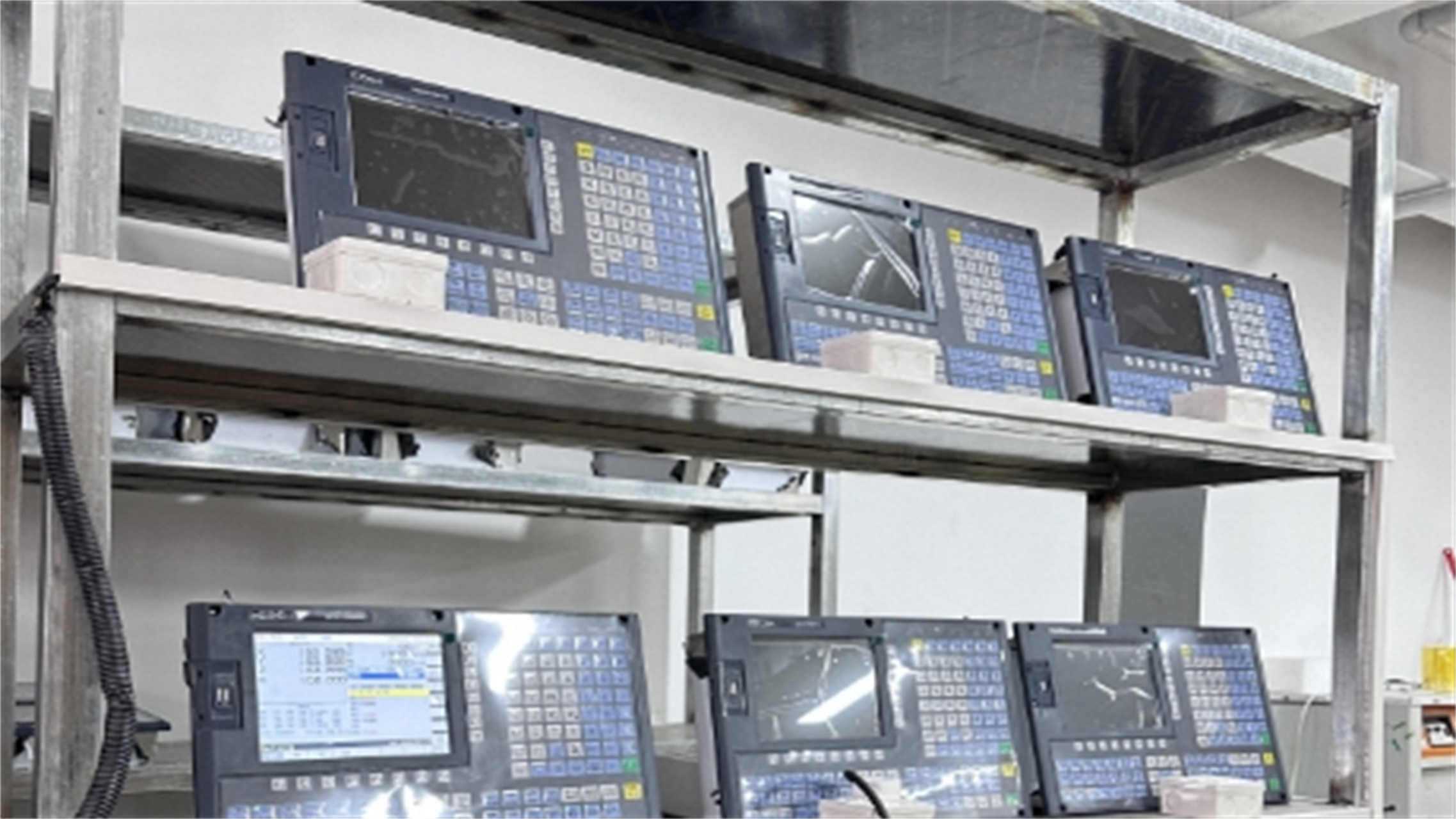
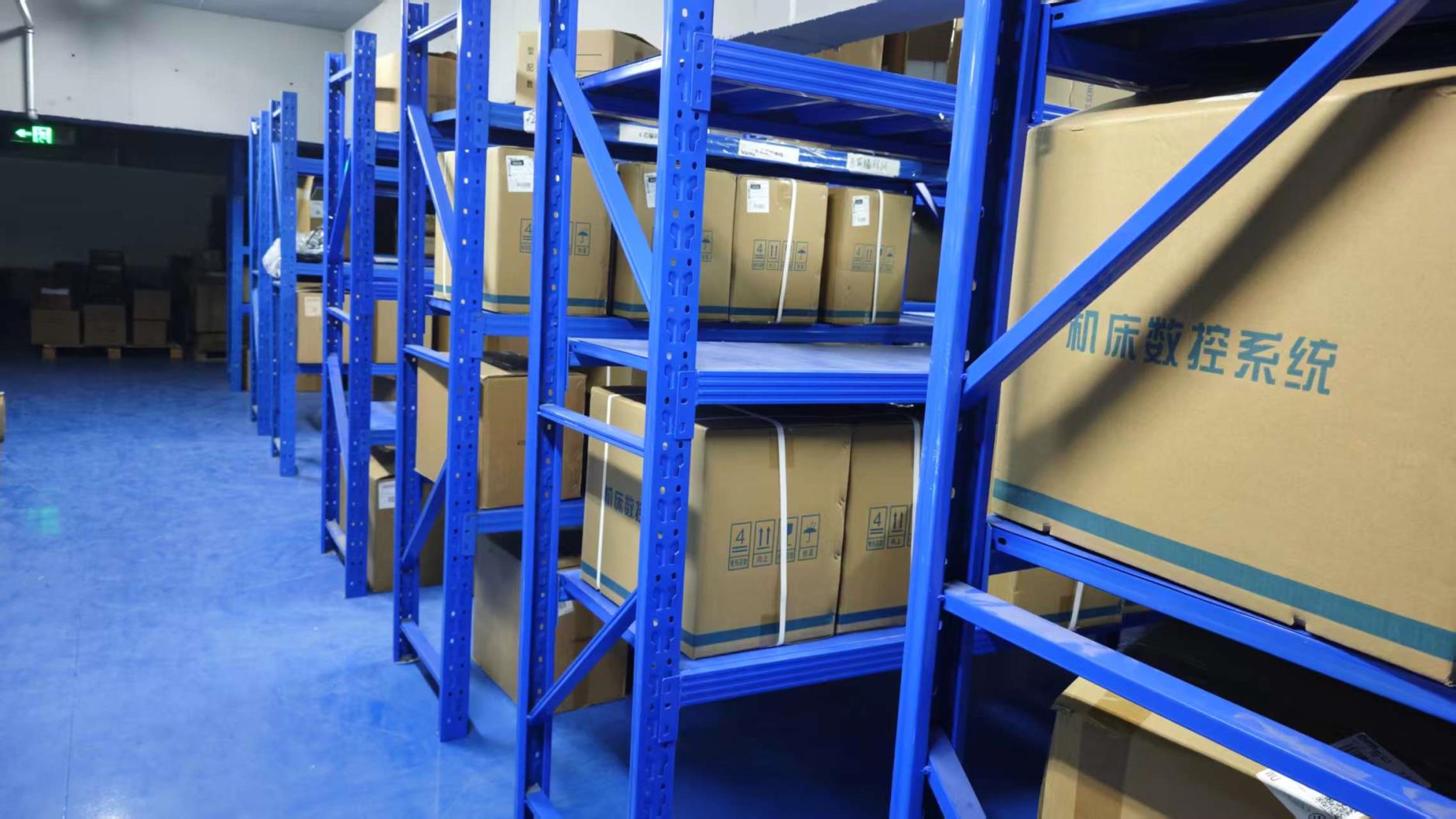
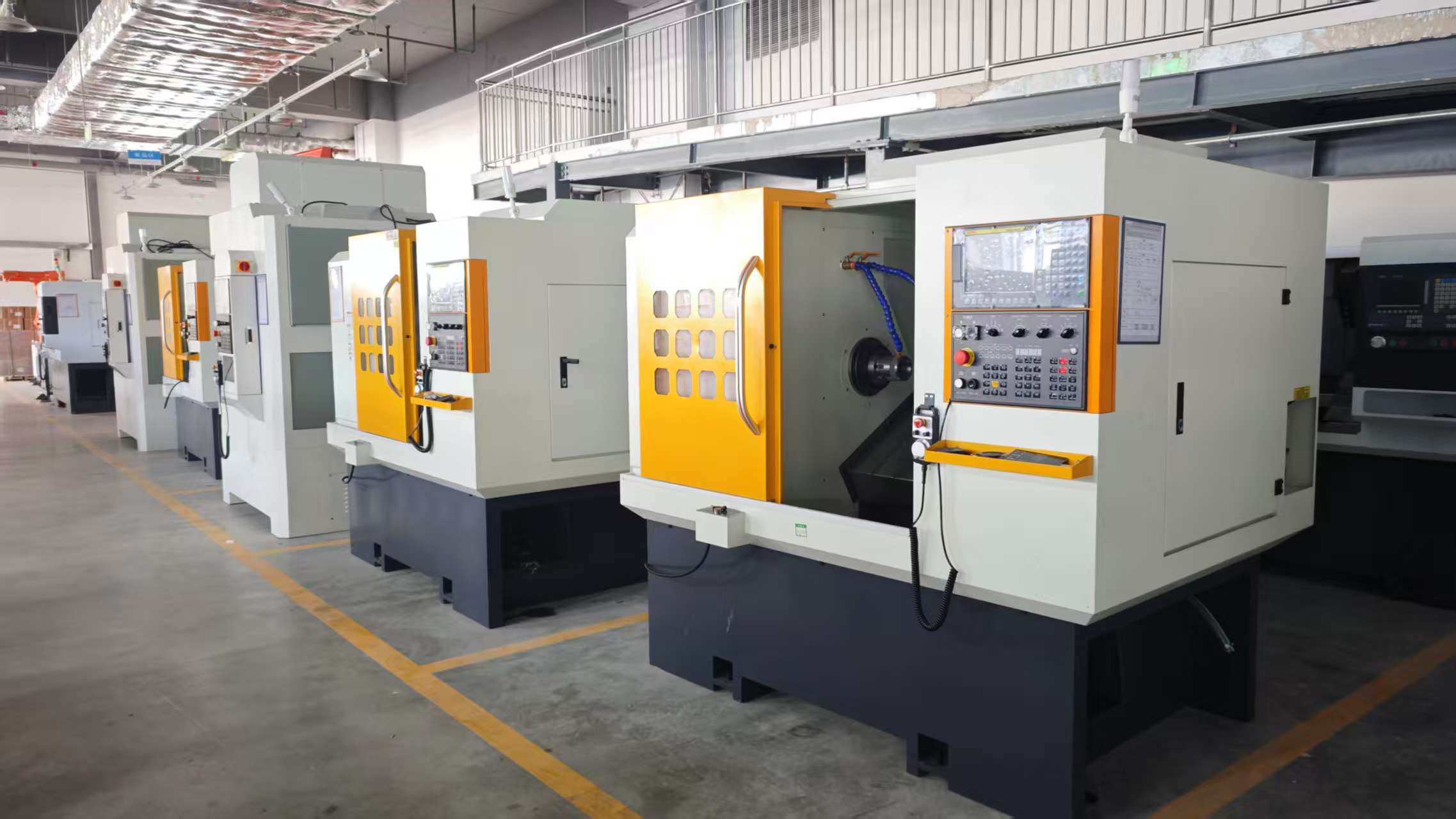
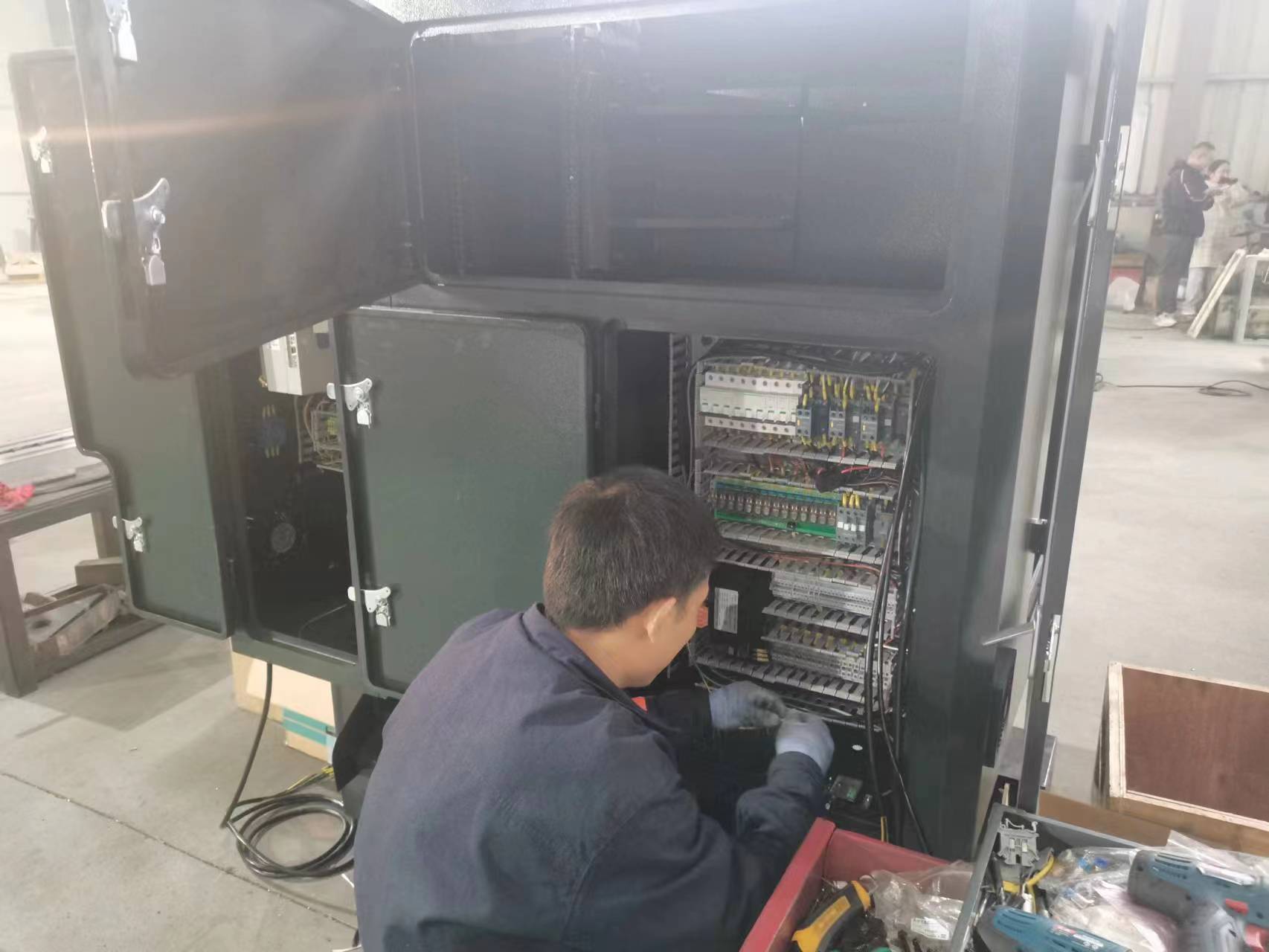
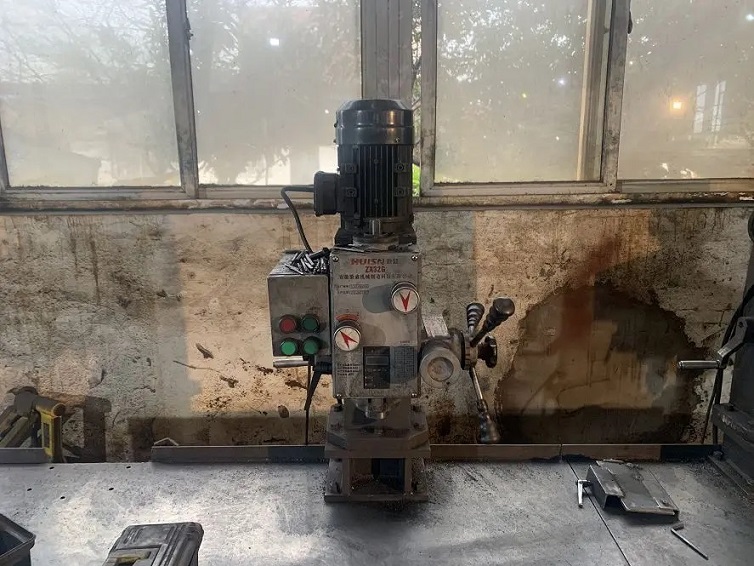
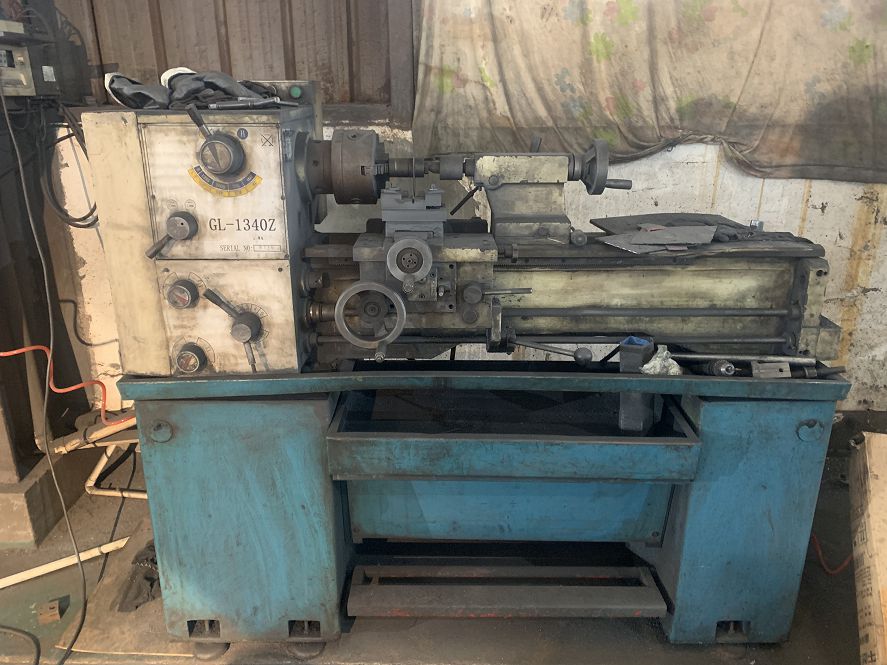
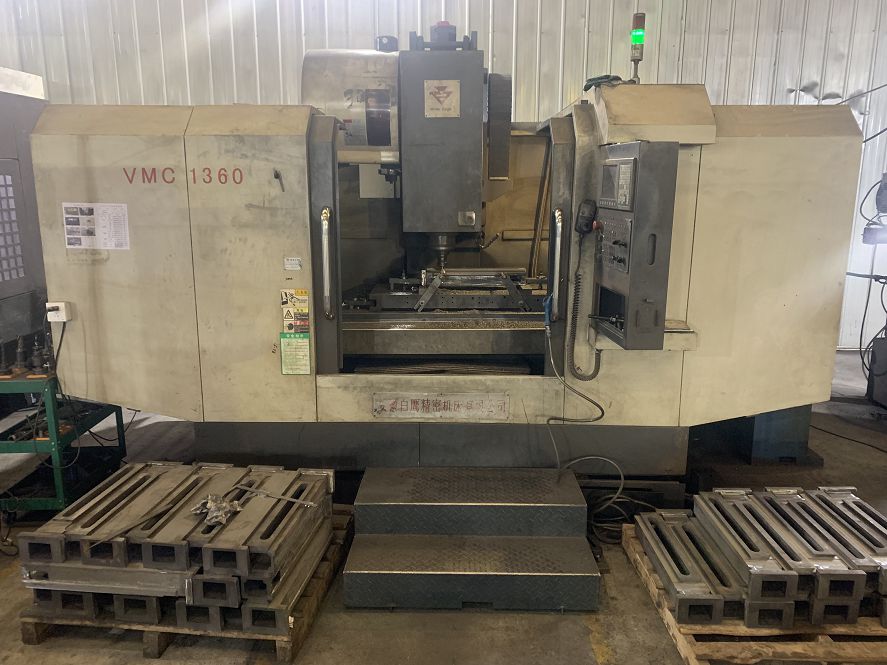
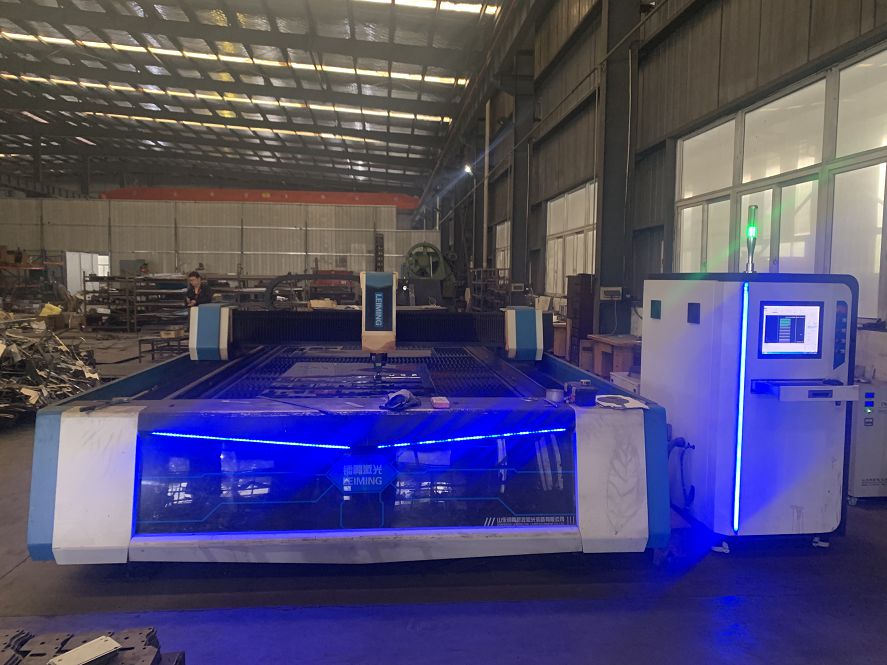
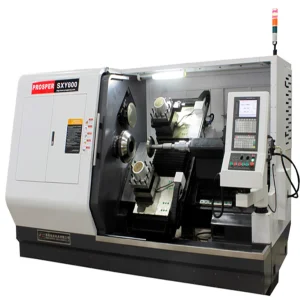
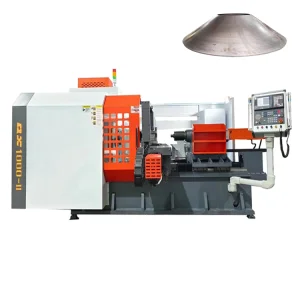
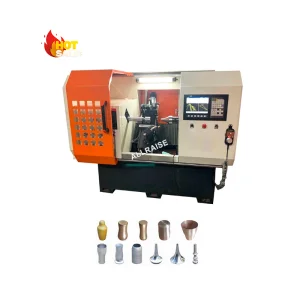
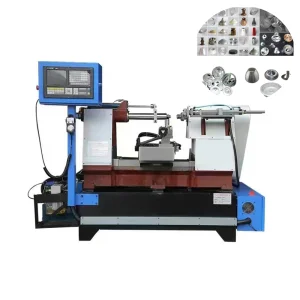
Explore our full technological lineup, engineered with advanced dual-toolholder paths, automatic flanging controls, and robust mechanical structures.
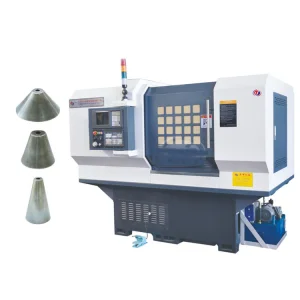
Understanding where these machine tools apply locally within Texas is critical for specifying the correct capacity, bed size, motor power, and automation profiles. Our machines are designed to cover a wide variety of localized industrial use cases:
In the offshore drilling rigs and land-based exploration operations throughout the Permian Basin and the Gulf Coast, components must withstand immense mechanical stress and high corrosion environments. Standard applications include spinning large-diameter vessel ends, pipeline flanges, pipeline reduction caps, and mud pump covers. Standard stamping methods are cost-prohibitive due to low-volume, high-thickness production runs. By choosing our dual-wheel or double-sided CNC spinning systems, operators can cold-form thick structural materials (such as carbon steel, stainless steel, and duplex nickel alloys) with high dimensional repeatability.
With major private space ventures and the NASA Johnson Space Center based in Houston, aerospace sheet metal forming demands extreme dimensional tolerances. Aerospace structural parts require the processing of hard-to-deform alloys, including titanium, Inconel, and aerospace-grade aluminum. Our high-precision CNC metal spinning systems provide optimal control over the displacement of the forming roller, reducing material wall thickness variation to less than 0.05mm and maintaining consistent grain structural alignment in critical propulsion cones, fuel tank bulkheads, and nose fairings.
The Gulf Coast's humid and hot climate drives a massive regional demand for commercial ventilation, industrial fans, and extraction hoods. Large-diameter fan inlet cones, duct reducers, and bellmouths are ideal fits for our CNC Metal Spinning & Shearing systems. Automated spin cycle routines allow operators to form a complete duct bellmouth from a flat metal sheet in under 90 seconds, dramatically lowering unit labor costs while boosting daily production volume.
To assist your design and procurement engineering teams in making informed investment choices, the following comparison breaks down the performance characteristics of our CNC spinning systems against traditional sheet metal manufacturing processes:
| Parameters & Metrics | ZRF CNC Metal Spinning | Conventional Stamping / Deep Drawing | Segmented Shearing & Welding | |
|---|---|---|---|---|
| Tooling Cost Structure | Very Low (requires only a single simple mandrel/mold) | Extremely High (requires matched male/female die sets) | None (uses generic press brakes/shearing blades) | Very Low (uses basic manual fixtures) |
| Production Setup Time | Fast (under 1-2 hours for program and mandrel swap) | Slow (typically days for large die calibration) | Immediate (but highly operator-dependent) | Fast (manual setup) |
| Structural Part Strength | Excellent (cold-worked, seamless grain refinement) | Good (seamless, but prone to localized thinning) | Weak (seams and heat-affected zones from welding) | Poor (highly variable based on manual skill) |
| Max Material Thickness | Up to 20mm (via heavy-duty hydraulic rollers) | Limited by press tonnage (typically < 8mm for large parts) | Virtually unlimited (but requires heavy welding prep) | Limited (typically < 6mm manual control) |
| Scrap & Material Waste Rate | Minimal (forming direct to net blank shape) | Moderate (requires significant blank holder margins) | High (wasted sheet corners during segment layout) | Moderate to High |
Expert insights on capabilities, material capacities, tooling setups, and logistics for Houston regional buyers.
Our heavy-duty hydraulic metal spinning machines are designed to process sheet metal thicknesses of up to 15mm for stainless steel, 20mm for mild carbon steel, and 25mm for aluminum alloys. We configure these systems with custom heavy-duty tool slides and high-torque spindle motors (up to 55kW) to handle the significant radial deformation forces involved in thick-walled applications.
The splitting process utilizes a specialized dividing roller to split the edge of a flat circular metal blank radially. This technique splits the sheet into two parallel sheets of reduced thickness. These split sheets are then shaped into flanges or double-layered profiles on the lathe. This approach is widely used to manufacture V-belt pulleys and specialized oilfield gaskets without requiring welding or complex assembly.
Yes. Every CNC machine destined for export to North America is configured to comply with US safety and electrical codes. This includes using Siemens, Fanuc, or Syntec CNC control configurations, premium US-sourced or European hydraulic valves, and dual-hand optical safety barriers. Additionally, the machine controls and diagnostic dashboards are configured in English.
Zhejiang ZRF Spinning Co., Ltd. provides comprehensive global setup assistance. For clients in Houston, Texas, we dispatch senior field engineers to assist with positioning, foundation calibration, hydraulic system purging, and program testing. We also offer remote diagnostic support, letting our software engineering team troubleshoot PLC configurations online via remote access gateways.
Once build trials, aging, and QA approval are completed at our China facility, the machine is disassembled, rust-proofed, vacuum-packed, and secured in open-top or standard flat-rack containers. Ocean transit from China to the Port of Houston averages 25 to 35 days. The entire cycle—from engineering approval to on-site delivery—is typically completed within 120 to 150 days, which is significantly faster than most North American domestic builders.
Consult with our engineering team today to review your part drawings, material profiles, and cycle-time requirements. Receive a comprehensive machine quotation tailored to your plant footprint.
Send Inquiry Now ZRF Spinning