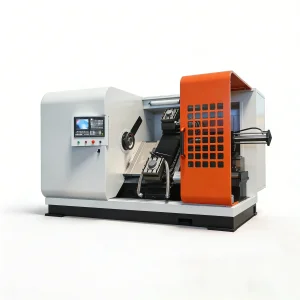
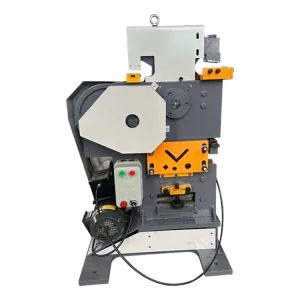
High-productivity solutions configured to meet the rigorous production standards of British manufacturing operators.
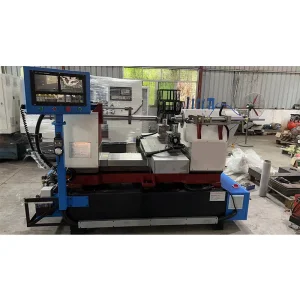
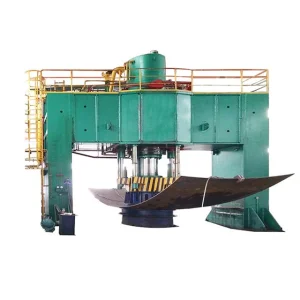
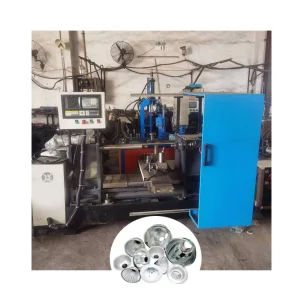
The United Kingdom's manufacturing sector is undergoing an aggressive transition toward automation, high efficiency, and low-waste production methodologies. Industrial centers across the Midlands, South West England, and Northern powerhouse regions are prioritizing precision CNC technologies to combat rising material costs and skilled labor shortages. In particular, the demand for high-capacity CNC Metal Splitting & Shearing Spinning Machines is driven by sectors like aerospace (engine nacelles, lipskins), automotive exhaust networks, HVAC fan cowls, and safety vessels.
Unlike traditional subtractive manufacturing or heavy stamping, metal spinning offers exceptional material yield advantages. By applying localized deformation forces using computer-controlled rollers, raw sheet metal thickness is redistributed dynamically. This incremental sheet forming (ISF) process drastically reduces tool setup times, making it ideal for the high-mix, low-volume production requirements characteristic of modern UK tier-1 and tier-2 engineering suppliers.
Zhejiang ZRF Spinning Co., Ltd. has developed specialized CNC metal spinning platforms configured specifically for British market challenges, providing localized software options, comprehensive training protocols, and strict adherence to safety systems like UKCA and CE machinery directives.
Understanding the physics and industrial transition from manual forming to high-precision CNC automation.
Shear forming, also known as flow forming, differs from conventional spinning by deliberately reducing the wall thickness of the starting metal blank while maintaining the original blank diameter. By calculating roller movement against the mandrel according to the Sine Law: t = t₀ × sin(α) (where t is wall thickness, t₀ is initial thickness, and α is the half-cone angle), operators achieve incredibly precise, high-strength structural shapes ideal for UK aerospace ducting and high-pressure tanks.
Metal splitting utilizes specialized tooling arrays on the CNC axis to split the edge of a rotating metal sheet or tube into dual flanges. This allows manufacturers to produce single-piece pulleys, dual-channel rings, and robust rims without structural welding. Eliminating heat-affected zones in the metal structure drastically increases mechanical strength, an essential requirement for UK automotive OEM assembly lines.
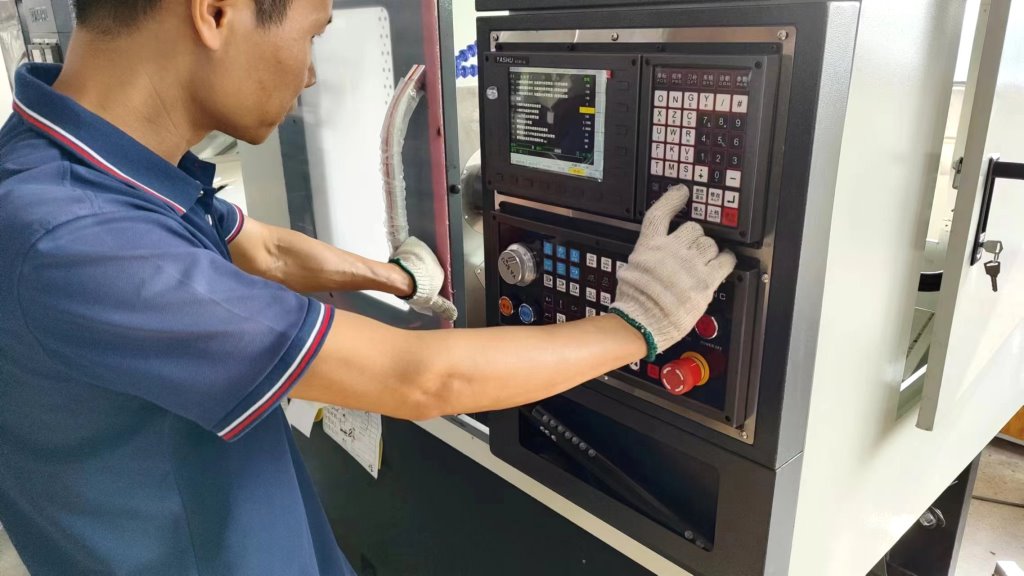
Advanced CNC programming allows real-time compensation for material springback and work-hardening. Modern systems integrate force sensors and dual-axis roller synchronization to process challenging alloys such as SUS304/316, titanium, and aerospace-grade aluminum. Operators can program complex profiles using interactive CAD/CAM graphical interfaces, drastically reducing training cycles for factory technicians.
Combining high-precision Chinese engineering efficiency with global delivery capabilities.
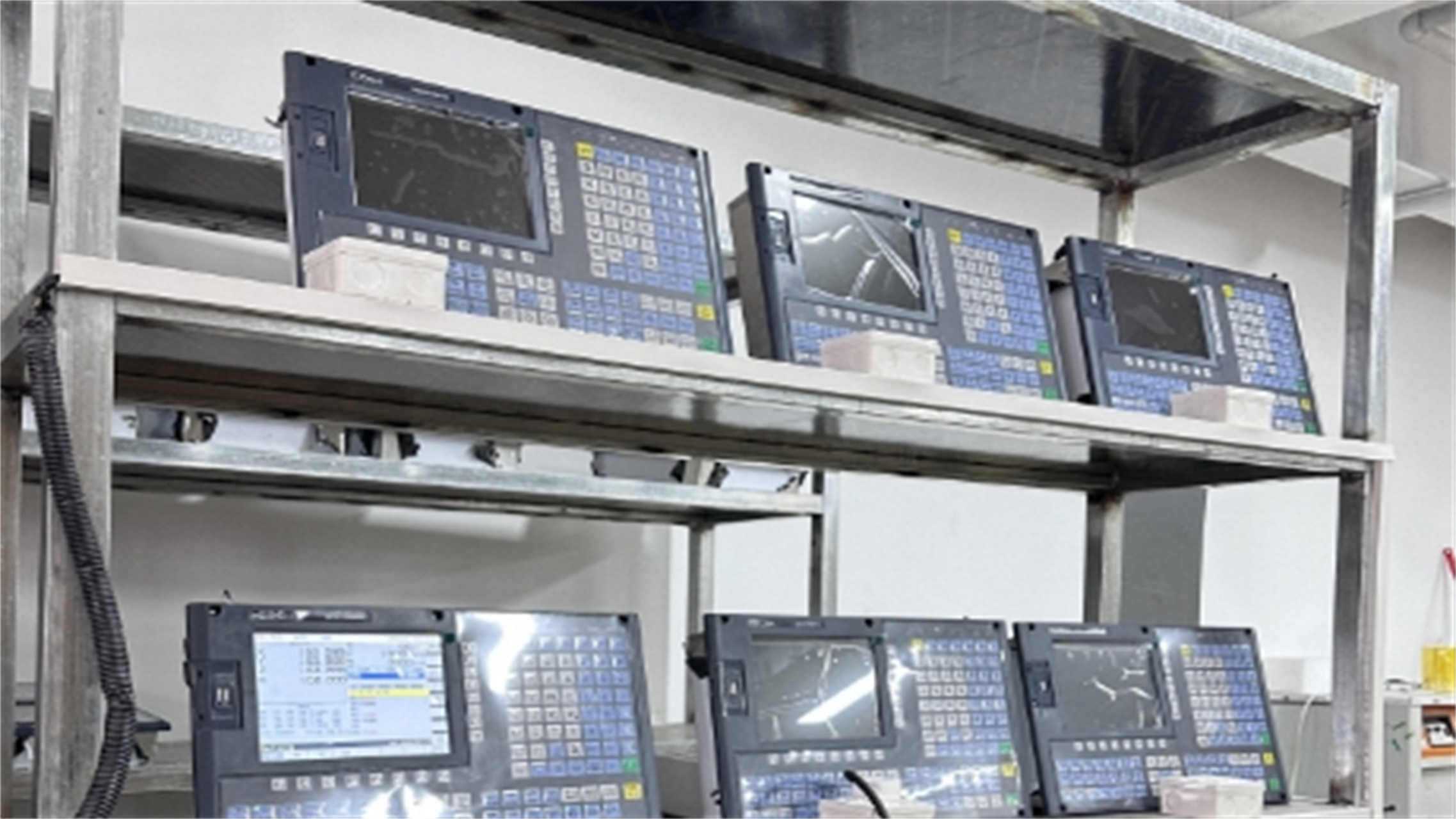
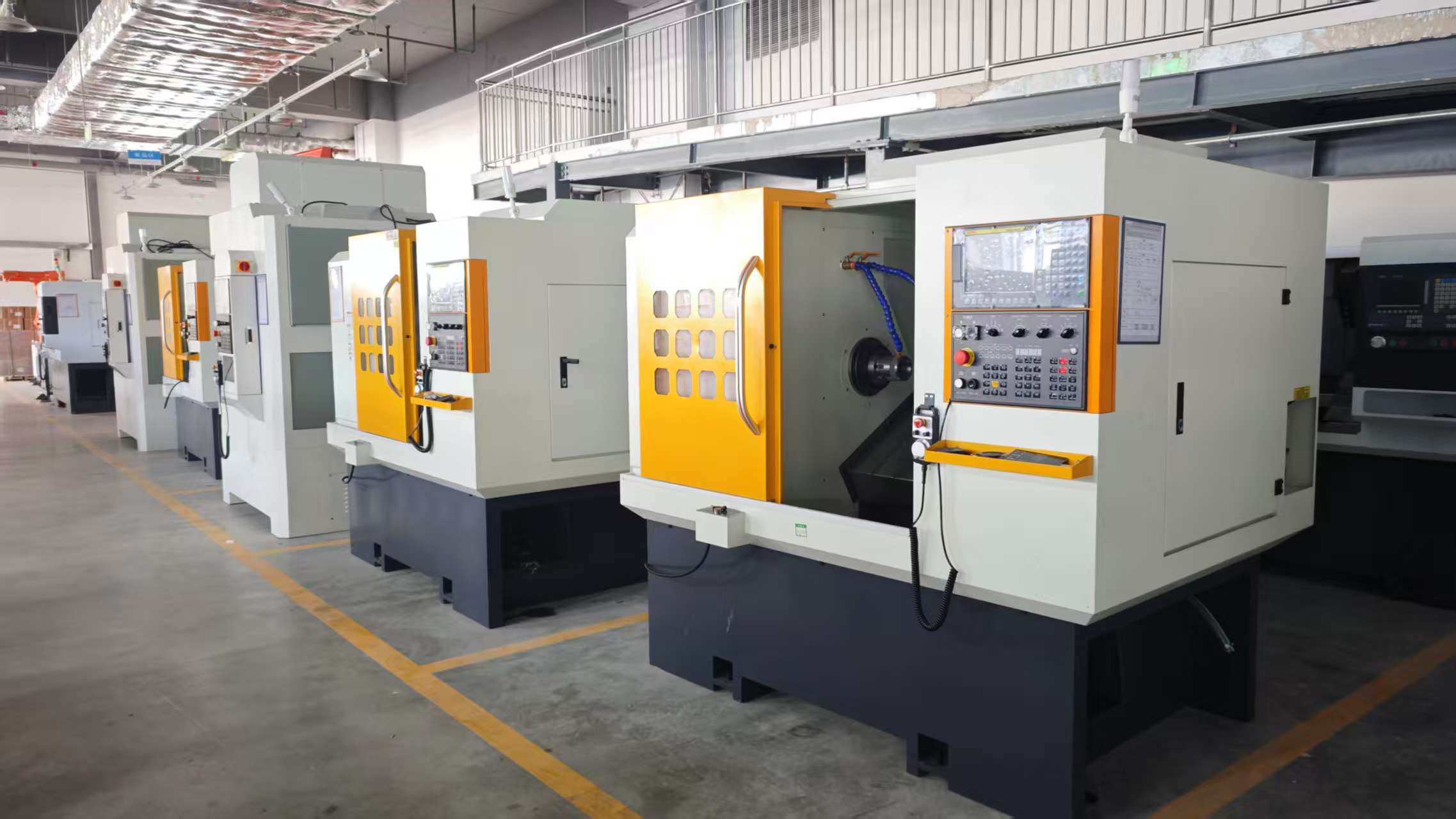
As a leading high-tech enterprise specializing in the research, development, and manufacturing of CNC spinning machine tools, Zhejiang ZRF Spinning Co., Ltd. has built an expansive technological footprint. Our manufacturing processes are strictly aligned with the ISO9001 quality management system, ensuring every unit leaving our production line is reliable, safe, and built to withstand decades of intensive industrial operations.
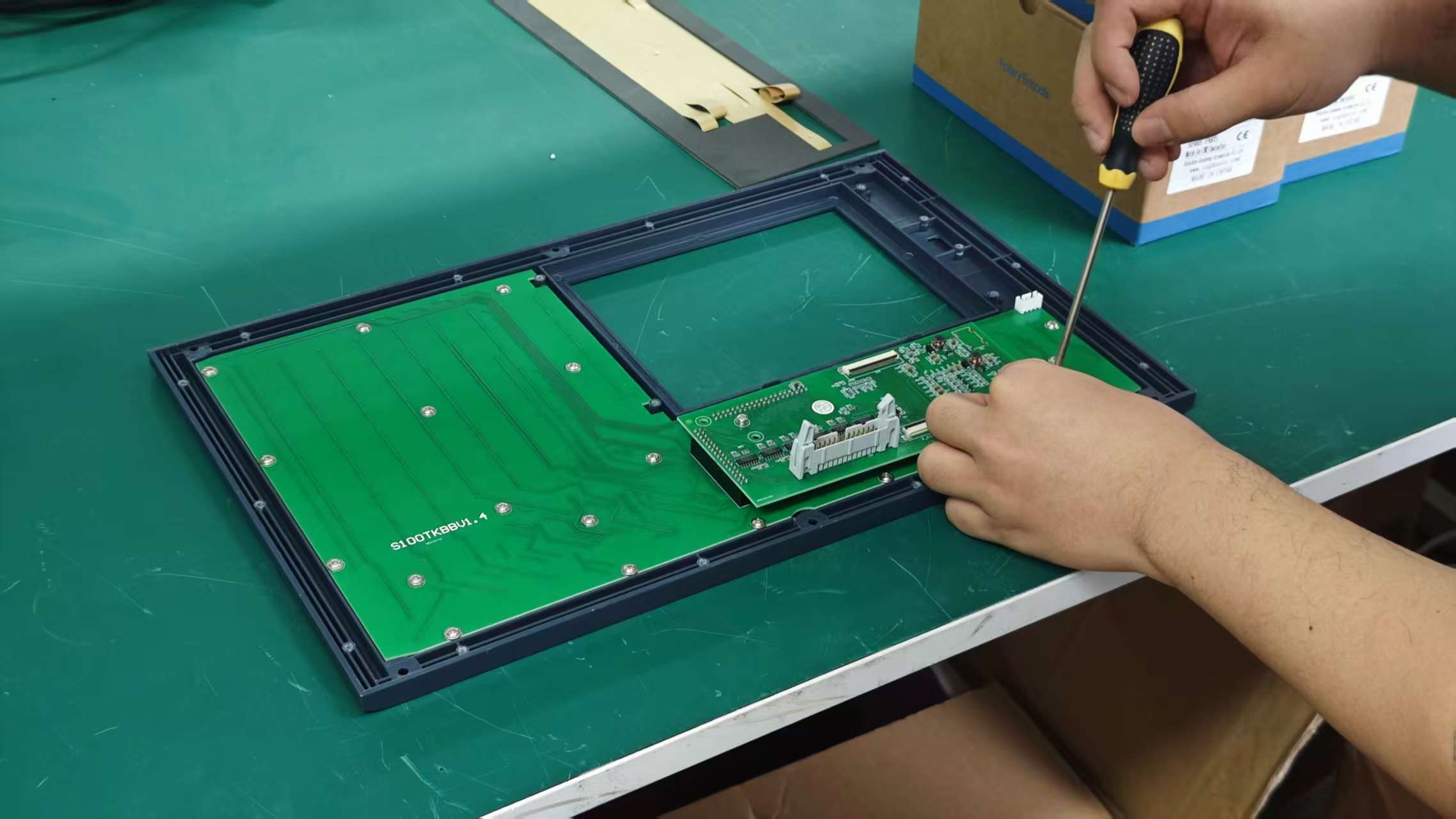
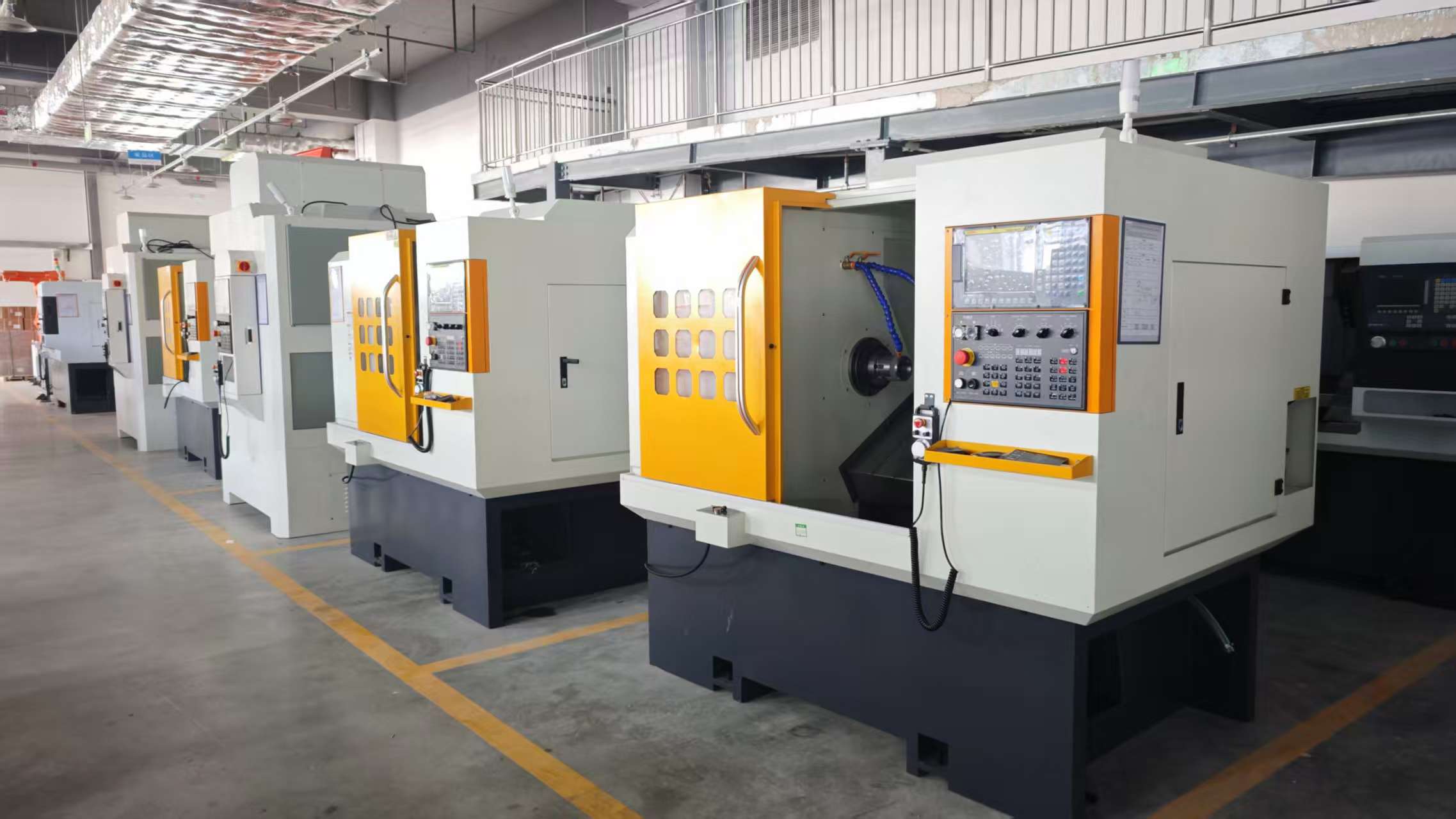
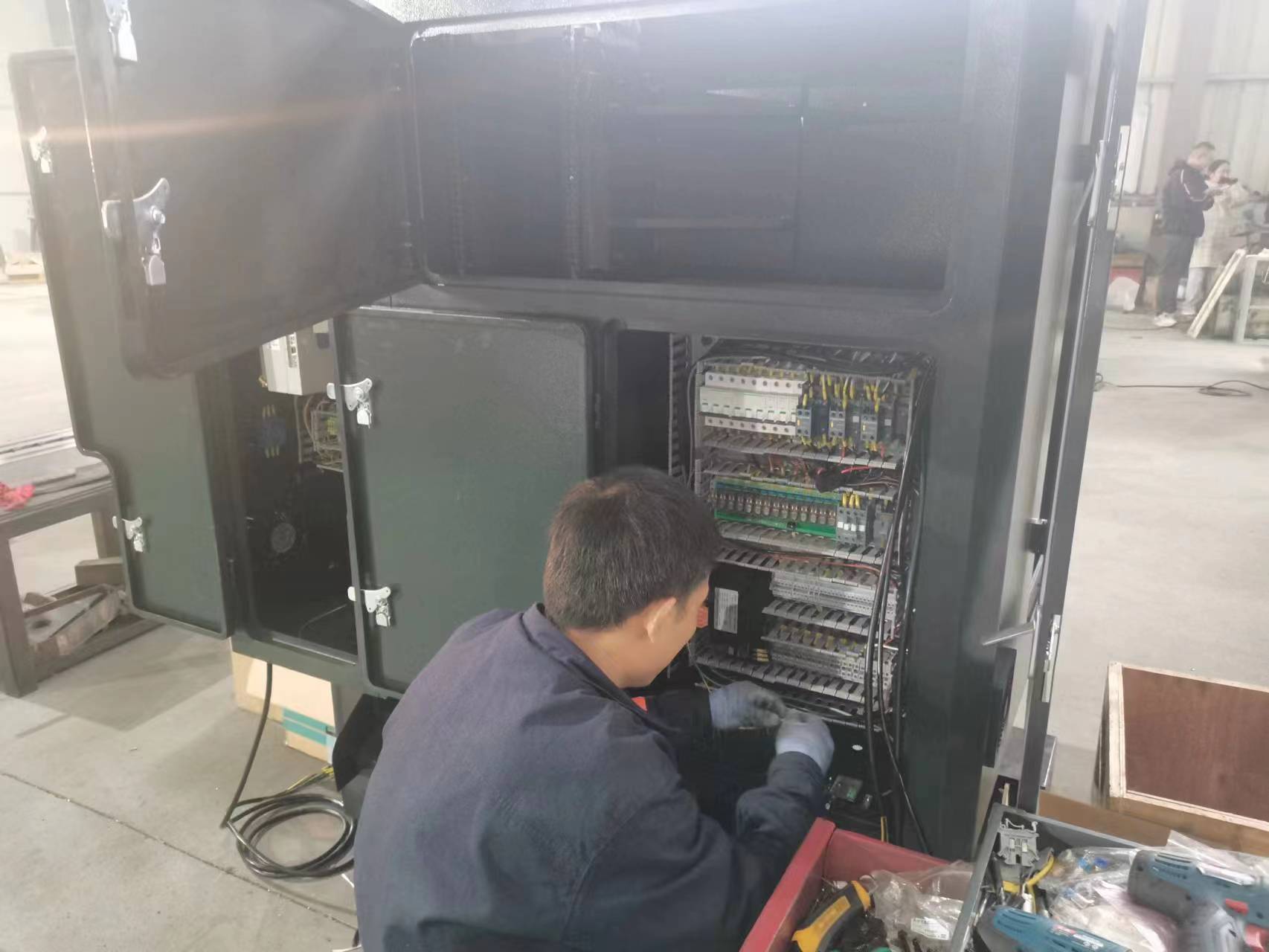
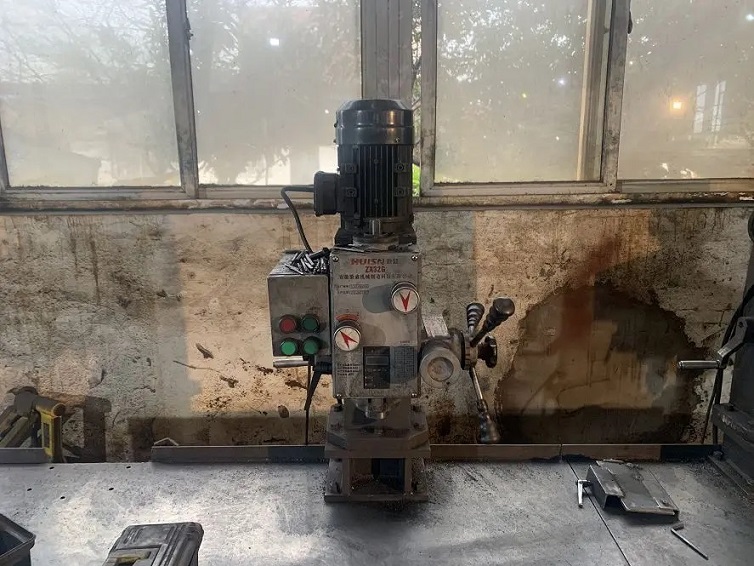
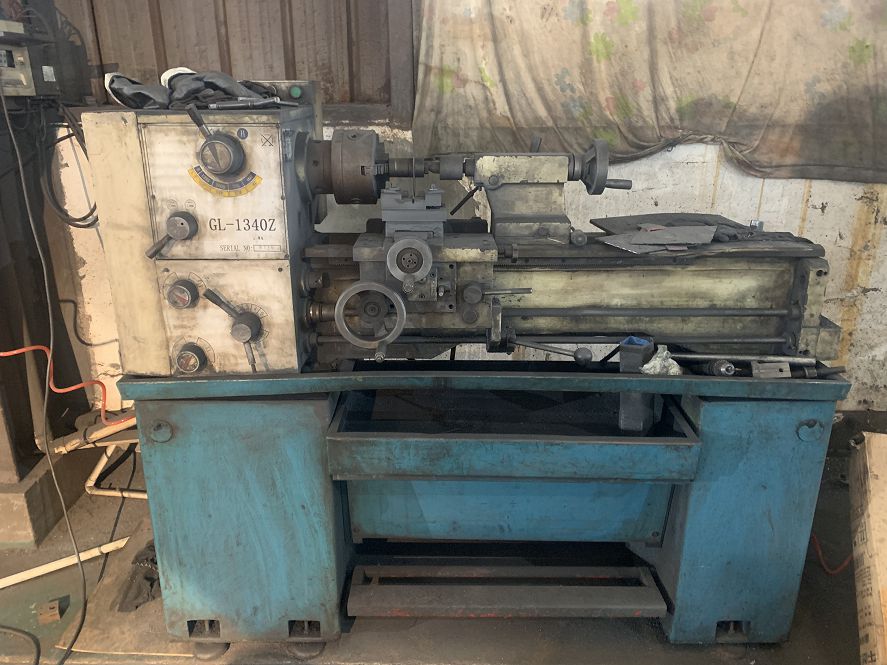
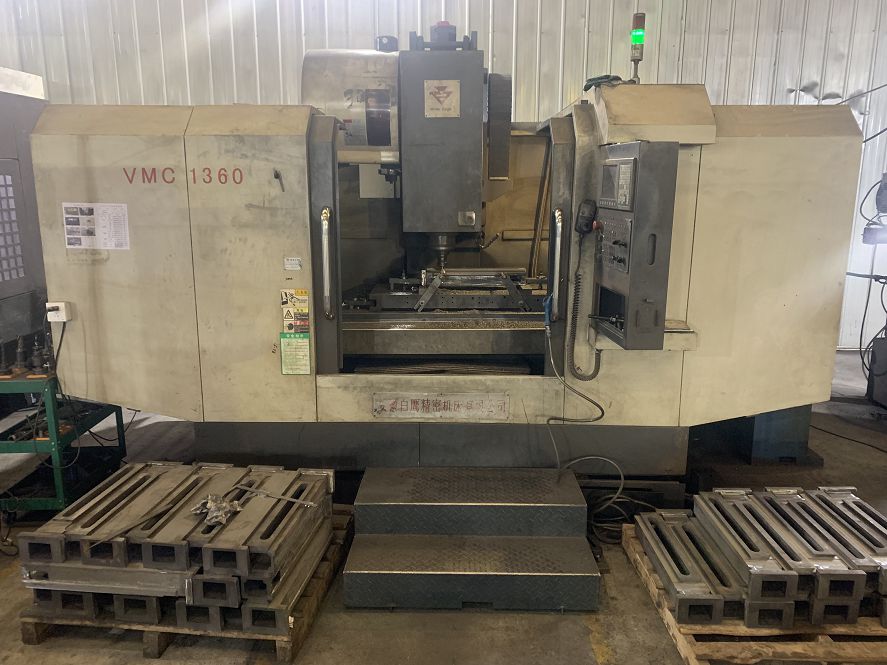
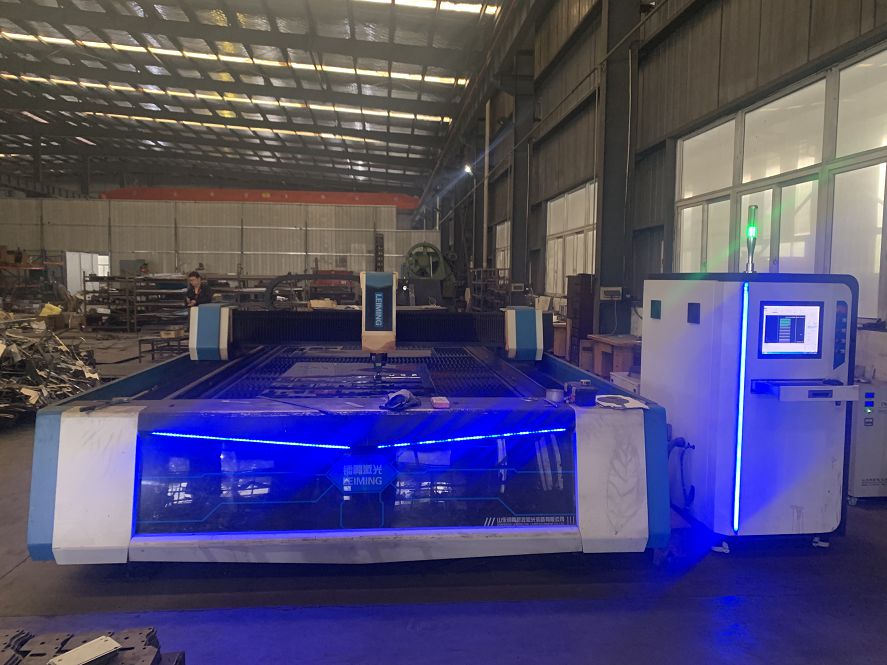
Our competitive advantage lies in our comprehensive, vertically integrated facility. We control every stage of the manufacturing cycle: from initial heavy cast iron base milling and drilling, structural welding, precision guideway grinding, to assembly, dynamic debugging, and electronic stress testing (aging). This end-to-end integration reduces lead times, optimizes cost structures, and enables customization parameters that European machinery suppliers cannot match at similar investment scales.
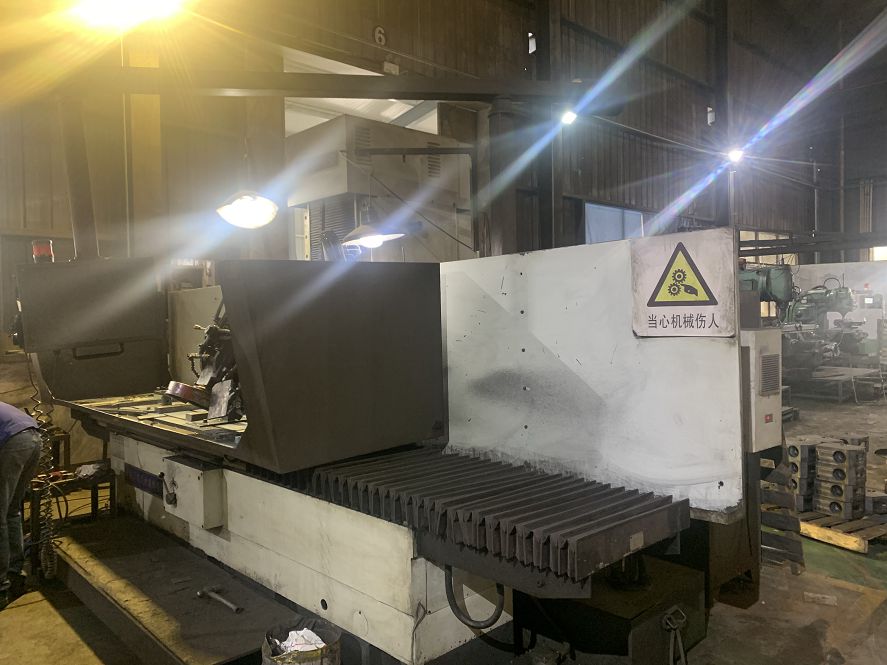
How local fabricators in various UK regions apply ZRF metal forming technology to improve output quality.
UK aerospace suppliers require highly accurate, repeatable processing for engine cowlings, cone structures, and exhaust manifolds. The ZRF CNC metal spinning series offers sub-millimeter precision when spinning heat-resistant alloys like titanium and stainless steel. This capability ensures compliance with AS9100 quality baselines.
Automotive component developers leverage our splitting and shear forming machines to shape single-piece metal pulleys, catalyst shells, and wheel rims. The cold-formed parts gain enhanced grain structures and structural strength, increasing performance under harsh road vibration and pressure profiles.
For the UK hospitality supply market, producing high-grade aluminum and stainless pots, pans, and processing containers demands speed and repeatability. Automatic blank feeding options on ZRF CNC systems allow continuous automated cycles, reducing production times per piece down to seconds.
Flanging and spinning flues or large exhaust ducting requires versatile machines with wide caliber limits. With capacities up to 1000mm, ZRF systems support rapid setup and quick-change tooling arrays, keeping line transition costs low for UK industrial HVAC suppliers.
How modern hardware engineering addresses efficiency, resource footprint, and productivity goals.
Traditional single-roller configurations introduce high radial force gradients onto the spindle and mandrel, sometimes causing ovality defects in high-strength materials. Double-sided symmetric roller configurations balance these deflection forces, allowing high feeding rates without compromising mechanical accuracy. This double-sided single-rotation methodology is critical when forming hard-tempered aerospace grade stainless steels.
Equipped with high-efficiency motor controllers, modern CNC spinning lathes actively manage peak power demand. Spindles powered by 5.5KW to heavy-duty variable frequency systems output peak torque at lower RPMs, providing clean sheet deformation steps while yielding energy consumption savings of up to 30% compared to legacy hydraulic systems.
By executing sheet splitting, edge shearing, trimming, and flanging on a single clamping cycle, our multi-functional lathes minimize positioning variances caused by repeatedly moving parts between work cells. The reduced handling maximizes safety, shortens cycle timelines, and optimizes shop floor utilization.
Advanced programming interfaces enable offline simulation of roller paths before physical execution. This mitigates crash risks, reduces prototype testing cost, and prevents cracking during extreme shear necking steps. Operators can accurately determine blank sizing requirements to further optimize starting sheet metal expenses.
Seamless import, installation, and engineering support for importing machinery from China.
Sourcing large-scale industrial machinery requires absolute transparency in compliance, transportation, and technical commissioning. Zhejiang ZRF Spinning Co., Ltd. ensures all export machinery conforms to standard UK and EU regulations. Our machines feature compliant electrical architectures, standard safety enclosures with interlocks, and accessible emergency shutoffs.
We arrange secure sea freight in heavy-duty shipping containers. Machine beds are treated with anti-corrosion protective coatings, wrapped in protective barriers, and securely anchored to ensure stability during transport to major ports like Felixstowe, Southampton, or Liverpool.
Our technical team provides detailed foundation guidelines before the machine's arrival. Once delivered, we support local mechanical teams with remote setup or arrange certified technicians to manage onsite levelling, electrical termination, and initial test cuts.
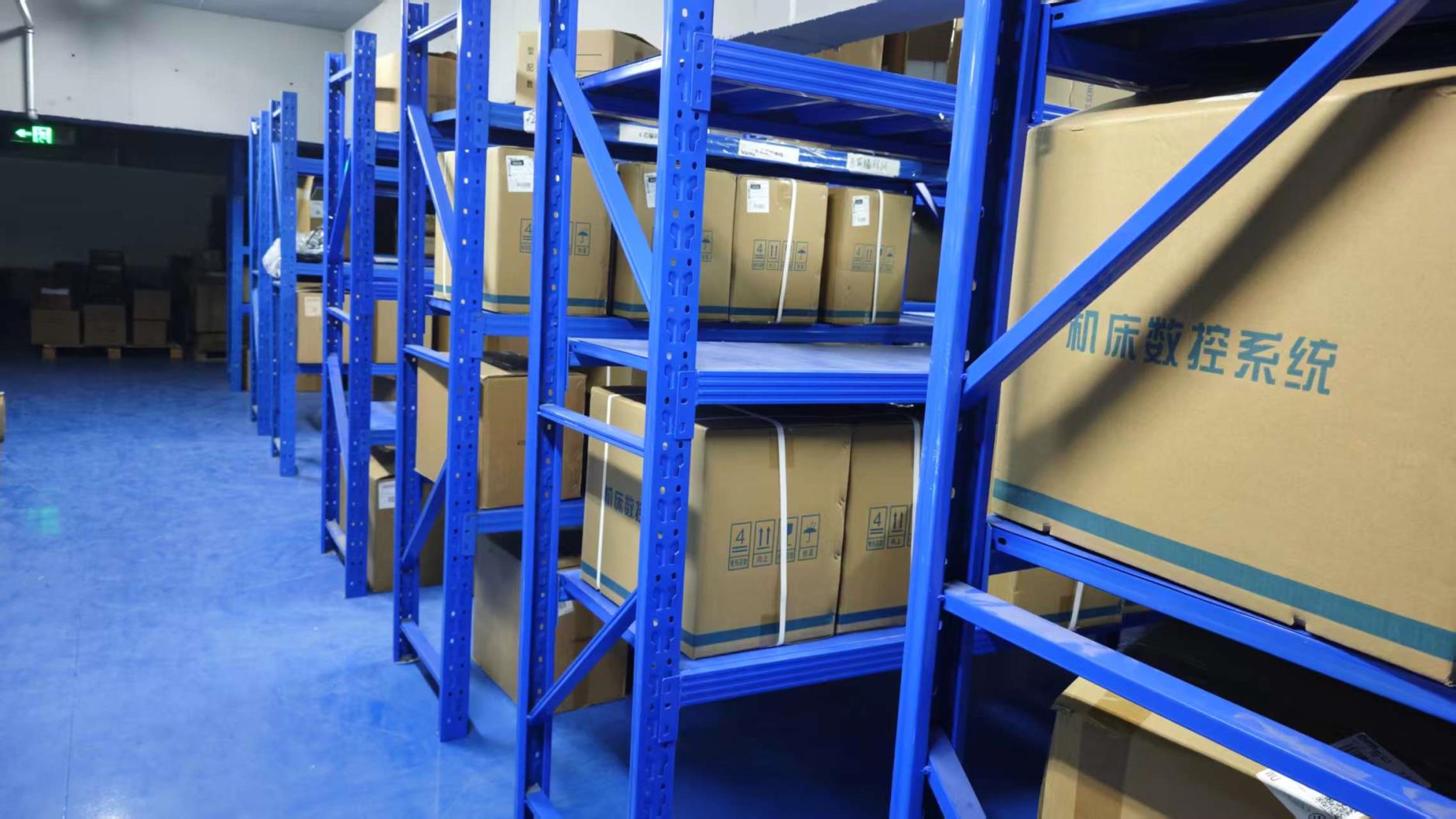
We maintain a dedicated inventory of critical wearing components (rollers, bearings, seals). Components are dispatched via international express air shipping to minimize operational downtime, while PLC controls support remote diagnostic checkups.
Explore our complete range of high-productivity automated systems designed to optimize your manufacturing facility.
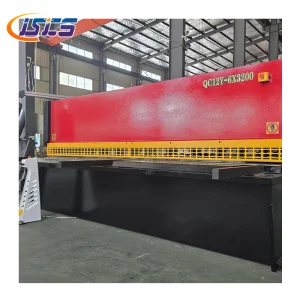
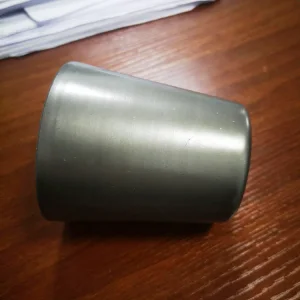
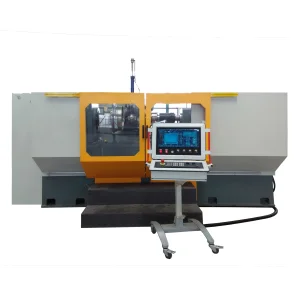
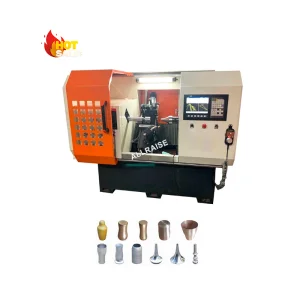
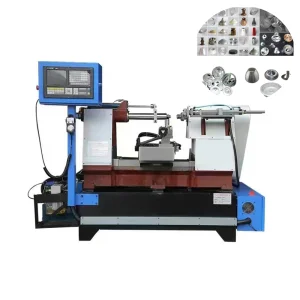
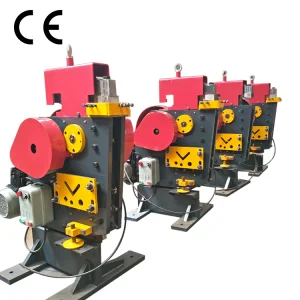
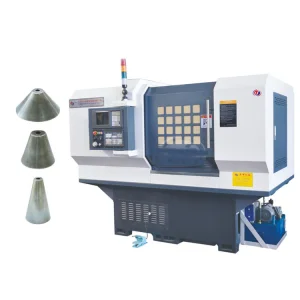
Professional engineering explanations addressing machinery specifications, capabilities, and international standards.
 ZRF Spinning