In the era of Industry 4.0, the role of a Precision Robotic Vision Systems Exporter has transitioned from a mere equipment supplier to a strategic partner in digital transformation. Robotic vision is no longer just "seeing" an object; it is about interpreting complex environments with sub-millimeter accuracy, enabling robots to perform tasks once thought to be exclusive to human dexterity.
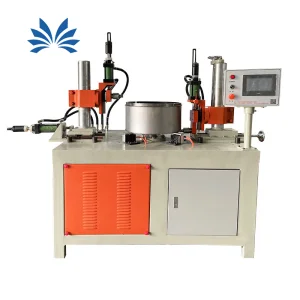
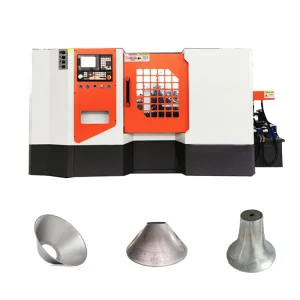
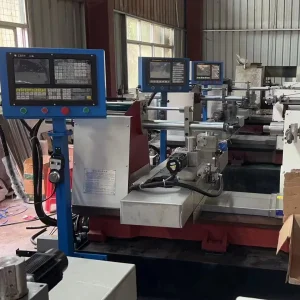
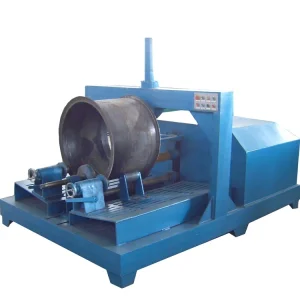
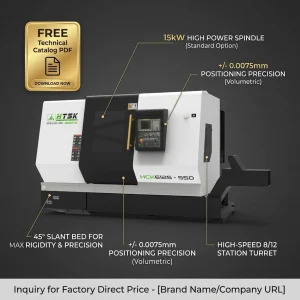
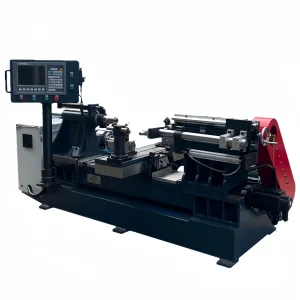
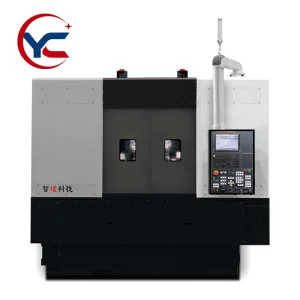
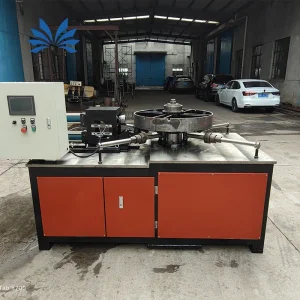
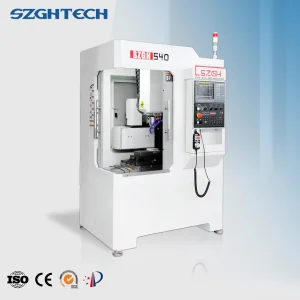
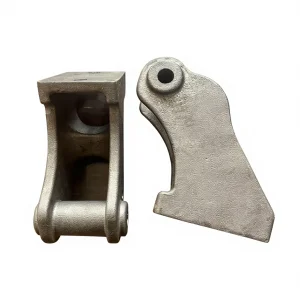
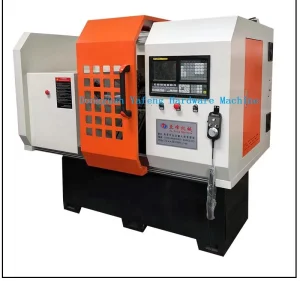
As global supply chains demand higher throughput and lower defect rates, the integration of advanced vision systems into machinery—such as CNC spinning machines and heavy-duty lathes—has become the gold standard. These systems utilize high-resolution CMOS sensors, AI-powered neural networks, and real-time data processing to ensure that every metal component, from aerospace fan housings to automotive rims, meets rigorous quality specifications.
China's manufacturing ecosystem provides unparalleled access to high-grade raw materials and electronic components, allowing for rapid prototyping and scale-up of robotic systems.
Factories like Zhejiang ZRF leverage years of experience in CNC spinning to integrate vision-guided robotics that are specifically tuned for heavy industrial applications.
Optimized production processes ensure that global exporters can offer high-end robotic vision capabilities at a competitive price point without compromising on E-E-A-T principles.
Unlike traditional 2D cameras, modern robotic vision systems use LiDAR and structured light to create 3D point clouds. This is essential for machines that handle irregular workpieces, such as custom-made stainless steel spinning parts. By mapping the surface in real-time, the robot adjusts its tool path dynamically to compensate for material thickness variations.
Latency is the enemy of precision. By embedding AI processing at the "edge"—directly on the robotic controller—decisions are made in microseconds. This is critical for high-speed flanging and spinning operations where a millisecond delay could lead to structural weaknesses in the metal.
Modern exporters are now integrating hyperspectral imaging to detect internal material stresses and microscopic surface cracks that are invisible to the naked eye, ensuring "zero-defect" exports for the defense and aerospace sectors.
Expert Insight: "The future of robotic vision lies in its ability to predict, not just detect. By analyzing historical data from thousands of cycles, our systems can predict when a tool is likely to fail before it happens, minimizing downtime for our global clients." — ZRF Technical Director
Collaborative robots equipped with "Safe-Stop" vision systems are allowing humans and machines to work in closer proximity than ever before in metal forming plants.
Exported systems now feature remote monitoring, where vision data is synced to the cloud to provide real-time Overall Equipment Effectiveness (OEE) metrics to plant managers globally.
Machine learning algorithms allow robots to "learn" the optimal path for a new metal part by observing a single manual cycle, reducing programming time by 80%.
As a high-tech enterprise specializing in the research, development, and manufacturing of CNC spinning machine tools, Zhejiang ZRF Spinning Co., Ltd. has extensive experience and a strong technical foundation in the domestic spinning industry.
Our series of CNC spinning machine tools are widely applied across a variety of industries, including petrochemicals, electronics, daily hardware, food processing machinery, automotive and motorcycle components, pressure vessels, ventilation and environmental protection, defense, and aerospace. The ZRF spinning machine series has reached more than 30 provinces and cities across China and has been exported to over 20 countries and regions worldwide. Our advanced technology, excellent product quality, and comprehensive service system have earned the trust and recognition of users globally.
At Zhejiang ZRF Spinning Co., Ltd., we firmly advocate a philosophy of market-oriented development, research-driven innovation, and technological excellence. Our manufacturing process strictly adheres to the ISO9001 quality management system, ensuring reliable, safe, and high-quality products.
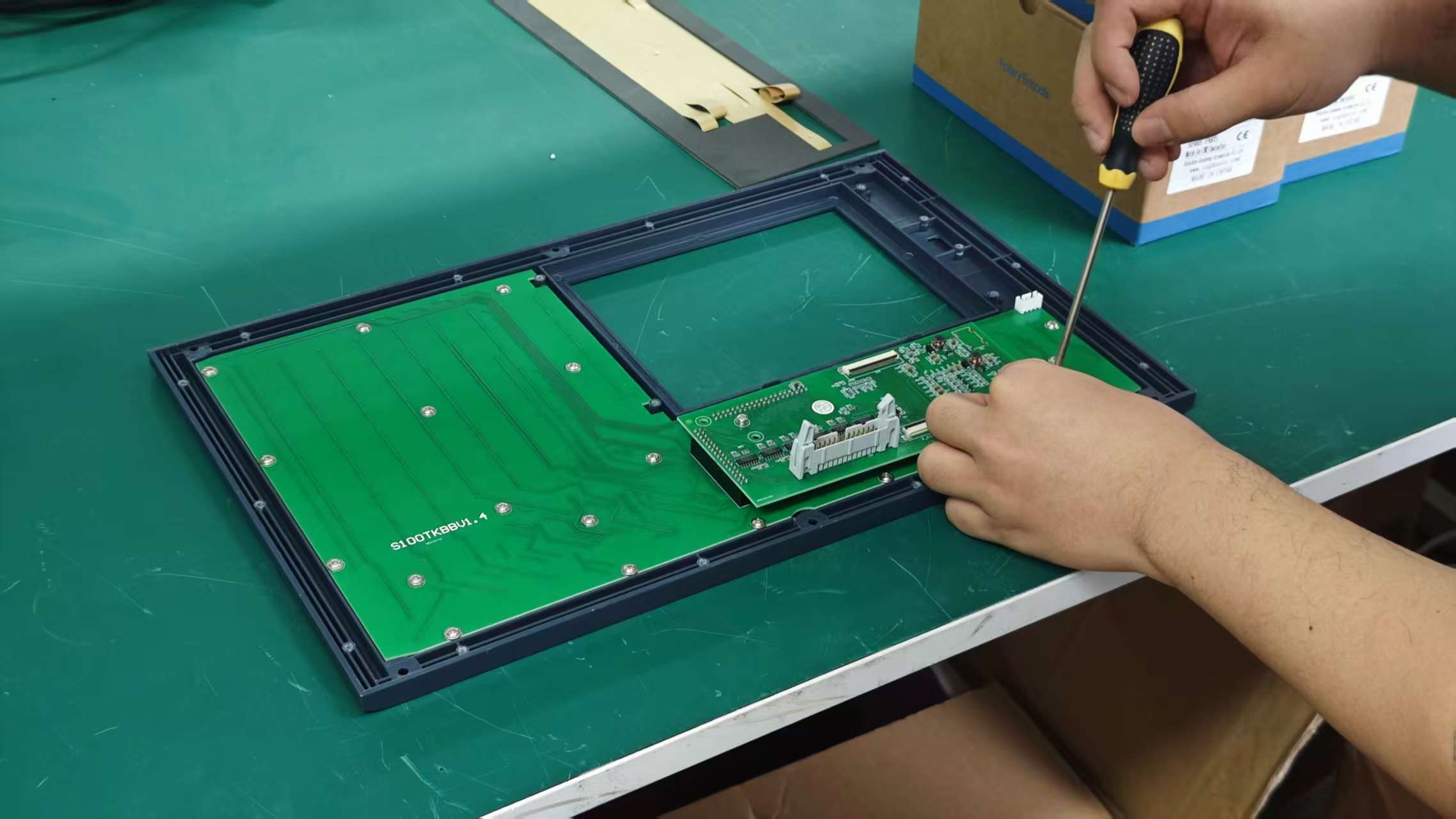
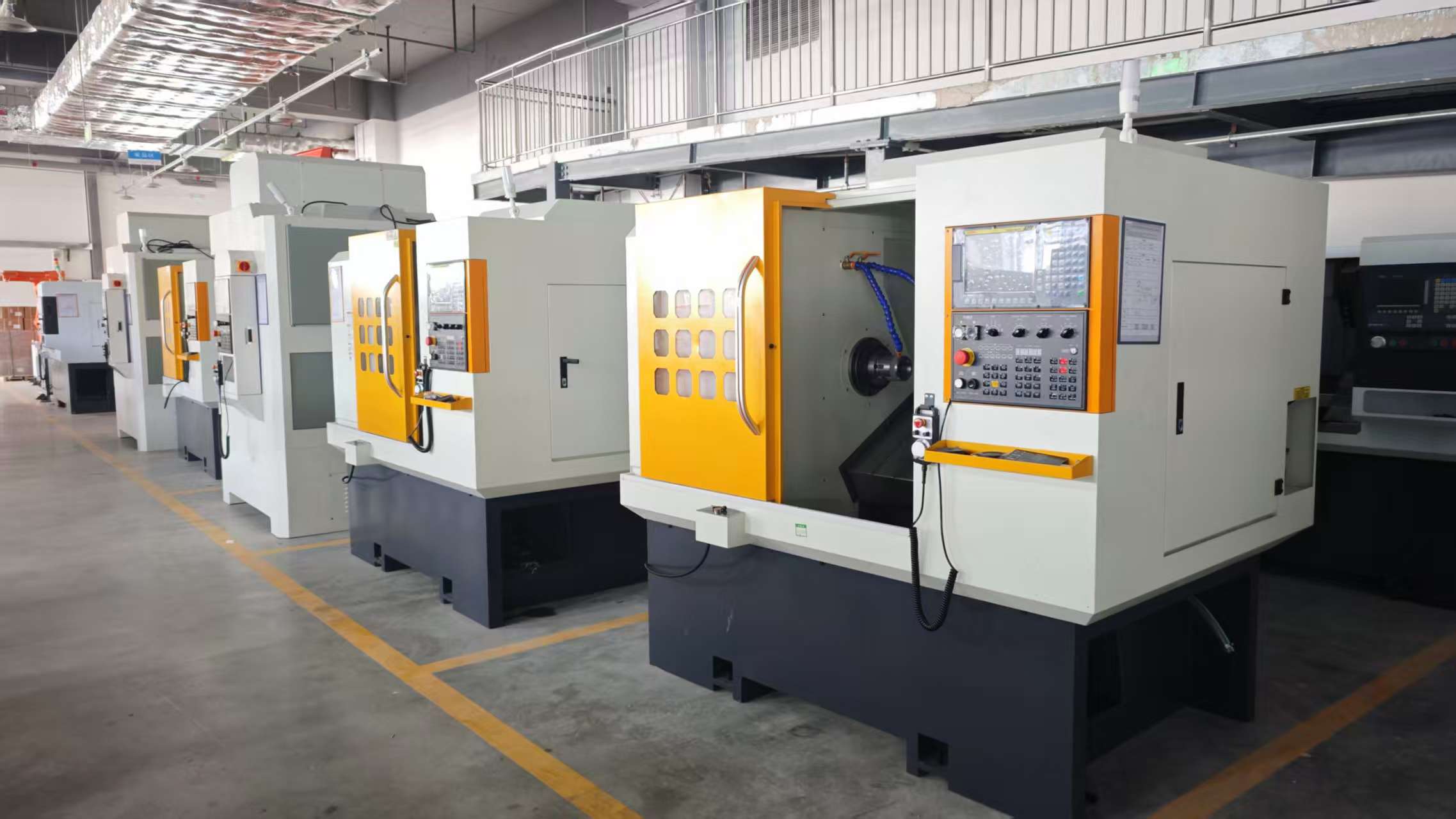
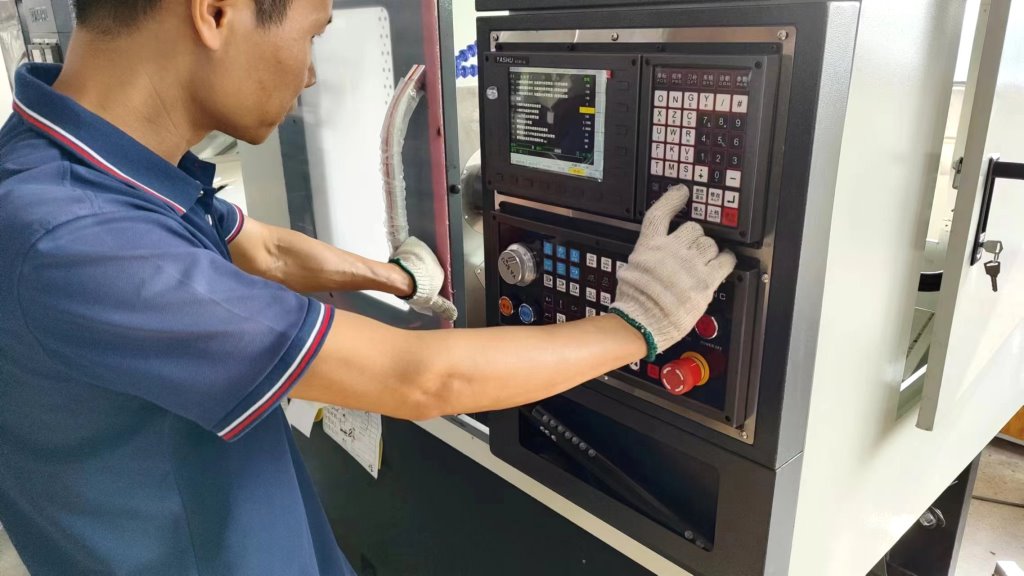
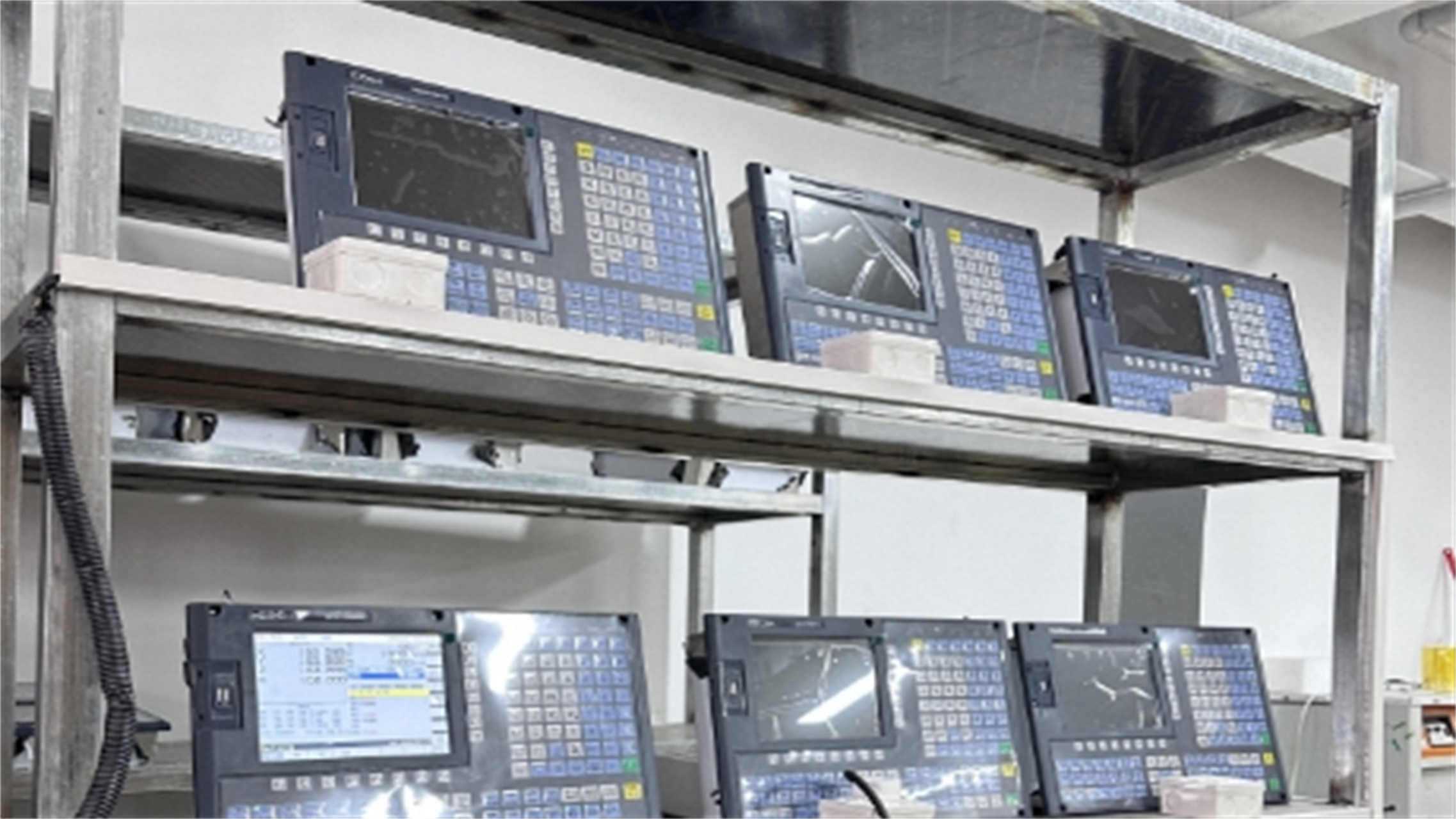
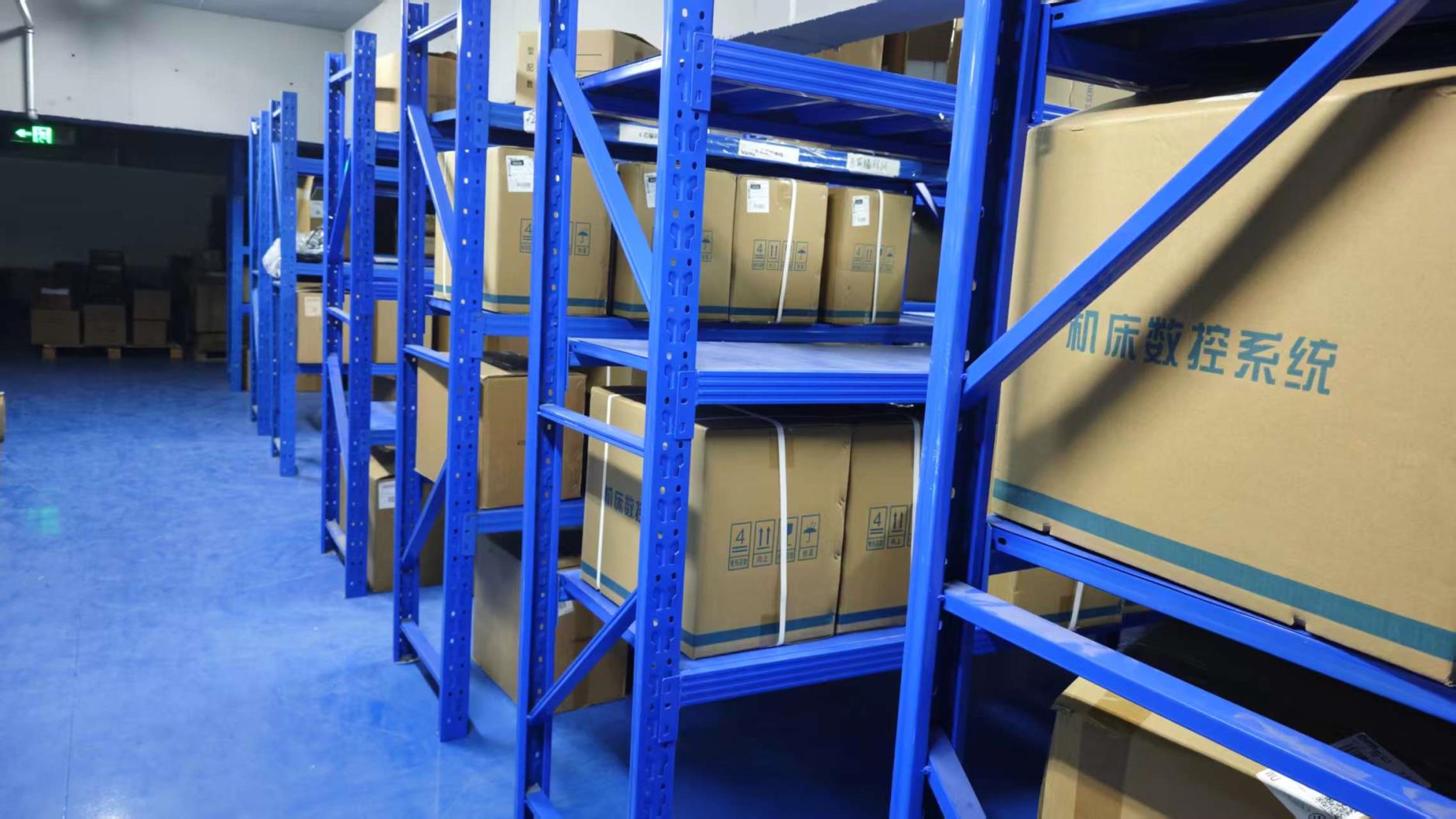
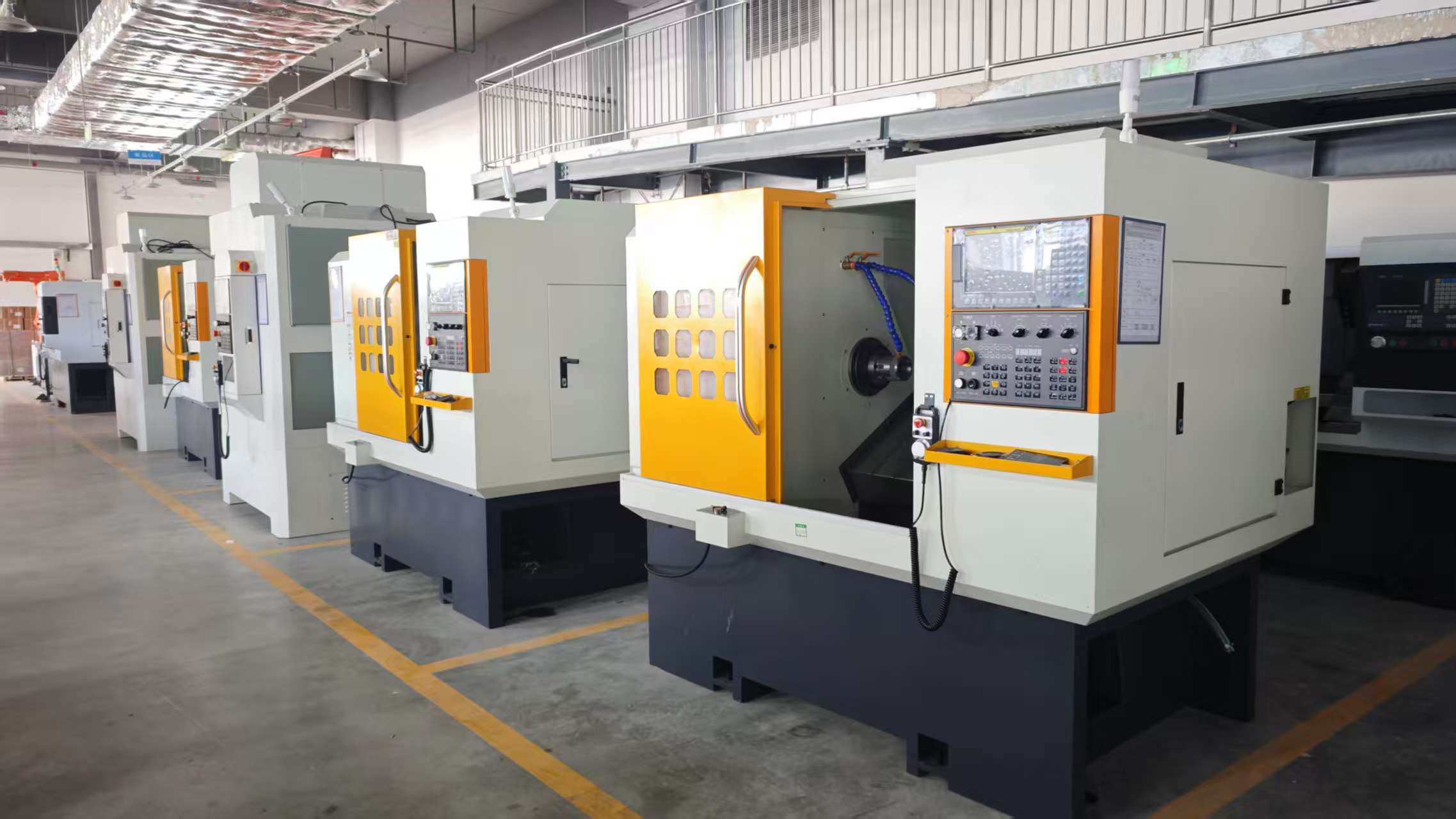
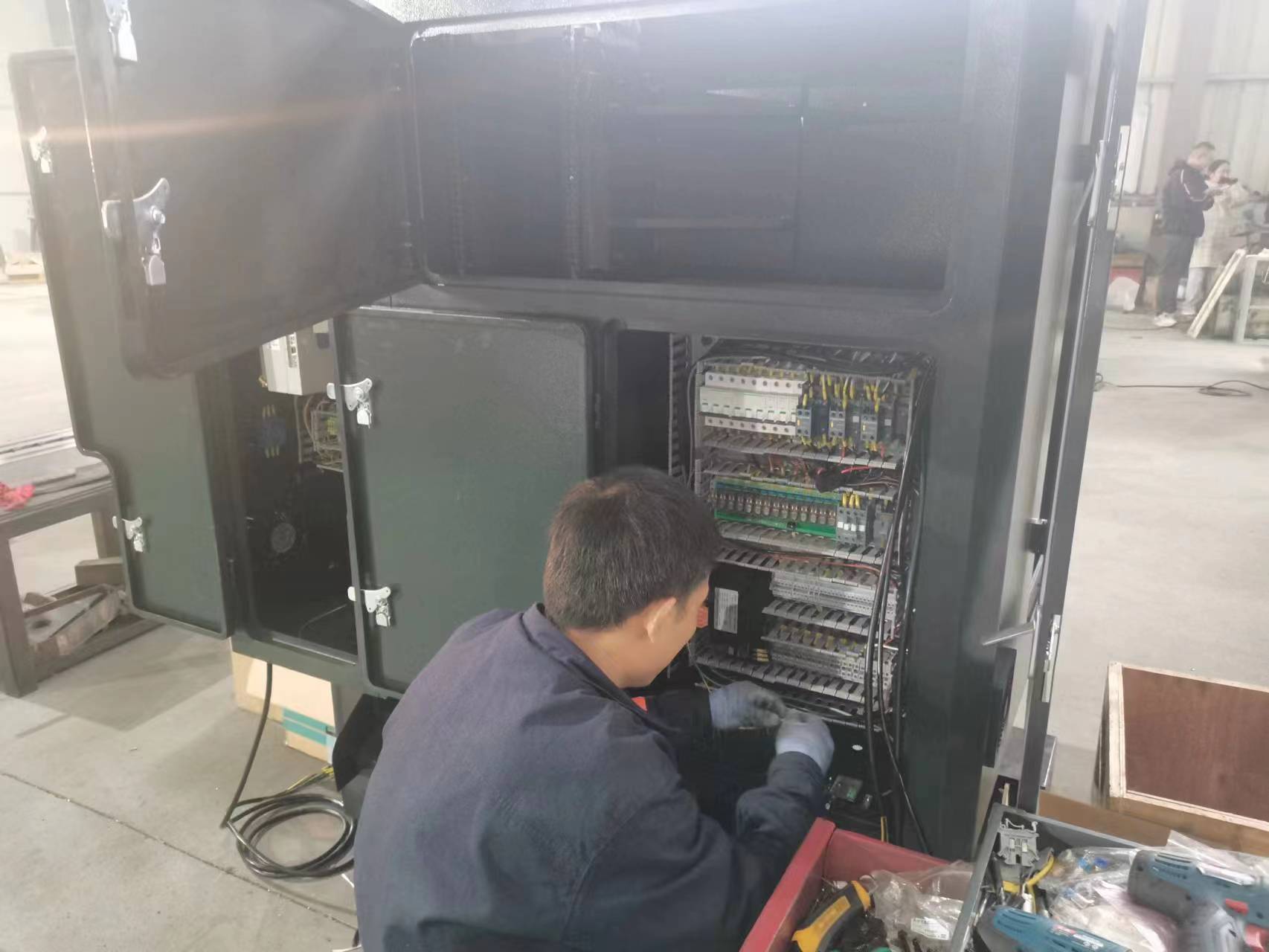
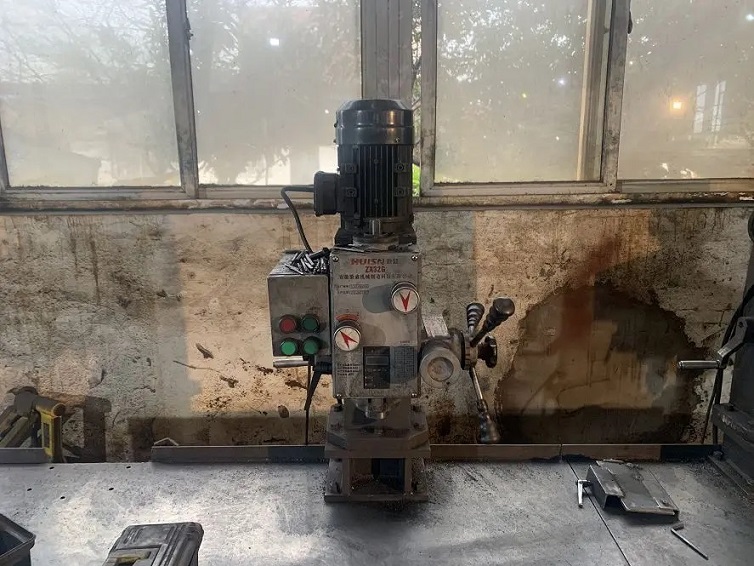
When searching for a Precision Robotic Vision Systems Exporter, multinational corporations prioritize three factors: interoperability, scalability, and local support. Our systems are designed with universal communication protocols (OPC UA, EtherCAT) to ensure they plug seamlessly into existing factory layouts in Europe, North America, and Southeast Asia.
Q1: How does robotic vision improve CNC spinning accuracy?
A: It provides real-time feedback to the PLC, allowing the machine to compensate for material "spring-back" and thickness variations during the forming process, achieving tolerances within ±0.05mm.
Q2: Can these systems be integrated into older machinery?
A: Yes, we specialize in retrofitting existing industrial setups with modern vision-guided robotic arms and smart sensors to upgrade legacy plants to Industry 4.0 standards.
Q3: What are the main advantages of Chinese-made vision systems for export?
A: The primary advantages are the rapid iteration of AI algorithms, deep integration with local hardware manufacturing, and a significantly higher ROI compared to Western alternatives.
Q4: How do you handle international technical support?
A: We provide remote diagnostic services via encrypted cloud channels and have localized service partners in over 20 countries to ensure minimal downtime.
 ZRF Spinning